
Tag: root
-
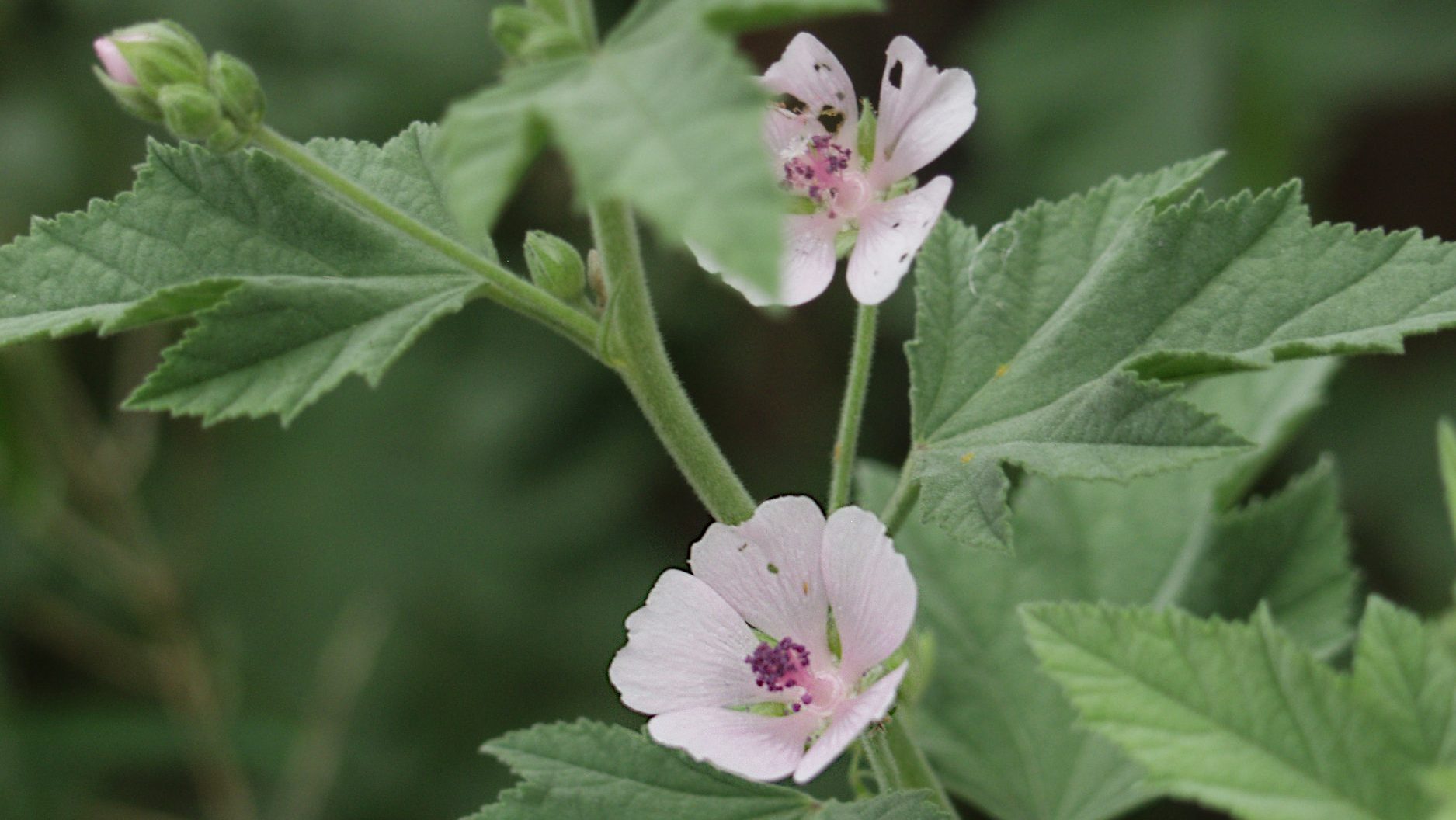
Marshmallow Monograph
Soothing demulcent herb protecting mucous membranes. Root particularly mucilaginous, coating and calming irritated tissues. Supports digestive, respiratory, and urinary health. Traditional remedy for inflammation and irritation. Gentle, safe for all ages. Makes thick, soothing tea. Essential herb for soothing inflamed tissues.
-
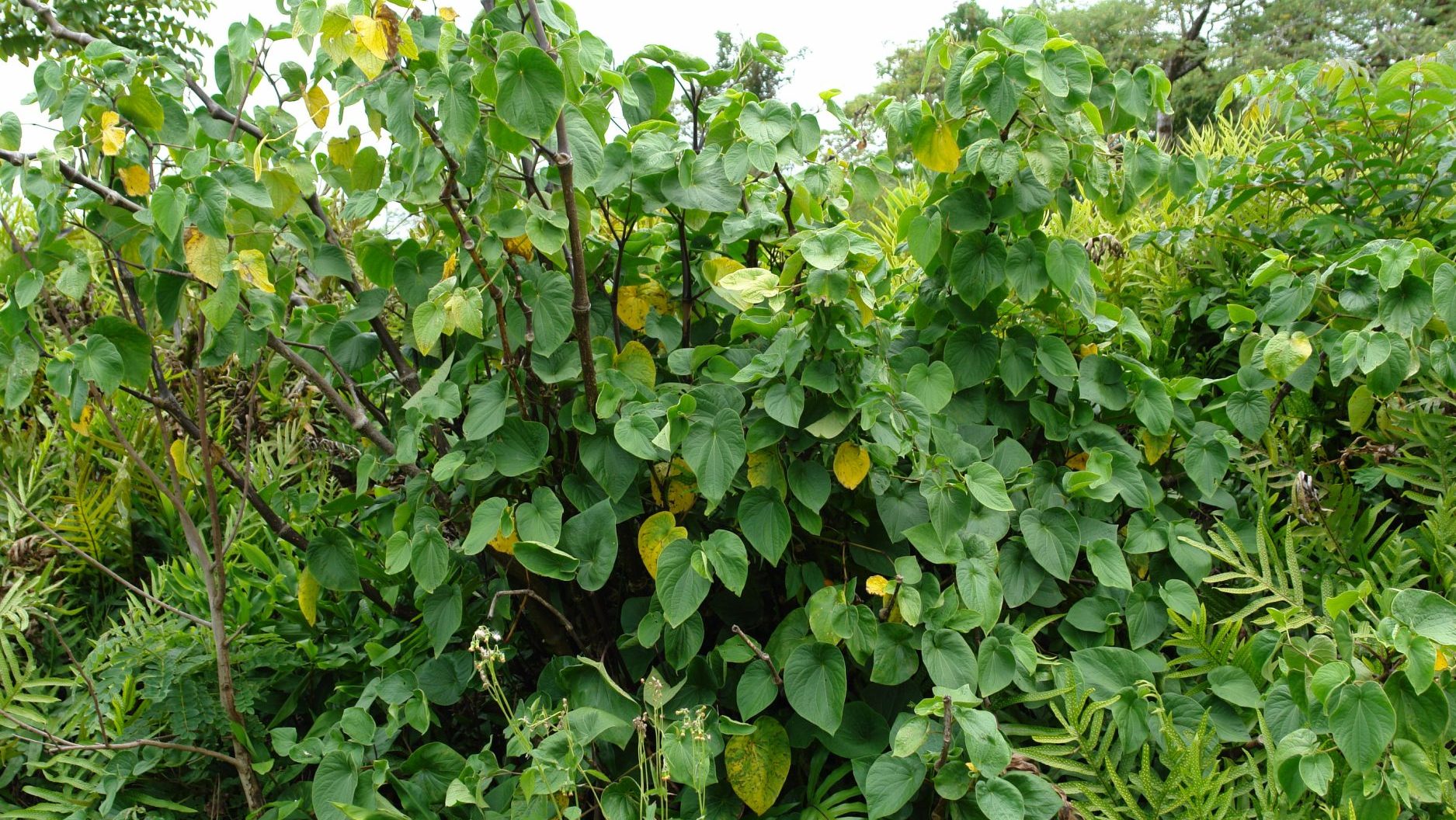
Kava Monograph
Pacific ceremonial plant with anxiolytic and muscle-relaxing properties. Traditional beverage for social and ceremonial occasions. Kavalactones provide calming effects without cognitive impairment. Safety concerns regarding liver toxicity require quality sourcing and appropriate use. Cultural significance profound. Requires respect and professional guidance for therapeutic use.
-
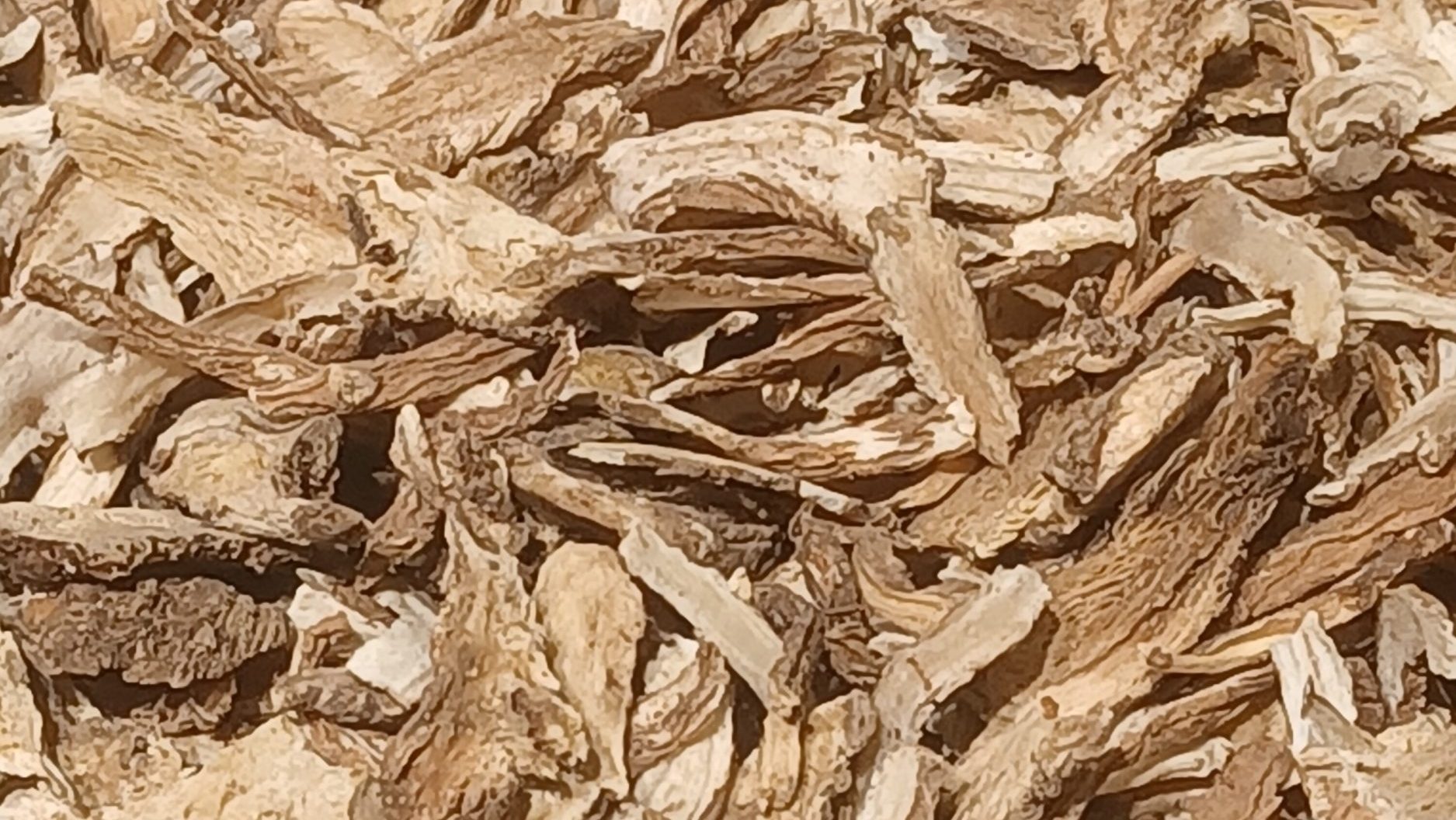
Dong Quai Monograph
Dong quai is Traditional Chinese Medicine’s premier blood tonic, used for over 2,000 years to nourish blood, regulate menstruation, and support women’s vitality. The root addresses anaemia, menstrual irregularities, and supports cardiovascular health through its unique phthalides and blood-building compounds. Critical contraindications include pregnancy and anticoagulant medications.
-
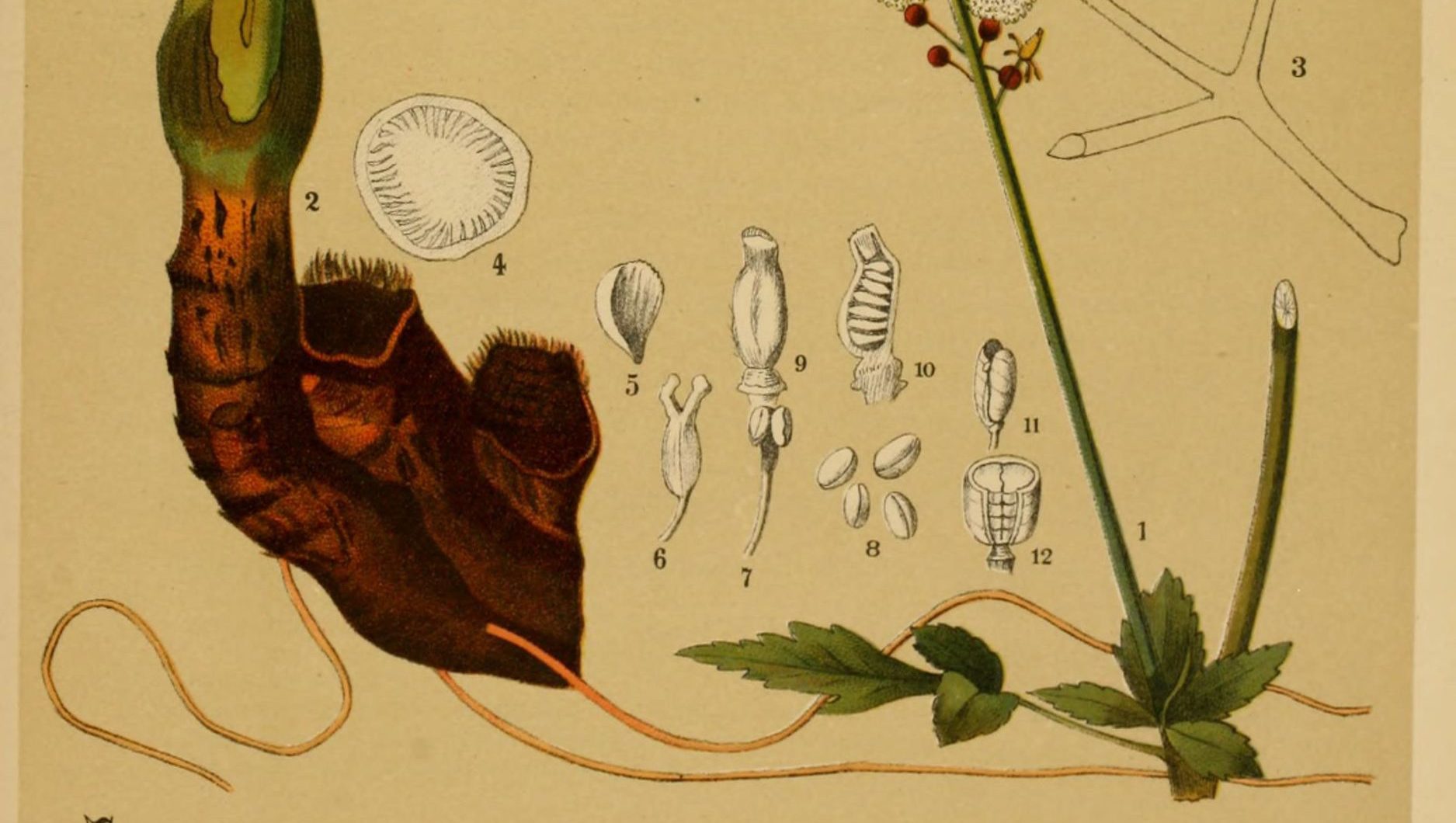
Black Cohosh Monograph
Black cohosh provides non-hormonal relief from menopausal hot flashes, night sweats, and mood symptoms through serotonergic modulation rather than estrogenic activity. Clinical research supports effectiveness for 40-60% of users with benefits appearing after 4-12 weeks. Critical liver toxicity warnings require caution, though absolute risk remains very low.
-

Asian Ginseng Monograph
Asian ginseng is the ultimate adaptogenic tonic, building vitality, stress resilience, and cognitive function through ginsenosides that modulate the HPA axis. Used for over 2,000 years in Traditional Chinese Medicine for qi deficiency, chronic fatigue, immune support, and healthy ageing. Quality varies enormously; choose sustainably cultivated sources carefully.
-
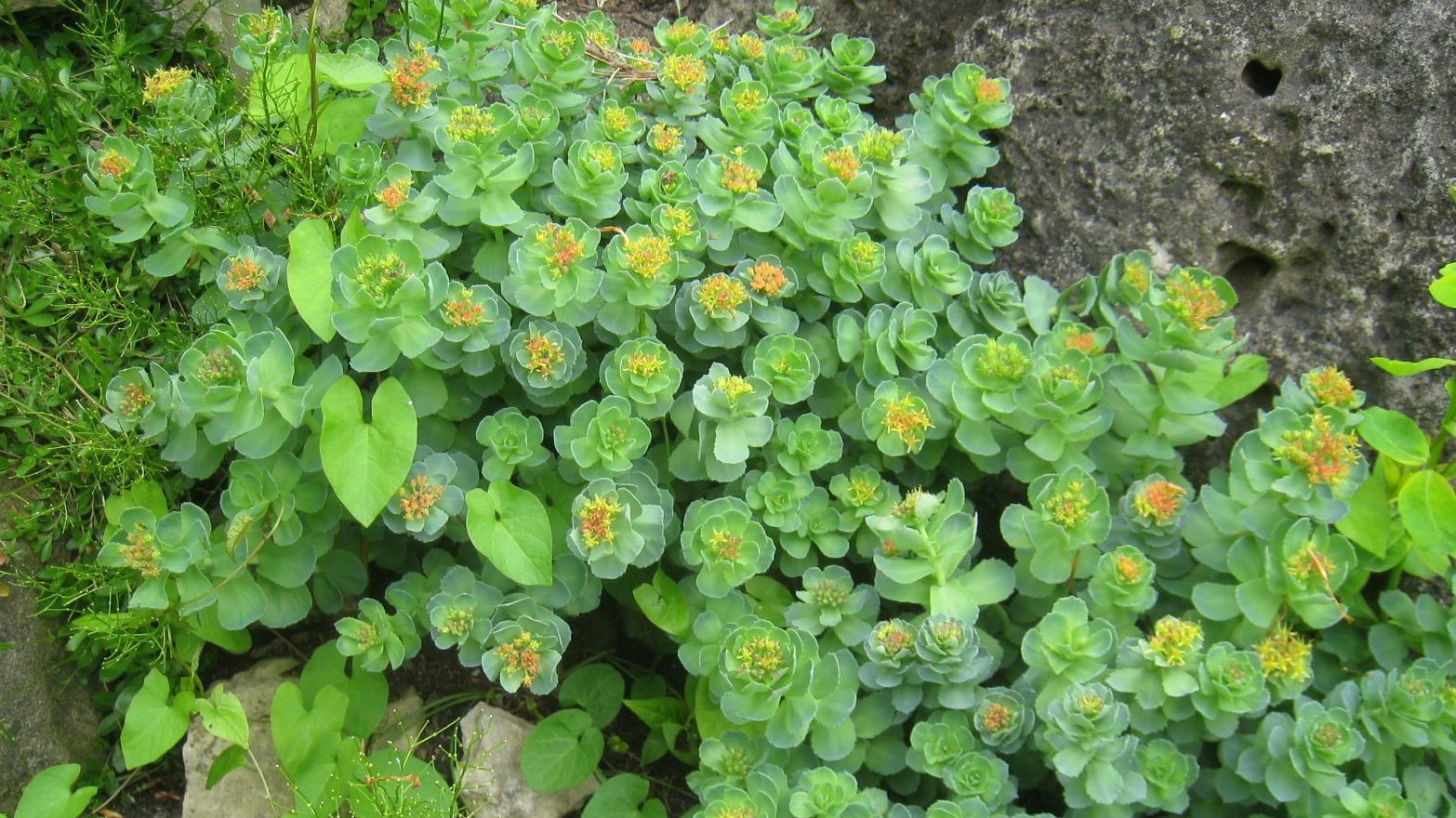
Rhodiola Monograph
Premier adaptogen building stress resilience and mental performance. Reduces burnout, enhances cognitive function, lifts mood comparable to antidepressants. Improves physical endurance and recovery. Take in morning—avoid evening doses. Effects build over weeks. Quality varies enormously. Wild populations endangered—choose cultivated sources only.
-

Raupō Monograph
Native NZ wetland plant with traditional food and medicine uses. Pollen, shoots, and roots all utilised traditionally. Māori gathered for kai (food) and rongoā (medicine). Entire plant useful in various ways. Valuable wetland species supporting ecosystems. Cultural and ecological significance. Traditional knowledge preservation important.
-
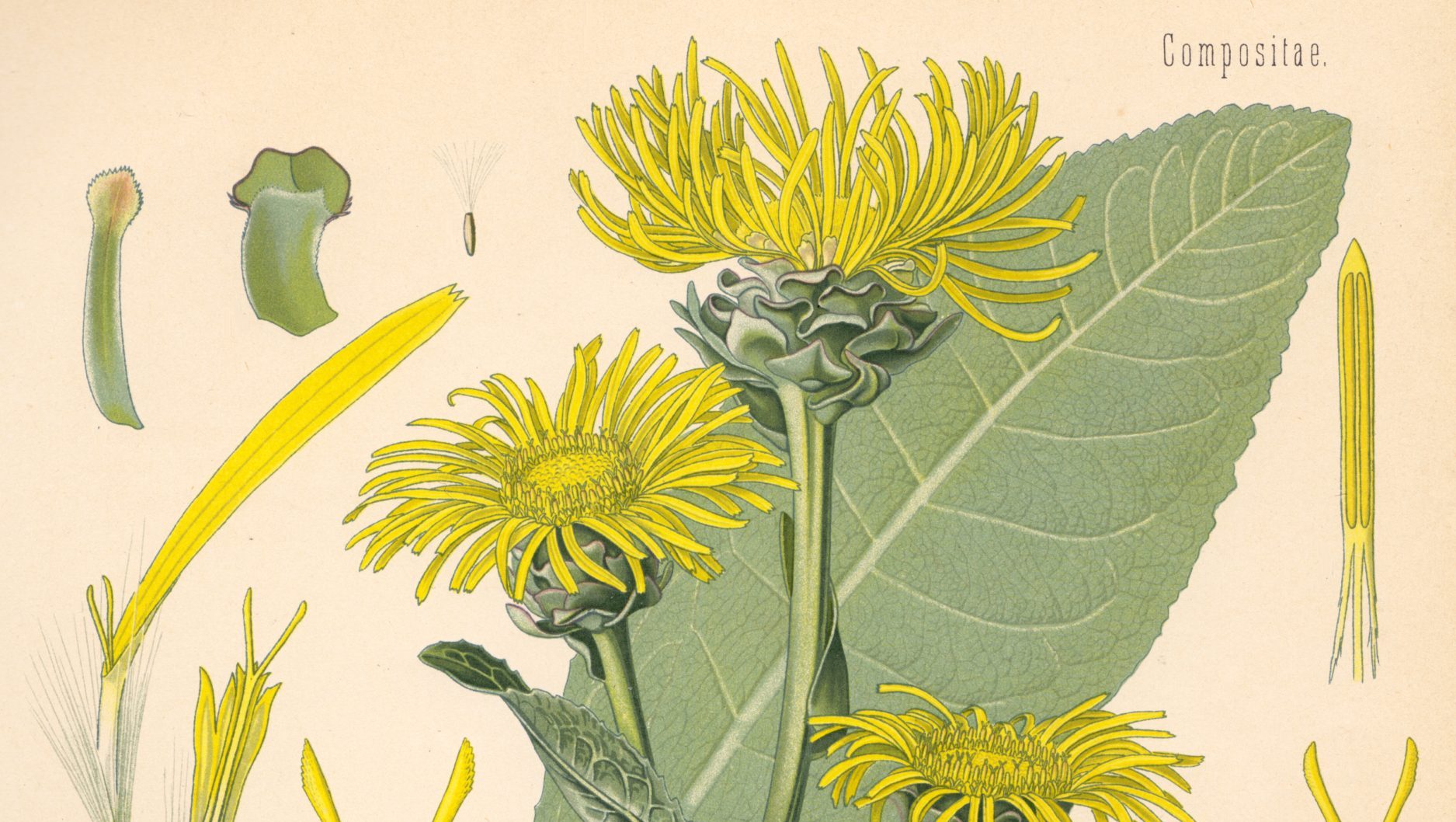
Elecampane Monograph
Elecampane is a powerful expectorant for chronic respiratory conditions with thick, difficult-to-expectorate mucus. The aromatic root contains alantolactone and inulin, providing antimicrobial effects against respiratory bacteria and fungi whilst relaxing bronchial spasms. Valuable for chronic bronchitis, emphysema, asthma, whooping cough, and smoker’s cough. Prebiotic digestive support.
-

Comfrey Monograph
Powerful wound-healing herb for external use only. Allantoin speeds tissue repair, reduces inflammation, and heals bones. Traditional knitbone for fractures, sprains, and wounds. Modern safety concerns limit internal use. Topical applications safe and highly effective. Poultices, salves, and compresses accelerate healing dramatically.
-
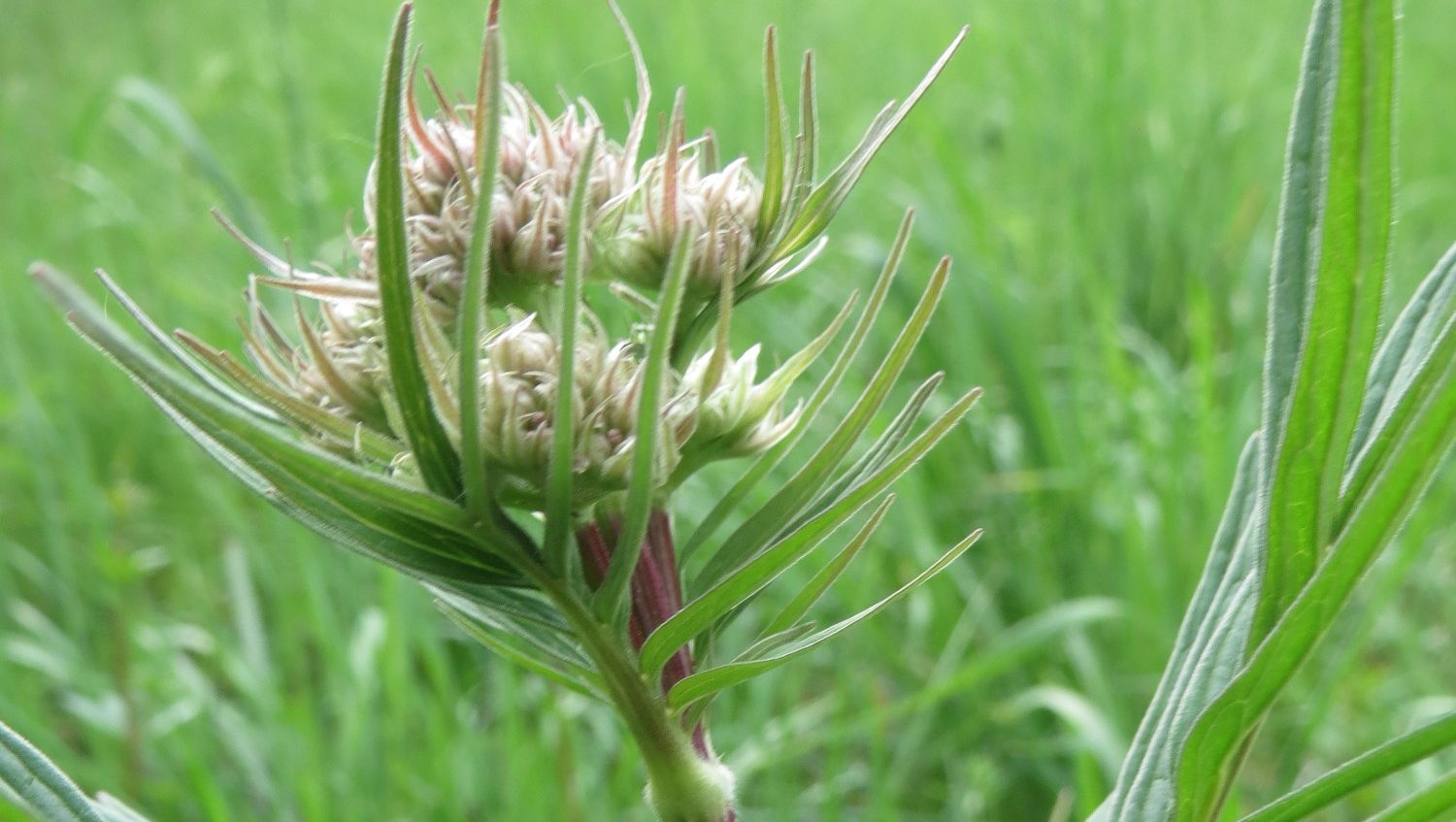
Valerian Monograph
Potent sedative herb supporting sleep and anxiety. Strong-smelling root traditionally used for nervous conditions. Effective sleep aid for some, ineffective or paradoxical for others. Individual response varies greatly. Non-habit-forming but strong. Requires appropriate dosing. Traditional and well-researched but not for everyone.