
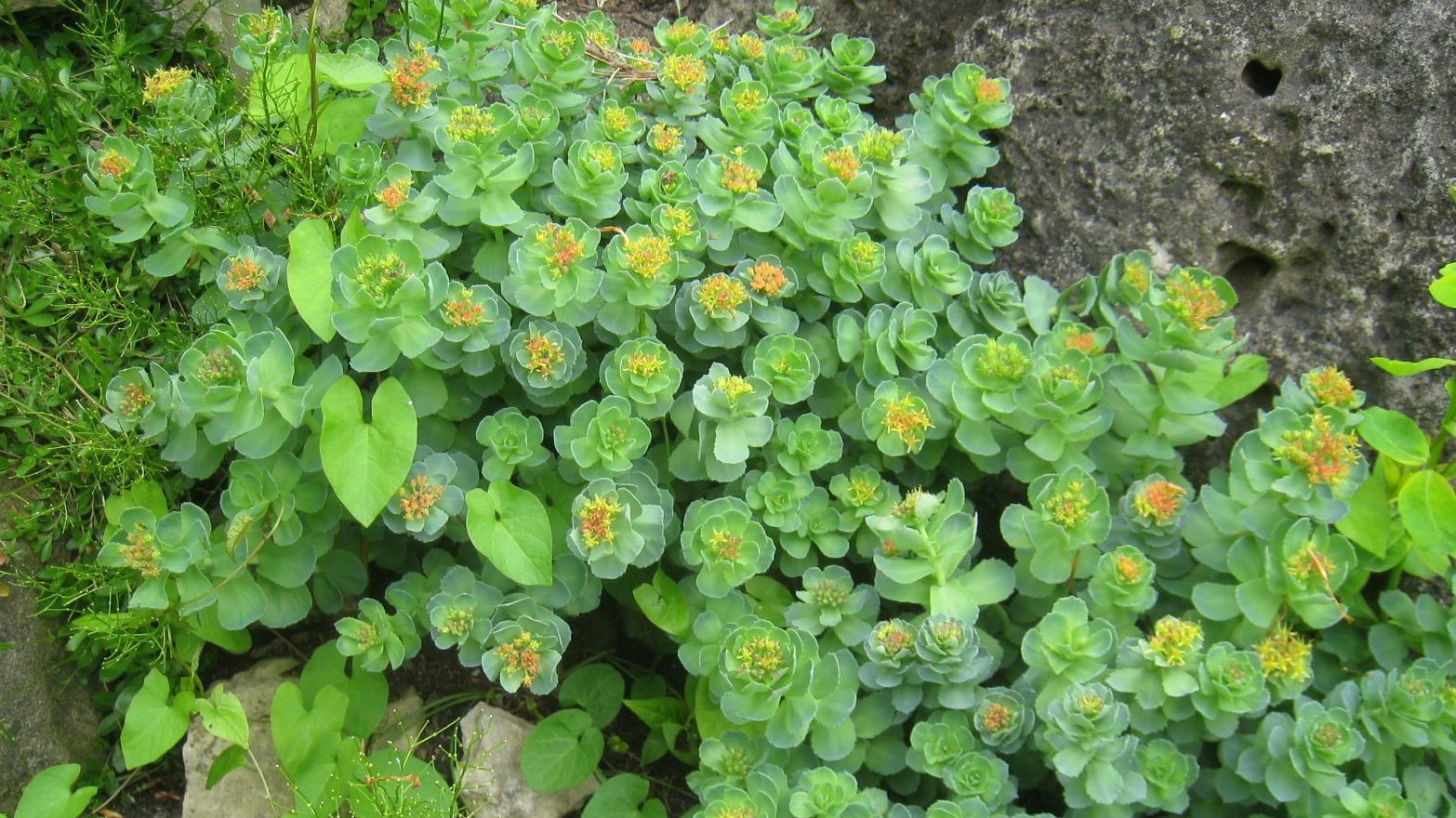
Rhodiola
Rhodiola rosea
Common & Folk Names
- Golden Root
- Arctic Root
- Roseroot
- King’s Crown
- Aaron’s Rod
- Hong Jing Tian (Chinese)
- Orpin Rose (French)
Plant Family
Crassulaceae
Geographic Location
Native to cold regions of the Northern Hemisphere including Arctic regions, mountains of Central Asia, Scandinavia, Eastern Europe, the Pyrenees, the Alps, Carpathian Mountains, and mountainous regions of China, Mongolia, and Siberia. Grows at high altitudes and latitudes where conditions are harsh. Found from sea level in Arctic regions to elevations above 3,000 metres in mountainous areas. Now cultivated in various temperate regions for medicinal purposes, though wild populations remain the primary source for most commercial products.
Habitat
Naturally grows in rocky, mountainous terrain at high altitudes, in tundra, on cliffs, and in other harsh, cold environments. Prefers well-draining, rocky or sandy soils with full sun exposure. Tolerates extreme cold, strong winds, and intense UV radiation at high altitudes. The harsh growing conditions contribute to high concentrations of bioactive compounds.
Growing Conditions
Sun: Full sun; requires direct sunlight
Soil: Well-draining, rocky, sandy, or gravelly soil; requires excellent drainage; pH 6.0-7.5 (slightly acidic to neutral); intolerant of waterlogged conditions
Propagation: Grow from seed (slow and challenging; requires cold stratification) or from division of established plants; root cuttings possible
Care: Requires cool temperatures and excellent drainage; challenging to grow in warm climates; water sparingly; protect from excessive heat; slow-growing; requires 3-5 years to develop harvestable roots; generally pest and disease-free in suitable climates
NZ Planting Calendar
Sowing (seed): Autumn (March-May) or late winter (July-August) after cold stratification; germination can be slow and erratic
Propagation (cuttings/division): Divide established plants in early spring (August-September) or autumn (March-April); root divisions carefully
Planting: Early spring (August-September) or autumn (March-April); plant in well-draining soil in cool, sunny position
Growth: Perennial succulent; slow-growing; forms clumps; dies back to roots in winter; re-emerges in spring
Flowering: Late spring to early summer (November-January in NZ) with yellow or pink flowers in terminal clusters
Harvest: Roots harvested in autumn (March-May) after 3-5+ years of growth; older roots contain higher concentrations of active compounds
Note: Extremely challenging to grow in most of NZ due to warm summers; only possible in coolest high-altitude areas (high-country South Island with adequate drainage); requires alpine or sub-alpine conditions; most NZ users purchase imported dried root rather than attempting cultivation; wild-harvested rhodiola from traditional regions (Siberia, Tibet, Scandinavia) is considered highest quality
Harvesting Guidelines
Harvest roots in autumn after at least 3-5 years of growth. Older plants (5-7+ years) produce roots with higher concentrations of rosavins and salidroside—the primary active constituents. Carefully dig entire root system, wash thoroughly to remove all soil, and cut away aerial parts. The distinctive rose-like scent when roots are cut or broken is characteristic and indicates quality (hence the name “roseroot”). Cut roots into pieces whilst fresh (they become very hard when dried). Dry quickly in well-ventilated area at temperatures not exceeding 50°C. Properly dried roots are hard, woody, and retain the characteristic rose scent when freshly broken. Store dried roots whole or cut (not powdered) in airtight containers away from light and moisture to preserve potency. High-quality rhodiola has a pronounced rose scent and golden-brown colour on the inside when cut.
Sustainability Concerns: Wild rhodiola populations have been severely depleted in some regions due to overharvesting for the herbal medicine trade. Always purchase from suppliers using sustainably cultivated rhodiola or certified sustainable wild-harvesting. Avoid contributing to further depletion of wild populations.
Parts Used
- Roots and rhizomes (rootstock – the only part used medicinally)
- Aerial parts are NOT used
Constituents & their Actions
Rhodiola’s therapeutic properties arise from a complex mixture of phenylpropanoids (particularly rosavins), phenylethanol derivatives (particularly salidroside), and other compounds that provide adaptogenic, antidepressant, and cognitive-enhancing effects.
Rosavins (Phenylpropanoids):
A group of compounds unique to Rhodiola rosea and closely related species. Some of the main rosavins are:
- Rosavin (the primary compound)
- Rosarin
- Rosin
The main actions of these rosavins are:
- Provide adaptogenic effects, helping the body cope with stress
- Support mood and reduce anxiety
- Enhance cognitive function and mental performance
- May contribute to physical endurance
- Distinguish authentic Rhodiola rosea from other Rhodiola species
Salidroside (Rhodioloside):
A phenylethanol derivative present in various Rhodiola species.
The main actions of salidroside are:
- Provide adaptogenic and stress-protective effects
- Demonstrate neuroprotective properties
- Support cognitive function and memory
- Exhibit antioxidant activity
- Show antidepressant effects
- May enhance physical performance and reduce fatigue
Flavonoids:
Various flavonoid compounds with physiological effects.
The main actions of these flavonoids are:
- Provide antioxidant protection
- Support cardiovascular health
- Contribute to anti-inflammatory effects
Proanthocyanidins:
Complex flavonoid polymers.
The main actions of these compounds are:
- Provide potent antioxidant effects
- Support vascular health
- Contribute to overall therapeutic profile
Phenolic Acids and Other Constituents:
Including gallic acid, chlorogenic acid, and various other compounds.
The main actions of these compounds are:
- Provide antioxidant effects
- Support anti-inflammatory actions
- Contribute to overall adaptogenic effects
Actions with Mechanisms
Adaptogen:
Rhodiola is a premier adaptogenic herb, helping the body adapt to and resist various stressors—physical, chemical, biological, and psychological. The rosavins and salidroside modulate the hypothalamic-pituitary-adrenal (HPA) axis, which in turn helps normalise cortisol responses, supports stress resilience, and prevents stress-induced depletion. Unlike stimulants that provide temporary energy at the cost of deeper depletion, rhodiola builds genuine stress resistance and enhances the body’s capacity to handle ongoing stress. The adaptogenic effects work bidirectionally—rhodiola can help calm an overactive stress response or support an inadequate stress response, bringing the system towards balance. Research demonstrates reduced stress-related fatigue, improved stress resilience, and better maintenance of mental and physical performance during stressful conditions. These effects make rhodiola valuable for chronic stress, burnout, stress-related fatigue, and enhancing performance during demanding periods.
Antidepressant and Mood-Enhancing:
Rhodiola demonstrates significant antidepressant effects through multiple mechanisms. The herb modulates neurotransmitter systems including serotonin, dopamine, and norepinephrine, which in turn improves mood, reduces anxiety, and enhances emotional wellbeing. The mechanisms appear to involve increased neurotransmitter availability in the brain (possibly through effects on transport and metabolism) and neuroprotective effects that support healthy brain function. Clinical trials demonstrate improvements in depression symptoms, particularly for mild to moderate depression, with effects comparable to low-dose antidepressant medications but with better tolerability and fewer side effects. The mood-enhancing effects make rhodiola valuable for depression, seasonal affective disorder (SAD), anxiety, and general mood support during stressful periods.
Cognitive Enhancement and Neuroprotection:
Rhodiola enhances various aspects of cognitive function including memory, concentration, mental clarity, and information processing. The mechanisms involve improved cerebral blood flow (delivering more oxygen and glucose to the brain), neuroprotective effects that prevent damage to brain cells, modulation of neurotransmitters important for cognition, and reduction of mental fatigue. The cognitive benefits are particularly pronounced during periods of stress or fatigue, when cognitive function typically declines. Research demonstrates improved performance on cognitive tasks, reduced mental fatigue, better concentration and focus, and enhanced learning and memory. The neuroprotective effects protect against oxidative stress, excitotoxicity, and other mechanisms of neuronal damage. These properties make rhodiola valuable for students, professionals with demanding cognitive work, and individuals experiencing stress-related cognitive decline.
Anti-Fatigue and Energy-Enhancing:
Rhodiola reduces both physical and mental fatigue through multiple mechanisms. The adaptogenic effects support cellular energy production and prevent stress-induced energy depletion. The herb appears to optimise mitochondrial function (the cellular energy-production centres), which in turn enhances ATP production and improves overall energy availability. Research demonstrates reduced fatigue, improved endurance, better recovery from exertion, and sustained energy levels throughout the day. Unlike caffeine and other stimulants, rhodiola provides sustained energy without jitters, crashes, or interference with sleep. The anti-fatigue effects are particularly valuable for chronic fatigue, burnout, shift workers, students during exam periods, and athletes seeking improved performance and recovery.
Performance-Enhancing (Physical and Mental):
Rhodiola enhances both physical and mental performance under demanding conditions. For physical performance, the herb improves endurance, reduces exercise-induced fatigue, enhances recovery, and may improve oxygen utilisation. The mechanisms involve improved cellular energy production, better stress adaptation, and possibly enhanced oxygen delivery to tissues. For mental performance, rhodiola maintains cognitive function, reduces errors, improves reaction time, and supports sustained mental effort during demanding tasks. Research demonstrates benefits for both endurance exercise and cognitive performance, particularly under stressful or fatiguing conditions. These effects make rhodiola valuable for athletes, students, shift workers, and anyone facing demanding physical or mental challenges.
Anxiolytic (Anti-Anxiety):
Rhodiola provides calming effects and reduces anxiety through modulation of stress responses and neurotransmitter systems. The herb addresses both the psychological symptoms of anxiety (worry, fear, nervousness) and the physical manifestations (tension, rapid heart rate, sleep disturbances). The anxiolytic effects appear to work through normalising the stress response, supporting GABA and serotonin systems, and reducing excessive activation of the sympathetic nervous system (“fight or flight” response). Research demonstrates reduced anxiety symptoms, improved stress coping, and better emotional stability. The calming effects occur without sedation, allowing normal function throughout the day.
Cardioprotective:
Rhodiola supports cardiovascular health through multiple mechanisms. The adaptogenic effects reduce stress on the cardiovascular system, whilst antioxidant constituents protect heart tissue from oxidative damage. The herb may improve cardiac function under stress, reduce stress-related blood pressure elevation, and protect against stress-induced cardiovascular damage. Research demonstrates cardioprotective effects in various models, supporting use for cardiovascular health maintenance and stress-related cardiovascular complaints.
Antioxidant:
Multiple constituents provide potent antioxidant protection throughout the body and particularly in the nervous system. The antioxidants scavenge free radicals and reactive oxygen species, which in turn protects cells from oxidative damage, supports healthy ageing, and contributes to neuroprotective and cardioprotective effects. The antioxidant activity is well-documented and contributes to many of rhodiola’s therapeutic benefits.
Main Use
Rhodiola is primarily used as an adaptogen for stress resilience, mental performance, and mood support. The herb excels at addressing chronic stress, burnout, stress-related fatigue, and the mental and physical exhaustion that accumulate from prolonged demanding conditions. Regular use of rhodiola builds stress resistance, maintains energy and performance during stressful periods, and prevents the depletion that typically results from chronic stress. The bidirectional adaptogenic effects mean rhodiola is suitable for both “tired and wired” (exhausted but unable to relax) and simply depleted states.
For depression, particularly mild to moderate depression, rhodiola provides significant mood improvement through multiple mechanisms. Clinical trials demonstrate effectiveness comparable to low-dose antidepressant medications but with better tolerability and fewer side effects. Rhodiola is particularly valuable when depression occurs alongside stress, fatigue, or cognitive difficulties. The herb addresses not just low mood but also the energy, motivation, and cognitive impairments that often accompany depression.
Rhodiola enhances cognitive function, supporting memory, concentration, mental clarity, and sustained mental performance during demanding cognitive work. The herb is popular among students during exam periods, professionals with cognitively demanding work, and anyone seeking to maintain peak mental performance under pressure. The cognitive benefits are most pronounced when stress or fatigue would otherwise impair function.
For fatigue—both chronic fatigue and the exhaustion from demanding circumstances—rhodiola provides sustained energy support without the downsides of stimulants. The herb builds genuine energy reserves rather than forcing depleted systems to keep functioning. This makes rhodiola valuable for chronic fatigue syndrome, burnout, recovery from illness, and demanding periods requiring sustained energy.
Athletes use rhodiola for improved endurance, reduced fatigue during training and competition, enhanced recovery, and better performance under pressure. Research supports benefits for both endurance and performance.
Rhodiola addresses anxiety, particularly when anxiety occurs alongside stress, fatigue, or depression. The calming effects occur without sedation, making rhodiola suitable for daytime use.
For seasonal affective disorder (SAD), rhodiola’s mood-enhancing and energising effects provide valuable support during darker months when energy and mood typically decline.
The excellent safety profile and lack of significant side effects make rhodiola suitable for long-term use as a daily adaptogenic tonic for managing modern life’s demands.
Preparations
Standardised Extract (Capsules/Tablets): Most common and recommended preparation. Standardised to rosavin and salidroside content (typically 3% rosavins and 1% salidroside, or similar ratios). Provides reliable, research-backed dosing. Follow manufacturer’s instructions; typical dose is 200-600mg daily in divided doses.
Tincture (1:5, 40% alcohol): 2-3ml (40-60 drops), 1-2 times daily. Ensure product specifies Rhodiola rosea and ideally provides information on rosavin/salidroside content.
Decoction: Simmer 1-2 teaspoons (3-5g) of dried root in 250ml water for 15-20 minutes; strain and drink. Traditional preparation though less common than standardised extracts. The rose scent should be noticeable.
Powder: Dried root ground to powder; 3-6g daily in capsules or mixed into food/liquid. Ensure correct species and quality.
CRITICAL: Quality varies significantly between products. Always choose products that:
- Specify Rhodiola rosea (not other Rhodiola species)
- Provide standardisation information (rosavins and salidroside content)
- Source from reputable suppliers
- Ideally provide third-party testing verification
Dosage
Standardised Extract (3% rosavins, 1% salidroside): 200-600mg daily in divided doses; common dose is 200mg twice daily; take in morning and early afternoon (avoid evening doses as rhodiola can interfere with sleep)
Tincture (1:5, 40% alcohol): 2-3ml (40-60 drops), 1-2 times daily
Decoction (dried root): 3-5g simmered in water; drink 1-2 times daily
Powder: 3-6g daily in divided doses
IMPORTANT TIMING NOTES:
- Take rhodiola in the morning and/or early afternoon
- Avoid evening or late afternoon doses as rhodiola can interfere with sleep
- Effects are most pronounced when taken before stressful or demanding activities
- For chronic conditions, consistent daily use provides best results; effects build over 2-4 weeks
Dosing Strategy:
- Start with lower doses (200mg standardised extract once daily) and increase as needed
- Higher doses (up to 600mg daily) for more severe stress, fatigue, or depression
- Some protocols use higher doses short-term during particularly demanding periods
Safety & Drug Interactions
Rhodiola has an excellent safety profile with minimal side effects reported even with long-term use. Thousands of years of traditional use and extensive modern research support its safety.
General Safety: Generally considered safe during pregnancy and lactation based on traditional use, though professional guidance is recommended due to limited specific research. Safe for adolescents and adults. The energising effects make rhodiola suitable for daytime use but typically avoided in evening.
Side Effects: Very rare and generally mild. Possible side effects include:
- Difficulty sleeping if taken too late in the day (avoid evening doses)
- Mild agitation or jitteriness in sensitive individuals (reduce dose or discontinue)
- Occasional headache (rare)
- Dry mouth (rare)
- Dizziness (very rare)
Most people tolerate rhodiola excellently with no adverse effects.
Contraindications:
- Bipolar Disorder: Some sources suggest caution in bipolar disorder due to potential to trigger manic episodes, though evidence is limited; professional supervision recommended
- Avoid evening doses: Can interfere with sleep in some individuals
Drug Interactions:
- Antidepressants: Theoretical interaction with SSRIs, MAO inhibitors, and other antidepressants due to effects on neurotransmitter systems; use cautiously under professional supervision, though actual interactions are rarely reported
- Stimulants: May have additive stimulating effects with caffeine or other stimulants; use lower doses if combining
- Diabetes Medications: May affect blood glucose; monitor if combining with diabetes medications
- Immunosuppressants: Theoretical interaction due to potential immune-modulating effects; use cautiously
Other Considerations:
- Start with lower doses to assess individual response
- Some individuals are more sensitive to rhodiola’s energising effects
- Quality varies significantly between products; choose reputable suppliers
- Take early in the day to avoid sleep interference
- Discontinue 1-2 weeks before surgery (theoretical concern about effects on blood pressure and bleeding, though evidence is limited)
Cycling: Some herbalists recommend periodic breaks from rhodiola (e.g., 5 days on, 2 days off, or use for 3-6 months then take a break), though this is not universally agreed upon and some use rhodiola continuously without issues.
Scientific Evidence
Stress, Fatigue, and Adaptogenic Effects: Multiple randomised controlled trials demonstrate effectiveness for stress-related fatigue, burnout, and stress resilience. Studies show reduced fatigue, improved performance under stress, better stress adaptation, and maintained cognitive and physical function during demanding conditions. Research supports adaptogenic properties and anti-fatigue effects.
Depression: Clinical trials demonstrate effectiveness for mild to moderate depression, with improvements in mood, energy, and overall depression scores. Studies comparing rhodiola to low-dose sertraline (an SSRI) show similar effectiveness with better tolerability. The antidepressant effects are well-documented.
Cognitive Function and Mental Performance: Research demonstrates improved cognitive performance, reduced mental fatigue, enhanced concentration and memory, and better performance on cognitive tasks, particularly under stressful or fatiguing conditions. The cognitive-enhancing effects are supported by multiple studies.
Physical Performance and Endurance: Studies show improvements in endurance, reduced exercise-induced fatigue, enhanced recovery, and better performance under physically demanding conditions. The effects on physical performance are documented though somewhat variable between studies.
Mechanisms of Action: Extensive research characterises rhodiola’s effects on the HPA axis, neurotransmitter systems, cellular energy metabolism, antioxidant systems, and stress response pathways. The mechanisms support traditional use and clinical applications.
Safety Studies: Extensive safety research and clinical trial safety data demonstrate excellent tolerability with minimal adverse effects. Long-term safety appears good based on both traditional use and modern studies.
Western Energetics
Temperature: Neutral to slightly warming. Rhodiola’s energetics are relatively balanced, making it suitable for most constitutional types. The slight warming relates to its energising and activating properties.
Moisture: Neutral. Rhodiola neither significantly moistens nor dries, contributing to its broad applicability.
Tissue State: Particularly indicated for atrophy and depletion—conditions characterised by exhaustion, depleted reserves, poor stress resilience, and diminished function. Rhodiola excels at building and restoring depleted systems, strengthening weakened stress responses, and supporting recovery from prolonged demands. Also valuable for depression (in the tissue state sense—withdrawn, lacking vital force, depleted) and tension when nervous system depletion creates inability to relax despite exhaustion (“tired and wired”). The nourishing, building nature makes rhodiola suitable for long-term restoration of vitality and resilience.
Taste
The roots have a characteristic rose-like scent when fresh or freshly broken (hence the names “roseroot” and rosea). The taste is:
Slightly Bitter: A mild bitterness is present
Slightly Astringent: A subtle astringent quality contributes to the profile
Rose-Scented: The distinctive rose aroma is characteristic and indicates quality; high-quality rhodiola has a pronounced rose scent
Relatively Mild: The taste is not strongly unpleasant, though most people prefer capsules to decoctions
Plant Lore
Rhodiola has been used for over 3,000 years in traditional medicine systems across its range. In Traditional Chinese Medicine, rhodiola (hong jing tian) has been used as a tonic for vitality, longevity, and high-altitude adaptation. Tibetan medicine has long traditions of using rhodiola for energy, endurance, and adaptation to the harsh conditions of the Tibetan plateau.
In Scandinavia and Siberia, rhodiola was used by Vikings for strength and endurance. Russian and Scandinavian folk medicine used rhodiola for fatigue, depression, poor work capacity, and to enhance physical and mental performance. The harsh Arctic and sub-Arctic environments where rhodiola grows naturally led to its use for helping people adapt to difficult conditions.
In the Soviet era, rhodiola became a focus of extensive scientific research as part of the Soviet space programme and military research into adaptogens. Soviet scientists studied rhodiola’s effects on cosmonauts, athletes, soldiers, and others facing extreme conditions. This research demonstrated significant benefits for stress resistance, physical performance, mental function, and adaptation to harsh environments. Much of this research was classified during the Soviet period and only became available to Western scientists after the 1980s-90s.
The use of rhodiola as a performance-enhancing and stress-protective agent spread from this Soviet research to widespread use in sports, military, and occupational medicine contexts globally. Olympic athletes from various countries have used rhodiola for performance enhancement and recovery.
Different regions where rhodiola grows have independent traditions of use, demonstrating that diverse cultures discovered its beneficial properties. The Sherpa people of Nepal use rhodiola for high-altitude adaptation. Various Mongolian and Central Asian peoples use rhodiola traditionally.
The name “golden root” relates to the golden-brown colour of the root interior and its value (metaphorically golden) as a medicinal plant. “Arctic root” references its Arctic and sub-Arctic distribution.
Rhodiola’s ability to thrive in harsh conditions—extreme cold, high altitude, intense UV radiation, rocky soils—made it symbolic of resilience and endurance. The plant’s hardiness reflects its medicinal properties of helping humans adapt to and thrive under difficult conditions.
In modern times, rhodiola has become one of the most popular adaptogenic herbs globally, used widely for stress management, mental performance, physical performance, and mood support. The scientific validation of traditional uses has led to widespread adoption.
Additional Information
Species Distinction: Rhodiola rosea is the primary medicinal species and the one most researched. However, over 90 Rhodiola species exist, and some are used medicinally in various regions. Only R. rosea contains the characteristic rosavins that distinguish it from other species. When purchasing rhodiola, ensure the product specifies Rhodiola rosea and preferably provides standardisation information showing rosavin and salidroside content. Some inferior products use other Rhodiola species or mix species.
Quality Issues: Rhodiola products vary enormously in quality. Issues include:
- Use of wrong species (not R. rosea)
- Adulteration with other plants
- Low levels of active constituents
- Harvesting from young plants (insufficient active compounds)
- Poor storage leading to degraded constituents
Always choose products from reputable manufacturers that provide:
- Species verification (Rhodiola rosea)
- Standardisation to rosavins and salidroside
- Third-party testing when possible
- Transparent sourcing information
Sustainability Concerns: Wild rhodiola populations have been severely depleted in some traditional harvesting regions due to increased demand from the global herbal market. Overharvesting threatens wild populations in Mongolia, Tibet, and other regions. When purchasing rhodiola:
- Choose products from certified sustainable sources
- Support cultivation rather than wild-harvesting when possible
- Avoid products without clear sourcing information
- Be aware that the cheapest products may contribute to unsustainable harvesting
Cultivation Challenges: Rhodiola is challenging to cultivate, requiring specific conditions (cold temperatures, excellent drainage, high light intensity) and taking several years to produce harvestable roots. This difficulty, combined with high demand, has led to overharvesting of wild populations. Efforts to develop sustainable cultivation are ongoing but face challenges.
Altitude Adaptation: Rhodiola is used by mountaineers, trekkers, and people living at high altitudes to help adapt to altitude and reduce altitude sickness. Traditional use in Tibet and the Himalayas for this purpose is well-established, and some research supports these applications.
Athletic Use: Rhodiola is popular among athletes for improving endurance, reducing fatigue, and enhancing recovery. It’s generally permitted by sports organisations (not on banned substance lists), though athletes should verify current regulations.
Combining with Other Adaptogens: Rhodiola combines well with other adaptogens:
- Rhodiola + Ashwagandha for stress and energy (rhodiola more stimulating, ashwagandha more calming)
- Rhodiola + Eleuthero (Siberian ginseng) for physical and mental performance
- Rhodiola + Holy Basil for stress adaptation with immune support
Timing Considerations: The energising effects mean rhodiola is best taken in the morning and/or early afternoon. Evening doses can interfere with sleep in some individuals. For demanding events (exams, presentations, athletic competition), taking rhodiola 1-2 hours before can provide peak effects when needed.
Modern Research: Rhodiola is one of the most extensively researched adaptogenic herbs, with hundreds of studies published on various aspects of its pharmacology and clinical effects. The research base continues to grow, supporting both traditional uses and novel applications.
Sources
Bone, K., & Mills, S. (2013). Principles and Practice of Phytotherapy: Modern Herbal Medicine (2nd ed.). Churchill Livingstone.
Mills, S., & Bone, K. (2005). The Essential Guide to Herbal Safety. Elsevier.
Panossian, A., & Wikman, G. (2010). Effects of adaptogens on the central nervous system and the molecular mechanisms associated with their stress-protective activity. Pharmaceuticals, 3(1), 188-224.
Darbinyan, V., Kteyan, A., Panossian, A., Gabrielian, E., Wikman, G., & Wagner, H. (2000). Rhodiola rosea in stress induced fatigue—A double blind cross-over study of a standardized extract SHR-5 with a repeated low-dose regimen on the mental performance of healthy physicians during night duty. Phytomedicine, 7(5), 365-371.
Olsson, E. M., von Schéele, B., & Panossian, A. G. (2009). A randomised, double-blind, placebo-controlled, parallel-group study of the standardised extract shr-5 of the roots of Rhodiola rosea in the treatment of subjects with stress-related fatigue. Planta Medica, 75(2), 105-112.
Darbinyan, V., Aslanyan, G., Amroyan, E., Gabrielyan, E., Malmström, C., & Panossian, A. (2007). Clinical trial of Rhodiola rosea L. extract SHR-5 in the treatment of mild to moderate depression. Nordic Journal of Psychiatry, 61(5), 343-348.
Spasov, A. A., Wikman, G. K., Mandrikov, V. B., Mironova, I. A., & Neumoin, V. V. (2000). A double-blind, placebo-controlled pilot study of the stimulating and adaptogenic effect of Rhodiola rosea SHR-5 extract on the fatigue of students caused by stress during an examination period with a repeated low-dose regimen. Phytomedicine, 7(2), 85-89.
Shevtsov, V. A., Zholus, B. I., Shervarly, V. I., Vol’skij, V. B., Korovin, Y. P., Khristich, M. P., Roslyakova, N. A., & Wikman, G. (2003). A randomized trial of two different doses of a SHR-5 Rhodiola rosea extract versus placebo and control of capacity for mental work. Phytomedicine, 10(2-3), 95-105.
De Bock, K., Eijnde, B. O., Ramaekers, M., & Hespel, P. (2004). Acute Rhodiola rosea intake can improve endurance exercise performance. International Journal of Sport Nutrition and Exercise Metabolism, 14(3), 298-307.
Hung, S. K., Perry, R., & Ernst, E. (2011). The effectiveness and efficacy of Rhodiola rosea L.: A systematic review of randomized clinical trials. Phytomedicine, 18(4), 235-244.
Panossian, A., Wikman, G., & Sarris, J. (2010). Rosenroot (Rhodiola rosea): Traditional use, chemical composition, pharmacology and clinical efficacy. Phytomedicine, 17(7), 481-493.
Kelly, G. S. (2001). Rhodiola rosea: A possible plant adaptogen. Alternative Medicine Review, 6(3), 293-302.
Brown, R. P., Gerbarg, P. L., & Ramazanov, Z. (2002). Rhodiola rosea: A phytomedicinal overview. HerbalGram, 56, 40-52.
Galambosi, B. (2006). Rhodiola rosea L., from wild collection to field production. Medicinal and Aromatic Plant Science and Biotechnology, 1(1), 31-37.
Disclaimer: This monograph is for educational purposes only and is not medical advice. Please consult with a qualified healthcare practitioner before using any herbal remedy, especially if you are pregnant, nursing, taking medication, or have a known medical condition. Avoid evening doses as rhodiola can interfere with sleep. Use cautiously with antidepressants or if you have bipolar disorder.