
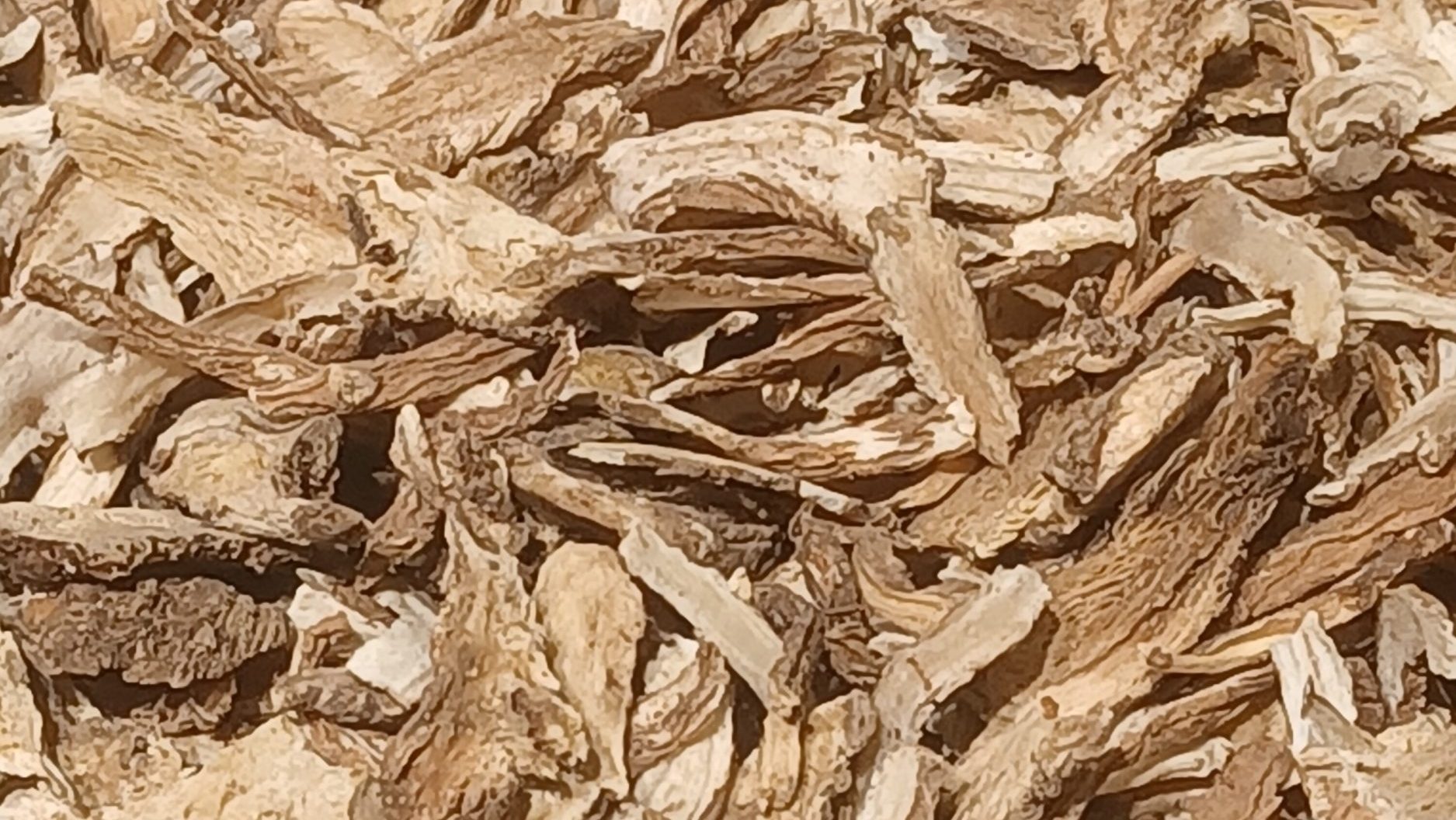
Dong Quai
Angelica sinensis
Common & Folk Names
- Dang Gui
- Chinese Angelica
- Female Ginseng
- Tang Kue
- Dong Quai (Cantonese romanisation)
- Dang Gui (Pinyin romanisation)
Plant Family
Apiaceae (Carrot/Parsley family)
Geographic Location
Native to high-altitude regions of China, particularly Gansu, Yunnan, and Sichuan provinces. Traditionally grown at elevations of 2,500-3,000 metres in cool, mountainous areas. Now cultivated in China, Korea, and Japan, with limited cultivation efforts in Western countries due to specific climate requirements.
Habitat
Grows naturally in cool, moist mountain valleys and along stream banks. Prefers shaded areas with rich, humus soil and consistent moisture. Requires cool growing conditions with temperatures rarely exceeding 20-25°C during the growing season.
Growing Conditions
Sun: Part shade to full shade. Cannot tolerate intense heat or direct afternoon sun
Soil: Rich, moist, well-drained loam with high organic matter. pH 6.0-7.0. Consistent moisture essential
Propagation: Grown from seed (difficult) or root division. Seeds require cold stratification. Most growers purchase roots from specialised suppliers
Care: Extremely challenging to grow outside its native habitat. Requires cool summers, adequate moisture, and 2-3 years before roots develop medicinal quality. Not recommended for casual cultivation in most of New Zealand
Harvesting Guidelines
Roots are typically harvested in autumn of the second or third year when plants are dormant and the active constituents have accumulated in the roots. The main taproot (body) and lateral roots (tails) have different traditional uses and constituent profiles. Harvest when tops die back completely. Carefully dig roots, wash thoroughly, and process promptly. Traditional processing involves washing, removing fibrous root hairs, and either drying raw or steaming/wine-processing before drying, depending on intended therapeutic use.
Parts Used
- Root (primary medicinal part)
- Specifically: root body (taproot) and root tails (lateral roots) are distinguished in Traditional Chinese Medicine
Constituents & their Actions
Dong quai’s therapeutic properties arise from a complex mixture of volatile oils, organic acids, polysaccharides, and unique phth alide compounds that work synergistically to provide blood-nourishing, circulatory, and hormonal-balancing effects.
Phthalides (Including Z-Ligustilide):
Unique compounds largely responsible for dong quai’s therapeutic effects. Some of the main phthalides in dong quai are:
- Z-ligustilide (most abundant, 40-70% of volatile oil)
- N-butylidenephthalide
- Senkyunolide A
- Butylidenephthalide
The main actions of these phthalides are:
- Smooth muscle relaxation (particularly uterine and vascular)
- Antispasmodic effects
- Vasodilation and circulatory support
- Neuroprotective properties
- Modulate uterine contractions (can both relax and tonify depending on dose and context)
Ferulic Acid and Other Phenolic Acids:
Compounds with significant antioxidant and anti-inflammatory properties. Some of the main phenolic acids in dong quai are:
- Ferulic acid (primary)
- Vanillic acid
- Caffeic acid
The main actions of these phenolic acids are:
- Potent antioxidant protection
- Anti-inflammatory effects
- Neuroprotective activity
- Cardiovascular protection
- May modulate platelet aggregation
Polysaccharides:
Complex carbohydrates with immune-modulating properties.
The main actions of these polysaccharides are:
- Immune enhancement
- Hematopoietic support (support blood cell production)
- Anti-inflammatory effects
- General tonic properties
Coumarins:
Present in small amounts, including:
- Osthole
- Bergapten
- Imperatorin
The main actions of coumarins are:
- Mild anticoagulant effects (important for safety considerations)
- Vasodilatory properties
- Anti-inflammatory effects
Essential Oil Components:
Volatile compounds contributing to aroma and activity. The main components include:
- Ligustilide and related phthalides (as above)
- Various terpenes
The main actions are:
- Smooth muscle effects
- Aromatherapeutic properties
- Contribute to overall pharmacological profile
Vitamins and Minerals:
Dong quai contains various micronutrients including:
- Vitamin B12 (significant amounts)
- Folic acid
- Iron
- Various trace minerals
The main actions are:
- Nutritive support
- Support for healthy blood formation
- General tonic effects
Actions with Mechanisms
Blood Nourishing and Haematopoietic:
Dong quai is considered the primary “blood tonic” in Traditional Chinese Medicine, used to “nourish the blood” and address “blood deficiency” patterns. In biomedical terms, the polysaccharides stimulate hematopoiesis (blood cell formation) in the bone marrow, which in turn increases production of red blood cells, white blood cells, and platelets. The high iron and vitamin B12 content provides nutritive support for hemoglobin synthesis and red blood cell maturation, which in turn helps address nutritional anaemia. Ferulic acid and other antioxidants protect developing blood cells from oxidative damage, which in turn supports healthy blood cell development. The herb appears to enhance erythropoietin activity (a hormone that stimulates red blood cell production), which in turn increases oxygen-carrying capacity. These effects make dong quai particularly valuable for individuals with anaemia, blood loss (including menstrual blood loss), fatigue from blood deficiency, and during recovery from illness or surgery when blood building is needed.
Emmenagogue and Menstrual Regulator:
Dong quai has biphasic effects on the uterus that depend on dose, preparation method, and individual hormonal status. The phthalides (particularly ligustilide) directly affect uterine smooth muscle, initially causing relaxation of uterine muscle tone and reducing spasm, which in turn relieves menstrual cramps and pain. At higher doses or with prolonged exposure, these same compounds can stimulate uterine muscle contractions, which in turn promotes menstrual flow and helps address delayed or absent menstruation (amenorrhea). This dual action explains both the traditional use for painful periods (antispasmodic, relaxing effect) and for promoting delayed menstruation (stimulating, emmenagogue effect). The herb modulates prostaglandin synthesis, which in turn influences uterine contractility and menstrual flow. Dong quai appears to help regulate menstrual cycles through gentle hormonal modulation, though the exact mechanisms remain incompletely understood. The circulatory-enhancing effects increase blood flow to the pelvic region, which in turn supports healthy menstrual function and may help relieve congestion-type period pain.
Hormonal Modulation (Complex and Context-Dependent):
The effects of dong quai on hormones are complex, controversial, and not fully elucidated. Despite being marketed as “female ginseng” and widely used for menopausal symptoms, research shows dong quai does NOT contain classical phytoestrogens that bind to estrogen receptors, and studies using dong quai alone for menopausal hot flashes show minimal benefit. However, in Traditional Chinese Medicine, dong quai is rarely used alone but rather in complex formulas where it appears to enhance the effects of other herbs. The herb may modulate hormonal balance through indirect mechanisms including effects on the hypothalamic-pituitary-ovarian axis, modulation of neurotransmitters that influence hormone release, improvement in overall vitality and blood quality that supports hormonal function, and potential effects on hormone metabolism or receptor sensitivity. Some research suggests ferulic acid may have selective estrogen receptor modulator (SERM) properties, which in turn could explain context-dependent hormonal effects. The clinical reality is that dong quai appears helpful for some hormonal conditions (particularly in combination formulas) despite lack of clear mechanisms, which in turn suggests complex multi-targeted effects not yet fully understood by reductionist research.
Antispasmodic and Analgesic:
The phthalides, particularly ligustilide, directly relax smooth muscle throughout the body by modulating calcium channel activity in smooth muscle cells, which in turn reduces muscle spasm and associated pain. This effect is particularly pronounced in uterine smooth muscle, making dong quai valuable for menstrual cramps (dysmenorrhea), but it also affects vascular smooth muscle (contributing to circulatory effects) and possibly intestinal smooth muscle. Ferulic acid inhibits inflammatory mediators and prostaglandins, which in turn reduces inflammatory pain. The volatile oil components may have mild analgesic effects through modulation of pain perception pathways. These combined mechanisms make dong quai effective for spasmodic pain, particularly cramping period pain where both muscle spasm and inflammation contribute to discomfort.
Cardioprotective and Circulatory Support:
Multiple constituents support cardiovascular health through complementary pathways. The phthalides cause vasodilation by relaxing vascular smooth muscle, which in turn improves blood flow and may gently reduce blood pressure. Ferulic acid demonstrates significant cardioprotective effects including reducing lipid peroxidation in cardiac tissue, protecting against ischemic injury, improving endothelial function, and reducing platelet aggregation, which in turn supports overall cardiovascular health. The coumarins provide mild anticoagulant effects, which in turn help prevent excessive clotting (though this also creates drug interaction concerns). These circulatory effects contribute to dong quai’s traditional use for conditions involving poor circulation, cold extremities, and cardiovascular support.
Anti-inflammatory:
Ferulic acid and other phenolic compounds inhibit multiple inflammatory pathways including NF-κB (nuclear factor kappa-B) activation, COX-2 (cyclooxygenase-2) expression, and production of pro-inflammatory cytokines, which in turn reduces systemic inflammation. The polysaccharides modulate immune responses, which in turn helps regulate inflammation. These anti-inflammatory effects contribute to dong quai’s benefits for menstrual pain (which involves inflammatory prostaglandins), arthritis, and other inflammatory conditions.
Neuroprotective:
Ferulic acid demonstrates significant neuroprotective properties including antioxidant protection of neural tissue, reduction of neuroinflammation, protection against amyloid-beta toxicity (relevant to Alzheimer’s disease), and support for healthy neurotransmitter function, which in turn may protect against cognitive decline and neurodegenerative conditions. The phthalides also show neuroprotective effects in research models. While not a primary use, these properties support dong quai’s traditional reputation as a tonic herb for overall vitality including cognitive health.
Hepatoprotective:
Some research demonstrates that dong quai constituents protect liver cells from toxic damage, reduce liver inflammation, support liver regeneration, and enhance detoxification enzyme activity, which in turn provides liver protection. This hepatoprotective activity supports traditional use of dong quai in tonic formulas for overall health maintenance.
Main Use
Dong quai’s primary use in Traditional Chinese Medicine is as a blood tonic and menstrual regulator for women experiencing “blood deficiency” patterns – characterised by pale complexion, fatigue, dizziness, pale tongue, scanty or delayed menstruation, and general depletion. In Western herbal terms, this translates to use for iron-deficiency anaemia, blood loss from heavy menstruation, fatigue and weakness following illness or childbirth, and general debility requiring blood-building support.
For menstrual health, dong quai addresses several patterns. It helps regulate irregular menstrual cycles, bringing delayed or absent periods (amenorrhea) back into regular rhythm. It relieves menstrual cramps (dysmenorrhea), particularly spasmodic, cramping pain. It addresses premenstrual syndrome (PMS) symptoms, particularly when related to “blood deficiency” with fatigue, pale complexion, and scanty flow. However, dong quai is almost never used alone in Traditional Chinese Medicine; it’s typically combined with other herbs in formulas like Si Wu Tang (Four Substances Decoction), Dang Gui Shao Yao San, or Dang Gui Si Ni Tang, where it works synergistically with other blood-nourishing and Qi-tonifying herbs.
For menopausal symptoms, research shows dong quai alone provides minimal benefit for hot flashes. However, combination formulas containing dong quai appear more effective, suggesting the herb enhances other herbs’ effects or addresses underlying deficiency that exacerbates menopausal symptoms.
Dong quai also supports cardiovascular health through its vasodilatory, anti-inflammatory, and mild anticoagulant effects. Traditional use includes support for angina, hypertension, and poor peripheral circulation with cold hands and feet.
The herb provides general tonic support for recovery from illness, surgery, or childbirth (after the immediate postpartum period), particularly when blood loss or prolonged illness has caused weakness and depletion.
Preparations
CRITICAL NOTE: Dong quai is rarely used alone in Traditional Chinese Medicine. The most effective and traditional use is in combination formulas with complementary herbs. Self-prescription of single herbs may not provide expected benefits and may overlook important contraindications or herb interactions.
Decoction (Traditional Method): 3-15 grams of dried root slices per day, simmered in water for 20-40 minutes. This is the traditional Chinese preparation method. The root can be simmered once or twice (reusing the root). Often combined with other herbs in formula decoctions
Tincture: 1:5 in 40-60% alcohol. Take 2-5 mL, 2-3 times daily. Western herbal preparation
Capsules/Tablets: Commercial preparations typically provide 500-600mg per capsule/tablet. Follow manufacturer’s recommendations, typically 1-2 grams daily divided into 2-3 doses
Wine Preparation: Root slices soaked in rice wine for several weeks, then consumed in small amounts. Traditional Chinese tonic preparation
Powdered Root: 1-3 grams daily, mixed into food or taken in capsules
Not for Topical Use: Unlike some Angelica species, dong quai is used exclusively internally
Dosage
Decoction: 3-15 grams dried root daily, simmered 20-40 minutes. Start with lower doses (3-6 grams) and increase gradually
Tincture (1:5, 40-60% alcohol): 2-5 mL, 2-3 times daily
Capsules/Tablets: 1-3 grams daily divided into 2-3 doses, following manufacturer recommendations
Duration: Typically used for several weeks to months. Effects are gradual and cumulative. Take breaks periodically or as advised by practitioner
Safety & Drug Interactions
IMPORTANT: Dong quai has significant contraindications and drug interactions that must be respected.
Pregnancy – ABSOLUTELY CONTRAINDICATED:
Dong quai is an emmenagogue that can stimulate uterine contractions and potentially cause miscarriage. NEVER use during pregnancy at any stage. This contraindication is absolute and non-negotiable.
Lactation:
Safety during breastfeeding is not well established. Small amounts may enter breast milk. Consult with a qualified practitioner before use.
Bleeding Disorders and Anticoagulant Medications:
Dong quai contains coumarins with anticoagulant (blood-thinning) properties. DO NOT USE with anticoagulant or antiplatelet medications including warfarin, aspirin, clopidogrel, heparin, rivaroxaban, apixaban, or other blood-thinning drugs, as dong quai may enhance their effects and significantly increase bleeding risk. There are case reports of serious bleeding complications from this interaction. DO NOT USE with bleeding disorders including hemophilia, Von Willebrand disease, or thrombocytopenia. Monitor carefully for signs of increased bleeding including easy bruising, prolonged bleeding from cuts, nosebleeds, or blood in urine/stool.
Surgery:
Discontinue dong quai at least 2 weeks before scheduled surgery due to bleeding risk and potential interactions with anaesthesia.
Heavy Menstrual Bleeding:
Despite traditional use for menstruation, dong quai may exacerbate heavy menstrual bleeding (menorrhagia) in some individuals due to its blood-moving and potentially anticoagulant effects. Use with caution and under professional guidance if periods are already heavy.
Hormone-Sensitive Conditions:
While dong quai is not a classical phytoestrogen, there is theoretical concern about use in hormone-sensitive cancers (breast, uterine, ovarian), endometriosis, or uterine fibroids. Evidence is unclear, but caution is warranted. Consult with oncologist or healthcare provider before use with any hormone-sensitive condition.
Photosensitivity:
Dong quai contains furocoumarins (including bergapten and related compounds) that can cause photosensitivity – increased sensitivity to UV radiation leading to sunburn, skin rashes, or hyperpigmentation. Avoid excessive sun exposure, tanning beds, or UV therapy while using dong quai. Use sun protection and be aware of increased photosensitivity risk.
Digestive Upset:
Some individuals experience mild digestive upset, loose stools, or bloating from dong quai, particularly at higher doses. If this occurs, reduce dose or discontinue use.
Drug Interactions:
Beyond anticoagulants (above), dong quai may interact with:
- Hormone therapies (oral contraceptives, HRT): Theoretical interaction due to potential hormonal effects
- Photosensitising medications (tetracyclines, sulfonamides, quinolones, some diuretics): Additive photosensitivity risk
- CYP450 substrates: Dong quai may affect drug metabolism, though specific interactions need more research
Not for Long-Term Continuous Use:
Traditional Chinese Medicine typically uses dong quai in cycles or courses rather than continuously for years. Take periodic breaks or use under professional guidance for extended periods.
Quality Concerns:
Dong quai supplements have occasionally been found to be adulterated with other Angelica species or contaminated with heavy metals or pesticides (particularly products from China). Purchase from reputable suppliers with third-party testing and quality assurance.
Scientific Evidence
Menstrual and Menopausal Symptoms: Clinical evidence for dong quai’s effectiveness is mixed and often contradictory. A systematic review by Lau et al. (2021) examining dong quai for menopausal symptoms found that when used alone, dong quai showed minimal benefit for hot flashes compared to placebo. However, combination formulas containing dong quai (such as traditional Chinese medicine formulas) showed more promising results, suggesting dong quai enhances the effects of other herbs or addresses underlying patterns that improve overall outcomes. For dysmenorrhea (painful periods), clinical experience and some smaller studies support effectiveness, though large-scale rigorous trials are lacking. The biphasic effects on uterine muscle (relaxing at moderate doses, stimulating at higher doses) are demonstrated in laboratory studies but less well-studied in clinical populations.
Cardiovascular Effects: Laboratory studies and some clinical research demonstrate cardiovascular benefits including vasodilation, improved endothelial function, reduced platelet aggregation, and antioxidant protection of cardiovascular tissues. A study by Chueh et al. (2019) found that dong quai extract improved vascular function and reduced arterial stiffness in postmenopausal women, supporting traditional use for cardiovascular health. However, large-scale cardiovascular outcome trials have not been conducted.
Hematopoietic and Blood-Building Effects: Animal studies and in vitro research demonstrate that dong quai polysaccharides stimulate bone marrow hematopoiesis and increase production of blood cells. Some clinical studies in China report improvements in hemoglobin and red blood cell counts in individuals with anaemia, though many of these studies have methodological limitations. The high iron and vitamin B12 content provides rational nutritional support for blood building.
Neuroprotection: Laboratory research demonstrates significant neuroprotective effects of ferulic acid and other dong quai constituents including protection against oxidative stress, reduction in neuroinflammation, and protection against amyloid-beta toxicity. Animal studies show cognitive benefits, but human clinical trials specifically examining dong quai for cognitive health are lacking.
Anti-inflammatory and Antioxidant Effects: Multiple studies confirm potent anti-inflammatory and antioxidant properties of dong quai constituents, particularly ferulic acid. These effects are demonstrated in laboratory models and some animal studies, supporting the theoretical basis for traditional uses, though human clinical applications require more research.
Traditional Use Context: It’s crucial to understand that dong quai’s extensive traditional use in Chinese medicine occurs almost exclusively in combination formulas, not as a single herb. Modern research using dong quai alone may not reflect its true clinical effectiveness when used traditionally in synergistic combinations. The herb’s reputation is built on thousands of years of use in complex formulas tailored to individual constitutional patterns.
Western Energetics
NOTE: Dong quai is primarily understood through the lens of Traditional Chinese Medicine rather than Western energetics. The following Western energetic assessment is an approximation and may not fully capture the herb’s traditional applications.
Temperature: Warming. Dong quai is considered slightly warming in Traditional Chinese Medicine, making it suitable for “cold” patterns but potentially aggravating for individuals with “heat” signs (hot flashes, night sweats, irritability, red complexion). This warming quality supports circulation and addresses cold-type menstrual pain with clots and stagnation
Moisture: Moistening and nourishing. The blood-building and nutritive properties provide deep moistening for dry, depleted conditions. Appropriate for individuals with signs of dryness and blood deficiency
Tissue State: Primarily indicated for atrophy and depletion, particularly “blood deficiency” in Traditional Chinese Medicine terms. Dong quai nourishes depleted tissues, builds vitality in weakened individuals, and addresses conditions of chronic deficiency with fatigue, poor recovery, and inadequate blood quality. Also addresses stagnation, particularly when blood stasis combines with deficiency – the herb both nourishes blood AND moves it, preventing stagnant accumulation. This dual action of building and moving makes it particularly valuable for conditions with both deficiency and stagnation
Taste
Sweet: A mild sweetness is present, indicating the herb’s nourishing and building properties. Sweet taste is traditionally associated with nutritive, tonifying herbs that strengthen and replenish
Acrid/Pungent: A distinct acrid or pungent quality contributes to the herb’s blood-moving and circulatory-enhancing properties. This pungency helps move stuck circulation and address stagnation
Bitter: A subtle bitterness is present, contributing to the herb’s ability to clear, regulate, and prevent excessive dampness accumulation
Slightly Warming/Aromatic: The volatile oils provide a warming, aromatic quality that enhances circulation and contributes to the overall therapeutic profile
The complex taste profile – sweet, acrid, and slightly bitter – reflects dong quai’s multifaceted actions: nourishing (sweet), moving (acrid), and regulating (bitter).
Plant Lore
Dong quai (當歸, Dang Gui in Mandarin) has been used in Traditional Chinese Medicine for over 2,000 years and holds a place of profound importance as the primary blood tonic for women, earning it the nickname “female ginseng.” The name “Dang Gui” carries poetic significance – “Dang” means “should” or “ought to,” and “Gui” means “return.” One interpretation translates this as “state of return,” referring to the herb’s ability to restore balance and bring vitality back to depleted individuals. Another romantic interpretation suggests it means “should come back,” referencing traditional use to help women preserve their vitality and beauty, making their husbands eager to return home.
Classical Chinese medical texts including the Shennong Ben Cao Jing (Divine Farmer’s Materia Medica, circa 200 CE) list dong quai as a superior herb. The famous physician Zhang Zhongjing (150-219 CE) included dong quai in numerous classical formulas documented in his Shanghan Lun (Treatise on Cold Damage Disorders) and Jin Gui Yao Lue (Essential Prescriptions from the Golden Cabinet), many of which are still used today. These include Si Wu Tang (Four Substances Decoction, the foundational blood-nourishing formula), Dang Gui Si Ni Tang (Angelica Decoction for Frigid Extremities), and numerous other formulas that remain staples of Chinese medicine practice.
In Traditional Chinese Medicine theory, dong quai is classified as a blood tonic that nourishes Liver and Heart blood, harmonises the blood, dispels blood stasis, regulates menstruation, moistens the intestines, and addresses pain from blood deficiency or stagnation. It enters the Liver, Heart, and Spleen meridians. These traditional concepts, while framed in different language, align with modern understanding of dong quai’s effects on circulation, menstrual regulation, hematopoiesis, and antispasmodic properties.
Chinese cultural traditions hold dong quai in special reverence for women’s health, particularly for maintaining vitality during and after menstruation, supporting recovery from childbirth (after the immediate postpartum period), and helping women navigate hormonal transitions. The herb is considered essential in women’s health formulas and is often called the “Queen of Women’s Herbs” in Chinese medicine.
Legends and folklore surround dong quai’s discovery and traditional applications. One story tells of a man who left his wife to seek his fortune, instructing her to remarry if he didn’t return within three years. When he returned after several years, he found she had waited for him but had become weak and ill during his absence. He gathered mountain herbs, including dong quai, to restore her vitality. Her health recovered, her beauty returned, and the couple reunited – thus the herb’s name “should return” came to symbolise both the husband’s return and the woman’s return to health and vitality.
The herb is traditionally processed in different ways for different therapeutic applications. Raw dong quai is considered more cooling and blood-nourishing, while wine-processed dong quai (Jiu Dang Gui) is warmer and more blood-invigorating, used for conditions with pronounced stagnation and cold. The different parts of the root – body (main taproot) and tails (lateral roots) – are also distinguished, with the tails considered more blood-moving and the body more blood-nourishing, though in practice the whole root is most commonly used.
Additional Information
Traditional Chinese Medicine Context:
Understanding dong quai requires appreciating its traditional context. In Chinese medicine, herbs are rarely used as single remedies but rather as components of complex formulas designed to address individual constitutional patterns. Dong quai appears in hundreds of classical formulas, where it works synergistically with other blood-tonifying herbs (white peony, rehmannia), Qi-tonifying herbs (astragalus, codonopsis), blood-moving herbs (red peony, chuanxiong), and others. The famous Si Wu Tang (Four Substances Decoction) combines dong quai with white peony, rehmannia, and chuanxiong as the foundational blood-nourishing formula, upon which numerous variations are built.
Quality and Sourcing:
High-quality dong quai should have a strong, distinct aroma (sweet, acrid, slightly medicinal), should be flexible rather than brittle when fresh, and should show golden-yellow to brown colour on the cut surface. The root body and lateral roots should be relatively thick. Most commercial dong quai comes from China (particularly Gansu province, which produces the highest-regarded “Min Gui”). Quality varies significantly, and purchasing from reputable suppliers who test for purity, identity, and absence of contaminants is essential.
New Zealand Availability:
Dong quai is available in New Zealand from:
- Chinese medicine shops and herbalists: Dried root slices for decoction (often sold by weight, approximately NZD $15-30 per 100g depending on quality)
- Health food stores: Capsules, tablets, and tinctures (approximately NZD $20-50 for a month’s supply)
- Online herbal suppliers: Various forms including bulk dried root, powders, and extracts
Not Interchangeable with Other Angelica Species:
Several other Angelica species exist, each with different constituents and uses. Angelica archangelica (European angelica) is used primarily for digestive support and respiratory conditions – it is NOT interchangeable with dong quai. Angelica acutiloba (Japanese angelica, Yamato Toki) is closely related and used similarly in Japanese Kampo medicine but is botanically distinct. Always ensure you’re getting Angelica sinensis specifically.
Combination Approaches:
For readers interested in traditional Chinese medicine (TCM) applications, consulting with a qualified TCM practitioner can provide personalised formula recommendations that include dong quai as part of a comprehensive herbal strategy tailored to individual patterns. This is far more effective than using dong quai alone.
Western Herbal Combinations:
In Western herbalism, dong quai combines well with:
- For anaemia: Dong quai + nettle + yellow dock for blood building
- For menstrual cramps: Dong quai + cramp bark + ginger for antispasmodic and warming effects
- For PMS: Dong quai + chaste tree + white peony for hormonal balance
Storage:
Store dried dong quai root in airtight containers away from light, heat, and moisture. Properly stored dried root maintains potency for 1-2 years. Tinctures and liquid extracts maintain potency for several years when stored properly.
Sources
Bone, K., & Mills, S. (2013). Principles and Practice of Phytotherapy: Modern Herbal Medicine (2nd ed.). Churchill Livingstone.
Mills, S., & Bone, K. (2005). The Essential Guide to Herbal Safety. Churchill Livingstone.
Bensky, D., Clavey, S., & Stöger, E. (2004). Chinese Herbal Medicine: Materia Medica (3rd ed.). Eastland Press.
Chen, J. K., & Chen, T. T. (2004). Chinese Medical Herbology and Pharmacology. Art of Medicine Press.
Romm, A. (2010). Botanical Medicine for Women’s Health. Churchill Livingstone.
Wei, W. L., Zeng, R., Gu, C. M., Qu, Y., & Huang, L. F. (2016). Angelica sinensis in China – A review of botanical profile, ethnopharmacology, phytochemistry and chemical analysis. Journal of Ethnopharmacology, 190, 116-141. https://doi.org/10.1016/j.jep.2016.05.023
Lau, C. B. S., Cheng, L., Cheng, B. W. M., Yue, S. J., Poon, K. K. H., Ho, H. L., Chow, M. S. S., Fong, W. F., Wong, M. S., Choy, S. S. Y., Tang, J. C. O., & Leung, P. C. (2021). Systematic review and meta-analysis: A review of evidence of Chinese medicine for menopausal symptoms. Evidence-Based Complementary and Alternative Medicine, 2021, Article 6619609. https://doi.org/10.1155/2021/6619609
Hook, I. L. I. (2014). Danggui to Angelica sinensis root: Are potential benefits to European women lost in translation? A review. Journal of Ethnopharmacology, 152(1), 1-13. https://doi.org/10.1016/j.jep.2013.12.018
Chueh, F. S., Chang, H. H., Hwang, S. J., Chen, F. P., & Chen, Y. C. (2019). Effect of Angelica sinensis on menopausal symptoms in postmenopausal women: A randomized, double-blind, placebo-controlled trial. Journal of Ethnopharmacology, 234, 68-74. https://doi.org/10.1016/j.jep.2019.01.008
Yang, M., Sun, J., Lu, Z., Chen, G., Guan, S., Liu, X., Jiang, B., Ye, M., & Guo, D. A. (2009). Phytochemical analysis of traditional Chinese medicine using liquid chromatography coupled with mass spectrometry. Journal of Chromatography A, 1216(11), 2045-2062. https://doi.org/10.1016/j.chroma.2008.08.097
Circosta, C., De Pasquale, R., Palumbo, D. R., Samperi, S., & Occhiuto, F. (2006). Estrogenic activity of standardized extract of Angelica sinensis. Phytotherapy Research, 20(8), 665-669. https://doi.org/10.1002/ptr.1928
Zhao, K. J., Dong, T. T. X., Tu, P. F., Song, Z. H., Lo, C. K., & Tsim, K. W. K. (2003). Molecular genetic and chemical assessment of radix Angelica (Danggui) in China. Journal of Agricultural and Food Chemistry, 51(9), 2576-2583. https://doi.org/10.1021/jf026178h
Wilasrusmee, C., Kittur, S., Shah, G., Siddiqui, J., Bruch, D., Wilasrusmee, S., & Kittur, D. S. (2002). Immunomodulatory effect of Angelica sinensis and Andrographis paniculata on the proliferation of neural progenitor cells in vitro. The American Surgeon, 68(11), 923-927.
Hirata, J. D., Swiersz, L. M., Zell, B., Small, R., & Ettinger, B. (1997). Does dong quai have estrogenic effects in postmenopausal women? A double-blind, placebo-controlled trial. Fertility and Sterility, 68(6), 981-986. https://doi.org/10.1016/s0015-0282(97)00397-x
Disclaimer: This monograph is for educational purposes only and is not medical advice. Please consult with a qualified healthcare practitioner before using any herbal remedy, especially if you are pregnant, nursing, taking medication, or have a known medical condition. Dong quai has significant contraindications particularly related to pregnancy and bleeding disorders that must be respected.