
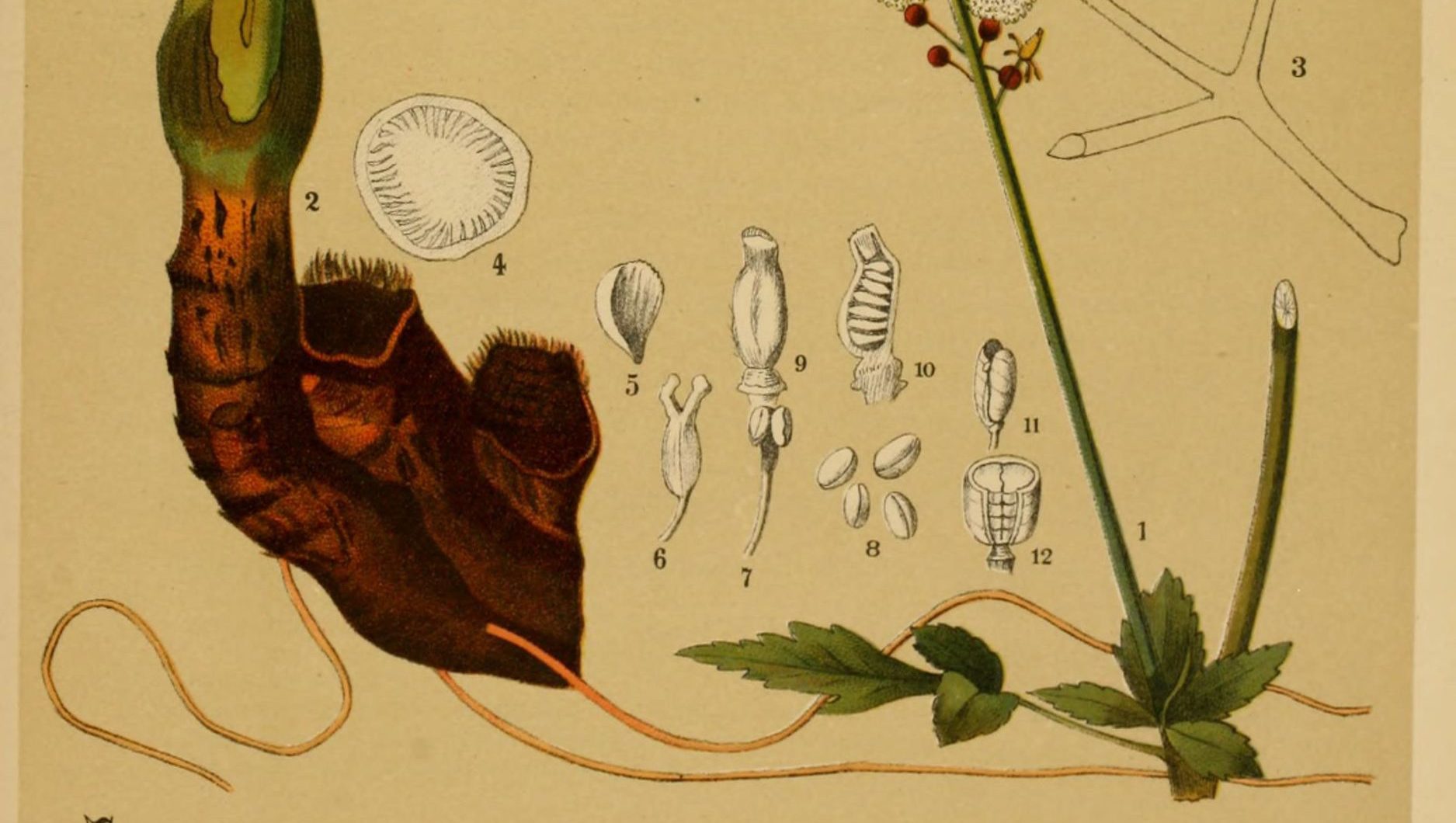
Black Cohosh
Actaea racemosa (syn. Cimicifuga racemosa)
Common & Folk Names
- Black Cohosh
- Black Snakeroot
- Bugbane
- Fairy Candle
- Rattleweed
- Rattle Top
- Bugwort
Plant Family
Ranunculaceae (Buttercup family)
Geographic Location
Native to eastern North America, from southern Ontario and Massachusetts south to Georgia and west to Missouri and Arkansas. Found throughout the Appalachian Mountains and surrounding regions. Not native to New Zealand or naturally occurring here.
Habitat
Grows naturally in rich, moist woodlands, particularly in the understory of deciduous forests. Prefers shaded areas with humus-rich soil and consistent moisture. Often found on hillsides and in mountain valleys with dappled light and good organic matter.
Growing Conditions
Sun: Part to full shade. Cannot tolerate full sun or intense heat
Soil: Rich, moist, well-drained woodland soil high in organic matter. pH 5.5-7.0. Consistent moisture essential but not waterlogged
Propagation: Division of established clumps (most reliable), fresh seed (challenging – requires stratification and may take 2 years to germinate), or purchased plants. Seeds must be fresh (viability declines rapidly) and require cold stratification
Care: Slow-growing and challenging to cultivate. Requires shade, consistent moisture, rich organic soil, and protection from slugs/snails. Can take 3-5 years to reach harvestable size. Not well-suited to most New Zealand gardens due to specific cool, shaded woodland requirements
New Zealand Growing Considerations
Black cohosh is very difficult to grow successfully in New Zealand and is NOT recommended for casual cultivation. The plant requires specific cool, moist, shaded woodland conditions that are challenging to replicate outside its native habitat. If attempting to grow (for conservation/education rather than harvest):
Potential Regions: Cool, shaded areas in Otago, Southland, or higher elevation regions with consistent moisture and protection from heat. Even in suitable regions, success is not guaranteed.
Requirements: Deep shade under deciduous trees, rich organic soil with high humus content, consistent moisture without waterlogging, cool temperatures (struggles in warm New Zealand summers), protection from pests (slugs, snails).
Practical Recommendation: Due to difficulty of cultivation and slow growth, purchasing high-quality, sustainably sourced black cohosh products is far more practical than attempting to grow it. Wild-harvesting is not an option in New Zealand as the plant doesn’t grow here naturally.
Harvesting Guidelines
CRITICAL CONSERVATION NOTE: Black cohosh has been severely over-harvested in its native range and wild populations have declined dramatically. Always purchase cultivated rather than wild-crafted black cohosh to protect wild populations. If growing for personal use, harvest only from mature plants (5+ years old) and never harvest more than 30% of the root system, allowing plants to regenerate.
Roots and rhizomes are harvested in autumn after the plant has died back and stored nutrients in underground parts. Carefully dig around the plant, removing a portion of the rhizome and attached roots while leaving the main crown intact to regrow. Wash roots thoroughly, chop into pieces, and dry in a well-ventilated area out of direct sunlight. Properly dried roots are dark brown to black externally with pale interior and characteristic sharp, somewhat bitter smell. Store dried roots in airtight containers away from light and moisture. Potency remains stable for 1-2 years when stored properly.
Parts Used
- Rhizome (underground stem) and roots
- The rhizome is the primary medicinal part, though roots attached to rhizome are typically harvested together
Constituents & their Actions
Black cohosh’s therapeutic properties arise from a complex mixture of triterpene glycosides, phenolic compounds, and other constituents that work synergistically to address menopausal symptoms, though the exact mechanisms remain incompletely understood and controversial.
Triterpene Glycosides (Saponins):
These compounds are considered the primary active constituents. Some of the main triterpene glycosides in black cohosh are:
- Actein (characteristic compound)
- 23-epi-26-deoxyactein
- Cimicifugoside (also called 27-deoxyactein)
- Cimiracemoside A, B, C
- Various other cycloartane-type triterpenes
The main actions of these triterpene glycosides are:
- Modulate menopausal symptoms through unclear mechanisms (NOT classical estrogenic activity)
- Possible selective estrogen receptor modulation (SERM activity)
- Anti-inflammatory effects
- Antioxidant properties
- May influence neurotransmitter systems (serotonergic pathways)
Phenolic Acids and Derivatives:
Compounds with antioxidant and possibly neuroactive properties. Some of the main phenolic compounds in black cohosh are:
- Ferulic acid
- Isoferulic acid
- Caffeic acid
- Fukinolic acid
- Cimicifugic acids A, B, E, F
The main actions of these phenolic compounds are:
- Significant antioxidant protection
- May contribute to anti-inflammatory effects
- Possible neuroprotective properties
- May influence dopaminergic and serotonergic pathways
Flavonoids:
Present in small amounts, including:
- Kaempferol derivatives
- Quercetin derivatives
The main actions are:
- Antioxidant effects
- Mild anti-inflammatory properties
- General vascular support
Aromatic Acids:
Including salicylic acid and related compounds. The main actions are:
- Mild anti-inflammatory effects
- Possible analgesic properties
Alkaloids:
Present in very small amounts, including:
- N-methylcytisine
- Cytisine
The main actions are unclear and likely minimal at therapeutic doses.
Resinous Substances:
Contributing to the plant’s characteristic smell and possibly to overall activity.
CRITICAL NOTE ON MECHANISMS: Despite decades of research, black cohosh’s mechanisms of action remain controversial and incompletely understood. Early research suggested estrogenic activity, but this has been largely refuted – black cohosh does NOT appear to bind significantly to estrogen receptors or cause estrogenic effects on reproductive tissues. Current theories include selective estrogen receptor modulator (SERM) activity, modulation of serotonergic pathways, effects on dopaminergic systems, and direct anti-inflammatory/antioxidant effects. The clinical effectiveness for menopausal symptoms (particularly hot flashes) is demonstrated in research, but the “how” remains debated.
Actions with Mechanisms
Menopausal Symptom Relief (Primary Modern Use, Mechanisms Unclear):
Black cohosh is most widely used for relieving menopausal symptoms, particularly vasomotor symptoms like hot flashes and night sweats. Multiple clinical trials demonstrate significant reduction in hot flash frequency and severity compared to placebo, though not all studies show benefit and individual response varies considerably. The mechanism by which black cohosh reduces hot flashes is NOT through classical estrogenic activity – research clearly shows that black cohosh does NOT significantly bind to estrogen receptors, does not increase estrogen levels, and does not cause estrogenic effects on breast or endometrial tissue (important for safety). Current theories suggest black cohosh may modulate neurotransmitter systems involved in thermoregulation, particularly serotonergic and dopaminergic pathways in the hypothalamus, which in turn influences the body’s temperature regulation that becomes dysregulated during menopause. Some research suggests selective estrogen receptor β activity (as opposed to α), which in turn could provide benefits without stimulating hormone-sensitive tissues. The triterpene glycosides may exert direct anti-inflammatory effects that reduce vasomotor instability. Whatever the mechanisms (which remain debated), clinical evidence supports effectiveness for many women, though response is individual and not universal.
Mood Support and Psychological Symptom Relief:
Beyond vasomotor symptoms, black cohosh demonstrates benefits for psychological menopausal symptoms including anxiety, irritability, mood swings, and sleep disturbances. Some research suggests the phenolic compounds influence serotonergic pathways (serotonin is a neurotransmitter involved in mood regulation), which in turn helps stabilise mood during hormonal transition. The triterpene glycosides may modulate dopaminergic activity, which in turn influences mood and emotional regulation. These neurochemical effects, rather than hormonal mechanisms, appear central to black cohosh’s mood-supporting properties. Clinical trials show improvements in anxiety, depressive symptoms, and overall quality of life in menopausal women taking black cohosh, with effects comparable to some conventional interventions.
Anti-inflammatory:
The triterpene glycosides, phenolic acids, and other constituents demonstrate significant anti-inflammatory activity by inhibiting pro-inflammatory pathways including NF-κB (nuclear factor kappa-B) activation, reducing production of pro-inflammatory cytokines (TNF-α, IL-1β, IL-6), and decreasing inflammatory mediators, which in turn reduces systemic inflammation. This anti-inflammatory action may contribute to benefits for joint pain and musculoskeletal discomfort sometimes associated with menopause, though black cohosh is not primarily used for arthritis or inflammatory conditions.
Antioxidant:
Multiple constituents, particularly the phenolic acids and flavonoids, provide potent antioxidant protection by scavenging free radicals, reducing oxidative stress, and protecting cellular structures from oxidative damage, which in turn supports overall cellular health during aging and hormonal transition. The antioxidant effects may contribute to neuroprotection and vascular health.
Selective Estrogen Receptor Modulator (SERM) Activity (Theoretical, Debated):
Some research suggests black cohosh may act as a selective estrogen receptor modulator (SERM), meaning it could have tissue-selective effects – potentially providing estrogenic benefits in some tissues (like bone or brain) whilst avoiding estrogenic stimulation of breast or endometrial tissue. This would explain clinical benefits for menopausal symptoms without the safety concerns of classical phytoestrogens. However, this SERM activity remains theoretical and debated, with conflicting research findings. What is clear is that black cohosh does NOT have classical estrogenic activity and does NOT stimulate hormone-sensitive tissues the way actual estrogen does.
Possible Bone-Protective Effects (Preliminary, Requires More Research):
Some animal studies and preliminary human research suggest black cohosh may support bone density and reduce bone loss during menopause, possibly through anti-inflammatory mechanisms, antioxidant protection of bone cells, or potential SERM-like effects that support bone formation whilst inhibiting excessive bone resorption. However, the evidence for bone protection is much weaker than for vasomotor symptom relief, and black cohosh should NOT be relied upon as primary treatment for osteoporosis. More research is needed to confirm bone-protective effects in humans.
Antispasmodic (Traditional Use, Less Common Modern Application):
Historically, Native American and early settler medicine used black cohosh for various spasmodic conditions, menstrual cramps, and labor support. The triterpene glycosides may have mild smooth muscle relaxing properties, which in turn could address spasm and cramping. However, this application is far less common in modern practice compared to menopausal symptom relief, and other herbs (cramp bark, valerian) are generally preferred for antispasmodic effects.
Main Use
Black cohosh’s primary modern use is for relieving menopausal symptoms, particularly vasomotor symptoms (hot flashes and night sweats) and associated psychological symptoms (mood swings, irritability, anxiety, sleep disturbances) in perimenopausal and postmenopausal women. Multiple clinical trials demonstrate that black cohosh reduces hot flash frequency and severity in 40-60% of women, with benefits typically appearing after 4-8 weeks of consistent use. The herb provides a non-hormonal alternative for women who cannot or prefer not to use hormone replacement therapy (HRT), including women with personal or family history of breast cancer, hormone-sensitive conditions, or those experiencing side effects from HRT.
Black cohosh is particularly valuable during perimenopause – the transition to menopause when hormone levels fluctuate unpredictably and symptoms can be most severe. The herb helps smooth the hormonal transition, reducing the intensity and frequency of hot flashes, supporting more stable mood, and improving sleep quality disrupted by night sweats.
For women experiencing psychological symptoms of menopause – anxiety, irritability, mood swings, mild depression – black cohosh provides support beyond just vasomotor symptom relief. The effects on serotonergic and possibly dopaminergic pathways contribute to improved emotional well-being during this hormonal transition.
Black cohosh is sometimes used for premenstrual syndrome (PMS) and menstrual irregularities, though this application has less research support than menopausal use. Historical and traditional uses for menstrual cramps and labour support are less common in modern practice.
IMPORTANT: Black cohosh is most effective for menopausal symptoms when used for a minimum of 4-12 weeks. Effects are gradual and cumulative. It does NOT provide immediate relief and requires patient, consistent use to assess effectiveness. Not all women respond to black cohosh – individual variation in response is significant.
Preparations
Standardised Extract (Preferred for Menopausal Symptoms): Commercial black cohosh supplements typically provide 20-80mg daily of standardised extract (standardised to triterpene glycosides, particularly 27-deoxyactein or actein). Follow manufacturer’s recommendations. This is the preparation used in most clinical trials and is considered most reliable for menopausal symptom relief
Tincture: Dried rhizome/root, 1:5 in 60% alcohol. Take 2-4 mL (40-80 drops), 2-3 times daily. Effects are gradual
Decoction: 1-2 teaspoons (3-6 grams) of dried, chopped rhizome per cup of water. Simmer 20-30 minutes. Drink 1-2 cups daily. The taste is quite bitter
Capsules/Tablets: 40-200mg daily of whole herb powder, or standardised extract as directed. Divided into 1-2 doses daily
Duration: Minimum 4-8 weeks required to assess effectiveness. Optimal benefits often appear after 8-12 weeks of consistent use
Dosage
Standardised Extract (Most Common): 20-80mg daily standardised to triterpene glycosides (typically 1-2mg total triterpene glycosides), usually taken as a single dose or divided into 2 doses
Dried Rhizome/Root (Decoction or Capsules): 40-200mg daily, typically divided into 2 doses
Tincture (1:5, 60% alcohol): 2-4 mL (40-80 drops), 2-3 times daily
Timing: Effects are cumulative. Minimum 4-8 weeks required before assessing effectiveness. Many women find optimal benefits after 8-12 weeks. If no improvement after 12 weeks, black cohosh may not be effective for that individual
Duration: Can be used for months to years under professional guidance. Some European guidelines suggest limiting continuous use to 6 months and then reassessing, though this is not universally agreed upon. Many women use black cohosh for years without problems
Safety & Drug Interactions
CRITICAL SAFETY NOTE: Black cohosh has been associated with rare but serious cases of liver toxicity. While the absolute risk appears very low and causation is debated, liver safety concerns must be taken seriously.
Liver Toxicity – CRITICAL WARNING:
There have been rare but serious case reports of hepatotoxicity (liver damage) associated with black cohosh use, ranging from mild elevations in liver enzymes to acute hepatitis and, in extremely rare cases, liver failure requiring transplantation. The incidence is estimated at less than 1 in 100,000 users, but the potential severity warrants caution. The mechanism is unclear – it may be related to individual genetic susceptibility, contamination or adulteration of products, or idiosyncratic reactions. DO NOT USE black cohosh if you have existing liver disease, liver damage, or elevated liver enzymes. DISCONTINUE immediately and seek medical attention if you develop signs of liver problems including: yellowing of skin or eyes (jaundice), dark urine, pale stools, persistent nausea or vomiting, severe fatigue, abdominal pain (particularly upper right quadrant), or unexplained itching. Some practitioners recommend periodic liver enzyme monitoring (blood tests) for individuals using black cohosh long-term (3+ months), though this is not universally agreed upon. The European Medicines Agency and some national health authorities require liver toxicity warnings on black cohosh products.
Pregnancy and Lactation – CONTRAINDICATED:
Black cohosh is absolutely contraindicated during pregnancy. Historical use for labor induction demonstrates potential to stimulate uterine contractions, and animal studies suggest possible embryotoxic effects. NEVER use during pregnancy at any stage. Safety during breastfeeding is unknown – avoid use during lactation.
Hormone-Sensitive Conditions – Complex and Controversial:
This is one of the most debated aspects of black cohosh safety. Traditional teaching suggested avoiding black cohosh in hormone-sensitive cancers (breast, uterine, ovarian) due to potential estrogenic activity. However, modern research largely refutes classical estrogenic effects – black cohosh does NOT significantly stimulate estrogen receptors, does NOT increase mammographic density, and does NOT stimulate endometrial proliferation in most studies. Some research even suggests black cohosh may have anti-proliferative effects on breast cancer cells in laboratory studies. HOWEVER, the safety of black cohosh in women with hormone-sensitive cancers remains uncertain and controversial. Current consensus:
- Breast cancer survivors: Some oncologists and researchers consider black cohosh an acceptable option for managing menopausal symptoms in breast cancer survivors who cannot use HRT, citing lack of estrogenic effects. However, others remain cautious due to incomplete understanding of mechanisms. This decision should be made in consultation with an oncologist familiar with the individual case
- Active hormone-sensitive cancers: More caution warranted. Consult with oncologist
- History of hormone-sensitive conditions (endometriosis, uterine fibroids): Professional guidance recommended, though theoretical concerns may be overstated given lack of estrogenic activity
Drug Interactions:
Black cohosh has relatively few confirmed drug interactions, but theoretical concerns exist:
- Hepatotoxic medications: Use extreme caution combining black cohosh with other potentially hepatotoxic drugs (acetaminophen/paracetamol in high doses, methotrexate, certain antibiotics, some statins) as this could theoretically increase liver damage risk. Professional supervision essential
- Hormone therapies (HRT, tamoxifen): While black cohosh doesn’t appear to have classical estrogenic activity, combining with hormone therapies should be done only under medical supervision to monitor effects
- Antihypertensive medications: Black cohosh may have mild blood pressure-lowering effects. Monitor blood pressure if combining with antihypertensive drugs
- Cytochrome P450 substrates: Limited evidence suggests possible effects on drug metabolism. Monitor medications with narrow therapeutic windows
Quality and Contamination Concerns:
Black cohosh products have occasionally been adulterated with other Actaea/Cimicifuga species (particularly Actaea simplex or Asian species) which have different constituents and potentially different safety profiles. Some hepatotoxicity cases may have involved adulterated products. Purchase only from reputable suppliers with third-party testing, proper species identification, and quality assurance. Look for products standardised to triterpene glycoside content.
Autoimmune Conditions:
Some practitioners advise caution using black cohosh with autoimmune conditions, though this is based more on theoretical concerns about immune modulation than documented problems.
Side Effects:
Most people tolerate black cohosh well. Possible mild side effects include:
- Digestive upset, nausea, diarrhea (take with food to minimise)
- Headache
- Dizziness
- Weight gain (uncommon)
- Irregular vaginal bleeding or spotting (rare, but if occurs discontinue and consult healthcare provider)
If side effects persist or worsen, discontinue use.
Duration of Use:
Some European authorities recommend limiting continuous black cohosh use to 6 months without medical supervision, then reassessing. However, many women use black cohosh for several years without problems. If using long-term (6+ months), periodic reassessment with a healthcare provider is prudent, particularly regarding liver function.
Scientific Evidence
Menopausal Hot Flashes and Vasomotor Symptoms: Research on black cohosh for menopausal symptoms shows mixed but overall positive results. Multiple systematic reviews and meta-analyses demonstrate modest but significant benefits for hot flashes and night sweats. A 2012 meta-analysis by Leach and Moore found that black cohosh significantly reduced menopausal symptoms including hot flashes compared to placebo, though effect sizes varied across studies. A large observational study in Germany of over 11,000 women found that 80% experienced improvement in menopausal symptoms with black cohosh. However, not all trials show benefit – a 2006 study by Newton et al. found minimal benefit compared to placebo. Individual response varies significantly – approximately 40-60% of women experience meaningful symptom relief, whilst others see little benefit. Black cohosh appears most effective for women with moderate to severe symptoms and when used for at least 8-12 weeks.
Mood and Psychological Symptoms: Several studies demonstrate benefits for anxiety, irritability, mood swings, and sleep disturbances associated with menopause. A study by Osmers et al. (2005) found significant improvements in psychological symptoms and overall quality of life in menopausal women taking black cohosh.
Comparison to HRT: Some research suggests black cohosh provides comparable benefits to hormone replacement therapy for mild to moderate menopausal symptoms, though HRT remains more effective for severe symptoms. Black cohosh offers advantages of non-hormonal action and potentially fewer side effects.
Breast Cancer Survivors: Several studies have examined black cohosh safety and effectiveness in breast cancer survivors experiencing menopausal symptoms from cancer treatment. Grosso et al. (2018) found that black cohosh was safe in breast cancer survivors and provided significant relief from hot flashes. Other studies support safety and effectiveness in this population, though more research is needed.
Bone Health: Animal studies suggest potential bone-protective effects, but human research is limited and mixed. Black cohosh should not be relied upon as primary treatment for osteoporosis.
Mechanisms: Despite extensive research, black cohosh’s mechanisms remain incompletely understood. The lack of classical estrogenic activity has been confirmed across multiple studies. Current research focuses on serotonergic modulation, potential SERM activity, and anti-inflammatory/antioxidant effects as explanations for clinical benefits.
Liver Safety: Large observational studies and pharmacovigilance data suggest the absolute risk of liver toxicity from black cohosh is very low (estimated less than 1 in 100,000 users). However, the potential severity of rare cases warrants the precautionary warnings described in the safety section.
Western Energetics
Temperature: Cooling. Black cohosh is considered cooling in energetic assessment, making it particularly appropriate for “hot” menopausal symptoms (hot flashes, night sweats, irritability, inflammation) whilst potentially less suitable for “cold” individuals with pronounced chilliness, sluggish circulation, and lack of vital warmth
Moisture: Drying to neutral. The herb has mild drying properties through bitter and clearing actions, though not profoundly drying
Tissue State: Primarily indicated for congestion and heat patterns, particularly when hormonal transition creates hot, stagnant conditions with vasomotor instability, irritability, and inflammatory tendencies. Black cohosh clears heat, moves stagnation, and calms agitation associated with menopausal hormonal fluctuations. Less appropriate for cold, depleted, deficient tissue states unless combined with warming, tonifying herbs
Taste
Bitter: The dominant taste is markedly bitter, supporting black cohosh’s cooling, clearing, and regulating properties. The bitterness reflects the herb’s ability to clear heat, reduce excess, and calm agitation
Acrid/Pungent: A sharp, acrid quality contributes to the herb’s ability to move stagnation and clear congestion
Slightly Sweet: A subtle sweetness is present, though overshadowed by bitterness
Resinous/Sharp: A characteristic sharp, somewhat resinous quality creates a distinctive and unpleasant taste that most people find difficult to take straight (hence encapsulation or standardised extracts are commonly preferred)
The intensely bitter, acrid profile aligns with black cohosh’s energetic properties of cooling excess heat and clearing stagnant, hot conditions.
Plant Lore
Black cohosh holds significant importance in Native American traditional medicine, particularly among eastern woodland tribes including Cherokee, Iroquois, Algonquin, and Ojibwa nations. Various tribes used the root for women’s health conditions, particularly menstrual complaints, childbirth support, and “female troubles.” The plant was also used for musculoskeletal pain, rheumatism, snake bite (hence “snakeroot”), kidney ailments, and general malaise. The Cherokee used black cohosh root decoction for “female weakness” and irregular menstruation. The Iroquois employed it for colds, kidney problems, and to induce sweating. The root was considered powerful medicine requiring respectful harvest and use.
Early European settlers learned of black cohosh from Indigenous peoples and incorporated it into American folk medicine. The Eclectic physicians of the 19th and early 20th centuries (a reform movement in American medicine that emphasized botanical therapeutics) adopted black cohosh extensively, documenting its use for “female complaints,” rheumatism, chorea (involuntary movements), and nervous conditions. Eclectic texts describe black cohosh as a “uterine tonic” and “nervine” particularly valuable for menopausal and menstrual disorders. John King’s American Dispensatory (1854) and later Eclectic texts provide detailed applications.
The name “cohosh” derives from an Algonquian word meaning “rough” or “knobby,” referring to the gnarled, knotty appearance of the rhizome. “Black” refers to the dark colour of the rhizome. The genus name Actaea comes from the Greek word for elder (Sambucus), due to similarity of foliage (though the plants are unrelated). The previous genus name Cimicifuga derives from Latin “cimex” (bug) and “fugere” (to flee), meaning “bug repellent,” reflecting traditional use of the plant’s strong smell to repel insects – hence common names “bugbane” and “bugwort.”
“Fairy candle” refers to the tall, elegant white flower spikes that bloom in summer, resembling delicate candles rising from the forest floor. These striking flowers can reach 6-8 feet tall and are sweetly fragrant (in contrast to the bitter, unpleasant-tasting root).
Black cohosh gained renewed attention in the late 20th century as interest in alternatives to hormone replacement therapy increased, particularly following concerns about HRT’s cardiovascular and cancer risks. German research and standardised extract development in the 1980s-1990s led to widespread modern use. The herb became particularly popular after the Women’s Health Initiative study (2002) raised concerns about HRT safety.
In traditional symbolism, black cohosh represents feminine power, transition, and the wisdom of aging women. The tall flower spikes rising from dark roots symbolise the journey from earthly physicality to spiritual illumination.
Additional Information
Conservation Status:
Black cohosh has been severely over-harvested from wild populations throughout its native range in eastern North America. The plant’s slow growth (taking 5-8 years to reach harvestable size) and increasing commercial demand have created significant conservation concerns. Wild populations have declined dramatically in many areas, and black cohosh is now listed as “at risk” or “vulnerable” by various conservation organisations. ALWAYS purchase cultivated black cohosh rather than wild-crafted to protect wild populations. Reputable supplement companies now use cultivated sources. If purchasing whole root/rhizome, ask about sourcing.
Species Confusion:
Several related Actaea (formerly Cimicifuga) species exist, particularly Asian species like Actaea dahurica, A. heracleifolia, and A. simplex, which have different constituents and traditional uses. These Asian species are NOT interchangeable with North American black cohosh (Actaea racemosa) and have different safety profiles. Adulteration of black cohosh products with Asian species has occurred and may be linked to some hepatotoxicity cases. Purchase only from suppliers who provide third-party testing confirming species identity.
Standardisation and Quality:
For menopausal symptom relief, standardised extracts providing consistent levels of triterpene glycosides are recommended and were used in clinical trials. Look for products standardised to total triterpene glycosides or specifically to 27-deoxyactein (also called deoxyactein) or actein. Typical standardisation provides 1-2mg total triterpene glycosides per dose. German products (particularly the extensively studied Remifemin brand) set quality standards for black cohosh supplements.
Not Grown in New Zealand:
Black cohosh is not commercially cultivated in New Zealand and is extremely difficult to grow here due to specific cool, shaded, moist woodland requirements. All black cohosh products in New Zealand are imported.
New Zealand Availability:
Black cohosh is widely available in New Zealand from:
- Health food stores: Capsules, tablets, and standardised extracts (approximately NZD $20-50 for a month’s supply)
- Pharmacies: Some carry black cohosh supplements
- Herbalists: May provide tinctures or other preparations
- Online retailers: Various brands and formulations
Look for reputable brands with third-party testing and clear standardisation information.
Combination Approaches:
Black cohosh combines well with other menopause-supporting herbs:
- For hot flashes: Black cohosh + sage + red clover for comprehensive vasomotor support
- For mood symptoms: Black cohosh + St. John’s wort for combined physical and psychological menopause support (monitor for herb-drug interactions with St. John’s wort)
- For sleep: Black cohosh + valerian + passionflower for sleep disturbances from night sweats
- Hormonal transition: Black cohosh + vitex + dong quai for comprehensive perimenopause support
When to Seek Professional Help:
Black cohosh addresses symptoms of natural menopause and perimenopause but does NOT treat underlying pathology. Seek medical evaluation for: irregular bleeding (particularly bleeding after 12 months of amenorrhea), severe or sudden onset symptoms, symptoms that don’t improve with treatment, or any concerning changes.
Storage:
Store dried black cohosh rhizome/root in airtight containers away from light and moisture, where it maintains potency for 1-2 years. Capsules, tablets, and tinctures should be stored as directed by manufacturer and used within expiration dates.
Sources
Bone, K., & Mills, S. (2013). Principles and Practice of Phytotherapy: Modern Herbal Medicine (2nd ed.). Churchill Livingstone.
Mills, S., & Bone, K. (2005). The Essential Guide to Herbal Safety. Churchill Livingstone.
Romm, A. (2010). Botanical Medicine for Women’s Health. Churchill Livingstone.
Leach, M. J., & Moore, V. (2012). Black cohosh (Cimicifuga spp.) for menopausal symptoms. Cochrane Database of Systematic Reviews, 9, CD007244. https://doi.org/10.1002/14651858.CD007244.pub2
Newton, K. M., Reed, S. D., LaCroix, A. Z., Grothaus, L. C., Ehrlich, K., & Guiltinan, J. (2006). Treatment of vasomotor symptoms of menopause with black cohosh, multibotanicals, soy, hormone therapy, or placebo: A randomized trial. Annals of Internal Medicine, 145(12), 869-879. https://doi.org/10.7326/0003-4819-145-12-200612190-00003
Osmers, R., Friede, M., Liske, E., Schnitker, J., Freudenstein, J., & Henneicke-von Zepelin, H. H. (2005). Efficacy and safety of isopropanolic black cohosh extract for climacteric symptoms. Obstetrics and Gynecology, 105(5 Pt 1), 1074-1083. https://doi.org/10.1097/01.AOG.0000158865.98070.89
Nappi, R. E., Malavasi, B., Brundu, B., & Facchinetti, F. (2005). Efficacy of Cimicifuga racemosa on climacteric complaints: A randomized study versus low-dose transdermal estradiol. Gynecological Endocrinology, 20(1), 30-35. https://doi.org/10.1080/09513590400020922
Shams, T., Setia, M. S., Hemmings, R., McCusker, J., Sewitch, M., & Ciampi, A. (2010). Efficacy of black cohosh-containing preparations on menopausal symptoms: A meta-analysis. Alternative Therapies in Health and Medicine, 16(1), 36-44.
Teschke, R., Wolff, A., Frenzel, C., Eickhoff, A., & Schulze, J. (2012). Herbal hepatotoxicity: A tabular compilation of reported cases. Liver International, 32(10), 1543-1556. https://doi.org/10.1111/j.1478-3231.2012.02864.x
Moerman, D. E. (1998). Native American Ethnobotany. Timber Press.
Felter, H. W., & Lloyd, J. U. (1898). King’s American Dispensatory (18th ed., 3rd revision). Ohio Valley Company. (Reprinted by Eclectic Medical Publications, 1983).
Walji, R., Boon, H., Barnes, J., Austin, Z., Baker, G. R., & Welsh, S. (2010). Consumer views on adverse events associated with herbal medicines and other natural health products: An online survey. International Journal of Pharmacy Practice, 18(Suppl 1), 33-34.
Low Dog, T. (2005). Menopause: A review of botanical dietary supplements. The American Journal of Medicine, 118(Suppl 12B), 98-108. https://doi.org/10.1016/j.amjmed.2005.09.044
Disclaimer: This monograph is for educational purposes only and is not medical advice. Please consult with a qualified healthcare practitioner before using any herbal remedy, especially if you are pregnant, nursing, taking medication, or have a known medical condition. Black cohosh has been associated with rare cases of serious liver toxicity and should not be used by individuals with liver disease. Always purchase products from reputable suppliers with third-party testing and quality assurance.