
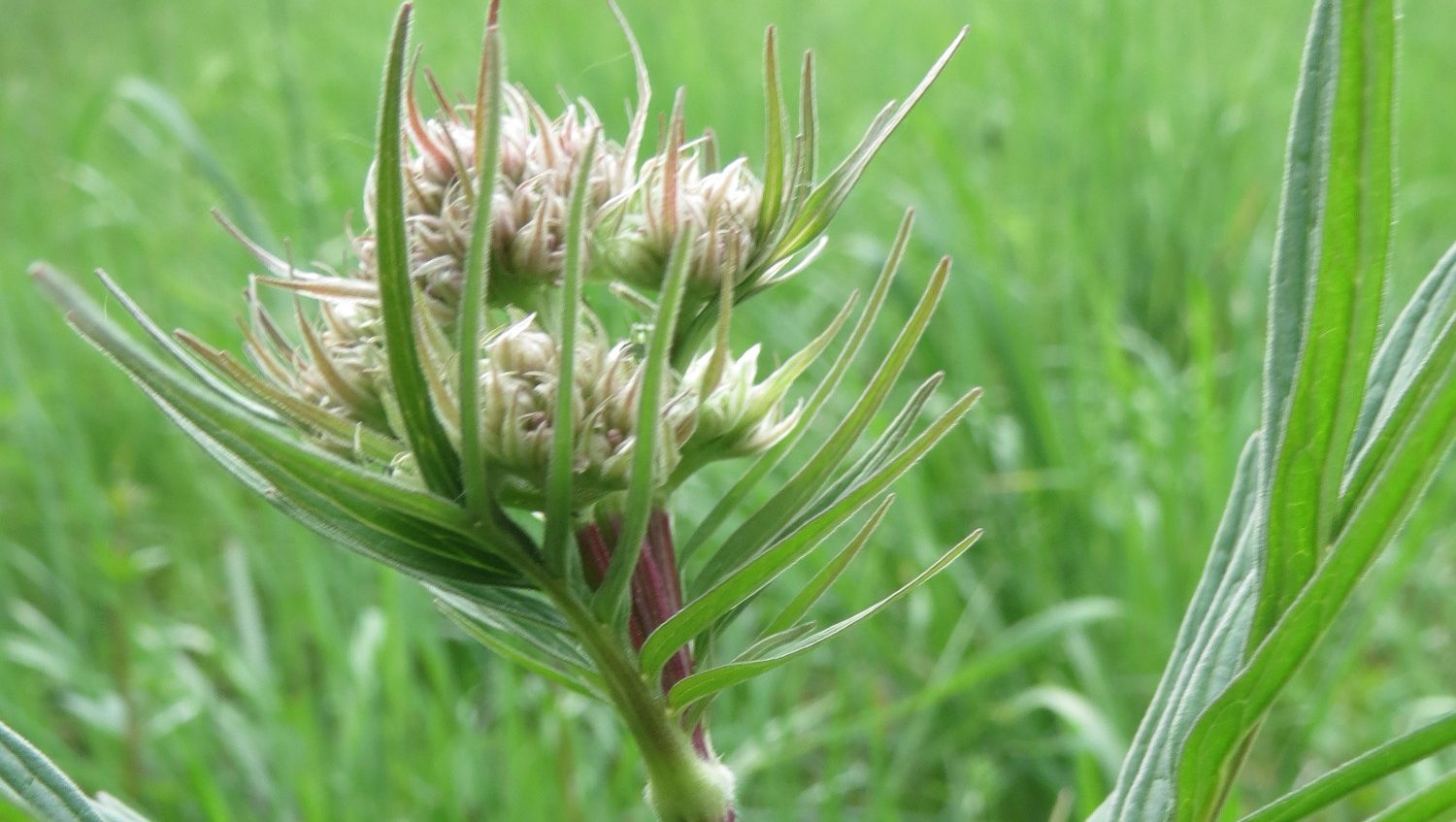
Valerian
Valeriana officinalis
Common & Folk Names
- Garden Valerian
- Common Valerian
- All-Heal
- Garden Heliotrope
- Setwall
- Capon’s Tail
- Vandal Root
Plant Family
Caprifoliaceae (formerly Valerianaceae)
Geographic Location
Native to Europe and parts of Asia, including temperate regions from the British Isles through Scandinavia, Eastern Europe, and extending into western Asia. Naturalised in North America and introduced to temperate regions worldwide. Wild populations found throughout much of Europe, whilst commercial cultivation occurs primarily in Belgium, France, Germany, Poland, the Netherlands, and the United States.
Habitat
Naturally grows in damp meadows, along stream banks, in ditches, at forest margins, and in other moist, rich soils. Prefers areas with partial shade and consistent moisture. Found from lowlands to mountain regions up to 2,000 metres elevation. Thrives in disturbed areas and can become weedy in suitable conditions.
Growing Conditions
Sun: Full sun to partial shade; tolerates shade but flowers best with at least 4-6 hours of sun daily
Soil: Rich, moist, well-draining loam; prefers slightly acidic to neutral pH (6.0-7.0); tolerates clay soils if drainage is adequate; requires consistent moisture
Propagation: Sow seeds in spring after stratification (cold treatment for 4-6 weeks improves germination); divide established crowns in spring or autumn; root cuttings in early spring
Care: Keep soil consistently moist; mulch to retain moisture; may require staking as plants can reach 1.5 metres; deadhead to prevent excessive self-seeding; dies back in winter and re-emerges in spring
NZ Planting Calendar
Sowing (seed): Spring (August-October) after stratification; autumn sowing (March-April) allows natural cold stratification over winter
Propagation (cuttings/division): Divide established clumps in early spring (August-September) or autumn (March-April); root cuttings in early spring
Planting: Spring (September-November) or autumn (March-May) for best establishment
Growth: Hardy perennial; dies back to ground level in winter, re-emerges in spring; takes 2-3 years to reach full maturity
Flowering: Late spring to summer (November-February) with clusters of small pink to white fragrant flowers
Harvest: Roots harvested in autumn (March-May) of second or third year when active constituents are highest; harvest after foliage has died back
Note: Not native to NZ; introduced medicinal herb; grows well throughout NZ including cooler regions; particularly suited to South Island and cooler parts of North Island; may self-seed readily in favourable conditions; prefers cooler summer temperatures; can become weedy if not managed
Harvesting Guidelines
Harvest roots in autumn of the second or third year, after the aerial parts have died back and before the ground freezes. This timing coincides with maximum concentration of valerenic acids and other active constituents. Dig carefully to preserve the fibrous root system. Wash roots thoroughly to remove soil, then cut into smaller pieces if desired. Dry quickly at temperatures not exceeding 40°C to preserve volatile oils; proper drying is crucial as the characteristic odour develops during the drying process through enzymatic breakdown of compounds. Store dried roots in airtight containers away from light and moisture. The distinctive, pungent odour intensifies with drying and storage.
Parts Used
- Roots and rhizomes (primary medicinal parts)
- Occasionally aerial parts (less commonly used, lower concentration of active constituents)
Constituents & their Actions
Valerian contains a complex mixture of compounds that work synergistically to produce sedative and anxiolytic effects. The root’s therapeutic properties arise from volatile oils, valepotriates, and various other constituents that interact with multiple neurotransmitter systems.
Volatile Oils (Essential Oils):
A complex mixture of monoterpenes and sesquiterpenes that contribute significantly to valerian’s sedative effects. Some of the main volatile oil components in valerian are:
- Valerenic acid
- Acetoxyvalerenic acid
- Hydroxyvalerenic acid
- Bornyl acetate
- Valeranone
The main actions of these volatile oils are:
- Modulate GABA (gamma-aminobutyric acid) neurotransmitter activity, producing calming effects
- Inhibit the enzyme that breaks down GABA, increasing GABA availability in the brain
- Provide mild spasmolytic effects on smooth muscle
- Contribute to the characteristic odour that develops during drying and storage
Valepotriates (Iridoid Compounds):
Unstable compounds found in fresh valerian root that break down during drying and storage, though degradation products may retain activity. Some of the main valepotriates in valerian are:
- Valtrate
- Isovaltrate
- Acevaltrate
- Didrovaltrate
The main actions of these valepotriates are:
- Produce sedative effects through central nervous system depression
- Exhibit spasmolytic properties on smooth muscle
- Contribute to anxiolytic effects, though they degrade significantly in dried preparations
- May have cytotoxic properties in isolated form (not a concern in whole plant preparations)
Alkaloids:
Nitrogen-containing compounds present in small amounts. Some of the main alkaloids in valerian are:
- Valerianine
- Actinidine
- Chatinine
- Shyanthine
The main actions of these alkaloids are:
- Contribute to overall sedative effects
- May have mild antispasmodic properties
- Work synergistically with other constituents
Lignans and Other Phenolic Compounds:
Plant compounds with various physiological effects. Some of the main lignans in valerian are:
- 8-Hydroxypinoresinol
- Pinoresinol derivatives
- Caffeic acid derivatives
The main actions of these lignans are:
- Provide antioxidant protection
- May contribute to sedative effects
- Support overall therapeutic activity through synergy
GABA (Gamma-Aminobutyric Acid):
An inhibitory neurotransmitter present in the plant material itself.
The main actions of GABA are:
- Directly provides calming, inhibitory neurotransmitter activity
- Works synergistically with constituents that enhance GABAergic transmission
- Note: The significance of plant-derived GABA is debated, as it may have limited ability to cross the blood-brain barrier
Actions with Mechanisms
Sedative:
Valerian’s sedative effects result from multiple mechanisms working in concert. Valerenic acid and related compounds bind to GABA-A receptors in the brain, enhancing the inhibitory effects of GABA, which in turn reduces neuronal excitability and promotes relaxation and sleep. These constituents also inhibit GABA transaminase, the enzyme responsible for breaking down GABA in the synaptic cleft, which increases GABA availability and prolongs its calming effects. The combination of direct GABAergic activity, enzyme inhibition, and possible contributions from valepotriates creates a gentle sedative action that helps induce sleep without the hangover effect associated with many pharmaceutical sedatives.
Anxiolytic:
The anxiolytic properties arise primarily through modulation of GABAergic neurotransmission. Valerenic acid enhances GABA binding to receptors, which in turn increases chloride ion influx into neurons, hyperpolarising them and making them less likely to fire, thus reducing the neural activity associated with anxiety. This mechanism is similar to benzodiazepines but appears gentler and less likely to cause dependence. Some research suggests valerian may also interact with serotonin receptors, particularly 5-HT5A receptors, contributing additional anxiolytic effects. The overall result is a reduction in subjective feelings of anxiety, nervous tension, and stress-related symptoms.
Spasmolytic:
Multiple constituents, including valepotriates and volatile oil components, relax smooth muscle tissue through several mechanisms. These compounds appear to reduce calcium influx into smooth muscle cells, which in turn decreases muscle contractility and relieves spasms. The GABAergic effects may also contribute to muscle relaxation by reducing neural stimulation of smooth muscle. This spasmolytic action proves particularly useful for digestive cramping, menstrual cramps, and tension-related muscle tightness, especially when these conditions have a nervous or stress-related component.
Hypotensive (mild):
Valerian produces mild blood pressure-lowering effects through multiple pathways. The spasmolytic action on vascular smooth muscle reduces peripheral resistance, which in turn allows blood vessels to dilate and blood pressure to decrease slightly. The anxiolytic and sedative effects reduce sympathetic nervous system activity and stress-hormone release, both of which can elevate blood pressure. Additionally, some constituents may have mild diuretic properties contributing to blood pressure reduction. These effects are generally mild and most significant in individuals with stress-related or neurogenic hypertension.
Carminative:
The volatile oils provide gentle carminative effects by relaxing the smooth muscle of the digestive tract and helping to expel gas. The antispasmodic properties reduce cramping and griping, which in turn eases the passage of intestinal gas and relieves bloating and discomfort. The aromatic compounds may also stimulate digestive secretions and improve overall digestive function. This action is most pronounced when valerian is used for stress-related digestive disturbances.
Mild Analgesic:
Valerian provides gentle pain relief, particularly for pain with a nervous or tension-related component. The GABAergic activity reduces nerve signal transmission, which in turn decreases the perception of pain. The muscle-relaxing properties relieve tension-type pain, whilst the sedative effects help individuals cope better with chronic pain by improving sleep quality and reducing pain-related anxiety. This makes valerian particularly useful for tension headaches, stress-related pain, and pain that interferes with sleep.
Antispasmodic:
The combination of valepotriates, volatile oils, and GABAergic effects produces significant antispasmodic activity on both smooth and skeletal muscle. These constituents reduce excessive muscle contractions by modulating calcium channels and neural stimulation, which in turn relieves cramping, twitching, and spastic conditions. This action extends to the digestive tract, uterus, and skeletal muscles, making valerian useful for menstrual cramps, irritable bowel syndrome, and stress-related muscle tension.
Main Use
Valerian is primarily used as a gentle, non-habit-forming sedative and sleep aid for individuals experiencing difficulty falling asleep, restless sleep, or sleep disturbances related to stress and anxiety. It proves particularly effective for people whose minds remain active at bedtime, preventing them from relaxing sufficiently to fall asleep. Unlike pharmaceutical sedatives, valerian typically does not cause morning grogginess or impair cognitive function the following day, making it suitable for regular use. The herb works best with consistent use over several weeks rather than as an acute intervention, though some individuals experience immediate benefits.
Beyond sleep support, valerian serves as an anxiolytic for managing mild to moderate anxiety, nervous tension, and stress-related symptoms. It helps calm racing thoughts, reduces physical manifestations of anxiety such as muscle tension and restlessness, and supports emotional balance during stressful periods. The herb’s antispasmodic properties make it valuable for stress-related digestive complaints, menstrual cramps, tension headaches, and muscle tension. Valerian is often combined with other calming herbs such as passionflower, hops, lemon balm, or chamomile to enhance its effects and create more comprehensive support for nervous system health. The herb’s long history of safe use and relatively mild action make it an excellent choice for individuals seeking natural alternatives to pharmaceutical sedatives and anxiolytics.
Preparations
Decoction: Simmer 1-2 teaspoons (2-4g) of dried, chopped root in 250ml water for 10-15 minutes; strain and drink 30-60 minutes before bed for sleep support, or 2-3 times daily for anxiety. The heat helps extract the active constituents from the dense root material.
Cold Infusion: Place 1-2 teaspoons (2-4g) of dried root in 250ml cold water and steep for 8-12 hours (overnight); strain and drink before bed. Cold extraction may preserve some volatile constituents that are lost with heat.
Tincture (1:5, 60-70% alcohol): The high alcohol content extracts both water-soluble and fat-soluble constituents effectively. Standard tincture preparation using dried root; the alcohol also preserves the volatile oils well.
Capsules: Dried, powdered root in capsule form; standardised extracts often contain 0.8% valerenic acids. Convenient for those who dislike the taste or smell.
Tea Blend: Combine valerian root with complementary herbs such as chamomile, lemon balm, passionflower, or lavender to improve taste and enhance effects. Use 1-2 teaspoons of blend per cup, steep 10-15 minutes.
Bath: Add strong decoction or 10-20 drops of tincture to bath water for topical absorption and aromatherapeutic effects; helpful for stress relief and muscle tension.
Dosage
Dried Root (decoction or cold infusion): 2-4g, 1-3 times daily; for sleep, take 30-60 minutes before bedtime
Tincture (1:5, 60-70% alcohol): 2-5ml (40-100 drops), 1-3 times daily; for sleep, take 5ml 30-60 minutes before bed
Standardised Extract (0.8% valerenic acids): 400-900mg, taken 30 minutes to 2 hours before bedtime for sleep; 300-600mg daily in divided doses for anxiety
Topical Use: Add strong decoction or 10-20 drops of tincture to bath water; use as needed for relaxation and muscle tension
Note: Valerian often works best with consistent use over 2-4 weeks, though some individuals experience immediate effects. Start with lower doses and increase gradually to find the effective dose with minimal side effects.
Safety & Drug Interactions
Valerian has an excellent safety profile with a long history of use and minimal adverse effects in most individuals. The most common side effects include mild headache, digestive upset, dizziness, or paradoxical stimulation in sensitive individuals (rare). Some people report vivid dreams or morning grogginess, particularly with high doses. These effects are typically mild and resolve with dose adjustment.
A small percentage of individuals experience paradoxical reactions, becoming more alert or agitated rather than relaxed. If this occurs, discontinue use. The distinctive odour can be off-putting to some users, though this does not affect efficacy.
Use with caution during pregnancy and lactation due to limited safety data, though traditional use suggests it is likely safe in moderate amounts. Avoid high doses during pregnancy. Generally considered safe for children when used appropriately and in reduced doses, though professional guidance is recommended.
Individuals with liver disease should exercise caution, as very high doses or long-term use of isolated valepotriates (not whole plant preparations) have shown hepatotoxic potential in animal studies; whole plant preparations appear safe but should be monitored. Those scheduled for surgery should discontinue valerian at least 2 weeks beforehand due to its sedative effects and potential interaction with anaesthesia.
Drug Interactions:
- Sedative Medications: Valerian may enhance the effects of benzodiazepines, barbiturates, and other sedative-hypnotics; use together only under professional supervision
- CNS Depressants: May potentiate effects of alcohol, opioids, antihistamines, and other central nervous system depressants
- Anaesthesia: Theoretical risk of enhanced sedation during surgery; discontinue 2 weeks before scheduled procedures
- CYP450 Enzymes: Limited evidence suggests valerian may interact with drugs metabolised by certain liver enzymes, though clinical significance is unclear
- Loperamide: May increase sedative effects when combined with this anti-diarrhoeal medication
Avoid driving or operating heavy machinery until you know how valerian affects you, particularly when first beginning use or adjusting dosage. Most individuals do not experience impairment, but individual responses vary.
Scientific Evidence
Sleep Quality and Insomnia: Multiple clinical trials and systematic reviews support valerian’s effectiveness for improving sleep quality and reducing the time needed to fall asleep. A meta-analysis of 18 randomised controlled trials found that valerian significantly improved subjective sleep quality compared to placebo, though effects were generally mild to moderate. The evidence is stronger for improving sleep quality in people with chronic insomnia than for acute sleep problems. Studies typically show benefits emerging after 2-4 weeks of consistent use rather than immediate effects.
Anxiety Disorders: Clinical evidence for anxiety is more limited and mixed compared to sleep applications. Some studies show significant anxiolytic effects comparable to low-dose benzodiazepines but without the side effects or dependency risks. Other trials show modest or no significant effects. A systematic review concluded that whilst valerian shows promise for anxiety, more rigorous research is needed. The herb appears most effective for generalised anxiety and stress-related symptoms rather than acute anxiety or panic disorders.
Mechanisms of Action: Laboratory research has confirmed that valerenic acid and related compounds interact with GABA-A receptors, enhance GABAergic neurotransmission, and inhibit GABA breakdown. Studies also suggest interactions with adenosine receptors and possible effects on serotonin systems. Animal studies support sedative, anxiolytic, and antispasmodic properties. The mechanisms are complex and likely involve synergistic effects of multiple constituents.
Safety Studies: Long-term safety studies and extensive traditional use support valerian’s safety profile. Systematic reviews of adverse events show minimal serious side effects. Studies specifically examining hepatotoxicity in humans have found no evidence of liver damage with whole plant preparations at recommended doses, though isolated valepotriate compounds have shown toxicity in laboratory settings.
Comparative Studies: Some trials comparing valerian to pharmaceutical sleep aids (particularly benzodiazepines) show similar efficacy with fewer side effects and no next-day impairment. However, the effects are generally milder than pharmaceutical options, making valerian more suitable for mild to moderate sleep difficulties rather than severe insomnia.
Western Energetics
Temperature: Cooling to neutral. Valerian’s sedative and calming effects help cool overactive, “hot” states of nervous system excitation, anxiety, and agitation. It reduces the heat of inflammation and excess nervous energy whilst calming restlessness and irritability. The cooling quality is gentle rather than strongly refrigerant.
Moisture: Neutral to slightly drying. Valerian neither significantly moistens nor dries tissues, making it suitable for most constitutional types. The slightly drying tendency may help with certain damp, stagnant conditions when combined with its antispasmodic effects.
Tissue State: Particularly indicated for tense, constricted tissue states with spasm, cramping, and excessive nervous tension. The herb’s relaxing and antispasmodic properties address the underlying tension whilst the sedative effects calm the nervous system driving the constriction. Also suitable for excitation and irritation when there is overactive nervous system function preventing rest and relaxation.
Taste
Bitter: The bitter taste, while not dominant, stimulates digestive function and contributes to valerian’s traditional use as a digestive tonic. Bitterness is associated with cooling and drying properties and signals the presence of complex medicinal compounds. This taste quality also relates to the herb’s ability to “cool” overheated nervous states.
Sweet: A subtle underlying sweetness, particularly in the fresh root, contributes to valerian’s nourishing effects on the nervous system. Sweetness is traditionally associated with building, strengthening, and tonifying properties, supporting the herb’s use for long-term nervous system support.
Pungent/Acrid: The distinctive, strong aroma and slightly pungent taste (more pronounced in the dried root) indicate the presence of volatile oils and contribute to the herb’s dispersing, moving qualities. This pungency helps explain valerian’s traditional use for moving stagnation and relieving spasms and cramping.
Plant Lore
Valerian’s name likely derives from the Latin “valere,” meaning “to be strong” or “to be well,” reflecting its reputation as a powerful healing herb. The name may also honour the Roman emperor Valerius, though this etymology is less certain. The plant’s use extends back to ancient Greece and Rome, where physicians including Hippocrates, Galen, and Dioscorides documented its medicinal properties.
In mediaeval Europe, valerian gained the nickname “All-Heal” due to its wide range of applications, from nervous complaints to wounds and various illnesses. It was considered a panacea and featured prominently in monastery gardens and physic gardens throughout Europe. The herb was hung in houses to protect against evil spirits and lightning, and was included in love potions and charms.
During the First and Second World Wars, valerian experienced a resurgence in Britain when it was used to treat shell shock (now recognised as PTSD) and air raid stress. The British government encouraged citizens to collect wild valerian to supply the war effort when pharmaceutical sedatives were scarce.
The Pied Piper of Hamelin legend may have connections to valerian, as the plant contains compounds attractive to rats and cats, similar to catnip. Folklore suggests the Piper used valerian to lure the rats from the town. Cats often show great attraction to valerian root, exhibiting euphoria similar to their response to catnip.
In traditional European herbalism, valerian was associated with sleep, dreams, and the otherworld. It was believed to enhance psychic abilities and facilitate prophetic dreams when placed under the pillow. The strong odour of dried valerian, often compared to dirty socks or aged cheese, was thought to ward off negative energies whilst attracting benevolent spirits.
Different species of valerian grow worldwide, and many cultures have incorporated local varieties into their healing traditions. In traditional Chinese medicine, Chinese valerian (Valeriana officinalis var. latifolia) has been used similarly to European valerian, whilst other Asian cultures have their own valerian species with comparable applications.
The plant’s ability to calm humans whilst exciting cats has made it a subject of fascination and folklore. This paradoxical effect contributed to valerian’s mystical reputation and its association with transformation and altered states of consciousness.
Additional Information
The distinctive odour of valerian, which intensifies as the root dries and ages, results from the breakdown of valepotriates and other compounds. Fresh root has a much milder, earthier scent. Some people find the odour extremely unpleasant, whilst others become accustomed to it or barely notice. The smell does not indicate spoilage; rather, it develops as part of the normal curing process. Tinctures and capsules can help those sensitive to the odour.
Valerian is sometimes confused with red valerian (Centranthus ruber), an ornamental garden plant with different properties and no established medicinal use. True medicinal valerian (Valeriana officinalis) can be identified by its compound pinnate leaves, clusters of small pink to white flowers, and characteristic root odour.
The herb combines well with many other nervine and sedative herbs. Common combinations include:
- Valerian + Hops for sleep support (a classic combination)
- Valerian + Passionflower for anxiety and insomnia
- Valerian + Lemon Balm for nervous tension and digestive upset
- Valerian + Cramp Bark for menstrual cramps
- Valerian + Skullcap for muscle tension and anxiety
Individual response to valerian varies considerably. Some people find it highly effective, whilst others experience minimal benefit. The herb appears to work best for certain types of sleep problems (difficulty falling asleep due to racing thoughts, stress-related insomnia) rather than others (sleep apnoea, pain-related sleep disruption). Trial and consistent use over several weeks may be needed to determine effectiveness for an individual.
Standardised extracts provide more predictable doses of valerenic acids, but whole plant preparations offer the full spectrum of constituents and their synergistic effects. Both approaches have merit, and individual preference and response should guide selection.
Growing valerian in the garden provides fresh root for medicine and creates a beautiful, fragrant flowering plant that attracts pollinators. The flowers have a sweet, pleasant scent quite different from the root’s aroma. Harvest roots carefully to avoid depleting wild populations, and consider cultivating your own supply if you use the herb regularly.
Sources
Bone, K., & Mills, S. (2013). Principles and Practice of Phytotherapy: Modern Herbal Medicine (2nd ed.). Churchill Livingstone.
Hoffman, D. (2003). Medical Herbalism: The Science and Practice of Herbal Medicine. Healing Arts Press.
Mills, S., & Bone, K. (2005). The Essential Guide to Herbal Safety. Elsevier.
Grieve, M. (1931). A Modern Herbal. Dover Publications (1971 reprint).
Bent, S., Padula, A., Moore, D., Patterson, M., & Mehling, W. (2006). Valerian for sleep: A systematic review and meta-analysis. American Journal of Medicine, 119(12), 1005-1012.
Fernández-San-Martín, M. I., Masa-Font, R., Palacios-Soler, L., Sancho-Gómez, P., Calbó-Caldentey, C., & Flores-Mateo, G. (2010). Effectiveness of valerian on insomnia: A meta-analysis of randomised placebo-controlled trials. Sleep Medicine, 11(6), 505-511.
Müller, S. F., & Klement, S. (2006). A combination of valerian and lemon balm is effective in the treatment of restlessness and dyssomnia in children. Phytomedicine, 13(6), 383-387.
Hendriks, H., Bos, R., Woerdenbag, H. J., & Koster, A. S. (1985). Central nervous depressant activity of valerenic acid in the mouse. Planta Medica, 51(1), 28-31.
Yuan, C. S., Mehendale, S., Xiao, Y., Aung, H. H., Xie, J. T., & Ang-Lee, M. K. (2004). The gamma-aminobutyric acidergic effects of valerian and valerenic acid on rat brainstem neuronal activity. Anesthesia & Analgesia, 98(2), 353-358.
Donath, F., Quispe, S., Diefenbach, K., Maurer, A., Fietze, I., & Roots, I. (2000). Critical evaluation of the effect of valerian extract on sleep structure and sleep quality. Pharmacopsychiatry, 33(2), 47-53.
Stevinson, C., & Ernst, E. (2000). Valerian for insomnia: A systematic review of randomised clinical trials. Sleep Medicine, 1(2), 91-99.
Schulz, V., Hänsel, R., & Tyler, V. E. (2001). Rational Phytotherapy: A Physician’s Guide to Herbal Medicine (4th ed.). Springer.
Leathwood, P. D., Chauffard, F., Heck, E., & Munoz-Box, R. (1982). Aqueous extract of valerian root (Valeriana officinalis L.) improves sleep quality in man. Pharmacology Biochemistry and Behavior, 17(1), 65-71.
Houghton, P. J. (1999). The scientific basis for the reputed activity of valerian. Journal of Pharmacy and Pharmacology, 51(5), 505-512.
Disclaimer: This monograph is for educational purposes only and is not medical advice. Please consult with a qualified healthcare practitioner before using any herbal remedy, especially if you are pregnant, nursing, taking medication, or have a known medical condition.