
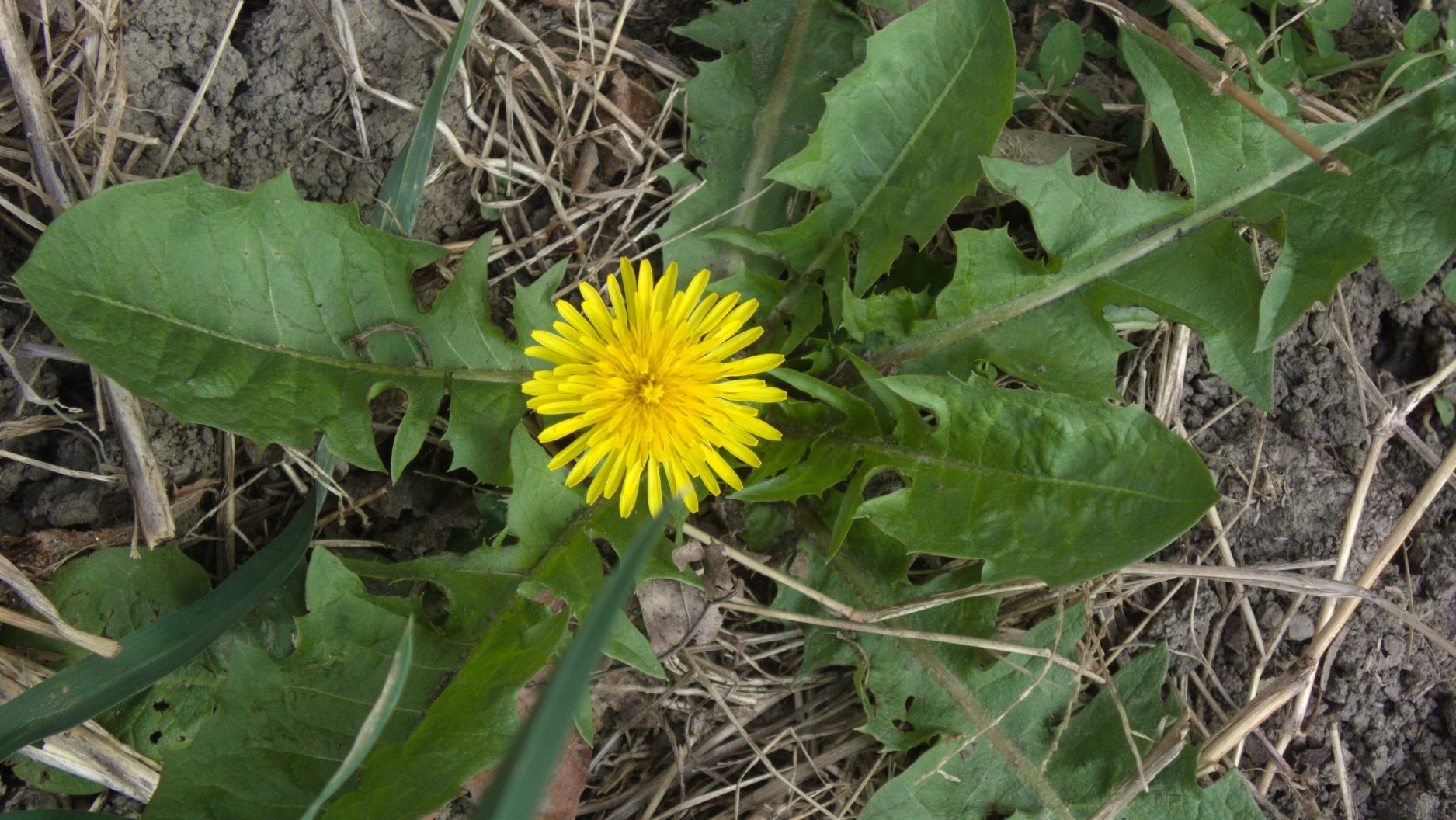
Dandelion
Taraxacum officinale
Common & Folk Names
- Lion’s Tooth (from French dent-de-lion, referring to the toothed leaves)
- Blow Ball (for the seed head)
- Piss-a-Bed (reflecting its strong diuretic properties)
- Wet-a-Bed
- Wild Endive
- Priest’s Crown
- Puffball
- Milk Gowan
- Fairy Clock
- Cankerwort
- Irish Daisy
- Swine’s Snout
Plant Family
Asteraceae (Aster/Composite Family)
Geographic Location
Dandelion is native to Europe and Asia but has been naturalised worldwide and now grows on every continent except Antarctica. It is one of the most cosmopolitan and adaptable plants in the world, thriving in temperate climates from sea level to alpine environments. In New Zealand, dandelion was introduced by European settlers and has become thoroughly naturalised, growing prolifically throughout both islands from Northland to Southland. It is found in virtually every urban and rural environment.
Habitat
Dandelion is the quintessential “weed,” thriving in disturbed habitats where other plants struggle. It colonises lawns, gardens, roadsides, waste ground, parks, pastures, footpaths, cracks in pavement, and even railway tracks. It prefers open, sunny locations with moderate moisture but is extraordinarily adaptable and can tolerate poor soil, compaction, mowing, and moderate foot traffic. Dandelion’s success lies in its deep taproot (which can reach 45 cm or more), its ability to reproduce both sexually (seeds) and asexually (root fragments), and its capacity to flower almost year-round given suitable conditions.
Growing Conditions
Sun: Full sun preferred, but tolerates partial shade. Flowers open fully in sunlight and close at night and on overcast days.
Soil: Extremely adaptable. Grows in almost any soil type from sandy to heavy clay, though prefers loamy, well-drained soils rich in nitrogen. Tolerates poor, compacted soil. pH range: 5.0-8.0 (very broad tolerance). The deep taproot breaks up compacted soil and mines minerals from deep layers.
Propagation: Grows readily from seed (dispersed by wind on the characteristic “parachute” pappus) or from root fragments (any piece of root left in soil will regenerate a new plant). Seeds germinate in 7-14 days in warm, moist conditions. Self-seeds prolifically.
Care: Requires virtually no care once established – in fact, it is nearly impossible to eradicate once present. Tolerates mowing, trampling, and most environmental stresses. Flowers prolifically from spring through autumn in New Zealand (and year-round in mild climates). The name “dandelion” has become synonymous with resilience and persistence.
NZ Planting Calendar
“Planting”: Not necessary – dandelion self-seeds prolifically and establishes from any root fragment
Harvest (Leaves): August–November (spring) for tender greens; year-round for medicinal use
Harvest (Flowers): September–February (spring through summer)
Harvest (Roots): April–May (autumn) for peak inulin content, or August (late winter) before spring growth
Harvesting Guidelines
Dandelion is one of the easiest and most accessible herbs to harvest, found everywhere humans have settled. Every part of the plant is useful.
Leaves (Spring – Best Quality):
- Optimal harvest: Early spring (August-September in NZ) when leaves are young, tender, and mildly bitter
- Harvest before flowering for best flavor and texture
- Young leaves (5-15 cm long) are preferable for salads and have higher vitamin content
- Later season leaves: As the plant matures (summer-autumn), leaves become progressively more bitter and tougher, though still medicinal. These are better cooked or dried for tea.
- Cut leaves with scissors or knife, leaving the crown intact so the plant regrows
- Harvest from clean areas away from roads, dog-walking paths, and sprayed lawns
- What to avoid: Heavily sprayed lawns, roadsides with traffic pollution, areas where dogs frequent
Flowers (Spring through Autumn):
- Optimal harvest: Spring through early summer (September-December in NZ), though flowers appear year-round in mild climates
- Pick fully opened, bright yellow flower heads in mid-morning after dew has dried but before heat of day
- Harvest flower heads only (snap or cut off at base of flower head), leaving stem and leaves to continue photosynthesis
- Use fresh or dry immediately (flowers deteriorate quickly after picking)
- Check carefully for insects before using
Roots (Autumn – Peak Potency):
- Optimal harvest: Late autumn (April-May in NZ) or late winter/early spring (August in NZ)
- Why autumn is best: In autumn, dandelion translocates energy (primarily as inulin) from leaves into the root for winter storage. Autumn roots contain 25-40% inulin by dry weight versus only 2-5% in spring roots. This makes autumn roots significantly more therapeutic for prebiotic and liver-supporting effects.
- Why late winter/spring works: Before spring growth begins, roots still retain stored energy and are fat and juicy. Once spring growth starts, the root becomes depleted and bitter as energy moves back into leaves and flowers.
- Requires a garden fork or sturdy trowel – the taproot goes deep (often 30-45 cm)
- Loosen soil around the plant in a wide circle, then pry and pull steadily to extract the entire root without breaking
- Easier in loose, moist soil after rain
- Harvest from pesticide-free areas only – roots accumulate anything in the soil
- Wash thoroughly to remove all soil particles
- Chop immediately while fresh (roots become rock-hard when dry)
Processing:
- Fresh leaves: Rinse, pat dry, use immediately in salads or cooking
- Dried leaves: Hang in bunches or spread on screens in warm, well-ventilated area away from direct sun. Dry until crisp (3-7 days). Store in airtight containers away from light.
- Fresh flowers: Use immediately. Can be dried but lose color and some properties. Spread in single layer, dry quickly at low temperature (35-40°C).
- Fresh roots: Wash thoroughly, chop into 0.5-1 cm rounds or strips. Use fresh in tinctures or dry for tea/coffee substitute.
- Dried roots: Spread chopped roots on screens, dry at 40-50°C until completely hard and brittle (can take several days to a week depending on size). Store in airtight jars.
- Roasted roots for “coffee”: Dry first, then roast at 150°C for 20-30 minutes until dark brown and caramel-smelling (not burnt). Grind and brew like coffee.
Parts Used
- Root (primary medicinal part – strongest bitter tonic and liver support)
- Leaf (diuretic, nutritive)
- Flower (wine, fritters, topical oil for muscle pain)
- Whole plant (traditionally)
Constituents & their Actions
Sesquiterpene Lactones (Bitter Principles):
These intensely bitter compounds, once collectively called “taraxacin,” are the heart of dandelion’s digestive and liver-supporting actions. They are unique eudesmanolide and germacranolide-type sesquiterpene lactones found primarily in the root (though also present in leaves). Some of the main bitter compounds in dandelion are:
- Taraxinic acid and derivatives
- Taraxacolide
- Ainslioside
- Taraxacin (historical term for the mixture)
The main actions of these bitter principles are:
- Bitter tonic (stimulates digestion)
- Cholagogue (stimulates bile production and flow)
- Choleretic (increases bile secretion)
- Hepatic tonic (supports liver function)
- Appetite stimulant
- Mild laxative
Inulin (Prebiotic Polysaccharide):
A storage polysaccharide composed of chains of fructose molecules. Inulin content varies dramatically by harvest season and is one of dandelion root’s most valuable constituents:
- Autumn root: 25-40% inulin (very high)
- Summer root: 10-15% inulin
- Spring root: 2-5% inulin (depleted by spring growth)
The main actions of inulin are:
- Prebiotic (feeds beneficial gut bacteria, particularly Bifidobacteria and Lactobacilli)
- Supports healthy gut microbiome
- Improves mineral absorption (calcium, magnesium)
- Mild hypoglycemic effect (helps stabilise blood sugar)
- Satiety-promoting (contributes to fullness)
- Improves bowel regularity
Triterpenes:
These compounds contribute significantly to dandelion’s anti-inflammatory and hepatoprotective effects. Some of the main triterpenes in dandelion are:
- Taraxasterol (one of the most abundant and studied)
- Taraxerol
- β-Amyrin
- Pseudotaraxasterol
- Arnidiol
The main actions of triterpenes are:
- Anti-inflammatory (modulates inflammatory pathways)
- Hepatoprotective (protects liver cells from damage)
- Antioxidant
- Potential anti-cancer effects (studied in preclinical models)
Phenolic Acids:
These polyphenolic compounds provide antioxidant, anti-inflammatory, and immunomodulatory effects. Some of the main phenolic acids in dandelion are:
- Chicoric acid (one of the most abundant)
- Chlorogenic acid
- Caffeic acid
- Cinnamic acid derivatives
- Coumaric acid
The main actions of phenolic acids are:
- Antioxidant (scavenge free radicals, reduce oxidative stress)
- Anti-inflammatory
- Immunomodulatory
- Hepatoprotective
- Antimicrobial
Flavonoids:
These plant pigments contribute to antioxidant and anti-inflammatory activity. Some of the main flavonoids in dandelion are:
- Luteolin
- Luteolin-7-glucoside
- Apigenin
- Quercetin
- Rutin
The main actions of flavonoids are:
- Antioxidant
- Anti-inflammatory
- Vascular protective
- Diuretic (particularly in leaves)
Vitamins & Minerals (Highly Nutritive):
Dandelion, particularly the leaves, is extraordinarily nutritious. Fresh leaves contain:
- Vitamin A (as carotenoids): Extremely high – 14,000 IU per 100g (one of the highest plant sources)
- Vitamin K: Very high – 778 µg per 100g (over 600% daily value)
- Vitamin C: 35 mg per 100g
- B Vitamins: Moderate amounts of thiamine, riboflavin, niacin, B6
- Vitamin D: Moderate amounts (unusual for a plant)
- Vitamin E: Present
- Minerals: Iron (3.1 mg per 100g), calcium (187 mg per 100g), potassium (397 mg per 100g), magnesium (36 mg per 100g), silicon, zinc, manganese, copper, phosphorus
The main actions of these nutrients are:
- Nutritive tonic (nourishes depleted states)
- Mineral replenishment (particularly important with diuretic action)
- Antioxidant support (vitamins A, C, E)
- Bone health support (vitamin K, calcium)
Other Constituents:
- Sterols: β-Sitosterol, stigmasterol
- Polysaccharides: Complex sugars beyond inulin, contribute to immunomodulatory effects
- Choline: Supports liver function and fat metabolism
- Latex: White milky sap contains various compounds including rubber-like substances; traditional use for wart removal (topical application of fresh latex)
Actions (with Mechanisms)
Hepatic Tonic & Hepatoprotective (Liver Support & Protection):
This is dandelion’s signature action and primary traditional use. The sesquiterpene lactones (bitter principles) stimulate liver function by activating bitter taste receptors (T2R family) on the tongue and throughout the gastrointestinal tract, which in turn triggers a cascade of digestive secretions including increased bile production and release from the gallbladder (choleretic and cholagogue effects). Increased bile flow supports the liver’s primary detoxification and elimination pathway, which in turn helps remove metabolic wastes, cholesterol, bilirubin, hormones, and fat-soluble toxins. Taraxasterol (a key triterpene) modulates inflammatory and oxidative stress pathways in hepatocytes, which in turn protects liver cells from damage induced by alcohol, drugs (including paracetamol/acetaminophen), carbon tetrachloride, and other hepatotoxins. Multiple animal studies demonstrate significant reductions in liver enzymes (AST, ALT, ALP, GGT), reduced oxidative stress markers (MDA, TOS), and protection against liver fibrosis and steatosis (fatty liver) with dandelion administration. The phenolic acids and flavonoids provide additional antioxidant protection, which in turn reduces free radical damage to hepatocytes. This multi-mechanism hepatic support makes dandelion a valuable long-term liver tonic for people with sluggish liver function, fatty liver, alcohol-related liver stress, or medication-induced liver strain.
Digestive Bitter & Appetite Stimulant:
The intensely bitter taste of dandelion root (and to a lesser extent, leaves) activates bitter taste receptors (T2Rs) located throughout the mouth, stomach, and intestines, which in turn triggers the “bitter reflex” – a coordinated series of digestive responses. This reflex stimulates saliva production (containing digestive enzymes), which in turn begins carbohydrate digestion. It increases gastric acid and pepsin secretion in the stomach, which in turn improves protein digestion. It stimulates pancreatic enzyme secretion (amylase, lipase, proteases), which in turn enhances breakdown of carbohydrates, fats, and proteins. It increases bile flow from the gallbladder, which in turn emulsifies fats for better absorption. The combined effect improves overall digestive capacity and reduces symptoms of dyspepsia (poor digestion), bloating, gas, and sluggish bowel movements. The bitter taste also stimulates appetite via hypothalamic pathways, which in turn makes dandelion useful for poor appetite associated with liver dysfunction, chemotherapy, or chronic illness. This traditional use as a “digestive bitter” taken before meals to “wake up” digestion is well-supported by both traditional knowledge and modern understanding of bitter receptor physiology.
Prebiotic & Microbiome Support:
The high inulin content in autumn-harvested dandelion root provides exceptional prebiotic support. Inulin is a non-digestible fructooligosaccharide that passes through the stomach and small intestine largely intact, which in turn reaches the colon where it serves as a preferential food source for beneficial bacteria, particularly Bifidobacteria and Lactobacilli species. These beneficial bacteria ferment the inulin, which in turn produces short-chain fatty acids (SCFAs) including butyrate, acetate, and propionate. Butyrate is the preferred energy source for colonocytes (colon cells) and supports intestinal barrier integrity, which in turn reduces “leaky gut” and systemic inflammation. The SCFAs also lower colonic pH, which in turn inhibits pathogenic bacteria and supports mineral absorption (calcium, magnesium, iron). The proliferation of beneficial bacteria crowds out potential pathogens via competitive exclusion, which in turn supports overall gut health and immune function. This prebiotic effect makes dandelion valuable for dysbiosis (microbial imbalance), post-antibiotic gut recovery, constipation, and supporting immune health through the gut-immune axis.
Diuretic (Increases Urination):
Dandelion leaf is renowned as a potent yet safe diuretic. Animal studies found that at high doses (2g per kg body weight), dandelion leaf extract produced diuretic effects comparable to the pharmaceutical diuretic furosemide (Lasix). The mechanism appears to involve increased renal blood flow and sodium/chloride excretion, which in turn increases urine volume. Unlike pharmaceutical diuretics which typically deplete potassium (causing hypokalemia), dandelion leaf is extraordinarily rich in potassium (397 mg per 100g fresh weight), which in turn replaces the potassium lost in urine. This “potassium-sparing” quality makes dandelion a safer long-term diuretic option. The diuretic action supports elimination of metabolic waste, excess fluid, and supports kidney function. It is traditionally used for mild edema (water retention), urinary tract support, and as part of “spring cleansing” or “detoxification” protocols. The diuretic effect is most pronounced in the leaf; the root has milder diuretic activity.
Mild Laxative & Supports Bowel Regularity:
The bitter principles provide gentle stimulation of intestinal motility via stimulation of digestive secretions and mild irritation of the intestinal lining, which in turn promotes peristalsis (intestinal contractions) and regular bowel movements. The inulin adds bulk to stool and promotes beneficial bacteria which produce SCFAs that stimulate colonic motility, which in turn relieves constipation. The increased bile flow acts as a natural laxative (bile is itself mildly irritating to the intestinal lining), which in turn supports regular elimination. This combination of effects makes dandelion useful for sluggish bowels, chronic constipation, and poor elimination. The effect is gentle and gradual, not aggressive like senna or cascara.
Alterative (“Blood Purifier”):
In traditional herbal terminology, “alterative” refers to herbs that improve elimination of metabolic wastes and support overall detoxification, which in turn “purifies the blood” (though this is a metaphor rather than a literal action). Dandelion achieves this through multiple pathways: enhanced liver detoxification and bile flow removes waste via the bowel, diuretic action removes waste via the kidneys, prebiotic support improves gut elimination, and antioxidant compounds reduce oxidative waste products. This multi-system support for elimination, which in turn reduces the toxic burden on the body, is particularly valuable for chronic skin conditions (acne, eczema, psoriasis) linked to poor elimination, joint inflammation, and general feelings of sluggishness or “toxic” accumulation. While the concept of “blood purification” is outdated, the underlying principle – that improving elimination pathways supports overall health – remains valid.
Anti-Inflammatory & Antioxidant:
The triterpenes (particularly taraxasterol), phenolic acids, and flavonoids provide potent anti-inflammatory and antioxidant effects through multiple mechanisms. They scavenge free radicals, which in turn reduces oxidative damage to cells, lipids, proteins, and DNA. They inhibit pro-inflammatory enzyme pathways including COX-2 and LOX, which in turn reduces prostaglandin and leukotriene production. They modulate NF-κB and other inflammatory transcription factors, which in turn reduces expression of pro-inflammatory cytokines (TNF-α, IL-1β, IL-6). These effects, which in turn reduce systemic inflammation and oxidative stress, may contribute to dandelion’s traditional use for arthritis, gout, and inflammatory conditions. Studies show significant reductions in inflammatory markers and oxidative stress in animal models treated with dandelion extracts.
Hypoglycemic (Blood Sugar Modulation):
Emerging research suggests dandelion may help regulate blood glucose levels. The inulin provides slow-release carbohydrate, which in turn prevents rapid blood sugar spikes. Animal studies show dandelion extracts increase carbohydrate metabolism and improve insulin sensitivity, which in turn supports better blood sugar control. One study found that ethanol extracts of dandelion root and leaves (300-500 mg/kg) produced dose-dependent hypoglycemic effects in diabetic rats. The mechanisms may involve improved pancreatic β-cell function, enhanced glucose uptake by cells, and reduced hepatic glucose production. While human clinical trials are limited, these effects suggest potential value in metabolic syndrome and type 2 diabetes as an adjunct to conventional treatment (not a replacement).
Main Use
Dandelion’s primary use in modern herbalism is as a gentle, safe, long-term hepatic tonic and digestive bitter for supporting liver function, improving digestion, and promoting elimination. It is the archetypal “spring tonic” herb used to “wake up” sluggish digestion and support the liver’s natural detoxification processes after winter.
Primary Clinical Indications:
1. Liver Support & Dysfunction:
- Sluggish liver function (from poor diet, alcohol use, medication)
- Fatty liver (non-alcoholic steatohepatitis/NAFLD) – preclinical evidence
- Chronic hepatitis (as adjunct support, not primary treatment)
- Post-medication liver strain (particularly paracetamol/acetaminophen, antibiotics)
- Cholestatic conditions (sluggish bile flow)
- Elevated liver enzymes (AST, ALT, GGT)
Dandelion’s hepatoprotective effects are supported by numerous animal studies showing protection against chemical-induced liver damage and improvements in liver function markers. While human clinical trials are limited, the consistent preclinical evidence combined with centuries of traditional use and excellent safety profile make it a reasonable choice for long-term liver support.
2. Digestive Dysfunction:
- Dyspepsia (poor digestion, bloating, gas, fullness after meals)
- Loss of appetite (anorexia, particularly in elderly or chronically ill)
- Sluggish digestion
- Constipation (chronic, gentle support)
- Poor fat digestion (due to inadequate bile flow)
- Dysbiosis (gut microbial imbalance) – via prebiotic inulin
The bitter principles and cholagogue effects are officially recognised by Germany’s Commission E and the European Medicines Agency (EMA) for relief of digestive disorders and loss of appetite. This is dandelion’s best-validated traditional use.
3. Fluid Retention & Urinary Support:
- Mild edema (water retention from various causes)
- PMS-related bloating and water retention
- Supporting kidney function (as mild diuretic)
- Urinary tract support (increasing urine flow helps flush bacteria)
The leaf’s strong yet potassium-sparing diuretic action makes it particularly useful for conditions where fluid elimination is desired without the risk of electrolyte depletion. Germany’s Commission E approves dandelion leaf for increasing urinary volume.
4. Skin Conditions (Via Improved Elimination):
- Acne (particularly associated with poor digestion or elimination)
- Eczema
- Psoriasis
- Chronic skin eruptions
As an alterative supporting elimination via liver, kidneys, and bowels, dandelion is traditionally used for chronic skin conditions thought to be linked to toxic accumulation or poor elimination. While mechanisms are not fully elucidated, improving elimination pathways often correlates with skin improvement in clinical practice.
5. Nutritive Tonic:
- Nutritional deficiency (particularly vitamins A, K, minerals)
- Anemia (iron deficiency – leaves contain iron and vitamin C for absorption)
- Bone health support (very high vitamin K and calcium)
- Convalescence (recovery from illness)
The extraordinarily high nutrient density of dandelion leaves makes them valuable as a food-medicine for depleted, deficient, or convalescing individuals.
Preparations
Dandelion is wonderfully versatile and can be used as food, beverage, and medicine.
Fresh Leaves as Food: The simplest and most nutritious preparation. Young spring leaves are mildly bitter and delicious in salads. Add 1-2 handfuls (50-100g) to mixed green salads. More mature leaves are better cooked: blanch briefly (1-2 minutes) in boiling water to reduce bitterness, drain, then sauté with garlic and olive oil. Serve as a side vegetable. Traditional Italian and French cuisines regularly include dandelion greens. Nutritional benefits are maximum when eaten fresh.
Leaf Tea/Infusion (Diuretic): Use 1-2 teaspoons (2-4 grams) of dried leaves per cup (250 mL) of boiling water. Steep covered for 10-15 minutes. Strain. Drink 1-3 cups daily for diuretic effect. Fresh leaves can also be used (double the amount). The tea has a mildly bitter, slightly grassy flavor.
Root Decoction (Liver Support, Digestive Bitter): Use 1-2 teaspoons (2-4 grams) of dried, chopped root per cup (250 mL) of water. Bring to a boil, then simmer covered for 10-15 minutes. Strain. The decoction will be intensely bitter. Drink ½ cup (125 mL) 2-3 times daily, preferably 15-20 minutes before meals to stimulate digestion. Can be sweetened with honey if needed, though the bitter taste is part of the therapeutic effect. Fresh root can be used (double the amount) but must be chopped finely.
Root Tincture (1:5, 40-50% alcohol): The alcohol-based tincture is preferred by many herbalists because the bitter principles are more soluble in alcohol than water. Take 2-5 mL (approximately 40-100 drops), 2-3 times daily, diluted in a small amount of water. Take 15-20 minutes before meals for digestive support, or any time for liver support. The tincture is intensely bitter – this is desired. Can also be made as 1:2 tincture with fresh root for maximum potency.
Roasted Root “Coffee”: Harvest autumn roots, wash thoroughly, chop into small pieces, dry completely, then roast at 150°C for 20-30 minutes until dark brown and aromatic (not burnt – should smell like caramel, not charcoal). Grind in a coffee grinder. Brew like coffee: 1-2 teaspoons per cup of boiling water, steep 5-10 minutes, strain. This is a popular caffeine-free coffee substitute with mild bitterness and a roasted, slightly sweet flavor. Contains all the liver-supporting compounds of dandelion root with a much more pleasant taste than the raw decoction. Can be drunk freely throughout the day.
Fresh Root Juice: Juice fresh-harvested roots (autumn is best for highest inulin content). The juice is extremely bitter but highly concentrated. Take 5-15 mL (1-3 teaspoons) 2-3 times daily, diluted in water or juice. Can be preserved by adding 25% alcohol or by freezing in ice cube trays for convenient dosing.
Flower Wine: A traditional preparation. Collect 1 liter of fresh dandelion flowers (petals only, remove green sepals which are bitter). Combine with 1 liter of boiling water, 1 kg sugar, zest and juice of 2 lemons, 1 orange zest, and wine yeast. Follow standard wine-making procedures. Ferment for 2-3 weeks, rack, age for 3-6 months. The resulting wine is golden, slightly floral, and mildly sweet.
Flower Fritters: A delicious traditional food. Collect fresh flower heads, wash gently, pat dry. Dip in batter (flour, egg, milk, pinch of salt and sugar) and shallow fry until golden. Drain on paper towels. Serve warm, optionally dusted with icing sugar or drizzled with honey. The flowers have a mild, slightly sweet flavor.
Flower-Infused Oil (Topical for Muscle Pain): Fill a jar loosely with fresh dandelion flowers (wilted for 24 hours to reduce moisture). Cover completely with olive oil or sweet almond oil. Leave in a warm, sunny location for 2-4 weeks, shaking daily. Strain through cheesecloth. The oil is traditionally massaged into sore muscles and joints for pain relief. Can be made into a salve by adding beeswax.
Whole Plant Tincture: Combines root, leaf, and flower (if available) for full-spectrum effects. Chop fresh plant material (entire plant including washed root), pack into jar, cover with 40-50% alcohol. Macerate for 4-6 weeks, shaking regularly. Strain. Take 2-5 mL, 2-3 times daily.
Dosage
Fresh Leaves (Food/Nutritive): 50-200 grams daily as part of diet (salads, cooked greens)
Dried Leaf Tea (Diuretic): 2-4 grams (1-2 teaspoons) dried leaf per cup, 1-3 cups daily
Dried Root Decoction (Liver/Digestive): 2-4 grams (1-2 teaspoons) dried root per cup, ½ cup (125 mL) 2-3 times daily before meals
Root Tincture (1:5, 40-50% alcohol): 2-5 mL (40-100 drops), 2-3 times daily
Fresh Root Juice: 5-15 mL (1-3 teaspoons), 2-3 times daily
Roasted Root Coffee: 1-3 cups daily, as desired (essentially unlimited as a beverage)
Duration: Dandelion is safe for long-term use. Can be used daily for months to years without adverse effects. It is considered a nutritive and gentle tonic herb suitable for prolonged use.
Timing: For digestive support, take root preparations 15-20 minutes before meals to stimulate digestive secretions. For liver or diuretic support, timing is less critical.
Safety & Drug Interactions
Dandelion is one of the safest herbs in the entire materia medica, with an excellent safety profile and centuries of food and medicinal use without significant adverse effects.
- Generally Recognised as Safe (GRAS): Dandelion root and dandelion extracts have been approved by the FDA for use in dietary supplements. Fresh dandelion leaves and other parts are consumed as food in many countries without restriction.
- Side Effects Are Rare: The most common “side effect” is increased urination (which is the intended diuretic effect of the leaf). Occasional mild gastrointestinal discomfort may occur in sensitive individuals, usually from the bitter taste or excessive doses.
- Allergic Reactions: As a member of the Asteraceae family, dandelion may cause allergic reactions in individuals allergic to other Asteraceae plants (ragweed, chrysanthemums, marigolds, daisies). Symptoms may include contact dermatitis, hay fever, or in rare cases, anaphylaxis. Individuals with known Asteraceae allergy should avoid dandelion.
- Contact Dermatitis: The fresh latex (white milky sap) can occasionally cause skin irritation or contact dermatitis in sensitive individuals. Wash hands after handling fresh plant material.
Contraindications:
- Bile Duct Obstruction: Dandelion’s cholagogue effects (increasing bile flow) are contraindicated in complete bile duct obstruction, gallstones that may cause obstruction, or cholangitis. Increasing bile flow when the duct is blocked could worsen the condition. Seek medical evaluation for suspected bile duct problems before using dandelion.
- Gallbladder Empyema (pus-filled gallbladder): Contraindicated due to risk of rupture with increased bile flow.
- Ileus (intestinal obstruction): Contraindicated as stimulation of intestinal motility could worsen obstruction.
- Acute Gastric Inflammation/Gastritis: The bitter principles stimulate stomach acid production, which may worsen acute gastritis, gastric ulcers, or gastroesophageal reflux disease (GERD) in sensitive individuals. Use cautiously or avoid during acute gastric inflammation.
Drug Interactions:
While dandelion is generally safe, potential interactions exist:
- Diuretics (Furosemide/Lasix, Hydrochlorothiazide, Spironolactone): Dandelion leaf has diuretic effects. Concurrent use with pharmaceutical diuretics may cause excessive fluid loss and electrolyte imbalance. While dandelion is potassium-sparing (unlike most diuretics), monitor for signs of dehydration or electrolyte disturbance. Consult healthcare provider before combining.
- Anticoagulants/Antiplatelet Drugs (Warfarin, Aspirin, Clopidogrel): Dandelion leaves are very high in vitamin K, which promotes blood clotting. This could theoretically reduce the effectiveness of warfarin (which works by inhibiting vitamin K). Patients on warfarin should maintain consistent vitamin K intake – either avoid dandelion entirely or consume consistent amounts and have INR monitored more frequently. Preliminary research suggests dandelion root extract may inhibit platelet aggregation, which could theoretically enhance anticoagulant effects, though this is not well-established in humans.
- Hypoglycemic Drugs (Insulin, Metformin, Sulfonylureas): Animal studies suggest dandelion may have hypoglycemic effects. Concurrent use with diabetes medications could theoretically cause excessive blood sugar lowering. Monitor blood glucose more carefully if using dandelion alongside diabetes medications. This is primarily theoretical – no human cases of hypoglycemia from combined use have been documented.
- Lithium: Diuretics can reduce lithium excretion, causing lithium accumulation and toxicity. Since dandelion leaf is diuretic, theoretically it could affect lithium levels. Patients on lithium should consult their healthcare provider before using dandelion leaf and may need lithium level monitoring.
- Cytochrome P450 Substrates: Some evidence suggests dandelion may interact with certain cytochrome P450 enzymes involved in drug metabolism, though clinical significance is unclear. Use caution with drugs that have narrow therapeutic windows metabolized by CYP enzymes.
Special Populations:
- Pregnancy: Dandelion has been used traditionally as a food during pregnancy without apparent harm. The nutritive properties (high iron, vitamins, calcium) may be beneficial. However, the strong diuretic and bitter effects should be used cautiously. Small amounts as food are likely safe; therapeutic doses should be used only under professional guidance. No adequate safety studies exist.
- Lactation: Traditionally used as a “galactagogue” (promotes milk production) and as a nutritive herb during breastfeeding. The high nutrient density may support maternal health. Generally considered safe in food amounts. Therapeutic doses: insufficient data, but traditional use suggests safety.
- Children: Dandelion is safe for children as food. Therapeutic doses should be proportionally reduced based on body weight (Clark’s Rule: child’s weight in kg ÷ 70 = fraction of adult dose). The pleasant roasted root “coffee” is popular with children as a caffeine-free beverage.
- Elderly: Excellent choice for elderly individuals due to safety profile and gentle, nourishing effects. May be particularly beneficial for those with sluggish digestion or poor appetite. The nutritive properties support bone health (vitamin K, calcium) and general vitality.
Quality & Sourcing Concerns:
- Pesticide Contamination: Dandelion growing in lawns, parks, or roadsides may have been sprayed with herbicides (particularly 2,4-D and other broadleaf-specific herbicides). Always harvest from areas you know are pesticide-free. If uncertain, grow your own or purchase organic dandelion products.
- Heavy Metal Accumulation: Root crops can accumulate heavy metals from contaminated soil. Avoid harvesting from industrial areas, heavily trafficked roadsides, or areas with known contamination.
- Dog/Animal Waste: Dandelion growing in areas frequented by dogs may be contaminated with parasites (Toxocara) or bacteria. Avoid harvesting from dog-walking areas or public parks with high dog traffic. Wash thoroughly before use.
Scientific Evidence
Hepatoprotective Effects:
- Animal Studies – Liver Protection: Multiple animal studies demonstrate that dandelion extracts protect against liver damage from various hepatotoxins. A 2021 study found that dandelion root extract (TOERE) at doses of 50-200 mg/kg prevented liver injury in rats with experimentally induced acute-on-chronic liver failure, significantly reducing liver enzymes (AST, ALT, ALP, GGT, total bilirubin), oxidative stress markers, and improving liver histology. A 2020 study showed dandelion root extract reduced oxidative liver damage and improved enzyme levels in mice. Another study found protection against acetaminophen (paracetamol)-induced liver injury, with reduced lipid peroxidation and improved antioxidant status.
- Mechanisms: Studies identify taraxasterol as a key hepatoprotective compound that modulates inflammatory pathways (NF-κB, TNF-α, IL-6) and oxidative stress pathways, preventing liver cell damage. The phenolic acids (chlorogenic acid, caffeic acid, chicoric acid) provide additional antioxidant protection.
- 2025 Narrative Review: A comprehensive review of approximately 100 studies confirmed that dandelion extracts protect against liver damage induced by alcohol, carbon tetrachloride, and paracetamol in animal models, with taraxasterol identified as the predominant hepatoprotective compound.
Digestive & Choleretic Effects:
- Commission E & EMA Recognition: Germany’s Commission E (Expert Commission of the German Ministry of Health) officially recognises dandelion root for relief of digestive disorders and loss of appetite, and dandelion leaf for increasing urinary volume. The European Medicines Agency (EMA) and European Scientific Cooperative on Phytotherapy (ESCOP) certify dandelion root’s action as a restorer of liver and biliary function, with indication for dyspepsia and loss of appetite scientifically validated.
- Bile Flow: A 1959 study by Böhm demonstrated choleretic (bile-increasing) action of dandelion and other medicinal plants, confirming the traditional use for stimulating bile flow.
- Bitter Principles: Chemical studies confirmed the presence of unique sesquiterpene lactones responsible for dandelion’s bitter taste and digestive-stimulating properties.
Diuretic Effects:
- Animal Study: A 1974 study found that at high doses (2 grams per kg body weight), dandelion leaf extract produced diuretic effects in laboratory animals comparable to the pharmaceutical diuretic furosemide (Lasix). However, these effects have not been demonstrated in human clinical trials to date. A 2009 human study (Clare et al.) examined the diuretic effect of dandelion leaf extract in human subjects over a single day and found a statistically significant increase in urination frequency, though the effect was modest.
Hypoglycemic Effects:
- Animal Studies: A study found that administration of aqueous or alcoholic extracts of dandelion leaves and roots (300-500 mg/kg) twice daily produced dose-dependent hypoglycemic effects in diabetic rats. The ethanol extract was more effective than aqueous extract, and roots were more therapeutically effective than leaves. The mechanism appears to involve increased carbohydrate metabolism and potentially improved insulin sensitivity.
- NAFLD Study: In rat models of non-alcoholic fatty liver disease (NAFLD), dandelion extracts significantly reduced hepatic lipid accumulation, liver and body weight, and serum cholesterol levels.
Anti-Inflammatory & Antioxidant:
- Polyphenol Content: Chemical analyses confirm high levels of antioxidant polyphenols in dandelion, particularly chlorogenic acid, caffeic acid, and chicoric acid. ORAC (Oxygen Radical Absorbance Capacity) assays demonstrate strong free radical scavenging activity.
- Anti-Inflammatory Mechanisms: Studies show dandelion extracts reduce pro-inflammatory cytokines (TNF-α, IL-1β, IL-6) and modulate inflammatory signaling pathways including NF-κB. Taraxasterol specifically demonstrates significant anti-inflammatory effects in preclinical models.
Cardiovascular Effects:
- Hypertension: A study on rats with experimentally-induced hypertension found dandelion extract increased antioxidant activity and reduced lipid peroxidation in heart, liver, kidney, and brain tissue. The authors suggest phenolic compounds may regulate nitric oxide synthase activity and endothelin-1 levels, contributing to blood pressure regulation.
- Platelet Aggregation: One study showed ethanolic extract of dandelion root inhibited platelet aggregation in humans, suggesting potential cardiovascular protective effects.
Antimicrobial & Anticancer (Preliminary):
- Antimicrobial: In vitro studies show activity against various bacteria and fungi, though clinical relevance is uncertain.
- Anticancer (Preclinical Only): Laboratory studies suggest dandelion extracts may have selective cytotoxic effects against certain cancer cell lines (pancreatic, breast, colorectal) while sparing normal cells. These are very preliminary findings in cell cultures and animal models only – dandelion is not a cancer treatment.
Limitations:
While traditional use and animal studies are promising, high-quality human clinical trials are limited. Most evidence comes from in vitro studies, animal models, and traditional use. More research is needed to definitively establish clinical efficacy in humans, optimal dosing, and long-term effects.
Western Energetics
Temperature: Cooling to Neutral. The bitter taste and diuretic effects provide cooling, clearing heat from the liver and blood. The root is slightly more cooling than the leaf. Useful for conditions with signs of heat (inflammation, red skin conditions, irritability, “hot” digestion with heartburn).
Moisture: Drying. The bitter, diuretic, and mild laxative effects all promote drying and elimination of dampness. Reduces fluid retention, congestion, and damp conditions. Can be too drying with prolonged use in very dry individuals – balance with moistening herbs if needed.
Tissue State: Primarily for Damp/Stagnation (fluid retention, congestion, sluggish digestion, lymphatic stagnation, skin eruptions) and Heat/Excitation (inflammation, “hot” liver conditions, irritability). Also useful in Atrophy/Deficiency when dryness is not pronounced, due to highly nutritive properties. The root addresses stagnation; the leaf addresses dampness.
Taste
Bitter: The dominant taste, particularly in the root. This intense bitterness is the signature taste indicating the sesquiterpene lactone content. The bitter taste stimulates digestion, supports liver function, and is considered therapeutic rather than a flaw. Traditional herbalists say “the bitter, the better” for liver herbs. Some find it unpleasantly bitter; sweetening with honey is acceptable but reduces the full bitter reflex activation.
Sweet (Secondary): A subtle sweet undernote, particularly in young spring leaves and roasted root. This reflects the inulin and natural sugars. The sweetness becomes more apparent after roasting the root.
Slightly Salty (Leaf): The fresh leaf has a faint salty quality, reflecting its high mineral content (particularly potassium). This subtle saltiness makes young leaves pleasant in salads.
Plant Lore
The name “dandelion” derives from the French dent-de-lion (“lion’s tooth”), referring to the deeply toothed leaves. The botanical name Taraxacum has several proposed etymologies: the most likely is from the Greek taraxo (“disorder” or “disturbance”), akos (“remedy”), and akeomai (“I heal”) – thus, “remedy for disorders” or “herb that heals disturbances.” Another possibility traces it to Persian-Arabic roots meaning “edible,” as it appears in 13th-century Arabian botanical texts.
The common name “piss-a-bed” or “wet-a-bed” reflects the plant’s powerful diuretic properties, understood since ancient times. Children were warned not to pick dandelions lest they wet the bed – a folk belief based in physiological reality.
Dandelion appears in the written record dating back thousands of years. Ancient Greek, Roman, and Arab physicians used it. The Greek physician Dioscorides (40-90 CE) and the Roman naturalist Pliny the Elder (23-79 CE) both documented its use. In Traditional Chinese Medicine, dandelion is known as Pu Gong Ying and is classified as a cooling, bitter herb that “clears heat and resolves toxins,” used particularly for breast abscesses, mastitis, infections, and inflammatory eye conditions.
In medieval Europe, dandelion was cultivated in monastery gardens as a medicinal and food plant. It appears in numerous herbals and medical texts. The Anglo-Saxon Herbal (10th-11th century) lists dandelion among valuable medicinal plants. It was an official remedy in the US Pharmacopeia from 1831-1926.
Nicholas Culpeper (1616-1654) wrote in his Complete Herbal: “It is of an opening and cleansing quality, and therefore very effectual for the obstructions of the liver, gall and spleen, and the diseases that arise from them, as the jaundice and hypochondriac passion… It wonderfully openeth the urinary passages.”
The French have long appreciated dandelion greens (pissenlit) as a spring delicacy, often blanched (grown under cover to keep leaves pale and mild) for refined salads. Italians use cicoria di campo (field chicory/dandelion) extensively in spring cooking. Both cultures understood dandelion’s role as a spring tonic to “wake up” the body after winter.
The tradition of dandelion wine-making dates back centuries in Europe. Making wine from the “first gold of spring” was considered a way to capture sunshine and vitality for enjoyment throughout the year.
Children worldwide have blown on dandelion seed heads (“clocks”) to tell the time, make wishes, or send messages. The fluffy seed dispersal mechanism has made dandelion one of the most recognised and beloved wildflowers globally, despite (or perhaps because of) its status as a “weed.”
In the language of Victorian flowers, dandelion symbolised faithfulness, happiness, and the sun’s warmth – though it was also associated with wishes and oracles (blow the seeds, make a wish).
Dandelion’s extraordinary resilience and ability to thrive in the harshest conditions – cracks in concrete, compacted lawns, disturbed ground – has made it a symbol of persistence, adaptability, and the triumph of life over adversity. Its deep taproot, which can regenerate from any fragment left in soil, represents tenacity and rootedness.
Additional Information
Dandelion as Food:
In many parts of the world, dandelion is primarily considered a food rather than a medicine. Young spring leaves are a prized vegetable in Mediterranean and European cuisines. The flowers make excellent wine and fritters. The roots can be roasted as a coffee substitute. Every part is edible and nutritious.
Foraging Ethics:
Dandelion is one of the most ethical plants to forage. It is:
- Abundant to the point of being considered a pest
- Reproduces prolifically (one plant can produce 2,000-15,000 seeds)
- Regenerates readily from root fragments
- Often actively removed by property owners
When foraging dandelion, you’re typically doing a favor by harvesting. The ethical considerations are different from foraging rare or threatened plants.
Nutritional Comparison:
Fresh dandelion greens compare favorably to cultivated vegetables:
- More vitamin A than carrots
- More iron than spinach
- More calcium than broccoli
- More potassium than bananas (per 100g)
- More vitamin K than kale
This makes dandelion an exceptional wild food for addressing nutritional deficiencies.
Why People Hate Dandelions:
The widespread cultural animosity toward dandelions in countries like the USA, UK, and New Zealand is relatively recent and culturally specific. It stems from:
- The 20th-century rise of the “perfect lawn” aesthetic (primarily driven by chemical companies marketing herbicides)
- The shift away from home food production and foraging
- Loss of knowledge about edible and medicinal plants
- Cultural emphasis on “controlling” nature
In contrast, many European and Asian cultures maintain positive relationships with dandelions as valued food and medicine. The perspective shift from “valuable plant” to “noxious weed” happened within a few generations.
Climate Change Indicator:
Dandelions are being studied as potential indicators of climate change. Their flowering time is highly responsive to temperature, and shifts in dandelion phenology may indicate broader ecosystem changes.
Rubber Source:
Dandelion’s latex contains rubber-like compounds. During World War II, Russian dandelion (Taraxacum kok-saghyz) was investigated as an emergency rubber source when conventional supplies were disrupted. Research continues into dandelion rubber as a sustainable alternative to petroleum-based synthetic rubber and tropical rubber tree plantations.
New Zealand Context:
- Introduced Species: Dandelion is not native to New Zealand but has become completely naturalised since European settlement. It now grows throughout both main islands.
- Availability: Extraordinarily abundant. Found in virtually every lawn, park, roadside, and disturbed area.
- Cultural Status: Considered a weed and actively removed by many property owners. This provides abundant free foraging opportunities for those who recognise its value.
- Commercial Availability:
- Fresh dandelion greens: Occasionally at farmers markets in various sizes
- Dried dandelion root: Health food stores in various sizes
- Dandelion root tea bags: Supermarkets and health food stores
- Roasted dandelion root “coffee”: Health food stores in various sizes
- Tinctures: Health food stores and herbalist suppliers in various sizes
- Growing: Requires no effort – it grows itself. If you want guaranteed pesticide-free dandelion, simply don’t spray your lawn and harvest from your own yard.
Companion Planting:
Dandelion’s deep taproot:
- Brings up minerals from deep soil layers
- Breaks up compacted soil
- Accumulates copper (reportedly helpful for nearby fruit trees)
- Attracts beneficial insects (early food source for pollinators)
Some permaculturists deliberately plant dandelion as a “dynamic accumulator” and “miner” plant.
Sources
Schütz, K., Carle, R., & Schieber, A. (2006). Taraxacum – A review on its phytochemical and pharmacological profile. Journal of Ethnopharmacology, 107(3), 313-323. https://doi.org/10.1016/j.jep.2006.07.021
González-Castejón, M., Visioli, F., & Rodriguez-Casado, A. (2012). Diverse biological activities of dandelion. Nutrition Reviews, 70(9), 534-547. https://doi.org/10.1111/j.1753-4887.2012.00509.x
Li, Y., Chen, Y., & Sun-Waterhouse, D. (2022). The potential of dandelion in the fight against gastrointestinal diseases: A review. Journal of Ethnopharmacology, 293, 115272. https://doi.org/10.1016/j.jep.2022.115272
Martinez, M., Poirrier, P., Chamy, R., Prüfer, D., Schulze-Gronover, C., Jorquera, L., & Ruiz, G. (2015). Taraxacum officinale and related species – An ethnopharmacological review and its potential as a commercial medicinal plant. Journal of Ethnopharmacology, 169, 244-262. https://doi.org/10.1016/j.jep.2015.03.067
Colle, D., Arantes, L. P., Gubert, P., da Luz, S. C. A., Athayde, M. L., Rocha, J. B. T., & Soares, F. A. A. (2012). Antioxidant properties of Taraxacum officinale leaf extract are involved in the protective effect against hepatoxicity induced by acetaminophen in mice. Journal of Medicinal Food, 15(6), 549-556. https://doi.org/10.1089/jmf.2011.0282
Wirngo, F. E., Lambert, M. N., & Jeppesen, P. B. (2016). The physiological effects of dandelion (Taraxacum officinale) in type 2 diabetes. Review of Diabetic Studies, 13(2-3), 113-131. https://doi.org/10.1900/RDS.2016.13.113
Clare, B. A., Conroy, R. S., & Spelman, K. (2009). The diuretic effect in human subjects of an extract of Taraxacum officinale folium over a single day. Journal of Alternative and Complementary Medicine, 15(8), 929-934. https://doi.org/10.1089/acm.2008.0152
Rácz-Kotilla, E., Rácz, G., & Solomon, A. (1974). The action of Taraxacum officinale extracts on the body weight and diuresis of laboratory animals. Planta Medica, 26(3), 212-217. https://doi.org/10.1055/s-0028-1097254
Böhm, K. (1959). Choleretic action of some medicinal plants. Arzneimittelforschung, 9, 376-378.
Domitrović, R., Jakovac, H., Marchesi, V. V., Vladimir-Knežević, S., Cvijanović, O., Tadić, Ž., et al. (2010). Differential hepatoprotective mechanisms of rutin and quercetin in CCl₄-intoxicated BALB/cN mice. Acta Pharmacologica Sinica, 33(10), 1260-1270. https://doi.org/10.1038/aps.2012.62
Davaatseren, M., Hur, H. J., Yang, H. J., Hwang, J. T., Park, J. H., Kim, H. J., et al. (2013). Taraxacum officinale (dandelion) leaf extract alleviates high-fat diet-induced nonalcoholic fatty liver. Food and Chemical Toxicology, 58, 30-36. https://doi.org/10.1016/j.fct.2013.04.023
Popovici, V., Bucur, L., Popescu, A., Schröder, V., Costache, T., Rambu, D., et al. (2021). Protective effects of Taraxacum officinale L. (dandelion) root extract in experimental acute on chronic liver failure. Antioxidants, 10(4), 504. https://doi.org/10.3390/antiox10040504
Blumenthal, M., Busse, W. R., Goldberg, A., Gruenwald, J., Hall, T., Riggins, C. W., & Rister, R. S. (Eds.). (1998). The complete German Commission E monographs: Therapeutic guide to herbal medicines. American Botanical Council.
European Medicines Agency (EMA). (2009). Community herbal monograph on Taraxacum officinale Weber ex Wigg., radix cum herba (Dandelion root and herb). EMA/HMPC/212897/2008.
European Scientific Cooperative on Phytotherapy (ESCOP). (2003). Taraxaci radix (Dandelion root). ESCOP monographs (2nd ed.). Thieme.
Bone, K., & Mills, S. (2013). Principles and practice of phytotherapy: Modern herbal medicine (2nd ed.). Churchill Livingstone Elsevier.
Hoffmann, D. (2003). Medical herbalism: The science and practice of herbal medicine. Healing Arts Press.
Grieve, M. (1931). A modern herbal (Volume 1). Jonathan Cape.
Culpeper, N. (1653). The complete herbal. Peter Cole (Original work).
Holmes, P. (1989). The energetics of Western herbs: Treatment strategies integrating Western and Oriental herbal medicine (Volume 1). Snow Lotus Press.
Mills, S., & Bone, K. (2005). The essential guide to herbal safety. Churchill Livingstone.
Chevallier, A. (1996). The encyclopedia of medicinal plants. DK Publishing.
Bartram, T. (1998). Bartram’s encyclopedia of herbal medicine. Robinson Publishing.
Duke, J. A. (1992). Handbook of edible weeds. CRC Press.
Thayer, S. (2006). The forager’s harvest: A guide to identifying, harvesting, and preparing edible wild plants. Forager’s Harvest Press.
Disclaimer: This monograph is for educational purposes only and is not medical advice. While dandelion has an excellent safety profile, individuals with bile duct obstruction, gallstones, acute gastritis, or allergies to Asteraceae plants should avoid it. Those taking diuretics, anticoagulants, or diabetes medications should consult healthcare providers before using dandelion therapeutically due to potential interactions. Please consult with a qualified healthcare practitioner before using any herbal remedy, especially if you are pregnant, nursing, taking medication, or have a known medical condition.