
Tag: forageable
-

White Clover Monograph
Common lawn plant with gentle medicinal properties. Flowers make pleasant tea supporting respiratory and skin health. Traditional alterative for chronic conditions. Nutritive, mineral-rich. Grows everywhere in NZ lawns. Free medicine often overlooked. Related to red clover but milder actions. Accessible daily tonic.
-

Catnip Monograph
Gentle nervine herb excellent for children and adults. Calms anxiety, supports sleep, and eases digestive upset. Traditionally used for fevers, colds, and restlessness. Mint family member making pleasant tea. Safe for children in appropriate doses. Easy to grow, cats love it, humans benefit medicinally.
-
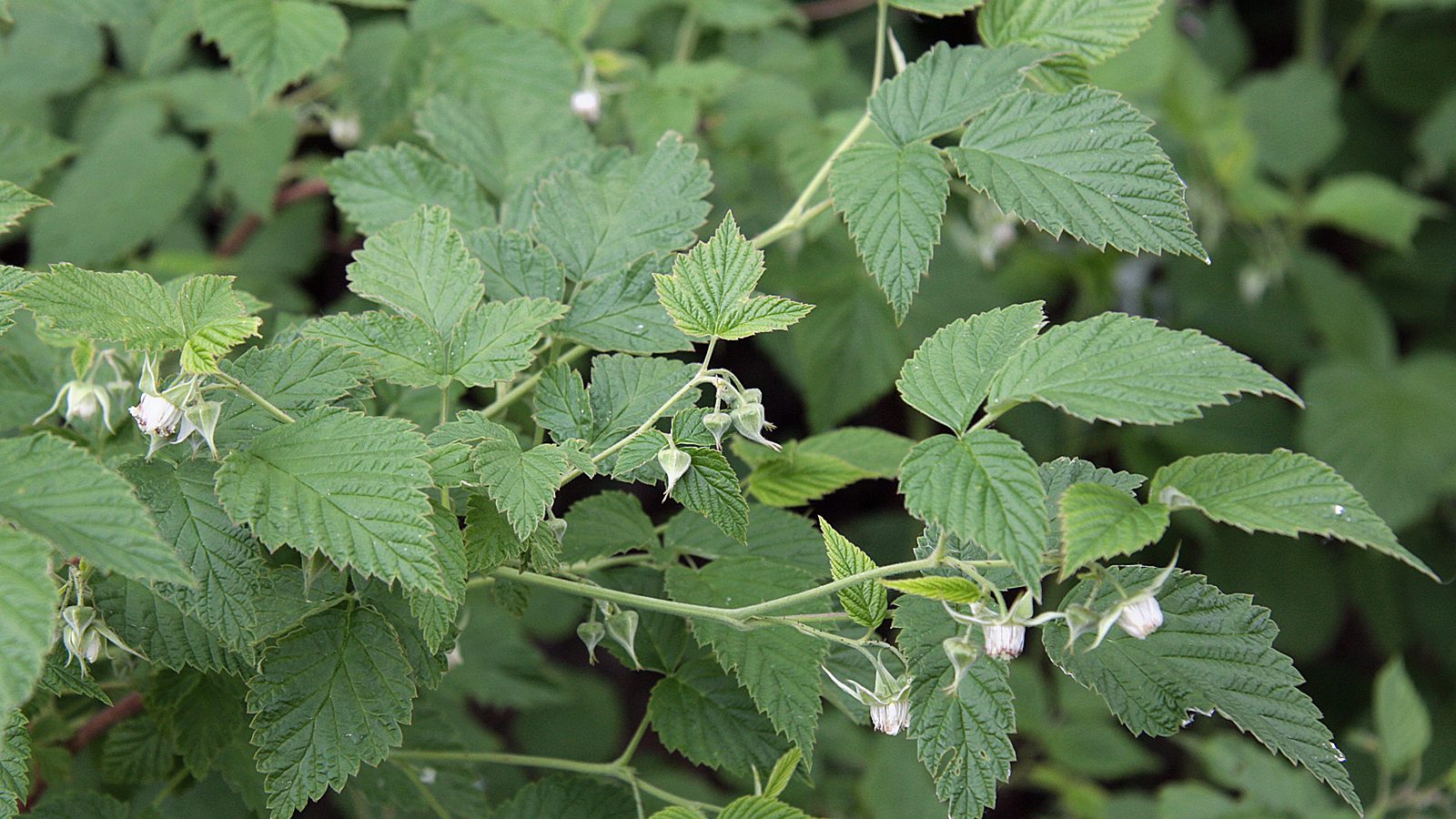
Red Raspberry Leaf Monograph
Red raspberry leaf is the traditional pregnancy tonic, supporting uterine health through astringent tannins and nutritive minerals. Clinical research suggests reduced need for instrumental delivery and shorter labour when consumed from second trimester onwards. The pleasant-tasting tea also addresses heavy menstruation, diarrhoea, and provides daily nutritive support.
-

Cleavers Monograph
Spring tonic supporting lymphatic drainage and urinary health. Mild diuretic reduces swelling and supports detoxification. Traditional spring cleansing herb. Fresh plant juice or tea most effective. Helps clear skin conditions through lymphatic action. Forageable in NZ gardens and damp areas. Seasonal medicine for renewal.
-

Purslane Monograph
Succulent weed exceptionally high in omega-3 fatty acids for plant source. Nutritious, edible leaves support cardiovascular health. Cooling, anti-inflammatory properties. Grows wild in gardens throughout NZ. Free superfood often overlooked. Traditional food and medicine across many cultures. Remarkable nutritional profile.
-
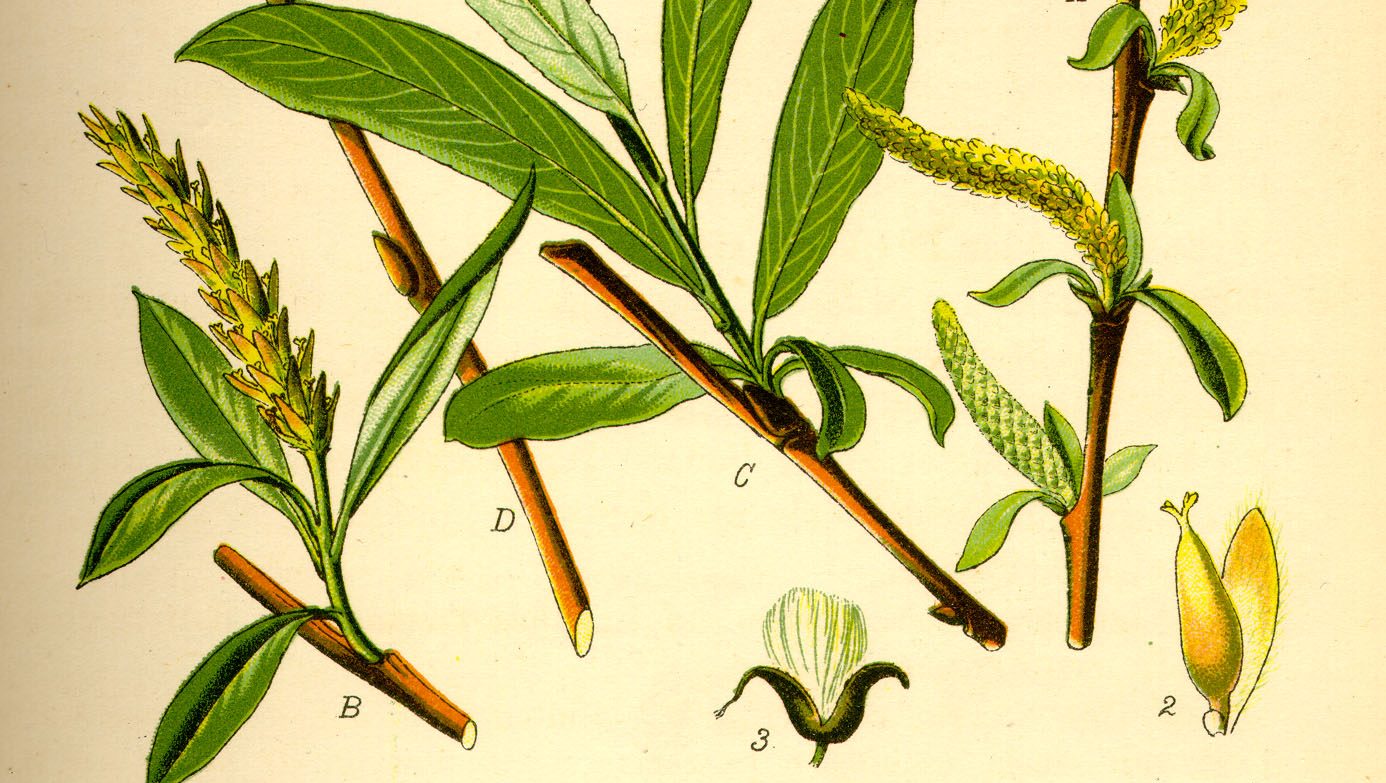
Willow Monograph
Nature’s aspirin providing pain relief and anti-inflammatory effects. Excellent for arthritis, back pain, headaches, and musculoskeletal pain. Gentler on stomach than aspirin with longer duration. CRITICAL: Never give to children with viral infections (Reye’s syndrome risk). Shares aspirin’s contraindications. Naturalised along NZ waterways.
-

Horopito Monograph
Endemic NZ plant with powerful antifungal properties. Polygodial provides exceptional activity against candida and other fungi. Traditional rongoā Māori medicine for infections. Intensely peppery taste indicates potency. Research validates anti-H. pylori effects for ulcers. Supports digestive and skin health. Easily grown native plant combining ornamental beauty with medicine.
-

Raupō Monograph
Native NZ wetland plant with traditional food and medicine uses. Pollen, shoots, and roots all utilised traditionally. Māori gathered for kai (food) and rongoā (medicine). Entire plant useful in various ways. Valuable wetland species supporting ecosystems. Cultural and ecological significance. Traditional knowledge preservation important.
-

St. John’s Wort Monograph
Bright yellow flower supporting mood and nerve health. Well-researched antidepressant for mild to moderate depression. Topically benefits nerve pain and wounds. Requires consistent use over weeks. Significant drug interactions require professional guidance. Sunlight sensitivity possible. Powerful plant requiring appropriate use and professional oversight.
-
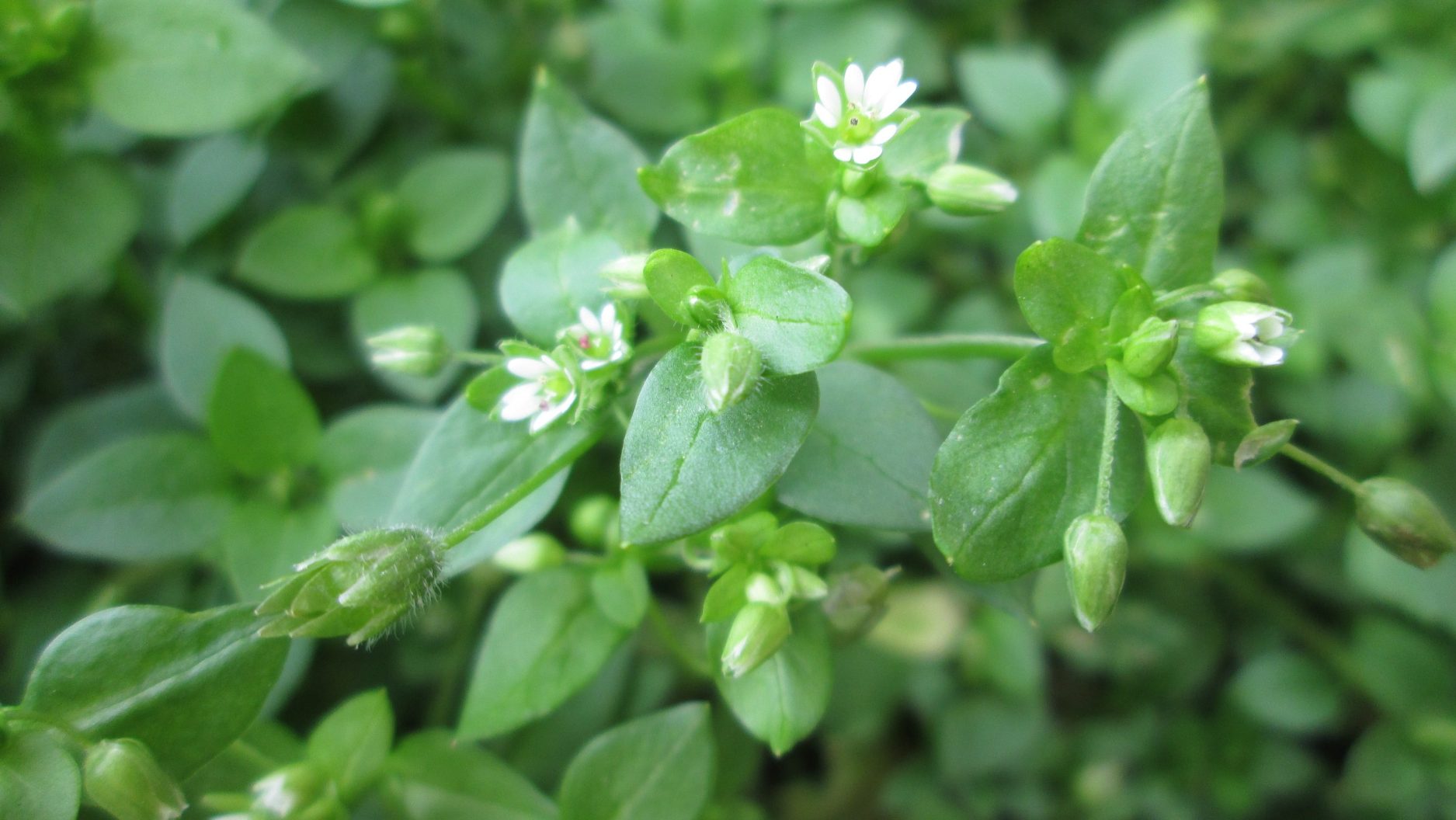
Chickweed Monograph
Common garden weed with cooling, soothing properties for skin and digestion. Nutritious edible green high in vitamins. Topically soothes itching, rashes, and minor irritations. Fresh plant makes pleasant salad or poultice. Grows abundantly in NZ. Free medicine and food overlooked in many gardens.