
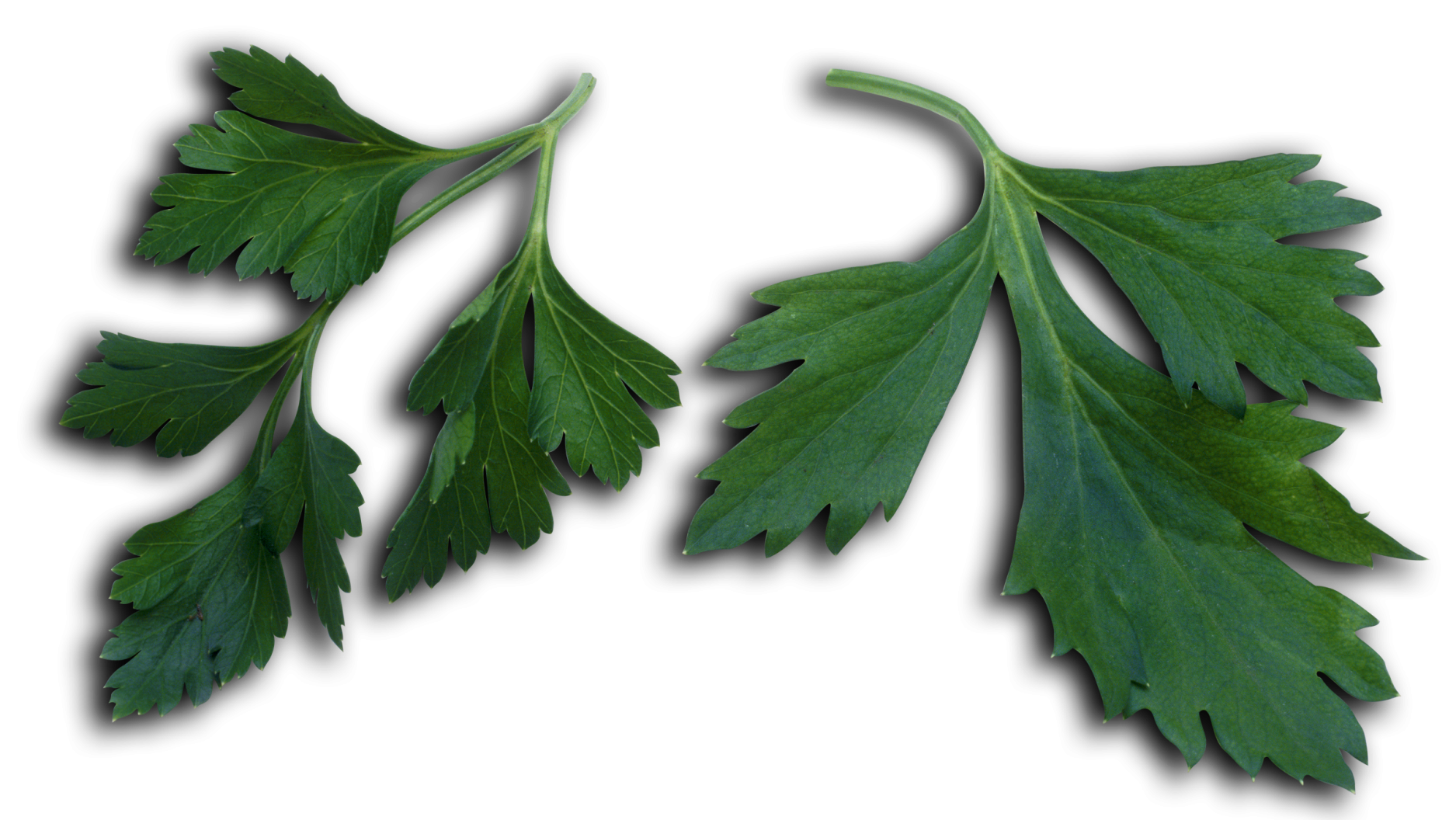
Parsley
Petroselinum crispum
Common & Folk Names
- Garden Parsley
- Common Parsley
- Rock Parsley
- Devil’s Oatmeal
- Curly-leaf Parsley
- Italian Parsley (flat-leaf variety, P. neapolitanum)
Plant Family
Apiaceae (Umbelliferae – the Carrot/Celery family)
Geographic Location
Native to the central and eastern Mediterranean region, including Sardinia, Lebanon, southern Turkey, Algeria, and Tunisia. Now cultivated worldwide as one of the most popular culinary herbs. Grows in temperate to subtropical climates globally.
Habitat
Primarily a cultivated plant, rarely naturalising in the wild. When it does escape cultivation, it establishes in disturbed, nutrient-rich areas near human habitation–waste ground, roadsides, and moist garden borders. Requires rich, well-drained soil and moderate moisture.
Growing Conditions
Sun: Prefers full sun but tolerates partial shade, particularly in hot climates
Soil: Requires deep (taproot reaches 30-60 cm), moist, well-drained, nitrogen-rich soil. pH 6.0-7.0 (slightly acidic to neutral). Heavy feeders needing fertile soil with good organic matter
Propagation: Grown exclusively from seed. Notorious for slow, erratic germination (14-28 days) due to furanocoumarins in seed coat that inhibit germination. Soaking seeds overnight or scarifying can improve germination rates. Biennial–produces leaves in first year, flowers and seeds in second year
Care: Keep soil consistently moist but not waterlogged. Fertilise regularly during growing season. Cut back flower stalks to prolong leaf production. Harvest frequently to encourage bushier growth. Can overwinter in mild climates (hardy to -10°C)
Hardiness: Biennial in USDA zones 5-9; grown as annual in colder zones
NZ Planting Calendar
Sowing (seeds): Year-round in mild areas; spring (September–November) and autumn (March–May) in cooler regions
Germination: Slow (2-4 weeks); soak seeds overnight before sowing to speed germination
Planting: Spring (September–November) or autumn (March–May)
First year: Leafy growth for harvesting
Second year: Bolts to flower (December–February), then sets seed
Harvest (leaves): Year-round; continuous harvest from 8-10 weeks after sowing
Note: Not native to NZ; biennial (two-year lifecycle); treat as annual for best leaf production; tolerates light frost
Harvesting Guidelines
Leaves: Harvest first-year leaves throughout the growing season for both culinary and medicinal use. Cut outer stems at soil level, leaving central growing point intact to encourage regrowth. Best harvested in morning after dew has evaporated but before heat of day. For drying, harvest before flowering when essential oil content is highest. Second-year leaves become tougher and more bitter as plant focuses energy on flowering.
Roots: Dig first-year roots in autumn after first frost when plant has stored maximum nutrients in taproot. Roots are most medicinally potent from plants not yet flowered. Clean thoroughly, chop while fresh (becomes very hard when dried), and dry for later use or tincture fresh.
Seeds: Allow flower umbels to dry on the plant, turning brown. Cut entire seed heads when seeds begin to drop naturally (usually late summer/early autumn of second year). Hang in paper bags in dry location to catch falling seeds as they finish ripening. Seeds contain highest concentration of essential oils (apiole, myristicin) and are most medicinally potent but also potentially toxic in high doses.
Parts Used
- Leaves (most common for both culinary and medicinal use)
- Roots (stronger diuretic action, traditionally used)
- Seeds (most concentrated medicinal properties, used with caution)
Constituents & their Actions
Parsley is exceptionally nutrient-dense and contains a complex array of bioactive compounds. The constituent profile varies significantly between plant parts, with seeds containing highest essential oil concentrations and leaves being richest in nutrients and flavon
oids.
Essential Oils (Volatile Oils):
These aromatic compounds provide parsley’s distinctive scent and contribute significantly to medicinal actions, particularly diuretic effects. Seed essential oil content (2-7%) is much higher than leaf (0.05-0.3%). Main essential oil components are:
- Apiole (parsley apiole, up to 80% in some seed varieties, trace-5% in leaves)
- Myristicin (10-30% in seeds, trace-3% in leaves)
- 1,3,8-p-Menthatriene
- β-Phellandrene
- Apiol’s isomer (dillapiole)
- Terpinolene
- Eugenol
The main actions of these essential oils are:
- Powerful diuretic (direct renal stimulation)
- Uterine stimulant/emmenagogue (promotes menstruation)
- Antimicrobial (antibacterial and antifungal)
- Carminative (gas-relieving)
- Potential neurotoxicity at high doses
Flavonoids:
Parsley is exceptionally rich in flavonoids, particularly the flavone sub-class. These provide antioxidant, anti-inflammatory, and diuretic support. Major flavonoids include:
- Apigenin (free and as glycosides, up to 45 mg/100g fresh leaves)
- Apiin (apigenin-7-apiosylglucoside, primary flavonoid glycoside)
- 6″-Acetylapiin
- Luteolin and luteolin glycosides
- Chrysoeriol
The main actions of these flavonoids are:
- Potent antioxidant (free radical scavenging)
- Anti-inflammatory (multiple pathways)
- Diuretic (complement essential oil actions)
- Anxiolytic (apigenin binds to benzodiazepine receptors)
- Potential anticancer properties (induce apoptosis)
Vitamin K (Phylloquinone):
Parsley contains exceptionally high levels of vitamin K1–one of the richest plant sources. Fresh parsley provides:
- Approximately 820-1640 µg vitamin K per 100g fresh leaves (10-20 times the daily requirement)
- Dried parsley contains even higher concentrations
The main actions of vitamin K are:
- Essential coagulation factor (blood clotting)
- Bone health (calcium metabolism)
- Cardiovascular health (prevents vascular calcification)
Other Vitamins and Minerals:
Parsley is nutritionally dense with impressive vitamin and mineral content:
- Vitamin C: 133 mg/100g fresh leaves (higher than oranges at 40 mg/100g)
- Vitamin A (as carotenoids): 8424 IU/100g
- Iron: 6.2 mg/100g (excellent for plant source)
- Folate: 152 µg/100g
- Potassium: 554 mg/100g
- Calcium: 138 mg/100g
- Magnesium, phosphorus, zinc in meaningful amounts
Coumarins (Furanocoumarins):
These photosensitising compounds are found throughout Apiaceae family. Main coumarins in parsley include:
- Bergapten (5-methoxypsoralen)
- Imperatorin
- Isoimperatorin
- Psoralen derivatives
The main actions of coumarins are:
- Mild anticoagulant effects (blood-thinning)
- Photosensitising (can cause phototoxic skin reactions)
- Antimicrobial support
Polyacetylenes:
Particularly concentrated in roots, these compounds provide anti-inflammatory and potential antitumor actions:
- Falcarinol
- Falcarindiol
The main actions are:
- Anti-inflammatory
- Potential anticancer effects (in vitro)
- Antimicrobial properties
Phthalides:
Aromatic compounds contributing to characteristic scent:
- Sedanenolide
The main actions are:
- Mild sedative effects
- Antispasmodic properties
- Contribute to overall aromatic profile
Actions with Mechanisms
Diuretic (Urinary System Support):
Apiole and myristicin act as direct renal irritants and stimulants, which in turn increases renal blood flow and glomerular filtration rate. This enhanced kidney perfusion triggers increased urine production, which in turn promotes excretion of water, sodium, chloride, and potassium. The flavonoid apiin complements this action by reducing the activity of Na+/K+-ATPase enzyme in both renal cortex and medulla, which in turn decreases sodium reabsorption at the cellular level and increases potassium concentration in intercellular spaces, further driving diuresis. Animal studies demonstrate parsley extract significantly increases 24-hour urine volume, which in turn provides “irrigation therapy” that flushes the urinary tract and can help expel small urinary tract stones and prevent urinary tract infections. The combined essential oil and flavonoid actions create one of the most effective herbal diuretics.
Emmenagogue/Uterine Stimulant (Menstruation Support):
Apiole has specific tropism for uterine smooth muscle, directly stimulating uterine contractions, which in turn increases blood flow to the pelvic region and encourages the onset of delayed menstruation. The mechanism involves direct smooth muscle stimulation combined with increased pelvic circulation, which in turn brings on menses in cases of amenorrhea (absent periods) or oligomenorrhea (irregular periods). This same uterotonic action makes parsley traditionally valued for bringing on delayed periods but contraindicated during pregnancy where uterine stimulation could trigger miscarriage. The effect is dose-dependent, with therapeutic amounts promoting menstruation while higher doses (particularly from seed essential oil) historically were used as abortifacients (now recognised as dangerously toxic).
Antioxidant (Cellular Protection):
The exceptionally high flavonoid content–particularly apigenin, luteolin, and their glycosides–provides powerful free radical scavenging activity, which in turn neutralises reactive oxygen species (ROS) and prevents oxidative damage to cellular lipids, proteins, and DNA. Vitamin C contributes additional antioxidant support through direct electron donation to neutralise free radicals, which in turn protects cells from oxidative stress. Human studies confirm that parsley consumption significantly increases erythrocyte glutathione reductase (GR) and superoxide dismutase (SOD) enzyme activities, which in turn enhances the body’s endogenous antioxidant defense systems. The combined actions protect against chronic oxidative stress implicated in aging, cardiovascular disease, cancer, and neurodegenerative conditions.
Anti-inflammatory (Multiple Pathways):
Apigenin inhibits key pro-inflammatory pathways including nuclear factor kappa B (NF-κB), which in turn reduces production of inflammatory cytokines including tumor necrosis factor-alpha (TNF-α), interleukin-6 (IL-6), and interleukin-1 (IL-1). Additionally, apigenin and luteolin inhibit lipoxygenase (LOX) enzymes, which in turn prevents synthesis of inflammatory leukotrienes and reduces inflammatory cascade activation. The root polyacetylenes (falcarinol, falcarindiol) provide complementary anti-inflammatory effects through different mechanisms, which in turn creates multi-pathway inflammation reduction. These combined actions make parsley valuable for inflammatory conditions affecting joints, cardiovascular system, and other tissues.
Nephroprotective (Kidney Protection):
The antioxidant flavonoids reduce oxidative stress in kidney tissues, which in turn protects renal cells from damage and supports healthy kidney function. Animal studies show parsley extract reduces markers of kidney damage (serum creatinine, urea), which in turn indicates protective effects on renal tissue. The diuretic action supports kidney function by promoting waste elimination, which in turn reduces metabolic burden on kidneys. Parsley extract has demonstrated protective effects against drug-induced kidney damage in animal models, which in turn suggests potential as supportive therapy for kidney health, though human studies are needed to confirm these effects.
Hypoglycemic/Antidiabetic (Blood Sugar Regulation):
Apigenin and other flavonoids enhance insulin secretion from pancreatic β-cells and improve insulin sensitivity in peripheral tissues, which in turn promotes better glucose uptake and utilisation. Animal studies show parsley extract increases plasma insulin levels and enhances liver pyruvate kinase activity, which in turn improves glucose metabolism. The potent antioxidant properties protect pancreatic β-cells from oxidative damage, which in turn preserves insulin-producing capacity. Anti-inflammatory effects reduce chronic inflammation that impairs insulin function, which in turn supports overall glucose homeostasis. While human studies are limited, animal research suggests potential as complementary support for blood sugar management.
Antimicrobial (Antibacterial and Antifungal):
The essential oils (particularly apiole, myristicin, and monoterpenes) demonstrate broad-spectrum antimicrobial activity against various bacteria and fungi. The hydrophobic essential oils disrupt microbial cell membranes, which in turn causes leakage of cellular contents and cell death. Parsley extract shows activity against both Gram-positive bacteria (Staphylococcus aureus, Enterococcus species) and Gram-negative bacteria (Escherichia coli, Pseudomonas aeruginosa, Salmonella species, Vibrio species), which in turn provides protection against common foodborne and urinary pathogens. Some antifungal activity against Candida species has also been demonstrated. The antimicrobial properties support parsley’s traditional use as food preservative and for urinary tract infections.
Carminative/Digestive Stimulant (Gas Relief and Appetite Support):
The aromatic essential oils stimulate digestive secretions and promote gastric motility, which in turn enhances overall digestive function and relieves gas and bloating. The oils relax intestinal smooth muscle spasms, which in turn allows trapped gas to pass more easily and reduces abdominal discomfort. Parsley’s aromatic compounds stimulate appetite through olfactory and gustatory pathways, which in turn makes it valuable as digestive bitter and appetiser. Traditional use as garnish and digestive after meals reflects this action.
Anxiolytic (Anti-Anxiety):
Apigenin binds to benzodiazepine receptors in the central nervous system, which in turn produces mild anxiolytic (anti-anxiety) effects without the sedation or dependence associated with pharmaceutical benzodiazepines. This action is dose-dependent and requires sufficient apigenin intake, which in turn suggests therapeutic use beyond normal culinary amounts would be needed for pronounced anxiolytic effects. Research shows apigenin’s mechanism involves modulation of GABA receptors, which in turn promotes calm without impairing cognitive function.
Main Use
Parsley’s primary medicinal application is as a safe, effective diuretic for mild fluid retention, supporting urinary tract health through irrigation therapy. The combination of apiole (direct kidney stimulation) and apiin (sodium-potassium transport modulation) creates powerful yet gentle diuretic action that increases urine flow without harsh electrolyte depletion characteristic of pharmaceutical diuretics. This makes parsley valuable for mild edema, urinary tract infections (flushes bacteria), prevention of kidney stones (increases urine volume and dilution), and mild hypertension (reduces fluid volume).
Traditionally, parsley has been used as an emmenagogue to bring on delayed menstruation, though this use requires caution due to potential uterine stimulation. The herb promotes menstrual flow in cases of amenorrhea or oligomenorrhea when the cause is functional rather than pathological. However, this same action absolutely contraindicates use during pregnancy.
Beyond medicinal use, parsley stands out as a nutritional powerhouse–a true “food pharmacy” herb where daily culinary use provides gentle, supportive medicine. The exceptional vitamin K content supports bone health and proper blood clotting. The high vitamin C and iron combination makes it particularly valuable for preventing or addressing iron-deficiency anemia, as vitamin C significantly enhances iron absorption. The abundant antioxidants protect against oxidative stress and chronic disease.
The potent antioxidant and anti-inflammatory properties, particularly from apigenin, position parsley as supportive for cardiovascular health, with research suggesting potential for blood pressure reduction, improved lipid profiles, and reduced inflammation contributing to atherosclerosis.
Preparations
Fresh Herb (Culinary): Liberal daily use in salads, tabbouleh, pestos, sauces, garnishes, and smoothies. This is the safest, gentlest way to gain parsley’s nutritional and medicinal benefits. Use 1/4-1/2 cup fresh chopped leaves daily for therapeutic nutritional support
Fresh Juice: 1/4-1/2 cup fresh parsley juice (often combined with other vegetable juices like celery, cucumber, or carrot). Provides concentrated diuretic and nutrient effects. Can be taken 1-2 times daily
Tea/Infusion (Leaf): 2-4 teaspoons (2-4 grams) fresh chopped or 1-2 teaspoons (1-2 grams) dried leaves per cup boiling water. Steep covered for 5-10 minutes. Drink 3 cups daily between meals for diuretic support. Mild, pleasant, slightly grassy flavor
Decoction (Root): 1-2 teaspoons (2-4 grams) dried chopped root per cup water. Simmer 10-15 minutes. Stronger diuretic than leaf tea. Drink 2-3 cups daily. Root decoction is more potent and should be used with awareness of contraindications
Tincture (Leaf or Root): 1:5 in 40-60% alcohol. Take 2-4 mL (40-80 drops), 2-3 times daily. Root tincture is stronger than leaf
Seed Preparation: NOT RECOMMENDED for self-use due to potential toxicity. Seeds contain high concentrations of apiole and myristicin which can be neurotoxic and hepatotoxic in excess. Historical use of seed preparations is documented but carries significant safety concerns
Dosage
Fresh Leaf (Culinary/Nutritional): 1/4-1/2 cup (15-30g) daily, incorporated into meals
Fresh Juice: 1/4-1/2 cup (60-120 mL), 1-2 times daily
Dried Leaf (Tea): 1-2 teaspoons (1-2 grams) per cup, steeped 5-10 minutes, 3 cups daily
Root Decoction: 1-2 teaspoons (2-4 grams) dried root per cup, simmered 10-15 minutes, 2-3 cups daily
Tincture (1:5, 40-60% alcohol, leaf or root): 2-4 mL (40-80 drops), 2-3 times daily
Seeds: NOT RECOMMENDED for self-administration due to toxicity concerns
Safety & Drug Interactions
Parsley leaf in normal culinary amounts is Generally Recognised As Safe (GRAS) by the FDA and has been consumed for millennia without significant adverse effects. However, medicinal doses–particularly of root, seeds, or concentrated preparations–require awareness of contraindications and potential interactions.
Pregnancy – CONTRAINDICATED in Therapeutic Doses: Parsley in medicinal amounts is absolutely contraindicated during pregnancy due to its uterine-stimulating properties. Apiole directly stimulates uterine smooth muscle contractions, which in turn could trigger miscarriage or premature labor. Historical use of concentrated parsley seed oil as an abortifacient (now recognised as dangerously toxic) demonstrates the severity of this concern. Culinary amounts (garnish, occasional use in cooking) are generally considered safe, but therapeutic doses (multiple cups of tea, root decoctions, tinctures, fresh juice, or seed preparations) must be avoided throughout pregnancy. If pregnancy is possible, avoid therapeutic parsley use.
Lactation: Safety during breastfeeding has not been formally established. While traditional use suggests culinary amounts are likely safe, therapeutic doses should be avoided unless under professional guidance. Some sources suggest parsley may reduce milk supply, though evidence is limited. Exercise caution with medicinal doses while nursing.
Kidney Disease – CONTRAINDICATED in Therapeutic Doses: The essential oils (apiole, myristicin) act as direct renal irritants to produce diuretic effects. In individuals with existing kidney disease, inflammation, or impaired renal function, this irritation could potentially worsen kidney damage rather than help. People with acute or chronic kidney disease, nephritis, or significantly impaired kidney function should avoid medicinal doses of parsley. Culinary amounts are likely safe but consult healthcare provider. Paradoxically, while parsley shows nephroprotective effects in some research, the renal-irritant mechanism makes therapeutic use inadvisable in established kidney disease.
Anticoagulant Medications (Warfarin, Coumadin) – SIGNIFICANT INTERACTION: Parsley contains exceptionally high levels of vitamin K1 (phylloquinone), which directly antagonises the anticoagulant effects of warfarin and other vitamin K antagonist medications. Warfarin works by blocking vitamin K-dependent synthesis of clotting factors; consuming high-vitamin-K foods like parsley can reduce warfarin effectiveness, which in turn potentially allows dangerous blood clots to form. The interaction works both ways: sudden large increases in parsley consumption can reduce INR (International Normalised Ratio, a measure of blood clotting time), while sudden decreases can increase INR and bleeding risk.
Critical guidance for people on warfarin:
- Maintain CONSISTENT parsley intake rather than avoiding it entirely
- Do NOT suddenly start consuming large amounts (multiple cups of tea, fresh juice, or therapeutic doses)
- Do NOT suddenly stop regular parsley consumption
- Small, consistent culinary use (as occasional garnish) is generally acceptable
- Inform healthcare provider of any parsley use and monitor INR closely
- Avoid all therapeutic/medicinal parsley preparations
- One case report documented raised INR in patient who stopped 7-year parsley intake
Diuretic Medications (“Water Pills”) – Additive Effects: Parsley’s strong diuretic action may be additive with pharmaceutical diuretics (furosemide/Lasix, hydrochlorothiazide, spironolactone, and others), which in turn could cause excessive fluid loss, dehydration, and dangerous electrolyte imbalances (particularly potassium, sodium). While parsley is generally gentler than pharmaceutical diuretics, the combination could lead to low blood pressure, dizziness, weakness, and potentially serious electrolyte disturbances. If taking prescription diuretics, consult healthcare provider before using medicinal parsley doses. Monitor for signs of dehydration or electrolyte imbalance.
Lithium – Decreased Clearance: Theoretically, parsley’s diuretic effects could reduce lithium excretion by the kidneys, which in turn might increase lithium blood levels to potentially toxic range. Lithium has a narrow therapeutic window, and small increases in blood levels can cause serious toxicity. Anyone taking lithium should avoid therapeutic parsley doses and consult prescribing physician before any use. Requires close monitoring of lithium levels if parsley is used.
Diabetes Medications – Potential Interaction: Animal studies suggest parsley may lower blood glucose levels, which in turn could be additive with diabetes medications (insulin, metformin, sulfonylureas, etc.) and potentially cause hypoglycemia (low blood sugar). While human evidence is limited, people with diabetes taking glucose-lowering medications should monitor blood sugar closely if using medicinal parsley doses and consult healthcare provider. Culinary amounts are unlikely to cause problems but awareness is prudent.
Photosensitivity – Furocoumarin Content: Parsley contains furanocoumarins (bergapten, imperatorin, psoralen derivatives) that can cause phototoxic skin reactions when skin is exposed to UV light after contact with plant material or concentrated preparations. This is the same compound class that causes “lime disease” or phytophotodermatitis. Topical application of fresh parsley leaves, juice, or essential oil followed by sun exposure can cause severe skin burns, blistering, and persistent hyperpigmentation. Always wash hands thoroughly after handling fresh parsley and avoid direct sun exposure for several hours. This risk is higher with fresh plant contact than with consumed preparations but remains a consideration.
Essential Oil Toxicity (Seeds) – HIGH DOSES DANGEROUS: Concentrated parsley seed essential oil or large quantities of crushed seeds contain dangerous levels of apiole and myristicin, both of which are hepatotoxic (liver-damaging) and neurotoxic (nervous system-damaging) at high doses. Symptoms of toxicity include:
- Liver damage (elevated liver enzymes, jaundice, hepatitis)
- Kidney damage (hematuria, proteinuria, renal dysfunction)
- Neurological effects (headache, dizziness, tremors, seizures, hallucinations)
- Gastrointestinal upset (nausea, vomiting, diarrhea)
- Hemorrhagic complications (bleeding from mucous membranes, intestinal bleeding)
Toxicity is dose-dependent. Animal studies show LD50 (lethal dose for 50% of subjects) of apiole at approximately 1g/kg body weight. Historical use of concentrated seed preparations as abortifacients caused numerous poisoning cases and deaths. Modern medicinal use focuses on leaf and occasionally root, avoiding seeds entirely for safety.
Allergic Reactions: Although uncommon, allergic reactions can occur, particularly in individuals allergic to other Apiaceae family plants (celery, carrots, fennel, dill, cilantro). Contact dermatitis from handling fresh plant is possible. Oral allergy syndrome (OAS) can occur in people with birch pollen allergies. If rash, itching, swelling of lips/tongue/throat, or difficulty breathing occurs, discontinue immediately and seek medical attention for severe reactions.
Surgery: Parsley’s potential blood-sugar-lowering effects and vitamin K content theoretically could interfere with blood sugar control during and after surgery or affect bleeding/clotting. Discontinue medicinal parsley use at least 2 weeks before scheduled surgery and inform anesthesiologist and surgeon of all herbal use.
Drug Metabolism Effects: Some evidence suggests parsley may induce cytochrome P450 enzymes in the liver (particularly CYP2C9, CYP2C19), which in turn could potentially alter metabolism of drugs processed by these enzymes. While clinical significance is unclear, awareness of potential interactions is prudent for people taking multiple medications.
Scientific Evidence
Diuretic Effects – Animal and Mechanism Studies: The landmark study by Kreydiyyeh and Usta (2002) investigated parsley’s diuretic mechanism in rat models. Results showed parsley extract significantly increased 24-hour urine volume through two distinct mechanisms: reducing Na+/K+-ATPase activity in both renal cortex and medulla, which in turn decreased sodium reabsorption and increased potassium in intercellular spaces, promoting diuresis. The study confirmed traditional use scientifically and identified specific molecular mechanisms. Multiple subsequent studies have confirmed the diuretic effect, with some showing natriuretic (sodium-excreting) and hypotensive (blood-pressure-lowering) effects from parsley seed extracts.
Antioxidant Activity – Human Studies: Nielsen et al. (1999) conducted a randomised crossover trial with 14 healthy adults (7 men, 7 women) examining parsley’s effect on biomarkers of oxidative stress. Subjects consumed a controlled diet supplemented with parsley providing 3.73-4.49 mg apigenin per day for one week. Results showed urinary apigenin excretion increased significantly (confirming bioavailability), and importantly, erythrocyte glutathione reductase (GR) and superoxide dismutase (SOD) activities increased significantly compared to baseline, which in turn demonstrated enhanced endogenous antioxidant defenses. This human study validated parsley’s antioxidant effects beyond test-tube assays and confirmed apigenin absorption and biological activity.
Nephroprotective Effects – Animal Models: Multiple animal studies demonstrate kidney-protective effects. Research shows parsley extract protects against drug-induced kidney damage, reduces serum creatinine and urea levels (markers of kidney function), and improves kidney histology in damaged kidneys. The mechanisms involve antioxidant protection of renal tissue, reduced oxidative stress, and anti-inflammatory effects. While animal studies are promising, human clinical trials are needed to confirm nephroprotective effects in kidney disease patients.
Antimicrobial Activity – In Vitro Studies: Numerous studies confirm broad-spectrum antimicrobial properties. Parsley essential oil demonstrates activity against Vibrio species, Escherichia coli, Staphylococcus aureus, Pseudomonas aeruginosa, Salmonella species, and other pathogens. Minimum inhibitory concentrations (MICs) vary by pathogen and preparation but generally show clinically relevant antimicrobial effects. The essential oil components (apiole, myristicin, 1,3,8-p-menthatriene) appear responsible for antimicrobial activity through membrane disruption. Some antifungal activity against Candida species has also been demonstrated.
Cardiovascular Effects – Animal Research: Studies suggest potential cardiovascular benefits including blood pressure reduction, improved lipid profiles (reduced total cholesterol, LDL cholesterol, triglycerides), and anticoagulant effects. Research shows parsley extract inhibits platelet aggregation and prolongs bleeding time in animal models, which in turn suggests antithrombotic (clot-preventing) potential. The mechanisms involve antioxidant protection of blood vessels, anti-inflammatory effects reducing atherosclerosis progression, and potential direct effects on vascular smooth muscle. Human studies are limited but suggest promising cardiovascular applications worthy of further research.
Hypoglycemic/Antidiabetic Effects – Animal Models: Multiple animal studies show parsley extract reduces blood glucose levels, improves insulin secretion, and protects pancreatic β-cells from damage in diabetic animal models. Mechanisms include enhanced insulin secretion, improved peripheral insulin sensitivity, increased liver pyruvate kinase activity (improving glucose metabolism), and antioxidant protection of insulin-producing cells. The flavonoid apigenin appears central to these effects. While promising, human clinical trials are needed to confirm antidiabetic potential and establish safe, effective dosing.
Anticancer Potential – Laboratory Studies: Apigenin has demonstrated antiproliferative and pro-apoptotic effects against multiple cancer cell lines in vitro, including breast, colon, prostate, and melanoma cells. Mechanisms include caspase-3 activation triggering apoptosis, cell cycle arrest, and inhibition of cancer cell growth. Luteolin shows similar anticancer effects. While test-tube and animal studies show promise, these findings do NOT translate directly to cancer treatment or prevention in humans. Clinical trials are needed, and parsley should NOT be considered cancer therapy. However, the anticancer properties of parsley flavonoids remain an active area of research.
Hepatoprotective Effects – Animal Research: Studies demonstrate parsley extract protects against liver damage from toxins and drugs in animal models. The antioxidant properties neutralise free radicals that damage liver cells, which in turn supports liver detoxification processes. Parsley may induce phase I and II detoxification enzymes, which in turn enhances xenobiotic (toxin) metabolism. However, this must be balanced against potential liver toxicity from high-dose apiole and myristicin in seed preparations.
Western Energetics
Temperature: Cooling to Neutral. Parsley is generally considered slightly cooling through its fresh, green nature and diuretic actions that reduce heat and inflammation. Not intensely cooling but appropriate for warm/hot conditions
Moisture: Drying. The diuretic action promotes fluid elimination, making parsley drying in nature. Appropriate for damp/boggy tissue states with fluid accumulation, edema, or mucus congestion. Can be too drying for already dry, depleted individuals with long-term use in therapeutic doses
Tissue State: Primarily indicated for Damp/Stagnation (fluid retention, edema, urinary stagnation) and Damp/Heat combinations (urinary tract infections with heat and inflammation). The cooling, drying, moving nature makes it ideal for conditions with fluid accumulation, poor drainage, and stagnation. Also supports Heat/Excitation states through cooling, anti-inflammatory actions
Taste
Bitter: The dominant medicinal taste from flavonoids and essential oils. Bitterness stimulates digestion, supports liver function, and has drying, clearing properties that move stagnation
Pungent/Aromatic: The essential oils provide a sharp, aromatic pungency that is stimulating, warming to digestion, and antimicrobial. This quality moves energy and promotes circulation
Slightly Sweet: An underlying sweetness from nutrients and some constituents. This nourishing quality reflects parsley’s exceptional nutritional density
Salty: A subtle mineral saltiness from high mineral content (particularly potassium), which correlates with parsley’s affinity for kidneys and fluid balance
Plant Lore
In Greek mythology, parsley sprouted from the blood of the infant hero Archemorus, the “forerunner of death,” after he was killed by a serpent while his nurse was showing travelers the way to a spring. Because of this dark origin story, parsley became associated with death, oblivion, and the underworld. The ancient Greeks decorated tombs with parsley wreaths and believed the herb sacred to Persephone, queen of the underworld. At the Nemean Games (one of the four Panhellenic Games of ancient Greece), victors were crowned with wreaths of parsley rather than laurel, linking athletic triumph with the herb’s mythological death associations.
Despite–or perhaps because of–these morbid associations, the Greeks also used parsley practically. They fed it to horses before battle to give them strength and scattered it at banquets, though they themselves rarely ate it, considering consumption unlucky. The Romans, more pragmatic, embraced parsley as both food and medicine, using it liberally as a garnish to “absorb odors” and prevent intoxication–wearing parsley crowns at feasts supposedly prevented drunkenness and hangovers.
In European folklore, particularly medieval and Renaissance traditions, parsley acquired a sinister reputation. It was said that “only the wicked can grow parsley” and that “where parsley grows, the woman is master of the household” (a backhanded compliment suggesting female dominance was unnatural). The herb’s notoriously slow, erratic germination inspired the belief that parsley seeds “go to the devil and back nine times” before sprouting, explaining the 2-4 week germination period. Some believed transplanting parsley brought bad luck or death, while giving parsley plants as gifts was thought to transfer bad fortune.
The folk name “Devil’s Oatmeal” reflects these dark associations, though the origin is somewhat obscure. Some sources suggest it refers to the devil’s repeated handling of the seeds during their mythological nine journeys to hell and back.
Interestingly, parsley’s association with death had a practical side: the herb’s uterine-stimulating properties and use as an abortifacient in folk medicine (before this was understood as dangerous toxicity) may have contributed to its “deadly” reputation. Women used concentrated parsley seed preparations to induce miscarriage, sometimes with fatal consequences from apiole and myristicin toxicity.
In contrast to these dark associations, parsley symbolised strength, victory, and festivity in Roman culture. Roman charioteers fed parsley to their horses, and the herb was woven into victory garlands. This dual nature–both funereal and celebratory–reflects parsley’s complex cultural history.
The botanical name Petroselinum derives from Greek petroselinon, meaning “rock celery,” referring to parsley’s preference for rocky, well-drained growing sites in its native Mediterranean habitat. The species name crispum means “curled,” referring to the tightly curled leaves of the curly-leaf variety, though flat-leaf (Italian) parsley has become equally popular in modern times.
Additional Information
Curly vs. Flat-Leaf Parsley: Two main varieties exist: curly-leaf (P. crispum var. crispum) and flat-leaf or Italian parsley (P. crispum var. neapolitanum or P. neapolitanum). Curly-leaf is most common as garnish with tighter, more decorative leaves and slightly milder flavor. Flat-leaf has broader, flatter leaves with more intense flavor and is preferred in cooking. Medicinally, they are essentially equivalent, though some sources suggest flat-leaf may have slightly higher essential oil content. Choose based on culinary preference.
The Vitamin K Paradox: Parsley presents an interesting pharmacological paradox: it contains both vitamin K (strongly pro-coagulant, promoting blood clotting) and coumarins (mild anticoagulants, preventing blood clotting). In healthy individuals, these opposing actions balance each other, creating no net effect on coagulation in normal culinary amounts. However, the vitamin K content is SO high that it dominates the interaction with pharmaceutical anticoagulants like warfarin, reducing their effectiveness. This complexity illustrates why whole-plant medicine cannot always be reduced to single active constituents–the synergistic and antagonistic relationships between compounds create the overall effect.
Food-Pharmacy Herb: Parsley exemplifies the “food as medicine” concept where daily culinary use provides gentle, sustainable therapeutic benefits without need for concentrated preparations or supplements. A tablespoon of fresh chopped parsley in your salad delivers vitamin K, C, iron, antioxidants, and gentle diuretic support. This gentle, long-term approach suits parsley better than aggressive medicinal dosing given the toxicity concerns with concentrated preparations.
Germination Challenges: Parsley’s slow germination frustrates gardeners but has biological purpose: the furanocoumarins in seed coat inhibit germination until environmental conditions are optimal. This protective mechanism prevents premature sprouting that could kill seedlings. Gardeners can overcome slow germination by soaking seeds 12-24 hours before planting, scarifying seed coat gently with sandpaper, or using bottom heat (soil warming mat). Some gardeners plant radish seeds with parsley–radishes germinate quickly, marking the rows so parsley seedlings aren’t accidentally weeded out.
Companion Planting: In the garden, parsley is an excellent companion plant. It attracts beneficial insects including hoverflies, parasitic wasps, and predatory beetles that control aphids and other pests. The flowers (allowed to bloom in second year) provide nectar for pollinators. Parsley grows well with tomatoes, asparagus, and roses. However, avoid planting with other Apiaceae family members (carrots, celery, dill) as they compete for nutrients and attract the same pests.
Preservation Methods: Fresh parsley can be refrigerated (stems in water, covered with plastic bag) for up to 1 week. For longer storage, freeze in ice cube trays with water or oil, or chop and freeze in bags–frozen parsley retains flavor and nutrients well. Drying parsley at low temperatures (30°C) preserves more flavor than high heat, though some essential oils are inevitably lost. For medicinal preparations, fresh is generally superior to dried, especially for juice or tea, as volatile oils dissipate with drying.
New Zealand Availability: Parsley grows exceptionally well in New Zealand’s temperate climate and is one of the most widely grown herbs. Available year-round from supermarkets and produce markets as both curly and flat-leaf varieties. Fresh bunches typically cost Easy to grow in home gardens throughout both islands. Seeds available from all garden centers. Dried parsley is available from supermarkets. Parsley is so common and accessible in NZ that purchasing dried herb or supplements is unnecessary–fresh is superior and readily available.
Historical Abortifacient Use: While parsley seeds were historically used to induce abortion, this practice is now recognised as dangerous and potentially lethal. The doses required for abortifacient effects overlap significantly with toxic doses causing liver damage, kidney failure, and death. Modern medicine offers safer alternatives. This historical use should only be acknowledged as medical history, not as guidance–concentrated parsley seed preparations are toxic and should never be self-administered.
Sources
Farzaei, M. H., Abbasabadi, Z., Ardekani, M. R., Rahimi, R., & Farzaei, F. (2013). Parsley: A review of ethnopharmacology, phytochemistry and biological activities. Journal of Traditional Chinese Medicine, 33(6), 815–826.
Kreydiyyeh, S. I., & Usta, J. (2002). Diuretic effect and mechanism of action of parsley. Journal of Ethnopharmacology, 79(3), 353–357.
Nielsen, S. E., Young, J. F., Daneshvar, B., Lauridsen, S. T., Knuthsen, P., Sandström, B., & Dragsted, L. O. (1999). Effect of parsley (Petroselinum crispum) intake on urinary apigenin excretion, blood antioxidant enzymes and biomarkers for oxidative stress in human subjects. British Journal of Nutrition, 81(6), 447–455.
Farzaei, F., Morovati, M. R., Farjadmand, F., & Farzaei, M. H. (2017). A mechanistic review on medicinal plants used for diabetes mellitus in traditional Persian medicine. Journal of Evidence-Based Complementary & Alternative Medicine, 22(4), 944–955.
Adel, M., Alousi, L. A., Salem, H. A., & Zaazaa, A. M. (2014). Protective effect of Petroselinum crispum extract in prostadin-induced renal dysfunction in female rats. International Journal of Advanced Research, 2(11), 1008–1020.
Gadi, D., Bnouham, M., Aziz, M., Ziyyat, A., Legssyer, A., Legrand, C., Lafeve, F. F., & Mekhfi, H. (2009). Parsley extract inhibits in vitro and ex vivo platelet aggregation and prolongs bleeding time in rats. Journal of Ethnopharmacology, 125(1), 170–174.
Yazdanparast, R., Bahramikia, S., & Ardestani, A. (2008). Nasturtium officinale reduces oxidative stress and enhances antioxidant capacity in hyperlipidaemic rats. Chemico-Biological Interactions, 172(3), 176–184.
Mahmood, S., Hussain, S., & Malik, F. (2014). Critique of medicinal conspicuousness of parsley (Petroselinum crispum): A culinary herb of Mediterranean region. Pakistan Journal of Pharmaceutical Sciences, 27(1), 193–202.
Meyer, H., Bolarinwa, A., Wolfram, G., & Linseisen, J. (2006). Bioavailability of apigenin from apiin-rich parsley in humans. Annals of Nutrition and Metabolism, 50(3), 167–172.
Wong, P. Y., & Kitts, D. D. (2006). Studies on the dual antioxidant and antibacterial properties of parsley (Petroselinum crispum) and cilantro (Coriandrum sativum) extracts. Food Chemistry, 97(3), 505–515.
Bolkent, S., Yanardag, R., Tabakoglu-Oguz, A., & Ozsoy-Sacan, O. (2005). Effects of chard (Beta vulgaris L. var. cicla) extract on pancreatic B cells in streptozotocin-diabetic rats: A morphological and biochemical study. Journal of Ethnopharmacology, 81(1-3), 81–87.
Heck, A. M., DeWitt, B. A., & Lukes, A. L. (2000). Potential interactions between alternative therapies and warfarin. American Journal of Health-System Pharmacy, 57(13), 1221–1227.
Fejes, S., Blázovics, A., Lugasi, A., Lemberkovics, E., Petri, G., & Kéry, A. (2000). In vitro antioxidant activity of Petroselinum crispum L. (Apiaceae) extracts. Acta Alimentaria, 29(3), 231–237.
Yarnell, E. (2002). Botanical medicines for the urinary tract. World Journal of Urology, 20(5), 285–293.
Ozsoy-Sacan, O., Yanardag, R., Orak, H., Ozgey, Y., Yarat, A., & Tunali, T. (2006). Effects of parsley (Petroselinum crispum) extract versus glibornuride on the liver of streptozotocin-induced diabetic rats. Journal of Ethnopharmacology, 104(1-2), 175–181.
Al-Howiriny, T., Alsheikh, A., Alqasoumi, S., Al-Yahya, M., ElTahir, K., & Rafatullah, S. (2010). Gastric antiulcer, antisecretory and cytoprotective properties of celery (Apium graveolens) in rats. Pharmaceutical Biology, 48(7), 786–793.
European Medicines Agency. (2013). Assessment report on Petroselinum crispum (Mill.) Fuss, radix. EMA/HMPC/177220/2012.
Laribi, B., Kouki, K., Mougou Hamdani, A., & Bettaieb, T. (2015). Coriander (Coriandrum sativum L.) and its bioactive constituents. Fitoterapia, 103, 9–26.
Raeesi, M., Eskandari, M. H., Bahmani, A., & Safari, R. (2021). Renal health benefits and therapeutic effects of parsley (Petroselinum crispum): A review. Frontiers in Medicine, 11, 1494740.
Disclaimer: This monograph is for educational purposes only and is not medical advice. Please consult with a qualified healthcare practitioner before using any herbal remedy, especially if you are pregnant, nursing, taking medication, or have a known medical condition. Parsley is contraindicated in pregnancy in therapeutic doses and requires caution with anticoagulant medications (particularly warfarin), kidney disease, and diuretic drugs. Never use concentrated parsley seed preparations due to toxicity risk.