
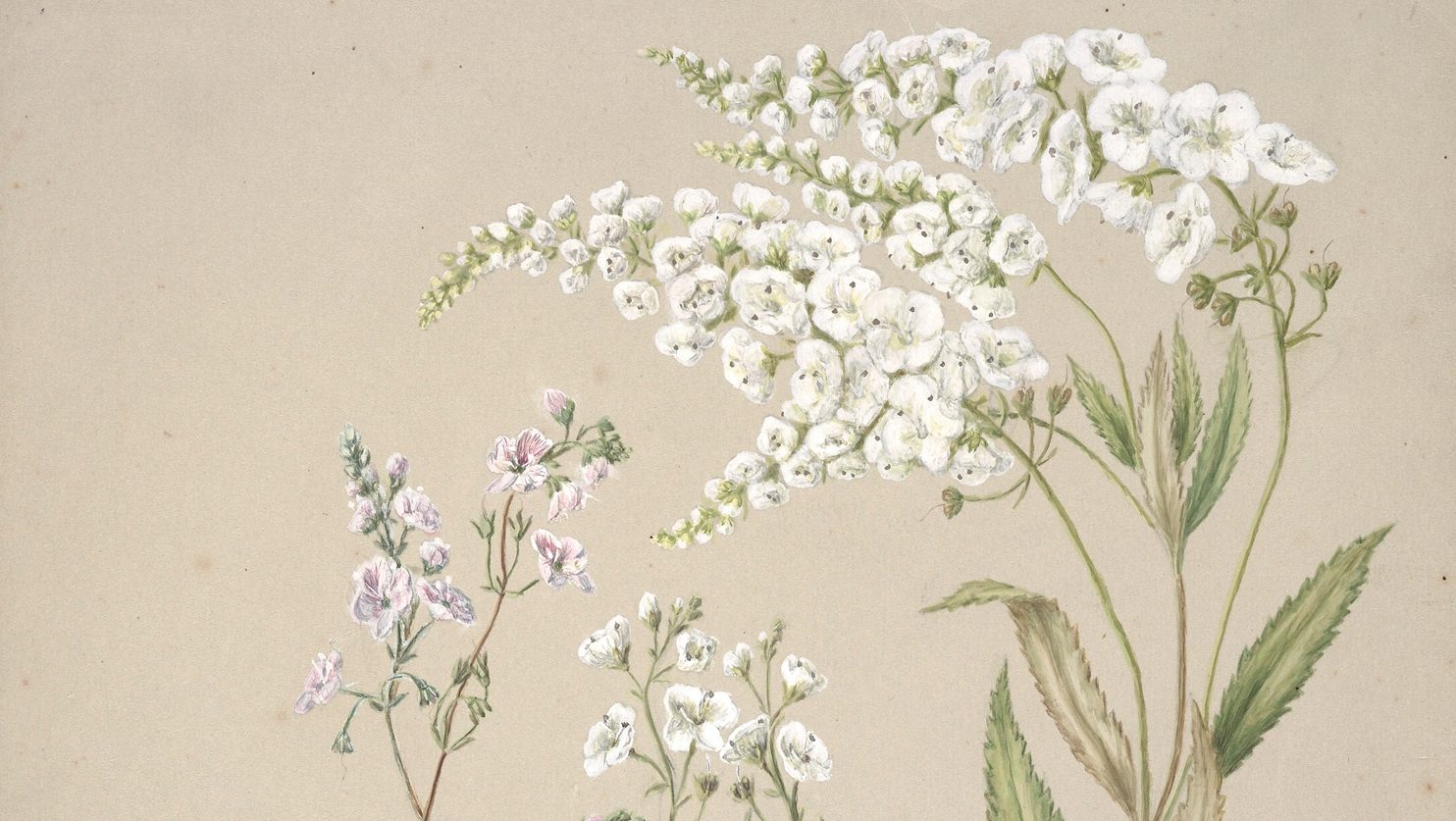
Koromiko
Veronica salicifolia (G. Forst.) Pennell
Synonyms: Hebe salicifolia (G. Forst.) Pennell, Veronica stricta Hook.f. (for North Island populations)
Common & Folk Names
- Koromiko (Māori – primary name)
- Kōkōmuka (South Island Māori)
- Koromuka
- Kōkoromiko
- Korohiko
- Korokio
- Willow-Leaf Hebe
- New Zealand Willow
Plant Family
Plantaginaceae (Plantain family, formerly Scrophulariaceae)
Geographic Location
Native Range: Endemic to New Zealand, found throughout the South Island from coastal areas to alpine regions up to 2,800 metres elevation (the highest flowering record for the genus). Also found on Stewart Island and Auckland Islands. Additionally occurs naturally in Chile (disjunct distribution). In the North Island, closely related Veronica stricta occupies a similar ecological niche and shares the same common name and traditional uses.
Current Distribution: Widespread throughout New Zealand’s South Island in various habitats from sea level to subalpine zones. Naturalised in parts of Europe. Increasingly cultivated in New Zealand gardens and native plant landscapes. Populations show considerable morphological variation across the range, reflecting adaptation to diverse environmental conditions.
Historical Note: Once described as “perhaps the most generally diffused plant in New Zealand” by Reverend Richard Taylor in 1855, who noted that large groves could be seen everywhere, though populations declined with pastoral development and the introduction of browsing animals, particularly horses.
Habitat
Koromiko thrives in a wide range of habitats, demonstrating remarkable ecological versatility. It grows in forest margins, scrubland, river terraces, coastal areas, wetland edges, and subalpine regions. The plant shows particular vigour in disturbed sites and is an important coloniser in regenerating native vegetation. It tolerates exposed, windy sites and is often found along stream banks and in areas with high moisture availability, though it also demonstrates drought tolerance once established.
Koromiko’s adaptability to various moisture regimes (from wetland edges to dry hillsides) and elevation zones (coastal to alpine) makes it one of New Zealand’s most ecologically flexible native shrubs. This versatility contributed to its historical abundance and widespread traditional use.
Growing Conditions
Sun: Full sun for optimal growth and flowering. Tolerates partial shade but may become leggy and produce fewer flowers. Sun exposure promotes dense, compact growth.
Soil: Adaptable to various soil types including clay, loam, and sandy soils. Prefers well-drained conditions but tolerates periodically wet soils (can grow on wetland edges). pH range 5.5-7.5. Benefits from organic matter incorporation.
Moisture: Moderate to high moisture requirements during establishment. Once established, tolerates periods of drought, though growth and flowering are best with consistent moisture. Mulching helps maintain soil moisture.
Temperature: Hardy once established. Young plants are frost-tender (protect from hard frosts below -5°C). Mature plants tolerate frosts to approximately -10°C, though severe or prolonged frost may cause dieback. Performs well in USDA zones 8-10.
Propagation:
Seed: Collect seed from capsules in autumn. Sow fresh or store in cool, dry conditions. Surface sow or lightly cover. Germination occurs in 2-4 weeks at 15-20°C. Germination rate 40-60%. Seedlings grow relatively quickly.
Cuttings: Semi-hardwood cuttings taken in late summer to autumn (February-April) strike readily (70-85% success rate). Take 8-12 cm cuttings, remove lower leaves, dip in rooting hormone, place in free-draining propagating mix. Keep humid and warm (18-22°C). Roots form in 4-6 weeks.
Note: Plants grown from cuttings maintain characteristics of parent plant; seed-grown plants may show variation.
Care:
- Feed lightly with slow-release native plant fertiliser in spring
- Prune after flowering to maintain compact shape and encourage bushiness (can become leggy without pruning)
- Remove spent flower spikes to promote additional flowering
- Water regularly during first two growing seasons; established plants need supplemental water only during extended dry periods
- Performs well in coastal gardens (salt-tolerant)
- Generally pest and disease-free in New Zealand conditions
NZ Planting Calendar
Sowing (seeds): Spring (September–November) – collect seed capsules in autumn, surface sow or lightly cover, germination 2-4 weeks at 15-20°C
Propagation (cuttings): Late summer to autumn (February–April) – semi-hardwood cuttings, 70-85% strike rate, roots form in 4-6 weeks
Planting: Spring (August–October) for best establishment
Flowering: Summer to autumn (December–April) – white to pale lilac flowers on drooping racemes
Harvest (young leaf tips): Year-round; most potent during active growth (spring through autumn)
Note: Endemic NZ native (South Island, Stewart Island, Auckland Islands); V. stricta in North Island shares same uses; grows 1-2m tall; highly adaptable from coastal to alpine zones
Harvesting Guidelines
Optimal Timing: Harvest young leaf tips year-round as needed, though traditionally considered most potent when plants are actively growing (spring through autumn). Fresh tips are preferred for immediate use; can be dried for later use though some traditional accounts suggest dried leaves have reduced efficacy compared to fresh.
Harvesting Protocol:
Cultural Respect: Koromiko is an important plant in rongoā Māori and holds cultural significance. Approach harvesting with respect for this traditional knowledge. While not as culturally central as kawakawa, koromiko played a vital role in Māori medicine and warrants respectful treatment.
Selection: Choose healthy, vigorously growing plants. Harvest from abundant stands rather than isolated or stressed plants. The most valued part for traditional use is the unopened young leaf buds and tips of actively growing shoots.
Technique:
- Harvest only the young, unopened leaf tips (terminal 2-5 cm of growing shoots)
- Traditional practice often specified harvesting unopened buds for maximum astringency
- Take no more than 10-15% of growing tips from any single plant
- Use clean, sharp secateurs or pinch cleanly with fingers
- Harvest from multiple plants rather than heavily from one
- Leave sufficient growing tips for plant vigor and regeneration
Traditional Dosing by Plant Part: Historical accounts note specific dosing: “Six buds for a child under six years of age, and so on up to twelve for an adult” (O’Carroll 1884), indicating careful traditional understanding of appropriate amounts based on age and plant part.
Sustainable Practice:
- Harvest during active growing season when plants can recover quickly
- Avoid over-harvesting from any location
- Allow at least 2-3 months between harvests from the same plant
- Never harvest roots unless under specific cultural guidance
- Consider growing your own plants for regular harvesting needs
Processing:
- Use fresh immediately after harvest for maximum effect (traditional preference)
- If drying, do so quickly in shade with good airflow to preserve constituents
- Store dried leaf tips in airtight containers away from light
- Dried material maintains some efficacy but is considered less potent than fresh in traditional practice
Parts Used
- Young leaf tips and unopened buds: Primary medicinal part, highest in tannins and astringent principles
- Leaves: Mature leaves can be used, though young tips are strongly preferred traditionally
- Bark: Occasionally mentioned in historical accounts but not commonly used
Constituents & Their Actions
Koromiko’s medicinal properties arise from its rich content of tannins, iridoid glycosides, and phenolic compounds. While phytochemical research on Veronica salicifolia specifically is limited compared to some other medicinal plants, studies on related Veronica species and the broader genus provide insight into likely active constituents.
Tannins (Hydrolysable and Condensed):
Tannins represent the primary active constituent group in koromiko and account for the plant’s pronounced astringent properties. These polyphenolic compounds are particularly concentrated in young leaf tips and unopened buds. The main tannins in koromiko and related Veronica species include:
- Hydrolysable tannins (gallotannins and ellagitannins)
- Condensed tannins (proanthocyanidins)
- Various gallic acid derivatives
The main actions of these tannins are:
- Astringent effects: Tannins precipitate proteins on contact with mucous membranes, which in turn creates a protective layer over inflamed or irritated intestinal tissue, reduces fluid secretion, and tightens tissues. This protein-precipitating action is central to the plant’s antidiarrheal effects.
- Antimicrobial activity: Tannins interfere with bacterial cell wall synthesis and enzyme function, which in turn inhibits growth of pathogenic bacteria including those causing dysentery and diarrhea (Shigella, E. coli, Salmonella)
- Anti-inflammatory properties: Tannins modulate inflammatory mediator production and reduce oxidative stress, which in turn soothes inflamed intestinal mucosa
- Hemostatic action: The astringent properties promote blood clotting and reduce bleeding by precipitating proteins and constricting blood vessels, supporting traditional use for haemorrhage
Iridoid Glycosides:
While specific iridoid profiles for Veronica salicifolia require further research, the genus Veronica (including former Hebe species) is known to contain various iridoid glycosides, which are characteristic constituents of the Plantaginaceae family. Related Veronica species contain iridoid glycosides such as:
- Aucubin (common in Plantaginaceae)
- Catalpol and catalpol esters
- Verminoside (characteristic of Veronica s. str.)
- 6-O-rhamnopyranosylcatalpol esters
- Various mannitol-iridoid derivatives
The main actions of these iridoid glycosides are:
- Anti-inflammatory effects: Iridoid glycosides modulate inflammatory pathways including inhibition of NF-κB activation, which in turn reduces production of pro-inflammatory cytokines and provides therapeutic benefit in inflammatory bowel conditions
- Hepatoprotective properties: Some iridoid glycosides protect liver cells from toxic damage through antioxidant mechanisms and enhancement of detoxification pathways
- Antimicrobial activity: Certain iridoids demonstrate activity against pathogenic bacteria and may contribute synergistically with tannins to koromiko’s antidysenteric effects
- Wound healing support: Iridoid glycosides can promote tissue repair and modulate the healing process, supporting traditional topical uses
Phenolic Acids and Phenylethanoid Glycosides:
Research on Veronica species has identified various phenolic compounds including:
- Caffeic acid derivatives
- Caffeoyl phenylethanoid glucosides (CPGs) including hebeoside (2′-β-xylopyranosyl-verbascoside), isolated specifically from V. salicifolia
- Ferulic acid
- Chlorogenic acid
- Various hydroxycinnamic acid derivatives
The main actions of these phenolic compounds are:
- Antioxidant activity: Phenolic compounds scavenge free radicals and protect cells from oxidative damage, which in turn supports tissue healing and reduces inflammation-related tissue injury
- Antimicrobial effects: Phenolic acids demonstrate broad-spectrum antimicrobial activity, contributing to the plant’s traditional use for infections
- Anti-inflammatory properties: Modulate inflammatory enzyme activity (COX and LOX inhibition) and reduce inflammatory mediator production
- Cardiovascular support: Some phenylethanoid glycosides support vascular health through antioxidant and anti-inflammatory mechanisms
Mannitol:
This sugar alcohol has been identified in Veronica/Hebe species’ wood and may be present throughout the plant. Mannitol is:
- Osmotically active: Can act as an osmotic laxative at sufficient doses, potentially explaining traditional use for both constipation and its regulation
- Antioxidant: Provides free radical scavenging activity
- Membrane protective: May help protect cellular structures from stress
Other Constituents:
Additional compounds identified in Veronica species include:
- Flavonoids: Provide antioxidant and anti-inflammatory effects
- Alkanes: Various hydrocarbon compounds (function in medicinal context unclear)
- Essential oils: Minor volatile components contributing to aromatic properties
Actions with Mechanisms
Powerful Astringent and Antidiarrheal:
Koromiko produces pronounced astringent effects through its high tannin content, making it one of New Zealand’s most effective native antidiarrheal remedies. The tannins precipitate proteins on the surface of the intestinal mucosa, which in turn forms a protective layer over inflamed or hypersecretory tissue. This protein-tanning effect reduces the permeability of the intestinal wall, which in turn decreases fluid secretion into the bowel lumen and promotes fluid reabsorption. The astringent compounds also reduce intestinal motility through effects on smooth muscle tone, which in turn allows more time for water and electrolyte reabsorption and produces firmer stools. Additionally, tannins reduce inflammation of the bowel wall by modulating inflammatory mediator production and providing antioxidant protection, which in turn soothes the irritated tissue that drives diarrheal symptoms. The antimicrobial properties of tannins directly combat pathogenic bacteria (Shigella, Salmonella, E. coli) that cause infectious diarrhea and dysentery, which in turn addresses the root cause while simultaneously providing symptomatic relief. This multi-mechanistic approach explains koromiko’s historical reputation as an “excellent remedy” for dysentery and diarrhea, effective enough that it was stockpiled and sent to New Zealand troops during World Wars I and II to combat the prevalent trench dysentery.
Appetite Stimulant and Digestive Bitter:
Koromiko demonstrates appetite-stimulating properties that were well-recognised in traditional practice. Historical accounts note that “a small portion of the leaf, if chewed, soon produces a keen sense of hunger” (Kerry-Nicholls 1886). The bitter and astringent compounds in koromiko stimulate bitter taste receptors on the tongue and in the digestive tract, which in turn activates vagal nerve signaling that increases production of gastric acid, digestive enzymes, and bile. This enhanced secretory activity prepares the digestive system for food and improves digestive efficiency, which in turn helps address weak digestion and poor appetite. The gentle astringent properties may also tone relaxed or atonic digestive tissues, which in turn improves digestive function. Unlike harsh laxatives, koromiko appears to have a normalising effect on bowel function—it can address both diarrhea (through astringent action) and constipation (potentially through mild stimulation of peristalsis and bile flow), which in turn makes it useful for various digestive imbalances. This dual action reflects the plant’s traditional reputation as a digestive regulator rather than simply a diarrhea treatment.
Antimicrobial and Infection-Fighting:
Koromiko possesses significant antimicrobial properties that support its traditional use for infections, particularly those of the gastrointestinal and genitourinary systems. The tannins interfere with bacterial cell wall integrity and essential enzyme systems, which in turn inhibits bacterial growth and reproduction. Specifically, tannins bind to and precipitate bacterial proteins, disrupting cellular function, which in turn provides bacteriostatic and bactericidal effects against enteric pathogens. The iridoid glycosides present in Veronica species demonstrate antimicrobial activity through multiple mechanisms including membrane disruption and interference with bacterial metabolic processes. Phenolic compounds contribute broad-spectrum antimicrobial effects through various mechanisms including oxidative damage to bacterial cells and enzyme inhibition. The synergistic combination of these antimicrobial constituents provides activity against both Gram-positive and Gram-negative bacteria as well as some fungi, which in turn supports traditional uses for dysentery (often caused by Shigella), other bacterial diarrheas, urinary tract infections, and topically for infected wounds and ulcers. The antimicrobial activity is particularly relevant in the gastrointestinal tract where koromiko can directly contact pathogens causing infectious diarrhea.
Hemostatic and Wound Healing:
The powerful astringent properties of koromiko make it effective for controlling bleeding and promoting wound healing. Tannins precipitate proteins at wound sites, which in turn creates a protective protein film over damaged tissue that acts as a natural bandage. This protein coagulation reduces oozing and bleeding from wounds, which in turn promotes clot formation and stops hemorrhage. The astringent action also constricts blood vessels through effects on vascular smooth muscle, which in turn reduces blood flow to injured areas and further controls bleeding. Anti-inflammatory constituents (tannins, iridoids, phenolic compounds) reduce excessive inflammation at wound sites, which in turn allows proper healing without tissue destruction from inflammatory processes. The antimicrobial properties prevent infection in wounds, which in turn ensures healing can proceed without complications. Antioxidant compounds protect healing tissue from oxidative damage, which in turn supports healthy tissue regeneration. These combined effects explain traditional use of koromiko poultices for ulcers (including those from venereal diseases), wounds, bleeding after childbirth, hemorrhoids, and varicose veins. The tissue-tightening effects may also support healing of tissues weakened by chronic inflammation or infection.
Anti-inflammatory:
Koromiko demonstrates significant anti-inflammatory activity through multiple constituent groups working synergistically. Tannins modulate inflammatory pathways by reducing production of pro-inflammatory cytokines (TNF-α, IL-1β, IL-6) and inhibiting inflammatory enzymes including cyclooxygenase (COX) and lipoxygenase (LOX), which in turn reduces synthesis of inflammatory mediators (prostaglandins, leukotrienes). The powerful antioxidant properties of tannins and phenolic compounds neutralise reactive oxygen species (ROS) that amplify and propagate inflammatory responses, which in turn breaks the cycle of oxidative stress and inflammation. Iridoid glycosides inhibit NF-κB (nuclear factor kappa B), a master regulator of inflammatory gene expression, which in turn downregulates production of multiple inflammatory molecules simultaneously. Phenylethanoid glycosides provide additional anti-inflammatory effects through similar mechanisms. The anti-inflammatory action is particularly relevant in inflammatory bowel conditions (dysentery, colitis, inflammatory diarrhea) where koromiko simultaneously reduces inflammation, protects the mucosa, and combats infection. Topical anti-inflammatory effects support traditional use for rheumatism and inflamed wounds.
Genitourinary Support:
Traditional accounts document koromiko’s use for kidney and bladder troubles, particularly in Bay of Plenty Māori practice. The antimicrobial properties provide direct activity against urinary tract pathogens when the herb is taken internally and active compounds are excreted through the kidneys. The anti-inflammatory effects soothe inflamed urinary tract tissues, which in turn reduces pain and urgency associated with infections. Mild diuretic effects (possibly from flavonoids and other constituents) may increase urine flow, which in turn helps flush bacteria from the urinary system and dilutes irritating substances. The astringent properties may tone relaxed or inflamed urinary tract tissues, which in turn supports proper function. Historical accounts also note use for conditions affecting the genitourinary system including venereal diseases (likely referring to gonorrhea and syphilis), suggesting antimicrobial and wound-healing applications for these conditions. The combination of antimicrobial, anti-inflammatory, and astringent properties makes koromiko well-suited to address various urinary and reproductive system infections and inflammation.
Childbirth Support:
Traditional practice employed koromiko during and after childbirth for several purposes. The herb was believed to “facilitate easy labour,” possibly through effects on uterine muscle tone or by addressing anxiety and promoting calm (specific mechanisms unclear from traditional accounts and require further research). After childbirth, koromiko was used topically as a poultice for bleeding, where the powerful hemostatic properties would staunch postpartum hemorrhage through astringent action that constricts blood vessels and promotes clotting. The antimicrobial properties would help prevent puerperal infection (childbed fever), a historically significant cause of maternal mortality. Anti-inflammatory effects would soothe traumatised tissues. This traditional use reflects the plant’s versatility and the sophisticated understanding of birth practitioners in rongoā Māori, though modern use for childbirth should only occur under appropriate guidance from qualified practitioners trained in both traditional knowledge and obstetric safety.
Tissue Toning and Venous Support:
The astringent properties of koromiko extend to supporting venous health and toning tissues weakened by congestion or inflammation. Traditional use for hemorrhoids (piles) and varicose veins reflects the plant’s ability to tone and tighten venous tissue through tannin-mediated astringent effects. Tannins reduce tissue laxity and edema, which in turn decreases swelling and discomfort associated with hemorrhoids and varicose veins. The anti-inflammatory action reduces inflammation in affected veins, which in turn alleviates pain and promotes healing. Improved tissue tone may enhance venous return and reduce pooling of blood in affected areas. Topical application of decoctions or poultices can provide direct astringent and anti-inflammatory effects to external hemorrhoids and surface varicose veins, while internal use may address hemorrhoids and support overall venous health systemically.
Main Use
Koromiko serves as one of New Zealand’s most important native antidiarrheal and digestive remedies, with a distinguished history in rongoā Māori and notable wartime use. Its primary application centers on gastrointestinal complaints, though traditional practice employed it for a broader range of conditions.
Primary Use – Diarrhoea and Dysentery: Koromiko’s most renowned application is for acute diarrhea and dysentery, where it was considered an “excellent remedy” and kept in stock by leading colonial druggists. The young leaf tips or buds are chewed slowly (6 buds for children under 6, up to 12 for adults) or prepared as a decoction/infusion. The powerful astringent action firms stools, reduces fluid loss, protects inflamed bowel mucosa, and combats causative bacteria. Koromiko proved effective enough for serious battlefield dysentery that during World Wars I and II, the Māori Women’s Welfare League harvested, dried, and sent koromiko tips in matchboxes to New Zealand troops in the trenches, who shared them with allied forces. This wartime use speaks powerfully to the plant’s efficacy for controlling the dysentery that plagued soldiers living in unsanitary trench conditions. The herb addresses both infectious dysentery (bacterial causes) and non-infectious diarrhea (from dietary indiscretion, stress, or bowel inflammation).
Digestive Regulation: Beyond acute diarrhea, koromiko serves as a digestive regulator with broader applications. The appetite-stimulating properties make it valuable for weak digestion and poor appetite—historical accounts note it “soon produces a keen sense of hunger” when chewed. The bitter principles stimulate digestive secretions, improving overall digestive function. Interestingly, traditional practice used koromiko for both diarrhea AND constipation, suggesting a normalising effect on bowel function. The gentle stimulation of peristalsis and bile flow may help relieve constipation, while astringent effects address diarrhea, making it useful for irritable bowel conditions with alternating symptoms. Tea made from the leaves supports general digestive health and can address stomach aches, indigestion, and sluggish digestion.
Genitourinary Conditions: Bay of Plenty Māori traditionally used koromiko for kidney and bladder troubles, where its antimicrobial, anti-inflammatory, and astringent properties address urinary tract infections and inflammation. Historical accounts document use for “venereal disease” (likely gonorrhea and syphilis), where koromiko’s antimicrobial and wound-healing properties would have been applied both systemically (as tea) and topically (as poultice for lesions). While modern antibiotics are essential for these infections, koromiko may provide supportive care.
Topical Use: Externally, koromiko leaves are applied as poultices for various conditions. Bruised tender leaves were applied to ulcers, particularly those associated with venereal diseases, where antimicrobial and wound-healing properties promote healing of these difficult sores. Decoctions can be used as washes for wounds and infected skin. The astringent and hemostatic properties make koromiko useful for controlling bleeding from wounds and stopping hemorrhage. Traditional practice employed koromiko poultices for bleeding after childbirth. The plant was also used topically for rheumatism (as poultice or in baths), where anti-inflammatory effects would provide relief.
Venous Conditions: Koromiko was traditionally used for hemorrhoids (piles) and varicose veins, where the astringent properties tone venous tissue, reduce swelling, and alleviate discomfort. Can be used both internally (tea) and topically (sitz baths for hemorrhoids).
Historical and Cultural Significance: Beyond its medicinal uses, koromiko holds cultural importance in rongoā Māori. It was used with kawakawa and karamū leaves to line hāngī (earth ovens), imparting appreciated flavor to food, particularly karaka kernels. The plant had ceremonial use during the New Zealand civil wars. Tools (kō – digging implements) were made from Hebe wood. The plant’s significance in supporting Māori soldiers during World Wars I and II represents a remarkable chapter in New Zealand military history and demonstrates the continued relevance of rongoā knowledge.
Preparations
Fresh Leaf Tips (Traditional Method – Most Potent):
- Harvest 6-12 unopened leaf buds or young tips depending on age (see dosage)
- Chew slowly and thoroughly, swallowing the juice
- Can be chewed and held in mouth for several minutes before swallowing
- This method provides maximum contact with taste receptors and immediate delivery of active constituents
- Traditional preference for acute diarrhea, dysentery, stomach pain, and appetite stimulation
- Uses: Acute diarrhea, dysentery, vomiting, stomach aches, to stimulate appetite
Tea/Infusion:
- Standard strength: Use 5-10 fresh leaf tips (or 5 grams dried leaf) per cup (250 ml) boiling water
- Weak infusion (tonic dose): Use 2-3 fresh tips or 2-3 grams dried leaf per cup—produces a gentle tonic effect
- Strong decoction: Use 10-15 fresh tips or 10 grams dried leaf per cup, simmer 10-15 minutes—for more severe diarrhea or dysentery
- Steep covered for 10-15 minutes, strain
- The taste is markedly astringent and bitter
- Fresh leaves produce a more effective preparation than dried according to some traditional accounts
- Uses: Diarrhoea, dysentery, digestive upset, poor appetite, kidney and bladder support, general digestive tonic
Decoction (for Severe Cases and Topical Use):
- Use 15-20 grams dried leaf (or 30-40 grams fresh) per litre of water
- Bring to boil, reduce heat, simmer covered for 20-30 minutes
- Strain well
- Produces a very astringent, dark preparation
- Can be taken internally (50-100 ml doses) for severe diarrhea or dysentery
- More commonly used topically
- Uses: Internal: severe diarrhea, dysentery; External: wound wash, ulcer treatment, hemorrhoid sitz baths
Poultice (Traditional Topical Method):
- Fresh leaves: Take several young leaves, bruise or crush lightly to release juices
- Apply directly to affected area (ulcer, wound, inflamed area)
- Secure with clean cloth or bandage
- Replace every 2-4 hours
- Dried leaves: Reconstitute by pouring hot water over them until softened, drain excess water, apply as above
- Uses: Ulcers (including those from venereal disease), wounds, bleeding, rheumatic joints, hemorrhoids (external), postpartum bleeding
Topical Wash/Compress:
- Prepare strong decoction as described above
- Allow to cool to comfortable temperature
- Apply with clean cloth as compress or use as wash
- For hemorrhoids: use as sitz bath (add 500 ml-1 litre strong decoction to shallow bath, sit for 15-20 minutes)
- Uses: Infected wounds, ulcers, hemorrhoids, varicose veins, rheumatic areas
Throat Gargle/Mouth Rinse:
- Prepare standard strength infusion
- Allow to cool to comfortable temperature
- Use as gargle for sore throat or mouth rinse for oral infections
- The astringent properties tone inflamed throat and oral tissues
- Antimicrobial effects combat infection
- Uses: Sore throat, mouth sores, oral infections, gum inflammation
Note on Fresh vs. Dried: Traditional practice strongly emphasised fresh leaf tips, with some accounts suggesting dried material has “little effect.” However, historical use during World Wars I and II involved dried leaves successfully (they were dried for shipping overseas), so while fresh may be optimal, dried material retains significant activity, particularly when recently dried and properly stored.
Dosage
Fresh Leaf Tips (Chewed):
- Adults: 8-12 unopened buds or young leaf tips, chewed slowly, 2-3 times daily as needed
- Children 6-12 years: 6-8 tips, 2-3 times daily
- Children under 6 years: 3-6 tips (one tip per year of age as traditional guideline), 2-3 times daily
- Acute diarrhea/dysentery: May use every 2-3 hours until symptoms improve, then reduce frequency
- For appetite stimulation: Chew a small portion (2-3 tips) before meals
- For vomiting: Chew very slowly and hold in mouth before swallowing
Tea/Infusion (Internal):
- Standard dose: 1 cup (250 ml) of standard strength tea, 3 times daily
- Weak tonic dose: 1 cup of weak infusion, 1-2 times daily for general digestive support
- Strong dose for acute conditions: 1 cup of strong decoction, 3-4 times daily (for severe diarrhea/dysentery)
- Children over 12: Half adult dose
- Children 6-12: Quarter adult dose
- Note: Start with weak preparations and increase strength as needed. The very astringent taste can be challenging; honey can be added but may reduce astringent effect slightly.
Topical Applications:
- Poultice: Apply fresh poultice 2-4 times daily, leaving in place 1-3 hours each application
- Wash/Compress: Use 3-4 times daily on affected areas
- Sitz bath (for hemorrhoids): 15-20 minute sitz bath once or twice daily
- Throat gargle: Gargle 3-4 times daily as needed
- No maximum topical dose (assuming no allergic reaction)
Duration:
- Acute diarrhea: Use until symptoms resolve plus 1 additional day (typically 1-3 days for simple diarrhea, potentially longer for dysentery)
- Chronic digestive issues: Can use for several weeks to months at tonic doses (weak tea 1-2 times daily)
- Topical use: Continue until wounds heal or symptoms resolve
- Important: If diarrhea persists beyond 3 days, is bloody, or is accompanied by high fever, seek medical attention. Koromiko is very effective for common diarrhea but serious infections may require additional treatment.
Safety & Drug Interactions
General Safety Profile:
Koromiko has an excellent safety record with hundreds of years of traditional use in rongoā Māori and extensive use by colonial settlers and soldiers without documented serious adverse effects. The plant’s primary active constituents (tannins, iridoid glycosides) are found in many safely used medicinal plants. However, as with all astringent herbs, appropriate dosing and awareness of contraindications are important.
Known Contraindications and Cautions:
Pregnancy: Insufficient modern safety data exists. Traditional use does not document problems with moderate use, and the plant was used to facilitate labor, suggesting historical use during pregnancy. However, strong astringent herbs can theoretically affect pregnancy. Conservative recommendation: avoid medicinal doses during pregnancy except under guidance of qualified practitioners. Weak tea likely acceptable. Use during labor should only occur under appropriate traditional or medical supervision.
Breastfeeding: Insufficient safety data. Tannins can potentially reduce milk production in very high doses. Recommendation: avoid high doses while breastfeeding. Moderate amounts (1-2 cups weak tea daily) likely safe but consult healthcare provider.
Iron Deficiency Anemia: Tannins can bind to non-heme iron and reduce its absorption. Recommendation: those with iron deficiency should avoid taking koromiko with meals or iron supplements. Separate by at least 2 hours. May not be appropriate for regular use in those with significant anemia.
Constipation: While traditional practice used koromiko for constipation as well as diarrhea, the strong astringent effects could theoretically worsen constipation in some individuals, particularly with prolonged use of strong preparations. Recommendation: Use weak preparations initially if addressing constipation. If constipation worsens, discontinue use.
Chronic Diarrhea: While koromiko effectively treats acute diarrhea, chronic diarrhea may indicate serious underlying conditions (inflammatory bowel disease, malabsorption disorders, chronic infections, cancer). Recommendation: Seek medical evaluation for diarrhea lasting more than 2 weeks. Koromiko may provide symptomatic relief but should not replace proper diagnosis and treatment of underlying causes.
Dehydration: Diarrhea causes fluid and electrolyte loss. Koromiko addresses symptoms but does not replace lost fluids. Recommendation: Always use oral rehydration solutions or adequate water and electrolyte replacement alongside koromiko treatment for diarrhoea. Monitor for signs of dehydration (especially in children and elderly).
Liver Disease: Very high doses of tannins over extended periods could theoretically affect liver function, though this has not been documented with koromiko. Recommendation: those with existing liver disease should consult healthcare provider before regular use; short-term use for acute diarrhoea likely safe.
Kidney Stones: Some tannins can contribute to oxalate formation. Recommendation: those prone to calcium oxalate kidney stones should use koromiko cautiously and maintain good hydration.
Allergic Reactions: While rare, allergic reactions to plants in the Plantaginaceae family are possible. Recommendation: Discontinue immediately if rash, itching, swelling, or breathing difficulty occurs. Perform patch test before extensive topical use in sensitive individuals.
Drug Interactions:
Iron Supplements: Tannins significantly reduce absorption of non-heme iron supplements when taken together. Separate koromiko and iron supplements by at least 2-3 hours. Take iron supplements between koromiko doses.
Other Oral Medications: Tannins can potentially bind to and reduce absorption of various medications through non-specific protein-tannin interactions. Recommendation: As a general precaution, separate koromiko use from other oral medications by 1-2 hours. Particularly important for medications with narrow therapeutic windows (thyroid hormones, certain antibiotics, anticoagulants).
Anticoagulant/Antiplatelet Medications: The hemostatic (pro-clotting) effects of koromiko could theoretically oppose the effects of anticoagulant medications (warfarin, heparin) or antiplatelet drugs (aspirin, clopidogrel). However, this interaction is theoretical and not documented. Use together cautiously and monitor for reduced effectiveness of anticoagulant therapy. Inform healthcare providers.
Antidiarrheal Medications: Koromiko has strong antidiarrheal effects. When used with pharmaceutical antidiarrheals (loperamide, diphenoxylate), effects may be additive, potentially causing excessive slowing of bowel motility or constipation. Generally avoid combining. If diarrhoea is severe enough to require both, use under healthcare supervision and monitor bowel function carefully.
Diabetes Medications: No documented interactions, but koromiko’s effects on gastrointestinal function could theoretically affect absorption of oral diabetes medications. Monitor blood sugar if using koromiko regularly alongside diabetes medications.
Other Considerations:
Tannin Content: The high tannin content that makes koromiko effective can also cause gastric irritation in very sensitive individuals or with excessive use. Taking with food may reduce this effect.
Staining: The strong tannin content can temporarily stain teeth with regular use. Rinse mouth with water after taking koromiko tea.
Quality and Identification: Ensure proper identification. Several Veronica/Hebe species share the name “koromiko” and have similar uses (Veronica stricta, V. elliptica). While these related species have similar properties, Veronica salicifolia is the primary South Island species discussed in most traditional accounts. Purchase from reputable suppliers or harvest from correctly identified plants.
Fresh vs. Dried Efficacy: Traditional accounts sometimes emphasise fresh material, noting dried has “little effect.” However, World War use employed successfully dried material. Properly dried and recently harvested material retains significant activity, though fresh may be more potent. Use dried material within 12 months of harvest.
Not a Replacement for Medical Care: While koromiko is very effective for common diarrhoea, serious infections (cholera, severe dysentery with blood, parasitic infections) require medical treatment. Seek medical attention for: diarrhoea lasting more than 3 days, bloody diarrhoea, high fever (>39°C), severe abdominal pain, signs of dehydration, diarrhoea in very young children or elderly with other health conditions.
Always inform all healthcare providers about your use of koromiko, especially if you have chronic health conditions or take medications regularly.
Scientific Evidence
Phytochemical Characterisation:
While comprehensive phytochemical analysis specific to Veronica salicifolia is limited compared to some better-studied medicinal plants, research confirms the presence of tannins (Gardner 1923). Modern studies of related Veronica species provide insight into likely constituents. Research on Veronica (sect. Hebe) species, including V. salicifolia, has identified iridoid glucosides including lavaudiosides (mannitol esters of 8-epiloganic acid) and caffeoyl derivatives of catalpol. A study specifically on V. salicifolia isolated hebeoside (2′-β-xylopyranosyl-verbascoside), a phenylethanoid glycoside (Taskova et al., 2012). Research confirms that plants in the Plantaginaceae family contain iridoid glycosides including aucubin and catalpol. The genus Veronica broadly has been shown to contain over 100 phytochemicals including iridoid glycosides, phenolic compounds, and terpenoids.
Antidiarrheal Activity of Related Compounds:
While specific clinical trials on V. salicifolia for diarrhea are lacking, the mechanisms by which its constituents address diarrhea are well-established. Tannins from various plants have proven antidiarrheal activity through astringent effects, antimicrobial activity, and anti-inflammatory effects. A study on rhubarb tannins demonstrated significant antidiarrheal effects in magnesium sulfate-induced diarrhea mice. Iridoid glycosides have demonstrated anti-inflammatory and antidiarrheal potential. The historical and widespread traditional use of koromiko, including successful battlefield use for serious dysenteric conditions, provides strong ethnopharmacological evidence for efficacy.
Antimicrobial Properties:
Veronica species have demonstrated antimicrobial activity in laboratory studies. Research indicates that Veronica extracts can inhibit foodborne pathogens including Listeria monocytogenes. Tannins possess well-established antimicrobial properties through protein precipitation and enzyme inhibition. The traditional use of koromiko for dysentery suggests activity against Shigella and related enteric pathogens.
Anti-inflammatory Activity:
Studies on Veronica species have demonstrated anti-inflammatory properties. Iridoid glycosides show anti-inflammatory effects through NF-kB inhibition. Phenylethanoid glycosides demonstrate anti-inflammatory and antioxidant activities. Tannins reduce inflammation through COX and LOX inhibition.
Traditional Use Documentation:
Extensive documentation of koromiko’s traditional use exists in historical literature. Multiple 19th and early 20th-century sources document Māori use for diarrhea and dysentery (Taylor 1848, 1855, 1870; O’Carroll 1884; Kerry-Nicholls 1886; Kirk 1889). European settlers widely adopted it, with koromiko “kept in stock by leading druggists in the colony” (Kirk 1889). Walter Brockie sent koromiko seeds to Soviet plant-breeding institutes in the late 1930s-1940 to test on troops for dysentery treatment. World War II use is documented (Wall & Cranwell 1943), with the Māori Women’s Welfare League harvesting and sending koromiko to the Māori Battalion.
Safety:
No serious adverse effects are documented in hundreds of years of traditional use. Historical use in children (with age-appropriate dosing) suggests pediatric safety. Successful use by thousands of soldiers during wartime without reports of toxicity supports safety profile.
Research Limitations:
Most evidence is ethnobotanical and historical rather than from modern clinical trials. Specific phytochemical profiling of V. salicifolia is limited. Antimicrobial testing against specific diarrheal pathogens is lacking. Clinical trials evaluating efficacy and optimal dosing are absent. Despite these limitations, the extensive traditional use history and known properties of constituent classes provide substantial support for koromiko’s therapeutic value.
Western Energetics
Temperature: Cooling to Neutral
Koromiko demonstrates primarily cooling energetic properties. The pronounced astringent and bitter qualities indicate cooling effects that reduce inflammation, calm irritation, and cool heated tissues. The anti-inflammatory effects address hot, inflamed conditions of the bowels and other tissues. However, koromiko is not as intensely cooling as some herbs, falling more in the neutral-to-cool range. This moderate cooling makes it suitable for hot, inflamed diarrhea and inflammatory conditions while not being so cooling as to be contraindicated in deficiency states.
Moisture: Strongly Drying
Koromiko exhibits pronounced drying properties, making it one of the most powerfully astringent native New Zealand plants. The high tannin content creates intense drying, tightening, binding effects on tissues. This drying quality is immediately apparent in its use for diarrhea—it dries excessive fluid discharge and firms loose stools. The astringent effects reduce weeping from wounds, dry up ulcers with discharge, and tighten boggy, waterlogged tissues. This strongly drying nature makes koromiko ideal for damp, boggy conditions with excessive fluid but potentially problematic for dry, atrophic conditions.
Tissue State: Best suited for Heat/Excitation, Damp/Stagnation with Heat, and Depression with Heat
- Heat/Excitation: The cooling, astringent, anti-inflammatory properties address hot, excited, inflamed tissue states (inflammatory diarrhea, inflamed wounds, acute inflammatory conditions)
- Damp/Stagnation with Heat: Drying astringency combined with antimicrobial and cooling properties addresses conditions where dampness and heat co-exist (infectious diarrhea, weeping infected ulcers, damp-heat genitourinary conditions)
- Depression (Atony) with Heat: Astringent tannins restore tissue tone while anti-inflammatory effects address heat (hemorrhoids, varicose veins, lax tissues with inflammation)
Less Suitable For: Cold/Stagnant conditions, Constriction/Dryness states, or Depression without Heat may not benefit or could be aggravated by koromiko’s cooling and strongly drying nature.
Taste
Astringent: The dominant taste is pronounced astringency, one of the strongest among New Zealand native plants. This intensely puckering, drying, tightening sensation comes from the high tannin content. The astringent taste reflects the tannins’ protein-precipitating action and directly indicates the herb’s primary therapeutic mechanism. The intensity makes koromiko somewhat challenging to consume, though this very intensity indicates its medicinal potency.
Bitter: Underlying the astringency is a distinct bitter quality. This bitterness stimulates bitter taste receptors, triggering vagal nerve signaling that increases digestive secretions. This explains koromiko’s appetite-stimulating effects—historical accounts note “a small portion of the leaf, if chewed, soon produces a keen sense of hunger.”
Absence of Other Tastes: Koromiko lacks sweet, salty, pungent, or sour tastes. This taste profile—purely astringent and bitter—clearly indicates an herb for acute conditions requiring drying, binding, and cooling rather than for long-term nutritive support.
Plant Lore
Rongoā Māori Significance:
Koromiko holds an important place in rongoā Māori. The specific dosing instructions preserved—”six buds for a child under six years of age, and so on up to twelve for an adult”—demonstrate sophisticated understanding of age-appropriate dosing and the potency of the preparation.
The World War Connection:
Perhaps the most remarkable story involves its use during World Wars I and II by the Māori Battalion. Trench warfare created conditions where dysentery could be as deadly as enemy fire. The Māori Women’s Welfare League organised systematic harvesting and drying of koromiko leaf tips, which were rolled and packed into matchboxes, then sent to New Zealand troops at the front lines. The soldiers of the 28th (Māori) Battalion used koromiko to treat dysentery and generously shared it with allied forces, helping save lives across the trenches. This wartime use represented rongoā Māori’s contribution to modern warfare and demonstrated the continued relevance of traditional knowledge. A 1942 newspaper article in The Dominion titled “Valuable medicinal plant – koromiko for dysentery” documented wartime recognition.
International Recognition:
Walter Brockie of Christchurch Botanic Gardens sent koromiko seeds to the Russian plant-breeding institute in the late 1930s-early 1940s to test on their troops for dysentery. This request demonstrates that koromiko’s reputation extended beyond New Zealand.
Colonial Adoption:
Kirk noted in 1889 that “Bushmen troubled with English cholera frequently cure the disease by chewing fresh leaves…It is kept in stock by leading druggists in the colony.” This adoption into colonial pharmaceutical practice indicates the plant’s evident efficacy bridged cultural medical traditions.
Historical Abundance:
Reverend Richard Taylor wrote in 1855 that koromiko was “perhaps the most generally diffused plant in New Zealand” with “large groves…in every direction,” though it was “disappearing before the horse” as pastoral farming spread.
Culinary and Other Uses:
The leaves were used with kawakawa and karamū to line hāngī, imparting flavor to food, particularly karaka kernels. The wood was used to make kō (digging implements). The plant had ceremonial significance during New Zealand civil wars.
Modern Revival:
Like many aspects of rongoā Māori, koromiko experienced suppression during the colonial period but has seen renewed interest. Its dramatic wartime story has become part of New Zealand’s military history.
Additional Information
Growing in Gardens: Koromiko makes an excellent garden plant for ornamental and medicinal purposes. It produces attractive white to pale lilac flowers on long drooping racemes in summer and autumn. The flowers are pleasantly scented, produce generous nectar, and attract native and introduced pollinators.
Identification: Large evergreen shrub 1-2 metres tall; light green spear-shaped leaves 5-12 cm long; white or pale lilac flowers in drooping racemes; downward-hanging seed capsules; woody structure with distinctive leaf buds.
Related Species: Veronica salicifolia (South Island), V. stricta (North Island), V. elliptica (coastal) all share similar medicinal properties and the common name “koromiko.”
Commercial Availability:
- Live plants: Widely available at native nurseries throughout NZ
- Dried leaf: Not commonly available commercially
- Koromiko has not been significantly commercialised unlike kawakawa or mānuka
Research Opportunities: Comprehensive phytochemical profiling, clinical trials for diarrhea, antimicrobial testing, safety studies, investigation of fresh vs. dried preparations.
Storage:
- Fresh tips: Use immediately or refrigerate 1-2 days maximum
- Drying: Spread in shade with good airflow, 3-7 days until crisp
- Dried tips: Store in airtight jars, use within 12 months
Sources
Gardner, C. A. (1923). Tannins in leaves. Records of the Western Australian Museum, 3, 34-52.
Grady, J., Lewis, J. J., Martin-Smith, M., Muir, T. C., & Subramanian, G. (1967). Chemical and pharmacological observations on some Hebe species. Journal of Pharmacy and Pharmacology, 19(Suppl.), 87-94.
Taskova, R. M., Kokubun, T., Garnock-Jones, P. J., & Jensen, S. R. (2012). Iridoid and phenylethanoid glycosides in the New Zealand sun hebes (Veronica; Plantaginaceae). Phytochemistry, 77, 209-217.
Brooker, S. G., Cambie, R. C., & Cooper, R. C. (1987). New Zealand medicinal plants (2nd ed.). Heinemann Publishers.
Riley, M. (1994). Māori healing and herbal: New Zealand ethnobotanical sourcebook. Viking Sevenseas NZ Ltd.
Taylor, R. (1855). Te Ika a Maui, or New Zealand and its inhabitants. London: Wertheim & Macintosh.
Kirk, T. (1889). The Forest Flora of New Zealand. Government Printer: Wellington.
Kerry-Nicholls, J. H. (1886). The King Country: Explorations in New Zealand. London: Sampson Low.
O’Carroll, J. (1884). Notes on native medicinal plants. Transactions and Proceedings of the New Zealand Institute, 17, 265-269.
Wall, A., & Cranwell, L. M. (1943). Use during World War II for stomach disorders. Documentary evidence.
Bone, K., & Mills, S. (2013). Principles and practice of phytotherapy: Modern herbal medicine (2nd ed.). Churchill Livingstone.
Mills, S., & Bone, K. (2005). The essential guide to herbal safety. Churchill Livingstone.
Hoffmann, D. (2003). Medical herbalism: The science and practice of herbal medicine. Healing Arts Press.
Disclaimer: This monograph is for educational purposes only and is not medical advice. Please consult with a qualified healthcare practitioner before using any herbal remedy, especially if you are pregnant, nursing, taking medication, or have a known medical condition. Koromiko is a plant with cultural significance in rongoā Māori. This monograph describes the physical properties and historical uses but cannot convey the deeper spiritual and cultural dimensions of rongoā Māori, which require guidance from appropriate practitioners. Always seek medical attention for severe diarrhea, bloody diarrhea, high fever, or diarrhea lasting more than 3 days.