
Tag: bark
-

Cramp Bark Monograph
Cramp bark is the premier herbal antispasmodic for menstrual cramps and uterine spasms, reliably relaxing smooth muscle through coumarins and other constituents. Traditional midwifery valued it for dysmenorrhoea and threatened miscarriage. The powerful muscle-relaxing effects extend to digestive cramping, bladder spasms, and stress-related tension throughout the body.
-

Cinnamon Monograph
Warming spice supporting blood sugar balance and circulation. Anti-inflammatory and antimicrobial properties benefit metabolic and immune health. Supports healthy insulin response and cardiovascular function. Delicious in food, tea, and preparations. Daily use provides preventative health benefits. Kitchen staple offering powerful therapeutic support alongside flavour.
-
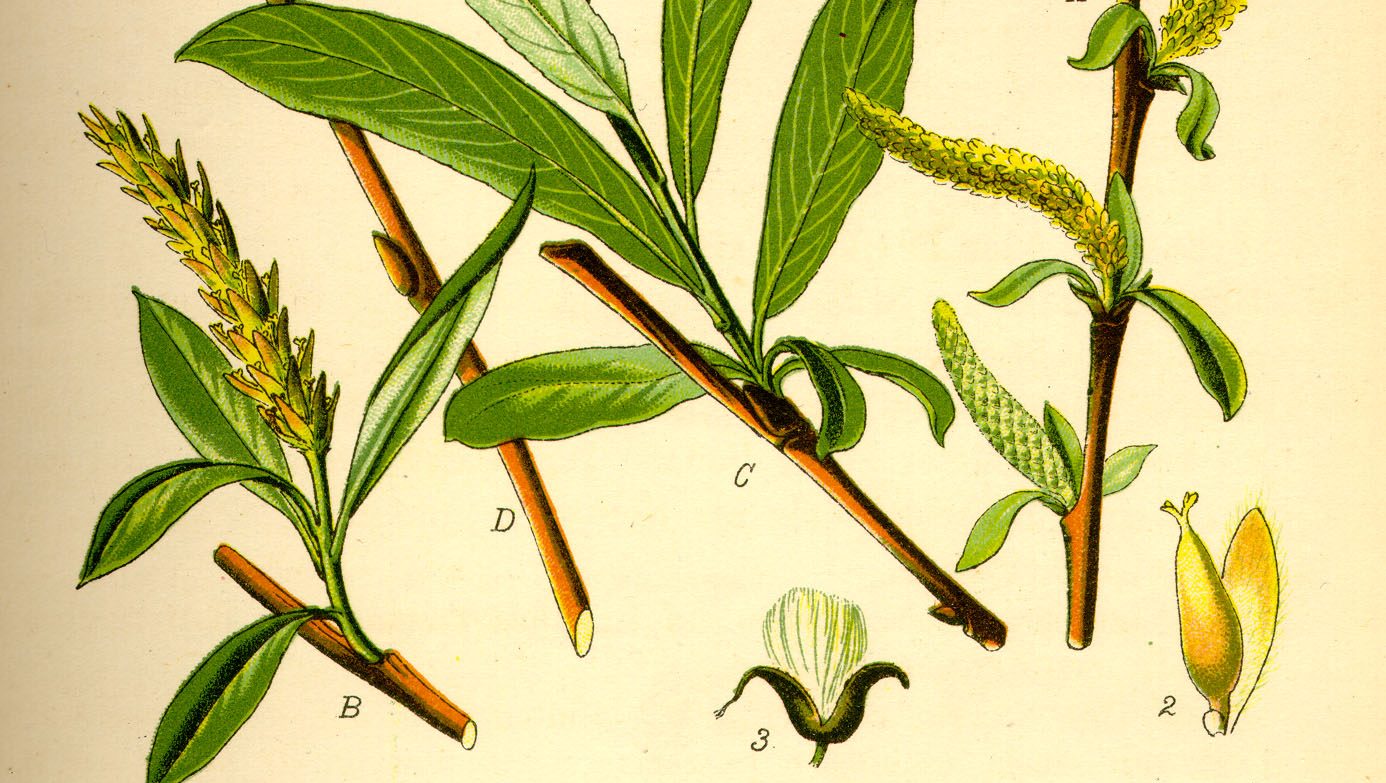
Willow Monograph
Nature’s aspirin providing pain relief and anti-inflammatory effects. Excellent for arthritis, back pain, headaches, and musculoskeletal pain. Gentler on stomach than aspirin with longer duration. CRITICAL: Never give to children with viral infections (Reye’s syndrome risk). Shares aspirin’s contraindications. Naturalised along NZ waterways.
-

Karamū Monograph
Native NZ shrub with traditional rongoā applications. Bark and leaves used for various conditions. Bitter tonic properties. Traditional treatments documented in early texts. Less commonly used today but historically significant. Beautiful native plant supporting bird populations. Requires documentation of traditional knowledge and sustainable practices.
-
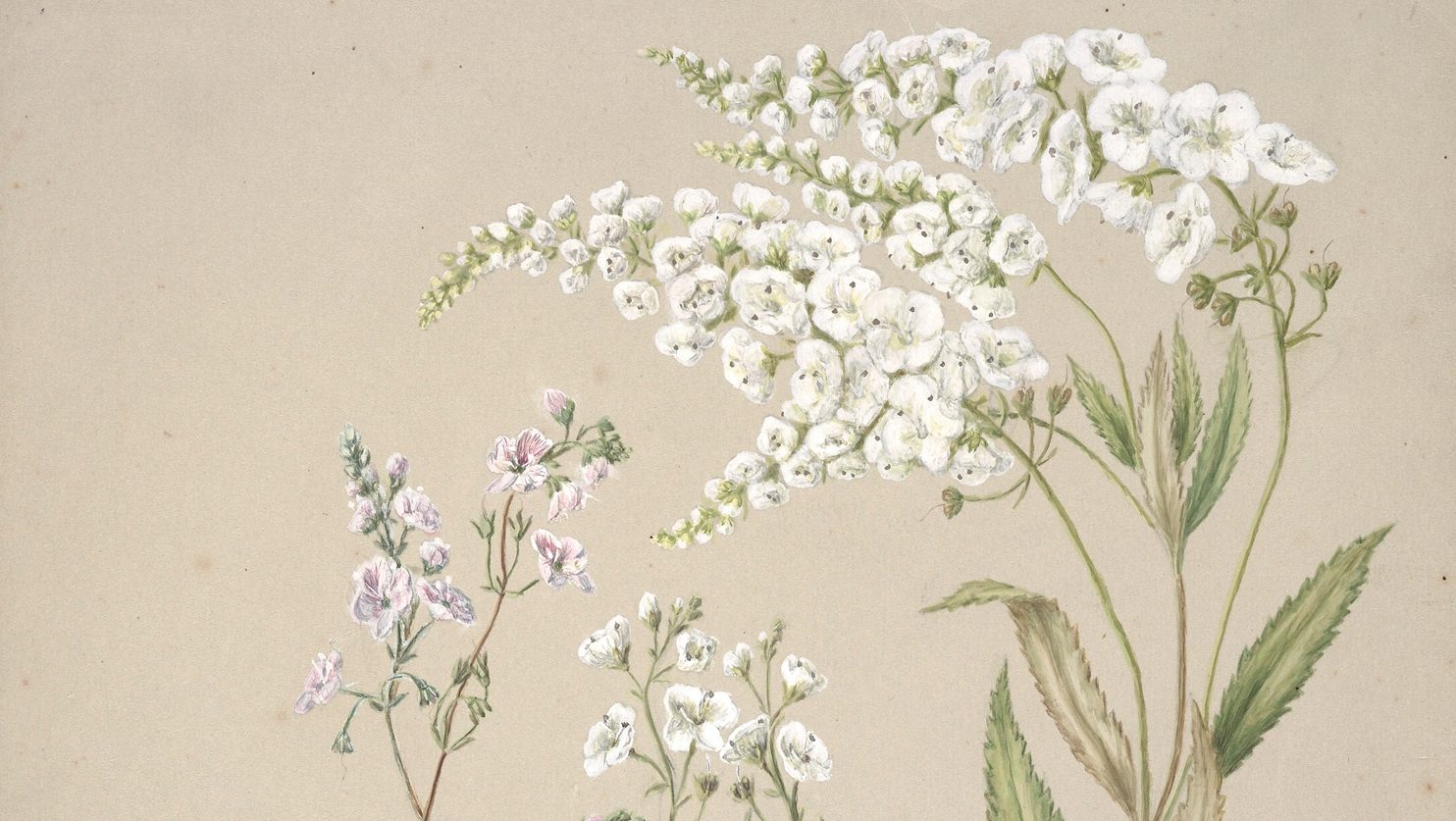
Koromiko Monograph
Native NZ shrub with powerful astringent properties. Traditional rongoā for diarrhoea and dysentery. Bark and leaves used medicinally. Early European settlers valued highly for digestive complaints. Beautiful native plant supporting ecosystems. Traditional knowledge requires documentation and respect. Important historical and cultural medicinal plant.
-

Makomako Monograph
Native NZ tree with traditional rongoā applications. Bark used for various conditions. Beautiful wineberry tree producing edible fruit. Traditional treatments documented but less commonly practiced today. Important cultural and ecological resource. Birds love berries. Requires documentation of traditional knowledge and sustainable practices.
-
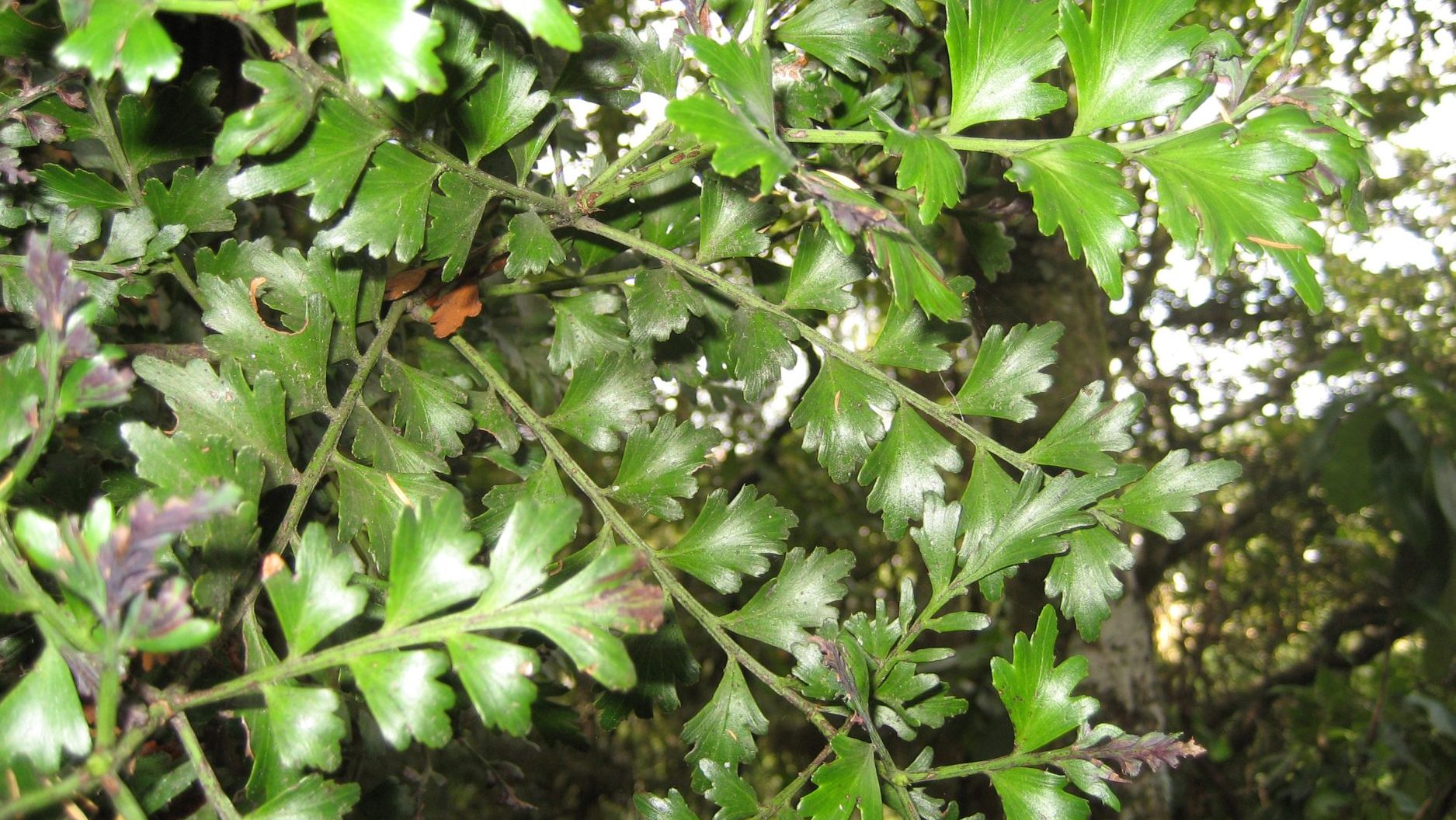
Tanekaha Monograph
Native NZ tree with traditional rongoā applications. Bark used traditionally for various conditions. Less commonly used today but historically important. Traditional Māori medicine for skin conditions and other ailments. Beautiful native tree supporting ecosystems. Requires documentation of traditional knowledge and conservation.