
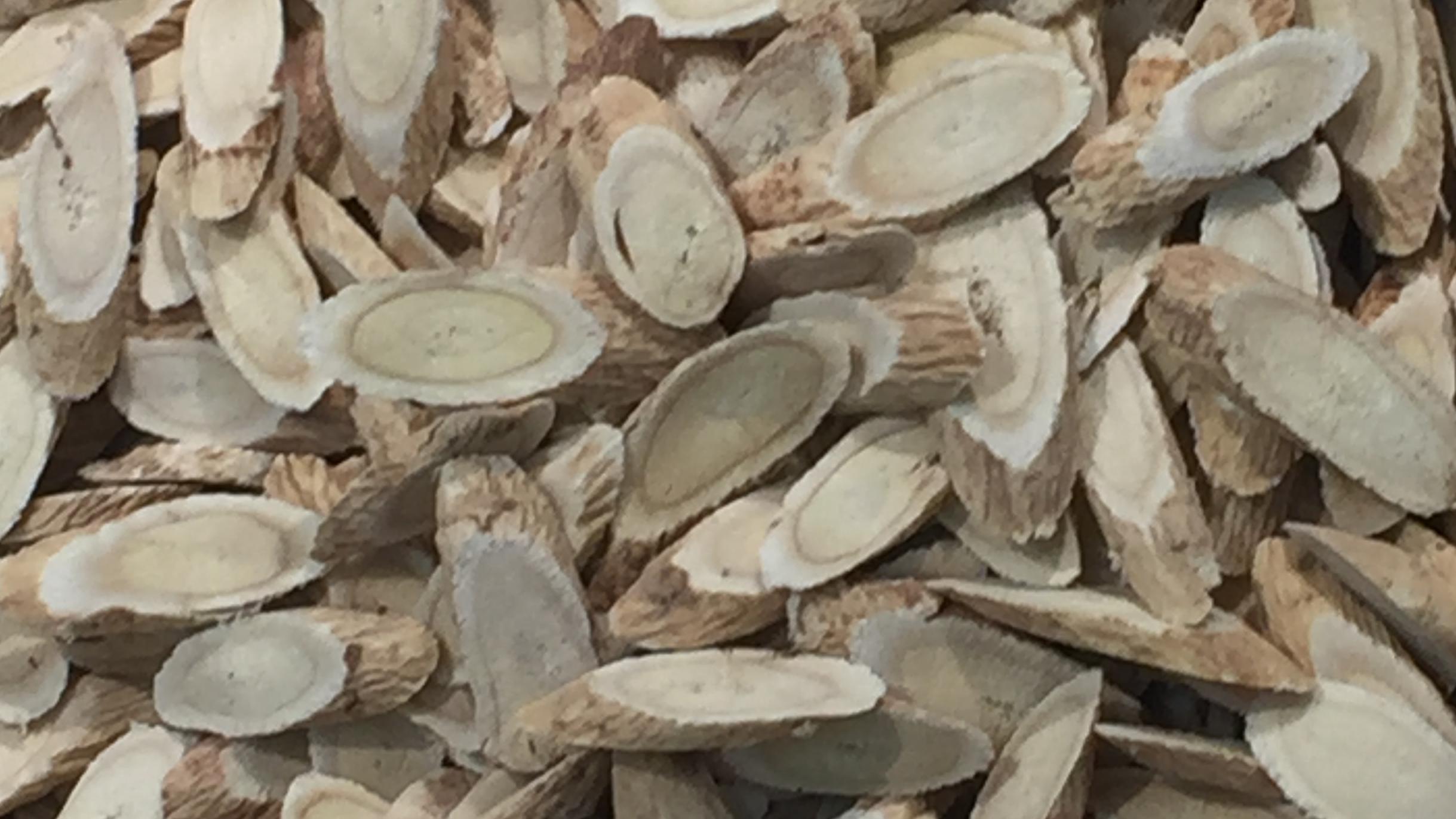
Astragalus
Astragalus membranaceus
Common & Folk Names
- Huang Qi (Chinese – yellow leader)
- Milk Vetch
- Mongolian Milk Vetch
- Membranous Milk Vetch
- Bei Qi (Northern Astragalus)
- Ogi (Japanese)
Plant Family
Fabaceae (Leguminosae)
Geographic Location
Native to northern China, Mongolia, and Korea. Grows wild in grasslands and mountainous regions of northern and northeastern China, particularly in Shanxi, Gansu, and Inner Mongolia provinces. Now cultivated in China, Korea, and increasingly in other temperate regions for medicinal purposes. Related species Astragalus mongholicus is also used medicinally and is often considered interchangeable with A. membranaceus.
Habitat
Naturally grows in grasslands, open woodlands, and mountain slopes at elevations of 1,000-2,500 metres. Prefers well-draining sandy or gravelly soils in full sun with moderate moisture. Tolerates cold winters and hot summers. Found in areas with continental climates featuring distinct seasons.
Growing Conditions
Sun: Full sun; requires at least 6-8 hours of direct sunlight daily
Soil: Deep, well-draining sandy or loamy soil; requires excellent drainage; pH 6.5-8.0 (neutral to slightly alkaline); intolerant of waterlogged conditions
Propagation: Sow seeds in spring after scarification (lightly sand or nick seed coat to improve germination); direct sowing is preferable as astragalus has a deep taproot that dislikes transplanting
Care: Water regularly during establishment; once established, relatively drought-tolerant; requires minimal fertilisation (as a legume, it fixes its own nitrogen); protect from excessive moisture; generally pest and disease-free; slow-growing, taking 3-4 years to develop substantial medicinal roots
NZ Planting Calendar
Sowing (seed): Spring (September-November) after last frost; scarify seeds before sowing to improve germination
Propagation (cuttings/division): Not typically propagated vegetatively; seed is standard method
Planting: Direct sow in final position due to deep taproot; avoid transplanting if possible
Growth: Hardy perennial; dies back to ground in winter, re-emerges in spring; slow-growing initially, taking 3-4 years to develop harvestable roots
Flowering: Summer (December-February) in second or third year with yellow to cream pea-like flowers in racemes
Harvest: Roots harvested in autumn (March-May) of fourth or fifth year after foliage dies back; older roots (4-7 years) contain higher concentrations of active constituents
Note: Not native to NZ; challenging to grow but possible in suitable conditions; requires well-draining soil and sunny position; suited to inland areas with cold winters and warm summers (Central Otago, inland Canterbury, Wairarapa); may struggle in humid coastal areas; long growing period before harvest makes this a commitment crop; most NZ herbalists purchase dried root rather than cultivating
Harvesting Guidelines
Harvest roots in autumn of the fourth to seventh year, after the aerial parts have died back and before the ground freezes. Older roots (4-7 years) contain higher concentrations of polysaccharides and other active constituents and are considered superior quality. Carefully dig roots to preserve the long taproot, which can extend deep into the soil. Wash roots thoroughly to remove all soil. Remove lateral roots and rootlets if desired, though whole roots can be used. Cut roots into slices or chunks whilst fresh (they become very hard when dry). Dry in a warm, well-ventilated area at temperatures not exceeding 40°C. Properly dried roots are very hard, fibrous, and have a sweet taste when chewed. The interior should be pale yellow to cream coloured. Store dried roots in airtight containers away from light and moisture. High-quality roots should be thick, have a sweet taste, and show a yellow-white interior when cut. Commercial astragalus is graded by size, colour, and sweetness, with the best quality being large, sweet-tasting roots with bright yellow-white centres.
Parts Used
- Roots (primary and only commonly used medicinal part)
- Occasionally aerial parts are used in traditional veterinary medicine, but not in human medicine
Constituents & their Actions
Astragalus’s therapeutic properties arise from a complex mixture of polysaccharides, saponins, flavonoids, and other compounds that provide immune-modulating, adaptogenic, and tonic effects.
Polysaccharides:
These complex carbohydrates represent the primary immune-modulating constituents. Some of the main polysaccharide fractions in astragalus are:
- Astragalans (heteropolysaccharides)
- Glucans
- Arabinogalactans
- Various other complex polysaccharides
The main actions of these polysaccharides are:
- Activate macrophages and natural killer cells, enhancing immune function
- Stimulate production of immune signalling molecules (cytokines and interferons)
- Modulate immune responses, balancing excessive or deficient immunity
- Provide antioxidant effects
- Support anti-inflammatory actions
- Enhance the body’s resistance to stress and disease
Saponins (Astragalosides):
Triterpene saponins that contribute to astragalus’s adaptogenic and cardioprotective effects. Some of the main saponins in astragalus are:
- Astragaloside I, II, III, IV (IV is particularly well-researched)
- Isoastragalosides
- Soyasaponins
The main actions of these saponins are:
- Provide adaptogenic effects, helping the body cope with stress
- Support cardiovascular health through multiple mechanisms
- Exhibit anti-inflammatory properties
- Demonstrate antioxidant activity
- May have anti-ageing effects through telomerase activation
- Support liver protection and regeneration
Flavonoids:
Plant pigments with antioxidant and various physiological effects. Some of the main flavonoids in astragalus are:
- Formononetin
- Calycosin
- Quercetin
- Kaempferol
- Isorhamnetin
The main actions of these flavonoids are:
- Provide potent antioxidant protection
- Exhibit anti-inflammatory effects
- Support cardiovascular health
- May have oestrogen-modulating effects (isoflavones)
- Contribute to immune-modulating properties
Amino Acids and Trace Elements:
Including various essential and non-essential amino acids, and minerals.
The main actions of these compounds are:
- Provide nutritive support
- Contribute to the overall tonic effects
- Support protein synthesis and tissue repair
Actions with Mechanisms
Immune Modulating and Immune Enhancing:
Astragalus is one of the premier immune-modulating herbs, enhancing appropriate immune responses whilst preventing excessive or misdirected immunity. The polysaccharides activate macrophages (immune cells that engulf and destroy pathogens and debris), which in turn enhances the body’s first line of defence against infections. These compounds also stimulate natural killer (NK) cell activity, strengthening the immune system’s ability to identify and destroy infected or abnormal cells. Astragalus increases the production of interferons and interleukins (immune signalling molecules), which coordinate more effective immune responses. The herb appears to enhance both innate immunity (immediate, non-specific defences) and adaptive immunity (targeted, learned responses to specific pathogens). Research demonstrates increased antibody production, enhanced T-cell function, and improved overall immune competence. These effects make astragalus valuable for preventing infections, supporting recovery from illness, and potentially for conditions involving immune deficiency.
Adaptogen:
Astragalus functions as a true adaptogen, helping the body adapt to various stressors—physical, chemical, biological, and psychological. The saponins, particularly astragaloside IV, modulate the hypothalamic-pituitary-adrenal (HPA) axis, which in turn helps normalise stress hormone responses and supports the body’s stress resilience. Unlike stimulants that provide temporary energy followed by depletion, astragalus builds deeper reserves and enhances the body’s capacity to handle ongoing stress. The herb supports energy production at the cellular level, improves stamina and endurance, and helps prevent stress-induced depletion. Traditional Chinese Medicine’s classification of astragalus as a “Qi tonic” (building vital energy) aligns perfectly with the modern concept of adaptogenic support for stress resilience and vitality.
Cardioprotective:
Multiple constituents support cardiovascular health through complementary mechanisms. The saponins improve cardiac contractility and cardiac output, which in turn enhances the heart’s pumping efficiency and circulation throughout the body. Flavonoids strengthen blood vessel walls, improve endothelial function (the lining of blood vessels), and reduce oxidative stress in cardiovascular tissues. Astragalus appears to reduce blood pressure in hypertensive individuals through vasodilatory effects and modulation of the renin-angiotensin system. Research shows reduced cholesterol and triglyceride levels, improved lipid profiles, and protection against atherosclerosis. The cardioprotective effects make astragalus valuable for supporting cardiovascular health, particularly in individuals with heart failure, hypertension, or those recovering from cardiac events.
Hepatoprotective (Liver Protective):
Astragalus protects liver cells from damage and supports liver regeneration through multiple pathways. The saponins and polysaccharides reduce liver inflammation and fibrosis, which in turn prevents progression of liver disease and supports recovery from liver damage. Antioxidant constituents protect hepatocytes (liver cells) from oxidative stress and toxic insults. Research demonstrates protective effects against chemical-induced liver damage, viral hepatitis, and fatty liver disease. The herb supports liver regeneration after injury and enhances the liver’s detoxification capacity. These properties make astragalus valuable as part of comprehensive liver support protocols.
Antioxidant:
Multiple constituents provide potent antioxidant protection throughout the body. The flavonoids and saponins scavenge free radicals and reactive oxygen species, which in turn protects cellular structures including lipid membranes, proteins, and DNA from oxidative damage. Astragalus enhances the activity of endogenous antioxidant enzymes including superoxide dismutase (SOD) and glutathione peroxidase, strengthening the body’s own antioxidant defences. The antioxidant effects protect against oxidative stress-related diseases, support healthy ageing, and contribute to astragalus’s cardioprotective, neuroprotective, and immune-enhancing properties.
Anti-inflammatory:
Polysaccharides, saponins, and flavonoids work together to reduce inflammation through multiple mechanisms. These constituents inhibit the production of pro-inflammatory mediators including cytokines, prostaglandins, and nitric oxide, which in turn decreases inflammation throughout the body. Astragalus modulates immune responses to prevent excessive inflammatory reactions whilst maintaining appropriate immune surveillance. Research demonstrates anti-inflammatory effects in various models of inflammation, including arthritis, allergic inflammation, and inflammatory bowel conditions. The anti-inflammatory properties contribute to many of astragalus’s therapeutic effects and support its use for chronic inflammatory conditions.
Diuretic (Mild):
Astragalus produces gentle diuretic effects, increasing urine production and supporting fluid balance. The mechanisms may involve effects on kidney function and aldosterone regulation, which in turn promotes excretion of excess fluid whilst maintaining electrolyte balance. Traditional Chinese Medicine uses astragalus for oedema (fluid retention), particularly when combined with weakness or deficiency. The diuretic effects are mild and do not typically cause electrolyte depletion, making astragalus suitable for long-term use.
Anti-Ageing and Longevity Support:
Emerging research suggests astragalus may support healthy ageing through multiple mechanisms. Astragaloside IV activates telomerase, an enzyme that maintains telomere length (telomeres protect chromosome ends and shorten with age), which in turn may slow cellular ageing processes. The antioxidant and anti-inflammatory effects protect against age-related damage and disease. Immune support helps maintain immune function, which typically declines with age. The adaptogenic and tonic properties support overall vitality and resilience during ageing. Whilst more research is needed, preliminary findings suggest astragalus may support longevity and healthspan (years lived in good health).
Wound Healing:
Astragalus supports wound healing through immune enhancement, anti-inflammatory effects, and stimulation of tissue repair processes. The polysaccharides enhance granulation tissue formation and epithelialisation, which in turn accelerates wound closure. Improved circulation brings oxygen and nutrients to healing tissues. Traditional use includes both internal use to support systemic healing and topical application to wounds (less common in modern practice).
Main Use
Astragalus serves as a premier immune tonic and adaptogen, valued for building long-term immune resilience and supporting the body’s stress response. The herb excels at preventing infections, particularly in individuals prone to frequent colds, flu, or respiratory infections. Regular use of astragalus reduces infection frequency, severity, and duration by strengthening immune defences before pathogens establish infection. This preventive approach aligns with Traditional Chinese Medicine’s emphasis on “strengthening the protective Qi” to resist external pathogens.
As an adaptogen, astragalus addresses chronic stress, fatigue, and depletion. The herb supports individuals experiencing ongoing stress, physical or mental exhaustion, burnout, or recovery from prolonged illness. Unlike stimulants that provide temporary energy at the cost of deeper depletion, astragalus builds genuine reserves of vitality and enhances stress resilience. The effects develop gradually with consistent use, supporting sustainable energy and endurance.
For cardiovascular health, astragalus provides valuable support for heart failure, particularly when fatigue and fluid retention are present. Research shows improvements in cardiac function, exercise tolerance, and quality of life in heart failure patients. The herb supports healthy blood pressure, improves lipid profiles, and protects against atherosclerosis, making it useful for cardiovascular disease prevention and as adjunctive support for existing conditions.
Astragalus supports kidney function and addresses oedema, particularly in Traditional Chinese Medicine contexts where it’s used for “Qi and Yang deficiency” patterns. The herb may benefit chronic kidney disease when used as part of comprehensive treatment under professional guidance.
For liver health, astragalus protects against liver damage, supports liver regeneration, and may benefit chronic hepatitis, fatty liver disease, and other liver conditions as part of comprehensive treatment protocols.
In cancer care, astragalus is used adjunctively to support immune function during chemotherapy and radiation, reduce treatment side effects, and potentially enhance treatment outcomes. Research shows astragalus may reduce chemotherapy toxicity and improve quality of life in cancer patients, though this application requires professional supervision and integration with conventional care.
The herb’s tonic properties make it valuable for convalescence, building strength after illness or surgery, and supporting healthy ageing. Astragalus nourishes and strengthens, making it ideal for deficiency states requiring gentle, sustained building.
Preparations
Decoction: Traditional and most common preparation. Simmer 9-30g of dried root slices in 500-1000ml water for 30-60 minutes (longer decoction extracts more polysaccharides); strain and drink throughout the day. The root slices can be simmered 2-3 times for maximum extraction.
Powder: Dried root ground to fine powder; 3-9g daily mixed into food, smoothies, or taken in capsules. Less traditional than decoction but convenient.
Tincture (1:5, 40-60% alcohol): 3-6ml (60-120 drops), 2-3 times daily. Less commonly used than decoction in Traditional Chinese Medicine but provides convenient dosing.
Soup/Food: Traditional preparation involves adding astragalus root slices to soups, broths, and stews during cooking. The roots are typically removed before serving (they become very fibrous when cooked). This provides gentle, nourishing support whilst enhancing food.
Standardised Extract: Commercial extracts standardised to polysaccharide and/or astragaloside content provide consistent dosing. Follow manufacturer’s instructions, typically 500-1000mg, 2-3 times daily.
Tea Blend: Combine astragalus with complementary herbs such as ginseng, liquorice, or reishi in decoctions for enhanced tonic effects.
Dosage
Dried Root (decoction): 9-30g simmered in water; drink throughout the day; 15g is a common middle-range dose
Powder: 3-9g daily in divided doses
Tincture (1:5, 40-60% alcohol): 3-6ml (60-120 drops), 2-3 times daily
Standardised Extract: 500-1000mg, 2-3 times daily; follow manufacturer’s instructions
In Soup/Food: Add 10-20g root slices to soups and simmer for extended cooking time
IMPORTANT NOTES:
- Astragalus works best with consistent daily use over weeks to months; this is a long-term tonic rather than acute remedy
- Effects build gradually; patience is essential
- Traditional use often involves higher doses (15-30g) than typical Western herbal doses
- Combine with other herbs in traditional formulas for specific conditions
Safety & Drug Interactions
Astragalus has an excellent safety profile with minimal adverse effects reported, even with long-term use. The herb has been used safely in Traditional Chinese Medicine for over 2,000 years.
Side Effects: Very rare and generally limited to mild digestive upset with very high doses. Some individuals may experience allergic reactions (rare), particularly those allergic to other plants in the Fabaceae family.
General Safety: Generally considered safe during pregnancy and lactation based on extensive traditional use, though professional guidance is recommended. Safe for children when used in appropriately reduced doses; traditionally used in paediatric formulations for immune support. Safe for elderly individuals and those with chronic conditions.
Contraindications and Cautions:
- Acute Infections with Fever: Traditional Chinese Medicine teaching suggests avoiding astragalus during acute infections with high fever, as immune stimulation might theoretically intensify the acute response. Use after fever has resolved to support recovery. However, some modern research suggests this precaution may be overly conservative, and astragalus may actually help modulate excessive inflammatory responses.
- Autoimmune Diseases: Use cautiously in autoimmune conditions (rheumatoid arthritis, lupus, multiple sclerosis, etc.) as immune stimulation might theoretically exacerbate autoimmune responses. However, astragalus’s immune-modulating (rather than simply stimulating) effects may actually be beneficial; professional guidance is essential for autoimmune conditions.
- Organ Transplant Recipients: Avoid in individuals taking immunosuppressant drugs to prevent organ rejection, as immune enhancement could counteract immunosuppression.
Drug Interactions:
- Immunosuppressants: May reduce effectiveness of immunosuppressant medications (cyclosporine, tacrolimus, etc.); avoid combination
- Diabetes Medications: May enhance blood glucose-lowering effects; monitor blood sugar if combining
- Blood Pressure Medications: May enhance hypotensive effects; monitor blood pressure if combining
- Anticoagulants: Some evidence suggests potential interaction with blood thinners, though not well-documented; use cautiously with warfarin or other anticoagulants
- Diuretics: May enhance diuretic effects through additive mechanisms
Other Considerations:
- Generally very well-tolerated with long-term use
- No significant toxicity reported in animal studies even at high doses
- The immune-enhancing effects are bidirectional (modulating rather than simply stimulating), which improves safety in various conditions
Scientific Evidence
Immune Function: Extensive research confirms immune-modulating and immune-enhancing effects. Studies demonstrate increased natural killer cell activity, enhanced macrophage function, increased antibody production, and improved T-cell responses. Clinical trials show reduced infection frequency and severity with regular astragalus use. Animal and laboratory studies comprehensively characterise the immune-enhancing mechanisms, supporting traditional use for infection prevention and immune support.
Cancer Adjunctive Therapy: Multiple clinical trials demonstrate that astragalus-based preparations reduce side effects of chemotherapy and radiation, improve quality of life, and may enhance treatment outcomes when used alongside conventional cancer treatment. Systematic reviews and meta-analyses show improvements in survival rates, tumour response, and reduced toxicity in various cancer types. The evidence supports adjunctive use under professional supervision, though astragalus is not a substitute for conventional cancer treatment.
Heart Failure: Clinical studies show improvements in cardiac function, exercise tolerance, and quality of life in chronic heart failure patients taking astragalus. Research demonstrates improved ejection fraction, reduced symptoms, and decreased hospitalisations. The cardioprotective mechanisms are well-characterised in laboratory studies.
Chronic Kidney Disease: Studies suggest astragalus may slow progression of chronic kidney disease, reduce proteinuria (protein in urine), and improve kidney function markers. Research shows potential benefits for diabetic nephropathy. The renoprotective mechanisms involve antioxidant, anti-inflammatory, and anti-fibrotic effects.
Hepatoprotection: Animal and laboratory studies confirm liver-protective effects against various toxins and in models of liver disease. Research demonstrates reduced liver inflammation, fibrosis, and improved liver regeneration. Human studies on chronic hepatitis show promising results, though more research is needed.
Adaptogenic and Anti-Fatigue Effects: Studies demonstrate improved stress resilience, reduced fatigue, and enhanced physical performance with astragalus supplementation. Research confirms adaptogenic mechanisms including HPA axis modulation and cellular energy enhancement.
Telomerase Activation and Anti-Ageing: Emerging research shows astragaloside IV activates telomerase and may slow cellular ageing processes. Whilst preliminary, this research suggests potential longevity-supporting effects that align with traditional use as a longevity tonic.
Western Energetics
Temperature: Warming to neutral. The warming quality is gentle rather than intensely heating, making astragalus suitable for most constitutional types.
Moisture: Neutral to slightly drying. Astragalus neither significantly moistens nor dries tissues, making it broadly applicable. The mild diuretic effects provide gentle drying useful for oedema.
Tissue State: Particularly indicated for atrophy, depletion, and deficiency states where tissues and systems lack vitality, strength, and resilience. Astragalus excels at building and nourishing depleted conditions, restoring vital energy, strengthening immune defences, and supporting recovery from illness or prolonged stress. The herb addresses the underlying deficiency whilst enhancing the body’s capacity to respond to challenges. Also valuable for depression (in the tissue state sense—sinking, withdrawn, lacking vital force) when accompanied by fatigue and immune weakness.
Taste
Sweet: The predominant taste is sweet, particularly noticeable when chewing the dried root. This pronounced sweetness indicates astragalus’s nourishing, building, and tonifying properties. Sweet taste is traditionally associated with nutritive value and the ability to strengthen and replenish.
Slightly Bland: An underlying blandness contributes to the herb’s gentle, nourishing character and makes it easy to consume regularly.
Hint of Bean-like Quality: As a legume, there’s a subtle bean-like or earthy quality to the taste, though this is not dominant.
Plant Lore
Astragalus holds a place of profound importance in Traditional Chinese Medicine, where it has been used for over 2,000 years. The Chinese name “Huang Qi” translates to “yellow leader” or “yellow chief,” referring both to the yellow colour of the root interior and to its status as a premier tonic herb. In classical Chinese medical texts including the Shennong Ben Cao Jing (Divine Farmer’s Materia Medica, circa 200 CE), astragalus is listed as a superior herb suitable for long-term use to promote health and longevity.
Traditional Chinese Medicine theory classifies astragalus as a “Qi tonic” that strengthens the “Spleen and Lung Qi,” supports “Wei Qi” (defensive energy that protects against external pathogens), and “holds” or “raises” Qi (preventing prolapse and supporting upward energy flow). These traditional concepts align remarkably well with modern understanding of astragalus as an immune tonic, adaptogen, and supportive herb for fatigue and weakness.
In Chinese culture, astragalus has long been associated with longevity and vitality. Traditional preparations often combine astragalus with other tonic herbs in complex formulas designed to promote health, prevent disease, and support graceful ageing. The herb was traditionally used by scholars, monks, and those engaged in demanding mental or physical work to maintain stamina and prevent exhaustion.
The legendary herbalist Li Shizhen, in his comprehensive Compendium of Materia Medica (Ben Cao Gang Mu, 1578), documented extensive uses for astragalus and praised its ability to tonify Qi and strengthen the body’s defences. Historical records describe astragalus being used by Chinese emperors and nobility as part of longevity-promoting regimens.
Traditional harvesting practices emphasised collecting astragalus from wild mountain populations, with roots from certain regions (particularly Shanxi province) considered superior quality. The best astragalus was said to grow in harsh mountain conditions where the struggle for survival concentrated the plant’s vital essence. Modern cultivation has made astragalus more widely available, though some practitioners still prize wild-harvested roots from traditional regions.
In Traditional Chinese Medicine food therapy, astragalus is commonly added to soups and broths, particularly during recovery from illness, in winter for immune support, and for individuals experiencing fatigue or weakness. This practice of using medicinal herbs as food demonstrates the integration of medicine and nutrition in Chinese culture.
The plant’s Western introduction occurred relatively recently, with serious scientific interest developing primarily in the late 20th century as researchers began investigating Traditional Chinese Medicine herbs. The immunological research on astragalus polysaccharides in the 1980s and 1990s helped validate traditional uses and brought Western attention to this important tonic herb.
Different astragalus species grow throughout temperate regions worldwide (the genus contains over 2,000 species), but Astragalus membranaceus and A. mongholicus are the primary medicinal species. Some other species are used regionally, but these two species dominate commercial and medicinal use.
Additional Information
The quality of astragalus varies significantly based on growing conditions, age of roots, and processing methods. High-quality astragalus root should be:
- Large and thick (indicating mature age)
- Yellow-white interior when cut (the characteristic colour)
- Sweet tasting when chewed (high polysaccharide content)
- Flexible yet firm (not brittle, which indicates old age or poor storage)
Commercial grading systems evaluate these characteristics, with premium grades commanding higher prices. When purchasing, look for whole roots or thick slices rather than tiny pieces or powder, as this allows quality assessment.
The taste test is traditional and valuable: chew a small piece of dried root—it should taste distinctly sweet with a pleasant, slightly bean-like flavour. Bitter or off-tasting roots indicate poor quality or contamination.
Astragalus combines beautifully with other tonic and adaptogenic herbs:
- Astragalus + Codonopsis or Ginseng for profound Qi tonification
- Astragalus + Reishi for immune support and longevity
- Astragalus + Dang Gui (Angelica sinensis) for blood and Qi nourishment (classic combination)
- Astragalus + Liquorice to enhance and harmonise effects (traditional combination)
The herb’s gentle, nourishing nature makes it suitable for long-term use, unlike some tonics that can be overstimulating or depleting with extended use. Many people take astragalus daily for months or years as part of health maintenance.
Growing astragalus requires patience, as roots need 4-7 years to develop medicinal quality. The long growing period and specific soil requirements make cultivation challenging, which is why most herbalists purchase rather than grow their own. However, for those with suitable conditions and patience, cultivating astragalus can be rewarding.
The sustainability of wild astragalus populations is a concern, as overharvesting has depleted some traditional collection areas. Purchasing from suppliers who use cultivated astragalus helps protect wild populations. Look for organic certification and sustainable sourcing practices.
Storage of dried astragalus roots is straightforward—the roots are stable and maintain potency for several years when stored in airtight containers away from moisture, heat, and light. Unlike some herbs that degrade quickly, astragalus’s polysaccharides and saponins remain stable with proper storage.
For those new to astragalus, starting with moderate doses (9-15g in decoction or equivalent in other forms) and building gradually allows assessment of individual response. The effects are gentle and cumulative rather than dramatic and immediate.
Sources
Bone, K., & Mills, S. (2013). Principles and Practice of Phytotherapy: Modern Herbal Medicine (2nd ed.). Churchill Livingstone.
Mills, S., & Bone, K. (2005). The Essential Guide to Herbal Safety. Elsevier.
Bensky, D., Clavey, S., & Stöger, E. (2004). Chinese Herbal Medicine: Materia Medica (3rd ed.). Eastland Press.
Fu, J., Wang, Z., Huang, L., Zheng, S., Wang, D., Chen, S., Zhang, H., & Yang, S. (2014). Review of the botanical characteristics, phytochemistry, and pharmacology of Astragalus membranaceus (Huangqi). Phytotherapy Research, 28(9), 1275-1283.
Block, K. I., & Mead, M. N. (2003). Immune system effects of echinacea, ginseng, and astragalus: A review. Integrative Cancer Therapies, 2(3), 247-267.
McCulloch, M., See, C., Shu, X. J., Broffman, M., Kramer, A., Fan, W. Y., Gao, J., Lieb, W., Shieh, K., & Colford, J. M. Jr. (2006). Astragalus-based Chinese herbs and platinum-based chemotherapy for advanced non-small-cell lung cancer: Meta-analysis of randomised trials. Journal of Clinical Oncology, 24(3), 419-430.
Zhang, H. W., Lin, Z. X., Xu, C., Leung, C., & Chan, L. S. (2014). Astragalus (a traditional Chinese medicine) for treating chronic kidney disease. Cochrane Database of Systematic Reviews, 2014(10), CD008369.
Li, Z. X., Zhao, G. D., Xiong, W., Linghu, K. G., Ma, Q. S., Cheang, W. S., Wang, Y., Lau, C. W., Huang, C., Cheng, L. K., Yao, X., Huang, Y., & Chen, Z. Y. (2016). Immunomodulatory effects of a new whole ingredients extract from Astragalus: A combined evaluation on chemistry and pharmacology. Chinese Medicine, 11, 28.
Cho, W. C., & Leung, K. N. (2007). In vitro and in vivo immunomodulating and immunorestorative effects of Astragalus membranaceus. Journal of Ethnopharmacology, 113(1), 132-141.
Mao, X. Q., Yu, F., Wang, N., Wu, Y., Zou, F., Wu, K., Liu, M., & Ouyang, J. P. (2009). Hypoglycemic effect of polysaccharide enriched extract of Astragalus membranaceus in diet induced insulin resistant C57BL/6J mice and its potential mechanism. Phytomedicine, 16(5), 416-425.
Sinclair, S. (1998). Chinese herbs: A clinical review of Astragalus, Ligusticum, and Schizandrae. Alternative Medicine Review, 3(5), 338-344.
Zhao, K. S., Mancini, C., & Doria, G. (1990). Enhancement of the immune response in mice by Astragalus membranaceus extracts. Immunopharmacology, 20(3), 225-233.
Denzler, K., Moore, J., Harrington, H., Morrill, K., Huynh, T., Jacobs, B., & Waters, R. (2010). Characterization of the immunostimulatory properties of Astragalus root. FASEB Journal, 24(Meeting Abstract Supplement), 1016.7.
Ren, S., Zhang, H., Mu, Y., Sun, M., & Liu, P. (2013). Pharmacological effects of Astragalus membranaceus on degenerative retinal diseases. Journal of Ocular Pharmacology and Therapeutics, 29(9), 805-811.
Disclaimer: This monograph is for educational purposes only and is not medical advice. Please consult with a qualified healthcare practitioner before using any herbal remedy, especially if you are pregnant, nursing, taking medication, or have a known medical condition.