
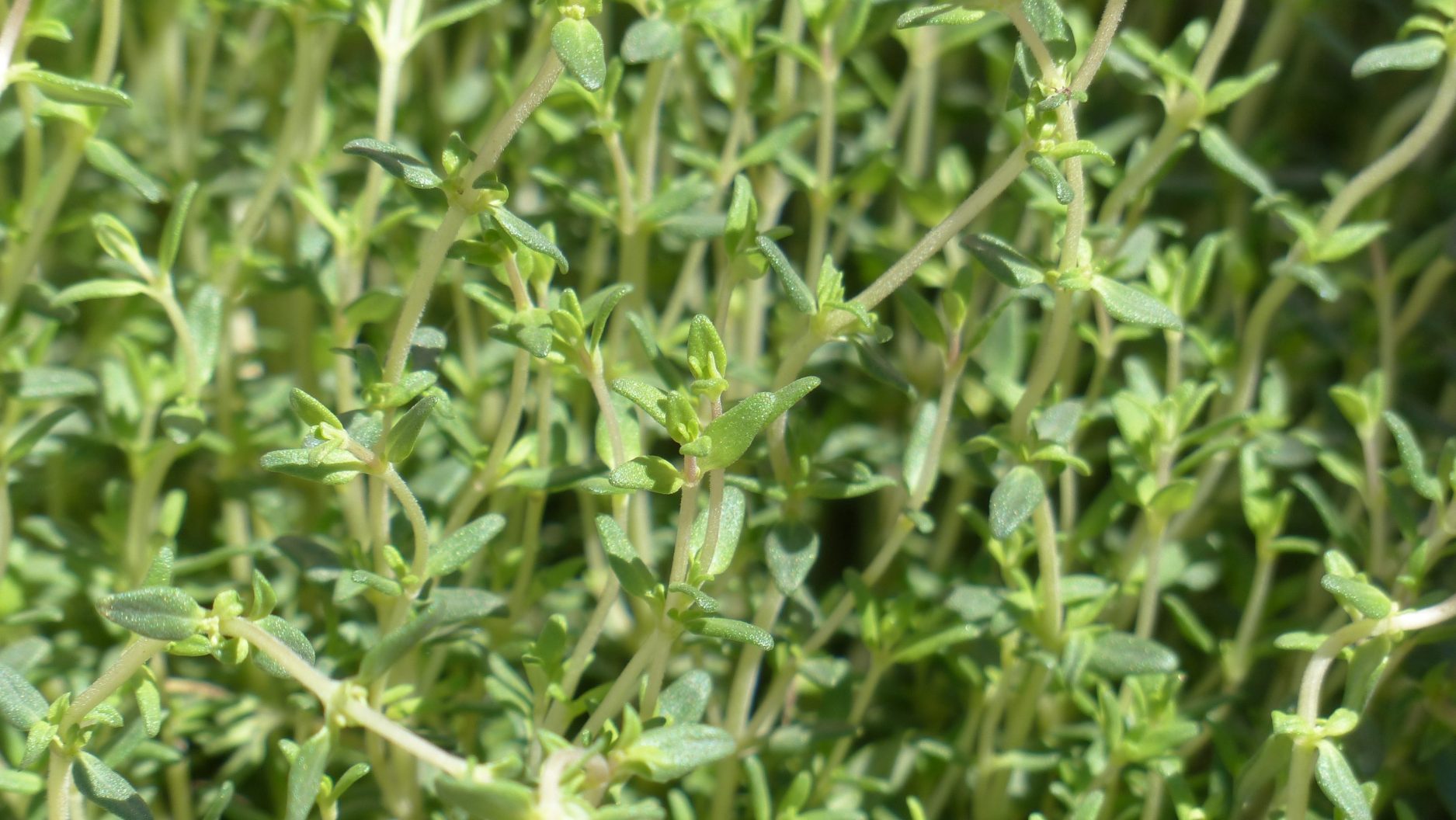
Thyme
Thymus vulgaris
Common & Folk Names
- Common Thyme
- Garden Thyme
- French Thyme
- Winter Thyme
- English Thyme
Plant Family
Lamiaceae (Labiatae) – the Mint family
Geographic Location
Thyme is native to the Mediterranean region, including Spain, Italy, France, Greece, Egypt, Lebanon, and Turkey. It has been widely introduced and cultivated across temperate regions worldwide. In New Zealand, common thyme (Thymus vulgaris) has naturalised and grows wild in several regions, most notably in Central Otago, where it thrives in the arid, rocky terrain. Central Otago represents one of the few places in the world outside its native Mediterranean range where thyme grows wild in significant populations, having been introduced by gold miners in the late 1800s.
Habitat
Thyme naturally grows in dry, sunny grasslands, rocky slopes, hillsides, and calcareous soils throughout Europe and Asia. It prefers open, exposed locations with excellent drainage and thrives in Mediterranean climates with hot, dry summers. In New Zealand, wild thyme colonises dry, north-facing slopes, particularly in areas with poor soil and minimal moisture, including gold mining tailings in Central Otago.
Growing Conditions
Sun: Full sun exposure (at least 6-8 hours daily); tolerates partial shade but essential oil production decreases in low light
Soil: Prefers well-drained, sandy or loamy soil with neutral to slightly alkaline pH (6.0-8.0); tolerates poor, rocky soils; does not tolerate waterlogging or heavy clay without amendment
Propagation: Easily grown from seed (sow at 15-25°C soil temperature, 6-8 weeks to transplant size), cuttings (8cm tip cuttings root in 4-6 weeks), layering (occurs naturally where stems touch soil), or division (from 3-4 year old plants in late spring)
Care: Low-maintenance perennial growing 10-30 cm tall depending on variety; drought-tolerant once established; minimal fertilizer required (light application of organic matter in spring); prune 2-3 times yearly to prevent woodiness and stimulate new growth; plants become overly woody after 3-4 years and should be replaced; space plants 20-30 cm apart
NZ Planting Calendar
Sowing (seed): Spring (September–November)
Propagation (cuttings): Spring to autumn (October–April) – softwood or semi-hardwood cuttings
Propagation (division): Spring (September–November) or autumn (March–May)
Planting: Spring (September–November) or autumn (March–May)
Growth: Evergreen perennial subshrub; frost-hardy once established
Flowering: November–February (summer) – small pink/purple flowers
Harvest (leaves/stems): Year-round; best just before or during flowering for maximum oil content
Note: Not native to NZ; Mediterranean herb; thrives in well-drained soil and full sun; excellent for NZ gardens
Harvesting Guidelines
Harvest thyme when flowers are fully open or just before flowering for maximum essential oil content and flavour. The best time to harvest is in the morning after the dew has dried but before the midday heat, when volatile oil concentration is highest. In New Zealand, thyme typically flowers in spring (October-November in Central Otago). Cut stems 5-10 cm from growing tips, leaving at least one-third of the plant to encourage regrowth. Harvest sparingly in the first year after planting. For medicinal use, harvest flowering tops and leaves together. Central Otago wild thyme is particularly potent due to the harsh growing conditions, which stress the plant and increase defensive volatile oil production.
Parts Used
- Leaves (fresh or dried)
- Flowering tops (aerial parts including flowers)
- Essential oil (steam distilled from fresh leaves and flowers)
Constituents & their Actions
Thyme’s potent medicinal properties derive from a diverse array of bioactive compounds, with the volatile essential oil being the primary therapeutic component. The essential oil content typically ranges from 1-2.5% of the dry weight, though this varies by chemotype, growing conditions, and harvest timing.
Phenolic Volatile Oils (Phenolic Monoterpenes):
These are the primary active constituents responsible for thyme’s antimicrobial and expectorant properties. The two main phenolic compounds are:
- Thymol (typically 30-50% of essential oil)
- Carvacrol (typically 5-15% of essential oil)
- p-Cymene (precursor to thymol and carvacrol; 10-25%)
The main actions of these phenolic volatile oils are:
- Potent broad-spectrum antimicrobial activity (antibacterial, antifungal, antiviral)
- Expectorant effects (increases bronchial secretions and ciliary action)
- Antispasmodic properties (relaxes smooth muscle)
- Antiseptic and disinfectant actions
Monoterpene Hydrocarbons:
These non-phenolic volatile compounds contribute to thyme’s anti-inflammatory and analgesic properties. Key monoterpenes include:
- Linalool (5-15%; calming, anti-anxiety effects)
- γ-Terpinene (5-10%; antioxidant)
- Borneol (small amounts; analgesic)
- 1,8-Cineole (eucalyptol; variable amounts; expectorant)
The main actions of these monoterpenes are:
- Anti-inflammatory effects
- Analgesic (pain-relieving) properties
- Anxiolytic (calming) effects
- Additional antioxidant activity
Flavonoids:
These polyphenolic compounds provide significant antioxidant and anti-inflammatory support. Major flavonoids in thyme include:
- Apigenin
- Luteolin
- Naringenin
- Eriodictyol
- Thymonin
The main actions of these flavonoids are:
- Potent antioxidant activity (free radical scavenging)
- Anti-inflammatory effects
- Mild anxiolytic properties
- Synergistic enhancement of volatile oil actions
Triterpenic Acids:
These pentacyclic triterpenes contribute to anti-inflammatory and antimicrobial effects. Key compounds include:
- Ursolic acid
- Oleanolic acid
The main actions are:
- Anti-inflammatory properties
- Antimicrobial activity
- Antioxidant effects
Phenolic Acids:
These compounds enhance thyme’s antioxidant capacity. Present phenolic acids include:
- Rosmarinic acid (most abundant)
- Caffeic acid
- Chlorogenic acid
The main actions are:
- Strong antioxidant activity
- Anti-inflammatory effects
- Antimicrobial properties
Tannins (Condensed):
These astringent compounds provide tissue-toning properties:
The main action is:
- Astringent effects (tones mucous membranes, reduces secretions)
Actions with Mechanisms
Antimicrobial / Antibiotic:
Thyme’s primary therapeutic action is its powerful broad-spectrum antimicrobial activity against bacteria (including antibiotic-resistant strains such as MRSA), viruses, and fungi (including Candida albicans). The phenolic compounds thymol and carvacrol disrupt microbial cell membrane integrity by integrating into the lipid bilayer, which in turn increases membrane permeability and causes leakage of essential intracellular components including ions, ATP, and nucleic acids. Additionally, these compounds inhibit microbial energy metabolism by interfering with the proton motive force across the cell membrane and disrupting cellular respiration, which in turn leads to rapid cell death. Thymol also inhibits bacterial biofilm formation, preventing microbes from establishing protective communities. The antimicrobial potency is enhanced synergistically by the combined presence of multiple volatile compounds. Studies demonstrate effectiveness against Staphylococcus aureus, Escherichia coli, Pseudomonas aeruginosa, Streptococcus species, and antibiotic-resistant strains.
Expectorant:
Thyme is a powerful respiratory remedy that promotes the expulsion of mucus from the lungs and airways. Thymol stimulates the secretion of thinner, more fluid respiratory tract mucus by activating mucosal glands, which in turn dilutes thick, stagnant phlegm and makes it easier to expectorate. Simultaneously, the volatile oils increase ciliary beat frequency in the bronchial epithelium, which in turn enhances mucociliary clearance and physically propels mucus upward and out of the respiratory tract. Additionally, thyme’s irritant properties stimulate the vagus nerve and trigger the cough reflex, which in turn helps expel loosened secretions. This combined secretagogue and mucokinetic action makes thyme exceptionally effective for productive coughs with thick, difficult-to-expectorate sputum, chronic bronchitis, and respiratory congestion.
Antispasmodic:
The volatile oils in thyme, particularly thymol, carvacrol, and linalool, exert significant antispasmodic effects on smooth muscle throughout the body. These compounds interact with calcium channels in smooth muscle cell membranes, reducing calcium influx, which in turn decreases muscle contractility and promotes relaxation. Additionally, the monoterpenes modulate neurotransmitter signaling and reduce smooth muscle responsiveness to contractile stimuli, which in turn calms spastic contractions. This mechanism is particularly effective in the respiratory tract, where thyme relieves bronchospasm and spasmodic, paroxysmal coughing (including whooping cough), in the gastrointestinal tract, where it eases intestinal cramping, bloating, and colic, and in the uterus, where it may help relieve menstrual cramps.
Antioxidant:
Thyme exhibits potent antioxidant activity through multiple complementary mechanisms. The flavonoids (apigenin, luteolin, naringenin) and phenolic acids (especially rosmarinic acid) act as direct free radical scavengers, donating hydrogen atoms or electrons to neutralise reactive oxygen species (ROS) such as superoxide anions, hydroxyl radicals, and peroxyl radicals, which in turn prevents oxidative damage to lipids, proteins, and DNA. Additionally, these compounds upregulate endogenous antioxidant defense systems by activating the Nrf2 (nuclear factor erythroid 2-related factor 2) transcription pathway, which in turn increases expression of phase II detoxification enzymes including glutathione S-transferase, NAD(P)H quinone oxidoreductase, and heme oxygenase-1. The essential oils, particularly γ-terpinene and thymol, also contribute antioxidant effects by inhibiting lipid peroxidation. This comprehensive antioxidant protection helps combat oxidative stress associated with inflammation, aging, and chronic disease.
Anti-inflammatory:
Thyme’s anti-inflammatory effects result from multiple synergistic mechanisms. Thymol, carvacrol, and ursolic acid inhibit the production of pro-inflammatory cytokines including tumor necrosis factor-alpha (TNF-α), interleukin-1β (IL-1β), and interleukin-6 (IL-6) by suppressing the activation of nuclear factor-kappa B (NF-κB), a master regulator of inflammatory gene expression, which in turn reduces the inflammatory cascade. Additionally, these compounds inhibit the cyclooxygenase (COX-2) and lipoxygenase (LOX) enzymes that catalyse the conversion of arachidonic acid to pro-inflammatory prostaglandins and leukotrienes, which in turn decreases inflammatory mediator production. The flavonoids contribute by stabilising cell membranes and reducing histamine release from mast cells, which in turn diminishes allergic and inflammatory responses. 1,8-Cineole reduces inflammatory cytokine production in respiratory tissues. These combined anti-inflammatory mechanisms make thyme valuable for inflammatory respiratory conditions, arthritis, and inflammatory skin conditions.
Carminative:
Thyme’s carminative properties help relieve gas, bloating, and digestive discomfort. The volatile oils relax the smooth muscle of the gastrointestinal tract, which in turn reduces spasms and cramping that trap gas. Additionally, the warming, aromatic compounds stimulate digestive secretions including saliva, gastric juice, and bile, which in turn enhances digestive efficiency and reduces fermentation that produces excessive gas. The antimicrobial properties also help control gut dysbiosis and pathogenic bacteria that produce gas through fermentation, which in turn reduces bloating and flatulence. The combination of antispasmodic, digestive stimulant, and antimicrobial actions makes thyme effective for indigestion, bloating, intestinal gas, and sluggish digestion.
Antitussive (Cough Suppressant):
While thyme is primarily an expectorant, it also possesses mild antitussive properties that help calm dry, irritating, unproductive coughs. The essential oils, particularly linalool and other monoterpenes, have a gentle sedative effect on the cough centre in the medulla oblongata, which in turn reduces the frequency and intensity of the cough reflex. The antispasmodic effects relax bronchial smooth muscle and reduce irritation in the respiratory tract, which in turn decreases the stimulus that triggers coughing. The combination of expectorant properties (for productive coughs) and mild antitussive effects (for irritating dry coughs) makes thyme a balanced respiratory remedy suitable for various types of coughs, particularly the transition from dry, unproductive cough to productive, phlegm-expelling cough.
Antimycotic (Antifungal):
Thyme demonstrates significant antifungal activity against a wide range of pathogenic fungi. Thymol and carvacrol disrupt fungal cell membrane integrity by altering membrane permeability and fluidity, which in turn causes leakage of cellular contents and inhibits fungal growth. These compounds also interfere with ergosterol biosynthesis, a critical component of fungal cell membranes, which in turn compromises membrane structure and function. Additionally, thyme essential oil inhibits fungal biofilm formation and hyphal development, which in turn prevents the establishment and spread of fungal infections. This antifungal activity is effective against Candida albicans, dermatophytes (Trichophyton and Microsporum species causing ringworm and athlete’s foot), Aspergillus species, and other pathogenic fungi, making thyme useful for oral thrush, vaginal candidiasis, fungal skin infections, and nail fungus.
Main Use
Thyme’s primary therapeutic application is as a powerful respiratory remedy for coughs, bronchitis, and respiratory infections. It excels at treating both dry, spasmodic coughs and productive coughs with thick, difficult-to-expectorate mucus. The herb’s unique combination of antimicrobial, expectorant, and antispasmodic properties makes it ideal for acute and chronic respiratory tract infections including bronchitis, laryngitis, tracheitis, whooping cough (pertussis), and pneumonia.
For respiratory conditions, thyme addresses the infection with its broad-spectrum antimicrobial action against bacteria and viruses, stimulates the loosening and expectoration of stagnant mucus with its expectorant properties, and calms bronchospasm and spasmodic coughing with its antispasmodic effects. This threefold action–fighting infection, clearing congestion, and easing cough–makes thyme one of the most complete and effective respiratory herbs available. It is particularly valuable for children’s coughs when used appropriately, as it is both effective and relatively safe.
Internally, thyme is also employed for gastrointestinal complaints including indigestion, bloating, intestinal gas, sluggish digestion, intestinal infections, and dysbiosis. The antimicrobial properties help control pathogenic bacteria and fungi in the gut, while the carminative and antispasmodic effects ease cramping, gas, and digestive discomfort. Thyme has traditional use as an anthelmintic (anti-worm) remedy and for gastroenteritis.
Topically, thyme is applied as a wash, compress, or diluted essential oil for wounds, cuts, abrasions, fungal skin infections (ringworm, athlete’s foot), acne, and skin infections. The antimicrobial and antiseptic properties make it excellent for preventing infection and promoting healing. Thyme essential oil (properly diluted) or strong infusions can be used as gargles for sore throat, pharyngitis, and tonsillitis, or as mouthwash for oral infections, gingivitis, and dental plaque prevention (thymol is a common ingredient in commercial mouthwashes).
Less common but traditional uses include thyme for nerve pain (as a counter-irritant when applied topically), menstrual cramps (antispasmodic), nightmares (mild sedative), and as a general tonic for weakness and debility.
Preparations
Tea/Infusion: Add 1-2 teaspoons (2-4 g) of dried herb to 250 mL (1 cup) of boiling water. Cover and steep for 10-15 minutes to retain volatile oils. Strain and drink while warm. The infusion can be sweetened with honey for coughs. Dose: 1 cup, 2-4 times daily. For acute respiratory infection, drink every 2-3 hours.
Tincture: Fresh or dried aerial parts in 1:5 ratio using 45-60% alcohol. Macerate for 2-4 weeks, shaking daily. Strain and bottle. Dose: 2-4 mL (40-80 drops), 3-4 times daily. For acute conditions, take every 2-3 hours.
Syrup (Cough Syrup): Prepare a strong infusion using 50 g dried thyme in 500 mL boiling water, steeped covered for 30 minutes. Strain thoroughly. While still warm, add 250 g honey and stir until dissolved. Cool and bottle. Dose: 1-2 teaspoons, 3-6 times daily for coughs. Keeps refrigerated for 2-3 weeks.
Steam Inhalation: Add 2-3 teaspoons of dried thyme or 3-5 drops of thyme essential oil to a bowl of steaming hot water. Lean over the bowl with a towel draped over your head to trap steam. Inhale deeply for 5-10 minutes. Excellent for respiratory congestion, sinusitis, and bronchitis. Repeat 2-3 times daily.
Essential Oil (Diluted for Topical Use): Thyme essential oil is very strong and must be diluted before skin application. Mix 10-15 drops of thyme essential oil with 30 mL of carrier oil (olive, sweet almond, coconut oil). Apply to chest and throat for respiratory congestion, or to affected areas for fungal infections or wounds. For massage, use 3-5 drops per 30 mL carrier oil. Never apply undiluted essential oil to skin.
Gargle/Mouth Rinse: Prepare a strong infusion (double strength: 2-3 teaspoons per 250 mL water) or dilute tincture (1 teaspoon tincture in 250 mL warm water). Use as a gargle for sore throat or as a mouth rinse for oral infections and dental health. Use 2-4 times daily. Do not swallow.
Bath: Add 50-100 g of dried thyme in a muslin bag or large tea infuser to hot bath water. Soak for 15-20 minutes. The volatile oils are absorbed through skin and inhaled through steam, beneficial for respiratory conditions, aches, and tension.
Dosage
Dried Herb (Tea/Infusion): 2-4 g (1-2 teaspoons) dried herb, 3-4 times daily
Fresh Herb: 6-12 g (2-4 tablespoons) fresh herb daily
Tincture (1:5, 45-60%): 2-4 mL (40-80 drops), 3-4 times daily
Syrup: 1-2 teaspoons, 3-6 times daily for coughs
Essential Oil (internal use, adult only): 1-2 drops on honey or in warm water, 2-3 times daily maximum (not recommended for children internally)
Essential Oil (topical, properly diluted): 10-15 drops per 30 mL carrier oil for chest rub; 3-5 drops per 30 mL for massage
Children’s Dosing (tea/tincture): Ages 2-6 years: 1/4 adult dose; Ages 6-12 years: 1/2 adult dose; over 12 years: adult dose
Safety & Drug Interactions
Thyme is generally regarded as safe when used as a culinary herb or in therapeutic doses for medicinal purposes. However, several important safety considerations should be noted.
General Safety: Thyme has an excellent safety profile with a long history of culinary and medicinal use. The herb itself (leaves and flowers) is very safe. Thyme essential oil is more concentrated and potent, requiring appropriate dilution and caution.
Essential Oil Precautions: Thyme essential oil is highly concentrated and should never be applied undiluted (neat) to skin, as it can cause severe irritation, burns, and sensitisation. Always dilute properly in carrier oil (typically 1-3% dilution for topical use, maximum 5% for short-term use). Do not ingest essential oil in large amounts–internal use should be limited to 1-2 drops maximum per dose for adults only, and is generally not recommended without professional guidance. Keep essential oil away from eyes and mucous membranes.
Allergic Reactions: Individuals with known allergies to plants in the Lamiaceae (mint) family including oregano, basil, rosemary, lavender, or sage may also react to thyme. Allergic reactions may include skin rash, itching, respiratory symptoms, or in rare cases, anaphylaxis. Discontinue use if allergic symptoms develop.
Pregnancy and Lactation: Culinary amounts of thyme are safe during pregnancy and lactation. However, large therapeutic doses and thyme essential oil should be avoided during pregnancy, as the volatile oils may stimulate the uterus and potentially trigger contractions. The data on safety during pregnancy is limited, so caution is advised. Small medicinal amounts (such as tea for coughs) are likely safe in the second and third trimesters, but first trimester use should be minimal. Consult with a qualified healthcare provider before using thyme medicinally during pregnancy.
Children: Thyme is safe for children in appropriate doses when used for coughs and respiratory infections. It has been traditionally used for children’s coughs, including whooping cough. Use child-appropriate dosing as indicated above. Thyme essential oil should not be used internally for children under 12 years. For topical use in children, dilute essential oil more heavily (0.5-1% dilution).
Gastrointestinal Sensitivity: In sensitive individuals or when taken in very large doses, thyme may cause gastrointestinal irritation, heartburn, or nausea due to its volatile oil content. If this occurs, reduce dose or take with food.
Hyperthyroidism: Thyme contains compounds that may potentially affect thyroid function. Individuals with hyperthyroidism should use thyme cautiously and monitor thyroid function, though there is no strong evidence of clinically significant effects at normal therapeutic doses.
Bleeding Disorders and Surgery: There is no significant evidence of thyme affecting blood clotting, and it is not known to interact with anticoagulant medications. However, as a general precaution with herbs containing coumarins, individuals with bleeding disorders or those taking anticoagulants should monitor for any unusual effects. Discontinue use 2 weeks before scheduled surgery as a precautionary measure.
Drug Interactions: No significant drug interactions are documented for thyme. However, the herb’s antimicrobial properties may theoretically enhance the effects of antibiotics. Individuals taking prescription medications should consult with a healthcare provider before using large medicinal doses of thyme.
Skin Sensitivity: Topical application of thyme, particularly essential oil, may cause skin irritation or photosensitivity in some individuals. Always perform a patch test before widespread application. Avoid sun exposure on treated skin for 12-24 hours after essential oil application.
Scientific Evidence
Antimicrobial Activity: Multiple studies have confirmed thyme’s broad-spectrum antimicrobial properties. Research published in Phytotherapy Research (2012) demonstrated that Thymus vulgaris essential oil exhibited significant antibacterial activity against Staphylococcus aureus, including methicillin-resistant strains (MRSA). A study in the International Journal of Food Microbiology (2010) showed that thymol and carvacrol increased antibiotic susceptibility in drug-resistant bacteria, suggesting thyme could be used synergistically with conventional antibiotics. The essential oil has also demonstrated effectiveness against Escherichia coli, Pseudomonas aeruginosa, Salmonella species, and Candida albicans in vitro.
Respiratory Benefits and Expectorant Effects: Clinical trials have validated thyme’s traditional use for respiratory conditions. A randomised, double-blind, placebo-controlled study published in Arzneimittelforschung (2007) evaluated a fixed combination of thyme and primrose root extract in adults with acute bronchitis and productive cough. The herbal combination significantly reduced cough frequency, improved cough severity scores, and shortened the duration of illness compared to placebo. Patients reported significant symptom relief by day 4 of treatment. A similar study in Drug Research (2006) confirmed the efficacy and tolerability of the thyme-primrose combination in patients with acute bronchitis, noting significant improvements in bronchitis severity scores and quality of life measures.
Antispasmodic Properties: Research published in Planta Medica (2012) used bioassay-guided fractionation to isolate and identify the spasmolytic (antispasmodic) principles of Thymus vulgaris. The study confirmed that the essential oil components, particularly flavonoids and volatile oils, exert significant smooth muscle relaxation in vitro, validating thyme’s traditional use for spasmodic coughs and gastrointestinal cramping.
Antioxidant Capacity: A study published in Food and Chemical Toxicology (2010) investigated the antioxidant activity of Thymus vulgaris essential oil and its chemical composition. Thyme demonstrated powerful antioxidant effects in multiple assay systems. Another study in the Journal of Nutritional Biochemistry (2000) examined the effects of thyme oil and thymol on antioxidant status in rat brain, liver, and kidneys, finding that thyme supplementation increased endogenous antioxidant enzyme activity and reduced oxidative stress markers, suggesting neuroprotective and hepatoprotective effects.
Cognitive Function and Neuroprotection: Research has explored thyme’s potential cognitive and neuroprotective benefits. Studies suggest that the flavonoids and monoterpenes in thyme may protect neurons from oxidative damage and support healthy brain function, though human clinical trials are limited.
Dental Health Applications: Thymol, a primary constituent of thyme, is widely used in dental products including mouthwashes and toothpastes due to its antimicrobial and antiseptic properties. Studies have shown that thymol-containing mouthwashes effectively reduce oral bacteria, dental plaque formation, and gingivitis.
Western Energetics
Temperature: Warming to Hot. Thyme is one of the warming herbs in the herbal materia medica. The pungent, aromatic volatile oils generate heat, stimulate circulation, and dispel cold from the body. This warming quality makes thyme particularly effective for “cold” respiratory conditions with clear, thin, watery mucus, chills, and low vitality. It warms the digestive system and stimulates digestive fire (agni).
Moisture: Drying. Thyme’s astringent tannins and warm, volatile oils have a drying action on tissues. It reduces excessive mucus secretion and is particularly effective for “damp” conditions with profuse, watery discharges. However, the expectorant action initially increases fluid secretions to help expectorate thick mucus before exerting a drying effect.
Tissue State: Thyme is primarily indicated for Depression, Atrophy, and Cold/Stagnation tissue states. The warming, stimulating properties counter weakness, low vitality, poor circulation, and cold conditions. The antimicrobial and warming effects clear stagnant infections. The astringent properties help tone lax, boggy tissues. For respiratory conditions, thyme is ideal for “cold” lung patterns with weak cough, clear or white mucus, chills, and low immunity. It is less appropriate for “hot” inflammatory conditions with yellow-green mucus, fever, and acute inflammation, though its antimicrobial properties still provide benefit.
Taste
Pungent (Spicy): The dominant taste of thyme is pungent and spicy, arising from the phenolic volatile oils (thymol and carvacrol). In herbal energetics, the pungent taste is warming, dispersing, and stimulating. It opens the pores, promotes sweating (diaphoretic), stimulates circulation, disperses phlegm, and moves stagnation. This pungent quality directly relates to thyme’s ability to break up and expel congestion from the lungs, warm cold conditions, and stimulate digestion.
Bitter: A secondary bitter taste is present from the flavonoids and tannins. The bitter taste in traditional herbalism is cooling, drying, and detoxifying. It stimulates digestive secretions, supports liver function, and has antimicrobial properties. The bitter quality balances the intense warming nature of the pungent oils and contributes to thyme’s antimicrobial and anti-inflammatory actions.
Aromatic: The intense aromatic quality of thyme comes from its rich volatile oil content. Aromatic herbs are dispersing, uplifting, and opening. They clear congestion, stimulate the senses, and support respiratory function. The aromatic nature makes thyme particularly effective for respiratory congestion and enhances its expectorant and decongestant properties.
Plant Lore
The genus name Thymus is believed to derive from the Greek word thymos (θυμός), meaning “courage,” “spirit,” or “strength,” reflecting the herb’s traditional association with bravery and vitality. Some scholars alternatively link the name to the Greek word thyein (θύειν), meaning “to fumigate” or “to sacrifice,” referring to thyme’s ancient use as incense in religious ceremonies. The species name vulgaris means “common” in Latin, distinguishing common thyme from other Thymus species.
Thyme has been valued since ancient times for both its practical and symbolic properties. The ancient Egyptians used thyme in the embalming process, recognising its powerful preservative and antimicrobial properties. The herb was one of the ingredients in the sacred embalming mixtures used to preserve mummies.
The ancient Greeks bathed in thyme-infused water before important events, believing it conferred courage and strength. They also burned dried thyme as incense in their temples, believing the aromatic smoke pleased the gods and purified sacred spaces. Greek soldiers rubbed thyme oil on their chests before battle to invoke courage. The phrase “to smell of thyme” was a compliment suggesting someone possessed courage and style.
The Romans continued the Greek traditions and spread thyme cultivation throughout their empire. They fumigated their rooms with burning thyme to purify the air and ward off contagions. As Pliny the Elder wrote in his Natural History, “When burnt, thyme puts to flight all venomous creatures.” Roman soldiers bathed in thyme water before battle for courage and added thyme to their foods and cheeses both for flavor and as a preservative. The Romans likely introduced thyme to Britain and Northern Europe during their expansion.
During the Middle Ages, thyme maintained its symbolic association with courage and bravery. In the age of chivalry, ladies would embroider scarves or ribbons with an image of a bee hovering over a sprig of thyme as a token of favour to present to their chosen knights before tournaments. The bee-and-thyme motif symbolised courage, sweetness, and the promise of love. Knights wore sprigs of thyme as talismans for bravery in battle. Thyme was also placed beneath pillows to prevent nightmares and ensure restful sleep, and it was believed to enable the sleeper to see fairies.
In medieval and Renaissance herbalism, thyme was recognised as a powerful medicinal herb. The 17th-century English herbalist Nicholas Culpeper wrote extensively about thyme’s medicinal virtues, noting it as “a noble strengthener of the lungs, as notable a one as grows, nor is there a better remedy growing for whooping cough. It purgeth the body of phlegm and is an excellent remedy for shortness of breath. It is so harmless you need not fear the use of it.” Culpeper also recommended thyme for deworming and for dispelling nightmares.
The relationship between thyme and bees has been celebrated for millennia. Thyme is one of the most important nectar sources for honeybees, producing a honey highly prized for its distinctive, pungent, aromatic flavour. Thyme honey from Central Otago, New Zealand, and the Mediterranean is considered among the world’s finest. The ancient Greeks and Romans valued thyme honey as one of the most exquisite varieties. This bee-thyme relationship has given thyme additional symbolic meaning–industriousness, productivity, and community–qualities associated with bees.
In folk medicine across Europe, thyme was used to treat respiratory infections, whooping cough, bronchitis, and asthma–uses that have been scientifically validated. It was also employed for digestive complaints, as an antiseptic for wounds, and as a general tonic for weakness and low vitality. Women used thyme baths after childbirth for cleansing and healing.
The essential oil of thyme, particularly the compound thymol, became recognised in modern medicine in the late 19th and early 20th centuries as a powerful antiseptic and disinfectant. Thymol was used in surgical antiseptics, mouthwashes, and pharmaceutical preparations. It remains a common ingredient in commercial mouthwashes (such as Listerine, which was originally formulated with thymol) and dental products due to its antimicrobial efficacy.
In New Zealand, thyme has a unique colonial history. Common thyme was brought to Central Otago by gold miners during the gold rush of the late 1800s, who used it as both a culinary herb and medicinal plant. After the gold mining declined, thyme escaped cultivation and naturalised in the arid landscape, spreading across poor soils and rocky slopes where other plants struggled to survive. Today, Central Otago is one of the very few places in the world outside the Mediterranean where thyme grows wild in significant populations. The harsh, dry conditions of Central Otago actually enhance the plant’s potency–stress increases the production of defensive volatile oils, making Central Otago wild thyme exceptionally strong in thymol and carvacrol content. Beekeepers in the region produce thyme honey from these wild populations, creating a product considered among New Zealand’s most distinctive and flavourful honeys.
Thyme has also been used to control varroa mite (Varroa destructor), a parasitic mite that infests honey bee colonies. Thymol-based treatments are used by beekeepers because thymol is toxic to the mites but well-tolerated by bees, helping to protect colonies from this serious pest. This modern application continues thyme’s ancient association with bees.
In various European folk traditions, thyme was believed to possess magical protective properties. It was hung in homes to ward off evil spirits and negativity. Thyme was also associated with death and mourning in some cultures; it was planted on graves and used in funeral rites, perhaps because of its ancient association with Egyptian embalming practices and its strong preservative properties.
Additional Information
Chemotypes: An important consideration when using thyme essential oil is that Thymus vulgaris exists in several distinct chemotypes–varieties with different essential oil compositions based on their dominant compounds. The main chemotypes include thymol type (most common; high in thymol and carvacrol; most antimicrobial; most irritating to skin), linalool type (gentler; high in linalool; less irritating; suitable for children and sensitive skin), geraniol type (floral scent; less common), and thujanol type (rare; high in trans-thujanol-4; gentle and non-irritating). For medicinal use, the thymol chemotype is most potent but requires careful dilution. For skin applications and use with children, linalool or thujanol chemotypes are preferred.
New Zealand Context: In New Zealand, Thymus vulgaris grows wild in Central Otago, particularly around Alexandra, in the southern region of the South Island. The plant thrives in the area’s arid, continental climate with hot, dry summers and cold winters–conditions similar to its native Mediterranean habitat. The thyme primarily colonises north-facing slopes, especially gold mining “tailings” (leftover rock and soil from mining operations), where the poor, rocky soil and excellent drainage provide ideal growing conditions.
Central Otago wild thyme is notable for its exceptional potency. The harsh environmental conditions–minimal rainfall, nutrient-poor soils, extreme temperature fluctuations–stress the plants, causing them to produce higher concentrations of defensive volatile oils (thymol and carvacrol). As a result, Central Otago thyme is considered some of the most medicinally potent thyme in the world. Local herbalists and beekeepers particularly value this wild thyme for its strength.
Thyme honey production is an important niche industry in Central Otago. During spring flowering (late October to November), beekeepers place hives in areas with heavy thyme coverage to produce thyme honey–a strongly flavoured, herbal, pungent honey highly prized by connoisseurs. Thyme honey is probably New Zealand’s strongest flavoured honey. The extraction plants in the thyme-producing areas carry the unmistakable pungent thyme aroma long after the harvest season has ended.
Conservation Status: Common thyme is not endangered and is widely cultivated globally. In Central Otago, wild thyme is actually considered an invasive weed in some contexts, slowly spreading across dry, poor soils where native vegetation cannot easily compete. However, thyme is easily controlled where adequate water and soil quality allow grasses and clovers to flourish, which outcompete and smother the thyme. For foragers and herbalists, this means wild thyme is abundant and sustainably harvestable in the region without conservation concerns.
Culinary Use: Beyond its medicinal applications, thyme is one of the world’s most important culinary herbs. It is a staple in French, Italian, Mediterranean, and Middle Eastern cuisines. Thyme is a key component of bouquet garni (a bundle of herbs used to flavor stocks and soups) and herbes de Provence (a traditional French herb mixture). It pairs exceptionally well with tomatoes, garlic, onions, olive oil, and is essential in pasta sauces, pizza, roasted vegetables, and meat dishes (particularly lamb, chicken, and fish). Fresh or dried thyme can be used year-round, and both retain excellent flavour. The leaves and soft stems are used together in cooking.
Companion Planting: Thyme is an excellent companion plant in gardens. It attracts beneficial insects including bees, butterflies, and predatory wasps that help control garden pests. The strong scent of thyme may help repel some pest insects including cabbage moths, whiteflies, and aphids. Thyme grows well alongside other Mediterranean herbs including oregano, sage, rosemary, and lavender, as they share similar cultural requirements. It can also be planted with vegetables including tomatoes, eggplant, and cabbage.
Different Thyme Species: While this monograph focuses on Thymus vulgaris (common or garden thyme), several related species are also used herbally and culinarily. These include Thymus serpyllum (wild thyme, creeping thyme, mother-of-thyme), a low-growing groundcover with similar but milder properties; Thymus citriodorus (lemon thyme), which has a citrus aroma and flavour; Thymus praecox (creeping thyme), similar to T. serpyllum; and Thymus mastichina (Spanish marjoram, not true thyme), with high 1,8-cineole content. Each species has slightly different chemistry and applications, but all share warming, antimicrobial, and aromatic properties.
Storage: Dried thyme should be stored in airtight containers away from light, heat, and moisture. Properly dried and stored thyme retains its potency for up to one year, though the volatile oil content gradually decreases over time. The aroma is a good indicator of potency–when thyme loses its characteristic strong scent, its medicinal properties have diminished. Tinctures remain potent for 3-5 years when stored in dark glass bottles away from heat. Essential oil should be stored in dark glass bottles in a cool place and remains potent for 2-3 years.
Sources
Bone, K., & Mills, S. (2013). Principles and practice of phytotherapy: Modern herbal medicine (2nd ed.). Churchill Livingstone Elsevier.
Culpeper, N. (1653). Culpeper’s complete herbal. (Various modern editions available).
Engelbertz, J., Lechtenberg, M., Studt, L., Hensel, A., & Petereit, F. (2012). Bioassay-guided fractionation of a thyme (Thymus vulgaris L.) extract and identification of spasmolytic and antibacterial compounds. Planta Medica, 78(18), 1949-1956. https://doi.org/10.1055/s-0032-1327902
Grieve, M. (1931). A modern herbal. Jonathan Cape. (Reprint: Dover Publications, 1971).
Gruenwald, J., Graubaum, H. J., & Busch, R. (2006). Efficacy and tolerability of a fixed combination of thyme and primrose root in patients with acute bronchitis: A double-blind, randomised, placebo-controlled clinical trial. Drug Research, 56(3), 132-138.
Hoffmann, D. (2003). Medical herbalism: The science and practice of herbal medicine. Healing Arts Press.
Kemmerich, B. (2007). Evaluation of efficacy and tolerability of a fixed combination of dry extracts of thyme herb and primrose root in adults suffering from acute bronchitis with productive cough: A prospective, double-blind, placebo-controlled multicentre clinical trial. Arzneimittelforschung, 57(9), 607-615. https://doi.org/10.1055/s-0031-1296656
Mills, S., & Bone, K. (2005). The essential guide to herbal safety. Churchill Livingstone.
Nostro, A., Blanco, A. R., Cannatelli, M. A., Enea, V., Flamini, G., Morelli, I., Sudano Roccaro, A., & Alonzo, V. (2004). Susceptibility of methicillin-resistant staphylococci to oregano essential oil, carvacrol and thymol. FEMS Microbiology Letters, 230(2), 191-195. https://doi.org/10.1016/S0378-1097(03)00890-5
Palaniappan, K., & Holley, R. A. (2010). Use of natural antimicrobials to increase antibiotic susceptibility of drug resistant bacteria. International Journal of Food Microbiology, 140(2-3), 164-168. https://doi.org/10.1016/j.ijfoodmicro.2010.04.001
Ross, I. A. (2005). Medicinal plants of the world, Volume 3: Chemical constituents, traditional and modern medicinal uses (2nd ed.). Humana Press.
Spiteri, M. (2022). Herbal monographs: Including herbal medicinal products and food supplements. University of Malta.
van Wyk, B.-E., & Wink, M. (2017). Medicinal plants of the world (2nd ed.). CABI.
Williamson, E. M., Driver, S., & Baxter, K. (Eds.). (2013). Stockley’s herbal medicines interactions. Pharmaceutical Press.
Wood, M. (2008). The earthwise herbal: A complete guide to Old World medicinal plants. North Atlantic Books.
Youdim, K. A., & Deans, S. G. (2000). Effect of thyme oil and thymol dietary supplementation on the antioxidant status and fatty acid composition of the ageing rat brain. British Journal of Nutrition, 83(1), 87-93. https://doi.org/10.1017/S000711450000012X
New Zealand-Specific Sources:
Airborne Honey Ltd. (n.d.). Thyme honey. Retrieved from https://www.airborne.co.nz/pages/thyme
Muir, K. (2006, September). Thyme. New Zealand Geographic, 81. Retrieved from https://www.nzgeo.com/stories/thyme/
Wild Dispensary. (n.d.). Everything you need to know about wild thyme in New Zealand. Retrieved from https://wilddispensary.co.nz/blogs/news/wild-thyme
Disclaimer: This monograph is for educational purposes only and is not medical advice. Please consult with a qualified healthcare practitioner before using any herbal remedy, especially if you are pregnant, nursing, taking medication, or have a known medical condition.