
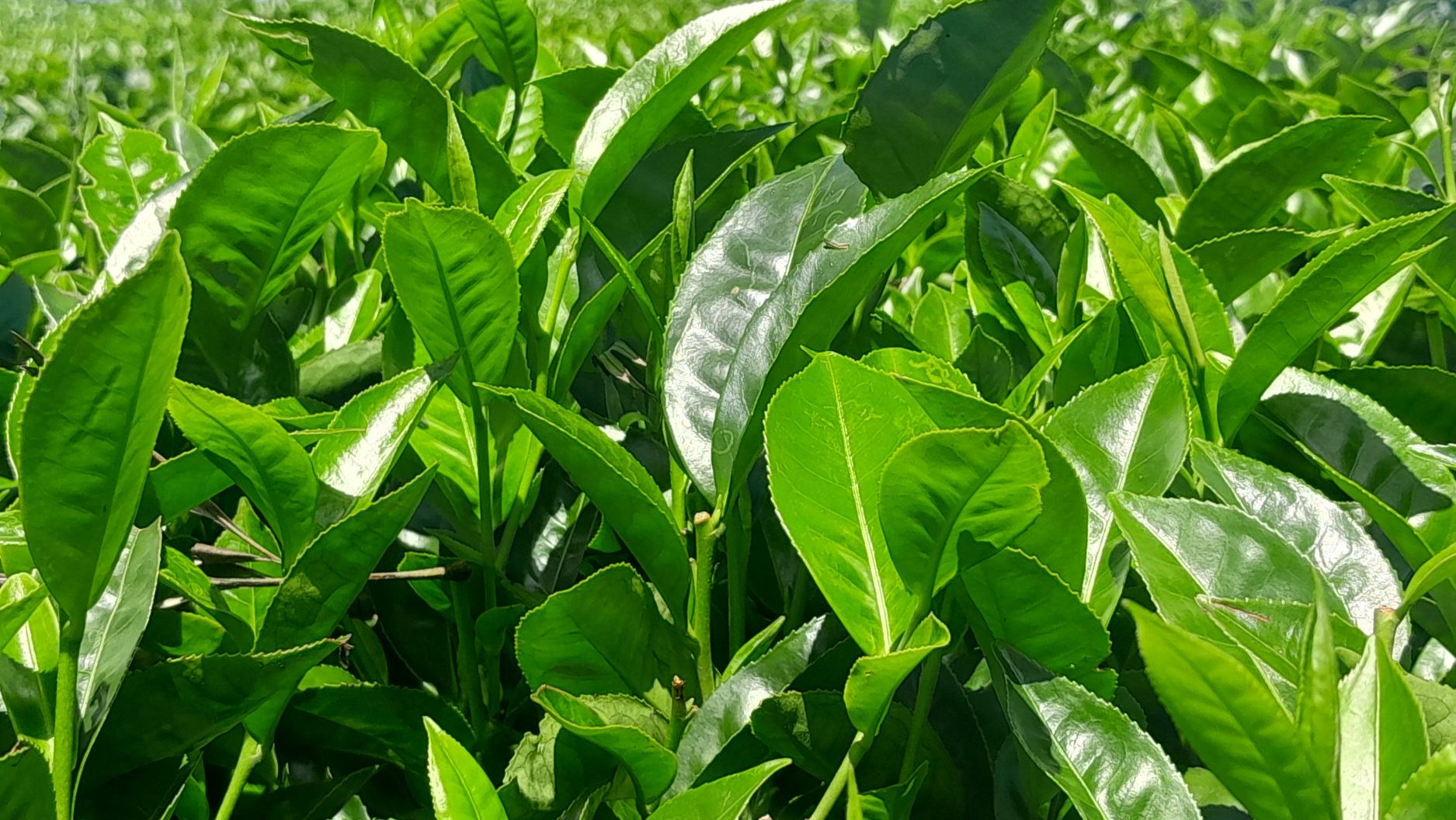
Tea
Camellia sinensis
Common & Folk Names
- Green Tea
- Black Tea
- White Tea
- Oolong Tea
- Cha
- Thea
- Teh
- Chai
Plant Family
Theaceae (Tea Family)
Geographic Location
Native to East Asia, specifically the mountainous regions spanning Southwest China, Northern Myanmar, and Northeast India (Assam). Today, tea is cultivated extensively throughout tropical and subtropical regions worldwide, with major production in China, India, Kenya, Sri Lanka, Vietnam, Turkey, and Japan. Small-scale cultivation also occurs in temperate zones including New Zealand’s North Island and the warmer regions of the South Island.
Habitat
Camellia sinensis is an evergreen shrub or small tree naturally found in mountainous forests with high humidity and consistent rainfall. It thrives in well-drained acidic soils on hillsides and slopes, often growing at elevations between 300-2,000 metres where morning mists provide ideal moisture conditions. In its native habitat, tea plants grow in the understorey of subtropical forests, benefiting from dappled shade and protection from harsh sun.
Growing Conditions
Sun: Prefers partial shade to full sun; high-quality teas (particularly Japanese green teas like Gyokuro) benefit from shade cultivation in the weeks before harvest, which increases chlorophyll and L-theanine content while reducing astringency
Soil: Requires well-drained, acidic soil with pH 4.5-6.0; thrives in fertile, loamy soils rich in organic matter; poor drainage leads to root rot
Propagation: Commercially propagated from cuttings to maintain cultivar characteristics and ensure consistency; can be grown from seed but seedlings show high variability
Care: Requires consistent moisture throughout the growing season; benefits from annual pruning to maintain bush form and encourage new growth; protect from frost in temperate climates; mulch to retain moisture and maintain soil acidity
NZ Planting Calendar
Sowing (seed): Spring (September–November)
Propagation (cuttings): Summer to autumn (January–April) – semi-hardwood cuttings
Planting: Spring (September–November) or autumn (March–May)
Growth: Evergreen shrub/small tree; slow to establish, then moderate growth
Flowering: Late spring to early summer (October–December) – white flowers
Harvest (leaves): Year-round; optimal harvest in spring and early summer
Note: Not native to NZ; subtropical/temperate Asian plant; requires frost-free or light frost areas; grows well in warmer regions of NZ (Northland, Auckland, Bay of Plenty, Gisborne)
Harvesting Guidelines
The timing and method of harvest significantly impact the quality and chemical composition of tea. For medicinal preparations and high-quality teas, harvest the newest growth–the terminal bud and the youngest two leaves (known as “two leaves and a bud”). This tender growth contains the highest concentrations of polyphenols, amino acids, and beneficial compounds.
Harvest during dry weather, ideally in mid-to-late morning after the dew has evaporated but before the heat of the day. The first flush (spring harvest) typically yields the highest quality leaves with optimal phytochemical content. Subsequent flushes throughout the growing season produce leaves with different flavour profiles and slightly altered constituent ratios.
For home cultivation, pinch off the tender shoots at the stem, being careful not to damage the plant. Regular harvesting encourages bushier growth and continuous production of new shoots.
Parts Used
- Fresh or dried young leaves
- Leaf buds
- Young stems (occasionally, in certain tea traditions)
Constituents & their Actions
The therapeutic properties of tea arise from its complex phytochemical profile, which includes polyphenols, alkaloids, amino acids, and numerous other bioactive compounds. The relative proportions of these constituents vary depending on processing method, cultivar, growing conditions, and harvest timing.
Polyphenols (Catechins and Flavonoids):
These compounds are powerful antioxidants that constitute 30-40% of the dry weight of green tea leaves. Catechins are a specific type of flavonoid that give tea its characteristic astringency and many of its health benefits. During oxidation (fermentation) in black tea production, catechins polymerise into theaflavins and thearubigins, which have different but still beneficial properties. Some of the main polyphenols in tea are:
- Epigallocatechin gallate (EGCG) – the most abundant and well-studied catechin
- Epicatechin gallate (ECG)
- Epigallocatechin (EGC)
- Epicatechin (EC)
- Quercetin
- Kaempferol
- Myricetin
The main actions of these polyphenols are:
- Antioxidant
- Anti-inflammatory
- Cardioprotective
- Neuroprotective
- Antimicrobial
- Anti-cancer (chemopreventive)
Methylxanthine Alkaloids:
These stimulant alkaloids are responsible for tea’s effects on alertness, focus, and metabolism. The most significant is caffeine (also called theine when found in tea), which typically comprises 2-4% of dry leaf weight, though this varies by cultivar and processing method. Some of the main methylxanthines in tea are:
- Caffeine (theine)
- Theobromine (trace amounts)
- Theophylline (trace amounts)
The main actions of these methylxanthines are:
- Central nervous system stimulant
- Metabolic stimulant
- Bronchodilator (mild)
- Diuretic (mild)
- Improves mental alertness and focus
L-Theanine:
This unique amino acid is found almost exclusively in tea plants and certain mushrooms. It comprises 1-2% of the dry weight of tea leaves and is responsible for the characteristic umami taste and the calm, focused mental state tea produces. L-theanine increases with shade-growing, which is why shaded teas like Gyokuro and Matcha are particularly prized. The main actions of L-theanine are:
- Promotes relaxation without drowsiness
- Modulates caffeine’s stimulant effects
- Enhances alpha brain wave activity
- Supports cognitive function
- Anxiolytic (reduces anxiety)
Volatile Oils:
These aromatic compounds contribute to tea’s fragrance and flavour while also providing therapeutic benefits. The composition of volatile oils varies dramatically between tea types and processing methods. Some of the main volatile compounds in tea are:
- Linalool
- Geraniol
- Nerolidol
- Indole
- Various terpenoids
The main actions of these volatile oils are:
- Aromatherapeutic (calming through scent)
- Mild antimicrobial
- Antioxidant
- Anti-inflammatory
Minerals and Trace Elements:
Tea is a rich source of minerals, particularly fluoride, manganese, and potassium. The mineral content reflects the soil composition where the tea is grown. Some of the main minerals in tea are:
- Fluoride (dental health)
- Manganese (antioxidant enzyme cofactor)
- Potassium
- Magnesium
- Calcium
The main actions of these minerals are:
- Support bone and dental health
- Cofactors for antioxidant enzymes
- Electrolyte balance
- Nervous system function
Chlorophyll and Carotenoids:
These pigments are particularly abundant in green tea and provide additional antioxidant benefits and nutritional value.
The main actions of these pigments are:
- Antioxidant
- Anti-inflammatory
- Support detoxification pathways
Actions (with Mechanisms)
Antioxidant:
Tea’s polyphenols, particularly EGCG, are among the most potent dietary antioxidants studied. These compounds donate hydrogen atoms to neutralise free radicals, which in turn prevents oxidative damage to cellular components including DNA, proteins, and lipid membranes. EGCG also upregulates the body’s own antioxidant enzyme systems, including superoxide dismutase (SOD), catalase, and glutathione peroxidase, by activating the Nrf2 pathway, which in turn enhances cellular defence against oxidative stress. This multi-layered antioxidant action protects against cellular aging, chronic inflammation, and the development of chronic diseases.
Neuroprotective:
Tea’s neuroprotective effects arise from multiple mechanisms working synergistically. The polyphenols cross the blood-brain barrier and accumulate in brain tissue, where they protect neurons from oxidative damage and reduce neuroinflammation by inhibiting inflammatory signaling pathways such as NF-κB. EGCG modulates neurotransmitter systems and promotes the production of brain-derived neurotrophic factor (BDNF), which in turn supports neuronal survival, growth, and synaptic plasticity. L-theanine increases alpha brain wave activity, which in turn promotes a state of relaxed alertness and enhances cognitive function. Additionally, tea polyphenols inhibit the aggregation of proteins like amyloid-beta and alpha-synuclein, which in turn may protect against neurodegenerative diseases like Alzheimer’s and Parkinson’s disease.
Cardioprotective:
Tea supports cardiovascular health through multiple complementary mechanisms. The catechins improve endothelial function by increasing nitric oxide bioavailability, which in turn promotes vasodilation and healthy blood pressure. Tea polyphenols inhibit the oxidation of LDL cholesterol, which in turn prevents the formation of atherosclerotic plaques. Regular tea consumption has been shown to reduce total cholesterol, LDL cholesterol, and triglycerides while modestly increasing HDL cholesterol. The anti-inflammatory effects of tea constituents also reduce chronic inflammation in blood vessel walls, which in turn decreases cardiovascular disease risk. Additionally, tea’s modest antiplatelet activity helps prevent inappropriate blood clot formation.
Metabolic Support:
Tea enhances metabolic function through several interconnected pathways. Caffeine and catechins increase thermogenesis (heat production) by stimulating the sympathetic nervous system and increasing the activity of brown adipose tissue, which in turn increases energy expenditure. EGCG inhibits catechol-O-methyltransferase (COMT), an enzyme that breaks down norepinephrine, which in turn prolongs norepinephrine’s fat-burning effects. Tea polyphenols also improve insulin sensitivity by activating AMP-activated protein kinase (AMPK) pathways in muscle and liver tissue, which in turn enhances glucose uptake and utilisation while reducing glucose production in the liver. These mechanisms collectively support healthy weight management and blood sugar regulation.
Mental Alertness and Focus:
The combination of caffeine and L-theanine produces tea’s characteristic effect of calm, focused alertness. Caffeine blocks adenosine receptors in the brain, which in turn reduces drowsiness and increases alertness, attention, and reaction time. However, L-theanine modulates these stimulant effects by increasing GABA, serotonin, and dopamine levels, which in turn creates a state of relaxed concentration without the jitters or anxiety sometimes associated with coffee. L-theanine also increases alpha brain wave activity, which in turn is associated with wakeful relaxation and improved creative thinking. This synergistic interaction between caffeine and L-theanine produces sustained mental clarity and focus.
Anti-inflammatory:
Tea’s anti-inflammatory effects operate through multiple molecular pathways. The polyphenols inhibit the activation of NF-κB, a key transcription factor that controls the expression of inflammatory genes, which in turn reduces the production of pro-inflammatory cytokines including TNF-α, IL-1β, and IL-6. EGCG also inhibits the activity of cyclooxygenase (COX) and lipoxygenase (LOX) enzymes, which in turn reduces the production of inflammatory prostaglandins and leukotrienes. Additionally, tea polyphenols modulate immune cell function, dampening excessive inflammatory responses while maintaining appropriate immune function. These anti-inflammatory effects contribute to tea’s protective effects against chronic inflammatory conditions.
Antimicrobial:
Tea polyphenols exhibit broad-spectrum antimicrobial activity against bacteria, viruses, and fungi. EGCG damages bacterial cell membranes and interferes with bacterial metabolism, which in turn inhibits the growth of pathogenic bacteria including Streptococcus mutans (associated with dental caries), Helicobacter pylori (associated with gastric ulcers), and various foodborne pathogens. Tea catechins also interfere with viral replication by binding to viral proteins and preventing viral attachment to host cells, which in turn may reduce the severity and duration of viral infections. The antimicrobial effects of tea are particularly relevant for oral health and gastrointestinal health.
Digestive Support:
Tea gently stimulates digestive function while soothing the gastrointestinal tract. The mild astringency from tannins helps tone the mucous membranes of the digestive tract, which in turn can reduce mild diarrhoea and support mucosal integrity. Tea polyphenols exhibit prebiotic effects by selectively promoting the growth of beneficial gut bacteria while inhibiting pathogenic species, which in turn supports a healthy gut microbiome. The warmth and ritual of tea consumption also promotes relaxation and supports healthy digestive function through the parasympathetic nervous system.
Main Use
Tea (Camellia sinensis) is primarily used as a daily health tonic to support cognitive function, cardiovascular health, and general wellbeing through its rich antioxidant content and unique combination of caffeine and L-theanine. The beverage provides gentle, sustained mental alertness without the jitters associated with coffee, making it ideal for maintaining focus and concentration throughout the day while promoting a state of calm awareness.
Beyond its use as a daily beverage, tea serves numerous therapeutic applications. Green tea in particular is employed to support metabolic health and healthy weight management, to provide cardiovascular protection through its effects on cholesterol and blood pressure, and to support cognitive health and potentially reduce the risk of neurodegenerative diseases. Tea is used to enhance exercise performance and recovery, to support healthy immune function, and as a gentle digestive aid.
Topically, strong tea preparations (especially green tea) are applied to minor skin irritations, sunburn, and puffy eyes due to their anti-inflammatory and astringent properties. Tea bags can be placed directly on closed eyelids to reduce puffiness and soothe tired eyes. Cool tea compresses may be applied to minor wounds and skin inflammations for their antimicrobial and healing properties.
In traditional medicine systems, particularly Traditional Chinese Medicine, tea has been used for thousands of years to clear the mind, support digestion, promote longevity, and harmonise the body’s systems. Modern research continues to validate many of these traditional applications while uncovering new potential benefits.
Preparations
Infusion (Green Tea): Use 1-2 teaspoons (2-4g) of loose leaf green tea per 250ml of water heated to 70-80°C. Steep for 2-3 minutes. Longer steeping or hotter water increases caffeine and tannin extraction, resulting in a more astringent and potentially bitter brew. For therapeutic purposes, drink 3-5 cups daily. Green tea undergoes minimal processing, preserving high levels of catechins and other polyphenols.
Infusion (White Tea): Use 1-2 teaspoons of loose leaf white tea per 250ml of water heated to 65-75°C. Steep for 4-5 minutes. White tea is the least processed form, made from young buds and leaves, and has a delicate flavour with high antioxidant content. Drink 2-3 cups daily.
Infusion (Oolong Tea): Use 1 teaspoon of loose leaf oolong per 250ml of water heated to 85-95°C. Steep for 3-5 minutes. Oolong is partially oxidised, falling between green and black tea in terms of processing and flavour. Traditional Chinese preparation involves multiple short infusions of the same leaves. Drink 2-4 cups daily.
Infusion (Black Tea): Use 1 teaspoon of loose leaf black tea per 250ml of boiling water (95-100°C). Steep for 3-5 minutes. Black tea is fully oxidised, resulting in a robust flavour and darker colour. While it contains less catechins than green tea, the theaflavins and thearubigins formed during oxidation still provide significant antioxidant benefits. Drink 3-4 cups daily.
Matcha (Powdered Green Tea): Whisk 1-2g (about half a teaspoon) of matcha powder with 60-80ml of hot water (70-80°C) until frothy. Because the entire leaf is consumed as a fine powder, matcha provides higher concentrations of catechins, L-theanine, chlorophyll, and fibre than steeped tea. Consume 1-2 servings daily for therapeutic purposes.
Cold Brew Tea: Place 2-3 teaspoons of loose leaf tea in 500ml of cold or room temperature water and refrigerate for 4-12 hours. Strain and drink. Cold brewing extracts less caffeine and fewer tannins, resulting in a smoother, less astringent beverage while still providing polyphenol benefits. This method is particularly pleasant during warm weather.
Topical Compress: Brew a strong infusion using 2 tablespoons of green tea per 250ml of water, steep for 5-10 minutes, strain, and allow to cool. Apply to affected areas using a clean cloth or cotton pad. Used cooled tea bags can also be applied directly to puffy eyes or minor skin irritations for 10-15 minutes.
Dosage
Green Tea (Infusion): 3-5 cups daily (providing approximately 240-320mg of polyphenols), consumed throughout the day. Each cup contains approximately 25-50mg of caffeine.
White Tea (Infusion): 2-3 cups daily, consumed in morning or early afternoon due to caffeine content (approximately 15-30mg per cup).
Oolong Tea (Infusion): 2-4 cups daily (providing approximately 30-50mg of caffeine per cup), traditionally consumed throughout the day.
Black Tea (Infusion): 3-4 cups daily (providing approximately 40-70mg of caffeine per cup). Spread consumption throughout the day to avoid excessive caffeine intake.
Matcha: 1-2 servings (1-2g) daily, typically consumed in the morning or early afternoon. Each serving contains approximately 70mg of caffeine and higher concentrations of L-theanine than steeped tea.
Green Tea Extract (Standardised to EGCG): 250-500mg of EGCG daily when using supplements, though whole leaf tea is preferred for its complete phytochemical profile and traditional use.
Topical Use: Apply cool tea compresses or used tea bags to affected areas 2-3 times daily as needed for skin conditions, inflammation, or puffy eyes.
Note: Those sensitive to caffeine should limit consumption to morning and early afternoon, choose white or green tea (which contain less caffeine than black tea), or try decaffeinated varieties (which still retain most polyphenols). Allow a brief break if consuming therapeutic doses for extended periods.
Safety & Drug Interactions
Tea is generally safe for most people when consumed in moderate amounts (3-5 cups daily). However, several considerations should be noted due to its caffeine content, tannins, and interactions with certain medications.
General Safety:
- Excessive consumption (more than 5-6 cups daily) may lead to caffeine-related side effects including insomnia, restlessness, anxiety, increased heart rate, digestive upset, or headaches
- The tannins in tea can reduce iron absorption from plant-based foods when consumed with meals; those with iron deficiency should drink tea between meals rather than with food
- High fluoride content in some teas may contribute to excessive fluoride intake when consumed in very large quantities over long periods
- Some individuals may experience stomach upset on an empty stomach, particularly with black tea; consuming tea with food may reduce this effect
Pregnancy and Lactation:
- Moderate tea consumption (1-2 cups daily) is generally considered safe during pregnancy, but excessive caffeine intake should be avoided; limit total caffeine to 200mg daily from all sources
- Caffeine crosses the placenta, and high intakes may be associated with reduced birth weight or increased miscarriage risk
- Caffeine passes into breast milk; nursing mothers should moderate intake and observe infant for signs of caffeine sensitivity (irritability, poor sleep)
Medical Conditions:
- Those with anxiety disorders should monitor their response to tea’s caffeine content and may prefer lower-caffeine options like white tea
- People with gastroesophageal reflux disease (GERD) may find that tea exacerbates symptoms; both caffeine and certain tea compounds can relax the lower esophageal sphincter
- Those with kidney stones (particularly calcium oxalate stones) should moderate consumption as tea contains oxalates
- People with iron-deficiency anemia should avoid consuming tea with meals to prevent tannins from inhibiting iron absorption
- Those with cardiovascular conditions should consult a healthcare provider regarding appropriate caffeine intake
Drug Interactions:
- Blood Thinners (Warfarin): Green tea contains vitamin K, which may reduce warfarin’s effectiveness; maintain consistent tea intake and monitor INR levels closely if consuming therapeutic amounts
- Stimulant Medications: Tea’s caffeine may intensify effects of stimulant drugs or supplements, potentially causing jitteriness, increased heart rate, or elevated blood pressure
- MAO Inhibitors: High tea consumption with MAOIs may lead to dangerous increases in blood pressure due to caffeine content
- Iron Supplements: Take iron supplements at least 2 hours apart from tea consumption to avoid interference with absorption
- Certain Antibiotics: Quinolone antibiotics and fluoroquinolones may have enhanced effects or side effects when combined with caffeine-containing beverages
- Lithium: Caffeine may affect lithium elimination; regular tea consumption should be consistent, and abrupt changes in intake should be avoided
- Medications Metabolised by Liver Enzymes: Tea polyphenols may inhibit certain cytochrome P450 enzymes, potentially affecting drug metabolism; particular caution with substrates of CYP3A4, CYP2C9, and CYP1A2
Allergies:
- True tea allergy is rare but possible; symptoms may include skin reactions, digestive upset, or respiratory symptoms
- Individuals allergic to plants in the Theaceae family should use caution
Scientific Evidence
Cardiovascular Health: Extensive epidemiological studies and meta-analyses demonstrate that regular tea consumption (particularly green tea) is associated with reduced risk of cardiovascular disease. Studies show that consuming 3 or more cups daily reduces risk of coronary heart disease by approximately 11% and stroke by 18-20%. Randomized controlled trials demonstrate that tea consumption improves endothelial function, reduces blood pressure (modest reductions of 2-3 mmHg systolic), and improves lipid profiles by reducing LDL cholesterol and triglycerides. The cardioprotective effects are attributed primarily to the antioxidant and anti-inflammatory actions of tea polyphenols.
Cognitive Function and Neuroprotection: Multiple studies indicate that regular tea consumption supports cognitive function and may reduce risk of cognitive decline and dementia. The combination of caffeine and L-theanine has been shown in clinical trials to improve attention, memory, and reaction time while promoting calm alertness. Observational studies suggest that habitual tea drinkers have a 15-20% lower risk of developing Parkinson’s disease and show reduced risk of Alzheimer’s disease with long-term consumption. Laboratory studies demonstrate that EGCG protects neurons from oxidative stress, reduces neuroinflammation, and inhibits the formation of toxic protein aggregates associated with neurodegenerative diseases.
Metabolic Health and Weight Management: Clinical trials show that green tea extracts and catechins, particularly in combination with caffeine, modestly increase metabolic rate and fat oxidation. Meta-analyses of randomised controlled trials indicate that green tea supplementation results in small but significant reductions in body weight (approximately 1-1.5 kg over 12 weeks) and waist circumference. Tea consumption also improves insulin sensitivity and glucose metabolism, with regular intake associated with reduced risk of type 2 diabetes. The metabolic effects are most pronounced when tea is combined with dietary and lifestyle modifications.
Cancer Prevention (Chemopreventive Effects): While human clinical trial evidence remains mixed and challenging due to the long-term nature of cancer development, laboratory and animal studies consistently show anti-cancer properties of tea polyphenols. EGCG has been shown to inhibit tumour cell growth, induce apoptosis in cancer cells, inhibit angiogenesis (new blood vessel formation that feeds tumours), and reduce metastasis in various cancer models. Epidemiological studies show associations between tea consumption and reduced risk of certain cancers, particularly gastrointestinal and hormone-related cancers, though results vary by cancer type and population studied. The strongest evidence exists for protective effects against breast, prostate, and colorectal cancers.
Oral Health: Clinical studies demonstrate that tea catechins inhibit the growth of Streptococcus mutans and other oral bacteria associated with dental caries, reduce plaque formation, and improve periodontal health. Green tea polyphenols show promise in preventing tooth decay and gum disease. Additionally, the modest fluoride content in tea supports dental health. Some studies suggest that regular green tea consumption or use of green tea mouth rinses reduces oral malodor (bad breath) by inhibiting bacteria that produce volatile sulfur compounds.
Western Energetics
Temperature: Neutral to slightly cooling. Green and white teas are more cooling, while black tea and roasted oolong teas tend toward neutral. The cooling nature of tea makes it particularly useful for hot, inflammatory conditions and helps clear heat from the body. This cooling quality is especially apparent in green tea, which is indicated for inflammatory states, fever, and conditions associated with excess heat. Black tea’s more neutral temperature makes it suitable for a broader range of constitutions and seasons.
Moisture: Mildly drying, primarily due to the astringent tannins present in all tea types. The drying quality is most pronounced in black tea and less so in white and green teas. This astringency helps tone tissues, reduce excessive secretions, and is indicated for damp conditions such as loose stools, excessive perspiration, and weeping skin conditions. However, the overall impact on tissue moisture is mild, and tea can still be part of a balanced approach for most individuals when consumed in moderation.
Tissue State: Tea addresses multiple tissue states depending on the type and preparation. The astringency addresses damp/stagnant tissue states by toning and firming tissues and promoting the movement of fluids. The antioxidant and anti-inflammatory properties address heat/excitation tissue states by reducing inflammation and oxidative stress. The gentle stimulant properties address cold/depression tissue states by enhancing circulation, metabolism, and mental energy. This versatility makes tea appropriate for a wide range of constitutional types when used appropriately, though those with dry, atrophic tissue states should ensure adequate hydration alongside tea consumption.
Taste
Astringent: The astringent quality, most prominent in green and black teas, arises from the tannins and catechins present in the leaves. This puckering, drying sensation on the tongue indicates the tissue-toning and drying properties of tea. Astringency draws tissues together, reduces excessive secretions, and firms loose or damp tissues. This taste quality contributes to tea’s traditional use for diarrhea, excessive perspiration, and as a tonic to tone the digestive system. The astringent taste also correlates with tea’s antioxidant effects–many astringent compounds are powerful free radical scavengers.
Bitter: The bitter taste, particularly noticeable in green tea and over-steeped teas, reflects tea’s cooling, anti-inflammatory, and liver-supporting properties. Bitterness stimulates digestive secretions, supports liver function, and helps clear heat from the body. In Western herbalism, bitter tastes are associated with cleansing, cooling, and toning effects. The bitter quality in tea comes primarily from the polyphenols and caffeine, linking this taste to tea’s detoxifying and antioxidant properties. Bitterness in moderation sharpens the mind and supports mental clarity.
Sweet (subtle): A subtle sweet undertaste, especially in high-quality white and green teas, reflects the presence of amino acids (particularly L-theanine) and polysaccharides. This gentle sweetness balances the astringency and bitterness, contributing to tea’s nourishing and harmonising properties. The sweet taste is associated with building and tonifying effects, supporting the body’s vital energy. In Traditional Chinese Medicine, the sweet taste of tea is said to nourish the heart and lift the spirits, correlating with tea’s effects on mood and mental wellbeing.
Plant Lore
Tea holds a position of profound cultural and spiritual significance spanning thousands of years across multiple civilisations. According to Chinese legend, tea was discovered in 2737 BCE when Emperor Shen Nung, known as the “Divine Healer,” was boiling water beneath a tea tree when leaves blew into his pot, creating the first tea infusion. Intrigued by the pleasant aroma, he tasted the brew and found it refreshing and invigorating. This serendipitous discovery marked the beginning of humanity’s relationship with tea.
In China, tea evolved from a medicinal beverage to an art form. By the Tang Dynasty (618-907 CE), tea had become central to Chinese culture, inspiring poetry, painting, and philosophy. The legendary tea sage Lu Yu wrote the Cha Jing (The Classic of Tea) in the 8th century, the first comprehensive text on tea cultivation, preparation, and appreciation, elevating tea culture to a sophisticated art. The Song Dynasty saw the development of intricate tea ceremonies and the creation of powdered tea (the precursor to modern matcha), which later influenced Japanese tea culture.
Zen Buddhist monks played a crucial role in tea’s spread and spiritual significance. They discovered that tea supported their meditation practice, providing alert awareness without drowsiness during long meditation sessions. This led to tea becoming intimately connected with Buddhist practice and the development of elaborate tea ceremonies that embody principles of mindfulness, respect, harmony, and tranquillity. The Japanese tea ceremony, or chanoyu, developed by tea master Sen no Rikyū in the 16th century, transformed tea preparation into a spiritual practice emphasising simplicity, presence, and connection.
In India, tea was traditionally used in Ayurvedic medicine long before commercial cultivation began in the 19th century. The discovery of native tea plants in Assam led to large-scale cultivation that would transform global tea trade. The British colonial interest in tea cultivation in India and Ceylon (Sri Lanka) dramatically expanded tea production and consumption worldwide, though this history is inseparable from complex colonial legacies.
Tea reached Europe in the 16th century through Portuguese and Dutch traders, quickly becoming fashionable in aristocratic circles. In England, tea drinking evolved into an elaborate social ritual with customs around afternoon tea, high tea, and the development of tea gardens. Catherine of Braganza, Portuguese wife of King Charles II, is credited with popularising tea drinking among English nobility in the 1660s.
The American relationship with tea took a dramatic turn with the Boston Tea Party of 1773, when colonists protested British tea taxes by dumping tea into Boston Harbour, an event that became symbolic in the American Revolution. This led to coffee becoming the preferred beverage in the United States, while tea remained central to British identity.
Across cultures, tea has been associated with hospitality, contemplation, creativity, and social connection. The practice of sharing tea transcends boundaries and brings people together in moments of pause and presence. Writers, artists, and thinkers throughout history have celebrated tea as a companion to creative work and philosophical inquiry. The ritual of preparing and drinking tea offers a structured opportunity for mindfulness in daily life–a moment to slow down, be present, and appreciate simple pleasures.
In traditional medicine systems, tea has been regarded as a longevity tonic, a harmoniser of body systems, and a bridge between the physical and spiritual realms. Its ability to simultaneously calm and invigorate made it revered as a plant that helps humans find balance and clarity. Modern science continues to validate many of tea’s traditionally attributed health benefits, demonstrating that this ancient beverage remains as relevant to human wellbeing today as it was thousands of years ago.
Additional Information
Processing Methods: The primary difference between tea types lies in processing, specifically the degree of oxidation and method of drying. Green tea is minimally oxidised (wilted, heated to stop oxidation, then dried), preserving its green colour and high catechin content. White tea undergoes the least processing (wilted and dried with minimal handling), resulting in delicate flavour and high antioxidant levels. Oolong tea is partially oxidised (10-70%), creating diverse flavour profiles between green and black tea. Black tea is fully oxidised, resulting in robust flavour, darker colour, and the conversion of catechins to theaflavins and thearubigins. Pu-erh tea undergoes post-fermentation through microbial action, creating unique flavours and different health compounds.
Cultivars: The two main varieties of tea plants are Camellia sinensis var. sinensis (Chinese tea, smaller leaves, more cold-tolerant) and Camellia sinensis var. assamica (Assam tea, larger leaves, thrives in tropical climates). Numerous cultivars have been developed for specific flavour profiles, growing conditions, and uses.
Optimal Brewing: Water quality significantly affects tea quality–use filtered water when possible. Water temperature and steeping time dramatically impact flavour and constituent extraction: cooler water and shorter steeping times reduce bitterness and astringency while preserving delicate flavours and reducing caffeine extraction. Steep green and white teas at lower temperatures (65-80°C), oolong at medium temperatures (85-95°C), and black tea at near-boiling temperatures (95-100°C). Using glass or ceramic teapots preserves flavor better than metal.
Storage: Store tea in airtight containers away from light, heat, moisture, and strong odours. Properly stored, most teas maintain quality for 6-12 months, though some aged teas (like pu-erh) improve over time. Green and white teas are most susceptible to degradation and benefit from refrigeration in airtight containers for long-term storage.
Sustainability: Choose organic tea when possible to reduce pesticide exposure and support sustainable agriculture. Fair trade certification ensures ethical labour practices. Tea cultivation can be environmentally intensive, but organic and sustainable tea farming practices protect soil health, water quality, and biodiversity. Supporting small-scale, traditional tea farmers helps preserve cultural tea heritage and promotes quality over mass production.
Companion Planting: Tea plants benefit from companion planting with nitrogen-fixing plants like clover or legumes. In traditional tea gardens, shade trees provide dappled light and improve soil fertility. Aromatic herbs planted nearby can help deter certain pests.
New Zealand Context: While New Zealand’s climate is cooler than traditional tea-growing regions, tea can be successfully cultivated in warmer areas of the North Island and sheltered microclimates in the South Island, particularly in Northland, Waikato, and Bay of Plenty regions. Several boutique tea growers now produce tea in New Zealand, creating unique terroir expressions. For home gardeners, tea plants make attractive ornamental evergreen shrubs even if harvest quantities are modest. Tea plants require acidic soil similar to camellias (their close relatives) and benefit from protection from heavy frost.
Sources
- Cabrera, C., Artacho, R., & Giménez, R. (2006). Beneficial effects of green tea–A review. Journal of the American College of Nutrition, 25(2), 79-99.
- Chacko, S. M., Thambi, P. T., Kuttan, R., & Nishigaki, I. (2010). Beneficial effects of green tea: A literature review. Chinese Medicine, 5, 13.
- Khan, N., & Mukhtar, H. (2013). Tea and health: Studies in humans. Current Pharmaceutical Design, 19(34), 6141-6147.
- Vuong, Q. V. (2014). Epidemiological evidence linking tea consumption to human health: A review. Critical Reviews in Food Science and Nutrition, 54(4), 523-536.
- Peng, X., Zhou, R., Wang, B., Yu, X., Yang, X., Liu, K., & Mi, M. (2014). Effect of green tea consumption on blood pressure: A meta-analysis of 13 randomized controlled trials. Scientific Reports, 4, 6251.
- Kuriyama, S., Shimazu, T., Ohmori, K., Kikuchi, N., Nakaya, N., Nishino, Y., … & Tsuji, I. (2006). Green tea consumption and mortality due to cardiovascular disease, cancer, and all causes in Japan: The Ohsaki study. JAMA, 296(10), 1255-1265.
- Ng, T. P., Feng, L., Niti, M., Kua, E. H., & Yap, K. B. (2008). Tea consumption and cognitive impairment and decline in older Chinese adults. The American Journal of Clinical Nutrition, 88(1), 224-231.
- Hursel, R., Viechtbauer, W., & Westerterp-Plantenga, M. S. (2009). The effects of green tea on weight loss and weight maintenance: A meta-analysis. International Journal of Obesity, 33(9), 956-961.
- Zheng, X. X., Xu, Y. L., Li, S. H., Liu, X. X., Hui, R., & Huang, X. H. (2011). Green tea intake lowers fasting serum total and LDL cholesterol in adults: A meta-analysis of 14 randomized controlled trials. The American Journal of Clinical Nutrition, 94(2), 601-610.
- Yang, C. S., Wang, X., Lu, G., & Picinich, S. C. (2009). Cancer prevention by tea: Animal studies, molecular mechanisms and human relevance. Nature Reviews Cancer, 9(6), 429-439.
- Nobre, A. C., Rao, A., & Owen, G. N. (2008). L-theanine, a natural constituent in tea, and its effect on mental state. Asia Pacific Journal of Clinical Nutrition, 17(S1), 167-168.
- Cooper, R. (2012). Green tea and theanine: Health benefits. International Journal of Food Sciences and Nutrition, 63(S1), 90-97.
- Ananingsih, V. K., Sharma, A., & Zhou, W. (2013). Green tea catechins during food processing and storage: A review on stability and detection. Food Research International, 50(2), 469-479.
- Lambert, J. D., & Elias, R. J. (2010). The antioxidant and pro-oxidant activities of green tea polyphenols: A role in cancer prevention. Archives of Biochemistry and Biophysics, 501(1), 65-72.
- Saeed, M., Naveed, M., Arif, M., Kakar, M. U., Manzoor, R., Abd El-Hack, M. E., … & Sun, C. (2017). Green tea (Camellia sinensis) and L-theanine: Medicinal values and beneficial applications in humans–A comprehensive review. Biomedicine & Pharmacotherapy, 95, 1260-1275.
- Hayat, K., Iqbal, H., Malik, U., Bilal, U., & Mushtaq, S. (2015). Tea and its consumption: Benefits and risks. Critical Reviews in Food Science and Nutrition, 55(7), 939-954.
- McKay, D. L., & Blumberg, J. B. (2002). The role of tea in human health: An update. Journal of the American College of Nutrition, 21(1), 1-13.
- Suzuki, Y., Miyoshi, N., & Isemura, M. (2012). Health-promoting effects of green tea. Proceedings of the Japan Academy, Series B, 88(3), 88-101.
- Williamson, E. M., Driver, S., & Baxter, K. (Eds.). (2013). Stockley’s herbal medicines interactions (2nd ed.). Pharmaceutical Press.
- Bone, K., & Mills, S. (2013). Principles and practice of phytotherapy: Modern herbal medicine (2nd ed.). Churchill Livingstone.
Disclaimer: This monograph is for educational purposes only and is not medical advice. Please consult with a qualified healthcare practitioner before using any herbal remedy, especially if you are pregnant, nursing, taking medication, or have a known medical condition.