
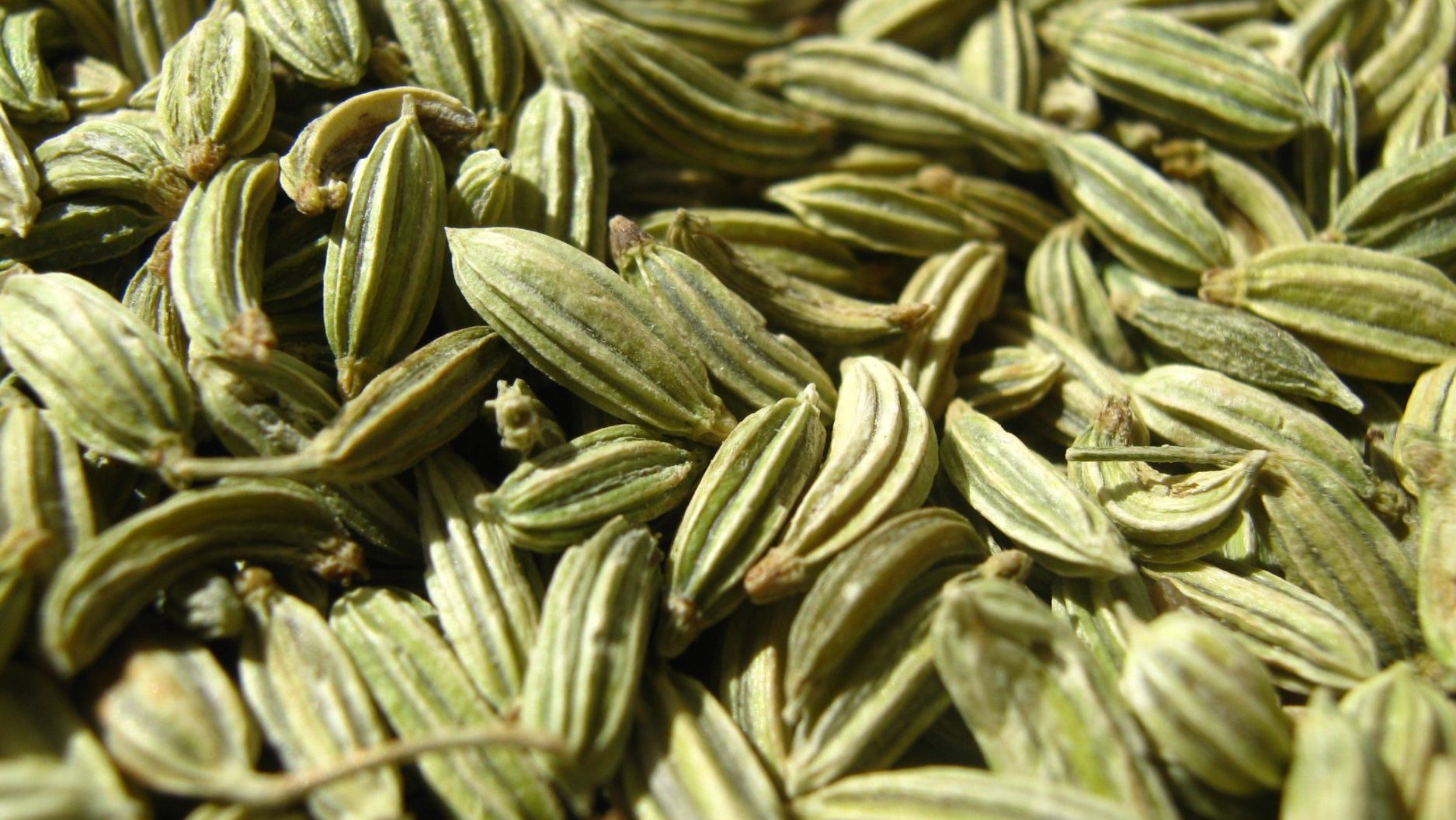
Fennel
Foeniculum vulgare
Common & Folk Names
- Sweet Fennel
- Garden Fennel
- Large Fennel
- Wild Fennel
- Finocchio (Italian)
- Florence Fennel (for bulb variety)
- Marathon (Greek – from the battlefield where fennel grew)
Plant Family
Apiaceae (Umbelliferae) – The Carrot/Parsley Family
Geographic Location
Fennel is native to the Mediterranean region, particularly southern Europe and Asia Minor. It has naturalised extensively in temperate and subtropical regions worldwide, including New Zealand, North and South America, Australia, and parts of Asia. Wild fennel grows prolifically along roadsides, in waste areas, and on coastal cliffs throughout much of the world. In New Zealand, fennel was introduced by European settlers and has naturalised widely, particularly in coastal areas and on disturbed ground throughout both North and South Islands.
Habitat
Fennel thrives in sunny, dry locations with well-drained soil. In its native Mediterranean habitat, it grows on hillsides, along roadsides, in abandoned fields, and near coastal areas. It prefers limestone-rich or alkaline soils but is highly adaptable. Fennel is often found growing wild near old homesteads, gardens, and along railway tracks where it has escaped cultivation. It is drought-tolerant once established and can become invasive in favorable conditions due to prolific self-seeding.
Growing Conditions
Sun: Full sun required. Fennel produces the most aromatic seeds and robust growth with at least 6-8 hours of direct sunlight daily.
Soil: Prefers well-drained, moderately fertile, neutral to alkaline soil (pH 6.0-8.0). Tolerates poor soils but produces less vigorously. Does not tolerate waterlogged conditions. Grows well in sandy loam or limestone soils.
Propagation: Grown from seed sown directly in spring after last frost (fennel dislikes transplanting due to deep taproot). Seeds germinate in 7-14 days at 15-20°C. Can also self-seed prolifically if flower heads left to mature.
Care: Very low maintenance once established. Water regularly during establishment and dry periods, then fennel is quite drought-tolerant. Benefits from occasional feeding with compost. Cut back flower stalks if seed production not desired (prevents excessive self-seeding). Can grow 1.5-2.5 metres tall. Space plants 30-45 cm apart.
Caution: Fennel can inhibit growth of nearby plants (allelopathic) – avoid planting near dill, coriander, tomatoes, beans.
Important identification: Do not confuse with poisonous members of Apiaceae family such as poison hemlock (Conium maculatum) – hemlock has purple spots on stems and fetid odour when crushed, unlike fennel’s pleasant anise scent.
NZ Planting Calendar
Sowing: September–November (spring) directly into ground after frost
Harvest (Seeds): February–April (late summer/autumn) when seeds turn greyish-brown
Harvest (Leaves): Year-round during growing season
Harvest (Bulb – Florence variety): December–March (summer) when bulbs reach 7-10 cm diameter
Harvesting Guidelines
Seeds/Fruits (Primary Medicinal Part):
Optimal harvest:
- Late summer through autumn (February-April in NZ) when seeds are fully mature
- Seeds ready when they turn from green to greyish-brown/tan and become aromatic
Timing is critical:
- Harvest too early and seeds lack flavour/medicinal compounds; too late and seeds drop/scatter
Best method:
- Cut entire umbels (flower heads) when approximately 2/3 of seeds have turned brown
- Hang umbels upside-down in paper bags or over cloth in warm, dry, dark location
- Seeds will continue ripening and fall into bag/cloth as they dry (7-14 days)
- Alternatively, spread umbels on screens in single layer to dry
- Once fully dry, rub umbels to release seeds, winnow away chaff
- Store seeds whole (retain volatile oils better) in airtight containers away from light
- Crush/grind just before use to preserve aromatic compounds
Yield:
- Mature plant can produce 50-200g of seeds
Leaves/Fronds (Culinary, Minor Medicinal Use):
- Can be harvested throughout growing season
- Use fresh for best flavour – delicate dill-like taste
- Cut outer fronds leaving center to continue growing
Bulb (Florence Fennel – Culinary, Not Typically Medicinal):
- The swollen leaf base variety grown as vegetable
- Harvest when bulb reaches 7-10 cm diameter
- Not the same as seed-producing common fennel (though same species, different variety)
Parts Used
Ripe dried seeds (fruits) – primary medicinal part, containing highest concentration of volatile oils
Fresh or dried leaves/fronds – minor culinary and medicinal use
Bulb (Foeniculum vulgare var. azoricum) – culinary vegetable, minimal medicinal use
Constituents & their Actions
Fennel seeds are particularly rich in volatile oils (2-6% of dry weight), which contain the primary active compounds responsible for fennel’s therapeutic effects.
Volatile Oils (2-6% of Dried Seed):
The essential oil is fennel’s most therapeutically important constituent, containing a complex mixture of aromatic compounds. The main components in fennel volatile oil are:
- Trans-anethole (50-70% of volatile oil – dominant constituent)
- Fenchone (10-20%)
- Estragole (methyl chavicol) (2-10%)
- α-Pinene (1-5%)
- Limonene (1-5%)
- p-Anisaldehyde
- Camphene
- β-Myrcene
The main actions of volatile oils are:
- Carminative (relieves gas and bloating)
- Antispasmodic (relaxes smooth muscle)
- Antimicrobial
- Expectorant
- Mild phytoestrogenic (primarily trans-anethole and its polymers)
Flavonoids:
These polyphenolic compounds contribute to antioxidant and anti-inflammatory effects. Some of the main flavonoids in fennel are:
- Quercetin
- Kaempferol
- Apigenin
- Rutin
- Isoquercetin
The main actions of flavonoids are:
- Antioxidant
- Anti-inflammatory
- Antispasmodic (complement volatile oil effects)
- Vascular protective
Phenolic Acids:
These compounds provide additional antioxidant support. Phenolic acids in fennel include:
- Rosmarinic acid
- Chlorogenic acid
- Caffeic acid
- p-Coumaric acid
The main actions are:
- Antioxidant
- Anti-inflammatory
Fixed Oils (Fatty Acids in Seed – 10-20%):
The seed contains significant amounts of fixed (non-volatile) oils including:
- Petroselinic acid (60% of fixed oil – unusual fatty acid)
- Oleic acid
- Linoleic acid
- Palmitic acid
The main actions are:
- Demulcent (soothing, coating)
- Nutritive
Coumarins:
Minor constituents that may contribute to photosensitivity and have mild anticoagulant properties:
- Umbelliferone
- Bergapten
Proteins, Minerals, Vitamins:
Fennel seeds contain approximately 15-20% protein, significant minerals (calcium, iron, magnesium, potassium), and small amounts of vitamins including vitamin C and B vitamins. These contribute to nutritive value but are not primary therapeutic constituents.
Actions with Mechanisms
Carminative (Gas Relief – Primary Action):
This is fennel’s most prominent and clinically validated action. The volatile oil component trans-anethole acts as a potent carminative by multiple mechanisms. Trans-anethole and fenchone directly relax smooth muscle in the gastrointestinal tract by blocking calcium channels in smooth muscle cells, which in turn reduces muscle tone and spasm. This relaxation allows trapped gas to move through the intestines and be expelled rather than causing painful distension and cramping. Additionally, the aromatic compounds stimulate secretion of digestive enzymes and bile, which in turn improves breakdown of food and reduces fermentation that produces gas. The warming, aromatic nature of fennel also gently stimulates peristalsis (coordinated intestinal contractions), which in turn moves gas and intestinal contents along efficiently. This dual action of relaxing spasm while maintaining gentle motility makes fennel exceptionally effective for bloating, flatulence, and intestinal discomfort. The mechanism involves modulation of enteric nervous system (the “gut brain”) through aromatic stimulation of olfactory and taste receptors, which in turn sends vagal nerve signals that coordinate digestive function.
Antispasmodic (Smooth Muscle Relaxation):
Fennel powerfully relaxes smooth muscle throughout the body, particularly in the digestive tract, uterus, and respiratory passages. Trans-anethole and fenchone act as calcium channel blockers in smooth muscle cells, which in turn prevents the calcium influx necessary for muscle contraction and maintains muscles in a relaxed state. This effect is particularly pronounced in the gastrointestinal smooth muscle, where spasm causes cramping pain, but also extends to bronchial smooth muscle (relieving respiratory spasm) and uterine smooth muscle (relieving menstrual cramps). The mechanism involves direct interaction with voltage-gated L-type calcium channels, which in turn reduces intracellular calcium concentration and prevents the calcium-calmodulin complex from activating myosin light chain kinase – the enzyme that triggers smooth muscle contraction. Multiple in vitro studies confirm fennel extract’s ability to inhibit acetylcholine-induced and histamine-induced smooth muscle contractions in isolated intestinal tissue preparations. This antispasmodic action complements the carminative effect, making fennel particularly valuable for digestive complaints accompanied by cramping pain.
Galactagogue (Increases Breast Milk Production):
Fennel has traditional use as a galactagogue to support breast milk production in nursing mothers. This effect is attributed to the phytoestrogenic properties of trans-anethole and its polymer compounds (dianethole and photoanethole), which in turn mimic the action of estrogen at estrogen receptors. The mechanism involves binding to estrogen receptors in mammary tissue, which in turn stimulates proliferation of milk-secreting cells and increases prolactin sensitivity. Additionally, the volatile oils may stimulate prolactin secretion from the anterior pituitary gland, which in turn directly increases milk synthesis. However, it’s important to note that the estrogenic activity of fennel is relatively mild compared to pharmaceutical estrogens, and clinical evidence for galactagogue effects remains limited. A 2014 small clinical trial found that 500 mg/day of fennel seed powder increased breast milk volume in nursing mothers, though larger studies are needed. Traditional use across many cultures (Indian, Middle Eastern, European) strongly supports this application, with fennel tea or seeds commonly consumed by breastfeeding mothers to support milk supply. The effect appears to be dose-dependent and may take several days of regular use to become apparent.
Expectorant & Respiratory Support:
The volatile oils in fennel, particularly anethole and fenchone, act as expectorants that help clear respiratory congestion. The aromatic compounds stimulate secretion of respiratory mucus and reduce its viscosity, which in turn makes it easier to cough up and expectorate thick phlegm. The antispasmodic effects also relax bronchial smooth muscle, which in turn reduces cough spasm and bronchial constriction. A 2010 study in Phytotherapy Research demonstrated that regular fennel tea intake reduced mucus viscosity and improved expectoration. The mechanism involves stimulation of serous cells in respiratory mucosa through irritant receptor activation (similar to other aromatic expectorants), which in turn increases the water content of respiratory secretions and makes them less sticky. Fennel is traditionally included in cough syrups and respiratory formulas, often combined with licorice, thyme, or mullein for synergistic effects. The warming, stimulating nature of fennel also promotes circulation to respiratory tissues, which in turn supports immune function and healing.
Anti-inflammatory & Antioxidant:
Fennel’s flavonoids (quercetin, kaempferol, apigenin) and phenolic acids provide potent anti-inflammatory and antioxidant effects. These compounds scavenge free radicals generated during inflammation and oxidative stress, which in turn protects cellular structures from damage. The flavonoids also inhibit pro-inflammatory enzyme pathways including COX-2 (cyclooxygenase-2) and LOX (lipoxygenase), which in turn reduces production of inflammatory prostaglandins and leukotrienes. Additionally, fennel compounds inhibit NF-κB (nuclear factor kappa-B) transcription factor, which in turn suppresses expression of pro-inflammatory cytokine genes. A 2017 study in Journal of Medicinal Food found that fennel extract reduced C-reactive protein (CRP) levels in overweight adults over 8 weeks, demonstrating systemic anti-inflammatory effects. The antioxidant activity is particularly valuable in the digestive tract where oxidative stress contributes to inflammatory bowel conditions. This anti-inflammatory action complements fennel’s carminative and antispasmodic effects, making it useful for inflammatory digestive conditions.
Mild Diuretic:
Fennel promotes mild diuresis (increased urine production), which in turn supports elimination of metabolic wastes and reduces water retention. The mechanism is not fully elucidated but likely involves direct kidney effects from volatile oil components and possibly mild irritation of renal tubules that stimulates water excretion. This diuretic action is gentle and unlikely to cause electrolyte imbalance at normal therapeutic doses. Traditional use includes fennel for urinary tract support and to reduce bloating from fluid retention.
Antimicrobial:
The volatile oils, particularly trans-anethole, exhibit broad-spectrum antimicrobial activity against bacteria, fungi, and some viruses. The lipophilic (fat-loving) aromatic compounds penetrate microbial cell membranes and disrupt their integrity, which in turn causes leakage of cellular contents and cell death. In vitro studies demonstrate fennel oil’s effectiveness against various pathogenic bacteria including E. coli, Staphylococcus aureus, Salmonella, and Candida albicans. This antimicrobial action may contribute to fennel’s benefits for digestive infections and respiratory infections, though it is not a primary clinical application.
Mild Phytoestrogenic (Hormonal Modulation):
Trans-anethole and its polymer compounds (dianethole, photoanethole) have weak estrogenic activity, binding to estrogen receptors and producing mild estrogen-like effects. This action is significantly weaker than endogenous estrogen or pharmaceutical estrogens but may contribute to fennel’s traditional uses for menstrual regulation, menopausal symptom relief, and lactation support. The phytoestrogenic effect is both beneficial (for low-estrogen states) and cautionary (for estrogen-sensitive conditions) – see Safety section. It’s important to note that whole fennel seed contains many compounds that modulate this estrogenic effect, making the overall hormonal impact complex and generally mild.
Main Use
Fennel’s primary modern use is as a safe, gentle, and highly effective carminative and antispasmodic for digestive complaints across all age groups – from infant colic to adult bloating, gas, and cramping. It is considered one of the premier herbs for digestive issues accompanied by cramping pain and is safe enough for long-term use and for infants.
Primary Clinical Indications:
1. Infantile Colic (Most Clinically Validated Use):
Gold-standard evidence:
- Fennel seed oil is one of the most effective and safest herbal treatments for infant colic
2003 RCT (Alexandrovich et al.):
- 125 infants (2-12 weeks old) with colic received fennel seed oil emulsion or placebo for 7 days. Results: 65% of fennel-treated infants had complete elimination of colic (crying <9 hours/week) versus 23.7% of placebo group (p<0.01). Number Needed to Treat (NNT) = 2, meaning only 2 infants need treatment for 1 to benefit significantly. No side effects reported.
2005 RCT (Savino et al.):
- Herbal combination including fennel significantly reduced colic crying episodes
- Fennel reduces intestinal spasms and increases motility of small intestine, which in turn relieves gas pain and discomfort
Traditional preparation:
- Fennel seed tea (weak infusion) given in small amounts or fennel glycerite
- Classic ingredient in traditional “gripe water” formulas
- Gentle enough for newborns, effective enough to reduce parental stress significantly
2. Bloating, Gas, Flatulence in Adults:
- Fennel tea after meals prevents and relieves uncomfortable gas and bloating
- Particularly effective for bloating that feels “stuck” with cramping
- Reduces fermentation in intestines that produces gas
- Works within 15-30 minutes of drinking tea
- Can be used preventatively before gas-producing meals
- Chewing 1 teaspoon of fennel seeds after meals is traditional practice in India, Middle East, Mediterranean regions
3. Irritable Bowel Syndrome (IBS):
- Multiple studies show fennel reduces IBS symptoms including abdominal pain, bloating, gas, cramping
- 2016 study in Journal of Ethnopharmacology found fennel seed extract reduced IBS symptoms by easing spasms and gas
- 2018 study using combination of curcumin extract (42 mg) and fennel essential oil (25 mg) for 60 days significantly improved symptoms in 211 IBS patients (mixed subtypes)
- Antispasmodic and carminative effects address core IBS pathophysiology
- Gentle enough for long-term use as needed
4. Indigestion, Dyspepsia, Upper GI Discomfort:
- Relieves symptoms including nausea, belching, heartburn, stomach pain, cramping
- Stimulates digestive enzymes and bile secretion, improving digestion
- German Commission E approved fennel for dyspeptic complaints
- Often combined with other digestive herbs (chamomile, lemon balm, peppermint)
5. Menstrual Cramps (Dysmenorrhea):
- Traditional use supported by antispasmodic effects on uterine smooth muscle
- 2003 RCT (Namavar Jahromi et al.) compared fennel to mefenamic acid (NSAID) for primary dysmenorrhea – fennel showed comparable efficacy in reducing pain
- Typical use: fennel tea 2-3 cups daily starting 2 days before expected menstruation
- Also traditionally used to regulate menstrual cycle (possibly through mild phytoestrogenic effects)
6. Lactation Support (Galactagogue):
- Traditional use across many cultures to increase breast milk production
- 2014 trial found 500 mg/day fennel seed powder increased milk volume in nursing mothers
- Typically consumed as tea or added to lactation-support herbal blends
- Effect may take 3-7 days of regular use to become apparent
- Should be combined with adequate hydration, nutrition, and frequent nursing
7. Respiratory Congestion, Cough:
- Expectorant effects help clear thick mucus
- Antispasmodic effects reduce cough spasm
- Often included in herbal cough syrups and respiratory formulas
- Traditional use for bronchitis, productive cough
8. Breath Freshener:
- Chewing fennel seeds after meals freshens breath
- Antimicrobial effects may reduce oral bacteria causing bad breath
- Common practice in Indian restaurants (seeds offered after meals)
Preparations
Fennel Seed Tea/Infusion (Most Common – Suitable for All Ages):
For adults:
- 1-2 teaspoons lightly crushed seeds per 250 mL (1 cup) boiling water
- Steep covered for 10-15 minutes (covering preserves volatile oils)
- Strain and drink
Dosage: 1 cup after meals or up to 3 cups daily as needed
For children (2-12 years):
- Half adult dose
For infants (colic):
- Prepare weak tea: ½ gram (approx. ¼ teaspoon) lightly crushed seed per 250 mL water, steep 5-10 minutes. Give 1 teaspoon (5 mL) as needed, up to 30-60 mL daily. Alternatively, use commercial fennel glycerite for infants at recommended dose.
Tip: Lightly crushing seeds just before use releases more volatile oils for stronger effect
Tincture (1:5, 40-50% Alcohol):
- 2-4 mL, 3 times daily
- Convenient for regular use
- Not ideal for infants (alcohol content)
Glycerite (Alcohol-Free – Excellent for Children):
- Sweet-tasting preparation using glycerin instead of alcohol
- Dosage varies by product concentration
- Typical: 1-2 mL for children, 2-4 mL for adults, 3 times daily
- Ideal for infant colic when diluted appropriately
Fennel Seed Powder (Culinary/Medicinal):
- Grind seeds to fine powder
- Mix ½-1 teaspoon into food, smoothies, or warm water
- Take after meals for digestive support
Fennel Honey Syrup (Traditional, Pleasant Taste):
- Prepare strong fennel tea (2 tablespoons seeds per 250 mL water, simmer 10 minutes)
- Strain and while still warm, mix with equal volume of honey
- Store refrigerated (keeps 2-3 months)
- Take 1-2 teaspoons as needed for cough or digestive complaints
- Note: Do not give honey to infants under 1 year (botulism risk)
Essential Oil (Professional Use Only – Highly Concentrated):
- CAUTION: Essential oil is extremely concentrated (50-100x stronger than tea)
- Internal use only under professional guidance
- Typical dose: 1-2 drops in carrier oil or honey, maximum 3 times daily
- Can be diluted in massage oil for external application to abdomen for colic/cramping (2-3 drops per tablespoon carrier oil)
- NEVER give undiluted essential oil – can cause burns, toxicity
Chewing Seeds (Traditional Post-Meal Practice):
- Chew ½-1 teaspoon of raw fennel seeds after meals
- Releases volatile oils slowly in mouth
- Freshens breath while providing digestive benefits
- Common practice in India, Pakistan, Middle East
Commercial Products:
- Fennel capsules/tablets (standardised extracts available)
- Gripe water containing fennel (for infant colic)
- Cough syrups containing fennel
- Lactation tea blends
- Follow manufacturer’s dosage instructions
Dosage
Dried Seed (Tea):
- Adults: 1-2 teaspoons (2-5 g) seeds per cup, 2-3 times daily
- Children (2-12 years): ½-1 teaspoon per cup, 1-2 times daily
- Infants (colic): Weak tea (¼ teaspoon per cup), 1 teaspoon to 2 tablespoons as needed
Tincture (1:5, 40-50% alcohol):
- Adults: 2-4 mL, 3 times daily
- Children: 1-2 mL, 2-3 times daily
Essential Oil (Professional Supervision):
- Internal: 1-2 drops daily for maximum 1 week, then break
- External (diluted): 2-3 drops per tablespoon carrier oil for massage
Seeds (Chewing):
- Adults: ½-1 teaspoon after meals
Duration: Fennel can be used long-term as needed for chronic digestive issues. For acute complaints (colic, gas, bloating), use until symptoms resolve. No tolerance develops with regular use.
Safety & Drug Interactions
Fennel has an excellent safety profile when used appropriately in normal culinary and therapeutic doses. It has GRAS (Generally Recognised As Safe) status for food use and is approved for use in infants.
General Safety:
- Decades of traditional use without significant adverse effects
- Well-tolerated across all age groups including infants
- Non-toxic at normal doses
- Can be used long-term
Estragole Concern – Important Context:
- Fennel contains estragole (methyl chavicol), a compound that has shown hepatotoxicity (liver damage) and carcinogenicity in very high, isolated doses in rodent studies
- CRITICAL CONTEXT: These animal studies used pure, isolated estragole at doses hundreds to thousands of times higher than human consumption from fennel tea or seeds
- Whole fennel seed contains many other compounds (flavonoids, phenolic acids) that exhibit chemopreventive (anti-cancer) properties and modulate estragole metabolism
- The complex phytochemical matrix of whole herb vs isolated compound makes direct comparison to animal studies inappropriate
- Regulatory bodies including European Medicines Agency (EMA), World Health Organization (WHO), and German Commission E consider fennel safe in moderation with normal use
- Risk assessment: Normal culinary and therapeutic use of fennel (tea, seeds) presents negligible risk
- Avoid excessive consumption of concentrated fennel essential oil internally (see below)
Essential Oil Safety – CRITICAL:
- Fennel essential oil is extremely concentrated (50-100x stronger than tea)
- High doses of essential oil internally can cause toxicity including seizures, hallucinations, respiratory depression
- NEVER exceed recommended doses (1-2 drops daily maximum)
- Internal use should be limited to short periods (1 week, then break)
- Undiluted essential oil can cause skin burns and mucous membrane irritation
- Keep essential oil away from children and pets (toxic if ingested in quantity)
Premature Thelarche Concern (Breast Development in Young Children):
- Multiple case reports document premature thelarche (breast development in prepubertal children) associated with chronic, high-dose fennel tea consumption in infants/toddlers
- 2008 study identified fennel as “striking and frequent cause of premature thelarche in children”
- Attributed to phytoestrogenic compounds (anethole polymers)
- Risk mitigation: Use fennel appropriately for infant colic (short-term, as needed, appropriate doses). Avoid chronic daily high-dose fennel tea in young children. For occasional digestive upset in children, fennel remains safe and appropriate.
Side Effects (Rare at Normal Doses):
- Allergic reactions in individuals sensitive to Apiaceae family plants (celery, carrot, parsley, coriander)
- Contact dermatitis from handling fresh plant (rare)
- Mild gastrointestinal upset if consumed in excessive amounts
- Photosensitivity (increased sun sensitivity) from coumarins – rare with seed use, more common with essential oil
Contraindications:
- Estrogen-sensitive conditions: Use therapeutic doses with caution in individuals with history of estrogen-receptor-positive cancers (breast, ovarian, uterine), endometriosis, or uterine fibroids due to mild phytoestrogenic effects. Occasional culinary use generally safe, but avoid regular therapeutic doses without medical supervision.
- Allergy to Apiaceae family: Avoid if allergic to celery, carrot, parsley, coriander, or other Apiaceae plants
Drug Interactions:
- Ciprofloxacin (and potentially other fluoroquinolone antibiotics): Animal studies show fennel may reduce absorption of ciprofloxacin, possibly due to mineral content. Take fennel products at least 2-4 hours apart from ciprofloxacin to avoid interaction. Not confirmed in humans but caution warranted.
- Hormone therapy (estrogen-containing medications, tamoxifen): Theoretical interaction due to fennel’s mild phytoestrogenic effects. May interfere with hormone medications or hormone-blocking cancer drugs. Consult physician before combining.
- Cytochrome P450 enzymes: Fennel may affect drug-metabolising enzymes. Use caution with medications having narrow therapeutic windows. Clinical significance unclear but theoretically possible.
Special Populations:
Pregnancy:
- Culinary use: Safe – fennel has been used as food throughout pregnancy for centuries
- Therapeutic doses: Generally considered safe but traditionally avoided in high doses due to theoretical emmenagogue effect (uterine stimulation) and phytoestrogenic activity
- No documented cases of adverse pregnancy outcomes from normal fennel use
- Many pregnant women use fennel tea for digestive discomfort without problems
- Recommendation: Occasional use (1-2 cups tea daily) appears safe; avoid high therapeutic doses or essential oil without medical supervision
Lactation:
- Safe and traditionally used to support milk production
- Fennel is one of the most commonly used galactagogues worldwide
- Compounds appear in breast milk in negligible amounts
- Benefits for maternal digestion and potential milk increase outweigh minimal risks
- Avoid excessive amounts or essential oil internally
Infants:
- Excellent safety record for infant colic when used appropriately
- Use weak tea or commercial fennel glycerite at recommended doses
- Short-term use (days to weeks) for colic episodes is safe
- Avoid chronic daily high-dose fennel tea in infants/young children (premature thelarche risk – see above)
- Always use appropriate dilutions – infant digestive system more sensitive than adults
Children:
- Safe for occasional digestive complaints
- Use child-appropriate doses (typically half adult dose for ages 2-12)
- Fennel glycerite ideal for palatability
Elderly:
- Safe and well-tolerated
- Valuable for chronic digestive complaints common in elderly
- No dose adjustment needed
Scientific Evidence
Infantile Colic – RCTs:
- Alexandrovich et al. (2003): Randomized, double-blind, placebo-controlled trial published in Alternative Therapies in Health and Medicine. 125 infants aged 2-12 weeks with colic (>3 hours crying/day, >3 days/week) received fennel seed oil emulsion (12 mg/kg/day) or placebo for 7 days. Primary outcome: elimination of colic (crying <9 hours/week per Wessel criteria). Results: 65% (40/62) of fennel group eliminated colic vs 23.7% (14/59) of placebo group (p<0.01). Absolute Risk Reduction (ARR) = 41%, Number Needed to Treat (NNT) = 2. No adverse effects in either group. Conclusion: Fennel seed oil emulsion superior to placebo in decreasing intensity of infantile colic.
- Savino et al. (2005): RCT in Phytotherapy Research of herbal combination (ColiMil) containing chamomile (Matricaria recutita), fennel (Foeniculum vulgare), and lemon balm (Melissa officinalis) in breastfed colicky infants. Significant reduction in crying episodes compared to placebo. Demonstrates synergistic effects of fennel with other carminative herbs.
IBS & Digestive Disorders:
- 2016 Study, Journal of Ethnopharmacology: Fennel seed extract reduced IBS symptoms by easing intestinal spasms and gas buildup. Demonstrated antispasmodic mechanism.
- Di Ciaula et al. (2018): 211 patients with IBS (mixed subtypes – IBS-D, IBS-C, IBS-M) treated with combination of curcumin extract (42 mg) + fennel essential oil (25 mg) for 60 days showed significant improvement in symptoms. Published in United European Gastroenterology Journal.
Dysmenorrhea (Menstrual Cramps):
- Namavar Jahromi et al. (2003): RCT in International Journal of Gynaecology and Obstetrics compared fennel to mefenamic acid (NSAID drug) for primary dysmenorrhea. Fennel showed comparable efficacy to mefenamic acid in reducing menstrual pain, with excellent tolerability. Demonstrates clinical validity of traditional use.
Mechanisms – In Vitro & Animal Studies:
- Antispasmodic mechanisms: Multiple studies demonstrate fennel extract inhibits acetylcholine-induced and histamine-induced smooth muscle contractions in isolated intestinal tissue. Mechanism involves calcium channel blockade. Published in various pharmacology journals.
- Antimicrobial: In vitro studies show fennel essential oil effective against E. coli, Staphylococcus aureus, Salmonella, Candida albicans. Mechanism: disruption of microbial cell membranes by lipophilic volatile compounds.
- Anti-inflammatory & Antioxidant: 2017 study in Journal of Medicinal Food found fennel extract reduced C-reactive protein (CRP) levels in overweight adults over 8 weeks. Animal studies demonstrate antioxidant effects via free radical scavenging and anti-inflammatory effects via COX/LOX inhibition.
- Galactagogue (Animal Studies): Some animal studies support prolactin-stimulating effects, though human clinical data remains limited.
Safety Studies:
- Estragole Risk Assessment: Multiple publications including 2012 paper “Can Estragole in Fennel Seed Decoctions Really Be Considered a Danger for Human Health?” conclude that normal culinary/therapeutic use presents negligible risk due to complex phytochemical matrix and presence of protective compounds.
- EMA Assessment (2007): European Medicines Agency Community Herbal Monograph on Foeniculum vulgare concluded safety and efficacy for traditional uses including dyspeptic complaints. Approved for adults and children.
- WHO Monograph (1999): World Health Organization included fennel in WHO Monographs on Selected Medicinal Plants, Vol. 1, confirming traditional use and safety profile.
- German Commission E (1984): Approved fennel seed for dyspeptic complaints including mild gastrointestinal spasms, feeling of fullness, flatulence.
Research Gaps:
- Larger RCTs needed for IBS and other digestive conditions (existing studies often small)
- More human clinical data on galactagogue effects (traditional use strong, clinical evidence limited)
- Long-term safety data beyond 12 weeks
- Optimal dosing for various conditions not fully established
- Mechanisms of phytoestrogenic effects in humans need clarification
Despite gaps, consistency of positive results across clinical trials, extensive traditional use, and mechanistic plausibility provide strong evidence for fennel’s safety and efficacy in its primary indications.
Western Energetics
Temperature: Warming. Fennel has a distinctly warming quality that stimulates digestion and dispels cold from the digestive tract. The aromatic volatile oils generate gentle warmth that penetrates deeply into the belly.
Moisture: Complex – Slightly Drying (from aromatic volatiles that disperse dampness) but with Moistening qualities (from fixed oils that soothe and coat). This dual nature makes fennel balanced for various tissue states. The volatile oils dry dampness and stagnation while the fixed oils prevent dryness.
Tissue State:
Primary: Cold/Depression (sluggish digestion, poor circulation, intestinal atony, deficient digestive fire)
Secondary: Damp/Stagnation (gas accumulation, bloating, mucus in respiratory passages)
Also useful for: Atrophy/Dryness (the fixed oils provide gentle lubrication)
Fennel’s warming, aromatic nature makes it ideal for “cold” digestive complaints – those characterised by sluggish digestion, lack of appetite, cold sensation in belly, pale complexion. Its ability to disperse gas makes it perfect for damp/stagnant conditions with bloating and fullness.
Taste
Sweet:
- Dominant taste, reflecting fennel’s gentle, nourishing nature
- The sweet taste builds tissue, calms nerves, and satisfies
- Connected to fennel’s carminative and nutritive properties
- Makes fennel palatable and suitable for children
Pungent/Aromatic:
- Secondary taste from volatile oils
- The pungent quality stimulates, warms, and disperses
- Connected to fennel’s ability to move stagnant qi, dispel gas, stimulate digestion
- Aromatic quality uplifts and clarifies
Slightly Bitter:
- Subtle tertiary taste
- Stimulates digestive secretions and liver function
- Connected to choleretic (bile-stimulating) effects
The combination of sweet and pungent makes fennel particularly balanced – stimulating without being harsh, warming without being too heating, dispersing without depleting. This is why fennel is suitable for long-term use and safe across all ages.
Plant Lore
Fennel has one of the richest mythological and medicinal histories of any herb, revered across cultures for millennia.
Greek Mythology – Prometheus:
According to Greek legend, the Titan Prometheus stole fire from the gods and brought it to humanity concealed within a hollow fennel stalk. This myth connects fennel to enlightenment, knowledge, and the sacred flame of life. The Greeks believed fennel bestowed longevity and even immortality. The Greek name marathon (meaning fennel) gave its name to the famous battlefield where fennel grew – the site of the Battle of Marathon (490 BCE) where Greeks defeated Persians.
Ancient Medicine – “Herb of Sight”:
- Ancient Romans regarded fennel as the “herb of sight” and believed it cured cloudy eyes and improved vision. Warriors ate fennel to maintain courage and strength.
- Pliny the Elder (1st century CE) wrote that serpents ate fennel when shedding their skins to restore their sight, and therefore fennel must benefit human eyes as well. He recommended fennel for 22 different ailments.
- Dioscorides (1st century CE) prescribed fennel as an appetite suppressant and recommended it for nursing mothers to increase milk – uses that continue today.
- Hippocrates (5th century BCE) prescribed fennel for infant colic – exactly as we use it 2,400 years later!
Medieval Europe:
- Fennel was one of the Nine Sacred Herbs in Anglo-Saxon tradition, used for protection and healing
- Hung over doorways on Midsummer’s Eve (St. John’s Eve) to ward off witches, evil spirits, and bad luck
- Used during fasts and religious observances to suppress hunger pangs (monks chewed seeds during long fasts) – hence folk name “meetin’ seeds” in some regions
- Seeds placed in keyholes to keep ghosts from entering houses
- Believed to counter witchcraft and break spells
- Associated with flattery and false promises in Victorian language of flowers (contrasting with its medicinal reliability)
Traditional European Herbalism:
- Nicholas Culpeper (17th century) wrote extensively about fennel: “One good old fashion is not yet left off, viz., to boil fennel with fish; for it consumes the phlegmatic humour which fish most plentifully afford and annoy the body with.”
- Used to “break the wind” and ease colic – classic carminative
- Seed tea given to teething babies
Indian Tradition (Saunf/Sonf):
- Called Shatapushpa in Sanskrit (“what possesses hundred flowers”) and Madhurika (“the sweet one”)
- Used in Ayurvedic medicine for over 2,000 years
- Chewing fennel seeds after meals (mukhwas) is ubiquitous practice to aid digestion and freshen breath
- Given to new mothers to increase milk production
- Used in digestive spice blends (curries, chai masala)
- Considered cooling (in Ayurvedic system, contrasting with Western “warming” classification – different paradigms)
Chinese Medicine:
- Called Xiao Hui Xiang (little return fragrance) in Chinese
- Used since ancient times for cold-type digestive complaints
- Considered to warm the stomach and dispel cold
- Used for hernias, testicular pain, and abdominal masses
Folk Names Reveal Uses:
- “Sweet Fennel” – reflects pleasant taste
- “Meeting Seeds” – chewed during long church meetings to suppress hunger and stay alert
- “Garden Fennel” – commonly cultivated in kitchen gardens
- “Finocchio” (Italian) – gave name to act of deception (because fennel was used to mask flavour of inferior wine)
Symbolism:
- Ancient symbol of success, flattery (negative), and longevity (positive)
- Associated with the summer solstice and solar energy
- Connected to serpents and renewal (from Pliny’s account)
Additional Information
Fennel Varieties:
- Common Fennel (Foeniculum vulgare subsp. vulgare var. vulgare) – Wild type, tall (2+ metres), primarily grown for seed
- Sweet Fennel (Foeniculum vulgare subsp. vulgare var. dulce) – Cultivated variety, lower estragole content, sweeter flavour, preferred for medicinal use and culinary
- Bitter Fennel (Foeniculum vulgare subsp. piperitum) – Higher fenchone content, more pungent, less pleasant taste, sometimes used in commercial extracts
- Florence Fennel (Foeniculum vulgare subsp. vulgare var. azoricum) – Bulbing variety grown as vegetable, shorter plant, large swollen leaf base eaten as vegetable
Culinary Uses:
- Seeds: Used whole or ground in Italian sausages, Indian curries, Middle Eastern spice blends, bread, pickles, fish dishes
- Bulb (Florence fennel): Sliced raw in salads, roasted, braised, sautéed – anise-like flavour mellows with cooking
- Fronds: Used like dill – fresh herb garnish, added to salads, fish
- Pollen: Expensive culinary ingredient (fennel pollen) with intense flavour, used like saffron to finish dishes
Digestive Herb Synergies:
- Fennel combines beautifully with other carminative/digestive herbs:
- Fennel + Chamomile: Gentle, safe combination for infant colic and children’s digestive upset
- Fennel + Ginger: Warming combination for cold-type digestive complaints, nausea
- Fennel + Peppermint: Cooling, antispasmodic combination for IBS, bloating
- Fennel + Lemon Balm: Calming combination for stress-related digestive issues
- Fennel + Caraway: Traditional European combination for gas and bloating
“Gripe Water” History:
- Traditional infant colic remedy invented in 1851 by English pharmacist William Woodward
- Original formula contained sodium bicarbonate, dill oil, and alcohol (!)
- Modern versions alcohol-free, often contain fennel, dill, chamomile, ginger
- Remains popular worldwide despite variable scientific evidence for commercial products (though fennel itself clinically validated)
New Zealand Context:
- Wild fennel: Commonly naturalised along roadsides, waste areas, coastal cliffs throughout NZ
- Foraging: Excellent foraging opportunity – pick seeds in late summer/autumn when tan/brown
- Growing: Easy to grow in NZ climate (North and South Islands), prefers sunny, well-drained spots
- Availability:
- Fresh fennel bulbs (Florence variety): Supermarkets year-round, farmers markets in various sizes
- Dried fennel seeds: Supermarkets (spice aisle), bulk bins at health stores, Indian grocers in various sizes
- Fennel tea bags: Health stores, supermarkets
- Fennel glycerite/tincture: Health stores, herbalists in various sizes
- Fennel essential oil: Health stores, aromatherapy suppliers in various sizes
- Gripe water with fennel: Pharmacies, supermarkets
Storage:
- Whole seeds: Store in airtight container in cool, dark place – retains potency 2-3 years
- Ground seeds: Loses potency quickly (volatile oils evaporate) – grind fresh as needed or store airtight maximum 6 months
- Fresh bulb: Refrigerate in plastic bag – keeps 1-2 weeks
- Fresh fronds: Use quickly (wilt rapidly) or freeze chopped in ice cube trays with water
Identification Caution:
Fennel can be confused with highly poisonous plants in the Apiaceae family, particularly:
- Poison Hemlock (Conium maculatum) – DEADLY TOXIC
- Identification: Purple spots/streaks on stems, fetid smell when crushed (like mice urine)
- Fennel: No spots, pleasant sweet anise smell
- Water Hemlock (Cicuta species) – DEADLY TOXIC
- Grows in wet areas near water
- Fennel: Grows in dry, sunny areas
- When foraging wild fennel, 100% identification certainty required
- Learn distinctive fennel smell (strong anise/licorice) – crush tiny bit and smell
- Look for characteristic feathery foliage, yellow flowers in umbels, pleasant smell
Sources
Alexandrovich, I., Rakovitskaya, O., Kolmo, E., Sidorova, T., & Shushunov, S. (2003). The effect of fennel (Foeniculum vulgare) seed oil emulsion in infantile colic: A randomized, placebo-controlled study. Alternative Therapies in Health and Medicine, 9(4), 58-61.
Savino, F., Cresi, F., Castagno, E., Silvestro, L., & Oggero, R. (2005). A randomized double-blind placebo-controlled trial of a standardized extract of Matricariae recutita, Foeniculum vulgare and Melissa officinalis (ColiMil) in the treatment of breastfed colicky infants. Phytotherapy Research, 19(4), 335-340.
Namavar Jahromi, B., Tartifizadeh, A., & Khabnadideh, S. (2003). Comparison of fennel and mefenamic acid for the treatment of primary dysmenorrhea. International Journal of Gynaecology and Obstetrics, 80(2), 153-157.
Badgujar, S. B., Patel, V. V., & Bandivdekar, A. H. (2014). Foeniculum vulgare Mill: A review of its botany, phytochemistry, pharmacology, contemporary application, and toxicology. BioMed Research International, 2014, Article 842674.
Rather, M. A., Dar, B. A., Sofi, S. N., Bhat, B. A., & Qurishi, M. A. (2016). Foeniculum vulgare: A comprehensive review of its traditional use, phytochemistry, pharmacology, and safety. Arabian Journal of Chemistry, 9, S1574-S1583.
European Medicines Agency (EMA). (2007). Community Herbal Monograph on Foeniculum vulgare Miller subsp. vulgare var. dulce (Mill.) Batt., Fructus. EMA/HMPC/137428/2006.
World Health Organization (WHO). (1999). Fructus Foeniculi. In WHO Monographs on Selected Medicinal Plants, Vol. 1 (pp. 95-104). World Health Organization.
Blumenthal, M., Busse, W. R., Goldberg, A., et al. (Eds.). (1998). The Complete German Commission E Monographs: Therapeutic Guide to Herbal Medicines. American Botanical Council. (Fennel seed, pp. 128-129).
Albert-Puleo, M. (1980). Fennel and anise as estrogenic agents. Journal of Ethnopharmacology, 2(4), 337-344.
Lachenmeier, D. W., Uebelacker, M., Teipel, J., Walch, S. G., Lachenmeier, C., Kopp, B., & Kuballa, T. (2012). Can estragole in fennel seed decoctions really be considered a danger for human health? A benchmark dose-toxicological risk assessment. Natural Product Communications, 7(2), 137-140.
Mills, S., & Bone, K. (2000). Principles and practice of phytotherapy: Modern herbal medicine. Churchill Livingstone. (Fennel, pp. 396-401).
Hoffmann, D. (2003). Medical herbalism: The science and practice of herbal medicine. Healing Arts Press. (Fennel, pp. 562-563).
Grieve, M. (1931). A modern herbal (Volume 1). Jonathan Cape. (Fennel, pp. 293-297).
Türkyılmaz, C., Onal, E., Hirfanoglu, I. M., Turan, O., Koç, E., Ergenekon, E., & Atalay, Y. (2008). The effect of galactagogue herbal tea on breast milk production and short-term catch-up of birth weight in the first week of life. Journal of Alternative and Complementary Medicine, 14(2), 139-142.
Disclaimer: This monograph is for educational purposes only and is not medical advice. While fennel has excellent safety record, individuals should use appropriate doses and be aware of rare contraindications (estrogen-sensitive conditions, allergies to Apiaceae family). Fennel essential oil is very concentrated and should be used with caution – never exceed recommended doses. For infant colic, use appropriately diluted preparations and avoid chronic high-dose use. Please consult with a qualified healthcare practitioner before using any herbal remedy, especially if you are pregnant, nursing, taking medication, or have a known medical condition.