
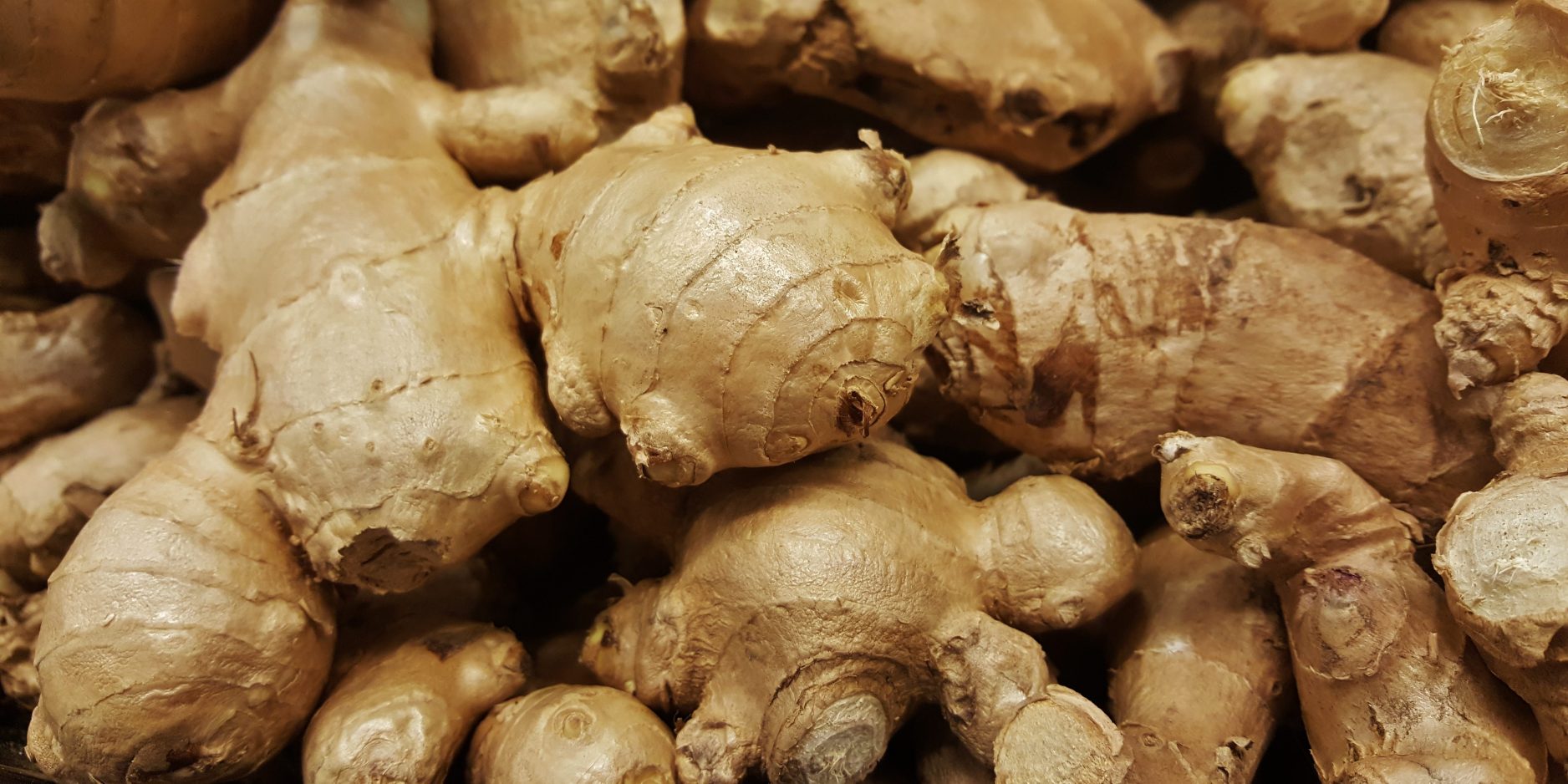
Ginger
Zingiber officinale
Common & Folk Names
- Common Ginger
- Canton Ginger
- Cooking Ginger
- True Ginger
- Stem Ginger
- Black Ginger
- African Ginger
- Adrak (Hindi)
- Jiang (Mandarin)
- Shoga (Japanese)
Plant Family
Zingiberaceae—The Ginger family
Geographic Location
Ginger is native to Maritime Southeast Asia, particularly the tropical rainforests of what is now Indonesia, with the center of origin likely in the Indo-Malayan region. Archaeological evidence from Indonesian sites (Sulawesi caves) indicates ginger cultivation dating back to at least 3,000 BCE. Ginger is a true cultigen — it does not exist in its wild state and has been under cultivation for so long that it no longer produces viable seed. The Austronesian peoples first domesticated ginger and transported it throughout the Indo-Pacific during their expansion (circa 5,000 BP), reaching as far as Hawaii and likely introducing it to India. Ginger subsequently spread to China, the Middle East, and Africa via ancient trade routes. Today, ginger is grown throughout warm, humid regions of the world. India is the largest producer (45% of global production), followed by Nigeria and China. Ginger is cultivated commercially throughout tropical Asia, Africa, the Caribbean, Central America, and Australia.
Habitat
Ginger probably originated as part of the ground flora of tropical lowland forests where many of its wild relatives still thrive. In its natural habitat, ginger grows in humid, partially shaded conditions beneath the forest canopy. As a cultivated plant, ginger thrives in warm, humid tropical and subtropical environments with consistent moisture and protection from harsh direct sunlight. It performs best in areas with distinct wet and dry seasons — the rhizomes develop during the rainy season and mature as conditions dry. Ginger requires well-drained, fertile soil rich in organic matter and cannot tolerate waterlogged conditions or extended drought.
Growing Conditions
Sun: Partial shade to filtered sunlight; can tolerate full sun in humid climates but prefers 50-75% shade, especially in hot regions; too much direct sun can scorch leaves while too much shade reduces yield
Temperature: Grows best at 20-30°C; requires warm conditions above 15°C for active growth; frost-sensitive — temperatures below 10°C slow growth and frost kills foliage; optimal soil temperature for rhizome development is 25-30°C
Rainfall: Requires 150-300cm annually, ideally distributed during growing season; needs consistent moisture but not waterlogging; benefits from drier period before harvest to allow rhizomes to mature
Soil: Fertile, well-drained loam rich in organic matter; pH 5.5-6.5 (slightly acidic); ginger is a heavy feeder requiring substantial nutrients; sandy loam or clay loam works well if well-drained; raised beds recommended in heavy soils
Humidity: Prefers high humidity (70-90% RH); adapts to subtropical regions with adequate irrigation
Altitude: Typically grown from sea level to 1,500 metres elevation
Propagation: Propagated exclusively by vegetative means — planting rhizome pieces (called “seed rhizomes” or “sets”) each containing several healthy buds or “eyes”; fresh market rhizomes can be used; cut rhizomes into 2.5-5cm pieces with 1-2 buds each; allow cut surfaces to dry for 24-48 hours to reduce rot; plant 5-8cm deep with buds facing up, spacing 20-30cm apart in rows 30-40cm apart
Planting Time: Plant at onset of rainy season (spring in subtropical zones); in temperate climates, plant indoors 6-8 weeks before last frost and transplant outdoors when soil warms to 20°C
Care: Apply organic mulch to retain moisture and suppress weeds; fertilise regularly with compost or balanced organic fertiliser, especially during active growth; water consistently but allow slight drying between waterings; reduce watering as leaves begin yellowing to allow rhizomes to mature; in temperate zones, grow in containers and overwinter indoors as rhizomes can be lifted, stored, and replanted; ginger takes 8-10 months from planting to harvest
USDA Hardiness: Zones 9-12 for outdoor year-round cultivation; Zones 7-8 with heavy mulch protection; colder zones require container cultivation with winter indoor storage
NZ Planting Calendar
Planting: September–November (spring) when soil temperature reaches 20°C
Container planting: Can start indoors in August for transplanting in October
Harvest (Baby ginger): January–March (4-5 months after planting)
Harvest (Mature ginger): May–July (8-10 months after planting) when leaves yellow and fall over
Note: In warmer North Island regions, can grow year-round; in cooler areas, grow in containers and overwinter indoors
Harvesting Guidelines
Ginger can be harvested at different stages depending on intended use. For “baby ginger” (young, tender rhizomes with thin, translucent skin and mild flavour), harvest after 4-5 months when plants are still actively growing. For mature ginger with full pungency and storage quality, wait until 8-10 months after planting when the leafy stems begin to yellow, wither, and fall over naturally — this indicates rhizomes have reached full maturity. Harvest timing significantly affects both yield and pungency; early harvest produces milder, more succulent rhizomes while late harvest yields pungent, fibrous rhizomes ideal for drying.
To harvest, carefully dig around plants with a garden fork, loosening soil without damaging rhizomes. Lift entire rhizome clumps from the soil. Shake off excess soil but do not wash immediately. Cut away remaining stems 2-3cm above the rhizome crown. For fresh use, wash thoroughly and store in refrigerator for 2-3 weeks or freeze for longer storage. For dried ginger production, select mature, fibrous rhizomes. The traditional method involves immediately scalding or briefly boiling harvested rhizomes (or washing and scraping the skin) to kill them and prevent sprouting, then drying thoroughly in sun or dehydrator at 50-60°C until hard and brittle. Dried ginger is approximately twice as pungent as fresh due to chemical transformation of gingerols to more potent shogaols during the drying/heating process. Save some rhizomes for replanting the following season.
Parts Used
- Fresh rhizome (primary medicinal and culinary part)
- Dried rhizome (more pungent, used medicinally and as spice)
- Young shoots and leaves (edible, mild flavour, used in Asian cuisine)
- Essential oil (steam-distilled from rhizome)
Constituents & their Actions
Ginger’s remarkable therapeutic properties arise from a complex interplay of pungent phenolic compounds, aromatic volatile oils, and other phytochemicals that work synergistically to produce anti-inflammatory, antiemetic, analgesic, and circulatory-stimulating effects. The chemical profile changes significantly depending on whether ginger is used fresh or dried/heated, as heat transforms gingerols into even more potent shogaols.
Pungent Phenolic Compounds — Gingerols:
Gingerols are the primary bioactive compounds in fresh ginger responsible for its characteristic sharp, pungent taste and most of its therapeutic effects. [6]-Gingerol is the most abundant and well-researched, though [4]-, [8]-, and [10]-gingerol also contribute. These compounds are thermolabile (heat-sensitive) and transform into other active compounds when ginger is dried or cooked. Some of the main gingerols in ginger are:
- [6]-Gingerol (most abundant — typically 60-80% of total gingerols)
- [8]-Gingerol
- [10]-Gingerol
- [4]-Gingerol
The main actions of gingerols are:
- Anti-inflammatory (COX-2 and LOX inhibition)
- Antiemetic (anti-nausea)
- Analgesic (pain relief)
- Antioxidant (free radical scavenging)
- Circulatory stimulant
- Gastroprotective
Pungent Phenolic Compounds — Shogaols:
Shogaols form from gingerols when ginger is dried, heated, or stored. They are significantly more pungent and possess even more potent anti-inflammatory, antitussive (cough-suppressing), and neuroprotective properties than gingerols. This transformation explains why dried ginger is approximately twice as hot and pungent as fresh. Some of the main shogaols in ginger are:
- [6]-Shogaol (most abundant in dried ginger)
- [8]-Shogaol
- [10]-Shogaol
The main actions of shogaols are:
- Anti-inflammatory (very potent COX and LOX inhibition)
- Antitussive (cough suppression)
- Analgesic (stronger than gingerols)
- Neuroprotective (protects brain cells)
- Antioxidant (stronger than gingerols)
Pungent Phenolic Compounds — Paradols and Zingerone:
These are additional transformation products of gingerols formed during processing, cooking, or fermentation. Paradols form from shogaols through hydrogenation, while zingerone forms through thermal degradation of gingerols.
The main actions of paradols and zingerone are:
- Anti-inflammatory
- Antimicrobial
- Antioxidant
- Contribute to overall pungency and warmth
Volatile Oils (Essential Oil Fraction):
The volatile oils comprise 1-3% of fresh ginger and 2-3% of dried ginger, giving ginger its distinctive aromatic quality. These sesquiterpenes and monoterpenes contribute significantly to ginger’s carminative, antispasmodic, and aromatic properties. Some of the main volatile oil components in ginger are:
- Zingiberene (20-30% of essential oil — characteristic ginger aroma)
- Sesquiphellandrene
- β-Bisabolene
- α-Curcumene
- Camphene
- Citral
- Linalool
The main actions of volatile oils are:
- Carminative (relieves gas and bloating)
- Antispasmodic (relaxes smooth muscle)
- Aromatic digestive stimulant
- Antimicrobial
- Circulatory stimulant
Diarylheptanoids:
A unique class of compounds found in ginger and its relatives (also prominent in turmeric), diarylheptanoids possess potent antioxidant and anti-inflammatory activity. These compounds contribute to ginger’s ability to modulate inflammatory pathways and protect against oxidative stress.
The main actions of diarylheptanoids are:
- Antioxidant (powerful free radical scavenging)
- Anti-inflammatory
- Neuroprotective
Other Constituents:
Ginger contains proteolytic enzymes (zingibain), phenolic acids, polysaccharides, minerals (potassium, magnesium, copper, manganese), and vitamins (especially vitamin B6 and vitamin C) that contribute to its overall nutritional and therapeutic profile.
The main actions of these additional compounds are:
- Digestive support (enzyme activity)
- Nutrient provision
- Support overall therapeutic effects
Actions with Mechanisms
Antiemetic (Anti-Nausea):
Ginger demonstrates remarkable efficacy against nausea and vomiting through multiple complementary mechanisms. Gingerols and shogaols act on both the gastrointestinal tract and the central nervous system, antagonizing 5-HT3 (serotonin) receptors in the gut and in the chemoreceptor trigger zone (CTZ) of the brain — the area responsible for initiating the vomiting reflex, which in turn blocks the neurological signals that cause nausea. Additionally, ginger accelerates gastric emptying by promoting coordinated contractions that move stomach contents into the small intestine, which in turn reduces the sensation of fullness and nausea associated with delayed gastric emptying. Unlike pharmaceutical antiemetic drugs that primarily work through central mechanisms, ginger’s peripheral action in the digestive tract makes it particularly effective for motion sickness, morning sickness, and postoperative nausea without causing drowsiness or significant side effects.
Carminative and Antispasmodic:
Ginger’s volatile oils, particularly zingiberene and other sesquiterpenes, produce profound relaxation of gastrointestinal smooth muscle. These compounds directly relax the intestinal smooth muscle and the pyloric sphincter (the valve between stomach and small intestine), which in turn allows trapped gas to move freely through the digestive tract and be expelled rather than causing painful distension and cramping. The antispasmodic effect also relieves cramping, bloating, and the uncomfortable sensations of intestinal gas accumulation. This carminative action makes ginger invaluable for dyspepsia, irritable bowel syndrome, and any digestive discomfort characterised by gas, bloating, or spasmodic pain. The warming, aromatic quality of the volatile oils also stimulates digestive secretions and motility, which in turn improves overall digestive function.
Anti-inflammatory:
Ginger produces potent anti-inflammatory effects through inhibition of multiple pathways in the inflammatory cascade. Gingerols and shogaols inhibit both cyclooxygenase enzymes (particularly COX-2) and lipoxygenase (LOX), which in turn blocks the synthesis of prostaglandins and leukotrienes — two families of pro-inflammatory mediators that cause pain, swelling, and tissue damage in inflammatory conditions. Unlike conventional NSAIDs that typically inhibit COX enzymes alone, ginger’s dual COX/LOX inhibition provides more balanced and comprehensive anti-inflammatory action. Additionally, ginger suppresses the production of pro-inflammatory cytokines including TNF-α, IL-1β, and IL-6, which in turn reduces the inflammatory signaling that perpetuates chronic inflammation. Ginger also inhibits activation of NF-κB, a master transcription factor that regulates hundreds of inflammatory genes, which in turn down-regulates the entire inflammatory response at the genetic level. These mechanisms explain ginger’s efficacy in osteoarthritis, rheumatoid arthritis, inflammatory bowel conditions, and other inflammatory diseases.
Analgesic (Pain Relief):
Ginger’s pain-relieving properties operate through multiple pathways. The anti-inflammatory action directly reduces pain by decreasing inflammation-induced tissue damage and sensitisation of pain receptors, which in turn alleviates pain in inflammatory conditions like arthritis and muscle soreness. Additionally, gingerols act as agonists of the TRPV1 (transient receptor potential vanilloid-1) channels — the same receptors activated by capsaicin from chili peppers. Initial TRPV1 activation produces a brief pungent or burning sensation, but repeated exposure leads to receptor desensitisation, which in turn reduces the transmission of pain signals and provides lasting pain relief. This mechanism explains ginger’s traditional use in topical preparations for muscle and joint pain. Clinical studies show ginger powder (750-2000mg daily) reduces osteoarthritis pain comparably to NSAIDs like ibuprofen, and effectively relieves primary dysmenorrhea (menstrual cramps) with efficacy equal to mefenamic acid.
Circulatory Stimulant and Warming:
Ginger’s pungent principles and volatile oils produce a pronounced warming sensation and stimulate peripheral circulation. The compounds cause peripheral vasodilation (widening of blood vessels near the body’s surface), which in turn increases blood flow to the extremities, warms cold hands and feet, and improves delivery of oxygen and nutrients to tissues. This circulatory stimulation also promotes sweating (diaphoretic action), which in turn helps break fevers and eliminate metabolic wastes through the skin. The warming quality makes ginger particularly valuable in conditions characterised by poor circulation, cold extremities, and what traditional medicine systems call “cold” constitutional patterns. Ginger’s circulatory effects also enhance the absorption and distribution of other herbs when used in combination formulas, earning it the traditional role of “catalyst herb” in herbal medicine.
Gastroprotective:
Ginger exerts protective effects on the gastric mucosa through multiple mechanisms. The phenolic compounds increase mucus secretion, which in turn forms a protective barrier over the stomach lining that shields it from acid and irritants. Ginger stimulates bicarbonate secretion, which in turn neutralises stomach acid and protects against ulcer formation. Anti-inflammatory effects reduce gastric inflammation that can lead to gastritis and ulceration. Studies show ginger protects against NSAID-induced gastric damage and may help prevent ulcer formation from Helicobacter pylori infection through antimicrobial effects. Unlike NSAIDs which damage the stomach lining, ginger’s anti-inflammatory action comes with gastroprotective rather than gastro-irritant effects.
Antimicrobial:
Ginger demonstrates moderate antimicrobial activity against various bacteria, fungi, and viruses. The gingerols and shogaols disrupt microbial cell membranes and interfere with microbial metabolism, which in turn inhibits growth of pathogenic organisms including Staphylococcus aureus, Escherichia coli, Candida albicans, and various respiratory viruses. The volatile oils contribute additional antimicrobial effects. While not as potent as garlic or other primarily antimicrobial herbs, ginger’s antimicrobial properties support its traditional use in treating respiratory infections, gastrointestinal infections, and food preservation. Ginger may help prevent food poisoning when consumed with raw fish (as in sushi) by inhibiting pathogenic bacteria.
Antioxidant:
Ginger provides substantial antioxidant protection through multiple phenolic compounds including gingerols, shogaols, and diarylheptanoids that directly scavenge free radicals by donating electrons to reactive oxygen species (ROS), which in turn neutralises them before they can damage cellular components including DNA, proteins, and lipid membranes. Ginger also enhances endogenous antioxidant defenses by increasing activity of antioxidant enzymes including superoxide dismutase (SOD) and glutathione peroxidase, which in turn provides sustained protection against oxidative stress. This antioxidant activity contributes to ginger’s anti-aging effects, cardiovascular protection, neuroprotection, and cancer-preventive properties.
Main Use
Ginger is primarily employed as an antiemetic (anti-nausea) agent and digestive tonic, with particular excellence in treating various forms of nausea and vomiting including motion sickness, morning sickness in pregnancy, postoperative nausea, and chemotherapy-induced nausea. Its antiemetic efficacy is extensively validated by clinical research, with ginger demonstrating effectiveness comparable to pharmaceutical antiemetics like ondansetron but without the side effects of drowsiness or constipation. The typical effective dose for nausea is 1-2 grams of fresh or dried ginger, which can be taken as tea, capsules, crystallised ginger, or simply by chewing fresh rhizome.
As a digestive aid and carminative, ginger relieves gas, bloating, cramping, dyspepsia, and sluggish digestion through its antispasmodic and aromatic properties. It stimulates digestive secretions, accelerates gastric emptying, and promotes healthy peristalsis while simultaneously protecting the gastric mucosa from irritation and ulceration.
In musculoskeletal medicine, ginger serves as an effective anti-inflammatory and analgesic for osteoarthritis, rheumatoid arthritis, and muscle pain. Multiple systematic reviews and meta-analyses demonstrate that ginger powder (typically 1-2 grams daily) significantly reduces osteoarthritis pain and improves function with efficacy approaching that of NSAIDs. For primary dysmenorrhea (menstrual cramps), clinical trials show ginger (500mg three times daily for 3-5 days starting at menses onset) reduces pain severity comparably to mefenamic acid and ibuprofen, making it an excellent natural alternative to conventional pain medications.
Ginger’s circulatory-stimulating and warming properties make it valuable for conditions characterised by poor peripheral circulation, cold extremities, and what traditional systems call “cold” conditions — including the early stages of colds and flu (especially with chills), chronic cold hands and feet, and sluggish metabolism. The diaphoretic (sweat-inducing) action helps break fevers and eliminate toxins through the skin.
Additional established uses include respiratory support (as expectorant and anti-tussive), cardiovascular health (modest effects on blood pressure and platelet aggregation), blood sugar regulation (enhances insulin sensitivity), and immune support. Topically, ginger-infused oils or compresses address localised muscle pain, joint inflammation, and poor circulation to affected areas.
Preparations
Fresh Ginger Tea (Decoction): Slice or grate 1-2 tablespoons (10-20g) fresh ginger rhizome, add to 500mL water, simmer covered for 10-15 minutes, strain. Drink 1-2 cups daily for nausea, digestive upset, or at onset of cold/flu. Add honey and lemon to taste. For stronger medicinal effect, use more ginger and longer simmering time. Fresh ginger tea is preferred for nausea and acute digestive upset.
Dried Ginger Powder (Capsules/Tablets): Standardised dried ginger powder is widely available in capsules. Typical dosing: 250-500mg taken 3-4 times daily (total 1-2 grams daily) for osteoarthritis and inflammatory conditions; 500mg taken 3 times daily for dysmenorrhea (starting 2 days before or at onset of menses); 1 gram for motion sickness (taken 30-60 minutes before travel); 500-1000mg for pregnancy-related nausea (divide into 2-4 doses). Dried ginger is approximately twice as pungent as fresh and is preferred for chronic inflammatory conditions and pain.
Fresh Ginger Juice: Grate fresh ginger and squeeze through cheesecloth to extract juice. Mix 1-2 teaspoons (5-10mL) juice with honey or warm water. Take 2-3 times daily for acute nausea, indigestion, or respiratory congestion. Fresh juice is very potent — start with smaller amounts. Can be mixed with carrot or other juices for palatability.
Crystallised/Candied Ginger: Fresh ginger cooked in sugar syrup and dried produces sweet, chewy pieces excellent for motion sickness and mild nausea. Dose: 1-2 pieces (approximately 10-20g) as needed. The sugar content makes this less ideal for regular medicinal use but very effective for travel sickness and pleasant for children.
Ginger Tincture (1:5, 60% alcohol): Macerate 200g fresh chopped ginger in 1L of 60% alcohol for 2-4 weeks, shaking daily. Strain and bottle. Dose: 2-4mL (40-80 drops) in water 2-3 times daily. Tinctures provide convenient dosing and long shelf life (3-5 years).
Ginger Syrup (for respiratory use): Traditional preparation for coughs and respiratory congestion. Simmer 100g fresh chopped ginger in 500mL water for 20 minutes, strain, add 250g honey or sugar, return to heat and simmer until syrupy consistency. Bottle and refrigerate. Take 1 tablespoon 3-4 times daily for coughs, sore throat, or respiratory infections. Combines ginger’s warming, antimicrobial, and antitussive properties with honey’s soothing qualities.
Infused Oil (for topical use): Gently warm 100g fresh grated ginger in 250mL carrier oil (olive, sesame, or coconut) using double boiler or slow cooker on lowest heat for 2-4 hours. Strain thoroughly through cheesecloth. For extra strength, repeat process with fresh ginger in the same oil. Apply to sore muscles, arthritic joints, or areas of poor circulation 2-3 times daily. The warming action increases local blood flow and relieves pain.
Compress: Make strong ginger tea (as above, using 50g fresh ginger per 500mL water, simmered 20 minutes). Soak clean cloth in hot ginger tea, wring out excess, apply to affected area (arthritic joints, sore muscles, chest for respiratory congestion). Re-warm and reapply as needed. Cover with towel to retain heat. Use 15-20 minutes at a time.
Golden Milk (Turmeric-Ginger): Traditional Ayurvedic preparation combining ginger’s warming properties with turmeric’s anti-inflammatory effects. Heat 250mL milk (dairy or plant-based) with 1 teaspoon grated fresh ginger, 1 teaspoon turmeric, pinch of black pepper, and honey to taste. Simmer 5-10 minutes, strain. Drink before bed for joint pain, inflammation, or immune support.
Dosage
Fresh Ginger Rhizome: 10-30g daily (approximately 2-6 teaspoons grated) taken as tea, juice, or in food. For acute nausea, start with 1-2g (1/2 teaspoon) and repeat as needed up to 4-6 times daily.
Dried Ginger Powder: 1-3g daily in divided doses. For osteoarthritis/inflammatory conditions: 500mg 2-4 times daily (1-2g total). For dysmenorrhea: 500mg 3 times daily for 3-5 days. For nausea: 250-500mg every 4 hours as needed. For motion sickness: 1g taken 30-60 minutes before travel.
Tincture (1:5, 60% alcohol): 2-4mL (40-80 drops) in water 2-3 times daily
Ginger Juice (fresh): 5-10mL (1-2 teaspoons) 2-3 times daily mixed with water or honey
Crystallised Ginger: 10-20g (1-2 pieces) as needed for nausea or motion sickness
Essential Oil (for aromatherapy): Diffuse 3-5 drops for nausea relief or digestive support; DO NOT take internally without professional guidance as essential oils are highly concentrated
Topical Preparations: Apply infused oil or warm compress to affected areas 2-3 times daily as needed
Duration of Use: For acute conditions (nausea, indigestion), use as needed until symptoms resolve. For chronic inflammatory conditions (osteoarthritis), clinical studies show benefits with 4-12 weeks of continuous use; long-term use appears safe. For dysmenorrhea, use during menstrual period (3-5 days per month).
Clinical Notes: Ginger is generally more effective when taken before symptoms begin (preventatively for motion sickness or dysmenorrhea) or at very first sign of symptoms. For pregnancy-related nausea, doses should be kept moderate (1g daily or less) and use should be discussed with healthcare provider. Fresh ginger is preferred for nausea and digestive issues; dried ginger is more appropriate for inflammatory and pain conditions. Higher doses increase both efficacy and likelihood of mild gastrointestinal side effects. Taking ginger with food reduces potential digestive upset.
Safety & Drug Interactions
Ginger is generally safe when consumed in amounts commonly found in foods. Medicinal doses up to 2 grams daily have excellent safety profiles in clinical trials lasting up to 6 months.
The most common side effects are mild gastrointestinal effects including heartburn, burping, mild stomach upset, and diarrhoea, occurring in approximately 5-10% of users, usually at doses above 5 grams daily. Taking ginger with food minimises these effects.
Rare allergic reactions occur in sensitive individuals, manifesting as skin rash, itching, or in very rare cases, difficulty breathing. Some people experience contact dermatitis when handling fresh ginger.
Pregnancy: Ginger at doses of 1 gram daily or less appears safe for short-term use (up to 4 days) for pregnancy-related nausea in the first trimester, based on multiple clinical trials and systematic reviews showing no increased risk of major malformations, miscarriage, or adverse fetal outcomes. However, safety beyond first trimester and at higher doses has not been adequately studied. Some traditional systems caution against ginger in late pregnancy due to theoretical concerns about increased bleeding risk (though this has not been demonstrated clinically). Doses should remain conservative (250mg 4 times daily or less) and use should be discussed with healthcare provider. Pregnant women with history of miscarriage, vaginal bleeding, or bleeding disorders should avoid medicinal doses of ginger.
Lactation: Ginger appears safe in food amounts during breastfeeding. No adverse effects in nursing infants have been reported. Medicinal doses have not been adequately studied but are probably safe. Ginger may flavour breast milk, though this is unlikely to cause problems.
Surgery Precautions: Discontinue ginger supplementation at least 7-14 days before scheduled surgery due to theoretical increased bleeding risk from antiplatelet effects, though clinical evidence for clinically significant bleeding is limited. Inform surgeon and anaesthesiologist about ginger use.
Drug Interactions — Anticoagulants and Antiplatelet Drugs: This is the primary interaction of concern. Ginger inhibits platelet aggregation (particularly thromboxane synthesis) through mechanisms similar to aspirin. While clinical evidence for significant bleeding complications is limited, theoretical increased bleeding risk exists when combining ginger with warfarin, aspirin, clopidogrel, heparin, or other blood-thinning medications. Monitor for signs of bleeding (bruising, bleeding gums, blood in stool/urine). Use caution and consider reducing ginger dose or avoiding high doses (>4 grams daily) when taking anticoagulants. However, normal culinary amounts and moderate therapeutic doses (1-2 grams daily) are likely safe with appropriate monitoring.
Drug Interactions — Antidiabetic Medications: Ginger may enhance hypoglycemic effects of insulin, sulfonylureas, and metformin through improved insulin sensitivity and glucose uptake. Monitor blood glucose levels when initiating ginger supplementation in diabetic patients on medication. Dose adjustments may be necessary to prevent hypoglycemia. This interaction can be beneficial but requires monitoring.
Drug Interactions — Antihypertensive Medications: Ginger produces modest blood pressure-lowering effects. When combined with antihypertensive medications including ACE inhibitors, beta-blockers, and calcium channel blockers, there is theoretical potential for excessive blood pressure reduction. Monitor blood pressure when combining. In most cases, the interaction is minimal, but awareness is prudent.
Drug Interactions — Calcium Channel Blockers: Ginger may enhance the effects of calcium channel blockers like nifedipine through similar mechanisms (calcium channel blockade). Monitor for hypotension or excessive calcium channel blocker effects. This is a theoretical interaction based on mechanism; clinical significance is uncertain.
Drug Interactions — Medications Metabolised by CYP3A4: Some evidence suggests ginger may induce or inhibit CYP3A4 enzyme, potentially affecting blood levels of numerous medications metabolised by this pathway. Clinical significance is uncertain but awareness is prudent for medications with narrow therapeutic windows.
Individuals with gallstones should use ginger cautiously as it stimulates bile production, which could theoretically worsen symptoms or cause gallbladder contractions.
High doses of ginger may aggravate gastroesophageal reflux disease (GERD) in sensitive individuals due to its warming, stimulating nature, though paradoxically, ginger often helps digestive function.
Very high doses (>6 grams daily) may cause increased menstrual bleeding in some women.
Scientific Evidence
Nausea and Vomiting — Multiple Types: A 2006 meta-analysis published in the American Journal of Obstetrics and Gynecology evaluated 5 randomised controlled trials (363 patients) and found ginger significantly more effective than placebo for preventing postoperative nausea and vomiting, with efficacy similar to metoclopramide. A 2014 Cochrane systematic review of pregnancy-related nausea and vomiting included 12 trials (1,278 participants) and concluded that ginger was likely effective for reducing nausea in early pregnancy compared to placebo, with no increased risk of major malformations, miscarriage, or adverse pregnancy outcomes. The review noted that ginger appeared more effective for nausea than for vomiting episodes. Multiple studies support ginger’s efficacy for motion sickness, with some showing superiority to dimenhydrinate (Dramamine). Evidence for chemotherapy-induced nausea shows mixed results, with some studies showing benefit when ginger is added to standard antiemetics.
Osteoarthritis and Pain: A 2015 meta-analysis in the Journal of Integrative Medicine including 5 trials found ginger significantly reduced osteoarthritis pain with a moderate effect size compared to placebo. Another systematic review (2011) published in Pain Medicine evaluated 7 articles reporting 8 trials (481 participants) and found that 6 trials demonstrated ginger reduced subjective pain reports in osteoarthritis (2 trials), dysmenorrhea (1 trial), and experimentally induced muscle pain (3 trials). A 2005 study comparing ginger extract to ibuprofen in osteoarthritis patients found similar efficacy between treatments. The updated American Academy of Orthopaedic Surgeons clinical practice guideline on knee osteoarthritis (2021) gives ginger extract a “limited” recommendation, noting it may help reduce pain and improve function in mild to moderate knee OA.
Primary Dysmenorrhea (Menstrual Cramps): A 2016 systematic review and meta-analysis published in Evidence-Based Complementary and Alternative Medicine included 6 randomised controlled trials comparing ginger to placebo or NSAIDs. Results showed ginger was more effective than placebo for reducing dysmenorrhea pain severity, with a weighted mean difference of 1.55 cm on a 10 cm visual analogue scale (95% CI 0.68 to 2.43). Importantly, meta-analysis found no significant difference between ginger and mefenamic acid (an NSAID), suggesting ginger provides comparable pain relief to conventional pharmaceutical treatment. A 2012 randomised controlled trial of 120 students found that ginger powder (500mg three times daily for 5 days starting 2 days before menses) significantly reduced pain severity compared to placebo, with safety and tolerability similar to placebo.
Anti-Inflammatory Mechanisms: Multiple in vitro and animal studies consistently demonstrate that gingerols and shogaols inhibit COX-2 and lipoxygenase enzymes, suppress NF-κB activation, and reduce pro-inflammatory cytokine production (TNF-α, IL-β, IL-6). A 2013 study in type 2 diabetes patients found 2 grams daily of ginger powder for 2 months significantly reduced TNF-α, IL-6, and hs-CRP (inflammatory markers) compared to placebo, providing clinical validation of anti-inflammatory mechanisms.
Safety and Tolerability: Multiple systematic reviews and long-term clinical trials consistently report excellent safety profiles for ginger at therapeutic doses up to 2 grams daily for extended periods (up to 6 months). A comprehensive safety review in pregnant women found no increased risk of major malformations, miscarriage, stillbirth, or low birth weight associated with first-trimester ginger use for nausea, though data on higher doses and use beyond first trimester remain limited. The main side effects are mild, self-limiting gastrointestinal symptoms. No serious adverse events have been reported in clinical trials.
Western Energetics
Temperature: Warming (Hot). Ginger is one of the most heating herbs available, second only to cayenne and horseradish in warming intensity. It is indicated for “cold” conditions characterised by poor circulation, cold extremities, sluggish digestion, clear or white mucus, chills, and conditions worsened by cold weather. The warming quality stimulates circulation, metabolism, and digestive fire. Fresh ginger is considered slightly milder and more moistening than dried ginger, which is intensely hot and drying.
Moisture: Drying. Ginger’s pungent, aromatic nature drives out excess fluids and “damp” conditions including productive coughs with copious clear or white phlegm, oedema, excessive salivation, and sluggish, boggy tissues. However, this drying quality means ginger should be used cautiously in individuals with very dry constitutions or “yin deficiency” patterns with night sweats, dry mouth, and heat signs.
Tissue State: Primarily indicated for Depression/Atrophy and Cold/Stagnation states characterised by poor circulation, weak digestion, deficient metabolic fire, accumulation of cold and damp, and lack of vital energy. Ginger moves stagnant qi and blood, warms the interior, and revitalises depleted systems. Less appropriate for Heat/Excitation states with inflammation from heat, hypertension with heat signs, or conditions where there is already adequate heat. Traditional Chinese Medicine differentiates between fresh ginger (sheng jiang) used for exterior cold conditions like early-stage colds with chills, and dried ginger (gan jiang) used for interior cold with chronic digestive weakness and cold extremities.
Taste
Pungent (Acrid/Hot): The dominant pungent taste is immediately apparent and intensifies as you chew, creating a warming, sometimes burning sensation. This pungency comes from gingerols and shogaols and signals ginger’s warming, dispersing, and circulating properties. The pungent taste stimulates circulation throughout the body, promotes sweating, expels cold and wind pathogens, moves stagnation, and enhances digestion by stimulating secretions and peristalsis. This taste quality corresponds directly to ginger’s actions as circulatory stimulant, diaphoretic, carminative, and expectorant. The intensity of pungency varies significantly — fresh ginger is sharp but relatively mild, while dried ginger produces intense, lingering heat.
Sweet: A subtle sweetness underlies the pungency and becomes more apparent when ginger is cooked or simmered, as some of the harsh pungency mellows and natural sugars emerge. The sweet aspect relates to ginger’s nourishing, harmonising, and gastroprotective qualities — its ability to strengthen digestion and build vitality rather than just stimulate acutely. This sweet quality balances the intense heat and makes ginger suitable for regular use as a tonic herb rather than just acute stimulant.
Aromatic: The distinctive aromatic quality comes from volatile oils (zingiberene and related sesquiterpenes) and contributes to ginger’s appeal as both spice and medicine. The aroma is warm, spicy, lemony, and uplifting. Aromatic herbs stimulate digestive function, dispel stagnation, uplift mood and spirit, and have mild antimicrobial properties. The aromatic quality makes ginger valuable not just for physical digestion but also for lifting mental fog and emotional stagnation.
Plant Lore
Ginger holds one of the most ancient and continuous records of human cultivation and use, spanning at least 5,000 years with origins lost in prehistory. Archaeological evidence from Sulawesi cave sites in Indonesia shows ginger cultivation as early as 3,000 BCE, making it among the oldest cultivated spices. The Austronesian peoples, master sailors and plant domesticators, likely first cultivated ginger in the tropical forests of Maritime Southeast Asia and carried it throughout their vast ocean migrations, introducing it to the far reaches of the Pacific including Hawaii and Easter Island thousands of years before European contact.
The Sanskrit name śṛṅgavera (meaning “horn root” due to the rhizome’s antler-like shape) evolved through Prakrit to Greek zingiberis, Latin zingiber, and eventually to English “ginger,” demonstrating the spice’s ancient journey from India to the Mediterranean world. Ginger appears extensively in ancient Indian Ayurvedic texts dating to at least 2,000 BCE, where it was called vishwabhesaj — the “universal medicine.” The Charaka Samhita, a foundational Ayurvedic text, praises ginger as the best remedy for digestive disorders and describes both fresh ginger (ardraka) and dried ginger (sunthi) with distinct therapeutic applications. Ayurvedic tradition considers fresh ginger more appropriate for coughs, colds with chills, nausea, and acute digestive upset, while dried ginger is reserved for chronic digestive weakness, deep-seated cold, diarrhoea, and joint pain.
In Traditional Chinese Medicine, ginger has held a place of honour for over 2,000 years. The Shennong Ben Cao Jing (Divine Farmer’s Classic of Materia Medica), dating to approximately the 1st century BCE, lists ginger among superior herbs. Chinese medicine maintains the distinction between fresh ginger (sheng jiang) which releases the exterior and warms the middle, and dried ginger (gan jiang) which warms the interior and rescues devastated yang. The great physician Zhang Zhongjing (circa 150-219 CE) included ginger in numerous classical formulas recorded in his Shang Han Lun (Treatise on Cold Damage), many still used today. A Chinese proverb states, “Eating ginger in the morning is like having ginseng soup,” reflecting ginger’s status as a superior tonic herb when used appropriately.
Confucius (551-479 BCE) is said to have never eaten a meal without ginger, believing it aided digestion, cleared the mind, and promoted longevity. This practice reflected the widespread Chinese belief that ginger’s warming, harmonising qualities balanced the cooling nature of many foods and aided assimilation of nutrients. Chinese doctors traditionally advised eating ginger in morning and avoiding it at night, as its stimulating yang energy could disturb sleep.
The ancient spice trade brought ginger to the Mediterranean world by at least the 1st century CE. Greek physician Dioscorides described ginger in his De Materia Medica (circa 65 CE), recommending it for warming the stomach and aiding digestion. Roman encyclopedist Pliny the Elder mentioned ginger from Arabia (though it likely originated further east and came via Arab traders). Ginger was one of the most expensive spices in Roman markets, imported along the arduous maritime silk routes that connected the Roman Empire to India and beyond.
After Rome’s fall, Arab traders controlled ginger supplies to Europe, maintaining high prices and mysterious origins. The medieval spice trade made fortunes for Venetian and Genoese merchants who brought ginger, cinnamon, pepper, and other Eastern spices to European tables. Ginger became immensely popular in medieval European cuisine, appearing in both sweet and savoury dishes. The wealthy displayed their status by heavily spicing foods with expensive imports including ginger. Medieval physicians prescribed ginger for “cold” stomach conditions, to warm phlegmatic temperaments, and to stimulate appetite and digestion — uses aligned with ancient Ayurvedic and Chinese applications despite being mediated through Arabic medical texts.
The English word “gingerbread” dates to medieval times, originally referring to preserved ginger (ginger + bread meaning preserved/meatlike consistency) rather than the spiced cake we know today. By the 13th century, gingerbread as we understand it — spiced, sweet bread or cake — became popular throughout Europe. Elaborate gingerbread houses, cookies, and decorations became Christmas traditions in Germany, later spreading worldwide. The Brothers Grimm fairy tale “Hansel and Gretel” (published 1812) features the iconic gingerbread house, cementing ginger’s association with holidays, sweetness, and childhood wonder.
During the Black Death outbreaks of the 14th century, ginger joined garlic, herbs, and other aromatics believed to ward off pestilence. While ineffective against the plague bacteria, ginger’s genuine antimicrobial properties may have offered some protection against secondary infections and certainly provided comfort to the afflicted.
Portuguese explorer Vasco da Gama’s 1498 voyage establishing direct sea routes to India broke the Arab and Venetian monopolies on spice trade. The subsequent Age of Exploration was driven substantially by European desire for direct access to spice sources. Spanish colonists introduced ginger to the Americas in the 16th century — it was among the first Oriental spices successfully cultivated in the New World. Jamaica became particularly famous for its high-quality ginger, and Caribbean ginger remains prized today. The Caribbean saying “ginger hot but sweet” reflects both the spice’s qualities and the region’s strong ginger cultivation tradition.
In American folk medicine, ginger featured prominently in home remedies. Ginger tea for stomachache, colds, and “female complaints” was standard in the domestic medicine chest. Ginger ale and ginger beer — carbonated beverages originally containing real ginger — were developed in the 1800s and gained popularity both as refreshments and digestive aids for upset stomachs. Though modern commercial versions contain little or no real ginger, the association between ginger ale and settling upset stomachs persists in popular consciousness.
African American and Caribbean folk medicine traditions embrace ginger extensively. Ginger tea with honey for colds, ginger compresses for chest congestion and joint pain, and ginger in cooking to aid digestion are foundational practices passed through generations. In Jamaican culture, ginger features in traditional “cerasee and ginger” tea for cleansing and “roots tonic” preparations for vitality and strength.
Modern scientific research beginning in the 1980s has progressively validated traditional uses, particularly ginger’s antiemetic and anti-inflammatory properties. Clinical trials demonstrating efficacy for motion sickness, morning sickness, postoperative nausea, and osteoarthritis have brought ginger from folk remedy to evidence-based medicine. Ginger supplements, teas, and preparations are now widely recommended by healthcare practitioners across diverse medical traditions.
Today, ginger remains simultaneously a beloved culinary spice, effective herbal medicine, and cultural symbol spanning cuisines from Asian stir-fries to Caribbean jerk seasoning, Indian curries to American gingerbread. Few plants bridge the culinary and medicinal realms as successfully as ginger, simultaneously flavouring dishes worldwide and providing genuine therapeutic benefits validated by thousands of years of traditional use and modern scientific research.
Additional Information
Fresh vs. Dried Ginger — Important Medicinal Distinction: The difference between fresh and dried ginger is significant in herbal medicine and traditional systems. Fresh ginger (sheng jiang in Chinese medicine) is considered superior for nausea, vomiting, colds with chills, and acute digestive upset. It is gentler, more moistening, and releases the exterior while warming the middle. Dried ginger (gan jiang in Chinese medicine) is approximately twice as pungent, more heating and drying, and better for deep-seated cold, chronic diarrhoea, very poor circulation, and chronic pain conditions. The chemical transformation of gingerols to shogaols during drying accounts for increased pungency and potency. For general use, fresh ginger is more versatile and gentler; for chronic inflammatory pain conditions, dried ginger powder is more appropriate.
Ginger as “Catalyst Herb”: Ginger holds a traditional role as a “catalyst” or “guide” herb in combination formulas. Its warming, circulating properties enhance absorption and distribution of other herbs throughout the body, particularly to the periphery and digestive tract. Small amounts of fresh ginger (1-2 slices) are often added to herbal decoctions to harmonise the formula, prevent stomach upset, and improve assimilation. This traditional principle aligns with modern understanding of ginger’s effects on gastric emptying and intestinal motility.
Ginger in Pregnancy — Nuanced Perspective: While clinical trials demonstrate safety of moderate ginger doses (1 gram daily or less) for first-trimester nausea, traditional systems including Traditional Chinese Medicine express more caution. TCM generally avoids dried ginger (gan jiang) entirely during pregnancy due to its intensely heating, moving nature, while allowing limited use of fresh ginger (sheng jiang) for morning sickness. Some traditional sources caution that excessive ginger consumption, particularly dried ginger, could potentially increase bleeding risk or stimulate uterine activity, though this has not been demonstrated clinically at moderate doses. The sensible middle path: keep doses conservative (250mg 4 times daily of dried ginger powder or equivalent fresh ginger), use fresh rather than dried preparations when possible, use only for first trimester nausea and only as needed rather than continuously, and discuss with healthcare provider, especially if history of miscarriage or bleeding concerns exists.
Ginger Varieties and Quality: While Zingiber officinale is the species used medicinally and culinarily, various cultivars produce ginger with different flavor profiles, pungency, and fiber content. Jamaican ginger is prized for delicate flavor and aroma. Nigerian ginger has high essential oil content and exceptional pungency. Chinese and Indian varieties are also distinctive. For medicinal use, select firm, fresh rhizomes with tight, thin skin, avoiding shriveled, soft, or moldy specimens. Organic ginger is preferable to avoid pesticide residues. Fresh ginger can be peeled and frozen for convenience, though this slightly degrades volatile oil content. Dried ginger powder loses potency over time — store in airtight containers away from light and heat; replace annually for maximum medicinal effect.
Contraindicated Combinations in Traditional Systems: Traditional Chinese Medicine cautions against combining ginger with Chinese skullcap (Scutellaria baicalensis) as they are considered incompatible in nature — one extremely warming, one extremely cooling. This traditional contraindication reflects broader principles about avoiding extreme combinations that could create conflicting energetic influences. Western herbalism has no such restriction and often combines ginger with cooling anti-inflammatories, finding the combination harmonious.
Ginger and Blood Sugar: While ginger is not primarily considered an antidiabetic herb, research shows it enhances insulin sensitivity and modestly improves fasting blood glucose and HbA1c in type 2 diabetes patients. The mechanism involves improved insulin secretion and enhanced peripheral glucose uptake. This makes ginger a beneficial addition to diets for blood sugar management, though it should complement rather than replace medical therapy.
Black Ginger vs. Regular Ginger: “Black ginger” can refer to two different things:
(1) Aged/fermented regular ginger (Zingiber officinale) which turns black through a fermentation process similar to black garlic, developing sweet, complex flavors and potentially enhanced bioactivity;
(2) Kaempferia parviflora, a different species in the Zingiberaceae family native to Thailand (Thai black ginger or Krachai Dam), which has distinct properties including aphrodisiac and energising effects. These should not be confused — when buying “black ginger,” clarify which type is being offered.
Sources
Ali, B. H., Blunden, G., Tanira, M. O., & Nemmar, A. (2008). Some phytochemical, pharmacological and toxicological properties of ginger (Zingiber officinale Roscoe): A review of recent research. Food and Chemical Toxicology, 46(2), 409-420.
Altman, R. D., & Marcussen, K. C. (2001). Effects of a ginger extract on knee pain in patients with osteoarthritis. Arthritis & Rheumatism, 44(11), 2531-2538.
Bode, A. M., & Dong, Z. (2011). The amazing and mighty ginger. In I. F. F. Benzie & S. Wachtel-Galor (Eds.), Herbal medicine: Biomolecular and clinical aspects (2nd ed., Chapter 7). CRC Press/Taylor & Francis.
Bone, K., & Mills, S. (2013). Principles and practice of phytotherapy: Modern herbal medicine (2nd ed.). Churchill Livingstone.
Chaiyakunapruk, N., Kitikannakorn, N., Nathisuwan, S., Leeprakobboon, K., & Leelasettagool, C. (2006). The efficacy of ginger for the prevention of postoperative nausea and vomiting: A meta-analysis. American Journal of Obstetrics and Gynecology, 194(1), 95-99.
Chen, C. X., Barrett, B., & Kwekkeboom, K. L. (2016). Efficacy of oral ginger (Zingiber officinale) for dysmenorrhea: A systematic review and meta-analysis. Evidence-Based Complementary and Alternative Medicine, 2016, 6295737.
Chevallier, A. (1996). The encyclopedia of medicinal plants. DK Publishing.
Dugasani, S., Pichika, M. R., Nadarajah, V. D., Balijepalli, M. K., Tandra, S., & Korlakunta, J. N. (2010). Comparative antioxidant and anti-inflammatory effects of [6]-gingerol, [8]-gingerol, [10]-gingerol and [6]-shogaol. Journal of Ethnopharmacology, 127(2), 515-520.
Grieve, M. (1931). A modern herbal. Jonathan Cape.
Grzanna, R., Lindmark, L., & Frondoza, C. G. (2005). Ginger—an herbal medicinal product with broad anti-inflammatory actions. Journal of Medicinal Food, 8(2), 125-132.
Hoffmann, D. (2003). Medical herbalism: The science and practice of herbal medicine. Healing Arts Press.
Matthews, A., Haas, D. M., O’Mathúna, D. P., Dowswell, T., & Doyle, M. (2014). Interventions for nausea and vomiting in early pregnancy. Cochrane Database of Systematic Reviews, 2014(3), CD007575.
Mills, S., & Bone, K. (2005). The essential guide to herbal safety. Churchill Livingstone.
Ozgoli, G., Goli, M., & Moattar, F. (2009). Comparison of effects of ginger, mefenamic acid, and ibuprofen on pain in women with primary dysmenorrhea. Journal of Alternative and Complementary Medicine, 15(2), 129-132.
Rahnama, P., Montazeri, A., Huseini, H. F., Kianbakht, S., & Naseri, M. (2012). Effect of Zingiber officinale R. rhizomes (ginger) on pain relief in primary dysmenorrhea: A placebo randomized trial. BMC Complementary and Alternative Medicine, 12, 92.
Ried, K., Travica, N., & Sali, A. (2021). The acute effect of high-dose aged garlic extract on blood pressure and other cardiovascular risk factors in patients with hypertension: The AGE at Heart trial. Integrated Blood Pressure Control, 14, 93-100.
Terry, R., Posadzki, P., Watson, L. K., & Ernst, E. (2011). The use of ginger (Zingiber officinale) for the treatment of pain: A systematic review of clinical trials. Pain Medicine, 12(12), 1808-1818.
Thomson, M., Corbin, R., & Leung, L. (2014). Effects of ginger for nausea and vomiting in early pregnancy: A meta-analysis. Journal of the American Board of Family Medicine, 27(1), 115-122.
van Wyk, B.-E., & Wink, M. (2017). Medicinal plants of the world (2nd ed.). CABI.
Viljoen, E., Visser, J., Koen, N., & Musekiwa, A. (2014). A systematic review and meta-analysis of the effect and safety of ginger in the treatment of pregnancy-associated nausea and vomiting. Nutrition Journal, 13, 20.
Williamson, E. M., Driver, S., & Baxter, K. (Eds.). (2013). Stockley’s herbal medicines interactions. Pharmaceutical Press.
Disclaimer: This monograph is for educational purposes only and is not medical advice. Please consult with a qualified healthcare practitioner before using any herbal remedy, especially if you are pregnant, nursing, taking medication, or have a known medical condition.