
Tag: leaf
-

Pūhā Monograph
Traditional Māori food and medicine plant. Young leaves eaten as nutritious green vegetable. Bitter, digestive tonic properties. High in vitamins and minerals. Traditionally used for various ailments. Common plant throughout NZ. Important cultural and nutritional resource. Free, nutritious food providing gentle medicinal support.
-

Mānuka Monograph
Iconic NZ tree with powerful antimicrobial honey. Honey supports wound healing, digestive health, and immune function. Leaves traditionally used in rongoā as tea and topical preparation. Essential oil highly antimicrobial. Famous globally for honey. Important cultural and economic plant. Conservation important due to commercial pressure.
-

Puarangi Monograph
Native NZ hibiscus with mucilaginous, soothing properties. Traditional rongoā for respiratory and digestive conditions. Flowers and leaves demulcent. Possibly brought by early Polynesian voyagers. Beautiful plant with unique genetics. Cultural and botanical significance. Requires further documentation of traditional uses and conservation considerations.
-

Kumerahou Monograph
Native NZ shrub with expectorant and soap-like properties. Traditional rongoā for respiratory conditions. Saponins create lather when rubbed with water. Flowers and leaves used medicinally. Traditional Māori remedy for chest complaints. Beautiful native plant. Requires sustainable harvest and respect for traditional knowledge.
-

Red Matipou Monograph
Native NZ shrub with traditional rongoā applications. Berries and leaves used in traditional Māori medicine. Less commonly used today but historically significant. Traditional treatments for various ailments. Beautiful native plant supporting ecosystems. Cultural significance in rongoā tradition. Requires further documentation of traditional knowledge.
-

Pikopiko Monograph
Native NZ fern with traditional food and medicine uses. Young fronds (koru) eaten as nutritious vegetable. Traditional rongoā applications documented. Important traditional food source. Beautiful endemic fern supporting ecosystems. Cultural significance in traditional gathering and use. Requires sustainable harvest and documentation of traditional knowledge.
-

Raupō Monograph
Native NZ wetland plant with traditional food and medicine uses. Pollen, shoots, and roots all utilised traditionally. Māori gathered for kai (food) and rongoā (medicine). Entire plant useful in various ways. Valuable wetland species supporting ecosystems. Cultural and ecological significance. Traditional knowledge preservation important.
-
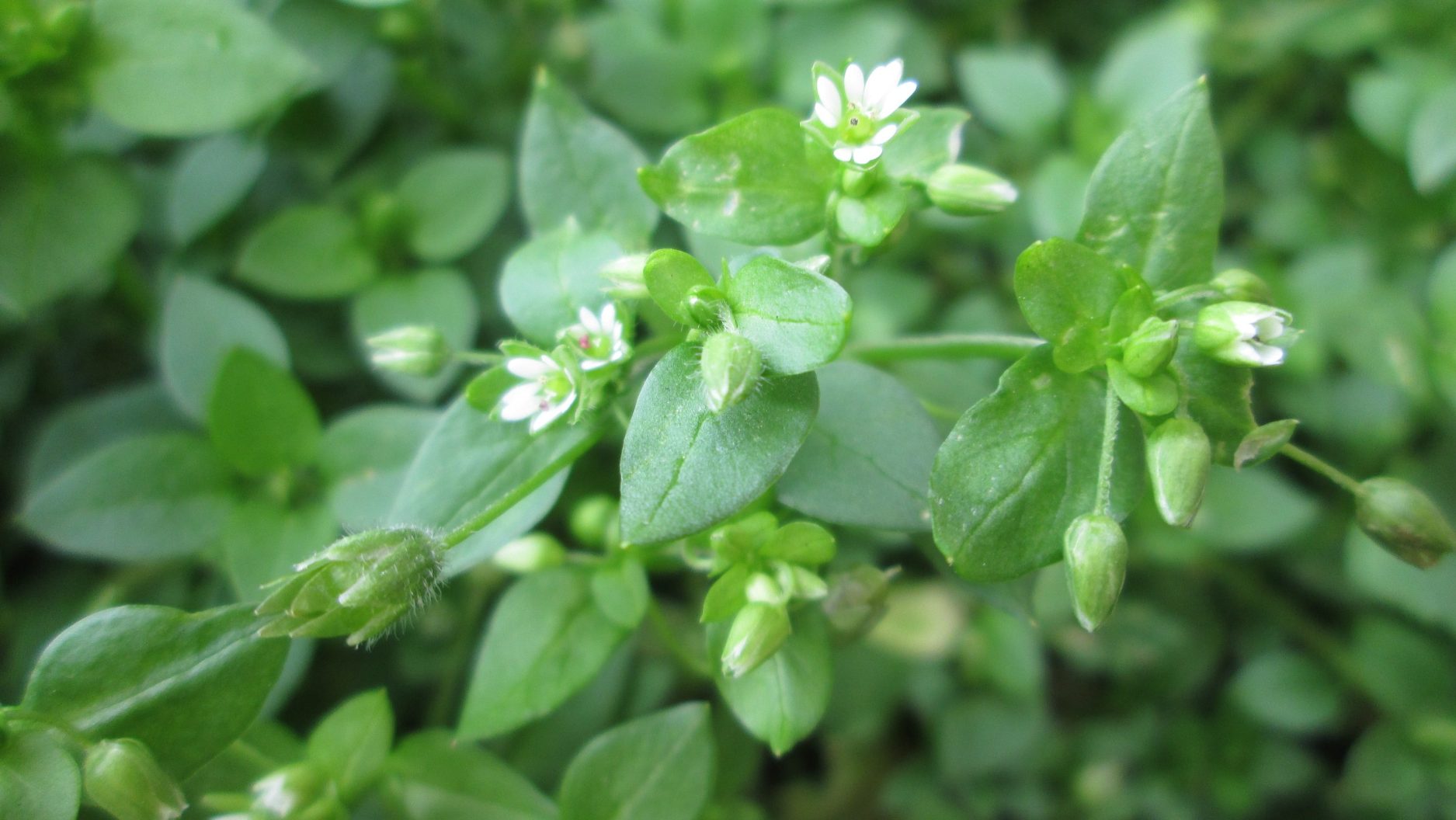
Chickweed Monograph
Common garden weed with cooling, soothing properties for skin and digestion. Nutritious edible green high in vitamins. Topically soothes itching, rashes, and minor irritations. Fresh plant makes pleasant salad or poultice. Grows abundantly in NZ. Free medicine and food overlooked in many gardens.
-

Mullein Monograph
Tall biennial with powerful respiratory support. Leaves and flowers soothe coughs and clear congestion. Expectorant and demulcent actions benefit lungs. Traditional remedy for respiratory conditions. Fuzzy leaves require straining when making tea. Common naturalised plant in NZ. Essential herb for coughs and respiratory support.
-
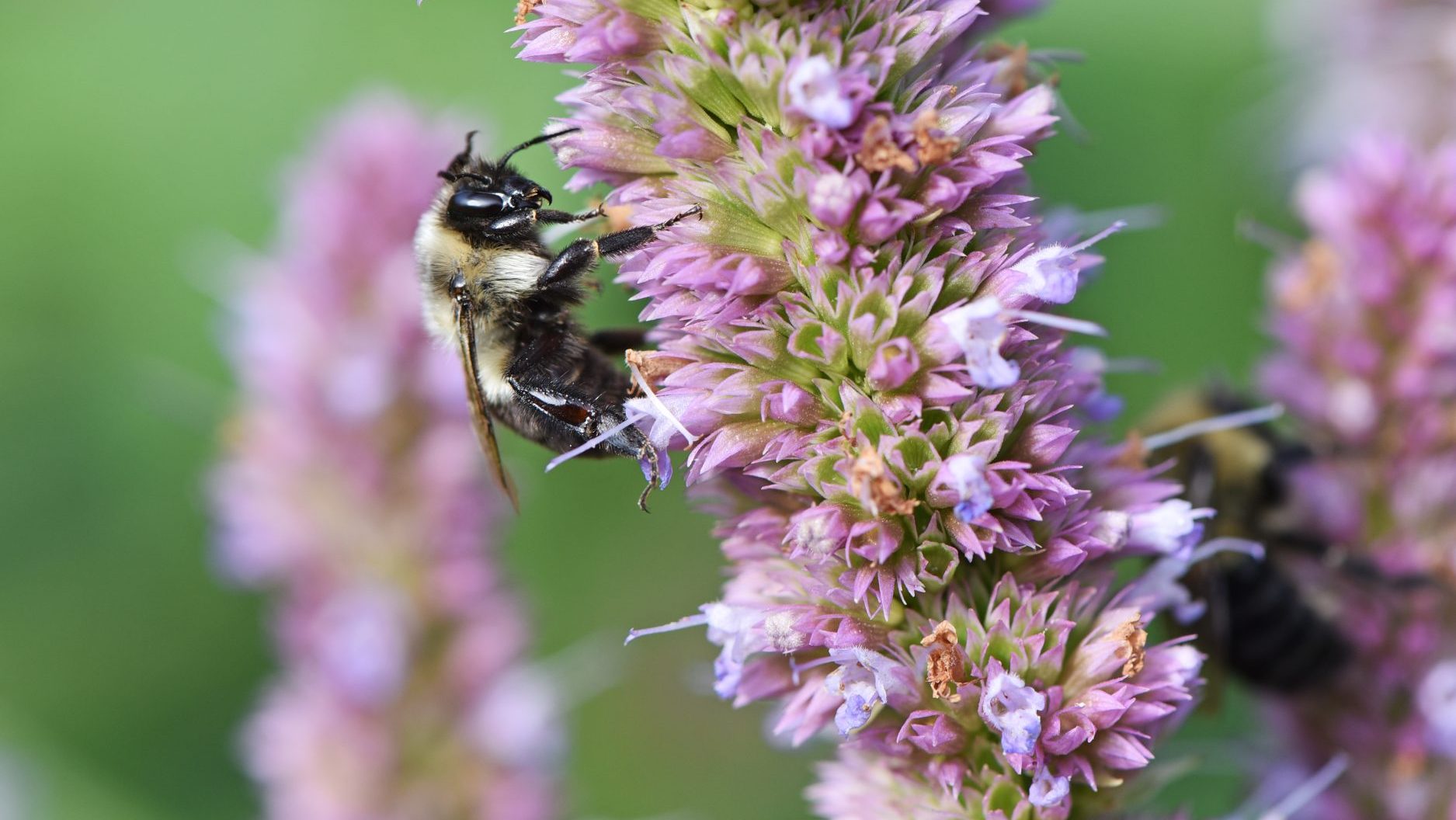
Hyssop Monograph
Aromatic Mediterranean herb supporting respiratory health. Powerful expectorant and antispasmodic for productive and spasmodic coughs. Steam inhalation provides immediate relief. Biblical purification herb. Essential oil requires caution—high-pinocamphone varieties can trigger seizures. Avoid in epilepsy. Beautiful bee plant with culinary uses.