
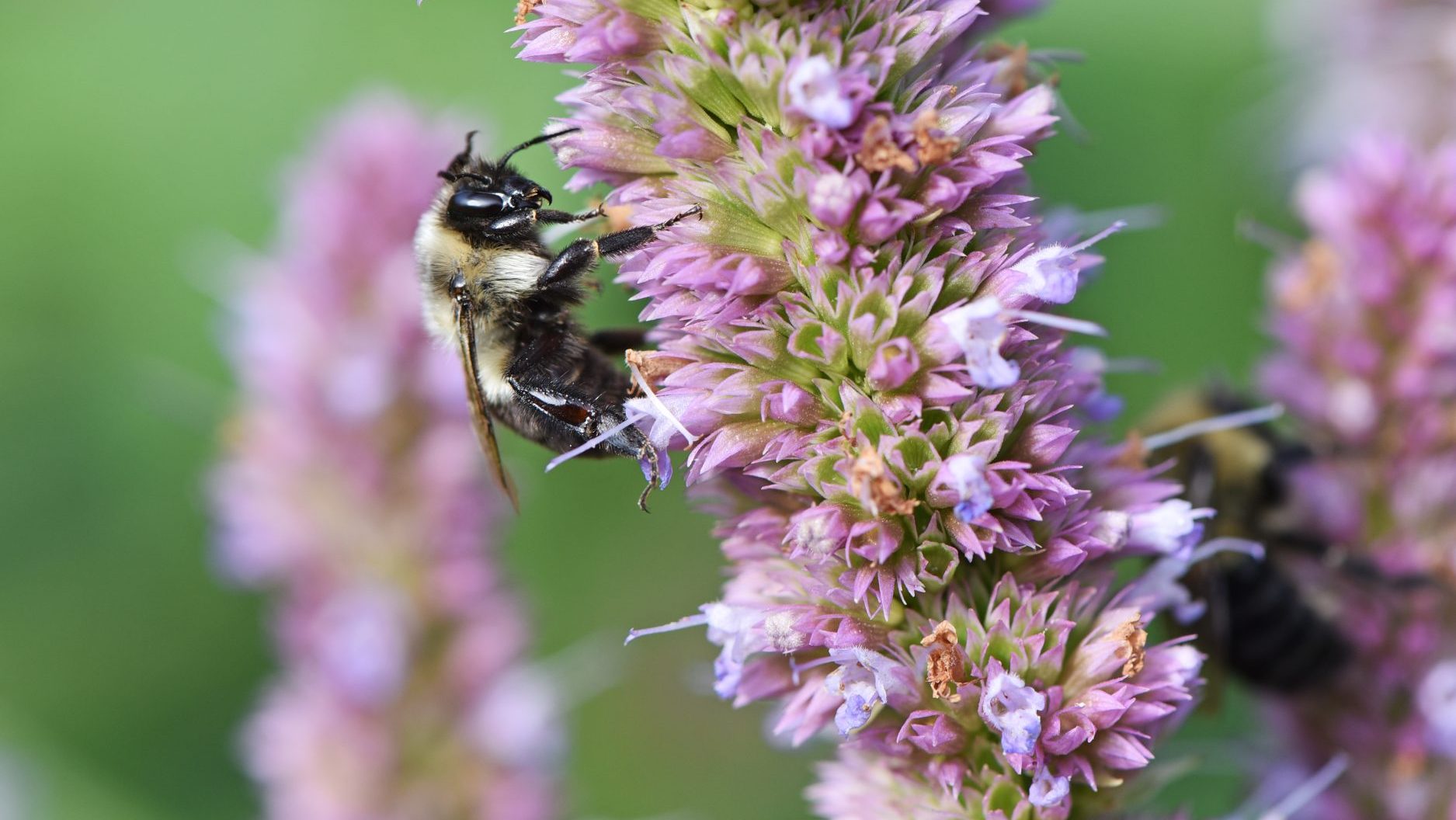
Hyssop
Hyssopus officinalis
Common & Folk Names
- Garden Hyssop
- Common Hyssop
- Blue Hyssop
- Herb Hyssop
- Ezov (Hebrew)
Plant Family
Lamiaceae (Formerly Labiatae)
Geographic Location
Native to southern Europe, the Mediterranean region, and western Asia extending to central Asia. Found wild from southern France and Spain through the Mediterranean to Turkey, the Middle East, and into central Asia. Now cultivated in temperate regions worldwide for culinary, medicinal, and ornamental purposes. Thrives in warm, dry, Mediterranean-type climates.
Habitat
Naturally grows in dry, rocky, limestone soils on hillsides, in open woodlands, and in scrubland. Prefers well-draining soil with full sun exposure. Tolerates drought and poor soils once established. Found from sea level to mountainous elevations in suitable climates.
Growing Conditions
Sun: Full sun; requires at least 6-8 hours of direct sunlight daily
Soil: Well-draining, light, sandy or gravelly soil; prefers alkaline soils (limestone-derived); pH 6.5-8.0; intolerant of waterlogged conditions
Propagation: Grow from seed sown in spring (germinates readily); divide established plants in spring or autumn; take softwood cuttings in late spring or summer
Care: Water sparingly once established; drought-tolerant; requires minimal fertilisation; trim after flowering to maintain compact shape; generally pest and disease-free; attracts bees and beneficial insects; can be grown as low hedge
NZ Planting Calendar
Sowing (seed): Spring (September-November); sow seeds on soil surface or lightly cover; thin seedlings once established
Propagation (cuttings/division): Divide in spring (September) or autumn (March-April); take softwood cuttings in late spring/summer (November-February)
Planting: Spring (September-November) or autumn (March-May); plant in well-draining soil in sunny position
Growth: Perennial semi-woody subshrub; evergreen to semi-evergreen depending on climate; grows 30-60cm tall; forms compact, bushy plants
Flowering: Summer (December-February in NZ) with spikes of violet-blue (occasionally pink or white) flowers
Harvest: Leaves and flowering tops harvested just before or during flowering (December-February) when essential oil content is highest; leaves can be harvested throughout growing season
Note: Grows well in warmer, drier regions of NZ (Hawke’s Bay, Marlborough, Canterbury, Central Otago); may struggle in very wet, humid areas; suited to Mediterranean-style gardens; excellent bee plant; attractive ornamental with aromatic foliage; can be used as edging or low hedge; generally hardy and low-maintenance in suitable conditions
Harvesting Guidelines
Harvest leaves and flowering tops just before or during flowering when essential oil content is highest. In NZ, this typically occurs in summer (December-February). Cut stems with leaves and flowers, leaving enough growth for plant recovery. Harvest in dry weather after morning dew has evaporated. The distinctive aromatic scent (minty-camphoraceous with herbal notes) is characteristic. Tie stems in small bunches and hang to dry in well-ventilated, shaded area at temperatures not exceeding 35°C. Properly dried hyssop retains good green-blue colour in leaves and blue-violet colour in flowers, with strong aromatic scent. Store dried herb in airtight containers away from light and moisture. High-quality hyssop has strong aromatic scent when crushed and bright colour.
For culinary use, fresh leaves can be harvested as needed throughout the growing season. The flavour is strong and somewhat bitter, so use sparingly.
Parts Used
- Aerial parts (leaves and flowering tops – primary medicinal parts)
- Leaves (fresh or dried for culinary and medicinal use)
- Essential oil (steam-distilled from flowering tops – use with caution)
Constituents & their Actions
Hyssop’s therapeutic properties arise from volatile oils, flavonoids, tannins, and other compounds that provide expectorant, antispasmodic, and antimicrobial effects.
Essential Oil (Volatile Oil):
Comprising the characteristic aromatic scent and many therapeutic properties. Some of the main essential oil components in hyssop are:
- Pinocamphone and isopinocamphone (ketones – can be neurotoxic in high doses)
- 1,8-Cineole
- β-Pinene
- Limonene
- Linalool
- Camphor
IMPORTANT SAFETY NOTE: Some hyssop essential oil chemotypes contain high levels of pinocamphone, a ketone that can cause seizures in susceptible individuals (particularly children and those with epilepsy). Always use hyssop essential oil with caution and choose low-pinocamphone chemotypes when possible.
The main actions of these essential oils are:
- Provide powerful expectorant effects
- Exhibit antispasmodic properties (particularly for respiratory smooth muscle)
- Demonstrate antimicrobial activity
- Contribute to aromatic and flavour properties
- High-pinocamphone varieties: potential neurotoxicity risk
Flavonoids:
Various plant compounds with physiological effects. Some of the main flavonoids in hyssop are:
- Diosmin
- Hesperidin
- Rutin
- Quercetin derivatives
The main actions of these flavonoids are:
- Provide antioxidant protection
- Support anti-inflammatory effects
- Contribute to vascular health
- Enhance other therapeutic effects
Tannins:
Astringent polyphenolic compounds.
The main actions of tannins are:
- Provide astringent effects
- Support wound healing
- Contribute to antimicrobial activity
- Tone mucous membranes
Phenolic Acids (Rosmarinic Acid and Others):
Including rosmarinic acid and caffeic acid derivatives.
The main actions of these phenolic acids are:
- Provide antioxidant effects
- Exhibit anti-inflammatory properties
- Support antimicrobial activity
Bitter Principles (Marrubiin):
Bitter compounds contributing to digestive effects.
The main actions of bitter principles are:
- Stimulate digestion
- Support appetite
- Contribute to overall therapeutic profile
Actions with Mechanisms
Expectorant:
Hyssop is a potent respiratory herb, particularly effective for productive coughs with thick mucus. The volatile oils, especially 1,8-cineole, stimulate secretory cells in the respiratory tract mucosa, increasing production of thinner, more watery mucus, which in turn makes thick secretions easier to expectorate. The essential oil compounds stimulate ciliary action (tiny hair-like structures lining airways), physically moving mucus up and out of the respiratory tract. The expectorant effects are pronounced and make hyssop valuable for chronic bronchitis, productive coughs, and congested respiratory conditions. The mechanisms are similar to other expectorant herbs but hyssop’s effects are considered particularly strong.
Antispasmodic (Respiratory):
Hyssop relaxes smooth muscle in the airways, which in turn reduces bronchospasm, eases breathing, and calms spasmodic coughs. The volatile oils act on respiratory smooth muscle, producing bronchodilation and reducing the spasmodic, dry, irritating coughs that often accompany respiratory infections. This antispasmodic effect complements the expectorant properties, making hyssop valuable for both productive, congested coughs and dry, spasmodic coughs. The combination of expectorant and antispasmodic effects addresses different types of coughs, making hyssop versatile for respiratory complaints.
Antimicrobial:
Hyssop demonstrates broad-spectrum antimicrobial activity against bacteria, fungi, and some viruses. The volatile oils disrupt microbial cell membranes and interfere with cellular metabolism, which in turn inhibits or kills various pathogens. Research demonstrates activity against respiratory bacteria, skin bacteria, and fungi. The antimicrobial properties support use for respiratory infections, wound care (topically), and as a gargle for sore throats. The combination of antimicrobial and expectorant effects makes hyssop particularly valuable for infected respiratory conditions.
Anti-inflammatory:
Multiple constituents reduce inflammation through various pathways. The volatile oils, flavonoids, and rosmarinic acid inhibit inflammatory mediators and reduce inflammatory responses in respiratory tissues and elsewhere. The anti-inflammatory effects support use for inflamed airways, sore throats, and inflammatory conditions. Research demonstrates reduced production of pro-inflammatory cytokines and prostaglandins with hyssop constituents.
Diaphoretic (Mild):
Hyssop promotes sweating when taken as hot tea, which in turn supports fever management and helps the body eliminate toxins through perspiration. The diaphoretic effects are gentle and make hyssop useful in feverish colds and flu as part of comprehensive treatment. The warming nature and aromatic properties contribute to these effects.
Carminative and Digestive:
The aromatic volatile oils and bitter principles support digestive function. The volatile oils reduce gas and bloating (carminative effects), whilst the bitter compounds stimulate digestive secretions. These effects make hyssop useful for digestive complaints including bloating, gas, and sluggish digestion, though hyssop is more commonly used for respiratory rather than digestive conditions.
Vulnerary (Wound Healing – Topical):
Hyssop supports wound healing when applied topically. The antimicrobial effects prevent infection, the anti-inflammatory effects reduce swelling and promote healing, and the astringent tannins tone tissues. Traditional use includes hyssop poultices or washes for wounds, bruises, and skin inflammation.
Nervine (Mild):
Some traditional use suggests gentle nervine effects, providing mild calming to nervous tension. However, hyssop is not primarily used as a nervine and other herbs are more effective for this purpose.
Main Use
Hyssop is primarily used for respiratory conditions, particularly productive coughs with thick mucus, chronic bronchitis, and respiratory infections. The powerful expectorant effects thin secretions and promote expectoration, whilst the antispasmodic properties ease breathing and calm spasmodic coughs. The antimicrobial effects address underlying infections. This combination makes hyssop exceptionally valuable for various respiratory complaints.
For chronic bronchitis, hyssop provides sustained support, reducing mucus production, easing expectoration, preventing infections, and supporting overall respiratory health. Long-term use (weeks to months) can benefit individuals with chronic productive coughs.
Hyssop addresses both productive, congested coughs (through expectorant effects) and dry, spasmodic coughs (through antispasmodic effects), making it versatile for different cough types. The herb is particularly useful when coughs transition from dry to productive or when both qualities are present.
For upper respiratory infections including colds, flu, and sinusitis, hyssop reduces congestion, promotes drainage, addresses infections, and supports recovery. The combination with other respiratory herbs (mullein, thyme, elecampane) creates powerful respiratory formulas.
Traditional use includes hyssop as a gargle for sore throats and throat infections, where the antimicrobial and anti-inflammatory effects soothe inflamed tissues and address infections. The astringent properties tone mucous membranes.
Historically, hyssop was used for asthma, and whilst modern herbalism approaches asthma cautiously, the antispasmodic and anti-inflammatory effects may provide some support as part of comprehensive management under professional supervision.
In aromatherapy, hyssop essential oil (low-pinocamphone chemotype) provides respiratory support through inhalation, though the essential oil requires careful use due to potential neurotoxicity of high-pinocamphone chemotypes.
Culinary use of fresh hyssop leaves in small amounts adds aromatic, slightly bitter flavour to dishes, particularly in Mediterranean cuisine. However, the strong flavour requires restraint.
The herb has historical religious significance, mentioned in the Bible for purification rituals, though the biblical “hyssop” may have been a different plant (possibly marjoram or oregano species).
Preparations
Preparations
Infusion/Tea: Steep 1-2 teaspoons (2-4g) of dried leaves and flowering tops in 250ml freshly boiled water for 10-15 minutes; strain and drink. The tea has a strong aromatic, slightly bitter flavour. Drink 2-3 cups daily for respiratory support.
Tincture (1:5, 45% alcohol): 2-4ml (40-80 drops), 2-3 times daily. Provides convenient dosing and preserves volatile oils.
Steam Inhalation: Add a handful of fresh or dried hyssop to a bowl of hot water; cover head with towel and inhale steam for 5-10 minutes, keeping eyes closed. Provides immediate respiratory relief. Can add 2-3 drops of hyssop essential oil (low-pinocamphone chemotype) instead of herb.
Syrup: Traditional preparation for coughs. Simmer hyssop in water, strain, add honey or sugar to create syrup. The sweet taste makes it suitable for children (over 1 year for honey-based syrups).
Gargle/Mouthwash: Strong infusion (double strength) used as gargle for sore throats or mouthwash for gum inflammation. Do not swallow.
Poultice (Fresh or Dried): Crush fresh leaves or moisten dried leaves and apply to bruises, wounds, or skin inflammation. Cover with clean cloth.
Essential Oil (External Use Only): Use diluted in carrier oil (1-2% dilution) for chest rubs or massage for respiratory congestion. NEVER use internally except in professionally prepared products. Choose low-pinocamphone chemotype.
Dosage
Dried Herb (infusion): 2-4g, 2-3 times daily (approximately 1-2 teaspoons per cup)
Tincture (1:5, 45% alcohol): 2-4ml (40-80 drops), 2-3 times daily
Syrup: 1-2 teaspoons (5-10ml) as needed for coughs, up to 4-6 times daily
Steam Inhalation: As needed, 2-3 times daily
Essential Oil (topical, diluted): 1-2% dilution in carrier oil; apply to chest 2-3 times daily
IMPORTANT NOTES:
- Hyssop is generally safe at recommended doses
- Essential oil requires caution due to pinocamphone content
- Effects for chronic conditions develop over several weeks of consistent use
Safety & Drug Interactions
Hyssop has a generally good safety profile when used as a herb (tea, tincture) at recommended doses. However, the essential oil requires significant caution.
Essential Oil Safety (CRITICAL):
Hyssop essential oil, particularly high-pinocamphone chemotypes, can cause seizures in susceptible individuals. The pinocamphone content varies between chemotypes and growing conditions.
Contraindications:
- Seizure Disorders/Epilepsy: AVOID hyssop essential oil (internal and external) and use herb with caution; pinocamphone can trigger seizures
- Pregnancy: Avoid hyssop essential oil during pregnancy; herb (tea, tincture) in normal doses is generally considered safe based on traditional use, though professional guidance is recommended
- Lactation: Use herb cautiously; avoid essential oil
- Children: Herb (tea, syrup) is generally safe for children over 3 years; AVOID essential oil in children under 10 years
- Fever with Convulsions: Avoid due to potential to lower seizure threshold
General Safety (Herb – Tea, Tincture, Syrup):
Generally safe when used appropriately. The herb form is much safer than essential oil due to lower concentration of volatile oils.
Side Effects: Generally well-tolerated. Occasional digestive upset with large doses (rare).
Drug Interactions:
- Anticonvulsants: Theoretical interaction with seizure medications, particularly with essential oil; use herb cautiously under professional supervision
- Diabetes Medications: May affect blood glucose; monitor if combining
- No significant interactions documented with herb at normal doses
Other Precautions:
- Choose low-pinocamphone chemotypes of essential oil when available
- Use essential oil externally only, and with caution
- Start with lower doses to assess tolerance
- Individuals with Asteraceae allergies may react to hyssop (related family)
Advantages of Herb vs. Essential Oil:
- Herb (tea, tincture, syrup) has excellent safety profile
- Essential oil concentrated and requires significant caution
- For most applications, herb is preferable to essential oil
Scientific Evidence
Expectorant and Respiratory Effects: Traditional use is extensive. Research on hyssop specifically is limited compared to some other respiratory herbs, though the volatile oil composition (particularly 1,8-cineole content) supports expectorant mechanisms well-characterised in respiratory pharmacology. The effects align with traditional use.
Antimicrobial Activity: Research demonstrates antimicrobial effects against various bacteria and fungi. Studies show activity against respiratory pathogens, skin bacteria, and other microorganisms. The antimicrobial mechanisms are documented.
Antispasmodic Effects: Laboratory studies support smooth muscle relaxant effects of hyssop extracts and essential oil. The mechanisms support traditional use for spasmodic coughs and bronchospasm.
Anti-inflammatory Activity: Research demonstrates anti-inflammatory effects in various models. Studies show reduced inflammatory mediators with hyssop constituents.
Essential Oil Safety/Toxicity: Research confirms pinocamphone’s potential to cause seizures. Studies on hyssop essential oil toxicity support cautious use and contraindication in epilepsy. The safety concerns are well-documented.
Western Energetics
Temperature: Warming. Hyssop’s aromatic, stimulating nature and effects on respiratory secretions reflect warming properties. The herb addresses cold, damp respiratory conditions with thick, white or clear mucus.
Moisture: Drying. The expectorant effects move and clear damp, stuck mucus from airways. The aromatic, volatile nature contributes to drying quality. Hyssop addresses excess dampness in lungs and respiratory tract.
Tissue State: Particularly indicated for damp, boggy conditions with excess mucus production, poor drainage, and coldness. Hyssop excels at warming and drying cold, damp lungs, moving stagnant mucus, and stimulating expectoration. Also suitable for tension when spasmodic coughs create tightness and constriction. The warming, moving properties address stagnation whilst the antispasmodic effects release tension.
Taste
Aromatic/Minty: Strong aromatic quality with mint-like notes dominates the flavour. The scent and taste are immediately recognisable.
Slightly Bitter: A notable bitter quality contributes to digestive effects and overall profile.
Slightly Pungent/Warming: A subtle pungent, warming quality reflects the volatile oil content.
Camphoraceous: A camphor-like quality (from camphor and similar compounds in the essential oil) is present.
The taste is strong and distinctive. Some find it pleasant in small amounts, whilst others find it too strong. The intensity makes hyssop more suitable for medicinal use than as a beverage tea.
Plant Lore
Hyssop has profound historical and religious significance, particularly in Judaism and Christianity. The plant is mentioned multiple times in the Bible, most famously in Psalm 51:7: “Purge me with hyssop, and I shall be clean.” In biblical times, hyssop was used in purification rituals and ceremonies. However, botanical scholars debate whether the biblical “hyssop” (ezov in Hebrew) was actually Hyssopus officinalis or another aromatic plant such as marjoram (Origanum species) or Syrian oregano (Origanum syriacum), which grows wild in the region. The identification remains uncertain, though the association between hyssop and purification is firmly established.
In Greek and Roman medicine, hyssop was used for respiratory complaints, coughs, and various other conditions. The Greek physician Dioscorides (1st century CE) and the Roman naturalist Pliny the Elder documented medicinal uses. The genus name Hyssopus derives from the Greek hyssopos.
Medieval European monasteries cultivated hyssop in their medicinal gardens. The herb appeared in medieval herbals and was valued for coughs, chest complaints, and purification. The association with cleansing (both spiritual and physical) made hyssop symbolically important in medieval culture.
The herb was used as a strewing herb in medieval and Renaissance times, scattered on floors to freshen air and repel insects. The aromatic properties made it valuable for this purpose.
In the 17th century, the famous herbalist Nicholas Culpeper recommended hyssop for coughs, shortness of breath, wheezing, and various respiratory complaints. His descriptions align well with modern respiratory uses.
Hyssop features in various cultural and folk traditions across its range. Different regions have local uses and associations, though respiratory applications are consistent across cultures.
The bright blue-violet flowers make hyssop attractive to bees, and the herb has been valued for honey production. “Hyssop honey” is prized in some regions for its aromatic qualities.
In perfumery and liqueur production, hyssop has occasional use. The herb appears in some traditional herbal liqueurs and digestifs, though it’s less common than other aromatic herbs.
The biblical and historical associations with purification made hyssop symbolically important beyond its practical medicinal uses. The herb represented cleansing, renewal, and purification in various traditions.
Additional Information
Biblical Hyssop Identification Debate: As noted, scholars debate whether biblical ezov was Hyssopus officinalis. Arguments for and against include:
- H. officinalis did grow in the region historically
- However, Syrian oregano or marjoram (Origanum species) may be more likely candidates based on biblical descriptions and traditional use
- The identification may never be certain
- For medicinal purposes, this debate doesn’t affect Hyssopus officinalis‘ properties
Chemotypes and Essential Oil Safety: Hyssop essential oils vary in composition depending on growing conditions and genetics. Key chemotypes include:
- High-pinocamphone chemotype: higher seizure risk, requires significant caution
- Low-pinocamphone/linalool chemotype: safer, preferred when essential oil is needed
- Always choose low-pinocamphone chemotypes when using essential oil
Cultivation for Medicine: Growing hyssop for home medicine is straightforward:
- Easy to grow in suitable conditions (warm, dry, well-draining)
- Attractive ornamental with medicinal value
- Excellent bee plant
- Harvest just before or during flowering for maximum potency
- Dries easily and stores well
Combining with Other Respiratory Herbs: Hyssop combines well with:
- Hyssop + Thyme for antimicrobial respiratory support
- Hyssop + Mullein for soothing congested airways
- Hyssop + Elecampane for chronic bronchitis
- Hyssop + Liquorice for respiratory infections with inflammation
Culinary Use: Fresh hyssop leaves used sparingly add distinctive flavour to:
- Salads (very small amounts)
- Soups and stews
- Meat dishes (particularly fatty meats, as hyssop aids digestion)
- Traditional liqueurs and digestifs
The strong flavour requires restraint. Cooking reduces intensity somewhat.
Comparison with Other Respiratory Herbs:
- Hyssop vs. Thyme: Both aromatic Lamiaceae herbs with respiratory effects; thyme safer (no seizure concerns), hyssop more expectorant
- Hyssop vs. Elecampane: Both strong expectorants; elecampane for chronic conditions, hyssop for acute and chronic
- Hyssop vs. Mullein: Mullein gentler and more soothing; hyssop more stimulating and expectorant
Modern Usage: Hyssop is less commonly used in modern Western herbalism than historically, partly due to:
- Essential oil safety concerns
- Availability of other effective respiratory herbs
- Reduced familiarity among practitioners
However, those who use hyssop value it highly for respiratory conditions.
Sources
Bone, K., & Mills, S. (2013). Principles and Practice of Phytotherapy: Modern Herbal Medicine (2nd ed.). Churchill Livingstone.
Mills, S., & Bone, K. (2005). The Essential Guide to Herbal Safety. Elsevier.
Hoffman, D. (2003). Medical Herbalism: The Science and Practice of Herbal Medicine. Healing Arts Press.
Grieve, M. (1931). A Modern Herbal. Dover Publications (1971 reprint).
Fathiazad, F., Delazar, A., Amiri, R., & Sarker, S. D. (2006). Chemical composition and antimicrobial activity of Hyssopus officinalis L. from Iran. Pharmaceutical Biology, 44(8), 648-653.
Gorunović, M., & Lukić, P. (2001). Essential oil of Hyssopus officinalis L., Lamiaceae of Montenegro origin. Journal of Essential Oil Research, 13(2), 76-77.
Mazzanti, G., Mascellino, M. T., Battinelli, L., Coluccia, D., Manganaro, M., & Saso, L. (1998). Antimicrobial investigation of semipurified fractions of Hyssopus officinalis L. Journal of Essential Oil Research, 10(1), 57-61.
Moro, A., Zalacain, A., de Mendoza, J. H., & Carmona, M. (2011). Effects of agronomic practices on volatile composition of hyssop (Hyssopus officinalis L.). Industrial Crops and Products, 33(1), 237-244.
Mazzanti, G., Battinelli, L., Pompeo, C., Serrilli, A. M., Rossi, R., Sauzullo, I., Mengoni, F., & Vullo, V. (2008). Inhibitory activity of Melissa officinalis L. extract on Herpes simplex virus type 2 replication. Natural Product Research, 22(16), 1433-1440.
Aglarova, A. M., Zilfikarov, I. N., & Severtsev, A. N. (2008). Biological characteristics and useful properties of hyssop (Hyssopus officinalis L.). Pharmaceutical Chemistry Journal, 42(8), 427-432.
Bruneton, J. (1999). Pharmacognosy, Phytochemistry, Medicinal Plants (2nd ed.). Intercept Ltd.
Zouari, N., Ayadi, I., Fakhfakh, N., Rebai, A., & Zouari, S. (2012). Variation of chemical composition of essential oils in wild populations of Thymus algeriensis Boiss. et Reut., a North African endemic species. Lipids in Health and Disease, 11(1), 28.
Melegari, M., Severi, F., Bertoldi, M., Benvenuti, S., Circosta, C., De Pasquale, R., Fortuna, S., Tubaro, A., Barbanti, L., & Longo, R. (1988). Chemical characterization and biological effects of Hyssopus officinalis L. essential oil. Journal of Natural Products, 51(6), 1170-1171.
Salveson, A. (2007). Hyssop. HerbalGram, 73, 1-3.
Disclaimer: This monograph is for educational purposes only and is not medical advice. Please consult with a qualified healthcare practitioner before using any herbal remedy, especially if you are pregnant, nursing, taking medication, or have a known medical condition. IMPORTANT: Hyssop essential oil can cause seizures in susceptible individuals, particularly high-pinocamphone chemotypes. Avoid essential oil in epilepsy, pregnancy, young children, and fever with convulsions. The herb (tea, tincture, syrup) is much safer than essential oil.