
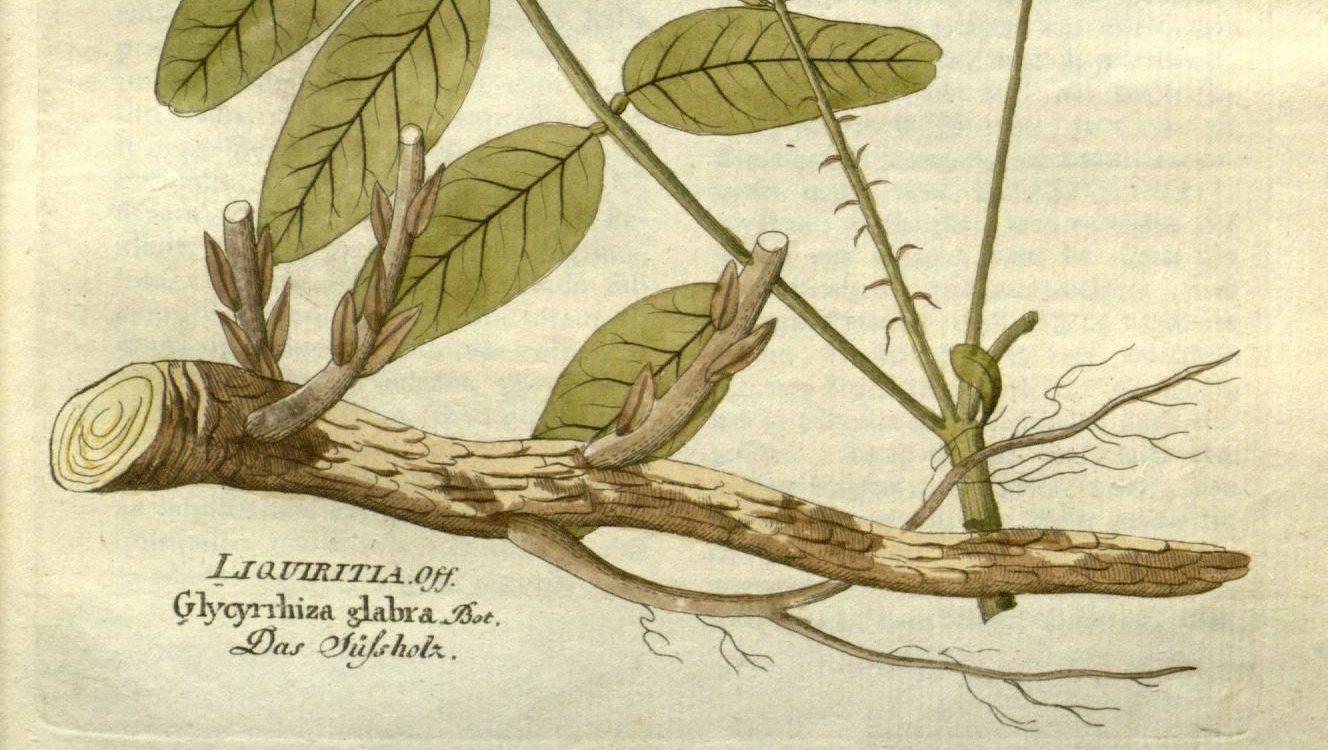
Liquorice
Glycyrrhiza glabra
Common & Folk Names
- Liquorice
- Licorice
- Sweet Root
- Liquorice Root
- Spanish Liquorice (for G. glabra)
- Chinese Liquorice (for G. uralensis)
Plant Family
Fabaceae (Formerly Leguminosae)
Geographic Location
Glycyrrhiza glabra is native to southern Europe and western Asia, from Spain and Italy east to Pakistan and Afghanistan. Found in Mediterranean regions, Middle East, and central Asia. Glycyrrhiza uralensis (Chinese liquorice) is native to northern China, Mongolia, and Russia. Both species prefer temperate to subtropical climates. Widely cultivated for commercial use, though challenging to grow in NZ.
Habitat
Naturally grows in subtropical grasslands, river valleys, and semi-arid regions with deep, rich soils. Prefers areas with underground water sources (deep taproots access water). Tolerates various soil types but requires good depth for extensive root system. Found from lowlands to moderate elevations.
Growing Conditions
Sun: Full sun required
Soil: Deep (at least 60-90cm), fertile, well-draining soil; pH 7.0-8.0 (neutral to slightly alkaline preferred); requires excellent drainage; deep taproot needs loose, friable soil
Propagation: Grow from root divisions or rhizome cuttings (most reliable); can grow from seed but germination is slow and erratic
Care: Water regularly but avoid waterlogging; requires minimal fertilisation once established; can spread via runners; harvest roots after 3-4 years minimum (longer is better)
NZ Planting Calendar
Propagation (divisions): Spring (September-October) when dormant growth begins
Planting: Spring (September-November)
Growth: Perennial; dies back in winter; re-emerges in spring; grows 90-150cm tall; fern-like compound leaves
Flowering: Summer (December-February in NZ) with small purple/white pea-like flowers
Harvest: Autumn of third or fourth year (March-May) when plant is dormant; roots harvested for medicine
Note: Challenging to grow in NZ—requires deep, well-draining soil and warm summers; best suited to drier regions (Hawke’s Bay, Marlborough, Canterbury, Central Otago); struggles in heavy clay or very wet areas; slow-growing (3-4 years minimum before harvest); most NZ herbalists purchase rather than grow; if attempting cultivation, ensure soil depth adequate for taproot development; beautiful ornamental foliage; nitrogen-fixing (benefits soil)
Harvesting Guidelines
PRACTICAL NOTE: Liquorice is difficult to grow successfully in NZ and requires years before harvest. Most herbalists purchase dried root from reputable suppliers rather than attempting cultivation.
If harvesting (professional/experienced growers only):
- Harvest roots in autumn of third or fourth year (older is better—more developed roots)
- Dig carefully to preserve long taproots (can extend 1 metre+ deep)
- Wash thoroughly to remove all soil
- Peel outer bark if desired (some preparations use peeled root, others use whole)
- Cut into manageable pieces while fresh (becomes extremely hard when dried)
- Dry in well-ventilated area at low temperature (not exceeding 40°C)
- Properly dried liquorice root is very hard, fibrous, yellow inside, and sweet-tasting
- Store dried root in airtight containers
Quality Considerations: High-quality liquorice root has:
- Sweet taste (indicates glycyrrhizin content)
- Bright yellow interior when cut
- Fibrous, woody texture
- No mould or deterioration
- Fresh, slightly sweet aroma
Parts Used
- Root and rhizomes (underground parts only—dried and used medicinally)
Constituents & their Actions
Liquorice’s therapeutic properties arise from triterpene saponins (particularly glycyrrhizin), flavonoids, and other compounds that provide anti-inflammatory, demulcent, expectorant, and hormonal effects.
Glycyrrhizin (Triterpene Saponin):
The primary active constituent, responsible for liquorice’s sweet taste and most therapeutic effects. Glycyrrhizin comprises 7-25% of dried root.
The main actions of glycyrrhizin are:
- Provide powerful anti-inflammatory effects (similar to corticosteroids)
- Demonstrate adrenal-supporting effects (prolongs cortisol activity)
- Create sweet taste (50 times sweeter than sugar)
- Support mucosal healing and protection
- IMPORTANT: Cause mineralocorticoid effects (sodium retention, potassium loss) with excessive use—responsible for liquorice’s side effects
Flavonoids (Including Liquiritin, Isoliquiritin, and Others):
Various plant compounds with multiple therapeutic effects.
The main actions of flavonoids are:
- Provide antioxidant protection
- Demonstrate antispasmodic effects (smooth muscle relaxation)
- Support anti-inflammatory actions
- Exhibit antimicrobial properties
- Contribute to overall therapeutic profile
Polysaccharides:
Complex carbohydrates contributing to demulcent and immune-modulating effects.
The main actions of polysaccharides are:
- Provide soothing, demulcent effects to mucous membranes
- Support immune function
- Contribute to mucosal healing
Chalcones and Other Compounds:
Including isoliquiritigenin and others with various activities.
The main actions of these compounds are:
- Demonstrate antimicrobial effects (particularly antiviral)
- Provide additional anti-inflammatory effects
- Support overall therapeutic actions
Actions with Mechanisms
Anti-inflammatory (Powerful): Liquorice provides potent anti-inflammatory effects comparable to corticosteroid medications. Glycyrrhizin inhibits the enzyme that breaks down cortisol (11β-hydroxysteroid dehydrogenase), which in turn prolongs cortisol’s anti-inflammatory action, reduces inflammatory mediators, and provides steroid-like effects without being a steroid. The mechanisms make liquorice valuable for inflammatory conditions including arthritis, inflammatory bowel disease, skin inflammation, and general inflammatory states. The anti-inflammatory effects are genuine and clinically significant but come with potential side effects (mineralocorticoid effects) that limit long-term use at high doses.
Demulcent and Mucosal Protectant: Liquorice soothes and protects mucous membranes throughout the body. The polysaccharides and glycyrrhizin coat irritated tissues, reduce inflammation, promote healing, and protect against further damage, which in turn benefits digestive tract inflammation (gastritis, ulcers), respiratory tract irritation (sore throats, coughs), and general mucosal health. The demulcent effects make liquorice particularly valuable for peptic ulcers, where it protects stomach lining, reduces inflammation, and supports healing. Research validates gastroprotective effects.
Expectorant: Liquorice thins mucus and promotes expectoration, making it valuable for productive coughs, bronchitis, and respiratory congestion. The mechanisms involve stimulation of respiratory secretions and saponin effects that thin mucus. The expectorant effects are gentle yet effective, particularly when combined with demulcent properties that soothe irritated airways simultaneously.
Adrenal Support: By prolonging cortisol’s activity, liquorice supports adrenal function and helps maintain cortisol levels. This makes liquorice valuable for adrenal fatigue, stress-related exhaustion, and conditions benefiting from cortisol support. However, this same mechanism causes side effects with excessive use (sodium retention, potassium loss, increased blood pressure). The adrenal-supporting effects require careful, moderate use.
Antiviral: Glycyrrhizin and other constituents demonstrate antiviral activity against various viruses including herpes viruses, hepatitis viruses, influenza, and others. The mechanisms involve interference with viral replication and enhanced immune response. Research shows particular promise for hepatitis C support (though requires professional supervision). The antiviral effects support use for viral infections, particularly respiratory viruses and herpes.
Gastroprotective and Antiulcer: Liquorice protects stomach lining, reduces ulcer formation, and supports healing of existing ulcers through multiple mechanisms. Glycyrrhizin increases protective mucus, reduces acid secretion, inhibits Helicobacter pylori (bacteria causing many ulcers), and provides anti-inflammatory effects. Deglycyrrhizinated liquorice (DGL—liquorice with glycyrrhizin removed) is specifically used for ulcer treatment without mineralocorticoid side effects. Both whole liquorice and DGL support digestive health.
Antimicrobial: Liquorice demonstrates antibacterial and antifungal activity against various pathogens. The mechanisms involve disruption of microbial membranes and interference with growth. The antimicrobial effects support use for infections, particularly digestive infections (H. pylori) and respiratory infections.
Oestrogenic (Mild): Liquorice demonstrates mild oestrogenic effects and may modulate hormones. The mechanisms involve interactions with oestrogen receptors and effects on sex hormone-binding globulin. These hormonal effects make liquorice potentially useful for menopausal symptoms but require caution in hormone-sensitive conditions.
Antitussive (Cough-Suppressing): Liquorice demonstrates cough-suppressing effects alongside expectorant properties. This seemingly contradictory action (promoting expectoration whilst reducing cough reflex) makes liquorice versatile for different cough types. The mechanisms involve soothing of irritated airways and effects on cough receptors.
Main Use
Liquorice is primarily used for digestive complaints, particularly peptic ulcers, gastritis, and acid reflux. The gastroprotective, anti-inflammatory, and demulcent effects protect stomach and intestinal lining, reduce inflammation, promote healing, and support overall digestive health. For peptic ulcers specifically, deglycyrrhizinated liquorice (DGL) is often preferred as it provides gastroprotective effects without mineralocorticoid side effects of whole liquorice. DGL tablets chewed before meals support ulcer healing and symptom relief. Whole liquorice also benefits ulcers but requires monitoring due to potential side effects with prolonged use.
For respiratory conditions including bronchitis, coughs (both productive and dry), sore throats, and general respiratory inflammation, liquorice’s expectorant, demulcent, anti-inflammatory, and antimicrobial effects provide comprehensive support. The soothing effects calm irritated airways, the expectorant properties help clear mucus, and anti-inflammatory effects reduce swelling and irritation. Liquorice is particularly valuable in cough syrups and respiratory formulas.
As adrenal support for stress-related exhaustion, adrenal fatigue, and conditions benefiting from cortisol enhancement, liquorice helps maintain energy and stress resilience. However, this application requires professional supervision due to potential side effects, and use should be short-term (typically several weeks to a few months, not indefinitely).
For inflammatory conditions including arthritis, inflammatory skin conditions, and general inflammation, liquorice’s powerful anti-inflammatory effects provide relief comparable to mild corticosteroids. The effects are genuine but require careful use to avoid mineralocorticoid side effects.
In viral infections, particularly hepatitis C and herpes viruses, liquorice’s antiviral effects provide support. Research on hepatitis C demonstrates benefits, though this requires professional medical supervision and is adjunctive to conventional treatment.
For menopausal symptoms, liquorice’s mild oestrogenic effects may provide some relief. However, evidence is limited and other herbs may be more appropriate for primary menopausal support.
In topical applications for skin conditions including eczema, psoriasis, and dermatitis, liquorice extracts provide anti-inflammatory and soothing effects. Commercial skin care products often include liquorice extract.
CRITICAL SAFETY NOTE: Whilst liquorice is valuable medicine, it carries significant potential for side effects with excessive or prolonged use. Most people can use liquorice safely in moderation (1-2 weeks to a few months at appropriate doses), but long-term high-dose use causes problems. Regular monitoring and professional guidance are essential for extended use.
Preparations
Decoction: Simmer 1-2 teaspoons (2-4g) of dried chopped root in 250ml water for 10-15 minutes; strain and drink. The decoction is sweet and pleasant-tasting. Drink 2-3 times daily. Traditional preparation for coughs and digestive issues.
Tincture (1:5, 40% alcohol): 2-4ml (40-80 drops), 2-3 times daily. Convenient for internal use.
Powder: 1-2g, 2-3 times daily. Can be taken in capsules or mixed with food/water.
Deglycyrrhizinated Liquorice (DGL): 400-500mg chewed tablets, 2-4 times daily, taken 20 minutes before meals and at bedtime for digestive issues. DGL removes glycyrrhizin (avoiding mineralocorticoid side effects) whilst preserving gastroprotective effects. Preferred for long-term ulcer treatment.
Liquorice Syrup (Commercial or Homemade): Traditional cough remedy. Make by preparing strong decoction, straining, and adding honey to create syrup. 1-2 teaspoons as needed for coughs.
In Herbal Formulas:
- Liquorice is frequently added to herbal formulas in small amounts (10-20% of formula) to:
- Add sweet flavour and improve palatability
- Harmonise and blend other herbs
- Provide anti-inflammatory effects
- Support respiratory and digestive actions
Commercial Products: Various liquorice products available including DGL tablets, liquorice tea, capsules, and extracts. Ensure products specify Glycyrrhiza glabra or G. uralensis and indicate glycyrrhizin content (or DGL for deglycyrrhizinated products).
Dosage
Short-term use (1-2 weeks to a few months):
- Dried Root (decoction): 2-4g, 2-3 times daily
- Tincture (1:5, 40% alcohol): 2-4ml (40-80 drops), 2-3 times daily
- Powder: 1-2g, 2-3 times daily
For longer-term use or high-risk individuals:
- DGL (Deglycyrrhizinated Liquorice): 400-500mg chewed tablets, 2-4 times daily
- Lower doses: 1-2g daily of whole liquorice (rather than 6-12g)
- Regular monitoring: Blood pressure, potassium levels
CRITICAL DOSING NOTES:
- Maximum safe duration with standard doses: typically 4-6 weeks
- For longer use, reduce dose or use DGL
- Monitor for side effects (see Safety section)
- Professional supervision recommended for extended use
- Some individuals are more sensitive—watch for early signs of side effects
Safety & Drug Interactions
CRITICAL SAFETY INFORMATION: Liquorice is safe for short-term use at appropriate doses but carries significant risk of serious side effects with excessive use or in susceptible individuals.
General Safety: Short-term use (1-2 weeks to a few months) at appropriate doses is generally safe for most people. Long-term use or high doses cause mineralocorticoid effects (pseudo-aldosteronism) leading to serious health problems.
Side Effects with Excessive Use: Mineralocorticoid Effects (Pseudo-Aldosteronism):
- Sodium retention (oedema/swelling, especially legs and ankles)
- Potassium depletion (hypokalaemia—can cause muscle weakness, fatigue, irregular heartbeat, potentially dangerous)
- Increased blood pressure (hypertension)
- Headache
- Water retention and weight gain
Other Side Effects:
- Reduced libido in men
- Erectile dysfunction
- Hormonal effects (with prolonged use)
- Muscle weakness
- Irregular heartbeat (from potassium depletion)
Contraindications (DO NOT USE):
- Hypertension (High Blood Pressure): Liquorice increases blood pressure—contraindicated
- Heart Disease: Risk of fluid retention, potassium depletion, irregular heartbeat
- Kidney Disease: Contraindicated due to effects on sodium/potassium balance
- Liver Cirrhosis: Contraindicated
- Hypokalaemia (Low Potassium): Liquorice further depletes potassium—dangerous
- Pregnancy: Contraindicated—associated with adverse pregnancy outcomes including preterm birth and developmental effects
- Lactation: Use cautiously or avoid
- Hormone-Sensitive Conditions (Breast Cancer, Endometriosis, Uterine Fibroids): Use cautiously due to oestrogenic effects; professional guidance essential
Drug Interactions (MAJOR):
- Diuretics (Especially Potassium-Depleting): Additive potassium depletion—DANGEROUS
- Blood Pressure Medications: Liquorice opposes antihypertensive effects
- Digoxin (Heart Medication): Potassium depletion increases toxicity risk—DANGEROUS
- Corticosteroids: Additive effects and increased side effects
- Oral Contraceptives: May increase side effects of both
- Warfarin: May affect anticoagulation
- MAO Inhibitors: Theoretical interaction
Who Should Avoid or Use Very Cautiously:
- Anyone with cardiovascular disease
- Anyone on medications (particularly those listed above)
- Elderly individuals (more susceptible to side effects)
- Anyone with fluid retention or oedema
- Anyone with electrolyte imbalances
Monitoring During Use: For extended use or higher doses:
- Monitor blood pressure regularly
- Monitor for oedema/swelling
- Consider checking potassium levels (blood test)
- Watch for muscle weakness, fatigue, headache
- Discontinue if side effects develop
Safe Use Guidelines:
- Use for SHORT periods (weeks to a few months, not indefinitely)
- Use MODERATE doses (2-4g daily, not 10-20g)
- MONITOR for side effects
- Consider DGL for long-term digestive use (removes glycyrrhizin)
- Professional supervision for extended use
- Discontinue 2 weeks before surgery
Special Note on Liquorice Lollies: Commercial liquorice lollies (particularly European-style black liquorice) contains real liquorice extract and can cause side effects if consumed in large quantities regularly. Cases of hospitalisation from excessive liquorice candy consumption are documented.
Scientific Evidence
Gastroprotective and Antiulcer Effects: Extensive research demonstrates liquorice’s benefits for peptic ulcers and gastritis. Studies show comparable effectiveness to some pharmaceutical treatments. The mechanisms (increased mucus, reduced acid, anti-inflammatory effects) are well-characterised. DGL specifically has good evidence for ulcer healing.
Anti-inflammatory Activity: Research validates powerful anti-inflammatory effects comparable to corticosteroids. The mechanisms (prolonging cortisol activity, reducing inflammatory mediators) are well-understood. Clinical studies demonstrate benefits for various inflammatory conditions.
Antiviral Effects: Research on hepatitis C shows benefits from glycyrrhizin, though this requires professional medical supervision. Studies on herpes viruses and other viral infections demonstrate antiviral activity. The mechanisms are partially characterised.
Respiratory Benefits: Traditional use for coughs and bronchitis is supported by understanding of demulcent and expectorant mechanisms, though high-quality clinical trials are limited.
Adrenal Support: The mechanism (prolonging cortisol activity) is well-established. Clinical application for adrenal fatigue is based on mechanistic understanding and traditional use rather than extensive clinical trials.
Safety and Side Effects: Well-documented in both traditional use and modern research. The mineralocorticoid effects are thoroughly characterised. Cases of serious side effects from excessive consumption are extensively documented, validating safety concerns.
Research Support: Liquorice has strong research support for mechanisms and certain applications (particularly ulcers, inflammation). The safety concerns are well-validated, making risk-benefit assessment clear.
Western Energetics
Temperature: Neutral to slightly cooling. Despite sweet taste (which can suggest warming), liquorice’s anti-inflammatory nature creates cooling effects that balance the sweet warmth.
Moisture: Moistening. The demulcent, sweet, mucilaginous nature provides significant moistening effects, benefiting dry conditions.
Tissue State: Particularly indicated for dryness, heat (inflammation), and irritation—conditions with inflamed, dry, irritated tissues. Liquorice soothes, moistens, and cools inflamed tissues whilst providing anti-inflammatory effects. Also valuable for atrophy (deficiency) when supporting adrenal function and building strength. Use cautiously in damp conditions (fluid retention, oedema) where liquorice’s moistening and sodium-retaining effects may aggravate.
Taste
Sweet: Intensely sweet—the dominant taste sensation (glycyrrhizin is 50x sweeter than sugar)
Slightly Bitter (Aftertaste): A subtle bitter quality follows the initial sweetness
Mucilaginous: A smooth, slightly thick, coating quality
The sweet taste is so pronounced it can be almost cloying. Most people find the taste pleasant, though the intensity can be overwhelming. The sweetness masks bitterness of other herbs in formulas, making liquorice a popular addition to improve palatability.
Plant Lore
Liquorice has been valued for thousands of years across many cultures. Ancient Egyptians used liquorice (found in King Tut’s tomb, suggesting high value). Ancient Greek and Roman physicians including Hippocrates, Theophrastus, and Dioscorides documented medicinal uses for respiratory and digestive complaints.
Traditional Chinese Medicine (TCM) has used Glycyrrhiza uralensis (gan cao) for over 2,000 years. TCM considers liquorice “the great harmoniser” and includes it in hundreds of formulas to blend herbs, reduce toxicity, and enhance effects. Liquorice is one of the most frequently used herbs in TCM.
In Ayurvedic medicine (India), liquorice (yashtimadhu) is valued for similar applications—respiratory, digestive, and as rejuvenating tonic.
Medieval European herbalism valued liquorice for coughs, digestive issues, and various ailments. Monasteries cultivated liquorice in physic gardens.
The name “liquorice” derives from Greek “glykyrrhiza” meaning “sweet root” (glykys = sweet, rhiza = root). The Latin botanical name preserves this etymology.
Liquorice cultivation became commercial enterprise in Europe, particularly Spain and Italy. Pontrefact in England became famous for liquorice cultivation and confectionery production.
Liquorice candy development occurred over centuries. The sweet taste made liquorice popular for confectionery. Dutch, Italian, and Scandinavian liquorice traditions developed distinctive products. Modern liquorice candy often contains little or no real liquorice (artificial flavouring instead), though traditional European black liquorice uses real extract.
The discovery of glycyrrhizin’s structure and mechanisms in the 20th century validated traditional use and explained both therapeutic effects and side effects.
Military use during World Wars included liquorice in rations for soldiers—the sweet taste, energy provision, and thirst-quenching effects made it valuable.
Different Glycyrrhiza species are used medicinally:
- G. glabra (Spanish/European liquorice) – most common in Western herbalism
- G. uralensis (Chinese liquorice) – used in TCM
- G. inflata – also used in TCM All have similar properties due to glycyrrhizin content.
Additional Information
Liquorice vs. Anise/Fennel: “Liquorice flavour” in modern candy often comes from anise or fennel (which taste similar) rather than real liquorice. True liquorice has distinctive sweet taste from glycyrrhizin. Anise and fennel are entirely different plants with different properties.
Deglycyrrhizinated Liquorice (DGL): DGL removes most glycyrrhizin (less than 3% remains), eliminating mineralocorticoid side effects whilst preserving gastroprotective effects. This makes DGL suitable for long-term ulcer treatment. DGL tablets should be chewed (not swallowed whole) to coat stomach lining before meals.
Why Liquorice Causes Side Effects: Glycyrrhizin mimics aldosterone (hormone regulating sodium/potassium). This causes sodium retention, potassium loss, and increased blood pressure. In small amounts or short-term, most people tolerate this fine. With excessive use, serious problems develop. Understanding this mechanism explains both benefits (cortisol prolongation) and risks (mineralocorticoid effects).
How Much Is Too Much?:
- Short-term (1-2 weeks): Up to 6-12g root daily generally safe for most people
- Medium-term (several weeks to few months): 2-4g daily safer
- Long-term: Use DGL or avoid; if using whole liquorice, very small amounts (1-2g daily) with monitoring
Individual tolerance varies—some people develop side effects with small amounts, others tolerate more.
Liquorice in Herbal Formulas: Traditional herbalism includes liquorice in formulas (typically 10-20% of blend) to:
- Improve taste (masks bitterness)
- Harmonise other herbs
- Enhance anti-inflammatory effects
- Support respiratory and digestive actions
This “formula use” in small amounts is generally safe even for extended periods.
Liquorice and Potassium: The potassium depletion from liquorice can be dangerous, particularly for people on diuretics or with heart conditions. Hypokalaemia causes muscle weakness, fatigue, and irregular heartbeat. Severe hypokalaemia can be life-threatening.
Who Can Safely Use Liquorice Long-Term?: Most people should NOT use therapeutic doses of whole liquorice long-term. For extended use:
- Use DGL instead
- Use very small amounts in herbal formulas
- Use only under professional supervision with monitoring
Liquorice Lollies Incidents: Medical literature documents cases of people hospitalised from excessive liquorice lollies consumption:
- Eating 1-2 bags daily for weeks
- Developing severe hypertension, hypokalaemia, heart rhythm problems
- Full recovery after stopping liquorice These cases validate safety concerns.
Growing Liquorice in NZ (Challenges):
- Requires very deep soil (taproot goes 1+ metres)
- Slow-growing (3-4+ years to harvest)
- Challenging in heavy clay or wet areas
- Better to purchase than grow for most people
- If attempting, choose warm, dry region and prepare deep beds
Cost and Availability:
- Dried liquorice root widely available from herbal suppliers
- DGL tablets available from health shops and pharmacies
- Liquorice tea commercially available
- Quality varies—choose reputable suppliers specifying species and glycyrrhizin content
Liquorice in Modern Medicine:
- Carbenoxolone (semi-synthetic derivative of glycyrrhizin) was pharmaceutical ulcer medication (now rarely used)
- Glycyrrhizin researched for various conditions including hepatitis, cancer
- Topical liquorice extracts in cosmetics for anti-inflammatory and skin-lightening effects
The Liquorice Paradox: Liquorice is simultaneously:
- Highly valuable therapeutically
- Potentially dangerous with misuse
- Sweet and pleasant-tasting
- Requiring careful, educated use
This paradox makes professional guidance particularly valuable.
Sources
Bone, K., & Mills, S. (2013). Principles and Practice of Phytotherapy: Modern Herbal Medicine (2nd ed.). Churchill Livingstone.
Mills, S., & Bone, K. (2005). The Essential Guide to Herbal Safety. Elsevier.
Asl, M. N., & Hosseinzadeh, H. (2008). Review of pharmacological effects of Glycyrrhiza sp. and its bioactive compounds. Phytotherapy Research, 22(6), 709-724.
Fiore, C., Eisenhut, M., Krausse, R., Ragazzi, E., Pellati, D., Armanini, D., & Bielenberg, J. (2008). Antiviral effects of Glycyrrhiza species. Phytotherapy Research, 22(2), 141-148.
Isbrucker, R. A., & Burdock, G. A. (2006). Risk and safety assessment on the consumption of licorice root (Glycyrrhiza sp.), its extract and powder as a food ingredient, with emphasis on the pharmacology and toxicology of glycyrrhizin. Regulatory Toxicology and Pharmacology, 46(3), 167-192.
Stormer, F. C., Reistad, R., & Alexander, J. (1993). Glycyrrhizic acid in liquorice—evaluation of health hazard. Food and Chemical Toxicology, 31(4), 303-312.
Morgan, A. G., McAdam, W. A., Pacsoo, C., & Darnborough, A. (1982). Comparison between cimetidine and Caved-S in the treatment of gastric ulceration, and subsequent maintenance therapy. Gut, 23(6), 545-551.
Kassir, Z. A. (1985). Endoscopic controlled trial of four drug regimens in the treatment of chronic duodenal ulceration. Irish Medical Journal, 78(6), 153-156.
Aly, A. M., Al-Alousi, L., & Salem, H. A. (2005). Licorice: A possible anti-inflammatory and anti-ulcer drug. AAPS PharmSciTech, 6(1), E74-E82.
Omar, H. R., Komarova, I., El-Ghonemi, M., Fathy, A., Rashad, R., Abdelmalak, H. D., Yerramadha, M. R., Ali, Y., Helal, E., & Camporesi, E. M. (2012). Licorice abuse: Time to send a warning message. Therapeutic Advances in Endocrinology and Metabolism, 3(4), 125-138.
Sigurjónsdóttir, H. A., Franzson, L., Manhem, K., Ragnarsson, J., Sigurdsson, G., & Wallerstedt, S. (2001). Liquorice-induced rise in blood pressure: A linear dose-response relationship. Journal of Human Hypertension, 15(8), 549-552.
Størmer, F. C., Reistad, R., & Alexander, J. (1993). Glycyrrhizic acid in liquorice—evaluation of health hazard. Food and Chemical Toxicology, 31(4), 303-312.
Disclaimer: This monograph is for educational purposes only and is not medical advice. Please consult with a qualified healthcare practitioner before using any herbal remedy, especially if you are pregnant, nursing, taking medication, or have a known medical condition.
CRITICAL SAFETY WARNING: Liquorice can cause serious side effects including high blood pressure, potassium depletion, fluid retention, and dangerous interactions with medications. Do NOT use liquorice if you have high blood pressure, heart disease, kidney disease, liver disease, low potassium, or are pregnant. Do NOT use long-term without professional supervision. Monitor blood pressure and potassium during use. Inform all healthcare providers if using liquorice. Excessive use can cause serious, potentially life-threatening complications. Use only short-term at appropriate doses unless using DGL (deglycyrrhizinated liquorice) for digestive issues.