
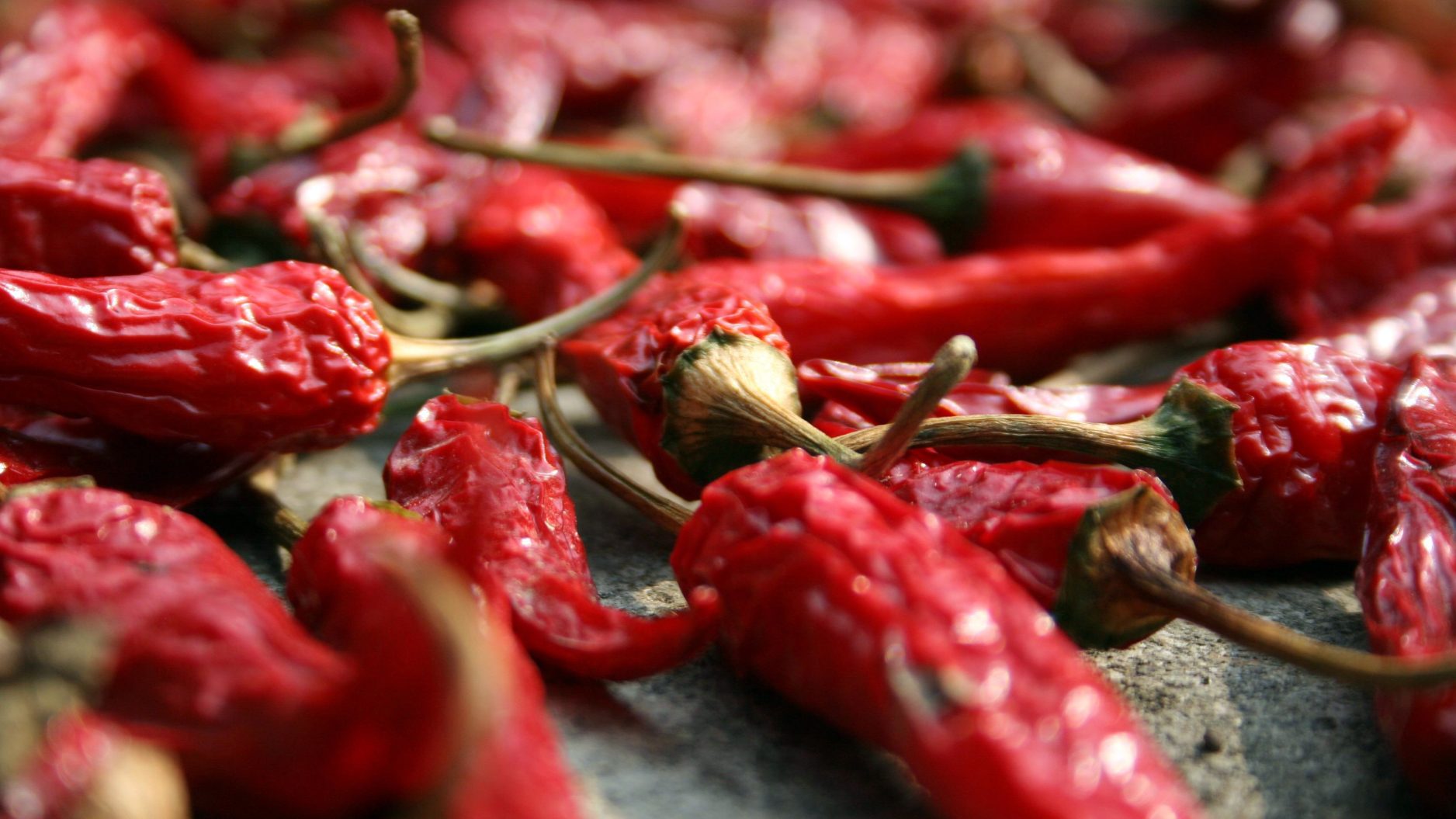
Cayenne
Capsicum annuum (and related Capsicum species)
Common & Folk Names
- Cayenne Pepper
- Chilli Pepper
- Red Pepper
- Hot Pepper
- Bird Pepper
- African Pepper
Plant Family
Solanaceae
Geographic Location
Native to Central and South America, particularly Mexico and the Amazon region. Now cultivated worldwide in warm climates for culinary and medicinal use. Thrives in tropical and subtropical regions with warm temperatures and adequate sunlight. Widely grown in NZ as both ornamental and food crop.
Habitat
As a cultivated crop, cayenne grows in gardens and agricultural settings rather than wild habitats. Prefers warm, sunny conditions with well-draining soil. In native range, wild species grow in tropical and subtropical forests and clearings.
Growing Conditions
Sun: Full sun required; needs at least 6-8 hours direct sunlight daily
Soil: Well-draining, fertile soil rich in organic matter; pH 6.0-7.0 (slightly acidic to neutral); consistent moisture but good drainage essential
Propagation: Grow from seed started indoors 8-10 weeks before last frost; requires warmth to germinate (21-29°C optimal)
Care: Water regularly; fertilise during growing season; stake plants if needed; protect from frost (very frost-sensitive); can be grown in containers; harvest peppers when red and fully ripe
NZ Planting Calendar
Sowing (seed): Late winter to early spring indoors (July-September); sow in seed trays or pots in warm location
Transplanting: After last frost when soil has warmed (October-November); harden off seedlings before planting out
Planting: Spring (October-November) once all frost risk has passed and soil temperature above 15°C
Growth: Warm-season annual (perennial in frost-free climates); grows 30-90cm tall depending on variety; attractive ornamental with white flowers and colourful fruits
Flowering: Summer (December-February) with small white flowers
Fruiting: Late summer to autumn (February-May); peppers ripen from green to red
Harvest: When peppers are fully red and ripe (higher capsaicin content when mature); cut from plant with scissors
Note: Grows well in warmer NZ regions (Northland, Auckland, Bay of Plenty, Hawke’s Bay); struggles in cool southern regions unless grown in greenhouse or polytunnel; excellent container plant for patios; can be overwintered indoors in pots in cooler regions; ornamental varieties make attractive garden plants; requires consistent warmth for good production; frost will kill plants
Harvesting Guidelines
Peppers: Harvest when fully mature and red (highest capsaicin content). Green peppers are immature and have less heat and medicinal potency. Cut peppers from plant with scissors or sharp knife, leaving short stem attached. Handle carefully—the capsaicin in peppers can irritate skin and eyes. Consider wearing gloves when harvesting and processing large quantities. Use fresh or dry for storage.
Drying: Thread whole peppers on string and hang in warm, dry, well-ventilated area, or use dehydrator at low temperature (50-60°C). Peppers can also be dried whole in sun in warm climates. Properly dried cayenne peppers are hard, brittle, and retain bright red colour. Store whole dried peppers or grind into powder. Store in airtight containers away from light and moisture.
Quality Indicators: High-quality cayenne has:
- Bright red colour (not brown or faded)
- Strong, pungent heat
- Fresh, aromatic scent
- No mould or moisture
Safety During Handling: Capsaicin causes burning sensation. Wash hands thoroughly after handling. Avoid touching face, especially eyes. If capsaicin gets in eyes, flush with milk or oil (water doesn’t help). Use gloves when processing large amounts.
Parts Used
- Fruit (peppers – the only part used medicinally)
- Typically used dried and powdered
Constituents & their Actions
Cayenne’s therapeutic properties arise primarily from capsaicinoids, particularly capsaicin, which provide powerful pain-relieving, circulatory-stimulating, and metabolic effects.
Capsaicinoids (Capsaicin and Related Compounds):
The compounds responsible for cayenne’s heat and most therapeutic effects. Capsaicin is the primary capsaicinoid.
The main actions of capsaicinoids are:
- Provide powerful pain-relieving effects (topically through substance P depletion)
- Create intense heat sensation
- Stimulate circulation dramatically
- Increase metabolic rate
- Demonstrate antimicrobial properties
- Support digestive function
- Note: Heat level correlates with capsaicin content—hotter peppers are more medicinally potent
Carotenoids (Including Capsanthin):
Red pigments providing colour and antioxidant effects.
The main actions of carotenoids are:
- Provide powerful antioxidant protection
- Support cardiovascular health
- Contribute to anti-inflammatory effects
- Support immune function
Vitamins:
Rich in vitamins, particularly vitamin C, vitamin A (as carotenoids), and B vitamins.
The main actions of vitamins are:
- Support immune function (vitamin C)
- Provide antioxidant protection
- Support metabolism and energy
- Contribute to overall health
Flavonoids:
Various plant compounds with antioxidant properties.
The main actions of flavonoids are:
- Provide additional antioxidant effects
- Support cardiovascular health
- Contribute to anti-inflammatory properties
Actions with Mechanisms
Circulatory Stimulant (Powerful): Cayenne is one of the most powerful circulatory stimulants in herbal medicine. Capsaicin triggers vasodilation (widening of blood vessels), which in turn dramatically increases blood flow to peripheral tissues, warms extremities, and enhances circulation throughout the body. The mechanisms involve capsaicin binding to TRPV1 receptors (pain and heat receptors) on blood vessel walls and nerve endings, triggering release of calcitonin gene-related peptide (CGRP) which causes vasodilation. The circulatory effects are immediate and pronounced—warmth spreads through the body within minutes of consumption. These effects make cayenne valuable for poor circulation, cold hands and feet, Raynaud’s phenomenon, and conditions benefiting from enhanced blood flow. The cardiovascular stimulation also supports heart health, reduces blood pressure over time, and may help prevent blood clots.
Analgesic (Pain Relief – Topical): Topically applied capsaicin provides powerful pain relief through a unique mechanism. Initially, capsaicin activates pain receptors, creating burning sensation. However, with repeated application, capsaicin depletes substance P (a neurotransmitter that transmits pain signals) from nerve endings, which in turn reduces pain sensitivity and provides lasting pain relief. This “defunctionalisation” of pain nerves makes topical cayenne/capsaicin exceptionally effective for chronic pain conditions including arthritis, neuropathic pain (nerve pain), post-herpetic neuralgia (shingles pain), and muscle pain. The effects develop over days to weeks of consistent application. Research extensively validates topical capsaicin for pain management, with pharmaceutical capsaicin creams available. The initial burning sensation (which decreases with repeated use) can be intense but is followed by significant pain relief.
Metabolic Stimulant and Thermogenic: Cayenne increases metabolic rate and heat production (thermogenesis). Capsaicin activates brown adipose tissue (brown fat that burns calories to produce heat), increases energy expenditure, and enhances fat oxidation, which in turn supports weight management, increases calorie burning, and generates body heat. Research demonstrates measurable increases in metabolic rate after cayenne consumption. The thermogenic effects explain the warming sensation and sweating that follow eating spicy food. These metabolic effects make cayenne useful for supporting weight loss (modest effect), increasing energy, and warming cold constitutions.
Digestive Stimulant: Despite causing burning sensation in mouth, cayenne actually supports digestive health. The capsaicin stimulates digestive secretions (saliva, gastric acid, digestive enzymes), enhances gastric motility, and increases blood flow to digestive organs, which in turn improves digestive capacity, enhances nutrient absorption, and supports overall digestive function. Contrary to popular belief, cayenne does not cause ulcers—research shows capsaicin may actually protect against ulcer formation by increasing protective mucus production and blood flow to stomach lining. The digestive-stimulating effects make cayenne valuable for weak digestion, poor appetite (in deficiency states), and sluggish digestive function.
Antimicrobial: Capsaicin and other constituents demonstrate antimicrobial activity against various bacteria, fungi, and parasites. The mechanisms involve disrupting microbial cell membranes and interfering with metabolism. Traditional use includes cayenne for food preservation (antimicrobial effects prevent spoilage) and infections. The antimicrobial properties support use for digestive infections and may contribute to overall immune support.
Anti-inflammatory and Antioxidant: Despite the initial inflammatory sensation (heat, burning), cayenne provides anti-inflammatory effects through multiple mechanisms. Capsaicin modulates inflammatory pathways, whilst carotenoids and flavonoids provide antioxidant protection. Research demonstrates reduced inflammatory markers with regular cayenne consumption. The anti-inflammatory effects benefit arthritis, cardiovascular disease, and general inflammatory states.
Cardiovascular Support: Multiple mechanisms support heart health. The circulatory stimulation improves blood flow, capsaicin may help prevent blood clots (mild antiplatelet effects), regular consumption supports healthy blood pressure, and antioxidants protect cardiovascular tissues. Research shows cardiovascular benefits from regular dietary cayenne consumption. Traditional use includes cayenne for heart attacks and strokes (as first aid circulatory stimulant), though this requires professional context.
Counterirritant (Topical): The intense heat sensation cayenne creates when applied topically acts as counterirritant—creating strong sensory stimulation that overrides other pain signals and increases blood flow to treated area. This makes cayenne useful in liniments and warming topical preparations for muscle pain, arthritis, and injuries.
Main Use
Cayenne is primarily used topically as a powerful pain reliever for chronic pain conditions. Capsaicin creams (0.025-0.075% capsaicin) applied to painful areas provide significant relief for arthritis (osteoarthritis and rheumatoid arthritis), neuropathic pain (diabetic neuropathy, post-herpetic neuralgia), muscle pain, and chronic pain syndromes. The effects develop over several days to 2 weeks of consistent application (typically 3-4 times daily). Initial burning sensation (which most people find tolerable) decreases with continued use whilst pain relief increases. Topical capsaicin is one of the most well-researched and effective topical pain treatments available.
CRITICAL: Never apply to broken skin, mucous membranes, or near eyes. Wash hands thoroughly after application.
Internally, cayenne serves as powerful circulatory stimulant for poor circulation, cold extremities, and Raynaud’s phenomenon. Small amounts taken regularly (in food or capsules) dramatically improve peripheral circulation, warm cold hands and feet, and support overall cardiovascular health. The effects are immediate (warmth within minutes) and cumulative with regular use.
For cardiovascular support and prevention, regular dietary inclusion of cayenne (in food or capsules) supports heart health through multiple mechanisms—improved circulation, reduced blood pressure, antiplatelet effects, and antioxidant protection. Research supports cardiovascular benefits from regular consumption. The effects are preventative and long-term rather than immediate treatment.
As metabolic stimulant, cayenne modestly supports weight management by increasing calorie burning, enhancing fat oxidation, and potentially reducing appetite (evidence mixed). The effects are small but meaningful when combined with healthy diet and exercise. Cayenne is not a “weight loss miracle” but provides genuine metabolic support.
For digestive support, small amounts of cayenne stimulate digestive function, increase enzyme production, and support overall digestive health. Traditional use includes cayenne for weak digestion and poor appetite. Modern research validates protective effects on stomach lining despite the burning sensation.
In herbal first aid, cayenne has traditional use for stopping bleeding (applied topically to wounds—the styptic effects help clot blood) and as emergency circulatory stimulant for shock or heart attack (small amount in water). These applications require knowledge and appropriate context.
NEVER apply cayenne to eyes or sensitive tissues. For serious medical emergencies, call emergency services.
The warming, stimulating nature makes cayenne valuable in cold climates, for cold constitutional types, and during winter. The heat-generating effects provide genuine physiological warmth beyond just taste sensation.
Preparations
CRITICAL SAFETY NOTE: Cayenne is intensely hot. Start with very small amounts and increase gradually. Never apply to broken skin, eyes, or mucous membranes. Keep away from children.
Powder (Culinary/Internal Use): Start with 1/8 to 1/4 teaspoon of cayenne powder in food or water, 1-3 times daily. Gradually increase if tolerated. Can be taken in capsules to avoid taste (fill “00” capsules with powder). For circulatory support, work up to 1/2 to 1 teaspoon daily divided into doses.
Tincture (1:10, 70% alcohol): 0.5-1ml (10-20 drops) in water, 1-3 times daily. Very hot—dilute well. Used for circulatory support and digestive stimulation.
Topical Cream (Capsaicin 0.025-0.075%): Commercial capsaicin creams available from pharmacies. Apply thin layer to painful areas 3-4 times daily. Wash hands thoroughly after application. Initial burning decreases with continued use.
NEVER apply to broken skin or near eyes.
Topical Oil/Liniment (Homemade): Infuse dried cayenne powder in oil (olive, coconut) for several weeks; strain and apply to sore muscles and joints. Start with small amount of cayenne (1 tablespoon per cup of oil) to avoid excessive heat. Test small area first. Wash hands after use.
Cayenne “Tea” (Circulatory Stimulant): 1/4 to 1/2 teaspoon cayenne powder in cup of hot water with honey and lemon. Sip slowly. Very hot but effective for circulation and warming. Traditional cold remedy.
In Food: The simplest, safest way to use cayenne medicinally is regular inclusion in cooking. Add to soups, stews, curries, and other dishes according to taste tolerance.
Dosage
Internal Use:
- Powder: Start with 1/8 teaspoon, gradually increase to 1/4 to 1 teaspoon daily divided into 2-3 doses
- Capsules: 500-1000mg (approximately 1/4 to 1/2 teaspoon powder per capsule), 1-3 times daily
- Tincture: 0.5-1ml (10-20 drops) in water, 1-3 times daily
Topical Use:
- Commercial Capsaicin Cream (0.025-0.075%): Apply thin layer to affected areas 3-4 times daily
- Homemade Cayenne Oil: Apply small amount to sore areas 2-3 times daily
- Duration: Apply consistently for at least 1-2 weeks for pain relief effects to develop fully
IMPORTANT NOTES:
- Start LOW and increase SLOWLY—cayenne is very hot
- Effects are dose-dependent—more cayenne = more effect (and more heat)
- Capsules avoid taste but still provide systemic effects
- ALWAYS wash hands after handling cayenne
- Keep away from eyes, nose, and sensitive areas
- If capsaicin gets in eyes, flush with milk or oil (water doesn’t help)
Safety & Drug Interactions
Cayenne has a good safety profile when used appropriately, though the intense heat requires caution.
General Safety: Generally safe for most people when used in culinary amounts or appropriate medicinal doses. The self-limiting heat prevents most people from consuming dangerous amounts.
Side Effects: Generally well-tolerated. Possible effects include:
- Burning sensation (mouth, throat, stomach)—this is expected but should be tolerable
- Digestive upset (heartburn, stomach pain) with large amounts or in sensitive individuals
- Skin irritation with topical use (expected initial burning; excessive burning indicates too strong application)
- Sweating (this is a therapeutic effect, not side effect)
- Allergic reactions (rare)
Contraindications:
- Active Gastric or Duodenal Ulcers: Avoid internal use until healed (though research suggests cayenne may actually help prevent ulcers)
- GERD (Severe Acid Reflux): May worsen symptoms; use cautiously or avoid
- Inflammatory Bowel Disease (Active Flare): The irritating effects may worsen symptoms; avoid during flares
- Haemorrhoids (Inflamed): Avoid—will cause intense burning
- Pregnancy and Lactation: Culinary amounts safe; large medicinal doses should be avoided due to stimulating effects
- Children Under 2 Years: Avoid medicinal use; small culinary amounts in culturally appropriate foods are fine for older children
Drug Interactions:
- Blood Thinners (Warfarin, Aspirin, etc.): Cayenne has mild antiplatelet effects; use cautiously if combining; may increase bleeding risk
- ACE Inhibitors (Blood Pressure Medications): May increase cough side effect of these medications
- Theophylline (Asthma Medication): May increase absorption; professional monitoring recommended
- Diabetes Medications: May affect blood sugar; monitor if combining
- Stomach Acid Reducers (H2 Blockers, Proton Pump Inhibitors): Working at cross-purposes; cayenne increases acid, these reduce it
Topical Safety (CRITICAL):
- NEVER apply to broken skin, wounds, or abraded areas
- NEVER apply near eyes, nose, mouth, or genitals
- NEVER apply to children’s skin
- Always wash hands thoroughly after application
- Test small area first to assess tolerance
- If excessive burning occurs, wipe off with oil (not water)
- If capsaicin gets in eyes, flush with milk or oil, not water
Other Considerations:
- Start with very small amounts and increase gradually
- The heat indicates potency—if it’s not hot, it’s not working
- Some individuals are very sensitive; others quite tolerant
- Building tolerance is possible with gradual, consistent use
- Fresh cayenne peppers are significantly hotter than dried powder
Scientific Evidence
Topical Capsaicin for Pain: Extensive research validates topical capsaicin (0.025-0.075% creams) for chronic pain. Multiple randomised controlled trials and systematic reviews demonstrate effectiveness for osteoarthritis, neuropathic pain, and other chronic pain conditions. The substance P depletion mechanism is well-characterised. Pharmaceutical capsaicin products are widely available and recommended.
Circulatory Effects: Research demonstrates capsaicin’s effects on blood vessels, including vasodilation and improved blood flow. Clinical studies show benefits for peripheral circulation. The mechanisms are well-understood.
Metabolic Effects: Studies demonstrate increased metabolic rate, enhanced thermogenesis, and modest effects on weight management with regular cayenne consumption. The effects are measurable but modest.
Cardiovascular Benefits: Research shows regular capsaicin consumption supports healthy blood pressure, improves lipid profiles, and provides cardiovascular protection through multiple mechanisms. Population studies suggest cardiovascular benefits from spicy food consumption.
Digestive Effects: Research validates protective effects on stomach lining and demonstrates that capsaicin doesn’t cause ulcers as once believed. Studies show increased protective mucus and blood flow to stomach.
Anti-inflammatory and Antioxidant: Extensive research on capsaicinoids and carotenoids demonstrates anti-inflammatory and antioxidant effects in various models.
Safety: Long history of culinary use across many cultures demonstrates safety. Modern safety studies support appropriate use with noted cautions.
Research Support: Cayenne has strong research support, particularly for topical pain relief. The mechanisms are well-characterised and therapeutic effects are validated by quality studies.
Western Energetics
Temperature: Intensely hot/warming. Cayenne is one of the hottest herbs in the materia medica. The powerful warming effects address cold conditions whilst being too hot for already hot conditions.
Moisture: Neutral to slightly drying. The heat creates sweating (which can dry) but doesn’t strongly affect tissue moisture otherwise.
Tissue State: Particularly indicated for cold and atrophy/depression (deficiency)—conditions with poor circulation, coldness, weakness, and deficient function. Cayenne powerfully warms cold conditions, stimulates weak function, and moves stagnation. The stimulating nature also addresses stagnation when poor circulation creates blockage. Contraindicated for heat and excitation—cayenne will worsen hot, inflammatory, overstimulated conditions.
Taste
Intensely Hot/Pungent: Overwhelming burning heat dominates the taste experience
Slightly Sweet (Initially): A subtle sweetness may be detected before the heat builds
Burning/Fiery: Creates literal burning sensation that intensifies and lingers
Aromatic: A characteristic pepper aroma accompanies the heat
The taste is so intensely hot that it overshadows other qualities. The heat is cumulative and builds with continued exposure.
Plant Lore
Cayenne and other chilli peppers have been used for thousands of years by indigenous peoples of Central and South America. Archaeological evidence shows chilli cultivation dating back at least 6,000 years. The peppers were essential to Aztec, Mayan, and other Mesoamerican cultures both as food and medicine.
Christopher Columbus encountered chilli peppers in the Caribbean in 1492, initially calling them “pepper” because the pungency reminded him of black pepper (though the plants are completely unrelated). Spanish and Portuguese explorers spread chilli peppers globally, and within a century, they had reached Asia, Africa, and Europe.
Different cultures adopted chillies enthusiastically, integrating them into traditional cuisines and medicines. Indian, Thai, Chinese, Korean, and many other cuisines now feature chillies prominently, though the plants are relatively recent arrivals in these regions (post-1500s).
In Ayurvedic medicine (after introduction to India), chillies were recognised as heating, stimulating, and digestive. Traditional Chinese Medicine similarly categorised them as hot and yang-promoting.
The naming is complex—”cayenne” specifically refers to Capsicum annuum var. cayenne from Cayenne, French Guiana, though the term is now used for various hot pepper powders. Different varieties and species of Capsicum exist (jalapeño, habanero, bird’s eye, etc.), all with similar but varying properties.
The Scoville scale, developed in 1912 by Wilbur Scoville, measures chilli heat based on capsaicin content. Cayenne peppers typically rate 30,000-50,000 Scoville Heat Units (SHU), whilst mild peppers like bell peppers are 0 SHU and extremely hot varieties like Carolina Reaper exceed 2,000,000 SHU.
Traditional herbalism across cultures used cayenne/chillies for circulation, digestion, pain relief, and warming. The applications are remarkably consistent despite independent discoveries.
The modern discovery of capsaicin’s mechanism (substance P depletion for pain relief) led to pharmaceutical capsaicin products, validating traditional topical use for pain.
Samuel Thomson, founder of Thomsonian medicine (American botanical medical movement, early 1800s), championed cayenne as supreme medicine, using it extensively for all conditions. Whilst his enthusiasm was excessive, his recognition of cayenne’s powerful stimulating effects influenced American herbalism.
Various folk remedies and traditions include cayenne for colds, flu, sore throats (gargle), stopping bleeding (topical), heart attacks (emergency), and numerous other applications. Some applications have merit; others are folkloric.
Additional Information
Heat Levels and Medicinal Potency: The heat level directly correlates with capsaicin content and thus medicinal potency. Hotter peppers are more medicinally active. However, more heat isn’t always better—excessively hot varieties may be intolerable for many applications. Cayenne peppers provide good balance of potency and usability.
Building Tolerance: Regular consumption builds tolerance to heat. What initially seems unbearably hot becomes manageable with consistent, gradual exposure. This is useful for using cayenne medicinally—start small, increase gradually, and tolerance develops.
Capsaicin Extraction Methods:
- Alcohol: Efficiently extracts capsaicin (tinctures, liniments)
- Oil: Extracts capsaicin for topical applications (infused oils, salves)
- Water: Poorly extracts capsaicin (cayenne “tea” is weak extraction but still provides some effect)
Why Capsaicin Burns (And How to Stop It): Capsaicin binds to TRPV1 receptors (heat and pain receptors), creating burning sensation even though no actual tissue damage occurs (unless concentration is extreme). Water doesn’t help because capsaicin is lipophilic (fat-soluble). Use:
- Milk (fat and casein protein bind capsaicin)
- Oil (dissolves capsaicin)
- Bread (absorbs and removes capsaicin)
- Sugar (helps neutralise burning)
Commercial Capsaicin Products: Various OTC (over the counter) products available:
- Capsaicin creams (0.025-0.075%) for pain relief
- High-concentration capsaicin patches (8%) for professional application
- Capsaicin in muscle rubs and sports creams These validate medicinal use and provide standardised dosing.
Growing Cayenne in NZ:
- Best in warm northern regions
- Requires warm soil (wait until October-November)
- Excellent container plant for sunny decks/patios
- Can be overwintered indoors in pots in cooler regions
- Ornamental varieties beautiful and medicinal
Cayenne in Traditional Herbal Formulas: Often combined with:
- Cayenne + Ginger (circulation, warming)
- Cayenne + Hawthorn (cardiovascular support)
- Cayenne + Garlic (cardiovascular and immune support)
- Cayenne + Turmeric (anti-inflammatory)
The “warming” herbs often work synergistically.
Cayenne for Heart Attacks (Traditional Use—Context Needed): Traditional herbalism includes cayenne for heart attacks—1 teaspoon in water given to patient. The circulatory stimulation theoretically supports heart function. CRITICAL: This should NEVER replace emergency medical care. Always call 111 for heart attack symptoms. Cayenne may be used alongside (not instead of) emergency services whilst waiting for help, but professional medical treatment is essential.
Why Cayenne Doesn’t Cause Ulcers (Despite Burning): Early beliefs suggested spicy food caused ulcers. Research now shows capsaicin actually protects stomach lining by increasing protective mucus and blood flow. The burning sensation is sensory (pain receptors) not damage. Helicobacter pylori bacteria and NSAIDs cause most ulcers, not cayenne.
Cultural Variations in Heat Tolerance: Populations with long history of chilli consumption have higher tolerance than those without. This is partly physiological adaptation and partly cultural acceptance of heat. What’s “unbearably hot” to one person is “pleasantly spicy” to another.
Sources
Bone, K., & Mills, S. (2013). Principles and Practice of Phytotherapy: Modern Herbal Medicine (2nd ed.). Churchill Livingstone.
Mills, S., & Bone, K. (2005). The Essential Guide to Herbal Safety. Elsevier.
Derry, S., & Moore, R. A. (2012). Topical capsaicin (low concentration) for chronic neuropathic pain in adults. Cochrane Database of Systematic Reviews, 2012(9), CD010111.
Mason, L., Moore, R. A., Derry, S., Edwards, J. E., & McQuay, H. J. (2004). Systematic review of topical capsaicin for the treatment of chronic pain. BMJ, 328(7446), 991.
Whiting, S., Derbyshire, E., & Tiwari, B. K. (2012). Capsaicinoids and capsinoids. A potential role for weight management? A systematic review of the evidence. Appetite, 59(2), 341-348.
Lv, J., Qi, L., Yu, C., Yang, L., Guo, Y., Chen, Y., Bian, Z., Sun, D., Du, J., Ge, P., Tang, Z., Hou, W., Li, Y., Chen, J., Chen, Z., & Li, L. (2015). Consumption of spicy foods and total and cause specific mortality: Population based cohort study. BMJ, 351, h3942.
McCarty, M. F., DiNicolantonio, J. J., & O’Keefe, J. H. (2015). Capsaicin may have important potential for promoting vascular and metabolic health. Open Heart, 2(1), e000262.
Srinivasan, K. (2016). Biological activities of red pepper (Capsicum annuum) and its pungent principle capsaicin: A review. Critical Reviews in Food Science and Nutrition, 56(9), 1488-1500.
Chaiyasit, K., Khovidhunkit, W., & Wittayalertpanya, S. (2009). Pharmacokinetic and the effect of capsaicin in Capsicum frutescens on decreasing plasma glucose level. Journal of the Medical Association of Thailand, 92(1), 108-113.
Jones, N. L., Shabib, S., & Sherman, P. M. (1997). Capsaicin as an inhibitor of the growth of the gastric pathogen Helicobacter pylori. FEMS Microbiology Letters, 146(2), 223-227.
Knotkova, H., Pappagallo, M., & Szallasi, A. (2008). Capsaicin (TRPV1 agonist) therapy for pain relief: Farewell or revival? Clinical Journal of Pain, 24(2), 142-154.
Caterina, M. J., & Julius, D. (2001). The vanilloid receptor: A molecular gateway to the pain pathway. Annual Review of Neuroscience, 24(1), 487-517.
Disclaimer: This monograph is for educational purposes only and is not medical advice. Please consult with a qualified healthcare practitioner before using any herbal remedy, especially if you are pregnant, nursing, taking medication, or have a known medical condition.
CRITICAL SAFETY WARNING: Never apply cayenne to broken skin, eyes, nose, mouth, or genitals. Wash hands thoroughly after handling. Keep away from children. If capsaicin gets in eyes, flush with milk or oil (not water). Start with very small amounts internally and increase gradually. Cayenne is not suitable for everyone—individuals with sensitive stomachs, ulcers, GERD, or inflammatory bowel disease should avoid or use with extreme caution.