
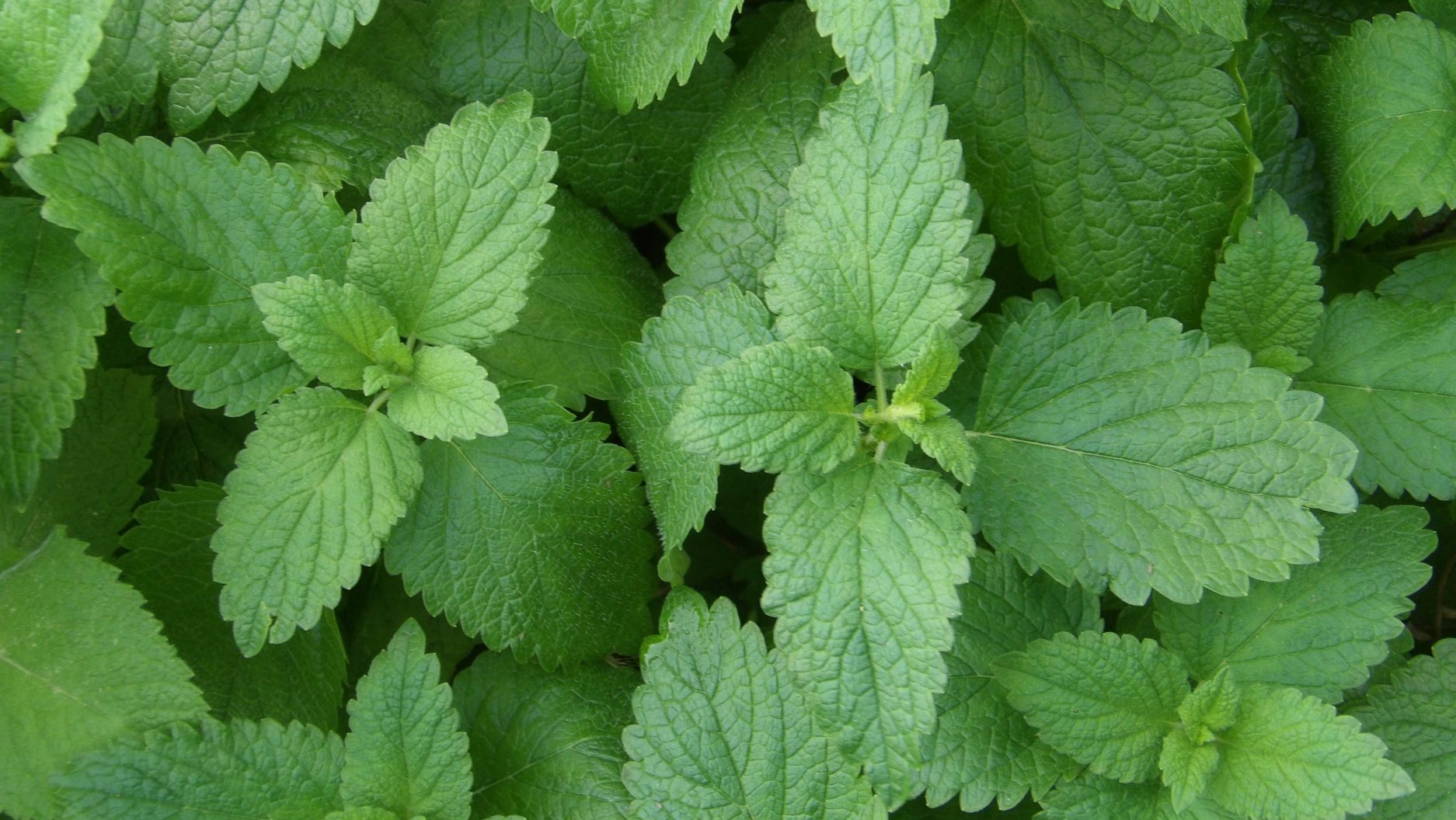
Lemon Balm
Melissa officinalis
Common & Folk Names
- Lemon Balm
- Balm
- Melissa
- Bee Balm (though this also refers to Monarda species)
- Sweet Balm
- Common Balm
- Honey Plant
- Cure-All
Plant Family
Lamiaceae (Mint Family)
Geographic Location
Native to southern Europe, the Mediterranean region, and western Asia. Naturalised throughout temperate Europe, North and South America, and parts of Asia. Widely cultivated worldwide in herb gardens and commercially for medicinal, culinary, and bee-keeping purposes. Thrives in temperate climates with moderate rainfall.
Habitat
Lemon balm grows naturally in hedgerows, woodland edges, waste places, and roadsides. Prefers moist, well-drained soils in partial shade to full sun. Often found growing wild near human habitation, along stream banks, and in disturbed areas. Adaptable to various soil types but performs best in rich, loamy soils.
Growing Conditions
Sun: Full sun to partial shade; tolerates more shade than most mints, though full sun produces stronger volatile oil content
Soil: Moist, well-drained, fertile soil; pH 6.0-7.5 (slightly acidic to neutral); enriched with compost or organic matter
Propagation: Easily grown from seed (germinates in 10-14 days, though germination can be erratic), division of established clumps (spring or autumn), or stem cuttings (summer). Self-seeds readily, sometimes aggressively.
Care: Cut back after flowering to encourage fresh growth and prevent excessive self-seeding. Divide clumps every 3-4 years to maintain vigour. Benefits from regular harvesting which encourages bushier growth. Dies back in winter but reliably returns in spring. Can become invasive if not managed – deadhead before seed set or grow in containers. Minimal pest or disease problems.
NZ Planting Calendar
Sowing (seeds): September–November (spring) – germinates in 10-14 days
Propagation (division): March–May (autumn) or August–September (spring)
Propagation (cuttings): January–February (summer) – stem cuttings
Planting: September–November (spring) or March–May (autumn)
Flowering: December–February (summer)
Harvest (leaves): November–February just before or during early flowering for maximum volatile oil content; morning harvest after dew dries
Note: Not native to NZ; easy to grow; can become invasive if not managed; self-seeds readily; dies back in winter
Harvesting Guidelines
Harvest leaves just before flowering or during early flowering for maximum volatile oil content and potency. Morning harvest after dew has dried but before the heat of the day is ideal – volatile oils are most concentrated at this time. Cut the top third to half of the plant, leaving lower growth to regenerate. Multiple harvests possible throughout growing season.
For fresh use, harvest as needed. For drying, harvest on a dry, sunny day. Dry quickly in a warm (not hot), shaded, well-ventilated area to preserve volatile oils, prevent oxidation, and maintain green color (slow drying or excessive heat causes leaves to blacken). Spread in thin layers or hang in small bunches. Properly dried leaves should remain green and aromatic. Store in airtight containers away from light and moisture.
Important Note: Fresh plant is significantly more potent and aromatic than dried, especially for nervous system and antiviral applications. Volatile oil content degrades with drying and storage. Use fresh whenever possible for maximum therapeutic benefit.
Parts Used
- Leaves (primary)
- Flowering tops (leaves with flowers)
- Fresh plant preferred over dried for optimal potency
Constituents & their Actions
Lemon balm’s therapeutic properties arise from a sophisticated combination of volatile oils and phenolic compounds that act synergistically on the nervous system, providing both immediate calming effects and longer-term neuroprotective benefits.
Volatile Oils (Essential Oil, 0.05-0.3% in dried leaves, higher in fresh):
The essential oil composition is dominated by monoterpenoid aldehydes and alcohols:
- Citral (mixture of neral and geranial, together 40-70% of essential oil)
- Neral (cis-citral)
- Geranial (trans-citral)
- Citronellal (10-30%)
- Citronellol
- Geraniol
- Linalool
- β-Caryophyllene
- Limonene
Note: Oil composition varies significantly with harvest time, growing conditions, and plant chemotype. Citral content (neral + geranial) is the primary marker of quality for anxiolytic effects.
The main actions of volatile oils are:
- Anxiolytic (calming through olfactory and systemic pathways)
- Antiviral (particularly against enveloped viruses including HSV)
- Carminative (relieves gas and digestive spasms)
- Mild sedative
- Antimicrobial
- Insect repellent
Rosmarinic Acid (Primary polyphenolic constituent, 1-15% dry weight):
Caffeic acid ester that is the key constituent responsible for many of lemon balm’s therapeutic effects, particularly anxiolytic and neuroprotective properties.
The main actions of rosmarinic acid are:
- GABA-transaminase (GABA-T) inhibition (increases brain GABA levels)
- Acetylcholinesterase (AChE) inhibition (increases acetylcholine levels, supports cognition)
- Antioxidant (potent free radical scavenger)
- Antiviral (particularly effective against HSV)
- Anti-inflammatory
- Neuroprotective (prevents amyloid-β formation and aggregation)
- Anti-amyloidogenic (relevant for Alzheimer’s disease)
Other Phenolic Acids:
- Caffeic acid
- Chlorogenic acid
- Protocatechuic acid
- Caftaric acid
- Cichoric acid
- Ferulic acid
The main actions of phenolic acids are:
- Antioxidant
- Anti-inflammatory
- Antimicrobial
- Neuroprotective (synergise with rosmarinic acid)
Triterpenes (Pentacyclic triterpenes):
- Ursolic acid
- Oleanolic acid
- Pomolic acid
- Betulinic acid
The main actions of triterpenes are:
- GABA-transaminase inhibition (work synergistically with rosmarinic acid)
- Anti-inflammatory
- Antiviral
- Hepatoprotective
Flavonoids (Glycosides):
- Luteolin-7-O-glucoside
- Apigenin-7-O-glucoside
- Luteolin
- Apigenin
- Quercetin
- Kaempferol
The main actions of flavonoids are:
- Anxiolytic (apigenin binds to benzodiazepine receptors on GABAA)
- Antioxidant
- Anti-inflammatory
- Mild sedative
- Neuroprotective
Tannins (Condensed tannins, 4-7%):
Provide astringent and additional antiviral properties.
The main actions of tannins are:
- Astringent (tissue-tightening)
- Antiviral (particularly for topical applications)
- Antimicrobial
Actions (with Mechanisms)
Anxiolytic & Nervine Relaxant:
Lemon balm provides gentle but profound anxiety relief through multiple sophisticated mechanisms acting on the GABAergic system and cholinergic receptors. Rosmarinic acid, ursolic acid, and oleanolic acid work synergistically to inhibit GABA-transaminase (GABA-T), the enzyme responsible for breaking down GABA (gamma-aminobutyric acid, the brain’s primary inhibitory neurotransmitter), which in turn increases GABA availability in the brain, which in turn enhances inhibitory neurotransmission, which in turn reduces neuronal excitability, promotes relaxation, and decreases anxiety. This mechanism differs from benzodiazepines (which directly potentiate GABAA receptor function) – lemon balm increases the substrate (GABA) rather than enhancing receptor sensitivity, which in turn provides anxiolytic effects without the sedation, cognitive impairment, or dependency associated with pharmaceutical anxiolytics. The volatile oils contribute additional anxiolytic effects through olfactory pathways (aromatherapy effects) and potentially through direct neurological mechanisms. Animal studies using chronic administration (15 days) demonstrate dose-dependent reduction in anxiety-like reactivity comparable to pharmaceutical anxiolytics, with effects sustained without tolerance development. Human clinical trials show single doses (600-1600mg) significantly reduce anxiety and increase calmness under laboratory-induced stress, with effects lasting several hours.
Cognitive Enhancement & Neuroprotective:
Lemon balm enhances cognitive function through sophisticated modulation of the cholinergic system. The plant exhibits binding affinity for both nicotinic and muscarinic acetylcholine receptors in the central nervous system, which in turn modulates cholinergic neurotransmission involved in memory, attention, and learning. Rosmarinic acid and other phenolic compounds inhibit acetylcholinesterase (AChE), the enzyme that breaks down acetylcholine, which in turn increases acetylcholine availability in synapses, which in turn enhances cholinergic transmission, which in turn improves memory consolidation, attention, and cognitive processing speed. This mechanism is particularly relevant for age-related cognitive decline and Alzheimer’s disease, where cholinergic deficits contribute to cognitive impairment. Human studies demonstrate acute administration (600-1000mg) improves cognitive performance on memory tasks, increases processing speed, enhances accuracy under timed conditions, and improves sustained attention. Rosmarinic acid provides profound neuroprotective effects by inhibiting the formation and aggregation of amyloid-β fibrils (the pathological protein deposits characteristic of Alzheimer’s disease), which in turn prevents amyloid-β-induced neurotoxicity, which in turn protects neurons from degeneration. A large randomised controlled trial (323 participants over 96 weeks) using standardised extract containing 500mg rosmarinic acid daily showed trends toward cognitive preservation in older adults with mild cognitive impairment, with excellent safety profile. Additional neuroprotection occurs through potent antioxidant effects – rosmarinic acid and other phenolic compounds scavenge free radicals, reduce oxidative stress in brain tissue, protect neuronal membranes from lipid peroxidation, and prevent oxidative damage to DNA and proteins, which in turn protects against neurodegenerative processes.
Antiviral (Specific for Herpes Simplex Virus):
Lemon balm demonstrates remarkable antiviral activity, particularly against herpes simplex virus types 1 and 2 (HSV-1, HSV-2). The polyphenols (especially rosmarinic acid and caffeic acid) and volatile oils work synergistically to inhibit viral replication through multiple mechanisms. The compounds prevent viral attachment to host cells by binding to viral envelope proteins, which in turn blocks the virus’s ability to recognise and bind to cell surface receptors, which in turn prevents viral entry. Once virus has attached, lemon balm constituents prevent viral penetration into host cells by stabilising cell membranes and interfering with viral fusion mechanisms. The antiviral compounds also inhibit viral replication inside infected cells by interfering with viral DNA/RNA synthesis. Multiple in vitro studies demonstrate lemon balm extracts are highly effective against both HSV-1 (cold sores) and HSV-2 (genital herpes), with activity comparable to pharmaceutical antivirals like acyclovir. Clinical studies on herpes labialis (cold sores) show topical application of lemon balm cream at the first sign of outbreak (tingling, itching) significantly reduces healing time, decreases lesion severity, reduces pain, and prevents full blister development in many cases. Participants using lemon balm cream experienced shorter outbreak duration, less severe symptoms, and faster healing compared to placebo. Internal use (tea or tincture taken at high frequency during outbreak) provides systemic antiviral support, while topical application delivers concentrated antiviral compounds directly to affected tissue.
Carminative & Antispasmodic:
The volatile oils (particularly citral, citronellal, and geraniol) directly relax smooth muscle throughout the gastrointestinal tract by modulating calcium channel activity and reducing muscle contractility, which in turn relieves intestinal cramping, reduces spasms, and eases abdominal discomfort. This relaxation effect is particularly pronounced in the gastric sphincter and intestinal smooth muscle, which in turn allows trapped gas to move freely through the digestive system and be expelled, which in turn relieves bloating, distension, and gas pain. Lemon balm is specific for digestive complaints arising from emotional stress or anxiety – the “nervous stomach” or “butterflies” feeling where psychological tension manifests as digestive dysfunction. The combination of anxiolytic effects (reducing the stress causing digestive upset) and direct smooth muscle relaxation (addressing the physical symptoms) makes lemon balm exceptionally effective for stress-related digestive issues including nervous dyspepsia, irritable bowel syndrome exacerbated by stress, and anxiety-related nausea.
Sedative (Mild) & Sleep-Promoting:
While lemon balm is not a powerful sedative like valerian or hops, it provides gentle sleep support particularly for insomnia caused by worry, rumination, or an overactive mind. The anxiolytic mechanisms (GABA-T inhibition, increased GABA availability) reduce mental chatter and racing thoughts that interfere with sleep onset, which in turn allows the natural sleep process to proceed. The flavonoid apigenin provides additional mild sedative effects by binding to benzodiazepine receptors on GABAA, which in turn gently enhances GABAergic inhibition without the strong sedation of pharmaceutical benzodiazepines. Clinical studies show lemon balm (often combined with valerian for synergistic effects) improves sleep quality in individuals with mild to moderate sleep disturbances, reduces sleep latency (time to fall asleep), and decreases nighttime awakenings. The calming, relaxing effects prepare the nervous system for sleep without causing daytime drowsiness or next-day grogginess. Lemon balm is particularly suitable for children’s sleep difficulties, anxiety-related insomnia, and situations where gentle sleep support without heavy sedation is desired.
Thyroid-Modulating (Anti-Hyperthyroid):
Lemon balm demonstrates specific activity against hyperthyroidism (overactive thyroid), particularly in Graves’ disease (autoimmune hyperthyroidism). In vitro studies show lemon balm extract inhibits binding of thyroid-stimulating hormone (TSH) and thyroid-stimulating immunoglobulin (TSI) antibodies to TSH receptors on thyroid cells, which in turn reduces thyroid hormone production, which in turn helps normalise thyroid function in hyperthyroid states. The mechanism appears to involve both blocking antibody binding (relevant for Graves’ disease where TSI antibodies stimulate thyroid) and directly inhibiting TSH-stimulated adenylate cyclase activity, which in turn reduces the cellular signaling cascade that leads to thyroid hormone synthesis. A small pilot study on patients with Graves’ disease showed lemon balm extract reduced hyperthyroid symptoms and normalised some thyroid function markers, though larger studies are needed. This property makes lemon balm potentially useful as adjunct support for hyperthyroidism, though it should not replace standard medical treatment.
Antioxidant & Anti-inflammatory:
Rosmarinic acid is one of the most potent naturally occurring antioxidants, with free radical scavenging capacity exceeding many other plant polyphenols. The extensive phenolic compounds (rosmarinic acid, caffeic acid, chlorogenic acid, flavonoids) provide comprehensive antioxidant protection through multiple mechanisms – direct neutralisation of free radicals (superoxide, hydroxyl radicals, peroxyl radicals), chelation of pro-oxidant metal ions (iron, copper), and upregulation of endogenous antioxidant enzymes (superoxide dismutase, catalase, glutathione peroxidase), which in turn protects cellular components (lipids, proteins, DNA) from oxidative damage, which in turn prevents cellular aging and degenerative processes. The anti-inflammatory effects occur through multiple pathways: rosmarinic acid inhibits COX-2 and 5-LOX enzymes, which in turn reduces prostaglandin and leukotriene synthesis, which in turn decreases inflammatory mediator production; phenolic compounds modulate NF-κB signaling (master regulator of inflammatory gene expression), which in turn down-regulates production of pro-inflammatory cytokines (TNF-α, IL-1β, IL-6); triterpenes provide additional anti-inflammatory effects through multiple mechanisms. These antioxidant and anti-inflammatory properties support whole-body health and contribute to neuroprotective, cardiovascular-protective, and general wellness benefits.
Antimicrobial:
Volatile oils and phenolic compounds demonstrate broad-spectrum antimicrobial activity against bacteria, fungi, and viruses. The essential oil components (citral, citronellal, geraniol) disrupt microbial cell membranes through their lipophilic properties, which in turn increases membrane permeability, which in turn causes cellular contents to leak, which in turn kills microorganisms. Rosmarinic acid and other phenolic compounds provide bacteriostatic and bactericidal effects through protein precipitation, enzyme inactivation, and interference with microbial metabolism. While antimicrobial activity is not lemon balm’s primary therapeutic use (other herbs excel more in this area), the antimicrobial properties contribute to the herb’s traditional use for minor infections, cold sores, and digestive infections.
Main Use
Lemon balm’s primary use is as a gentle anxiolytic and nervine for anxiety, stress, nervous tension, and worry. It is one of the safest and most pleasant-tasting herbs for calming an overactive nervous system, reducing mental agitation, easing stress-related physical tension, and promoting a sense of calm well-being. Unlike pharmaceutical anxiolytics (benzodiazepines), lemon balm provides anxiety relief without sedation, cognitive impairment, or risk of dependency, making it suitable for daytime use, long-term support, and anxiety management in sensitive populations (children, elderly). The herb is particularly valuable for individuals who experience anxiety that manifests as physical symptoms – “butterflies” in the stomach, nervous dyspepsia, tension headaches, and difficulty relaxing.
Lemon balm is extensively used as a specific topical antiviral for herpes simplex virus outbreaks (cold sores and genital herpes). Applied as cream, salve, or strong tea compress at the very first sign of outbreak (tingling, itching, redness), lemon balm significantly reduces outbreak severity, shortens healing time, decreases pain, and in many cases prevents full blister development. Internal use (frequent doses of tea or tincture during outbreak) provides systemic antiviral support. This application has strong clinical validation and is recognised in European phytotherapy practice.
The herb serves as excellent support for mild to moderate insomnia, particularly when sleep difficulties stem from worry, rumination, or inability to “turn off” an overactive mind. While not a powerful sedative, lemon balm calms mental chatter and prepares the nervous system for sleep without causing next-day grogginess.
Lemon balm provides cognitive support and neuroprotection for memory enhancement, age-related cognitive decline, and as potential adjunct support in early Alzheimer’s disease. The cholinergic enhancement (through AChE inhibition and receptor binding), anti-amyloidogenic properties, and neuroprotective antioxidant effects support brain health and cognitive function.
Stress-related digestive complaints benefit significantly from lemon balm’s combination of anxiolytic and carminative actions – it addresses both the psychological root cause (anxiety causing digestive upset) and the physical symptoms (cramping, gas, spasms).
Lemon balm exemplifies “food as medicine” – it is a delightful culinary herb (fresh leaves in salads, teas, desserts) that simultaneously provides profound therapeutic benefits for modern stress-related conditions.
Preparations
Fresh Leaf Tea: 2-3 teaspoons (2-4g) fresh leaves per cup boiling water, steep covered 10-15 minutes. Drink 2-4 cups daily for anxiety, stress, or nervous stomach. Pleasant lemony flavor makes it enjoyable as regular beverage. Preferred preparation for maximum potency.
Dried Leaf Tea/Infusion: 1.5-4.5 grams (approximately 1-3 teaspoons) dried leaves per cup boiling water. Steep covered 10-15 minutes. Drink 2-4 cups daily. Less potent than fresh but still therapeutically effective.
Tincture (Fresh Plant, 1:2 in 95% alcohol): This is the preferred tincture method as high alcohol content extracts volatile oils effectively and fresh plant is more potent. Macerate fresh leaves and flowering tops in alcohol for 2-4 weeks, shaking daily. Strain. Dose: 2-4mL (40-80 drops), 2-3 times daily for anxiety, stress, or cognitive support. For acute herpes outbreak, take 2-4mL every 2-4 hours at first sign of symptoms.
Tincture (Dried Leaf, 1:5 in 40-50% alcohol): Macerate dried leaves in alcohol 2-4 weeks, shaking daily. Strain. Dose: 2-4mL, 3 times daily. Less potent than fresh plant tincture.
Cold Infusion (For Maximum Volatile Oil Retention): 2-3 tablespoons fresh leaves (or 1-2 tablespoons dried) per cup cold water. Let steep overnight (8-12 hours) in refrigerator. Strain. Drink cold or at room temperature. This method preserves heat-sensitive volatile oils better than hot infusion.
Glycerite (For Children): Fresh or dried leaves in vegetable glycerin (1:4 ratio). Macerate 4-6 weeks, shaking daily. Strain. Pleasant sweet taste suitable for children. Dose (children): 1-2mL, 2-3 times daily for anxiety, restlessness, or minor illness.
Strong Decoction/Topical Wash (For Herpes Outbreaks): 4-6 tablespoons fresh leaves (or 2-3 tablespoons dried) per cup water. Simmer gently 10 minutes (or steep in just-boiled water 20 minutes). Strain. Cool to comfortable temperature. Apply to cold sores or genital herpes lesions with clean cloth or cotton pad 4-6 times daily, especially at first sign of outbreak. Can also be frozen into ice cubes and applied to sores for cooling relief.
Topical Cream/Salve (For Herpes): Commercial preparations standardised for antiviral constituents are available (Lomaherpan®). For home preparation: Make strong infused oil (fresh leaves in olive oil, 4-6 weeks or gentle heat method), combine with beeswax to make salve, add vitamin E as antioxidant preservative. Apply at first tingling/itching of outbreak, then 4-6 times daily until healed.
Essential Oil (Aromatherapy): Pure lemon balm essential oil is expensive (low yield – large quantities of plant required). Often adulterated with cheaper lemon-scented oils (lemongrass, citronella). Use only genuine Melissa officinalis oil from reputable suppliers. Diffuse 2-3 drops for anxiolytic aromatherapy effects. Can dilute 1-2% in carrier oil for topical application to temples for tension headaches or anxiety.
Fresh Herb Culinary Use: Fresh leaves in salads, fruit salads, desserts, cocktails, lemonade, ice cream, or as garnish. Use liberally – combines food and medicine. Pleasant lemon flavor without acidity. Dried leaves can flavor teas, herbal blends, or sachets.
Combination with Valerian: For sleep support, combine lemon balm with valerian (ratio approximately 2:1, lemon balm to valerian). Synergistic effects improve sleep quality. Take 1-2 hours before bed.
Standardised Extract (For Cognitive Enhancement/Alzheimer’s Support): Commercial extracts standardised to rosmarinic acid content (500mg rosmarinic acid daily used in clinical trials). Follow manufacturer dosing instructions. Provides consistent dosing for cognitive applications.
Dosage
Fresh Leaf Tea: 2-4 cups daily (2-3 tsp fresh leaves per cup)
Dried Leaf Tea: 1.5-4.5g (1-3 tsp), 2-4 cups daily
Tincture (Fresh 1:2, 95%): 2-4mL (40-80 drops), 2-3 times daily; for acute herpes: 2-4mL every 2-4 hours
Tincture (Dried 1:5, 40%): 2-4mL, 3 times daily
Glycerite (Children): 1-2mL, 2-3 times daily
Topical (Herpes Outbreaks): Apply cream, salve, or strong infusion to lesions 4-6 times daily, starting at first symptoms
Standardised Extract (Cognitive Support): Follow product instructions; clinical trials used 500mg rosmarinic acid daily for 96 weeks with excellent safety
Essential Oil (Aromatherapy): 2-3 drops in diffuser as needed
Duration: Safe for long-term use. No tolerance development or dependency. Clinical trials up to 96 weeks (nearly 2 years) show continued efficacy and excellent safety. Can be used daily as needed or intermittently.
Safety & Drug Interactions
Generally Very Safe: Lemon balm has an outstanding safety profile with centuries of traditional use and extensive modern research demonstrating safety at therapeutic doses. Suitable for all ages including children and elderly.
Pregnancy & Lactation: Generally considered safe in food amounts and normal therapeutic doses. Traditionally used during pregnancy for anxiety, nausea, and sleep support. No evidence of harm. However, avoid very high medicinal doses during first trimester out of general caution. Compatible with breastfeeding – may support maternal anxiety and promote calm state conducive to lactation. Some traditional sources suggest it promotes milk production, though this is not well-documented.
Thyroid Medication: Use with caution in individuals with hypothyroidism or those taking thyroid hormone replacement (levothyroxine). Lemon balm’s anti-hyperthyroid activity (TSH receptor blocking) theoretically could interfere with thyroid hormone function or medication. Monitor thyroid function if using lemon balm long-term alongside thyroid medications. Conversely, may be beneficial as adjunct in hyperthyroidism (Graves’ disease), but use only under healthcare provider supervision. Do not use lemon balm to self-treat thyroid conditions.
Sedative Medications: Theoretical interaction – lemon balm may enhance effects of sedative/hypnotic medications (benzodiazepines, barbiturates, sleeping pills) through additive GABAergic effects. However, lemon balm’s sedation is very mild, and clinical significance is unclear. Use together with caution. Monitor for increased drowsiness. This combination may be beneficial for reducing pharmaceutical sedative doses under medical supervision.
Cholinergic Medications: Theoretical interaction – lemon balm’s acetylcholinesterase inhibition theoretically could enhance effects of cholinergic medications (used in Alzheimer’s disease, myasthenia gravis). Monitor for cholinergic side effects (nausea, vomiting, increased salivation, muscle cramps). May require medication dose adjustment. In practice, lemon balm’s AChE inhibition is mild and significant interactions are unlikely, but awareness is prudent.
Glaucoma Medications: Theoretical concern – some early research suggested lemon balm might increase intraocular pressure, which would be contraindicated in glaucoma. However, this has not been confirmed in modern research and appears to be based on outdated or misinterpreted data. Use with awareness in glaucoma but likely safe.
Drowsiness: Lemon balm causes mild sedation in some individuals, though most people experience calming without sleepiness. Avoid driving or operating heavy machinery if drowsiness occurs, especially when first starting use or at higher doses. Generally well-tolerated for daytime use without cognitive impairment.
Allergic Reactions: Rare allergic reactions (skin rash, respiratory symptoms) possible in individuals sensitive to plants in Lamiaceae family (mint family). Discontinue if allergic symptoms develop. Topical preparations can occasionally cause contact dermatitis in sensitive individuals.
Surgery: Discontinue 2 weeks before scheduled surgery due to theoretical concerns about interactions with anesthesia (though lemon balm’s sedative effects are mild) and potential effects on thyroid function/metabolism during surgical stress.
No Significant Contraindications: Lemon balm is safe for virtually all populations when used appropriately. Excellent choice for children, elderly, pregnant/breastfeeding women, and long-term use.
Scientific Evidence
Anxiety & Stress Reduction: Multiple human clinical trials demonstrate significant anxiolytic effects. Kennedy et al. (2004) showed single doses (600mg, 1000mg, 1600mg) increased self-rated calmness and reduced alertness (without causing sedation) in healthy young adults exposed to laboratory-induced stress. Cases et al. (2011) pilot trial on volunteers with mild to moderate anxiety disorders and sleep disturbances showed lemon balm extract (600mg daily, 15 days) significantly reduced anxiety manifestations, anxiety-associated symptoms, and insomnia with no side effects reported. Animal studies using standardised extract show dose-dependent anxiolytic effects comparable to benzodiazepines without altering exploratory behavior or circadian rhythms, confirming anxiolytic specificity.
Cognitive Enhancement: Kennedy et al. (2003) landmark study demonstrated acute administration (600-1600mg) of lemon balm with cholinergic receptor-binding properties significantly improved memory performance, increased speed of mathematical processing, and enhanced calmness in healthy young adults. Effects were dose-dependent with 600-1000mg producing optimal cognitive enhancement without excessive sedation. Multiple subsequent studies confirm cognitive benefits including improved attention, accuracy on memory tasks, and processing speed.
Alzheimer’s Disease & Cognitive Decline: Large randomised controlled trial (Noguchi-Shinohara et al. 2023) with 323 participants with subjective or mild cognitive impairment showed lemon balm extract (500mg rosmarinic acid daily for 96 weeks) was safe and well-tolerated with trends toward cognitive preservation. While primary endpoint (ADAS-cog score) did not reach statistical significance, several secondary cognitive measures showed benefits, particularly in certain subgroups. In vitro and animal studies demonstrate rosmarinic acid inhibits amyloid-β fibril formation, reduces amyloid-β oligomerisation and deposition, protects against amyloid-β-induced neurotoxicity, and provides neuroprotective effects – mechanisms directly relevant to Alzheimer’s pathophysiology. Pilot study (Ballard et al. 2002) on severe dementia patients showed aromatherapy with lemon balm essential oil significantly reduced agitation with excellent tolerability.
GABA-Transaminase Inhibition: In vitro studies (Awad et al. 2009) using bioassay-guided fractionation confirmed lemon balm extract, particularly fractions containing rosmarinic acid, ursolic acid, and oleanolic acid, significantly inhibits GABA-transaminase activity. This mechanism directly explains anxiolytic effects by increasing brain GABA availability. Animal studies show lemon balm administration normalises brain GABA levels altered by chronic stress.
Cholinergic Receptor Binding: Multiple studies (Wake et al. 2000, Kennedy et al. 2003) demonstrate lemon balm exhibits binding affinity for both nicotinic and muscarinic acetylcholine receptors in human CNS tissue, with acetylcholinesterase inhibitory activity. This multi-targeted cholinergic modulation (receptor binding + enzyme inhibition) provides comprehensive support for cognitive function and explains traditional use for memory enhancement.
Antiviral Activity – Herpes Simplex: Extensive in vitro research confirms potent antiviral activity against HSV-1 and HSV-2. Schnitzler et al. (2008) demonstrated lemon balm oil affects infectivity of enveloped herpesviruses by preventing viral attachment and penetration. Clinical trial (Koytchev et al. 1999) on herpes labialis showed topical cream containing lemon balm extract significantly shortened healing time, reduced symptoms (pain, burning, swelling), and improved patient outcomes compared to placebo. Patients using lemon balm at first prodromal symptoms (tingling) experienced fastest resolution and often prevented full blister development.
Sleep Quality: Studies combining lemon balm with valerian show improved sleep quality in individuals with sleep disturbances. While lemon balm alone is mild sedative, combination formulations (80mg lemon balm + 120mg valerian) demonstrate synergistic sleep-promoting effects with improved subjective sleep quality and reduced sleep latency.
Thyroid Function (Graves’ Disease): In vitro studies (Auf’mkolk et al. 1984) demonstrated lemon balm extract inhibits binding of thyroid-stimulating hormone (TSH) and thyroid-stimulating immunoglobulin antibodies to TSH receptors, and inhibits TSH-stimulated adenylate cyclase activity. Small pilot study on patients with Graves’ disease showed symptomatic improvement and normalisation of some thyroid markers, though larger trials needed.
Safety Profile: Extensive clinical trials and traditional use demonstrate outstanding safety. Studies up to 96 weeks continuous use show no significant adverse effects. Well-tolerated across all age groups with minimal side effects (occasional mild drowsiness, rare allergic reactions).
Western Energetics
Temperature: Cooling. Clears heat and agitation from the nervous system and is specifically indicated for “hot” emotional states (irritability, restlessness, anxiety with heat signs). Also cools inflammatory heat and viral heat (herpes outbreaks).
Moisture: Neutral to Slightly Drying. Does not significantly alter tissue moisture.
Tissue State: Primarily for Tension/Constriction (anxiety, nervous spasms, tight shoulders/neck from stress, digestive cramping from tension) and Heat/Excitation (agitation, overstimulation, viral infections, hyperthyroidism). The cooling, relaxing properties make it specific for conditions where heat and tension combine – the “hot and bothered” state.
Taste
Aromatic: Dominant quality from volatile oils, with characteristic lemon scent
Lemony/Citrusy: Pronounced lemon flavor without the acidity of lemon fruit
Slightly Sweet: Pleasant sweetness makes it very palatable
Slightly Bitter: Subtle bitterness from polyphenols and tannins
Slightly Astringent: Mild tissue-tightening quality
The pleasant lemon flavor without acidity makes lemon balm one of the most palatable medicinal herbs, especially suitable for children and individuals sensitive to bitter herbs. Often used to improve flavor of herbal blends.
Plant Lore
The genus name Melissa derives from the Greek word for “honey bee” (melissa = bee), reflecting the plant’s powerful attraction to honeybees and other pollinators. Traditionally, lemon balm was planted near beehives to keep bees happy, healthy, and prevent swarming. Beekeepers would rub fresh lemon balm leaves on new hives to encourage bees to accept and inhabit them. The abundant nectar production and irresistible lemon scent made lemon balm gardens hubs of bee activity – the buzzing sound of bees working lemon balm flowers was considered a sign of garden health and abundance.
The legendary physician and alchemist Paracelsus (1493-1541) called lemon balm the “Elixir of Life,” believing it could promote longevity and renew youth. He prepared a famous tonic called Primum Ens Mellissae (the First Being of Melissa) through alchemical extraction processes, which he claimed had remarkable rejuvenating properties. While his alchemical claims were exaggerated, modern research on lemon balm’s neuroprotective, antioxidant, and stress-reducing properties suggests Paracelsus recognised genuine therapeutic value.
In medieval Europe, lemon balm was one of the most valued medicinal herbs in monastery gardens, where monks cultivated it for preparing cordials, medicines, and liqueurs. The Carmelite nuns of France created Eau de Mélisse des Carmes (Carmelite Water) in 1611, a famous medicinal preparation combining lemon balm with lemon peel, nutmeg, coriander, and angelica root in alcohol. This aromatic tonic was used for nervous headaches, digestive complaints, fainting spells, and general nervous debility. Carmelite Water gained such renown that it was exported throughout Europe and remained popular for centuries. The recipe is still produced today.
Arabian physicians of the medieval period, particularly Avicenna (980-1037 CE), highly valued lemon balm for its ability to “make the heart merry” and drive away melancholy. The herb featured prominently in Persian and Arabic medicine as a remedy for depression, anxiety, and diseases of the spirit. This traditional use aligns perfectly with modern understanding of lemon balm’s anxiolytic and mood-enhancing properties.
In European folk medicine, lemon balm was considered a herb of longevity and was associated with reducing stress and promoting calm, joyful aging. The Welsh “Physicians of Myddfai” (legendary medieval medical practitioners) recommended lemon balm for strengthening the brain and banishing melancholy. English herbalist John Evelyn (1620-1706) wrote that lemon balm “sovereign for the brain, strengthening the memory and powerfully chasing away melancholy.”
The renowned 17th century herbalist Nicholas Culpeper wrote: “It causeth the mind and heart to become merry… and driveth away all troublesome cares and thoughts out of the mind, arising from melancholy and black choler.” This traditional understanding of lemon balm’s ability to lift the spirits and ease worried minds remains central to its modern use.
Lemon balm was traditionally used in love potions and spells, believed to attract love and promote fidelity. Young women would carry lemon balm leaves to attract suitors. The sweet lemon scent was associated with happiness, love, and success.
During the plague years, lemon balm was included in “four thieves vinegar” formulations believed to protect against infection. While this was likely more folklore than effective medicine against plague, the antimicrobial and antiviral properties do provide genuine therapeutic value.
Additional Information
Fresh vs. Dried Potency: This distinction is critical for lemon balm. Fresh plant contains significantly higher volatile oil content (particularly citral – the key anxiolytic compound) compared to dried material. Volatile oils evaporate during drying and degrade over time during storage. For maximum therapeutic benefit, especially for nervous system and antiviral applications, use fresh plant whenever possible. If using dried, ensure it is recently dried (within 6 months), properly stored in airtight containers away from light, and still aromatic when crushed. Dried lemon balm that has lost its lemon scent has lost most therapeutic value.
Ideal Herb for Children: Lemon balm is considered one of the safest and most suitable herbs for pediatric use. The excellent safety profile, gentle action, pleasant taste, and effectiveness for common childhood complaints (anxiety, restlessness, upset stomach, minor viral infections, difficulty sleeping) make it a cornerstone herb for children’s wellness. Glycerite preparations are particularly child-friendly. Suitable from infancy onward at appropriate doses.
“Food as Medicine” Exemplar: Lemon balm beautifully demonstrates the concept of culinary herbs providing therapeutic benefits. Fresh leaves can be used liberally in food (salads, fruit dishes, beverages, desserts) providing both delicious lemon flavor and genuine medicinal effects. Regular culinary use – fresh lemon balm tea, leaves in salads, lemon balm lemonade – provides ongoing nervous system support, antioxidant protection, and stress resilience without “taking medicine.” This integrates wellness into daily life seamlessly.
Combination Synergies: Lemon balm combines excellently with other nervines and adaptogens:
- With Valerian: Synergistic sleep support (lemon balm 2 parts : valerian 1 part)
- With Passionflower: Enhanced anxiolytic for anxiety with insomnia
- With Chamomile: Gentle, child-safe nervine blend for upset stomach and fretfulness
- With Tulsi (Holy Basil): Adaptogenic stress support with cognitive enhancement
- With Hawthorn: Cardiovascular stress support (“strengthen the heart” – both literally and metaphorically)
- With St. John’s Wort: Mood support for mild depression with anxiety
Growing for Medicine: Home cultivation provides continuous access to fresh, potent lemon balm. Easy to grow in containers or garden beds. Harvest regularly (encourages new growth) and use fresh in teas, salads, or tinctures. One plant provides abundant medicine throughout growing season. Can dry excess for winter use, though fresh-frozen leaves (freeze whole leaves or chop and freeze in ice cubes with water) retain volatile oils better than air-dried material.
Essential Oil Authenticity: Genuine lemon balm (Melissa officinalis) essential oil is expensive due to low yield (requires massive amounts of plant material to produce small quantities of oil). Consequently, “lemon balm oil” is frequently adulterated with cheaper lemon-scented oils (lemongrass, citronella, lemon verbena) or entirely synthetic fragrances. Always purchase from reputable suppliers who provide GC/MS testing documentation and clear botanical name (Melissa officinalis). Many commercial “lemon balm” aromatherapy oils are not genuine lemon balm.
Standardised Extracts for Cognitive Applications: For cognitive enhancement and potential Alzheimer’s support, standardised extracts with documented rosmarinic acid content (500mg daily) provide consistent, research-validated dosing. Commercial products like Bluenesse® (standardised to muscarinic receptor binding activity and rosmarinic acid) and similar extracts used in clinical trials offer quality assurance important for cognitive applications.
European Recognition: Lemon balm is officially recognised in European phytotherapy. German Commission E (expert panel on herbal medicines) approves lemon balm for nervous sleeping disorders and functional gastrointestinal complaints. European Medicines Agency (EMA) recognises traditional use for relief of mild symptoms of mental stress and to aid sleep, and for symptomatic treatment of digestive disorders including bloating and flatulence.
Sustainable & Abundant: Lemon balm grows vigourously and self-seeds readily, making it sustainable for home harvest. Not threatened in the wild. Cultivation is straightforward and productive. No conservation concerns.
Sources
Kennedy, D. O., Scholey, A. B., Tildesley, N. T., Perry, E. K., & Wesnes, K. A. (2002). Modulation of mood and cognitive performance following acute administration of Melissa officinalis (lemon balm). Pharmacology Biochemistry and Behavior, 72(4), 953-964.
Kennedy, D. O., Wake, G., Savelev, S., Tildesley, N. T., Perry, E. K., Wesnes, K. A., & Scholey, A. B. (2003). Modulation of mood and cognitive performance following acute administration of single doses of Melissa officinalis (lemon balm) with human CNS nicotinic and muscarinic receptor-binding properties. Neuropsychopharmacology, 28(10), 1871-1881.
Kennedy, D. O., Little, W., & Scholey, A. B. (2004). Attenuation of laboratory-induced stress in humans after acute administration of Melissa officinalis (lemon balm). Psychosomatic Medicine, 66(4), 607-613.
Awad, R., Muhammad, A., Durst, T., Trudeau, V. L., & Arnason, J. T. (2009). Bioassay-guided fractionation of lemon balm (Melissa officinalis L.) using an in vitro measure of GABA transaminase activity. Phytotherapy Research, 23(8), 1075-1081.
Koytchev, R., Alken, R. G., & Dundarov, S. (1999). Balm mint extract (Lo-701) for topical treatment of recurring Herpes labialis. Phytomedicine, 6(4), 225-230.
Schnitzler, P., Schuhmacher, A., Astani, A., & Reichling, J. (2008). Melissa officinalis oil affects infectivity of enveloped herpesviruses. Phytomedicine, 15(9), 734-740.
Cases, J., Ibarra, A., Feuillère, N., Roller, M., & Sukkar, S. G. (2011). Pilot trial of Melissa officinalis L. leaf extract in the treatment of volunteers suffering from mild-to-moderate anxiety disorders and sleep disturbances. Mediterranean Journal of Nutrition and Metabolism, 4(3), 211-218.
Noguchi-Shinohara, M., Hamaguchi, T., Sakai, K., Komatsu, J., Iwasa, K., Horimoto, M., Nakamura, H., Yamada, M., & Ono, K. (2023). Effects of Melissa officinalis extract containing rosmarinic acid on cognition in older adults without dementia: A randomized controlled trial. Journal of Alzheimer’s Disease, 91(4), 1 433-1445.
Ballard, C. G., O’Brien, J. T., Reichelt, K., & Perry, E. K. (2002). Aromatherapy as a safe and effective treatment for the management of agitation in severe dementia: the results of a double-blind, placebo-controlled trial with Melissa. Journal of Clinical Psychiatry, 63(7), 553-558.
Auf’mkolk, M., Ingbar, J. C., Kubota, K., Amir, S. M., & Ingbar, S. H. (1984). Inhibition by certain plant extracts of the binding and adenylate cyclase stimulatory effect of bovine thyrotropin in human thyroid membranes. Endocrinology, 115(2), 527-534.
Wake, G., Court, J., Pickering, A., Lewis, R., Wilkins, R., & Perry, E. (2000). CNS acetylcholine receptor activity in European medicinal plants traditionally used to improve failing memory. Journal of Ethnopharmacology, 69(2), 105-114.
Scholey, A., Gibbs, A., Neale, C., Perry, N., Ossoukhova, A., Bilog, V., Kras, M., Scholz, C., Sass, M., & Buchwald-Werner, S. (2014). Anti-stress effects of lemon balm-containing foods. Nutrients, 6(11), 4805-4821.
Dastmalchi, K., Ollilainen, V., Lackman, P., af Gennäs, G. B., Dorman, H. J., Järvinen, P. P., Yli-Kauhaluoma, J., & Hiltunen, R. (2009). Acetylcholinesterase inhibitory guided fractionation of Melissa officinalis L. Bioorganic & Medicinal Chemistry, 17(2), 867-871.
Ibarra, A., Feuillere, N., Roller, M., Lesburgere, E., & Beracochea, D. (2010). Effects of chronic administration of Melissa officinalis L. extract on anxiety-like reactivity and on circadian and exploratory activities in mice. Phytomedicine, 17(6), 397-403.
Grieve, M. (1931). A Modern Herbal (Vols. 1-2). Jonathan Cape. (Reprinted by Dover Publications, 1971).
Hoffmann, D. (2003). Medical Herbalism: The Science and Practice of Herbal Medicine. Healing Arts Press.
Bone, K., & Mills, S. (2013). Principles and Practice of Phytotherapy: Modern Herbal Medicine (2nd ed.). Churchill Livingstone.
Disclaimer: This monograph is for educational purposes only and is not medical advice. Please consult with a qualified healthcare practitioner before using any herbal remedy, especially if you are pregnant, nursing, taking medication, or have a known medical condition.