
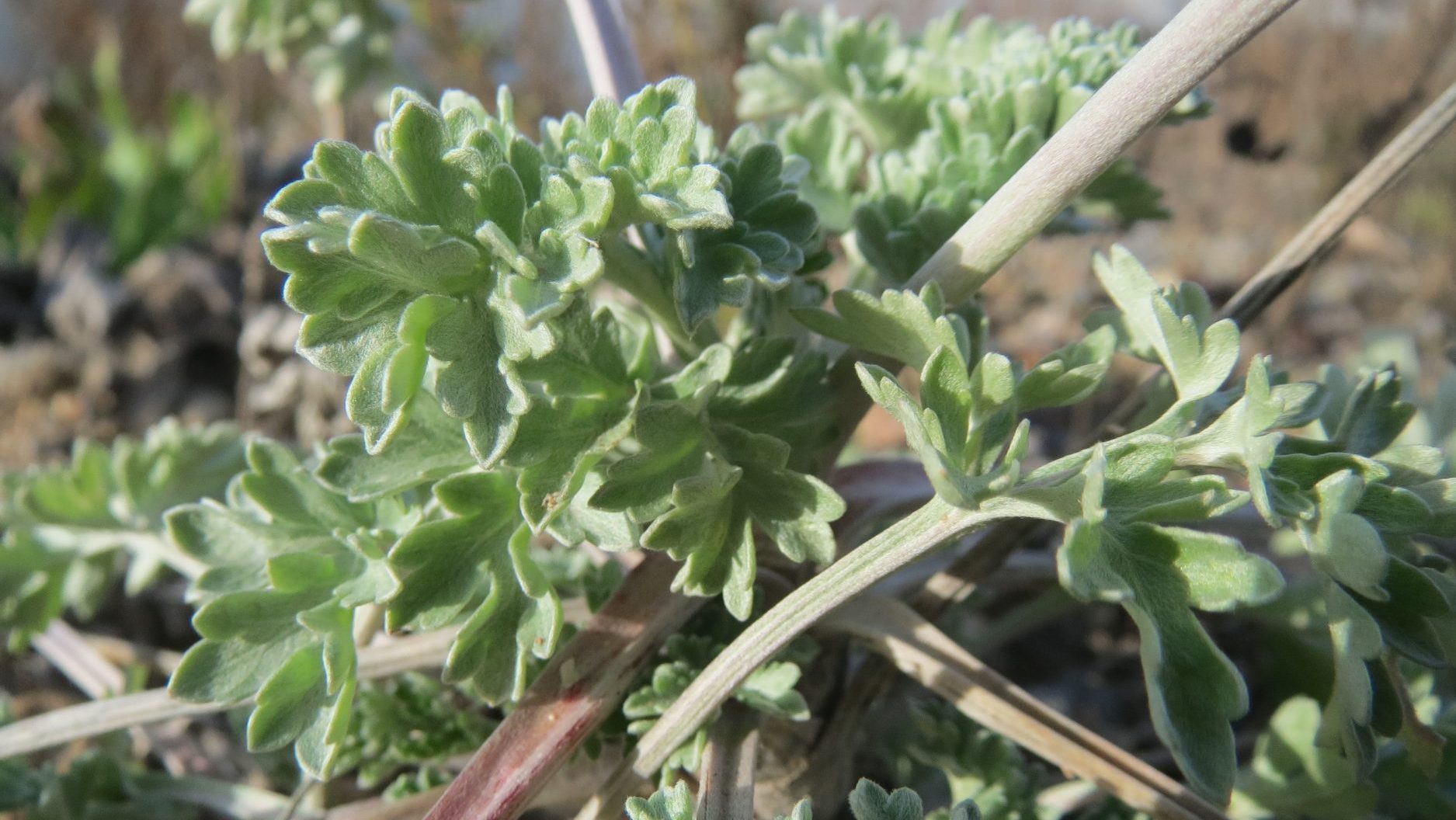
Wormwood
Artemisia absinthium
Common & Folk Names
- Common Wormwood
- Absinth Wormwood
- Absinthe
- Grand Wormwood
- Green Ginger
- Madderwort
- Mingwort
- Warmot
Plant Family
Asteraceae (Compositae)
Geographic Location
Native to temperate regions of Europe, Asia, and North Africa. Found from Britain and Scandinavia south to the Mediterranean and North Africa, and east to central Asia and the Himalayas. Now naturalised in many temperate regions worldwide including North America, Australia, and New Zealand. Thrives in dry, rocky, or waste areas in temperate climates.
Habitat
Naturally grows in dry, rocky places, waste ground, roadsides, disturbed areas, and along paths. Prefers well-draining soil with full sun. Tolerates poor soils and drought conditions once established. Found from sea level to mountainous elevations in suitable climates.
Growing Conditions
Sun: Full sun; requires direct sunlight for best growth and essential oil production
Soil: Well-draining, light, sandy or loamy soil; tolerates poor, dry soils; pH 6.0-8.0 (slightly acidic to alkaline); intolerant of waterlogged conditions
Propagation: Grow from seed sown in spring (germinates readily); divide established plants in spring or autumn; take softwood cuttings in late spring or summer
Care: Water sparingly once established; drought-tolerant; requires minimal fertilisation; cut back after flowering to maintain shape; generally pest and disease-free; self-seeds readily and can become weedy; aromatic foliage deters many pests
NZ Planting Calendar
Sowing (seed): Spring (September-November); sow seeds on soil surface (needs light to germinate); thin seedlings once established
Propagation (cuttings/division): Divide in spring (September) or autumn (March-April); take softwood cuttings in late spring/summer (November-February)
Planting: Spring (September-November) or autumn (March-May); plant in well-draining soil in sunny position
Growth: Perennial shrubby herb; semi-evergreen to evergreen depending on climate; grows 60-120cm tall; forms bushy clumps
Flowering: Summer (January-March in NZ) with small yellow flower heads in branched clusters
Harvest: Aerial parts harvested just before or during flowering (January-March) when essential oil content is highest; leaves can be harvested earlier in season
Note: Naturalised in some regions of NZ; grows well in drier areas; suited to areas with good drainage and full sun (Canterbury plains, Central Otago, Marlborough); may struggle in very wet regions; distinctive silvery-grey foliage and intensely bitter, aromatic scent make it easily identifiable; can self-seed and spread in suitable conditions
Harvesting Guidelines
CRITICAL SAFETY NOTE: Wormwood contains thujone, a potentially toxic compound. Use only under professional supervision and for short durations. Never exceed recommended doses.
Harvest aerial parts (leaves, flowering tops, stems) just before or during flowering when essential oil content is highest. In NZ, this typically occurs in summer (January-March). Cut stems leaving enough growth for plant recovery. Harvest in dry weather after morning dew has evaporated. The distinctive silvery-grey foliage and intensely bitter, aromatic scent are characteristic. Tie stems in small bunches and hang to dry in well-ventilated, shaded area at temperatures not exceeding 35°C. Properly dried wormwood retains grey-green colour and strong aromatic scent. Store dried herb in airtight containers away from light and moisture. High-quality wormwood has intensely bitter taste and strong aromatic scent when crushed.
Important: Due to thujone content and potential toxicity, harvest and use wormwood with full awareness of safety precautions. This is not a herb for casual, long-term, or high-dose use.
Parts Used
- Aerial parts (leaves and flowering tops – primary medicinal parts)
- Occasionally just leaves before flowering
- Essential oil (steam-distilled, but HIGHLY TOXIC and should not be used internally except in minuscule amounts in professional preparations)
Constituents & their Actions
Wormwood’s therapeutic properties arise from volatile oils (particularly thujone), sesquiterpene lactones (absinthin and related compounds), and other constituents. However, the thujone content creates significant safety concerns.
Essential Oil (Volatile Oil):
Comprising the characteristic aromatic scent and containing potentially toxic compounds. Some of the main essential oil components in wormwood are:
- Thujone (α-thujone and β-thujone – TOXIC compounds)
- 1,8-Cineole
- Camphor
- Linalool
- Various other terpenes
CRITICAL: Thujone is a neurotoxic compound that can cause seizures, kidney damage, and other serious adverse effects. The essential oil should NEVER be used internally except in extremely dilute, professionally prepared products.
The main actions of these volatile oils are:
- Provide the characteristic bitter, aromatic properties
- Contribute to digestive stimulation (in safe doses)
- Exhibit antimicrobial activity
- THUJONE: Neurotoxic, can cause seizures, hallucinations, and organ damage
Sesquiterpene Lactones (Absinthin and Related Compounds):
Intensely bitter compounds responsible for wormwood’s digestive effects. Some of the main sesquiterpene lactones in wormwood are:
- Absinthin (the primary bitter principle)
- Artabsin
- Anabsinthin
- Matricin
The main actions of these sesquiterpene lactones are:
- Provide intensely bitter taste that stimulates digestion
- Increase gastric acid and bile production
- Support digestive function
- May contribute to anti-inflammatory effects
- Potential allergenicity for those sensitive to Asteraceae plants
Flavonoids:
Various plant compounds with antioxidant effects.
The main actions of these flavonoids are:
- Provide antioxidant protection
- Support anti-inflammatory actions
- Contribute to overall therapeutic profile
Phenolic Acids:
Including caffeic acid and chlorogenic acid derivatives.
The main actions of these compounds are:
- Provide antioxidant effects
- Support antimicrobial properties
Actions with Mechanisms
Digestive Bitter and Digestive Stimulant:
Wormwood is one of the most intensely bitter herbs in the materia medica. The profound bitterness (from absinthin and related compounds) stimulates bitter taste receptors on the tongue, which in turn triggers a reflex that increases saliva production, gastric acid secretion, bile production, and pancreatic enzyme release. This cascade of digestive secretions enhances digestive capacity, improves nutrient absorption, stimulates appetite in deficiency conditions, and supports overall digestive function. The bitter principles also stimulate smooth muscle contractions in the digestive tract (mild prokinetic effects), supporting motility. Traditional use includes wormwood for poor appetite, weak digestion, insufficient gastric acid, sluggish digestion, and digestive complaints arising from deficiency rather than excess. The digestive stimulating effects are potent, making wormwood valuable for atonic dyspepsia and similar deficiency conditions.
Anthelmintic (Anti-Parasitic):
Wormwood has traditional use for intestinal worms and parasites (hence the common name “wormwood”). The volatile oils and bitter compounds create an inhospitable environment for intestinal parasites, which in turn may help expel worms and reduce parasitic load. Traditional use includes wormwood for roundworms, pinworms, and other intestinal parasites. However, modern antiparasitic medications are generally more effective and safer for this purpose. The anthelmintic effects require professional supervision and should not be used for self-treatment of parasites.
Cholagogue (Bile-Stimulating):
Wormwood stimulates bile production and release from the gallbladder, which in turn supports fat digestion, promotes detoxification (bile carries waste products for excretion), and may help prevent gallstone formation. The cholagogue effects make wormwood valuable for sluggish digestion (particularly of fats), liver congestion, and as part of comprehensive liver support protocols. However, the same effects contraindicate wormwood in bile duct obstruction or gallstones.
Antimicrobial:
The volatile oils demonstrate antimicrobial activity against various bacteria, fungi, and possibly some parasites. The antimicrobial effects support use for digestive infections and may contribute to anthelmintic properties. However, the need to limit doses due to thujone toxicity limits practical antimicrobial applications.
Anti-inflammatory (Mild):
Some constituents demonstrate anti-inflammatory effects in laboratory studies. However, the bitter and digestive effects are more clinically relevant than anti-inflammatory properties in practical use.
Emmenagogue (Menstruation-Promoting):
Traditional use includes wormwood for promoting menstruation and addressing amenorrhoea (absent periods). The volatile oils have mild uterine-stimulating effects, which in turn may promote menstrual flow. However, this same property contraindicated wormwood during pregnancy. Modern herbalism rarely uses wormwood for menstrual purposes due to safety concerns and availability of safer alternatives.
Main Use
CRITICAL SAFETY WARNING: Wormwood is a TOXIC herb due to thujone content. Use only under professional supervision, for short durations (typically no more than 2-4 weeks), and never exceed recommended doses. This is NOT a herb for casual use, self-prescribing, or long-term consumption. The risks outweigh benefits for most applications, and safer alternatives exist for nearly all indications.
Historically, wormwood was primarily used as a digestive bitter for poor appetite, weak digestion, and atonic dyspepsia (sluggish digestion from deficiency rather than excess). The intensely bitter taste stimulates digestive secretions and supports digestive function in individuals with insufficient gastric acid, poor enzyme production, or weak digestive capacity. However, gentler and safer bitters (dandelion root, gentian, blessed thistle) are generally preferred in modern practice.
Traditional use included wormwood for intestinal worms and parasites. Whilst the herb does have anthelmintic properties, modern antiparasitic medications are more effective and safer. If wormwood is used for parasites, it should only be under professional supervision as part of comprehensive treatment.
Wormwood was used in various traditional formulas and liqueurs, most famously as the key flavouring in absinthe (the alcoholic spirit). However, traditional absinthe contained high levels of thujone and was associated with serious neurological effects including seizures, hallucinations, and “absinthism” (a syndrome of addiction and neurological damage). Modern absinthe is typically thujone-free or contains only trace amounts.
In modern herbalism, wormwood is used sparingly and cautiously, if at all. The intense bitterness is occasionally utilized in very small amounts in bitter formulas, always under professional supervision. Many herbalists have entirely abandoned wormwood in favour of safer bitter herbs.
Due to significant toxicity risks, wormwood should only be used:
- Under professional supervision by qualified practitioners
- For short durations (typically 2-4 weeks maximum)
- At the lowest effective dose
- With full awareness of contraindications and interactions
- When safer alternatives have been considered and deemed insufficient
Preparations
CRITICAL: All preparations must respect thujone toxicity. Essential oil should NEVER be used internally.
Infusion (Extremely Weak): Steep ¼ to ½ teaspoon (0.5-1g) of dried herb in 250ml boiling water for 5-10 minutes maximum; strain immediately. The tea is intensely bitter. Drink small amounts (30-60ml) before meals for digestive support. NEVER exceed 1-1.5g dried herb daily total.
Tincture (1:5, 45% alcohol): 5-10 drops in water, up to 3 times daily. Some sources recommend even lower doses (3-5 drops). NEVER exceed recommended doses. Professional guidance essential.
Commercial Preparations: Some commercial digestive bitters contain wormwood in combination with other herbs. Follow manufacturer’s instructions carefully. Ensure products comply with regulations limiting thujone content.
NEVER USE:
- Pure essential oil internally (highly toxic)
- High doses or prolonged use
- Wormwood during pregnancy or lactation
- Wormwood in children
Dosage
CRITICAL: These are MAXIMUM doses that should NOT be exceeded under any circumstances.
Dried Herb (infusion): 0.5-1.5g daily in divided doses; typically ¼-½ teaspoon per cup, 1-2 cups daily
Tincture (1:5, 45% alcohol): 5-10 drops, up to 3 times daily (some sources recommend lower doses of 3-5 drops)
Duration: Maximum 2-4 weeks; discontinue and reassess
ABSOLUTELY CRITICAL:
- NEVER exceed recommended doses
- NEVER use for longer than 4 weeks without professional supervision
- Start with lowest doses and increase cautiously only if needed
- Discontinue immediately if any adverse effects occur
- Essential oil is TOXIC – never use internally
Safety & Drug Interactions
CRITICAL TOXICITY WARNING:
Wormwood contains thujone, a neurotoxic compound that can cause serious adverse effects including:
- Seizures and convulsions
- Hallucinations and mental disturbances
- Kidney and liver damage
- Muscle breakdown (rhabdomyolysis)
- Respiratory failure
- Death (in severe poisoning)
Chronic use of wormwood or high doses can cause “absinthism”—a syndrome including addiction, seizures, hallucinations, and neurological damage historically associated with absinthe consumption.
ABSOLUTE CONTRAINDICATIONS:
- Pregnancy: ABSOLUTELY CONTRAINDICATED – wormwood is an abortifacient (can cause miscarriage) and contains neurotoxic thujone that crosses the placenta
- Lactation: ABSOLUTELY CONTRAINDICATED – thujone passes into breast milk
- Children: NEVER use in children due to neurotoxicity risks
- Seizure Disorders: ABSOLUTELY CONTRAINDICATED – thujone can trigger seizures
- Kidney Disease: Contraindicated – thujone can damage kidneys
- Liver Disease: Contraindicated – hepatotoxic potential
- Porphyria: Contraindicated
- Allergies to Asteraceae Family Plants: Avoid (ragweed, chamomile, arnica, etc.)
Other Contraindications:
- Gastrointestinal Ulcers: The bitter properties may aggravate ulcers
- GERD (Acid Reflux): May worsen symptoms by increasing acid
- Bile Duct Obstruction or Gallstones: Cholagogue effects contraindicated
- Mental Health Conditions: Use extreme caution; thujone affects nervous system
Drug Interactions:
- Anticonvulsants: Thujone may reduce effectiveness or trigger seizures; NEVER combine
- Medications Metabolised by Liver: Wormwood may affect metabolism
- Acid-Reducing Medications: May counteract effects
- Any Medication: Use extreme caution; professional supervision essential
Side Effects:
Even at recommended doses, wormwood can cause:
- Nausea and vomiting
- Dizziness and headache
- Insomnia and restlessness
- Numbness of extremities
- Hallucinations (with higher doses)
- Seizures (with excessive doses)
- Allergic reactions in sensitive individuals
Regulatory Status:
- Many countries regulate thujone content in food and beverages
- Wormwood essential oil is banned for internal use in many jurisdictions
- Some countries restrict or ban wormwood sale
- Check local regulations
Critical Reminders:
- This is a TOXIC herb requiring extreme caution
- Safer alternatives exist for nearly all applications
- Professional supervision is ESSENTIAL
- Short-term use only (maximum 2-4 weeks)
- NEVER exceed recommended doses
- Discontinue immediately if adverse effects occur
Scientific Evidence
Digestive Bitter Effects: Traditional use is extensive, and the mechanisms (bitter taste receptor stimulation triggering digestive secretions) are well-characterised. However, clinical research on wormwood specifically is limited, likely due to safety concerns limiting research interest.
Anthelmintic Effects: Some research supports antiparasitic activity, though modern antiparasitic drugs are more effective and safer. Studies are limited.
Antimicrobial Activity: Laboratory studies demonstrate antimicrobial effects of wormwood extracts and essential oil. Clinical relevance is uncertain given dosing limitations.
Thujone Toxicity: Extensive evidence documents thujone’s neurotoxicity, including case reports of seizures, hallucinations, and other serious adverse effects from wormwood or absinthe consumption. The toxicity is well-established and drives all safety precautions.
Absinthism: Historical reports and case studies document the neurological syndrome associated with chronic absinthe (high-thujone wormwood spirit) consumption. This represents clear evidence of wormwood’s toxicity with prolonged or excessive use.
Western Energetics
Temperature: Cooling. The bitter quality and aromatic properties have cooling, clearing effects. Wormwood addresses hot, stagnant conditions.
Moisture: Drying. The bitter and aromatic nature creates drying effects, useful for damp, boggy digestive conditions with poor secretions and sluggish function.
Tissue State: Particularly indicated for atrophy and depression (in tissue states)—deficient conditions characterised by poor function, insufficient secretions, and lack of vital energy. The intense bitter stimulus “awakens” sluggish digestion. However, the toxicity severely limits practical applications.
Taste
Extremely Bitter: Wormwood is one of the most intensely bitter herbs known. The bitterness is overwhelming and long-lasting, creating strong aversion in most people. This profound bitterness is central to digestive effects but makes wormwood extremely unpleasant to consume.
Aromatic/Camphoraceous: A strong aromatic, somewhat medicinal scent and flavour accompany the bitterness, arising from volatile oils.
Slightly Warming/Pungent: A subtle warming quality beneath the bitterness.
The taste is so intensely bitter and unpleasant that even very small amounts create strong reactions. This limits compliance and makes wormwood difficult to use even when medically indicated.
Plant Lore
Wormwood has ancient history in medicine, magic, and mythology. The name “wormwood” likely derives from its traditional use for intestinal worms, though some suggest it comes from “wermod” (Old English for “preserver of mind”) or similar roots.
In the Bible, wormwood appears as a symbol of bitterness and sorrow. Proverbs 5:4 describes consequences as “bitter as wormwood.” Revelation 8:11 mentions a star called Wormwood that makes waters bitter. These biblical references established wormwood as symbolic of bitterness and calamity in Western culture.
Ancient Greek and Roman physicians including Hippocrates, Dioscorides, and Galen documented wormwood’s medicinal uses. The herb was valued for digestive complaints, worms, and various other conditions. The genus name Artemisia may honour the Greek goddess Artemis, though this etymology is debated.
In medieval Europe, wormwood featured prominently in herbals and was cultivated in monastery gardens. The herb was used medicinally, as a strewing herb to repel insects and fleas, and in brewing (before hops became standard). Medieval and Renaissance herbalists including Nicholas Culpeper documented extensive uses.
Wormwood’s most famous (or infamous) association is with absinthe—the green, anise-flavoured alcoholic spirit popular in 19th and early 20th century Europe, particularly France. Absinthe became associated with bohemian artists and writers (Van Gogh, Picasso, Baudelaire, Wilde, and many others). However, high-thujone absinthe was linked to “absinthism”—addiction, hallucinations, seizures, and neurological damage. This led to absinthe bans in many countries (France banned it 1915, lifted 1988 with thujone restrictions). The image of absinthe as a dangerous, hallucinogenic “green fairy” arose from these historical toxicity issues. Modern absinthe typically contains negligible thujone.
In folklore and magic, wormwood was associated with protection, banishing negativity, and enhancing psychic abilities. The bitter herb was thought to counteract “sweetness” of temptation and provide spiritual protection. Some traditions burned wormwood as incense for purification.
Different cultures have various Artemisia species used medicinally. A. absinthium is the European species, whilst other species including A. annua (sweet wormwood, source of antimalarial artemisinin), A. vulgaris (mugwort), and numerous others have traditional uses.
The association between wormwood and bitterness is proverbial. “Gall and wormwood” represents extreme bitterness, both literal and metaphorical.
Additional Information
Wormwood vs. Other Artemisia Species: The genus Artemisia contains numerous species, many with traditional medicinal uses but different properties and safety profiles:
- A. absinthium (wormwood) – bitter, toxic thujone content
- A. vulgaris (mugwort) – bitter, lower thujone, traditional uses differ
- A. annua (sweet wormwood) – source of artemisinin (antimalarial), minimal bitterness
- A. dracunculus (tarragon) – culinary herb, minimal medicinal use
Ensure correct species identification when using Artemisia species.
Thujone-Free Alternatives: If digestive bitters are needed, numerous safer alternatives exist:
- Gentian root (Gentiana lutea) – intensely bitter, excellent safety
- Dandelion root (Taraxacum officinale) – bitter, safe long-term
- Blessed thistle (Cnicus benedictus) – bitter, safe
- Centaury (Centaurium erythraea) – bitter, good safety
- Orange peel – pleasantly bitter, safe
These alternatives provide bitter digestive stimulation without thujone toxicity risks.
Modern Medical Perspective: Most modern medical herbalists and healthcare providers consider wormwood too toxic to justify use given the availability of safer alternatives. The narrow therapeutic window (small difference between effective and toxic doses), serious potential adverse effects, and strict contraindications make wormwood unsuitable for most applications. When digestive bitters are needed, safer herbs are invariably preferred.
Regulatory Environment: Many countries regulate wormwood and thujone content:
- European Union limits thujone in beverages
- United States FDA regulates thujone as a food additive
- Some countries ban wormwood essential oil for internal use
- Absinthe is legal in many countries but must meet thujone limits
Historical vs. Modern Use: Historical use of wormwood was much more liberal than modern recommendations permit. Contemporary understanding of thujone toxicity has led to severe restrictions and reconsideration of wormwood’s place in herbal medicine. What was once a commonly used herb is now recognised as too dangerous for routine use.
If Wormwood Must Be Used: If a qualified practitioner determines wormwood is necessary (rare):
- Use lowest possible dose
- Shortest possible duration (days to 2-4 weeks maximum)
- Professional supervision throughout
- Regular monitoring for adverse effects
- Immediate discontinuation if problems arise
- Full informed consent regarding risks
- Consideration of contraindications and interactions
However, in most cases, safer alternatives should be used instead.
Sources
Bone, K., & Mills, S. (2013). Principles and Practice of Phytotherapy: Modern Herbal Medicine (2nd ed.). Churchill Livingstone.
Mills, S., & Bone, K. (2005). The Essential Guide to Herbal Safety. Elsevier.
Hoffman, D. (2003). Medical Herbalism: The Science and Practice of Herbal Medicine. Healing Arts Press.
Grieve, M. (1931). A Modern Herbal. Dover Publications (1971 reprint).
Lachenmeier, D. W., Emmert, J., Kuballa, T., & Sartor, G. (2006). Thujone—Cause of absinthism? Forensic Science International, 158(1), 1-8.
Meschler, J. P., & Howlett, A. C. (1999). Thujone exhibits low affinity for cannabinoid receptors but fails to evoke cannabimimetic responses. Pharmacology Biochemistry and Behavior, 62(3), 473-480.
Hold, K. M., Sirisoma, N. S., Ikeda, T., Narahashi, T., & Casida, J. E. (2000). Alpha-thujone (the active component of absinthe): Gamma-aminobutyric acid type A receptor modulation and metabolic detoxification. Proceedings of the National Academy of Sciences, 97(8), 3826-3831.
Deiml, T., Haseneder, R., Zieglgänsberger, W., Rammes, G., Eisensamer, B., Rupprecht, R., & Hapfelmeier, G. (2004). Alpha-thujone reduces 5-HT3 receptor activity by an effect on the agonist-reduced desensitization. Neuropharmacology, 46(2), 192-201.
Höld, K. M., Sirisoma, N. S., & Casida, J. E. (2001). Detoxification of alpha- and beta-thujones (the active ingredients of absinthe): Site specificity and species differences in cytochrome P450 oxidation in vitro and in vivo. Chemical Research in Toxicology, 14(5), 589-595.
Weisbord, S. D., Soule, J. B., & Kimmel, P. L. (1997). Poison on line—Acute renal failure caused by oil of wormwood purchased through the Internet. New England Journal of Medicine, 337(12), 825-827.
Hänsel, R., Keller, K., Rimpler, H., & Schneider, G. (Eds.). (1994). Hagers Handbuch der Pharmazeutischen Praxis (5th ed., Vol. 5). Springer-Verlag.
Padosch, S. A., Lachenmeier, D. W., & Kröner, L. U. (2006). Absinthism: A fictitious 19th century syndrome with present impact. Substance Abuse Treatment, Prevention, and Policy, 1(1), 14.
Arnold, W. N. (1989). Absinthe. Scientific American, 260(6), 112-117.
Lachenmeier, D. W. (2010). Wormwood (Artemisia absinthium L.)—A curious plant with both neurotoxic and neuroprotective properties? Journal of Ethnopharmacology, 131(1), 224-227.
Disclaimer: This monograph is for educational purposes only and is not medical advice. Please consult with a qualified healthcare practitioner before using any herbal remedy, especially if you are pregnant, nursing, taking medication, or have a known medical condition.
CRITICAL: Wormwood is TOXIC and contains thujone, which can cause seizures, hallucinations, organ damage, and death. NEVER use during pregnancy or lactation. NEVER use in children. NEVER exceed recommended doses. Use only under professional supervision for short durations (maximum 2-4 weeks). Essential oil is HIGHLY TOXIC and should never be used internally. Safer alternatives exist for nearly all applications.