
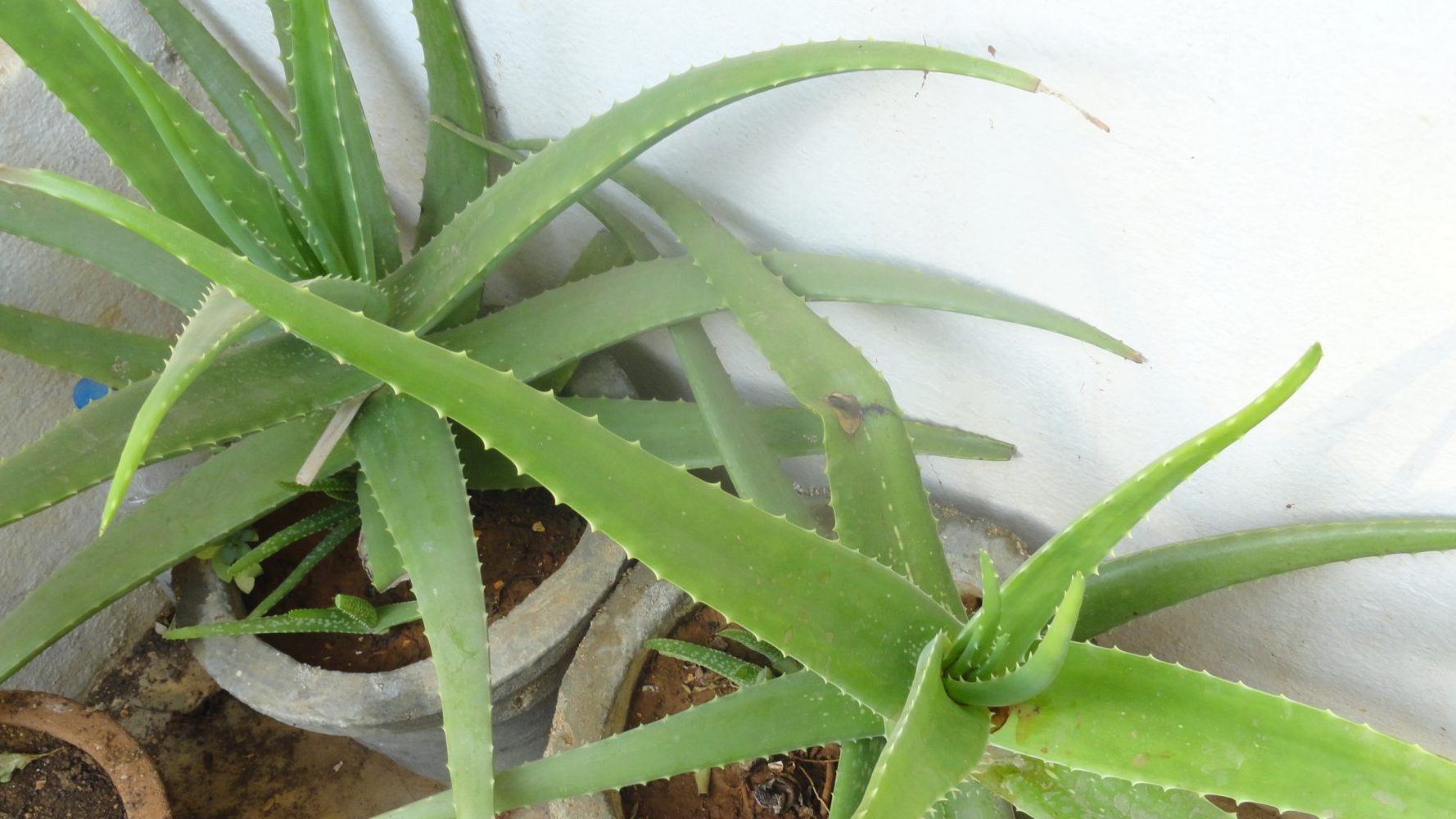
Aloe
Aloe vera
Common & Folk Names
- True Aloe
- Medicinal Aloe
- Barbados Aloe
- First Aid Plant
- Burn Plant
- Miracle Plant
Plant Family
Asphodelaceae (formerly Liliaceae)
Geographic Location
Native to the Arabian Peninsula, particularly Yemen and Oman. Now widely cultivated throughout tropical and subtropical regions worldwide, including the Mediterranean, Africa, India, the Caribbean, and Central and South America. Commercially grown in the United States (Texas, Arizona, California), Mexico, and various tropical regions.
Habitat
Naturally found in arid and semi-arid regions with well-draining sandy or rocky soils. Grows in areas with minimal rainfall and high temperatures. Prefers open, sunny locations with good air circulation. In natural settings, often found on rocky slopes and in dry grasslands.
Growing Conditions
Sun: Full sun to partial shade; requires at least 6 hours of direct sunlight daily for optimal growth
Soil: Well-draining sandy or gravelly soil; tolerates poor soil but requires excellent drainage; pH 7.0-8.5 (slightly alkaline)
Propagation: Easily propagated from offsets (pups) that form around the base of mature plants; can also grow from seed though this is slower
Care: Drought-tolerant once established; water deeply but infrequently (allow soil to dry completely between waterings); frost-sensitive; requires protection below 0°C; minimal fertiliser needed
NZ Planting Calendar
Sowing (seed): Spring (September-November) in warm, frost-free areas; seed propagation rarely used
Propagation (cuttings/division): Year-round in frost-free areas; best in spring and summer (October-March) when offsets are actively growing
Planting: October-March in warmer regions; plant offsets after allowing cut surface to callus for 1-3 days
Growth: Perennial succulent; grows year-round in frost-free conditions
Flowering: Summer (December-February) with tall spikes of tubular yellow to orange flowers; flowering is sporadic in cooler regions
Harvest: Year-round; leaves can be harvested as needed once plant is mature (2-3 years old)
Note: Not native to NZ; introduced ornamental and medicinal plant; grows best in Northland, Auckland, Bay of Plenty, and other frost-free or near frost-free regions; requires greenhouse or indoor cultivation in cooler areas; can be grown in containers and brought indoors during winter in colder regions
Harvesting Guidelines
Harvest from plants at least 2-3 years old for optimal medicinal properties. Select mature, thick outer leaves from the base of the plant. Cut leaves cleanly at the base using a sharp knife. Harvest in the morning after the plant has converted starches to active polysaccharides overnight. Use fresh gel immediately for maximum potency, as it oxidises rapidly. For preparation of dried latex (not commonly done at home), leaves can be positioned to allow the yellow latex to drain before extracting the clear inner gel.
Parts Used
- Fresh leaf gel (inner clear mucilaginous tissue)
- Leaf latex/juice (yellow exudate from outer leaf layers – use with extreme caution, strong laxative effect)
- Whole leaf preparations (less common, contain both gel and latex components)
Constituents & their Actions
Aloe contains several distinct groups of compounds with different therapeutic properties, primarily located in different parts of the leaf. The clear inner gel contains polysaccharides and other constituents with wound-healing and anti-inflammatory properties, whilst the yellow latex contains anthraquinones with powerful laxative effects.
Polysaccharides (particularly Acemannan):
Long-chain complex sugars that form the primary therapeutic component of the inner gel, with immunomodulating and wound-healing properties. Some of the main polysaccharides in aloe are:
- Acemannan (acetylated mannose)
- Glucomannans
- Galactomannans
- Pectic substances
The main actions of these polysaccharides are:
- Stimulate fibroblast proliferation and collagen synthesis, accelerating wound closure
- Activate macrophages and enhance immune system function
- Provide moisture-retaining properties that support tissue hydration
- Reduce inflammation through modulation of inflammatory mediators
Anthraquinones:
Compounds found primarily in the latex (yellow exudate) of the leaf with strong laxative properties. Some of the main anthraquinones in aloe are:
- Aloin (barbaloin)
- Aloe-emodin
- Aloetic acid
- Anthrone
The main actions of these anthraquinones are:
- Stimulate intestinal peristalsis through irritation of the intestinal lining
- Increase water content in the bowel through prevention of water reabsorption
- Note: These compounds are associated with adverse effects and should be used only under professional guidance
Enzymes:
Protein molecules that facilitate various biochemical reactions. Some of the main enzymes in aloe are:
- Bradykinase
- Carboxypeptidase
- Catalase
- Amylase
The main actions of these enzymes are:
- Reduce inflammation and pain by breaking down bradykinin
- Provide antioxidant protection through catalase activity
- Support digestion of complex carbohydrates and proteins
Vitamins and Minerals:
Essential micronutrients that support various physiological functions. Some of the main vitamins and minerals in aloe are:
- Vitamins A, C, E (antioxidants)
- Vitamin B12, folic acid
- Calcium, magnesium, zinc, selenium
The main actions of these vitamins and minerals are:
- Provide antioxidant protection against free radical damage
- Support tissue repair and collagen formation
- Enhance immune function and cellular metabolism
Salicylic Acid:
An anti-inflammatory compound related to aspirin.
The main actions of salicylic acid are:
- Reduce inflammation through inhibition of prostaglandin synthesis
- Provide mild analgesic (pain-relieving) effects
- Exhibit antimicrobial properties
Actions with Mechanisms
Wound Healing:
The polysaccharides, particularly acemannan, stimulate fibroblast proliferation and increase collagen synthesis, which in turn accelerates the formation of granulation tissue and wound closure. These compounds also enhance the migration of epithelial cells across the wound surface, promoting re-epithelialisation. The gel creates a protective, moisture-retaining barrier that maintains optimal hydration for wound healing whilst the anti-inflammatory constituents reduce local inflammation that might otherwise impair healing processes.
Anti-inflammatory:
Multiple constituents contribute to anti-inflammatory effects through different mechanisms. Salicylic acid and other phenolic compounds inhibit cyclooxygenase enzymes, reducing prostaglandin synthesis, which in turn decreases pain, swelling, and redness. The enzyme bradykinase breaks down bradykinin, a potent pain-inducing inflammatory mediator. Polysaccharides modulate immune responses by regulating cytokine production, preventing excessive inflammatory reactions whilst maintaining appropriate immune surveillance.
Immunomodulating:
Acemannan and other polysaccharides activate macrophages, the immune system’s primary phagocytic cells, which in turn enhances the body’s ability to destroy pathogens and abnormal cells. These compounds also stimulate the production and release of immune signalling molecules including interleukins and interferons, coordinating more effective immune responses. The polysaccharides enhance natural killer cell activity and lymphocyte proliferation, strengthening both innate and adaptive immunity.
Moisturising and Skin Protective:
The high polysaccharide content of the gel creates a hygroscopic film that attracts and retains moisture on the skin surface, which in turn maintains optimal hydration of the stratum corneum and underlying tissues. This moisture barrier prevents transepidermal water loss whilst allowing the skin to breathe. The mucilaginous consistency forms a protective coating that shields damaged tissue from environmental irritants and pathogens whilst supporting the skin’s natural barrier function.
Antimicrobial:
Anthraquinones, particularly aloe-emodin, exhibit direct antimicrobial effects by interfering with bacterial cell wall synthesis and disrupting microbial membrane integrity, which in turn inhibits the growth of various bacteria, fungi, and some viruses. Salicylic acid contributes additional antibacterial properties through its ability to disrupt microbial metabolism. The polysaccharides support indirect antimicrobial effects by enhancing immune function and promoting faster tissue repair that limits infection opportunity.
Laxative (from latex/anthraquinones):
Anthraquinone glycosides in the latex, particularly aloin, pass through the small intestine unchanged and are converted by colonic bacteria into active aglycones, which in turn stimulate the colonic mucosa, increasing peristaltic contractions. These compounds also inhibit water and electrolyte reabsorption from the intestinal lumen, increasing stool water content and volume, which further stimulates bowel movements. This mechanism produces a strong cathartic effect typically occurring 6-12 hours after ingestion.
Antioxidant:
Vitamins A, C, and E along with various phenolic compounds scavenge free radicals and reactive oxygen species, which in turn protects cellular structures from oxidative damage. The enzyme catalase breaks down hydrogen peroxide, preventing formation of highly reactive hydroxyl radicals. These antioxidant activities protect skin cells from UV-induced damage, support the immune system by protecting immune cells from oxidative stress, and may slow aspects of skin ageing.
Blood Sugar Regulation:
Polysaccharide fractions, particularly acemannan, appear to enhance insulin sensitivity and glucose uptake in peripheral tissues, which in turn helps maintain more stable blood glucose levels. Some research suggests these compounds may also stimulate insulin secretion from pancreatic beta cells and reduce glucose absorption from the intestine. The mechanisms are not fully elucidated but may involve activation of glucose transporter proteins and modulation of enzymes involved in glucose metabolism.
Main Use
Aloe vera gel is primarily used topically for wound healing, burns, and various skin conditions. The clear inner gel provides exceptional support for minor burns (including sunburn), cuts, abrasions, and skin irritations, promoting faster healing whilst reducing inflammation and pain. The gel’s moisturising and protective properties make it valuable for dry skin, eczema, psoriasis, and other inflammatory skin conditions. Its antimicrobial effects support treatment of minor infections and acne. Aloe has gained recognition in modern burn units for treatment of first and second-degree burns, where it accelerates healing time and reduces scarring.
Internally, aloe gel (not the latex) is sometimes used to support digestive health, particularly for inflammatory bowel conditions, though this application requires professional guidance due to the need to ensure the product is free from anthraquinone latex components. The whole leaf latex, containing anthraquinones, has historically been used as a powerful laxative, but this use is now discouraged due to significant safety concerns including intestinal cramping, electrolyte imbalances, and potential for dependence. Modern herbalism focuses primarily on topical applications of the pure gel, where aloe’s safety profile is excellent and its effectiveness is well-established.
Preparations
Fresh Gel (topical): Cut a mature leaf near the base, allow yellow latex to drain for several minutes, then slice the leaf lengthwise and scoop out the clear gel. Apply directly to skin as needed for burns, wounds, or skin irritation. Use immediately for maximum potency.
Aloe Gel (stabilised, commercial): Choose products containing >90% pure aloe vera gel, free from added anthraquinones. Apply topically 2-3 times daily to affected areas. Useful when fresh plant is unavailable.
Juice (internal use): Use only commercial products specifically prepared as “inner gel juice” with anthraquinones removed (should state “aloin-free”). Typically 50-100ml taken 2-3 times daily before meals for digestive support. Must be free from latex components.
Poultice: Blend fresh gel into a smooth consistency and apply thickly to affected area, covering with clean cloth. Leave for 20-30 minutes. Useful for larger areas of skin irritation or inflammation.
Infused Oil: Combine fresh aloe gel with a carrier oil (such as olive or coconut oil) at a ratio of 1:3, blend thoroughly, and allow to infuse for 2-4 weeks, shaking daily. Strain and use for massage oil or in salve preparation. Note: Gel may separate; shake before use.
Wound Wash: Dilute fresh gel or pure commercial gel with an equal amount of water or saline. Use to cleanse minor wounds before applying bandages.
Dosage
Fresh Gel (topical): Apply liberally to affected area 2-4 times daily as needed; no upper limit for external use
Commercial Aloe Gel (topical): Apply 2-3 times daily; choose products with >90% aloe content
Aloe Juice (internal – aloin-free only): 50-100ml, 2-3 times daily before meals; use only products certified free from anthraquinones
Topical Use: For burns, apply immediately and reapply every 2-3 hours initially, then 3-4 times daily as healing progresses; for wound healing, apply after cleansing and cover with appropriate dressing; for skin conditions, apply to clean, dry skin 2-3 times daily
Safety & Drug Interactions
Topical use of pure aloe gel has an excellent safety profile with minimal side effects. Some individuals may experience contact dermatitis or allergic reactions; perform a patch test before widespread application. Avoid use on deep wounds or severe burns without professional supervision.
Internal use of aloe latex (containing anthraquinones) is associated with significant risks and is not recommended without professional guidance. The latex can cause severe abdominal cramping, diarrhoea, electrolyte imbalances (particularly potassium depletion), and kidney damage with long-term use. Chronic use may lead to dependency, pseudomelanosis coli (harmless but concerning darkening of the colon lining), and potential increased risk of colorectal cancer.
Contraindicated during pregnancy and lactation when taken internally (latex forms are definitely contraindicated; even pure gel should be used only under professional guidance). The anthraquinones in latex can stimulate uterine contractions and may be excreted in breast milk causing diarrhoea in nursing infants. Avoid internal use in children under 12 years.
Individuals with intestinal obstruction, inflammatory bowel diseases (Crohn’s disease, ulcerative colitis), appendicitis, or abdominal pain of unknown origin should not use aloe internally. Those with kidney disorders, heart disease, or diabetes should exercise caution and seek professional advice before internal use.
Aloe may interact with several medications: it can enhance the effects of antidiabetic drugs (monitor blood glucose); the latex form may increase the effects of cardiac glycosides (digoxin) due to potassium loss; may interact with diuretics, corticosteroids, and liquorice root, all of which can also affect potassium levels; may increase the absorption of some medications when taken internally. Discontinue internal use at least 2 weeks before scheduled surgery due to potential effects on blood sugar control.
Scientific Evidence
Wound Healing and Burns: Systematic reviews and clinical trials support the use of aloe gel for treating burns, particularly first and second-degree thermal burns. Studies demonstrate accelerated healing time, reduced pain, and decreased infection rates compared to conventional treatments. A meta-analysis of burn studies showed aloe reduced healing time by approximately 9 days compared to controls. Evidence for chronic wound healing is less robust but generally positive.
Skin Conditions: Clinical research demonstrates efficacy for psoriasis vulgaris, with studies showing aloe cream superior to placebo in reducing psoriatic plaques. Evidence for eczema treatment is more limited but promising. Studies on UV-induced skin damage and photoageing show protective effects, though more research is needed. Antiacne properties are supported by preliminary studies showing reduction in inflammatory lesions.
Anti-inflammatory and Immunomodulatory Effects: Laboratory studies confirm anti-inflammatory mechanisms, including inhibition of inflammatory mediators and modulation of immune cell function. Animal studies support wound-healing and immune-enhancing properties. The polysaccharide acemannan has been shown in multiple studies to activate macrophages and stimulate cytokine production.
Oral Health: Some clinical trials support use of aloe mouthwash or gel for reducing plaque, gingivitis, and oral mucositis (inflammation of mucous membranes) in cancer patients undergoing chemotherapy or radiation. Evidence quality varies but is generally supportive for these applications.
Metabolic Effects: Preliminary human trials suggest potential benefits for blood sugar control in prediabetes and type 2 diabetes, though results are inconsistent and more rigorous long-term studies are needed. Some studies show improvements in fasting blood glucose and HbA1c levels, whilst others show no significant effects.
Western Energetics
Temperature: Cooling. Aloe’s cooling nature is evident in its traditional and modern use for burns, inflammation, and hot, irritated skin conditions. It reduces heat and redness in inflamed tissues, soothes burning sensations, and provides relief from conditions characterised by excess heat.
Moisture: Moistening. The gel’s high polysaccharide content provides profound moistening properties, particularly beneficial for dry, damaged, or dehydrated tissues. It restores moisture to depleted tissues, supports mucous membrane health, and counters excessive dryness in skin and potentially digestive tissues.
Tissue State: Particularly indicated for hot, dry, irritated tissue states with inflammation. Suitable for atrophic conditions where tissues are thin, dry, or damaged. The cooling and moistening properties address heat and dryness, whilst the healing constituents support tissue restoration and repair.
Taste
Bitter (from latex): The yellow latex contains intensely bitter anthraquinones that stimulate digestive secretions and produce laxative effects. This bitter taste is associated with the latex’s cathartic properties and cooling energetics. The bitterness signals the presence of strong medicinal compounds that should be used with caution.
Mucilaginous/Bland (from gel): The clear inner gel has a mild, slightly sweet, mucilaginous taste that is soothing and demulcent. This taste quality reflects the gel’s moistening, protective, and healing properties. The bland, slippery nature indicates its ability to soothe inflamed tissues and provide a protective coating.
Plant Lore
Aloe vera has been revered as a healing plant for over 6,000 years, with records of its use found in ancient Egyptian, Greek, Roman, Indian, and Chinese texts. The ancient Egyptians called aloe the “plant of immortality” and it was reportedly used by Cleopatra and Nefertiti as part of their beauty regimens. Aloe was placed in the tombs of pharaohs to accompany them in the afterlife.
In ancient Greece, Alexander the Great was said to have conquered the island of Socotra specifically to secure supplies of aloe for treating his soldiers’ wounds. Greek physicians, including Dioscorides, documented its use for wounds, digestive complaints, and skin conditions in the first century CE.
The plant spread along trade routes, becoming valued in traditional medicine systems worldwide. In Ayurvedic medicine, aloe (kumari, meaning “young maiden”) is considered a rejuvenating tonic for the female reproductive system and a cooling remedy for excess heat. Traditional Chinese Medicine uses aloe (lu hui) primarily as a strong purgative, though with caution due to its intense nature.
In the Americas, indigenous peoples quickly adopted aloe after its introduction by Spanish colonisers, incorporating it into their traditional healing practices. The plant became known as the “first aid plant” in many households, with fresh gel applied immediately to burns and cuts.
During the Second World War, research into aloe’s wound-healing properties intensified after its use for treating radiation burns in survivors of the atomic bombings in Japan. This renewed scientific interest in the 20th century led to widespread commercial cultivation and the development of the modern aloe industry.
Today, aloe vera is one of the most widely cultivated medicinal plants, with major production in the United States, Mexico, the Dominican Republic, and various tropical regions. It remains a staple in home first aid and features in countless commercial skin care and health products worldwide.
Additional Information
Aloe vera is an excellent plant for beginner herbalists as it is easy to grow, requires minimal care, and provides immediate access to fresh medicinal gel. A single mature plant can supply a household’s topical needs for minor burns and skin issues.
When purchasing commercial aloe products, quality varies significantly. Look for products listing “aloe vera gel” or “aloe vera leaf juice” as the first ingredient, with aloe content of at least 90%. Avoid products with added anthraquinones or aloin unless specifically seeking laxative effects (not generally recommended). For internal use, products should be clearly labelled as “aloin-free” or “inner gel only.”
The dramatic difference in properties between the gel and latex illustrates the importance of proper preparation. The yellow latex should be allowed to drain completely from cut leaves before harvesting the gel for topical use. This separation prevents the irritating laxative compounds from contaminating the soothing gel.
Aloe can be grown in containers and makes an attractive, practical houseplant in regions too cold for outdoor cultivation. Allow the soil to dry completely between waterings, as overwatering is the most common cause of failure. In containers, aloe benefits from being slightly rootbound and will produce offsets more readily under these conditions.
Some people confuse aloe vera with other aloe species, some of which may not share the same medicinal properties or safety profile. Aloe vera is distinguished by its stemless or short-stemmed growth habit, grey-green leaves with small white teeth along the margins, and clear, gel-filled interior.
Sources
Bone, K., & Mills, S. (2013). Principles and Practice of Phytotherapy: Modern Herbal Medicine (2nd ed.). Churchill Livingstone.
Hoffman, D. (2003). Medical Herbalism: The Science and Practice of Herbal Medicine. Healing Arts Press.
Mills, S., & Bone, K. (2005). The Essential Guide to Herbal Safety. Elsevier.
Surjushe, A., Vasani, R., & Saple, D. G. (2008). Aloe vera: A short review. Indian Journal of Dermatology, 53(4), 163-166.
Dat, A. D., Poon, F., Pham, K. B., & Doust, J. (2012). Aloe vera for treating acute and chronic wounds. Cochrane Database of Systematic Reviews, 2012(2), CD008762.
Hekmatpou, D., Mehrabi, F., Rahzani, K., & Aminiyan, A. (2019). The effect of aloe vera clinical trials on prevention and healing of skin wound: A systematic review. Iranian Journal of Medical Sciences, 44(1), 1-9.
Sahu, P. K., Giri, D. D., Singh, R., Pandey, P., Gupta, S., Shrivastava, A. K., Kumar, A., & Pandey, K. D. (2013). Therapeutic and medicinal uses of Aloe vera: A review. Pharmacology & Pharmacy, 4, 599-610.
Grindlay, D., & Reynolds, T. (1986). The Aloe vera phenomenon: A review of the properties and modern uses of the leaf parenchyma gel. Journal of Ethnopharmacology, 16(2-3), 117-151.
Bozzi, A., Perrin, C., Austin, S., & Arce Vera, F. (2007). Quality and authenticity of commercial aloe vera gel powders. Food Chemistry, 103(1), 22-30.
Hamman, J. H. (2008). Composition and applications of Aloe vera leaf gel. Molecules, 13(8), 1599-1616.
Maenthaisong, R., Chaiyakunapruk, N., Niruntraporn, S., & Kongkaew, C. (2007). The efficacy of aloe vera used for burn wound healing: A systematic review. Burns, 33(6), 713-718.
Choi, S. W., Son, B. W., Son, Y. S., Park, Y. I., Lee, S. K., & Chung, M. H. (2001). The wound-healing effect of a glycoprotein fraction isolated from aloe vera. British Journal of Dermatology, 145(4), 535-545.
Disclaimer: This monograph is for educational purposes only and is not medical advice. Please consult with a qualified healthcare practitioner before using any herbal remedy, especially if you are pregnant, nursing, taking medication, or have a known medical condition.