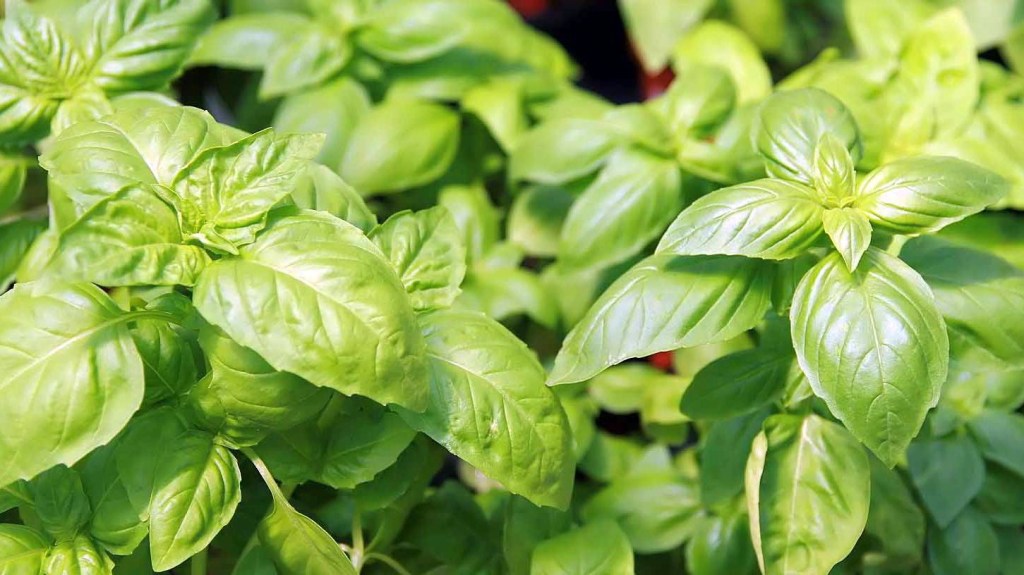
Basil
Ocimum basilicum
Common & Folk Names
- Sweet Basil
- Common Basil
- St. Joseph’s Wort
- Herbe Royale (French: Royal Herb)
Plant Family
Lamiaceae (Mint Family)
Geographic Location
Native to tropical regions from Central Africa to Southeast Asia. Basil is now cultivated worldwide in gardens and farms. In Aotearoa New Zealand, basil grows readily in warmer northern regions and requires protection or greenhouse cultivation in cooler southern areas.
Habitat
Basil thrives in well-drained, fertile soil with full sun exposure, and prefers temperatures between 15°C and 29°C. In cultivation, it flourishes in garden beds, containers, and greenhouses. As a frost-sensitive tropical plant, it requires warm conditions and cannot tolerate cold temperatures.
Growing Conditions
Sun: Basil needs full sun (6-8 hours direct sunlight daily).
Soil: Basil prefers rich, moist, but well-drained soil with a neutral to slightly acidic pH (6.0-7.0).
Propagation: Basil is easily grown from seed sown after all danger of frost has passed. It is extremely sensitive to cold and frost, which will kill the plant quickly.
Care: Pinch back the growing tips regularly to prevent flowering, which in turn encourages bushy leaf growth and maintains leaf quality. Water consistently, keeping soil moist but not waterlogged. Mulch around plants to retain moisture and suppress weeds.
NZ Growing Notes: Basil is frost-sensitive and grows best in warmer North Island regions (Auckland, Bay of Plenty, Northland, Hawke’s Bay). In cooler South Island regions (Canterbury, Otago, Southland), grow in containers that can be moved indoors before frost, or in greenhouses with temperature control. Wellington and Nelson regions can grow basil outdoors in summer with protection from strong winds and evening chill.
NZ Planting Calendar:
- Warm regions (Auckland northward): Sow seeds outdoors October-November after soil warms, transplant seedlings December, harvest December-March
- Temperate regions (Wellington, Nelson, Taranaki): Sow indoors September-October, transplant outdoors after last frost risk (mid-November), harvest December-February
- Cool regions (Canterbury, Otago, Southland): Start indoors August-September, transplant to containers or protected positions November-December, or grow in containers/greenhouses year-round for continuous harvest
Harvest period: December-March in most NZ regions; bring containers indoors or harvest completely before first autumn frosts (typically March-April)
Harvesting Guidelines
Leaves can be harvested throughout the growing season. However, basil’s peak volatile oil content occurs just before it flowers, making this the optimal harvest time for medicinal use.
It is recommended to harvest in the morning after the dew has dried but before midday heat, as this timing provides the best concentration of volatile oils. The morning sun warms the leaves and volatilizes the essential oils without causing them to evaporate excessively.
Harvesting Technique: Use fingers or scissors to pinch or cut stems just above a leaf node (where leaves join the stem). This encourages branching and continued growth. For large harvests, cut entire stems, leaving at least 10-15cm of growth for plant recovery.
Drying: Dry quickly in warm (not hot), shaded, well-ventilated location. Ideal temperature 30-35°C; avoid exceeding 40°C as high heat degrades volatile oils. Properly dried leaves should remain green, retain aromatic fragrance, and be crisp. Complete drying takes 3-7 days depending on conditions and humidity.
Parts Used
- Leaves (fresh or dried)
- Occasionally flowering tops
Constituents & their Actions
Basil’s therapeutic effects result from synergistic interactions among volatile oils, flavonoids, polyphenolic acids, tannins, and triterpenoids. The essential oil and polyphenolic fractions are most medicinally significant.
Volatile Oils:
These aromatic compounds are responsible for basil’s characteristic smell, flavour, and many of its medicinal properties. The volatile oil content varies by variety but typically comprises 0.5-1.5% of dried leaf weight.
Some of the main volatile oils in basil are:
- Estragole (methyl chavicol): Major component in sweet basil; characteristic anise-like aroma
- Linalool: Sweet, floral aroma; calming and anti-inflammatory
- Eugenol: Spicy, clove-like aroma; potent anti-inflammatory and antimicrobial
- 1,8-cineole (eucalyptol): Fresh, camphoraceous aroma; expectorant and antimicrobial
- Limonene: Citrus-like aroma; uplifting and digestive stimulant
- Caryophyllene: Spicy, peppery note; anti-inflammatory
- α-pinene: Pine-like aroma; bronchodilator and antimicrobial
Why This Matters: The specific oil profile varies by basil variety. Sweet basil (Ocimum basilicum) is high in linalool and estragole. Holy basil/Tulsi (Ocimum sanctum/tenuiflorum) is a different species with different chemistry and uses.
For example, estragole gives basil its characteristic sweet, anise-like aroma and contributes to its ability to relieve intestinal gas (carminative action) and provides mild calming properties. Linalool and eugenol are potent anti-inflammatories and antimicrobials.
The main actions of these volatile oils are:
- Carminative (relieves intestinal gas): Relaxes digestive smooth muscle, allowing trapped gas to be expelled
- Anti-inflammatory: Reduces inflammation through multiple pathways
- Antimicrobial: Disrupts bacterial and fungal cell membranes
- Antispasmodic: Relaxes smooth muscle throughout the body
- Mild sedative/nervine: Calms nervous system, reduces anxiety
Flavonoids:
These are polyphenolic compounds (plant-based molecules with multiple phenol rings) that act as powerful antioxidants (molecules that protect cells from damage by neutralising harmful free radicals). They protect cells from oxidative damage whilst also contributing to anti-inflammatory effects.
Some of the main flavonoids in basil are:
- Orientin: C-glycoside flavone with neuroprotective properties
- Vicenin: Related flavone with antioxidant activity
- Lutein: Yellow pigment carotenoid; eye health support
- β-carotene: Orange pigment carotenoid; vitamin A precursor
- Apigenin: Potent anti-inflammatory and anxiolytic (anti-anxiety) flavone
- Luteolin-7-O-glucoside: Flavone glycoside with neuroprotective properties
The main actions of these flavonoids are:
- Antioxidant: Neutralise free radicals (unstable molecules that damage cells), protecting against cellular damage and aging
- Anti-inflammatory: Reduce inflammation through inhibition of inflammatory enzymes and signaling pathways
- Neuroprotective: Protect nerve cells from damage and support cognitive function
Tannins:
These astringent compounds provide a mildly toning (astringent) effect and can help tighten tissues, which in turn can reduce minor secretions and provide mild antimicrobial protection.
The main action of tannins is:
- Astringent (toning effect): Tightens and tones tissues, reduces excessive secretions, provides protective coating on mucous membranes (the moist linings of the digestive tract and other internal surfaces)
Polyphenolic Acids:
These plant-derived acids have potent antioxidant and anti-inflammatory properties. Rosmarinic acid, in particular, inhibits the production of leukotrienes (inflammatory chemicals that contribute to allergies, asthma, and inflammatory conditions), which in turn reduces inflammatory responses throughout the body.
Some of the main polyphenolic acids in basil are:
- Rosmarinic acid: Primary polyphenolic acid; potent anti-inflammatory and antioxidant
- Caffeic acid: Antioxidant and anti-inflammatory phenolic acid
- Ferulic acid: Antioxidant found in plant cell walls
- p-Coumaric acid: Phenolic acid with antioxidant properties
The main actions of these polyphenolic acids are:
- Anti-inflammatory: Inhibit inflammatory enzymes and reduce production of inflammatory chemicals
- Antioxidant: Scavenge free radicals and protect against oxidative stress
- Antimicrobial: Contribute to antibacterial and antifungal activity
Triterpenoids:
These complex plant compounds are anti-inflammatory and contribute to basil’s antimicrobial activity.
One of the main triterpenoids in basil is:
- Ursolic acid: Pentacyclic triterpenoid with anti-inflammatory, antimicrobial, and potential metabolic benefits
The main actions of these triterpenoids are:
- Anti-inflammatory: Reduce inflammation through multiple biochemical pathways
- Antimicrobial: Disrupt microbial cell membranes and inhibit microbial growth
- Metabolic support: May support healthy blood sugar regulation (preliminary research)
Actions (with Mechanisms)
Carminative (Relieves Intestinal Gas):
The volatile oils in basil (particularly estragole, eugenol, and linalool) relax the smooth muscle of the gastrointestinal (GI) tract through modulation of calcium channels and direct muscle relaxant effects. When smooth muscle in the intestinal wall relaxes, it allows the intestine to expand more easily, which in turn permits trapped gas bubbles to move and coalesce, which in turn allows the body to expel trapped gas more effectively through belching or flatulence, which in turn relieves the uncomfortable bloating, pressure, and cramping associated with intestinal gas. This action is particularly helpful for stress-related digestive upset where nervous tension causes gas to become trapped.
Antispasmodic (Relieves Muscle Spasms):
The volatile oils in basil (particularly linalool and eugenol) relax smooth muscle tissue in the digestive tract, uterus, and respiratory system by modulating calcium channels (the cellular gates that control how calcium enters muscle cells, which affects muscle contraction). These compounds reduce muscle calcium influx, which in turn decreases the availability of calcium needed for muscle contraction, which in turn prevents excessive muscle contraction and cramping, which in turn relieves spasms, cramps, and tension. This action is particularly useful for stress-related digestive cramping, menstrual cramps (dysmenorrhoea), and tension-related muscle spasms. The antispasmodic effect is gentle and non-sedating.
Anti-inflammatory:
Basil demonstrates potent anti-inflammatory activity through multiple synergistic mechanisms. The eugenol, rosmarinic acid, and ursolic acid in basil inhibit enzymes such as cyclooxygenase (COX) and lipoxygenase (LOX) (enzymes that create inflammatory chemicals in the body), which in turn reduces the production of prostaglandins and leukotrienes (inflammatory signaling molecules that cause pain, swelling, redness, and heat), which in turn decreases inflammation, pain, and swelling throughout the body. This makes basil useful when anti-inflammatory relief is required for the digestive tract (gastritis, inflammatory bowel conditions), systemic inflammation (joint pain, general inflammatory conditions), and topical inflammatory conditions when applied externally.
Antioxidant:
The flavonoids in basil, particularly apigenin and quercetin, neutralize free radicals (unstable molecules with unpaired electrons that damage cells, proteins, and DNA) by donating electrons to them, which in turn makes these reactive molecules more stable and less damaging, which in turn prevents them from oxidizing (damaging) cells and causing cellular dysfunction. Additionally, these flavonoid compounds stimulate the body’s production of endogenous antioxidant enzymes (the body’s own protective enzymes) such as catalase and glutathione peroxidase, which in turn enhances the body’s overall antioxidant defense system, which in turn provides long-term protection against oxidative stress, aging, and chronic disease development.
Digestive Bitter:
Basil’s bitter compounds stimulate the bitter taste receptors (TAS2Rs) on the tongue and throughout the gastrointestinal tract, which in turn triggers a neurological reflex (via the vagus nerve), which in turn promotes the body to increase secretion of digestive enzymes from the pancreas and stomach, which in turn also stimulates bile production and release from the liver and gallbladder. Both digestive enzymes and bile are essential for breaking down food—enzymes break down proteins, carbohydrates, and fats, whilst bile emulsifies fats making them easier to digest. This enhanced digestive secretion improves overall digestive function, nutrient absorption, and helps relieve feelings of heaviness, sluggish digestion, and indigestion. The bitter action is most effective when taken 10-15 minutes before meals.
Antimicrobial:
The volatile oils (particularly eugenol, linalool, and 1,8-cineole) and polyphenolic acids in basil disrupt the cell membranes of bacteria and fungi. These compounds interfere with membrane integrity and permeability, which in turn leads to leakage of cellular contents (proteins, ions, nutrients), which in turn causes cell (bacterial or fungal) death. Research has demonstrated effectiveness against various pathogens including food-borne bacteria (Escherichia coli, Salmonella species), antibiotic-resistant bacteria (Staphylococcus aureus including MRSA strains), and various fungal species (Candida albicans). This antimicrobial action makes basil useful as a food preservative (traditional use in pesto and preserved foods), for digestive infections, and topically for minor skin infections.
Mild Nervine/Calming:
The linalool content in basil produces gentle calming and anxiolytic (anti-anxiety) effects. Animal studies have shown that linalool modulates neurotransmitter systems, particularly GABAergic (the brain’s main calming neurotransmitter system) activity, which in turn enhances inhibitory neurotransmission (calming nerve signals), which in turn reduces nervous system excitation and anxiety, which in turn promotes relaxation without sedation. This action supports basil’s traditional use for stress-related digestive complaints, nervous tension, and mild anxiety. The effect is gentle—not comparable to pharmaceutical anxiolytics or sedatives—but valuable for everyday stress management, particularly when combined with its digestive benefits for the “nervous stomach.”
Main Use
Basil’s primary use is as a gentle carminative (relieves intestinal gas) and digestive bitter to relieve symptoms of indigestion, including bloating, cramping, and feelings of fullness, especially when these conditions are exacerbated by stress or nervous tension. Its combination of carminative, antispasmodic, bitter, and mild nervine properties makes it particularly suited for stress-related digestive upset—the common “nervous stomach” or gut-brain axis dysfunction where anxiety and stress manifest as digestive complaints.
Specifically indicated for:
Digestive Applications (Primary):
- Intestinal gas, bloating, and flatulence
- Indigestion and dyspepsia (difficulty digesting)
- Sluggish digestion and feelings of fullness after meals
- Stress-related digestive upset and “nervous stomach”
- Mild digestive cramping and spasm
- Poor appetite (bitter stimulant taken before meals)
- Nausea (mild relief)
Other Applications:
Topical use: Minor cuts and skin irritations (antimicrobial and anti-inflammatory properties)
Mild nervous tension and stress (gentle calming effect)
Menstrual cramps (antispasmodic effect on uterine smooth muscle)
Minor respiratory congestion (expectorant and antimicrobial volatile oils via steam inhalation)
Headaches associated with digestive upset
Preparations
Tea/Infusion (Most Common):
1-2 teaspoons (2-4 grams) of dried herb (or 2-3 teaspoons freshly crushed leaf) per cup (250ml) of boiling water. Pour boiling water over herb in teapot or cup, cover immediately to prevent volatile oil loss through steam, and steep 5-10 minutes. Strain. Drink warm after meals for digestive support, or 10-15 minutes before meals for bitter digestive stimulation.
Note: Covering during steeping is essential—basil’s therapeutic volatile oils evaporate rapidly when exposed to air. Always use a lid to trap the aromatic steam.
For acute digestive upset: Drink 1 cup after meals, up to 3 times daily.
Tincture:
Fresh or dried leaves in 1:5 ratio with 40% alcohol. Pack jar loosely with basil leaves (dried or fresh), cover completely with alcohol (vodka works well), cap tightly, macerate 4-6 weeks, shaking daily. Strain through cheesecloth, pressing to extract all liquid. Bottle in dark glass with dropper.
Adult dose: 2-4ml (40-80 drops), up to 3 times daily, in small amount of water. Take after meals for digestive support or before meals for appetite stimulation.
Infused Vinegar:
Fill clean jar with fresh or dried basil leaves (fresh preferred for best flavour), cover completely with apple cider vinegar or white wine vinegar, cap tightly with non-reactive lid (plastic or cork—vinegar corrodes metal lids), steep in cool dark place for 2-4 weeks, shaking occasionally. Strain, bottle in glass.
Use: Take 1-2 teaspoons diluted in water (approximately 100-200ml) 10-15 minutes before meals as digestive bitter tonic. Also adds medicinal benefit and excellent flavour to salad dressings, marinades, and culinary preparations.
Why vinegar works: Vinegar is an excellent solvent for extracting and preserving basil’s medicinal constituents, particularly the polyphenolic acids. The acidic environment enhances digestive stimulation.
Essential Oil:
For external or aromatic use only—essential oil is highly concentrated (approximately 100 times more concentrated than the whole herb) and should never be taken internally except under professional guidance.
Aromatic use: Add 3-5 drops to diffuser for mental clarity and stress relief.
Topical use: Dilute 2-3 drops in 10ml (2 teaspoons) carrier oil (olive, coconut, almond) for massage oil. Apply to temples for tension headaches or to abdomen for digestive cramping (massage in clockwise direction following digestive tract flow).
Culinary Use:
Liberal use of fresh or dried basil leaves in food is an effective, pleasant, and safe way to gain its digestive and health benefits. Adding fresh basil to meals provides gentle ongoing medicinal effects without needing to take separate “medicine.”
Suggestions: Add fresh basil to salads, pasta, soups, stir-fries, and vegetable dishes. The heat of cooking reduces some volatile oil content but retains many beneficial constituents. For maximum medicinal benefit, add fresh basil at the end of cooking or use raw.
Steam Inhalation:
Handful of fresh or dried basil leaves in bowl of just-boiled water. Cover head with towel, lean over bowl (eyes closed to avoid irritation), inhale steam for 5-10 minutes. The volatile oils are delivered via respiratory tract.
Use: For mild respiratory congestion, sinus pressure, or as aromatherapy for stress relief. The antimicrobial and expectorant properties of the volatile oils help clear mucus and fight respiratory infections.
Dosage
Internal Use (Digestive/Nervous Support):
- Tea: 1-2 teaspoons (2-4g) dried herb steeped 5-10 minutes, 1-3 cups daily after meals or before meals for bitter effect
- Tincture (1:5, 40%): 2-4ml (40-80 drops), up to 3 times daily
- Infused Vinegar: 1-2 teaspoons diluted in water, before meals
Culinary Use:
- Fresh leaves: Use liberally in cooking; 5-10 large leaves per serving provides mild medicinal effect
- Dried herb (culinary seasoning): 1-2 teaspoons per dish
Topical Use:
- Diluted essential oil: 2-3 drops in 10ml carrier oil, apply as needed
- Fresh leaf poultice: Crush fresh leaves, apply directly to minor cuts or insect bites
Children:
Basil is generally safe for children in culinary amounts. For medicinal use:
- Children 6-12 years: Half adult dose of tea (½-1 teaspoon dried herb per cup), 1-2 times daily
- Children 2-6 years: Quarter adult dose, under supervision
- Infants: Culinary amounts only (small amounts in food); consult healthcare provider before medicinal use
Always consult pediatrician before giving herbs medicinally to children.
Safety & Drug Interactions
General Safety:
Basil is Generally Recognised As Safe (GRAS) by regulatory authorities when used in common culinary quantities. It has an excellent safety profile with extensive historical use. Adverse effects from culinary or typical medicinal use are extremely rare.
Estragole Content:
Important Consideration: Basil contains estragole (methyl chavicol), which in isolated, concentrated form has shown potential hepatotoxic (liver-damaging) and carcinogenic effects in animal studies when given at very high doses over long periods. However, several important points provide context:
- Dose matters: These concerns relate to purified, isolated estragole at doses far exceeding those found in culinary or typical medicinal use of whole basil
- Whole plant protection: The complex matrix of whole plant basil contains protective compounds (antioxidants, anti-inflammatory constituents) that appear to mitigate any potential risk from estragole
- Regulatory position: Despite estragole content, basil is approved for food use by regulatory authorities worldwide (FDA, EFSA, etc.) and normal culinary and therapeutic use is considered safe
- Traditional use: Centuries of widespread culinary use with no associated harm supports safety of normal consumption
Practical guidance:
- Culinary use is safe for everyone, including during pregnancy
- Standard medicinal doses (teas, tinctures) are considered safe for short-to-moderate term use
- Avoid prolonged high-dose use of concentrated essential oil internally
- Pregnant women should limit use to normal culinary amounts; avoid therapeutic doses (multiple cups daily, high-dose tinctures)
Pregnancy & Lactation:
- Culinary amounts: Safe throughout pregnancy and lactation; basil is a common culinary herb consumed safely by pregnant women worldwide
- Medicinal doses: Not recommended during pregnancy due to theoretical concerns about estragole content and potential uterine stimulant effects, though evidence of harm is weak
- Recommendation: Limit to culinary use during pregnancy (occasional use in cooking is safe); avoid therapeutic doses. Generally considered safe during lactation in moderate amounts.
Always consult midwife or obstetrician regarding herbal use during pregnancy.
Drug Interactions:
Blood-thinning/Anticoagulant Medications: Basil contains vitamin K and compounds that may theoretically affect blood clotting. Use caution if taking anticoagulant drugs including warfarin (Marevan), dabigatran (Pradaxa), apixaban (Eliquis), or rivaroxaban (Xarelto)—commonly prescribed in New Zealand.
Evidence: Theoretical interaction based on vitamin K content and in vitro studies; clinical significance unclear. Culinary use unlikely to cause problems, but avoid high-dose supplementation (large amounts of concentrated extract or essential oil) without consulting your doctor or pharmacist.
Diabetes Medications: Preliminary research suggests basil may have mild blood sugar-lowering effects. If taking diabetes medications (metformin, insulin, etc.), monitor blood sugar levels and consult healthcare provider.
Blood Pressure Medications: Basil may have mild hypotensive (blood pressure-lowering) effects. If taking blood pressure medications, monitor blood pressure and inform your doctor of basil use.
Contraindications:
- Documented allergy to Lamiaceae family plants (basil, mint, rosemary, oregano, lavender)
- First trimester pregnancy (precautionary—limit to culinary amounts, avoid therapeutic doses)
- Scheduled surgery: discontinue medicinal use 2 weeks before surgery due to theoretical bleeding risk
Adverse Effects (Rare):
- Allergic reactions: Possible in individuals sensitive to Lamiaceae family; symptoms may include oral itching, skin rash, or digestive upset
- Contact dermatitis: Rare with fresh plant handling; more common in occupational exposure (herb harvesters)
- Digestive upset: Very rare; may occur with excessive consumption
Special Populations:
Children: Safe in culinary amounts; use reduced doses for medicinal purposes under supervision.
Elderly: Safe; no special precautions needed at normal doses.
Liver disease: Given theoretical estragole concerns, those with existing liver disease should limit use to culinary amounts and avoid high-dose supplementation.
Scientific Evidence
Anti-inflammatory & Antioxidant:
Several in vitro (laboratory cell culture) studies confirm basil’s potent antioxidant activity and inhibition of inflammatory enzymes like cyclooxygenase (COX-2) and lipoxygenase (LOX). This activity is primarily attributed to eugenol, rosmarinic acid, and flavonoid content. Studies using standardized chemical assays (DPPH, FRAP, ORAC) consistently rank basil high in antioxidant capacity.
Research Limitation: Most research is in vitro or animal models; clinical trials in humans are limited but supportive of traditional use.
Antimicrobial:
Multiple studies have demonstrated that basil essential oil is effective against a broad range of food-borne pathogens including Escherichia coli, Salmonella species, Listeria monocytogenes, and antibiotic-resistant bacteria like methicillin-resistant Staphylococcus aureus (MRSA). The antimicrobial activity is primarily attributed to eugenol, linalool, and other volatile oil constituents.
Practical Application: This research supports basil’s traditional use as a food preservative (pesto, infused oils) and for digestive infections.
Neuroprotective & Anxiolytic (Anti-Anxiety):
Animal studies (primarily rodent models) have shown that linalool—a major constituent of basil essential oil—can reduce anxiety-related behaviours, improve cognitive function, and provide neuroprotective effects. The mechanism appears to involve modulation of GABAergic neurotransmission and reduction of oxidative stress in brain tissue.
Clinical Significance: While human clinical trials are limited, these findings support basil’s traditional use as a gentle nervine to calm the nervous system and relieve stress-related symptoms. The effect is mild compared to pharmaceutical anxiolytics.
Digestive/Carminative:
While large-scale clinical trials are scarce, the carminative (gas-relieving) effect of basil’s volatile oil constituents is well-established in traditional phytotherapy (herbal medicine) and supported by pharmacological understanding of how aromatic volatile oils affect digestive smooth muscle. The mechanism—smooth muscle relaxation via calcium channel modulation—is consistent across aromatic carminative herbs.
Traditional Evidence: Centuries of widespread use across diverse cultures for digestive complaints provides compelling evidence of efficacy and safety.
Metabolic Effects:
Preliminary research (animal and small human studies) suggests potential benefits for blood sugar regulation and metabolic health, possibly related to ursolic acid content. However, this research is early-stage and requires larger human trials before definitive conclusions.
Evidence Limitations:
Most research on basil is:
- In vitro (cell culture) or animal models rather than human clinical trials
- Small-scale studies rather than large randomised controlled trials
- Focused on isolated constituents rather than whole herb preparations
However: The consistency of findings across multiple study types, combined with extensive traditional use, provides reasonable confidence in basil’s safety and efficacy for its traditional applications. The lack of large-scale human trials reflects limited research funding for common, unpatentable herbs rather than concerns about efficacy.
Western Energetics
Temperature:
Warming: Basil stimulates digestion, circulation, and metabolism. The pungent, aromatic volatile oils have a warming, moving quality that disperses cold and stagnation, particularly in the digestive system. Appropriate for cold, sluggish digestive states (poor appetite, slow digestion, gas, bloating from deficient digestive fire). Less appropriate for inflammatory “hot” digestive conditions (acid reflux, gastritis with burning sensation).
Moisture:
Drying: Basil’s carminative and mildly astringent actions reduce dampness and stagnation, particularly intestinal dampness manifesting as excessive gas, bloating, loose stools, or heavy feelings in the abdomen. The aromatic oils help “dry” and move stagnant fluids. Less appropriate for very dry, constipated conditions.
Tissue State:
Primarily indicated for:
- Cold/Depression (in the digestive system): Sluggish digestion, poor appetite, feeling of cold in abdomen, weak digestive fire—basil’s warming, stimulating properties restore digestive vitality
- Tension/Constriction (nervous and muscular): Stress-related digestive cramping, intestinal spasm, nervous tension manifesting in the gut—basil’s antispasmodic and nervine properties relieve tension
- Dampness/Stagnation: Intestinal gas, bloating, feelings of heaviness and fullness—basil’s carminative and aromatic properties move and disperse stagnation
Basil is particularly suited for individuals with weak digestion complicated by nervous tension—the person whose stress “ties their stomach in knots” and whose anxiety manifests as gas, bloating, and cramping. The combination of warming digestive stimulant + antispasmodic + mild nervine makes basil ideal for cold + tension tissue states in the digestive system.
Taste
Pungent (Primary):
The dominant taste, arising from basil’s warming and stimulating volatile oils (particularly estragole, eugenol, carvacrol). The pungent quality is dispersing, moving, and opening—it stimulates circulation, moves stagnant qi (energy), and activates digestive function. Pungency warms the body, opens the senses, and has an uplifting, mentally clarifying effect.
Bitter (Secondary):
The secondary taste, especially noticeable when fresh leaves are chewed. Bitterness cools heat, stimulates digestion, and has a tonic, strengthening effect on the digestive system. Basil’s bitterness is gentle and pleasant—not harsh or intensely bitter like gentian or dandelion root. The bitter quality activates bitter receptors on the tongue, which triggers digestive secretions (stomach acid, bile, pancreatic enzymes).
Slightly Sweet (Subtle Undertone):
A subtle, pleasant sweetness particularly noticeable in sweet basil varieties. The sweet quality is nourishing, building, and harmonizing. It softens basil’s pungent and drying tendencies, making it gentle enough for regular culinary use. This sweetness contributes to basil’s palatability and broad acceptability.
Overall Taste Profile: The combination of pungent-bitter-sweet creates a balanced, pleasant taste that reflects basil’s harmonious therapeutic action. Unlike intensely pungent herbs (cayenne, ginger) or intensely bitter herbs (gentian), basil’s moderate intensity makes it suitable for frequent use and integration into daily diet.
Plant Lore
The name “basil” derives from the Greek basilikón phutón, meaning “royal plant” or “kingly herb,” reflecting its noble status and esteemed position in ancient Greek culture. The association with royalty suggests basil was considered precious and worthy of kings.
In Italian folklore, basil is a powerful symbol of love. A pot of basil on a windowsill signaled that a suitor was welcome and the young woman was receptive to courtship. This romantic association persists in Italian culture where basil is given as a token of love.
Conversely, European folklore held contradictory beliefs about basil. In some traditions, it was associated with scorpions and was thought to breed them spontaneously under pots where it grew. This belief may have arisen from the plant’s preference for warm, dry conditions—the same habitat preferred by scorpions in Mediterranean regions.
In Greek culture, basil also holds a solemn significance as a symbol of mourning. Greek Orthodox churches use basil in religious ceremonies, and it is placed with the deceased. This dual association—both love and mourning—demonstrates basil’s cultural complexity.
In Hindu tradition, a related species, Tulsi or Holy Basil (Ocimum sanctum/tenuiflorum), is considered sacred to the goddess Lakshmi and Lord Vishnu. Tulsi is planted in courtyards of Hindu homes and temples, and the plant itself is venerated. While botanically related to sweet basil, Tulsi has distinct chemistry and traditional uses within Ayurvedic medicine. Confusion between sweet basil and holy basil is common in Western herbalism, but they are different plants with different applications.
Historical Medical Use: Ancient Greek and Roman physicians, including Hippocrates and Dioscorides, recorded basil’s medicinal uses. In medieval European herbalism, basil was used for digestive complaints, nervous conditions, and as an insect repellent. Traditional Chinese Medicine incorporated basil-like species for moving stagnant qi and relieving digestive stagnation.
Additional Information
Basil Varieties:
Multiple basil cultivars exist, each with slightly different chemistry and uses:
- Sweet Basil (Ocimum basilicum): This monograph’s focus; most common culinary variety; high in linalool and estragole; gentle digestive and nervine properties
- Thai Basil: Anise-like flavour; contains higher levels of estragole and methyl cinnamate; used in Southeast Asian cuisine
- Lemon Basil: Citrus-scented; contains citral; refreshing digestive aid
- Holy Basil/Tulsi (Ocimum sanctum/tenuiflorum): Different species; adaptogenic properties; sacred in Hindu tradition; distinct uses from sweet basil
- Purple Basil: Contains anthocyanins (purple pigments); similar properties to sweet basil with enhanced antioxidant activity
For medicinal use: Sweet basil (Ocimum basilicum) is preferred for acute digestive and nervous system complaints and is the variety most extensively researched for therapeutic applications.
Kitchen Medicine Concept:
Basil is an excellent example of “kitchen medicine”—everyday culinary ingredients that provide effective, gentle medicinal benefits when incorporated into regular diet. Rather than viewing herbs as separate “medicine” taken only when ill, the kitchen medicine approach integrates healing plants into daily meals, providing ongoing preventive and therapeutic effects.
Practical Application: Regular consumption of fresh basil in salads, pasta, pesto, and vegetable dishes provides gentle digestive support, antioxidant protection, and anti-inflammatory benefits without needing to prepare separate herbal medicines.
Availability in New Zealand:
Fresh Basil: Widely available in NZ supermarkets and vegetable markets year-round, though quality and availability peak in summer months (December-March). Often sold as living plants in pots, which can be maintained on sunny windowsills.
Seeds: Available at all garden centres nationwide and online. Seeds typically NZ$4-8 per packet.
Dried Basil Herb: Available in bulk from health food stores and herbal suppliers. Also available in smaller quantities in supermarket spice sections.
Tinctures: Pre-made basil tinctures are less common but sometimes available from herbal dispensaries and some health stores.
Essential Oil: Available in aromatherapy shops, health stores, and some pharmacies. Look for therapeutic-grade oils.
Growing Your Own: The most cost-effective and rewarding option. A small basil plant provides abundant fresh leaves throughout the growing season. In warmer NZ regions, can be grown outdoors; in cooler regions, container plants can be brought indoors or grown in greenhouses.
Storage:
Fresh Basil (Short-term):
- Store stems in water like a bouquet at room temperature (out of direct sunlight) for 3-5 days
- Or refrigerate: wrap gently in damp paper towel, place in produce bag, store in crisper drawer for up to 1 week
- For longer preservation: freeze in ice cube trays with olive oil or water; these cubes can be added directly to cooking
Dried Basil:
- Store in airtight glass containers (glass jars with tight-fitting lids ideal) in cool, dark place (cupboard away from stove)
- Avoid plastic containers, which don’t preserve volatile oils as effectively
- Properly stored dried basil retains aroma and green colour for 6-12 months
- Discard if aroma has faded significantly, colour has turned brown, or herb smells musty—these indicate degraded quality and reduced therapeutic potency
- Label containers with harvest/purchase date for tracking freshness
Tinctures: Store in dark glass bottles (amber or cobalt blue) with tight lids in cool location. Properly made tinctures remain potent for 3-5 years.
Essential Oil: Store in dark glass bottles tightly sealed in cool location away from light and heat. Pure essential oils have shelf life of 2-3 years if properly stored.
Combining with Other Herbs:
Basil combines beautifully with other digestive and nervine herbs to create synergistic blends:
For Enhanced Digestive Support:
- Peppermint or Spearmint: Enhanced carminative effect, cooling balance to basil’s warmth; excellent for gas and bloating
- Fennel seeds: Complementary carminative and digestive stimulant; sweet flavour improves taste
- Ginger: Warming stimulant for very weak, cold digestion; enhances circulation and digestive fire
- Chamomile: Adds anti-inflammatory and additional antispasmodic effects; particularly good for nervous digestive upset
For Stress-Related Digestive Complaints:
- Lemon Balm: Enhanced nervine effect, gentle calming for anxiety-related digestive upset; pleasant lemony flavour
- Lavender: Additional calming effect (use sparingly—strong flavour); particularly for tension headaches with digestive component
- Catnip: Gentle nervine and digestive support; safe for children
For Respiratory Support:
- Thyme: Enhanced antimicrobial and expectorant effects for respiratory infections
- Eucalyptus: Strong decongestant for steam inhalations (leaves or essential oil)
Culinary Herb Combinations:
- Basil + oregano + thyme = classic Italian blend with antimicrobial and digestive benefits
- Basil + mint + parsley = refreshing, digestive-supportive fresh herb blend
Quality Considerations:
Fresh Basil Quality Indicators:
- Vibrant green colour (not yellowing or brown spots)
- Strong, pleasant aromatic fragrance when leaves gently rubbed
- Crisp, perky leaves (not wilted or slimy)
- No visible mold or decay
Dried Basil Quality Indicators:
- Retains green colour (bright to olive green, not brown or gray)
- Strong aromatic fragrance (sweet, slightly pungent, pleasant)
- Intact leaf pieces (not excessive powder or stem material)
- No musty or off odours (indicates mold or poor storage)
- Sold in light-protective packaging (opaque bags or dark containers)
Essential Oil Quality:
- Pure Ocimum basilicum essential oil (not blends or synthetic)
- Reputable supplier with botanical name on label
- Organic certification preferred (reduces pesticide residues)
- Dark glass bottle with dropper or orifice reducer
- Pleasant, true basil aroma (not harsh, chemical, or off-putting scent)
Interesting Chemistry Note:
Basil’s volatile oil composition varies significantly based on chemotype (genetic variation), growing conditions, harvest timing, and geographic origin. The same species (Ocimum basilicum) can produce oils with very different chemical profiles:
- Linalool chemotype: Sweet, floral aroma; gentle nervine and anti-inflammatory; preferred for therapeutic use
- Methyl chavicol (estragole) chemotype: Anise-like aroma; strong digestive effects; common in sweet basil
- Methyl cinnamate chemotype: Spicy, cinnamon-like; common in some Asian basil varieties
Why This Matters: The therapeutic properties and safety profile can vary slightly between chemotypes. Sweet basil sold for culinary use in NZ is typically linalool or estragole chemotype, both considered safe and therapeutically valuable. When purchasing essential oil for therapeutic use, the chemotype should ideally be specified on the label.
Sources
- Shahrajabian, M. H., Sun, W., & Cheng, Q. (2020). Chemical components and pharmacological benefits of basil (Ocimum basilicum): A review. International Journal of Food Properties, 23(1), 1961-1970. https://doi.org/10.1080/10942912.2020.1828456
- Suppakul, P., Miltz, J., Sonneveld, K., & Bigger, S. W. (2003). Antimicrobial properties of basil and its possible application in food packaging. Journal of Agricultural and Food Chemistry, 51(11), 3197-3207. https://doi.org/10.1021/jf021038t
- Petersen, M., & Simmonds, M. S. J. (2003). Rosmarinic acid. Phytochemistry, 62(2), 121-125. https://doi.org/10.1016/S0031-9422(02)00513-7
- Elisabetsky, E., Coelho de Souza, G. P., Dos Santos, M. A. C., Siqueira, I. R., Amador, T. A., & Nunes, D. S. (1995). Sedative properties of linalool. Journal of Ethnopharmacology, 47(1), 1-6. https://doi.org/10.1016/0378-8741(95)01277-L
- European Medicines Agency. (2014). European Union herbal monograph on Ocimum basilicum L., herba. https://www.ema.europa.eu/en/documents/herbal-monograph/final-european-union-herbal-monograph-ocimum-basilicum-l-herba_en.pdf
- Rani, K. (2024). Ocimum basilicum (basil/tulsi): A herbal sustainable treasure and its therapeutic potency. Journal of Bacteriology & Mycology: Open Access, 12(1), 36-38. https://doi.org/10.15406/jbmoa.2024.12.00370
- Sharma, U., & Bhadauria, S. (2023). Medicinal aspects of Ocimum basilicum (L.) for human health. World Journal of Pharmaceutical and Life Sciences, 9(6), 28-31.
- Yadav, S., Dhak, H., & Uppalwar, S. V. (2024). Ocimum basilicum Linn (Basil): Phytochemistry, pharmacology and its benefits. International Journal of Research Publication and Reviews, 5(11), 7447-7454.
- Bone, K., & Mills, S. (2013). Principles and practice of phytotherapy: Modern herbal medicine (2nd ed.). Churchill Livingstone.
- Chevallier, A. (1996). The encyclopedia of medicinal plants. DK Publishing.
- Hoffmann, D. (2003). Medical herbalism: The science and practice of herbal medicine. Healing Arts Press.
- Mills, S., & Bone, K. (2005). The essential guide to herbal safety. Churchill Livingstone.
- Barnes, J., Anderson, L. A., & Phillipson, J. D. (2007). Herbal medicines (3rd ed.). Pharmaceutical Press.
- Edwards, S. E., da Costa Rocha, I., Williamson, E. M., & Heinrich, M. (2015). Phytopharmacy: An evidence-based guide to herbal medicinal products. John Wiley & Sons.
- Williamson, E. M., Driver, S., & Baxter, K. (Eds.). (2013). Stockley’s herbal medicines interactions. Pharmaceutical Press.
- van Wyk, B.-E. (2014). Culinary herbs & spices of the world. University of Chicago Press.
- van Wyk, B.-E., & Wink, M. (2017). Medicinal plants of the world (2nd ed.). CABI.
- Grieve, M. (1931). A modern herbal. Jonathan Cape.
Disclaimer: This monograph is for educational purposes only and is not medical advice. Please consult with a qualified healthcare practitioner before using any herbal remedy, especially if you are pregnant, nursing, taking medication, or have a known medical condition.
 The Public Herbarium