Chamomile
Matricaria chamomilla L. (syn. Matricaria recutita)
Common & Folk Names
- German Chamomile (Matricaria chamomilla/recutita)
- Hungarian Chamomile
- Wild Chamomile
- Blue Chamomile (referring to chamazulene in essential oil)
- Kamille (German)
- Manzanilla (Spanish)
- Roman Chamomile (Chamaemelum nobile) – related species, similar but milder properties
Plant Family
Asteraceae (formerly Compositae) – The Daisy Family
Geographic Location
Matricaria chamomilla native to Europe and Western Asia. Now widely naturalised throughout temperate regions worldwide, including North America, South America, Australia, and New Zealand. Roman Chamomile (C. nobile) native to Western Europe. In Aotearoa New Zealand, German Chamomile grows readily and has naturalised in some areas; it thrives in cooler regions and is commonly cultivated in home gardens throughout the country.
Habitat
Pioneer species that thrives in disturbed soils and open, sunny locations. Found in fields, roadsides, waste grounds, meadows, pastures, and agricultural edges. Prefers full sun and well-drained soil. Grows from sea level to approximately 2,000 meters elevation in its native range.
Growing Conditions
Sun: Full sun (6-8 hours direct sunlight daily minimum)
Soil: Well-drained, sandy or loamy soil; pH 6.5-7.5; tolerates poor soil; dislikes heavy clay or waterlogged conditions
Climate: Cool-season annual (M. chamomilla); prefers temperatures 15-24°C; tolerates light frost; struggles in extreme heat
Propagation: Easy from seed. Direct sow in autumn (for spring bloom) or early spring. Seeds need light to germinate—press lightly into soil surface, do not cover. Germinates in 7-14 days at 15-20°C. Self-seeds readily.
Care: Minimal care required. Water during dry spells but avoid overwatering. No fertilisation needed (excessive nutrients reduce essential oil content). Thin seedlings to 15-20cm spacing for optimal flower production.
NZ Growing Notes: German Chamomile grows exceptionally well throughout New Zealand, particularly in cooler regions (Canterbury, Otago, Southland).
NZ Planting Calendar:
- Autumn sowing (recommended): March-April produces robust spring plants with abundant flowers
- Spring sowing: August-September for later flowering
- Harvest period: October-December in most regions
Self-seeds prolifically if flowers left to mature—can become weedy in favorable conditions. Harvest regularly to prolong flowering season. Roman Chamomile, being perennial, is better suited as permanent groundcover in temperate NZ gardens.
Harvesting Guidelines
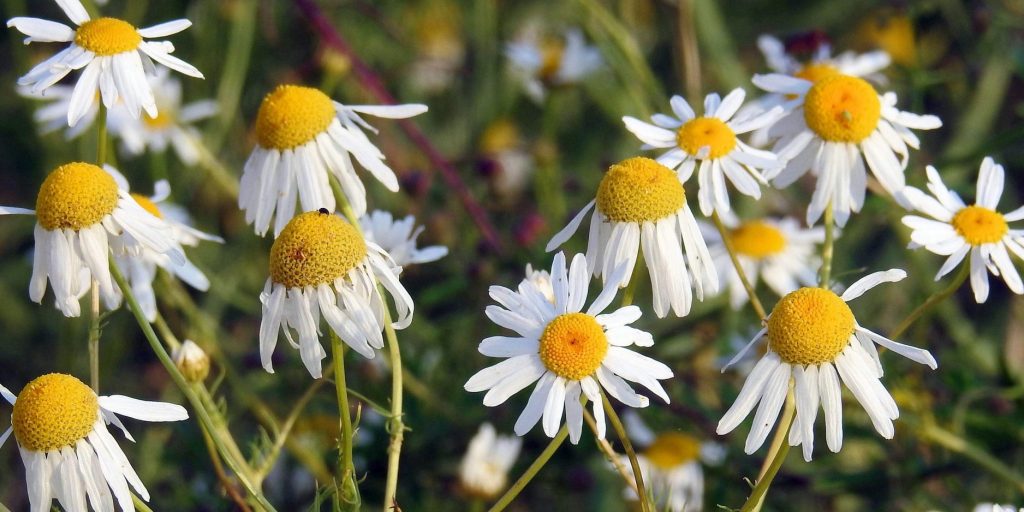
Harvest flower heads when fully open—ray florets (white “petals”) should be fully horizontal and central disc (yellow) fully developed and conical/dome-shaped. This is the peak moment for essential oil content. Harvest on a dry, sunny morning after dew has evaporated but before midday heat (which can cause volatile oil loss). Handle flowers gently to avoid bruising, which degrades quality.
Harvesting Technique: Use fingers or scissors to pluck individual flower heads, leaving 2-3cm of stem attached if desired (some herbalists prefer just the flower head). For large-scale harvest, specialised chamomile rakes or combs can be used to strip flowers from stems.
Drying: Dry quickly and carefully to preserve delicate volatile oils, particularly chamazulene and α-bisabolol. Spread flowers in single layer on screens or cloth in warm (not hot), shaded, well-ventilated location. Ideal drying temperature 30-35°C; avoid exceeding 40°C as high heat degrades essential oils. Properly dried flowers should be crisp, retain sweet apple-like fragrance, and maintain pale color (not brown). Complete drying takes 3-7 days depending on conditions. Store immediately in airtight containers away from light and heat. Shelf life: 12-18 months for dried flowers; 2-3 years for properly stored essential oil.
Quality indicators: Fresh chamomile should have strong, sweet, apple-like aroma. Dried flowers should be aromatic, not musty. High-quality chamomile has intact flower heads with yellow centers—excessive stem and leaf material indicates lower quality.
Parts Used
- Flower heads: The entire capitulum (flower head) including ray florets (white “petals”) and disc florets (yellow center)
- Occasionally the whole flowering plant used, though flowers contain highest concentration of active constituents
Constituents & Their Actions
Chamomile’s therapeutic effects result from synergistic interactions among volatile oils, flavonoids, coumarins, and other compounds. The essential oil and flavonoid fractions are most medicinally significant.
Volatile Essential Oil (0.4-1.5% fresh flowers, 0.24-1.9% dried):
The blue essential oil is a complex mixture obtained through steam distillation. The distinctive blue color develops during distillation as matricin (colorless precursor) converts to chamazulene (deep blue).
Some of the main volatile oil constituents are:
- α-Bisabolol (up to 50% of oil): Major anti-inflammatory and skin-healing compound; (−)-α-bisabolol is the naturally occurring enantiomer
- Chamazulene (1-15% of oil): Azulene derivative formed during distillation from matricin; intense blue color; potent anti-inflammatory
- Bisabolol oxides A & B: Related sesquiterpenes with anti-inflammatory properties
- Farnesene (up to 20%): Sesquiterpene hydrocarbon
- En-yn-dicycloether: Unique to chamomile and related species; antispasmodic
- Spiroether: Minor component with biological activity
The main actions of these volatile oils are:
- Anti-inflammatory: Multiple mechanisms including COX-2 and 5-LOX inhibition (blocking enzymes that create inflammatory chemicals), reducing prostaglandin and leukotriene synthesis
- Antispasmodic: Relaxes smooth muscle in digestive tract, uterus, and blood vessels through calcium channel modulation (controlling how calcium enters muscle cells, which affects muscle contraction)
- Vulnerary (Wound Healing): Promotes tissue repair and regeneration; antimicrobial protection
- Carminative: Relieves intestinal gas and bloating
- Antimicrobial: Broad-spectrum activity against bacteria, fungi, and some viruses
Flavonoids (up to 8% of dried flowers):
Polyphenolic compounds with diverse biological activities; primary anxiolytic (anti-anxiety) constituents.
Some of the main flavonoids in chamomile are:
- Apigenin (0.8-1.2%): The most therapeutically significant flavonoid; poorly water-soluble but present as glucosides that release apigenin during digestion
- Apigenin-7-O-glucoside: Major flavonoid glycoside; readily absorbed and converted to apigenin
- Luteolin: Flavone with neuroprotective and anti-inflammatory properties
- Luteolin-7-O-glucoside: Glycoside form
- Quercetin: Potent antioxidant flavonol
- Rutin: Quercetin-3-O-rutinoside; supports vascular integrity
- Patuletin: Methyl ether of quercetin
The main actions of these flavonoids are:
- Anxiolytic (Anti-Anxiety): Apigenin binds to benzodiazepine-binding site on GABA-A receptors, modulating inhibitory GABAergic neurotransmission (the brain’s main calming system) without benzodiazepine-like side effects
- Sedative (Mild): Promotes relaxation and improves sleep quality without causing morning grogginess
- Antioxidant: Powerful free radical scavenging (neutralizing harmful molecules); protects against oxidative stress
- Anti-inflammatory: Inhibits inflammatory pathways including NF-κB, COX, and LOX
- Neuroprotective: Protects neurons from oxidative damage and excitotoxicity (damage from overstimulation)
Coumarins:
Present in small amounts; contribute to sedative and antispasmodic effects.
Some of the coumarins in chamomile are:
- Herniarin (7-methoxycoumarin): Primary coumarin; gentle sedative
- Umbelliferone: Antispasmodic and mild anti-inflammatory
The main actions are:
- Sedative: Mild calming effect
- Antispasmodic: Relaxes smooth muscle
Mucilage (up to 10%):
Complex polysaccharides that form gel-like substance when hydrated.
The main action is:
- Demulcent: Soothes and protects irritated mucous membranes (the moist linings of the digestive tract and throat)
Bitter Principles:
Unnamed bitter compounds contributing to digestive stimulation.
The main action is:
- Bitter: Stimulates digestive secretions and appetite through activation of bitter receptors (TAS2Rs) on the tongue and digestive tract
Other Constituents:
- Matricin: Sesquiterpene lactone; precursor to chamazulene; anti-inflammatory
- Phenolic acids: Including caffeic acid derivatives; antioxidant
- Choline: Nitrogen-containing compound
Actions (with Mechanisms)
Anxiolytic (Anti-Anxiety) & Mild Sedative:
This is one of chamomile’s most clinically significant and well-studied actions.
How It Works
The anxiolytic effect is primarily mediated by apigenin, a flavonoid that binds to the benzodiazepine-binding site on GABA-A receptors in the central nervous system. GABA (gamma-aminobutyric acid) is the brain’s primary inhibitory neurotransmitter—think of it as the brain’s “brake pedal.” When GABA binds to GABA-A receptors, it opens chloride channels, hyperpolarising neurons (making nerve cells less likely to fire) and making them less likely to fire. This reduces neural excitation and promotes relaxation, reduces anxiety, and facilitates sleep.
Mechanism Detail:
Apigenin binds to the benzodiazepine-binding site on GABA-A receptors. Interestingly, while in vitro studies show apigenin can reduce GABA-activated chloride currents in certain experimental conditions, in vivo studies demonstrate clear anxiolytic effects. The exact mechanism remains under investigation, but appears to involve modulation of GABAergic neurotransmission that produces anxiolytic effects similar to benzodiazepine drugs (diazepam, alprazolam) WITHOUT the significant side effects: no significant sedation at therapeutic doses, no cognitive impairment, no motor incoordination, no dependency/addiction potential, and no withdrawal syndrome. The effect is gentle, non-hypnotic, and does not cause “hangover” grogginess.
What Research Shows
Multiple human clinical trials demonstrate this anxiolytic activity. Amsterdam et al. (2009) conducted a rigorous randomised, double-blind, placebo-controlled trial showing chamomile extract (500mg capsules, 3x daily, standardised to 1.2% apigenin) significantly reduced anxiety symptoms in patients with Generalized Anxiety Disorder (GAD) compared to placebo, with excellent tolerability.
Mao et al. (2016) conducted long-term follow-up study showing that chamomile use for 26+ weeks maintained anti-anxiety effects without tolerance development and showed additional benefits including mood improvement and blood pressure reduction.
Amsterdam et al. (2019) explored antidepressant effects in GAD patients with comorbid depression, finding chamomile produced clinically meaningful antidepressant effects in addition to anxiolytic activity.
Why It’s Different from Pharmaceutical Drugs
Additional mechanisms may include modulation of other neurotransmitter systems (serotonin, norepinephrine, dopamine) and normalisation of hypothalamic-pituitary-adrenal (HPA) axis function. Exploratory studies suggest chamomile therapy increases morning salivary cortisol and improves diurnal cortisol rhythm in GAD patients, potentially correcting stress biology dysfunction.
Anti-inflammatory (Systemic & Topical):
Chamomile demonstrates potent anti-inflammatory activity through multiple synergistic mechanisms, effective both when taken internally and applied topically.
Mechanism 1 – COX/LOX Inhibition:
α-Bisabolol and chamazulene inhibit cyclooxygenase (COX-1 and particularly COX-2) and 5-lipoxygenase (5-LOX) enzymes. COX enzymes convert arachidonic acid to prostaglandins (inflammatory mediators causing pain, fever, redness, swelling). LOX enzymes convert arachidonic acid to leukotrienes (potent inflammatory mediators involved in asthma, allergies, and inflammatory diseases). By inhibiting these enzymes, chamomile reduces production of pro-inflammatory eicosanoids (signaling molecules that promote inflammation). Chamazulene is particularly effective at inhibiting leukotriene synthesis via 5-LOX pathway.
Mechanism 2 – Antioxidant Activity:
Flavonoids (apigenin, luteolin, quercetin) and chamazulene are powerful antioxidants that neutralise reactive oxygen species (ROS) and reactive nitrogen species (RNS)—these are unstable molecules that damage cells. Oxidative stress drives inflammation; by reducing oxidative damage, chamomile indirectly reduces inflammatory signaling.
Mechanism 3 – Immune Modulation:
Chamomile compounds modulate immune cell function, reducing excessive inflammatory responses without suppressing necessary immune function.
Clinical and experimental evidence supports anti-inflammatory efficacy for: inflammatory skin conditions (eczema, dermatitis), inflammatory bowel conditions (gastritis, colitis), oral mucositis from chemotherapy, arthritis and joint inflammation, and general systemic inflammation.
Antispasmodic (Smooth Muscle Relaxant):
Chamomile effectively relaxes smooth muscle tissue throughout the body, particularly in the digestive tract, uterus, and blood vessels. The volatile oils (especially α-bisabolol, bisabolol oxides, and en-yn-dicycloether) and flavonoids mediate this action.
Mechanism:
Smooth muscle contraction requires calcium influx through voltage-gated calcium channels. Chamomile constituents modulate these calcium channels (likely L-type calcium channels), reducing calcium entry and thus reducing muscle contraction. This produces relaxation of smooth muscle without affecting skeletal muscle (the muscles you control voluntarily). The antispasmodic effect is gentle and non-sedating.
Applications:
- Digestive: Relieves intestinal cramping, colic, gas, bloating, and spasmodic abdominal pain; particularly effective for stress-related digestive upset and IBS (irritable bowel syndrome)
- Menstrual: Eases menstrual cramps (dysmenorrhea) through uterine smooth muscle relaxation
- Respiratory: Mild bronchodilation (opening airways, though less prominent than primary respiratory antispasmodics but present)
- Vascular: Gentle vasodilation (widening blood vessels) contributes to blood pressure-lowering effects observed in clinical trials
The combination of anxiolytic + antispasmodic actions makes chamomile uniquely effective for psychosomatic digestive complaints—the “nervous stomach” or “gut-brain axis” dysfunction where anxiety manifests as digestive cramping and upset.
Carminative & Digestive Support:
The aromatic volatile oils stimulate digestive function through multiple mechanisms: promote gastric acid and bile secretion (via bitter principles and aromatic stimulation), enhance gut motility and peristalsis (the wave-like contractions that move food through your digestive system—gentle stimulation of enteric nervous system), relax intestinal smooth muscle preventing spasm and trapped gas, and provide antimicrobial action against pathogenic gut bacteria and fungi. These combined effects relieve gas, bloating, indigestion, and sluggish digestion. Chamomile is gentle enough for children’s digestive upset and colic.
Vulnerary (Wound Healing) & Skin Protective:
Chamomile has pronounced wound-healing and skin-protective properties when applied topically.
Mechanisms:
- Anti-inflammatory: Reduces inflammation and swelling in damaged tissue
- Antimicrobial: α-Bisabolol and chamazulene have broad-spectrum antimicrobial activity against bacteria (including Staphylococcus aureus, Streptococcus species) and fungi (including Candida albicans), protecting wounds from infection
- Tissue Regeneration: Stimulates epithelialisation (new skin cell growth) and collagen synthesis
- Antioxidant Protection: Flavonoids protect healing tissue from oxidative damage
Clinical studies demonstrate chamomile creams/ointments accelerate wound healing, reduce inflammation in atopic dermatitis and eczema, soothe diaper rash, relieve oral mucositis (painful mouth sores) from chemotherapy/radiation, and protect skin from irritation.
Mild Antimicrobial:
While not a primary antimicrobial herb, chamomile demonstrates gentle broad-spectrum activity against various pathogens, including bacteria (Gram-positive and some Gram-negative), fungi (Candida species, dermatophytes), and some viruses. This contributes to wound healing, oral health, and digestive support.
Main Use
Chamomile’s primary use is as a gentle, safe, and highly effective anxiolytic (anti-anxiety) and mild sedative for stress, anxiety, insomnia, and nervous tension, particularly valuable for individuals experiencing psychosomatic symptoms including nervous digestive complaints. It is also widely used as a topical anti-inflammatory and vulnerary for skin conditions and wound healing.
Specifically indicated for:
Nervous System Applications (Primary):
- Generalised Anxiety Disorder (GAD)—clinical trial evidence
- Mild to moderate anxiety and worry
- Restlessness, irritability, nervous tension
- Insomnia and sleep difficulties (difficulty falling asleep, restless sleep)
- Stress-related symptoms and overwhelm
- Anxiety with comorbid depression—preliminary evidence for antidepressant effects
- Children’s behavioral issues related to anxiety, overstimulation, or restlessness (age-appropriate)
Digestive Applications (Primary):
- Nervous dyspepsia (stress-related indigestion)
- Irritable Bowel Syndrome (IBS) with cramping and spasm
- Intestinal gas, bloating, and flatulence
- Infantile colic—traditional pediatric use with good safety profile
- Nausea (mild)
- General digestive upset and discomfort
Topical/Dermatological Applications:
- Inflammatory skin conditions: eczema, atopic dermatitis, contact dermatitis
- Wound healing: minor cuts, abrasions, slow-healing wounds
- Diaper rash and skin irritation
- Burns (minor) and sunburn
- Oral mucositis (painful mouth sores from chemotherapy/radiation)
- Hemorrhoids (sitz bath or topical cream)
- Eye inflammation and irritation (cooled tea as compress—though this traditional use requires caution due to contamination risk)
Other Applications:
- Menstrual cramps (dysmenorrhea)—antispasmodic effect on uterus
- Teething discomfort in infants (traditional use, frozen chamomile tea in teething toys)
- Mild fever and discomfort during colds/flu (gentle cooling, calming effect)
- Gentle support during nicotine/caffeine withdrawal (reduces anxiety and irritability)
Preparations
Tea/Infusion (Most Common and Traditional):
1-2 teaspoons (2-4 grams) dried chamomile flowers per cup (250ml) freshly boiled water. Pour boiling water over flowers in teapot or cup, cover immediately (essential to prevent volatile oil loss through steam), and steep 10-15 minutes. Strain. Drink warm, not hot. Can add honey, lemon to taste.
Dosing:
- For anxiety/stress relief: drink 1-3 cups daily
- For insomnia: drink 1 cup 30-60 minutes before bed
- For digestive upset: drink 1 cup after meals or as needed
Note: Covering during steeping is critical—chamomile’s therapeutic volatile oils are, as the name suggests, volatile and evaporate rapidly. Always use a lid or saucer to trap the aromatic steam.
Tincture:
Fresh or dried flowers in 1:5 ratio with 40-50% alcohol. Pack jar with chamomile flowers (dried or fresh), cover completely with alcohol (vodka works well), cap tightly, macerate 4-6 weeks, shaking daily. Strain through cheesecloth, pressing to extract all liquid. Bottle in dark glass with dropper.
Adult dose: 2-4ml (40-80 drops), up to 3 times daily, in small amount of water
Children (6-12 years): 1-2ml (20-40 drops), 1-3 times daily, diluted in water or juice
Children (2-6 years): 0.5-1ml (10-20 drops), 1-2 times daily, diluted
Glycerite (Alcohol-Free):
For children or those avoiding alcohol. Prepare as tincture but use vegetable glycerin instead of alcohol. Requires longer maceration (6-8 weeks) and may have lower extraction of some constituents. Dose similar to tincture.
Standardised Extract Capsules:
Based on clinical trials for GAD, pharmaceutical-grade chamomile extract standardised to 1.2% apigenin, 500mg capsules, 3 times daily (1,500mg total daily). This preparation requires professional manufacture. Over-the-counter chamomile capsules vary in quality and standardisation—look for reputable brands with GMP certification.
Infused Oil (Topical):
For skin applications. Fill clean jar with dried chamomile flowers, cover completely with carrier oil (olive, almond, or sunflower oil), cap loosely, place in sunny window for 4-6 weeks, shaking daily. Strain through cheesecloth, pressing firmly to extract all oil. Bottle in dark glass. Use as massage oil, in creams/salves, or apply directly to irritated skin.
Cream/Salve (Topical):
Simple Salve: Heat 1 cup chamomile-infused oil with 30g beeswax, stirring until melted and combined. Remove from heat, pour into small jars, cool completely. Apply to affected skin 2-4 times daily.
Enhanced Cream: Combine chamomile-infused oil with calendula and/or lavender for enhanced skin-healing properties.
Compress:
Strong tea (double strength—4 teaspoons per cup) cooled to comfortable temperature, applied to affected area using clean cloth soaked in tea. Useful for skin inflammation, minor wounds, hemorrhoids (sitz bath variation), eye inflammation (though caution advised—see safety section).
Bath:
Strong infusion (½-1 cup dried flowers in 1-2 liters boiling water, steeped 15-20 minutes, strained) added to bathwater. Soothing for skin conditions, restlessness, anxiety, menstrual cramps. Particularly nice for children before bedtime.
Steam Inhalation:
Handful of dried flowers in bowl of just-boiled water, cover head with towel, inhale steam for 5-10 minutes. Clears sinuses, soothes respiratory inflammation, delivers volatile oils systemically for calming effect. Keep eyes closed during inhalation to avoid irritation.
Dosage
Internal Use (Anxiety/Digestive/Sleep):
- Tea: 1-2 teaspoons (2-4g) dried flowers steeped 10-15 minutes, 1-3 cups daily
- Tincture (1:5, 40-50%): Adult 2-4ml, 3x daily; Children 6-12 years 1-2ml, 1-3x daily; Children 2-6 years 0.5-1ml, 1-2x daily
- Standardised Extract (Clinical Trial Dose): 500mg capsules standardised to 1.2% apigenin, 3x daily (1,500mg total)
Topical Use:
- Infused oil/cream: Apply to affected area 2-4 times daily
- Compress: Soak cloth in strong cooled tea, apply 15-30 minutes, 2-4 times daily
- Bath: Strong infusion added to bathwater, soak 15-20 minutes
Children:
Chamomile is considered one of the safest herbs for children and is widely used in pediatric herbalism.
- Infants (6+ months, with healthcare provider approval): Weak tea (½ teaspoon per cup), 1-2 ounces, 1-2x daily for colic/teething
- Toddlers (1-3 years): ¼-½ teaspoon dried flowers per cup tea, or ¼-½ tsp tincture (10 drops), 1-2x daily
- Children (4-12 years): 1 teaspoon dried flowers per cup tea, or 1-2ml tincture, 1-3x daily
Always consult pediatrician or qualified healthcare provider before giving herbs to children, especially infants.
Safety & Drug Interactions
General Safety:
Chamomile has an exceptionally strong safety profile with extensive historical use. It is Generally Recognised as Safe (GRAS) by the FDA. Adverse effects are rare and typically mild.
Allergic Reactions (PRIMARY CONCERN):
Asteraceae Family Cross-Reactivity: Individuals with documented allergy to other plants in the Asteraceae family—particularly ragweed, chrysanthemums, marigolds, daisies—may experience allergic reactions to chamomile. Cross-reactivity occurs because these plants share similar allergenic proteins.
Symptoms of allergic reaction:
- Mild: Oral itching, skin rash, hives
- Moderate: Facial swelling (angioedema), digestive upset
- Severe: Anaphylaxis (rare but documented)—difficulty breathing, throat swelling, severe drop in blood pressure, loss of consciousness
Important nuance: While cross-reactivity is theoretically possible and documented in case reports, it is LESS COMMON than often assumed. Many individuals with ragweed allergy tolerate chamomile without issue. However, due to potential severity, those with known Asteraceae allergies should exercise caution, perform patch test for topical use, and start with very small internal dose under observation.
CRITICAL: Individuals with severe ragweed allergy or history of anaphylaxis to any Asteraceae plant should avoid chamomile entirely.
Testing for Topical Use:
Before using chamomile topically if you have plant allergies:
- Apply small amount of chamomile preparation to inside of forearm
- Cover with bandage
- Wait 24 hours
- Check for redness, itching, or swelling
- If reaction occurs, do not use chamomile
Pregnancy & Lactation:
Culinary amounts (occasional cup of tea): Generally considered safe throughout pregnancy and lactation; widely consumed traditionally
Therapeutic/medicinal doses: Evidence is mixed; some studies suggest potential risks
- Chamomile has mild emmenagogue properties (can stimulate menstrual flow) theoretically raising concern for early pregnancy, though evidence of harm is weak
- Large observational studies found associations between herbal tea consumption (including chamomile) during pregnancy and adverse outcomes (preterm labor, low birth weight) in some populations, though causation not established and confounding likely
Recommendation: Limit to 1-2 cups weekly during pregnancy; avoid therapeutic doses (multiple cups daily, capsules, tinctures) especially in first trimester
Generally considered safe during lactation in moderate amounts
Always consult midwife or obstetrician regarding herbal use during pregnancy
Drug Interactions:
Sedatives/CNS Depressants (benzodiazepines, barbiturates, sleep medications, some antihistamines): Theoretical concern for additive sedation due to chamomile’s GABAergic activity. Risk appears LOW at normal doses—chamomile is non-hypnotic and clinical trials showed no significant sedation. However, caution advised if combining with strong sedatives; avoid alcohol combined with high-dose chamomile.
Common NZ medications to discuss with your doctor: clonazepam (Rivotril), zopiclone (Imovane), diazepam (Valium)
Anticoagulants/Antiplatelets (warfarin, aspirin, clopidogrel): Chamomile contains coumarins, raising theoretical concern for increased bleeding risk. However: The coumarins in chamomile (herniarin) are NOT the same as pharmaceutical anticoagulant coumarin derivatives (warfarin). Evidence for interaction is extremely weak—only a handful of case reports. Risk considered VERY LOW. Nonetheless, monitor INR if taking warfarin, and inform physician of chamomile use.
CYP450 Metabolism: Chamomile may have mild effects on cytochrome P450 enzymes (liver enzymes that process medications), theoretically affecting drug metabolism. Clinical significance unclear; likely minimal at normal doses.
Contraindications:
- Known allergy to Asteraceae family plants (absolute contraindication if severe)
- First trimester pregnancy (precautionary—avoid therapeutic doses)
Adverse Effects (Rare):
- Allergic reactions: See above; most significant potential adverse effect
- Drowsiness: Uncommon at normal doses; may occur with very high doses or in sensitive individuals
- Contact dermatitis: Rare with topical use; usually in individuals with Asteraceae sensitivity
- Vomiting: Rare; typically only with excessive consumption
Topical Use Considerations:
Eye compresses: Traditional use for conjunctivitis and eye inflammation carries risk of bacterial/fungal contamination of tea leading to eye infection. If using chamomile eye compress, prepare with scrupulously sterile technique, use only fresh tea (discard after 24h refrigeration), and discontinue if any worsening of symptoms. Many herbalists now discourage this practice due to contamination risk.
Special Populations:
Children: Exceptionally safe; one of premier pediatric herbs. Use appropriate pediatric dosing. Caution with infants under 6 months—consult healthcare provider first.
Elderly: Safe; excellent choice for elderly individuals with anxiety, insomnia, or digestive complaints due to lack of cognitive impairment, fall risk, or other adverse effects common with pharmaceutical alternatives.
Scientific Evidence
Anxiolytic Effects – Generalised Anxiety Disorder:
Amsterdam et al. (2009) conducted the first randomised, double-blind, placebo-controlled trial of chamomile for GAD. 57 patients with mild-to-moderate GAD received either chamomile extract (500mg capsules, 3x daily, standardised to 1.2% apigenin) or placebo for 8 weeks. Results showed significantly greater reduction in mean total Hamilton Anxiety Rating Scale (HAM-A) scores for chamomile versus placebo (p=0.047). Effect size was modest but clinically meaningful, with excellent tolerability profile.
Mao et al. (2016) conducted long-term follow-up study. 179 participants with moderate-to-severe GAD received 12 weeks open-label chamomile (1,500mg daily), then responders (93 participants) were randomized to either 26 weeks continuation chamomile or placebo. During follow-up, chamomile participants maintained significantly lower GAD symptoms than placebo (p=0.0032), with additional benefits of reduced body weight (p=0.046) and mean arterial blood pressure (p=0.0063). Relapse rate numerically lower for chamomile (15.2%) vs placebo (25.5%) though not statistically significant (p=0.16). Study demonstrated long-term safety and sustained efficacy.
Amsterdam et al. (2019) explored antidepressant effects in GAD patients with comorbid depression, finding chamomile produced clinically meaningful antidepressant effects in addition to anxiolytic activity.
Keefe et al. (2017) explored stress biology, finding increases in morning salivary cortisol and diurnal cortisol slope associated with symptom improvement during chamomile treatment, suggesting chamomile may normalize HPA axis dysfunction in GAD.
Mechanism – Apigenin & GABA Receptors:
Multiple in vitro and animal studies confirm apigenin binds to benzodiazepine-binding site on GABA-A receptors and modulates GABAergic inhibitory neurotransmission. Avallone et al. (2000) demonstrated apigenin’s anxiolytic profile without benzodiazepine-like side effects, though the exact mechanism of action shows interesting complexity in different experimental models.
Anti-inflammatory & Wound Healing:
Srivastava et al. (2010) comprehensive review documented multiple mechanisms of anti-inflammatory action including COX/LOX inhibition. Safayhi et al. (1994) demonstrated chamazulene inhibits leukotriene B4 formation via 5-LOX pathway.
Clinical studies support topical use for atopic dermatitis, with chamomile cream showing superiority to 0.5% hydrocortisone cream in some trials. Studies demonstrate efficacy for oral mucositis in cancer patients undergoing chemotherapy.
Digestive Effects:
Double-blind study (de la Motte et al., 1997) showed chamomile/apple pectin preparation effective for acute pediatric diarrhea, significantly shortening duration. Antispasmodic effects well-documented in animal models.
Sleep Effects:
Shinomiya et al. (2005) demonstrated hypnotic activities of chamomile in sleep-disturbed rats. Human studies show modest improvements in sleep quality, particularly in individuals with mild sleep disturbances. Effects gentle—not comparable to pharmaceutical sleep aids but useful for those seeking natural support.
Antioxidant Activity:
Chemical assays (DPPH, FRAP, ORAC) consistently rank chamomile high in antioxidant capacity due to flavonoid and terpenoid content.
Safety Profile:
Extensive traditional use with minimal adverse effect reporting. Chamomile listed in pharmacopoeia of 26 countries. Salamon (1992) comprehensive safety review found chamomile extremely well-tolerated.
Limitations:
Most mechanistic research in vitro or animal models. Human clinical trials primarily focused on GAD; additional research needed for other applications. Optimal dose, standardisation, and formulation not fully established. Traditional tea likely less potent than standardised extracts used in clinical trials, though still therapeutically active.
Western Energetics
Temperature:
Cooling (Neutral-Cool). Chamomile clears heat and inflammation, both internally (irritability, nervous heat, digestive heat/inflammation) and externally (skin inflammation, red hot skin conditions). However, it is not intensely cooling—more neutral-cool. Appropriate for mild heat conditions without causing excessive cold.
Moisture:
Neutral to Slightly Drying. Chamomile has balanced moisture quality. Its anti-inflammatory and mild astringent actions can resolve damp-heat conditions (such as weeping wounds, infected sores, oily congested skin), but its mucilage content provides soothing, moistening demulcent quality to dry, irritated tissues. Overall neutral with context-dependent effects.
Tissue State:
Primarily indicated for:
- Tension/Constriction: Nervous tension, muscle spasms (particularly digestive cramping), inability to relax, “wound tight” constitution
- Heat/Excitation: Anxiety, irritability, insomnia from overstimulation, inflammatory conditions, red inflamed tissues
- Dry/Atrophy (topical): Dry, irritated, damaged skin and mucous membranes (demulcent, vulnerary action)
Chamomile is particularly suited for individuals with nervous, anxious temperament experiencing psychosomatic symptoms—the person whose anxiety manifests as digestive upset, who cannot relax, whose mind races at bedtime. The combination of cooling (reduces heat/inflammation) and relaxing (relieves tension/spasm) makes chamomile ideal for heat + tension tissue states.
Taste
Aromatic:
From the volatile oils (α-bisabolol, chamazulene, farnesene). The aromatic quality is dispersing, moving, and opening. It stimulates digestion and has uplifting, mood-brightening effects.
Bitter (Mild):
From the bitter principles and flavonoids. Bitterness cools heat, stimulates digestion, and has a tonic effect on the digestive system. Chamomile’s bitterness is gentle and pleasant—not harsh.
Slightly Sweet:
A pleasant, honey-like sweetness, often described as “apple-like” (particularly Roman Chamomile). The sweet quality is nourishing, building, and soothing. It softens chamomile’s cooling and drying tendencies.
The overall taste is pleasantly aromatic-bitter-sweet—balanced and harmonious. This balanced taste profile reflects chamomile’s gentle, regulating therapeutic action. The taste is accessible even to children (when sweetened with honey if needed).
Plant Lore
The name “Matricaria” derives from the Latin matrix meaning “womb” or “mother,” reflecting chamomile’s traditional use for women’s ailments, particularly menstrual complaints, childbirth support, and infant colic. The genus name emphasises its role as a mothering, nurturing herb.
The species name “chamomilla” comes from Greek chamaimelon, meaning “ground apple” or “earth apple” (chamai = ground, melon = apple), referencing chamomile’s low-growing habit and distinctive apple-like fragrance. This sweet apple scent is most pronounced in Roman Chamomile (C. nobile), which contains more esters (isobutyl and isoamyl angelate) contributing to fruity aroma.
In German folk tradition, chamomile was known as alles zutraut—”capable of anything”—highlighting its reputation as a cure-all or panacea for common ailments. This nickname reflects chamomile’s versatility and effectiveness for diverse conditions.
Ancient Egyptian physicians dedicated chamomile to the sun god Ra and used it extensively to treat fevers (ague). Chamomile appears in ancient Egyptian medical texts and was considered a sacred, healing plant.
In European folk medicine, chamomile was known as “the plant’s physician”—it was believed that planting chamomile near ailing plants would revive them. This tradition may stem from chamomile’s allelopathic properties (releasing compounds that affect nearby plants) or its ability to improve soil health. Gardeners still plant chamomile as a companion plant.
Medieval European herbalists used chamomile extensively. The Anglo-Saxons listed chamomile as one of the nine sacred herbs in the “Nine Herbs Charm,” a 10th-century Anglo-Saxon medical text and incantation for protection and healing.
In the Victorian Language of Flowers, chamomile symbolised “energy in adversity” or “patience”—reflecting its ability to thrive in difficult conditions and its use for calming patience during trials.
Peter Rabbit, Beatrix Potter’s beloved children’s book character, was famously given chamomile tea by his mother after his harrowing adventure in Mr. McGregor’s garden: “His mother put him to bed, and made some chamomile tea; and she gave a dose of it to Peter! ‘One table-spoonful to be taken at bed-time.’” This passage, familiar to generations of English-speaking children, reinforced chamomile’s reputation as a gentle, soothing remedy suitable for children.
German Commission E (German equivalent of FDA) has approved chamomile for internal use for gastrointestinal spasms and inflammatory diseases of the GI tract, and for external use for skin and mucous membrane inflammation and bacterial skin diseases. This official recognition solidifies chamomile’s status in evidence-based phytotherapy.
Additional Information
German vs Roman Chamomile:
German Chamomile (Matricaria chamomilla/recutita): Annual; higher essential oil content; deep blue chamazulene-rich oil; stronger anti-inflammatory; more extensively researched; primary species for medicinal use; this monograph focuses on German Chamomile
Roman Chamomile (Chamaemelum nobile): Perennial groundcover; apple-scented (higher ester content); gentler, slightly sweeter; traditionally considered more calming for nerves, less for digestion; often preferred for children; used in aromatherapy; both species effective, somewhat interchangeable
Quality & Sourcing in New Zealand:
Tea bags: Supermarkets widely available; convenient but often lower quality with broken flowers and excessive stem material
Bulk dried flowers: Health food stores, herbal suppliers, online suppliers; higher quality, intact flower heads, better value
Tinctures: Health stores, pharmacies
Essential oil: Aromatherapy shops, health stores; deep blue chamazulene-rich oil most therapeutic; expensive due to low yield (requires ~1 tonne flowers per 1-2kg oil)
Grow your own: Seeds widely available in NZ garden centers and online; extremely easy to grow; self-seeds prolifically; harvest and dry your own for best quality and lowest cost
Storage:
Store dried chamomile in airtight containers (glass jars with tight lids ideal) in cool, dark location. Avoid plastic, which doesn’t preserve volatile oils as well. Properly stored dried flowers retain potency 12-18 months. Discard if aroma has faded significantly or flowers have turned brown/musty—these indicate degraded quality and therapeutic potency.
Combining with Other Herbs:
Chamomile combines beautifully with other gentle nervines and digestive herbs:
- Lemon balm: Enhanced calming, particularly for anxiety with digestive upset
- Lavender: Synergistic relaxation, sleep support (add 1 part lavender to 3 parts chamomile)
- Passionflower: Stronger sedative effect for insomnia (not for children)
- Peppermint or Fennel: Enhanced digestive support, carminative effect
- Catnip: Pediatric blend for colic, restlessness (both very safe for children)
- Calendula (topical): Enhanced wound healing and skin support
Cultural & Culinary Uses:
Beyond medicinal use, chamomile appears in:
- Beverages: Herbal tea blends, liqueurs (Bénédictine), flavoring agent
- Cosmetics: Shampoos (hair lightening for blondes), soaps, lotions, facial products
- Aromatherapy: Essential oil for diffusers, massage oils, bath products
Interesting Chemistry Note:
Chamazulene, the intensely blue compound responsible for much of chamomile’s anti-inflammatory activity, is NOT present in the fresh plant or dried flowers. It forms during steam distillation when matricin (a colorless sesquiterpene lactone) undergoes thermal decomposition and rearrangement. This is why chamomile essential oil is deep blue, while chamomile tea and dried flowers are pale yellow/white. Both forms are therapeutically active but contain different constituent profiles.
Sources
Amsterdam, J. D., Li, Y., Soeller, I., Rockwell, K., Mao, J. J., & Shults, J. (2009). A randomized, double-blind, placebo-controlled trial of oral Matricaria recutita (chamomile) extract therapy for generalized anxiety disorder. Journal of Clinical Psychopharmacology, 29(4), 378-382. https://doi.org/10.1097/JCP.0b013e3181ac935c
Mao, J. J., Xie, S. X., Keefe, J. R., Soeller, I., Li, Q. S., & Amsterdam, J. D. (2016). Long-term chamomile (Matricaria chamomilla L.) treatment for generalized anxiety disorder: A randomized clinical trial. Phytomedicine, 23(14), 1735-1742. https://doi.org/10.1016/j.phymed.2016.10.012
Amsterdam, J. D., Li, Q. S., Xie, S. X., & Mao, J. J. (2019). Putative antidepressant effect of chamomile (Matricaria chamomilla L.) oral extract in subjects with comorbid generalized anxiety disorder and depression. Journal of Alternative and Complementary Medicine, 26(9), 813-819. https://doi.org/10.1089/acm.2019.0252
Keefe, J. R., Guo, W., Li, Q. S., Amsterdam, J. D., & Mao, J. J. (2018). An exploratory study of salivary cortisol changes during chamomile extract therapy of moderate to severe generalized anxiety disorder. Journal of Psychiatric Research, 96, 189-195.
Avallone, R., Zanoli, P., Puia, G., Kleinschnitz, M., Schreier, P., & Baraldi, M. (2000). Pharmacological profile of apigenin, a flavonoid isolated from Matricaria chamomilla. Biochemical Pharmacology, 59(11), 1387-1394. https://doi.org/10.1016/s0006-2952(00)00264-1
Srivastava, J. K., Shankar, E., & Gupta, S. (2010). Chamomile: A herbal medicine of the past with bright future. Molecular Medicine Reports, 3(6), 895-901.
Safayhi, H., Sabieraj, J., Sailer, E. R., & Ammon, H. P. (1994). Chamazulene: An antioxidant-type inhibitor of leukotriene B4 formation. Planta Medica, 60(5), 410-413.
Shinomiya, K., Inoue, T., Utsu, Y., Tokunaga, S., Masuoka, T., Ohmori, A., & Kamei, C. (2005). Hypnotic activities of chamomile and passiflora extracts in sleep-disturbed rats. Biological & Pharmaceutical Bulletin, 28(5), 808-810.
McKay, D. L., & Blumberg, J. B. (2006). A review of the bioactivity and potential health benefits of chamomile tea (Matricaria recutita L.). Phytotherapy Research, 20(7), 519-530.
Bone, K., & Mills, S. (2013). Principles and Practice of Phytotherapy: Modern Herbal Medicine (2nd ed.). Churchill Livingstone.
Disclaimer: This monograph is for educational purposes only and is not medical advice. Please consult with a qualified healthcare practitioner before using any herbal remedy, especially if you are pregnant, nursing, taking medication, or have a known medical condition. Individuals with known allergies to plants in the Asteraceae family should exercise caution or avoid chamomile use entirely.
 The Public Herbarium