The Science of Quality, Standardisation, and Regulatory Framework in New Zealand
This comprehensive guide explores the scientific, regulatory, and practical aspects of herbal product labelling in New Zealand. Understanding these elements empowers you to make informed decisions, evaluate product quality, and use herbs safely and effectively.
Table of Contents
- The Regulatory Landscape in New Zealand
- Botanical Nomenclature: The Foundation of Accuracy
- Plant Parts and Phytochemical Variation
- Understanding Extraction Methods and Ratios
- Standardisation: Benefits and Limitations
- Quality Control and Testing
- Dosage Science and Therapeutic Windows
- Product Forms and Bioavailability
- Storage Requirements by Product Form
- Evaluating Companies and Certifications
- Red Flags and Consumer Protection
- Making Evidence-Based Comparisons
- Budget-Conscious Approaches
The Regulatory Landscape in New Zealand
Legal Framework for Herbal Products
New Zealand regulates herbal products under the Medicines Act 1981 and the Dietary Supplements Regulations 1985. Understanding this framework helps you know what oversight a product has received.
Complementary Medicines (High Regulation):
Products that make specific therapeutic claims fall under Medsafe regulation. These products must:
- Demonstrate evidence for their claims
- Meet Good Manufacturing Practice (GMP) standards
- Undergo pre-market evaluation
- Display approval numbers (NZCP or NZFR)
- Include comprehensive safety information
What this means: Higher regulatory bar, more expensive to bring to market, generally more reliable.
Example approval number: NZCP 0123 or NZFR 4567
Dietary Supplements (Lower Regulation):
Products making only general wellness claims have less stringent requirements:
- Can’t claim to treat, cure, or prevent diseases
- Must be safe but don’t require pre-market approval
- Should follow GMP but verification varies
- Label must list ingredients but standardisation not required
What this means: Quality varies dramatically. Buyer beware—you must evaluate the company and product yourself.
Traditional Medicines:
Products based on traditional systems (Traditional Chinese Medicine, Ayurveda, rongoā Māori) may have pathway-specific regulations:
- May reference traditional use without modern clinical evidence
- Should still meet safety requirements
- Quality varies based on manufacturer
Rongoā Māori: Special Considerations
Rongoā Māori is a complete traditional healing system, not simply “herbal products.” It encompasses physical, spiritual, and community wellbeing within a Māori cultural framework.
Understanding rongoā Māori:
Rongoā involves multiple interconnected elements:
- Physical healing (rongoā): Use of native plants and other natural materials
- Spiritual healing: Karakia (prayer), connection to wairua (spirit)
- Whānau (family) and community wellbeing: Healing occurs within relational and cultural context
- Cultural protocols (tikanga): Specific practices governing harvesting, preparation, and administration
Important distinctions for consumers:
Qualified practitioners:
- Rongoā practitioners (tohunga) undergo traditional training within Māori knowledge systems
- This training extends far beyond plant identification and preparation
- Includes spiritual practices, cultural protocols, and holistic assessment approaches
- Knowledge is often passed down through whakapapa (genealogy) and traditional apprenticeship
Native plants as taonga:
- Plants used in rongoā are taonga (treasures) with deep cultural, spiritual, and historical significance
- They are not simply “ingredients” but living beings with mauri (life force)
- Harvesting, preparation, and use involve specific tikanga (protocols) and karakia
- Commercial harvesting without cultural permission may be inappropriate
Commercial products labeled ‘rongoā Māori’:
- May or may not reflect authentic traditional practice
- Some are genuine products made by Māori practitioners following traditional protocols
- Others may be commercial products using Māori plants without traditional knowledge or protocols
- Western herbalism quality criteria (extraction ratios, standardization) don’t necessarily apply to traditional rongoā
For authentic rongoā Māori healing:
- Seek qualified rongoā practitioners through Māori health services
- Whānau Ora providers (whānauora.nz)
- Iwi (tribal) health services
- Māori health providers like Ngā Maia (Māori midwives), Māori health clinics
- Understand that rongoā healing involves more than just taking plant medicines
- Treatment often includes karakia, spiritual assessment, and family/whānau involvement
- Respect that some traditional knowledge is not meant to be shared publicly
- Be aware of your own cultural background and relationship to Māori knowledge
Critical understanding:
This guide covers Western herbalism product evaluation and regulatory frameworks. These evaluation criteria—extraction ratios, standardization, GMP certification—are products of Western pharmaceutical science and should not be assumed to apply to traditional rongoā Māori practices, which operate within their own complete knowledge system, protocols, and cultural contexts.
For those of non-Māori heritage: Engaging with rongoā requires cultural humility, respect for Māori sovereignty over traditional knowledge, and understanding that some knowledge is not appropriate for all to access. Supporting rongoā means supporting Māori practitioners and Māori-led health initiatives.
Therapeutic Claims vs. General Claims
Legal therapeutic claim: “Relieves symptoms of mild arthritis” (requires evidence and approval)
Legal general claim: “Supports joint health and mobility” (dietary supplement, less evidence required)
Illegal claim: “Cures arthritis” (disease cure claims are prohibited)
Why this matters: The type of claim tells you how much regulatory scrutiny the product received. Be sceptical of products making disease cure claims—they’re likely breaking the law.
The Role of Medsafe
Medsafe (New Zealand Medicines and Medical Devices Safety Authority) oversees therapeutic products. They:
- Evaluate applications for complementary medicines
- Monitor adverse events
- Issue safety alerts
- Enforce labelling requirements
- Maintain databases of approved products
Consumer resource: You can search approved complementary medicines on the Medsafe website to verify a product’s approval number.
Botanical Nomenclature: The Foundation of Accuracy
The Binomial System
Botanical nomenclature follows the system established by Carl Linnaeus in the 18th century. Every plant has a unique two-part Latin name:
Genus (capitalised, italicised) + species (lowercase, italicised)
Example: Echinacea purpurea
Why Latin? It’s a dead language, so meanings don’t change over time, and it’s universally understood by botanists worldwide.
Subspecies, Varieties, and Cultivars
Sometimes you’ll see additional identifiers:
- Subspecies (subsp.): Thymus vulgaris subsp. vulgaris
- Variety (var.): Mentha × piperita var. citrata (lemon mint)
- Cultivar (cv.): Lavandula angustifolia ‘Munstead’ (a specific cultivated variety)
Why this matters: Different subspecies or varieties can have significantly different chemical compositions and therefore different therapeutic properties.
The Problem with Common Names
Common names create confusion:
“Marigold” could refer to:
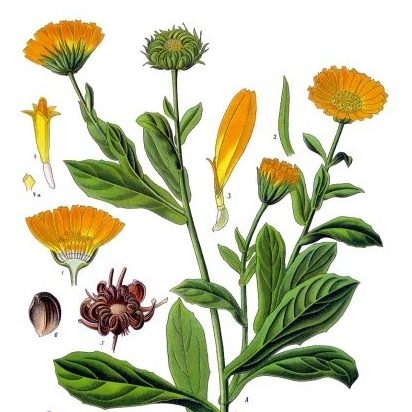
- Calendula officinalis (pot marigold – medicinal herb for wounds)
- Tagetes species (garden marigold – different properties)
“Oregano” could refer to:
- Origanum vulgare (Mediterranean oregano)
- Lippia graveolens (Mexican oregano – different family)
The solution: Always check the Latin name. A label that lists only common names is unacceptable for a medicinal product.
Authority Names
Sometimes you’ll see an additional name or abbreviation after the species:
Matricaria chamomilla L. (the “L.” stands for Linnaeus)
This indicates who first described and named the species. It’s not critical for consumers but shows botanical precision.
Plant Parts and Phytochemical Variation
Why Plant Part Matters
Plants compartmentalise different secondary metabolites (medicinal compounds) in different tissues for specific ecological functions:
- Roots: Often store starches and bitter compounds (for winter survival and defence against underground herbivores)
- Leaves: Produce volatile oils and photosynthesis-related compounds
- Flowers: Concentrate volatile oils and pigments (to attract pollinators)
- Seeds: Contain oils and alkaloids (to deter seed predators or aid germination)
- Bark: Contains protective compounds like tannins
Detailed Examples
Dandelion (Taraxacum officinale):

Leaf (folium):
- High in potassium (300-400mg per 100g)
- Vitamins A, C, K
- Mild bitter compounds
- Action: Diuretic without potassium depletion
- Use: Oedema, urinary support
Root (radix):
- Inulin (15-40% depending on season)
- Sesquiterpene lactones (bitter compounds)
- Taraxasterol (triterpene)
- Action: Digestive bitter, mild laxative, liver support
- Use: Sluggish digestion, constipation
Using the wrong part means you won’t get the desired effect. A product listing only “Taraxacum officinale” without specifying part is inadequate.
Echinacea:
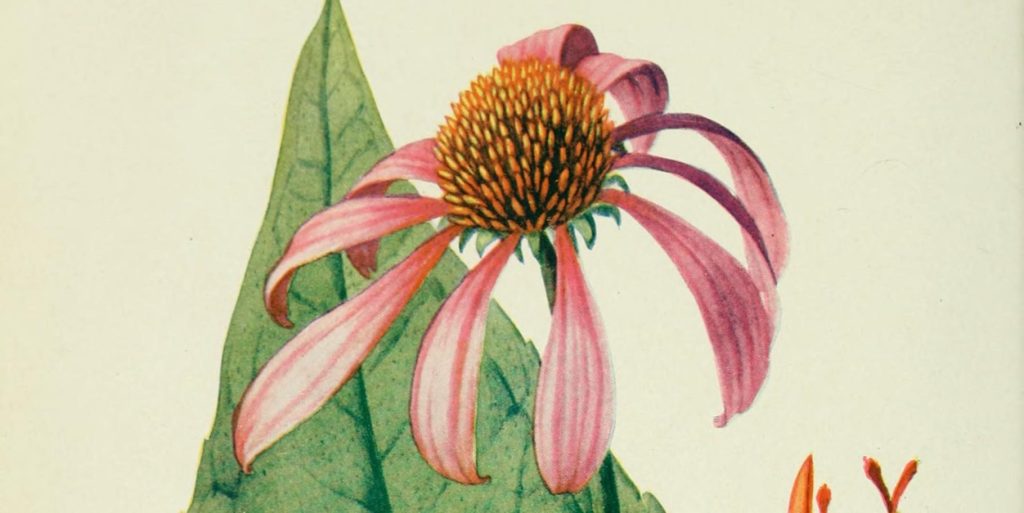
E. purpurea aerial parts (stems, leaves, flowers):
- Polysaccharides (immune-modulating)
- Cichoric acid
- Volatile oils
- Traditional use: Upper respiratory infections
E. angustifolia root:
- Different polysaccharide profile
- Alkamides (tingling compounds)
- Echinacoside
- Traditional use: Infections, wound healing
Both are “echinacea,” but they’re different species, different parts, and different chemistry.
Latin Abbreviations for Plant Parts
- Folium (fol.) = leaf
- Radix (rad.) = root
- Flos (flor.) = flower
- Fructus (fruct.) = fruit
- Semen (sem.) = seed
- Cortex (cort.) = bark
- Herba = aerial parts (everything above ground)
A proper label includes these: “Matricaria chamomilla flos” (chamomile flower)
Understanding Extraction Methods and Ratios
The Fundamentals of Extraction
Extraction is the process of dissolving medicinal compounds from plant material into a solvent. The solvent used determines which compounds are extracted.
Solvent Selection: “Like Dissolves Like”
Water (Aqueous Extraction):
- Extracts: Polysaccharides, mucilage, tannins, some glycosides, minerals
- Doesn’t extract: Resins, most alkaloids, many volatile oils
- Used for: Teas, decoctions
- Shelf life: Hours to a few days (refrigerated)
Alcohol (Ethanol):
- Extracts: Alkaloids, resins, volatile oils, tannins, some glycosides
- Doesn’t extract well: Mucilage, large polysaccharides
- Used for: Tinctures
- Shelf life: 3-5 years
- Percentage matters: Different strengths extract different compounds
- 25% alcohol: Tannins, some glycosides
- 40-60% alcohol: Broad spectrum (most tinctures)
- 90-95% alcohol: Resins, volatile oils
Glycerin:
- Extracts particularly well: Tannins, mucilage, some flavonoids, minerals, water-soluble compounds
- Doesn’t extract: Alkaloids, resins, most essential oils
- Used for: Alcohol-free tinctures (glycerites), especially effective for mucilaginous plants (marshmallow, slippery elm) and tannin-rich plants (rose, oak bark)
- Shelf life: 1-2 years (refrigerate after opening to prevent fermentation)
- Solvent specificity: Glycerin has particular chemical affinities that make it superior for certain plant types. For example, mucilage extraction is better with glycerin than alcohol because mucilage molecules are large polysaccharides that dissolve well in glycerin’s polar structure. Conversely, alkaloids and resins require alcohol’s different polarity. Choice of solvent depends on target compounds, not hierarchy of effectiveness.
Vinegar (Acetic Acid):
- Extracts: Minerals, alkaloids
- Used for: Mineral-rich herbs, culinary preparations
- Shelf life: 6-12 months
Oil (Lipid Extraction):
- Extracts: Fat-soluble compounds (carotenoids, some volatile oils)
- Used for: External preparations (infused oils, salves)
- Shelf life: 6-12 months (depends on oil)
Understanding Extraction Ratios
The ratio expresses the relationship between herb and solvent.
Format: Herb:Liquid (e.g., 1:5)
1:5 tincture means:
- 1 part dried herb (by weight) was extracted into 5 parts liquid (by volume)
- Example: 200 grams of dried herb in 1 litre (1000ml) of solvent
- Less concentrated, “weaker” extract
- Larger dose needed
1:2 tincture means:
- 1 part dried herb was extracted into 2 parts liquid
- Example: 500 grams of dried herb in 1 litre of solvent
- More concentrated, “stronger” extract
- Smaller dose needed
1:1 or 1:1.5 (very concentrated):
- Maximum saturation
- Used for specific strong herbs
- Expensive
- Very small doses
How to compare:
If a 1:5 dose is 5ml (1 teaspoon), an equivalent 1:2 dose would be 2ml (about 40 drops).
Mathematical relationship:
To get the same amount of original herb:
- 5ml of 1:5 = 1g of dried herb
- 2ml of 1:2 = 1g of dried herb
- 1ml of 1:1 = 1g of dried herb
Fresh Plant vs. Dried Plant Tinctures
Fresh plant tinctures:
- Ratio often expressed differently: 1:2 (fresh)
- More liquid in fresh plants (60-80% water)
- Captures volatile compounds before they’re lost in drying
- Shorter shelf life if water content is high
- Used for: Aromatic herbs, herbs that lose potency when dried
Dried plant tinctures:
- Standard ratios (1:2, 1:5, 1:10)
- More concentrated (no water weight)
- Longer shelf life
- Used for: Most herbs, especially roots and barks
Label clarity: Good labels specify “dried” or “fresh” with the ratio.
For detailed extraction instructions and techniques, see our “Herbal Preparations” guides.
Extraction Time and Method
Maceration:
- Plant material soaks in solvent for 2-6 weeks
- Shaken daily
- Strained and pressed
- Most common method
Percolation:
- Solvent passes through plant material continuously
- Faster extraction (days, not weeks)
- More technical equipment needed
- Professional manufacturing method
Why it matters: Longer maceration times generally produce more complete extraction, but percolation can be equally effective with proper technique.
Standardisation: Benefits and Limitations
What Standardisation Means
Standardisation is the process of adjusting an extract to contain a consistent percentage of one or more “marker compounds.”
Example: “St. John’s Wort extract standardised to 0.3% hypericin”
This means every batch is tested and adjusted to contain at least 0.3% hypericin by weight.
The Scientific Rationale
Benefits:
- Batch-to-batch consistency: Every bottle contains the same amount of the marker compound, eliminating natural variation in plant material
- Dosing precision: Clinical research can use standardised extracts and determine exact doses needed for effects
- Quality control: Proves the correct plant species was used (specific compounds only appear in specific plants)
- Comparison: Allows meaningful comparison between products
Example in practice: Clinical trials of ginkgo for cognitive function used extracts standardised to 24% flavone glycosides and 6% terpene lactones. Products meeting this standard can reference this research.
The Limitations and Concerns
1. Reductionism:
Herbs work through multiple compounds acting synergistically. Focusing on a single marker ignores the complexity.
Example: St. John’s Wort contains hypericin (the usual marker) BUT also hyperforin, flavonoids, and other compounds. Research suggests hyperforin may be more important for antidepressant effects than hypericin, yet hypericin remains the standard marker for historical reasons.
2. Manufacturing concerns:
To hit standardisation targets, manufacturers might:
- Use harsh extraction methods that damage other beneficial compounds
- Add isolated marker compounds back into weaker extracts (called “spiking”)
- Focus only on the marker, ignoring overall extract quality
3. Marker selection:
The marker compound chosen may not be the most therapeutically important constituent. It’s often chosen because it’s:
- Easy to measure
- Historically associated with the herb
- Stable during extraction and storage
4. Cost:
Standardisation requires expensive analytical testing, increasing product cost.
When Standardisation is Most Valuable
Best suited for:
- Herbs with well-researched marker compounds like echinacea, ginkgo and saw palmetto.
- Products requiring precise dosing.
- Comparing products across brands.
Less important for:
- Simple herbs used traditionally (chamomile tea doesn’t need standardisation)
- Herbs where multiple compounds are therapeutic
- When using whole herb preparations
How to Evaluate Standardisation Claims
Good standardisation label:
- States the marker compound clearly
- Lists the percentage
- Still provides extraction ratio
- Comes from reputable company
Example: “Milk Thistle extract (1:5, 60% ethanol) standardised to 80% silymarin”
Red flag:
- Standardisation claim without naming the compound
- Unrealistically high percentages
- Standardisation without extraction details
Quality Control and Testing
Good Manufacturing Practices (GMP)
GMP is a system ensuring products are consistently produced according to quality standards.
Key GMP requirements:
- Identity testing: Verify the correct plant species (using microscopy, chromatography, DNA testing)
- Purity testing: Screen for:
- Heavy metals (lead, mercury, cadmium, arsenic)
- Pesticides
- Microbial contamination (bacteria, mould, yeast)
- Adulterants (wrong plants, synthetic drugs)
- Potency testing: Verify the amount of active compounds (especially for standardised products)
- Consistency: Documented procedures ensure every batch is made the same way
- Traceability: Batch numbers allow tracking from raw material to finished product
Label indicator: “Made in GMP facility” or “GMP certified”
Why this matters: GMP certification demonstrates a company takes quality seriously. It’s not perfect, but it’s a strong positive sign.
Third-Party Testing and Verification
Independent testing provides extra assurance:
USP (United States Pharmacopeia):
- Sets standards for drug and supplement purity and potency
- Third-party verification programme
- Products can display USP verification mark
- Rare in NZ products but seen on imports
NSF International:
- Third-party testing and certification
- Verifies contents match label
- Tests for contaminants
- Look for NSF mark
ConsumerLab:
- Independent testing company
- Publishes reports on supplement quality
- Subscription service
- Useful for researching brands
In-house vs. third-party:
“Laboratory tested” could mean:
- The company tested it themselves (conflict of interest)
- An independent lab tested it (more trustworthy)
Best practice: Look for “third-party tested” or “independently tested”
Contaminant Testing
Heavy metals:
Plants absorb minerals from soil, including toxic heavy metals. Limits should be:
- Lead: <10 mcg/day
- Mercury: <15 mcg/day
- Arsenic: <10 mcg/day
- Cadmium: <4.1 mcg/day
High-risk herbs: Those grown in contaminated soil or that hyper-accumulate metals (some seaweeds, herbs from industrial areas)
Pesticides:
Non-organic herbs may contain pesticide residues. Testing should screen for:
- Organophosphates
- Pyrethroids
- Neonicotinoids
- Others based on crop type
Microbial contamination:
Dried herbs can harbour bacteria, mould, or yeast. Acceptable limits:
- Total aerobic bacteria: <10^5 CFU/g
- Yeast and mould: <10^3 CFU/g
- E. coli, Salmonella: absent
Why this matters: Contaminated products can cause illness. Companies that test demonstrate they care about safety.
Certificate of Analysis (COA)
A COA is a document listing test results for a specific batch.
Reputable companies:
- Have COAs available for every batch
- Will provide them upon request
- May publish them on their website
What a COA should include:
- Batch number
- Test date
- Identity confirmation
- Potency results
- Contaminant screening results
- Lab that performed testing
Consumer tip: If you’re serious about quality, request the COA for the batch number on your product. The company’s response tells you a lot about their commitment to transparency.
If a company cannot provide information: If a company cannot provide information about extraction ratios, testing results, or ingredient sources when you inquire, consider this a red flag. Legitimate companies have this information readily available. Inability or unwillingness to disclose suggests poor quality control or lack of product knowledge. Choose companies that welcome detailed questions and provide substantive answers.
Dosage Science and Therapeutic Windows
Therapeutic Window Concept
The therapeutic window is the dose range where a substance is effective without being toxic.
Too low: No effect (sub-therapeutic dose)
Optimal range: Therapeutic effect with minimal side effects
Too high: Toxicity (adverse effects increase)
For herbs: The window is usually quite wide, which is one reason herbs are generally safe. But dosing still matters.
Factors Affecting Dose Requirements
Body weight:
- Larger individuals generally need higher doses
- Paediatric dosing is often calculated per kilogram
Age:
- Children metabolise some substances differently
- Elderly may need lower doses due to decreased liver/kidney function
Health status:
- Liver or kidney disease requires dose adjustment
- Some conditions increase sensitivity to specific herbs
Desired effect:
- Mild support: lower end of dose range
- Acute condition: higher end of dose range
Preparation method:
- Concentrated extracts: smaller doses
- Teas: larger volumes but weaker concentration
How Traditional Dosing is Determined
Historical use:
- Accumulated observations over centuries
- Trial and error refinement
- Passed through oral traditions or texts
Limitations: Traditional doses weren’t standardised; “a handful” meant different amounts to different people.
Modern approach: Combines traditional wisdom with pharmacological data.
Evidence-Based Dosing
Clinical research establishes effective dose ranges:
Example: Ginger for nausea
- Research dose: 1-2g dried ginger powder
- Found effective in multiple trials
- Safe upper limit: 4g/day
Products should provide doses within researched ranges.
Dose Equivalence Across Preparations
How to compare:
If research shows 1g dried herb is effective, equivalent doses in other preparations:
- Tincture 1:5 = 5ml
- Tincture 1:2 = 2ml
- Tea = 1-2 teaspoons dried herb steeped in a cup
Label responsibility: Good labels provide dosing that aligns with traditional use or research.
Red flag: Doses dramatically lower than traditional or research doses (suggests the product won’t work).
Timing and Frequency
Why it matters:
Some herbs work better:
- On an empty stomach (better absorption)
- With food (reduces irritation, needed for fat-soluble compounds)
- At specific times of day (sedatives before bed, stimulants in morning)
Half-life concept:
Compounds don’t stay in your body forever. They’re metabolised and excreted. The half-life is how long it takes for half of the substance to be eliminated.
- Short half-life: Need more frequent doses (multiple times daily)
- Long half-life: Once or twice daily dosing
Accumulation:
Some herbs work through gradual accumulation (taking daily for weeks). Others work acutely (single dose has immediate effect).
Label should indicate: How many doses per day and timing recommendations.
Product Forms and Bioavailability
Bioavailability Defined
Bioavailability is the proportion of an ingested substance that reaches systemic circulation and has an active effect.
Factors affecting bioavailability:
- Solubility: Must dissolve to be absorbed
- First-pass metabolism: Liver metabolises some compounds before they reach circulation
- Particle size: Smaller particles absorb better
- Formulation: Excipients can enhance or hinder absorption
- Individual factors: Gut health, genetics, food interactions
Tinctures: Liquid Extracts
Advantages:
- High bioavailability: Compounds already dissolved
- Fast absorption: Begins in mouth and stomach
- Flexible dosing: Easy to adjust (drops or millilitres)
- Long shelf life: Alcohol preserves (3-5 years)
Disadvantages:
- Alcohol content: Problematic for some (children, recovering alcoholics, certain religious groups)
- Taste: Often bitter or strong
- Cost: More expensive per dose than bulk herbs
Absorption timeline: Effects may begin within 15-30 minutes for some herbs (like sedatives or carminatives).
Optimal use: When fast action is desired, precise dosing is needed, or you want a broad spectrum extract.
Capsules and Tablets
Advantages:
- Convenient: Pre-measured, portable
- No taste: Good for unpleasant-tasting herbs
- Standardisation possible: Can guarantee compound content
- Shelf-stable: 2-3 years if stored properly
Disadvantages:
- Slower absorption: Must dissolve first (30-60 minutes)
- Lower bioavailability: If poorly formulated (some capsules don’t dissolve well)
- Fillers: May contain unnecessary excipients
- Fixed dose: Harder to adjust than liquids
Types of capsules:
Gelatine: Traditional, made from animal products
Vegetarian (HPMC): Cellulose-based, suitable for vegetarians/vegans
Tablets vs. capsules:
- Tablets: Compressed powder, may include binders and coatings
- Capsules: Powder in a shell, generally fewer excipients
Enteric coating: Some tablets have special coatings that prevent dissolution until they reach the intestines (useful for herbs that irritate the stomach).
Optimal use: When convenience matters, taste is an issue, or you want standardised doses.
Teas: Infusions and Decoctions
Infusion (Steeping):
- Pour boiling water over herb
- Cover and steep 10-20 minutes
- Used for delicate parts (leaves, flowers)
- Compounds extracted: Water-soluble (mucilage, tannins, some glycosides)
Decoction (Simmering):
- Simmer herb in water 20-45 minutes
- Used for tough parts (roots, bark)
- Compounds extracted: Water-soluble, heat-stable compounds
Advantages:
- Traditional: Thousands of years of use
- Affordable: Bulk herbs are cheap
- Gentle: Lower concentration, suitable for long-term use
- Pleasant ritual: Making tea can be meditative
Disadvantages:
- Time-consuming: Requires preparation
- Lower concentration: Need large volumes for therapeutic effect
- Limited extraction: Water only extracts certain compounds
- Taste: Some herbs are bitter or unpleasant
Bioavailability: Moderate. Compounds are dissolved, but only water-soluble ones are extracted.
Optimal use: Gentle, long-term support; when you enjoy the ritual; for aromatic herbs where volatile oils are key.
Powders
Whole herb powder:
- Simply dried and ground plant
- Contains all plant constituents
- Use: Add to smoothies, capsules, food
Spray-dried extracts:
- Concentrated extract dried into powder
- More potent than whole herb powder
- Use: When you want concentrated extract without liquid
Advantages:
- Versatile: Many uses
- Complete profile: Whole herb contains all constituents
Disadvantages:
- Bioavailability variable: Depends on how it’s consumed
- Messy: Can be inconvenient
- Taste: Often strong
Glycerites (Glycerin Extracts)
Advantages:
- Alcohol-free: Suitable for children, those avoiding alcohol
- Sweet taste: Easier to take
- Moderate shelf life: 1-2 years
- Excellent for specific herb types: Particularly effective for mucilaginous plants and tannin-rich herbs
Disadvantages:
- Selective extraction: Glycerin doesn’t extract resins, many alkaloids, or essential oils
- Different compound profile: Extracts different constituents than alcohol, not necessarily fewer
Optimal use: For children, when alcohol must be avoided, for herbs with water-soluble constituents, particularly mucilaginous herbs (marshmallow, slippery elm) and tannin-rich plants (rose, oak bark).
For complete guidance on making glycerites and other preparations, see our “Infused Preparations” guide.
Topical Forms
Infused oils:
- Herbs macerated in carrier oil (olive, sunflower, coconut)
- Extract: Fat-soluble compounds (carotenoids, some volatile oils)
- Use: Massage oils, bases for salves
Salves and balms:
- Infused oil + beeswax
- Creates protective barrier on skin
- Use: Wound healing, dry skin, minor injuries
Creams and lotions:
- Emulsions (oil + water)
- Can incorporate water-soluble and oil-soluble extracts
- Use: General skin care, better absorption than salves
Bioavailability: Compounds absorbed through skin enter local circulation (good for local effects like joint pain) or systemic circulation (in smaller amounts).
Storage Requirements by Product Form
Proper storage extends shelf life, maintains potency, and prevents degradation or contamination. Different product forms have specific storage needs.
Tinctures (Alcohol-Based)
Storage requirements:
- Store tightly sealed (alcohol evaporates if exposed to air)
- Cool, dark, dry location (away from heat and direct sunlight)
- Away from strong-smelling substances (can absorb odours)
- Upright position (prevents long-term contact with lid)
Shelf life: 3-5 years when properly stored
Check for degradation:
- Colour fading (darkening or lightening from original)
- Alcohol smell diminishing (indicates evaporation)
- Sediment forming (some is normal, excessive suggests degradation)
- Cloudiness developing (may indicate contamination)
- Off odours
When to discard: If colour has dramatically changed, alcohol smell is weak, or any signs of mould/contamination appear.
Glycerites
Storage requirements:
- Refrigerate after opening (glycerin can ferment at room temperature)
- Tightly sealed
- Cool, dark location before opening
- Check seal regularly
Shelf life: 1-2 years (unopened), 6-12 months after opening if refrigerated
Check for degradation:
- Fermentation smell (sour, alcoholic odour – glycerin can ferment)
- Mould growth (white or coloured spots)
- Colour change (dramatic darkening or lightening)
- Separation (some is normal, excessive suggests degradation)
- Cloudiness
When to discard: At any sign of fermentation or mould. If in doubt, discard.
Capsules and Tablets
Storage requirements:
- Keep in original container (designed as moisture barrier)
- Cool, dry location (NOT bathroom – humidity causes degradation)
- Away from heat sources
- Tightly sealed after each use
- Silica gel packets (if included) should remain in container
Shelf life: 1-2 years
Check for degradation:
- Discolouration (capsules yellowing or darkening)
- Unusual smell (rancid, chemical, or off odours)
- Clumping or sticking together (moisture exposure)
- Capsules becoming soft or brittle
- Tablets crumbling or breaking easily
When to discard: If exposed to moisture (clumping), if smell has changed, or past expiry date.
Dried Herbs
Whole herbs:
- Store in airtight glass jars or containers
- Cool, dark, dry location
- Away from heat and humidity
- Label with name and date
Shelf life: 1-2 years
Powdered herbs:
- Same storage as whole herbs
- More vulnerable to oxidation (larger surface area)
- Use opaque containers (light degrades faster)
Shelf life: 6-12 months (oxidises faster than whole herbs)
Check for degradation:
- Faded colour (vibrant green herbs turning brown/grey)
- Weak aroma (should be aromatic when fresh)
- Musty smell (indicates mould)
- Visible mould (white, black, or green spots)
- Loss of texture (becoming dusty or brittle)
When to discard: If colour is dramatically faded, aroma is weak or absent, any signs of mould, or if stored longer than shelf life.
Teas (Tea Bags)
Storage requirements:
- Keep in original packaging or airtight container
- Cool, dry location
- Away from strong-smelling foods (tea absorbs odours)
Shelf life: 6-12 months for best quality, 2 years maximum
Check for degradation:
- Weak aroma
- Faded appearance through wrapper
- Stale smell
- Package damage (moisture exposure)
When to discard: If aroma is weak, any signs of moisture damage, or after 2 years.
Topical Preparations
Infused oils:
- Dark glass bottles
- Cool, dark location
- Tightly sealed
Shelf life: 6-12 months (depends on carrier oil)
Salves and balms:
- Clean, airtight containers
- Cool location (may soften in heat)
- Keep clean (don’t introduce water or contaminants)
Shelf life: 1-2 years
Check for degradation:
- Rancid smell (oil has oxidised)
- Colour change
- Mould (white or coloured spots)
- Separation (in creams/lotions)
- Changed texture
When to discard: At first sign of rancidity or mould.
General Storage Principles
When in doubt, discard: If any product looks, smells, or appears unusual, err on the side of caution. Degraded herbs lose potency and may develop harmful compounds.
Label everything: Include date of purchase or preparation, and expected expiry date.
Rotate stock: Use older products first.
Avoid contamination: Never return unused product to original container, use clean utensils when handling, keep containers clean.
Evaluating Companies and Certifications
Signs of a Reputable Company
Transparency:
- Lists ingredient sources (country of origin)
- Provides extraction details
- Publishes or provides COAs
- Has accessible customer service
Education:
- Website includes educational content
- Explains their sourcing and manufacturing
- Provides references or research links
- Doesn’t make exaggerated claims
Third-party validation:
- GMP certification
- Organic certification
- Third-party testing
- Professional endorsements (herbalists, naturopaths use their products)
Track record:
- Established company (how long in business?)
- Positive reviews from multiple sources
- No history of recalls or violations
- Responsive to complaints
Certifications to Look For
Organic (BioGro, AsureQuality in NZ):
- Herbs grown without synthetic pesticides
- No GMOs
- Sustainable farming practices
- Regular audits
GMP (Good Manufacturing Practice):
- Quality control systems
- Batch testing
- Standardised procedures
- Traceability
Fair Trade (where applicable):
- Fair wages for farmers/workers
- Sustainable harvesting
- Community support
Cruelty-Free/Vegan:
- No animal testing
- No animal-derived ingredients (important for vegetarian capsules)
Red Flags in Company Practices
Pressure tactics:
- “Limited time offer” constantly
- Aggressive marketing
- MLM (multi-level marketing) structure
Unrealistic claims:
- “Cures all diseases”
- “Secret formula”
- “Doctors hate this”
Lack of transparency:
- No contact information
- No ingredient sources
- Vague about manufacturing
- No batch numbers
Poor presentation:
- Unprofessional website
- Spelling/grammar errors
- Fake testimonials
Red Flags and Consumer Protection
Proprietary Blends: The Biggest Red Flag
What they are: A list of ingredients with only a total weight, not individual amounts.
Example label:
“Proprietary Immune Blend 500mg: Echinacea root, Astragalus root, Elderberry fruit, Vitamin C, Zinc”
Problem: You have no idea if the blend contains:
- 495mg Vitamin C and 5mg total herbs, OR
- Equal amounts of all five, OR
- Any other combination
Why companies do this:
- Hide small amounts of expensive ingredients
- Prevent competitors from copying formulas
- Obscure low-quality formulations
What to do: Avoid proprietary blends. Demand transparency.
Exception: If a company provides the blend ratio separately (e.g., “Echinacea 40%, Astragalus 30%, Elderberry 20%, Vitamin C 8%, Zinc 2%”), that’s acceptable.
Health Claims That Should Raise Alarms
Disease cure claims:
- “Cures cancer”
- “Eliminates diabetes”
- “Reverses heart disease”
These are illegal in NZ for dietary supplements and complementary medicines.
Exaggerated efficacy:
- “Works 100% of the time”
- “Guaranteed results”
- “No side effects”
Nothing in medicine works 100% of the time, and everything has potential side effects.
Conspiracy theories:
- “Doctors don’t want you to know”
- “Big Pharma is hiding this”
- “Ancient secret”
Legitimate medicine doesn’t need conspiracy theories.
Fake Reviews and Testimonials
Warning signs:
- All reviews are 5 stars
- Reviews are very short or generic
- Posted on same date
- Overly enthusiastic language
- Before/after photos that look professional or stock images
How to verify:
- Check multiple review sources (not just company website)
- Look for detailed reviews with pros and cons
- Check reviewer profiles (real people have review histories)
- Be sceptical of extreme transformations
Price Red Flags
Too cheap:
- If significantly cheaper than competitors, question quality
- Quality raw materials, testing, and processing cost money
- “You get what you pay for” often applies
Too expensive:
- MLM products often overpriced
- Fancy packaging doesn’t mean better herbs
- Compare cost per dose, not per bottle
Sweet spot: Mid-range from reputable companies usually best value.
NZ market context: These prices reflect typical NZ market rates as of 2024. Quality standardised extracts generally cost $25-45 for 60-90 capsules. Significantly cheaper products may compromise quality; significantly more expensive may reflect marketing rather than superior herbs. Access to quality products varies by location. Urban centres (Auckland, Wellington, Christchurch) have more options. Rural areas may rely on online ordering (factor shipping costs into value calculations).
Making Evidence-Based Comparisons
Step-by-Step Product Evaluation
Step 1: Verify the basics
- [ ] Latin name and plant part listed
- [ ] Extraction ratio or standardisation noted
- [ ] Batch number and expiry date present
- [ ] Company contact information
- [ ] Clear dosage instructions
Step 2: Calculate strength
For extracts:
- What’s the extraction ratio?
- How much actual herb per dose?
- How does this compare to traditional or research doses?
Step 3: Check quality indicators
- GMP certified?
- Organic?
- Third-party tested?
- Company transparency?
Step 4: Calculate cost per dose
- How many doses in the container?
- What’s the cost per daily dose?
- Compare across products
Step 5: Verify claims
- Are health claims supported by evidence?
- Does dose match research?
- Does the company reference sources?
Practical Comparison Example
Scenario: You want to buy milk thistle for liver support. Research suggests 200-400mg silymarin daily is effective.
Product A: $18 for 60 capsules
- “Milk Thistle 150mg per capsule”
- Ingredient list: “Milk thistle seed powder”
- No extraction ratio listed
- No standardisation
Analysis: This is whole seed powder. Silymarin content is roughly 2-3% in seeds, so each capsule contains only 3-4.5mg silymarin. You’d need to take 50-100 capsules to reach effective dose. Not suitable.
Product B: $32 for 60 capsules
- “Milk Thistle Extract 300mg per capsule”
- “Standardised to 80% silymarin (240mg)”
- Extraction ratio: 25:1
- GMP certified
- Organic
Analysis: Each capsule provides 240mg silymarin. One capsule daily meets research dose. 60-day supply costs $32 = $0.53 per day. Good value, quality product.
Product C: $25 for 90 capsules
- “Liver Support Blend 400mg”
- Ingredients: “Proprietary blend: Milk thistle, Dandelion root, Artichoke leaf, Turmeric”
- No individual amounts listed
Analysis: Can’t determine how much milk thistle. Could be mostly cheap dandelion with minimal milk thistle. Avoid due to proprietary blend.
Conclusion: Product B is the clear winner despite higher price per bottle—it’s actually cheaper per effective dose and you know exactly what you’re getting.
When to Choose Whole Herb vs. Extract
Choose whole herb when:
- Using for gentle, long-term support
- Making teas
- Herb works through multiple compounds not easily extracted
- Budget-conscious (bulk herbs are cheapest)
Choose extracts when:
- You need higher concentrations
- Research specifies extract doses
- Convenience is important
- Taste is an issue (capsules/tablets)
Both have value: Context matters.
Budget-Conscious Approaches
Quality commercial herbal products can be expensive. Understanding that cost is a barrier for many people, here are practical alternatives that maintain quality while reducing expense.
Making Herbalism Accessible
Make your own preparations:
- Buy bulk dried herbs ($12-25/100g) and make your own tinctures, teas, or infused oils
- Initial investment in jars, bottles, and basic equipment ($30-50)
- Ongoing costs much lower than commercial products
- Full control over quality, strength, and ingredients
- Apply extraction principles from this guide to ensure proper preparation
- See our “Herbal Preparations” guides for detailed instructions
Start with teas:
- Most affordable option: 50g dried herb ($8-15) makes 25-50 cups
- No special equipment needed (just a pot and strainer)
- Perfect entry point for beginners
- Many conditions respond well to regular tea consumption
- Gentle enough for long-term use
Forage sustainably:
- Many medicinal herbs grow wild throughout New Zealand
- Dandelion, plantain, cleavers, yarrow commonly found in urban and rural areas
- 100% free when you know where to look
- Often higher quality than purchased (if harvested properly)
- Critical: Proper identification essential—see our “Foraging Guides” for safe practices
- Harvest from unsprayed areas (not roadsides, dog parks, treated lawns)
- Get permission for private property
- Understand DOC land regulations
- Practice sustainable harvesting (never take more than 1/3 of a plant population)
Grow your own:
- Many medicinal herbs thrive in NZ gardens or pots
- Seeds: $3-5 per packet at garden centres
- Plants: $5-8 each
- Perfect for apartment balconies or small spaces
- Nearly foolproof herbs: mint (all varieties), lemon balm, thyme, rosemary, parsley, sage, calendula, chamomile
- Fresh herbs often more potent than dried
- Provides ongoing supply for minimal investment
- No special gardening skills required
Community resources:
- Seed swaps through local gardening groups
- Community gardens often have herb sections (free/low-cost access)
- Plant exchanges via neighbourhood groups
- Council native plant giveaways (certain times of year)
- Library seed libraries in some areas
- Facebook groups for local plant sharing
- Permaculture groups often share herb divisions
Buy whole herb, not extracts:
- Powdered or dried whole herbs much cheaper than tinctures/extracts
- Still effective for many uses (especially teas and cooking)
- Example: 100g dried chamomile $12-15 (makes 50+ cups), equivalent chamomile tincture $30-60
- You’re paying for extraction convenience—skip it if comfortable making your own
Bulk buying strategies:
- Split orders with friends (many online suppliers have bulk discounts)
- Buy herbs you use regularly in larger quantities (500g or 1kg)
- Per-gram cost drops significantly with volume
- Share storage containers to reduce individual costs
Start small and expand:
- Don’t feel pressure to build large collection immediately
- Begin with 2-3 versatile herbs addressing your specific needs
- Add gradually as budget allows
- Quality over quantity always
Consider growing vs. buying calculations:
- One rosemary plant ($6-8): Provides fresh herb for years
- Equivalent dried rosemary purchases: $15-20 per year
- Break-even in first year, then free ongoing
- Same economics apply to perennial herbs: thyme, sage, oregano, mint, lemon balm
Budget Reality Check
You don’t need expensive commercial products to benefit from herbs. Traditional herbalism—practised for thousands of years—relied on simple preparations made at home from local plants. These methods still work beautifully today.
The knowledge in this guide applies whether you’re:
- Evaluating commercial products
- Making your own preparations
- Foraging wild herbs
- Growing medicinal plants
Understanding extraction principles, appropriate doses, and quality indicators empowers you to create effective remedies regardless of budget.
Starting point: Most people can begin with 2-3 dried herbs ($25-40 total) or 2-3 plants ($15-25) and meet their primary herbal needs. Expand from there as budget and interest allow.
Summary and Action Steps
Your Label Reading Checklist
Every quality herbal product should have:
1. Botanical information
- Latin name (Genus species)
- Plant part (root, leaf, flower, etc.)
- Organic certification (bonus)
2. Preparation details
- Extraction ratio (1:2, 1:5, etc.) for liquids
- Whole herb vs. extract for capsules
- Standardisation (if applicable)
- Alcohol percentage for tinctures
3. Dosage information
- Amount per dose
- Frequency (times per day)
- Any timing notes (with food, etc.)
4. Quality markers
- Batch number
- Expiry date
- GMP certification
- Third-party testing claims
5. Company information
- Name and contact details
- Website or phone
- Physical address
Decision Framework
Green light (likely quality product):
- All checklist items present
- Reputable company
- Transparent labelling
- Price appropriate for quality
- No proprietary blends
- Realistic claims
Yellow light (investigate further):
- Missing one or two checklist items
- Unknown company (research them)
- Price seems high or low
- Marketing is aggressive
Red light (avoid):
- Missing multiple checklist items
- Proprietary blends
- No contact information
- Unrealistic claims
- Too cheap
- Poor presentation
Resources for Continued Learning
Where to Buy Quality Products in NZ:
- Go Native NZ (www.gonative.co.nz) – NZ natives and adaptogenic herbs, excellent quality
- Herbshop (www.herbshop.co.nz) – Wide range, bulk options available
- Cottage Hill Herbs (www.cottagehillherbs.co.nz) – Quality tinctures, NZ-made
- HealthPost (www.healthpost.co.nz) – Large online selection, multiple brands
- Artemis (www.artemis.co.nz) – NZ-made teas and tinctures, available nationwide
- Lotus Oils NZ (www.lotusoilsnz.co.nz) – Essential oils and herbs
- Local pharmacies and health food stores: Commonsense Organics, Bin Inn (bulk herbs)
NZ Regulatory:
- Medsafe website (medsafe.govt.nz) – complementary medicines database
- Natural Health Products Bill updates
- National Poisons Centre: 0800 764 766 (24/7 for concerns about herbal products, adverse reactions, poisoning)
- Healthline: 0800 611 116 (free health advice 24/7)
Quality databases:
- ConsumerLab (subscription) – independent product testing
- Natural Medicines Database – evidence-based monographs
Education:
- New Zealand Association of Medical Herbalists (NZAMH) – professional herbalist directory
- Your local pharmacist (free advice!)
- Public Herbarium guides on foraging, preparation methods, and specific herbs
Books:
- Principles and Practice of Phytotherapy by Mills & Bone – comprehensive herbal pharmacy text
- The Essential Guide to Herbal Safety by Mills & Bone – evidence-based safety profiles
Final Thoughts
Label reading is a skill that improves with practice. Start with one herb you want to use, compare three products using this guide, and make your decision systematically. Soon, you’ll be able to evaluate products quickly and confidently.
The herbal product market in New Zealand includes both excellent, professionally-made products and low-quality offerings. Your ability to distinguish between them protects your health and your wallet.
Remember: The best product is one that contains what it says it contains, in amounts that work, from a company you trust, at a price you can afford. With the knowledge in this guide, you can find exactly that—whether through purchasing quality commercial products or making your own effective preparations at home.
References
Bone, K., & Mills, S. (2013). Principles and practice of phytotherapy: Modern herbal medicine (2nd ed.). Churchill Livingstone.
Gafner, S. (2018). The extraction of herbal materials. American Botanical Council. Retrieved from https://www.herbalgram.org/resources/herbalgram/issues/101/table-of-contents/hg101-herbpro/
Medicines Act 1981. New Zealand Legislation. Retrieved from https://www.legislation.govt.nz/
Medsafe. (2023). Complementary medicines. New Zealand Medicines and Medical Devices Safety Authority. Retrieved from https://www.medsafe.govt.nz/
Mills, S., & Bone, K. (2005). The essential guide to herbal safety. Churchill Livingstone.
Upton, R., Graff, A., Jolliffe, G., Länger, R., & Williamson, E. (Eds.). (2016). American Herbal Pharmacopoeia: Botanical Pharmacognosy – Microscopic Characterization of Botanical Medicines. CRC Press.
Williamson, E. M., Driver, S., & Baxter, K. (Eds.). (2013). Stockley’s herbal medicines interactions. Pharmaceutical Press.
World Health Organization. (2007). WHO Guidelines on Good Agricultural and Collection Practices (GACP) for Medicinal Plants. WHO Press. Retrieved from https://www.who.int/publications/i/item/9789241546812
Edwards, S. E., da Costa Rocha, I., Williamson, E. M., & Heinrich, M. (2015). Phytopharmacy: An evidence-based guide to herbal medicinal products. John Wiley & Sons.
Barnes, J., Anderson, L. A., & Phillipson, J. D. (2007). Herbal medicines (3rd ed.). Pharmaceutical Press.
Disclaimer: This guide is for educational purposes only and does not constitute medical or legal advice. It is designed to help you make informed decisions when evaluating and purchasing herbal products, but does not replace consultation with qualified healthcare professionals.
Always consult your doctor, pharmacist, or qualified herbalist before using herbal products, especially if you are pregnant, breastfeeding, trying to conceive, have a medical condition, or are taking medications. Herbs can interact with pharmaceutical medications and may not be appropriate for all individuals.
This guide reflects current NZ regulations and practices as of December 2025. Regulatory requirements may change; always verify current regulations with Medsafe (www.medsafe.govt.nz). Product quality, availability, and regulations are subject to change.
For medical concerns or questions about interactions with prescription medications, seek advice from qualified healthcare providers. For children under 2 years of age, always consult a healthcare professional before using any herbal products.
Emergency contacts: If you experience adverse reactions to herbal products, contact the National Poisons Centre immediately at 0800 764 766 (24/7). For non-urgent health concerns, call Healthline at 0800 611 116 (24/7 free health advice).
Cultural sensitivity: This guide covers Western herbalism approaches to product evaluation and regulatory frameworks. These evaluation criteria are products of Western pharmaceutical science and should not be assumed to apply to traditional rongoā Māori or other indigenous healing systems, which operate within their own complete frameworks of knowledge, protocols, and cultural contexts. For guidance on traditional healing practices, consult with qualified practitioners from those traditions.
Individual responses to herbs vary significantly. What works for one person may not work for another. Start with lower doses and monitor your response carefully. If you experience any adverse effects, discontinue use immediately and consult a healthcare professional.
While we strive for accuracy, herbal knowledge and research continue to evolve. This educational guide provides general information and cannot account for every individual circumstance or emerging research finding. The information provided reflects current understanding but should not be considered comprehensive or final.
When in doubt about a product’s suitability, regulatory status, or safety, always err on the side of caution and consult qualified professionals. Your health and safety are paramount.
Note on Pricing: All prices mentioned in this guide are approximate and based on New Zealand suppliers as of December 2025. Prices vary by supplier, season, and market conditions. We recommend checking current prices with your local suppliers.
 The Public Herbarium