Your Guide to Buying Quality Herbal Products in New Zealand
Walking into a health food store or pharmacy and looking at herbal products can be overwhelming. The labels are covered in technical terms, numbers, and claims that seem designed to confuse rather than inform. This guide will help you cut through the jargon and make smart choices about what you’re buying.
Why this matters: Not all herbal products are created equal. Two bottles sitting side by side on the shelf might look similar but contain vastly different amounts of actual herb. Learning to read labels means you’ll get products that actually work, avoid wasting money, and stay safe.
The Basics: What’s on a Herbal Label?
Every herbal product label should tell you several key things. If any of these are missing, that’s a red flag.
The Plant’s Name (Both Common and Latin)
What to look for: The label should list both the common name (like “Chamomile”) AND the Latin botanical name (like Matricaria chamomilla).
Why this matters: Common names can be confusing. Multiple different plants might share the same common name, or the same plant might have different common names in different regions. The Latin name is universal and tells you exactly which plant species you’re getting.
Example: “Chamomile” could refer to Matricaria chamomilla (German chamomile) or Chamaemelum nobile (Roman chamomile). They’re different plants with slightly different properties. The Latin name removes all doubt.
Red flag: If the label only says “Chamomile” or “Herbal blend” without Latin names, you can’t be sure what you’re actually getting.
If key information is missing from the label:
- Contact the company directly (reputable companies respond quickly)
- Check their website for detailed product information
- If they can’t provide extract ratios, Latin names, or batch info, choose another brand
- Don’t assume – if it’s not on the label or their website, consider it missing
Which Part of the Plant
What to look for: The label should specify which part of the plant is used: root, leaf, flower, seed, bark, or aerial parts (stems and leaves together).
Why this matters: Different parts of the same plant can have completely different effects. Using the wrong part means the product won’t do what you expect.
Example: Dandelion leaf (Taraxacum officinale folium) is used as a gentle diuretic and is rich in potassium. Dandelion root (Taraxacum officinale radix) is used for digestive support and contains different compounds. They’re not interchangeable.
What to do: Make sure the part listed matches what’s recommended for your purpose.
Extract Ratio or Strength
This is where things get technical, but it’s crucial for understanding what you’re paying for.
For liquid extracts (tinctures):
The ratio tells you how concentrated the product is. It looks like “1:5” or “1:2” and means:
- 1:5 ratio = 1 gram of dried herb was extracted in 5 millilitres of liquid (less concentrated)
- 1:2 ratio = 1 gram of dried herb was extracted in 2 millilitres of liquid (more concentrated)
Lower second number = stronger extract.
Think of it like coffee: a 1:2 extract is like a strong espresso, while a 1:5 is more like regular drip coffee. Both work, but you need different amounts.
For capsules and tablets:
You might see:
- “500mg whole herb” = simply dried and powdered plant (usually 1:1 ratio)
- “500mg extract 10:1” = this extract represents 5,000mg of the original dried plant (much stronger)
- “Equiv. to 2500mg dry herb” = tells you the equivalent amount of dried plant
Why this matters: Without knowing the ratio, you can’t compare products or know if you’re taking enough. A product advertising “500mg per capsule” means nothing if you don’t know whether it’s whole herb or concentrated extract.
Example comparison:
- Product A: 500mg whole herb = 500mg of dried chamomile
- Product B: 500mg extract (5:1) = equivalent to 2,500mg of dried chamomile
Product B is five times stronger, even though both capsules contain 500mg.
Standardisation (When You See It)
What it means: Some products are “standardised” to contain a specific percentage of a particular compound.
Example: “St. John’s Wort extract standardised to 0.3% hypericin” means every batch is guaranteed to contain at least 0.3% of the compound hypericin.
Pros: Consistency between batches. You know exactly what you’re getting every time.
Cons: Herbs work through many compounds together, not just one. Focusing on a single “marker” compound doesn’t tell the whole story. Some manufacturers use harsh methods to hit the standardisation target while damaging other beneficial compounds.
What to do: Standardisation is a good sign of quality control, but it’s not the only thing that matters. Look for standardisation combined with good extraction ratios and reputable companies.
Dosage Instructions
What to look for: Clear instructions on how much to take and how often.
Good example: “Take 2-4ml (40-80 drops) three times daily” or “Take 2 capsules twice daily with food”
Red flag: No dosage information, or vague instructions like “Take as needed”
Why this matters: Without proper dosing, you’re guessing. Too little won’t work; too much might cause problems. Reputable companies include clear dosing based on traditional use or research.
Batch Number and Expiry Date
What to look for: A unique batch number (often starts with letters or numbers) and a clear expiry or “best before” date.
Why this matters:
- Shows the company has quality control systems in place
- Allows tracing if there’s a product recall
- Tells you when the product will lose potency
- Fresh herbs work better than old ones
Typical shelf lives:
- Tinctures: 3-5 years if stored properly
- Capsules/tablets: 1-2 years
- Dried herbs (whole): 1-2 years
- Dried herbs (powdered): 6-12 months
- Fresh herbs: Use within days to weeks
Red flag: No batch number or date means poor quality control. Avoid these products.
Types of Herbal Products in New Zealand
Complementary Medicines (Regulated)
What they are: Products regulated by Medsafe that make specific health claims (like “relieves symptoms of arthritis” or “supports immune function”)
What you’ll see on the label:
- Medicine approval number: “NZCP ####” or “NZFR ####”
- Specific therapeutic claims
- Warnings and contraindications
- All the information listed above
What this means: The product has undergone evaluation, meets manufacturing standards, and claims have some evidence backing them. These tend to be more expensive but more reliable.
Where you’ll find them: Pharmacies, some health food stores
Dietary Supplements (Less Regulated)
What they are: Products that make general wellness claims only (like “supports general wellbeing” or “supports vitality”)
What you’ll see on the label:
- “Dietary supplement” or “food supplement”
- General health statements (can’t claim to treat diseases)
- May not have an approval number
- Ingredient lists
What this means: Less regulatory oversight, quality varies widely, usually cheaper. Can still be good products, but you need to be more careful about choosing reputable brands.
Where you’ll find them: Health food stores, online, some supermarkets
Traditional Medicine Products
What they are: Products based on traditional systems like Traditional Chinese Medicine, Ayurveda, or rongoā Māori
What you’ll see: References to traditional use, may have text in other languages, traditional ingredient combinations
What this means: Based on historical use rather than modern clinical trials. Some are excellent traditional formulas made by reputable companies; others are modern inventions claiming ancient heritage. Research the tradition and the company.
Rongoā Māori: Special Considerations
Rongoā Māori is a complete traditional healing system with its own protocols, not just “herbal products.” It encompasses spiritual, physical, and whānau (family) wellbeing, and extends far beyond the plants themselves.
If seeking rongoā Māori treatment:
- Work with qualified rongoā practitioners (tohunga) who have traditional training and cultural knowledge
- Understand that rongoā involves karakia (prayer), wairua (spiritual aspects), and tikanga (protocols) alongside plant medicine
- Recognise that native NZ plants used in rongoā are taonga (treasures) deserving deep respect
- Be aware that commercial products labelled “rongoā Māori” may or may not reflect authentic traditional practice
- For authentic rongoā Māori healing, seek guidance from practitioners within Māori health services such as Whānau Ora providers or iwi health services
Important distinction: This guide covers Western herbalism product evaluation and should not be assumed to apply to traditional rongoā Māori practices, which operate within their own framework of knowledge, protocols, and cultural context.
Quality Indicators: What to Look For
Good Signs
“GMP Certified” or “Made in GMP Facility”
- Good Manufacturing Practice standards
- Shows proper quality control
- Better consistency
“Organic Certified”
- Look for certifier logos (BioGro, AsureQuality in NZ)
- Fewer pesticides
- Usually higher quality
“Third-Party Tested”
- Independent lab has verified purity and potency
- Look for specific claims: “tested for heavy metals,” “tested for pesticides”
Latin names and plant parts clearly listed
- Shows the company knows exactly what they’re using
- You can verify it’s the right species and part
Clear contact information
- Website, phone, email
- Reputable companies stand behind their products
Red Flags
Proprietary blends
- Example: “Proprietary blend 500mg: Echinacea, Elderberry, Astragalus, Vitamin C”
- You can’t tell if there’s 490mg echinacea and 10mg of everything else, or equal amounts
- Makes comparison impossible
- Often used to hide small amounts of expensive ingredients
- Avoid these
Unrealistic claims
- “Cures cancer,” “Miracle cure,” “Works for everything”
- If it sounds too good to be true, it is
- Real medicine doesn’t need hype
Missing information
- No Latin names
- No part used
- No batch number or expiry
- No contact information
Poor presentation
- Spelling errors
- Grammatical mistakes
- Unprofessional appearance
- May indicate counterfeit or very low quality
Understanding Different Product Forms
Tinctures (Liquid Extracts)
Pros: Fast absorption, adjustable dosing, long shelf life
Cons: Contains alcohol (usually 25-60%), strong taste
What to check:
- Extract ratio (1:2 is stronger than 1:5)
- Alcohol percentage
- Dose in millilitres (more accurate than drops)
Alcohol-free options: Glycerin tinctures (glycerites) are available and extract different compounds than alcohol. Glycerin works better for some constituents (like mucilage and tannins) while alcohol is better for others (like alkaloids and resins). They’re different extraction methods suited to different plant compounds, not necessarily less effective – choose based on which compounds you want and whether you can use alcohol.
Capsules and Tablets
Pros: Convenient, pre-measured, no taste, portable
Cons: May contain fillers, harder to adjust dose, usually more expensive
What to check:
- Is it whole herb or extract?
- What’s the extraction ratio if it’s an extract?
- How many capsules equal one dose?
- What are the inactive ingredients (fillers)? Common fillers include rice flour, cellulose, and magnesium stearate – these are generally safe. Red flags: long lists of artificial colours, flavours, or preservatives; ingredients you can’t identify; “other ingredients” without specifying what they are.
Vegetarian capsules: If you avoid gelatin, look for “vegetarian capsules” or “vege caps”
Teas (Loose Leaf or Bags)
Pros: Gentle, traditional, affordable, pleasant ritual
Cons: Less concentrated than extracts, requires preparation, taste varies
What to check:
- Whole pieces (better) vs. dust (lower quality)
- Organic certification
- Single herb vs. blend (blends may hide low quality with flavouring)
- How fresh (check date)
NZ pricing: Expect to pay $8-15 for 50g of quality loose leaf, $5-10 for good tea bags
Powders
Pros: Versatile (add to smoothies, food), often less processed
Cons: Taste, need to measure, can be messy
What to check:
- Colour and smell should be vibrant (if pale/weak, it’s old)
- Clumping indicates moisture (bad)
- “Raw” or minimal processing is usually better
Storing Your Purchases
Protect your investment by storing products properly:
Best practices:
- Keep in original container (designed for that product)
- Store in cool, dark, dry place (not bathroom or sunny windowsill)
- Keep tinctures tightly sealed (alcohol evaporates)
- Refrigerate opened glycerites to prevent fermentation
- Check regularly for signs of degradation: fading colour, weak smell, mould, clumping
- Label with purchase date if not already dated
- Discard any product that looks, smells, or tastes “off”
Budget-Friendly Alternatives
Quality herbal products can be expensive. If cost is a barrier, here are accessible alternatives:
Can’t Afford Commercial Products?
Make your own:
- Buy dried herbs in bulk ($12-25/100g) and make teas or tinctures
- See our preparation guides for step-by-step instructions
- Initial investment in jars/bottles, then very affordable ongoing
- Full control over quality and strength
Start with teas:
- Most affordable option ($8-15 for 50g makes 25-50 cups)
- No special equipment needed
- Perfect for beginners
- Many conditions respond well to regular tea
Forage free herbs:
- Dandelion, plantain, cleavers available in most NZ cities
- Harvest from unsprayed areas (not roadsides, dog parks, or treated lawns)
- Parks, nature reserves, your own garden
- 100% free and often higher quality than purchased
- See our foraging guides for safe identification
Grow your own:
- Many herbs grow easily in pots on balconies or windowsills
- Mint, lemon balm, thyme, parsley, sage are nearly foolproof
- Seeds: $3-5 per packet, plants: $5-8 at garden centres
- Provides fresh herbs year-round
- No special gardening skills required
Community resources:
- Some community gardens have herb sections with free/low-cost access
- Seed swaps and plant exchanges
- Neighbourhood Facebook groups often have people giving away herb plants
- Council native plant giveaways (certain times of year)
Buy whole herb, not extracts:
- Powdered or dried whole herbs much cheaper than tinctures/extracts
- Still effective for many uses (especially teas and cooking)
- 100g dried herb: $12-25; equivalent tincture: $30-60
- You’re paying for extraction convenience – skip it if DIY comfortable
Start small and expand:
- Don’t feel pressure to build a huge collection immediately
- Start with 2-3 versatile herbs that address your specific needs
- Add gradually as budget allows
- Quality over quantity
Budget reality check: You don’t need expensive products to benefit from herbs. Traditional herbalism relied on simple preparations – teas, infused oils, poultices – made at home from local plants. These methods still work beautifully today.
Making Smart Comparisons
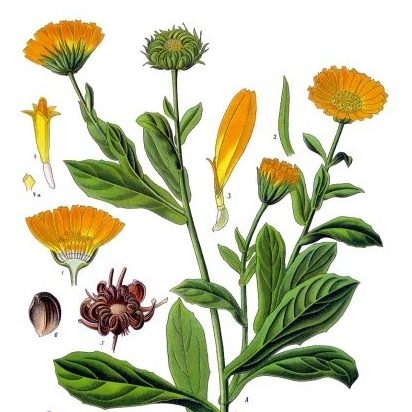
Let’s say you want to buy calendula for skin healing. Here are three hypothetical products:
Product A – $12 for 100ml tincture
- Label: “Calendula tincture 1:5, 45% alcohol”
- This is a standard strength, good for most uses
- Daily cost: ~$0.80 if taking 2ml three times daily
Product B – $22 for 50ml tincture
- Label: “Calendula extract 1:2, 60% alcohol, organic”
- Stronger extract (you take less), organic
- Daily cost: ~$0.88 if taking 1ml three times daily
Product C – $15 for 100ml
- Label: “Calendula healing blend” with no ratio listed, no Latin name
- Can’t determine strength, can’t verify species
- Avoid
Analysis: Products A and B are both good options. Product B is stronger and organic, so even though it costs more per bottle, the daily cost is similar. Product C is a waste of money because you can’t verify what you’re getting.
General principle: Calculate cost per dose, not just cost per bottle.
Where to Buy in New Zealand
Access varies by location: Urban areas (Auckland, Wellington, Christchurch) have many options including specialty herb shops. In smaller towns, pharmacies and The Warehouse may be your main brick-and-mortar options. Rural areas may rely more on online ordering (factor in shipping costs when calculating value) or growing/foraging your own.
Most Reliable
Pharmacies: Good quality control, knowledgeable staff, usually stock regulated medicines, higher prices but dependable. Pharmacists can answer questions for free.
Established health food stores: Good range, staff often knowledgeable, mix of quality levels, can find excellent products. Examples: Commonsense Organics, Bin Inn (bulk herbs), local independent health shops.
Reputable online NZ suppliers:
- Go Native NZ (www.gonative.co.nz) – NZ natives and adaptogenic herbs, excellent quality
- Herbshop (www.herbshop.co.nz) – Wide range, bulk options available
- Cottage Hill Herbs (www.cottagehillherbs.co.nz) – Quality tinctures, NZ-made
- Lotus Oils NZ (www.lotusoilsnz.co.nz) – Essential oils and some dried herbs
- HealthPost (www.healthpost.co.nz) – Large online selection, multiple brands
- Artemis (www.artemis.co.nz) – NZ-made teas and tinctures, available nationwide
Be More Cautious
Supermarkets and general retailers: Limited range, often lower-quality brands, but some good options exist (like The Warehouse for basic dried herbs) – check labels carefully regardless of where you shop.
Unknown online sellers: Especially overseas sellers, may be counterfeit, hard to verify quality, limited recourse if problems, watch for customs/shipping delays.
Social media sellers: May be MLM schemes, often overpriced, exaggerated claims, limited accountability, difficult to verify quality or get refunds.
Final Tips for Smart Shopping
Before you buy:
- Know what you’re looking for (the specific herb, part, and preparation type)
- Check the label for Latin name, plant part, and extraction ratio
- Compare at least three products
- Calculate cost per dose, not just per bottle
- Research the brand (look for reviews, check their website)
Red light—don’t buy:
- No Latin name
- Proprietary blends
- No contact information
- Unrealistic claims
- Missing batch number or expiry
Green light—likely good quality:
- Latin name and part clearly listed
- Extract ratio or standardisation stated
- Batch number and expiry date
- GMP or organic certification
- Reputable brand with good reviews
Remember: You usually get what you pay for. The cheapest product is rarely the best value. Mid-range products from reputable companies often offer the best balance of quality and affordability.
When in doubt: Make your own! Buying dried herbs and making your own teas or tinctures gives you complete control over quality and is much cheaper. See our guides on herbal preparations for instructions.
Common Marketing Claims Decoded
“All Natural” – Meaningless. Not regulated in NZ. Arsenic is natural.
“Clinically Proven” – Check who did the study, how many people, what was actually proven. Company-funded studies should be viewed sceptically.
“Traditional Use” – May be true, but traditional use isn’t the same as proven effectiveness. Can still be valuable evidence.
“High Potency” or “Extra Strength” – No standard definition. Check actual amounts.
“No Side Effects” – Impossible claim. Anything with effects can have side effects.
“Ancient Secret” – Marketing language. Often recently invented.
Your Quick Reference Checklist
When examining any herbal product, check for:
- [ ] Latin botanical name listed
- [ ] Plant part specified
- [ ] Extract ratio or standardisation (for extracts)
- [ ] Clear dosage instructions
- [ ] Batch number and expiry date
- [ ] Reputable company with contact information
- [ ] No proprietary blends hiding amounts
- [ ] Reasonable, not exaggerated claims
- [ ] Price is appropriate for quality (not suspiciously cheap)
If you can tick most of these boxes, you’re likely looking at a quality product.
Resources for Further Research
NZ Regulatory:
- Medsafe (medsafe.govt.nz) – information on complementary medicines regulation
- Consumer NZ – product testing and reviews
- Natural Health Products Bill updates (check government websites)
Quality Standards:
- BioGro NZ (biogro.co.nz) – organic certification information
- AsureQuality (asurequality.com) – testing and certification services
When to Get Help:
Ask your pharmacist (it’s free!), talk to a qualified herbalist, or consult your GP if you’re on medications or have health conditions.
Emergency contacts:
- National Poisons Centre: 0800 764 766 (24/7 for poisoning concerns, including herbal)
- Healthline: 0800 611 116 (free health advice 24/7)
- Your GP or pharmacy for non-emergency concerns
Final Thought: Reading labels is a skill that gets easier with practice. Start with one herb you want to buy, compare three products using this guide, and you’ll quickly develop confidence. Soon you’ll be able to spot quality products at a glance and avoid wasting money on ineffective ones.
The goal isn’t to buy the most expensive product or the one with the fanciest packaging. The goal is to get a product that contains what it says it contains, in amounts that will work, from a company you can trust, at a price you can afford. With these skills, you can do exactly that.
Sources & Further Reading
Herbal Quality Standards & Good Manufacturing Practice
Bone, K., & Mills, S. (2013). Principles and Practice of Phytotherapy: Modern Herbal Medicine (2nd ed.). Churchill Livingstone. [Comprehensive text on herbal product quality, extraction methods, and therapeutic applications]
World Health Organization. (2007). WHO Guidelines on Good Agricultural and Collection Practices (GACP) for Medicinal Plants. WHO Press. Retrieved from https://www.who.int/publications/i/item/9789241546812
Herbal Product Regulation & Safety
Medsafe. (2024). Complementary Medicines. New Zealand Medicines and Medical Devices Safety Authority. Retrieved from https://www.medsafe.govt.nz/regulatory/Complementary.asp [Current NZ regulations and approval processes]
Mills, S., & Bone, K. (2005). The Essential Guide to Herbal Safety. Churchill Livingstone. [Evidence-based safety profiles, contraindications, and drug interactions]
Extraction Methods & Phytochemistry
Gafner, S. (2018). Adulteration of herbal medicinal products and botanical ingredients: Overview and legal framework in the United States and Europe. HerbalGram, 101, 52-63. American Botanical Council. Retrieved from https://www.herbalgram.org/resources/herbalgram/
Hoffmann, D. (2003). Medical Herbalism: The Science and Practice of Herbal Medicine. Healing Arts Press. [Classic text on preparation methods and therapeutic rationale]
Consumer Protection & Product Testing
Consumer NZ. (2024). Health Supplements. Retrieved from https://www.consumer.org.nz/ [Independent product testing and reviews for NZ consumers]
Barnes, J., Anderson, L. A., & Phillipson, J. D. (2007). Herbal Medicines (3rd ed.). Pharmaceutical Press. [Evidence-based reference on herbal product quality and effectiveness]
Organic Certification & Standards
BioGro New Zealand. (2024). Organic Standards and Certification. Retrieved from https://www.biogro.co.nz/ [NZ organic certification body and standards]
AsureQuality. (2024). Testing and Certification Services. Retrieved from https://www.asurequality.com/ [Independent testing and quality assurance for NZ products]
Traditional Medicine Frameworks
Williamson, E. M., Driver, S., & Baxter, K. (Eds.). (2013). Stockley’s Herbal Medicines Interactions. Pharmaceutical Press. [Comprehensive resource on herb-drug interactions and safety considerations]
Edwards, S. E., da Costa Rocha, I., Williamson, E. M., & Heinrich, M. (2015). Phytopharmacy: An Evidence-Based Guide to Herbal Medicinal Products. John Wiley & Sons. [Evidence-based evaluation of herbal products and quality standards]
Disclaimer: This guide is for educational purposes only and is not medical advice. It is designed to help you make informed decisions when purchasing herbal products, but does not replace consultation with qualified healthcare professionals. Always consult your doctor, pharmacist, or qualified herbalist before using herbal products, especially if you are pregnant, breastfeeding, trying to conceive, have a medical condition, or are taking medications.
This guide reflects current NZ regulations and practices as of December 2024, which may change over time. Product quality, availability, and regulations are subject to change – always check current information when making purchasing decisions.
For medical concerns or questions about interactions with prescription medications, seek advice from qualified healthcare providers. For children under 2 years of age, always consult a healthcare professional before using any herbal products.
This guide covers Western herbalism approaches to product evaluation. It should not be assumed to apply to traditional rongoā Māori or other indigenous healing systems, which operate within their own frameworks of knowledge, protocols, and cultural contexts. For guidance on traditional healing practices, consult with qualified practitioners from those traditions.
Individual responses to herbs vary. What works for one person may not work for another. Start with lower doses and monitor your response. If you experience any adverse effects, discontinue use and consult a healthcare professional immediately.
While we strive for accuracy, herbal knowledge and research continue to evolve. This educational guide provides general information and cannot account for every individual circumstance or emerging research finding.
Note on Pricing: All prices mentioned in this guide are approximate and based on New Zealand suppliers as of December 2025. Prices vary by supplier, season, and market conditions. We recommend checking current prices with your local suppliers.
 The Public Herbarium