The Physiology of Thermoregulation, UV Protection, and Cooling Strategies
This comprehensive guide explores the science of how your body responds to heat, the mechanisms behind cooling herbs, skin protection strategies, and evidence-based approaches to summer wellness in New Zealand’s unique climate.
Cultural Context and Scope
This guide addresses summer herbal support from a Western scientific perspective. The herbs featured (peppermint, hibiscus, lemon balm, calendula, cucumber) are not native to Aotearoa and are not taonga species in rongoā Māori.
Rongoā Māori and Summer Wellness:
Rongoā Māori has its own frameworks and seasonal practices for managing heat, hydration, skin protection, and summer health challenges.
This Guide Focuses On:
Western scientific analysis (physiology, pharmacology, phytochemistry) of cooling mechanisms, UV protection, and hydration strategies using commonly available herbs.
Table of Contents
- Thermoregulation: How Your Body Manages Heat
- The Science of Cooling Herbs
- UV Radiation and Skin Protection
- Hydration and Electrolyte Balance
- Key Summer Herbs: Mechanisms and Evidence
- Heat Stress and Nervous System Effects
- Formulation Strategies for Summer
- NZ Summer Climate Considerations
Thermoregulation: How Your Body Manages Heat
The Hypothalamic Set Point
Your body maintains core temperature around 37°C through the hypothalamus, which acts as your body’s thermostat. This structure in your brain constantly monitors blood temperature and coordinates responses to maintain homeostasis.
Temperature Sensors:
- Central thermoreceptors: Located in the hypothalamus, spinal cord, and abdominal organs
- Peripheral thermoreceptors: In skin and mucous membranes
- These sensors send continuous signals to the hypothalamus about temperature changes
When ambient temperature rises:
1. Vasodilation (Increased Blood Flow to Skin):
- Hypothalamus signals smooth muscle in blood vessel walls to relax
- Arterioles near skin surface dilate
- More blood flows to skin (you look flushed)
- Heat radiates from blood through skin to environment
- Effective when: Environmental temperature is lower than body temperature
2. Sweating (Evaporative Cooling):
- Hypothalamus activates sympathetic nervous system
- Signals travel to sweat glands (eccrine glands) throughout body
- Sweat (primarily water + electrolytes) is secreted onto skin surface
- As water evaporates, it absorbs heat energy from skin (latent heat of vaporisation)
- Most effective cooling mechanism in humans
- Effective when: Humidity is low enough for evaporation to occur
3. Behavioural Responses:
- Seeking shade
- Removing clothing
- Reducing activity
- Drinking cool fluids
Why Thermoregulation Can Fail
High Humidity:
- Sweat cannot evaporate efficiently
- Cooling mechanism impaired
- Body temperature rises despite sweating
Dehydration:
- Insufficient fluid for sweat production
- Blood volume decreases
- Cardiovascular strain increases (heart works harder to pump thicker blood)
Extreme Heat:
- Overwhelms cooling mechanisms
- Core temperature rises
- Heat exhaustion → Heat stroke
Acclimatisation:
Interestingly, regular heat exposure improves thermoregulation:
- Sweat glands become more efficient (produce more sweat)
- Sweating begins at lower temperature threshold
- Sweat becomes more dilute (conserves electrolytes)
- Blood volume increases slightly
- Takes 10-14 days of gradual heat exposure
The Science of Cooling Herbss
Defining “Cooling” in Herbal Medicine
When herbalists describe herbs as “cooling,” they’re describing effects that fall into several categories:
1. Refrigerant Herbs:
Actually lower body temperature or create a cooling sensation through biochemical mechanisms.
2. Diaphoretic Herbs:
Promote sweating, which then cools the body through evaporation.
3. Demulcent Herbs:
Provide moisture to tissues, preventing heat-related drying and irritation.
4. Herbs That Reduce Internal “Heat”:
Anti-inflammatory herbs that reduce the metabolic heat associated with inflammation.
Mechanisms of Herbal Cooling
Sensory Receptor Activation:
Menthol (in Peppermint):
- Binds to TRPM8 (transient receptor potential melastatin 8) channels
- These are the same channels activated by cold temperatures (below 26°C)
- Binding causes channel to open, allowing calcium and sodium ions to enter nerve cells
- This generates nerve signals interpreted by brain as “cold”
- Does not actually lower temperature, creates cooling sensation
- Clinical evidence: Well-established mechanism (McKay & Blumberg, 2006)
Cucurbitacins and Triterpenes (in Cucumber):
- Different mechanism than menthol
- Anti-inflammatory action reduces metabolic heat associated with irritation
- High water content provides physical cooling and hydration
Diaphoretic Action:
Paradoxical Effect of Hot vs. Cold Preparations:
When you drink a HOT tea made with diaphoretic herbs:
- Hot liquid raises core temperature slightly
- Hypothalamus detects temperature increase
- Initiates sweating response
- Herbs enhance this response (mechanism varies by herb)
- Increased sweating → enhanced evaporative cooling
When you drink COLD tea:
- Immediate cooling from cold liquid
- No diaphoretic action triggered (hypothalamus doesn’t detect heat)
- Different herbs have different effects when taken cold
Example: Elderflower
- Hot: Diaphoretic — promotes sweating
- Cold: Diuretic — promotes urination (heat released through kidneys, slight vasodilation)
Flavonoid-Mediated Vasodilation:
Several cooling herbs contain flavonoids (quercetin, rutin, hesperidin) that:
- Promote nitric oxide (NO) production in blood vessel lining
- NO causes smooth muscle in vessel walls to relax
- Vessels dilate → more blood flow to skin → heat radiation
- This is a mild effect, not as dramatic as pharmaceutical vasodilators
Hydration and Mucilage:
Demulcent herbs (high mucilage content) cool through:
- Physical moisture added to tissues
- Mucilage polysaccharides form gel that holds water against tissues
- Reduces evaporative water loss from inflamed mucous membranes
- Examples: Marshmallow, slippery elm, cucumber
UV Radiation and Skin Protection
Understanding UV Radiation
The sun emits radiation across a spectrum. The UV portion that reaches Earth includes:
UVA (315-400 nm wavelength):
- 95% of UV radiation reaching Earth’s surface
- Penetrates deep into skin (dermis layer)
- Primary cause of premature aging: Breaks down collagen and elastin
- Contributes to skin cancer
- Not blocked by glass
- Present year-round, even on cloudy days
- Less intense than UVB but much more prevalent
UVB (280-315 nm):
- 5% of UV reaching Earth
- Penetrates outer skin layer (epidermis)
- Primary cause of sunburn
- Main trigger for vitamin D synthesis
- Intensity varies by season, time of day, latitude
- Blocked by glass
UVC (100-280 nm):
- Completely absorbed by atmosphere
- Does not reach Earth’s surface
NZ Specific Context:
New Zealand has some of the highest UV levels in the world due to:
- Clearer atmosphere (less pollution scatters UV)
- Ozone hole over Antarctica (affects southern NZ more in spring/summer)
- Closer proximity to sun during Southern Hemisphere summer (Earth’s orbit is elliptical)
UV Index in NZ:
- Can reach 13+ in summer (extreme)
- Compare to: Northern Europe rarely exceeds 7-8
How UV Damages Skin
Immediate Effects (Sunburn):
- UVB penetrates epidermis
- Photons absorbed by DNA in skin cells
- DNA damage: Thymine dimers form (two thymine bases incorrectly bond)
- Cell damage response:
- Damaged cells release inflammatory mediators (prostaglandins, cytokines)
- Blood vessels dilate (redness)
- Inflammation cascade begins
- Pain receptors activated
- Immune response: White blood cells infiltrate to clear damaged cells
- Skin peeling: Body sheds severely damaged surface cells
Melanin Response:
- UV exposure triggers melanocytes (pigment cells) to produce melanin
- Melanin absorbs UV, protecting DNA
- This is tanning — a defence mechanism, not a sign of health
- Provides some protection (roughly SPF 2-4), but insufficient alone
Long-Term Effects:
Photoaging:
- UVA penetrates to dermis
- Generates reactive oxygen species (ROS — free radicals)
- ROS activate matrix metalloproteinases (MMPs)
- MMPs break down collagen and elastin
- Result: Wrinkles, sagging, leathery texture
Hyperpigmentation:
- Uneven melanin production
- Age spots, sun spots
- More common in skin with melanin (though everyone experiences some degree)
Skin Cancer:
- Cumulative DNA damage
- Mutations in tumor suppressor genes (p53, others)
- Eventually leads to uncontrolled cell growth
- Three main types: Basal cell carcinoma (most common, least dangerous), squamous cell carcinoma, melanoma (less common, most dangerous)
Antioxidants and Photoprotection
How Antioxidants Help:
Free Radical Neutralisation:
- UV generates ROS (superoxide, hydroxyl radicals, singlet oxygen)
- These are unstable molecules with unpaired electrons
- They “steal” electrons from cellular components (lipids, proteins, DNA), causing damage
- Antioxidants donate electrons, stabilising free radicals
- This prevents chain reactions of oxidative damage
Antioxidant Systems in Skin:
Endogenous (made by your body):
- Superoxide dismutase (SOD)
- Catalase
- Glutathione peroxidase
- These enzymes break down ROS
Exogenous (from diet/topical application):
- Vitamin C (ascorbic acid)
- Vitamin E (tocopherol)
- Carotenoids (beta-carotene, lycopene, lutein)
- Polyphenols (from plants)
- Flavonoids (quercetin, rutin, anthocyanins)
- Phenolic acids (caffeic acid, ferulic acid)
Herbal Antioxidants for Summer:
Hibiscus:
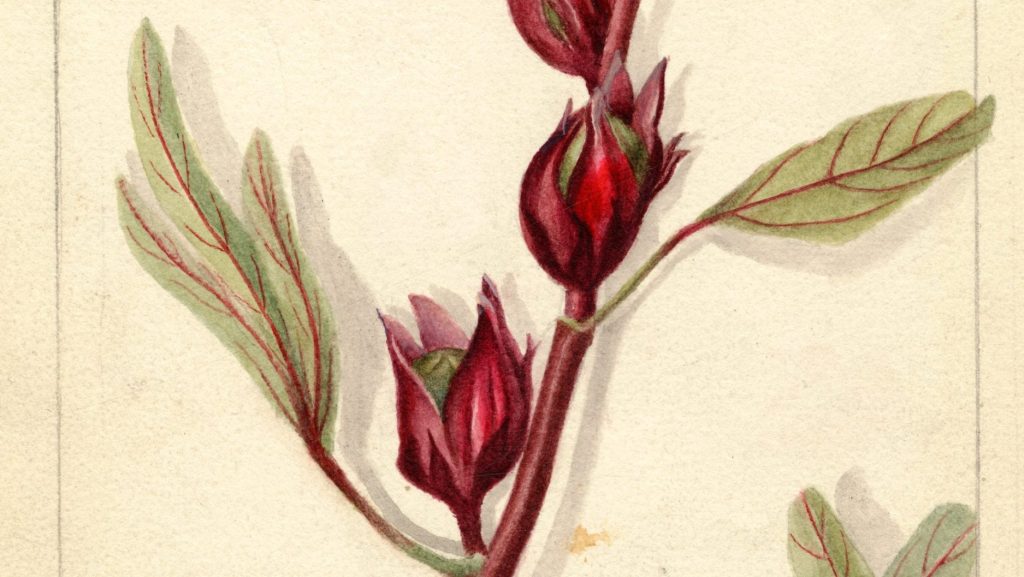
- Anthocyanins (red pigments)
- Quercetin, myricetin
- Protocatechuic acid
- Mechanism: Donate electrons to ROS, breaking oxidative chain reactions
- Clinical evidence: In vitro studies show strong free radical scavenging (Hopkins et al., 2013)
- Practical application: Consumed as tea, provides systemic antioxidant support
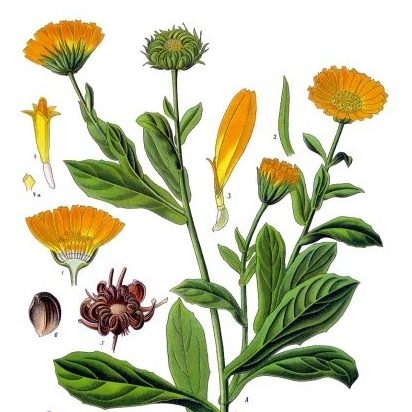
Calendula:
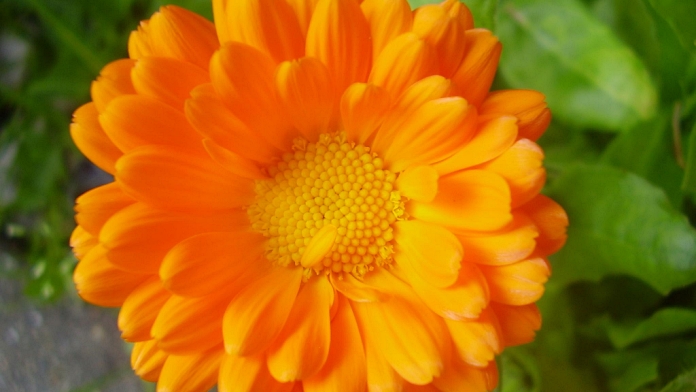
- Carotenoids (lutein, zeaxanthin, beta-carotene)
- Flavonoids (quercetin, isorhamnetin)
- Mechanism: Neutralise singlet oxygen (specific ROS generated by UV), stabilise cell membranes
- Clinical evidence: Topical calendula reduces UV-induced erythema (redness) in animal studies
- Practical application: Topical application after sun exposure
Important Distinction:
Antioxidants provide SUPPORT, not PRIMARY protection.
- Studies show dietary antioxidants may offer SPF equivalent of 2-4
- This is insufficient alone
- Use sunscreen (SPF 30+) as primary protection
- Antioxidants (diet + topical) as secondary support
Hydration and Electrolyte Balance
Water Balance Physiology
Your body is approximately 60% water (varies by age, sex, body composition). This water is distributed:
- Intracellular fluid (ICF): 2/3 of total body water (inside cells)
- Extracellular fluid (ECF): 1/3 of total body water
- Interstitial fluid: Between cells
- Plasma: Liquid component of blood
Water moves between compartments via osmosis (driven by concentration gradients of electrolytes).
Electrolytes and Their Functions
Sodium (Na⁺):
- Primary extracellular cation (positively charged ion)
- Maintains ECF volume and blood pressure
- Nerve impulse transmission
- Muscle contraction
- Lost in sweat: 10-70 mmol/L depending on acclimatisation
Potassium (K⁺):
- Primary intracellular cation
- Nerve and muscle function (especially heart rhythm)
- Cellular metabolism
- Lost in sweat: 3-15 mmol/L
Magnesium (Mg²⁺):
- Muscle relaxation (opposes calcium)
- Nerve function
- Energy production (ATP synthesis)
- Lost in sweat: Small amounts, but significant with heavy sweating
Calcium (Ca²⁺):
- Muscle contraction
- Nerve transmission
- Blood clotting
- Bone health
- Lost in sweat: Minimal
Chloride (Cl⁻ ):
- Primary extracellular anion (negatively charged)
- Maintains ECF volume
- Stomach acid (HCl) production
- Lost in sweat with sodium
What Happens When You’re Dehydrated
Mild Dehydration (1-2% body weight loss):
- Thirst
- Dry mouth
- Slightly decreased urine output
- Mild fatigue
Moderate Dehydration (3-5% loss):
- Reduced blood volume
- Heart rate increases (compensating for lower blood volume)
- Reduced sweating (conserving remaining fluid)
- Body temperature rises (less cooling via evaporation)
- Headache, dizziness
- Reduced physical and cognitive performance
Severe Dehydration (>5% loss):
- Significantly reduced blood pressure
- Organ damage risk
- Confusion, unconsciousness
- Medical emergency
Electrolyte Imbalance
Hyponatremia (Low Sodium):
- Can occur if you drink excessive plain water without electrolytes during prolonged sweating
- Dilutes blood sodium concentration
- Water moves into cells (they swell)
- Brain swelling is dangerous: Confusion, seizures, coma
- Prevention: Include electrolytes when rehydrating after heavy sweating
Why Plain Water Isn’t Always Enough:
When you sweat heavily:
- You lose both water AND electrolytes
- Drinking only water replaces volume but not electrolytes
- Can actually worsen electrolyte balance if drinking excessively
- Solution: Include electrolyte sources (minerals from herbs, small amount of salt)
Herbal Electrolyte Support
Nettle (Urtica dioica):
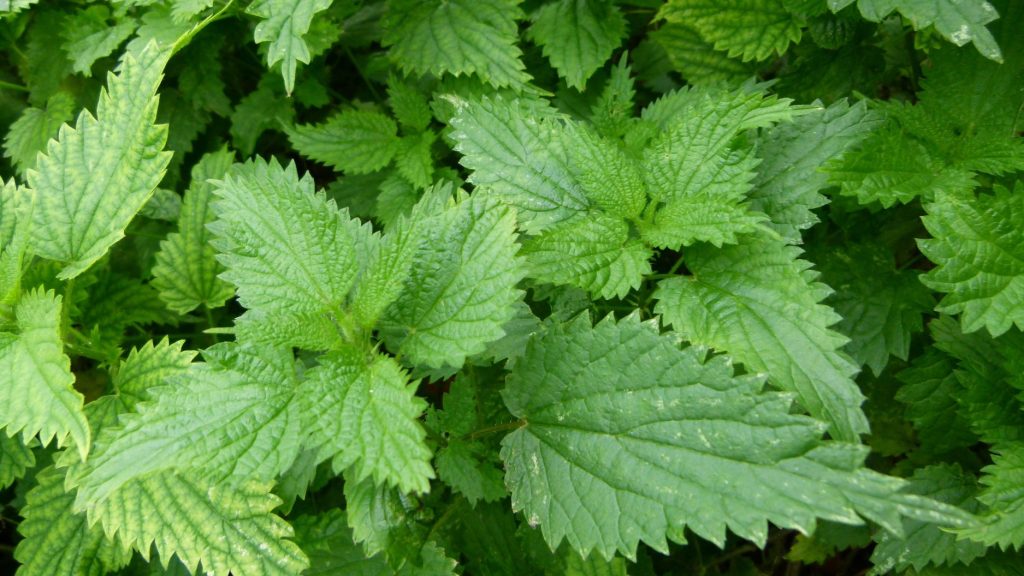
Mineral Content (per 100g dried leaf):
- Iron: 30-40mg
- Calcium: 2,000-3,000mg
- Potassium: 2,000-3,000mg
- Magnesium: 400-600mg
- Also contains: Sodium, chloride, phosphorus, silica
Why this matters:
- Provides broad-spectrum minerals
- Potassium and magnesium are lost in sweat
- Calcium supports muscle function
- Iron supports oxygen transport (relevant if exercising in heat)
Preparation for maximum mineral extraction:
- Long steeping time (20+ minutes)
- Hot water (minerals extract better in heat)
- Covered (prevents volatile compounds escaping, though less relevant for minerals)
Clinical Note:
While nettle is mineral-rich, the bioavailability (how much your body absorbs) varies. Factors affecting absorption:
- Oxalates in plants bind some minerals
- Vitamin C enhances iron absorption (add lemon to nettle tea)
- Individual digestive health affects absorption
Key Summer Herbs: Mechanisms and Evidence
Peppermint (Mentha × piperita)
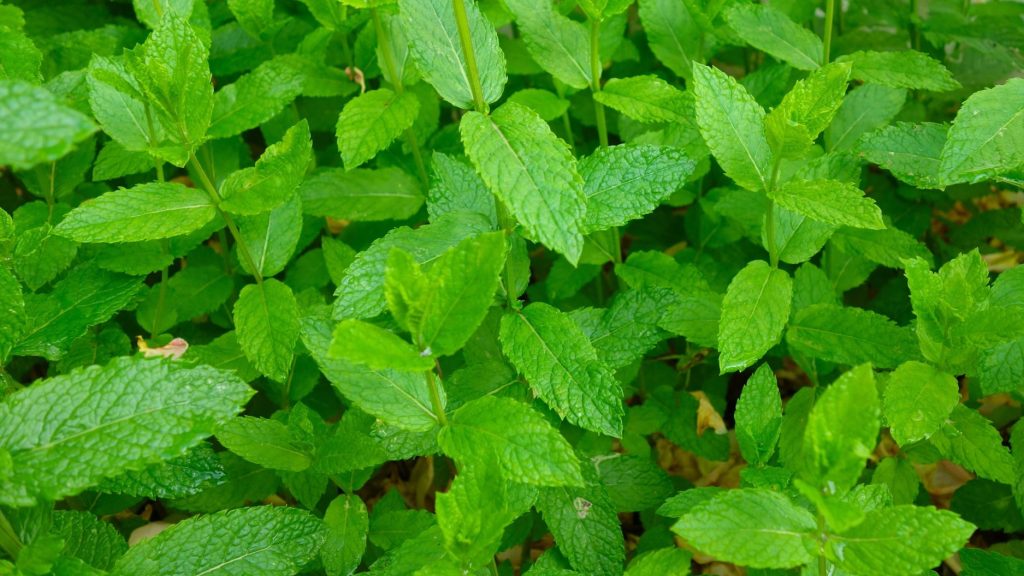
Botanical Information:
- Family: Lamiaceae
- Part used: Leaf
- Key constituents: Menthol (30-50% of essential oil), menthone (10-30%), menthyl acetate, 1,8-cineole, rosmarinic acid
Cooling Mechanism — Deep Dive:
TRPM8 Receptor Activation:
- TRPM8 is a calcium channel in sensory nerve cell membranes
- Normally opens in response to cold (below 26°C)
- Menthol binds to receptor, causing it to open even at warm temperatures
- Calcium ions flow into nerve cell
- Nerve generates action potential
- Signal travels to brain’s sensory cortex
- Brain interprets as “cold” even though no temperature change occurred
Secondary Effects:
- Mild local anesthesia (reduces pain signaling)
- Smooth muscle relaxation (via calcium channel effects)
Diaphoretic Action (When Taken Hot):
- Hot peppermint tea raises core temperature slightly
- Triggers hypothalamic response
- Increased sweating
- Some suggest menthol may directly stimulate sweat glands, but evidence is limited
Digestive Effects:
Antispasmodic Action:
- Menthol blocks L-type calcium channels in GI smooth muscle
- Without calcium entry, muscle cannot contract strongly
- Relieves cramping, bloating
- Clinical evidence: Meta-analysis of peppermint oil for IBS shows significant symptom reduction (Alammar et al., 2019)
Clinical Evidence:
Cooling Sensation:
- Mechanism well-established (McKay & Blumberg, 2006)
- Subjective but consistent reports of cooling effect
- Used in topical products for this effect
Headache Relief:
- Small studies show topical peppermint oil reduces tension headache pain
- Comparable to acetaminophen in some studies
- Mechanism: Cooling sensation + muscle relaxation + mild analgesia
Preparation Considerations:
For cooling sensation:
- Cold infusion or iced tea maximises menthol contact with mouth
- Fresh leaves have higher volatile oil content than dried
For digestive support:
- Enteric-coated capsules (release in intestines) most effective for IBS
- Hot tea still helpful for after-meal bloating
Safety:
Generally very safe:
- GRAS (Generally Recognised As Safe) status
- No significant toxicity at normal doses
Cautions:
- Gastroesophageal reflux (GERD): Strong peppermint can relax lower esophageal sphincter, worsening reflux in some people
- Infants: Never apply peppermint essential oil near infant’s face (menthol can cause breathing difficulties by triggering laryngospasm reflex)
- Gallstones: Theoretical concern (stimulates bile), but no documented problems at tea doses
Hibiscus (Hibiscus sabdariffa)
Botanical Information:
- Family: Malvaceae
- Part used: Calyx (the fleshy part surrounding seed pod)
- Key constituents: Anthocyanins (delphinidin-3-sambubioside, cyanidin-3-sambubioside), organic acids (citric, malic, tartaric), polyphenols (quercetin, kaempferol)
Mechanisms of Action:
1. Antioxidant Activity:
Anthocyanins:
- Water-soluble pigments (red/purple colour)
- Donate electrons to free radicals, neutralising them
- Inhibit lipid peroxidation (prevents oxidative damage to cell membranes)
- In vitro studies: Strong DPPH and ABTS radical scavenging activity
Practical Implication:
When consumed regularly throughout summer, systemic antioxidant levels increase, providing:
- Modest UV protection (not replacement for sunscreen)
- Reduced oxidative stress from heat
- Support for overall cellular health
2. Cardiovascular Support:
Blood Pressure Reduction:
- Multiple human trials show hibiscus lowers blood pressure in hypertensive individuals
- Mechanism: ACE inhibition (similar to pharmaceutical ACE inhibitors but much milder)
- ACE (angiotensin-converting enzyme) converts angiotensin I → angiotensin II
- Angiotensin II is a potent vasoconstrictor (narrows blood vessels)
- Hibiscus polyphenols inhibit ACE
- Result: Less vasoconstriction, lower blood pressure
- Clinical evidence: Meta-analysis of 5 trials shows significant reduction in systolic and diastolic BP (Hopkins et al., 2013)
Why This Matters in Summer:
Heat places cardiovascular strain:
- Vasodilation (blood pools in periphery)
- Reduced blood return to heart
- Heart must work harder
- People with hypertension are more vulnerable
Hibiscus may provide gentle cardiovascular support.
3. Diuretic Effect:
Mild Diuresis:
- Increases urine production
- Mechanism: Not fully understood, likely related to:
- Increased glomerular filtration rate (kidney filtering)
- Reduced sodium reabsorption in kidney tubules
- Flavonoid effects on kidney function
Why This Helps with Cooling:
- Heat elimination via kidneys (though much less efficient than sweating)
- Reduces mild fluid retention that can occur in heat
Note: Diuretic effect is gentle. Not contraindicated during heat (won’t cause dangerous dehydration at normal tea doses), but ensure adequate fluid intake.
Clinical Evidence:
Blood Pressure:
- Hopkins et al. (2013): Meta-analysis shows systolic BP reduction of 7.58 mmHg, diastolic 3.53 mmHg
- Comparable to some pharmaceutical interventions in mild hypertension
Antioxidant:
- Multiple in vitro studies confirm strong antioxidant activity
- Human trials show increased plasma antioxidant capacity after hibiscus consumption
Safety:
Very safe for most people:
- Long history of food use (traditional beverage in many cultures)
- No significant adverse effects reported
Cautions:
- Pregnancy: Traditionally used to bring on menstruation; avoid high doses during pregnancy
- Blood pressure medications: May enhance effects (monitor BP if taking antihypertensives)
- No interactions with common medications documented
Lemon Balm (Melissa officinalis)

Botanical Information:
- Family: Lamiaceae
- Part used: Leaf (aerial parts)
- Key constituents: Rosmarinic acid (2-4%), hydroxycinnamic acids, flavonoids (luteolin, apigenin), volatile oils (citronellal, citral, geraniol)
Mechanisms of Action:
1. Anxiolytic (Anti-Anxiety) Effects:
GABA-A Receptor Modulation:
- Lemon balm constituents (rosmarinic acid, other polyphenols) modulate GABA-A receptors
- GABA (gamma-aminobutyric acid): Primary inhibitory neurotransmitter in brain
- GABA binds to GABA-A receptors → opens chloride channels → hyperpolarises neurons (makes them less likely to fire)
- Result: Reduced neural excitability, calming effect
- Lemon balm enhances this natural calming system
Mechanism differs from benzodiazepines:
- Benzodiazepines directly bind to GABA-A receptors (strong effect, addiction potential)
- Lemon balm modulates receptor sensitivity (gentler, no addiction)
Acetylcholinesterase Inhibition:
- Lemon balm inhibits acetylcholinesterase (AChE), the enzyme that breaks down acetylcholine
- More acetylcholine available → enhanced cholinergic neurotransmission
- Effects: Improved cognition, calm alertness (not sedation)
This dual action is unique:
- Calming (via GABA) + Cognitive enhancement (via acetylcholine)
- “Calm alertness” rather than sedation
2. Cooling Energetics:
From a traditional herbalism perspective, lemon balm is classified as cooling. The mechanism is less clear biochemically but may relate to:
- Mild vasodilatory effects (flavonoids)
- Reduction of stress-induced metabolic heat (calms sympathetic nervous system)
- Subjective cooling sensation (citrus aromatics)
Clinical Evidence:
Anxiety Reduction:
- Kennedy et al. (2004): Randomised controlled trial showed single 300mg dose of lemon balm reduced stress response and improved mood during cognitive stress test
- Kennedy et al. (2003): 600mg dose improved calmness and reduced alertness (higher dose more sedating)
- Dose-dependent effect: Lower doses (300mg) = calm alertness; Higher doses (600mg+) = sedation
Cognitive Effects:
- Same studies show improved memory and attention
- Particularly effective for stress-induced cognitive impairment
Sleep Support:
- Case series studies show improved sleep quality when combined with valerian
- Alone, modest sleep support (not as strong as dedicated sedative herbs)
Preparation Considerations:
Fresh vs. Dried:
- Fresh preferred: Volatile oils (citronellal, citral) dissipate significantly with drying
- Fresh tincture (1:2, 95% alcohol) preserves more volatile oils
- If using dried, use within 6 months and store properly (cool, dark, airtight)
Dosing:
- Tea: 1-2 teaspoons dried (or 2-3 tablespoons fresh) per cup, steep 10 minutes, 2-3 cups daily
- Tincture: 2-4ml (40-80 drops), 2-3 times daily
- For sleep: Take 1 hour before bed
Safety:
Extremely safe:
- No significant adverse effects
- Safe for children (age-appropriate doses)
- No documented drug interactions
Cautions:
- Thyroid: Theoretical concern about interference with thyroid hormone (conflicting research, likely not clinically significant at normal doses)
- If you have thyroid condition, monitor thyroid function or consult healtcare professional
Calendula (Calendula officinalis)
Botanical Information:
- Family: Asteraceae
- Part used: Flowers (whole heads or petals)
- Key constituents: Triterpene saponins (oleanolic acid glycosides), flavonoids (quercetin, isorhamnetin, rutin), carotenoids (lutein, zeaxanthin, beta-carotene), polysaccharides
Mechanisms for Skin Healing:
Mechanisms for Skin Healing:
1. Anti-Inflammatory Action:
Triterpene Alcohols (Faradiol):
- Inhibits lipoxygenase (5-LOX) enzyme
- 5-LOX produces leukotrienes (inflammatory mediators)
- Result: Reduced inflammation, swelling, pain
- Studies show: Faradiol more effective than indomethacin (NSAID) in some animal models
Flavonoids:
- Inhibit cyclooxygenase (COX-2)
- Reduce prostaglandin production
- Additional anti-inflammatory pathway
2. Wound Healing (Vulnerary Action):
Polysaccharides:
- Stimulate fibroblast proliferation (cells that produce collagen)
- Increase granulation tissue formation (new tissue in wound bed)
- Support angiogenesis (new blood vessel formation to healing tissue)
Carotenoids:
- Antioxidants protect healing tissue from oxidative stress
- Beta-carotene converts to vitamin A (essential for epithelial tissue health)
Triterpene Saponins:
- Promote cellular regeneration
- Surface-active properties may help with wound cleansing
3. Antimicrobial:
Flavonoids and Volatile Oils:
- Disrupt bacterial cell membranes
- Effective against gram-positive and gram-negative bacteria
- Some anti-fungal activity (Candida species)
Why This Matters for Sunburn:
- Sunburn creates inflammation (redness, pain, swelling)
- Damaged skin vulnerable to infection
- Calendula addresses both: reduces inflammation, prevents/treats infection
- Supports skin regeneration (faster healing, less scarring)
Clinical Evidence:
Wound Healing:
- Preethi & Kuttan (2009): Calendula ointment significantly accelerated wound healing in rats
- Multiple studies on various wound types (surgical, burns, ulcers) show benefit
- Della Loggia et al. (1994): Confirmed anti-inflammatory effects in vivo
Radiation-Induced Dermatitis:
- Studies on cancer patients receiving radiation therapy
- Calendula cream reduced severity of skin reactions
- Relevant to sunburn: Similar inflammatory mechanisms
Safety:
Topical use very safe:
- Rare: Allergic reactions in people allergic to Asteraceae family
- Patch test if uncertain
Internal use:
- Safe for most people
- Avoid during pregnancy: Traditionally considered emmenagogue (promotes menstruation)
Heat Stress and Nervous System Effects
The Heat-Stress Connection
Physiological Stress Response:
Heat is a stressor. Your body responds via:
HPA (Hypothalamic-Pituitary-Adrenal) Axis Activation:
- Hypothalamus detects heat stress
- Releases corticotropin-releasing hormone (CRH)
- Pituitary releases adrenocorticotropic hormone (ACTH)
- Adrenal glands release cortisol
Cortisol Effects:
- Increases blood glucose (energy for heat response)
- Suppresses non-essential functions (digestion, reproduction, immune)
- Enhances alertness
Chronic heat exposure = chronic stress response:
- Elevated cortisol
- Irritability, anxiety
- Poor sleep (especially if sleeping in heat)
- Fatigue
Sympathetic Nervous System:
Heat activates “fight or flight”:
- Increased heart rate
- Sweating (sympathetically mediated)
- Vasoconstriction in core, vasodilation in periphery
- Reduced digestive function
Chronic activation = dysregulation:
- Difficulty winding down
- Heat intolerance (thermoregulation less efficient)
- Anxiety
Cooling Nervines for Summer Stress
Nervine: Herb that supports nervous system function
Cooling Nervine: Calms nervous system while having cooling energetic/physiological properties
Lemon Balm:
- As discussed: GABA modulation, acetylcholinesterase inhibition
- Reduces stress response
- Particularly good for heat-induced irritability, restlessness
Chamomile (Matricaria chamomilla):
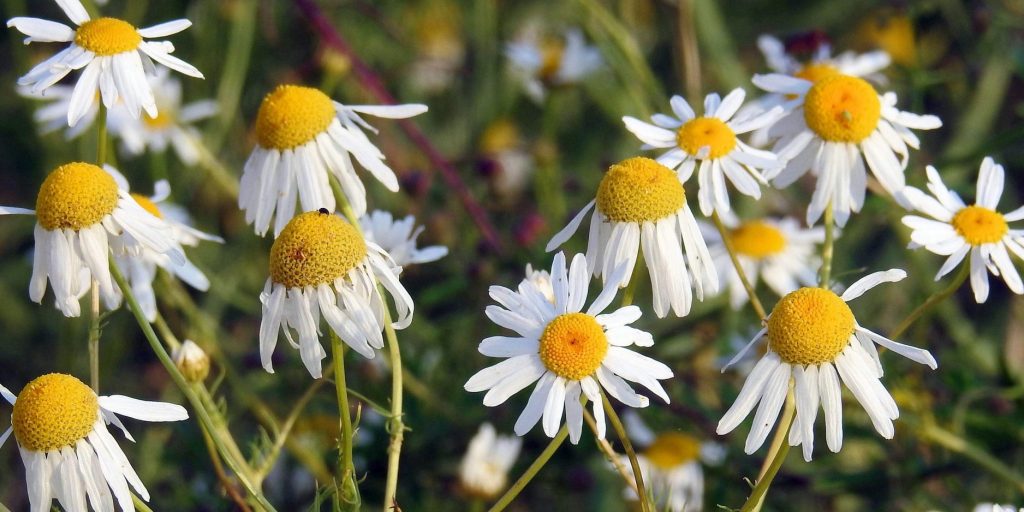
- Apigenin binds to GABA-A receptors
- Gentle sedative
- Cooling (reduces inflammation, which generates metabolic heat)
- Good for heat-disturbed sleep
Tulsi/Holy Basil (Ocimum sanctum):
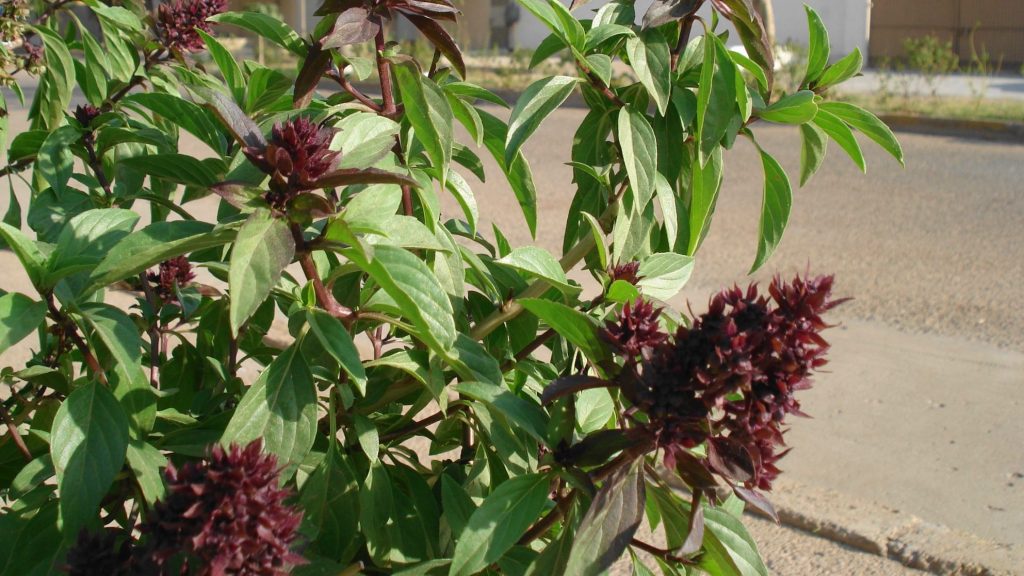
- Adaptogen: Modulates stress response, reduces cortisol
- Cooling in Ayurvedic classification
- Supports resilience to heat stress
- Evidence: Human trials show reduced cortisol, improved stress markers
Clinical Application:
For heat-induced anxiety/irritability:
- Lemon balm tincture: 2-4ml as needed (up to 3-4 times daily)
- Cold lemon balm infusion: Drink throughout day
For heat-disturbed sleep:
- Chamomile + lemon balm tea 1 hour before bed
- Keep bedroom cool (body temperature drops for sleep — heat interferes)
For chronic summer stress:
- Tulsi tea daily (adaptogenic effects build over time)
- Combined with cooling lifestyle practices (morning coolness, afternoon rest during peak heat)
Formulation Strategies for Summer {#formulations}
Principles for Summer Formulas
1. Cooling + Hydrating:
Combine refrigerant herbs (create cooling sensation or reduce heat) with demulcent herbs (provide moisture).
2. Electrolyte Support:
Include mineral-rich herbs in hydration formulas.
3. Multiple Pathways:
Address cooling through different mechanisms:
- Sensory (menthol)
- Diaphoretic (if using hot)
- Antioxidant (reduce metabolic heat from oxidative stress)
- Nervine (reduce stress-generated heat)
Sample Formulations
Daily Summer Hydration Tea:
Formula:
- 3 parts Hibiscus (antioxidant, cooling, flavour)
- 2 parts Nettle (minerals/electrolytes)
- 2 parts Peppermint (cooling sensation, digestive)
- 1 part Lemon balm (nervine, cooling)
- 1 part Rose petals (cooling, astringent, flavour)
Rationale:
- Hibiscus: Primary cooling herb, provides tart base flavour, antioxidants protect against UV/heat stress
- Nettle: Rich in minerals lost in sweat (K, Mg, Ca), supports hydration
- Peppermint: Cooling sensation, supports digestion (often challenged in heat)
- Lemon balm: Addresses nervous system stress from heat
- Rose: Astringent (helps tissues retain moisture), cooling, makes blend more pleasant
Preparation:
- 3 tablespoons blend per quart water
- Cold infusion (sun tea): Place in jar, set in sun 4-6 hours, strain, refrigerate
- Hot infusion: Pour boiling water over herbs, steep 15 minutes, cool, refrigerate
- Drink 2-4 cups daily
Cost per batch (1 quart): Approximately $1-1.50
Expected Effects:
- Cooling sensation from peppermint (immediate)
- Improved hydration with mineral support
- Reduced oxidative stress (cumulative with regular use)
- Calmer response to heat stress
After-Sun Intensive Repair Formula:
Formula (Topical):
- 1 cup strong calendula tea (1/4 cup flowers steeped in 1 cup boiling water, 20 minutes)
- 1/4 cup aloe vera gel (pure)
- 1 tablespoon witch hazel (astringent, anti-inflammatory)
- 10 drops lavender essential oil (anti-inflammatory, analgesic, pleasant scent)
- 5 drops chamomile essential oil (optional, additional anti-inflammatory)
Preparation:
- Brew calendula tea, strain thoroughly, cool completely
- Combine cooled tea with aloe gel in spray bottle
- Add witch hazel
- Add essential oils
- Shake vigorously before each use
- Store in refrigerator (cold application enhances soothing)
- Use within 5-7 days
Application:
- Spray liberally on sun-exposed or sunburned skin
- Apply 3-4 times daily
- Do not apply oils to hot, acute sunburn (wait until skin has cooled)
Mechanism:
- Calendula: Anti-inflammatory, wound healing, antimicrobial
- Aloe: Cooling, moisturising, promotes skin healing (polysaccharides)
- Witch hazel: Astringent (tightens tissues), reduces inflammation
- Lavender: Anti-inflammatory, analgesic, promotes healing
- Chamomile EO: Additional anti-inflammatory, apigenin in oil form
Clinical Note:
For severe sunburn (blistering, fever, extreme pain), seek medical care. This formula is for mild-to-moderate sunburn only.
NZ Summer Climate Considerations
Regional Variations
Northland/Auckland:
- High humidity (70-80% often in summer)
- Implication: Sweat evaporates less efficiently, heat feels more oppressive
- Strategy: Focus on herbs that promote healthy sweating (diaphoretics), ensure electrolyte replacement
Canterbury/Marlborough:
- Lower humidity, higher temperatures inland
- Dry heat (easier to cool via evaporation)
- Implication: Dehydration risk higher (may not notice how much you’re sweating in dry heat)
- Strategy: Aggressive hydration, mineral-rich beverages
West Coast:
- High rainfall, moderate temperatures
- Less heat stress generally
- Implication: Less need for intensive cooling strategies
- Strategy: Focus on general summer wellness, skin protection (UV still high)
Central Otago:
- Extreme temperature fluctuations (hot days, cool nights)
- Very dry
- Implication: Body must adapt to wide temperature swings
- Strategy: Adaptogenic herbs (tulsi, ashwagandha) to support stress response, hydration for dry climate
UV Considerations
All of NZ has high UV:
Even on mild-temperature days, UV can be extreme.
Skin protection priority:
- Physical barriers (clothing, shade, sunscreen)
- Dietary antioxidants (hibiscus tea, colourful fruits/vegetables)
- Topical antioxidants (green tea, calendula after sun)
Timing outdoor activities:
- Before 10am or after 4pm when possible (UV peaks 10am-4pm)
- Check daily UV index (MetService provides this)
- UV can be high even on cloudy days (clouds block infrared heat, not UV)
Regional Thermoregulatory Challenges
Northern NZ (Auckland, Northland):
- High humidity (70-85%) impairs evaporative cooling
- Heat index often 5-8°C higher than actual temperature
- Prolonged heat stress (November-March)
- Physiological impact: Cardiovascular strain increased, electrolyte loss higher
Central NZ (Wellington):
- Wind increases insensible water loss (dehydration risk)
- Moderate temperatures but strong UV exposure
- Variable conditions challenge acclimatisation
Southern NZ (Otago, Canterbury):
- Dry heat allows efficient evaporative cooling
- Extreme UV despite cooler temperatures (latitude effect)
- Large diurnal variation (hot days, cool nights) stresses thermoregulation
Summary and Recommendations
Core Summer Strategy:
Daily Practices:
- Morning: Drink 1-2 cups cooling tea blend before heat peaks
- Throughout day: Continue hydration with herb-infused water or tea
- After sun exposure: Apply calendula + aloe spray immediately
- Evening: Cooling bath with herbs, lemon balm tea if stressed
Key Herbs by Function:
Cooling sensation: Peppermint
Antioxidant protection: Hibiscus, calendula
Electrolyte support: Nettle
Nervous system support: Lemon balm, chamomile
Skin healing: Calendula, aloe
Expected Timeline:
Immediate effects (within hours):
- Cooling sensation from peppermint
- Refreshment from cold beverages
- Soothing from topical applications
Short-term effects (days-week):
- Improved heat tolerance
- Better hydration status
- Reduced skin damage from UV
Long-term effects (consistent summer-long use):
- Enhanced thermoregulation
- Reduced cumulative UV damage
- Better stress resilience
Budget-Friendly Approach:
Minimum viable summer herbal protocol:
- Grow peppermint and calendula ($10-15 total for plants)
- Buy bulk dried hibiscus ($12-18/50g, lasts all summer)
- Use aloe from grocery store ($5-8)
- Total investment: Under $50 for entire summer
When to Seek Medical Help:
- Heat stroke symptoms (high temperature, confusion, unconsciousness)
- Severe sunburn (blistering over large areas, fever, chills)
- Dehydration not improving with oral fluids
- Any concerning symptoms
Herbs support health; they don’t replace appropriate medical care.
References
Alammar, N., Wang, L., Saberi, B., Nanavati, J., Holtmann, G., Shinohara, R. T., & Mullin, G. E. (2019). The impact of peppermint oil on the irritable bowel syndrome: A meta-analysis of the pooled clinical data. BMC Complementary Medicine and Therapies, 19(1), 21.
Della Loggia, R., Tubaro, A., Sosa, S., Becker, H., Saar, S., & Isaac, O. (1994). The role of triterpenoids in the topical anti-inflammatory activity of Calendula officinalis flowers. Planta Medica, 60(6), 516-520.
Hopkins, A. L., Lamm, M. G., Funk, J. L., & Ritenbaugh, C. (2013). Hibiscus sabdariffa L. in the treatment of hypertension and hyperlipidemia: A comprehensive review of animal and human studies. Fitoterapia, 85, 84-94.
Kennedy, D. O., Little, W., & Scholey, A. B. (2004). Attenuation of laboratory-induced stress in humans after acute administration of Melissa officinalis (lemon balm). Psychosomatic Medicine, 66(4), 607-613.
Kennedy, D. O., Wake, G., Savelev, S., Tildesley, N. T., Perry, E. K., Wesnes, K. A., & Scholey, A. B. (2003). Modulation of mood and cognitive performance following acute administration of single doses of Melissa officinalis (lemon balm) with human CNS nicotinic and muscarinic receptor-binding properties. Neuropsychopharmacology, 28(10), 1871-1881.
McKay, D. L., & Blumberg, J. B. (2006). A review of the bioactivity and potential health benefits of peppermint tea (Mentha piperita L.). Phytotherapy Research, 20(8), 619-633.
Preethi, K. C., & Kuttan, R. (2009). Wound healing activity of flower extract of Calendula officinalis. Journal of Basic and Clinical Pharmacy, 1(1), 68-72.
Disclaimer: This guide does not represent rongoā Māori summer health practices. For rongoā Māori knowledge, consult qualified practitioners through Te Paepae Motuhake, local marae, or Māori health providers.
Medical Disclaimer: This guide is for educational purposes only and is not medical advice. Consult qualified healthcare practitioners before using herbal remedies, especially if pregnant, nursing, taking medications, or having medical conditions. Heat stroke and severe dehydration are medical emergencies requiring immediate professional care.
Note on Pricing: All prices mentioned in this guide are approximate and based on New Zealand suppliers as of December 2025. Prices vary by supplier, season, and market conditions. We recommend checking current prices with your local suppliers.
 The Public Herbarium