Staying Cool, Hydrated, and Protected During the Warmer Months
Summer in New Zealand is a time of outdoor adventures, beach trips, and long evenings in the garden. But the heat, sun exposure, and increased activity bring their own challenges: dehydration, sunburn, heat exhaustion, and the mental stress that comes with overheating. Herbs can help you stay cool from the inside out, protect your skin, and maintain energy without feeling frazzled.
This guide focuses on practical herbal strategies for managing summer’s unique health demands in Aotearoa New Zealand.
Cultural Context and Scope
This guide addresses summer herbal support from a Western herbalism and evidence-based perspective. While the herbs featured (peppermint, hibiscus, lemon balm, calendula, cucumber) are not native to Aotearoa New Zealand and are not taonga species in rongoā Māori, it remains important to acknowledge:
Rongoā Māori and Seasonal Healing:
Rongoā Māori has its own seasonal practices and frameworks for managing heat, hydration, and summer health challenges, passed down through generations. These practices encompass physical, spiritual, and communal dimensions.
This Guide Focuses On:
Western herbal strategies using commonly available herbs for cooling, hydration, skin protection, and stress management during New Zealand’s summer months.
Why Summer Herbal Support Matters
Prevention over Crisis:
Starting cooling herbs early in summer — before heat stress occurs — is more effective than waiting until you’re overheated, dehydrated, or sunburned.
Gentle Daily Support:
Unlike harsh cooling methods, herbs provide gentle, sustained support that works with your body’s natural thermoregulation and skin repair mechanisms.
Accessibility:
Many summer herbs are inexpensive or free — mint grows prolifically in gardens, cucumber is a staple vegetable, lemon balm self-seeds everywhere. Even dried hibiscus costs only $12-18/50g and makes litres of cooling tea.
Connection to Season:
Making iced herbal teas, harvesting calendula flowers, and applying after-sun remedies creates mindful engagement with summer rather than just enduring the heat.
Cost Savings:
Commercial after-sun products cost $15-30, but homemade calendula salve costs $5-8. A $5 mint plant provides fresh cooling tea all summer instead of buying commercial beverages at $4-6 each.
Understanding Summer Health Challenges
Heat Stress and Thermoregulation
Your body works hard to maintain its core temperature around 37°C. When environmental temperature rises, your body cools itself primarily through:
Sweating: Your most important cooling mechanism. As sweat evaporates from your skin, it removes heat from your body.
Vasodilation: Blood vessels near your skin surface expand, allowing more blood flow to release heat.
Breathing: Some heat is released through exhalation, though this is a minor contributor.
Why this matters: When you can’t cool effectively (high humidity prevents sweat evaporation, insufficient hydration limits sweat production, or extreme heat overwhelms your system), you risk heat exhaustion or heat stroke.
Symptoms of heat stress:
- Fatigue and weakness
- Headache
- Dizziness or lightheadedness
- Excessive sweating (or lack of sweating in severe cases)
- Muscle cramps
- Nausea
- Irritability and poor concentration
Regional Summer Variations in Aotearoa New Zealand
Summer heat challenges vary significantly across New Zealand’s regions:
Northern NZ (Auckland, Northland, Bay of Plenty):
- High humidity: 70-85% creates oppressive heat feel
- Sticky summers: Sweat doesn’t evaporate efficiently = reduced cooling
- Longer hot period: November-March often hot
- Herbal strategy: Extra emphasis on diaphoretics (peppermint, lemon balm) to promote healthy sweating, strong hydration support
Central NZ (Wellington, Taranaki):
- Wind + sun: Wind increases water loss through skin (dehydration risk)
- Cooler than north: Moderate temperatures but still sun exposure
- Variable: Can shift from warm to cool rapidly
- Herbal strategy: Skin protection herbs (calendula) for wind-exposed skin, balanced approach to cooling
Southern NZ (Canterbury, Otago, Southland):
- Intense UV: Lower latitude = stronger UV despite cooler temperatures
- Dry heat: Central Otago particularly low humidity (30-50%)
- Cool nights, hot days: Large diurnal temperature variation
- Herbal strategy: Strong emphasis on after-sun care (calendula, aloe), hydration in dry heat, less need for aggressive cooling herbs
Coastal vs. Inland:
- Coastal: Sea breeze moderates heat, higher salt exposure (can dry skin)
- Inland: More extreme temperatures, especially Central Otago (summer highs 25-35°C but dry)
Adapt your herbal approach to your region. Auckland needs aggressive cooling and anti-humidity support; Otago needs hydration in dry heat and strong sun protection despite cooler temperatures.
Dehydration and Electrolyte Imbalance
Sweating doesn’t just remove water — it also removes electrolytes (sodium, potassium, magnesium, calcium). These minerals are essential for:
- Nerve signalling
- Muscle contraction
- Fluid balance between cells
- Heart rhythm regulation
Plain water alone isn’t always sufficient for replacing what you lose through heavy sweating.
Sun Exposure and Skin Damage
UV radiation from the sun causes:
- Immediate effects: Sunburn (inflammatory response to DNA damage in skin cells)
- Long-term effects: Premature aging, hyperpigmentation, increased skin cancer risk
Why herbs matter: While herbs should never replace sun protection (shade, clothing, sunscreen), they can support skin resilience, provide after-sun care, and help repair damage.
Key Summer Herbs for New Zealand
Peppermint (Mentha × piperita)
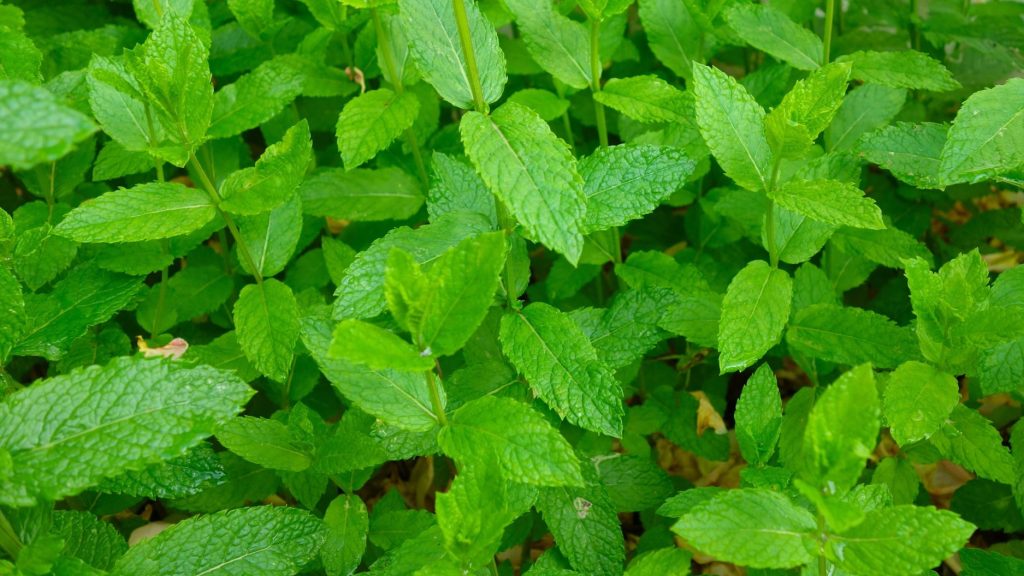
Why it’s valuable: Peppermint is perhaps the quintessential summer cooling herb, and it works through an interesting mechanism.
How it works: Menthol (the primary compound in peppermint) activates cold-sensing receptors (TRPM8) in your skin and mucous membranes. This creates a sensation of coolness even without actually lowering body temperature. However, when consumed as a hot tea, peppermint also acts as a mild diaphoretic — it encourages sweating, which then cools you through evaporation.
Uses:
- Iced tea for refreshment: Drink cold to experience the cooling menthol effect
- Hot tea for heat management: Counterintuitively, a hot peppermint tea can help you cool down by promoting healthy sweating
- Headache relief: The cooling sensation can ease heat-induced headaches
- Digestive support: Summer often means rich foods at barbecues; peppermint aids digestion
How to use:
- Iced tea: Brew 2 teaspoons dried peppermint (or small handful fresh) per cup of boiling water, steep 10 minutes covered, cool and refrigerate. Drink throughout the day.
- Fresh in water: Add fresh peppermint leaves to a jug of water for subtle flavour and mild cooling effects
- Steam for congestion: If summer colds strike, peppermint steam inhalation opens airways
Safety: Very safe for most people. Avoid giving peppermint essential oil to infants (can cause breathing difficulties). People with GERD may find strong peppermint worsens reflux.
NZ availability:
- Fresh: Supermarket herb section ($3-5/bunch)
- Dried: Supermarkets, bulk suppliers ($8-12/50g)
- Extremely easy to grow in containers or garden beds (spreads enthusiastically — contain it!)
Budget Alternative: Any Fresh Mint
Can’t find peppermint specifically? Any mint variety (spearmint, apple mint, chocolate mint) provides cooling effects:
- How: All mints contain menthol or similar compounds
- Cost: Often free – ask gardening friends for cuttings
- Spearmint: Slightly gentler cooling, very common in NZ gardens
Hibiscus (Hibiscus sabdariffa)
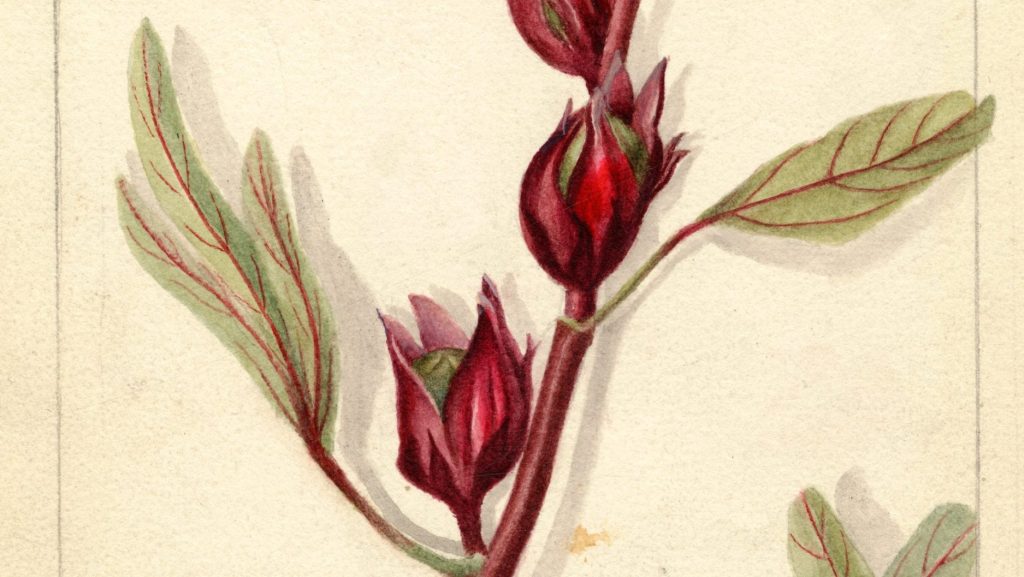
Why it’s valuable: Hibiscus is cooling, antioxidant-rich, and deeply hydrating. The tart, cranberry-like flavour makes it delicious as an iced beverage.
How it works: Hibiscus contains anthocyanins and other flavonoids that provide powerful antioxidant protection. When you’re spending time in the sun, oxidative stress increases in your skin cells. Antioxidants help neutralise free radicals, reducing damage. Hibiscus also has mild diuretic properties, helping your body release excess heat through fluid elimination.
Uses:
- Cooling beverage: The classic use — hibiscus makes a vibrant red iced tea
- Skin protection: Antioxidants consumed internally may help protect against UV damage (not a replacement for sunscreen!)
- Electrolyte support: Contains potassium and other minerals
- Mild blood pressure support: Some research suggests hibiscus can help lower high blood pressure (beneficial in heat, which can strain cardiovascular system)
How to use:
- Sun tea: Place 2-3 tablespoons dried hibiscus flowers in a large jar of water, set in the sun for 4-6 hours, strain, and refrigerate. Sweeten with honey if desired.
- Quick iced tea: Pour boiling water over hibiscus (2 teaspoons per cup), steep 10 minutes, cool, and serve over ice
- Herbal ice cubes: Freeze strong hibiscus tea in ice cube trays, add to water throughout the day for flavour and nutrients
Safety: Very safe. Pregnant women should use moderate amounts only (traditionally used to bring on menstruation in high doses).
NZ availability:
- Dried flowers: Health food stores, bulk suppliers ($12-18/50g)
- Tea bags: Some supermarkets and health food stores
- Can be grown in warm regions of NZ (annual plant, needs warm temperatures)
Can’t Access Hibiscus?
Alternatives:
- Rosehip tea: Tart, red, antioxidant-rich ($10-15/50g)
- Berry teas: Blackberry/raspberry leaf (often free if foraged)
- Fruit-infused water: Fresh berries + water
Lemon Balm (Melissa officinalis)

Why it’s valuable: Summer isn’t just physically hot — it can be mentally and emotionally overheating too. Overstimulation, disrupted routines, and heat can fray nerves. Lemon balm is both cooling and calming.
How it works: Lemon balm contains rosmarinic acid (anti-inflammatory, antioxidant) and volatile oils that have gentle anxiolytic (anti-anxiety) effects. It modulates GABA receptors in the brain, promoting relaxation without sedation. It’s classified as a “cooling nervine — “it calms the nervous system while having a cooling energetic quality.
Uses:
- Summer stress management: Helps with irritability and restlessness that heat can cause
- Sleep support: Summer’s long daylight hours can disrupt sleep; lemon balm taken before bed helps settle an overactive mind
- Digestive aid: Soothes nervous stomach, helpful after rich summer meals
- Cooling refreshment: Simply delicious as a cold beverage
How to use:
- Cold infusion: Place handful of fresh lemon balm leaves in a jug of cold water, refrigerate 4-8 hours, drink throughout the day
- Hot tea: 1-2 teaspoons dried leaf per cup, steep 10 minutes, drink warm or iced
- Tincture: 2-4ml three times daily for anxiety or sleep support
Safety: Very safe, suitable for children. No significant contraindications.
NZ availability:
- Fresh: Some farmers markets, or grow your own (very easy)
- Dried: Health food stores, bulk suppliers ($10-15/50g)
- Grows vigorously in NZ gardens, partial shade to full sun, self-seeds readily
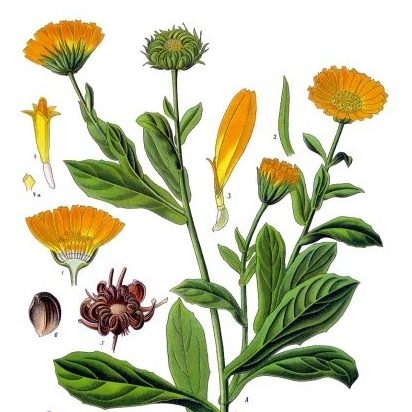
Calendula (Calendula officinalis)
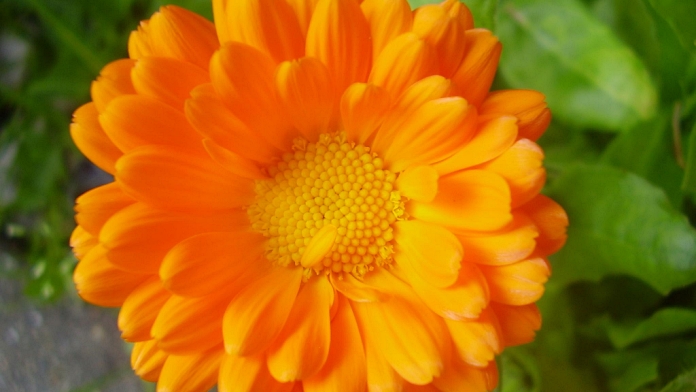
Why it’s valuable: Summer means more time outdoors, which means more scrapes, insect bites, and sun exposure. Calendula is your go-to topical herb for skin issues.
How it works: Calendula contains triterpene saponins and flavonoids with potent anti-inflammatory and wound-healing properties. When applied to skin, these compounds:
- Reduce inflammation and swelling
- Promote new tissue formation (wound healing)
- Provide mild antiseptic action (prevents infection)
- Soothe irritated skin
Uses:
- Sunburn relief: Applied as a cool tea wash, calendula infused oil, or salve
- Minor cuts and scrapes: Promotes healing, reduces infection risk
- Insect bites: Reduces itching and swelling
- Heat rash: Soothes irritated skin
How to use:
- Cool tea wash: Brew strong tea (3-4 teaspoons flowers per cup), cool completely, apply to affected skin with clean cloth 3-4 times daily
- Calendula oil: Make or purchase calendula-infused oil, apply to sunburned or irritated skin (only after burn has cooled — never apply oil to hot sunburn as it traps heat)
- Salve: Calendula oil + beeswax makes a protective healing balm for minor wounds
- After-sun spray: Mix calendula tea with aloe vera gel in spray bottle, refrigerate, spritz on sun-exposed skin
Safety: Very safe topically for most people. Those allergic to Asteraceae family (ragweed, daisies) should patch test first. Not for internal use during pregnancy.
NZ availability:
- Dried flowers: $12-18/50g
- Calendula salves/creams: Health food stores, $15-30
- Fresh: Grow your own! Seeds $3-5, thrives in NZ, self-seeds abundantly, blooms all summer
Cucumber (Cucumis sativus)
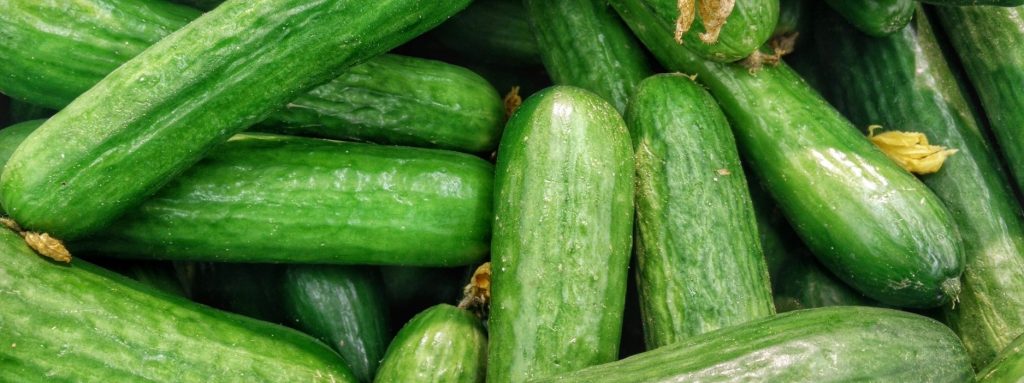
Why it’s valuable: While not traditionally thought of as an “herb,” cucumber deserves mention as a summer ally. It’s 95% water, cooling, and hydrating.
How it works: Cucumber contains silica, vitamin C, and caffeic acid — all beneficial for skin. The high water content makes it intensely hydrating. The cooling effect is both from the water content and from ascorbic acid (vitamin C), which has mild anti-inflammatory properties.
Uses:
- Hydration: Cucumber water is refreshing and encourages fluid intake
- Topical cooling: Classic cucumber slices on puffy eyes actually work (reduces inflammation, cools tissue)
- Sunburn relief: Blended cucumber applied to skin provides cooling moisture
How to use:
- Cucumber water: Slice cucumber thinly, add to jug of water with mint and lemon, refrigerate, drink throughout day
- Topical: Blend cucumber, strain through cheesecloth, apply liquid to sunburned skin, or place slices directly on puffy eyes
Safety: Completely safe for almost everyone.
NZ availability: All supermarkets year-round, $2-5 per cucumber. Grow your own in summer (easy from seed).
Simple Summer Preparations
Cooling Herbal Iced Tea Blend
A refreshing daily beverage to support hydration and cooling.
Ingredients:
- 2 parts Hibiscus flowers (cooling, antioxidant)
- 2 parts Peppermint leaf (cooling, digestive)
- 1 part Lemon balm (cooling, calming)
- Optional: Rose petals (cooling, lovely flavour)
Instructions:
- Mix dried herbs and store in airtight container
- For sun tea: Use 3-4 tablespoons per quart of water, place in sun 4-6 hours, strain, refrigerate
- For quick tea: Use 2 teaspoons per cup boiling water, steep 10 minutes, cool, serve over ice
- Sweeten with honey if desired, add fresh lemon or lime
Cost: Approximately $25-35 for enough blend to make 20-30 servings.
Why it works: Hibiscus provides antioxidants and minerals, peppermint offers cooling sensation and digestive support, lemon balm calms summer stress. All three are safe, pleasant-tasting, and effective.
After-Sun Soothing Spray
For mild sunburn and heat-stressed skin.
Ingredients:
- 1 cup strong calendula tea (4 teaspoons flowers in 1 cup boiling water, steeped 15 minutes, cooled)
- 2 tablespoons aloe vera gel (pure, store-bought or fresh from plant)
- Optional: 5-10 drops lavender essential oil (additional calming, healing properties)
Instructions:
- Combine cooled calendula tea with aloe vera gel in spray bottle
- Shake well before each use (aloe doesn’t fully dissolve, needs mixing)
- Store in refrigerator (cold application feels better on hot skin)
- Spray liberally on affected skin 3-4 times daily
- Use within 1 week (no preservatives)
When to use: After sun exposure, on mild sunburn (stage 1 — red skin, no blistering), on heat rash, as a cooling body spray on hot days.
Cost: Under $10 for materials, makes enough for several days of use.
Important: This is for AFTER sun exposure and MILD sunburn. Severe sunburn (blistering, extreme pain, fever) requires medical attention. Never skip sunscreen prevention.
Electrolyte Herbal Drink
Plain water isn’t always enough when you’re sweating heavily. This natural electrolyte drink supports hydration.
Ingredients:
- 4 cups water
- 2 tablespoons dried nettle leaf (rich in minerals: iron, calcium, potassium, magnesium)
- ōš¼ teaspoon sea salt (provides sodium, necessary for fluid retention)
- 2 tablespoons lemon or lime juice (adds potassium, improves flavour)
- 1-2 teaspoons honey or maple syrup (provides glucose for electrolyte absorption)
Instructions:
- Brew nettle tea: Pour boiling water over nettle, steep 20 minutes covered, strain
- Allow to cool
- Add sea salt, lemon juice, sweetener
- Stir well, refrigerate
- Drink throughout day, especially during or after exercise, gardening, or extended time outdoors
Why it works: Nettle provides a full spectrum of minerals, salt replaces sodium lost in sweat, lemon/lime adds potassium and vitamin C, sweetener helps electrolytes absorb into cells.
Cost: $2-3 per batch.
Summer Lifestyle Support
Stay Ahead of Dehydration
Hydration tips:
- Don’t wait until you’re thirsty — thirst indicates you’re already dehydrated
- Drink consistently throughout the day
- Urine check: Pale yellow urine = well hydrated; dark yellow = drink more
- Herbal teas count toward hydration (contrary to old myths about caffeine, herbal teas with no caffeine are hydrating)
- Eat water-rich foods: cucumber, watermelon, lettuce, berries, celery
How much: General guideline is 2-3 litres daily, more if exercising or working outdoors. Individual needs vary.
Sun Protection Basics
Herbs support skin health but do NOT replace sun safety:
- Seek shade during peak UV hours (10am-4pm)
- Wear protective clothing: Wide-brimmed hats, long sleeves (lightweight, breathable fabric), sunglasses
- Use sunscreen: Broad-spectrum SPF 30+, reapply every 2 hours or after swimming
- Build up exposure gradually: Don’t go from winter pale to hours in the sun — allow skin to adapt
When you do get sun exposure: Use after-sun herbs (calendula, aloe) to support skin repair.
Recognise Heat Exhaustion
Symptoms:
- Heavy sweating
- Weakness, dizziness
- Nausea, headache
- Cool, clammy skin
- Rapid pulse
Immediate action:
- Move to cool, shaded area
- Loosen clothing
- Drink cool water (small sips if nauseous)
- Apply cool, wet cloths to skin
- If symptoms don’t improve within 30 minutes, seek medical help
Heat stroke (medical emergency):
- High body temperature (40°C+)
- Hot, dry skin (sweating has stopped)
- Confusion, loss of consciousness
- Rapid, strong pulse
Call 111 immediately — this is life-threatening.
Growing Summer Herbs in NZ
Easy summer herbs for beginners:
Peppermint:
- Grow in containers (prevents spreading)
- Full sun to part shade
- Keep soil moist
- Harvest regularly to encourage growth
- Cost: $5-10/plant
Lemon Balm:
- Full sun to part shade
- Self-seeds readily (can become prolific — contain if needed)
- Cut back to encourage fresh growth
- Very hardy
- Cost: $5-10/plant
Calendula:
- Full sun
- Sow seeds direct after last frost
- Deadhead (harvest flowers) regularly for continuous blooming
- Self-seeds for next year
- Cost: $3-5/seed packet
Cucumber:
- Full sun, warm soil
- Needs consistent water
- Trellis or let sprawl
- Pick regularly for more production
- Cost: $3-5/seeds
Budget-Friendly Summer Support
If money is very tight, prioritise:
- Water: Free from tap
- Mint (grow from cutting): Free from friends
- Cucumber: $2-4, 95% water
- Calendula (grow from seed): $3-5, all summer
- DIY electrolyte: Water + salt + lemon = $0.50/L
Free options:
- Foraged blackberry leaves for tea
- Garden share (mint, lemon balm)
- Shade (trees, buildings)
- Cool water compresses
Basic toolkit under $10 provides effective summer support.
Container Growing (Balcony/No Garden)
Peppermint: 20cm+ pot, regular soil, part shade to sun, keep moist. Container essential (spreads). Cost: $15-25 initial.
Lemon Balm: 25cm+ pot, regular soil, part shade to sun, moderate water. Cost: $15-25, self-seeds.
Calendula: 20cm+ pot, full sun, moderate water. Cost: $3-5 seeds, blooms all summer.
Cucumber: 30cm+ pot, rich soil, full sun, consistent water, trellis. Cost: $3-5 seeds, 3-10 cucumbers.
Even small balconies can provide fresh summer herbs.
Where to Source Summer Herbs in NZ
Fresh herbs:
- Supermarkets (mint, basil, sometimes lemon balm)
- Farmers markets (seasonal, locally grown)
- Grow your own (most cost-effective)
Dried herbs:
- Health food stores
- Online bulk suppliers
Typical prices:
- Dried peppermint: $8-12/50g
- Dried hibiscus: $12-18/50g
- Dried lemon balm: $10-15/50g
- Dried calendula: $12-18/50g
Budget tip: Growing your own reduces costs dramatically. A $5 plant provides fresh herbs all summer, and many (mint, lemon balm, calendula) return year after year or self-seed.
When to Seek Professional Help
See a healthcare provider if:
- Sunburn is severe (blistering over large areas, fever, chills, severe pain)
- Heat exhaustion symptoms don’t improve with rest and cooling
- Dehydration is severe (no urination for 8+ hours, extreme dizziness, confusion)
- Skin reactions to sun are unusual (could indicate medication interaction — some drugs increase sun sensitivity)
Herbs are supportive, not replacements for appropriate medical care.
Summary: Your Summer Herbal Toolkit
For cooling and hydration:
- Peppermint iced tea
- Hibiscus sun tea
- Lemon balm cold infusion
- Nettle electrolyte drink
For skin protection and after-sun care:
- Calendula salve or oil
- Calendula + aloe spray
- Cucumber cooling compresses
For summer stress and sleep:
- Lemon balm tea or tincture (2-4ml before bed)
Key practices:
- Start drinking cooling teas regularly before heat peaks
- Apply after-sun remedies immediately after sun exposure, not just when burned
- Stay ahead of dehydration — drink consistently
- Combine herbs with common sense sun safety
Summer in Aotearoa is a gift. With these herbal allies, you can enjoy it fully while protecting your body and staying comfortable even in the heat.
References
Healthline. (2021). Herbal remedies to help you beat the heat. Retrieved from https://www.healthline.com/health/cooling-herbs-to-help-you-beat-the-heat
Mother Earth News. (2025). 5 herbs to beat the heat + 4 summer herbal recipes. Retrieved from https://www.motherearthnews.com/natural-health/5-herbs-to-beat-the-heat-zm0z20aszbut/
Herbal Academy. (2022). DIY frozen aloe and calendula cubes to soothe sunburns. Retrieved from https://theherbalacademy.com/blog/soothe-sunburns/
McKay, D. L., & Blumberg, J. B. (2006). A review of the bioactivity and potential health benefits of peppermint tea (Mentha piperita L.). Phytotherapy Research, 20(8), 619-633.
Hopkins, A. L., Lamm, M. G., Funk, J. L., & Ritenbaugh, C. (2013). Hibiscus sabdariffa L. in the treatment of hypertension and hyperlipidemia: A comprehensive review of animal and human studies. Fitoterapia, 85, 84-94.
Kennedy, D. O., Little, W., & Scholey, A. B. (2004). Attenuation of laboratory-induced stress in humans after acute administration of Melissa officinalis (lemon balm). Psychosomatic Medicine, 66(4), 607-613.
Preethi, K. C., & Kuttan, R. (2009). Wound healing activity of flower extract of Calendula officinalis. Journal of Basic and Clinical Pharmacy, 1(1), 68-72.
Disclaimer: This guide is for educational purposes only and is not medical advice. It does not represent rongoā Māori seasonal health practices. For rongoā Māori perspectives on summer wellness, consult qualified rongoā practitioners through Te Paepae Motuhake, local marae, or Māori health providers. Always consult qualified healthcare practitioners before using herbal remedies, especially if pregnant, nursing, taking medications, or having medical conditions. Heat stroke is a medical emergency — call 111 if symptoms are severe. Herbs do not replace appropriate sun protection measures.
Note on Pricing: All prices mentioned in this guide are approximate and based on New Zealand suppliers as of December 2025. Prices vary by supplier, season, and market conditions. We recommend checking current prices with your local suppliers.
 The Public Herbarium