
Stress & Mood Support: Your Complete Herbal Guide
Natural support for stress resilience and emotional balance. Learn adaptogenic and nervine herbs for daily stress, anxiety, and low mood. Natural nervous system support, addresses root causes not just symptoms, sustainable long-term use (unlike pharmaceuticals with dependency), accessible herbs in NZ, holistic approach (body-mind connection).
Understanding Stress & Mood
Types of Stress
Acute stress:
- Short-term, specific event
- Exam, presentation, argument
- Body recovers quickly after
Chronic stress:
- Ongoing, prolonged
- Work pressure, relationship issues, financial worry
- Body stays in “alert” mode
- Depletes energy, affects mood, impairs health
The Stress Response
What happens:
- Stressor occurs
- Brain perceives threat
- Hypothalamus signals
- Pituitary releases ACTH
- Adrenals release cortisol and adrenaline
- Body mobilises: heart rate ↑, blood pressure ↑, energy ↑
- Should return to baseline after stressor passes
Problem: Chronic stress = chronic activation = exhaustion, mood issues, health problems
Your Stress & Mood Herb Kit
Adaptogens: Building Stress Resilience
What are adaptogens?
- Herbs that help body ADAPT to stress
- Non-specific (work on multiple systems)
- Normalise function (not stimulating or sedating)
- Build resilience over time
How they work:
- Modulate stress hormone (cortisol) response
- Support adrenal glands
- Protect cells from stress damage
- Improve energy utilisation
Key point: Adaptogens work BEST with regular use (weeks-months). Not quick fixes!
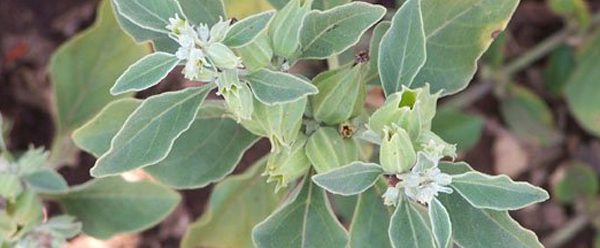
1. Ashwagandha (Withania somnifera)

What it does:
- Reduces stress and anxiety
- Lowers cortisol (proven in studies!)
- Improves sleep quality
- Calming without sedation
- Supports thyroid function
- Builds energy over time
Best for:
- Chronic stress, burnout
- Anxiety
- Stress-related insomnia
- Exhaustion
How to use:
- Powder: ½-1 teaspoon in warm milk or water (traditional)
- Tincture: 2-4ml daily
When: Usually evening (calming for most), but some take morning
Studies show:
- 16-22% cortisol reduction in 4-8 weeks
- Significant reduction in perceived stress
- Improved anxiety scores
- Better sleep quality
Where to get (NZ):
- Capsules: Health stores, pharmacies ($20-40)
- Powder: Health stores, Indian grocers ($15-30)
- Tincture: Kiwiherb, Artemis ($15-30)
Safety:
- Generally very safe
- Avoid in pregnancy
- May affect thyroid medications (check with doctor)
- Start low if sensitive
2. Rhodiola (Rhodiola rosea)

What it does:
- Combats mental and physical fatigue
- Improves mental performance
- Enhances mood
- Increases energy
- Supports stress adaptation
Best for:
- Mental exhaustion, burnout
- Need energy AND stress support
- Concentration, focus
- Physical endurance
How to use:
- Capsules: 200-400mg in morning
- Tincture: 2-4ml morning or early afternoon
- Tea: 1 teaspoon root, simmer 10 min (less common)
When: Morning or early afternoon (can be stimulating!)
Studies show:
- Reduced fatigue in 4 weeks
- Improved attention, mental performance
- Better stress adaptation
- Mood improvement
Where to get (NZ):
- Capsules: Health stores, pharmacies ($25-45)
- Tincture: Specialty herb stores ($20-35)
Safety:
- Generally safe
- Too stimulating for some (try ashwagandha instead)
- Avoid late afternoon/evening dosing
- May affect some medications
3. Tulsi / Holy Basil (Ocimum sanctum)

What it does:
- Manages daily stress
- Promotes calm, clear energy
- Supports immune function
- Uplifting, balancing
- Traditionally sacred, revered herb
Best for:
- Daily stress management
- Gentle, long-term support
- Safe for ongoing use
- Combination with other herbs
How to use:
- Tea: 1-2 teaspoons dried leaves, steep 10 min
- Fresh: Even better! Several leaves
- Drink 1-3 cups daily
- Tincture: 2-4ml daily
When: Morning or throughout day (not too close to bed for some)
Taste: Spicy, clove-like, warming. Pleasant!
Where to get (NZ):
- Dried: Health stores, Indian grocers ($8-15)
- GROW: Easy! Seeds or plant ($5-10), annual in NZ
Safety: Very safe. Excellent for daily use.
Nervines: Calming the Nervous System
What are nervines?
- Herbs that calm, soothe, support nervous system
- More immediate effect than adaptogens
- Safe, gentle, non-addictive
4. Lemon Balm (Melissa officinalis)

What it does:
- Calms anxiety
- Lifts mood (gently uplifting!)
- Reduces worry, overthinking
- Eases tension
- Supports sleep
Best for:
- Acute anxiety, stress
- Mild depression (uplifting quality)
- Tension headaches
- Digestive upset from stress
How to use:
- Tea: 1-2 teaspoons dried OR several fresh leaves
- Steep 10 minutes
- Drink as needed or 2-3 cups daily
- Tincture: 2-4ml as needed
When: Anytime! Doesn’t cause drowsiness.
Where to get (NZ):
- Dried: Health stores ($8-15)
- GROW: Very easy! Plant $5-10, spreads readily, perennial
Safety: Very safe. Pleasant lemon taste. Children, pregnancy, breastfeeding okay.
5. Chamomile (Matricaria chamomilla)

What it does:
- Gentle calming
- Reduces anxiety
- Promotes relaxation
- Soothes nervous stomach
Best for:
- Mild anxiety
- Stress-related digestive upset
- Calming children
- Evening relaxation
How to use:
- Tea: 1-2 teaspoons flowers, steep 10 min
- Drink 2-3 cups daily for anxiety OR 1-2 cups evening
- (See Sleep guide for more detail)
Where to get: Supermarkets, health stores ($5-12)
Safety: Very safe. Avoid daisy/ragweed allergy.
6. Lavender (Lavandula angustifolia)

What it does:
- Calming scent affects brain directly
- Reduces anxiety
- Eases tension
- Promotes relaxation
Best for:
- Acute anxiety, panic
- Tension, restlessness
- Aromatherapy
How to use:
- Essential oil: Inhale from bottle, or 1-2 drops on tissue
- Dried flowers: Sachet to carry, sniff as needed
- Tea: 1 teaspoon flowers, steep 10 min (mild)
Where to get:
- Essential oil: Health stores, pharmacies ($8-15)
- Dried: Health stores ($8-12)
- GROW: Easy! Plant $10-15
Safety: Very safe. Don’t ingest pure essential oil.
Mood Support: St. John’s Wort
7. St. John’s Wort (Hypericum perforatum)

What it does:
- Lifts mood
- Reduces mild-moderate depression
- Anti-anxiety
- Well-studied!
Best for:
- Mild-moderate depression
- Seasonal affective disorder (SAD)
- Low mood, “blahs”
How to use:
- Capsules/tablets: 300mg standardised extract, 3x daily (900mg total)
- Must be standardised to 0.3% hypericin
- Takes 4-6 weeks for full effect!
CRITICAL DRUG INTERACTIONS:
- Birth control pills (reduces effectiveness!)
- Antidepressants (dangerous interaction – serotonin syndrome)
- Blood thinners (warfarin)
- HIV medications
- Many others!
- ALWAYS check with doctor/pharmacist
Where to get (NZ):
- Pharmacies, health stores ($15-30)
- Standardised products only!
Safety:
- Effective but MANY drug interactions
- Increases sun sensitivity (use sunscreen)
- ½ part lavender
- Not with antidepressants
- Avoid pregnancy/breastfeeding
Herbal Formulas for Stress & Mood
Daily Resilience Tea
Ingredients:
- 2 parts tulsi (holy basil)
- 1 part lemon balm
- 1 part chamomile
- ½ part lavender
Method:
- Mix herbs, store airtight
- Use 1 tablespoon per cup
- Steep 10 minutes
- Drink 2-3 cups daily
Benefits: Adapts to stress (tulsi), calms anxiety (lemon balm, chamomile), relaxes (lavender)
Acute Anxiety Relief
- ½ teaspoon ashwagandha powder – ¼ teaspoon cinnamon
- Add 1-2 drops lavender oil OR
- Inhale lavender essential oil while tea steeps
- Sip slowly, practice 4-7-8 breathing (see Sleep guide)
Morning Energy Tonic (Adaptogen)
Ingredients:
- 1 cup warm water or milk
- ½ teaspoon ashwagandha powder – ¼ teaspoon cinnamon
- Honey to taste
Method:
- Mix all in warm liquid
- Drink each morning
- Builds resilience over weeks
Or: Rhodiola capsule 200-400mg with breakfast
Stress Support Tincture Blend
Ingredients:
- 2 parts ashwagandha
- 1 part rhodiola
- 1 part tulsi
- 1 part lemon balm
Dose: 2-4ml twice daily (morning and afternoon)
Benefits: Comprehensive stress support – adapts to stress, calms, energises, uplifts mood
Beyond Herbs: Essential Stress Management
Herbs work MUCH better combined with lifestyle practices!
Daily Practices
Movement:
- 30+ minutes daily
- Reduces cortisol
- Releases endorphins (natural mood lifters)
- Any movement counts!
Sleep:
- 7-9 hours nightly
- Sleep deprivation = increased stress, worse mood
- (See Sleep guide)
Nutrition:
- Whole foods
- Adequate protein
- Omega-3 fats (fish, flax, walnuts)
- Limit caffeine, sugar, alcohol
Social connection:
- Spend time with supportive people
- Loneliness increases stress
- Even brief positive interactions help
Stress-Reduction Techniques
Deep breathing (4-7-8):
- Exhale fully
- Inhale nose 4 counts
- Hold 7 counts
- Exhale mouth 8 counts
- Repeat 4-8x
- Activates “rest-and-digest” nervous system
Meditation:
- Even 5-10 minutes daily helps
- Apps: Headspace, Calm, Insight Timer
- Or simply sit quietly, focus on breath
Time in nature:
- Proven stress reduction
- 20 minutes in green space lowers cortisol
- NZ has stunning nature – use it!
Limit news/social media:
- Constant negativity increases stress
- Set boundaries (e.g., check news once daily)
Matching Herbs to Your Needs
High stress, burnout, exhaustion:
- Primary: Ashwagandha (builds resilience)
- Add: Tulsi tea daily
- Support: Good sleep, rest
Anxious, worried, racing mind:
- Primary: Lemon balm
- Add: Chamomile, lavender
- Support: Deep breathing, meditation
Low mood, “blah,” mild depression:
- Primary: St. John’s Wort (check interactions!)
- Add: Lemon balm (uplifting)
- Support: Exercise, sunlight, social connection
Tired but wired, can’t relax:
- Primary: Ashwagandha
- Add: Lemon balm, chamomile
- Support: Evening routine, screen-free time
Mental fatigue, need focus AND stress support:
- Primary: Rhodiola (morning)
- Add: Tulsi throughout day
- Support: Regular breaks, good sleep
Seasonal Affective Disorder (winter blues):
- Primary: St. John’s Wort (check interactions)
- Add: Light therapy (bright light 30min morning)
- Support: Exercise, vitamin D
Timeline: What to Expect
Nervines (lemon balm, chamomile, lavender):
- Effect: Minutes to hours
- Use: As needed or regularly
Adaptogens (ashwagandha, rhodiola, tulsi):
- Subtle effects: Days to 1 week
- Full benefits: 2-6 weeks
- Best results: 2-3 months consistent use
- Use: Daily, long-term
St. John’s Wort:
- Effect: 2-4 weeks
- Full benefit: 4-6 weeks
- Use: Daily, minimum 2-3 months
Key: Consistency! Herbs build in your system.
When to Seek Professional Help
Herbal support is helpful BUT:
See doctor/therapist for:
- Moderate-severe depression
- Suicidal thoughts
- Severe anxiety, panic disorder
- PTSD
- Bipolar disorder
- Other mental health diagnoses
Herbs can complement professional treatment but don’t replace it!
Therapy (especially CBT) is highly effective for anxiety and depression. Combine with herbs for best results.
NZ Resources
Where to buy:
- Capsules/tinctures: Health stores, pharmacies, Kiwiherb, Artemis
- Dried herbs: Herbalshop, Cottage Hill Herbs, health stores
- Grow: Lemon balm, tulsi, lavender, chamomile all easy!
Mental health support (NZ):
- GP: First point of contact
- Counseling: Many free/low-cost options
- Mental Health Foundation: 09 623 4812
- Depression Helpline: 0800 111 757
- Anxiety NZ: www.anxiety.org.nz
Summary: Your Action Plan
Week 1:
- Choose ONE herb based on your primary need
- Start daily routine
- Add one stress-reduction practice (breathing, nature walk)
Week 2-4:
- Continue herbs consistently
- Add second herb if needed
- Establish stress management habits
Week 4-8:
- Evaluate progress
- Adjust herbs/doses as needed
- Consider professional support if not improving
Long-term:
- Adaptogens work best with months of use
- Combine with healthy lifestyle
- Seek help when needed
Remember:
- Herbs support but don’t fix broken situations
- Address root causes where possible (job change, relationship work, etc.)
- Professional help is strength, not weakness
- You deserve support
Take care of yourself!
Budget-Friendly Stress & Mood Support
Low-cost daily support ($3-8/month):
- Lemon balm (garden): FREE, calming, antiviral
- Chamomile (garden or $8-12/50g): Gentle nervine, sleep support
- Lavender (garden): FREE, anxiolytic, relaxing
- Passionflower (if growing): FREE, strong anxiety relief
Total: $0-12/month (free if growing, or chamomile dried only)
Free options:
- Garden herbs: Lemon balm, lavender, rosemary (adaptogenic)
- Foraged: Nettle (mineral support for stress resilience), dandelion (liver support)
- Self-seeded: Calendula (anti-inflammatory, mood-lifting colour)
NZ budget note: Ashwagandha/rhodiola expensive ($20-40/50g). Start with accessible nervines (lemon balm, chamomile, lavender) which are highly effective for stress/anxiety.
Emergency stress relief (free):
- Lemon balm tea (fresh or dried)
- Lavender aromatherapy (crush fresh flowers, inhale)
- Chamomile tea before bed
References
Bone, K., & Mills, S. (2013). Principles and practice of phytotherapy: Modern herbal medicine (2nd ed.). Churchill Livingstone.
Chandrasekhar, K., et al. (2012). A prospective, randomized double-blind, placebo-controlled study of safety and efficacy of a high-concentration full-spectrum extract of ashwagandha root in reducing stress and anxiety in adults. Indian Journal of Psychological Medicine, 34(3), 255-262.
Panossian, A., & Wikman, G. (2010). Effects of adaptogens on the central nervous system and the molecular mechanisms associated with their stress-protective activity. Pharmaceuticals, 3(1), 188-224.
Rongoā Māori Disclaimer: This guide does not represent rongoā Māori preparation methods or traditional Māori medicine-making. Rongoā Māori is a complete healing system with its own protocols, karakia (prayers), and cultural practices that cannot be separated from te ao Māori (the Māori worldview). For rongoā Māori knowledge and treatment, please consult qualified rongoā practitioners through Te Paepae Motuhake or other appropriate Māori health services.
Medical Disclaimer: This guide is for educational purposes only and is not medical advice. Mental health conditions require professional evaluation and treatment. Herbal support complements but does not replace mental health care, therapy, or medication. St. John’s Wort has many serious drug interactions – always check with healthcare provider. If experiencing suicidal thoughts, call Lifeline 0800 543 354 or 111 immediately. Consult qualified healthcare practitioners before using herbs, especially if pregnant, nursing, taking medications, or having medical conditions.
Note on Pricing: All prices mentioned in this guide are approximate and based on New Zealand suppliers as of December 2025. Prices vary by supplier, season, and market conditions. We recommend checking current prices with your local suppliers.