
Neurotransmitter Modulation, HPA Axis Regulation, and Anxiolytic Mechanisms
In this comprehensive guide covering nervous system herbalism covering HPA axis modulation, neurotransmitter effects, adaptogenic mechanisms, and limbic system regulation.Western neuroscience, psychopharmacology, nervous system regulation for stress and mood support.
The Stress Response: HPA Axis Physiology
The Hypothalamic-Pituitary-Adrenal (HPA) Axis
Overview:
- Primary neuroendocrine system managing stress response
- Integrates CNS with endocrine system
- Controls cortisol release
- When functioning properly: responds to stress, then returns to baseline
- When dysregulated: chronic activation → multiple health consequences
Cascade of events:
1. Stressor perceived
- Physical (injury, infection, temperature extreme)
- Psychological (worry, fear, pressure)
- Social (conflict, rejection, isolation)
2. Hypothalamus activation
- Paraventricular nucleus (PVN) neurons activated
- Release Corticotropin-Releasing Hormone (CRH) and Arginine Vasopressin (AVP)
- Into hypothalamic-hypophyseal portal system
3. Anterior pituitary response
- CRH/AVP bind to corticotroph cells
- Stimulates synthesis and release of Adrenocorticotropic Hormone (ACTH)
- ACTH enters systemic circulation
4. Adrenal cortex activation
- ACTH binds to melanocortin-2 receptors on adrenal cortex
- Triggers synthesis and release of cortisol (glucocorticoid)
- Also releases some DHEA, aldosterone
5. Cortisol effects (widespread)
Metabolic:
- → Gluconeogenesis (liver produces glucose)
- → Protein catabolism (muscle breakdown → amino acids)
- → Lipolysis (fat breakdown → energy)
- Insulin resistance (preserves glucose for brain)
- Result: Increased available energy for “fight or flight”
Immune:
- Anti-inflammatory effects
- Suppresses immune activation (prevents autoimmunity during stress)
- Chronic elevation → immune suppression → increased infections
Cardiovascular:
- → Blood pressure (sensitises vessels to catecholamines)
- → Cardiac output
CNS (Central Nervous System):
- Affects mood, cognition, memory
- High levels impair hippocampal function (memory formation)
- Chronic exposure can cause hippocampal atrophy
6. Negative feedback
- Cortisol acts on glucocorticoid receptors (GR) in:
- Hippocampus (strong negative feedback)
- Hypothalamus (moderate feedback)
- Pituitary (moderate feedback)
- Inhibits further CRH and ACTH release
- SHOULD return system to baseline after stressor resolves
Chronic Stress Pathophysiology
What goes wrong:
HPA axis dysregulation:
- Chronic stressor → constant activation
- Negative feedback becomes impaired
- Two patterns:
- Hyperactivation (early chronic stress): Elevated basal cortisol, exaggerated responses
- Hypocortisolism (prolonged stress/burnout): Blunted cortisol, HPA axis exhaustion
Consequences:
Metabolic:
- Chronic insulin resistance → Type 2 diabetes risk
- Central adiposity (visceral fat accumulation)
- Metabolic syndrome
Immune:
- Chronic suppression → infections
- Paradoxical inflammation (cytokine dysregulation)
- Autoimmune disease risk
Cardiovascular:
- Hypertension
- Atherosclerosis
- Cardiovascular disease
CNS:
- Hippocampal atrophy → memory impairment
- Prefrontal cortex dysfunction → executive function decline
- Amygdala hyperactivity → anxiety, fear
- Depression: HPA axis hyperactivity common in major depression
Other:
- GI issues (IBS, ulcers)
- Sleep disturbances
- Reproductive dysfunction
- Accelerated aging
Adaptogens: Mechanisms of Stress Protection
Definition & Characteristics
True adaptogens must:
- Be non-specific (work on multiple systems, multiple stressors)
- Normalise function (bring toward homeostasis, not stimulate or sedate)
- Be non-toxic at therapeutic doses
Primary mechanism: Modulation of HPA axis and cellular stress response
Adaptogen Theory: “Stress-Mimetics”
Working hypothesis (Panossian et al.):
- Adaptogens act as mild stressors (“stress-mimetics”)
- Induce low-level activation of stress response systems
- Similar to vaccination or hormesis
- Result: Adaptation – when real stressor occurs, body already primed to respond efficiently
- Prevents excessive, prolonged stress response
Key mediators adaptogens affect:
- Heat Shock Proteins (HSP70): Cellular stress protection
- JNK1 (c-Jun N-terminal kinase): Stress-activated protein kinase
- FoxO transcription factors: Regulate cellular stress resistance
- Cortisol: Primary stress hormone
- Nitric oxide (NO): Stress signaling molecule
Common Mechanisms Across Adaptogens
1. HPA Axis Modulation
Effect depends on baseline state:
- Hyperactivation (high cortisol) → Adaptogens → ” cortisol, ” stress response
- Hypoactivation (low cortisol/exhaustion) → Adaptogens normalise/support function
Mechanisms:
- Modulate CRH release (hypothalamus)
- Affect ACTH sensitivity (pituitary)
- Support adrenal cortex function
- Enhance negative feedback sensitivity (restore glucocorticoid receptor function)
2. Cellular Stress Protection
Heat Shock Protein (HSP70) induction:
- HSPs are molecular chaperones
- Protect proteins from stress-induced damage
- Assist protein folding under stress
- Anti-apoptotic (prevent stress-induced cell death)
- Adaptogens upregulate HSP70 expression
Antioxidant effects:
- Reduce oxidative stress from cortisol, catecholamines
- Activate endogenous antioxidant systems (SOD, catalase, glutathione)
- Protect mitochondria
3. Neurotransmitter Modulation
Monoamines:
- Some adaptogens affect serotonin, dopamine, norepinephrine
- Not direct reuptake inhibition (like SSRIs)
- Modulation of synthesis, release, receptor sensitivity
Acetylcholine:
- Some adaptogens inhibit acetylcholinesterase
- Increased cholinergic activity → cognition, memory
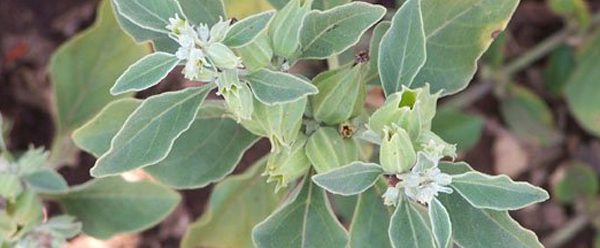
Ashwagandha: Calming Adaptogen

Phytochemistry
Primary actives: Withanolides (steroidal lactones)
Major withanolides:
- Withaferin A (cytotoxic, anti-inflammatory)
- Withanolide A
- Withanolide D
- Withanoside IV, V (glycosides)
- Total withanolide content: 1-5% in root (varies by cultivar, extraction)
Structural similarity:
- Tetracyclic skeleton resembles corticosteroids structurally
- May partially explain HPA axis effects (though mechanism differs)
Other constituents:
- Alkaloids (withanine, somniferine, anaferine)
- Saponins
- Flavonoids
- Amino acids (including GABA)
Mechanisms of Action
1. HPA Axis Normalisation
Cortisol reduction:
- Clinical trials show 16-22% cortisol reduction over 4-8 weeks
- Meta-analysis: Mean decrease 3.27 μg/dL (significant)
Proposed mechanisms:
- Glucocorticoid receptor sensitisation: Enhances negative feedback, reduces CRH/ACTH
- Direct adrenal effects: Supports adrenal function, prevents exhaustion
- CRH antagonism: May reduce CRH release from hypothalamus
- Adaptogenic effect: Normalises both hyper- and hypo-activation
2. GABAergic Activity
GABA-mimetic effects:
- Ashwagandha contains GABA itself (minor component)
- Some withanolides may modulate GABA-A receptors
- Results in anxiolytic, calming effects
- Mechanism distinct from benzodiazepines (no dependence, tolerance)
3. Neuroprotection
Mechanisms:
- Antioxidant: Reduces oxidative stress in brain
- Anti-inflammatory: Reduces neuroinflammation
- Neurogenesis: May promote new neuron formation (hippocampus)
- Prevents stress-induced damage: Protects hippocampus from cortisol-induced atrophy
Clinical relevance:
- Improved cognitive function in stressed individuals
- Memory enhancement
- Neuroprotection in neurodegenerative models (preclinical)
4. Thyroid Support
Evidence:
- May increase T3, T4 levels in subclinical hypothyroidism
- Mechanism unclear (possibly HPA-thyroid axis interaction)
- Relevant because stress affects thyroid function
Caution:
- Could affect thyroid medication effectiveness
- Monitor if on levothyroxine
Clinical Evidence
Stress & Anxiety:
Chandrasekhar et al. (2012):
- RCT, 64 adults with chronic stress
- 300mg ashwagandha extract BID vs. placebo for 60 days
- Results:
- 44% reduction in perceived stress (vs. 5.5% placebo)
- 27.9% reduction in serum cortisol (vs. 7.9% placebo)
- Significant improvement in anxiety, well-being
- Safe, well-tolerated
Multiple RCTs show consistent anxiolytic effects, stress reduction.
Sleep:
Several studies show improved sleep quality, reduced sleep onset latency in insomnia patients.
Mechanism: Likely combination of HPA normalisation (reduces stress-induced insomnia) + GABAergic calming.
Cognitive Function:
Improved in stressed populations (baseline impairment from stress).
Mechanism: Neuroprotection + HPA normalisation → restored hippocampal function.
Rhodiola: Energising Adaptogen

Phytochemistry
Primary actives:
Rosavins (phenylpropanoid glycosides):
- Rosavin (primary, unique to R. rosea)
- Rosin
- Rosarin
- Total: 1-3% in root
- Marker compounds for authentication
Salidroside (tyrosol glycoside):
- Also called rhodioloside
- 0.5-2% in root
- Active compound
Other:
- Flavonoids (rhodiolin, rhodionin)
- Proanthocyanidins
- Organic acids
Standardisation: Typically to 3% rosavins, 1% salidroside
Mechanisms of Action
1. HPA Axis Modulation
Differs from ashwagandha:
- Rhodiola tends to support/enhance cortisol production in hypocortisolism (exhaustion)
- Less effective at reducing high cortisol
- Better for “tired but wired” exhaustion phase
Mechanisms:
- Supports adrenal cortex function
- May increase cortisol bioavailability or receptor sensitivity
- Optimises cortisol rhythm (circadian pattern)
2. Monoamine Modulation
Serotonin:
- Increases serotonin in prefrontal cortex, hippocampus
- Mechanism: MAO-A inhibition (weak) + enhanced synthesis
- Result: Mood elevation, reduced depression
Dopamine:
- Increases dopamine levels in brain
- Enhances dopamine receptor sensitivity
- Result: Improved motivation, focus, energy
Norepinephrine:
- Modulates norepinephrine levels
- Result: Enhanced alertness, attention
Net effect: Energising, mood-lifting, focus-enhancing
3. Stress-Activated Protein Kinase Modulation
JNK/SAPK pathway:
- Stress activates JNK (c-Jun N-terminal kinase)
- Excessive activation → cellular damage, apoptosis
- Rhodiola suppresses stress-induced JNK phosphorylation
- Result: Cellular stress protection
4. Mitochondrial Function
Energy metabolism:
- Enhances ATP synthesis
- Protects mitochondria from oxidative stress
- Result: Increased physical and mental energy, endurance
Clinical Evidence
Mental Performance & Fatigue:
Darbinyan et al. (2000):
- Physicians on night duty
- Rhodiola vs. placebo
- Result: Significant improvement in mental performance, fatigue reduction
Multiple studies show reduced mental fatigue, improved attention, cognitive function under stress.
Physical Performance:
Some evidence for improved endurance, reduced perceived exertion.
Mechanism: Combination of mitochondrial support + HPA optimisation + monoamine effects.
Depression:
Darbinyan et al. (2007):
- Mild-moderate depression
- Rhodiola extract vs. placebo
- Result: Significant reduction in depression scores
- Less effective than standard antidepressants but better tolerated
St. John’s Wort: Antidepressant Mechanisms

Phytochemistry
Primary actives:
Hyperforin (phloroglucinol derivative):
- 2-4.5% in flowering tops
- Primary antidepressant constituent
- Lipophilic, unstable (degrades with light, heat, time)
Hypericin & Pseudohypericin (naphthodianthrones):
- 0.1-0.4% total
- Red pigments
- Traditionally thought to be primary actives
- Now known: contribute but hyperforin more important
Flavonoids:
- Quercetin, hyperoside, rutin, quercitrin
- Antioxidant, anti-inflammatory
- May contribute synergistically
Standardisation:
- Often to 0.3% hypericin
- Better: standardised to hyperforin (2-5%)
- Hyperforin-stabilised extracts preferred
Mechanisms of Action
St. John’s Wort has UNIQUE, multi-target pharmacology:
1. Non-Selective Reuptake Inhibition
Hyperforin mechanism (UNIQUE):
- Does NOT competitively bind to monoamine transporters (unlike SSRIs, TCAs)
- Instead: Elevates intracellular Na⁺ concentration
How it works:
- Hyperforin activates TRPC6 (transient receptor potential cation channel)
- Na⁺ influx into neuron
- Elevated Na⁺ → disrupts Na⁺ gradient
- Monoamine transporters (SERT, NET, DAT) require Na⁺ gradient to function
- Result: Non-competitive inhibition of reuptake
Neurotransmitters affected:
- Serotonin (5-HT) – primary
- Norepinephrine (NE)
- Dopamine (DA)
- GABA
- L-Glutamate
Result: Broad-spectrum reuptake inhibition (affects multiple neurotransmitter systems)
Comparison to SSRIs:
- SSRIs: Competitive inhibition at SERT (serotonin transporter), selective
- Hyperforin: Non-competitive, multi-target via Na⁺ mechanism
2. Receptor Modulation (Chronic Treatment)
β1-Adrenoceptor downregulation:
- Similar to tricyclic antidepressants
- Reduces excessive noradrenergic signaling
5-HT2 Receptor upregulation:
- Increases postsynaptic serotonin receptor density (frontal cortex)
- May contribute to antidepressant effects
5-HT1A Receptor upregulation:
- Postsynaptic 5-HT1A receptors increased
- Anxiolytic, antidepressant effects
3. MAO Inhibition (Weak)
Hypericin, flavonoids:
- Weak inhibition of MAO-A and MAO-B
- Only at HIGH doses (not therapeutic levels)
- Unlikely to contribute significantly to antidepressant effects at normal doses
- No dietary tyramine restrictions needed (unlike pharmaceutical MAOIs)
4. HPA Axis Regulation
Neuroendocrine effects:
- St. John’s Wort affects genes regulating HPA axis function
- May normalise stress hormone response
- Relevant because depression often associated with HPA hyperactivity
5. Neuroprotection
Antioxidant, anti-inflammatory:
- Flavonoids, hyperforin
- Reduces oxidative stress, neuroinflammation
- May contribute to long-term benefits
Pharmacokinetics
Hyperforin:
- Absorption: Rapid, peak plasma 3-4 hours
- Bioavailability: Low (~15%)
- Half-life: ~9 hours (multiple dosing needed)
- CNS penetration: Crosses blood-brain barrier
Hypericin:
- Absorption: Slow, peak 5-8 hours
- Bioavailability: Low
- Half-life: 24-48 hours
Clinical implication: Full effect takes 4-6 weeks (similar to SSRIs)
Clinical Evidence
Meta-Analyses:
Linde et al. (2008) – Cochrane Review:
- 29 trials, 5,489 patients
- St. John’s Wort vs. placebo: Superior for mild-moderate depression
- St. John’s Wort vs. standard antidepressants: Equivalent efficacy
- Fewer adverse effects than standard antidepressants
- Conclusion: Effective for mild-moderate depression
Ng et al. (2017):
- Similar findings: Effective, well-tolerated
Individual studies:
Effective for:
- Mild-moderate depression
- Seasonal Affective Disorder (SAD)
- Some anxiety disorders
NOT effective for:
- Severe depression (requires pharmaceutical treatment)
Adverse effects:
- Generally well-tolerated
- GI upset (mild)
- Photosensitivity (use sunscreen!)
- Rare: Mania induction (bipolar disorder)
Drug Interactions (CRITICAL)
CYP450 Induction (Hyperforin):
Mechanism:
- Hyperforin activates Pregnane X Receptor (PXR)
- PXR induces CYP3A4 (primary drug-metabolising enzyme)
- Also induces P-glycoprotein (drug efflux pump)
Result: Increased metabolism of drugs → Reduced drug levels
Major interactions:
Oral contraceptives:
- → Effectiveness → Pregnancy risk
- Use backup contraception if taking St. John’s Wort
Antidepressants (SSRIs, SNRIs, TCAs, MAOIs):
- SEROTONIN SYNDROME risk (life-threatening!)
- Symptoms: Agitation, confusion, tremor, tachycardia, hyperthermia, seizures
- NEVER combine with antidepressants
Anticoagulants (Warfarin):
- → Warfarin levels → ” Anticoagulation → Clot risk
HIV medications (Protease inhibitors, NNRTIs):
- → Drug levels → Treatment failure, resistance
Immunosuppressants (Cyclosporine, Tacrolimus):
- → Levels → Organ rejection risk
Chemotherapy drugs:
- → Levels → Reduced efficacy
Statins, Benzodiazepines, Opioids, many others:
- Potentially reduced effectiveness
Clinical recommendation:
- ALWAYS check with doctor/pharmacist before starting St. John’s Wort
- Inform ALL healthcare providers if taking it
- Do NOT start/stop without medical guidance if on medications
Clinical Protocols
Protocol 1: Chronic Stress Management (HPA Support)
Goal: Restore HPA axis function, reduce cortisol, build resilience
Herbal approach:
Phase 1 – Acute intervention (Weeks 1-4):
- Ashwagandha: 300-600mg standardised extract daily (divided doses or evening)
- Tulsi tea: 2-3 cups daily (ongoing stress management)
- Lemon balm: As needed for acute anxiety (tincture 2-4ml or tea)
Lifestyle (essential):
- Stress reduction techniques (meditation, breathing, 20min daily minimum)
- Sleep optimisation (7-9h, consistent schedule)
- Exercise (30min daily, stress-reducing types: walking, yoga, swimming)
- Limit caffeine (none after noon)
Evaluation at 4 weeks:
- Subjective stress levels
- Sleep quality
- Energy levels
- Consider salivary cortisol testing if available
Phase 2 – Long-term resilience building (Months 2-6):
- Continue ashwagandha (may reduce to 300mg if stable)
- Continue tulsi daily (builds long-term resilience)
- Add rhodiola if fatigue present (200-400mg morning)
Expected timeline:
- Subjective improvement: 1-2 weeks
- Cortisol normalisation: 4-8 weeks
- Full HPA restoration: 3-6 months consistent use
Protocol 2: Anxiety Disorders
Herbal approach:
Acute anxiety (as-needed):
- Lemon balm tincture: 2-4ml every 2-3h as needed
- Lavender aromatherapy: Inhale essential oil
- Chamomile tea: 2-3 cups daily
Chronic anxiety (daily):
- Ashwagandha: 300-600mg daily (reduces baseline anxiety)
- Passionflower: 1-2 cups tea daily OR tincture 2-4ml BID (see Sleep guide)
- Lemon balm: 2-3 cups tea daily
Lifestyle:
- CBT or therapy (highly effective for anxiety disorders!)
- Breathing exercises: Practice daily, use during anxiety
- Exercise: Proven anxiolytic effects
- Limit stimulants: Caffeine, energy drinks worsen anxiety
When professional help needed:
- Severe anxiety interfering with daily life
- Panic disorder
- PTSD
- Herbs complement therapy, don’t replace
Protocol 3: Mild-Moderate Depression
Assessment:
- Ensure not severe depression (requires medical care)
- Rule out other causes (hypothyroidism, vitamin D deficiency, anemia)
Herbal approach (if appropriate):
St. John’s Wort protocol:
- Dose: 300mg standardised extract (0.3% hypericin, 2-4% hyperforin) TID = 900mg daily
- Timing: With meals (reduces GI upset)
- Duration: Minimum 4-6 weeks for effect, continue 6-12 months if effective
- Drug interaction check: CRITICAL before starting
Adjunct herbs:
- Rhodiola: 200-400mg morning (if fatigue, low motivation present)
- Lemon balm: 2-3 cups tea (mood-lifting, anxiolytic)
Lifestyle (ESSENTIAL – as effective as medication for mild depression!):
- Exercise: 30-45min daily (moderate intensity) – proven antidepressant effect equal to medication for mild depression!
- Light exposure: Bright light 30min morning (especially SAD)
- Social connection: Schedule regular social activities even when don’t feel like it
- Sleep: Regular schedule, adequate duration
- Nutrition: Omega-3 fatty acids (fish, flax), adequate protein, whole foods
Therapy:
- Cognitive Behavioral Therapy (CBT): Highly effective, often MORE effective than medication long-term
- Behavioral Activation: Schedule pleasurable activities even when depressed
Timeline:
- Improvement may begin 2-4 weeks
- Full effect 4-6 weeks
- If NO improvement by 6-8 weeks → See doctor, may need pharmaceutical antidepressant
Warning signs – STOP and seek medical care:
- Worsening depression
- Suicidal thoughts
- Mania (bipolar disorder)
- Serotonin syndrome (if accidentally combined with antidepressant)
Protocol 4: Burnout & Adrenal Exhaustion
Characteristics:
- Prolonged stress → HPA exhaustion
- Low cortisol (hypocortisolism)
- Extreme fatigue, low blood pressure, salt cravings
Herbal approach:
Primary:
- Rhodiola: 200-400mg morning (supports cortisol production, energising)
- Ashwagandha: 300-600mg (restores HPA axis function)
- Eleuthero (Siberian Ginseng): 2-3g daily OR tincture 2-4ml (adaptogen for exhaustion)
Nourishing support:
- Nettle infusion: Daily (mineral-rich, nourishing)
- Oatstraw: Daily (nervous system tonic)
Lifestyle (CRITICAL):
- REST: Cannot adapt your way out of exhaustion – MUST reduce stressors
- Sleep: 8-9h minimum, naps if needed
- Gentle exercise: Walking, yoga (NOT intense training – worsens exhaustion)
- Address root cause: Job change, relationship issues, life circumstances
Timeline:
- Recovery is SLOW: 6-12 months minimum
- Expect gradual improvement, not rapid fix
- Adaptogens support but cannot replace rest and life changes
Summary
Key Takeaways:
Adaptogens:
- Modulate HPA axis, normalise cortisol
- Ashwagandha: Calming, reduces high cortisol
- Rhodiola: Energising, supports low cortisol/exhaustion
- Tulsi: Gentle daily support
- Require weeks-months for full benefits
- Most effective combined with lifestyle changes
St. John’s Wort:
- Effective for mild-moderate depression
- Unique multi-target mechanism (non-selective reuptake inhibition via Na⁺
- CRITICAL drug interactions (birth control, antidepressants, many others)
- Takes 4-6 weeks for effect
- Not for severe depression
Clinical approach:
- Match herb to condition and physiology
- Always combine with lifestyle interventions
- Professional help when needed (therapy, medical care)
- Patience – herbal medicine works but takes time
References
Chandrasekhar, K., et al. (2012). A prospective, randomized double-blind, placebo-controlled study of safety and efficacy of a high-concentration full-spectrum extract of ashwagandha root in reducing stress and anxiety in adults. Indian Journal of Psychological Medicine, 34(3), 255-262.
Linde, K., et al. (2008). St John’s wort for major depression. Cochrane Database of Systematic Reviews, 4.
Panossian, A., & Wikman, G. (2010). Effects of adaptogens on the central nervous system and the molecular mechanisms associated with their stress-protective activity. Pharmaceuticals, 3(1), 188-224.
Singer, A., et al. (1999). Hyperforin, a major antidepressant constituent of St John’s Wort, inhibits serotonin uptake by elevating free intracellular Na⁺ Journal of Pharmacology and Experimental Therapeutics, 290(3), 1363-1368.
Rongoā Māori Disclaimer: This guide does not represent rongoā Māori preparation methods or traditional Māori medicine-making. Rongoā Māori is a complete healing system with its own protocols, karakia (prayers), and cultural practices that cannot be separated from te ao Māori (the Māori worldview). For rongoā Māori knowledge and treatment, please consult qualified rongoā practitioners through Te Paepae Motuhake or other appropriate Māori health services.
Medical Disclaimer: This guide is for educational purposes only and is not medical advice. Herbal preparations can interact with medications, cause allergic reactions, and may be contraindicated in certain health conditions. Mental health conditions require professional evaluation and treatment. St. John’s Wort has serious drug interactions – always consult healthcare provider before use. Herbal support complements but does not replace mental health care, therapy, or medication. If experiencing suicidal thoughts, call emergency services immediately. The information presented represents current scientific understanding, which continues to evolve.
Note on Pricing: All prices mentioned in this guide are approximate and based on New Zealand suppliers as of January 2026. Prices vary by supplier, season, and market conditions. We recommend checking current prices with your local suppliers.