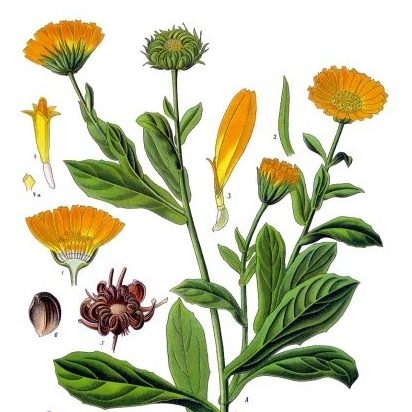
Sleep & Relaxation: Your Complete Herbal Guide
Natural sleep support without dependency/side effects, addresses root causes (stress, nervous system), sustainable long-term use, accessible herbs in NZ, gentle relaxation without sedation.
Understanding Sleep Issues
Common Sleep Problems
Sleep onset insomnia:
- Trouble falling asleep
- Lying awake 30+ minutes
- Racing thoughts, anxiety
Sleep maintenance insomnia:
- Waking during the night
- Difficulty returning to sleep
- Waking too early
Poor sleep quality:
- Not feeling rested despite hours in bed
- Restless, unrefreshing sleep
- Frequent movement, tossing
What Affects Sleep
Lifestyle factors:
- Stress and worry
- Screen time before bed (blue light)
- Caffeine (even afternoon coffee affects sleep!)
- Alcohol (disrupts sleep cycles)
- Irregular sleep schedule
- Lack of exercise (or exercising too close to bedtime)
Environmental factors:
- Light (even small amounts)
- Noise
- Temperature (too hot or cold)
- Uncomfortable bed
Physical factors:
- Pain or discomfort
- Medications (some interfere with sleep)
- Hormonal changes (menopause, pregnancy)
- Medical conditions (sleep apnea, restless leg syndrome, thyroid issues)
Your Sleep & Relaxation Herb Kit
For Beginners: Gentle & Safe
1. Chamomile (Matricaria chamomilla)
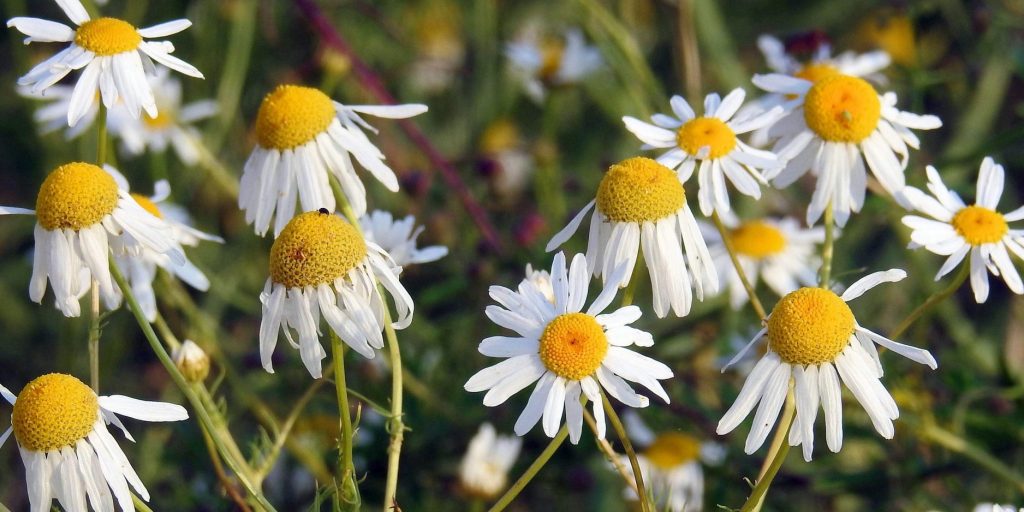
What it does:
- Mild calming
- Reduces anxiety
- Gently sedative
- Soothes digestive upset (which can affect sleep)
Best for:
- Mild sleep issues
- Stress, worry
- Safe for daily use
- Great for children!
How to use:
- Tea: 1-2 teaspoons dried flowers per cup
- Steep 10 minutes, covered
- Drink 1-2 cups in evening (30-60 minutes before bed)
- Pleasant, apple-like taste
Why it works: Contains apigenin, a flavonoid that binds to benzodiazepine receptors in the brain (same receptors as anti-anxiety medications), producing gentle calming effect WITHOUT the side effects.
Where to get (NZ):
- Dried flowers: Supermarkets (tea section), health stores ($5-10/box)
- Bulk: Lotus Oils, Herbshop ($8-12/50g)
- GROW: Seeds $5-8, easy annual
Cost: $5-12
Safety: Very safe. Avoid if allergic to daisies/ragweed. Safe for children, pregnancy (moderate amounts), breastfeeding.
2. Lemon Balm (Melissa officinalis)

What it does:
- Calms anxiety
- Reduces worry, racing thoughts
- Mildly sedative
- Uplifting (doesn’t cause grogginess)
Best for:
- Anxiety keeping you awake
- Stress-related insomnia
- Daytime anxiety (won’t cause drowsiness)
How to use:
- Tea: 1-2 teaspoons dried leaves per cup
- Fresh (even better!): Several fresh leaves
- Steep 10 minutes
- Drink throughout day for anxiety OR 1-2 cups evening for sleep
Why it works: Inhibits GABA-transaminase (enzyme that breaks down GABA), increasing GABA availability in brain. GABA is the primary calming neurotransmitter.
Where to get (NZ):
- Dried: Health stores, Lotus Oils ($8-15/50g)
- GROW: Very easy! Seeds or plant $5-10, spreads readily, perennial
Cost: $8-15 dried, $5-10 to grow
Safety: Very safe. Pleasant lemon taste. Safe for children. Fine during pregnancy/breastfeeding.
For Stubborn Insomnia: Stronger Sedatives
3. Valerian (Valeriana officinalis)
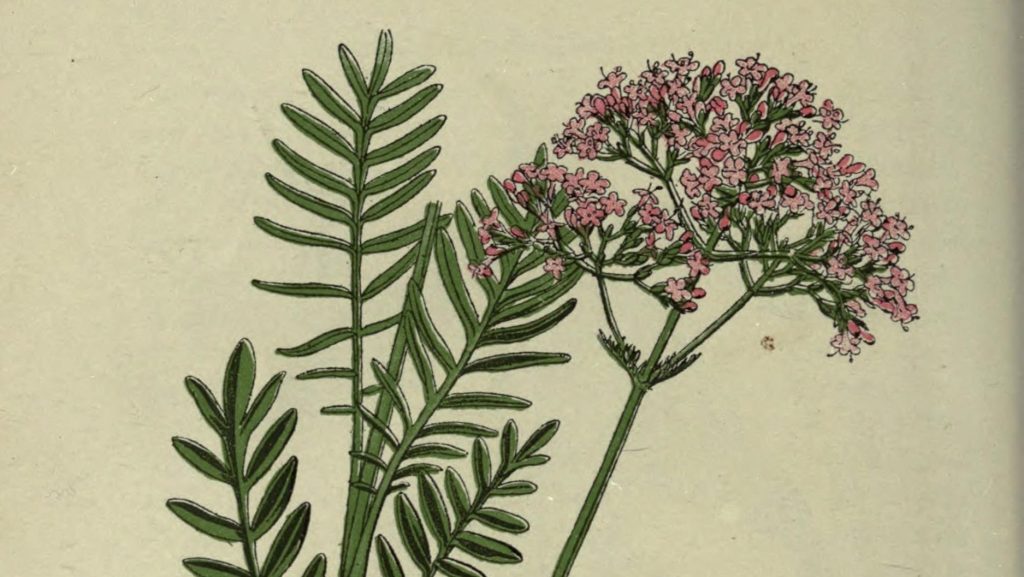
What it does:
- Strong sedative
- Reduces time to fall asleep
- Improves sleep quality
- Maintains sleep through night
Best for:
- Difficulty falling asleep
- Restless sleep
- Moderate to severe insomnia
How to use:
Tincture (easiest): 2.5-5ml (½-1 teaspoon) 30-60 minutes before bed
- Tea: 1-2 teaspoons dried root, steep 10-15 minutes (tastes TERRIBLE)
- Capsules: 300-600mg before bed
Why it works: Binds to GABA receptors (beta subunit, different from benzodiazepines) increasing GABA activity. Also inhibits GABA breakdown, allowing it to stay active longer.
IMPORTANT: 10% of people find valerian STIMULATING (opposite effect). If this happens to you, try passionflower instead.
Where to get (NZ):
- Tincture: Health stores, Kiwiherb, Artemis ($15-30/50ml)
- Dried root: Lotus Oils, Herbshop ($12-20/100g)
- Capsules: Pharmacies, health stores ($15-30)
Cost: $15-30
Safety: Very safe but:
- Smells like dirty socks (normal!)
- Don’t combine with alcohol or sedative medications without medical advice
- Fine for regular use, but take occasional breaks (e.g., 5 days on, 2 days off)
- May enhance anesthesia – tell doctor if taking before surgery
4. Passionflower (Passiflora incarnata)
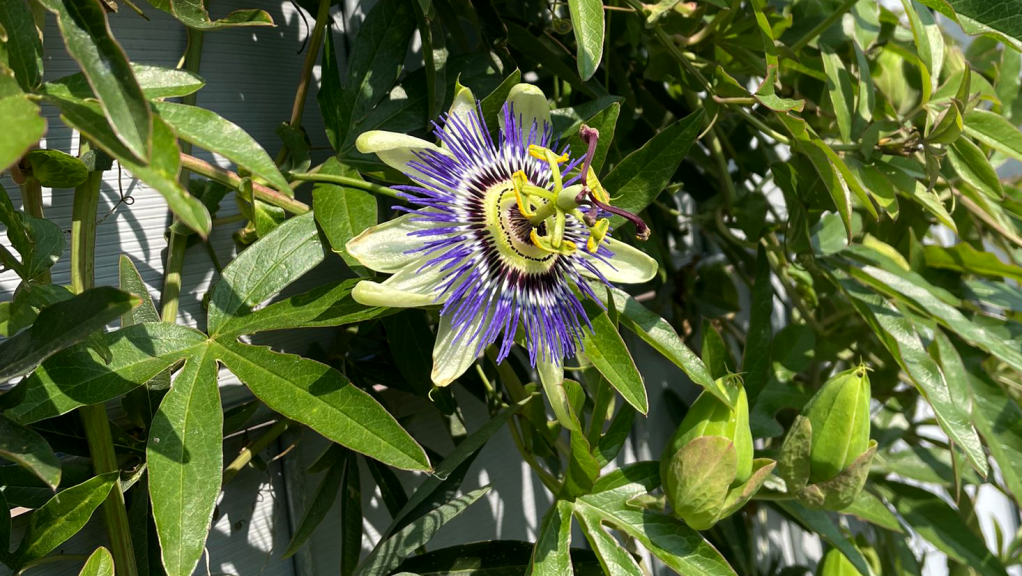
What it does:
- Calms racing thoughts
- Reduces anxiety
- Improves sleep quality
- Gentle sedative
Best for:
- Can’t “turn off” your mind
- Anxiety-related insomnia
- Restless sleep
- Alternative if valerian doesn’t work for you
How to use:
- Tea: 1 teaspoon dried herb per cup, steep 10 minutes
Tincture: 2.5-5ml (½-1 teaspoon) before bed - Often combined with valerian (synergistic)
Why it works: Increases GABA levels in brain, modulates GABA receptors.
Where to get (NZ):
- Dried: Lotus Oils, Herbshop ($10-18/50g)
- Tincture: Health stores ($15-25/50ml)
Cost: $10-25
Safety: Very safe. May enhance sedative medications – check with doctor if on medications.
Supporting Herbs
5. Lavender (Lavandula angustifolia)
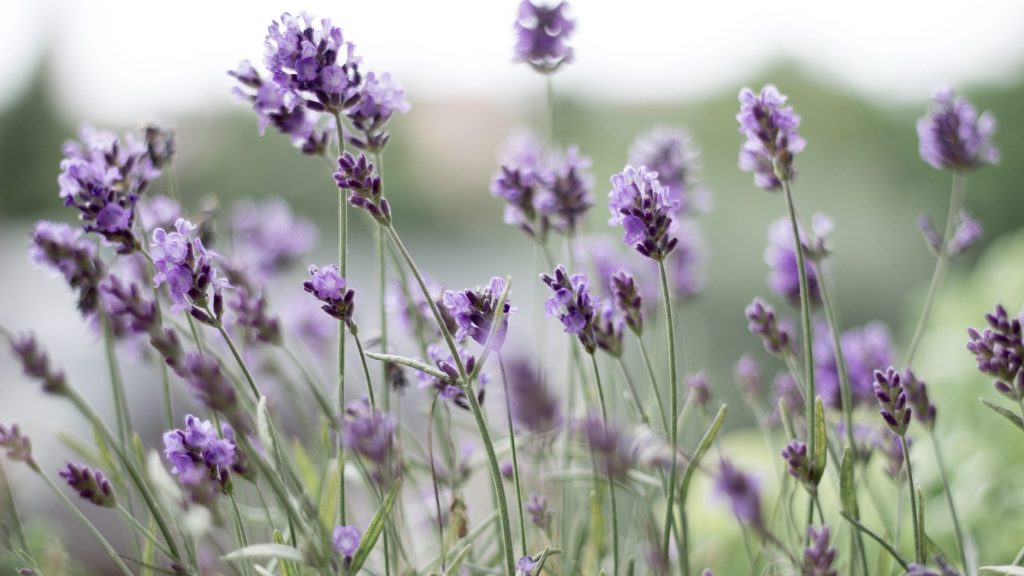
What it does:
- Calming scent
- Reduces anxiety
- Improves sleep quality
- Relaxing
Best for:
- Stress, anxiety
- Difficulty unwinding
- Aromatherapy
How to use:
- Essential oil: 1-2 drops on pillow or diffuse in bedroom
- Sachet: Dried flowers in small bag under pillow
- Bath: Add to evening bath
- Tea: 1 teaspoon dried flowers (mild, can add to blends)
Why it works: Linalool (main compound) modulates GABA system when inhaled, producing calming effect.
Where to get (NZ):
- Essential oil: Health stores, pharmacies ($8-15/10ml)
- Dried flowers: Lotus Oils, Herbshop ($8-12/50g)
- GROW: Easy! Plant $10-15, perennial
Cost: $8-15
Safety: Very safe. Avoid ingesting pure essential oil. Safe for most people topically (test for sensitivity).
6. Hops (Humulus lupulus)
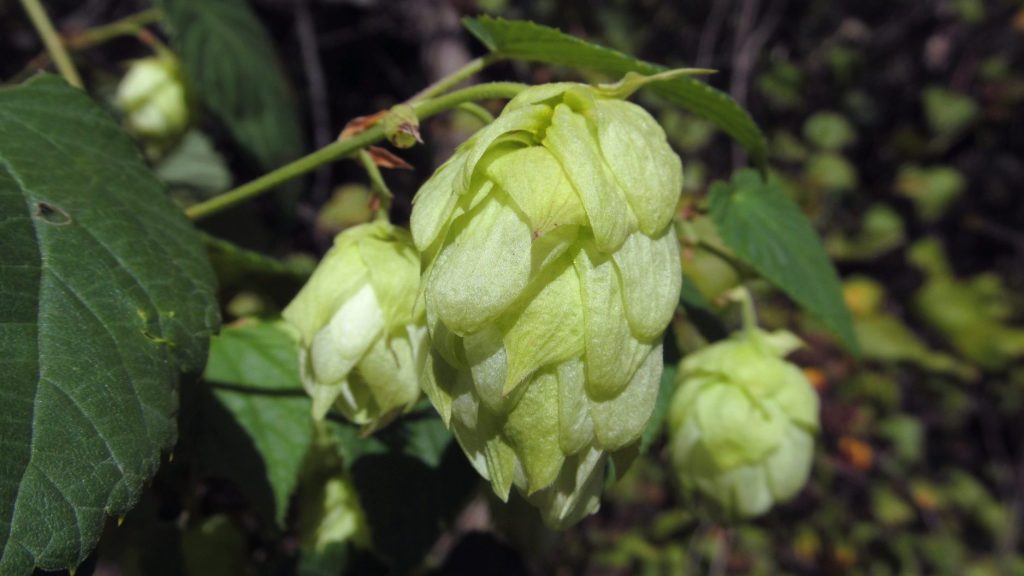
What it does:
- Sedative
- Helps maintain sleep through night
- Reduces time to fall asleep
Best for:
- Waking during night
- Sleep maintenance issues
How to use:
- Tea: 1 teaspoon dried strobiles (flowers), steep 10 minutes
- Pillow: Dried hops in sachet under pillow
- Often combined with valerian
Why it works: Contains compounds that increase GABA activity.
Warning: Can cause depression in some people with prolonged regular use. May affect hormones with very long-term use. Bitter taste.
Where to get (NZ):
- Dried: Homebrew shops (for beer!), Herbshop, Lotus Oils ($10-15/50g)
- Often in sleep formulas
Cost: $10-15
Note: Same plant used in beer, but tea is non-alcoholic!
Herbal Tea Blends for Sleep
Gentle Sleep Tea (Best for Beginners)
Ingredients:
- 3 parts chamomile
- 2 parts lemon balm
- 1 part lavender
- 1 part spearmint (improves flavour)
Method:
- Mix dried herbs, store in airtight container
- Use 1-2 teaspoons per cup
- Pour hot water, steep 10 minutes (covered!)
- Strain, add honey if desired
- Drink 1-2 cups 30-60 minutes before bed
Cost to make: ~$20 for enough for 2-3 months
Strong Sleep Tea (For Stubborn Insomnia)
Ingredients:
- 2 parts valerian root
- 2 parts passionflower
- 1 part hops
- 1 part peppermint (masks terrible valerian taste!)
Method:
- Mix herbs
- Use 1-2 teaspoons per cup
- Steep 10-15 minutes
- Add honey! (Tastes bad but works well)
- Drink 1 cup 30-60 minutes before bed
Warning: Tastes like dirty socks. Worth it for good sleep!
Daytime Anxiety-Relief Tea
Ingredients:
- 3 parts lemon balm
- 2 parts chamomile
- 1 part rose petals (calming, pleasant)
Method:
- Use 1 teaspoon per cup
- Steep 10 minutes
- Drink 2-3 cups throughout day
Benefits: Reduces anxiety during day WITHOUT drowsiness. Better daytime calm = better nighttime sleep.
Sleep Tincture Recipe (DIY)
Ingredients:
- 30g valerian root
- 20g passionflower
- 10g hops
- 10g lemon balm
- Vodka (40% alcohol) to cover (~350ml)
Method:
- Mix dried herbs in clean jar
- Cover completely with vodka (1-2cm above herbs)
- Cap tightly, label with contents and date
- Store in dark place
- Shake daily for 4-6 weeks
- Strain through cheesecloth, squeeze out liquid
- Bottle in dark glass dropper bottles
Dose: 2.5-5ml (½-1 teaspoon) in small amount of water, 30-60 minutes before bed
Shelf life: 3-5 years
Cost: ~$30 to make ~300ml (vs. $60-90 to buy)
Beyond Herbs: Essential Sleep Hygiene
Herbs work MUCH better combined with good sleep practices!
Create a Sleep-Friendly Environment
Darkness:
- Blackout curtains or eye mask
- Remove ALL light sources (cover LED lights)
- No phone/tablet screens in bedroom
Temperature:
- Cool room (16-19°C ideal)
- Warm feet (socks if needed)
- Breathable bedding
Quiet:
- White noise machine or fan
- Earplugs if noisy environment
- Address noise sources where possible
Comfort:
- Good mattress and pillow
- Comfortable pajamas
- Clean, comfortable bedding
Establish a Bedtime Routine
8:00 PM: Dim lights throughout house (signals body it’s evening)
8:30 PM: Stop all screens (TV, phone, computer, tablet)
- Blue light suppresses melatonin
- Stimulating content keeps brain active
9:00 PM: Relaxing activity
- Read physical book
- Gentle stretching or yin yoga
- Herbal bath
- Listen to calm music
- Journaling
9:30 PM: Drink sleep tea
10:00 PM:
- Bedroom routine (wash face, brush teeth, etc.)
- Get into bed
- Relaxation technique (see below)
- Lights out
KEY: Same time every night! (Even weekends – your body loves consistency)
Daytime Habits for Better Sleep
Exercise:
- 30+ minutes daily
- Preferably morning or afternoon
- Not within 3 hours of bedtime
Caffeine:
- None after 2 PM (or earlier if very sensitive)
- Remember: coffee, tea, cola, chocolate all contain caffeine
Naps:
- Before 3 PM only
- 20 minutes maximum
- Or skip naps if nighttime sleep poor
Light exposure:
- Bright light exposure in morning (helps set circadian rhythm)
- Dim lights in evening
Meals:
- No heavy meals within 2-3 hours of bed
- Light snack if hungry (hunger disrupts sleep)
- Avoid spicy or acidic foods at night
Relaxation Techniques
4-7-8 Breathing
Method:
- Exhale completely through mouth
- Close mouth, inhale through nose counting to 4
- Hold breath counting to 7
- Exhale through mouth counting to 8 (whoosh sound)
- Move up body: feet → calves → thighs → hips → stomach → chest → arms → hands → neck → face
When: In bed, trying to fall asleep, or when anxious
Why it works: Activates parasympathetic nervous system (rest-and-digest), slows heart rate, calms mind.
Progressive Muscle Relaxation
Method:
- Lie in bed
- Starting with toes: Tense muscles for 5 seconds, then release
- Notice difference between tension and relaxation
- Move up body: feet → calves → thighs → hips → stomach → chest → arms → hands → neck → face
- Let entire body sink into bed
Why it works: Physical relaxation triggers mental relaxation. Releases stored tension.
Body Scan Meditation
Method:
- Lie comfortably
- Bring attention to toes
- Notice any sensations without trying to change anything
- Slowly move attention up body
- If mind wanders, gently return to body scan
Why it works: Shifts focus from thoughts to body, naturally calms mind.
Herbal Baths for Sleep
Lavender Bedtime Bath
Ingredients:
- ¼ cup Epsom salts
- 2 tablespoons dried lavender
- 5-10 drops lavender essential oil (optional)
Method:
- Add to warm (not hot!) bath
- Soak 20 minutes
- Take 1-2 hours before bed
- Dim lights, play calm music
Why it works:
- Magnesium in Epsom salts supports sleep
- Warmth relaxes muscles
- Cooling down after bath signals sleep time
- Lavender calms nervous system
Dream Pillows & Sachets
Simple Sleep Sachet
Ingredients:
- ¼ cup dried lavender
- 2 tablespoons dried chamomile
- 2 tablespoons dried hops
- 1 tablespoon dried rose petals
Method:
- Mix herbs
- Put in small cotton or muslin bag
- Stitch or tie closed
- Tuck inside pillowcase or under pillow
- Replace every 2-3 months
Cost: $5-10 to make
Sleep Strategies for Specific Issues
Can’t Fall Asleep (Racing Mind)
Herbs:
- Passionflower
- Lemon balm
- Chamomile + lavender
Practices:
- Write worries down before bed (get them out of your head!)
- 4-7-8 breathing
- Body scan meditation
- If awake >20 minutes: Get up, do something boring in dim light, return when sleepy
Waking During Night
Herbs:
- Valerian (helps maintain sleep)
- Hops
- Stronger sleep blend
Practices:
- Don’t check time! (Creates anxiety)
- Keep room VERY dark
- If awake >20 minutes, get up briefly
- Avoid bright lights
- 4-7-8 breathing to fall back asleep
Stress-Related Insomnia
Herbs (throughout day, not just bedtime):
- Lemon balm tea 2-3x daily
- Chamomile
- Consider adaptogens for daytime (tulsi, ashwagandha – see Energy & Focus guide)
Practices:
- Address root causes of stress
- Therapy or counseling if needed
- Evening “worry time”: 30 minutes to write everything down, then consciously set aside
- Stress management during day (exercise, meditation, etc.)
Children & Sleep
Safe herbs for children:
- Chamomile: Very safe, gentle
- Lemon balm: Safe, calming
- Lavender: Safe (aromatherapy or very mild tea)
- Catnip: Yes, really! Very calming for children (opposite effect from cats!)
Dosage:
- Ages 2-6: ¼ adult dose
- Ages 7-12: ½ adult dose
- Ages 13+: Adult dose
Children’s Calming Tea:
- 3 parts chamomile
- 2 parts lemon balm
- 1 part lavender
- 1 part catnip
- ½ teaspoon per cup, sweeten with honey (if >1 year old)
Avoid for children:
- Valerian (too strong)
- Hops (hormonal effects)
- Passionflower (under 6)
NZ Sourcing & Costs
Where to buy dried herbs:
- Lotus Oils NZ (online, wide selection)
- Cottage Hill Herbs (Christchurch)
- Herbshop NZ (online)
- Bin Inn (some herbs, variable quality)
- Health food stores (higher prices, convenient)
Where to buy tinctures:
- Kiwiherb (NZ-made, many pharmacies and health stores)
- Artemis (NZ-made, health stores)
- Health stores (various brands)
Where to buy plants/seeds:
- Garden centres: Chamomile, lavender, lemon balm
- Trade Me: Seeds, plants
- Kings Seeds, Egmont Seeds (NZ seed companies)
Budget tips:
- Grow your own: Chamomile, lemon balm, lavender all easy ($5-15 one-time investment)
- Make your own tinctures: Save 50%+
- Buy dried herbs in bulk: Split with friends
- Start simple: One or two herbs, not entire pharmacy!
When to See a Doctor
Seek medical help if:
- Sleep problems persist despite good sleep hygiene and herbs (>4 weeks)
- Loud snoring, gasping, or stopping breathing during sleep (sleep apnea)
- Extreme daytime fatigue affecting work or safety
- Falling asleep at inappropriate times (narcolepsy)
- Restless legs or unusual movements during sleep
- Waking with headaches
- Depression or anxiety
- Sleep problems after starting medication
Other helpful treatments:
- Cognitive Behavioral Therapy for Insomnia (CBT-I): Very effective, addresses root causes
- Sleep study: If sleep apnea suspected
- Medical evaluation: Rule out thyroid, hormonal, or other issues
Your Action Plan
Week 1:
- Choose ONE gentle herb (chamomile or lemon balm)
- Establish consistent bedtime
- Remove screens from bedroom
Week 2:
- Add bedtime routine
- Try one relaxation technique (4-7-8 breathing)
- Optimize sleep environment (darkness, temperature)
Week 3:
- Add evening herbal tea to routine
- Practice sleep hygiene consistently
- Evaluate progress
Week 4+:
- If still struggling, try stronger herbs (valerian, passionflower)
- Fine-tune routine based on what works
- Consider professional help if no improvement
Remember:
- Give herbs 2-4 weeks to work fully
- Consistency is KEY
- Combine herbs with good sleep practices
- Some people respond to one herb, not another – experiment!
- Quality sleep is worth the effort
Sleep well!
Budget-Friendly Sleep & Relaxation Support
Low-cost nightly support ($0-10/month):
- Chamomile (garden or $8-12/50g): Classic sleep herb
- Lavender (garden): FREE, aromatherapy + tea
- Lemon balm (garden): FREE, calming nervine
- Passionflower (if growing): FREE, strong sedative
Total: $0-12/month (free if growing herbs)
Free sleep herbs:
- Garden: Chamomile, lavender, lemon balm, mint (soothing)
- Foraged: Nettle (mineral support for sleep), dandelion root (liver support)
Sleep hygiene practices (free):
- Lavender aromatherapy (crush flowers, place near pillow)
- Evening herbal tea ritual (chamomile, lemon balm)
- Warm bath with lavender
- Bedtime routine with herbs
Specific sleep issues:
- Difficulty falling asleep: Chamomile + lavender tea = FREE (garden) or $0.20/cup
- Anxiety-related insomnia: Lemon balm + passionflower = FREE (garden)
- Restless sleep: Chamomile + magnesium-rich nettle = FREE
- Racing mind: Lavender aromatherapy + lemon balm tea = FREE
NZ budget note: Valerian expensive ($15-25/50g) and strong-smelling. Chamomile + lemon balm + lavender (all garden-friendly) provide effective gentle sleep support for free or $8-12 if purchasing dried chamomile.
Emergency sleep support (free):
- Chamomile tea 30min before bed
- Lavender sachet under pillow
- Lemon balm tea for anxiety-related sleeplessness
References
Bent, S., et al. (2006). Valerian for sleep: A systematic review and meta-analysis. American Journal of Medicine, 119(12), 1005-1012.
Bone, K., & Mills, S. (2013). Principles and practice of phytotherapy: Modern herbal medicine (2nd ed.). Churchill Livingstone.
Guadagna, S., et al. (2020). Plant extracts for sleep disturbances: A systematic review. Evidence-Based Complementary and Alternative Medicine, 2020.
Disclaimer: Does not represent rongoā Māori methods. For rongoā knowledge, consult Te Paepae Motuhake.
Medical Disclaimer: This guide is for educational purposes only and is not medical advice. Sleep problems may indicate underlying medical conditions requiring professional evaluation. Herbal sleep aids support natural sleep but do not replace medical treatment for sleep disorders. Consult qualified healthcare practitioners before using herbs, especially if pregnant, nursing, taking medications (particularly sedatives), or having medical conditions. Avoid alcohol with sedative herbs. Use herbs responsibly.
Note on Pricing: All prices mentioned in this guide are approximate and based on New Zealand suppliers as of December 2025. Prices vary by supplier, season, and market conditions. We recommend checking current prices with your local suppliers.
 The Public Herbarium