
Skin Health: Your Complete Herbal Guide
Natural skin support without harsh chemicals, addresses root causes (inflammation, barrier function), sustainable long-term use, accessible herbs/DIY remedies in NZ, holistic inside-out approach.
Understanding Your Skin
What Your Skin Does
Protection:
- Physical barrier against bacteria, viruses, chemicals
- UV radiation shield (with melanin)
- Prevents water loss
Regulation:
- Temperature control (sweating, blood vessel dilation)
- Fluid balance
- Vitamin D production (sun exposure)
Sensation:
- Touch, pressure, pain, temperature
- Connection to the world
Immune function:
- Houses immune cells
- First line of defence
The Skin Barrier
Think of your skin’s outermost layer (stratum corneum) like a brick wall:
- “Bricks”: Dead skin cells (corneocytes) filled with proteins
- “Mortar”: Lipids (ceramides, cholesterol, fatty acids) binding cells together
Healthy barrier:
- Keeps moisture IN
- Keeps irritants OUT
- Smooth, supple, resilient
Damaged barrier:
- Dry, flaky, itchy
- Sensitive to products
- Prone to rashes, infections
- Looks dull
Your Skin Support Toolkit
First Aid & Wound Healing Herbs
1. Plantain (Plantago major, P. lanceolata)


Why it’s THE first aid herb:
Found growing as a “weed” everywhere in NZ! Plantain is your instant relief for bites, stings, cuts, scrapes, and skin irritation.
What it does:
- Draws out toxins, venom, splinters (“drawing” herb)
- Soothes pain and itching instantly
- Antimicrobial (prevents infection)
- Anti-inflammatory
- Promotes wound healing
The science: Contains mucilage (forms protective film), aucubin (anti-inflammatory iridoid glycoside), and tannins (astringent, tightens tissues).
How to use:
Fresh poultice (best!):
- Pick fresh plantain leaf
- Wash quickly
- Chew leaf until mushy (yes, really! Or crush/bruise thoroughly)
- Apply directly to bite, sting, or cut
- Secure with bandage
- Change every few hours
Why chewing works: Breaks down cell walls, releases active compounds, mixes with saliva enzymes.
Infused oil (for home):
- Fill jar with dried plantain leaves
- Cover with olive oil
- Infuse 4-6 weeks, shake daily
- Strain
- Use as-is or make into salve
Salve recipe:
- 1 cup plantain-infused oil
- 1-2 tablespoons beeswax (less = softer, more = firmer)
- Melt together, pour into tins
When to use:
- Insect bites, bee stings (immediately!)
- Minor cuts, scrapes
- Splinters (helps draw out)
- Poison ivy/nettles (cooling relief)
- Itchy skin
Taste: Mild, slightly mushroomy. Safe to chew.
Where to find (NZ): EVERYWHERE! Lawns, gardens, paths, parks. Broad-leaved plantain (P. major) has wide oval leaves; narrow-leaved (P. lanceolata) has lance-shaped leaves. Both work.
Cost: FREE!
Safety: Very safe. One of gentlest herbs. Fine for children.
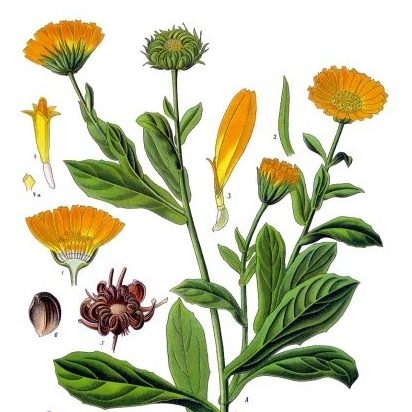
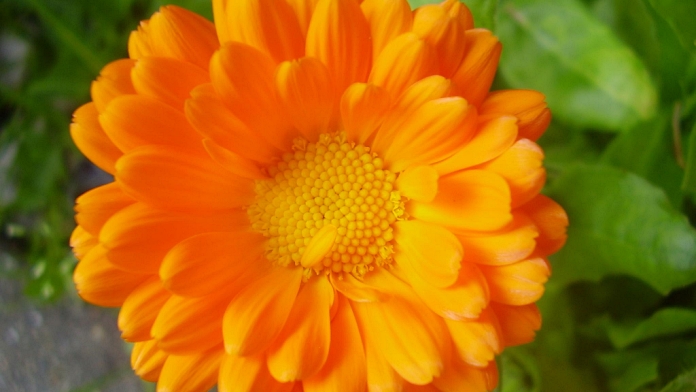
2. Calendula (Calendula officinalis)
Why it’s the skin healer:
Calendula is THE herb for skin healing — cuts, rashes, dry skin, diaper rash, eczema, slow-healing wounds. Gentle enough for babies, powerful enough for serious healing.
What it does:
- Promotes tissue regeneration (grows new skin)
- Anti-inflammatory (reduces redness, swelling)
- Antimicrobial (prevents/treats infection)
- Vulnerary (wound healing)
- Soothes and moisturises
The science: Rich in triterpenoids (promote granulation tissue — new skin growth), flavonoids (anti-inflammatory antioxidants), and carotenoids. Studies show calendula accelerates wound closure significantly.
How to use:
Infused oil (foundation for all topical use):
- Fill jar with dried calendula flowers (fresh can go moldy)
- Cover with olive or sunflower oil
- Infuse 4-6 weeks in sunny spot, shake daily
- Strain through cheesecloth
- Store in dark glass bottle
Healing salve:
- 1/2 cup calendula oil
- 1/4 cup plantain oil (or more calendula)
- 2-3 tablespoons beeswax
- Optional: 10 drops lavender essential oil
- Melt oils and beeswax together, add essential oil, pour into containers
Tea (internal support for skin):
- 1-2 teaspoons dried flowers per cup
- Steep 10-15 minutes
- Drink 2-3 cups daily
Wash/compress:
- Make strong tea
- Cool completely
- Use as wash for wounds or compress for rashes
When to use:
- Cuts, scrapes, burns (after cooling)
- Eczema, psoriasis, dermatitis
- Diaper rash
- Dry, cracked skin
- Slow-healing wounds
- Post-surgical scars
Cost (NZ):
- Dried flowers: $12-18/50g
- GROW YOUR OWN: Seeds $5-8, easy to grow!
Safety: Very safe. Avoid if allergic to daisies/marigolds. Patch test first if sensitive skin.
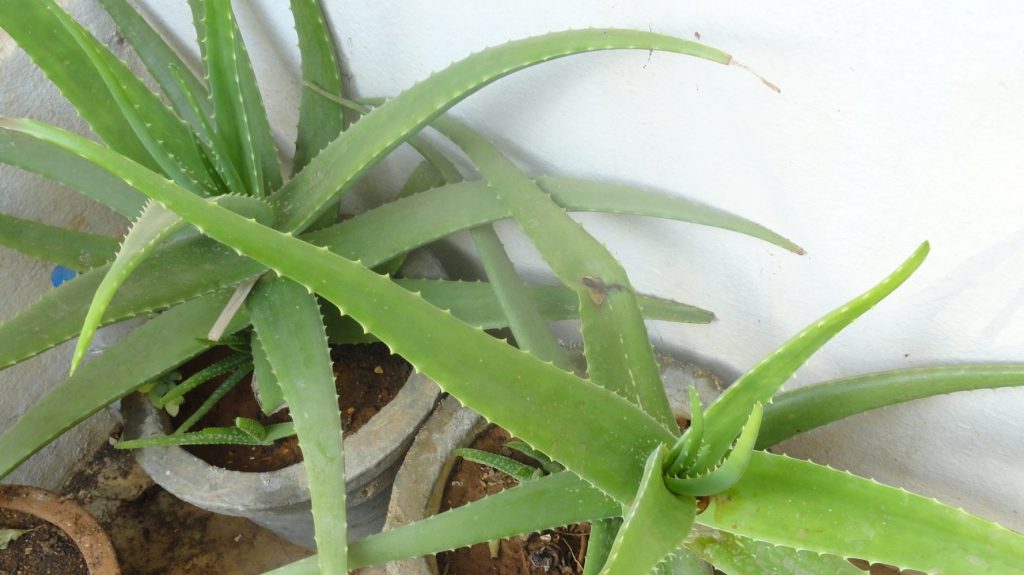
3. Aloe Vera (Aloe barbadensis)
Why it’s essential:
The cooling, soothing gel for burns, sunburn, and inflamed skin. Every home should have an aloe plant!
What it does:
- Intensely cooling and soothing
- Promotes burn healing
- Anti-inflammatory
- Moisturising (without being oily)
- Antimicrobial
How to use:
Fresh gel (best):
- Cut mature leaf from plant
- Slice lengthwise
- Scoop out clear gel
- Apply directly to skin
- Refrigerate leftover gel (use within week)
When to use:
- Sunburn (after cooling with water)
- Minor burns (after cooling)
- Irritated, inflamed skin
- Insect bites
- Rashes
Growing in NZ: Thrives! Needs well-draining soil, bright indirect light. Water sparingly.
Cost: Plant $10-20; lasts years with minimal care.
Safety: Very safe topically. Don’t use latex (yellow layer under skin) internally — strong laxative.
Soothing Herbs for Irritated Skin
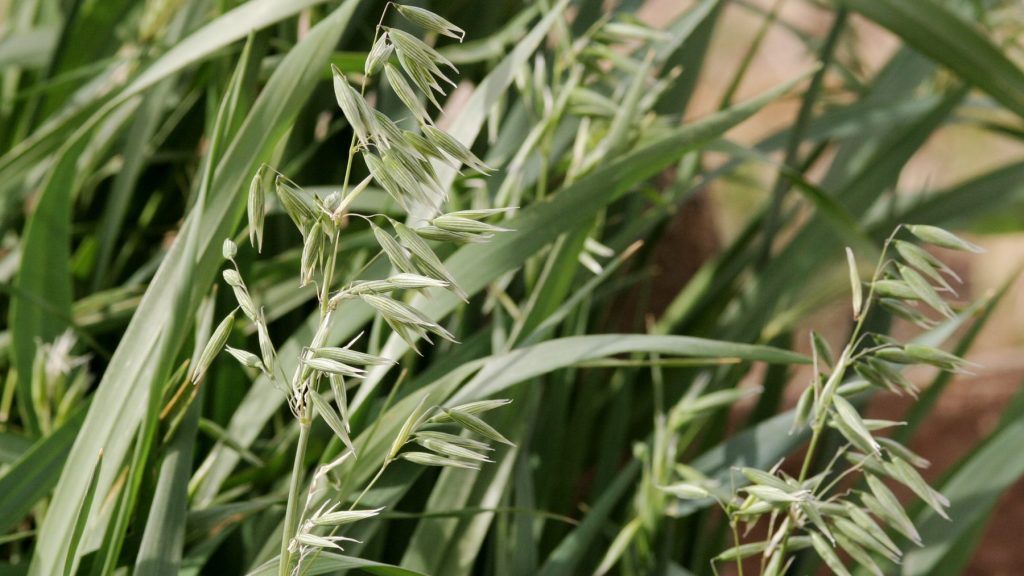
4. Oats (Avena sativa)
Why they’re magic for itchy skin:
Colloidal oatmeal (finely ground) is the gold standard for eczema, dry skin, itching, and inflammation. Backed by serious science.
What it does:
- Intense anti-itch
- Anti-inflammatory
- Forms protective barrier on skin
- Moisturising
- Soothes irritation
The science: Contains avenanthramides (unique anti-inflammatory polyphenols that inhibit histamine release), beta-glucans (protective moisturising film), and saponins (gentle cleansing).
How to use:
Oat bath (for widespread irritation):
- Grind 1 cup rolled oats to fine powder (blender or food processor)
- Add to warm (not hot!) bath
- Stir to distribute
- Soak 15-20 minutes
- Pat dry gently (don’t rub)
Oat paste (for localised itching):
- Mix ground oats with water to form paste
- Apply to itchy areas
- Leave 10-15 minutes
- Rinse gently
When to use:
- Eczema flares
- Dry, itchy skin
- Chickenpox (soothes itching)
- Sunburn
- Rashes
Cost: Rolled oats $3-5/kg (supermarket). Ultra-cheap!
Safety: Very safe. Use plain oats (no sugar, flavouring).
5. Chamomile (Matricaria chamomilla)
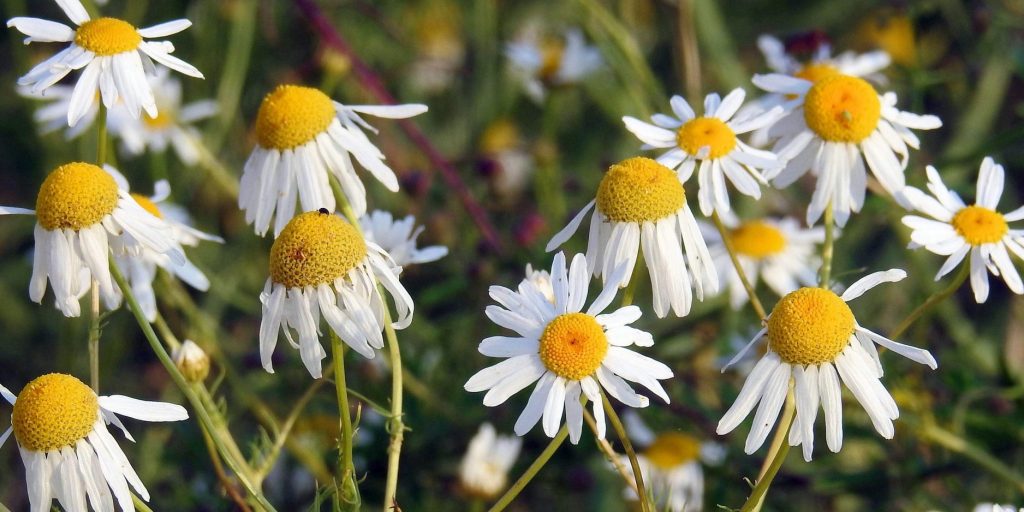
Why it soothes:
Gentle anti-inflammatory perfect for sensitive, irritated, or inflamed skin. Especially good for children.
What it does:
- Anti-inflammatory
- Anti-itch
- Antimicrobial
- Calming to skin and nerves
How to use:
Compress:
- Make strong tea (3-4 teaspoons per cup)
- Cool completely
- Soak cloth in tea
- Apply to irritated areas
- Repeat as needed
Bath:
- Add strong chamomile tea to bath
- Or fill muslin bag with dried flowers, float in bath
Infused oil:
- Like calendula (dried flowers in oil 4-6 weeks)
- Use in creams, salves
When to use:
- Eczema
- Diaper rash
- Sensitive skin
- Inflammation
Cost (NZ): $8-12/50g dried; grow from seed!
Safety: Very safe. Rare allergy if allergic to ragweed.
Internal Support for Healthy Skin
6. Nettle (Urtica dioica)
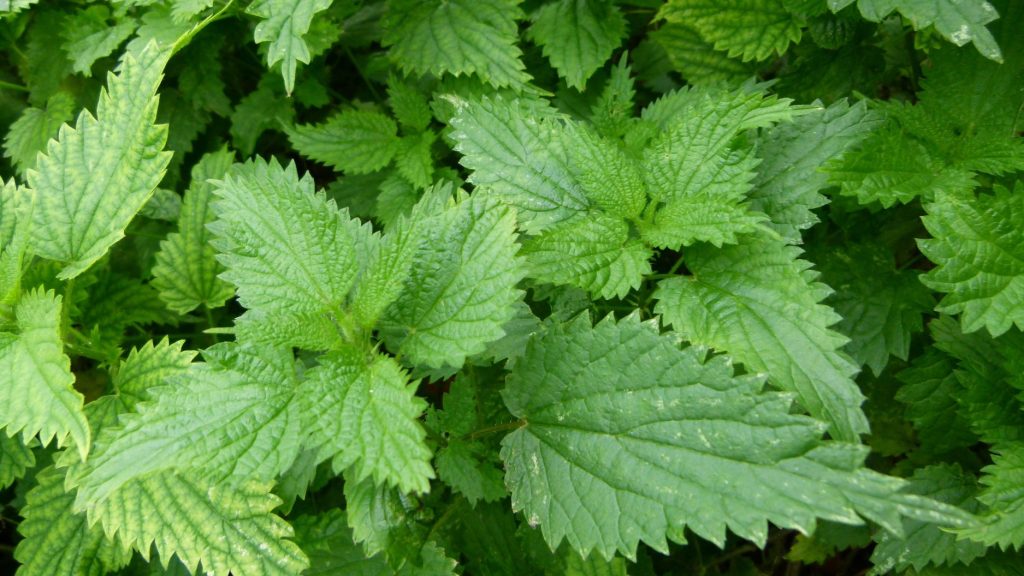
Why it works from within:
Skin health starts inside! Nettle is mineral-rich, anti-inflammatory, and traditionally used for skin conditions like eczema, acne, and psoriasis.
What it does:
- Provides minerals (silica, calcium, iron) for healthy skin
- Anti-inflammatory (helps from inside)
- Supports detoxification (clears skin)
- Antihistamine (helps allergic skin reactions)
How to use:
Nourishing infusion:
- 1/4 cup dried nettle leaf
- Quart jar
- Fill with hot water
- Steep 4-8 hours (or overnight)
- Strain
- Drink 2-3 cups daily
See General Wellness guide for complete information
7. Burdock Root (Arctium lappa)
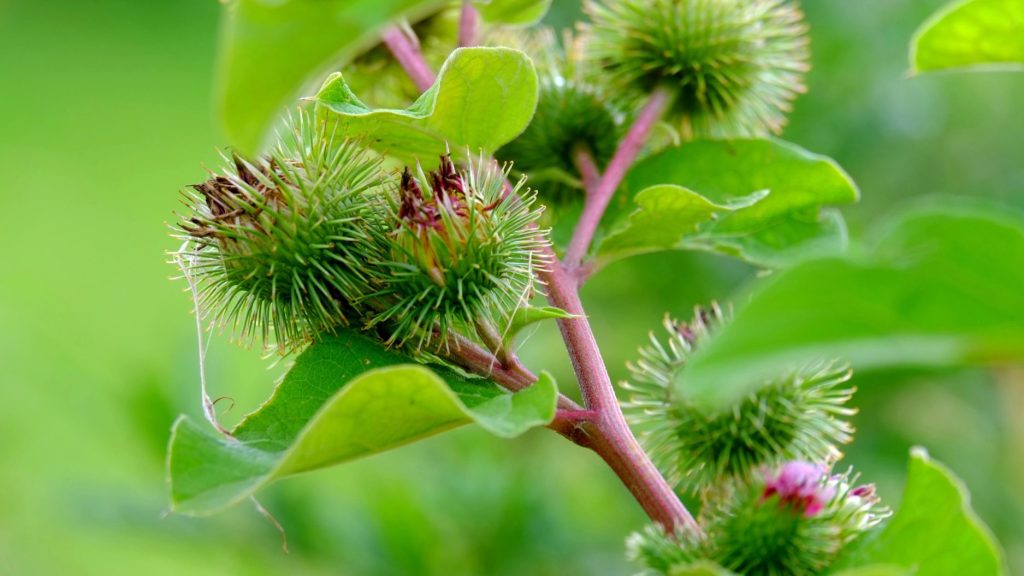
Why it’s the “blood purifier”:
Traditional alterative (“blood cleanser”) for chronic skin conditions. Supports liver and kidney detoxification, which reflects in skin health.
What it does:
- Alterative (supports elimination organs)
- Anti-inflammatory
- Antimicrobial
- Helps chronic skin issues (acne, eczema, psoriasis)
How to use:
- Decoction: Simmer 1 tablespoon root in 2 cups water, 20 minutes
- Drink 2-3 cups daily
- Or tincture: 2-4ml three times daily
Timeline: Internal herbs for skin take 4-8 weeks to show effects. Be patient!
Cost (NZ): $10-16/100g dried root
Simple Skin Care Formulas
1. Ultimate Healing Salve
For: Cuts, scrapes, dry patches, eczema, general skin healing
Ingredients:
- 1/2 cup calendula-infused oil
- 1/4 cup plantain-infused oil
- 1/4 cup comfrey-infused oil (optional, for deep healing)
- 2-3 tablespoons beeswax
- 1 teaspoon vitamin E oil (preservative + skin healing)
- 10 drops lavender essential oil (healing, antimicrobial)
Method:
- Melt oils and beeswax in double boiler
- Remove from heat
- Add vitamin E and lavender
- Pour into small tins or jars
- Cool completely before capping
Use: Apply to affected areas 2-4 times daily.
2. Soothing Skin Tea Blend
For: Internal support for skin health (eczema, acne, psoriasis, general)
Ingredients:
- 2 parts nettle leaf
- 1 part calendula flowers
- 1 part red clover blossoms
- 1/2 part cleavers (lymphatic drainage)
- 1/2 part peppermint (flavour, digestive support)
Method:
- Mix herbs, store in airtight jar
- Use 1 tablespoon per cup hot water
- Steep 15-20 minutes
- Drink 2-3 cups daily
Why it works: Nettle provides minerals, calendula and red clover are alteratives (support detox), cleavers moves lymph (clears waste), peppermint aids digestion (gut-skin connection).
3. Anti-Itch Emergency Relief
For: Sudden itching, bites, rashes, eczema flares
Method:
- Grind oats to fine powder
- Mix with cooled chamomile tea to make paste
- Apply to itchy areas
- Leave 10-15 minutes
- Rinse with cool water
- Pat dry
- Apply aloe vera gel or calendula cream
Why it works: Oats anti-itch, chamomile anti-inflammatory, aloe/calendula soothing and healing.
Common Skin Issues
Eczema (Atopic Dermatitis)
Herbal approach:
External:
- Oat baths (2-3x weekly)
- Calendula cream (daily, on damp skin)
- Chamomile compresses (for flares)
- Avoid irritating soaps (use gentle, natural)
Internal:
- Nettle tea: 2-3 cups daily (anti-inflammatory, antihistamine)
- Calendula tea: 1-2 cups daily
- Evening primrose oil: 500-1000mg daily (supports skin barrier)
- Identify food triggers (common: dairy, eggs, nuts)
Lifestyle:
- Moisturise constantly (especially after bathing)
- Lukewarm (not hot) baths
- Gentle pat dry (don’t rub)
- Cotton clothing (avoid wool, synthetics)
- Manage stress (worsens eczema)
Timeline: Improvement usually 2-4 weeks with consistent care.
Acne
Herbal approach:
External:
- Tea tree oil: 1-2 drops in aloe gel, spot treat
- Witch hazel: Toner after cleansing
- Calendula cream: Healing, prevents scarring
Internal:
- Nettle tea: Anti-inflammatory, detoxifying
- Burdock root: Long-term for chronic acne
- Reduce sugar and dairy (common triggers)
- Drink more water!
Lifestyle:
- Don’t over-wash (strips skin, makes worse!)
- Change pillowcases frequently
- Don’t pick (causes scarring)
- Gentle products
Note: Hormonal acne may need medical support.
Dry, Cracked Skin
Herbal approach:
External:
- Rich calendula salve (extra beeswax for protection)
- Comfrey cream (for very dry, cracked skin)
- Coconut oil (simple, effective)
Internal:
- Nettle infusion (minerals for skin health)
- Omega-3 fatty acids (flax oil, fish oil)
- Hydrate! (2-3 litres water daily)
Lifestyle:
- Humidifier in winter
- Gentle soap
- Moisturise immediately after bathing (traps water)
Minor Wounds, Cuts, Scrapes
Herbal approach:
Immediate:
- Wash with clean water
- Apply fresh plantain poultice OR
- Apply honey (natural antibacterial) OR
- Apply calendula cream
Ongoing (until healed):
- Calendula salve 2-4x daily
- Keep clean, covered
- Watch for infection signs
When to see doctor:
- Deep cuts (may need stitches)
- Won’t stop bleeding
- Signs of infection
- Puncture wounds
- Bites (animal or human)
NZ Foraging & Growing
Easy to forage (NZ):
- Plantain: Everywhere! Lawns, gardens, paths
- Cleavers: Spring/summer, damp shaded areas
Easy to grow:
- Calendula: Seeds $5-8, thrives in NZ, prolific
- Aloe vera: Plant $10-20, minimal care, lasts years
- Chamomile: Seeds $5-8, easy annual
- Lemon balm: Spreads readily, perennial
NZ Sourcing
Dried herbs:
- Lotus Oils NZ
- Cottage Hill Herbs
- Herbshop NZ
Carrier oils, beeswax:
- Lotus Oils NZ
- Health food stores
- Beekeepers (for beeswax)
Plants:
- Garden centres
- Trade Me
- Seed companies (Kings Seeds, Egmont Seeds)
Summary: Your Skin Care Plan
First aid kit:
- Fresh plantain (forage as needed)
- Aloe vera plant (on windowsill)
- Calendula salve (homemade or bought)
- Honey (kitchen)
For ongoing skin health:
External:
- Quality moisturiser or calendula cream (daily)
- Oat baths (as needed for irritation)
- Gentle, natural products
Internal:
- Nettle infusion: 2-3 cups daily (especially if skin issues)
- Hydration: 2-3 litres water daily
- Whole foods diet (lots of vegetables!)
- Omega-3 fats (flax, fish, walnuts)
Lifestyle:
- Sun protection (NZ sun fierce!)
- Manage stress
- Adequate sleep (skin repairs at night)
- Gentle products (avoid harsh chemicals)
Remember:
- Skin health starts from inside
- Consistency matters more than perfect products
- Listen to your skin
- Patch test new products
- Serious issues need medical care
Your skin is always working to protect you. Give it the support it needs!
Budget-Friendly Skin Health Support
Low-cost topical care ($3-10 total):
- Calendula (self-seeded): FREE flowers, make oil/balm
- Plantain (lawn weed): FREE, wound healing, drawing
- Comfrey (if growing): FREE, tissue repair
- Olive oil (kitchen): $8-12/L, makes infused oils
- Beeswax (local beekeeper): $10-15/250g = 15+ batches
Total: $3-10 for multiple batches of healing balm
Internal support (free/low-cost):
- Nettle tea (foraged): FREE, minerals for skin health
- Dandelion (foraged): FREE, liver support = clearer skin
- Calendula tea (garden): FREE, anti-inflammatory
Free remedies:
- Plantain poultice (fresh crushed leaves) for bites/stings
- Calendula-infused oil (sun method, recycled jar)
- Comfrey compress for bruises/sprains
NZ budget note: Commercial herbal skin products $15-45. DIY calendula balm costs $3-5 per batch (makes 4-6 tins).
Emergency skin relief (free):
- Fresh plantain leaf (crush, apply to bites/stings)
- Calendula cool tea compress (sunburn, inflammation)
- Aloe vera (if growing)
References
Bone, K., & Mills, S. (2013). Principles and practice of phytotherapy: Modern herbal medicine (2nd ed.). Churchill Livingstone.
Chevallier, A. (2016). Encyclopedia of herbal medicine (3rd ed.). Dorling Kindersley.
Pazyar, N., et al. (2013). A review of applications of tea tree oil in dermatology. International Journal of Dermatology, 52(7), 784-790.
Poljsak, B., & Dahmane, R. (2012). Free radicals and extrinsic skin aging. Dermatology Research and Practice, 2012, 135206.
Sur, R., et al. (2008). Avenanthramides, polyphenols from oats, exhibit anti-inflammatory and anti-itch activity. Archives of Dermatological Research, 300(10), 569-574.
Disclaimer: Does not represent rongoā Māori methods. For rongoā knowledge, consult Te Paepae Motuhake.
Medical Disclaimer: This guide is for educational purposes only and is not medical advice. Serious skin conditions, persistent rashes, changing moles, or signs of infection require professional medical evaluation. Herbal skin care supports health but does not replace dermatological care. Patch test new topical products. Consult qualified healthcare practitioners, especially if pregnant, nursing, taking medications, or having medical conditions.
Note on Pricing: All prices mentioned in this guide are approximate and based on New Zealand suppliers as of December 2025. Prices vary by supplier, season, and market conditions. We recommend checking current prices with your local suppliers.
 The Public Herbarium