Understanding Plant Toxicology in the Aotearoa New Zealand Context
This comprehensive guide explores the science of plant toxicology in New Zealand, covering the biochemical mechanisms of poisoning, detailed identification protocols, and evidence-based response strategies. Whether you’re a forager, healthcare provider, educator, or simply someone who wants deep understanding, this guide provides the scientific foundation for safe interaction with New Zealand’s flora.
Emergency Contacts:
- National Poisons Centre: 0800 764 766 (24/7)
- Emergency Services: 111
Note on Scope: This Deep Dive guide provides comprehensive professional-level toxicology reference suitable for healthcare providers, toxicologists, advanced students, and serious practitioners. The depth and length (~14,000 words) reflect the critical importance of accurate toxicological information for preventing and managing plant poisonings in the New Zealand context. For accessible overview, see the companion Poisonous Plants Everyperson Guide.
Table of Contents
- Fundamentals of Plant Toxicology
- Native Plants of Significant Toxicity
- Introduced Plants of High Toxicity
- Common Garden Plants with Toxic Properties
- Identification Methodology
- Toxicological Management Protocols
- Special Populations
- NZ Context and Epidemiology
Fundamentals of Plant Toxicology
Why Plants Produce Toxins
Plants synthesise toxic secondary metabolites as chemical defence mechanisms. Understanding these evolved strategies helps explain the distribution and nature of plant toxins in New Zealand.
Defensive Strategies:
- Anti-Herbivore Defence:
- Alkaloids (bitter taste deters feeding)
- Cardiac glycosides (cause illness in browsers)
- Cyanogenic glycosides (release cyanide when tissues are damaged)
- Proteinase inhibitors (interfere with digestion)
- Antimicrobial Defence:
- Phenolic compounds
- Terpenoids
- Sulphur compounds
- Allelopathy (Competition):
- Compounds released into soil to inhibit competing plants
- Less relevant to human toxicity but important ecologically
NZ Evolutionary Context:
New Zealand’s toxic plants evolved primarily in response to browsing by large, flightless birds (moa) and other now-extinct fauna. Analysis of moa coprolites shows they consumed primarily plants under 30cm tall, which explains why many of NZ’s most toxic plants are low-growing or shrubby species found in clearings and margins where young plants are vulnerable to browsing.
Fundamental Principles of Toxicology
Paracelsus’ Principle: “The Dose Makes the Poison”
All substances have a dose-response relationship:
- Threshold Dose: Minimum amount causing detectable effect
- Therapeutic Window: Range between effective and toxic dose (very narrow for some plant toxins)
- LD50 (Lethal Dose 50%): Amount causing death in 50% of test population
- Individual Variation: Genetics, age, health status, body weight affect response
Routes of Exposure:
- Ingestion (most common)
- Absorption primarily in small intestine
- First-pass metabolism in liver can activate or deactivate toxins
- Dermal Contact
- Some toxins penetrate skin (e.g., ongaonga neurotoxin)
- Most plant toxins poorly absorbed through intact skin
- Inhalation
- Smoke from burning toxic plants (oleander)
- Pollen (rare)
- Injection
- Stinging plants (ongaonga, common nettle)
- Hollow hairs inject toxin directly into tissue
Toxicokinetics:
ADME Framework (Absorption, Distribution, Metabolism, Excretion):
- Absorption:
- Depends on compound lipophilicity, molecular weight
- Presence of food can increase or decrease absorption
- Damage to GI tract can enhance absorption of large molecules
- Distribution:
- Lipophilic compounds cross blood-brain barrier (neurotoxins)
- Water-soluble toxins remain in extracellular fluid
- Some toxins concentrate in specific organs
- Metabolism:
- Phase I (oxidation, reduction, hydrolysis) – often by CYP450 enzymes
- Phase II (conjugation) – makes compounds more water-soluble
- Can create more toxic metabolites (toxification) or less toxic (detoxification)
- Liver is primary site
- Excretion:
- Kidneys (urine) – primary route for water-soluble compounds
- Liver (bile → faeces) – for large molecular weight compounds
- Lungs (volatile compounds)
- Some toxins undergo enterohepatic recirculation (prolonged effects)
Classification of Plant Toxins
By Chemical Class:
- Alkaloids
- Nitrogen-containing compounds, often bitter
- Examples: coniine (hemlock), taxines (yew), solanine (nightshade family)
- Mechanisms: Often affect nervous system
- Glycosides
- Sugar molecule attached to another compound (aglycone)
- Types:
- Cardiac glycosides (foxglove, oleander)
- Cyanogenic glycosides (stone fruit pits)
- Saponins (many plants)
- Proteins and Peptides
- Examples: ricin (castor bean), lectins
- Mechanisms: Inhibit protein synthesis, agglutinate cells
- Oxalates
- Calcium oxalate crystals (raphides)
- Examples: arum lily, taro
- Mechanism: Physical damage to tissues
- Volatile Oils and Terpenes
- Can cause GI irritation, CNS (central nervous system) effects
- Generally less toxic than alkaloids
- Phenolic Compounds
- Variable toxicity
- Some are hepatotoxic (ngaio)
By Target Organ/System:
- Neurotoxins: Affect nervous system (hemlock, karaka, ongaonga)
- Cardiotoxins: Affect heart (foxglove, oleander, yew)
- Hepatotoxins: Damage liver (ngaio, some mushrooms)
- Nephrotoxins: Damage kidneys (oxalates in high doses)
- GI Irritants: Primary effect on digestive system (many plants)
Native Plants of Significant Toxicity
1. Karaka (Corynocarpus laevigatus)

Taxonomic Classification:
- Family: Corynocarpaceae
- Endemic to New Zealand
- Māori name: Karaka (also kōpi)
Distribution & Habitat:
- Coastal and lowland forests, particularly North Island
- Sea level to 600m elevation
- Common in cultivation (planted in parks, gardens, reserves)
- Considered an environmental weed in some areas due to ability to outcompete native vegetation
Botanical Description:
Macroscopic Features:
- Large canopy tree, 6-15m tall (occasionally to 20m)
- Trunk: Stout, up to 1m diameter; bark grey
- Leaves: 100-200mm × 50-70mm, thick, leathery, glossy dark green above, paler beneath, elliptic to obovate-oblong
- Inflorescence: Stout, erect panicle up to 200mm long
- Flowers: Small (4-5mm diameter), greenish-cream to pale yellow
- Fruit: Ellipsoid to ovoid drupe, 25-46mm long, orange when ripe
- Kernel: Pale, almond-shaped, enclosed in fibrous reticulum
Phenology:
- Flowering: Spring (September-November)
- Fruiting: Summer to autumn (January-April)
- Peak toxicity risk: January-April when fruits fall
Phytochemistry:
Primary Toxin: Karakin
- Chemical name: Glucose ester of 3-nitropropionic acid (β-nitropropionic acid)
- Classified as a β-N-oxalyl-amino-alanine (BOAA)-type neurotoxin
- Location: Highest concentration in kernel (seed); flesh has low toxicity
- Stability: Heat-labile; destroyed by heating at 100°C for 60+ minutes
Mechanism of Toxicity:
Karakin is metabolised in the gastrointestinal tract, releasing β-aminopropionitrile (BAPN).
Primary Mechanism:
- BAPN irreversibly inhibits lysyl oxidase, an enzyme essential for cross-linking collagen and elastin in connective tissue
- This causes loss of vascular integrity → microhemorrhages in central nervous system and skeletal muscle
- Results in delayed-onset neurological and muscular symptoms
Toxicokinetics:
- Absorption: Gastrointestinal tract
- Latency Period: 24-48 hours (characteristic and dangerous—victims may not connect symptoms to ingestion)
- Distribution: Affects CNS, peripheral nerves, skeletal muscle
- Duration: Symptoms can persist for weeks; some effects may be permanent
Symptomatology:
Stage 1 (0-24 hours):
- Often asymptomatic or mild GI upset
- Creates false sense of security
Stage 2 (24-48+ hours):
- Nausea, vomiting (delayed)
- Violent, painful convulsive muscle spasms (particularly calf muscles, extensors)
- Tremors, muscular rigidity
- Weakness, ataxia (loss of coordination)
Stage 3 (Severe Cases):
- Opisthotonos (severe arching of back due to extensor muscle spasm)
- Respiratory distress (respiratory muscle involvement)
- Paralysis
- Seizures
- Respiratory failure (cause of death)
Reported Human Cases:
Historical records document multiple cases of karaka poisoning in New Zealand, particularly in early European settlement period. Most cases involved children eating kernels. Modern cases are rare due to public awareness, though poisoning inquiries to the National Poisons Centre still occur regularly.
Veterinary Significance:
Highly toxic to:
- Dogs (most common animal poisoning)
- Livestock (sheep, cattle, horses)
- Rabbits
- Birds (though kereru have some tolerance)
- Bees (nectar is toxic)
Traditional Māori Use:
Karaka berries were a significant food source (kaanga kōpi – cooked karaka).
Traditional Preparation Method:
- Berries baked in earth oven for several hours
- Soaked in running water for extended period
- Made into cakes that were dried and stored
This process successfully broke down karakin, making kernels safe. Modern attempts without expert guidance are extremely dangerous.
Cultural Significance:
Karaka trees often mark sites of historical Māori settlement. The tree is culturally significant but is also now considered an environmental concern outside its natural range.
Treatment Protocol:
Immediate (If Recent Ingestion, <2 Hours):
- Contact National Poisons Centre immediately
- Consider gastric decontamination (activated charcoal) if appropriate timing
- Do not wait for symptoms—delayed onset is characteristic
Symptomatic Management:
- Hospitalisation for observation (minimum 48 hours even if asymptomatic)
- Benzodiazepines (diazepam, midazolam) for seizure control
- Muscle relaxants for severe spasms
- Respiratory support if needed (intubation, mechanical ventilation)
- Supportive care: IV fluids, electrolyte management
- No specific antidote exists
Prognosis:
- Depends on amount ingested and time to treatment
- Some cases result in complete recovery
- Others have persistent neurological effects
- Fatalities have occurred, particularly historically
Prevention:
- Public education about kernel toxicity
- Signage in areas with karaka trees
- Some councils/organisations have removed trees from high-risk areas (daycare centres, dog parks)
- Never attempt traditional preparation without expert training
2. Tutu (Coriaria species)
Taxonomic Classification:
- Family: Coriariaceae
- Multiple species in NZ (Coriaria species)
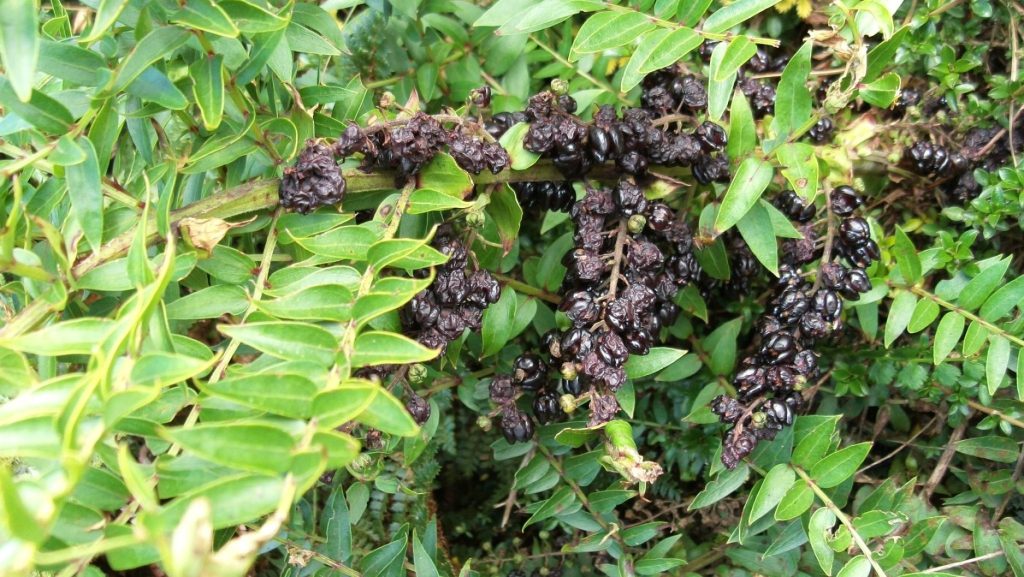
- Most toxic: Coriaria arborea (tree tutu)
Distribution & Habitat:
- Throughout New Zealand (North and South Islands)
- Bush margins, forest clearings, stream banks
- Disturbed sites, roadsides
- Sea level to montane areas
Botanical Description:
Macroscopic Features:
- Shrub or small tree, 2-4m tall (occasionally to 6m)
- Branches: spreading, somewhat drooping
- Leaves: 20-50mm long, opposite pairs, bright green, oval with distinctive parallel veins
- Flowers: Small, reddish, in racemes
- Fruit: Small black berries on swollen, fleshy red petals (petals are the only non-toxic part)
Key Identification:
- Opposite leaf arrangement
- Parallel venation (distinctive!)
- Black berries on red fleshy base
Phytochemistry:
Primary Toxins:
- Tutin – major toxin
- Hyenanchin – related compound
- Coriamyrtin – minor component
Chemical Class: Picrotoxin-like sesquiterpene lactones
Location in Plant:
- All parts are toxic: leaves, bark, roots, seeds
- Highest concentration in seeds and young leaves
- Exception: The swollen red petals (fleshy base of fruit) are non-toxic
- Historically used by Māori as food
- This creates danger: people may think “if this part is edible, all is safe”
Special Toxicity Risk: Tutu Honey
Unique hazard in New Zealand:
- Bees collecting tutu nectar produce toxic honey
- Tutin concentrates in honey
- Historical cases of mass poisoning from tutu honey
- Modern beekeeping regulations require testing of honey from areas where tutu grows
Mechanism of Toxicity:
Primary Mechanism:
Tutin is a potent, non-competitive antagonist of the GABA-A receptor.
Neurophysiology:
- GABA (gamma-aminobutyric acid) is the primary inhibitory neurotransmitter in the CNS
- GABA-A receptors, when activated, open chloride channels → hyperpolarisation → decreased neuronal excitability
- Tutin blocks these receptors → loss of inhibitory control → uncontrolled neuronal excitation
Result:
- Seizures, convulsions
- Delirium, agitation
- Loss of consciousness
- Respiratory failure
Similar Mechanism: Picrotoxin (fish poison), pentylenetetrazol (pharmaceutical convulsant)
Symptomatology:
Onset: Within 30 minutes to 2 hours of ingestion
Gastrointestinal Phase:
- Nausea, vomiting, abdominal pain
- Diarrhoea
- Excessive salivation
Neurological Phase:
- Headache, dizziness, confusion
- Visual disturbances, dilated pupils
- Hyper-excitability, delirium
- Tonic-clonic (grand mal) seizures
- Loss of consciousness, coma
- Respiratory depression
Severe Cases:
- Status epilepticus (continuous seizures)
- Respiratory failure
- Death
Historical Significance:
Human Poisoning:
- Documented deaths in early NZ history
- Both from direct plant ingestion and from tutu honey
- One of only two native NZ plants known to have killed humans (the other is ongaonga)
Livestock Poisoning:
- Major problem for early European settlers
- Cattle, sheep, horses all susceptible
- Continues to cause stock losses when animals access unfenced bush
Traditional Māori Use:
As Food:
- The swollen red fleshy petals were eaten
- Required careful removal of toxic black berries
- Knowledge of which part to eat was critical survival information
Medicinal:
- Topical use for wound healing
- Bark and leaves in poultices (external use only)
- Combined with rimu bark and tawa bark for wound treatment
Treatment Protocol:
Immediate Response:
- Call 111 – this is a medical emergency
- Do NOT induce vomiting (risk of aspiration during seizures)
Hospital Management:
- Airway protection (high aspiration risk)
- Seizure control:
- IV benzodiazepines (diazepam, lorazepam) first-line
- May require barbiturates (phenobarbital) or propofol for refractory seizures
- Respiratory support:
- Supplemental oxygen
- Mechanical ventilation if respiratory depression
- Supportive care:
- IV fluids
- Monitoring in intensive care
- Gastric decontamination: Activated charcoal if recent ingestion (<1 hour) and patient can protect airway
No specific antidote exists
Prognosis:
- Depends on amount ingested
- Most patients recover with supportive care
- Fatalities occur with large ingestions or delayed treatment
Prevention:
- Public education
- Fence tutu-infested areas on farmland
- Don’t allow livestock access to bush areas with tutu
- Honey testing in tutu-growing regions
Regulatory Context:
- Beekeepers in areas with tutu must test honey
- Commercial honey is monitored for tutin levels
- Maximum allowable limit: 0.1 mg/kg honey (very low tolerance)
3. Ongaonga / Tree Nettle (Urtica ferox)
Taxonomic Classification:
- Family: Urticaceae (Nettle family)
- Endemic to New Zealand
- Māori names: Ongaonga, taraonga
Distribution & Habitat:
- Coastal and regenerating shrublands
- Sea level to 600m
- Can form dense thickets
- North and South Islands
Botanical Description:
Macroscopic Features:
- Small tree or large shrub, 1-3m tall (occasionally to 5m)
- Stem: woody at base
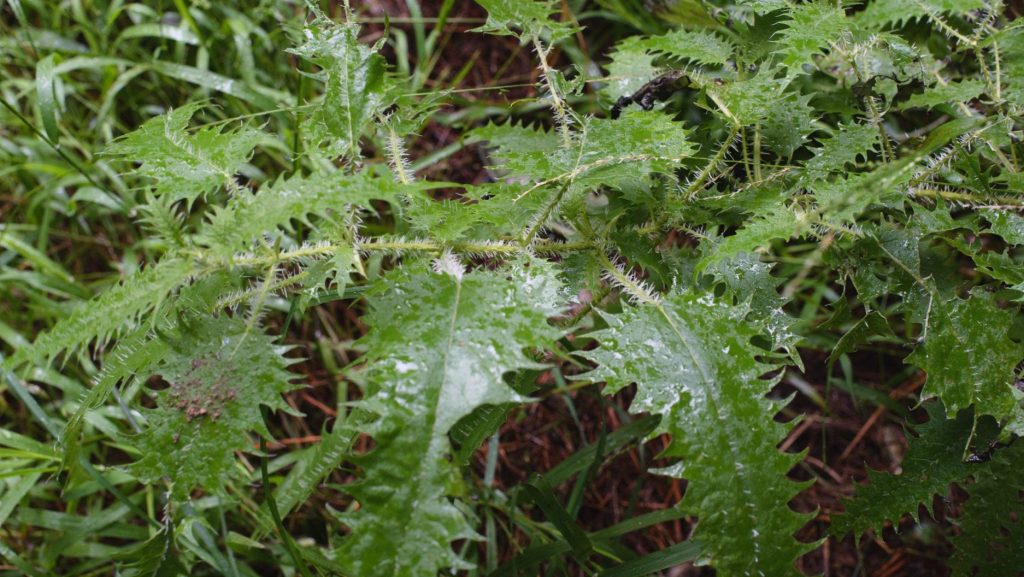
- Leaves: 10-15cm long, ovate, coarsely serrated edges
- Distinctive feature: Covered in long (up to 6mm), white stinging hairs (trichomes)
- Dioecious (separate male and female plants)
Comparison to Common Nettle:
Ongaonga is much more dangerous than introduced Urtica dioica:
- Larger stinging hairs
- More potent neurotoxin
- Can cause severe systemic effects, not just local pain
Phytochemistry:
Venom Components:
The stinging hairs contain a complex mixture:
- Neurotoxins:
- Triffydin (primary neurotoxic component)
- Other unidentified neurologically-active compounds
- Inflammatory Mediators:
- Histamine (causes immediate pain, swelling, itch)
- Acetylcholine (pain, vasodilation)
- Serotonin (5-HT) (pain, inflammation)
- Other compounds:
- Formic acid
- Leukotrienes
- Unknown additional neurotoxins
Delivery Mechanism:
Stinging hairs are hollow, needle-like structures:
- Silica-reinforced tip breaks off on contact
- Functions like a hypodermic needle
- Injects venom cocktail directly into skin
- Multiple stings typical in any encounter
Mechanism of Toxicity:
Local Effects:
- Histamine and acetylcholine cause immediate pain and inflammation
- Formic acid contributes to burning sensation
Systemic Neurotoxic Effects:
- Triffydin and other neurotoxins affect peripheral nerve function
- Exact mechanism not fully characterised
- May involve sodium channel modulation
- Effects can spread beyond sting site
Symptomatology:
Immediate (Minutes):
- Intense, severe burning pain (much worse than common nettle)
- Pain radiates beyond contact area
- Visible white wheals at sting sites
- Erythema (redness), edema (swelling)
Early (Hours):
- Continued severe pain (can last 24+ hours)
- Numbness, tingling (paresthesia)
- Local muscle weakness
- Swelling can be substantial
Severe Cases (Documented):
- Muscle weakness extending to entire limb or beyond
- Difficulty walking (if legs stung)
- Respiratory difficulty (mechanism unclear – possibly panic response, possibly direct neurotoxic effect)
- Temporary vision loss (documented in fatal case)
- Paralysis (temporary)
Duration:
- Mild stings: Pain resolves in 24-48 hours
- Severe stings: Pain can last several days; neurological symptoms 2-3 days
Documented Fatal Case:
1961 Ruahine Range Incident:
- Two young men hunting stumbled through ongaonga thicket
- Received multiple stings on legs and arms
- One victim developed:
- Difficulty walking and breathing within 1 hour
- Loss of sight
- Death within 5 hours at hospital
- His companion had similar symptoms but recovered
This remains the only documented human fatality, though many severe envenomations have occurred.
Treatment Protocol:
Immediate First Aid:
- Remove from area (avoid further stings)
- DO NOT rub (drives stinging hairs deeper)
- Remove visible hairs with tape or tweezers (gently)
- Wash area gently with cool water
Symptomatic Relief:
- Cool compress for immediate pain
- Antihistamines (diphenhydramine, cetirizine) for histamine-mediated symptoms
- Analgesics: NSAIDs (ibuprofen) or paracetamol for pain
- Topical corticosteroid cream may help inflammation
For Severe Stings (Large Area, Multiple Stings):
- Seek medical attention
- Hospital may provide:
- IV antihistamines
- Stronger analgesics
- Respiratory support if needed
- Monitoring for systemic effects
Traditional Remedy:
Some people report relief from rubbing the sting site with bracken fern (Pteridium esculentum) fronds. The mechanism is speculated to be:
- Bracken contains acids that may neutralise alkaline venom components
- Not scientifically validated but widely reported as traditional treatment
Prevention:
For Hikers/Bush Walkers:
- Learn to identify ongaonga
- Wear long pants, long sleeves in areas where it grows
- Be especially careful in regenerating bush, forest margins
- Watch for dense thickets
For Land Managers:
- Consider clearing ongaonga from public tracks
- Signage warning of presence
- Difficult to eradicate once established
Traditional Uses:
Fibre:
- Strong fibre from stems used in weaving
- Required careful processing to avoid stings
Food:
- Young shoots eaten after cooking (destroys venom)
- Similar to use of common nettle as food
Medicinal:
- Traditional rongoā uses (specific knowledge held by tohunga)
Conservation Status:
Not threatened – locally abundant where it occurs
4. Ngaio (Myoporum laetum)
Taxonomic Classification:
- Family: Scrophulariaceae (or Myoporaceae in some classifications)
- Endemic to New Zealand
- Māori name: Ngaio
Distribution & Habitat:
- Coastal and lowland areas
- Sea level to 600m
- Often in coastal scrub, forest margins
- Common in cultivation as shelter belts
Botanical Description:
Macroscopic Features:
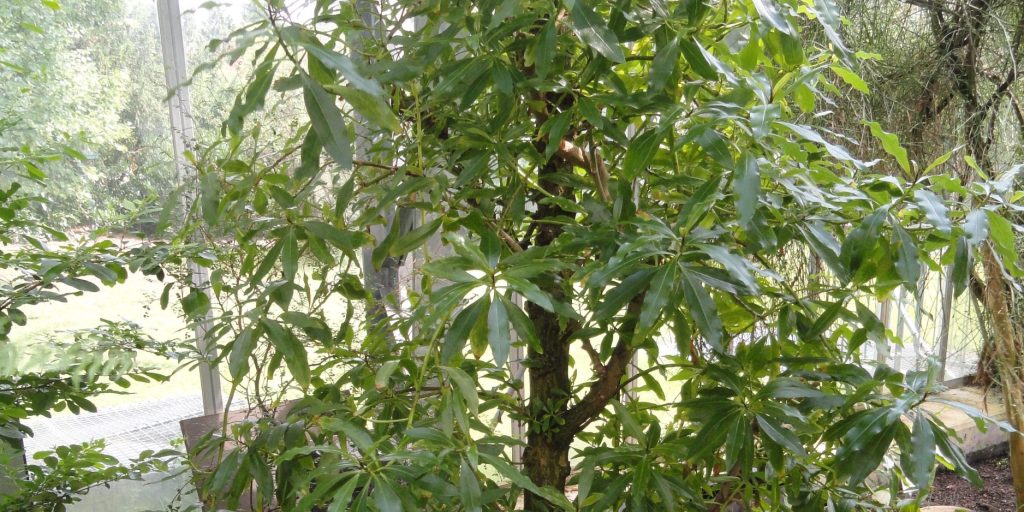
- Tree, 6-10m tall
- Leaves: 5-10cm long, glossy, lanceolate, sticky/tacky to touch
- Key feature: Translucent oil glands visible when leaf held to light (appear as tiny dots)
- Flowers: Small, white with purple spots, in leaf axils
- Fruit: Purple drupe, 6-8mm diameter, fleshy
Phytochemistry:
Primary Toxin: Ngaione
Chemical Class: Furanosesquiterpene (essential oil component)
- Related to other furan-containing hepatotoxins
- Concentrated in leaves and fruits
- Volatile (gives leaves distinctive aromatic scent)
Mechanism of Toxicity:
Hepatotoxicity:
- Ngaione is metabolized by cytochrome P450 enzymes in liver to reactive intermediate metabolites
- These metabolites bind to hepatocyte proteins and DNA
- Causes hepatocyte necrosis (liver cell death)
- Leads to acute hepatic injury
Neurotoxicity:
- Also affects nervous system through unclear mechanisms
- May produce cerebral edema in severe cases
- Documented in livestock; human effects less studied
Symptomatology:
Human Poisoning (Limited Data):
- Nausea, vomiting
- Abdominal pain
- Headache
- No human fatalities recorded (but data limited)
Livestock Poisoning (Well-Documented):
- Acute hepatotoxicity
- Neurological signs: ataxia, incoordination, tremors
- Recumbency (inability to stand)
- Death from liver failure and/or cerebral oedema
Historical Significance:
Major livestock poisoning issue in early European settlement:
- Cattle and sheep losses when grazing bush with ngaio
- Particularly problematic in winter when other forage scarce
- Led to widespread clearing of ngaio from pastoral areas
Treatment:
No specific treatment; supportive care:
- Antiemetics for nausea
- Monitor liver function if significant ingestion
- Hepatoprotective measures if needed
Traditional Māori Use:
Medicinal:
- Leaves used in poultices for skin conditions (external only)
- Infusions for various ailments (requires specific preparation knowledge)
- Important: Traditional use involved specific preparation methods and dosing not widely documented
Other Uses:
- Wood used for various implements
- Bark for dye
Modern Use:
- Widely planted as shelter belt tree (fast-growing, wind-tolerant, coastal-hardy)
- Not used medicinally in modern practice
- Potential toxicity means it’s not recommended around livestock or for human consumption
Prevention:
- Don’t consume leaves or fruits
- Keep livestock away from ngaio (particularly important when other feed is limited)
- Educate children not to eat the purple fruits
5. Poroporo (Solanum aviculare, S. laciniatum)

Taxonomic Classification:
- Family: Solanaceae (Nightshade family)
- Two native species with similar properties
- Māori names: Poroporo, poporo
Distribution & Habitat:
- Throughout New Zealand
- Forest margins, scrubland, disturbed sites
- Common weed in some areas
- Sea level to montane
Botanical Description:
Macroscopic Features:
- Soft-wooded shrub, 1-3m tall
- Leaves: Variable, often deeply lobed (egg-shaped), 10-30cm long
- Flowers: Purple (occasionally white), 3-4cm diameter, star-shaped, projecting yellow anthers in centre
- Fruit: Ovoid berry, 15-30mm long
- Green when unripe (TOXIC)
- Yellow-orange when ripe (traditionally eaten when fully ripe and cooked)
Phytochemistry:
Primary Toxins: Steroidal Glycoalkaloids
Main compounds:
- Solasodine (primary)
- Related compounds similar to solanine (found in potato)
Location:
- All green parts (leaves, stems)
- Unripe (green) berries – highest concentration
- Ripe berries – much lower levels, but still present
Mechanism of Toxicity:
Multiple Mechanisms:
- Membrane Disruption:
- Glycoalkaloids interact with cell membranes
- Disrupt membrane integrity
- Causes cell lysis
- Cholinesterase Inhibition:
- Inhibits acetylcholinesterase enzyme
- Leads to accumulation of acetylcholine
- Produces anticholinergic syndrome (though typically milder than atropine-type alkaloids)
Symptomatology:
Gastrointestinal:
- Nausea, vomiting
- Diarrhea, abdominal cramps
Neurological:
- Headache
- Confusion, drowsiness
- Visual disturbances
- In severe cases: delirium, ataxia
Cardiovascular:
- Typically mild
- Possible slow heart rate
Severity:
- Most poisonings are mild to moderate
- Severe poisoning possible with large ingestions
Traditional Māori Use:
As Food:
- Ripe berries only, and always cooked
- Cooking reduces glycoalkaloid content
- Important traditional food source
- Knowledge of proper preparation critical
Warning:
Modern foragers without traditional knowledge should avoid poroporo berries:
- Risk of eating unripe berries
- Insufficient cooking won’t reduce toxins adequately
- Better safe foods available
Pharmaceutical Interest:
Poroporo has pharmaceutical interest:
- Solasodine is a starting material for steroid synthesis
- Used in production of contraceptives, corticosteroids
- Has led to commercial cultivation in some countries
Treatment:
Supportive care:
- Gastric decontamination if recent ingestion
- Antiemetics
- IV fluids for dehydration
- Monitor for anticholinergic effects
Generally good prognosis with supportive care.
6. Kōwhai (Sophora species)
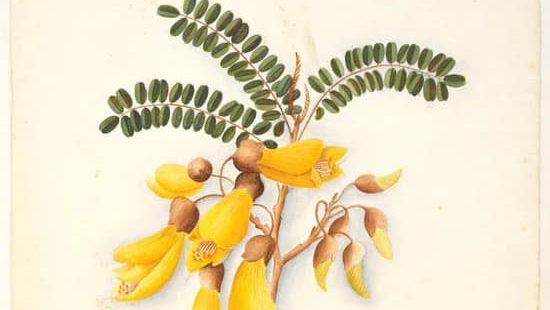
Taxonomic Classification:
- Family: Fabaceae (Legume family)
- Multiple species in NZ
- Māori name: Kōwhai
Distribution:
- Throughout New Zealand
- Common in cultivation
- Native to forest margins, riverbanks
Botanical Description:
Macroscopic Features:
- Small to medium tree
- Compound leaves with many small leaflets
- Distinctive drooping clusters of bright yellow tubular flowers (spring)
- Seed pods: 10-20cm long, containing yellow seeds
Toxicity:
Toxic Part: Seeds (if chewed or crushed)
Toxin: Alkaloids (including cytisine and related compounds)
Mechanism:
- Cytisine is a nicotinic receptor agonist
- Can cause nausea, vomiting
Symptomatology:
Generally mild poisoning:
- Nausea, vomiting
- Diarrhea
- Abdominal pain
- Rarely severe
Key Safety Point:
Seeds are only toxic if chewed or crushed:
- Seed coat is very hard
- If swallowed whole, passes through digestive system intact
- Most accidental ingestions (children swallowing seeds) are harmless
Danger:
- Children chewing on seeds as play
- Crushing seeds to see what’s inside
Treatment:
Usually supportive care only:
- Antiemetics if needed
- Most cases self-limiting
Prevention:
- Teach children not to chew on seed pods or seeds
- Risk is low compared to many other plants
Introduced Plants of High Toxicity
1. Hemlock (Conium maculatum)
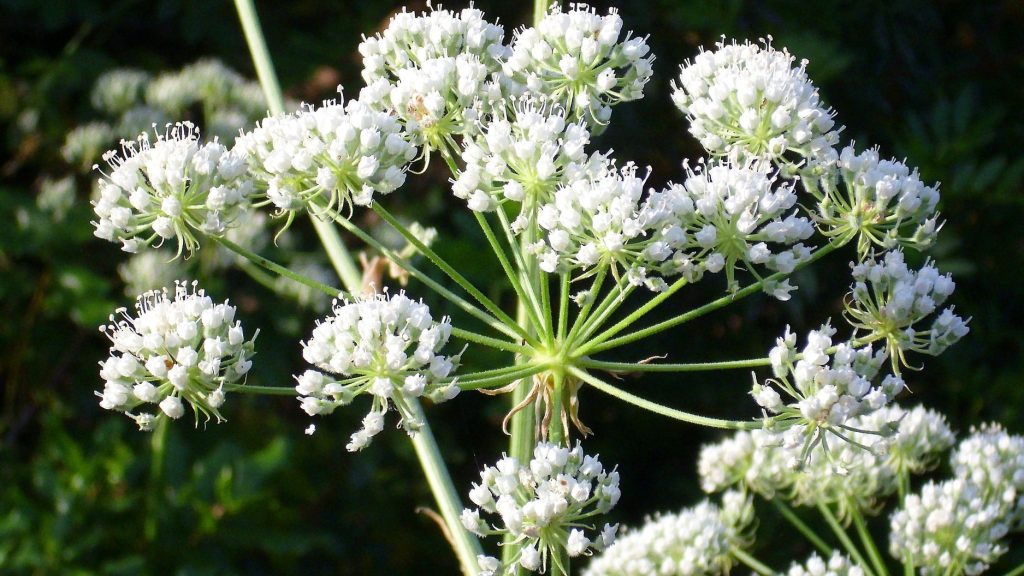
Taxonomic Classification:
- Family: Apiaceae (Carrot/Parsley family)
- Native to Europe, North Africa, Western Asia
- Introduced to New Zealand, now naturalised
- Common names: Poison hemlock, spotted hemlock
Distribution & Habitat:
- Widespread throughout New Zealand
- Roadsides, waste places, stream banks, disturbed ground
- Sea level to 1000m elevation
- Particularly common in Canterbury, Otago
- Prefers moist, nitrogen-rich soils
Botanical Description:
Macroscopic Features:
- Biennial herb, 1.5-2.5m tall (occasionally to 3m)
- Stem: Hollow, smooth (hairless), with distinctive purple or red blotches/spots
- Purple mottling is the key identification feature
- Branching stem, ribbed/grooved
- Leaves: Fern-like, finely divided (pinnately compound, 2-4 times divided)
- Bright green, triangular outline, 10-50cm long
- Flowers: Small, white, in compound umbels (umbrella-like clusters)
- Fruit: Small, ridged, greyish-brown schizocarp
- Distinctive unpleasant odour when crushed (described as “mousey,” musty, or rank)
Phenology:
- Flowering: Spring to early summer (October-January)
- Seeds mature: Late summer to autumn
- Most toxic during seed formation
Critical Look-a-Likes:
Edible Species That Resemble Hemlock:
- Wild Carrot / Queen Anne’s Lace (Daucus carota):
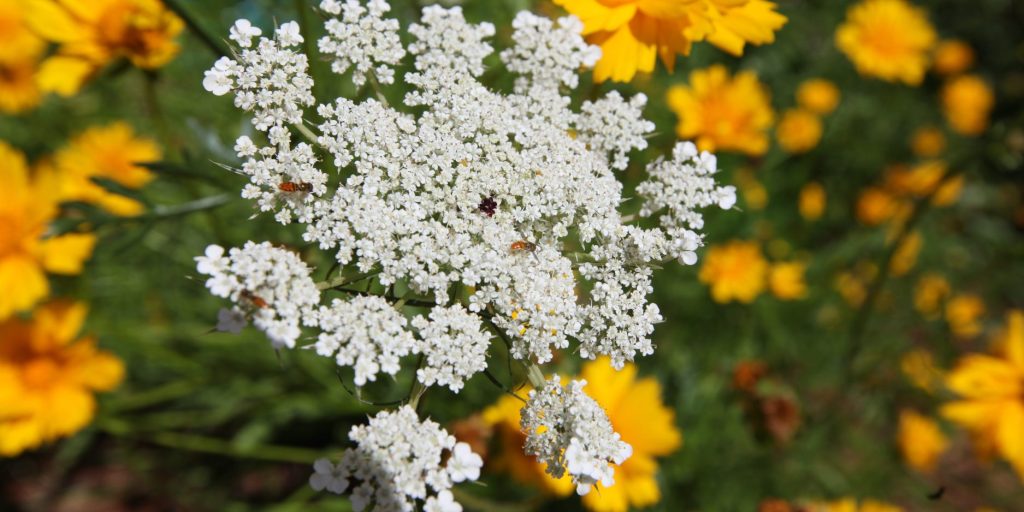
- Key differences:
- Hairy stem (hemlock is smooth)
- No purple spots on stem
- Often has one dark purple/red flower in centre of white umbel
- Smells like carrot when crushed
- Taproot smells like carrot
- Fennel (Foeniculum vulgare):
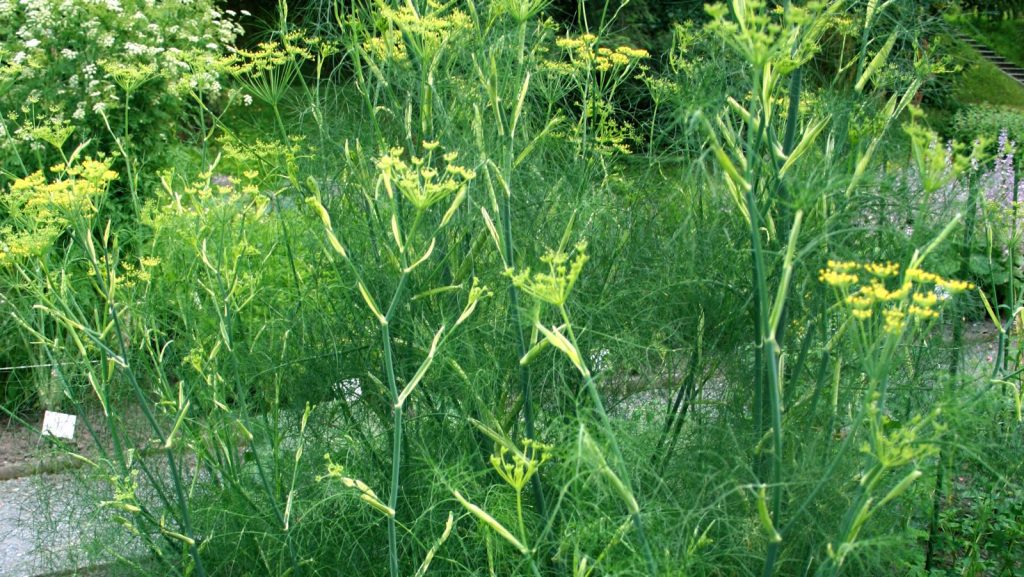
- Key differences:
- Yellow flowers (hemlock has white)
- Strong anise/liquorice smell
- Thread-like leaves (finer than hemlock)
- No purple spots
- Parsley (Petroselinum crispum):

- Key differences:
- Much smaller (typically <60cm)
- Darker green, curled or flat leaves
- Pleasant parsley smell
- No purple spots
Warning: Never forage for Apiaceae (carrot family) plants unless 100% certain of identification. This family includes many toxic species alongside edible ones.
Phytochemistry:
Primary Toxins: Piperidine Alkaloids
Main compounds:
- γ-Coniceine (most toxic, especially in young plants)
- Coniine (major alkaloid in mature plants)
- N-methylconiine
- Conhydrine
- Pseudoconhydrine
Chemical Structure:
- Piperidine ring structure (six-membered ring with one nitrogen)
- Coniine: 2-propylpiperidine
- Structurally similar to nicotine (accounts for some mechanism similarities)
Location in Plant:
- All parts are toxic: leaves, stems, roots, seeds, flowers
- Seeds have highest concentration (up to 3.5% alkaloid content)
- Young plants and seeds are most dangerous
- Toxins persist in dried plant material
Stability:
- Alkaloids are volatile (contributes to characteristic odour)
- Remain toxic when dried
- Not destroyed by cooking
- Can be absorbed through skin (though ingestion is primary route)
Mechanism of Toxicity:
Primary Mechanism: Nicotinic Receptor Agonist
Neurophysiology:
- Initial Stimulation (Low Dose):
- Coniine and γ-coniceine bind to nicotinic acetylcholine receptors at neuromuscular junction
- Initial receptor activation → muscle stimulation
- Brief period of increased muscle activity
- Depolarising Blockade (Therapeutic to Toxic Dose):
- Continued receptor stimulation prevents repolarisation
- Receptors become desensitised
- Results in flaccid paralysis (muscles cannot contract)
- Similar mechanism to succinylcholine (surgical muscle relaxant)
- Ascending Paralysis:
- Paralysis begins in lower extremities
- Progresses upward to trunk, arms
- Eventually affects respiratory muscles
- Death occurs from respiratory failure while patient remains conscious
Secondary Effects:
- Ganglionic Blockade:
- Affects autonomic ganglia
- Can cause both sympathetic and parasympathetic dysfunction
- Contributes to cardiovascular effects
- CNS Effects:
- Can cross blood-brain barrier
- May contribute to confusion, anxiety
- Mechanism less well characterised than peripheral effects
Historical Significance:
This is the poison used to execute Socrates in 399 BCE. Ancient descriptions match the pharmacology: progressive paralysis ascending from legs, with intact consciousness until respiratory failure.
Symptomatology:
Onset: 30 minutes to 2 hours (typically within 1 hour)
Progression of Symptoms:
Stage 1 – Early (30 min – 2 hours):
- Gastrointestinal:
- Nausea, vomiting
- Salivation
- Abdominal pain
- Burning sensation in mouth and throat
- Initial neurological:
- Anxiety, agitation
- Headache, dizziness
- Confusion
- Mydriasis (dilated pupils)
Stage 2 – Progressive Paralysis (1-3 hours):
- Ascending motor paralysis:
- Weakness beginning in legs
- Tremors, muscle fasciculations
- Loss of coordination (ataxia)
- Difficulty walking → inability to stand
- Progression to arms, trunk
- Autonomic effects:
- Tachycardia (rapid heart rate) initially, may progress to bradycardia
- Hypertension or hypotension
- Excessive sweating or dry mouth
- Urinary retention
Stage 3 – Respiratory Failure (Variable Timing):
- Respiratory muscle paralysis
- Difficulty breathing (dyspnoea)
- Shallow, inadequate respiration
- Respiratory arrest
- Patient typically remains conscious until very late (terrifying aspect of poisoning)
- Coma occurs only as terminal event from hypoxia
- Death from respiratory failure
Reported Human Cases:
Historical and modern cases document:
- Mistaken identification while foraging (thinking it’s wild carrot, parsley, or other Apiaceae)
- Children making “peashooters” from hollow stems
- Accidental contamination of edible plants
- Several deaths in New Zealand over past decades
- Most recent fatal cases involve foragers
Dose-Response:
- Lethal dose estimated at 100-300mg of coniine (approximately 6-8 leaves or smaller amounts of seeds)
- Children require much less
- Individual variation in susceptibility
Treatment Protocol:
Immediate Response:
Do NOT Wait for Symptoms:
- If suspected ingestion, treat as medical emergency immediately
- Call 111 – this is potentially lethal
- Time is critical
Pre-Hospital:
- Secure airway if patient losing consciousness
- Position to protect airway (recovery position if decreased consciousness)
- Monitor breathing continuously
- Transport to hospital emergently
Hospital Management:
- Airway Protection (Priority):
- Early intubation often necessary
- Before respiratory muscles fail
- Mechanical ventilation if respiratory depression
- Gastrointestinal Decontamination:
- Activated charcoal if within 1-2 hours and patient can protect airway
- Dose: 50g (adult) or 1g/kg (child)
- May repeat if large ingestion
- Gastric lavage considered in life-threatening ingestions if very recent (<1 hour)
- Supportive Care:
- IV fluids
- Cardiac monitoring (watch for arrhythmias)
- Continuous pulse oximetry
- Blood pressure monitoring
- Urinary catheter (may have urinary retention)
- Seizure Management (if occurs):
- Benzodiazepines (diazepam, lorazepam)
- Monitoring Duration:
- Minimum 24 hours observation
- Watch for delayed respiratory depression
- Progressive paralysis can continue for hours
No Specific Antidote Exists
Treatment is entirely supportive. Success depends on:
- Early recognition
- Aggressive respiratory support
- Good intensive care
Prognosis:
- With modern ICU care: Survival possible even with large ingestions
- Without ventilatory support: Often fatal
- If patient survives: Usually complete recovery (no permanent paralysis)
- Historic mortality rate: Very high (often fatal)
- Modern mortality rate: Much improved with mechanical ventilation, but still dangerous
Prevention:
For Foragers:
- Never consume any Apiaceae unless 100% certain
- Use multiple identification features
- If in doubt, do not consume
- Avoid areas where hemlock grows when harvesting wild carrot
For General Public:
- Learn to identify hemlock in your area
- Teach children never to make whistles/toys from hollow-stemmed plants
- Wear gloves when removing hemlock from property (skin absorption possible)
- Do not burn (smoke can be toxic)
For Land Managers:
- Control hemlock in high-traffic areas
- Signage where present near walkways
- Proper disposal (not in green waste if publicly accessible)
Education is Key:
- Hemlock is responsible for more serious poisonings than many other plants
- Public awareness can prevent most cases
2. Foxglove (Digitalis purpurea)
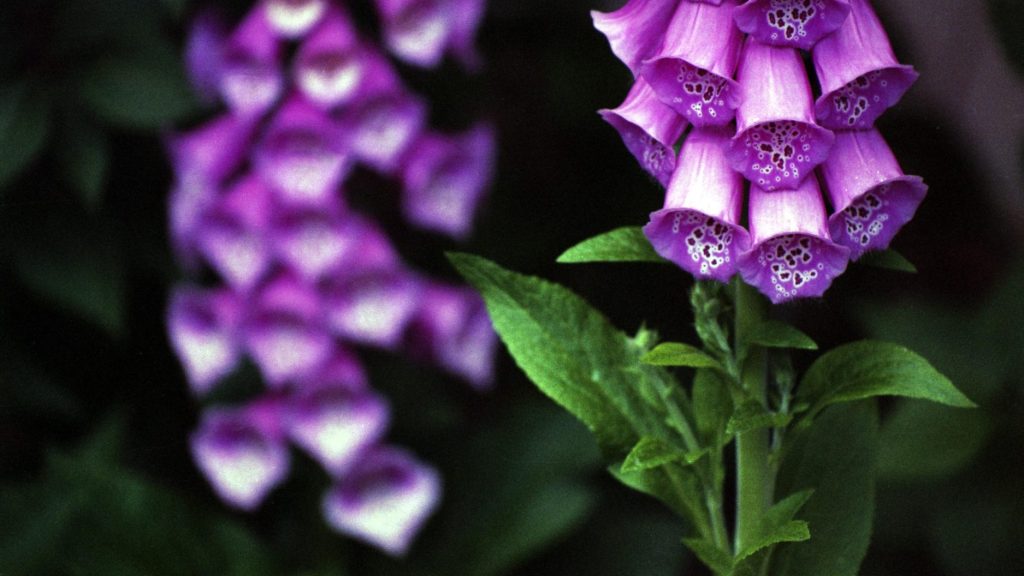
Taxonomic Classification:
- Family: Plantaginaceae (formerly Scrophulariaceae)
- Native to Western Europe
- Introduced to New Zealand as ornamental, now naturalised
- Common names: Common foxglove, purple foxglove, fairy bells
Distribution & Habitat:
- Widespread in New Zealand, particularly South Island
- Roadsides, waste ground, forest margins
- Prefers cool, moist conditions
- Often escapes from gardens
- Common in Otago, Canterbury, West Coast
Botanical Description:
Macroscopic Features:
Biennial (occasionally perennial):
First Year:
- Basal rosette of large, soft leaves
- Leaves: 10-30cm long, ovate-lanceolate
- Distinctive texture: Soft, grey-green, densely hairy (velvety feel)
- Prominent venation on underside
Second Year:
- Tall flowering spike, 1-2m (occasionally to 2.5m)
- Single, unbranched spike (occasionally branched)
- Tubular, bell-shaped flowers arranged along one side of spike
- Flowers: 4-5cm long, purple, pink, or white
- Distinctive spotted pattern inside (white spots on darker background, like leopard print)
- Lower lip of flower provides landing platform for pollinators
- Flowers open progressively from bottom to top
- Fruit: Capsule with numerous tiny seeds
Phenology:
- Flowering: Spring to summer (November-February)
- Seeds viable for years in soil
- Can spread rapidly once established
Phytochemistry:
Primary Toxins: Cardiac Glycosides
Main compounds:
- Digitoxin (primary)
- Gitoxin
- Digoxin (small amounts)
- Plus numerous other related glycosides (>80 identified)
Chemical Structure:
- Sugar molecule (glycone) attached to steroid core (aglycone)
- Lactone ring essential for activity
- Very similar to drugs used in heart failure treatment
Location in Plant:
- All parts are highly toxic: leaves, flowers, seeds, roots, stems
- Highest concentration in leaves
- Remains toxic when dried
- Toxicity not destroyed by heating/cooking
- Even water in vase with foxglove flowers can be toxic
Therapeutic vs. Toxic Window:
- Digitalis-derived drugs (digoxin) used medically for heart conditions
- Extremely narrow therapeutic window
- Difference between therapeutic and toxic dose is very small
- Self-medication is extremely dangerous
Mechanism of Toxicity:
Primary Mechanism: Na+/K+-ATPase Inhibition
Cardiac Effects:
- Normal Cardiac Function:
- Na+/K+-ATPase pump maintains ionic gradients across cardiac cell membranes
- Essential for proper electrical conduction and contraction
- Glycoside Action:
- Cardiac glycosides inhibit Na+/K+-ATPase pump
- Sodium accumulates inside cells
- This leads to calcium accumulation (via Na+/Ca2+ exchanger)
- Increased intracellular calcium has multiple effects:
- Cardiac Consequences: Positive Inotropic Effect (at therapeutic doses):
- Increased contractile force
- Reason for medical use in heart failure Toxic Effects (overdose):
- Increased automaticity (ectopic pacemaker activity)
- Decreased AV conduction (heart block)
- Prolonged refractory period
- Results in life-threatening arrhythmias
- Types of Arrhythmias:
- Bradycardia (slow heart rate)
- Heart block (AV blocks of varying degrees)
- Ventricular ectopic beats (PVCs)
- Atrial fibrillation
- Ventricular tachycardia
- Ventricular fibrillation (fatal if untreated)
- Bidirectional ventricular tachycardia (classic sign of digoxin toxicity)
Secondary Effects:
- Increased vagal tone: Contributes to bradycardia and AV block
- CNS effects: Visual disturbances, confusion
- GI effects: Nausea from central and local mechanisms
Symptomatology:
Onset: 30 minutes to 6 hours (typically 1-3 hours)
Gastrointestinal (Usually First):
- Nausea, vomiting (often severe, persistent)
- Diarrhea, abdominal pain
- Loss of appetite
- Salivation
Cardiac (Most Dangerous):
- Irregular heartbeat (arrhythmias)
- Bradycardia (slow heart rate, <60 bpm, sometimes <40 bpm)
- Palpitations
- Chest pain
- Dizziness, weakness, fainting
- Cardiac arrest in severe cases
Neurological:
- Visual disturbances (highly characteristic):
- Yellow-green halos around lights (xanthopsia)
- Blurred vision
- “Snowy” vision
- Changes in colour perception
- Scotomas (blind spots)
- Headache
- Confusion, disorientation
- Drowsiness, lethargy
- Seizures (rare, severe poisoning)
Electrolyte Abnormalities:
- Hyperkalaemia (high potassium) – significant clinical marker
- Contributes to cardiac toxicity
- Important for treatment decisions
Severe Cases:
- Profound bradycardia or tachyarrhythmias
- Hypotension, shock
- Loss of consciousness
- Cardiac arrest, death
Reported Cases:
Historical:
- Intentional poisonings (murder, suicide attempts)
- Medical misadventures (overdose of digitalis medications)
- Confusion with comfrey (both have large, hairy leaves when not flowering)
Modern:
- Garden exposures (children eating leaves/flowers)
- Herbal medicine misuse (attempting to self-treat heart conditions)
- Mistaken for other plants when not flowering
Dose-Response:
- Lethal dose variable (estimated 5g of leaves could be fatal in adults)
- Children much more sensitive
- Presence of heart disease increases sensitivity
Treatment Protocol:
Immediate Response:
Emergency:
- Call 111 immediately if ingestion suspected
- This is a medical emergency – cardiac effects can be rapidly fatal
Pre-Hospital:
- Monitor vital signs, especially heart rate
- Prepare for cardiac arrest
- Transport urgently
Hospital Management:
- Cardiac Monitoring (Essential):
- Continuous ECG monitoring
- Watch for arrhythmias
- Monitor for heart block, bradycardia
- Laboratory Tests:
- Serum potassium (hyperkalaemia common, important for treatment)
- Serum digoxin level (if plant ingestion vs. medication overdose unclear)
- Electrolytes, renal function
- Cardiac enzymes
- ECG
- Gastrointestinal Decontamination:
- Activated charcoal if within 1-2 hours
- Dose: 50g (adult), 1g/kg (child)
- Consider multiple-dose activated charcoal (foxglove undergoes enterohepatic recirculation)
- Specific Treatment for Bradycardia:
- Atropine 0.5-1mg IV (for symptomatic bradycardia)
- External pacing if severe bradycardia unresponsive to atropine
- Electrolyte Management:
- Avoid calcium (can worsen cardiotoxicity)
- Monitor and correct other electrolytes as needed
- Manage hyperkalaemia carefully (see below)
- Specific Antidote: Digoxin-Specific Antibody Fragments (Digibind/DigiFab): Indications for Antidote:
- Life-threatening arrhythmias
- Severe bradycardia unresponsive to atropine
- Hyperkalaemia >5.5 mmol/L
- Hemodynamic instability Mechanism:
- Antibody fragments bind and neutralise cardiac glycosides
- Rapid reversal of toxicity (within 30-60 minutes)
- Highly effective when indicated Dosing:
- Complex calculation based on amount ingested or serum digoxin level
- For unknown plant ingestion: empiric dosing (5-10 vials initially) Availability:
- Must be specifically ordered
- Expensive
- Not always immediately available
- Reserved for serious poisonings
- Monitoring Duration:
- Minimum 24 hours cardiac monitoring
- Longer if symptomatic or if treated with Digibind
- Glycosides have long half-life (can rebound after Digibind wears off)
Prognosis:
- With modern treatment (including Digibind): Excellent survival rate
- Without antidote: High mortality in severe poisonings
- Most patients who survive recover fully
- No permanent cardiac damage if treated appropriately
Prevention:
For Gardeners:
- Wear gloves when handling foxglove
- Wash hands after contact
- Consider not planting if young children present
- Never use medicinally
For General Public:
- Learn to identify foxglove
- Teach children not to touch or eat any part
- Don’t confuse with comfrey (when not flowering, leaves can look similar)
- Never attempt to use as herbal medicine
Historical Note:
Vincent van Gogh’s famous yellow-tinted paintings may have resulted from digitalis toxicity (xanthopsia) – he was possibly prescribed digitalis for epilepsy.
3. Oleander (Nerium oleander)
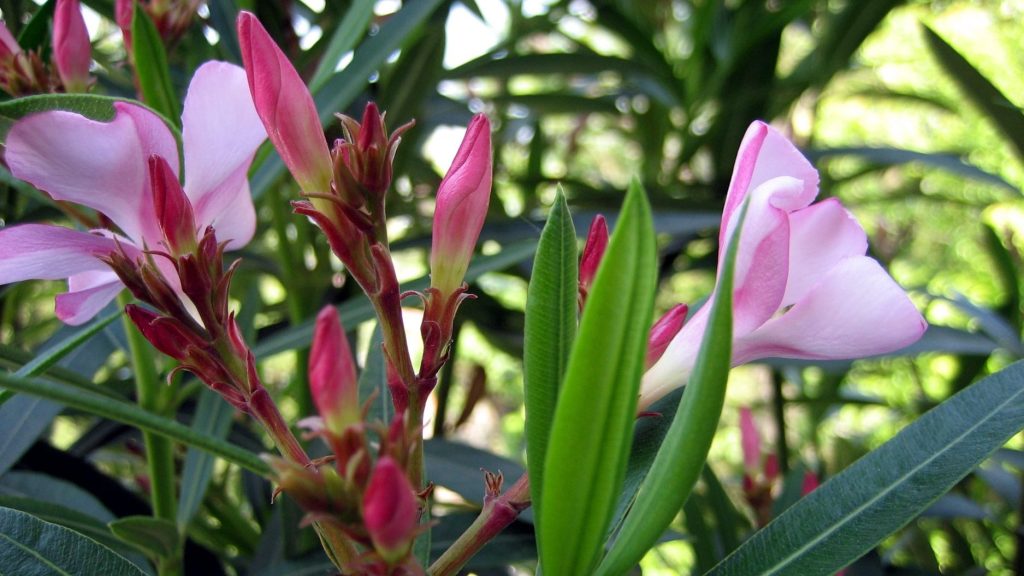
Taxonomic Classification:
- Family: Apocynaceae (Dogbane family)
- Native to Mediterranean region, North Africa
- Widely cultivated ornamental in New Zealand
- Common name: Oleander (also rose laurel)
Distribution & Habitat:
- Common garden and street plant throughout NZ
- Particularly in warmer North Island regions
- Tolerates drought, coastal conditions
- Not generally naturalised (doesn’t spread from cultivation)
- Present in most urban and suburban gardens
Botanical Description:
Macroscopic Features:
- Evergreen shrub or small tree, 2-6m tall
- Often multi-stemmed
- Branches: Upright, somewhat rigid
- Leaves:
- Lanceolate (lance-shaped), 10-25cm long
- Leathery, dark green, glossy
- Arranged in whorls of 3-4 (distinctive feature)
- Prominent midrib
- Entire margins
- Flowers: Showy, fragrant
- 5-petaled, 4-5cm diameter
- Colours: Pink, white, red, yellow, or salmon
- Clustered at branch ends
- Blooms most of year in warm areas
- Fruit: Long, narrow follicle (pod), 8-16cm
- Splits to release seeds with silky hairs
- Milky sap exudes when plant parts are broken
Phytochemistry:
Primary Toxins: Cardiac Glycosides
Main compounds:
- Oleandrin (primary toxin, most potent)
- Neriine
- Nerioside
- Digitoxigenin
- Over 30 different cardiac glycosides identified
Chemical Structure:
- Similar to foxglove glycosides
- Steroid core with sugar attachments
- Among the most potent cardiac glycosides known
Location in Plant:
- Every part is highly toxic:
- Leaves (highest concentration)
- Flowers
- Stems, bark
- Roots
- Seeds
- Nectar (honey from oleander-foraging bees is toxic)
- Even smoke from burning oleander is dangerous
Toxin Stability:
- Not destroyed by drying
- Not destroyed by heating or cooking
- Persists in dead plant material
- Toxic even in compost
Special Hazards:
- Smoke from burning oleander is toxic (reported fatal cases from inhaling smoke)
- Water in vase with oleander flowers can be toxic
- Using oleander sticks as skewers for cooking has caused fatalities
- Honey made from oleander nectar is toxic
Mechanism of Toxicity:
Primary Mechanism: Na+/K+-ATPase Inhibition
(Similar to foxglove, but oleander glycosides are more potent)
Cardiac Effects:
- Inhibition of sodium-potassium pump in cardiac tissue
- Increased intracellular calcium
- Enhanced contractility (positive inotropic effect)
- Severe cardiac arrhythmias at toxic doses
Secondary Effects:
- Gastrointestinal irritation (local effect)
- CNS depression
- Electrolyte disturbances (hyperkalaemia)
Symptomatology:
Onset: 30 minutes to 12 hours (typically 2-6 hours)
Gastrointestinal (Often Initial):
- Nausea, vomiting (can be severe, persistent)
- Abdominal pain, cramping
- Diarrhea (sometimes bloody)
- Excessive salivation
- Loss of appetite
Cardiac (Most Life-Threatening):
- Arrhythmias (various types):
- Bradycardia (slow heart rate)
- Heart blocks (1st, 2nd, 3rd degree AV block)
- Ventricular ectopic beats
- Ventricular tachycardia
- Ventricular fibrillation (fatal if untreated)
- Asystole (cardiac standstill)
- Palpitations, chest pain
- Hypotension (low blood pressure)
- Sudden cardiac arrest
Neurological:
- Dizziness, weakness, lethargy
- Confusion, disorientation
- Visual disturbances (similar to foxglove):
- Blurred vision
- Yellow-green vision (xanthopsia)
- Halos around objects
- Drowsiness, stupor
- Seizures (severe cases)
- Coma (pre-terminal)
Other Effects:
- Hyperkalaemia (elevated potassium)
- Hypothermia
- Cold, clammy skin
Reported Cases:
International:
- Multiple fatal cases documented worldwide
- Intentional poisonings (suicide, homicide)
- Accidental ingestions (children, mistaken plant identity)
- Inhalation of smoke from burning oleander
- Food contamination (using as skewers, in cooking fires)
New Zealand:
- Regular poisoning inquiries to National Poisons Centre
- Typically garden exposures
- Children eating leaves or flowers
- Rare serious poisonings (due to awareness, rapid treatment)
Dose-Response:
- Extremely toxic – small amounts can be fatal
- Estimated lethal dose: One leaf may be sufficient for child fatality
- Adults: 10-20g of leaves potentially fatal
- High individual variability
Treatment Protocol:
Immediate Response:
Emergency:
- Call 111 immediately – this is life-threatening
- Even small exposures warrant emergency evaluation
- Do not wait for symptoms
Pre-Hospital:
- Monitor cardiac status
- Prepare for cardiac arrest
- Rapid transport
Hospital Management:
- Cardiac Monitoring (Critical):
- Continuous ECG monitoring (arrhythmias can be sudden and fatal)
- Frequent vital signs
- Monitor for heart blocks, bradycardia, tachyarrhythmias
- Laboratory Evaluation:
- Serum potassium (hyperkalaemia common and significant)
- Complete electrolyte panel
- Serum digoxin level (cross-reacts with oleander glycosides, gives general idea of toxicity)
- Renal function
- ECG
- Gastrointestinal Decontamination:
- Activated charcoal if within 1-2 hours of ingestion
- Dose: 50g (adult), 1g/kg (child), maximum 50g
- Multi-dose activated charcoal considered (enterohepatic recirculation occurs)
- Cardiac Management: For Bradycardia:
- Atropine 0.5-1mg IV for symptomatic bradycardia
- May require repeated doses
- Temporary cardiac pacing if refractory For Tachyarrhythmias:
- Avoid Class IA antiarrhythmics (quinidine, procainamide)
- Lidocaine or phenytoin may be used
- Magnesium sulfate for torsades de pointes
- Electrolyte Management:
- Hyperkalaemia treatment:
- Avoid calcium administration (worsens cardiac glycoside toxicity)
- Insulin/glucose for potassium shifting
- Sodium bicarbonate
- Do NOT use calcium even if hyperkalaemic
- Correct other electrolytes
- Specific Antidote: Digoxin-Specific Antibody Fragments (Digibind/DigiFab): Indications (Same as Foxglove):
- Life-threatening arrhythmias
- Severe bradycardia or heart block
- Hyperkalaemia >5.5 mmol/L
- Shock, hemodynamic instability
- Ingestion of large amount Efficacy:
- Highly effective – can be life-saving
- Antibodies bind oleander glycosides (cross-react with digoxin antibodies)
- Rapid improvement (within 30 minutes to 2 hours) Dosing:
- Empiric: 5-20 vials depending on severity
- Response guides additional dosing
- May need large amounts for significant oleander ingestion
- Monitoring:
- ICU admission for all but most trivial exposures
- Continuous cardiac monitoring minimum 24 hours
- Longer if symptomatic or treated with antidote
Prognosis:
- Without treatment: High mortality rate (various sources suggest 10-20% historic mortality)
- With modern supportive care and Digibind: Excellent survival if treated promptly
- Recovery usually complete if patient survives
- Early treatment is critical – cardiac arrest can occur rapidly
Prevention:
For Gardeners and Homeowners:
- Reconsider planting oleander if young children present
- Never burn oleander prunings (smoke is toxic)
- Don’t use any part for cooking (skewers, firewood)
- Wear gloves when pruning
- Wash hands after handling
- Dispose of prunings safely (deep burial or municipal waste)
For General Public:
- Learn to identify oleander (very common plant)
- Teach children never to touch or eat any part
- Don’t make toys or whistles from oleander stems
- Avoid inhaling smoke from any plant fire that might contain oleander
Special Warnings:
- Campers: Don’t use oleander wood in campfires or as roasting sticks
- Beekeepers: Avoid placing hives near large oleander plantings
- Parents: Especially vigilant – one leaf can be fatal to a child
4. Yew (Taxus species)
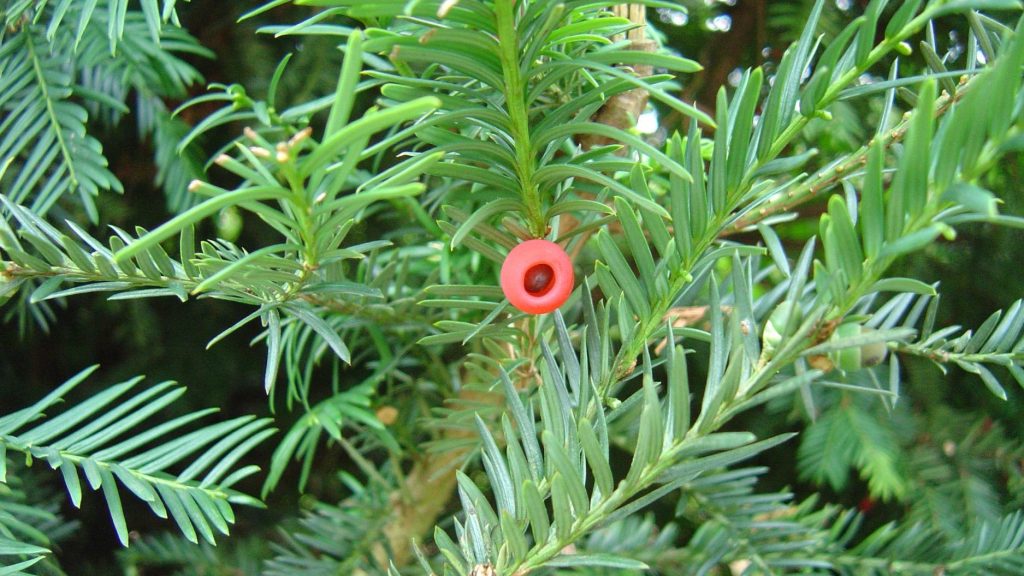
Taxonomic Classification:
- Family: Taxaceae (Yew family)
- Multiple species cultivated in NZ:
- Taxus baccata (English yew) – most common
- Taxus cuspidata (Japanese yew)
- Various cultivars and hybrids
- Native to Europe, Asia, North Africa
Distribution & Habitat:
- Common in NZ gardens, parks, churchyards
- Often used as hedge plant
- Tolerates heavy clipping
- Grows well in NZ climate
- Not naturalised (doesn’t spread from cultivation)
Botanical Description:
Macroscopic Features:
- Evergreen coniferous tree or shrub
- Size variable: 2-20m depending on species and pruning
- Often maintained as hedge or topiary
- Leaves (Needles):
- Flat, dark green, 2-3cm long
- Arranged in two flat rows (feather-like appearance)
- Soft (not sharp like pine or spruce)
- Yellow-green underside
- “Fruit” (Arils):
- Bright red, fleshy, cup-shaped structure (aril)
- Surrounds single seed
- Aril is non-toxic, but seed inside is deadly
- Ripe in autumn
- Attractive to birds (seed passes through undigested)
- Bark: Reddish-brown, flaking
- NOT a true berry – gymnosperms don’t produce berries
Critical Distinction:
SAFE: Red fleshy aril (the cup)
DEADLY: Green seed inside the aril
Children might eat the attractive red aril and inadvertently consume the seed, or might chew the seed thinking it’s edible since the aril is sweet.
Phytochemistry:
Primary Toxins: Taxine Alkaloids
Main compounds:
- Taxine A (most abundant)
- Taxine B (most cardiotoxic)
- Numerous related alkaloids (isotaxines, taxinines)
Chemical Structure:
- Complex diterpene alkaloids
- Unique to Taxus species
- Structurally distinct from cardiac glycosides
Location in Plant:
- All parts except red aril are highly toxic:
- Needles (leaves) – highest concentration
- Seeds – very high concentration
- Bark, wood
- Roots
- Red aril (fleshy part) is non-toxic
- Green seed coating and seed kernel are deadly
Toxin Stability:
- Remains toxic when dried
- Not destroyed by heating
- Dead yew clippings remain toxic for months
- Even dried needles in hay have killed livestock
Mechanism of Toxicity:
Primary Mechanism: Cardiac Sodium and Calcium Channel Effects
Unlike cardiac glycosides, taxines have different mechanism:
- Cardiac Ion Channel Blockade:
- Inhibit cardiac sodium channels
- Inhibit cardiac calcium channels
- Impairs electrical conduction in heart
- Depresses cardiac contractility (negative inotropic effect)
- Cardiac Consequences:
- Severe bradycardia (slow heart rate)
- Heart blocks (conduction delays)
- Ventricular arrhythmias
- Asystole (cardiac standstill) – can occur suddenly
- Cardiovascular collapse
Secondary Mechanisms:
- Direct myocardial depression
- Possible effects on autonomic nervous system
- Respiratory depression (less prominent than cardiac effects)
Critical Feature:
- Cardiac arrest can occur with minimal or no warning
- Death can be very rapid (within hours, sometimes less)
- Sometimes first symptom is collapse
Symptomatology:
Onset: Variable – can be very rapid (minutes to hours) or take several hours
Gastrointestinal (Inconsistent):
- Nausea, vomiting
- Abdominal pain
- Diarrhea
- Often minimal or absent before cardiac effects
Cardiac (Most Dangerous, Can Occur First):
- Profound bradycardia (very slow heart rate)
- Irregular heartbeat, palpitations
- Chest pain
- Hypotension (low blood pressure), shock
- Sudden cardiac arrest (ventricular fibrillation or asystole)
- Death can occur rapidly
Neurological:
- Dizziness, weakness
- Tremors, muscle weakness
- Confusion
- Seizures (less common)
- Loss of consciousness
- Respiratory depression (usually secondary to cardiac effects)
Other:
- Dilated pupils (mydriasis)
- Difficulty breathing
- Cyanosis (blue discolouration)
Severity Spectrum:
- Mild: Minimal symptoms, nausea
- Moderate: Bradycardia, vomiting, weakness
- Severe: Profound bradycardia, arrhythmias, collapse, death
Reported Cases:
International:
- Multiple fatalities documented
- Both accidental and intentional (suicide)
- Cases of livestock deaths (eating yew clippings in feed, browsing hedges)
- Sometimes no warning – found deceased near yew
New Zealand:
- Poisoning inquiries common (yew is widespread)
- Most cases involve children eating seeds
- Usually small exposures with good outcomes
- Rare severe poisonings
Dose-Response:
- Extremely variable and unpredictable
- Even small amounts can be fatal
- Estimated 50-100g of needles could be fatal for adult
- Single seed could potentially be dangerous for child
- Chewing needles/seeds worse than swallowing whole
- Large individual variation
Treatment Protocol:
Immediate Response:
Emergency:
- Call 111 immediately – even for suspected exposure
- Cardiac arrest can be sudden and rapid
- This is one of most dangerous plant poisonings
Pre-Hospital:
- Cardiac monitoring if available
- Be prepared for sudden cardiac arrest
- Rapid transport critical
Hospital Management:
- Cardiac Monitoring (Absolute Priority):
- Immediate continuous ECG monitoring
- Frequent vital signs
- Prepare for resuscitation
- Watch for bradycardia, heart blocks, arrhythmias
- Laboratory Evaluation:
- Electrolytes (including potassium)
- Cardiac enzymes
- Blood gases
- Renal and hepatic function
- ECG
- No specific test for taxine levels (not routinely available)
- Gastrointestinal Decontamination:
- Activated charcoal if recent ingestion (<1 hour) and airway protected
- Dose: 50g (adult), 1g/kg (child)
- Consider even if delayed – taxine may have prolonged GI transit
- Multi-dose activated charcoal may be beneficial
- Cardiac Management: Bradycardia/Heart Block:
- Atropine 0.5-1mg IV
- Often ineffective (mechanism different from vagal bradycardia)
- Temporary cardiac pacing often necessary
- May require prolonged pacing Ventricular Arrhythmias:
- Standard ACLS protocols
- Defibrillation for VF/pulseless VT
- Antiarrhythmics as per protocol Cardiac Arrest:
- Prolonged resuscitation may be necessary
- CPR can be successful
- Don’t give up quickly
- Specific Therapies: No Specific Antidote Exists:
- Unlike cardiac glycoside poisoning (which has Digibind)
- No antibody therapy available for taxine
- Treatment is entirely supportive Supportive Measures:
- IV fluids for hypotension
- Vasopressors if needed (dopamine, norepinephrine)
- Ventilatory support if respiratory depression
- Aggressive supportive care is essential
- Extracorporeal Support:
- ECMO (Extracorporeal Membrane Oxygenation) considered in severe cases
- Can support circulation while toxin is metabolised/eliminated
- Has been successful in some yew poisoning cases
- Monitoring:
- ICU admission for all exposures
- Continuous cardiac monitoring minimum 24 hours
- Longer if symptomatic
- Watch for delayed effects
Prognosis:
- Highly variable and unpredictable
- Can be fatal despite aggressive treatment
- Sudden cardiac arrest is major risk
- If patient survives first 24 hours, prognosis improves
- No specific antidote makes treatment challenging
- Historic mortality rate: High
- Modern mortality rate: Improved with ICU care, but still significant
Prevention:
For Gardeners/Homeowners:
- Strongly consider removing yew if young children present
- If keeping yew:
- Fence off or make inaccessible
- Remove seed-bearing arils when present
- Educate family members
- Never put yew clippings in livestock feed or compost accessible to animals
- Dispose of clippings carefully
For General Public:
- Learn to identify yew (very common hedge plant)
- Teach children:
- Never eat any part of yew
- Even though red aril looks like berry, the seed inside is deadly
- Better to avoid entirely
- Don’t make toys or whistles from yew wood
For Livestock Owners:
- Never feed yew clippings to animals
- Prevent access to yew hedges
- Major cause of livestock deaths
Historical Note:
Yew has been used historically as poison (arrow poison, intentional poisoning). Its toxicity has been known for millennia. Ancient yew trees are common in European churchyards, possibly as symbols of immortality, but also keeping them away from grazing animals.
5. Castor Bean Plant (Ricinus communis)
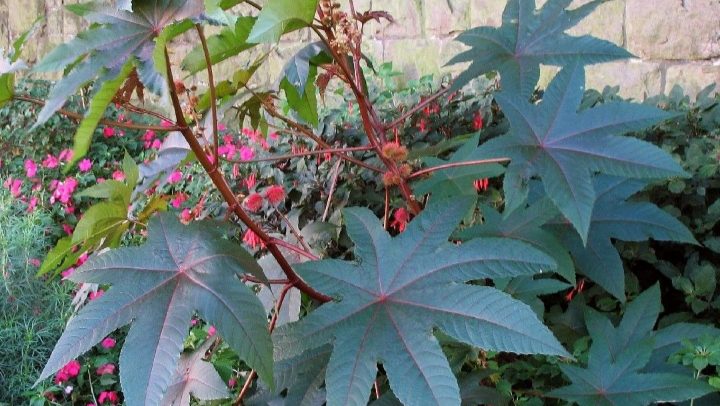
Taxonomic Classification:
- Family: Euphorbiaceae (Spurge family)
- Native to tropical Africa
- Naturalised in warmer parts of NZ
- Common names: Castor bean, castor oil plant, palma Christi
Distribution & Habitat:
- Warmer regions of North Island
- Occasionally naturalised in warmer areas
- Common garden ornamental (grown for dramatic foliage)
- Waste places, disturbed sites in warm areas
- Frost-tender (doesn’t survive in colder regions)
Botanical Description:
Macroscopic Features:
- Large herbaceous annual or short-lived perennial
- Height: 2-4m in one season (can grow much larger in tropical climates)
- Stem: Thick, hollow, often red or purple-tinged
- Leaves:
- Very large (20-60cm diameter), palmate (hand-shaped)
- 7-11 pointed lobes
- Long petiole (leaf stalk)
- Glossy, often reddish or bronze-tinged in some varieties
- Toothed margins
- Prominent venation
- Flowers:
- Monoecious (male and female flowers on same plant)
- In terminal spikes/racemes
- Female flowers upper part (red stigmas), male flowers below
- Not particularly showy
- Fruit:
- Spiny capsule, 1-2cm diameter
- Soft spines (not sharp)
- Splits into 3 sections when ripe
- Seeds:
- Large, bean-shaped, 1-1.5cm long
- Beautifully mottled pattern (brown, tan, red marbling)
- Shiny, attractive appearance
- This is the toxic part – among most poisonous seeds in world
Phytochemistry:
Primary Toxin: Ricin
Chemical Nature:
- Type II ribosome-inactivating protein (RIP)
- Glycoprotein with two subunits:
- A-chain: Enzymatically active
- B-chain: Binds to cell surface, facilitates entry
- Molecular weight: ~64,000 daltons
Location:
- Concentrated in seeds (highest in kernel)
- Lesser amounts in leaves
- Seed coat contains highest concentration
- Seeds must be chewed/crushed to release ricin (swallowing intact seed less dangerous)
Other Toxic Components:
- Ricinine (alkaloid, less toxic than ricin)
- Ricinus agglutinin (RCA) – lectin, causes red blood cell clumping
Toxin Stability:
- Ricin is heat-labile (destroyed by heating >80°C)
- This is why castor oil is non-toxic (extracted with heat)
- Raw, crushed seeds are extremely dangerous
Potency:
- One of the most toxic substances known
- Estimated lethal dose: 1-2 seeds for child, 4-8 seeds for adult (if thoroughly chewed)
- LD50 (mice): 22 micrograms/kg (oral) – extremely low
- Weight-for-weight: 6000 times more toxic than cyanide, 12,000 times more toxic than rattlesnake venom
Mechanism of Toxicity:
Primary Mechanism: Ribosomal Protein Synthesis Inhibition
Molecular Action:
- Cellular Entry:
- B-chain binds to cell surface glycoproteins/glycolipids
- Facilitates endocytosis (cell engulfs ricin)
- Ricin is transported to endoplasmic reticulum
- Enzymatic Action:
- A-chain is N-glycosidase enzyme
- Irreversibly inactivates 28S ribosomal RNA
- Cleaves specific adenine residue in ribosome
- One molecule of ricin can inactivate ~1500 ribosomes per minute
- Cellular Consequence:
- Protein synthesis stops
- Cell cannot produce new proteins
- Cell death (apoptosis and necrosis)
- Organ Effects:
- Multi-organ failure
- Gastrointestinal tract (direct local effect from ingestion)
- Liver, kidneys, spleen particularly affected
- Widespread cellular death
Secondary Effects:
- Inflammatory response (cytokine release)
- Capillary leak syndrome (fluid shifts, shock)
- Hemorrhagic effects in GI tract
Latency Period:
- Delayed onset (several hours to days)
- Creates false sense of security
- Damage is ongoing even before symptoms appear
Symptomatology:
Onset: Highly variable – 2 to 24+ hours (typically 6-12 hours)
Gastrointestinal Phase (Usually First, 6-12 Hours):
- Severe nausea, vomiting (persistent)
- Severe abdominal pain (cramping)
- Profuse, often bloody diarrhea
- Can lead to severe dehydration
- Abdominal distension
Systemic Phase (Develops Over Days):
- Dehydration, electrolyte imbalances
- Hypotension, shock (from fluid losses and capillary leak)
- Fever
- Severe weakness, prostration
- Tachycardia (rapid heart rate)
Hepatorenal Phase (Days 2-3+):
- Hepatotoxicity:
- Elevated liver enzymes
- Jaundice (sometimes)
- Hepatomegaly (liver enlargement)
- Nephrotoxicity:
- Acute kidney injury (common)
- Decreased urine output
- Rising creatinine, BUN
- May progress to acute renal failure
Hematologic:
- Leukocytosis (elevated white blood cells)
- Thrombocytopenia (low platelets) in severe cases
- Possible hemolytic anemia
Severe/Fatal Cases:
- Seizures (from electrolyte imbalances, hypoglycemia, multi-organ failure)
- Cardiovascular collapse
- Multi-organ failure
- Death typically 3-5 days after ingestion (sometimes longer)
- Death from cardiovascular collapse and multi-organ failure
Inhalation Exposure (Rare, but Important):
- Can occur if ricin powder is inhaled (intentional weaponisation)
- Causes severe respiratory distress, pulmonary edema
- Often fatal
Reported Cases:
International:
- Numerous documented fatalities
- Both accidental (children eating attractive seeds) and intentional (poisoning, suicide)
- Used as weapon (assassination attempts, bioterrorism concerns)
- Famous case: Bulgarian dissident Georgi Markov killed by ricin pellet (1978)
New Zealand:
- Poisoning inquiries to National Poisons Centre
- Most cases involve children eating seeds
- Many cases non-toxic because seeds swallowed whole
- Rare serious poisonings (quick medical attention)
Dose-Response:
- Highly variable
- Depends on chewing (releases ricin)
- Intact seeds may pass through undigested (seed coat protects)
- Thoroughly chewed seeds extremely dangerous
- Estimated 1-2 thoroughly chewed seeds could be fatal for child
Treatment Protocol:
Immediate Response:
Emergency:
- Call 111 immediately if ingestion suspected
- This is potentially fatal – emergency management required
- Do not wait for symptoms (delayed onset)
Pre-Hospital:
- Position for airway protection (vomiting likely)
- Transport urgently
- Bring seeds/plant material if available for identification
Hospital Management:
- Initial Assessment:
- Determine if seeds were chewed or swallowed whole
- Assess time since ingestion
- Establish IV access
- Baseline labs
- Gastrointestinal Decontamination: Within 1-2 Hours:
- Activated charcoal 50g (adult), 1g/kg (child)
- Whole bowel irrigation considered (polyethylene glycol solution)
- Helps remove seeds from GI tract
- Particularly if seeds intact
- Activated charcoal still may be beneficial
- Consider whole bowel irrigation
- Laboratory Monitoring:
- Complete blood count (CBC)
- Comprehensive metabolic panel (electrolytes, glucose)
- Liver function tests (AST, ALT, bilirubin)
- Renal function tests (creatinine, BUN)
- Prothrombin time/INR (coagulation)
- Urinalysis
- Repeat labs every 12-24 hours for several days
- Supportive Care (Mainstay of Treatment): Fluid and Electrolyte Management:
- Aggressive IV fluid resuscitation (large volumes may be needed)
- Electrolyte replacement
- Monitor and treat dehydration, shock Gastrointestinal Support:
- Antiemetics (ondansetron) for nausea/vomiting
- Monitor for GI bleeding
- May need nasogastric suction Renal Support:
- Monitor urine output (catheter may be necessary)
- Dialysis if acute renal failure develops
- Maintain adequate hydration to protect kidneys Hepatic Support:
- Monitor liver function
- Supportive care for hepatotoxicity Cardiovascular Support:
- Monitor blood pressure
- Vasopressors if shock develops despite fluids
- Specific Therapies: No Antidote Exists:
- No specific antidote for ricin poisoning
- Experimental treatments under investigation (antibodies), but not clinically available
- Treatment is entirely supportive Experimental/Investigational:
- Ricin-specific antibodies (not clinically available)
- Research ongoing
- Monitoring:
- ICU admission for significant exposures
- Minimum 48-72 hours observation even if asymptomatic
- Watch for delayed toxicity
- Longer monitoring if symptomatic
Prognosis:
- Depends on amount ingested and whether seeds were chewed
- If seeds swallowed whole: Often non-toxic (may pass through)
- If seeds thoroughly chewed: Can be fatal even with treatment
- With aggressive supportive care: Survival possible even with serious poisoning
- If multi-organ failure develops: High mortality rate
- If patient survives first week: Usually complete recovery (no permanent effects)
Prevention:
For Gardeners:
- Consider not planting if young children present
- Very attractive plant, but extreme toxicity makes it risky
- If planting:
- Remove seed heads before they mature
- Fence off plants
- Educate family members
For General Public:
- Learn to identify castor bean plant
- Teach children:
- Never eat any seeds
- The pretty, shiny seeds are deadly
- Don’t even handle seeds (wash hands if touched)
- Seeds sometimes sold as “lucky beans” or in jewelry – dangerous
For Crafts/Jewelry:
- Do not use castor beans in crafts, jewelry, or decorations
- Risk of accidental ingestion
- Children might access
Historical/Industrial Context:
- Castor oil is safe (ricin is removed during processing with heat)
- Castor oil used medically (laxative) and industrially (lubricant)
- Raw seeds are the danger, not the oil2
6. Daphne (Daphne species)
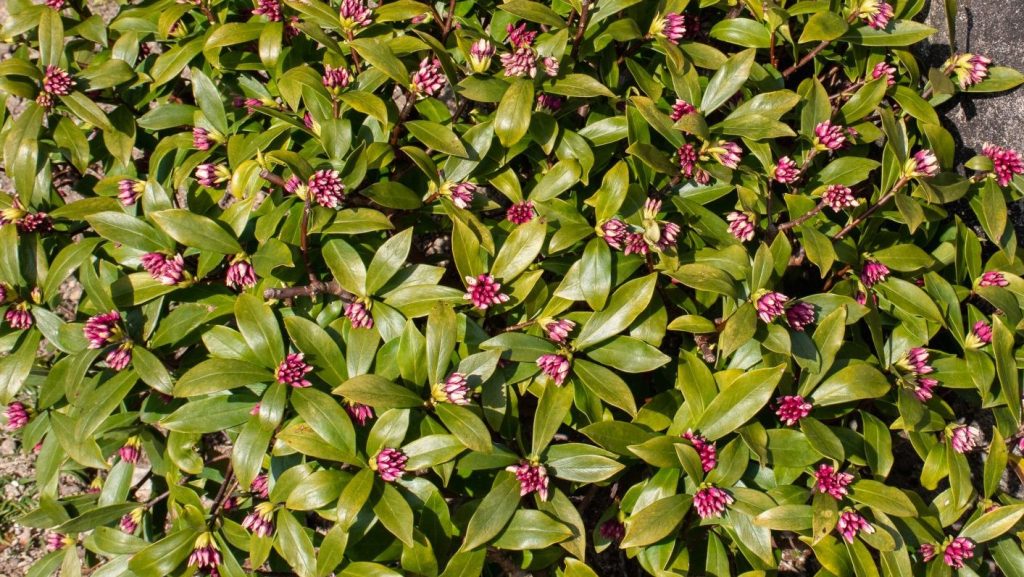
Taxonomic Classification:
- Family: Thymelaeaceae
- Multiple species cultivated in NZ:
- Daphne odora (Winter daphne) – most common
- Daphne mezereum (Mezereon)
- Other species and hybrids
- Native to Europe, Asia
Distribution & Habitat:
- Common garden shrub throughout NZ
- Grown for fragrant flowers
- Prefers cool, moist conditions
- More common in South Island
- Not naturalised (doesn’t escape cultivation)
Botanical Description:
Macroscopic Features:
- Evergreen or deciduous shrub, 0.5-1.5m tall
- Compact, rounded form
- Leaves:
- Lanceolate to obovate, 3-8cm long
- Leathery (evergreen species)
- Dark green, glossy
- Arranged spirally or in whorls
- Flowers:
- Highly fragrant (main reason for cultivation)
- Tubular, 4-petaled
- Pink, purple, or white
- Clustered at branch tips or in leaf axils
- Blooms: Late winter to spring (hence common name “winter daphne”)
- Fruit:
- Fleshy drupe, 0.5-1cm diameter
- Bright red or orange when ripe
- Very attractive, berry-like
- Contains single seed
- Toxic
Phytochemistry:
Primary Toxins: Diterpene Esters (Daphnane Orthoesters)
Main compounds:
- Mezerein (principal toxin)
- Daphnin (glycoside)
- Other daphnane-type orthoesters
Chemical Class:
- Irritant diterpene esters
- Similar to those found in Euphorbia species
- Powerful skin and mucous membrane irritants
Location in Plant:
- All parts are toxic:
- Berries (highest concentration)
- Bark
- Leaves
- Sap
- Flowers
- Fresh and dried plant material toxic
Mechanism of Action:
- Direct irritant effect on tissues
- Cocarcinogenic (tumor-promoting) properties in research models
- Interferes with protein kinase C signaling
Symptomatology:
Onset: Minutes to hours (usually within 1-2 hours)
Gastrointestinal (Most Prominent):
- Burning sensation in mouth, throat, esophagus (immediate)
- Intense salivation
- Swelling of lips, tongue, throat
- Nausea, vomiting (can be severe)
- Abdominal pain, cramping
- Bloody diarrhea (hemorrhagic gastroenteritis)
- Difficulty swallowing (dysphagia)
Systemic:
- Dehydration (from fluid losses)
- Weakness, lethargy
- Convulsions (severe cases, especially children)
- Kidney damage (rare, from severe poisoning)
- Confusion, delirium (severe cases)
Dermal Contact:
- Severe skin irritation
- Redness, blistering
- Contact dermatitis
- Can be quite painful
Severity:
- Small ingestions: Typically cause severe GI symptoms but recovery expected
- Large ingestions: Can be serious, especially in children
- Historic fatalities documented but rare with modern medical care
Dose-Response:
- As few as 2-3 berries can cause serious symptoms in children
- Adults may require more, but severity varies
- Chewing plant material worse than swallowing whole
Treatment Protocol:
Immediate Response:
First Aid:
- Rinse mouth thoroughly with water
- Do not induce vomiting
- Contact National Poisons Centre: 0800 764 766
Dermal Exposure:
- Remove contaminated clothing
- Wash affected skin with soap and water
- Avoid rubbing (can worsen irritation)
Hospital Management:
- Assessment:
- Determine amount and part of plant ingested
- Assess oral and GI irritation
- Check hydration status
- Decontamination:
- Activated charcoal if within 1 hour and significant ingestion
- May be difficult if severe oral irritation
- Do not induce vomiting (worsens esophageal irritation)
- Symptomatic Treatment: GI Symptoms:
- Fluid replacement (IV if significant vomiting/diarrhea)
- Antiemetics (ondansetron) for nausea
- Pain management (paracetamol, avoid NSAIDs if GI bleeding)
- Monitor for dehydration Oral/Esophageal Irritation:
- Cool fluids, ice chips for comfort
- Topical oral analgesics (lidocaine mouthwash)
- Soft diet when able to eat Monitor for:
- Electrolyte imbalances
- Renal function (if severe)
- GI bleeding
- Monitoring:
- Most cases: Observation 6-12 hours
- Severe cases: Admission for continued monitoring
- Watch for delayed complications
Prognosis:
- Most cases: Full recovery with supportive care
- Symptoms typically resolve within 24-48 hours
- Severe cases may require several days recovery
- Rare fatalities (primarily historical, children, without medical care)
Prevention:
For Gardeners:
- Reconsider planting if young children present
- Beautiful, fragrant plant but berries very attractive to children
- If planting:
- Remove berries as they form
- Fence off plant
- Educate family
For General Public:
- Learn to identify daphne (common winter-flowering shrub)
- Teach children not to eat any berries
- Wear gloves when pruning (sap can irritate skin)
Note: Often recommended to remove from gardens where young children play. The combination of attractive berries and severe GI effects makes it risky.
7. Lily-of-the-Valley (Convallaria majalis)

Taxonomic Classification:
- Family: Asparagaceae (formerly Liliaceae)
- Native to Europe, Asia
- Introduced ornamental in NZ
- Common name: Lily-of-the-valley
Distribution & Habitat:
- Common garden plant in cooler areas of NZ
- Prefers shade, moist conditions
- Can spread by rhizomes
- More common in South Island
- Occasionally naturalised in cool, shaded areas
Botanical Description:
Macroscopic Features:
- Perennial herb, 15-25cm tall
- Grows from underground rhizomes
- Leaves:
- 2-3 basal leaves per stem
- Elliptic to lanceolate, 10-25cm long
- Entire margins, parallel veins
- Bright to dark green
- Flowers:
- Distinctive nodding white bells
- 5-15 flowers per raceme
- Delicate, highly fragrant
- 5-10mm diameter
- Blooms: Spring (October-November in NZ)
- Fruit:
- Round red berry, 5-7mm diameter
- Contains 1-6 seeds
- Attractive but highly toxic
- Persists through summer
Phytochemistry:
Primary Toxins: Cardiac Glycosides
Main compounds:
- Convallatoxin (most toxic)
- Convalloside
- Convallotoxol
- Over 40 different cardiac glycosides identified
Chemical Structure:
- Similar to foxglove and oleander glycosides
- Steroid core with sugar attachments
- Among the most potent cardiac glycosides
Location:
- All parts are toxic:
- Berries (highest concentration)
- Leaves
- Flowers
- Roots, rhizomes
- Even water in vase can be toxic
Toxin Stability:
- Remains toxic when dried
- Not destroyed by cooking
- Persists in plant material
Mechanism & Symptoms:
Mechanism:
- Na+/K+-ATPase inhibition (same as foxglove, oleander)
- Cardiac glycoside effects
Symptoms:
(Similar to foxglove/oleander but typically less severe unless large ingestion)
- Nausea, vomiting, diarrhea
- Abdominal pain
- Cardiac arrhythmias (bradycardia, heart blocks)
- Confusion, visual disturbances
- Hyperkalaemia
Severity:
- Most cases are mild (small ingestions)
- Can be severe if significant amount consumed
- Fatalities rare but documented
Treatment:
Similar to Foxglove/Oleander:
- Supportive care
- Cardiac monitoring
- Activated charcoal if early
- Digibind (digoxin-specific antibody) may be effective for severe cases
- Electrolyte monitoring
Prognosis:
- Most cases recover with supportive care
- Severe poisonings rare
Prevention:
- Teach children not to eat berries (attractive)
- Wear gloves when handling
- Dispose of old flowers/plant material safely
- Consider removing if young children present
Common Garden Plants with Toxic Properties
Overview
Many common ornamental and food plants have toxic properties that are important to understand. This section covers plants frequently encountered in NZ gardens that, while less immediately life-threatening than the major toxins above, still warrant caution.
Rhubarb (Rheum rhabarbarum)

What’s Toxic:
- TOXIC: Leaves (contain oxalic acid, anthraquinone glycosides)
- SAFE: Stalks (when cooked; raw stalks have low oxalic acid)
Mechanism:
- Oxalic acid in leaves binds calcium → hypocalcaemia, kidney damage
- Anthraquinone glycosides → GI irritation
Symptoms:
- Nausea, vomiting, diarrhea
- Abdominal pain
- Burning sensation in mouth, throat
- In severe cases (large leaf ingestion):
- Kidney damage (acute oxalate nephropathy)
- Possible seizures from hypocalcaemia
- Historic fatalities documented
Treatment:
- Supportive care
- Calcium supplementation if hypocalcaemia
- Monitor renal function
Prevention:
- Only eat the stalks, always cooked
- Compost or discard leaves safely
- Teach children difference between leaves and stalks
Tomato (Solanum lycopersicum)
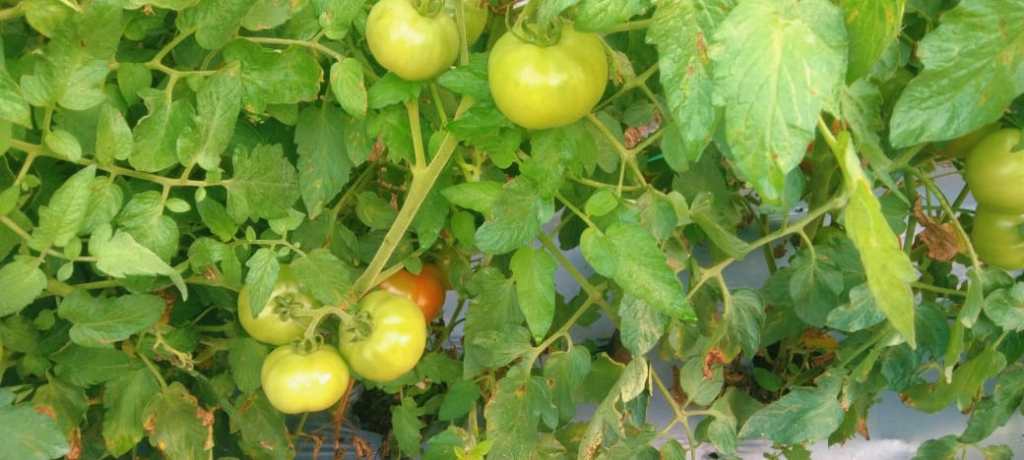
What’s Toxic:
- TOXIC: Green parts (leaves, stems, unripe fruit)
- SAFE: Ripe red fruit
Toxin:
- Tomatine (glycoalkaloid, similar to solanine in potatoes)
Symptoms:
- GI upset (nausea, vomiting, diarrhea)
- Headache
- Usually mild
Note:
- Ripe tomatoes safe
- Green tomatoes have lower toxin levels (but still present)
- Cooking doesn’t fully remove tomatine
Potato (Solanum tuberosum)

What’s Toxic:
- TOXIC: Green portions of tubers, sprouts, leaves, stems, berries
- SAFE: Properly stored, non-green tubers
Toxin:
- Solanine and chaconine (glycoalkaloids)
Symptoms:
- Nausea, vomiting, diarrhea, abdominal pain
- Headache, fever
- Neurological symptoms in severe cases (confusion, hallucinations)
Prevention:
- Store potatoes in cool, dark place (light → greening → solanine production)
- Cut away green portions and sprouts
- Don’t eat potato berries (look like small green tomatoes)
Hydrangea (Hydrangea species)
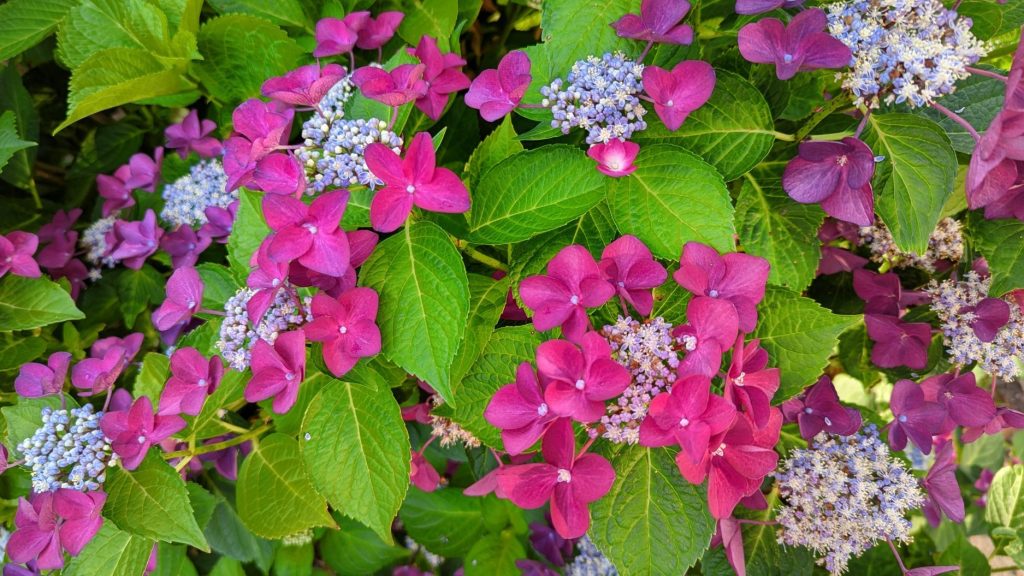
Toxicity:
- All parts contain cyanogenic glycosides
- Can release cyanide when tissues are damaged
Symptoms:
- Nausea, vomiting
- Dizziness, rapid breathing
- Rarely severe (low concentration, poor absorption)
Note:
- Most cases are mild
- Large ingestions could theoretically cause cyanide toxicity
Daffodil/Narcissus (Narcissus species)
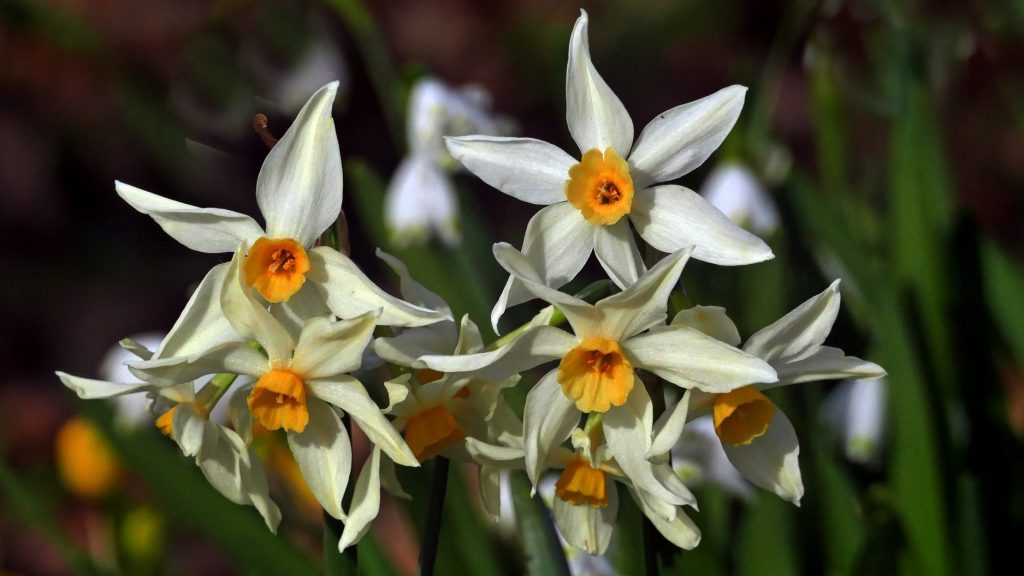
What’s Toxic:
- All parts, especially bulbs
Toxin:
- Lycorine and other alkaloids
Symptoms:
- Nausea, vomiting, diarrhea, abdominal pain
- Salivation
- Tremors, convulsions (large doses)
- Usually self-limiting
Common Scenario:
- Bulbs mistaken for onions (especially in gardens)
- Children eating flowers
Treatment:
- Supportive care
- Usually resolves without complications
Iris (Iris species)
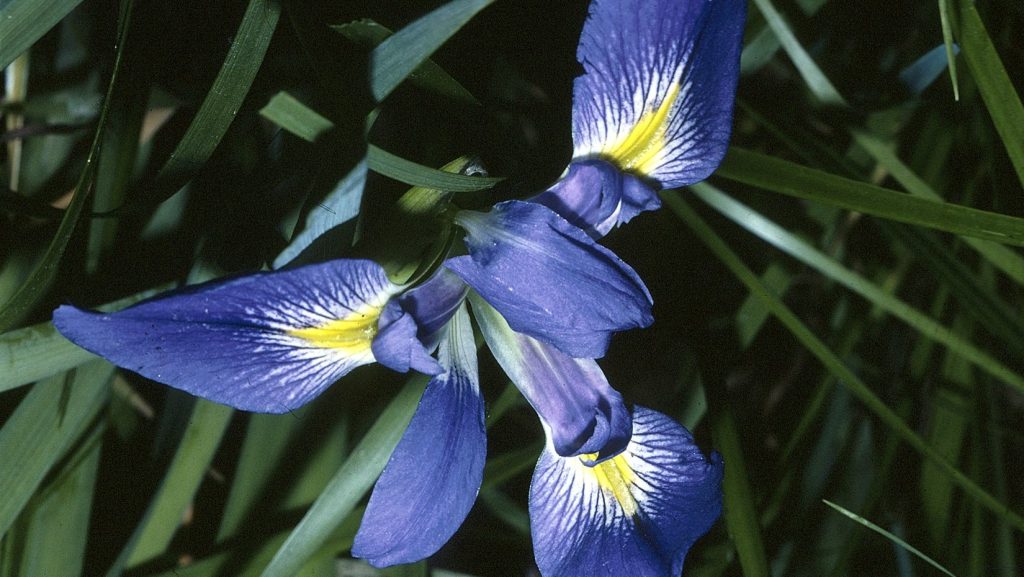
What’s Toxic:
- Rhizomes, leaves (rhizomes most toxic)
Toxin:
- Irisin, iridin (resinous compounds)
Symptoms:
- GI upset (nausea, vomiting, diarrhea)
- Abdominal pain
- Dermal contact: skin irritation
Severity:
- Usually mild to moderate
- Self-limiting
Wisteria (Wisteria species)

What’s Toxic:
- All parts, especially seeds and pods
Toxin:
- Wisterin (glycoside)
- Lectin-like compounds
Symptoms:
- Nausea, vomiting, diarrhea
- Abdominal pain
- Dizziness
Common Scenario:
- Children eating attractive seed pods
Severity:
- Usually mild
- Rarely serious
Lantana (Lantana camara)
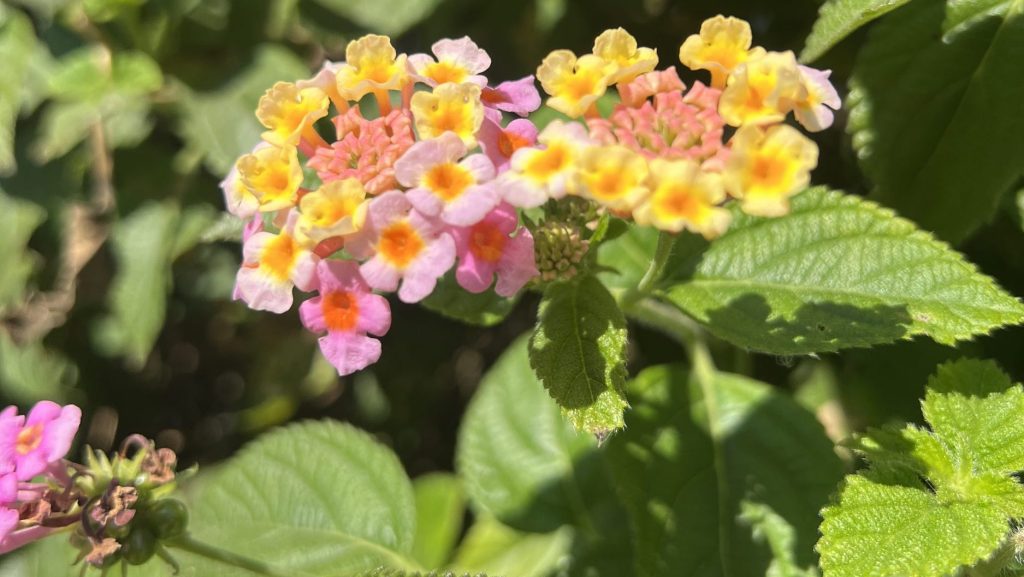
What’s Toxic:
- Unripe (green) berries are highly toxic
- Ripe (black) berries less toxic but still cause symptoms
- Leaves toxic (especially to livestock)
Toxin:
- Lantadene A and B (pentacyclic triterpenoids)
- Cause hepatotoxicity
Symptoms:
- GI upset
- Photosensitivity (skin sensitivity to sunlight)
- Liver damage in severe cases
Note:
- Major livestock poisoning issue
- Human poisonings usually less severe but documented
Azalea and Rhododendron (Rhododendron species)
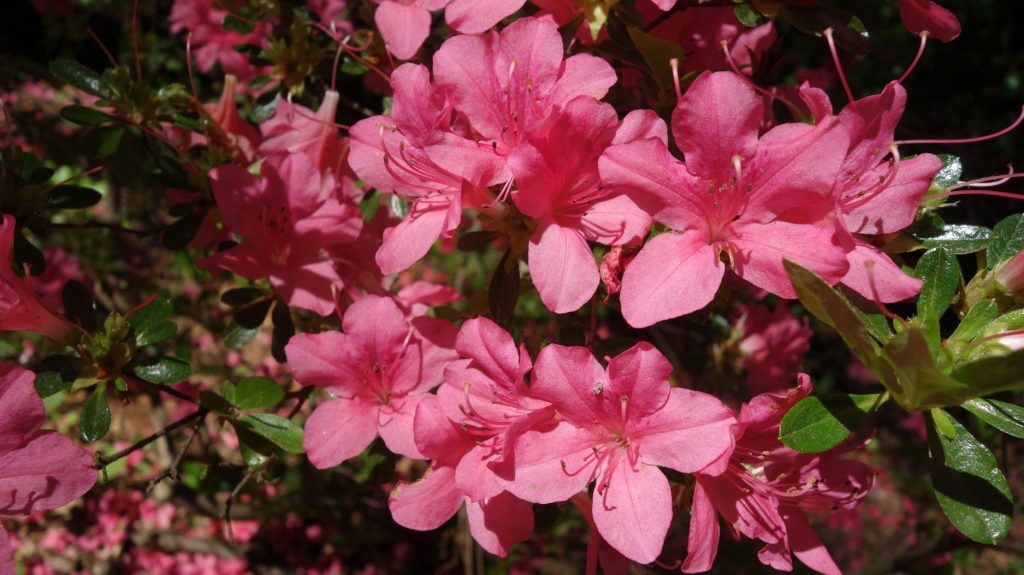
Toxicity:
- All parts toxic, especially leaves and nectar
Toxin:
- Grayanotoxins (diterpenes)
Mechanism:
- Bind to sodium channels → keep channels open
- Causes excitatory effects followed by depression
Symptoms:
- Nausea, vomiting, diarrhea
- Salivation, watering eyes
- Bradycardia (slow heart rate), hypotension
- Weakness, drowsiness
- Numbness, tingling
- Difficulty breathing
- Seizures in severe cases
Toxic Honey:
- Honey from rhododendron nectar is toxic (“mad honey”)
- Historical cases of poisoning from honey
Severity:
- Can be serious
- Usually self-limiting with supportive care
Euphorbias (Euphorbia species)
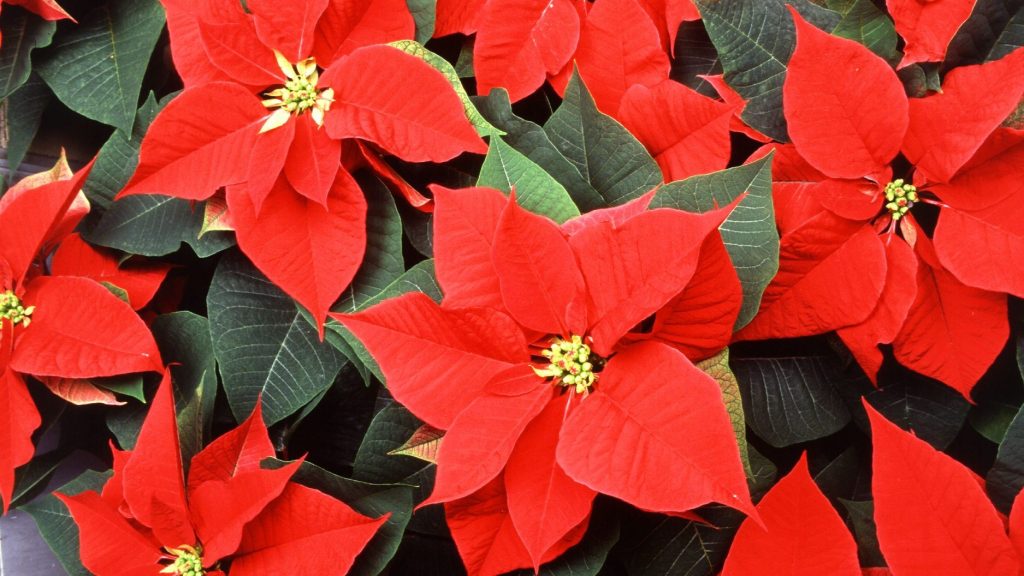
Common Species in NZ:
- Euphorbia pulcherrima (Poinsettia)
- Euphorbia tirucalli (Pencil tree)
- Euphorbia milii (Crown of thorns)
- Many others
Toxicity:
- Milky latex (sap) is irritant and toxic
Toxins:
- Diterpene esters (similar to daphne)
- Latex contains irritant compounds
Symptoms:
Ingestion:
- Oral irritation, burning
- Nausea, vomiting, diarrhea
- Usually mild with poinsettia
- Can be more severe with other species
Dermal Contact:
- Skin irritation, redness
- Blistering (especially pencil tree sap)
- Dermatitis
Eye Contact:
- Severe irritation
- Pain, tearing, redness
- Temporary vision loss
- Can cause corneal damage
Treatment:
- Rinse affected areas thoroughly
- Supportive care for ingestion
- Eye exposure: immediate irrigation, ophthalmology consult
Note:
- Poinsettia less toxic than reputation suggests (often mild symptoms)
- Other euphorbias (pencil tree, crown of thorns) more concerning
Identification Methodology
Systematic Approach to Plant Identification
Never rely on a single feature. Use multiple characteristics and multiple sources.
Primary Identification Features:
- Leaf Characteristics:
- Arrangement: Opposite, alternate, whorled, basal rosette
- Shape: Ovate, lanceolate, cordate, palmate, pinnate
- Margins: Entire, serrate, dentate, lobed
- Venation: Parallel, pinnate, palmate
- Texture: Glabrous (smooth), pubescent (hairy), scabrous (rough)
- Special features: Translucent glands (ngaio), stinging hairs (ongaonga)
- Stem Characteristics:
- Color and markings: Purple blotches (hemlock)
- Shape: Round, square, ridged
- Texture: Smooth, hairy, hollow
- Presence of milky sap (many toxic plants, but also some edible ones)
- Flower Characteristics:
- Type: Tubular, bell-shaped, star-shaped, pea-like
- Arrangement: Solitary, umbel, raceme, panicle
- Color and markings: Spots (foxglove), yellow centre (poroporo)
- Fruit/Seed Characteristics:
- Type: Berry, drupe, capsule, pod
- Color progression: Green to orange (karaka), green to yellow (poroporo)
- Shape and size
- Odor:
- Distinctive smells when crushed
- Hemlock: “mousey,” unpleasant
- Wild carrot: carrot-like
- Ngaio: aromatic
- Habitat and Season:
- Where the plant grows
- What season it flowers/fruits
- Associated plant communities
The Triple-Verification Protocol:
For any plant being considered for use:
- Field Guide Verification:
- Use reputable, NZ-specific field guide
- Match multiple features, not just one
- Digital Verification:
- Use iNaturalist NZ or similar with community verification
- Cross-check against NZPCN database with photographs
- Expert Verification:
- Confirm with experienced forager, botanist, or herbalist
- Especially critical for plants in high-risk families (Apiaceae, Solanaceae)
All three must agree. Any doubt = don’t consume.
Toxicological Management Protocols
Initial Assessment and Triage
Information to Gather:
When someone has ingested or contacted a potentially toxic plant:
- Plant Identification:
- Common name (if known)
- Botanical name (if available)
- Physical sample or clear photograph
- Location where plant was found
- Exposure Details:
- Route: Ingestion, dermal contact, inhalation
- Amount: How much was consumed/contacted?
- Time: When did exposure occur?
- Part of plant: Leaves, berries, roots, etc.?
- Patient Information:
- Age, weight
- Symptoms (onset, progression)
- Pre-existing medical conditions
- Current medications
- Allergies
When to Call Poisons Centre (0800 764 766):
- Always, for any suspected plant poisoning
- They provide expert guidance specific to the plant and situation
When to Call 111 (Emergency):
- Person unconscious or losing consciousness
- Seizures or convulsions
- Difficulty breathing
- Severe symptoms of any kind
- Known ingestion of highly toxic plant (hemlock, yew, oleander, foxglove, castor bean, tutu)
Decontamination Principles
Gastrointestinal Decontamination:
Do NOT Induce Vomiting Unless:
- Specifically instructed by Poisons Centre or medical professional
- Vomiting can:
- Cause aspiration (breathing in vomit)
- Increase absorption of some toxins
- Cause choking, especially in children
- Worsen corrosive injuries
Activated Charcoal:
When Appropriate:
- Within 1-2 hours of ingestion (effectiveness decreases with time)
- Patient fully conscious and able to protect airway
- No contraindications (bowel obstruction, corrosive ingestion)
Mechanism:
- Adsorbs toxins in GI tract, preventing absorption
- Doesn’t work for all toxins (metals, alcohols, corrosives)
Dose:
- Adult: 50g in water
- Child: 1g/kg body weight (maximum 50g)
Limitations:
- Not effective for all plant toxins
- Must be given early
- Requires cooperative patient
Dermal Decontamination:
For contact toxins (ongaonga, poison ivy):
- Remove from contaminated area
- Remove contaminated clothing
- Wash affected area with soap and water
- Do not rub vigorously (can drive toxins deeper)
- Remove visible plant parts (tape method for stinging hairs)
Symptom-Directed Management
Neurological Symptoms:
Seizures:
- First-line: Benzodiazepines (diazepam 5-10mg IV/PR, lorazepam 0.1mg/kg IV)
- Second-line: Phenobarbital, propofol if refractory
- Airway protection critical
- Prevent injury during seizures
Agitation/Delirium:
- Calm environment
- Benzodiazepines for severe agitation
- Avoid physical restraints if possible (increase injury risk)
Cardiovascular Symptoms:
Bradycardia (Slow Heart Rate) – Cardiac Glycosides:
- Atropine for symptomatic bradycardia
- Digoxin-specific antibody fragments (Digibind) for severe foxglove/oleander poisoning
- Cardiac monitoring essential
- Avoid calcium (can worsen toxicity)
Arrhythmias:
- Treat per ACLS protocols
- Consider specific antidotes if available
Gastrointestinal Symptoms:
Severe Vomiting/Diarrhea:
- IV fluid resuscitation
- Electrolyte monitoring and replacement
- Antiemetics (ondansetron) if appropriate
- Monitor for dehydration, especially in children
Respiratory Symptoms:
Respiratory Depression/Failure:
- Oxygen supplementation
- Bag-valve-mask ventilation if needed
- Intubation and mechanical ventilation for severe cases
- Monitor oxygen saturation, blood gases
Dermatological Symptoms:
Contact Dermatitis/Envenomation:
- Cool compresses
- Topical corticosteroids (after decontamination)
- Oral antihistamines
- Analgesics for pain
Antidotes and Specific Therapies
Available Antidotes:
- Digoxin-Specific Antibody Fragments (Digibind):
- For: Foxglove, oleander poisoning
- Mechanism: Binds and neutralises cardiac glycosides
- Highly effective when indicated
- Expensive, must be specifically ordered
- Physostigmine:
- For: Anticholinergic syndrome (belladonna alkaloids)
- Mechanism: Acetylcholinesterase inhibitor (reverses anticholinergic effects)
- Use with caution (can cause seizures)
- No Specific Antidotes for:
- Hemlock (coniine)
- Karaka (karakin)
- Tutu (tutin)
- Yew (taxines)
- Castor bean (ricin)
- Treatment is purely supportive
Monitoring and Supportive Care
Hospitalization Criteria:
Admit for observation/treatment if:
- Symptomatic poisoning
- Ingestion of known highly toxic plant, even if asymptomatic
- Delayed-onset toxicity expected (karaka)
- Need for ongoing monitoring or treatment
Monitoring Parameters:
- Vital signs (BP, HR, RR, temp) – frequency depends on severity
- Continuous cardiac monitoring if cardiac toxin suspected
- Oxygen saturation
- Level of consciousness
- Urine output
- Specific lab tests based on toxin:
- Electrolytes (especially potassium with cardiac glycosides)
- Liver function tests (hepatotoxins)
- Kidney function tests (nephrotoxins)
- Blood glucose
- ECG
Duration of Observation:
Varies by plant:
- Karaka: Minimum 48 hours (delayed onset)
- Cardiac glycosides: Until rhythm stable, usually 24+ hours
- Most GI irritants: Until symptoms resolve
Documentation
Medical Records Should Include:
- Detailed exposure history
- Plant identification (attach photograph if available)
- Time course of symptoms
- Treatments administered
- Response to treatment
- Poisons Centre consultation details
- Disposition
Why Documentation Matters:
- Contributes to toxicological database
- Helps identify emerging poisoning patterns
- Legal/insurance purposes
- Quality improvement
Special Populations
Pediatric Considerations
Epidemiology:
- Children <5 years account for majority of plant poisoning exposures
- Most are accidental exploratory ingestion
- Usually involve small amounts (testing/tasting)
- Attracted to colorful berries, interesting textures
Physiological Differences:
Children are NOT just small adults:
- Pharmacokinetics
- Higher body water percentage → different volume of distribution
- Lower body fat → affects distribution of lipophilic compounds
- Immature liver enzymes → altered metabolism
- Immature kidneys → different excretion
2. Dosing
- Lower threshold for toxicity (smaller body size)
- Same plant amount = higher mg/kg dose
- Greater impact from dehydration
3. Symptoms
- May not be able to communicate symptoms
- Faster progression of some toxicities
- Different risk of aspiration
Common Pediatric Exposures in NZ:
Top plants (by Poisons Centre calls):
- Black nightshade berries
- Arum lily (mouth contact)
- Kowhai seeds
- Garden berries (Jerusalem cherry)
- Agapanthus
Management Differences:
- Weight-based dosing for all medications
- Greater emphasis on preventing dehydration
- Lower threshold for hospital admission
- Involve caregivers in all decisions
Prevention:
- Remove high-risk plants from homes with young children
- Constant supervision outdoors
- Education starting at earliest age: “never put plants in mouth”
- Teach “ask first” rule
Geriatric Considerations
Increased Vulnerability:
- Pharmacokinetics
- Reduced liver metabolism
- Reduced kidney function → slower excretion
- Increased body fat → altered distribution
- Reduced gastric acid → different absorption
2. Polypharmacy
- Multiple medications increase drug-plant interaction risk
- More likely on cardiac drugs (interaction with cardiac glycosides)
3. Comorbidities
- Cardiac disease: increased risk from cardiotoxic plants
- Renal disease: increased risk from nephrotoxins
- Hepatic disease: increased risk from hepatotoxins
Common Scenarios:
- Mistaken identification while foraging
- Attempted self-medication with plants
- Confusion leading to ingestion
- Garden exposures during dementia
Management:
- More conservative approach (lower threshold for admission)
- Monitor drug interactions
- Account for baseline organ dysfunction
- Consider baseline medications in symptom interpretation
Pregnancy and Lactation
Fetal Considerations:
Many plant toxins can:
- Cross placenta → direct fetal toxicity
- Cause uterine contractions → miscarriage, preterm labor
- Affect placental blood flow
- Teratogenic effects (birth defects)
Specific Risks:
Some plants traditionally used to induce abortion:
- Pennyroyal
- Tansy
- Various others (mechanism: uterine contraction)
Management Challenges:
- Teratogenic risk of some treatments
- Radiation exposure concerns (avoid unnecessary imaging)
- Some antidotes not well-studied in pregnancy
- Need to balance maternal and fetal outcomes
Lactation:
Some toxins may appear in breast milk:
- Decision to continue/discontinue breastfeeding case-dependent
- Pump and discard if temporary concern
Occupational Exposures
At-Risk Groups:
- Farm workers (tutu, ngaio, ragwort)
- Gardeners and landscapers (oleander, yew, foxglove)
- Bush workers (ongaonga, tutu)
- Beekeepers (tutu honey risk)
Prevention:
- Education on toxic plants in work environment
- Protective equipment (gloves, long sleeves for ongaonga areas)
- First aid training specific to likely exposures
- Clear protocols for response
NZ Context and Epidemiology
Poisoning Statistics
Data from National Poisons Centre (2003-2010 analysis):
- Total enquiries: 256,969
- Plant/fungi exposures: 11,049 (4.3% of all calls)
- These 15 most common plants = ~25% of plant exposure calls
Top Plants by Enquiry Frequency:
- Black nightshade (Solanum nigrum)
- Arum lily (Zantedeschia aethiopica)
- Kōwhai (Sophora spp.)
- Euphorbia species
- Peace lily (Spathiphyllum spp.)
- Agapanthus
- Stinking iris (Iris foetidissima)
- Rhubarb (Rheum rhabarbarum)
- Taro (Colocasia esculenta)
- Oleander (Nerium oleander)
- Daffodil (Narcissus spp.)
- Hemlock (Conium maculatum)
- Karaka (Corynocarpus laevigatus)
- Foxglove (Digitalis purpurea)
- Ongaonga (Urtica ferox)
Hospital Admissions:
- ~75 people per year require hospital treatment for plant poisoning
- Most admissions are precautionary
- Serious poisonings are rare
- Deaths are very rare (typically <1 per year, if any)
Demographics:
- Children <5 years: Majority of exposures
- Adults: Often misidentification while foraging
Native vs. Introduced Species
Historical Pattern:
93% of hospital admissions from 1987-1998 involved introduced species
Why More Introduced Plants?
- Abundance: Many toxic introduced plants are now common weeds
- Familiarity: Look like edible plants from Northern Hemisphere
- Garden plants: Many toxic ornamentals are introduced
- Look-alikes: Hemlock resembles European edible plants
Native Plant Context:
- Only 12 of 118 definitely poisonous NZ plants are native
- Native toxins evolved for moa and other extinct browsers
- Generally less encounter due to bush access limits
Regulatory Framework
Medsafe:
- Regulates therapeutic products
- Monitors safety reports
- No specific plant poisoning notification requirement (except food safety issues)
Centre for Adverse Reactions Monitoring (CARM):
- Voluntary reporting system
- Healthcare professionals can report poisonings
- Contributes to safety database
Biosecurity:
- Some highly toxic plants are restricted imports
- Weed management programs may target toxic species
Public Health Initiatives
Education Programs:
- Poisons Centre provides resources
- School programs on plant safety
- Signage in public areas with toxic plants (some councils)
Honey Regulations:
- Testing required in tutu-growing areas
- Maximum tutin levels specified
- Protects against historical problem of tutu honey
Cultural Context and Rongoā Māori
Rongoā Māori as Sophisticated Toxicological Knowledge System:
Rongoā Māori represents centuries of systematic observation and knowledge transmission regarding New Zealand’s native plants, including sophisticated understanding of toxicity, safe preparation methods, and therapeutic applications of otherwise poisonous species.
Traditional Toxicology Knowledge:
Māori traditional practitioners (tohunga) developed extensive expertise in:
- Toxicity assessment: Recognising signs of plant toxicity through observation and accumulated experience
- Safe preparation protocols: Complex methods to render toxic plants safe (karaka kernel preparation requiring precise heating duration and temperature, followed by leaching protocols)
- Dose-response understanding: Traditional knowledge of therapeutic windows for plants with narrow safety margins
- Seasonal variation: Recognition that toxicity varies with plant growth stage and seasonal factors
- Cumulative toxicity: Understanding that some plants require repeated exposures to cause harm
Karaka as Example of Traditional Toxicological Expertise:
The traditional preparation of karaka kernels demonstrates sophisticated biochemical understanding:
- Heat treatment (100°C for 60+ minutes) denatures the toxic karakin
- Water leaching removes degradation products
- Multiple processing steps ensure safety
- Preparation errors can be fatal – this knowledge requires cultural transmission from qualified practitioners
Professional Boundaries for Western-Trained Practitioners:
Healthcare providers and toxicologists working in New Zealand should:
- Acknowledge limitations: Western toxicology training does not confer expertise in rongoā Māori
- Refer appropriately: Direct Māori patients seeking traditional approaches to qualified rongoā practitioners
- Respect cultural protocols: Some traditional knowledge is culturally protected (tapu) and not for public dissemination
- Recognise native plants as taonga: Cultural significance beyond phytochemistry
- Avoid appropriation: Do not extract rongoā Māori knowledge for commercial use without proper cultural permissions
Integration with Modern Toxicology:
Some areas where traditional and modern knowledge systems can inform each other:
- Ethnopharmacological research: Scientific investigation of traditional uses (with appropriate cultural permissions)
- Phytochemical studies: Modern analysis of compounds in traditionally-used plants
- Safety protocols: Both systems prioritise preventing poisoning
- Clinical management: Poisons Centre includes questions about rongoā use in assessment protocols
Resources for Rongoā Māori:
- Qualified rongoā practitioners (tohunga rongoā) for traditional approaches
- Māori health providers (Hauora Māori services)
- Research: Brooker, Cambie & Cooper (1987) New Zealand Medicinal Plants (documents but does not authorise use)
- Research: Riley (1994) Māori Healing and Herbal (scholarly compilation)
Critical Principle:
This guide provides Western toxicological perspectives on New Zealand plants while acknowledging that rongoā Māori represents an equally valid, sophisticated knowledge system with its own evidence base, safety protocols, and expert practitioners. The two systems are complementary, not interchangeable.
Conclusions
Understanding plant toxicology in the New Zealand context requires integration of:
- Botanical identification skills
- Toxicological mechanisms
- Evidence-based management protocols
- Cultural knowledge and respect
- Public health awareness
The majority of plant poisonings are preventable through education. The National Poisons Centre provides expert, free guidance for all suspected exposures.
Core Principles:
- Know before you consume: 100% identification certainty required
- Respect evolutionary chemistry: Plants produce toxins for survival
- Use expert resources: Poisons Centre, field guides, experienced practitioners
- Understand mechanisms: Knowing how toxins work improves safety awareness
- Prepare for emergencies: Know what to do before problems occur
Sources & Further Reading
Key Scientific References:
Slaughter, R.J., Beasley, D.M.G., Lambie, B.S., Wilkins, G.T., & Schep, L.J. (2012). Poisonous plants in New Zealand: A review of those most commonly enquired about to the National Poisons Centre. New Zealand Medical Journal, 125(1367), 87-118.
[Definitive NZ reference – comprehensive review]
Connor, H.E. (1977). The Poisonous Plants in New Zealand. Government Printer, Wellington.
[Classic foundational text]
Wassilieff, M. (2006). Poisonous plants and fungi. In Te Ara – the Encyclopedia of New Zealand.
[Accessible overview with cultural context]
Phytochemical and Mechanistic Studies:
Karakin/Karaka:
Seawright, A.A. (1964). Studies on experimental karaka poisoning of sheep. New Zealand Veterinary Journal, 12, 128-133.
Tutin/Tutu:
Perkins, A.J. & Schuler, M.A. (1977). The toxic honey syndrome of New Zealand. Bee World, 58(1), 3-11.
Palmer-Jones, T. (1965). Toxicity of tutu plant for honeybees. New Zealand Journal of Agricultural Research, 8(2), 259-262.
Identification Resources:
Crowe, A. (2009). Which Native Forest Plant? A Simple Guide to Native Forest Plants. Penguin Random House NZ.
New Zealand Plant Conservation Network. (n.d.). Poisonous native plants. Retrieved from https://www.nzpcn.org.nz/flora/vascular/poisonous-natives/
iNaturalist NZ. (n.d.). https://inaturalist.nz/
Toxicology Texts:
Goldfrank, L.R., Hoffman, R.S., Howland, M.A., Lewin, N.A., & Nelson, L.S. (Eds.). (2006). Goldfrank’s Toxicologic Emergencies (8th ed.). McGraw-Hill.
[Gold standard emergency toxicology reference]
Wink, M., & Van Wyk, B.E. (2008). Mind-Altering and Poisonous Plants of the World. Timber Press.
[Comprehensive global perspective]
Māori Plant Knowledge:
Brooker, S.G., Cambie, R.C., & Cooper, R.C. (1987). New Zealand Medicinal Plants. Heinemann.
[Documents traditional Māori plant uses]
Riley, M. (1994). Māori Healing and Herbal: New Zealand Ethnobotanical Sourcebook. Viking Sevenseas NZ Ltd.
[Traditional knowledge compilation]
Organisations:
National Poisons Centre
- University of Otago
- Phone: 0800 764 766
- Website: www.poisons.co.nz
- 24/7 expert advice for all poisoning emergencies
NZ Plant Conservation Network
- Website: www.nzpcn.org.nz
- Comprehensive plant identification database
Science Learning Hub
- Website: www.sciencelearn.org.nz
- Educational resources on NZ poisonous plants
Disclaimer: This guide is for educational and professional reference purposes only. It is not a substitute for clinical judgment, consultation with the National Poisons Centre, or emergency medical care. Plant poisoning can be life-threatening and requires immediate professional assessment. Always contact the National Poisons Centre (0800 764 766) or Emergency Services (111) for suspected poisoning cases.
This guide covers plant toxicology from Western scientific perspectives and is not a substitute for traditional indigenous knowledge systems including rongoā Māori. For rongoā Māori approaches, refer to qualified rongoā practitioners (tohunga rongoā). This guide assumes professional-level knowledge (healthcare providers, toxicologists, advanced students) and is not intended for lay self-treatment.
The toxicological information represents current scientific understanding based on available research, case reports, and clinical experience, but individual responses vary due to genetic polymorphisms, health status, concurrent medications, and other factors. Not all plant poisonings have been systematically studied – absence of published case reports does not indicate safety. Plant identification must always be verified by qualified botanists before any conclusions about exposures.
Healthcare providers should maintain appropriate professional indemnity insurance, follow all Medsafe regulations, report serious adverse events to CARM, and work within their scope of practice. The authors and publisher assume no liability for adverse outcomes, clinical decisions, misidentifications, or treatment complications arising from use of this information. This guide does not establish standard of care and should not replace clinical guidelines, poison control consultation, or specialist advice.
Note on Pricing: All prices mentioned in this guide are approximate and based on New Zealand suppliers as of December 2025. Prices vary by supplier, season, and market conditions. We recommend checking current prices with your local suppliers.
 The Public Herbarium