A Safety Guide for Everyone
When you’re exploring herbalism and foraging, knowing which plants to avoid is just as important as knowing which ones to use. This guide covers the poisonous plants you need to recognise to keep yourself, your children, and your pets safe.
This is a safety guide first and foremost. If you suspect someone has eaten any part of a poisonous plant:
- Call the National Poisons Centre immediately: 0800 764 766 (24 hours, 7 days a week)
- If the person is unconscious, having trouble breathing, or having a seizure, call 111 first
- Keep any plant parts for identification
- Don’t make the person vomit unless told to by the Poisons Centre
Understanding Plant Poisoning in New Zealand
The Facts:
- New Zealand has over 100 poisonous plants, both native and introduced
- About 75 people need hospital treatment each year for plant poisoning
- Most poisonings involve children under 5 eating attractive berries or touching plants
- Very few people die from plant poisoning in NZ, but serious illness can occur
- About two-thirds of our poisonous plants are introduced species
Why Plants Make Poisons:
Plants produce toxic chemicals to protect themselves from being eaten by insects, animals, and to compete with other plants. These poisons usually don’t affect humans—until we eat them or touch them.
A Note on Rongoā Māori and Traditional Knowledge
Rongoā Māori is the traditional Māori healing system with centuries of knowledge about New Zealand’s native plants, including deep understanding of which plants are safe, which are toxic, and how to prepare plants safely.
Important context:
This guide covers plant toxicity from a Western scientific perspective. Rongoā Māori:
- Has its own extensive knowledge of native plant toxicity and safe preparation methods
- Includes traditional protocols for using plants that may be toxic without proper preparation (like karaka)
- Cannot be learned from books alone – requires training from qualified rongoā practitioners
For traditional Māori approaches to plant medicine:
- Consult qualified rongoā practitioners
- Respect that traditional preparation methods require cultural transmission and expert training
- Understand that native plants have cultural significance as taonga (treasures)
This guide provides general safety information while acknowledging that rongoā Māori represents a sophisticated knowledge system with its own safety protocols and expertise.
The Most Dangerous Native Plants
1. Karaka (Corynocarpus laevigatus)

Why It’s So Dangerous:
The kernel (seed) inside the orange fruit is extremely toxic. The fleshy part of the fruit has low toxicity, but the kernel can cause violent muscle spasms, convulsions, and has been fatal in severe cases.
How to Recognise It:
- Large tree (up to 15 metres tall)
- Glossy, dark green leathery leaves (like polished leather)
- Oval-shaped orange fruits, 2-4cm long
- Fruits appear January to April
- Common in coastal areas, especially North Island
- Often planted in parks and gardens
What Happens:
- Symptoms can be delayed 24-48 hours (this is dangerous—people may not connect illness to the berry)
- Nausea and vomiting
- Violent muscle spasms and convulsions (the distinctive symptom)
- Weakness, paralysis
- In severe cases, respiratory failure
The Toxic Part:
The kernel contains karakin, a neurotoxin that affects the nervous system and muscles.
Important Note:
Māori traditionally ate karaka berries as a staple food, but they had a very specific preparation method: the kernels were baked for at least an hour at 100°C, then soaked in water to break down the toxin. Never attempt to eat karaka kernels unless you’re trained in traditional preparation methods. One mistake can be fatal.
What to Do:
- Teach children never to eat these attractive orange berries
- If eaten, call Poisons Centre immediately
- Even if no symptoms appear within a few hours, still seek help (delayed onset is common)
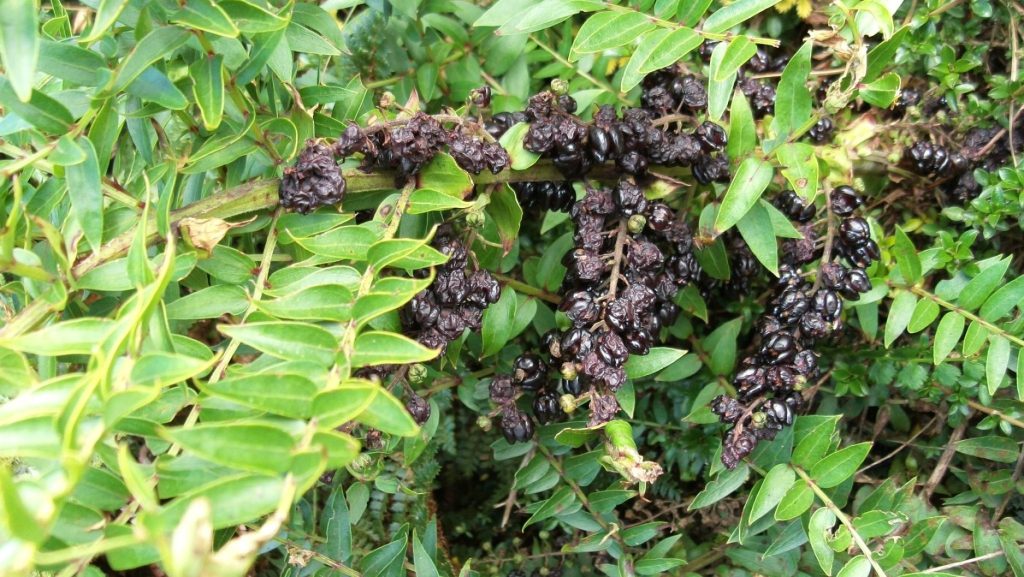
2. Tutu (Coriaria species)
Why It’s So Dangerous:
All parts of the plant are poisonous, especially the seeds. Tutu is one of only two native NZ plants known to have killed humans by poisoning. It has also killed many livestock and even poisoned honey when bees collect nectar from it.
How to Recognise It:
- Shrub or small tree, 2-4 metres tall
- Found along streams, forest edges, bush margins
- Bright green leaves in opposite pairs along the stem
- Leaves have distinctive parallel veins (like ribs)
- Small reddish flowers
- Black berries on swollen red petals (the only non-toxic part)
What Happens:
- Nausea, vomiting, abdominal pain
- Dizziness, confusion, delirium
- Violent convulsions and seizures
- Loss of consciousness, coma
- Can be fatal
The Toxic Part:
Contains tutin, a powerful neurotoxin that blocks calming signals in the brain, causing uncontrolled neural excitation.
Special Danger:
Tutu honey! Bees that collect tutu nectar make toxic honey. In the past, people died from eating contaminated honey. Modern beekeepers test honey from areas where tutu grows.
What to Do:
- Avoid completely—do not use any part of this plant
- Keep children and pets away
- If ingested, call 111—this is a medical emergency
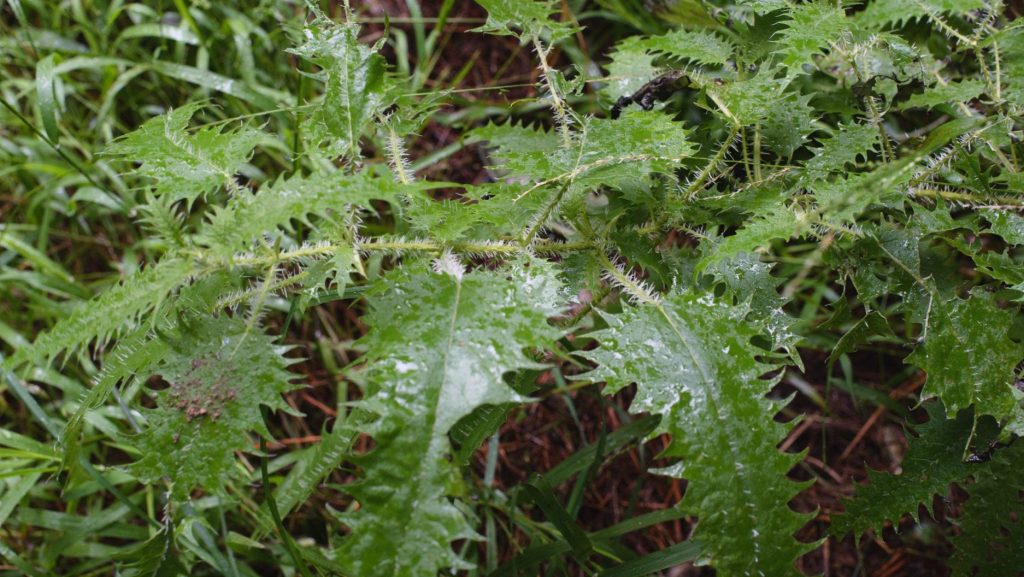
3. Ongaonga / Tree Nettle (Urtica ferox)
Why It’s So Dangerous:
This is the only native plant besides tutu known to have killed humans. The stings are extremely painful and can be fatal. One documented death occurred in 1961 when a young man was stung multiple times and died five hours later.
How to Recognise It:
- Small tree or large shrub, up to 3 metres tall
- Covered in long, white stinging hairs (very distinctive)
- Serrated leaves
- Grows in coastal and regenerating bush, up to 600 metres altitude
- Can form dense thickets
What Happens:
- Immediate, intense burning pain (much worse than common nettle)
- Swelling, numbness at sting site
- Muscle weakness
- In severe cases: difficulty walking, breathing problems, temporary blindness, paralysis
- Symptoms can last 2-3 days even in non-fatal cases
The Toxic Part:
Hollow stinging hairs inject a complex neurotoxin (including triffydin) plus histamine and other inflammatory compounds.
What to Do:
- Learn to identify it if you’re bush walking
- Do not touch!
- If stung severely (multiple stings, large area): seek medical help immediately
- Wash area gently, remove any visible hairs with tape
- Antihistamines and pain relief can help
- Some people have reported relief from rubbing the area with bracken fern fronds (contains an acid that may neutralise the toxin)
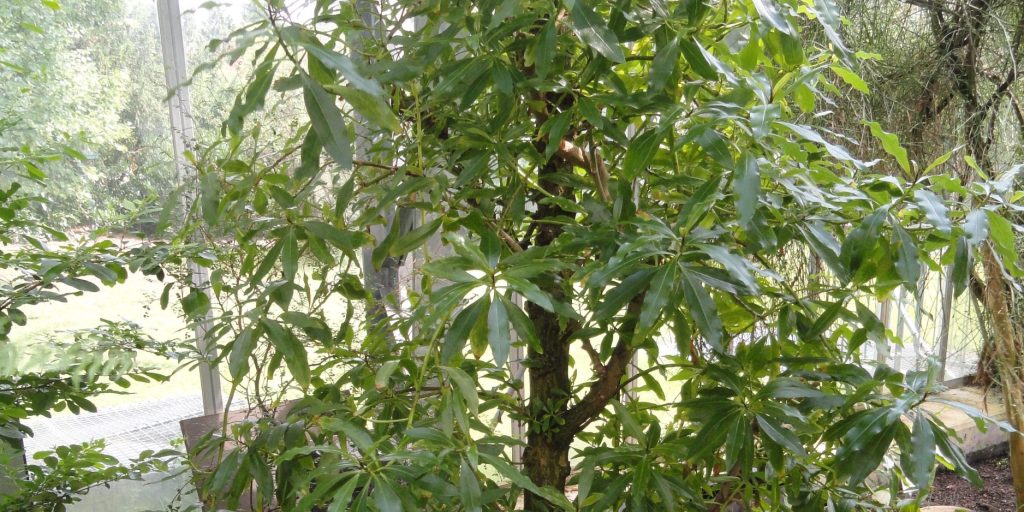
4. Ngaio (Myoporum laetum)
Why It’s Dangerous:
Leaves and purple fruits contain a liver toxin. While no human deaths are recorded, it has killed livestock. The toxin can cause serious liver and nerve damage.
How to Recognise It:
- Tree up to 10 metres
- Glossy, sticky leaves with translucent oil glands (hold leaf up to light—you’ll see tiny dots)
- Purple fleshy fruits
- Common in coastal areas
- Often planted as shelter belts
What Happens:
- Nausea, vomiting, abdominal pain
- In livestock (and potentially humans): liver damage, neurological symptoms
What to Do:
- Don’t use as a herb despite traditional Māori uses (those uses required expert knowledge)
- Keep children away from the purple fruits
5. Poroporo (Solanum aviculare, S. laciniatum)

Why It’s Dangerous:
All green parts and unripe berries are toxic. Ripe yellow-orange berries are edible when cooked, but there’s risk of eating unripe ones by mistake.
How to Recognise It:
- Shrub up to 3 metres
- Purple flowers with yellow centres (like tomato flowers—same family)
- Egg-shaped leaves
- Berries: green (toxic) → yellow/orange (safer when cooked)
What Happens:
- Nausea, vomiting, diarrhoea
- Headache, confusion
- Typical nightshade family poisoning
What to Do:
- Unless you’re experienced, avoid the berries entirely
- Never eat green berries
6. Kōwhai (Sophora species)
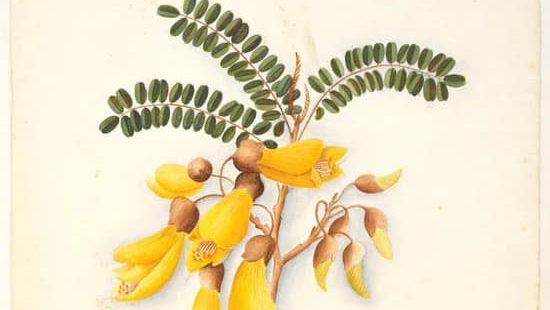
Why It’s on the List:
The bright yellow seeds are toxic if chewed. The seed coat protects against poisoning if swallowed whole, but if chewed or broken, toxins are released.
How to Recognise It:
- Small tree with drooping clusters of bright yellow pea-like flowers (spring)
- Compound leaves (many small leaflets)
- Seed pods hang from branches
- Very common—often planted ornamentally
What Happens:
- Nausea, vomiting, diarrhoea
- Usually mild poisoning
What to Do:
- Teach children not to chew on the seeds (they’re attractive)
- Most accidental ingestions are mild
The Most Dangerous Introduced Plants
1. Hemlock (Conium maculatum)
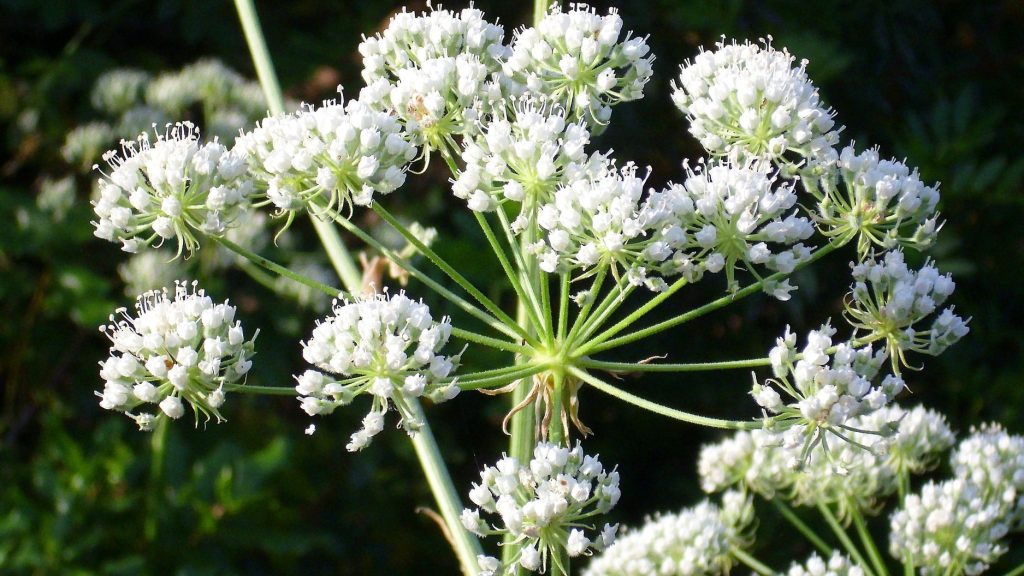
Why It’s Extremely Dangerous:
This is one of the world’s most poisonous plants. It looks like edible wild carrot, parsley, or other similar plants. This causes deadly misidentifications. Causes progressive paralysis and death.
How to Recognise It:
- Tall plant, 1.5-2.5 metres
- Purple or red blotches/spots on the stem (key identification feature!)
- Hollow stem
- Fern-like, finely divided leaves
- Small white flowers in umbrella-like clusters (umbels)
- Distinctive unpleasant smell when crushed (often described as “mousey” or musty)
CRITICAL Look-a-Like:
Wild carrot (Queen Anne’s Lace) looks similar but has:
- Hairy stem (hemlock is hairless)
- No purple spots on stem
- Often one dark purple flower in the centre of the white cluster
- Smells like carrot when crushed (hemlock does not)
What Happens:
- Nausea, vomiting, salivation, abdominal pain
- Progressive muscle paralysis starting in the legs, moving upward
- Difficulty breathing as respiratory muscles become paralysed
- Can be fatal within hours
The Toxic Part:
Contains coniine and similar alkaloids that paralyse muscles.
What to Do:
- Never, ever forage for wild carrot, parsley, or similar plants unless you are 100% certain
- If you think you’ve eaten hemlock, call 111 immediately—this is life-threatening
2. Foxglove (Digitalis purpurea)
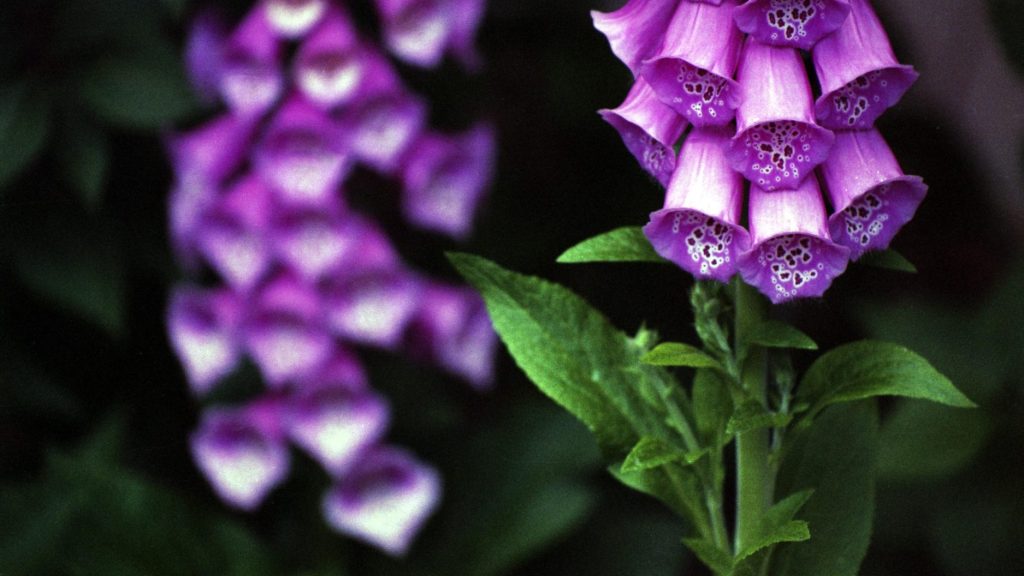
Why It’s Extremely Dangerous:
All parts are deadly poisonous, even when dried. Contains the same chemicals used in heart medications, but in uncontrolled, toxic amounts. Directly affects the heart.
How to Recognise It:
- Biennial plant (two-year life cycle)
- First year: rosette of soft, hairy leaves close to ground
- Second year: tall spike (1-2 metres) of tubular, bell-shaped flowers
- Flowers are purple, pink, or white, with distinctive spots inside
- Very common garden escape
What Happens:
- Nausea, vomiting, abdominal pain
- Irregular heartbeat, very slow or very fast heart rate
- Visual disturbances (seeing yellow or green halos around lights)
- Confusion, weakness
- Can cause fatal heart arrhythmias
The Toxic Part:
Contains cardiac glycosides (digitoxin, gitoxin) that force the heart to beat irregularly.
What to Do:
- Don’t plant it if you have young children
- Wear gloves when gardening around it (can absorb through skin)
- If ingested, call 111—there is an antidote (Digibind) but it must be given in hospital
Note:
Never use foxglove as a herbal medicine—the dose between “medicinal” and “deadly” is too narrow.
3. Oleander (Nerium oleander)
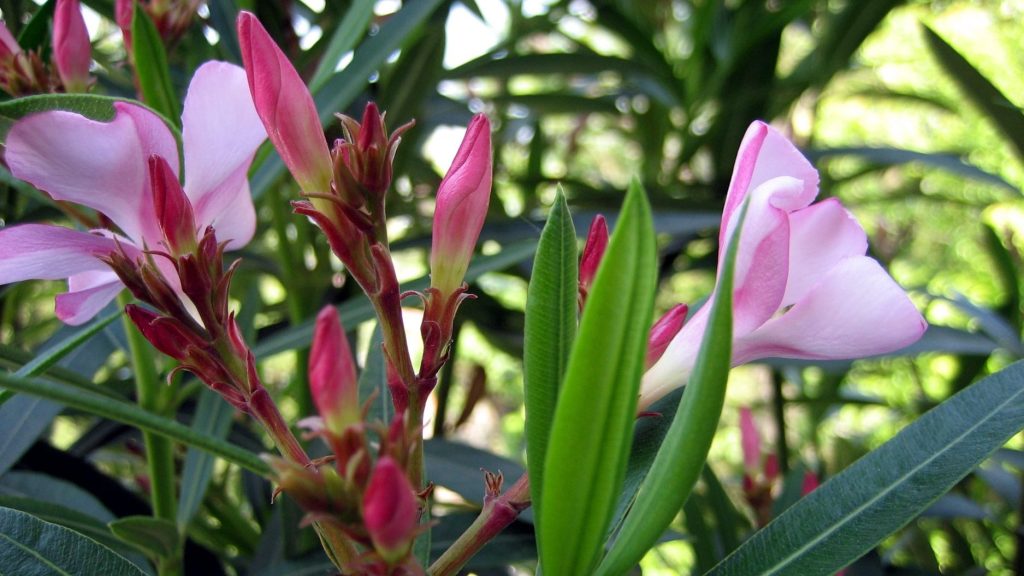
Why It’s Extremely Dangerous:
All parts are deadly poisonous. Even the smoke from burning oleander is toxic. Contains similar heart toxins to foxglove, but stronger.
How to Recognise It:
- Evergreen shrub with attractive flowers
- Lance-shaped leaves in groups of three
- Pink, white, red, or yellow flowers
- Very common ornamental plant
What Happens:
- Similar to foxglove poisoning
- Heart problems, nausea, confusion
- Can be fatal
What to Do:
- Never burn oleander prunings (smoke is toxic)
- Avoid planting near children’s play areas
- If ingested, call 111 immediately
4. Arum Lily (Zantedeschia aethiopica)
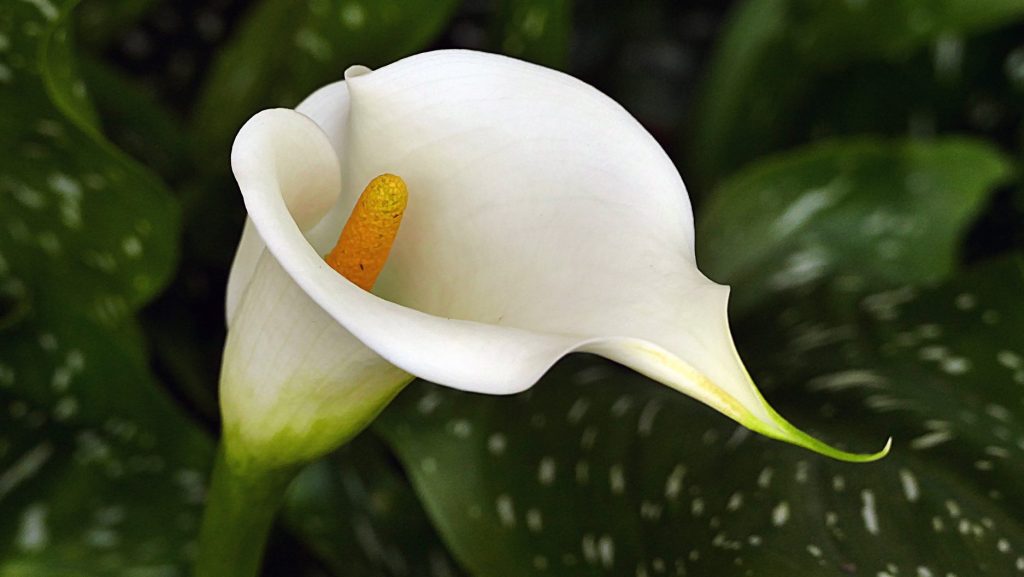
Why It’s on the List:
All parts cause intense, immediate pain and swelling when chewed. It’s one of the most common causes of plant poisoning calls in NZ because it’s everywhere and children are attracted to it.
How to Recognise It:
- Large, glossy, arrow-shaped leaves
- Distinctive white “flower” (actually a modified leaf called a spathe) with yellow spike in centre
- Grows in damp areas, along streams, ditches
- Very common weed throughout NZ
What Happens:
- Immediate, intense burning pain in mouth, lips, tongue
- Excessive drooling
- Swelling of mouth and throat (can affect breathing in severe cases)
- Difficulty swallowing
The Toxic Part:
Contains calcium oxalate crystals shaped like tiny needles (raphides) that pierce tissues, plus irritating proteins.
What to Do:
- Rinse mouth thoroughly with water
- Give milk or ice cream to soothe (coats the mouth)
- Most cases resolve on their own, but call Poisons Centre
- If breathing difficulty or severe swelling, call 111
5. Yew (Taxus species)
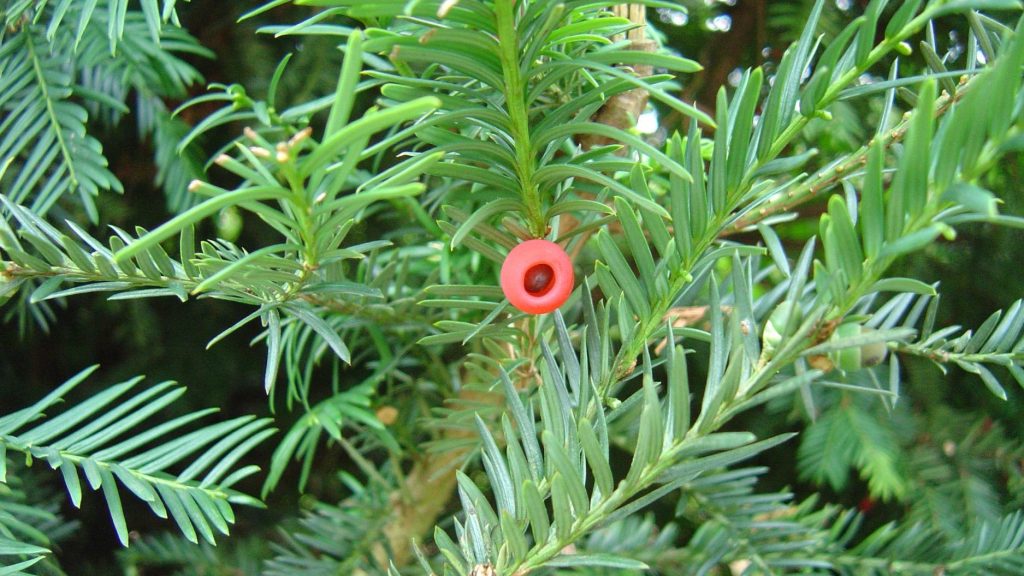
Why It’s Extremely Dangerous:
Nearly all parts are deadly (all except the red fleshy berry coating). Even small amounts can cause sudden death—sometimes with no warning symptoms.
How to Recognise It:
- Evergreen tree or shrub
- Dark green, flat needles arranged in two rows (feather-like appearance)
- Red, fleshy, cup-shaped “berries” (technically arils)
- Very common hedge plant
What Happens:
- Sometimes: nausea, abdominal pain, dizziness
- Often: Sudden cardiac arrest with no warning
- Can be fatal very quickly
The Toxic Part:
Contains taxine alkaloids that stop the heart.
What to Do:
- Never eat yew needles, seeds, or bark
- The red fleshy part is non-toxic, but the seed inside is deadly—children should avoid entirely
- If ingested, call 111 immediately
6. Castor Oil Plant (Ricinus communis)
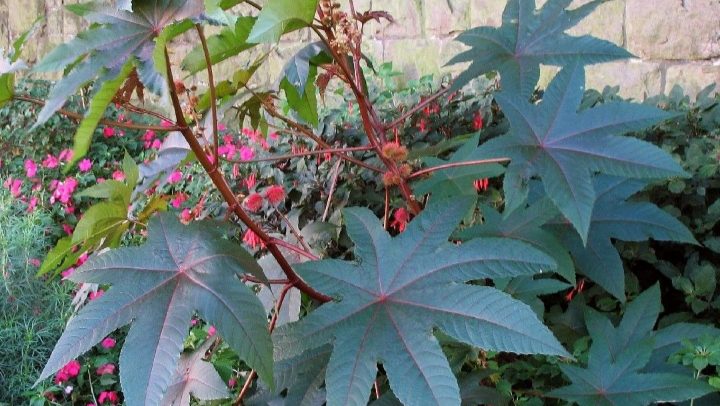
Why It’s Extremely Dangerous:
The seeds contain ricin, one of the world’s most deadly poisons. Just a few chewed seeds can be fatal.
How to Recognise It:
- Large, tropical-looking plant with large, hand-shaped (palmate) leaves
- Often has reddish stems and leaves
- Spiny seed capsules
- Seeds are mottled, bean-like, attractive (dangerous for children)
What Happens:
- Delayed onset (2-24 hours)
- Severe vomiting, bloody diarrhea
- Dehydration, seizures
- Multi-organ failure, can be fatal
The Toxic Part:
Seeds contain ricin, which destroys cells by stopping protein production.
What to Do:
- Seeds are only toxic if chewed or broken—swallowing whole seeds is usually safer (but still avoid)
- If seeds are chewed and swallowed, call 111 immediately
- This is a life-threatening emergency
Common Garden Plants with Toxic Parts
Many familiar plants have parts that can make you sick:
Rhubarb (Rheum rhabarbarum)

- TOXIC: Leaves only
- SAFE: Stems (when cooked)
- Toxin: Oxalic acid → kidney damage
- Symptoms: Nausea, vomiting, kidney problems
Potato (Solanum tuberosum)

- TOXIC: Green parts, sprouts, green potatoes
- SAFE: Properly stored, non-green potatoes
- Toxin: Solanine (glycoalkaloid)
- Symptoms: Nausea, headache, confusion, numbness
Tomato (Solanum lycopersicum)
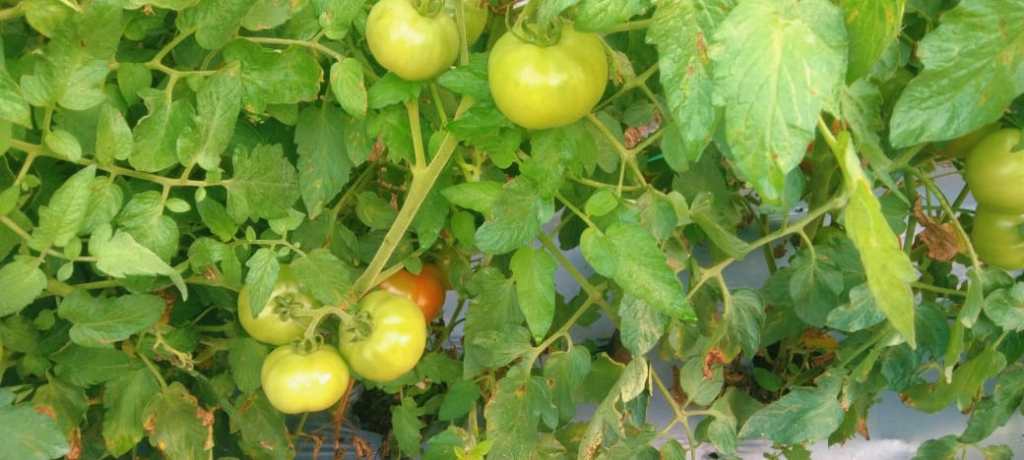
- TOXIC: Stems, leaves, green unripe fruits
- SAFE: Ripe red fruits
- Symptoms: Digestive upset, headache
Daffodil (Narcissus species)
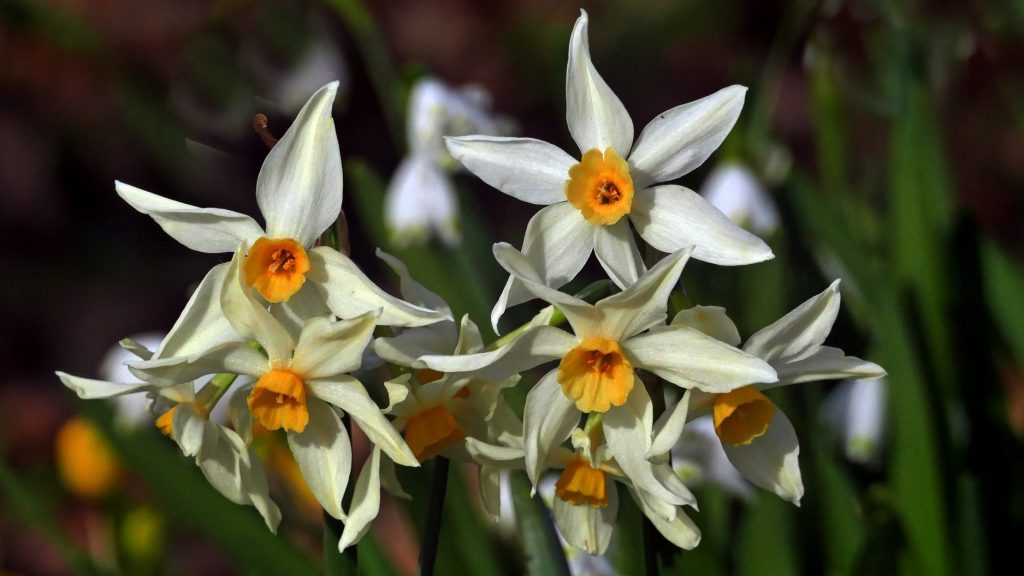
- TOXIC: Especially bulbs (often mistaken for onions!)
- Symptoms: Nausea, vomiting, diarrhea, convulsions
Ivy (Hedera species)

- TOXIC: Berries, leaves
- Symptoms: Digestive upset, skin irritation, fever
Lantana (Lantana camara)
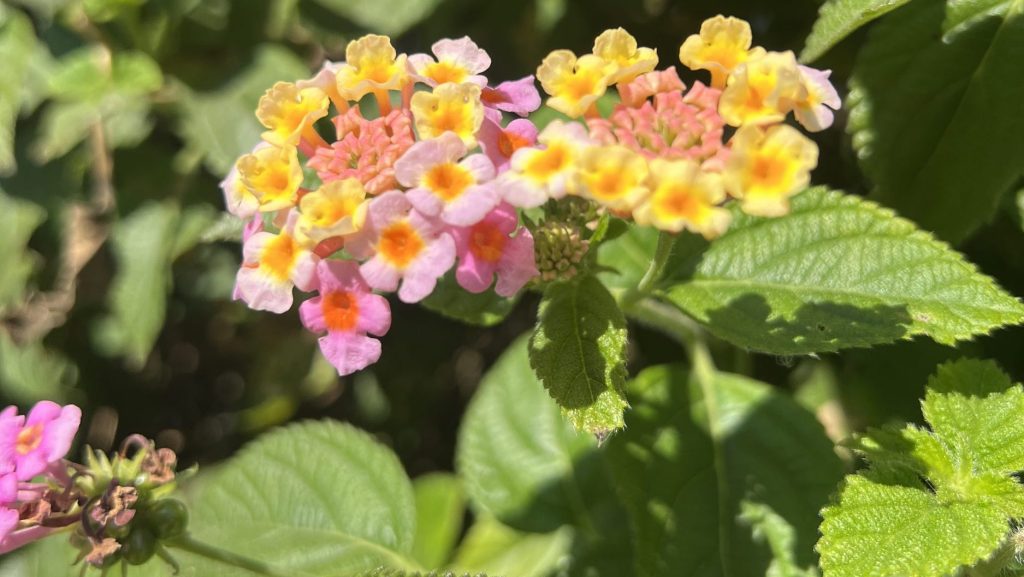
- TOXIC: Unripe berries (green)
- SAFE: Ripe black berries are less toxic
- Symptoms: Digestive upset, liver damage, light sensitivity
Privet (Ligustrum species)
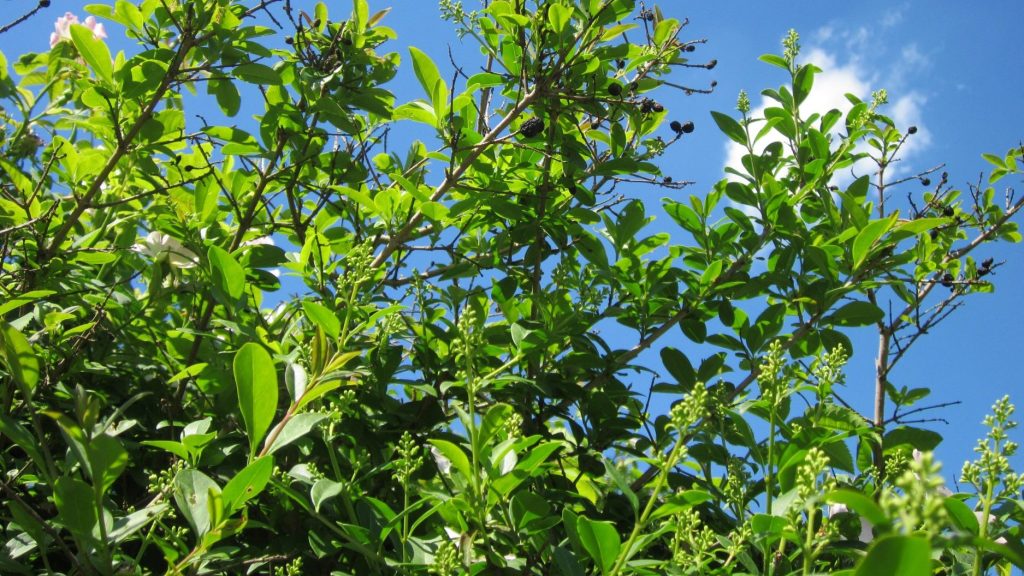
- TOXIC: Berries, leaves
- Common: Used as hedges everywhere
- Symptoms: Digestive upset, neurological symptoms
Special Risks: Foraging Mistakes
The Danger of Look-a-Likes:
Many poisonings happen when toxic plants are mistaken for edible ones:
Hemlock looks like:
- Wild carrot / Queen Anne’s Lace
- Parsley
- Chervil
- Other edible plants in the carrot family (Apiaceae)
Arum lily can be mistaken for:
- Hostas or other edible greens (when not flowering)
Death cap mushroom (Amanita phalloides) looks like:
- Edible mushrooms (causes liver failure, very dangerous)
Foxglove (when not flowering) looks like:
- Comfrey (both have large, hairy leaves)
- Plantain
Key Safety Rule:
Never eat any wild plant unless you’re 100% certain of identification using multiple features and multiple sources.
What to Do If Someone Eats a Poisonous Plant
Immediate Steps
- Stay calm (you need to think clearly)
- Remove any plant material from the mouth
- Don’t let them swallow more
- Gently remove anything visible
- Do NOT make them vomit unless the Poisons Centre tells you to
- Vomiting can make some poisonings worse
- Can cause choking
- Identify the plant if possible
- Take a photo
- Collect a sample in a bag (don’t touch with bare hands if you don’t know what it is)
- Note where it was growing
- Call the National Poisons Centre: 0800 764 766
- They will tell you exactly what to do
- They need to know:
- What plant (if known)
- How much was eaten
- When it was eaten
- Any symptoms
- Age and weight of person
- Call 111 if:
- Person is unconscious
- Having seizures or convulsions
- Trouble breathing
- Severe symptoms of any kind
- You suspect a very dangerous plant (hemlock, foxglove, yew, oleander, castor bean)
What NOT to Do
- Don’t give milk unless Poisons Centre says to (myth that milk neutralises poisons)
- Don’t make them vomit with salt water or other home methods (dangerous)
- Don’t wait to see if symptoms develop if it’s a known dangerous plant
- Don’t rely on internet advice—call the experts
Protecting Children
Most plant poisonings involve children under 5.
Prevention Strategies
In Your Garden:
- Remove highly toxic plants if you have young children (foxglove, oleander, castor bean, daphne)
- Fence off areas with toxic plants you can’t remove (karaka trees)
- Teach children the “never eat plants without asking” rule from earliest age
- Supervise outdoor play
Teaching Children:
- Show them pictures of dangerous plants in your area
- Use the “traffic light” system:
- Red = NEVER touch (ongaonga, bright berries)
- Yellow = Only with adult (rhubarb stems, known safe plants)
- Green = Safe (vegetables from the garden)
- Make it a game: “plant detectives” learning to identify plants
High-Risk Plants to Watch:
- Bright, attractive berries (karaka, lantana, Jerusalem cherry)
- Plants that look like food (hemlock looks like parsley)
- Common garden plants (foxglove, yew hedges)
Protecting Pets
Dogs are especially at risk (they eat things they shouldn’t).
Most Dangerous to Dogs:
- Karaka berries (dogs love to eat them—can be fatal)
- Sago palm
- Lilies (especially toxic to cats)
- Tulip and daffodil bulbs
- Azalea/rhododendron
Prevention:
- Learn which toxic plants are in your neighbourhood
- Keep dogs on lead near karaka trees (January-April especially)
- Fence off toxic plants in your garden
- Train “leave it” command
If Your Pet Eats Something Toxic:
- Call your vet immediately
- Note what was eaten and approximately how much
- Don’t wait for symptoms
Learning to Identify Plants Safely
The “Triple-Check Rule”
Before eating ANY wild plant:
- Check with a book (field guide specific to NZ)
- Check with an app (iNaturalist NZ)
- Check with an expert (experienced forager, botanist)
All three must agree. If you have any doubt, don’t eat it.
Good Identification Features
Use multiple features to identify plants:
- Leaves: Shape, arrangement, edges, veins, hairiness
- Stem: Colour, markings, hollow or solid, square or round
- Flowers: Colour, shape, arrangement
- Smell: Distinctive odours (but don’t inhale unknown plant deeply)
- Habitat: Where does it grow?
- Season: When does it flower, fruit?
One feature is never enough. Hemlock has purple spots, but so do some harmless plants.
Start Safe
When learning to forage, start with plants that have no poisonous look-a-likes:
Safest beginner plants:
- Plantain (Plantago major/lanceolata)
- Distinctive parallel veins
- No toxic look-a-likes
- Dandelion (Taraxacum officinale)
- Single yellow flower, milky sap
- No toxic look-a-likes in NZ
- Nasturtium (Tropaeolum majus)
- Round leaves, bright flowers
- No toxic look-a-likes
Avoid as a beginner:
- Anything in the carrot family (Apiaceae) until you’re very experienced
- Wild mushrooms (requires expert-level knowledge)
- Any plant you’re not completely certain about
Common Myths About Plant Poisoning
Myth: “Animals know not to eat poisonous plants.”
Reality: Animals, including pets and livestock, frequently eat toxic plants. Instinct doesn’t always protect them.
Myth: “If birds eat it, it’s safe for humans.”
Reality: Birds can eat many things that are toxic to humans. Kereru eat karaka berries safely; humans can’t.
Myth: “Cooking makes poisonous plants safe.”
Reality: Some toxins break down with cooking (karaka when properly prepared), but many don’t (hemlock, foxglove remain deadly even when cooked).
Myth: “Natural means safe.”
Reality: Many of the world’s deadliest poisons come from plants. “Natural” and “safe” are not the same thing.
Myth: “You can test if something is poisonous by rubbing it on your skin.”
Reality: Many poisons don’t cause skin reactions. Hemlock doesn’t irritate skin but is deadly if eaten.
Myth: “A little bit won’t hurt.”
Reality: Some plants are toxic even in tiny amounts (yew, castor bean, hemlock).
NZ-Specific Resources
Emergency Contact
National Poisons Centre: 0800 764 766 (24/7)
- Expert advice for any poisoning
- Free service
- Will tell you exactly what to do
Emergency Services: 111
- If person is unconscious, seizing, not breathing
Identification Resources
Websites:
- NZ Plant Conservation Network (nzpcn.org.nz) – Photos and info on all NZ plants
- iNaturalist NZ – App for plant identification with community verification
- Science Learning Hub (sciencelearn.org.nz) – Information on poisonous plants
Books:
- Which Native Forest Plant? by Andrew Crowe
- Poisonous Plants in New Zealand by H.E. Connor (classic reference)
- New Zealand Medicinal Plants by Brooker, Cambie & Cooper (identifies toxic species)
Learning Opportunities
- Local foraging workshops (check community education programs)
- Botanic gardens often have plant identification courses
- Join local foraging groups (but verify all information)
Your Personal Safety Plan
Create a Safety Protocol
- Learn the “Big Five” deadly plants in your area
- Karaka (if in range)
- Tutu
- Hemlock
- Foxglove
- Ongaonga (if in range)
- Walk your property and neighbourhood
- Identify toxic plants
- Map locations of dangerous plants
- Take photos for reference
- Make a plant emergency kit
- Poisons Centre number saved in phone
- This guide or plant ID book
- Camera for photographing unknown plants
- Educate everyone in your household
- Children: never eat plants without permission
- Adults: learn local toxic plants
- Visitors: warn about dangerous plants on property
Before You Forage
Pre-Foraging Checklist:
- [ ] I know exactly what plant I’m looking for
- [ ] I can identify it using multiple features
- [ ] I’ve checked it in at least two reliable sources
- [ ] I know it has no dangerous look-a-likes in my area
- [ ] I know which part is edible and which is toxic
- [ ] I know how to prepare it safely
- [ ] When in doubt, I leave it alone
Final Thoughts
The Golden Rule of Plant Safety:
If you’re not 100% certain, don’t touch it, don’t pick it, and definitely don’t eat it.
Knowledge is your best protection. Learning to recognise dangerous plants takes time, but it’s worth it. Most of New Zealand’s plants are harmless or beneficial. The dangerous ones are a small minority—but they demand respect.
Start by learning 2-3 dangerous plants really well. Then add more knowledge gradually. There’s no rush. A lifetime of safe foraging is built on patient, careful learning.
Nature is generous, but you need to know what you’re accepting.
Stay safe, stay curious, and when in doubt—call the experts at the National Poisons Centre.
Quick Reference: Emergency Numbers
National Poisons Centre: 0800 764 766
Emergency (Ambulance): 111
Healthline (24/7 health advice): 0800 611 116
Sources & Further Reading
Key References:
Slaughter, R.J., et al. (2012). Poisonous plants in New Zealand: a review of those most commonly enquired about to the National Poisons Centre. New Zealand Medical Journal, 125(1367), 87-118.
Connor, H.E. (1977). The Poisonous Plants in New Zealand. Government Printer, Wellington.
Websites:
- National Poisons Centre: www.poisons.co.nz
- NZ Plant Conservation Network: www.nzpcn.org.nz
- Te Ara Encyclopaedia of New Zealand: www.teara.govt.nz (search “poisonous plants”)
- Science Learning Hub: www.sciencelearn.org.nz
For Traditional Māori Plant Use:
- Brooker, S.G., Cambie, R.C., & Cooper, R.C. (1987). New Zealand Medicinal Plants. Heinemann.
- Riley, M. (1994). Māori Healing and Herbal. Viking Sevenseas.
Disclaimer: This guide is for educational purposes only and is not a complete list of all poisonous plants in New Zealand. If you suspect poisoning, always contact the National Poisons Centre (0800 764 766) or emergency services (111) immediately. This guide covers plant toxicity from a Western scientific perspective and is not a substitute for traditional indigenous knowledge systems including rongoā Māori. For traditional Māori approaches to plant medicine and native plant safety, consult qualified rongoā practitioners. Plant identification should always be verified by multiple expert sources before any plant is consumed or used. The author and publisher assume no liability for any harm resulting from use, misuse, or misidentification based on this information. Individual responses to plant toxins vary. When in doubt, do not touch, pick, or consume any plant you cannot identify with 100% certainty.
Note on Pricing: All prices mentioned in this guide are approximate and based on New Zealand suppliers as of December 2025. Prices vary by supplier, season, and market conditions. We recommend checking current prices with your local suppliers.
 The Public Herbarium