
Guide to Plant-Based Scents: The Deep Dive
Comprehensive guide covering natural perfumery covering volatile oil chemistry, extraction methods, note classifications, fixative functions, and formulation principles. Western formulation science for plant-based scents.
Table of Contents
- The Philosophy & History of Whole-Plant Perfumery
- The Science of Plant Aromatics
- Extraction Methods: Complete Technical Guide
- The Art of Scent Composition
- Advanced Personal Scent Formulations
- Sophisticated Home Scent Techniques
- Natural Fixatives & Longevity
- NZ-Specific Botanicals for Scenting
- Troubleshooting & Optimisation
- Safety, Storage & Shelf Life
The Philosophy & History of Whole-Plant Perfumery
Historical Context
Before the invention of essential oil distillation in the 10th century CE, all perfumery was whole-plant perfumery. Ancient Egyptians, Greeks, Romans, and early Arab perfumers created sophisticated fragrances using methods we’ll explore in this guide:
Enfleurage (fat extraction) was used in ancient Egypt and perfected in 18th-century Grasse, France, to capture the scent of delicate flowers like jasmine and tuberose that couldn’t withstand heat distillation.
Maceration (alcohol or oil extraction) was used by Roman perfumers to create scented oils and unguents, documented in Pliny the Elder’s Natural History (77 CE).
Pomanders and Potpourri (dry scenting) date back to medieval Europe, where dried herbs, spices, and fixatives were combined to scent living spaces and protect against “bad air.”
Why Whole-Plant Perfumery Matters Today
- Chemical Complexity: Whole-plant extracts contain the full spectrum of aromatic compounds—not just the volatile oils captured in distillation, but also semi-volatile compounds, waxes, resins, and fixed constituents. This creates scents that are more complex, nuanced, and evolving than single essential oils.
- Sustainability: Essential oil production requires massive quantities of plant material. Lavender essential oil requires 100-200kg of flowers per litre. Rose essential oil requires 4,000-5,000kg of petals per litre. Whole-plant methods use significantly less material for comparable results.
- Accessibility: Not everyone can afford essential oils or has access to distillation equipment. Whole-plant methods democratise perfumery, making it accessible to anyone with plants, basic kitchen equipment, and time.
- Traditional Knowledge Preservation: These methods represent centuries of accumulated wisdom about working with plants. Preserving them maintains cultural and practical knowledge that would otherwise be lost.
The Science of Plant Aromatics
What Creates Plant Scent?
Plants produce aromatic compounds for specific biological purposes: attracting pollinators, repelling pests, protecting against UV radiation, or communicating with other plants. We experience these compounds as “scent.”
Classes of Aromatic Compounds
1. Terpenes & Terpenoids
These are the largest class of plant aromatic compounds, built from isoprene units (C₅H₈).
Monoterpenes (C₁₀H₁₆):
- Structure: Two isoprene units
- Volatility: Very high (evaporate quickly)
- Examples: Limonene (citrus peels), pinene (pine, rosemary), linalool (lavender, coriander)
- Scent Character: Fresh, bright, top notes
- Extraction: Water, alcohol, fat (moderately soluble)
Sesquiterpenes (C₁₅H₂₄):
- Structure: Three isoprene units
- Volatility: Moderate (evaporate more slowly)
- Examples: Bisabolol (chamomile), farnesene (apple peel), caryophyllene (clove, black pepper)
- Scent Character: Woody, spicy, middle to base notes
- Extraction: Alcohol, fat (better in alcohol than water)
Diterpenes (C₂₀H₃₂):
- Structure: Four isoprene units
- Volatility: Low (evaporate very slowly)
- Examples: Abietic acid (pine resin), phytol (green tea)
- Scent Character: Balsamic, resinous, base notes
- Extraction: Fat, alcohol (not water-soluble)
Why This Matters: Understanding the volatility of different compounds helps you design scent blends that evolve over time, with top notes fading first, middle notes emerging, and base notes lingering longest.
2. Phenylpropanoids
These are aromatic compounds derived from the amino acid phenylalanine.
- Structure: Benzene ring with a three-carbon side chain
- Volatility: Moderate to low
Examples:
- Eugenol: Clove, bay leaf, cinnamon leaf (spicy, warm)
- Cinnamaldehyde: Cinnamon bark (sweet, spicy)
- Vanillin: Vanilla bean (sweet, balsamic)
- Anethole: Fennel, anise (licorice-like)
- Scent Character: Spicy, sweet, warm, middle to base notes
- Extraction: Alcohol (excellent), fat (good), water (poor to moderate)
Why This Matters: Phenylpropanoids are fixatives—they last longer and can help anchor more volatile compounds, extending the life of your scent blends.
3. Esters
These are compounds formed when an alcohol reacts with a carboxylic acid.
Structure: R-COO-R’ Volatility: High
Examples:
- Linalyl acetate: Lavender (floral, fresh)
- Benzyl acetate: Jasmine, gardenia (sweet, fruity)
- Geranyl acetate: Rose geranium (floral, slightly fruity)
- Scent Character: Fruity, floral, sweet, top to middle notes
- Extraction: Alcohol (excellent), fat (good), water (moderate)
Why This Matters: Esters create the “fresh” quality in many floral and fruity scents. They’re highly volatile, so they provide immediate impact but fade quickly unless fixed.
4. Aldehydes
These are compounds with a carbonyl group (C=O) bonded to a hydrogen atom.
Structure: R-CHO Volatility: High
Examples:
- Citral: Lemongrass, lemon verbena (intensely lemony)
- Citronellal: Citronella, eucalyptus citriodora (fresh, citrus)
- Benzaldehyde: Bitter almond (sweet, nutty)
- Scent Character: Fresh, clean, bright, top notes
- Extraction: Alcohol (excellent), water (moderate), fat (moderate)
Why This Matters: Aldehydes create sharp, bright, “clean” scents. They’re incredibly powerful—a small amount goes a long way.
5. Ketones
These are compounds with a carbonyl group (C=O) bonded to two carbon atoms.
- Structure: R-CO-R’
- Volatility: Moderate
Examples:
- Menthone: Peppermint (minty, cooling)
- Camphor: Rosemary, camphor laurel (medicinal, penetrating)
- Jasmone: Jasmine (intensely floral)
- Scent Character: Sharp, penetrating, middle notes
- Extraction: Alcohol (excellent), fat (good), water (poor)
Why This Matters: Ketones provide intensity and character but can be overwhelming. Use sparingly in blends.
Solubility & Extraction Principles
“Like Dissolves Like”
This fundamental chemistry principle determines which extraction method works for which compounds:
Non-Polar Compounds (Like Terpenes):
- Soluble in: Fats, oils, alcohol
- Poorly soluble in: Water
- Extraction Method: Enfleurage, maceration in alcohol or oil
- Polar Compounds (Like Some Phenylpropanoids, Esters):
- Soluble in: Alcohol, some water solubility
- Moderately soluble in: Fats
- Extraction Method: Alcohol maceration works best, aqueous extraction for some
Why This Matters: You cannot extract all aromatic compounds using a single method. Water will capture different compounds than fat, and alcohol will capture a broader spectrum than either. For the most complete scent profile, combination methods work best.
Extraction Methods: Complete Technical Guide
Method 1: Enfleurage (Fat Extraction)
Principle: Volatile aromatic compounds diffuse from fresh plant material into odorless fat over time.
Best For: Delicate flowers (rose, jasmine, gardenia, tuberose) that would be damaged by heat or alcohol.
Traditional Enfleurage (Cold):
Materials Needed:
- Odorless fat: Lard, tallow, or coconut oil (refined to remove scent)
- Fresh flowers or aromatic plant material
- Glass plate or shallow dish
- Muslin or fine cloth
Process:
- Prepare Fat Base: Spread a thin layer (3-5mm) of odorless fat on a glass plate or in a shallow dish.
- Add Plant Material: Press fresh flowers or leaves gently into the fat. They should be in contact but not completely submerged.
- Cover: Place in a cool, dark place. Cover loosely to prevent dust but allow moisture to escape.
- Replace Plant Material: Every 24-48 hours, remove spent flowers and replace with fresh ones. The fat gradually becomes saturated with aromatic compounds.
- Duration: Continue for 1-3 weeks, or until the fat is strongly scented.
- Final Product: This scented fat is called “pomade.” It can be used as-is for solid perfumes or further processed.
To Extract Absolute from Pomade:
- Cover pomade with high-proof alcohol (95% ethanol if available, or vodka)
- Let sit for several days, shaking occasionally
- Strain and let alcohol evaporate, leaving behind concentrated aromatic compounds
Why This Works: Fat molecules are non-polar and have high affinity for the non-polar terpenes and other aromatic compounds in flowers. As these compounds evaporate from the flower, they immediately dissolve into the adjacent fat.
NZ Application:
- Use rose petals from garden roses (remove white heel to reduce bitterness)
- Jasmine (if you can grow it in warm regions)
- Gardenia (North Island gardens)
- Manuka flowers (spring, for honey-like scent)
Hot Enfleurage (Maceration in Fat):
A faster, heat-assisted version.
Process:
- Prepare: Fill a jar 2/3 full with fresh or dried aromatic plant material.
- Add Fat: Cover completely with liquid oil (jojoba, fractionated coconut, or light olive oil).
- Heat Gently: Place jar in a warm water bath (40-50°C) for 2-4 hours. Do not exceed 50°C, as this degrades aromatic compounds.
- Strain & Repeat: Strain out plant material. Add fresh material to the same oil. Repeat 3-5 times for a strongly scented oil.
Best For: Robust herbs (lavender, rosemary, rose petals, mint)
Why This Works: Gentle heat increases the kinetic energy of molecules, speeding up the diffusion of aromatic compounds into the fat while staying below the temperature that would damage them.
Method 2: Alcohol Maceration (Tincture Method)
Principle: Alcohol is an excellent solvent for both polar and non-polar aromatic compounds.
Best For: Creating scent concentrates, room sprays, and alcohol-based perfumes.
Materials Needed:
- High-proof alcohol: Vodka (40% minimum, 50-60% better, 95% ethanol ideal)
- Fresh or dried aromatic plant material
- Glass jar with tight lid
- Coffee filter or muslin for straining
Process:
Prepare Plant Material: Fresh: Chop roughly to increase surface area – Dried: Crush or grind lightly
Fill Jar: Pack jar 1/2 to 2/3 full with plant material (more for dried, less for fresh due to water content)
Add Alcohol: Cover plant material completely, ensuring all parts are submerged
Macerate: Seal jar and place in a cool, dark place for 2-6 weeks
Shake daily for first week – Then shake every few days
Strain: Pour through coffee filter or muslin. Squeeze to extract all liquid.
Optional – Second Extraction: Add the scented alcohol to fresh plant material for a stronger extraction. Repeat for ultra-concentrated scent.
Concentration by Evaporation:
- For a more concentrated perfume, allow some alcohol to evaporate:
- Pour into a wide, shallow dish
- Cover with muslin (to keep dust out but allow evaporation)
- Let sit for days to weeks until desired concentration
- Transfer to dark glass bottle
Alcohol Percentages & Their Effects:
40% Alcohol (Standard Vodka):
- Extracts: Most terpenes, esters, some phenylpropanoids
- Pros: Inexpensive, widely available
- Cons: More water = potential for mold, slower extraction
- Best For: Room sprays, linen sprays
50-60% Alcohol:
- Extracts: Broader spectrum of aromatics
- Pros: Better solvent, less mold risk
- Cons: Slightly more expensive
- Best For: Personal perfumes, concentrated extracts
95% Alcohol (Ethanol):
- Extracts: Widest spectrum, including resins and waxes
- Pros: Fastest extraction, most concentrated scent
- Cons: Expensive, harder to source (pharmacy-grade)
- Best For: Traditional perfumes, absolutes
Why This Matters: Higher alcohol content extracts more compounds faster, but even 40% vodka works well for most applications.
Method 3: Hydrosol Creation (Water Extraction)
Principle: Steam or boiling water carries volatile aromatic compounds, which can be collected.
Best For: Fresh, immediate scents for room sprays and linen waters.
Simple Stovetop Method:
Materials:
- Large pot with lid
- Fresh aromatic herbs
- Heat-safe bowl that fits inside pot
- Ice
Process:
- Setup: Place an inverted heat-safe bowl in the centre of the pot. Add fresh herbs around (not in) the bowl.
- Add Water: Pour water into the pot until it’s just below the rim of the bowl.
- Create Condensation: Invert the pot lid so it slopes toward the centre. Place ice on top of the inverted lid.
- Simmer: Heat to a gentle simmer. The steam rises, hits the cold lid, condenses, and drips into the bowl.
- Collect: After 30-60 minutes, the bowl will contain scented water (hydrosol).
Limitations: This method produces a dilute hydrosol compared to commercial steam distillation, but it’s free and uses only plants and water.
Best Uses: Room sprays, facial mists, linen waters
NZ Application:
- Rose petal hydrosol
- Lavender hydrosol
- Rosemary hydrosol
- Manuka flower hydrosol (spring)
Method 4: Dry Fixation (Classical Potpourri)
Principle: Dried plant material slowly releases aromatic compounds over time. Fixatives extend this release.
Advanced Potpourri with Fixatives:
Materials:
- Dried aromatic botanicals (flowers, herbs, spices)
- Natural fixatives:
- Orris root powder (from iris rhizomes) – sweet, violet-like –
- Benzoin resin powder (Styrax benzoin) – vanilla-like, balsamic –
- Oakmoss – earthy, forest-like (use cautiously – can cause allergies) –
- Vetiver root – earthy, grounding –
- Calamus root – spicy, aromatic
Process (Traditional Method):
- Prepare Botanicals: Ensure all plant material is thoroughly dried and crisp.
- Create Fixative Blend: In a large bowl, combine:
- 2 tablespoons orris root powder per 4 cups dried botanicals – 1 tablespoon benzoin resin powder per 4 cups dried botanicals
- Coat Botanicals: Add dried herbs, flowers, and spices to the fixative powder. Toss thoroughly to coat every piece.
- Cure: Seal in a paper bag or lidded container for 2-6 weeks, shaking every few days. This “curing” allows the fixatives to absorb the scents and then slowly release them.
- Display: Place in open bowls, jars, or sachets.
Why This Works: Fixatives are substances with large, complex molecules that evaporate very slowly. They absorb smaller, more volatile scent molecules and release them gradually, extending the life of the potpourri from weeks to months.
Scientific Mechanism:
Orris root contains irones (C₁₄H₂₂O), large ketones that evaporate slowly and mechanically trap smaller terpenes, releasing them over time. Benzoin resin contains benzyl benzoate and cinnamic acid esters, which similarly extend scent longevity.
The Art of Scent Composition
The Scent Pyramid
Traditional perfumery uses a three-tier structure based on volatility:
Top Notes (Head Notes):
- Volatility: Evaporate in 5-30 minutes
- Perception: First impression, bright, immediate
- Compounds: Monoterpenes, light esters, aldehydes
- Examples: Citrus peels (lemon, orange), mint, lemon verbena, eucalyptus
Middle Notes (Heart Notes):
- Volatility: Evaporate in 30 minutes – 3 hours
- Perception: The main character of the scent
- Compounds: Esters, some phenylpropanoids, sesquiterpenes
- Examples: Rose, lavender, rosemary, jasmine, chamomile
Base Notes (Foundation):
- Volatility: Evaporate over 3+ hours to days
- Perception: Depth, warmth, longevity
- Compounds: Diterpenes, resins, some phenylpropanoids
- Examples: Vanilla, cinnamon, clove, benzoin, oakmoss, sandalwood
Classical Proportions:
A balanced scent typically follows this ratio by volume or intensity:
Top Notes: 15-25%
Middle Notes: 40-60%
Base Notes: 20-35%
Why This Matters: A scent that’s all top notes will smell amazing immediately but fade in minutes. A scent that’s all base notes will smell heavy and take hours to develop. The pyramid creates a scent that evolves gracefully over time.
Scent Families & Blending Principles
Floral Family:
- Core: Rose, jasmine, lavender, chamomile
- Pairs Well With: Citrus (brightness), vanilla (sweetness), green herbs (freshness)
- Character: Romantic, gentle, classic
Citrus Family:
- Core: Lemon, orange, grapefruit peels, lemon verbena
- Pairs Well With: Herbs (rosemary, mint), spices (cinnamon), florals (lavender)
- Character: Clean, bright, uplifting
Herbaceous Family:
- Core: Rosemary, sage, mint, basil, lemon balm
- Pairs Well With: Citrus (complexity), woods (depth), florals (softness)
- Character: Fresh, green, invigorating
Spice Family:
- Core: Cinnamon, clove, cardamom, ginger, black pepper
- Pairs Well With: Citrus (balance heat), vanilla (smooth warmth), florals (exotic depth)
- Character: Warm, comforting, sensual
Woody/Resinous Family:
- Core: Pine needles, cypress, sandalwood, benzoin, frankincense
- Pairs Well With: Citrus (lift heavy notes), spices (warmth), herbaceous (freshness)
- Character: Grounding, meditative, enduring
Blending Principles:
1. Start Simple Begin with 2-3 plants from different families:
- 1 Top Note (citrus or light herb)
- 1 Middle Note (floral or herbaceous)
- 1 Base Note (spice or resin)
- Example: Lemon peel (top) + Lavender (middle) + Cinnamon (base)
2. Build Complexity Gradually Add one element at a time, testing after each addition.
3. Use Odd Numbers Traditional perfumers often use 3, 5, or 7 components for balanced complexity.
4. Account for Intensity Some plants are much more potent than others:
- Gentle: Chamomile, lemon balm, rose petals (use generously)
- Moderate: Lavender, rosemary, orange peel (use moderately)
- Strong: Clove, cinnamon, peppermint (use sparingly—1/4 the amount of gentle herbs)
5. Consider Context
- Personal Scents: Should be subtle, pleasant at close range
- Home Scents: Can be stronger, designed to fill a space
- Seasonal Scents: Light and fresh for summer, warm and spicy for winter
Advanced Personal Scent Formulations
Formula 1: Traditional Solid Perfume (Enfleurage-Style)
Goal: Create a complex, long-lasting solid perfume with three-note structure.
Materials:
- Scented pomade from enfleurage (or 3-4 iterations of hot oil infusion)
- Beeswax
- Optional: Small amount of benzoin resin for fixation
Ratio:
- 80% scented oil/pomade
- 18% beeswax
- 2% benzoin tincture (benzoin powder dissolved in alcohol, alcohol evaporated)
Example Formulation – “Rose Garden”:
Base Scented Oil (created through hot enfleurage):
- First infusion: Rose petals
- Second infusion: Rose petals + small amount of dried rose geranium leaves
- Third infusion: Rose petals only (for maximum rose intensity)
Additions to Final Balm:
- 1 drop benzoin tincture per 30g balm (fixative)
- Tiny amount (pinch) of powdered vanilla bean (depth)
Process:
- Melt beeswax and scented oil together at 70°C.
- Remove from heat, let cool to 60°C.
- Stir in benzoin and vanilla.
- Pour into tins, let solidify.
Result: A solid perfume with:
- Top Note: Fresh rose (petals)
- Middle Note: Green, rosy (geranium)
- Base Note: Balsamic, sweet (benzoin, vanilla)
Formula 2: Alcohol-Based Perfume (Extrait de Parfum)
Goal: Create a long-lasting, complex alcohol-based perfume.
Materials:
- 95% ethanol (or highest proof available)
- Multiple plant macerations
- Fixatives
- Time (aging improves the scent)
Example Formulation – “Forest Morning”:
Maceration 1 – Top Notes (2 weeks):
- Lemon peel (1/2 jar)
- Pine needles (1/2 jar)
- Covered with alcohol
Maceration 2 – Middle Notes (3 weeks):
- Rosemary (1/3 jar)
- Lavender (1/3 jar)
- Juniper berries, crushed (1/3 jar)
- Covered with alcohol
Maceration 3 – Base Notes (4-6 weeks):
- Benzoin resin powder (1 tablespoon)
- Vanilla bean (1/4 bean, chopped)
- Cedarwood shavings (small amount)
- Covered with alcohol
Blending:
Strain all three macerations.
Combine in proportions:
- 20% Maceration 1 (top notes) – 50% Maceration 2 (middle notes) – 30% Maceration 3 (base notes)
- Add 5-10% distilled water (this is traditional – it helps “bloom” the scent)
- Seal in dark glass bottle.
- Age for 4-8 weeks in a cool, dark place before using.
Why Aging Matters: Alcohol perfumes undergo chemical changes over time. Esters hydrolyse, new compounds form, and the scent “rounds out,” becoming smoother and more integrated.
Formula 3: Scent Layering System
Concept: Instead of one perfume, create a system of complementary products.
Component 1 – Scented Body Oil:
- Jojoba oil infused with rose petals (3 iterations)
- Light, subtle, moisturising
- Use as base layer
Component 2 – Solid Perfume:
- Same rose-scented oil + beeswax + benzoin
- Stronger, more concentrated
- Apply to pulse points over body oil
Component 3 – Hair Mist:
- Alcohol maceration of rose petals + lemon verbena
- Light spray for hair
- Top notes add freshness
Result: Three products that work together, creating a complex, evolving scent that lasts all day.
Sophisticated Home Scent Techniques
Formula 1: Scent Pyramid Simmer Pot
Concept: Design a simmer pot blend that evolves over hours, with a complete scent structure.
Example – “Winter Hearthside”:
Top Notes (First 15 minutes):
- Orange peel, fresh (immediate bright citrus)
- Fresh rosemary sprig (green, herbal lift)
Middle Notes (15-60 minutes):
- Cinnamon stick (warming spice develops)
- Star anise (sweet, licorice notes emerge)
- Bay leaves (subtle herbal complexity)
Base Notes (After 60 minutes):
- Whole cloves (deep spice lingers)
- Vanilla bean (1/4 bean, chopped – sweet depth)
- Small piece of dried ginger root (warm finish)
Process:
- Add all ingredients to pot with 3 cups water.
- Simmer gently.
- As water evaporates and heat continues, different compounds release at different rates, creating an evolving scent experience.
Why It Works: This mimics perfume composition. The volatile citrus hits immediately, the middle spices develop as the pot warms, and the heavy base notes persist even after you turn off the heat.
Formula 2: Reed Diffuser with Whole-Plant Extract
Concept: Create a long-lasting, passive diffuser without essential oils.
Materials:
- Very strong alcohol maceration (6+ weeks, re-infused 3+ times)
- Light carrier oil (fractionated coconut or safflower)
- Narrow-neck bottle
- Bamboo skewers or commercial reeds
Formula:
- 70% scented alcohol maceration
- 25% light carrier oil
- 5% fixative (benzoin tincture)
Example – “Lavender & Lemon”:
Base Maceration:
- First infusion: Dried lavender (4 weeks)
- Strain, add fresh lavender, re-infuse (4 weeks)
- Strain, add fresh lavender + lemon peel, final infusion (4 weeks)
- Result: Intensely scented alcohol
Diffuser Blend:
- 70ml strong lavender-lemon alcohol maceration
- 25ml fractionated coconut oil
- 5ml benzoin tincture
Process:
- Combine all liquids in bottle.
- Insert 5-8 reeds or bamboo skewers.
- Flip reeds every few days to refresh scent.
Longevity: 2-3 months
Why It Works: The alcohol helps the scent diffuse up the reeds, while the oil slows evaporation. The benzoin fixative extends the life of the more volatile compounds.
Formula 3: Fixative-Enhanced Long-Lasting Potpourri
Concept: Create potpourri that actively scents a room for months.
Materials:
- 4 cups total dried botanicals
- 3 tablespoons orris root powder
- 1.5 tablespoons benzoin resin powder
- Optional: Pinch of oakmoss (if not allergic)
Example – “Spiced Citrus Garden”:
Botanical Base:
- 1 cup dried orange slices
- 1 cup dried rose petals
- 1/2 cup cinnamon chips
- 1/2 cup whole cloves
- 1/2 cup star anise
- 1/2 cup dried lavender buds
Fixative Blend:
- 3 tablespoons orris root powder
- 1.5 tablespoons benzoin resin powder
- 1/2 teaspoon oakmoss (optional)
Process:
- Combine fixatives in a large sealable bag.
- Add all botanicals.
- Seal and shake vigorously to coat every piece.
- Cure sealed in the bag for 4-6 weeks, shaking every 3-4 days.
- Display in open bowls or breathable fabric bags.
Scientific Basis:
The large, slowly-evaporating molecules in orris root (irones, C₁₄H₂₂O) and benzoin (benzyl benzoate, cinnamic acid esters) physically trap smaller terpenes and aldehydes from the other botanicals. As the fixatives slowly evaporate, they release these smaller molecules gradually, extending scent life from 2-3 weeks (unfixed) to 3-6 months (fixed).
Formula 4: Herbal Linen & Ironing Water
Concept: Traditional scented water for freshening linens.
Materials:
- Strong herbal infusion (water-based)
- Vodka (preservative and scent carrier)
- Fresh lemon juice (brightening)
Example – “Fresh Linen Spray”:
Preparation:
- Make concentrated infusion:
- 1 cup dried lavender –
- 1/2 cup dried lemon verbena –
- 4 cups boiling water –
- Steep covered for 2 hours, strain
- Add preservatives:
- 1/2 cup vodka –
- 2 tablespoons fresh lemon juice
- Bottle in spray bottles
- Uses:
- Spray on linens before ironing
- Mist bedding before making bed
- Freshen clothes in drawers
Shelf Life: 2-3 months refrigerated (the vodka and lemon juice prevent mold)
Natural Fixatives & Longevity
Understanding Fixatives
What They Are: Substances with very low volatility that extend the life of more volatile aromatic compounds.
How They Work:
- Physical Trapping: Large molecules mechanically trap smaller ones
- Chemical Binding: Some fixatives form weak bonds with aromatic compounds
- Evaporation Retardation: Creating a “matrix” that slows overall evaporation
Common Natural Fixatives
Orris Root (Iris germanica, Iris pallida)

- Active Compounds: Irones (primarily α-irone, β-irone, γ-irone)
- Scent Profile: Sweet, violet-like, powdery
- Volatility: Very low (evaporates over months to years)
- Usage:
- Potpourri: 2-3 tablespoons per 4 cups botanicals
- Solid perfume: 5-10% of total weight
NZ Availability: Specialty herb suppliers, online ($15 NZD-25 NZD per 100g)
Preparation: Must age 2-3 years after drying to develop irones (fresh root has little scent)
Benzoin Resin (Styrax benzoin)
![Benzoin (Styrax spp.) flowers and lev]aves](https://i0.wp.com/thepublicherbarium.org/wp-content/uploads/2026/01/styrax_obassia_flowers-e1767849092562.jpg?resize=1875%2C1055&ssl=1)
- Active Compounds: Benzyl benzoate, cinnamic acid esters, vanillin
- Scent Profile: Vanilla-like, balsamic, warm
- Volatility: Very low
- Usage:
- Potpourri: 1-2 tablespoons crushed resin per 4 cups botanicals
- Alcohol perfumes: Tincture (1:5 ratio) added at 5-10%
NZ Availability: Health food stores, incense suppliers ($8 NZD-15 NZD per 50g)
Forms:
- Sumatra benzoin (sweeter, more vanilla-like)
- Siam benzoin (more balsamic, sharper)
To Make Benzoin Tincture:
- Crush resin into small pieces
- Cover with 95% alcohol (1 part resin : 5 parts alcohol)
- Let sit 2-4 weeks, shaking daily
- Strain (will be amber-coloured and slightly syrupy)
Oakmoss (Evernia prunastri)

- Active Compounds: Usnic acid, evernic acid, atranorin
- Scent Profile: Earthy, forest floor, mossy
- Volatility: Very low
- Usage:
- Potpourri: Small amounts (1/2 – 1 teaspoon per 4 cups)
- Perfumes: Tincture at 2-5%
IMPORTANT SAFETY NOTE: Oakmoss is a known allergen. The International Fragrance Association (IFRA) restricts its use. Use very sparingly, test for reactions, and avoid if you have sensitive skin.
NZ Availability: Specialty perfume suppliers ($20 NZD-30 NZD per 25g)
Vetiver Root (Vetiveria zizanioides)

- Active Compounds: Vetiverol, khusimol, vetivones
- Scent Profile: Earthy, woody, smoky
- Volatility: Very low
- Usage:
- Potpourri: 1-2 tablespoons chopped root per 4 cups
- Alcohol perfumes: Maceration of root chips
NZ Availability: Online herb suppliers ($10 NZD-18 NZD per 50g)
Preparation: Chop or grind before use to increase surface area
Vanilla Bean (Vanilla planifolia)

- Active Compounds: Vanillin, vanillic acid, p-hydroxybenzaldehyde
- Scent Profile: Sweet, warm, gourmand
- Volatility: Low to moderate (not as “fixing” as orris or benzoin, but adds longevity)
- Usage:
- Potpourri: 1/4-1/2 bean, chopped, per 4 cups
- Solid perfumes: Tiny amount of powder
- Alcohol perfumes: 1/4 bean macerated per 100ml
NZ Availability: Supermarkets (whole beans $8 NZD-15 NZD per 2-3 beans)
Creating Your Own Fixative Blend
All-Purpose Potpourri Fixative:
- 60% Orris root powder (violet sweetness, primary fixer)
- 30% Benzoin resin powder (balsamic warmth, secondary fixer)
- 10% Vanilla bean powder (sweet depth)
Use: 3-4 tablespoons per 4 cups potpourri
Masculine Scent Fixative:
- 50% Vetiver root powder (earthy base)
- 40% Benzoin resin powder (warmth)
- 10% Oakmoss (use cautiously) (forest notes)
Floral Scent Fixative:
- 70% Orris root powder (classic for florals)
- 30% Benzoin resin powder (rounds out sweetness)
NZ-Specific Botanicals for Scenting
Native Plants (Use with Cultural Respect)
Important Cultural Context:
Many native New Zealand plants, particularly those used in rongoā Māori, are taonga (treasured) and have deep cultural significance. Before using native plants for scenting:
- 1. Understand the cultural context – Research whether the plant has significance in rongoā Māori or Māori tradition
- 2. Harvest responsibly – Only take what you need, never from conservation areas
- 3. Seek permission – For harvesting on private land or Māori land
- 4. Give back – Consider supporting native plant nurseries or conservation efforts
Kawakawa (Piper excelsum)

Cultural Significance: Taonga plant in rongoā Māori, sacred and highly valued
Scent Profile: Peppery, earthy, warming with slight bitterness
Parts for Scenting: Dried leaves
Aromatic Compounds: Myristicin (phenylpropanoid), sesquiterpenes
Best Uses:
- Dried and crushed in masculine potpourri
- Base note in earthy scent blends
- Sachets for grounding, meditative scents
Respectful Use:
- Use only leaves from trees you have permission to harvest
- Never strip a plant – take 1-2 leaves per tree maximum
- Acknowledge the plant’s significance and give thanks
- Do not use commercially without understanding cultural implications
Scent Blending:
- Pairs with: Pine, cedarwood, citrus (balances peppery notes)
- Avoid: Delicate florals (overpowers)
Mānuka (Leptospermum scoparium)

Cultural Significance: Important in rongoā Māori, culturally valued
Scent Profile: Honey-like, medicinal, slightly sweet with aromatic intensity
Parts for Scenting:
- Flowers (fresh, spring harvest)
- Small branch tips with leaves
- Seed capsules (woody scent)
Aromatic Compounds:
- Leptospermone (triketone, unique to m→nuka)
- Monoterpenes (pinenes, limonene)
- Sesquiterpenes
Best Uses:
- Fresh flower enfleurage (spring, September-November)
- Dried flowers in potpourri
- Simmer pots with citrus and spices
Harvest Notes:
- Flowers are most fragrant mid-bloom
- Harvest morning after dew dries
- Yields are low – use sparingly
Scent Blending:
- Pairs with: Lemon, orange, vanilla, cinnamon
- Character: Adds warm, honey sweetness with medicinal edge
Kānuka (Kunzea ericoides)

Scent Profile: Softer than mānuka, honey-like with floral sweetness
Parts for Scenting: Flowers, small branch tips
Aromatic Compounds: Similar to mānuka but gentler, less triketones
Best Uses:
- Simmer pots
- Fresh flower infusion in oil
- Dried in sachets for subtle sweetness
Often Confused With: Mānuka – distinguish by softer leaves and later flowering (often into summer)
Horopito (Pseudowintera colorata)

Cultural Significance: Traditional medicinal plant
Scent Profile: Intensely peppery, spicy, hot
Parts for Scenting: Dried leaves (use very sparingly)
Aromatic Compounds: Polygodial (sesquiterpene dialdehyde – responsible for hot, peppery sensation)
Best Uses:
Tiny amounts in masculine potpourri
Spicy depth in complex blends
Sachets for insect deterrent
Caution: Very intense – use 1/10th the amount you’d use of other herbs
Makomako (Aristotelia serrata) – Wineberry

Scent Profile: Flowers are sweetly fragrant (when in bloom, spring-summer)
Parts for Scenting: Fresh flowers
Best Uses:
- Fresh flower enfleurage
- Simple flower-scented oil
- Limited use due to short flowering period
Naturalised & Easily Cultivated Plants in NZ
Lemon Verbena (Aloysia citrodora)

NZ Growing: Thrives in warm regions (North Island), needs protection in South Island
Scent Profile: Most intensely lemony of all plants
Parts for Scenting: Leaves
Best Uses:
- Sachets
- Room sprays (alcohol maceration)
- Simmer pots
Availability: Specialty herb nurseries ($10 NZD-15 NZD per plant)
Pine (Pinus radiata – Radiata Pine)

Status: Naturalised, abundant in plantations
Scent Profile: Fresh, forest, clean
Parts for Scenting: Needles, small branch tips
Aromatic Compounds: α-pinene, β-pinene, limonene
Best Uses:
- Simmer pots (winter scents)
- Sachets for masculine/fresh blends
- Wreaths and decorative scenting
Harvest: Collect from fallen branches or ask permission at plantation edges
Free and Abundant: Excellent budget option
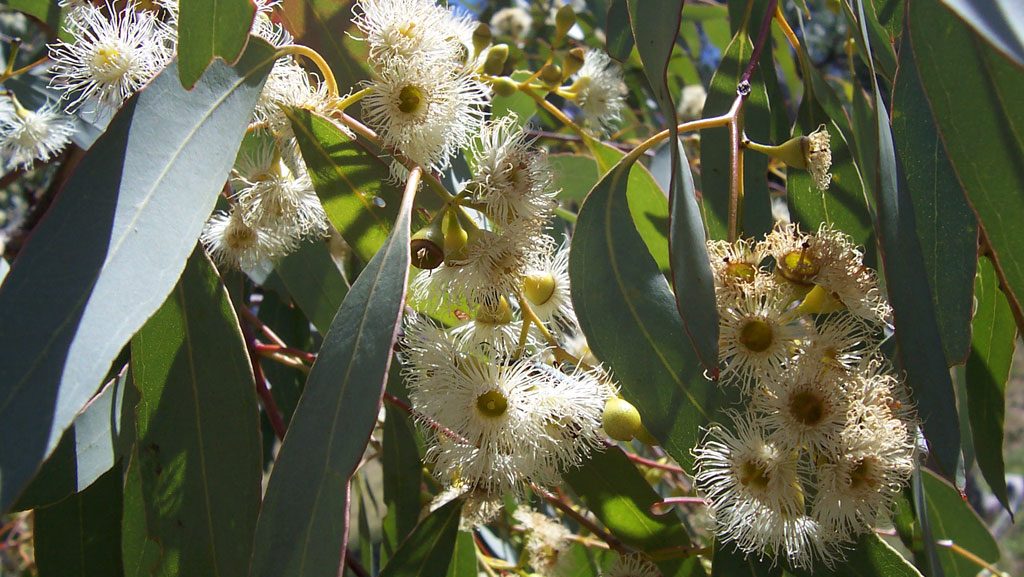
Eucalyptus (Various species)

Status: Naturalised in many areas, common in older gardens
Scent Profile: Medicinal, fresh, camphoraceous
Parts for Scenting: Leaves
Species in NZ:
- E. globulus (Blue Gum) – strongest, most medicinal
- E. citriodora (Lemon-scented) – softer, citrus notes
- E. viminalis (Ribbon Gum) – moderate scent
Best Uses:
- Simmer pots for clearing stuffy air
- Shower bundles (hang in hot shower for steam release)
- Room jars
Pairs With: Lemon, rosemary, lavender
Rose Geranium (Pelargonium graveolens)

NZ Growing: Thrives in most regions, easy in pots
Scent Profile: Rosy with green, slightly minty notes
Parts for Scenting: Leaves (not flowers)
Best Uses:
- Oil infusion (very effective)
- Sachets
- Room sprays
Why It’s Valuable: Fresh roses are seasonal, but rose geranium provides rose-like scent year-round. Leaves are easy to dry and store.
Availability: Garden centres ($8 NZD-12 NZD per plant)
Troubleshooting & Optimisation
Common Issues with Solutions
Issue: Scented oil/pomade has no scent after weeks of infusion
Possible Causes:
- Not enough plant material (jar should be 2/3 full minimum)
- Plant material wasn’t aromatic to begin with (old, improperly dried)
- Wrong extraction method for the compounds present
Solutions:
- Use fresh or recently dried aromatic material
- Crush/bruise herbs before adding to release oils
- Try alcohol maceration instead (broader spectrum)
- Re-infuse: strain, add fresh herbs to same oil, repeat 2-3 times
Issue: Alcohol maceration smells like alcohol, not plants
Possible Causes:
- Maceration time too short
- Not enough plant material
- Alcohol percentage too low (too much water)
Solutions:
- Extend maceration to 4-6 weeks minimum
- Pack jar fuller (1/2 to 2/3 full)
- Use higher-proof alcohol (50%+ if possible)
- Let spray dry after spraying – alcohol evaporates, leaving scent
- For perfume, let some alcohol evaporate in wide dish to concentrate
Issue: Potpourri loses scent within days
Possible Causes:
- No fixatives used
- Improper curing process
- Displayed in too-warm or sunny location
Solutions:
- Always use fixatives (orris root, benzoin) for longevity
- Cure in sealed container 4-6 weeks before displaying
- Display away from heat and direct sunlight
- Refresh: crush gently to release more oils, or add new fixative blend
Issue: Simmer pot scent fades very quickly
Possible Causes:
- All top notes, no base notes
- Not enough plant material
- Heat too high (volatilising everything at once)
Solutions:
- Include base notes (cinnamon, cloves, vanilla)
- Use more material (2-3 cups plant material per pot)
- Reduce heat to bare simmer
- Add fresh herbs/spices halfway through
Issue: Scent is overpowering/gives headaches
Possible Causes:
- Too much concentrated material
- Using very intense herbs (clove, cinnamon) without balance
- Poor ventilation
Solutions:
- Reduce quantity by half
- Balance intense herbs with gentle ones (1 part clove : 4 parts lavender)
- Ensure good air circulation
- Take breaks – scent fatigue is real
Issue: Mould growing in oil infusion
Possible Causes:
- Fresh plant material with too much water content
- Plant material not fully submerged
- Contamination during process
Solutions:
- Use dried herbs, or wilt fresh herbs for 12-24 hours first
- Ensure complete submersion (weight down if necessary)
- Use clean, dry jars and utensils
- Discard moldy batches – do not use
Issue: Alcohol maceration is cloudy/sediment forms
Explanation: This is normal! Plant waxes, resins, and proteins create cloudiness.
Solutions:
- Strain through coffee filter for clear liquid
- Or, embrace it – cloudiness doesn’t affect scent
- Sediment settles – decant clear liquid from top
Safety, Storage & Shelf Life
Safety Guidelines
Skin Safety:
Patch Testing:
Before using any new scented product on skin:
- Apply small amount to inside of wrist or elbow
- Wait 24 hours
- Check for redness, itching, or irritation
- If reaction occurs, do not use
Common Allergens in Plant Scents:
- Oakmoss: Known IFRA-restricted allergen
- Cinnamon: Can irritate skin in high concentrations
- Citrus peels: Contain furocoumarins, can cause photosensitivity
- Clove: Eugenol can irritate sensitive skin
Safe Dilution for Skin Application:
- Solid perfumes: Generally safe as plant oils are diluted in carrier oil/beeswax
- Alcohol perfumes: Use on clothes more than skin, or test first
- Direct plant material: Never apply fresh plants directly to skin without testing
Pregnancy & Nursing:
Herbs to Avoid in High Concentrations:
- Rosemary (can stimulate uterus)
- Sage (can reduce milk supply)
- Fennel (hormonal effects)
- Clove (uterine stimulant)
Generally Safe for Scenting (Not Therapeutic Use):
- Lavender
- Chamomile
- Rose
- Citrus (external scenting only)
Recommendation: Keep all scenting subtle during pregnancy. What smells pleasant before pregnancy can be overwhelming during.
Children & Infants:
Under 3 months:
- Avoid all strong scents
- No scented products near baby’s face or bedding
- Gentle rose or chamomile only if needed, very dilute
3 months – 2 years:
- Keep scents very subtle
- Avoid: Eucalyptus, peppermint, camphor (respiratory concerns)
- Safe: Lavender, chamomile, rose (diluted)
Over 2 years:
- Can tolerate more scents
- Still avoid very strong concentrations
- Watch for reactions
Pets:
Cats:
- Lack glucuronyl transferase enzyme (can’t process many compounds)
- Avoid concentrated use of: Eucalyptus, tea tree, thyme, oregano
- Safe: Gentle lavender, chamomile (at room-scenting levels, not concentrated)
Dogs:
- More tolerant than cats
- Still keep scents moderate
- Avoid: Very strong concentrations of any plant
Birds:
- Extremely sensitive respiratory systems
- Avoid all strong scenting in bird-occupied rooms
General Pet Rule: If scenting gives you a headache, it’s overwhelming for pets. Keep subtle.
Storage Guidelines
Dried Herbs:
- Container: Airtight glass jars or metal tins
- Location: Cool, dark, dry
- Shelf Life: 6-12 months for optimal scent (1-2 years safe but less aromatic)
- Signs of Degradation: Loss of scent, colour fading to brown, musty smell
Scented Oils:
- Container: Dark glass bottles (amber or cobalt blue)
- Location: Cool, dark (not bathroom – too humid)
- Shelf Life:
- Jojoba-based: 2+ years – Olive/sweet almond: 6-12 months – Coconut: 1-2 years
- Signs of Rancidity: Off smell (not plant scent), sticky texture, darkening
Alcohol Macerations:
- Container: Dark glass bottles with tight seals
- Location: Cool, dark
- Shelf Life: 2-5 years (alcohol preserves)
- Signs of Degradation: Loss of scent intensity, cloudiness (strain if desired)
Solid Perfumes:
- Container: Small tins or jars with lids
- Location: Cool, dry (avoid heat – they’ll melt)
- Shelf Life: 1-2 years
- Signs of Degradation: Separation of oil/wax, loss of scent, rancid smell
Hydrosols:
- Container: Dark glass bottles
- Location: Refrigerator (they’re mostly water, prone to bacterial growth)
- Shelf Life: No preservative: 1-2 weeks refrigerated – With vodka: 2-3 months refrigerated
- Signs of Degradation: Cloudiness, off smell, visible growth
Potpourri:
- Container: Breathable fabric bags or open bowls for display, sealed jars for storage
- Location: Cool, dry, away from direct sunlight
- Shelf Life: 3-6 months with fixatives, 2-4 weeks without
- Refreshing: Add new fixative blend every 2-3 months
Maximising Scent Longevity
For Stored Materials:
- Minimise Air Exposure: Open containers only when needed
- Control Temperature: Every 10°C increase roughly doubles degradation rate
- Block Light: UV degrades aromatic compounds
- Control Humidity: Moisture causes mold, dilutes scents
For Displayed Scents:
- Rotate Display: Use potpourri for 2-3 weeks, then seal and “rest” it for 1 week
- Refresh Regularly: Add new fixative blend or fresh botanicals every 1-2 months
- Location Matters: North-facing windowsills (indirect light) better than direct sun
For Personal Scents:
- Layer Products: Scented oil + solid perfume lasts longer than either alone
- Apply to Clothing: Scent lasts longer on fabric than skin
- Pulse Points: Wrists, behind ears, inside elbows (heat releases scent)
- Hair: Holds scent longer than skin (use mists, not oils)
Advanced Techniques & Considerations
Creating Signature Scents
Building a Personal Scent Identity:
Step 1: Identify Your Scent Preferences
- Keep a journal of scents you love in nature
- Notice which store-bought products you gravitate toward
- Test single herbs – which ones make you feel good?
Step 2: Determine Your Scent Family
- Floral lover? Start with rose, lavender, jasmine
- Prefer fresh? Citrus and herbs are your base
- Love warm scents? Spices and resins
Step 3: Create Your Signature Base
- Develop one oil infusion you love (your “base note”)
- Always include this in your personal scents
- Vary the top and middle notes for different occasions
Example Personal System:
- Base: Rose-infused jojoba (always the same)
- Summer variation: + Lemon verbena alcohol mist
- Winter variation: + Vanilla-benzoin solid perfume
- Evening variation: + Jasmine enfleurage
Result: A family of scents that are recognisably “yours” but suited to different contexts.
Seasonal Scenting Practices
Spring:
- Character: Fresh, green, floral, new growth
- Botanicals: Lemon verbena, fresh mint, early roses, chamomile
- Extraction: Fresh flower enfleurage, light alcohol macerations
- Best Uses: Room sprays, fresh simmer pots
Summer:
- Character: Bright, citrus, herbaceous, cooling
- Botanicals: Citrus peels, lavender, rosemary, eucalyptus
- Extraction: Solar-infused oils, cold macerations
- Best Uses: Cooling body mists, light solid perfumes
Autumn:
- Character: Warm spices, fruits, transitional
- Botanicals: Cinnamon, clove, apple, rose hips
- Extraction: Warm infusions, spice macerations
- Best Uses: Simmer pots, warming sachets
Winter:
- Character: Deep, resinous, warming, cosy
- Botanicals: Pine, benzoin, vanilla, orange, clove
- Extraction: Long macerations, resin tinctures
- Best Uses: Rich potpourri, warming solid perfumes, hearth-side simmer pots
Creating Scents for Specific Purposes
Meditation/Focus:
- Goal: Grounding, centring, calming without sedating
- Base Notes: Vetiver, benzoin, sandalwood
- Middle Notes: Rosemary (focus), frankincense
- Top Notes: Lemon (clarity)
- Format: Slow-burning incense, room jar
Sleep/Relaxation:
- Goal: Calming, soothing, gentle
- Base Notes: Vanilla, benzoin
- Middle Notes: Lavender, chamomile
- Top Notes: Lemon balm
- Format: Pillow sachets, bedside jar
Energy/Uplift:
- Goal: Invigorating, alerting, refreshing
- Base Notes: Rosemary (long-lasting stimulation)
- Middle Notes: Peppermint, eucalyptus
- Top Notes: Citrus (immediate lift)
- Format: Room spray, personal mist
Romance/Sensuality:
- Goal: Warm, inviting, complex
- Base Notes: Vanilla, benzoin, vetiver
- Middle Notes: Rose, jasmine
- Top Notes: Bergamot (if available), orange
- Format: Solid perfume, scented candles
Conclusion
Creating plant-based scents without essential oils is an ancient craft that connects us directly to the botanical world. By understanding the chemistry of aromatic compounds, mastering extraction techniques, and appreciating the art of composition, you can create sophisticated, long-lasting, complex fragrances that rival any commercial product.
This is slow perfumery – it requires time, experimentation, and patience. But the results are deeply rewarding: scents that are uniquely yours, made from plants you’ve grown or gathered, using methods that have been refined over millennia.
Start simple, be patient with yourself, and trust your nose. The journey from a simple lavender sachet to a complex, multi-layered signature scent is one of gradual discovery and growing confidence. Every extraction teaches you something new about how plants work, how scents evolve, and what you truly love.
May your home and body smell of the earth itself – complex, beautiful, and alive.
Sources & References
Arctander, S. (1960). Perfume and flavour Materials of Natural Origin. Allured Publishing. (The historical reference for natural perfume materials)
Calkin, R. R., & Jellinek, J. S. (1994). Perfumery: Practice and Principles. Wiley. (Academic foundation of perfume design)
Curtis, T., & Williams, D. G. (2009). Introduction to Perfumery (2nd ed.). Micelle Press. (Comprehensive modern reference)
Groom, N. (1997). The New Perfume Handbook (2nd ed.). Springer. (Historical and modern techniques)
Poucher, W. A. (1991). Poucher’s Perfumes, Cosmetics and Soaps (9th ed., 3 vols.). Springer. (Classic technical reference)
Lawless, J. (2013). The Encyclopedia of Essential Oils (2nd ed.). Conari Press. (Chemistry of aromatic compounds)
Tisserand, R., & Young, R. (2014). Essential Oil Safety (2nd ed.). Churchill Livingstone. (Safety data and compound analysis)
Green, J. (2007). The Herbal Medicine-Maker’s Handbook: A Home Manual. Crossing Press. (Traditional extraction methods)
Grieve, M. (1931). A Modern Herbal. Dover Publications. (Historical plant uses and preparations)
Dodd, G. H., & Squirrell, D. J. (2000). The Scented Ape: The Biology and Culture of Human Odour. Cambridge University Press. (Science of scent perception)
Ryman, D. (1991). Aromatherapy: The Encyclopedia of Plants and Oils. Piatkus. (Plant profiles and extraction)
Aftel, M. (2001). Essence and Alchemy: A Natural History of Perfume. North Point Press. (Historical context of natural perfumery)
New Zealand Plant Conservation Network. (2024). Native Plant Database. https://www.nzpcn.org.nz
Brooker, S. G., Cambie, R. C., & Cooper, R. C. (1987). New Zealand Medicinal Plants. Heinemann. (NZ native plant chemistry)
Riley, M. (1994). Māori Healing and Herbal. Viking Sevenseas NZ. (Rongo→ Māori traditional knowledge)
Crowe, A. (2004). Which Native Tree? Penguin Books NZ. (NZ plant identification)
International Fragrance Association (IFRA). (2024). IFRA Standards Library. https://ifrafragrance.org (Current safety standards)
Royal New Zealand College of General Practitioners. (2022). Rongoā Māori Practice Guidelines. (Cultural considerations for using taonga plants)
Mark, G. T., & Lyons, A. C. (2010). “Māori healers’ views on wellbeing: The importance of mind, body, spirit, family and land.” Social Science & Medicine, 70(11), 1756-1764. (Cultural context)
Buckle, J. (2015). Clinical Aromatherapy (3rd ed.). Churchill Livingstone. (Modern clinical applications and safety)
Rongoā Māori Disclaimer: This guide does not represent rongoā Māori preparation methods or traditional Māori medicine-making. Rongoā Māori is a complete healing system with its own protocols, karakia (prayers), and cultural practices that cannot be separated from te ao Māori (the Māori worldview). For rongoā Māori knowledge and treatment, please consult qualified rongoā practitioners through Te Paepae Motuhake or other appropriate Māori health services.
Medical Disclaimer: This guide is for educational purposes only and is not medical advice. The scenting methods described are for creating ambient fragrances and personal scents, not for therapeutic treatment of health conditions. Always ensure proper plant identification before use, especially when foraging wild plants. If you are pregnant, nursing, have allergies, respiratory conditions, or sensitive skin, consult with a qualified healthcare provider before using scented preparations. When using plants with cultural significance (particularly taonga plants in rongoā Māori), approach with respect, seek appropriate permissions, and acknowledge their importance to Māori culture. Keep all scenting materials away from children and pets. Conduct patch tests before applying any new scented product to skin. The author and publisher assume no liability for any adverse reactions, injuries, or losses resulting from the use of information in this guide. The information presented represents current scientific understanding, which continues to evolve.
Note on Pricing: All prices mentioned in this guide are approximate and based on New Zealand suppliers as of January 2026. Prices vary by supplier, season, and market conditions. We recommend checking current prices with your local suppliers.