Plant-Based Scents Without Essential Oils
Natural plant-based scents, accessible DIY approach, budget-friendly, sustainable.
Why Skip Essential Oils
Cost: A 10ml bottle of quality lavender essential oil costs $15-30 NZD. Rose essential oil? That can be $50-100 for the same amount. You can create beautiful scents for a fraction of that cost using whole plants—often for just the cost of your time if you grow or forage them.
Accessibility: Not everyone has access to essential oils, especially in rural areas. Fresh or dried herbs are much easier to source. You can grow them in a pot on your balcony, forage them from your backyard, or buy them cheaply from bulk bins at health food stores.
Gentleness: Essential oils are highly concentrated—it takes about 10,000 rose petals to make just 5ml of rose essential oil. This concentration means they can irritate sensitive skin or trigger allergies. Whole-plant preparations are much gentler while still being beautifully fragrant.
Sustainability: Essential oil production requires enormous amounts of plant material. Using whole plants is more sustainable and creates less waste. You’re using the entire plant, not just an extracted essence.
The Experience: There’s something deeply satisfying about making scent directly from plants. You see the flowers, smell them fresh, and watch them transform. It connects you to the whole plant, not just a bottled product.
Why This Matters: Traditional scenting methods have been used for thousands of years. These methods work, they’re accessible, and they often create scents that are more complex and nuanced than single essential oils. A rose petal infusion captures not just the primary scent, but also subtle green notes and complexity that pure essential oil lacks.
How Plant Scents Actually Work
What Makes Plants Smell?
Plants contain volatile compounds—molecules that easily evaporate into the air and reach your nose. These include:
- Terpenes: Found in most aromatic plants like Lavender, Rosemary, and Pine. These give plants their fresh, herbaceous scents.
- Phenylpropanoids: Create spicy, sweet scents in plants like Basil and Clove.
- Esters: Responsible for fruity, floral notes in Rose and Jasmine.
- Aldehydes: Create fresh, citrusy scents in lemon peel and Lemon Verbena.
Why This Matters: Understanding that scent comes from these volatile compounds helps you realise that you don’t need essential oils to capture fragrance. These compounds can be extracted using simple methods—fat, alcohol, water, or even just air drying.
How We Extract Scent Without Distillation
There are four simple ways to capture plant scents without essential oils:
- Fat Extraction (Enfleurage): Fats absorb the scent molecules from fresh flowers. Think of how butter absorbs the smell of garlic when you cook with it—same principle.
- Alcohol Extraction: Alcohol is excellent at dissolving aromatic compounds. A vodka-based herb extract captures a wide range of scent molecules.
- Water Extraction: Boiling or simmering herbs in water releases their scents into the steam. This is temporary but beautiful for home scenting.
- Dry Preservation: Simply drying herbs concentrates their aromatic oils, which then slowly evaporate over time.
The Trade-Off: These methods create gentler, more subtle scents than essential oils. They won’t “blast” a room with fragrance, but they create a natural, layered atmosphere that feels connected to the earth.
Simple Personal Scents
1. Solid Scent Balm (Herbal Perfume)
This is the easiest way to make a wearable scent that lasts.
Why It Works: Infused oils capture the fat-soluble scent compounds from plants. Adding beeswax turns it into a solid balm you can apply to your wrists, neck, or hair.
What You Need:
- 2 tablespoons strongly-scented herbal infused oil (Rose, Lavender, Jasmine, or Mint work beautifully)
- 1 tablespoon beeswax pellets
- Small tin or lip balm tube
How to Make It:
- Melt the beeswax and infused oil together in a double boiler (a bowl over a pot of simmering water).
- Once fully liquid, carefully pour into your tin or tube.
- Let it cool completely until solid (about 30 minutes).
- To use: Rub a finger over the balm and apply to pulse points. Your body heat will release the scent.
NZ Pricing: Beeswax pellets cost $8-12 per 100g at health food stores. One batch costs less than $2 to make.
Budget Tip: Make your own infused oil by filling a jar with dried herbs, covering with olive oil or sweet almond oil, and letting it sit in a sunny window for 2-4 weeks. Strain and use.
2. Herbal Scent Mist (For Hair & Clothing)
This is like a natural perfume water.
Why It Works: Alcohol extracts a wide range of scent compounds from plants, creating a light spray that helps the scent last.
What You Need:
- A handful of fresh fragrant herbs (Rose geranium leaves, Lemon Verbena, Mint, or Lavender)
- Vodka (the higher the proof, the better—40% minimum)
- Small spray bottle (50-100ml)
How to Make It:
- Chop the herbs roughly and pack them into a small jar.
- Cover completely with vodka, seal, and let sit in a dark place for 2-4 weeks. This is your scent extract.
- Strain out the herbs and pour the liquid into your spray bottle.
- To use: Mist lightly onto your hairbrush, clothes, or scarf. Test on fabric first!
NZ Pricing: A bottle of cheap vodka ($25-30) will make dozens of batches. Cost per bottle: less than $2.
Why Vodka? It’s readily available, has no scent of its own, and evaporates quickly, leaving just the plant scent behind.
3. Scented Sachets (For Drawers & Closets)
The classic, timeless method for keeping your clothes fresh.
Why It Works: Dried herbs slowly release their scent through passive evaporation. Enclosed spaces trap the fragrance, making it last for months.
What You Need:
- Small fabric bags (muslin or cotton—you can make these from old pillowcases)
- Dried, fragrant herbs and spices (Lavender buds, Rose petals, Rosemary, whole Cloves, Cinnamon chips)
How to Make Them:
- Mix your chosen herbs and spices in a bowl. Try combining complementary scents: Lavender + Rosemary, or Rose + Cinnamon.
- Fill the fabric bags about halfway.
- Tie closed with ribbon or string.
- Tuck into drawers, hang in wardrobes, or place under your pillow.
How Long They Last: Sachets stay fragrant for 3-6 months. When the scent fades, crush the bag gently to release more oils, or refresh with new herbs.
Budget Approach: Grow Lavender and Rosemary (both thrive in NZ), dry your own rose petals after they’ve finished blooming, and save citrus peels from your kitchen.
Easy Home Scents
1. Stovetop Simmer Pot
The absolute simplest way to make your whole house smell amazing.
Why It Works: Simmering herbs and spices in water releases their volatile aromatic compounds into the steam, which carries the scent throughout your home.
Classic Cozy Blend:
- 1 orange, sliced
- 2 cinnamon sticks
- 1 tablespoon whole cloves
- 1 teaspoon vanilla extract
- A few bay leaves
How to Do It:
- Add all ingredients to a small pot with 2-3 cups of water.
- Bring to a gentle simmer on the stove.
- Keep on low heat, adding more water as needed (every 30-60 minutes).
- Enjoy for as long as you like—the scent will fill your home within 10 minutes.
NZ Pricing: Cinnamon sticks ($4-6 for a pack), cloves ($3-5 per jar), vanilla extract ($4-8). One batch costs about $2-3 if you save citrus peels from your kitchen.
Safety Note: Never leave the pot unattended. Turn it off when you leave the house or go to bed.
Variations:
- Fresh & Clean: Lemon slices, Rosemary sprigs, Mint leaves
- Warm & Spicy: Apple slices, Cinnamon, Cloves, Nutmeg
- Herbal & Calming: Lavender, Lemon Balm, Chamomile
2. Passive Room Jar
A beautiful jar that sits quietly and scents the air.
Why It Works: Salt absorbs moisture and odors from the air, while the herbs provide continuous, gentle fragrance.
What You Need:
- A wide-mouth glass jar (mason jars work perfectly)
- Coarse sea salt or Epsom salts
- Dried citrus peels (orange, lemon)
- Whole spices (cinnamon sticks, star anise)
- Dried herbs (Rosemary, Lavender)
How to Make It:
- Layer the salt and botanicals in the jar, creating a pretty pattern if you like.
- Leave the jar uncovered.
- Place on a shelf, table, or bathroom counter.
- Every few days, gently stir the contents to refresh the scent.
How Long It Lasts: 2-4 weeks before needing to refresh the herbs.
Budget Tip: Use salt from the bulk bins at Bin Inn or similar stores ($2-3 per kg). Save and dry all your citrus peels—free scent material!
3. Carpet & Upholstery Freshener
Natural deodoriser for carpets and furniture.
Why It Works: Baking soda absorbs odors while the finely ground herbs leave a subtle, clean scent behind.
What You Need:
- 1 cup baking soda
- 2 tablespoons dried, finely ground herbs (Lavender, Mint, or Rose petals work beautifully)
How to Make It:
- Mix the baking soda and ground herbs thoroughly.
- Store in a jar with a shaker top (recycle an old spice jar).
How to Use It:
- Sprinkle generously over dry carpets or upholstery.
- Let sit for 15-30 minutes.
- Vacuum thoroughly.
The Scent: You’ll notice the herbal scent most strongly during vacuuming, with a subtle fresh smell lingering afterward.
NZ Pricing: Baking soda costs $2-4 per kg at supermarkets. One batch costs less than 50 cents.
4. Electric Warmer Blend
If you have an electric wax warmer (without flame), you can use it for herbs.
Why It Works: Gentle, indirect heat releases the volatile oils from dried herbs without burning them.
What You Need:
- Electric wax warmer with removable dish
- Dried herbs (Lavender, Rosemary, crushed lemon peel)
How to Use It:
- Combine about 1 tablespoon total of your chosen dried herbs in a bowl. Crush them gently between your fingers to help release their oils.
- Place the herb blend into the top dish of your warmer.
- Optional: Add a tiny amount of water to create steam (this helps distribute the scent).
- Turn the warmer on.
- Enjoy the scent for about an hour, then turn off, cool, and compost the used herbs.
Best Blends:
- 1 part Lavender + 1 part Rosemary + 1 part crushed lemon peel
- Equal parts Mint, Basil, and Lemon Balm
Safety: Never leave unattended. Don’t use synthetic fragrance oils—only dried herbs.
Making Scented Gifts
These make thoughtful, personal gifts that show you care.
Stovetop Simmer Pot Gift Jar
What You Need:
- Clean, attractive jar
- 1-2 cinnamon sticks
- 2 tablespoons whole cloves
- 1 tablespoon allspice berries (optional)
- Dried orange or lemon peel
- 1-2 bay leaves
How to Package:
- Layer all ingredients beautifully in the jar.
- Create a tag with instructions: “Add contents to a small pot with 2-3 cups water. Simmer on low, adding more water as needed. Enjoy!”
Why It’s Great: It’s immediate, practical, and makes the whole house smell amazing. Perfect for housewarming gifts.
Herbal Room Spray
What You Need:
- ¼ cup vodka or witch hazel
- ¾ cup distilled water
- 2 tablespoons dried Lavender + a few dried Rosemary sprigs
- 50-100ml spray bottle
How to Make:
- Place herbs in a jar, cover with vodka, seal, and let sit for 1-2 weeks, shaking daily.
- Strain out herbs.
- Mix scented vodka with distilled water in spray bottle.
- Label: “Shake well and mist into the air. Avoid spraying directly on wood or delicate fabrics.”
Why It’s Great: Feels luxurious but costs pennies to make.
Best Herbs for Scenting
Top 10 Easy-to-Find Scenting Herbs in NZ
1. Lavender (Lavandula)
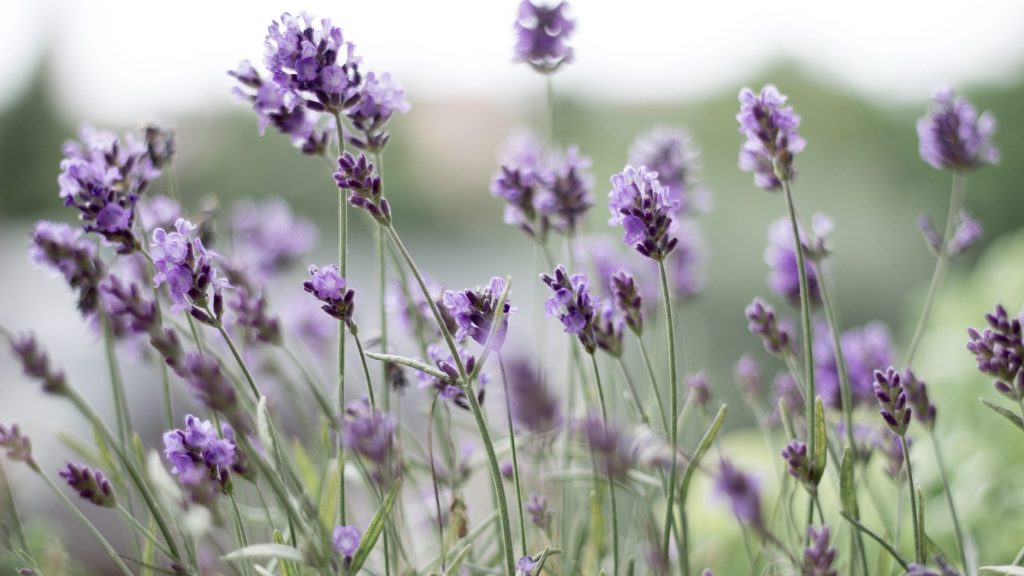
- Scent: Floral, clean, calming
- Best For: Personal scents, sachets, room sprays
- NZ Availability: Grows everywhere. Garden centres sell plants for $6-10. Dried lavender in bulk: $8-12 per 100g.
- Why It’s Great: Universally loved scent, incredibly easy to grow and dry, long-lasting fragrance.
2. Rosemary (Rosmarinus officinalis)

- Scent: Fresh, pine-like, invigorating
- Best For: Simmer pots, room jars, sachets for men’s spaces
- NZ Availability: Grows like a weed in most regions. Free if you forage from public spaces or friends’ gardens.
- Why It’s Great: Strong, long-lasting scent. Pairs beautifully with citrus.
3. Rose (Rosa)
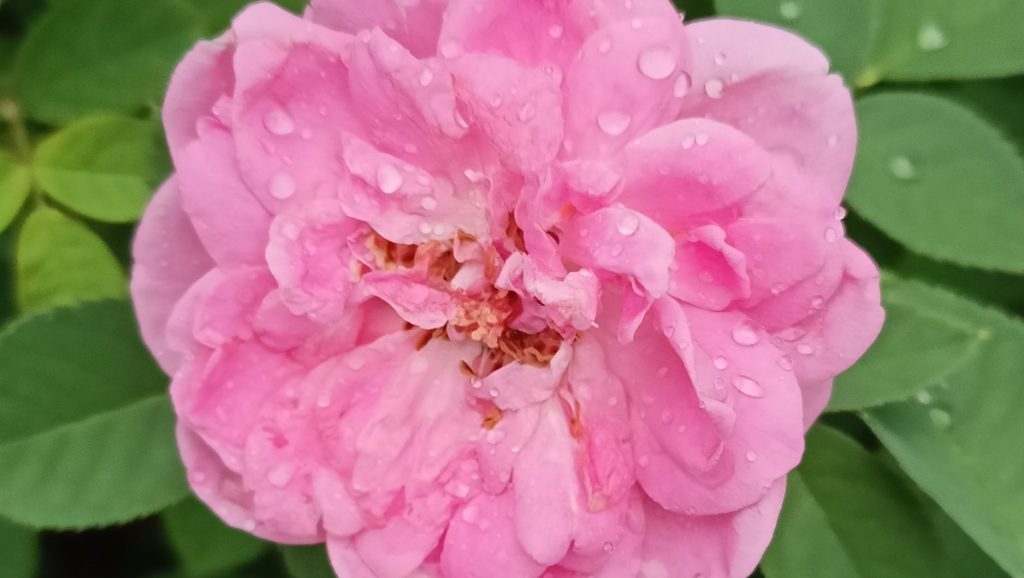
- Scent: Sweet, romantic, floral
- Best For: Solid perfumes, sachets, infused oils
- NZ Availability: Grows in most gardens. Save petals after blooms fade. Dried rose petals in bulk: $10-15 per 100g.
- Why It’s Great: Classic, luxurious scent. Even old garden roses work beautifully.
4. Mint (Mentha)
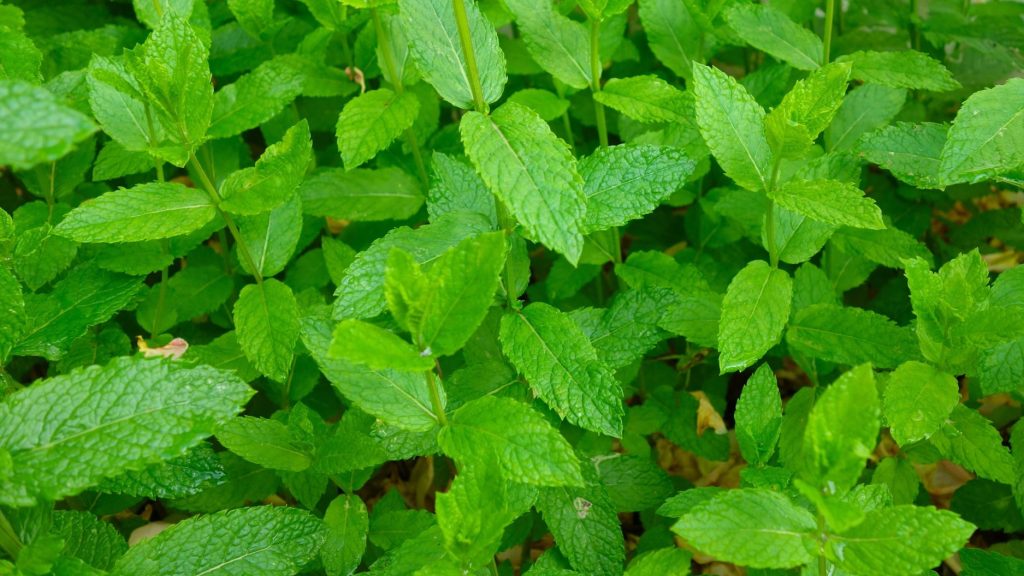
- Scent: Fresh, cooling, energizing
- Best For: Room sprays, simmer pots, carpet fresheners
- NZ Availability: Grows vigorously (sometimes too vigorously!). Often free from neighbors or roadsides.
- Why It’s Great: Instantly recognisable, uplifting scent. Combines well with citrus and Lavender.
5. Lemon Balm (Melissa officinalis)

- Scent: Lemony, bright, uplifting
- Best For: Room sprays, simmer pots, sachets
- NZ Availability: Easy to grow, self-seeds readily. Garden centres: $5-8 per plant.
- Why It’s Great: Beautiful citrus scent without needing actual citrus. Gentle and versatile.
6. Cinnamon (Cinnamomum verum)
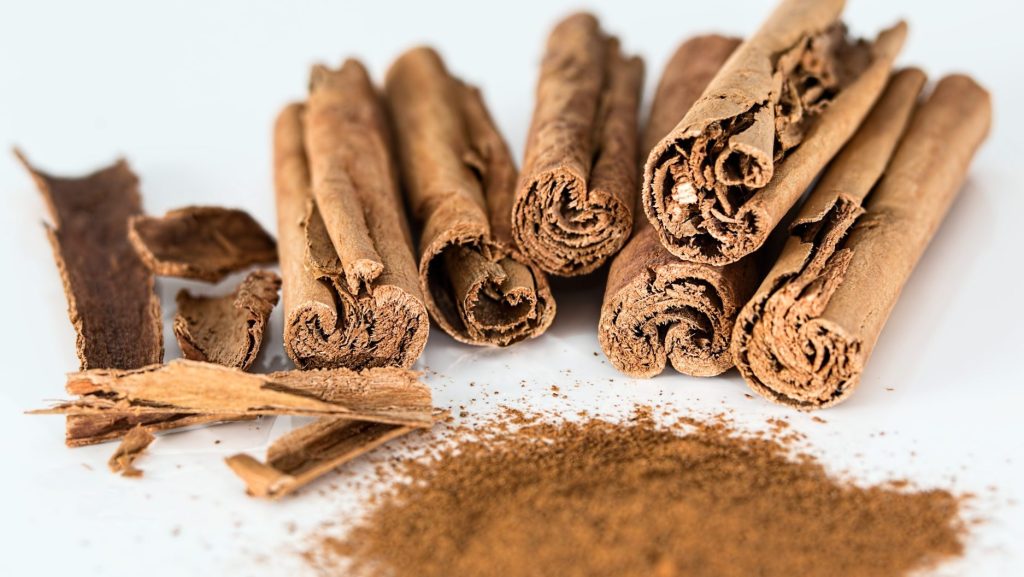
- Scent: Warm, spicy, cozy
- Best For: Simmer pots, room jars, sachets
- NZ Availability: Cinnamon sticks widely available at supermarkets ($4-6 per pack) and bulk stores ($8-12 per 100g).
- Why It’s Great: Instantly creates a warm, welcoming atmosphere. Pairs with almost anything.
7. Citrus Peels (Orange, Lemon, Grapefruit)

- Scent: Fresh, clean, bright
- Best For: Simmer pots, room jars, infused oils
- NZ Availability: Free! Save peels from fruit you’re already eating.
- Why It’s Great: Zero cost, fantastic scent, and they’re incredibly versatile.
8. Clove (Syzygium aromaticum)
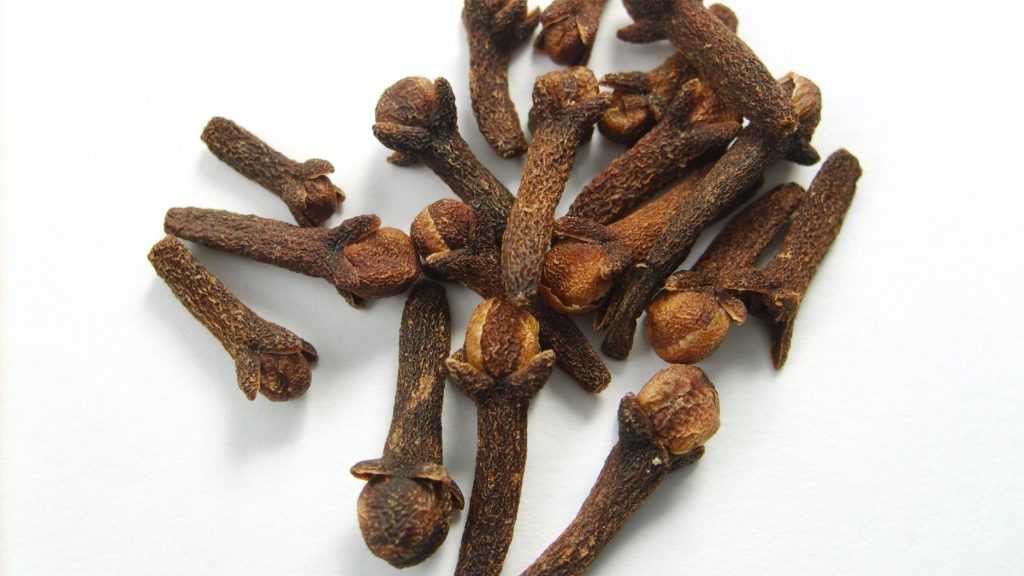
- Scent: Spicy, warm, intense
- Best For: Simmer pots, sachets (use sparingly)
- NZ Availability: Whole cloves at supermarkets ($3-5 per jar) or bulk stores.
- Why It’s Great: A little goes a long way. Creates depth in scent blends.
9. Bay Leaves (Laurus nobilis)
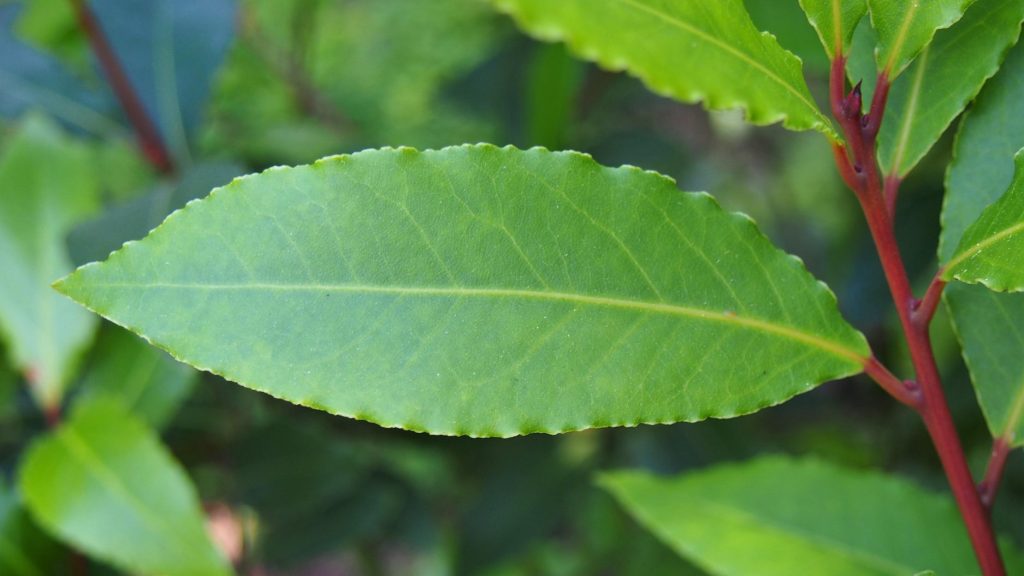
- Scent: Subtle, herbal, slightly sweet
- Best For: Simmer pots, room jars, sachets
- NZ Availability: Garden centres sell bay trees ($15-30). Dried leaves at supermarkets ($3-5 per packet).
- Why It’s Great: Adds complexity to blends without overpowering. Long shelf life.
10. Sage (Salvia officinalis)
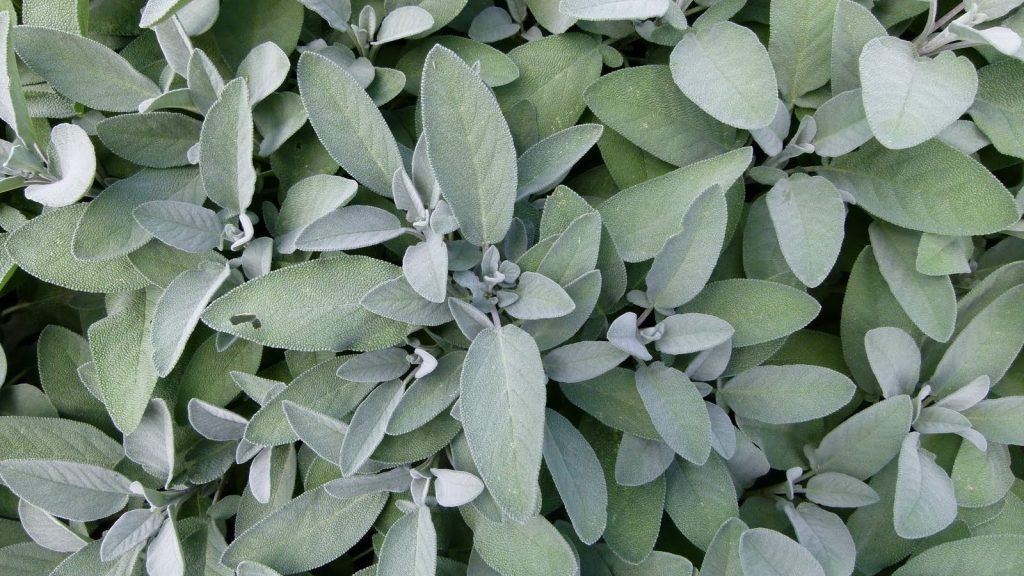
- Scent: Earthy, herbal, grounding
- Best For: Simmer pots, sachets, room jars
- NZ Availability: Easy to grow. Garden centres: $5-8 per plant.
- Why It’s Great: Wonderful in masculine scent blends. Combines beautifully with citrus and Rosemary.
NZ-Specific Scenting Plants
Native & Naturalised Plants for Scenting
Important Note on Foraging: Always ensure you’re foraging from safe, unpolluted areas. Never take plants from conservation land without permission. Respect tikanga Māori and consider cultural significance before harvesting native plants.
Kawakawa (Piper excelsum)
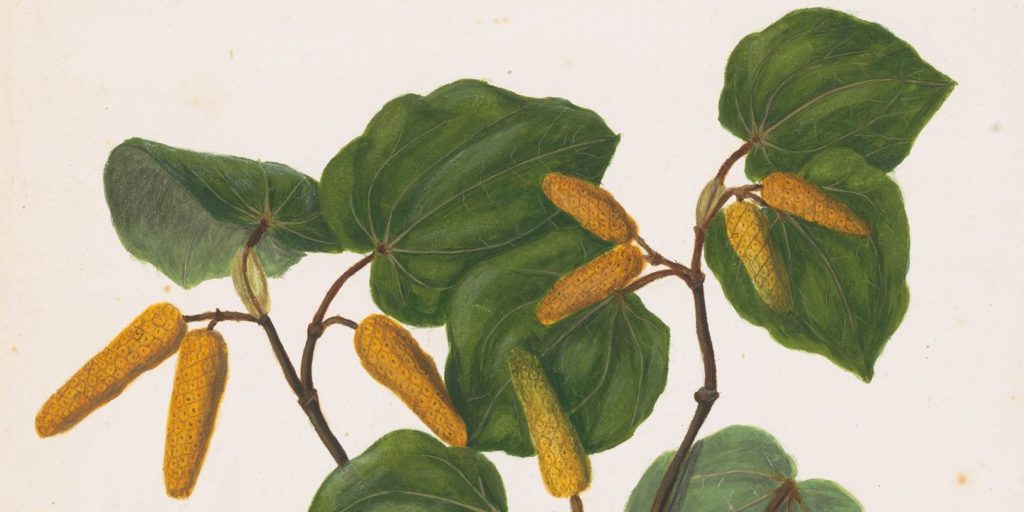
- Scent: Peppery, earthy, warming
- Parts Used: Leaves (dried)
- Best For: Sachets, room jars (adds an earthy base note)
- Cultural Note: Kawakawa is a taonga (treasured plant) in rongoā Māori. If you use it, do so with respect and understanding of its cultural significance.
- Where to Find: Common in native bush throughout the North Island and northern South Island. Garden centres increasingly stock it.
Manuka (Leptospermum scoparium)
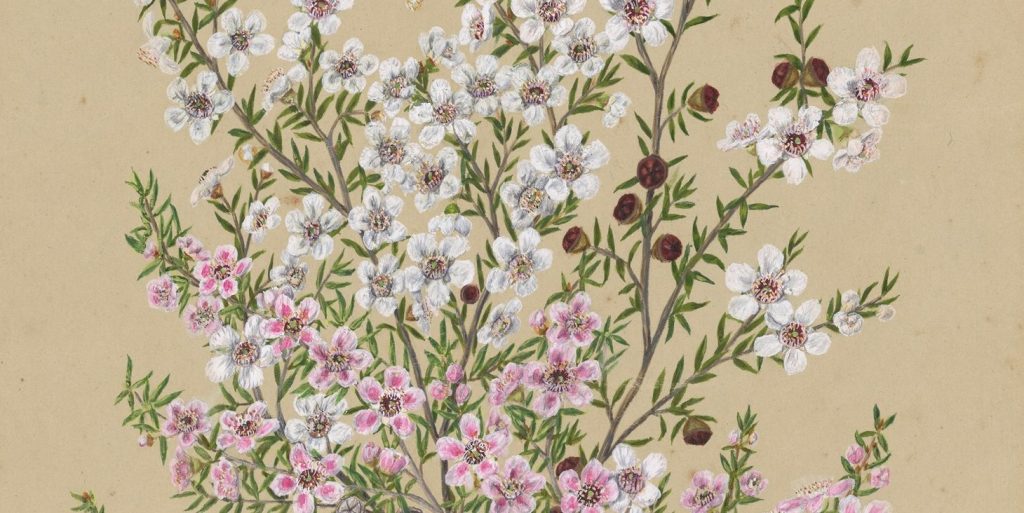
- Scent: Honey-like, medicinal, slightly sweet
- Parts Used: Flowers (fresh or dried), wood chips
- Best For: Simmer pots, room jars
- Where to Find: Widespread throughout NZ. Flowers in spring (September-November).
Kanuka (Kunzea ericoides)

- Scent: Softer and sweeter than Manuka, honey-like
- Parts Used: Flowers, small branch tips
- Best For: Simmer pots, sachets
- Where to Find: Common in many regions. Often confused with Manuka but has softer leaves.
Pine (Pinus radiata – naturalised)
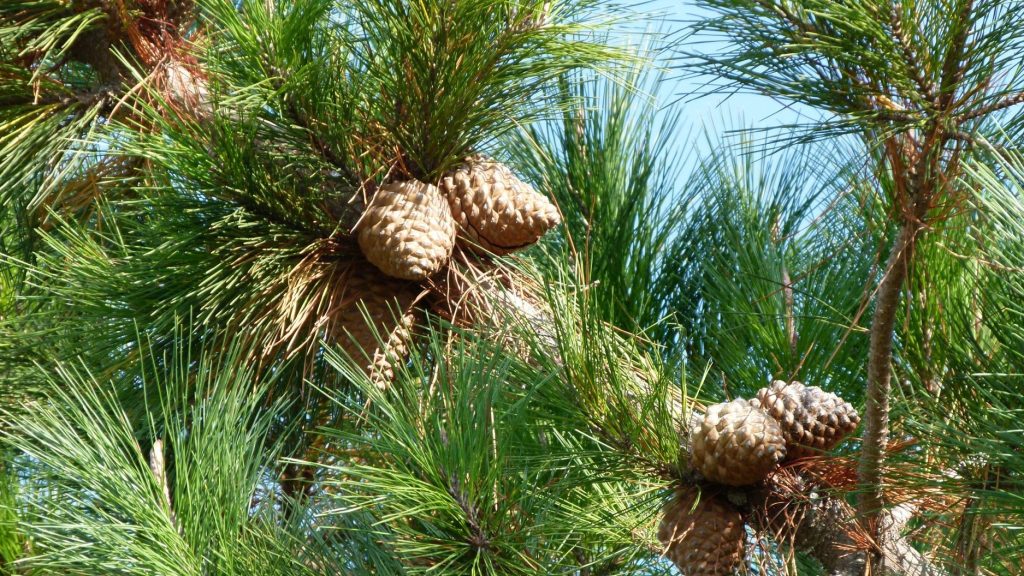
- Scent: Fresh, forest-like, clean
- Parts Used: Needles
- Best For: Simmer pots, sachets for masculine scents
- Where to Find: Plantations and roadsides throughout NZ. Free and abundant.
- Why It’s Great: Creates that fresh “forest” scent. Pairs beautifully with citrus.
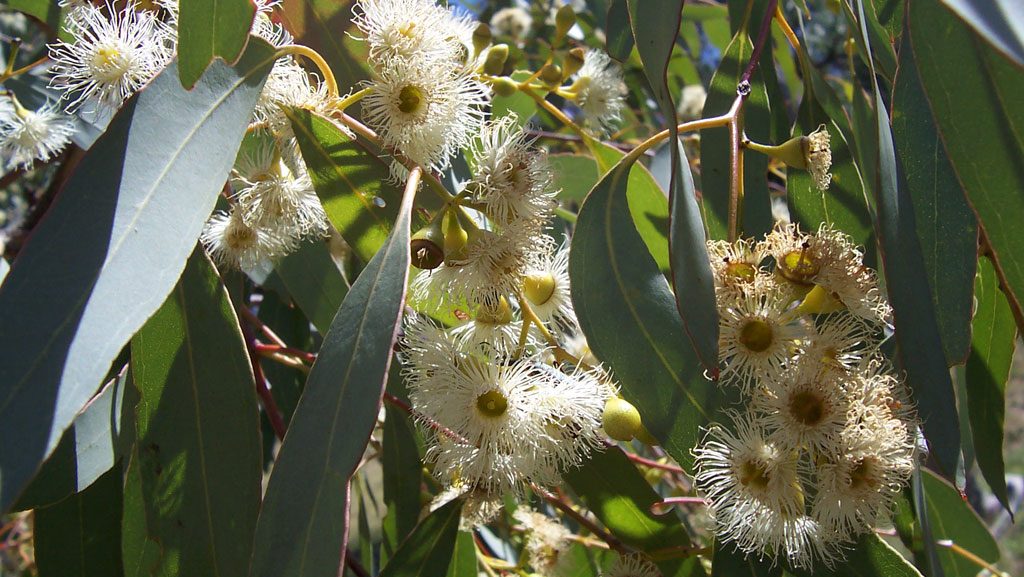
Eucalyptus (Various species – naturalised)
- Scent: Medicinal, fresh, invigorating
- Parts Used: Leaves
- Best For: Simmer pots, room jars, carpet fresheners
- Where to Find: Common in many regions, especially older gardens and parks.
- Why It’s Great: Wonderful for clearing stuffy air. Pairs with Lemon and Rosemary.
Lemon Verbena (Aloysia citrodora – grows well in NZ)
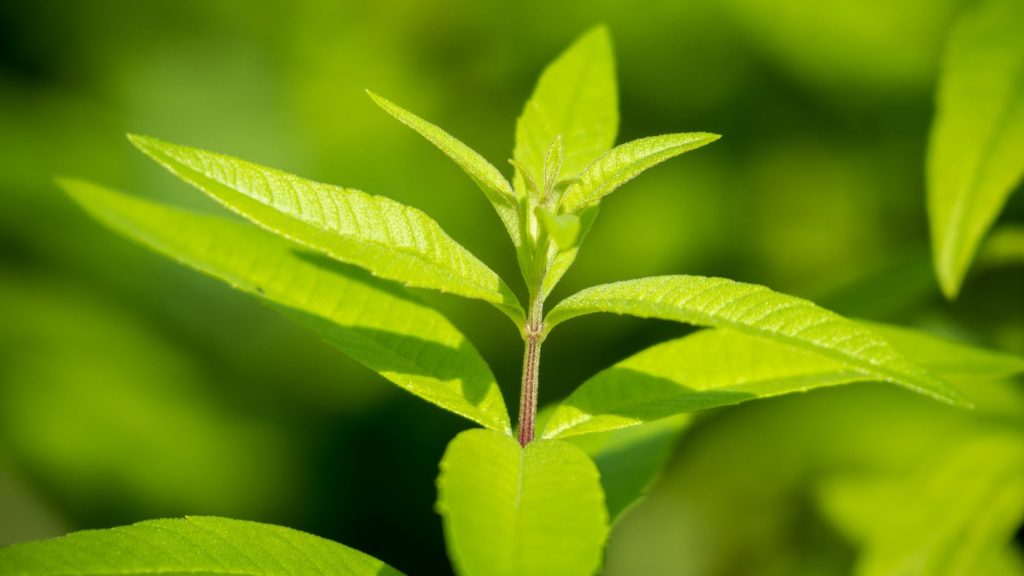
- Scent: Intensely lemony, sweet
- Parts Used: Leaves
- Best For: Room sprays, sachets, infused oils
- Where to Find: Specialty herb nurseries and some garden centres ($8-12 per plant).
- Why It’s Great: One of the strongest lemon scents in the plant world. A little goes a long way.
Starting Your Practice
Your First Scenting Project
Step 1: Start with One Plant What smells amazing to you? Is it the Rosemary bush in your garden? The Lavender at your neighbor’s place? The lemon tree in your backyard? Start there. Work with one plant you genuinely love the scent of.
Step 2: Dry Your Herbs Properly
- Harvest on a dry morning after dew has evaporated.
- Tie in small bundles and hang upside down in a dark, well-ventilated place.
- They’re ready when crispy-dry (usually 1-2 weeks).
- Store in airtight jars away from light.
Why This Matters: Proper drying concentrates the aromatic oils and prevents mold. Damp herbs will rot, not scent.
Step 3: Make a Simple Sachet Your first project should be simple. Fill a small cloth bag with your dried herbs, tie it shut, and put it in your drawer. That’s it. You’ve created your first plant-based scent.
Step 4: Experiment with Blends Once you’re comfortable, try combining scents. Crush a few dried herbs in your hand and smell them together. Do Lavender and Lemon Peel work? What about Rosemary and Orange? Your nose is your best guide.
Common Beginner Mistakes:
- Using too much scent material (a little goes a long way)
- Not drying herbs completely (leads to mold)
- Expecting essential-oil-strength scents (these are gentler)
- Storing in clear containers in sunlight (degrades scent)
Troubleshooting Common Issues
Problem: My sachet/jar doesn’t smell like anything.
- Cause: Herbs are too old, weren’t dried properly, or have lost their oils.
- Solution: Use fresher herbs. Crush them gently before using to release oils. Replace every 3-6 months.
Problem: My simmer pot smells great at first but fades quickly.
- Cause: All the volatile oils evaporated in the first 10 minutes.
- Solution: Use more plant material. Add fresh herbs halfway through. Include base notes (cinnamon, cloves) that last longer.
Problem: My infused oil doesn’t smell strong enough.
- Cause: Not enough plant material, or extraction time was too short.
- Solution: Pack the jar tightly with herbs (fill at least 2/3 full). Let sit for 4-6 weeks instead of 2. Consider re-infusing: strain, add fresh herbs, steep again.
Problem: My carpet freshener clumps.
- Cause: Herbs weren’t ground finely enough, or there’s moisture.
- Solution: Grind herbs to a fine powder using a coffee grinder. Ensure baking soda is completely dry. Store in an airtight container.
Problem: My alcohol spray smells like vodka.
- Cause: Not enough herbs, or extraction time was too short.
- Solution: Use more herbs (pack the jar full). Let sit for the full 2-4 weeks. The alcohol smell will evaporate when you spray it, leaving just the plant scent.
Safety Guidelines
General Safety Rules
1. Never Smoke or Ingest Scenting Blends These preparations are for external use only—for scenting your home or body, not for consumption.
2. Always Use Proper Ventilation When using simmer pots or warmers, keep a window slightly open. Good airflow prevents the air from becoming too heavy or causing headaches.
3. Use Only Safe, Identified Plants If you didn’t buy it as a culinary or medicinal herb from a reputable source, don’t use it for scenting. Foraging requires 100% positive identification.
4. Watch for Allergies Even natural scents can trigger allergies or sensitivities. If you notice headaches, skin irritation, or respiratory issues, stop using that blend.
5. Keep Away from Children and Pets
- Simmer pots and warmers get hot.
- Some scenting materials (especially concentrated blends) can be harmful if ingested.
- Cats are particularly sensitive to many aromatic compounds.
6. Never Leave Heat Sources Unattended Always turn off simmer pots, warmers, or any heat source when you leave the room or house.
7. Test Fabrics First Before spraying herbal mists on clothing or furniture, test on an inconspicuous area first. Some herbs can stain.
Specific Safety Considerations
Pregnancy & Nursing:
Avoid using large amounts of strongly scented herbs like:
- Rosemary (in high concentrations)
- Sage
- Fennel
- Any herbs you wouldn’t consume regularly during pregnancy
Lavender, Chamomile, Rose, and Citrus are generally considered safe for scenting (not for therapeutic use).
Young Children:
Keep scenting materials subtle. Children’s senses are more sensitive than adults’. What smells pleasant to you might be overwhelming to a child.
Pets:
Cats lack certain liver enzymes and can be sensitive to many aromatic compounds. Keep scenting subtle if you have cats, and avoid:
- Eucalyptus (in high concentrations)
- Tea tree
- Thyme, Oregano (in high concentrations)
Dogs are generally more tolerant but still benefit from subtle, occasional scenting rather than constant exposure.
Making It Work: Practical Tips
Budget-Friendly Approach:
- Grow your own Lavender, Rosemary, Mint, and Sage. Initial plant cost: $20-30. Years of free scent material.
- Save all citrus peels. Dry them and store in jars.
- Buy spices (cinnamon, cloves) from bulk bins: $2-3 per 100g instead of $5-7 for tiny jars.
- Use vodka from the cheapest bottle you can find—you’re not drinking it.
Urban Dwellers:
- Grow herbs in pots on balconies: Lavender, Rosemary, Lemon Balm, and Mint all thrive in containers.
- Ask at markets for “past-prime” flowers and herbs at discounted prices. They’re perfect for scenting.
- Join community gardens to access more space for growing scenting herbs.
Rural Foragers:
- You likely have access to Pine, Eucalyptus, wild Fennel, and naturalized herbs.
- Be mindful of pesticides—never forage from agricultural areas or roadsides sprayed by councils.
- Native plants (Kawakawa, Manuka, Kanuka) are often abundant on private land—ask permission first.
Time-Saving Tips:
- Dry herbs in large batches when they’re in season.
- Make infused oils in quantity and store them. They last 6-12 months.
- Pre-mix sachet blends in bulk and fill bags as needed.
Final Thoughts
Creating plant-based scents without essential oils is one of the most accessible, affordable, and sustainable ways to bring natural fragrance into your life. The scents are gentler, the process is simpler, and the connection to the plants themselves is more immediate.
You don’t need expensive equipment, rare ingredients, or expert knowledge. You just need plants, time, and a willingness to experiment. Start with one simple project—a sachet, a simmer pot, a jar of herbs—and see where it takes you.
Remember: Plant-based scents are softer and more nuanced than essential oils. They won’t blast a room with fragrance, but they will create a gentle, natural, beautiful atmosphere that feels truly connected to the earth.
Sources & References
- Tisserand, R., & Young, R. (2014). Essential Oil Safety (2nd ed.). Churchill Livingstone. (For understanding aromatic compounds and safety)
- Green, J. (2007). The Herbal Medicine-Maker’s Handbook: A Home Manual. Crossing Press. (Traditional scenting methods)
- Gladstar, R. (2012). Rosemary Gladstar’s Medicinal Herbs: A Beginner’s Guide. Storey Publishing. (Infusion techniques applicable to scenting)
- Grieve, M. (1931). A Modern Herbal. Dover Publications. (Historical uses of aromatic plants)
- Lawless, J. (2013). The Encyclopedia of Essential Oils. Conari Press. (Understanding aromatic plant constituents)
- Keville, K., & Green, M. (2009). Aromatherapy: A Complete Guide to the Healing Art (2nd ed.). Crossing Press. (Scent blending principles)
- New Zealand Plant Conservation Network. (2024). Native Plant Database. https://www.nzpcn.org.nz (For NZ native plant information)
- Crowe, A. (2004). Which Native Tree? Penguin Books NZ. (Identifying NZ native plants)
- Department of Conservation. (2024). Plant Collection Guidelines. https://www.doc.govt.nz (Ethical foraging practices)
- Royal New Zealand College of General Practitioners. (2022). Rongoā Māori Practice Guidelines. (Cultural considerations for using taonga plants)
Disclaimer: Does not represent rongoā Māori practices. For traditional knowledge, consult Te Paepae Motuhake.
Medical Disclaimer: This guide is for educational purposes only and is not medical advice. The scenting methods described are for creating ambient fragrances and personal scents, not for therapeutic treatment of health conditions. Always ensure proper plant identification before use. If you are pregnant, nursing, have allergies, or have respiratory conditions, consult with a healthcare provider before using strongly scented preparations. Keep all scenting materials away from children and pets.
Note on Pricing: All prices mentioned in this guide are approximate and based on New Zealand suppliers as of December 2025. Prices vary by supplier, season, and market conditions. We recommend checking current prices with your local suppliers.
 The Public Herbarium