
The Everyperson Guide: Matching Solvents to Herbs
Different solvents extract different plant compounds. Understanding which solvent extracts what helps you choose the right preparation method for your therapeutic goals. Water extracts minerals/tannins, alcohol extracts resins/alkaloids, oil extracts fat-soluble vitamins.
Your Key to Unlocking Plant Medicine
Think of solvents as different keys that unlock different rooms in a plant. Water opens the door to minerals and vitamins. Alcohol is like a master key that opens multiple doors at once. Oil unlocks the fat-soluble treasures. This guide helps you pick the right key for the compounds you want.
The Quick Reference Rule
Water (Infusions & Decoctions) → Water-soluble compounds
What it grabs: Minerals, vitamins, tannins, mucilage, some flavonoids
Best for: Daily tonics, nutritive herbs, soothing remedies
Top herbs: Nettle, chamomile, peppermint, lemon balm, plantain
Alcohol (Tinctures) → Broad spectrum extraction
What it grabs: Alkaloids, resins, volatile oils, flavonoids, glycosides
Best for: Potent, shelf-stable medicines, roots and barks
Top herbs: Echinacea, valerian, calendula, yarrow, tulsi
Vinegar → Minerals and alkaloids
What it grabs: Minerals (as acetates), some alkaloids, flavonoids
Best for: Mineral tonics, digestive bitters
Top herbs: Nettle, dandelion root, burdock, cleavers
Oil → Fat-soluble compounds
What it grabs: Carotenoids, resins, volatile oils, vitamins A/D/E/K
Best for: Topical preparations, skin healing
Top herbs: Calendula, plantain, self-heal, lavender, rosemary
Honey/Glycerin → Gentle extraction and preservation
What it grabs: Some water-soluble compounds (limited extraction)
Best for: Throat remedies, making herbs palatable, children’s preparations
Top herbs: Thyme, sage, ginger, garlic, elderberry
Understanding Why Solvents Work Differently
The “Like Dissolves Like” Principle:
Imagine oil and water in a jar—they don’t mix because they’re fundamentally different. Oil is “non-polar” (think of it as electrically balanced all around), while water is “polar” (slightly positive on one end, slightly negative on the other, like a tiny magnet).
Plant compounds are the same way. Some are oil-like (non-polar), some are water-like (polar), and some are in between. The solvent you choose needs to match the compounds you want.
Why this matters: If you make a water tea from a resinous herb like calendula, you’ll get some benefits, but you’ll miss the healing resins that only dissolve in oil. Understanding this helps you make the most effective preparation.
Detailed Herb-Solvent Matching Guide
For Daily Nutritive Support
Nettle (Urtica dioica)
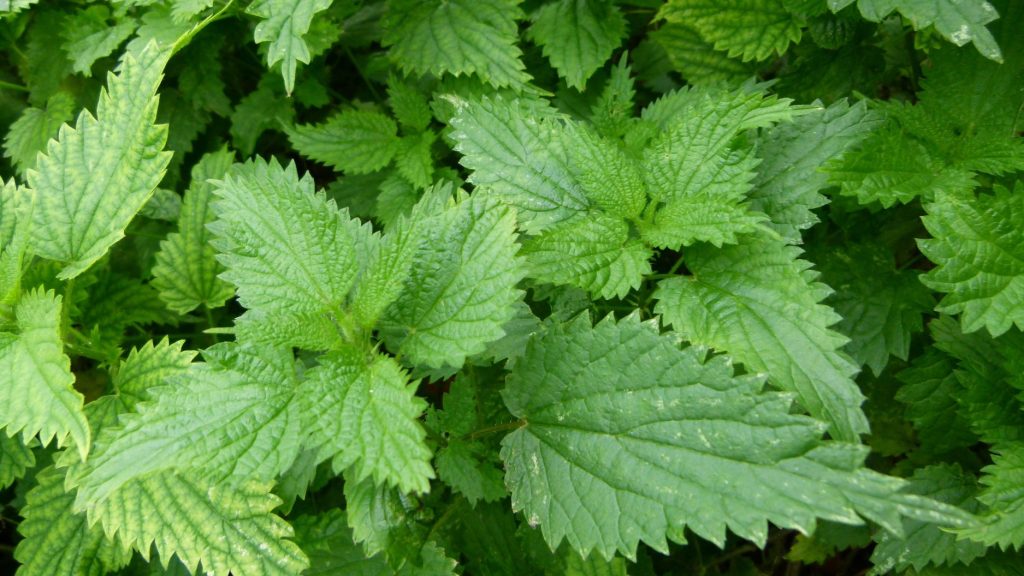
- Best solvent: Water (long infusion) or vinegar
- Why: Nettle’s treasure is its minerals—iron, calcium,
magnesium, potassium. These are water-soluble and extract beautifully in a long, overnight infusion (8-12 hours). Vinegar works even better because the acetic acid converts minerals into highly absorbable acetate salts. - How to use:
- Water: 30g dried leaf in 1 litre boiling water, steep covered overnight, strain and drink within 2 days
- Vinegar: Fill jar – with dried leaf, cover with apple cider vinegar, steep 4-6 weeks, strain. Take 1-2 tablespoons in water daily.
- Cost: Dried nettle ~$12-18/100g from bulk suppliers
Chamomile (Matricaria chamomilla)
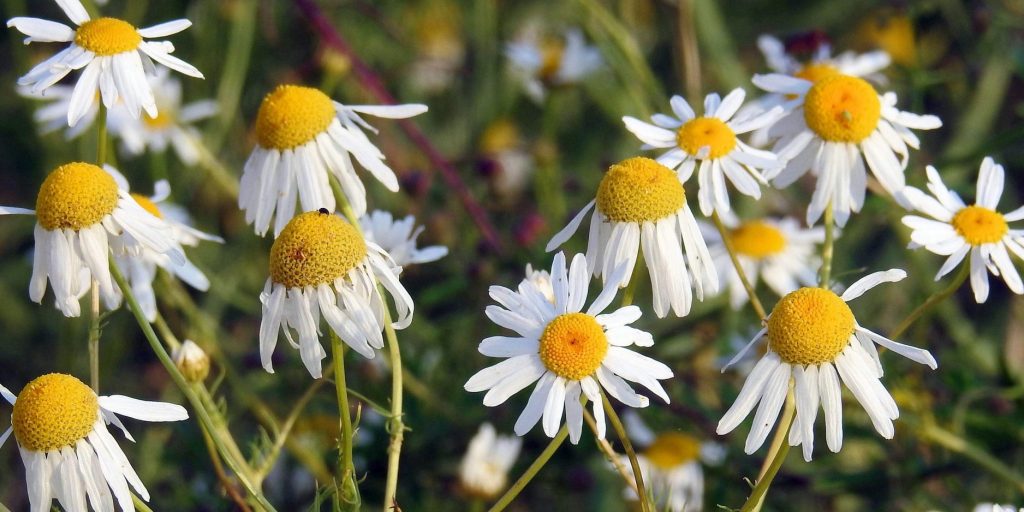
- Best solvent: Water (hot infusion) or alcohol (for concentrated
extract) - Why: Chamomile’s calming compounds—apigenin, bisabolol, chamazulene—are moderately soluble in both water and alcohol. Hot water makes a gentle daily tea; alcohol creates a more potent, shelf-stable remedy.
- How to use:
- Water: 1-2 teaspoons flowers per cup, steep covered 10-15 minutes (covering prevents volatile oil loss)
- Alcohol: 1:5 ratio in 40% alcohol, 2-4ml three times daily
- Why covering matters: Those calming volatile oils literally
evaporate with the steam if you don’t cover your cup!
Lemon Balm (Melissa officinalis)

- Best solvent: Water (fresh leaf preferred) or alcohol
- Why: Lemon balm’s volatile oils (citral, citronellal) are delicate and diminish significantly when dried. Fresh leaf in hot water captures them beautifully. Alcohol preserves them well in tincture form.
- How to use:
- Fresh water infusion: Large handful fresh leaves per cup, steep 10 minutes covered
- Tincture: Fresh plant 1:2 in 50% alcohol (the plant’s water content dilutes the alcohol)
- Budget tip: Grows easily in gardens—one plant provides endless
harvests. Seeds ~$3-5/packet.
For Immune and Acute Support
Echinacea (Echinacea purpurea/angustifolia)
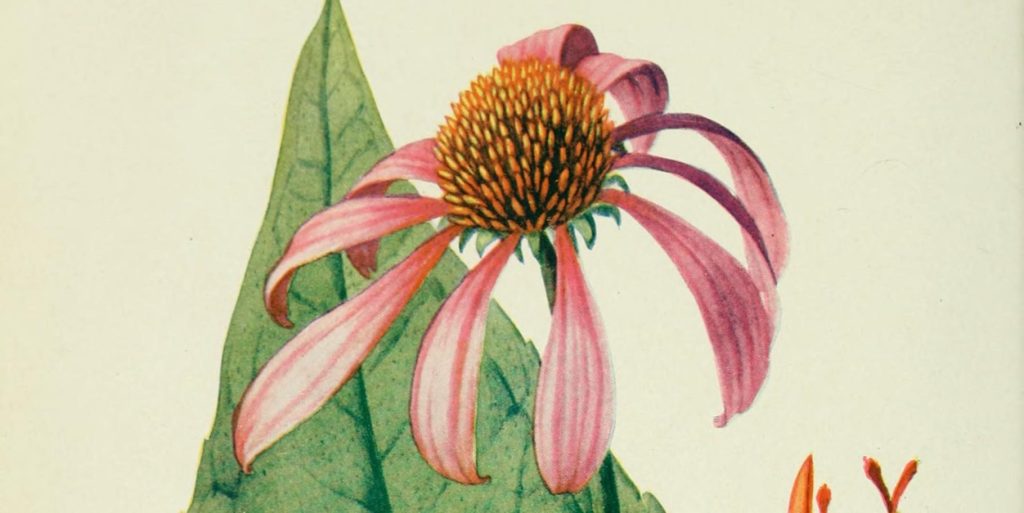
- Best solvent: Alcohol (60-70%)
- Why: Echinacea’s immune-supporting compounds—alkylamides, polysaccharides, cichoric acid—need alcohol for effective extraction. The alkylamides especially are poorly extracted by water alone.
- Why this strength: 60-70% alcohol extracts both the alcohol-soluble alkylamides and the water-soluble polysaccharides. Too high and you precipitate the polysaccharides; too low and you miss the alkylamides.
- How to use: Fresh root is most potent. 1:2 in 70% alcohol, 2-4ml at first sign of illness, repeat every 2-4 hours for acute use.
- Cost: Dried root ~$25-40/100g; growing your own is economical but takes 3 years to harvest roots.
Yarrow (Achillea millefolium)

- Best solvent: Alcohol or water, depending on use
- Why alcohol works: Extracts the full spectrum—volatile oils (azulene, camphor), flavonoids, alkaloids. Creates a potent, shelf-stable medicine for internal use.
- Why water works: For fever support (diaphoretic action), a hot tea drunk immediately is traditional and effective. The heat of the tea plus the herb’s action promotes sweating.
- How to use:
- Tincture: 1:5 in 40% alcohol, 2-4ml three times daily
- Fever tea: 1-2 teaspoons dried herb, steep 10 minutes, drink hot, get under blankets
- Foraging: Common in NZ lawns and roadsides (avoid sprayed areas). Free!
For Topical Healing
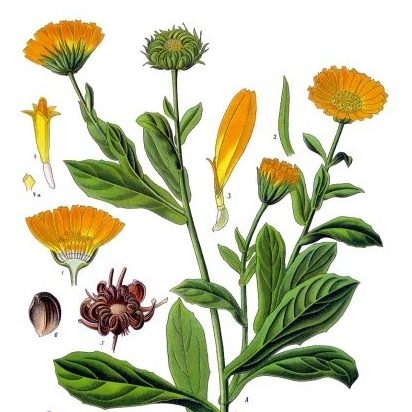
Calendula (Calendula officinalis)
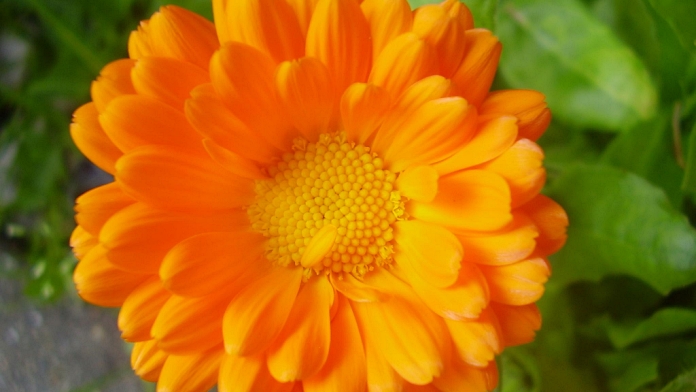
- Best solvent: Oil (for skin preparations) or alcohol (for wound
wash) - Why oil: Calendula’s skin-healing resins and carotenoids (the bright orange pigments) are fat-soluble. An oil infusion captures these perfectly for salves and balms.
- Why alcohol: Makes an excellent wound wash—the alcohol provides antiseptic action while extracting calendula’s anti-inflammatory compounds.
- How to use:
- Solar oil infusion: Fill jar – with dried flowers, cover with olive oil, place in sunny window 2-4 weeks, strain. Use directly or make into salve.
- Wound wash tincture: 1:5 in 50% alcohol, dilute 1:10 with water for washing cuts/scrapes
- Growing tip: Self-seeds prolifically. One planting gives you calendula forever. Seeds ~$3-5/packet.
Plantain (Plantago major/lanceolata)


- Best solvent: Oil (dried leaf) or fresh poultice (no solvent)
- Why oil: Dried plantain in oil creates a drawing, healing preparation for bug bites, stings, and minor skin irritations. The oil extracts compounds like aucubin and allantoin.
- Why fresh poultice wins for acute use: The fresh, crushed leaf applied directly to a bee sting provides immediate relief through enzymes and compounds that are active in the living plant.
- How to use:
- Oil: Dried leaves in olive oil, gentle heat method 2-4 hours at 50-70°C, or solar infusion 2-4 weeks
- Poultice: Chew or crush fresh leaf, apply directly to sting/bite, replace every 30 minutes
- Cost: Free foraging from lawns (confirm unsprayed!)
Lavender (Lavandula angustifolia)
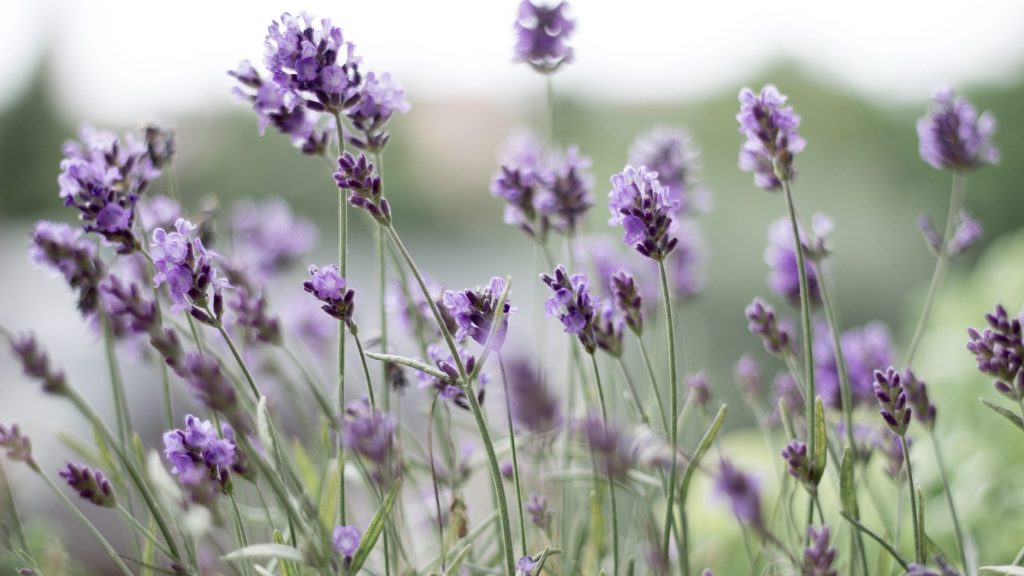
- Best solvent: Oil for topical use
- Why: Lavender’s calming volatile oils (linalool, linalyl acetate) extract beautifully into oil for massage, headache relief, and skin soothing.
- Solar vs. heat method: Solar is traditional and gentle, perfect for preserving delicate aromatic compounds.
- How to use: Dried flowers in olive or almond oil, solar infusion 2-4 weeks. Apply to temples for headaches, use for calming massage, add to baths.
- Growing tip: Thrives in NZ, loves full sun and good drainage. One plant = years of harvests. Plants ~$8-15 at garden centres.
For Digestive Support
Peppermint (Mentha x piperita)
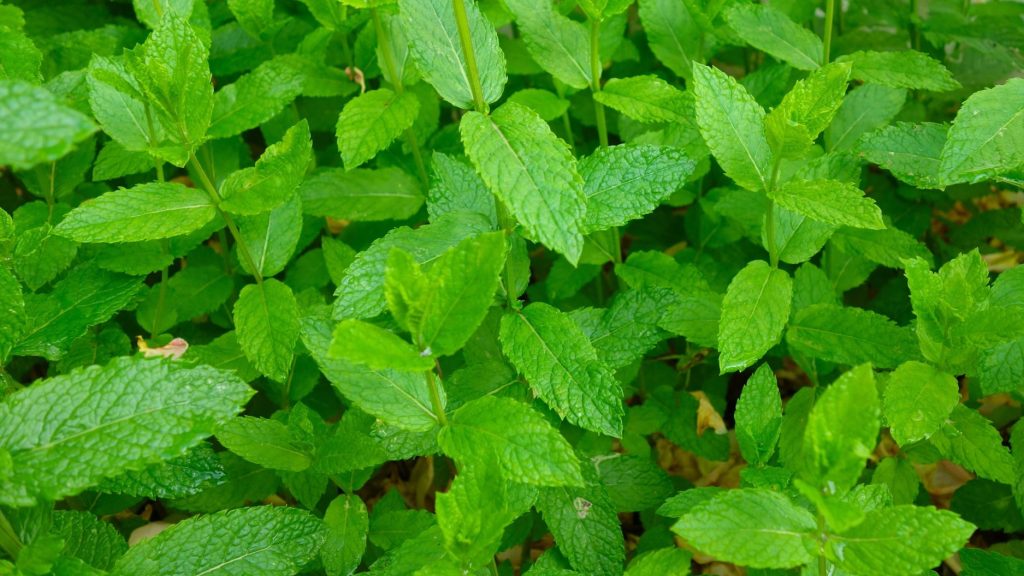
- Best solvent: Water (tea) for immediate digestive relief; alcohol for concentrated extract
- Why water: Menthol and other volatile oils dissolve adequately in hot water for a digestive tea, and the warmth itself aids digestion.
- Why alcohol: Creates a potent antispasmodic tincture for IBS and cramping—more concentrated than tea allows.
- How to use:
- Tea: 1-2 teaspoons dried leaf per cup (or handful fresh), steep 5-10 minutes covered, drink after meals
- Tincture: 1:5 in 40% alcohol, 2-4ml as needed for digestive upset
- Caution: Strong peppermint can worsen reflux in some people by relaxing the lower oesophageal sphincter.
Dandelion Root (Taraxacum officinale)
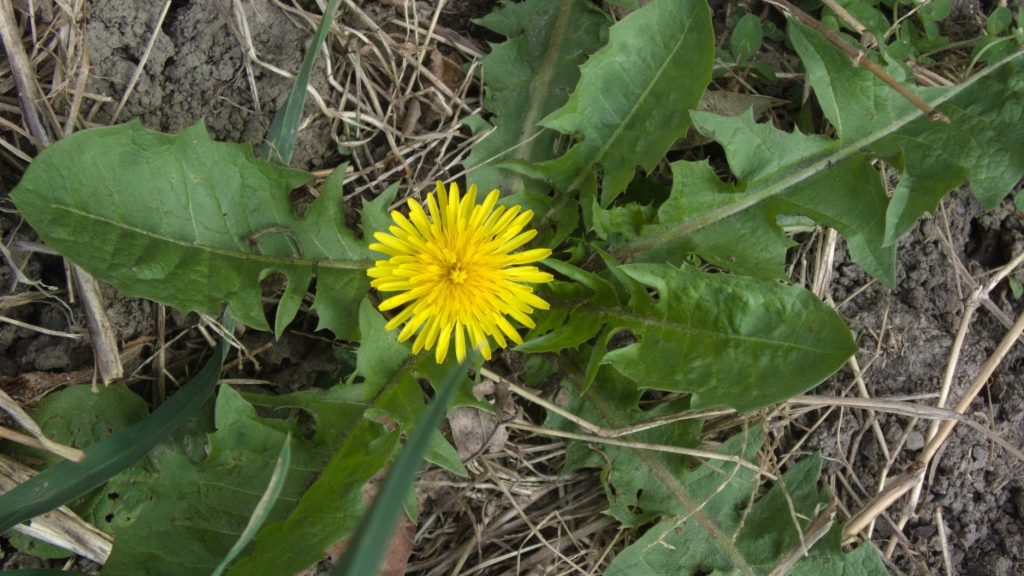
- Best solvent: Water (decoction) or vinegar for bitters; alcohol for full extraction
- Why decoction: The tough root requires simmering (not just steeping) to extract bitter principles, inulin, and minerals.
- Why vinegar: The acidity extracts minerals as acetates and the sour taste stimulates digestive secretions—perfect bitter tonic.
- Why alcohol: Extracts the broadest spectrum, including bitter sesquiterpene lactones that support liver function.
- How to use:
- Decoction: 1-2 teaspoons chopped dried root per cup water, simmer 10-15 minutes, strain. Drink 15-30 minutes before meals.
- Vinegar: Fill jar – with dried chopped root, cover with apple cider vinegar, steep 4-6 weeks. Take 1 tablespoon in water before meals.
- Foraging: Roots are fattiest in autumn or early spring. Free from unsprayed lawns.
For Respiratory Support
Thyme (Thymus vulgaris)
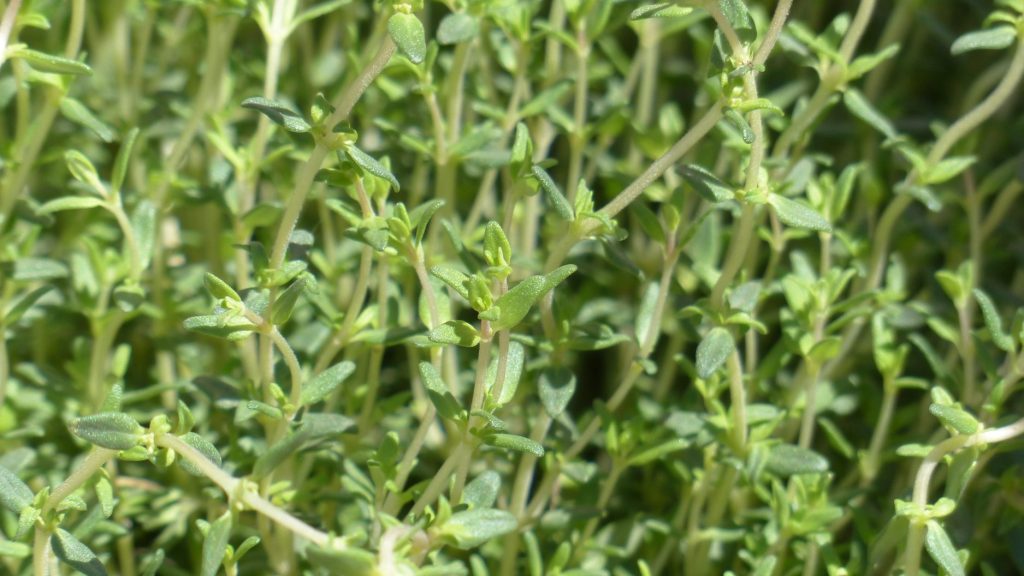
- Best solvent: Honey (for cough syrup) or alcohol (for potent antimicrobial)
- Why honey: Combines thyme’s antimicrobial volatile oils (thymol) with honey’s own throat-soothing, antimicrobial properties. Synergy!
- Why alcohol: Extracts the full volatile oil content for internal antimicrobial support, more potent than honey alone.
- How to use:
- Honey infusion: Fill jar ½ with dried thyme, cover with raw honey, steep 4-6 weeks, strain. Take 1 teaspoon as needed for coughs.
- Tincture: 1:5 in 50% alcohol, 2-4ml three times daily for respiratory infections
- Honey infusion: Fill jar ½ with dried thyme, cover with raw honey, steep 4-6 weeks, strain. Take 1 teaspoon as needed for coughs.
- Steam inhalation: Add handful fresh or dried thyme to bowl of
just-boiled water, tent with towel, inhale for 10 minutes to clear congestion.
Mullein Leaf (Verbascum thapsus)

- Best solvent: Water (tea) for lung support
- Why: Mullein’s soothing mucilage and saponins extract well in hot water, creating a demulcent tea that coats irritated respiratory passages.
- How to use: 1-2 teaspoons dried leaf per cup, steep 10-15 minutes, strain well (small leaf hairs can irritate throat). Drink 2-3 cups daily for coughs.
- For earaches: Mullein flowers in oil (not leaves)—different preparation entirely.
Special Considerations
Temperature Matters
Cold Water Infusion: Some herbs are damaged by heat. Marshmallow root, for example, has delicate mucilage that hot water can partially break down.
- When to use: Mucilaginous herbs (marshmallow, slippery elm),
herbs with heat-sensitive volatile oils - How: Room temperature water, steep 8-12 hours, strain
Hot Water but Not Boiling: Some volatile oils escape with excessive heat.
- When to use: Aromatic herbs where you want maximum volatile oil
retention - How: Water just off the boil (90-95°C), steep covered
Oil Infusion Methods Compared
Solar (Sunny Window) Method:
- Best for: Delicate flowers (calendula, lavender), aromatic herbs
- Why: Gentle warmth preserves volatile compounds
- Time: 2-4 weeks
- Process: Dried herb fills jar-, cover with oil, place in sunny window, shake daily
Heat (Stovetop/Oven) Method:
- Best for: Roots, barks, tough leaves (burdock, comfrey, kawakawa)
- Why: Applied heat speeds extraction from tough plant material
- Time: 2-4 hours
- Process: Herb + oil in double boiler or oven at 50-70°C, strain when aromatic
Cold Oil Infusion (No Sun):
- Best for: Delicate herbs in winter, or when you want minimal heat
- Why: Slow extraction preserves most volatile compounds
- Time: 4-6 weeks
- Process: Dried herb + oil in dark cupboard, shake every few days
- Trade-off: Takes longer but excellent for very delicate aromatics like rose petals
Safety Reminders
Always Use Dry Herbs in Oil: Water in oil = botulism risk. The anaerobic (oxygen-free) environment at the bottom of an oil jar is perfect for Clostridium botulinum bacteria if water is present. Bone-dry herbs only!
Alcohol-Free Alternatives: If avoiding alcohol:
- Glycerin works for some herbs (though it’s a weaker solvent)
- Vinegar is excellent for minerals
- Honey for throat/respiratory herbs
- Water for daily tonics
Vinegar and Metal: Use plastic lids or glass lids with plastic seals. Vinegar corrodes metal.
Cost-Effective Strategies
Grow Your Own for Oil Infusions: One calendula plant = hundreds of flowers = multiple batches of oil. Initial investment: ~$5 for seeds.
Forage for Abundant Herbs: Nettle, plantain, dandelion, cleavers—all free from unsprayed areas.
Buy in Bulk: Dried herbs from bulk suppliers (Premium Spices NZ, Cottage Hill Herbs) are significantly cheaper than tea bags.
Reuse Your Solvents: After making a tincture, the spent alcohol (marc) can be used for making a weaker second extraction or as a wound wash.
References
Bone, K., & Mills, S. (2013). Principles and practice of phytotherapy: Modern herbal medicine (2nd ed.). Churchill Livingstone.
Chevallier, A. (2016). Encyclopedia of herbal medicine (3rd ed.). Dorling Kindersley.
Gladstar, R. (2012). Rosemary Gladstar’s Medicinal Herbs: A Beginner’s Guide. Storey Publishing.
Green, J. (2000). The Herbal Medicine-Maker’s Handbook: A Home Manual. Crossing Press.
Grieve, M. (1931). A modern herbal. Dover Publications.
Hoffmann, D. (2003). Medical Herbalism: The Science and Practice of Herbal Medicine. Healing Arts Press.
Disclaimer: Does not represent rongoā Māori methods. For rongoā knowledge, consult Te Paepae Motuhake.
Medical Disclaimer: This guide is for educational purposes only and is not medical advice. Consult qualified healthcare practitioners before using herbal remedies, especially if pregnant, nursing, taking medications, or having medical conditions. Seek appropriate medical care for persistent or severe symptoms.
Note on Pricing: All prices mentioned in this guide are approximate and based on New Zealand suppliers as of December 2025. Prices vary by supplier, season, and market conditions. We recommend checking current prices with your local suppliers.
 The Public Herbarium