Matching Preparation Methods to Your Goals: Your Complete Beginner’s Guide
Choosing the right preparation method ensures maximum therapeutic benefit. Teas for immediate hydration/digestion, tinctures for concentrated long-term use, balms for targeted topical application. This guide helps you match method to goal.
The Everyperson Guide: Matching Preparation Methods to Your Goals
From Tea to Tincture: Which Remedy When?
You’ve chosen your herb and your solvent. Now the question is: what should you actually make? A tea for daily sipping? A potent tincture for your medicine cabinet? A soothing salve for your skin? This guide matches the preparation method to your therapeutic goal.
The Quick Reference Rule
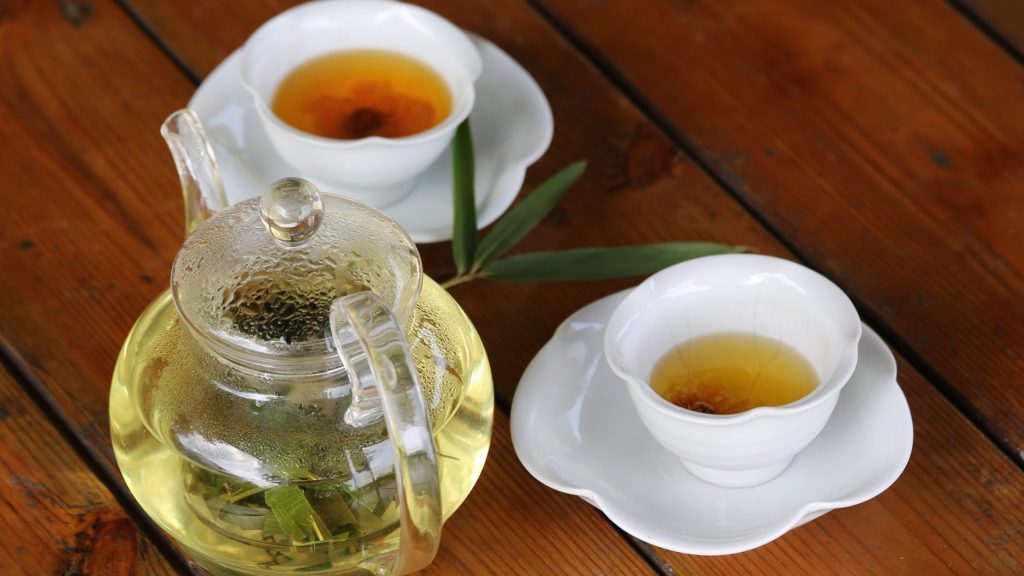
For Daily Wellness & Gentle Support → Tea (Infusion/Decoction)
When to use: You want regular, gentle nourishment or mild symptom relief
Best for: Nutritive herbs, digestive support, daily tonics
Examples: Nettle tea for minerals, peppermint tea after meals, chamomile before bed
For Potent, Fast-Acting, Long-Lasting Medicine → Tincture
When to use: You need concentrated medicine that works quickly and lasts years
Best for: Acute illness, herbs with unpleasant taste, precise dosing
Examples: Echinacea for colds, valerian for sleep, yarrow for fevers
For Skin, Muscles & Joints → Infused Oil, Salve, or Balm
When to use: You need topical application for localised issues
Best for: Wound healing, muscle aches, skin conditions, massage
Examples: Calendula salve for cuts, lavender oil for massage, plantain balm for bug bites
For Sore Throats, Coughs & Upper Respiratory → Syrup or Honey Infusion
When to use: You need to coat and soothe the throat while delivering medicine
Best for: Coughs, sore throats, making herbs palatable for children
Examples: Thyme honey for coughs, elderberry syrup for immune support, sage syrup for throat infections
For Mineral Support & Digestive Priming → Vinegar Infusion
When to use: You want highly bioavailable minerals or a digestive bitter tonic
Best for: Building bone health, pre-meal digestive stimulation
Examples: Nettle vinegar for minerals, dandelion root vinegar as bitter
For Immediate First-Aid → Fresh Poultice
When to use: You need instant relief for a localised acute issue
Best for: Bug bites, stings, splinters, drawing boils, stopping bleeding
Examples: Fresh plantain for bee sting, fresh yarrow to stop bleeding
For Making Bitter/Unpalatable Herbs Edible → Electuary (Honey Paste)
When to use: You need to take powdered herbs but can’t stand the taste
Best for: Turmeric, slippery elm, cinnamon, ginger—strong-tasting powders
Examples: Turmeric paste with honey and black pepper
Understanding Why Preparation Methods Matter
The same herb prepared different ways can have completely different effects:
Example: Dandelion
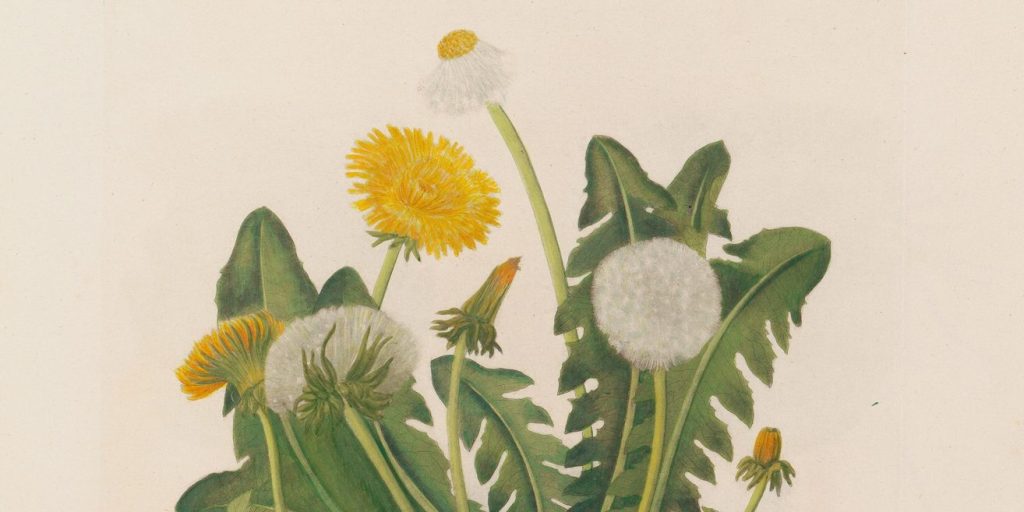
As a Tea (Leaves):
- Mild diuretic
- Daily nutritive tonic
- Gentle, sippable
- Drink 2-3 cups daily
As a Decoction (Root):
- Bitter digestive stimulant
- Liver support
- Strong, bitter taste
- Drink ½ cup before meals
As a Vinegar (Root):
- Mineral-rich tonic
- Digestive bitter
- Tart, concentrated
- Take 1-2 tablespoons in water daily
As a Tincture (Root):
- Concentrated liver support
- Shelf-stable for years
- Very bitter
- Take 2-4ml, 3 times daily
Why this matters: The preparation method changes what compounds you extract, how concentrated they are, how they’re delivered to your body, and how your body receives them. Choosing wisely makes the difference between “this herb didn’t work for me” and “this herb changed my life.”
Detailed Herb-Remedy Matching Guide
For Daily Nutritive Support
Nettle Leaf (Urtica dioica)
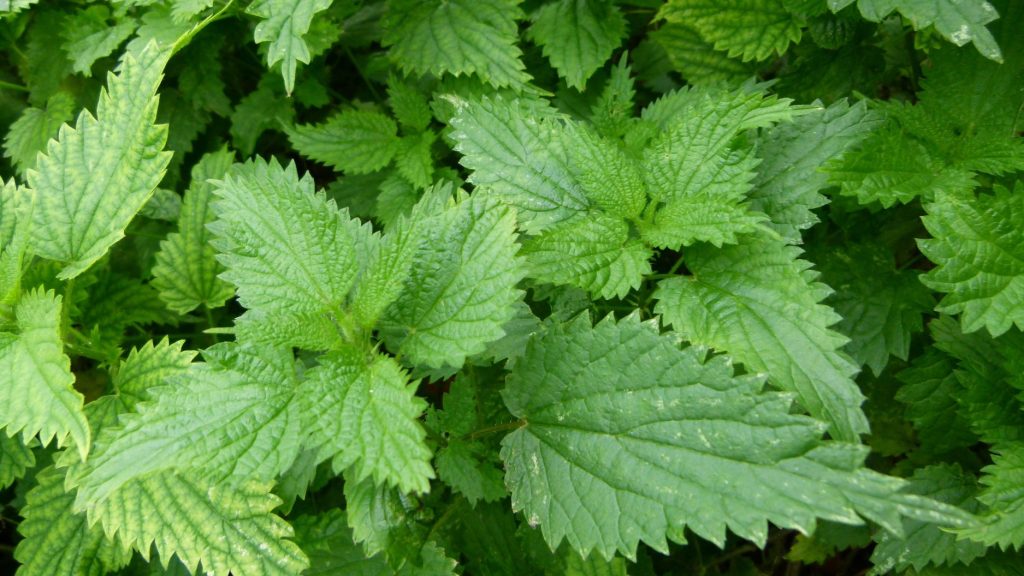
Best Preparation: Long Infusion (Overnight Tea)
- Why: Nettle’s treasure is minerals (iron, calcium, magnesium, potassium). A long, cool infusion (8-12 hours) extracts maximum minerals without bitterness.
- How: 30g dried nettle in 1 litre jar, pour boiling water over, cover, steep overnight at room temperature, strain in morning. Drink throughout day.
- Taste: Mild, slightly grassy, surprisingly pleasant
- Why this beats other methods:
- Short tea: Misses minerals that need time to extract
- Tincture: Expensive, unnecessary (minerals are water-soluble)
- Capsules: You miss the nourishing ritual of drinking
- Cost: ~$12-18/100g dried = ~3 litres finished tea. Incredible value.
Alternative: Vinegar Infusion
- When: You want even more bioavailable minerals, or a shelf-stable tonic
- How: Fill jar ½ with dried nettle, cover completely with apple cider vinegar, steep 4-6 weeks, strain. Take 1-2 tablespoons in water daily.
- Why it works: Vinegar converts minerals to acetate salts (highly absorbable)
Chamomile (Matricaria chamomilla)
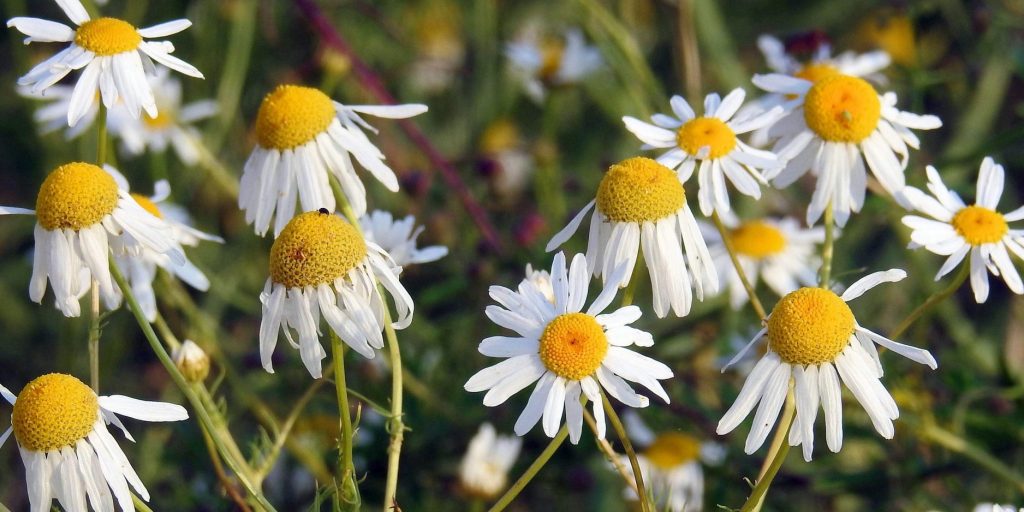
Best Preparation: Hot Infusion (Tea)
- Why: Chamomile’s calming compounds (apigenin, bisabolol) extract adequately in hot water, and the ritual of sipping warm tea itself is calming.
- How: 1-2 teaspoons dried flowers per cup, pour boiling water over, cover (crucial—volatile oils escape with steam!), steep 10-15 minutes, strain. Drink 1-3 cups daily.
- When: Before bed for sleep, after meals for digestion, during stress for calming
- Why covering matters: The volatile oils that help you relax literally evaporate if you don’t cover the cup. You’ll smell them in the steam—that’s your medicine escaping!
Alternative: Tincture
- When: You need portability, shelf-stability, or a more concentrated dose
- How: 1:5 in 40% alcohol, take 2-4ml as needed
- Trade-off: More potent, but you miss the soothing ritual of tea
Alternative: Bath
- When: You want full-body relaxation
- How: Make a very strong tea (large handful flowers in 2 litres water), add to bath
- Why it works: Aromatherapy + skin absorption + warm water = triple relaxation
For Immune Support
Echinacea (Echinacea purpurea/angustifolia)
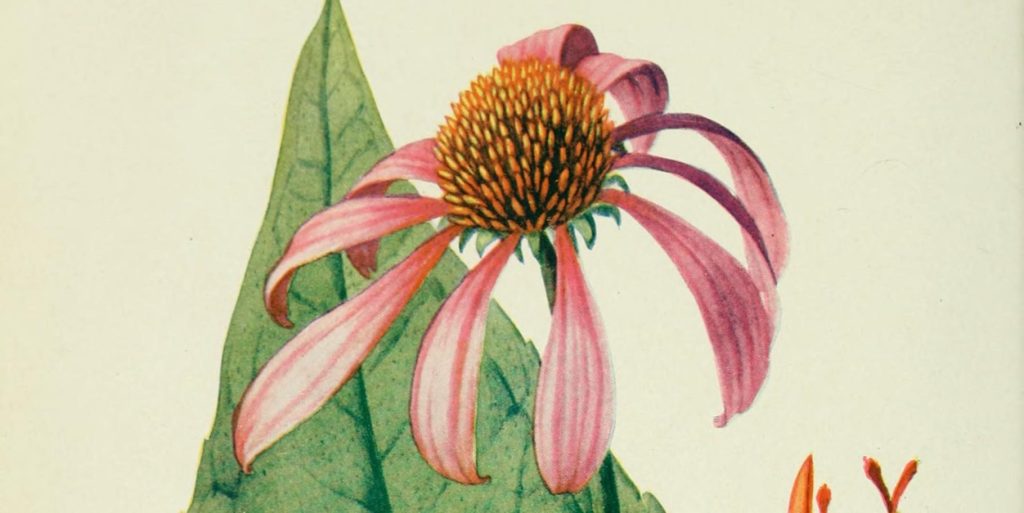
Best Preparation: Alcohol Tincture (Fresh Root Preferred)
- Why: Echinacea’s immune-supporting alkylamides are poorly extracted by water. Alcohol (60-70%) extracts both alkylamides and polysaccharides. Fresh root is most potent.
- How:
- Fresh root: Chop finely, 1:2 in 70% alcohol, steep 2-4 weeks, strain
- Dried root: 1:5 in 60% alcohol, steep 4-6 weeks, strain
- Dosage: 2-4ml every 2-4 hours at first sign of illness, continue for 7-10 days
- Why tincture beats tea: You need high concentration of alkylamides that water simply can’t extract adequately
- Cost: Dried root ~$25-40/100g, but one batch of tincture lasts years
Alternative: Syrup (for Children)
- When: You need to give echinacea to kids who won’t take alcohol tincture
- How: Make strong decoction of root, reduce, add honey to preserve
- Trade-off: Less potent (water doesn’t extract alkylamides well), but palatable for kids
Elderberry (Sambucus nigra)
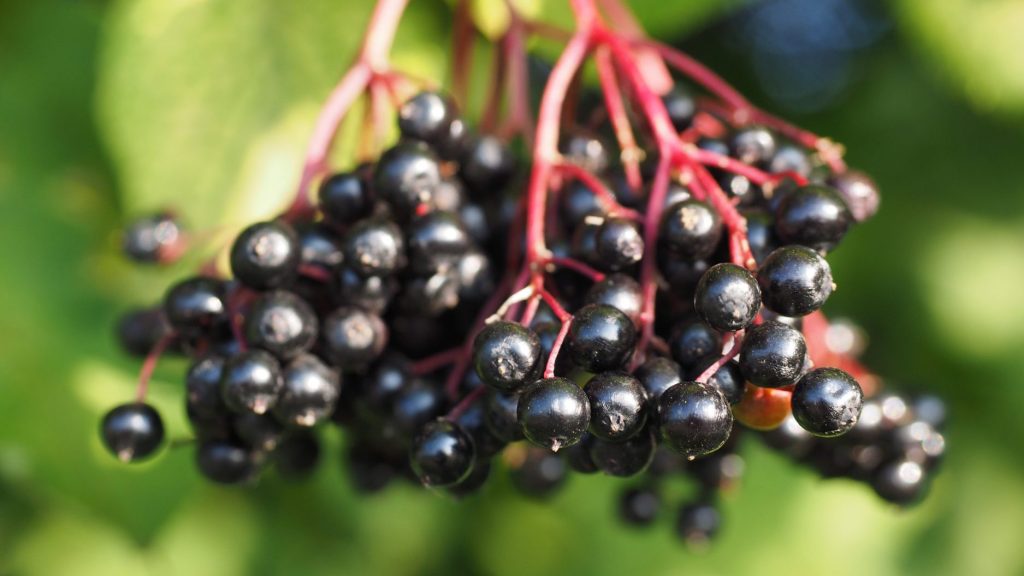
Best Preparation: Syrup
- Why: Elderberries must be cooked (raw is emetic—causes nausea). A syrup combines the cooked berries with honey or sugar for preservation and palatability, creating a delicious immune tonic.
- How:
- Simmer 500g fresh or dried elderberries in 750ml water for 30-40 minutes
- Mash berries, strain through muslin
- Return liquid to pot, simmer to reduce by ½
- Remove from heat, add 250g honey (or equal volume sugar), stir to dissolve
- Bottle, refrigerate (keeps 2-3 months)
- Dosage: 1 tablespoon daily for prevention, 1 tablespoon every 3-4 hours during acute illness
- Why syrup beats other methods:
- Cooking is required for safety
- Sweet taste = kids will actually take it
- Coating action soothes throat while delivering immune support
- Sweet taste = kids will actually take it
- Cooking is required for safety
- Cost: Dried berries ~$15-25/100g. One batch = 3-4 months of daily use.
The Science: Elderberry’s anthocyanins (immune-active flavonoids) remain stable during cooking and are extracted into the water. Sugar preserves and makes it shelf-stable.
Yarrow (Achillea millefolium)

Best Preparation: Depends on Use
For Fevers (Diaphoretic):
- Method: Hot Infusion (Tea), drunk hot
- Why: The combination of yarrow’s compounds + hot liquid + getting under blankets promotes sweating, which helps break fevers
- How: 1-2 teaspoons dried herb per cup boiling water, steep 10 minutes, drink HOT, get into bed under blankets
- Why this specific method: The heat is part of the medicine—cold tea doesn’t work the same way
For Wound Healing (Styptic—Stops Bleeding):
- Method: Fresh Poultice
- Why: Fresh yarrow contains compounds that promote blood clotting; direct application is most effective
- How: Crush or chew fresh leaves and flowers, apply directly to bleeding cut, hold pressure
- Traditional use: “Soldier’s herb”—used on battlefields to stop bleeding
For Internal General Use:
- Method: Tincture
- Why: Shelf-stable, concentrated, good for menstrual support or ongoing anti-inflammatory use
- How: 1:5 in 40% alcohol, 2-4ml three times daily
Same herb, completely different preparations depending on what you need it for!
For Digestive Support
Peppermint (Mentha × piperita)
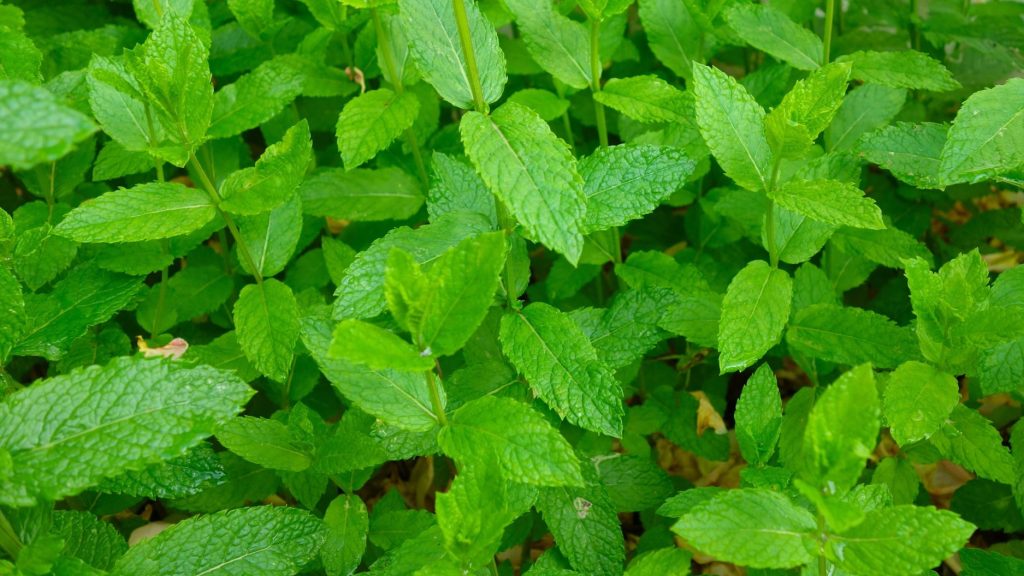
Best Preparation: Hot Infusion (Tea)
- Why: Menthol (the active antispasmodic) extracts adequately in hot water, and drinking warm liquid itself aids digestion. The immediacy of a tea is perfect for acute digestive upset.
- How: 1-2 teaspoons dried leaf (or large handful fresh) per cup, steep 5-10 minutes covered, drink after meals or as needed
- Why timing matters: After meals = helps digestion. During nausea = quick relief.
- Why covering matters: Menthol is a volatile oil—it evaporates if you don’t cover
Alternative: Tincture
- When: IBS or chronic digestive issues needing concentrated antispasmodic effect
- How: 1:5 in 40% alcohol, 2-4ml as needed
- Why: More potent than tea, easier to carry, precise dosing
Alternative: Essential Oil (External Only)
- When: Headache relief (peppermint’s cooling action on temples)
- How: 1-2 drops in 1 teaspoon carrier oil, massage temples
- Never: Take essential oil internally without professional guidance
Ginger (Zingiber officinale)
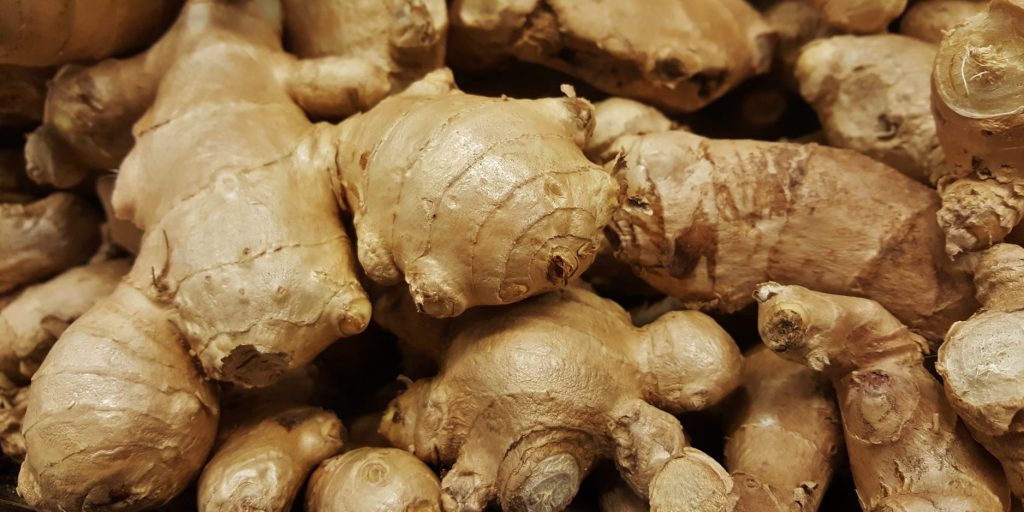
Best Preparation: Fresh Decoction (Tea) or Syrup
For Nausea:
- Method: Fresh Decoction
- Why: Gingerols (anti-nausea compounds) extract quickly in hot water from fresh root. Fast-acting.
- How: Thinly slice or grate 15-20g fresh ginger, simmer in 2 cups water for 10 minutes, strain, sip slowly
- Timing: At first sign of nausea, small frequent sips work better than large amounts
- Why fresh beats dried: Fresh has maximum gingerol content
For Travel (Motion Sickness):
- Method: Crystallised Ginger or Electuary
- Why: Portable, no preparation needed
- How: Crystallised ginger: Chew small pieces as needed. Electuary: Mix ginger powder with honey to make paste, take ½-1 teaspoon as needed
For Chronic Inflammation:
- Method: Tincture
- Why: Consistent daily dosing, concentrated
- How: 1:5 in 60% alcohol, 2-4ml three times daily
- Why this works: Anti-inflammatory gingerols build up with regular use
For Coughs/Colds:
- Method: Syrup
- Why: Combines ginger’s warming antimicrobial properties with throat-soothing delivery
- How: Simmer fresh ginger in water, reduce, add honey
Dandelion Root (Taraxacum officinale)
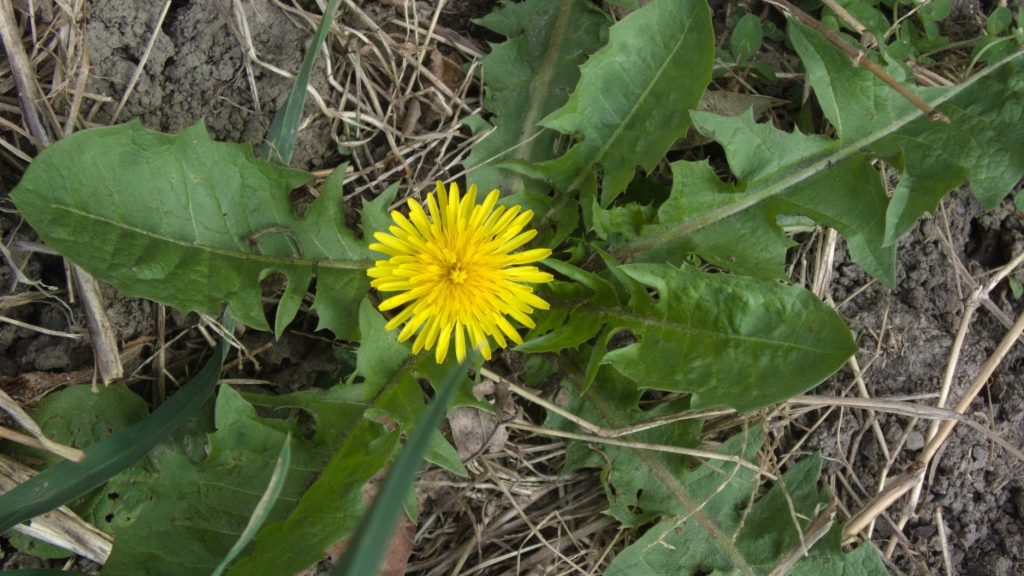
Best Preparation: Decoction (for Bitter Digestive) or Vinegar (for Minerals)
As Digestive Bitter:
- Method: Decoction
- Why: The root is tough and woody—it needs simmering to extract bitter principles and inulin. The bitter taste on your tongue triggers digestive secretions.
- How: 1-2 teaspoons chopped dried root per cup water, simmer 10-15 minutes, strain
- When: Drink ½ cup 15-30 minutes before meals
- Why timing matters: The bitter taste triggers vagal reflex that primes digestion BEFORE food arrives
- Taste: Very bitter. This is therapeutic—don’t add sugar!
As Mineral Tonic:
- Method: Vinegar Infusion
- Why: Acetic acid extracts minerals from the root as bioavailable acetate salts
- How: Fill jar ½ with dried chopped root, cover with apple cider vinegar, steep 4-6 weeks, strain
- Dosage: 1 tablespoon in glass of water, before meals
- Why vinegar beats water: More efficient mineral extraction, shelf-stable, adds digestive-stimulating acidity
For Skin & Topical Healing
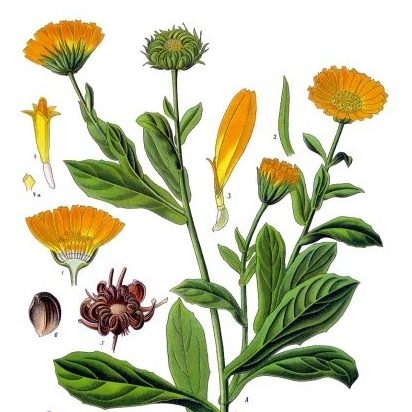
Calendula (Calendula officinalis)
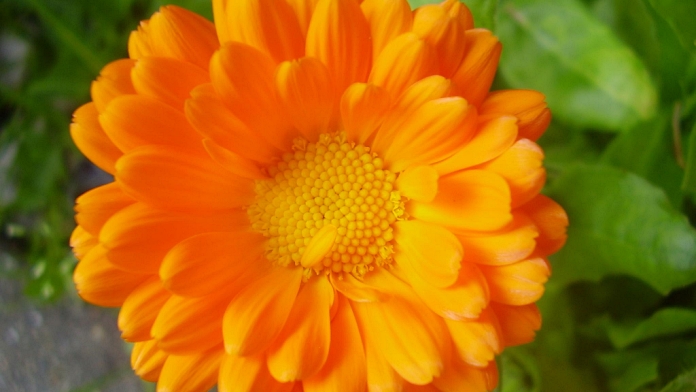
Best Preparation: Infused Oil → Salve/Balm
- Why: Calendula’s skin-healing compounds (carotenoids, resins) are fat-soluble. An oil captures them; a salve makes them easy to apply.
- Making the Oil:
- Solar method: Fill jar ½ with dried flowers, cover with olive oil, sunny window 2-4 weeks, shake daily, strain
- Heat method: Dried flowers + olive oil in double boiler at 50-70°C for 2-4 hours, strain when deeply golden-orange
- Making the Salve:
- For every 100ml infused oil: melt in 10-15g beeswax
- Pour into tins/jars while warm
- Sets as it cools to salve consistency
- Uses: Cuts, scrapes, dry skin, diaper rash, eczema, slow-healing wounds
- Why this beats tea: The healing resins are NOT water-soluble. A calendula tea is fine for a wash but misses the primary medicine.
- Cost: Grow your own calendula (self-seeds forever), ~$500ml olive oil ($10), beeswax ($15/100g) = multiple batches of salve. Homemade salve worth ~$15-25 if purchased.
Alternative: Strong Tea as Wash
- When: You need an antiseptic wound wash and don’t have infused oil
- How: 4-6 flower heads per cup boiling water, steep 15 minutes, cool, use to wash wounds
- Why it works: Water extracts some anti-inflammatory and antimicrobial compounds, adequate for washing
Plantain (Plantago major/lanceolata)

Best Preparation: Depends on Immediacy
For Immediate First-Aid (Bug Bite, Sting):
- Method: Fresh Poultice
- Why: The fresh, living leaf contains enzymes and compounds at peak activity. Direct application to sting provides instant relief.
- How:
- Pick fresh leaf
- Chew it (yes, chew it—saliva + crushing releases compounds) OR crush between rocks
- Apply directly to sting/bite
- Replace every 20-30 minutes
- Why this works: Drawing action pulls venom out, anti-inflammatory compounds reduce swelling, happens in minutes
For Medicine Cabinet/Prepared First Aid:
- Method: Infused Oil → Salve
- Why: Shelf-stable, ready when needed, still has drawing and healing properties
- How: Dried plantain leaves in olive oil (solar or gentle heat method), make into salve with beeswax
- Uses: Bug bites, stings, minor skin irritations, splinters
- Trade-off: Not quite as potent as fresh, but incredibly convenient
Lavender (Lavandula angustifolia)
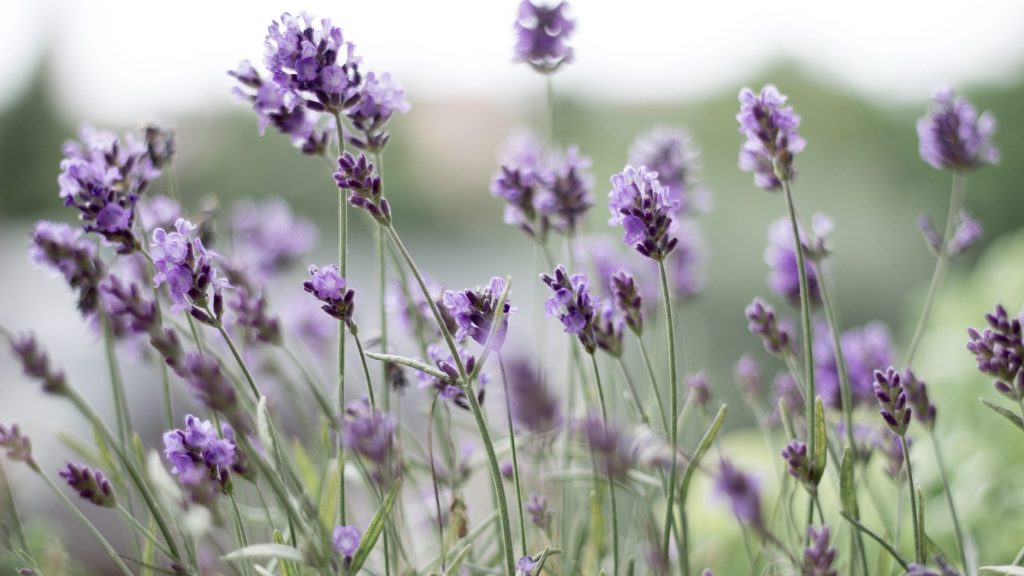
Best Preparation: Infused Oil
- Why: Lavender’s calming volatile oils (linalool, linalyl acetate) extract beautifully into oil for topical aromatherapy and skin soothing.
- How: Dried lavender flowers in olive or sweet almond oil, solar infusion 2-4 weeks (gentle for delicate aromatics)
- Uses:
- Massage oil (calming, sleep support)
- Headache relief (temples, back of neck)
- Minor burns (after cooling)
- Bath oil (add to warm bath)
- Why oil beats tincture for this use: You want topical + aromatherapy. Oil delivers both.
- Cost: Grows prolifically in NZ. One plant = unlimited flowers. Oil ~\$10-15/500ml. Practically free medicine.
Alternative: Bath
- Method: Herb directly in bath or strong tea added to bath
- Why: Full-body aromatherapy + relaxation
- How: Tie handful of fresh or dried flowers in muslin bag, hang under running tap as bath fills
For Respiratory Support
Thyme (Thymus vulgaris)
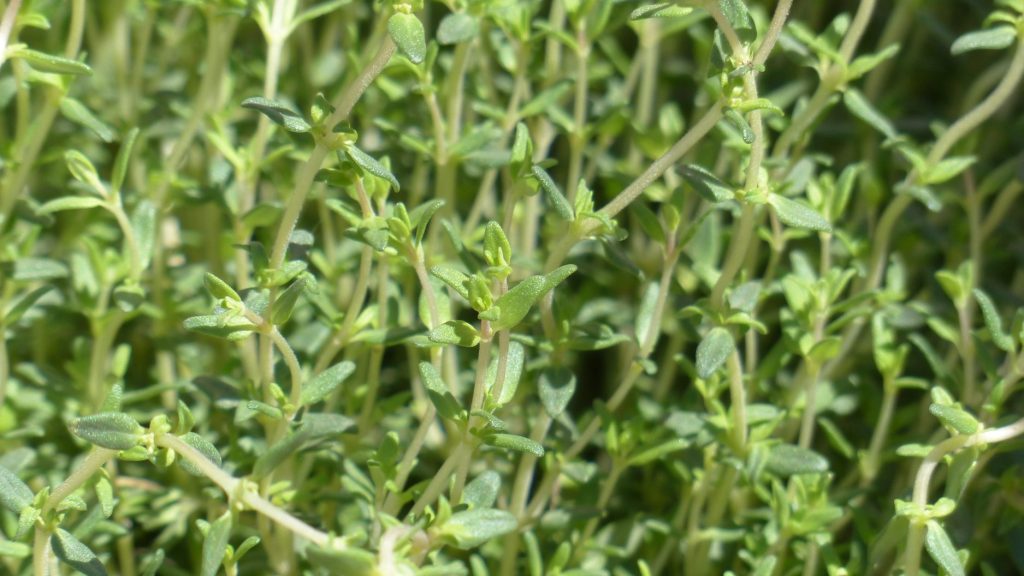
Best Preparation: Honey Infusion (for Coughs) or Steam (for Congestion)
For Coughs/Sore Throat:
- Method: Thyme-Infused Honey
- Why: Perfect synergy—thyme’s antimicrobial thymol + honey’s throat-coating, antimicrobial properties
- How: Fill jar ½ with dried thyme, pour raw honey over to cover completely, steep 4-6 weeks, strain (or leave herbs in)
- Dosage: 1 teaspoon as needed for cough, can take straight or in warm water/tea
- Why this beats tea: The coating action + concentration of thymol + long shelf life
- Taste: Sweet, herbal, pleasant (unlike many medicinals!)
For Congestion/Sinuses:
- Method: Steam Inhalation
- Why: Volatile oils in steam directly contact respiratory passages
- How:
- Large handful fresh or dried thyme in bowl
- Pour just-boiled water over
- Tent head with towel
- Inhale for 10 minutes
- Why this works: Thymol and other volatile oils are antimicrobial and decongestant; steam carries them deep into sinuses and lungs
For Acute Respiratory Infection:
- Method: Tincture
- Why: Concentrated internal antimicrobial
- How: 1:5 in 50% alcohol, 2-4ml three times daily
- When: You need maximum antimicrobial effect, more than honey provides
Mullein (Verbascum thapsus)
Best Preparation: Leaf Tea (for Lungs) or Flower Oil (for Ears)
For Coughs/Lung Complaints:
- Method: Hot Infusion (Tea) from Leaves
- Why: Mullein’s mucilage and saponins are water-soluble and create a soothing, expectorant tea
- How: 1-2 teaspoons dried leaves per cup boiling water, steep 10-15 minutes, strain VERY WELL (tiny leaf hairs can irritate throat), drink 2-3 cups daily
- Why it works: Demulcent (soothing) + expectorant (helps expel mucus) + anti-inflammatory
- Straining is critical: Use muslin or coffee filter to remove all tiny hairs
For Earaches:
- Method: Infused Oil from Flowers (NOT leaves)
- Why: Traditional remedy for ear infections; flowers in oil are antimicrobial and soothing
- How: Dried mullein flowers in olive oil, gentle heat infusion, strain very well
- Use: 2-3 drops warmed oil in affected ear
- Safety: Never use if eardrum is perforated. This is an external ear remedy.
Different plant part, different preparation!
For Sleep & Relaxation
Valerian (Valeriana officinalis)
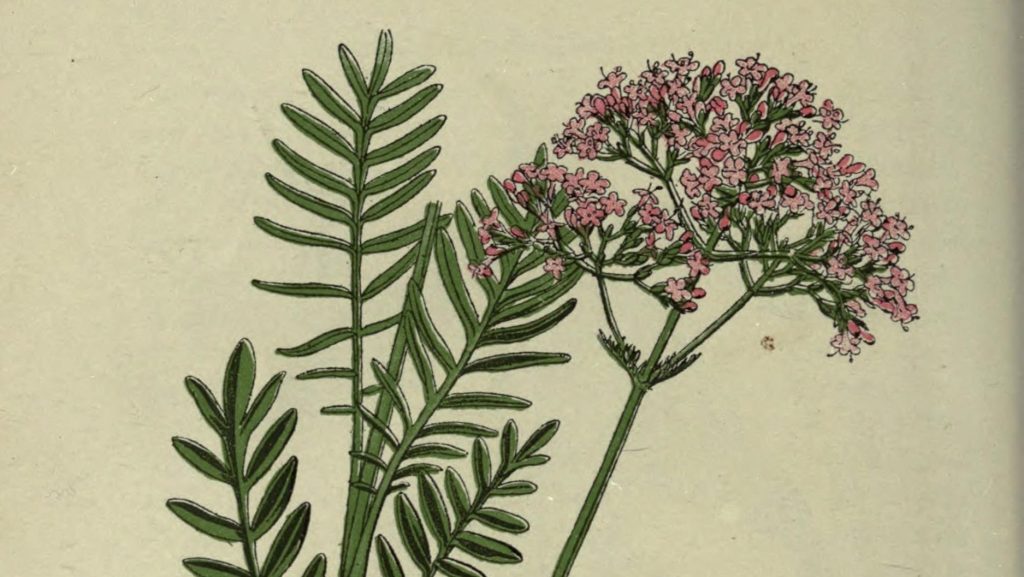
Best Preparation: Alcohol Tincture
- Why: Valerian’s sedative compounds (valerenic acid, volatile oils) need alcohol extraction. Water doesn’t work well. Also, valerian smells terrible—tincture hides the smell better than tea.
- How: 1:5 in 60% alcohol (root), steep 4-6 weeks, shake regularly, strain
- Dosage: 2-4ml (40-80 drops) 30-60 minutes before bed
- Why timing matters: Takes time to absorb and take effect
- Taste/smell: Honestly terrible (like dirty gym socks). Hold your breath, take quickly in small amount of water, chase with something pleasant.
- Why this beats tea: Better extraction + you don’t have to smell it as much + concentrated enough to work
Alternative: Capsules (Powdered Root)
- When: You absolutely cannot handle the taste/smell
- Trade-off: May not be quite as effective (alcohol extracts more), but better than nothing
Lemon Balm (Melissa officinalis)

Best Preparation: Fresh Tea (Infusion)
- Why: Lemon balm’s volatile oils (citral, citronellal) diminish dramatically when dried. Fresh captures peak potency. Hot water extracts them adequately for gentle calming effect.
- How: Large handful fresh leaves (2-3 tablespoons chopped) per cup, pour boiling water over, cover, steep 10-15 minutes, strain
- When: Before bed, during stress, for mild anxiety
- Why fresh is critical: Dried lemon balm loses 50-80% of volatile oils. Still pleasant, but much weaker.
- Growing tip: Grows really well in NZ gardens. One plant = unlimited fresh medicine.
Alternative: Fresh Plant Tincture
- When: You want to preserve summer’s harvest for winter use
- How: Fresh leaves and flowering tops, 1:2 in 50% alcohol, steep 2-4 weeks
- Why this works: Alcohol preserves volatile oils better than drying
Special Preparation Methods
Electuaries: The Honey-Powder Paste
What It Is: A mixture of powdered herb(s) with honey to form a thick, scoopable paste.
When to Use:
- You need to take powdered herbs but hate the texture/taste
- You want a concentrated form that’s portable
- Traditional for strong-tasting medicinals
Best Herbs for Electuaries:
- Turmeric: Anti-inflammatory golden paste
- Ginger: Digestive/nausea paste
- Cinnamon: Blood sugar support paste
- Slippery Elm: Throat-soothing paste
How to Make:
Basic Formula:
- 1 part powdered herb: 2-3 parts raw honey
- Mix thoroughly to form thick paste
- Store in jar at room temperature
Example: Turmeric Golden Paste
- 50g turmeric powder
- 1 teaspoon freshly ground black pepper (piperine enhances absorption of curcumin by 2000%!)
- 100-150g raw honey
- Optional: 1 tablespoon coconut oil (fat enhances absorption of curcumin)
- Mix thoroughly, store in jar
- Dosage: ½-1 teaspoon 1-3 times daily, can take straight or stir into warm milk
Why This Works:
- Honey preserves the powder
- Honey makes it palatable
- Easy to dose (by the spoonful)
- Shelf-stable (1-2 years)
Poultices: Direct Plant-to-Skin
What It Is: Fresh (or rehydrated dried) herb applied directly to skin, usually held in place with cloth.
When to Use:
- Immediate first-aid: Bug bites, stings, splinters
- Drawing actions: Boils, infected wounds, splinters
- Bleeding: Fresh yarrow stops bleeding
- You’re in the field: No time to prepare anything else
Best Herbs for Poultices:
- Plantain: Bug bites, stings (drawing, anti-inflammatory)
- Yarrow: Bleeding (styptic), wounds
- Comfrey leaf: Bruises, sprains (speeds healing—external only)
- Chickweed: Itchy skin, rashes
How to Make:
Fresh Herb:
- Pick fresh plant material
- Crush/chew/pound to break cells and release compounds
- Apply directly to affected area
- Cover with cloth, change every 20-30 minutes
Dried Herb:
- Pour small amount of hot water over dried herb
- Let sit 5 minutes to rehydrate
- Squeeze out excess water
- Apply moist herb to skin, cover with cloth
Why This Works:
- Maximally fresh = maximum potency
- Direct contact delivers compounds immediately
- Moisture helps transfer compounds to skin
- Traditional, effective, free
Syrups: Sweet Medicine
What It Is: Herb extracted in water, reduced, preserved with sugar or honey.
When to Use:
- Sore throats and coughs (coating action)
- Children’s preparations (palatability)
- Immune support (elderberry)
- Making bitter herbs tolerable
Basic Syrup-Making Process:
Make Strong Decoction/Infusion:
- 100g dried herb (or 200g fresh) in 1 litre water
- Simmer roots/barks 30-45 minutes; steep leaves/flowers 20-30 minutes
- Strain very well
Reduce:
- Simmer strained liquid until reduced by half (to ~500ml)
- This concentrates the compounds
Preserve:
- Remove from heat
- Add equal volume of honey (500ml) OR equal weight of sugar (500g)
- Stir until fully dissolved
- Sugar/honey concentration prevents microbial growth
Bottle:
- Pour into sterilised bottles
- Label with date
- Refrigerate (keeps 2-3 months) or freeze in portions (keeps 1 year)
Ratio Rule: Final product should be roughly 50% herb extract: 50% sweetener by volume for preservation.
Best Herbs for Syrups:
- Elderberry (immune support)
- Thyme (cough)
- Ginger (nausea, warming)
- Licorice root (soothing, sweet—use less added sugar)
- Sage (throat)
Vinegars: The Mineral Extractor
What It Is: Herbs macerated in vinegar to extract minerals and some alkaloids.
When to Use:
- You want bioavailable minerals
- Digestive bitter/tonic
- Shelf-stable, no alcohol
Best Herbs for Vinegars:
- Nettle: Mineral powerhouse
- Oatstraw: Silica, nervous system support
- Dandelion root: Minerals + digestive bitter
- Burdock root: Minerals, liver support
- Garlic: “Fire cider” for immune support
How to Make:
- Fill jar ½ full with dried herb (or ½ if very strong like garlic)
- Cover completely with apple cider vinegar (raw, with mother preferred)
- Use plastic lid or glass lid with plastic seal (vinegar corrodes metal)
- Steep 4-6 weeks in dark cupboard, shake every few days
- Strain, bottle, label
Dosage: 1-2 tablespoons in glass of water, 1-3 times daily (usually before meals for digestive types)
Classic Formula: Fire Cider (Immune-stimulating, circulatory tonic)
- Chopped garlic
- Chopped onion
- Grated horseradish root
- Grated ginger
- Chopped turmeric
- Cayenne pepper
- Cover with apple cider vinegar, steep 4-6 weeks
- Strain, add honey to taste
- Take 1 tablespoon daily preventatively, or by the spoonful during illness
Matching Remedies to Delivery Goals
For Internal, Systemic Effects:
| Goal | Best Remedy | Why |
|---|---|---|
| Gentle daily support | Tea/Infusion | Nourishing ritual, adequate for gentle herbs |
| Potent acute treatment | Tincture | Concentrated, fast-acting, precise dosing |
| Building minerals | Long infusion or vinegar | Maximum extraction of minerals |
| Bitter digestive support (before meals) | Decoction or vinegar | Bitter taste on tongue triggers digestive reflex |
| Soothing throat/cough | Syrup or honey | Coating action + medicine delivery |
| Children’s medicine | Syrup, honey, or glycerite | Palatable, appropriate dosing |
For External, Topical Effects:
| Goal | Best Remedy | Why |
|---|---|---|
| Daily skin care | Infused oil | Gentle, nourishing, moisturising |
| Wound healing | Salve/balm | Protective barrier, concentrated healing compounds |
| Muscle aches | Infused oil or liniment | Oil for massage, liniment for penetration |
| Immediate first-aid | Fresh poultice | Fastest, most potent, always available |
| Hair/scalp | Infused oil or strong tea rinse | Oil nourishes scalp, tea for lighter treatment |
Common Mistakes & How to Avoid Them
Mistake 1: Using Tea When Tincture is Needed
- Example: Making chamomile tea for severe insomnia
- Problem: Tea is too gentle for severe cases
- Solution: Use tincture for concentrated effect, or combine tea + tincture
Mistake 2: Using Tincture When Tea Would Suffice
- Example: Making expensive echinacea tincture for a nutritive daily tonic
- Problem: Wasting alcohol and money
- Solution: Save tinctures for when concentration/shelf-life matters
Mistake 3: Wrong Plant Part for Preparation
- Example: Making tea from mullein flowers (instead of oil for ears)
- Problem: You’ll get almost no benefit
- Solution: Match plant part to traditional preparation
Mistake 4: Ignoring the Delivery Mechanism
- Example: Taking bitter digestive in capsules (bypasses tongue)
- Problem: Misses the bitter reflex that triggers digestion
- Solution: Bitter herbs must taste bitter to work—tea or liquid tincture
Mistake 5: Not Considering Shelf Life
- Example: Making a month’s supply of nettle tea
- Problem: Water extracts spoil in 1-3 days
- Solution: Make fresh daily, or make tincture/vinegar for shelf-stability
Quick Decision Tree
START HERE: What’s your primary goal?
Daily wellness/nutrition? → Is it mineral-rich? (nettle, oatstraw) → YES: Long infusion or vinegar → NO: Regular tea
Acute illness/symptom? → Is it internal or external? → INTERNAL: – Digestive? → Tea or tincture – Respiratory? → Syrup, honey, or steam – Immune/infection? → Tincture → EXTERNAL: – Immediate? → Fresh poultice – Prepared remedy? → Salve/oil
Long-term building/tonic? → What compounds do you need? → Minerals: Long infusion or vinegar → General support: Tea daily → Specific condition: Tincture for consistency
For children? → Age? → Under 2: Professional guidance only → 2-12: Syrup, honey (over 1 year), glycerite, gentle teas → 12+: Can use most preparations (adjusted dose)
Seasonal Preparation Calendar
Spring:
- Make fresh nettle and cleavers infusions
- Prepare herbal vinegars (fresh spring greens)
- Start solar oil infusions as weather warms
Summer:
- Harvest and dry herbs for winter tinctures
- Make flower oils (calendula, lavender, rose)
- Preserve elderflowers as cordial or dried
Autumn:
- Make elderberry syrup before flu season
- Dig and prepare root tinctures (dandelion, burdock)
- Harvest rosehips for vitamin C syrup
Winter:
- Use your preserved remedies
- Make warming decoctions (ginger, cinnamon)
- Strain and bottle tinctures started in autumn
References
Bone, K., & Mills, S. (2013). Principles and practice of phytotherapy: Modern herbal medicine (2nd ed.). Churchill Livingstone.
Chevallier, A. (2016). Encyclopedia of herbal medicine (3rd ed.). Dorling Kindersley.
Gladstar, R. (2012). Rosemary Gladstar’s Medicinal Herbs: A Beginner’s Guide. Storey Publishing.
Green, J. (2000). The Herbal Medicine-Maker’s Handbook: A Home Manual. Crossing Press.
Grieve, M. (1931). A modern herbal. Dover Publications.
Hoffmann, D. (2003). Medical Herbalism: The Science and Practice of Herbal Medicine. Healing Arts Press.
Disclaimer: Does not represent rongoā Māori methods. For rongoā knowledge, consult Te Paepae Motuhake.
Medical Disclaimer: This guide is for educational purposes only and is not medical advice. Consult qualified healthcare practitioners before using herbal remedies, especially if pregnant, nursing, taking medications, or having medical conditions. Seek appropriate medical care for persistent or severe symptoms.
Note on Pricing: All prices mentioned in this guide are approximate and based on New Zealand suppliers as of December 2025. Prices vary by supplier, season, and market conditions. We recommend checking current prices with your local suppliers.
 The Public Herbarium