
The Deep Dive Guide: The Science of Remedy Selection
Comprehensive guide covering preparation selection covering bioavailability comparisons, onset timing, duration of action, and therapeutic window considerations. Western scientific analysis of preparation method selection based on phytochemical profiles, therapeutic goals, bioavailability considerations, and patient-specific factors using European and American herbal traditions.
Pharmacokinetics and Route of Administration
The effectiveness of an herbal remedy depends not just on what you extract, but on how you deliver it to the body. This section explores the pharmacological principles behind preparation methods.
Understanding Routes of Administration
Route of administration refers to how a substance enters the body. Different routes have different:
- Absorption rates (how fast compounds enter bloodstream)
- Bioavailability (what percentage reaches systemic circulation)
- Distribution (where in the body compounds go)
- Onset of action (how quickly effects begin)
- Duration of action (how long effects last)
- Oral Administration: Internal Remedies
- Path: Mouth → Stomach → Small Intestine → Hepatic Portal Vein → Liver → Systemic Circulation
- Key Concept: First-Pass Metabolism
- When you swallow a herb (as tea, tincture, capsule):
- Compounds absorbed in small intestine
- Enter hepatic portal vein
- Travel directly to liver BEFORE entering general circulation
- Liver enzymes (cytochrome P450 system) metabolise many compounds
What survives metabolism enters systemic circulation
Why this matters:
- Some compounds are significantly degraded during first-pass metabolism
- This reduces bioavailability
- Example: Curcumin (from turmeric) has poor bioavailability partly due to first-pass metabolism
Strategies to Improve Bioavailability:
- Piperine (black pepper): Inhibits some liver enzymes, allowing more curcumin to survive
- Fat: Enhances absorption of fat-soluble compounds
- Sublingual administration: Bypasses first-pass (see below)
Oral Sub-Routes:
1. Sublingual (Under the Tongue)
- Mechanism:
- Oral mucosa (tissue under tongue) is highly vascular
- Compounds absorb directly into bloodstream through mucous membranes
- Bypasses stomach, liver (no first-pass metabolism)
- Enters systemic circulation immediately
- Onset: 15-30 minutes (faster than swallowing)
- Best Delivery Form: Tinctures (alcohol helps permeation through mucosa)
How to Use:
- Hold tincture under tongue for 30-60 seconds before swallowing
- Don’t dilute (water dilutes alcohol = reduces absorption)
- Swish around mouth for maximum mucosal contact
Best For:
- Acute anxiety (lemon balm, valerian)
- Pain (pain-relieving herbs)
- Immediate effects needed
Example: Taking valerian tincture sublingually for sleep:
- Sublingual: Effects in 15-20 minutes
- Swallowed: Effects in 45-60 minutes
- Difference can matter when you’re lying awake at 2 AM
2. Swallowed (Conventional Oral)
Sub-categories:
Liquids (Teas, Decoctions, Tinctures in Water, Syrups):
- Absorption: Begins in stomach (some), mostly in small intestine
- Onset: 30-60 minutes
- Advantage: Compounds in solution = faster absorption than solids
- Disadvantage: Subject to first-pass metabolism
Solids (Capsules, Electuaries):
- Absorption: Must dissolve first, then absorb in small intestine
- Onset: 45-90 minutes (slower than liquids)
- Advantage: Masks taste, portable
- Disadvantage: Dissolution time delays onset; still first-pass metabolism
Special Oral Effects:
Bitter Reflex (Cephalic Phase of Digestion):
- Bitter receptors (T2R family) on tongue
- When activated, signal vagus nerve → brainstem
- Triggers release of:
- Gastric acid (stomach)
- Bile (gallbladder)
- Pancreatic enzymes
- Happens BEFORE food even enters stomach
Why this matters:
- Digestive bitters work through taste, not just chemistry after absorption
- Taking bitters in capsules = bypasses bitter reflex = much less effective
- Bitters should taste bitter to work optimally
Application:
- Dandelion root decoction 15-30 minutes before meals
- Gentian tincture (tiny dose, very bitter) before meals
- “Swedish Bitters” formulas
Demulcent Action (Local Effect in Throat/Esophagus):
Some remedies work locally on mucous membranes before being absorbed:
- Syrups coat throat with viscous layer
- Marshmallow tea coats with mucilage
- Honey provides protective barrier
- Mechanism:
- Physical barrier protects inflamed tissue
- Reduces contact with irritants
- May trap pathogenic bacteria in mucus layer for elimination
Why this matters:
Cough syrups work partly through local coating, not just systemic absorption
Taking throat herbs in capsule form misses this local effect
Topical Administration: External Remedies
Path: Skin Surface → Stratum Corneum → Epidermis → Dermis → (Possibly) Systemic Circulation
Layers of Skin:
- Stratum corneum: Dead cell layer (main barrier)
- Epidermis: Living cell layers
- Dermis: Contains blood vessels, nerve endings, hair follicles
- Subcutaneous tissue: Fat layer
Mechanisms of Topical Delivery:
1. Penetration Through Stratum Corneum:
Lipophilic compounds (fat-soluble) can penetrate through lipid-rich cell membranes in skin
- Examples: Volatile oils (menthol, linalool), some alkaloids, resins
- Carrier oils enhance penetration by:
- Softening stratum corneum
- Dissolving lipophilic compounds
- Creating concentration gradient
Hydrophilic compounds (water-soluble) penetrate poorly through intact skin
- Exception: Very small, polar molecules may penetrate slightly
- Damaged skin (cuts, abrasions) allows better penetration
2. Occlusive Effects:
Oils and salves create barrier on skin surface:
- Prevent water loss (transepidermal water loss – TEWL)
- Keep skin hydrated
- Protect from external irritants
- Create environment conducive to healing
3. Local Effects Without Systemic Absorption:
Many topical herbs work locally on skin without entering bloodstream:
- Anti-inflammatory compounds reduce local inflammation
- Antimicrobial compounds kill surface bacteria
- Drawing compounds (in poultices) affect local tissue
Delivery Forms for Topical Use:
Infused Oils:
Advantages:
- Occlusive (protects skin)
- Delivers lipophilic compounds
- Moisturising
- Easy to apply
Disadvantages:
- Greasy
- Can stain clothing
- Less stable than salves (oxidation over time)
Best for: Massage, dry skin, daily use
Salves/Balms:
Composition: Infused oil + beeswax (typical ratio: 100ml oil: 10-15g wax)
Advantages:
- Solid at room temperature (portable)
- Still occlusive
- Longer shelf life than oils
- Easy to apply to specific areas
Disadvantages:
- Still greasy
- Harder to spread over large areas
Best for: First-aid, wound care, targeted application
Poultices:
Composition: Fresh or moistened herb directly on skin
Advantages:
- Maximum freshness = maximum potency
- Hydration aids penetration
- Drawing action (pulls fluid toward surface)
- Immediate effect
Disadvantages:
- Messy
- Not portable
- Short-term use only
Best for: Acute first-aid, boils, splinters, bites/stings
Compresses:
Composition: Cloth soaked in strong herbal tea, applied to skin
Advantages:
- Delivers water-soluble compounds topically
- Heat can enhance penetration (warm compress)
- Less messy than poultice
Disadvantages:
- Requires preparation time
- Cloth must stay moist
Best for: Inflammation, bruises, eye irritation (use cooled tea)
Liniments:
Composition: Herbs in high-proof alcohol (70-90%) or alcohol + oil
Advantages:
- Alcohol penetrates skin better than oil alone
- Dries quickly (not greasy)
- Portable
Disadvantages:
- Can dry/irritate skin
- Stings on broken skin
Best for: Sore muscles, joint pain, where you don’t want greasy residue
Absorption Variables:
Skin Condition:
- Intact skin: Barrier function strong, less absorption
- Damaged/broken skin: Much higher absorption (can be dangerous with toxic herbs)
- Inflamed skin: Increased blood flow = potentially more absorption
- Hydrated skin: Compounds penetrate better through hydrated stratum corneum
Body Location:
- Thin skin (face, genitals): Higher absorption
- Thick skin (palms, soles): Lower absorption
- Hairy areas: Hair follicles provide penetration pathway
Application Method:
- Massage: Increases blood flow = enhances absorption
- Occlusion (covering with bandage): Increases penetration
- Heat: Expands pores, increases blood flow, enhances absorption
Systemic Effects from Topical Application:
Can topically applied herbs enter bloodstream?
Yes, but extent varies greatly:
- Volatile oils: Can absorb systemically (lavender oil → detectable linalool in blood)
- Small lipophilic molecules: May absorb (menthol, some alkaloids)
- Large hydrophilic molecules: Very poor absorption through intact skin
Clinical relevance:
- Some topical herbs have measurable systemic effects (arnica controversy: absorbed compounds)
- Essential oils should be used carefully (can be toxic if over-applied)
- Most herbs used topically have primarily local effects
Inhalation: Steam & Aromatherapy
Mechanism:
Steam Inhalation:
- Volatile oils in steam enter respiratory tract
- Direct contact with mucous membranes of nose, sinuses, throat, lungs
- Some absorption into bloodstream through lung tissue (alveoli)
- Some compounds act locally (antimicrobial, anti-inflammatory, decongestant)
Aromatherapy (Scent Only):
- Volatile compounds enter nose
- Bind to olfactory receptors
- Signal directly to brain (limbic system, amygdala)
- Affects mood, stress response, memory
- Some compounds may absorb through nasal mucosa into blood
Best Delivery Forms:
Steam Inhalation:
- Large handful herb in bowl, pour boiling water over, tent with
towel, inhale 10-15 minutes - Best for: Congestion, respiratory infections, sinusitis
- Best herbs: Thyme, eucalyptus, peppermint, rosemary
Essential Oil Diffusion:
- 3-5 drops essential oil in diffuser
- Best for: Mood, stress, sleep, general aromatherapy
- Best oils: Lavender (calming), peppermint (alertness), rosemary (focus)
Direct Inhalation:
- 1-2 drops essential oil on tissue, inhale as needed
- Best for: Acute nausea, anxiety, headache
- Best oils: Peppermint (nausea), lavender (anxiety)
Pharmacological Effects:
Local Respiratory Effects:
- Antimicrobial action (thymol in thyme kills bacteria in respiratory tract)
- Decongestant (menthol, eucalyptol thin mucus)
- Anti-inflammatory (various compounds reduce airway inflammation)
- Expectorant (some compounds help expel mucus)
Systemic Effects via Lungs:
- Some volatile oils absorb through alveoli → bloodstream
- Faster onset than oral (no first-pass metabolism)
- Examples: Menthol detectable in blood after inhalation
CNS (central nervous system) Effects via Olfactory System:
- Olfactory bulb connects directly to limbic system (emotion centre)
- Linalool (lavender) → measurable anxiolytic effect via scent alone
- This is why aromatherapy works: direct brain stimulation, not just
placebo
Preparation-Specific Pharmacology
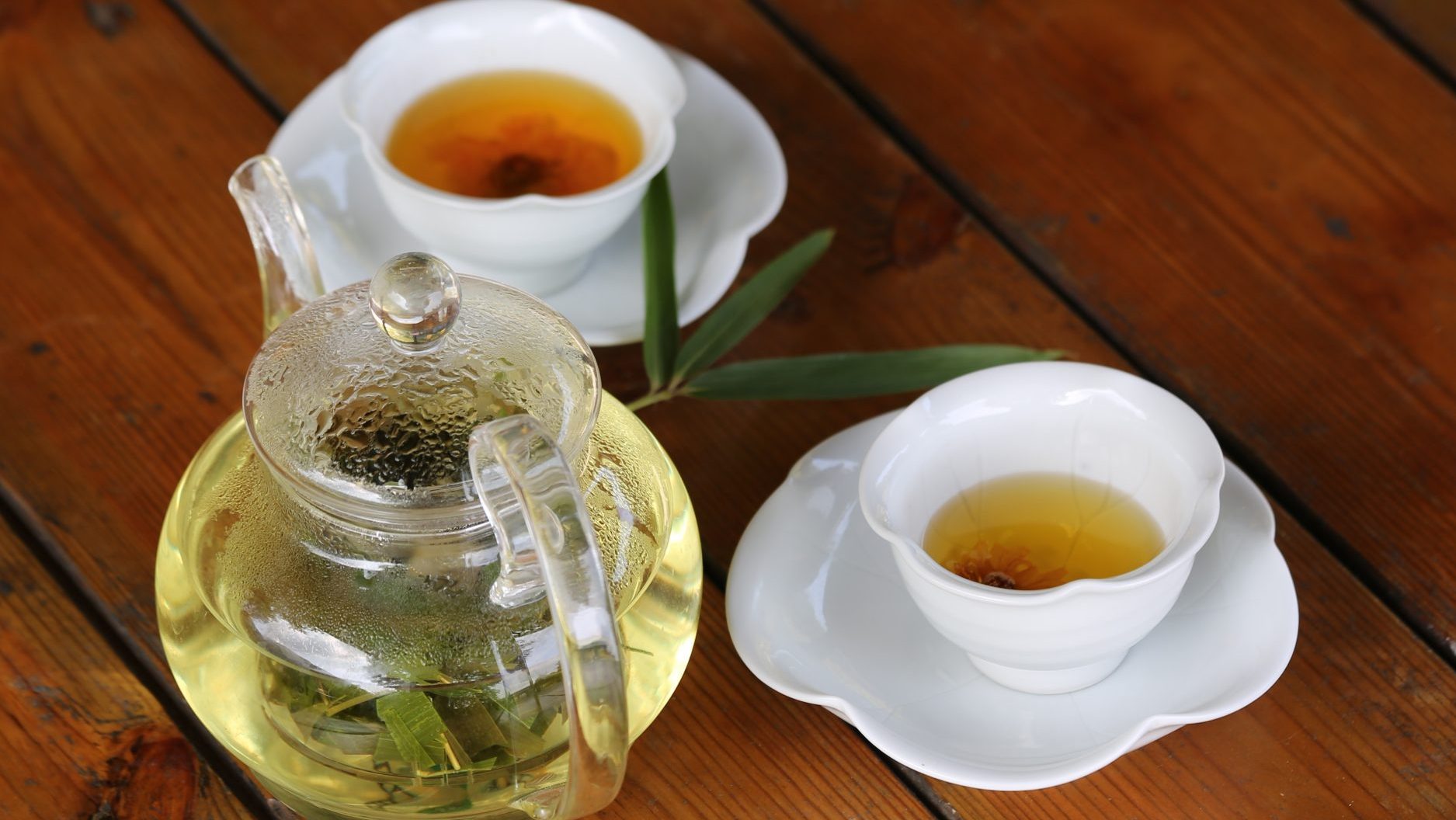
Teas/Infusions: Volume & Ritual
Pharmacological Advantages:
1. Hydration:
- Drinking 2-3 cups tea daily provides significant hydration
- Hydration itself supports health (kidney function, digestion, skin, cognition)
- Herbal compounds are a bonus on top of water intake
2. Ritual & Mindfulness:
- Preparing tea, waiting for it to steep, sitting to drink = mindfulness practice
- This ritual itself reduces stress (measurable cortisol reduction)
- Particularly important for nervine herbs (chamomile, lemon balm)
- The 10-15 minutes of “tea time” is part of the medicine
3. Gastric Stimulation:
- Warm liquid stimulates gastric motility
- Aids digestion
- Particularly relevant for digestive herbs
4. Adequate Extraction for Gentle Herbs:
- Herbs with water-soluble, readily extracted compounds don’t need alcohol
- Examples: Chamomile, peppermint, nettle
- Tea is cost-effective and effective
Pharmacological Disadvantages:
1. Limited Extraction:
- Cannot extract resins, most alkaloids, many volatile oil efficiently
- Example: Echinacea alkylamides poorly extracted
2. Short Shelf Life:
- High water activity = microbial growth within 1-3 days
- Must make fresh daily (or every 2 days if refrigerated)
3. Taste Limitations:
- Some herbs are unpalatably bitter/unpleasant as tea
- May limit compliance
Tinctures: Concentration & Shelf-Stability
Pharmacological Advantages:
1. Broad-Spectrum Extraction:
- Alcohol’s dual solvency extracts widest range of compounds
- Captures alkaloids, resins, volatile oils, plus some water-solubles
- Most complete representation of plant’s chemistry
2. Concentration:
- Typical 1:5 tincture is ~5x more concentrated than tea
- Small dose (2-4ml) = potent effect
- Important for expensive or strong herbs
3. Preservation:
- Alcohol (>40%) prevents microbial growth indefinitely
- Shelf life: 5-10+ years properly stored
- Allows for:
- Making large batches
- Stockpiling for future
- Using herbs out of season
4. Precise Dosing:
- Liquid form allows for drop-by-drop precision
- Important for potent herbs with narrow therapeutic windows
- Easy to titrate dose up or down
5. Sublingual Option:
- Can hold under tongue for faster absorption (bypasses first-pass)
- Useful for acute situations
6. Portability:
- Small bottle easy to carry
- Doesn’t require refrigeration
- Travel-friendly
Pharmacological Disadvantages:
1. Alcohol Content:
Not suitable for:
- Young children
- Pregnancy (controversial—some practitioners say small doses fine, others avoid)
- Recovering alcoholics
- Some religious groups
- People on disulfiram (Antabuse) or metronidazole
2. Taste:
- Alcohol + bitter herbs = very unpleasant for some
- May reduce compliance
- Can dilute in water/juice, but some people still struggle
3. Cost:
- Alcohol adds cost
- Expensive compared to tea
- Though long shelf life offsets this somewhat
4. Doesn’t Deliver Certain Local Effects:
- No demulcent coating (for throat)
- No bitter reflex if diluted heavily
- No hydration benefit (small volume)
Oils & Salves: Lipophilic Delivery & Barrier Protection
Pharmacological Advantages:
1. Lipophilic Compound Extraction:
- Specifically targets fat-soluble compounds:
- Carotenoids (calendula’s orange healing pigments)
- Resins (sticky, antimicrobial compounds)
- Volatile oils (some, though many evaporate)
- Vitamins A, D, E, K
- These are the compounds most relevant for skin healing
2. Occlusive Barrier:
- Oil/salve creates protective layer on skin surface
- Functions:
- Prevents water loss (keeps wound/skin hydrated)
- Protects from external irritants/pathogens
- Creates microenvironment conducive to healing
- This physical barrier is therapeutic even without herbal compounds
3. Enhanced Penetration:
- Oil softens stratum corneum (outer skin layer)
- Allows dissolved compounds to penetrate deeper
- Massage further enhances absorption (increases blood flow)
4. Stability:
- Oils have good shelf life (1-2 years with antioxidants)
- Salves even more stable (beeswax protects from oxidation)
- Portable, don’t require refrigeration
5. Skin Nourishment:
- Carrier oils themselves are therapeutic:
- Olive oil: Antioxidants, oleic acid (moisturising)
- Sunflower oil: Vitamin E, linoleic acid (skin barrier support)
- Sweet almond: Light, easily absorbed
- Herbal compounds are additive to base oil benefits
Pharmacological Disadvantages:
1. Cannot Deliver Water-Soluble Compounds:
- Minerals, vitamin C, mucilage, water-soluble flavonoids not extracted
- If those are your target compounds, oil is wrong choice
2. Limited Systemic Absorption:
- Most compounds stay local (which is often the goal)
- If you need systemic effects, internal remedy is better
3. Messiness:
- Greasy, can stain clothing
- Some people dislike the texture
4. Slow Onset (Compared to Poultice):
- For immediate first-aid, fresh poultice is faster-acting
- Oil is better for prepared, ongoing treatment
Syrups: Demulcent Delivery & Palatability
Pharmacological Advantages:
1. Demulcent Action:
- Viscous, coating texture physically soothes inflamed mucous membranes
- Sugar/honey creates protective layer over:
- Throat (pharyngitis, laryngitis)
- Esophagus (reflux damage)
- Upper GI tract
- This physical coating reduces:
- Pain
- Cough reflex (receptors are coated/protected)
- Contact with irritants
2. Local Delivery to Respiratory Tract:
- Syrup slowly drips down throat
- Herbs contact the exact tissue that needs them (throat, upper respiratory)
- Antimicrobial herbs kill pathogens locally
- Anti-inflammatory herbs reduce local swelling
3. Sugar as Preservative:
- High sugar concentration (50%+) reduces water activity
- Prevents microbial growth
- Shelf life: 2-3 months refrigerated (honey-based last longer)
4. Palatability:
- Sweet taste masks bitterness
- Critical for:
- Children (who won’t take bitter medicine)
- Adults with sensitive palates
- Herbs that are therapeutic but taste terrible
5. Easy Dosing:
- By the teaspoon/tablespoon
- Simple for families
- Consistent dosing
Pharmacological Disadvantages:
1. Sugar Content:
- Not suitable for diabetics (or use honey, which has lower glycemic index)
- Concerns about dental health (though brief contact, then swallowed)
- Caloric intake (though doses are small)
2. Requires Cooking:
- Heat can degrade some heat-sensitive compounds
- Example: Vitamin C is reduced during cooking
- Though for many herbs (elderberry, thyme), cooking doesn’t harm primary actives
3. Limited Shelf Life (vs. Tincture):
- 2-3 months refrigerated is good, but tincture lasts years
- Requires more frequent re-making
4. Extraction Limitations:
- Water extraction (during decoction phase) misses non-water-soluble compounds
- Though for herbs used in syrups, this is usually acceptable
Vinegars: Mineral Bioavailability & Digestive Stimulation
Pharmacological Advantages:
1. Mineral Extraction as Acetate Salts:
- Chemistry:
- Minerals in plants often exist as insoluble salts (carbonates,oxides)
- Acetic acid reacts with these:
- Example: CaCO₃ + 2CH₃COOH → Ca(CH₃COO)₁ + H₂O + CO₂
- Calcium acetate is highly soluble
Bioavailability:
- Acetate salts are absorbed readily in intestines
- More bioavailable than some other mineral forms
- This is why vinegar is specifically used for mineral-rich herbs
2. Alkaloid Extraction:
- Alkaloids (weak bases) + acid → soluble alkaloid salts
- Vinegar can extract some alkaloids that water alone cannot
- Example: Berberine from Oregon grape root
3. Digestive Stimulation:
Pre-Meal Tonic:
Taking 1-2 tablespoons vinegar before meals:
- Stimulates gastric acid secretion (low pH signals stomach to produce HCl)
- Primes digestive system
- Traditional “Swedish bitters” approach
Mechanism:
- Acid on tongue → vagal stimulation → digestive secretions
- Similar to bitter reflex, but acid instead of bitter
4. Preservation:
- Low pH (<4) prevents nearly all spoilage organisms
- Shelf life: 2+ years unrefrigerated
- Stable, portable
5. Cost-Effective:
- Vinegar is inexpensive (~$3 NZD-5 NZD/litre apple cider vinegar)
- Minerals extracted from often-foraged herbs (nettle, dandelion)
- Very economical remedy
Pharmacological Disadvantages:
1. Taste:
- Sour, acidic
- Some find it unpleasant
- Must dilute in water (never take straight—can damage tooth enamel and oesophagus)
2. Dental Concerns:
- Acid can erode tooth enamel over time
- Recommendation: Drink diluted, through a straw, rinse mouth after
3. Not Suitable for Everyone:
- People with ulcers (acid can irritate)
- People with acid reflux (may worsen in some)
- Though paradoxically, some people find vinegar helps reflux (by increasing stomach acid)
4. Limited Extraction Spectrum:
- Doesn’t extract resins, volatile oils, fat-soluble compounds
- Specific to minerals and some alkaloids
Poultices: Maximum Freshness & Drawing Action
Pharmacological Advantages:
1. Peak Potency:
- Fresh plant material has active enzymes still functioning
- No degradation from drying, storing
- Compounds in their native form, not oxidised
- Maximum effect
- Example: Plantain for Bee Sting
- Fresh, crushed plantain → enzymes break down venom proteins
- Effect: Pain relief within minutes
- Dried plantain in salve: Still helpful, but slower, less dramatic
2. Hydration:
- Moisture in fresh plant + any added water
- Hydration helps:
- Compounds penetrate skin
- Soften tissues
- Create environment for healing
3. Drawing Action:
Mechanism:
- Osmotic gradient: Wet poultice on skin → draws fluid toward surface
- Useful for:
- Boils (draws pus to surface)
- Splinters (draws splinter outward)
- Infected wounds (draws infection out)
- Bites/stings (draws venom out)
Why fresh works best: Living plant cells create additional osmotic gradients not present in dried material.
4. Immediate Availability:
- If plant is nearby, you have instant medicine
- No preparation time
- Perfect for field first-aid
5. Direct Contact:
- Compounds don’t have to penetrate through vehicle (oil, alcohol)
- Direct plant-to-skin = maximum transfer
Pharmacological Disadvantages:
1. Requires Fresh Plant:
- Seasonal/geographic limitations
- Not available year-round for all plants
- Not portable
2. Messy:
- Green plant material, moisture
- Requires cloth to hold in place
- Stains possible
3. Short Duration:
- Poultices dry out
- Must replace every 20-30 minutes for continued effect
- Not practical for overnight use
4. Limited to Localised Issues:
- Won’t provide systemic effects
- Only works where applied
Electuaries: Powder Delivery & Palatability
Pharmacological Advantages:
1. High Surface Area:
- Powdered herbs have maximum surface area
- This means:
- Faster dissolution in digestive tract
- Faster absorption
- Potentially faster onset of action
2. Palatability Transformation:
- Honey masks bitter/unpleasant flavours
- Allows taking herbs that would be intolerable otherwise
- Example: Turmeric powder is earthy, slightly bitter → mixed with honey = tolerable, even pleasant
3. Concentration:
- Can pack a lot of herbs into a small volume of honey
- 1 teaspoon electuary can contain 3-5g powdered herb
- Concentrated dose
4. Preservation:
- Honey’s low water activity preserves powdered herb
- Shelf life: 1-2 years
- Stable, portable
5. Synergy (in some cases):
- Turmeric + black pepper + honey:
- Piperine enhances curcumin absorption (2000% increase!)
- Honey provides antimicrobial, anti-inflammatory properties
- All three work together
6. Bypasses Taste During Consumption:
- If taking by spoonful and swallowing quickly, minimal taste contact
- If you want bitter reflex, can hold in mouth
Pharmacological Disadvantages:
1. Extraction is Post-Consumption:
- Powder isn’t pre-extracted
- Compounds must dissolve in digestive tract
- Relies on your digestion to “extract” the medicine
- If you have poor digestion, absorption may be impaired
2. Not All Herbs Work Well:
- Fibrous herbs (roots, bark) are hard to powder finely at home
- Some powders are gritty in honey (unpleasant texture)
- Best for: Spices and herbs that powder easily (turmeric, ginger, cinnamon)
3. Doesn’t Deliver Some Effects:
- No demulcent coating (honey provides this, but not the herb itself)
- No direct topical action (unless applied externally, which is uncommon)
4. Dosing Imprecision:
“By the spoonful” is less precise than ml of tincture
Herb settles in honey over time, making doses uneven unless stirred
Clinical Decision-Making: Choosing Preparation Method
This section provides a systematic approach to preparation selection based on therapeutic goals.
Question 1: What compounds do you need?
- If water-soluble (minerals, vitamin C, mucilage, tannins): → Tea, decoction, or vinegar (for minerals specifically)
- If alcohol-soluble (alkaloids, resins): → Tincture
- If fat-soluble (carotenoids, volatile oils, vitamins A/D/E/K): → Oil (topical) or tincture (internal)
- If both water and alcohol-soluble: → Tincture (balanced extraction) or double extraction for some herbs
Question 2: Internal or external?
- Internal: → Tea, tincture, syrup, vinegar, electuary, capsule
- External: → Oil, salve, poultice, compress, liniment
- Both (aromatherapy): → Steam inhalation, essential oil diffusion
Question 3: Acute or chronic?
Acute (short-term, immediate need):
- Fast onset desired: Tincture (especially sublingual), fresh poultice, hot tea
- Local acute issue: Fresh poultice, compress
- Respiratory acute: Steam inhalation, syrup
Chronic (long-term, ongoing):
- Daily tonic: Tea (ritual, hydration), vinegar (minerals)
- Ongoing systemic: Tincture (concentrated, precise dosing)
- Ongoing topical: Oil or salve (prepared, easy application)
Question 4: What’s the target tissue/organ?
Digestive tract:
- Bitter stimulation: Tea or tincture (must taste bitter), before meals
- Soothing irritation: Demulcent tea (marshmallow, slippery elm), electuary
- Systemic digestive support: Tincture
Respiratory tract:
- Throat/upper: Syrup, honey, gargle (tea or diluted tincture)
- Lungs/sinuses: Steam inhalation
- Systemic respiratory support: Tincture
Nervous system:
- Gentle, daily: Tea (ritual is part of medicine)
- Acute anxiety: Tincture sublingual (fast)
- Aromatherapy: Essential oil, diffusion, bath
Skin:
- Acute/fresh needed: Poultice
- Prepared/ongoing: Salve, oil
- Large area: Compress, bath
Immune system:
- Acute infection: Tincture (concentrated, frequent dosing)
- Prevention: Tea (daily), syrup (seasonal)
Musculoskeletal:
- Topical pain: Oil, liniment, salve
- Systemic inflammation: Tincture, tea (long-term)
Question 5: Who is the recipient?
Adults: → Any preparation appropriate for issue
Children (2-12 years):
- Prefer: Syrup, honey, glycerite, gentle tea
- Avoid: Strong-tasting tinctures (though can dilute heavily), alcohol in large amounts
- Dosing: ¼ to ½ adult dose depending on age
Infants (<2 years):
- NO honey (botulism risk under 12 months)
- Very limited herbs generally
- Work with practitioner
Pregnancy/Breastfeeding:
- Prefer: Tea, gentle preparations
- Caution: Alcohol tinctures (controversial—small doses likely fine, but some avoid)
- Avoid: Many herbs have pregnancy contraindications regardless of preparation
Elderly:
- May prefer: Easy-to-swallow liquids (tea, tincture diluted), not
capsules - Consider: Impaired digestion → tinctures (pre-extracted) may be better than electuaries
Alcohol-Sensitive (recovering alcoholics, some religions, medications):
- Prefer: Tea, vinegar, glycerite, honey, oil/salve (external)
- Avoid: Tinctures (or look into alcohol evaporation methods—some effectiveness lost)
Question 6: How much time do you have?
Need medicine now:
- Fresh poultice (instant)
- Tea (10-15 minutes)
- Use pre-made tincture/salve from cabinet
Can wait hours:
- Decoction (30-60 min with simmering)
- Syrup (a few hours to make)
Can wait days/weeks:
- Tincture (2-6 weeks to macerate)
- Infused oil (2-6 weeks solar, or 2-4 hours heat)
- Vinegar (4-6 weeks)
Planning ahead:
- Make shelf-stable preparations (tinctures, oils, salves) when herbs are in season
- Have ready for use year-round
Advanced Concepts
Synergistic Preparations: Combining Herbs & Methods
Some of the most effective remedies combine multiple herbs and/or preparation methods:
Example 1: Respiratory Support Formula
Ingredients:
- Thyme (antimicrobial)
- Elderberry (antiviral, immune support)
- Ginger (warming, anti-inflammatory)
- Honey (demulcent, antimicrobial)
Preparation: Syrup
- Simmer thyme, elderberries, ginger in water (decoction)
- Strain, reduce
- Add honey
Why synergistic:
- Multiple antimicrobial mechanisms
- Demulcent delivery (honey)
- Warming action (ginger) enhances circulation
- Tastes good = compliance
Result: More effective than any single herb alone.
Example 2: Topical Pain Relief Formula
Ingredients:
- Lavender oil (anti-inflammatory, calming)
- Rosemary (circulatory stimulant, analgesic)
- Peppermint essential oil (cooling, analgesic)
- Base: Infused oil of above herbs + beeswax for salve
Why synergistic:
- Multiple pain-relief mechanisms (cooling, anti-inflammatory, distraction)
- Lavender calms while rosemary stimulates circulation (balanced)
- Topical delivery appropriate for localised muscle pain
Example 3: Digestive Bitter Tincture
Ingredients:
- Dandelion root (bitter, liver support)
- Gentian root (very bitter, digestive stimulant)
- Ginger (warming, carminative)
- Orange peel (aromatic, flavouring)
Preparation: Tincture (1:5 in 40% alcohol)
Dosage: 1-2ml (20-40 drops) in small amount of water, 15 minutes before meals
Why synergistic:
- Gentian provides strongest bitter taste (primary trigger)
- Dandelion adds liver-supportive bitterness
- Ginger warming prevents the formula from being too cooling (bitters are often cooling)
- Orange peel makes it tolerable
Result: More complete digestive support than single bitter.
Seasonal Preparation Strategy
Spring:
Focus: Fresh, nutritive greens
Make: Nettle and cleavers infusions (fresh, daily)
Preserve: Vinegar infusions of spring greens (for year-round mineral tonic)
Summer:
Focus: Flowers, berries
Make:
- Solar oil infusions (calendula, lavender, rose)
- Elderflower cordial/syrup
- Fresh herb tinctures (lemon balm, tulsi)
Dry: Herbs for winter use (peppermint, chamomile, thyme for tea)
Autumn:
Focus: Roots, late berries, preparation for winter
Make:
- Elderberry syrup (before flu season!)
- Root tinctures (dandelion, burdock—dug when energy is in root)
- Root decoctions for immediate use
Harvest: Roots at peak potency
Winter:
Focus: Using preserved remedies, evergreens
Make:
- Warming decoctions (ginger, cinnamon)
- Use tinctures/oils/salves made earlier
- Evergreen teas (pine needles for vitamin C)
Plan: Next year’s garden
This cycle ensures:
- Always fresh, seasonal medicine
- Preserved remedies for off-season
- Continuous medicine cabinet stocking
Bioavailability Enhancers
Some herbs/compounds have inherently poor bioavailability. Preparation methods can enhance this:
1. Fat for Fat-Soluble Compounds:
- Curcumin (turmeric):
- Poorly absorbed alone
- Taken with fat (coconut oil, ghee) → much better absorption
- Application: Golden milk (turmeric + coconut milk), turmeric electuary with oil
2. Piperine (Black Pepper) for Curcumin:
Black pepper’s piperine inhibits glucuronidation (liver metabolism) of curcumin
- Effect: 2000% increase in curcumin bioavailability
- Application: Always add black pepper to turmeric preparations (golden paste formula)
3. Acid for Some Minerals:
Vitamin C enhances iron absorption
- Application: Take iron-rich herbs (nettle) with vitamin C source (rosehip tea, lemon)
4. Heat Activation:
Some compounds become more bioavailable with cooking
- Example: Lycopene in tomatoes increases bioavailability when cooked
- Application: For some herbs, decoction may be superior to cold infusion for this reason
5. Alcohol + Water Synergy:
- Many herbs extract better in alcohol + water mix than either alone
- Example: Echinacea at 60% alcohol extracts both alkylamides (need alcohol) and polysaccharides (need water)
Cost-Effectiveness Analysis: ROI by Preparation
Based on New Zealand Pricing:
Highest ROI (Most Medicine per Dollar):
Tea from foraged herbs:
- Cost: Free (your time)
- Yield: Unlimited
- ROI: Infinite
Tea from home-grown herbs:
- Initial: $3 NZD-5 NZD (seeds) or $5 NZD-10 NZD (plant)
- Yield: Years of harvests
- Example: One chamomile plant → hundreds of flowers
- ROI: Exceptional
Vinegar infusions:
- Herb cost: Often foraged (free) or ~$10 NZD-15 NZD/100g
- Vinegar: $3 NZD-5 NZD/litre
- Yield: 1 litre infused vinegar = 50+ doses
- ROI: Excellent
Long infusions from bulk herbs:
- Nettle example: $15 NZD/100g → ~3 litres finished tea (12-15 cups)
- Store-bought nettle tea: ~$7 NZD/20 tea bags (5g total herb)
- Bulk: $15 NZD for 100g = 2000% more herb for ~2x price
- ROI: Excellent
Moderate ROI:
Tinctures (made at home):
- Herb: $15 NZD-40 NZD/100g (depending on herb)
- Alcohol: $30 NZD-40 NZD/litre vodka
- Yield: 1:5 tincture from 100g herb = 500ml tincture = 100-250 doses
- Bought equivalent: $20 NZD-40 NZD/100ml (if available)
- ROI: Good, especially given shelf life
Oils & Salves:
- Herb: Homegrown calendula (essentially free) or $10 NZD-15 NZD/50g dried
- Oil: $10 NZD/500ml olive oil
- Beeswax: $15 NZD/100g (makes many batches)
- Yield: Multiple tins of salve
- Bought equivalent: $15 NZD-30 NZD/tin
- ROI: Very good
Syrups:
- Herb: $10 NZD-25 NZD/100g (elderberries)
- Honey: $10 NZD-15 NZD/kg
- Yield: 2-3 bottles syrup = 3-4 months supply
- Bought equivalent: $20 NZD-35 NZD/bottle
- ROI: Good
Lower ROI (But Still Worthwhile):
Pre-made tinctures (purchased):
- Cost: $20 NZD-40 NZD/100ml
- Convenience: High (no preparation)
- Quality: Variable
- ROI: Low, but saves time/effort
Essential oils (purchased):
- Cost: $10 NZD-30 NZD/10ml (depending on oil)
- Yield: 200-300 drops (doses)
- Bought remedies using them: $15 NZD-25 NZD
- ROI: Moderate
The Pattern: Making your own preparations, especially from foraged/home-grown herbs, provides 5-50x ROI compared to purchased equivalents.
Troubleshooting Preparation Failures
Problem: My tincture is weak (doesn’t seem effective)
Possible Causes:
- Wrong herb-to-solvent ratio (too much alcohol, too little herb)
- Insufficient maceration time (need 2-6 weeks minimum)
- Wrong alcohol percentage for that herb
- Old/poor quality herb to start
- Wrong plant part used
Solutions:
- Use proper ratios (1:5 for dried, 1:2 for fresh)
- Be patient—let it macerate fully
- Check alcohol % recommendations for specific herb
- Source quality herbs
- Verify you’re using the medicinal plant part (root vs. leaf matters!)
Problem: My oil infusion smells off/rancid
Causes:
- Oil oxidation (rancidity)
- Moisture in herbs → bacterial growth
- Too much heat during infusion → degraded oil
Prevention:
- Use only bone-dry herbs
- Add vitamin E or ROE (rosemary oleoresin extract) as antioxidant
- Don’t overheat (keep under 80°C)
- Store in dark, cool place
If rancid: Discard. Rancid oil is pro-inflammatory.
Problem: My syrup fermented/moulded
Causes:
- Insufficient sugar/honey (need ~50% for preservation)
- Contaminated equipment
- Stored at room temperature (should refrigerate)
Prevention:
- Use proper syrup ratio (1:1 decoction:honey minimum)
- Sterilise bottles
- Refrigerate after making
If fermented:
- Smells alcoholic → probably lacto-fermentation (safe but chemistry changed)
- Visible mould → discard immediately
Problem: My tea/decoction is bitter/unpleasant
Causes:
- Over-steeping (tannins extract, create bitterness)
- Boiling instead of steeping (for delicate flowers)
- Using leaves past flowering (many become more bitter)
- That herb is just bitter (dandelion root is supposed to be!)
Solutions:
- Steep for recommended time only
- Use appropriate temperature
- Harvest at right time
- If herb is meant to be bitter, either:
- Embrace it (bitter is therapeutic for digestion)
- Add honey after straining (not during—heat can affect honey)
- Combine with more pleasant herbs (peppermint, chamomile)
Problem: My poultice isn’t working
Causes:
- Not using fresh enough plant
- Not crushing/breaking cells adequately
- Not applying to right location
- Poultice drying out
- Wrong herb for the issue
Solutions:
- Use freshly picked plant
- Crush thoroughly (chewing works, or pound with rocks)
- Apply directly to affected area
- Keep moist—add water or replace regularly
- Verify this herb is appropriate (plantain for stings, yarrow for bleeding, etc.)
Quick Reference: Preparation Selection Matrix
| Goal | Best Preparation | Why | Herbs to Try |
|---|---|---|---|
| Daily mineral support | Long infusion or vinegar | Maximum extraction of minerals | Nettle, oatstraw, dandelion leaf |
| Acute cold/flu | Tincture + syrup | Tincture for concentrated immune support, syrup for throat | Echinacea tincture + elderberry syrup |
| Digestive upset | Hot tea after meals | Immediate soothing, aids digestion | Peppermint, ginger, chamomile |
| Digestive bitter | Decoction before meals | Bitter taste triggers digestive secretions | Dandelion root, gentian |
| Insomnia | Tincture 30-60 min before bed | Concentrated, fast-acting | Valerian, lemon balm, lavender |
| Anxiety (acute) | Tincture sublingual | Fastest onset, bypasses first-pass | Lemon balm, lavender |
| Anxiety (daily) | Tea | Gentle, ritual is therapeutic | Chamomile, lemon balm |
| Wound healing | Salve | Protective barrier, delivers healing compounds | Calendula, plantain |
| Bug bite (immediate) | Fresh poultice | Instant, maximum potency | Plantain (chew and apply) |
| Sore throat/cough | Syrup or honey | Coating action, palatability | Thyme, sage, elderberry |
| Congestion | Steam inhalation | Direct delivery to respiratory tract | Thyme, eucalyptus, peppermint |
| Muscle aches | Infused oil or liniment | Topical anti-inflammatory, penetrates | Lavender, rosemary, arnica (external only) |
| Skin inflammation | Salve or compress | Soothing, anti-inflammatory delivery | Calendula, plantain, lavender |
| Children’s cold | Syrup | Palatable, appropriate delivery | Elderberry, thyme (in honey) |
| Nausea | Fresh ginger tea | Fast-acting, easy to dose | Ginger or crystallised ginger |
Conclusion: The Art & Science of Preparation Selection
Choosing the right preparation method is as important as choosing the right herb. The same plant prepared different ways can have vastly different effects:
- Dandelion as tea = gentle daily tonic
- Dandelion as decoction = potent digestive bitter
- Dandelion as vinegar = mineral powerhouse
Consider:
- What compounds you need (determines solvent)
- How they need to be delivered (determines form)
- Who’s taking it (affects palatability, alcohol content, dosing)
- Acute vs. chronic (affects concentration, frequency)
- Available time & resources (fresh vs. prepared, homemade vs. bought)
Master these fundamentals, and you can create precisely targeted, effective remedies for nearly any common health situation.
Sources & References
Pharmacology & Drug Delivery:
- Bone, K., & Mills, S. (2013). Principles and Practice of Phytotherapy: Modern Herbal Medicine (2nd ed.). Churchill Livingstone. [Comprehensive pharmacokinetics of herbal preparations]
- Braun, L., & Cohen, M. (2015). Herbs and Natural Supplements, Volume 2: An Evidence-Based Guide. Elsevier Health Sciences. [Evidence-based preparation methods]
Preparation Methods:
- Hoffmann, D. (2003). Medical Herbalism: The Science and Practice of Herbal Medicine. Healing Arts Press. [Classic text on preparation rationale]
- Gladstar, R. (2012). Rosemary Gladstar’s Medicinal Herbs: A Beginner’s Guide. Storey Publishing. [Practical preparation instructions]
Traditional Knowledge:
- Grieve, M. (1931). A Modern Herbal. Jonathan Cape. [Historical
preparation methods] - Wood, M. (2008). The Earthwise Herbal: A Complete Guide to Old World Medicinal Plants. North Atlantic Books. [Traditional uses and preparations]
Honey Science:
- Mandal, M. D., & Mandal, S. (2011). Honey: its medicinal property
and antibacterial activity. Asian Pacific Journal of Tropical Biomedicine, 1(2), 154-160. [Honey’s therapeutic mechanisms]
Children & Pregnancy:
- Mills, S., & Bone, K. (2005). The Essential Guide to Herbal Safety. Churchill Livingstone. [Safety across populations]
- Romm, A. (2010). The Natural Pregnancy Book (3rd ed.). Celestial
Arts. [Herbs in pregnancy, appropriate preparations]
New Zealand Specific:
Riley, M. (1994). Māori Plant Use: A Handbook of Plants Used by the Māori People of New Zealand. Manaaki Whenua Press. [Traditional Māori preparations]
Rongoā Māori Disclaimer: This guide does not represent rongoā Māori preparation methods or traditional Māori medicine-making. Rongoā Māori is a complete healing system with its own protocols, karakia (prayers), and cultural practices that cannot be separated from te ao Māori (the Māori worldview). For rongoā Māori knowledge and treatment, please consult qualified rongoā practitioners through Te Paepae Motuhake or other appropriate Māori health services.
Medical Disclaimer: This guide is for educational purposes only and is not medical advice. The preparation and use of herbal medicines carries inherent risks. You are solely responsible for correct plant identification, appropriate preparation methods, proper dosing, and monitoring for adverse reactions. Always consult a qualified healthcare practitioner before using herbal remedies, especially if you are pregnant, nursing, taking medications, or have known medical conditions. When in doubt about preparation methods or safety, seek professional guidance.
Note on Pricing: All prices mentioned in this guide are approximate and based on New Zealand suppliers as of January 2026. Prices vary by supplier, season, and market conditions. We recommend checking current prices with your local suppliers.