
Matching Herbs with Extraction Methods: Guide for Oil Infusions
Different herbs release different compounds into oil. Understanding which herbs work best with oil infusion (vs. water/alcohol) helps you create effective remedies. Oil extracts fat-soluble compounds: resins, essential oils, carotenoids, vitamins E/A.
Introduction: Why Method Matters
Not all herbs infuse the same way. The method you choose—solar (sun), heat, or cold infusion—dramatically affects the potency, quality, and
therapeutic value of your final oil. Choose wrong, and you might destroy delicate volatile oils, under-extract tough roots, or end up with weak medicine.
This guide teaches you how to match each herb with its ideal extraction method based on the plant part used, the compounds you want to extract,
and the chemistry of the plant material. You’ll learn the principles behind method selection, get specific recommendations for 60+ herbs, and understand how to make decisions for herbs not listed.
By the end, you’ll confidently choose the right method every time, creating potent, effective herbal oils.
The Three Main Infusion Methods
Method 1: Solar Infusion (Warm Passive Extraction)
What it is: Herbs and oil in a jar placed in direct sunlight for 2-4 weeks.
Temperature range: 25-40°C (depending on ambient temperature and sun intensity)
How it works:
- Gentle, consistent warmth from sunlight increases molecular movement
- Cyclical heating (day) and cooling (night) creates expansion/contraction that enhances extraction
- UV light may have mild sterilizing effect
- Slow, passive diffusion extracts compounds over time
Best for:
- Delicate flowers (calendula, rose, chamomile)
- Aromatic leaves with volatile oils (lavender, rosemary, thyme)
- Fresh aerial parts (St. John’s wort flowers)
- Any herb where you want to preserve heat-sensitive compounds
Advantages:
- Preserves delicate volatile oils
- No equipment needed
- Low risk of overheating
- Traditional, time-tested method
- Zero energy cost
Disadvantages:
- Weather-dependent (need consistent sunny days)
- Slow (2-4 weeks minimum)
- Less practical in winter or cloudy climates
- Requires sunny windowsill or outdoor space
Method 2: Heat Infusion (Active Extraction)
What it is: Gentle, controlled heat applied to herbs and oil for 2-8 hours.
Temperature range: 50-70°C (warm but not hot)
Methods of applying heat:
- Slow cooker on \”warm\” setting (50-60°C)
- Double boiler on lowest heat
- Oven at lowest setting (50-70°C)
- Yogurt maker or food dehydrator (if temperature adjustable)
How it works:
- Heat increases kinetic energy of molecules, accelerating extraction
- Breaks down cell walls more quickly
- Allows extraction from tough, fibrous materials
- Concentrated extraction in hours rather than weeks
Best for:
- Roots and rhizomes (ginger, turmeric, dandelion, burdock)
- Tough barks (cinnamon, willow)
- Seeds (fennel, cardamom, black pepper)
- Berries (elderberry, rose hips)
- Tough leaves (bay, kawakawa when dried)
- Any time you need oil quickly
Advantages:
- Fast (4-8 hours vs 2-4 weeks)
- Weather-independent
- Excellent for tough materials
- Highly effective extraction
- Year-round practical
Disadvantages:
- Risk of overheating if not careful (destroys volatile oils)
- Requires attention and equipment
- Can degrade heat-sensitive compounds
- Energy cost (minimal but present)
Method 3: Cold Infusion (Slow, Cool Extraction)
What it is: Herbs and oil stored in a cool, dark location (not in sun) for 4-8 weeks.
Temperature range: 15-20°C (room temperature or slightly below)
How it works:
- Slow diffusion over extended time
- No heat means no thermal degradation
- Extended maceration allows even delicate compounds to extract
- Maximally preserves all heat-sensitive constituents
Best for:
- Herbs with extremely delicate volatile oils (lemon balm, rose)
- Herbs with compounds that degrade with any heat
- When you want to preserve absolutely everything
- Extended projects where time isn’t critical
Advantages:
- Zero heat degradation
- Preserves maximum volatile oils
- Very gentle process
- No special equipment or conditions needed
- Safest method (can’t overheat)
Disadvantages:
- Very slow (4-8 weeks minimum)
- Less effective for tough materials
- Not practical when you need oil quickly
- Requires very dark storage (light can still degrade some compounds)
How to Choose: The Decision Framework
Use this simple flowchart in your mind:
Step 1: What plant part are you using?
- Flowers/delicate leaves → Solar or Cold
- Aromatic leaves → Solar preferred, Heat acceptable if careful
- Roots/bark/seeds/berries → Heat strongly preferred
- Fresh aerial parts → Solar or Cold (preserve freshness)
Step 2: What compounds are you targeting?
- Volatile oils (aromatic compounds) → Solar or Cold (avoid high heat)
- Resins → Heat acceptable (resins are stable)
- Carotenoids (coloured compounds) → Solar good, Heat acceptable
- Alkaloids, glycosides → Heat often beneficial (breaks down cell walls)
Step 3: What’s your timeline?
- Need oil in 1 day → Heat infusion only option
- 2-4 weeks available → Solar infusion ideal for most herbs
- No rush, want maximum quality → Cold infusion for delicate herbs
Step 4: What’s your climate/season?
- Sunny, warm weather → Solar infusion easy
- Winter, cloudy, rainy → Heat infusion practical
- Any season → Cold infusion always works
Comprehensive Herb-by-Herb Guide
Flowers
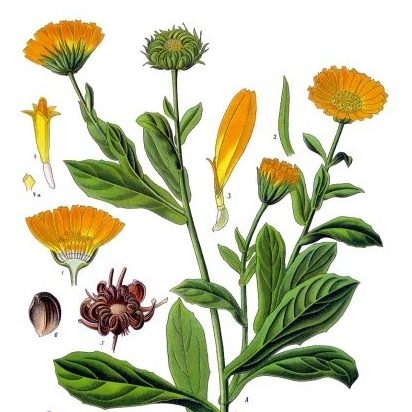
Calendula (Calendula officinalis)
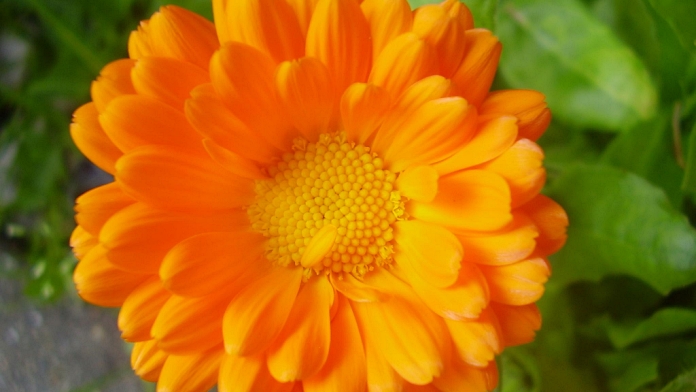
- Method: Solar infusion (BEST), Cold infusion (acceptable), Heat (last resort)
- Why: Carotenoids (orange colour) extract well with gentle warmth; volatile oils preserved by moderate temperature
- Details: Solar creates beautiful golden-orange oil; heat can work but keep below 60°C
Chamomile (Matricaria chamomilla)
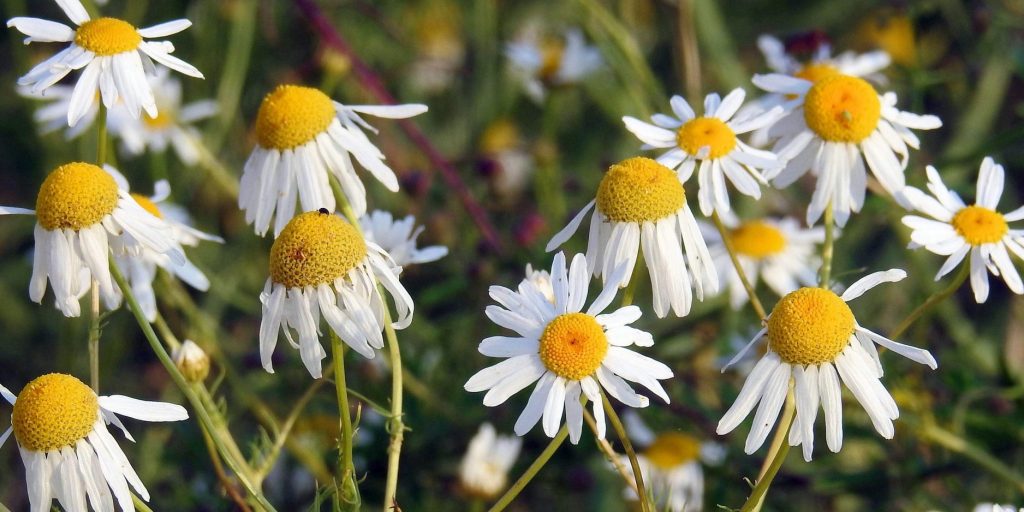
- Method: Solar infusion (BEST), Cold infusion (excellent)
- Why: Chamazulene and bisabolol (volatile oils) are heat-sensitive; gentle warmth extracts without degradation
- Details: Blue-coloured oil indicates good chamazulene content; heat destroys this
Elderflower (Sambucus nigra)
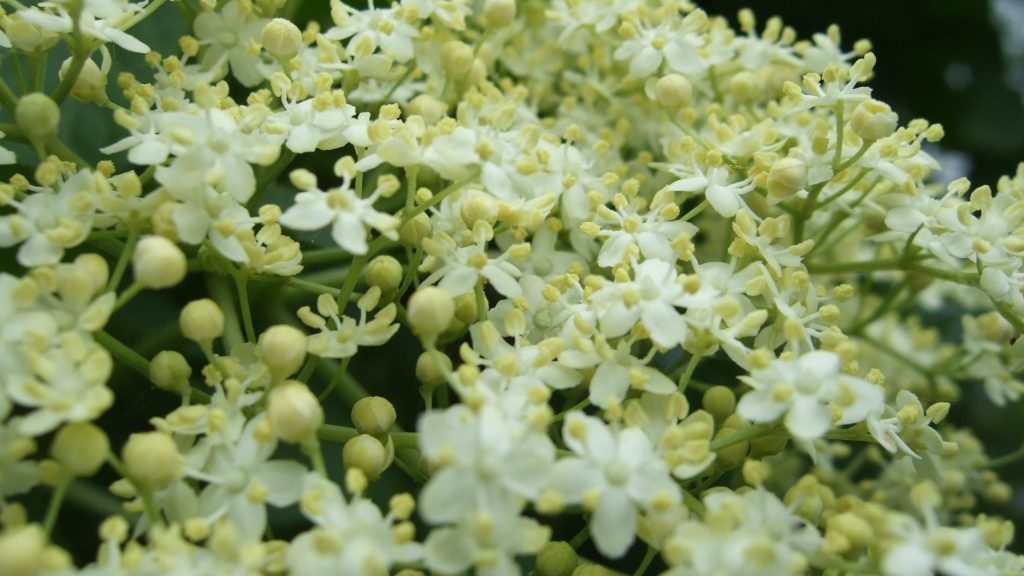
- Method: Solar infusion (BEST), Cold infusion (acceptable)
- Why: Delicate flowers with volatile compounds; heat destroys aroma and therapeutic compounds
- Details: Very delicate—even solar infusion should be gentle (partial shade if very hot)
Lavender (Lavandula angustifolia)
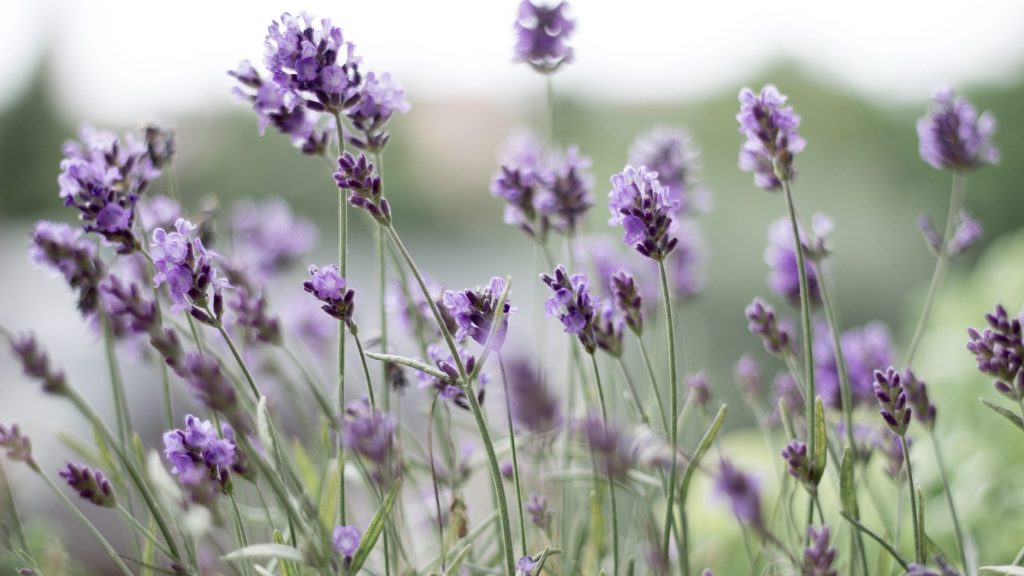
- Method: Solar infusion (BEST), Heat infusion (acceptable if <60°C)
- Why: Linalool and linalyl acetate (volatile oils) evaporate at high temperature
- Details: Strong aromatic; solar preserves sublime scent, heat can work but aroma suffers
Rose (Rosa spp.)
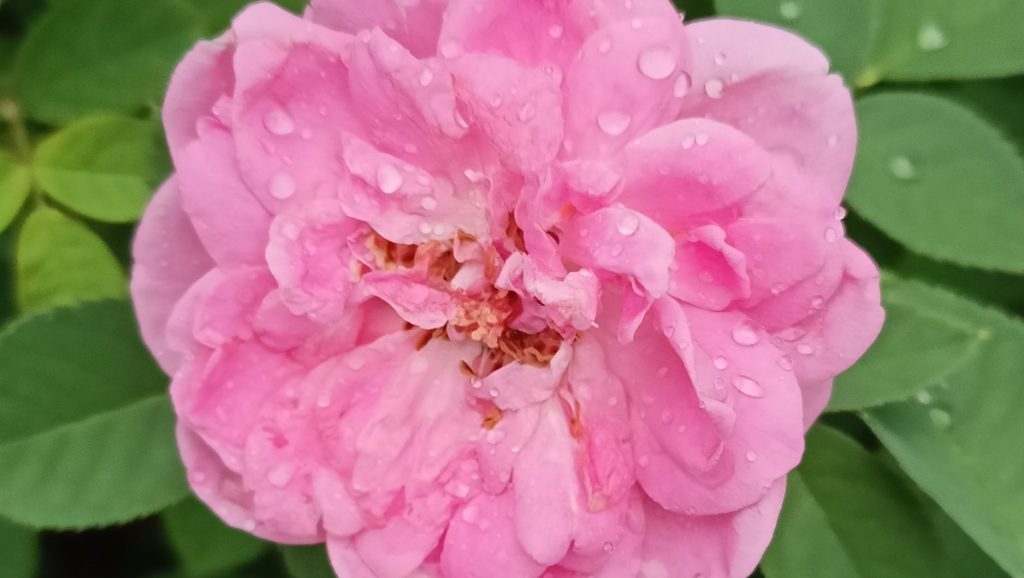
- Method: Cold infusion (BEST), Solar infusion (acceptable)
- Why: Extremely delicate volatile oils; any heat above ~30°C begins degrading precious rose compounds
- Details: For true rose otto preservation, cold infusion in cool room (15-18°C) ideal
St. John’s Wort (Hypericum perforatum)

- Method: Solar infusion (TRADITIONAL AND BEST)
- Why: Hypericin (red pigment) develops best in sunlight; traditional \”red oil\” requires solar method
- Details: Use fresh flowers, solar infusion, oil turns deep red over 4-6 weeks; heat produces inferior oil
Aromatic Leaves (High in Volatile Oils)
Basil (Ocimum basilicum)
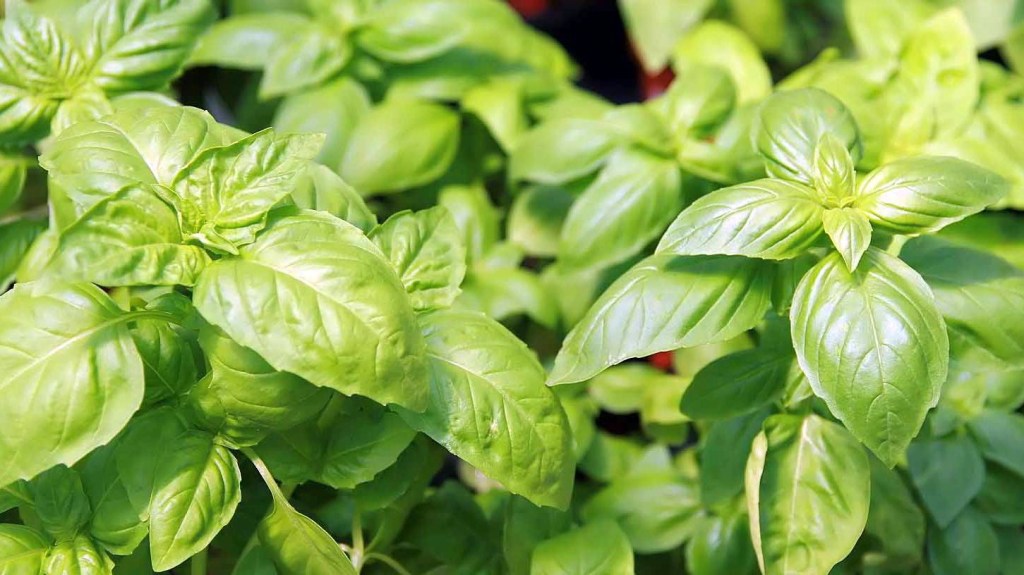
- Method: Solar infusion (BEST), Cold infusion (acceptable)
- Why: Linalool, eugenol, and other volatile oils evaporate with heat
- Details: Fresh basil can be used (1:2 ratio with 95% olive oil to compensate for water content)
Bee Balm (Monarda spp.)
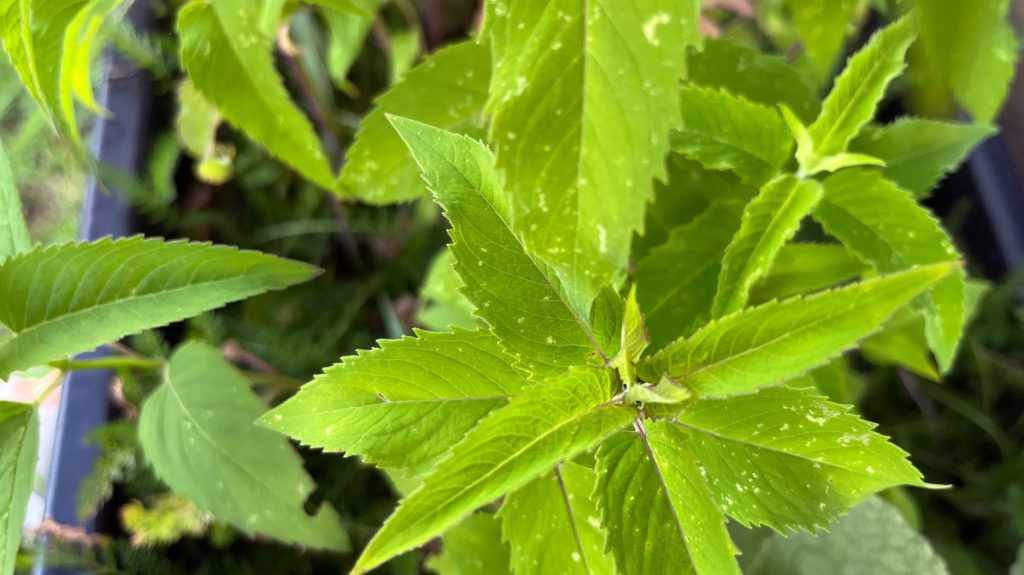
- Method: Solar infusion (BEST)
- Why: Thymol and carvacrol extract well with gentle heat; too much heat loses aromatic intensity
- Details: Similar to thyme; solar preserves medicinal volatile oils
Lemon Balm (Melissa officinalis)

- Method: Cold infusion (BEST), Solar only if cool/partial shade
- Why: Citral and citronellal are extremely volatile; even moderate heat causes significant loss
- Details: Best as fresh plant tincture, but if making oil, cold infusion preserves maximum aroma
Mint (Mentha spp.)
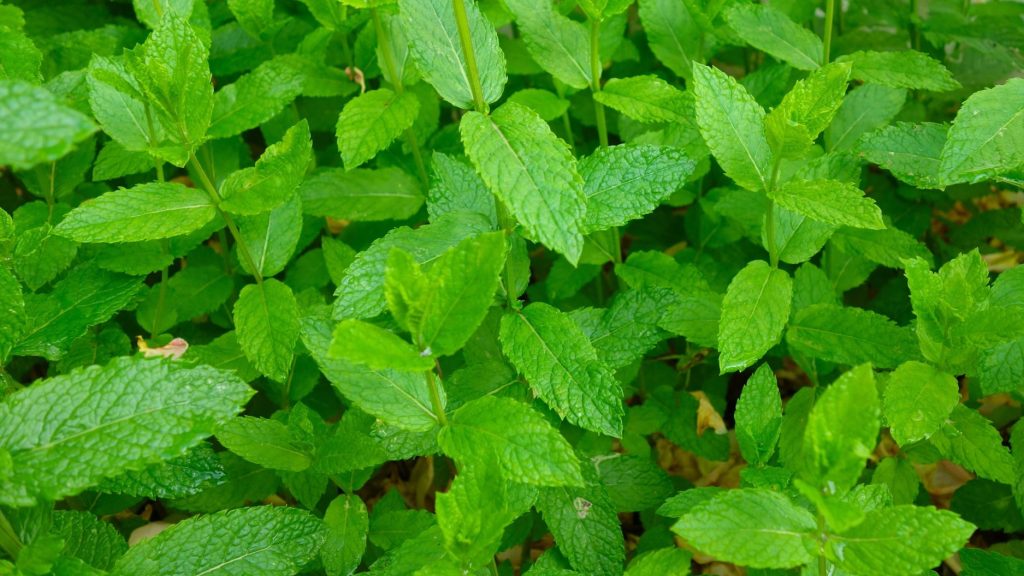
- Method: Solar infusion (BEST), Cold infusion (excellent)
- Why: Menthol and menthone are volatile; gentle extraction preserves cooling properties
- Details: Works well solar; avoid heat which drives off menthol quickly
Oregano (Origanum vulgare)
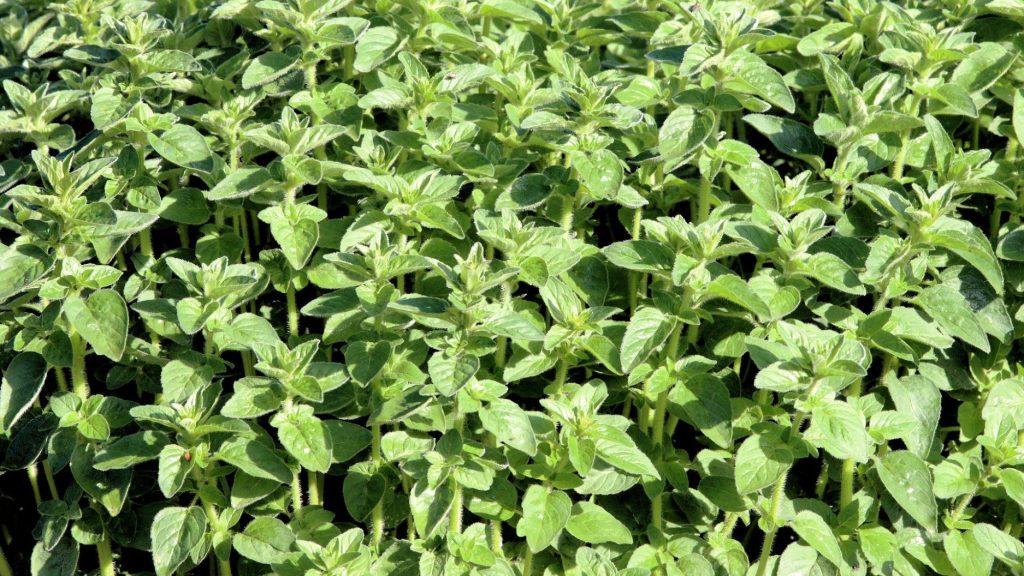
- Method: Solar infusion (BEST), Heat infusion (acceptable if \<65°C)
- Why: Carvacrol and thymol (antimicrobial oils) reasonably stable but prefer moderate temperatures
- Details: Fairly robust; solar ideal but heat workable for quick batch
Rosemary (Rosmarinus officinalis)

- Method: Solar infusion (BEST), Heat infusion (acceptable)
- Why: 1,8-cineole and camphor moderately stable; solar preserves antioxidants better
- Details: One of the more heat-tolerant aromatic herbs; either method works well
Sage (Salvia officinalis)
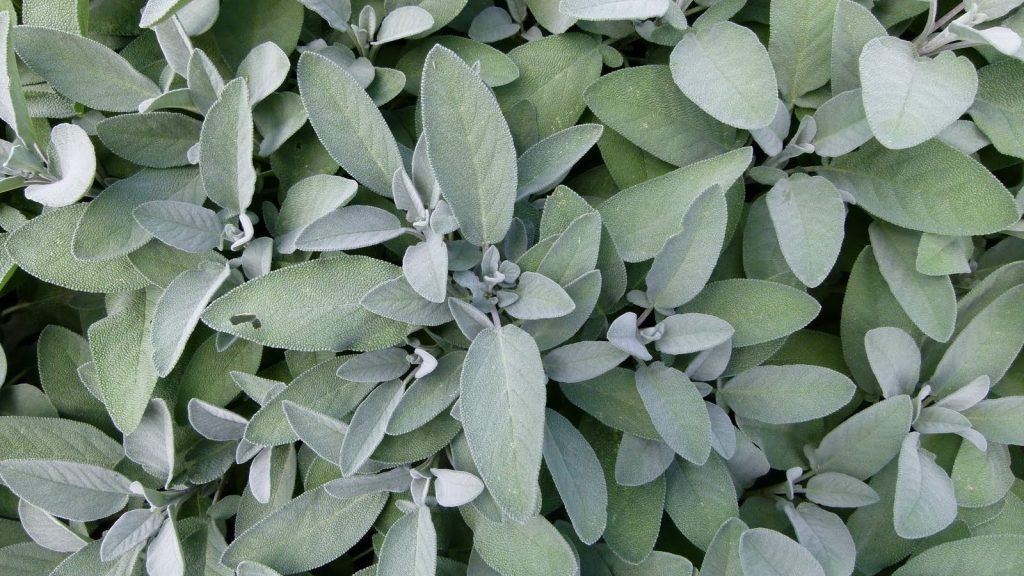
- Method: Solar infusion (BEST)
- Why: Thujone and other volatile compounds best preserved with gentle heat
- Details: Strong antimicrobial; solar extraction ideal
Thyme (Thymus vulgaris)
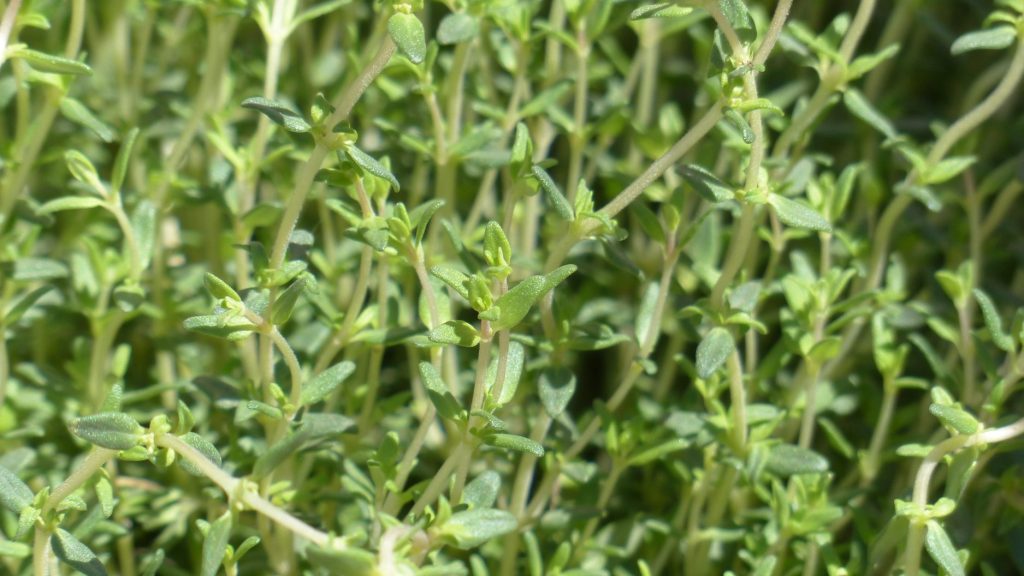
- Method: Solar infusion (BEST), Heat infusion (acceptable if careful)
- Why: Thymol (primary volatile oil) stable-ish but solar produces superior oil
- Details: Heat extraction works if kept below 65°C, but solar is traditional and preferred
Roots and Rhizomes
Burdock Root (Arctium lappa)
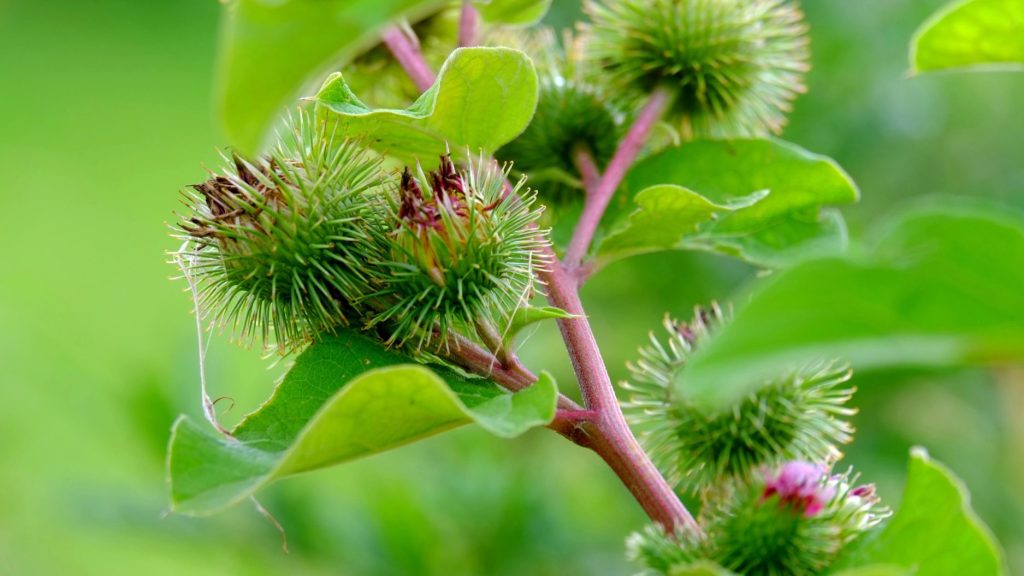
- Method: Heat infusion (BEST)
- Why: Dense, fibrous root requires heat to break down cell walls; inulin and other compounds extract poorly with passive methods
- Details: Chop finely, heat 4-6 hours at 60°C
Dandelion Root (Taraxacum officinale)
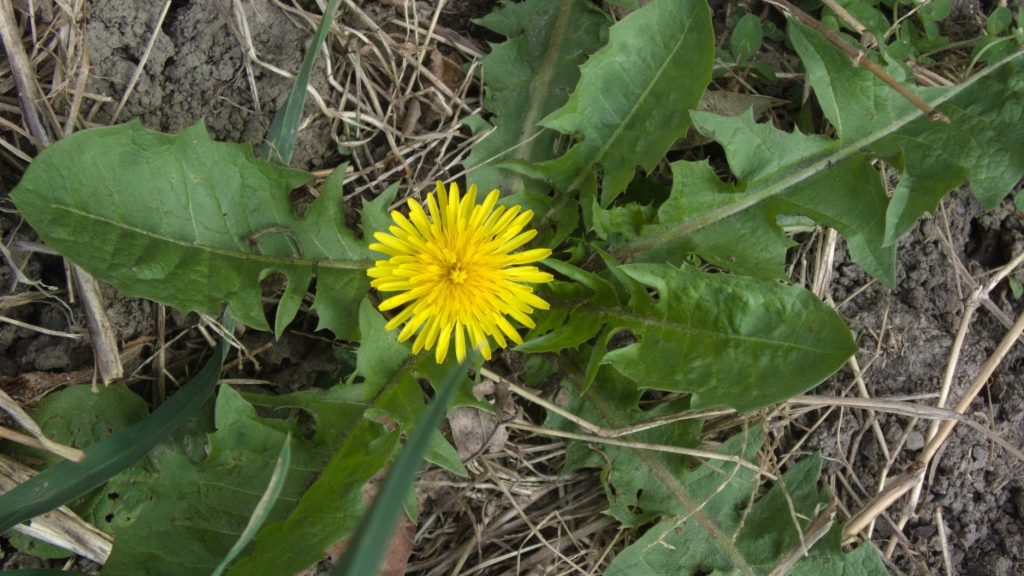
- Method: Heat infusion (BEST)
- Why: Hard taproot; bitter compounds and inulin require heat extraction
- Details: Dried and chopped, 6-8 hours heat infusion
Ginger (Zingiber officinale)
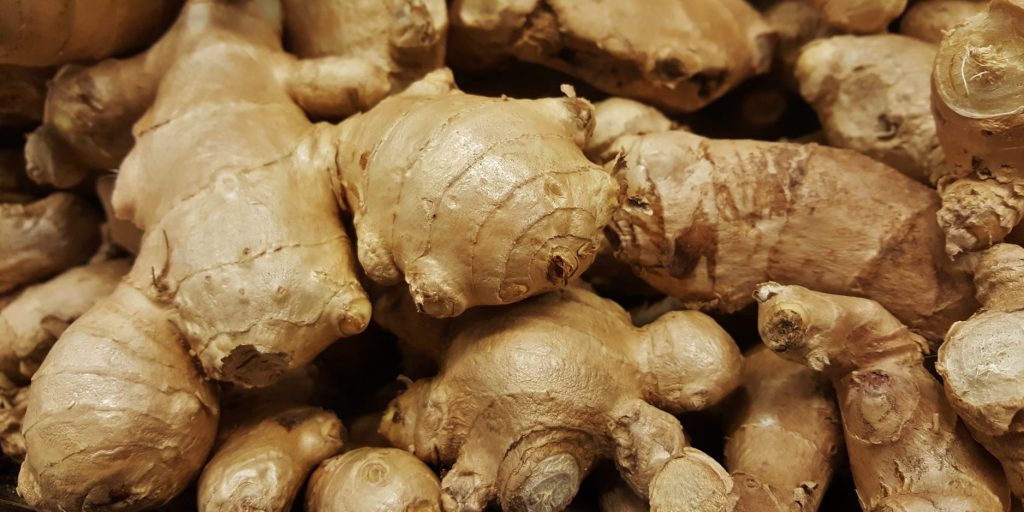
- Method: Heat infusion (BEST)
- Why: Gingerols and shogaols in tough rhizome tissue; heat essential for good extraction
- Details: Fresh or dried, sliced thinly, 4-6 hours heat; creates warming, stimulating oil
Turmeric (Curcuma longa)
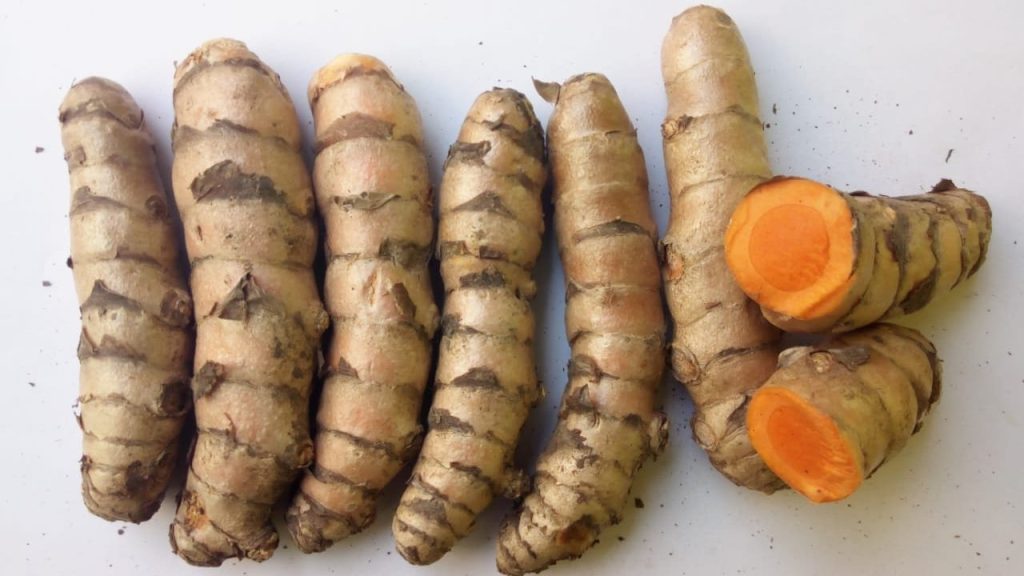
- Method: Heat infusion (BEST)
- Why: Curcuminoids poorly extracted without heat; dense rhizome requires cell wall breakdown
- Details: Dried powder or fresh sliced, 6-8 hours heat; oil turns deep yellow-orange
Valerian Root (Valeriana officinalis)
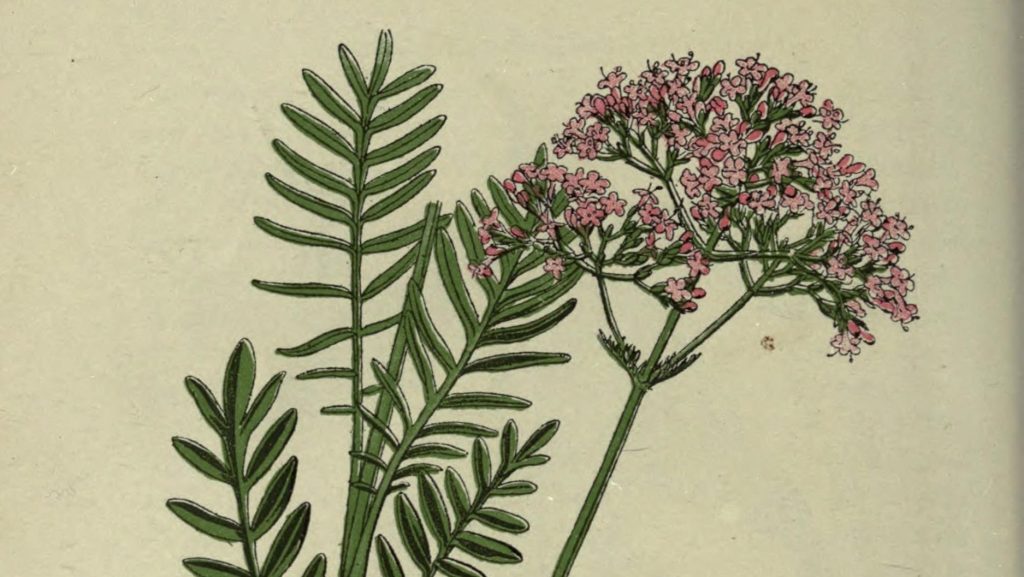
- Method: Heat infusion (BEST), Solar infusion (acceptable)
- Why: Valerenic acid and volatile oils in tough root; heat enhances extraction
- Details: Unpleasant smell either way (normal for valerian); heat speeds process
Barks
Cinnamon (Cinnamomum spp.)
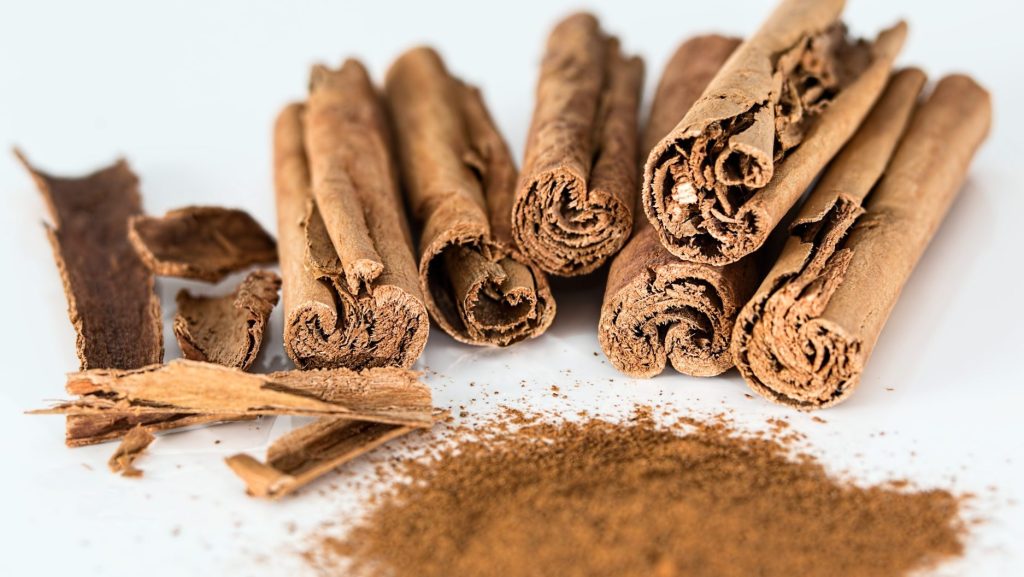
- Method: Heat infusion (REQUIRED)
- Why: Very hard, fibrous bark; cinnamaldehyde and other compounds locked in dense tissue
- Details: Crush or powder, heat 6-8 hours; produces warming, aromatic oil
Willow Bark (Salix spp.)
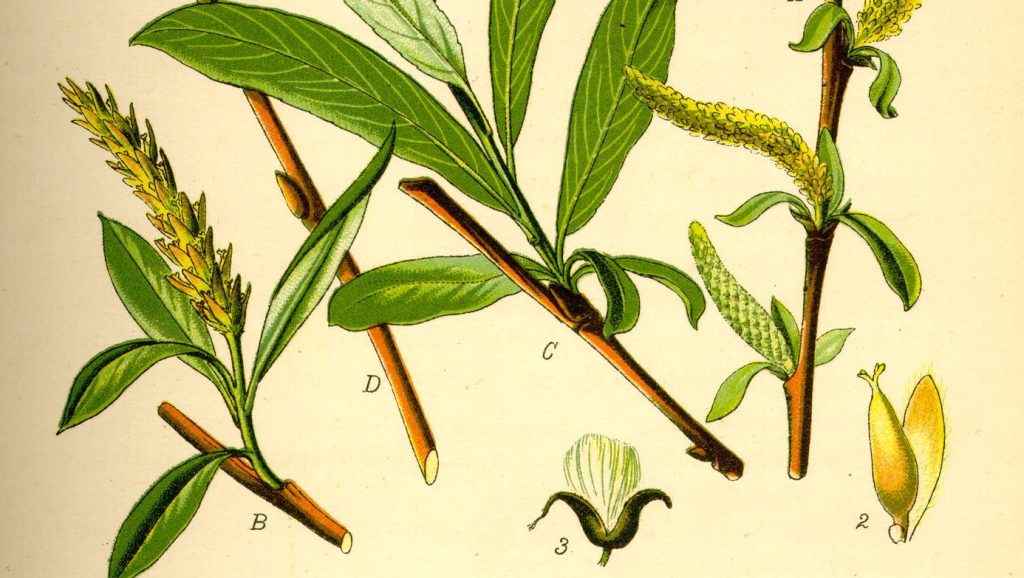
- Method: Heat infusion (BEST)
- Why: Salicin (aspirin-like compound) requires heat for extraction from tough bark
- Details: Dried and chopped, long heat infusion (8 hours)
Seeds
Black Pepper (Piper nigrum)
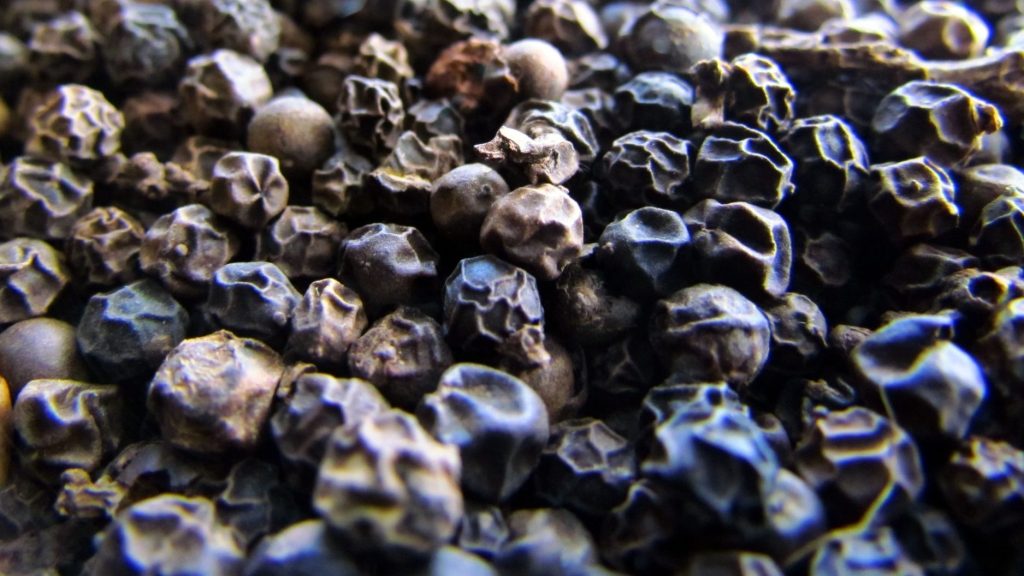
- Method: Heat infusion (BEST)
- Why: Hard seed coat; piperine and volatile oils require heat to extract
- Details: Crushed seeds, 4-6 hours heat
Cardamom (Elettaria cardamomum)
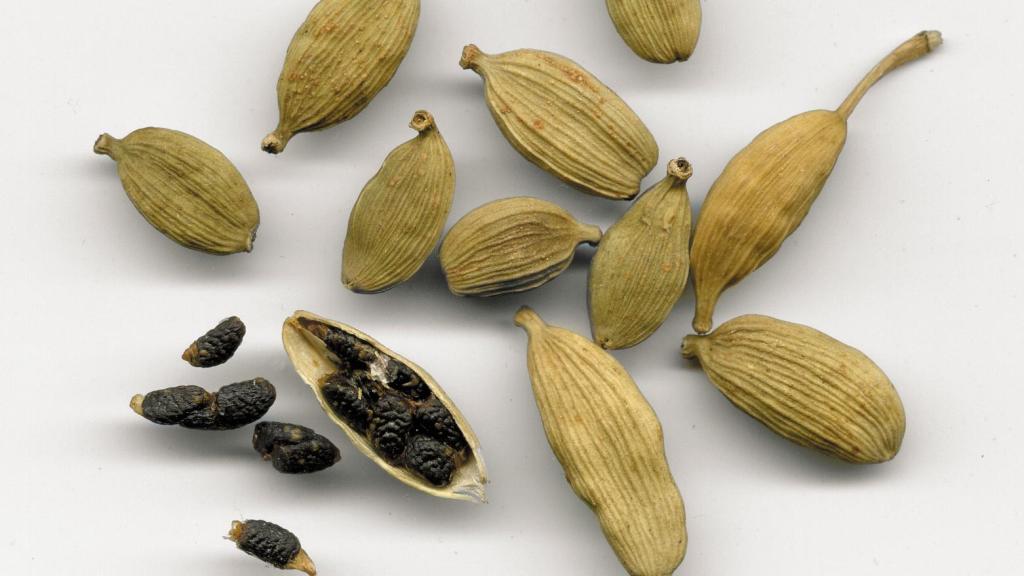
- Method: Heat infusion (BEST)
- Why: Hard seeds with volatile oils locked inside; crushing + heat essential
- Details: Crushed pods, 4-6 hours; aromatic oil
Fennel Seed (Foeniculum vulgare)
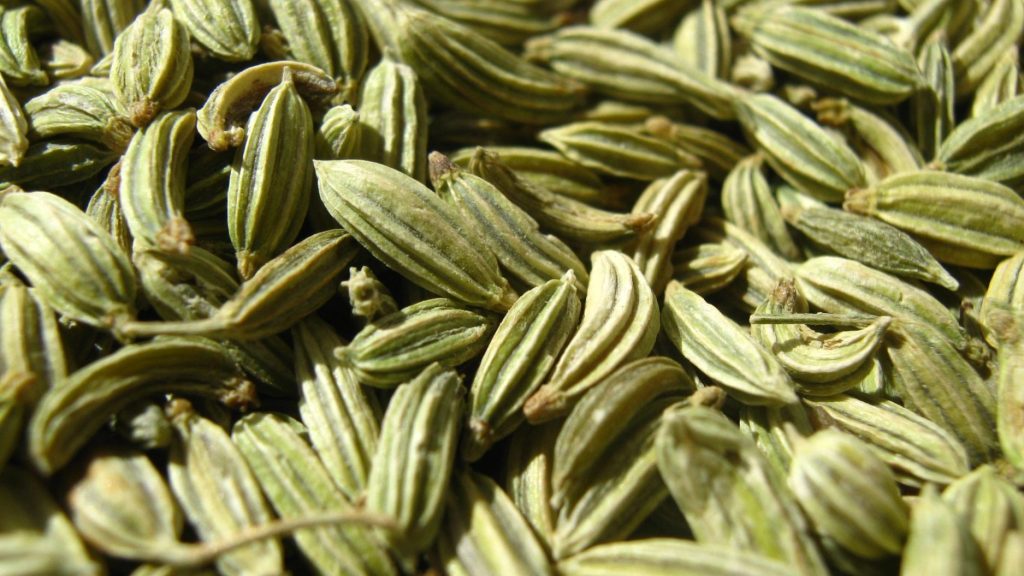
- Method: Heat infusion (BEST), Solar infusion (acceptable if crushed well)
- Why: Hard seeds; anethole extracts better with heat though moderately stable
- Details: Crush before infusing; heat produces stronger oil
Fenugreek (Trigonella foenum-graecum)
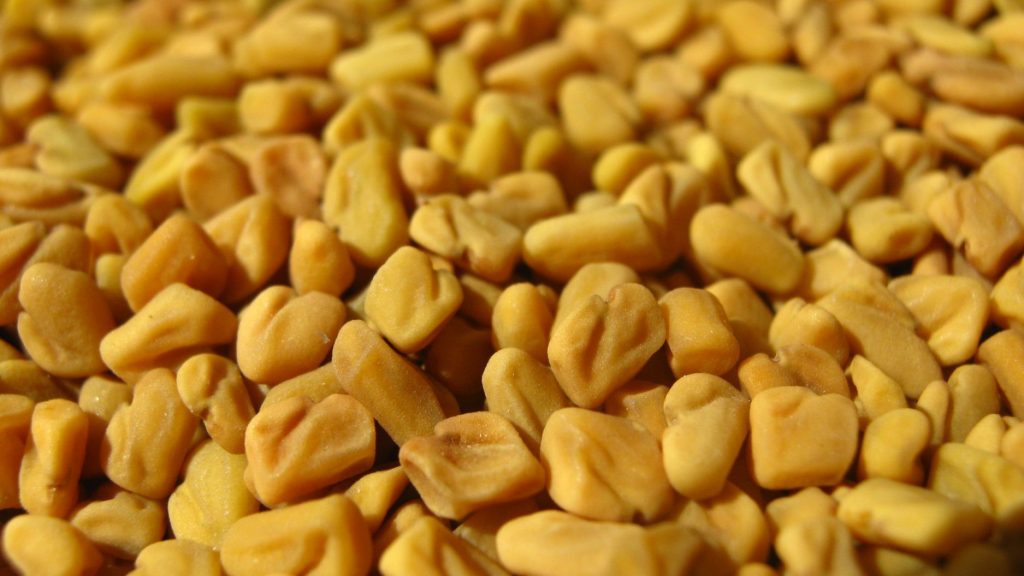
- Method: Heat infusion (BEST)
- Why: Very hard seeds; mucilage and other compounds require heat
- Details: Crushed seeds, long infusion (6-8 hours)
Berries and Fruits
Elderberry (Sambucus nigra)
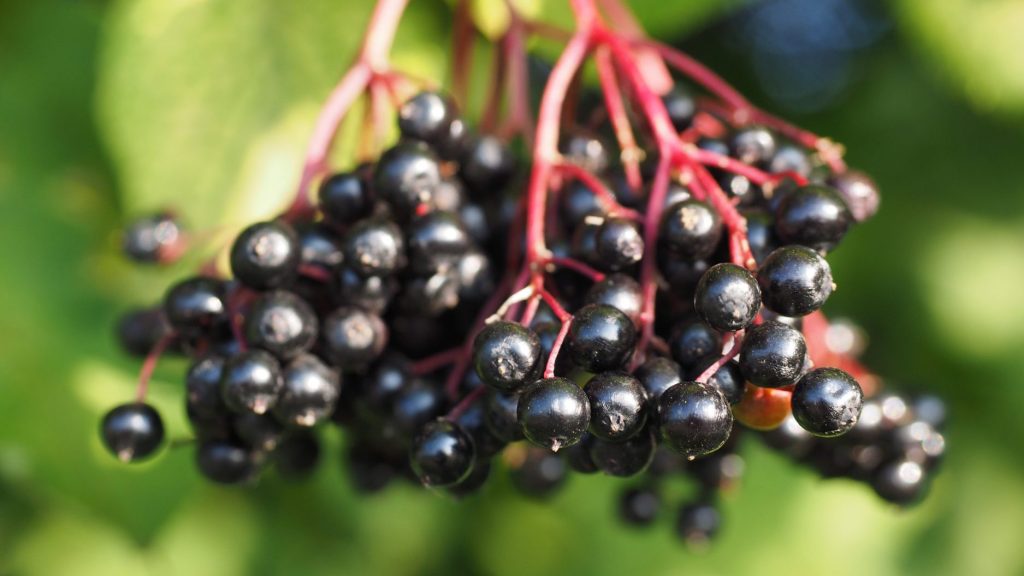
- Method: Heat infusion (BEST)
- Why: Anthocyanins and other compounds in fruit tissue extract well with heat; dried berries are dense
- Details: Dried berries, 4-6 hours heat; creates dark purple oil
Rose Hips (Rosa canina)

- Method: Heat infusion (BEST)
- Why: Tough fruit tissue; vitamin C and other nutrients require heat extraction
- Details: Chopped dried hips, 6 hours heat
Tough Leaves
Bay Laurel (Laurus nobilis)
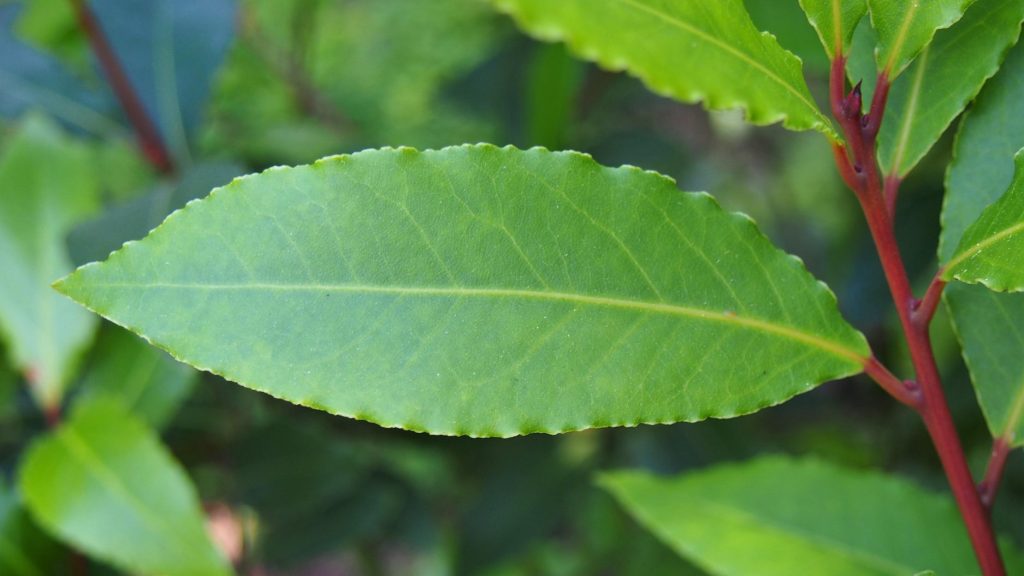
- Method: Heat infusion (BEST)
- Why: Leathery, tough leaves; 1,8-cineole and eugenol extract better with heat
- Details: Dried leaves, 4-6 hours heat
Comfrey (Symphytum officinale)
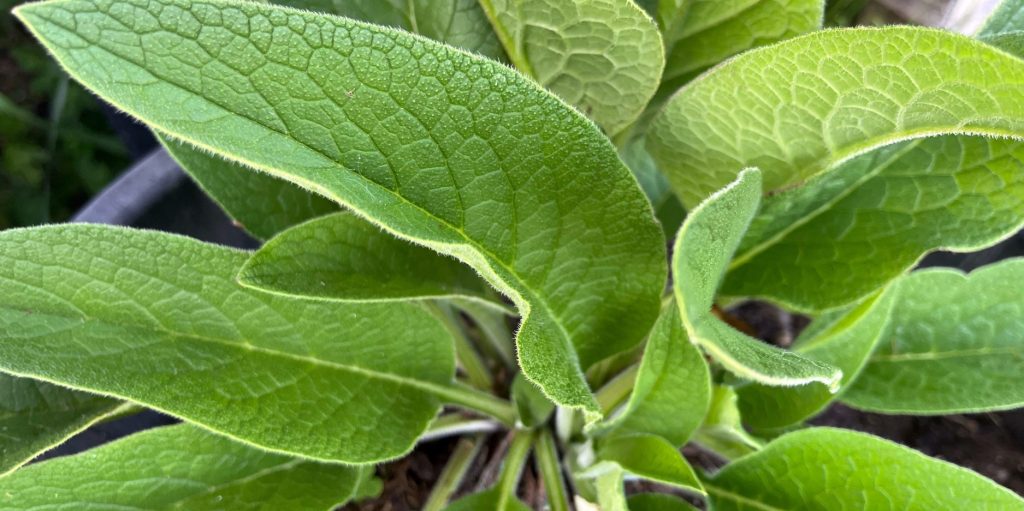
- Method: Heat infusion (BEST), Solar infusion (acceptable)
- Why: Allantoin (key compound) extracts from somewhat tough leaves; heat improves extraction
- Details: Dried leaves, 4-6 hours heat; FOR EXTERNAL USE ONLY
Kawakawa (Piper excelsum)
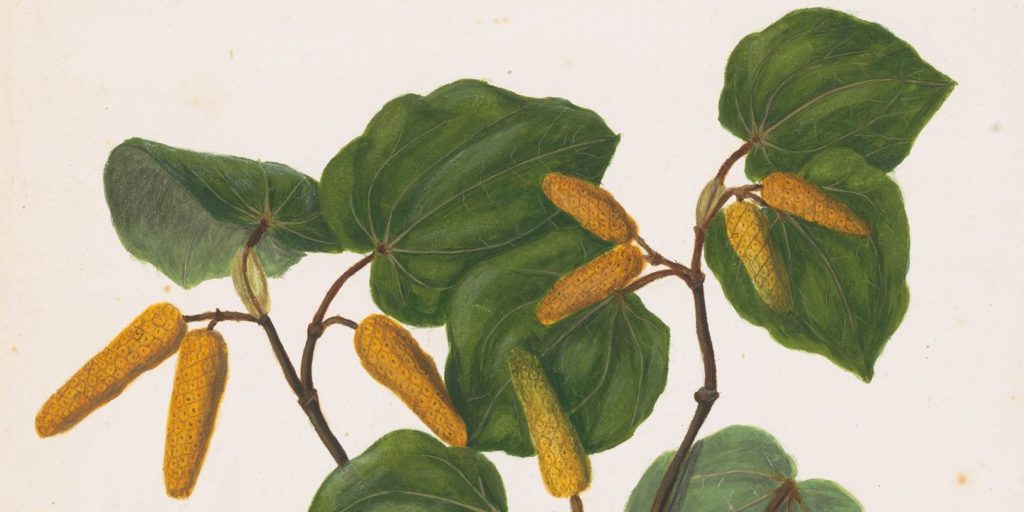
- Method: Solar infusion (BEST for fresh), Heat infusion (acceptable for dried)
- Why: Fresh leaves have delicate compounds preserved by gentle solar; dried tougher leaves benefit from heat
- Details: Fresh: solar 3-4 weeks; Dried: heat 4-6 hours
Plantain (Plantago major/lancelota)


- Method: Solar infusion (BEST), Fresh wilted method (special, see below)
- Why: Aucubin and other compounds extract well with gentle warmth; traditional fresh preparation uses wilting
- Details: Can use fresh wilted method (see special methods below)
Resins and Gums
Frankincense (Boswellia spp.)
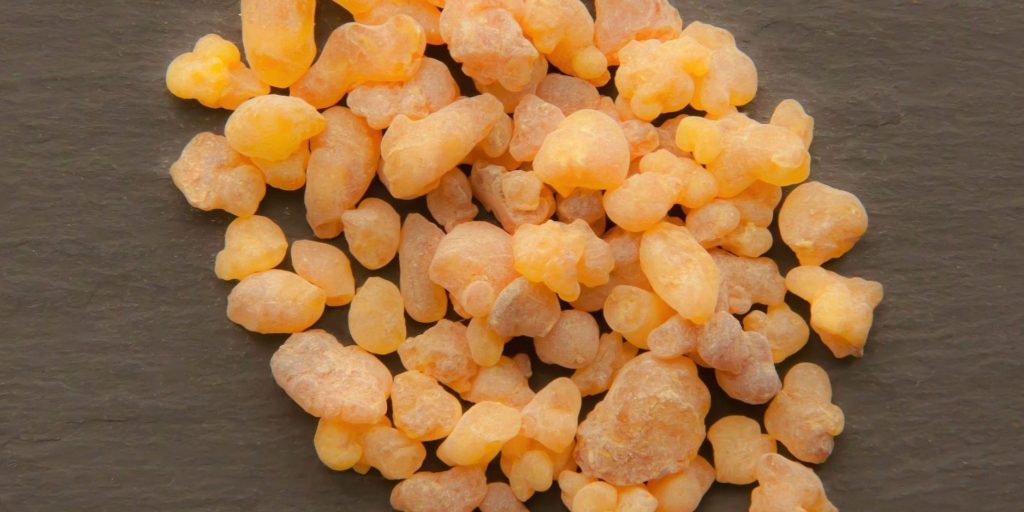
More:
View public domain image source here
- Method: Heat infusion (REQUIRED)
- Why: Hard resin must be softened and dissolved; requires sustained heat
- Details: Crushed resin tears, 8-12 hours heat at 65-70°C; very slow extraction
Myrrh (Commiphora spp.)
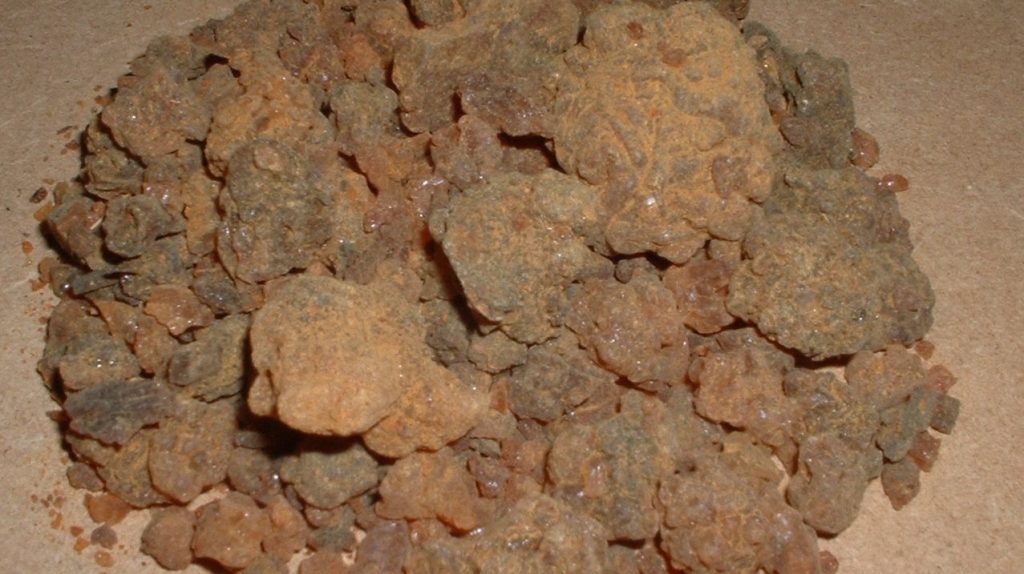
- Method: Heat infusion (REQUIRED)
- Why: Similar to frankincense; resin must soften and dissolve
- Details: Crushed resin, long heat infusion (8-12 hours)
Pine Resin (Pinus spp.)
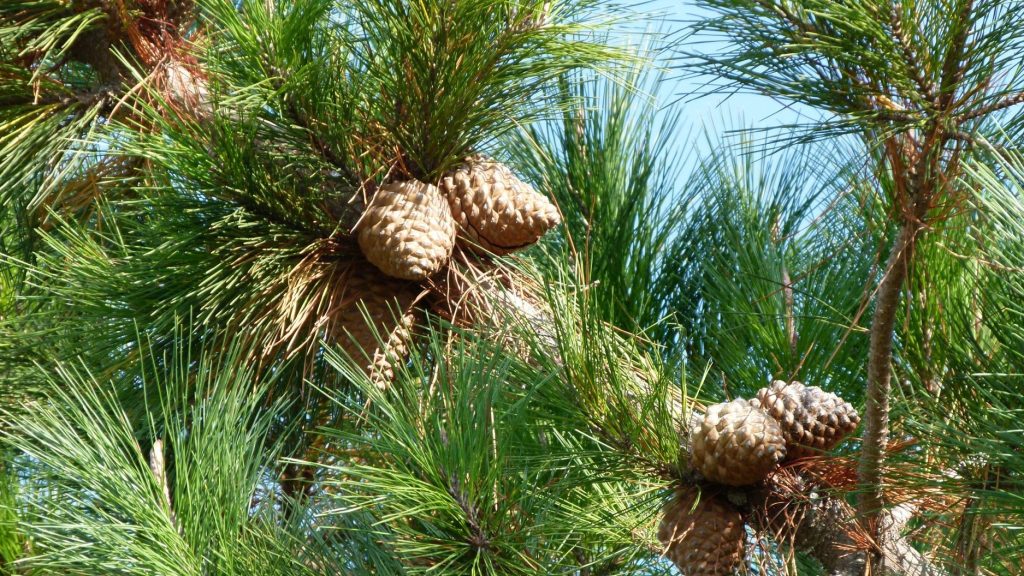
- Method: Heat infusion (REQUIRED)
- Why: Sticky resin dissolves slowly; heat necessary
- Details: Small pieces of resin, 6-10 hours heat; strain while warm (hardens when cool)
Native New Zealand Plants
Horopito (Pseudowintera colorata)
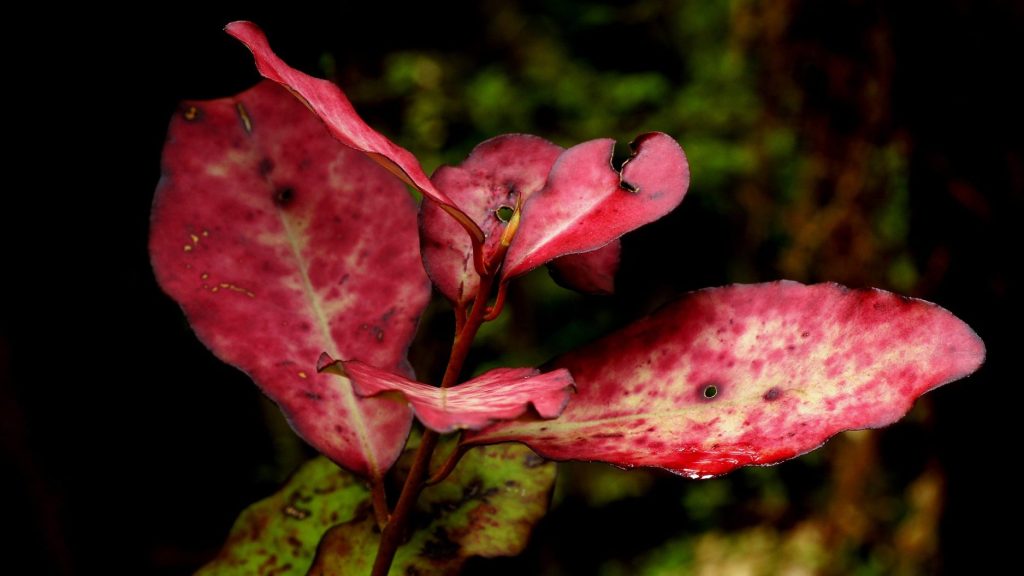
- Method: Heat infusion (BEST)
- Why: Tough, peppery leaves; polygodial (active compound) extracts better with heat
- Details: Dried leaves, 4-6 hours heat; creates pungent, antimicrobial oil
Kānuka (Kunzea ericoides)

- Method: Solar infusion (BEST)
- Why: Aromatic volatile oils preserved by gentle extraction
- Details: Fresh or dried leaves, solar 3-4 weeks
Mānuka (Leptospermum scoparium)
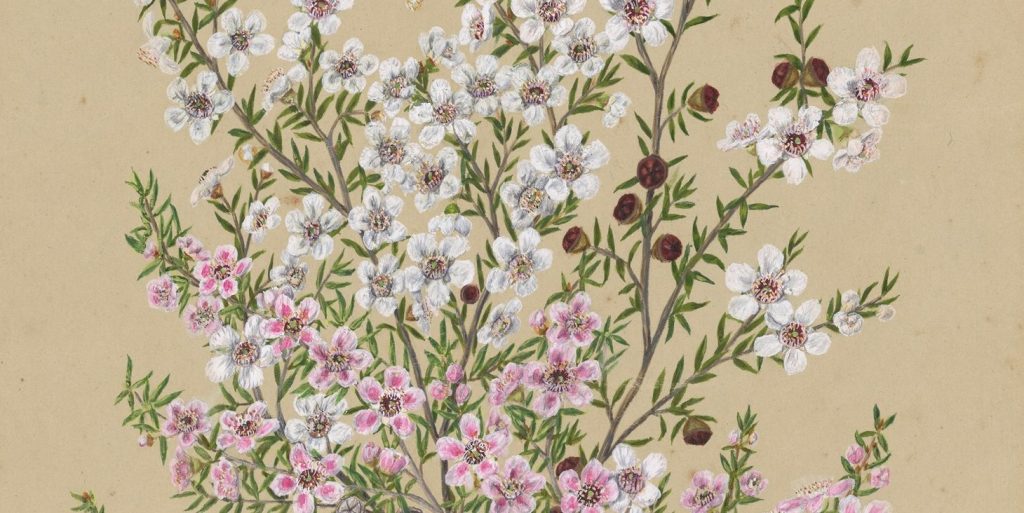
- Method: Solar infusion (BEST), Heat infusion (acceptable)
- Why: Complex volatile oil profile; solar preserves full aromatic complexity
- Details: Fresh or dried leaves/flowers, solar 3-4 weeks
Special Methods and Exceptions
The Fresh Plantain Method (Wilted Infusion)
What it is: A special technique for fresh plantain that falls between fresh and dried.
Process:
Harvest fresh plantain leaves
Wilt for 12-24 hours in single layer on towel (reduces water content to ~50%)
Chop wilted leaves
Pack into jar, cover with oil
Add 10-15% volume of 95% alcohol or vodka (helps extract and prevent spoilage from remaining moisture)
Solar infusion 3-4 weeks, shaking daily
Why this works: Fresh plantain is traditionally superior to dried,
but too much water causes spoilage. Wilting reduces water while preserving compounds that degrade during full drying. Alcohol addition helps extract and prevents botulism risk.
Result: Potent first-aid oil for insect bites, stings, minor wounds.
Double Infusion for Maximum Potency
What it is: Infusing oil twice with fresh plant material.
Process:
- Make infused oil using your chosen method (solar or heat)
- Strain out spent plant material
- Add fresh batch of the same herb to the already-infused oil
- Repeat infusion process
- Strain and bottle
Why: Doubles concentration of compounds; creates exceptionally potent oil.
Best for: Calendula (double solar for super-potent skin healing oil), St. John’s Wort (double solar for maximum hypericin).
The “Quick Cool” Method (Gentle Heat, Rapid Cooling)
What it is: Brief heat followed by immediate cooling to extract from tough material without degrading volatile oils.
Process:
- Gently heat herbs and oil to 60°C for 1-2 hours
- Remove from heat, cool quickly (can place pot in cold water bath)
- Let sit 12-24 hours at room temperature
- Repeat heating cycle 2-3 more times over several days
- Final strain
Why: Intermittent heating breaks down tough cell walls while cooling periods preserve volatile compounds.
Best for: Tough aromatic herbs (dried rosemary, dried oregano, bay leaves).
Troubleshooting Method Selection
Problem: Oil smells weak after solar infusion
Possible causes:
- Insufficient sun exposure (cloudy weather)
- Wrong method for plant material (tough roots need heat)
- Poor quality herbs (old, stale, improperly stored)
Solutions:
- Try heat infusion method instead
- Use fresh, high-quality herbs
- Double infusion technique
Problem: Oil lost all aroma after heat infusion
Problem: Oil lost all aroma after heat infusion
Cause: Overheating destroyed volatile oils
Solutions:
- For next batch, use solar or cold infusion
- If must use heat, keep temperature below 60°C
- Use double boiler for gentler heat
- Choose herbs that tolerate heat better
Problem: Unsure which method for an herb not on this list
Decision process:
- Identify plant part (flower/leaf/root/seed/bark)
- Is it aromatic? (If yes, lean toward solar/cold)
- Is it tough/dense? (If yes, lean toward heat)
- Research the primary medicinal compounds (if volatile oils, avoid heat; if alkaloids/resins, heat okay)
- When in doubt, try solar infusion (safest, most versatile)
Cold Infusion Deep Dive
You asked specifically about cold infusion not using sun, so let’s explore this method thoroughly.
Setting Up Cold Infusion
Location:
- Dark cupboard or pantry
- Basement or root cellar (ideal—cool and dark)
- Inside a box or paper bag to exclude all light
- NOT refrigerator (too cold, slows extraction excessively)
Ideal temperature: 15-20°C (cool room temperature)
Container: Dark glass preferred (amber or cobalt), but since it’s in dark location, clear glass acceptable
Duration: 4-8 weeks minimum (longer okay, even 3-4 months)
Agitation: Shake gently every 2-3 days (less critical than solar infusion since no settling from temperature changes)
Best Candidates for Cold Infusion
Absolute best:
- Rose petals (preserves precious volatile oils)
- Lemon balm (extremely volatile citral/citronellal)
- German chamomile (preserves chamazulene)
- Jasmine flowers (if you can source them)
- Any herb where aroma is paramount
Also excellent:
- Lavender (ultra-premium quality)
- Calendula (works beautifully, though solar also excellent)
- St. John’s wort (though traditional solar method produces superior red colour)
- Violet flowers/leaves
- Any delicate flower
Cold Infusion Process
- Prepare herbs: Ensure completely dry (critical—no moisture)
- Fill jar: 1/3 to 1/2 full with herbs
- Add oil: Cover completely, 2-5cm above herbs
- Label: Herb, date, method
- Store: Cool, dark location (cupboard, cellar, box)
- Shake: Every 2-3 days gently
- Wait: Minimum 4 weeks, optimal 6-8 weeks
- Check: After 4 weeks, smell/observe—if extracting well (colour, aroma), continue; if not, may need more time or wasn’t suitable herb
- Strain: Press through cheesecloth when ready
- Bottle: Dark glass, label, store
Cold Infusion + Solar: Hybrid Method
What it is: Start with 2-4 weeks cold infusion, finish with 1-2 weeks solar infusion.
Why: Initial cold period extracts delicate compounds without any
heat stress, solar finish enhances extraction of slightly less delicate compounds and develops colour (good for calendula).
Process: Begin cold, then move to sunny windowsill for final 1-2 weeks.
Quick Reference Chart
| Plant Part | Primary Method | Secondary Method | Avoid |
|---|---|---|---|
| Delicate flowers | Solar/Cold | – | Heat |
| Aromatic leaves | Solar | Cold | High heat |
| Tough leaves | Heat | Solar | – |
| Roots | Heat | – | Cold only |
| Bark | Heat | – | Solar/Cold |
| Seeds | Heat | Solar (if crushed) | – |
| Berries | Heat | – | – |
| Resins | Heat | – | Solar/Cold |
| Fresh herbs | Solar/Cold | Wilted method | Heat (unless wilted) |
Seasonal Considerations
Summer (Dec-Feb in NZ):
- Ideal for solar infusion (strong sun, long days)
- Monitor temperature—if >35°C consistently, oil can overheat on windowsill; use partial shade or morning sun only
- Heat infusion less appealing (hot kitchen work)
- Cold infusion works well
Autumn (Mar-May):
- Good solar infusion (milder sun, still adequate warmth)
- Excellent time to transition to heat infusion as weather cools
- Cold infusion ideal
Winter (Jun-Aug):
- Solar infusion challenging (weak sun, short days, cold weather)
- Heat infusion method of choice
- Cold infusion works (though slightly slower in very cold storage)
Spring (Sep-Nov):
- Solar infusion returns as option (strengthening sun)
- Fresh plant solar infusions begin as herbs emerge
- Cold infusion excellent for spring harvests
Final Recommendations
For beginners: Start with solar infusion and one herb that’s very forgiving (calendula flowers). Master that, then expand.
For year-round practice: Learn both solar (summer) and heat (winter) methods. Cold infusion is optional specialty technique.
For maximum medicine: Match method to plant material using this
guide. Don’t force square pegs into round holes—tough roots won’t extract well in solar, delicate flowers suffer with heat.
For experimentation: Try the same herb with different methods, compare results. You’ll develop intuition for what works.
Sources & Further Reading
Green, J. (2000). The Herbal Medicine-Maker’s Handbook: A Home Manual. Crossing Press.
Gladstar, R. (2012). Rosemary Gladstar’s Medicinal Herbs: A Beginner’s Guide. Storey Publishing.
Romm, A. (2010). Naturally Healthy Babies and Children. Celestial Arts.
References
Bone, K., & Mills, S. (2013). Principles and practice of phytotherapy: Modern herbal medicine (2nd ed.). Churchill Livingstone.
Chevallier, A. (2016). Encyclopedia of herbal medicine (3rd ed.). Dorling Kindersley.
Gladstar, R. (2012). Rosemary Gladstar’s Medicinal Herbs: A Beginner’s Guide. Storey Publishing.
Green, J. (2000). The Herbal Medicine-Maker’s Handbook: A Home Manual. Crossing Press.
Grieve, M. (1931). A modern herbal. Dover Publications.
Hoffmann, D. (2003). Medical Herbalism: The Science and Practice of Herbal Medicine. Healing Arts Press.
Disclaimer: Does not represent rongoā Māori methods. For rongoā knowledge, consult Te Paepae Motuhake.
Medical Disclaimer: This guide is for educational purposes only. Always positively identify plant materials before use. Proper preparation and storage are essential to prevent contamination. Some herbs have contraindications or require specific handling. This information does not constitute medical advice.
Note on Pricing: All prices mentioned in this guide are approximate and based on New Zealand suppliers as of December 2025. Prices vary by supplier, season, and market conditions. We recommend checking current prices with your local suppliers.
 The Public Herbarium