An Everyperson’s Guide to Turning Plants into Medicine
Welcome to your herbal kitchen pharmacy! Making remedies from plants is one of the most empowering skills you can learn. It’s not complicated, it doesn’t require fancy equipment, and once you understand the basics, you can create effective medicine for cents on the dollar compared to buying commercial products.
This guide walks you through everything you need to know to get started — from choosing equipment to making your first remedy to troubleshooting when things don’t go quite right.
Why Make Your Own Remedies?
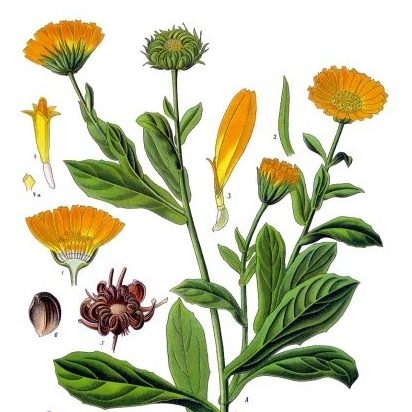
It saves money: A homemade calendula salve costs about $5-8 to make and lasts months. The same product in a shop? $20-35.
You control what’s in it: No mystery ingredients, no preservatives you can’t pronounce, just plants and simple, safe ingredients.
It’s fresher and often more potent: Commercial products sit on shelves for months or years. Yours is made fresh.
It connects you to your health: There’s something powerful about making your own medicine. You’re not just a consumer — you’re an active participant in your wellbeing.
It’s actually fun: Once you get the hang of it, making remedies is creative, satisfying, and surprisingly relaxing.
Safety First: The Non-Negotiables
Before we dive into the how-to, let’s cover the essential safety rules:
Always correctly identify your herbs
- 100% certainty, not 99%
- Use multiple reliable sources for identification
- When foraging, never use a plant you can’t identify with absolute confidence
Start simple and build gradually
- Make one remedy at a time
- Master one method before moving to another
- Start with safe, gentle herbs
Know your contraindications
- Research each herb before using
- Check drug interactions if you’re on medication
- Avoid medicinal amounts during pregnancy/breastfeeding unless confirmed safe
- Work with your doctor or qualified herbalist if you have health conditions
Practice good hygiene
- Clean equipment before use
- Wash your hands
- Use clean jars and bottles
- Proper labelling (you’ll forget what things are!)
Your Herbal Kitchen: Essential Equipment
The good news? You probably already have most of what you need in your kitchen.
Absolute Essentials (Under $50 Total)
Jars:
- Glass jars with lids in various sizes (250ml, 500ml, 1 litre)
- Reuse pasta sauce jars, pickle jars, jam jars — clean thoroughly first
- NZ sources: The Warehouse ($2-8), Spotlight ($3-10), or save money by reusing
Measuring Tools:
- Measuring cups and spoons (you already have these!)
- Kitchen scale is helpful but not essential when starting
Straining:
- Fine mesh strainer or cheesecloth/muslin cloth
- NZ sources: Supermarkets ($3-8), The Warehouse ($4-10), Spotlight ($5-15)
Pots and Bowls:
- For making decoctions and double-boilers
- You already have these
Labels and Permanent Marker:
- Masking tape works in a pinch, but proper labels are better
- NZ sources: Warehouse Stationery ($2-8), The Warehouse
Nice to Have (Expand Over Time)
Dark glass bottles:
- For storing tinctures and oils (protects from light degradation)
- NZ sources: Lotus Oils NZ ($2-8 each), Go Native NZ, Aromaflex, pharmacies
Dropper bottles:
- For tinctures (easier dosing)
- NZ sources: Chemist Warehouse ($2-5), Lotus Oils NZ ($3-8)
Kitchen scale:
- For more precise measuring
- NZ sources: Kmart ($10-25), The Warehouse ($15-35), Briscoes ($20-50)
Coffee grinder or mortar and pestle:
- For grinding dried herbs
- NZ sources: The Warehouse ($15-40), Briscoes ($20-60)
Slow cooker:
- For making infused oils with the heat method
- NZ sources: The Warehouse ($30-80), Kmart ($25-60), Briscoes ($40-100)
The Seven Core Methods
These are the building blocks of herbal medicine-making. Master these, and you can make almost any remedy.
Method 1: Herbal Tea (Infusion)
What it is: Pouring hot water over plant material and letting it steep — like making tea.
Best for: Leaves, flowers, delicate plant parts
Why it matters: Easiest, fastest way to use herbs. No special equipment needed, perfect for daily use.
Quick Method: Use 5-10ml (1-2 tsp) dried herbs per cup of boiling water. Cover and steep 10-15 minutes (or 4-8 hours for mineral-rich herbs like nettle). Strain and drink.
Perfect for: Chamomile, peppermint, lemon balm, lavender, nettle
Storage: Drink fresh or refrigerate up to 48 hours | Cost: $0.20-0.50 per cup
Method 2: Decoction
What it is: Simmering tough plant parts in water to extract their compounds
Best for: Roots, bark, seeds, berries (tougher materials)
Why it matters: Tough plant materials need more heat and time to release their medicine.
Quick Method: Use 30ml (2 tbsp) chopped dried root per 750ml (3 cups) cold water. Bring to boil, reduce to gentle simmer, cover and simmer 15-20 minutes. Strain.
Perfect for: Dandelion root, ginger root, cinnamon bark
Storage: Refrigerate, use within 2-3 days | Cost: $0.30-0.80 per cup
Method 3: Herbal Infused Oil
What it is: Soaking herbs in oil to extract fat-soluble compounds
Best for: Skin oils, massage oils, salve bases
Why it matters: Many healing skin compounds aren’t water-soluble — you need oil to extract them.
Two Methods:
Solar Method (4-6 weeks): Fill jar 1/3-1/2 full with completely dry herbs. Cover with olive oil (leave 2.5cm headspace). Place on sunny windowsill 4-6 weeks, shaking daily. Strain.
Heat Method (2-4 hours): Same herb-to-oil ratio. Use double-boiler or slow cooker on lowest setting (40-50°C). Infuse 2-4 hours, stirring occasionally. Strain while warm.
Perfect for: Calendula, plantain, St. John’s wort
Best oils: Olive oil (stable, affordable), sweet almond, sunflower – NZ: Supermarkets $8-15/litre
Critical safety: Herbs MUST be completely dry (fresh herbs + oil = botulism risk)
Storage: Cool, dark place, 6-12 months | Cost: $10-20 per batch
Method 4: Herbal Salve
What it is: Infused oil thickened with beeswax for a portable, solid balm
Best for: Cuts, scrapes, dry skin, sore muscles, chapped lips
Why it matters: Salves protect skin while delivering herbal medicine. Portable and long-lasting.
Quick Method: Gently heat 250ml infused oil + 30-35g beeswax in double-boiler until wax melts. Test consistency (drop on cold plate — should solidify in 1 minute). Adjust wax if needed. Pour into clean tins/jars. Cool completely before capping.
Beeswax sources (NZ): Supermarkets ($8-12/100g), farmers markets ($15-20/500g), beekeepers (cheapest bulk)
Perfect herbs: Calendula (healing), plantain (wounds), comfrey (bruises — external only)
Storage: Cool place, 1-2 years | Cost: $5-8 per tin (plus initial oil infusion)
Method 5: Tincture (Alcohol Extract)
What it is: Extracting herbs with alcohol for concentrated, shelf-stable medicine
Best for: Long-term storage, concentrated doses, extracting compounds that need alcohol
Why it matters: Tinctures are potent, long-lasting (3-5+ years), and extract both water and alcohol-soluble compounds.
Quick Method: Fill jar 1/3 dried herbs (or 1/2 fresh). Cover with vodka (37.5-40% minimum, 50% ideal). Ensure herbs fully submerged. Label with herb, date, alcohol %. Steep 4-6 weeks in cool, dark place, shaking daily. Strain through cheesecloth. Store in dark glass bottles.
Alcohol (NZ): Vodka 37.5-40% at supermarkets/liquor stores ($35-50/litre)
Perfect for: Echinacea, valerian, calendula, thyme
Dosage: Typically 2-5ml (1/2-1 tsp), 2-3 times daily – follow herb-specific guidelines
Storage: Dark bottles, cool place, 3-5+ years | Cost: $12-18 per 500ml batch
Method 6: Herbal Syrup
What it is: Strong herbal tea preserved with honey and/or sugar
Best for: Coughs, sore throats, making medicine tasty for children
Why it matters: Combines herbal medicine with soothing, throat-coating sweetness. Kids actually take it willingly!
Quick Method: Make strong decoction (double the herb amount). Strain. Add equal parts honey (e.g., 250ml tea + 250ml honey). Gently heat just until mixed (don’t boil honey). Cool and bottle.
Honey sources (NZ): Supermarkets ($8-15/500g), local beekeepers ($12-25/kg — support local!)
Perfect for: Thyme (cough), ginger (throat), elderberry (immune)
Storage: Refrigerate, 2-6 months (honey preserves) | Cost: $5-12 per batch
Method 7: Poultice
What it is: Fresh or dried herbs applied directly to skin for immediate relief
Best for: First aid, bee stings, splinters, drawing out infections, soothing injuries
Why it matters: Fastest method — immediate application, no waiting for extraction.
Quick Method:
Fresh herbs: Crush/chew leaves to release juices. Apply directly to affected area. Cover with clean cloth. Replace every 2-4 hours.
Dried herbs: Mix powder with just enough warm water to make paste. Apply thickly. Cover with cloth. Replace when dry.
Perfect for: Plantain (stings, bites, wounds), comfrey (bruises, sprains), calendula (cuts)
Cost: Nearly free (foraged or garden-grown)
Your first project? Start with herbal tea (Method 1). Once comfortable, try making an infused oil. Build from there — there’s no rush. The herbs will wait.
Your First Project: Building Confidence
Week 1: Make a Simple Tea
- Choose one safe herb you’re interested in (chamomile, peppermint, lemon balm)
- Buy a small amount or pick some (if you have it growing)
- Make tea daily for a week
- Notice how you feel
Week 2: Start an Infused Oil
- Choose calendula or plantain (both are very safe)
- Start a jar using the solar method
- It’ll be ready in 2-4 weeks — this teaches patience!
Week 3-4: Make Something from Your Oil
- Once your oil is ready, turn it into a salve
- You’ve now made TWO remedies from ONE herb
- Share with friends and family
Week 5: Try a Tincture
- Start a simple tincture (lemon balm is great)
- It’ll be ready in 6 weeks
- While you wait, practise making teas and salves
Week 6-8: Expand Your Repertoire
- Try making a syrup
- Experiment with different herb combinations
- Build confidence with each success
Choosing Your Herbs: Where to Source in NZ
Growing Your Own (Best Option!)
Benefits:
- Freshest possible
- Free after initial investment
- You control what goes on them (no pesticides)
- Deeply satisfying
Easy herbs to grow in NZ:
- Very easy: Mint (invasive — keep in pot!), lemon balm, calendula, nasturtium, plantain (it volunteers!), chamomile
- Easy: Lavender, rosemary, thyme, sage, oregano
- Moderate: Yarrow, fennel
Where to buy plants/seeds:
- Kings Seeds (NZ company, $3-6/packet)
- Garden centres ($5-15/plant)
- Awapuni Nurseries (native plants)
- Kahikatea Farm (native plants)
- Trade with other gardeners!
Buying Dried Herbs
NZ Suppliers:
Online:
- Cottage Hill Herbs (NZ-based, good range, $8-20/50g)
- Premium Spices NZ (large range, $6-18/50g)
- The Apothecary NZ (bulk herbs, $10-25/50-100g)
- Go Native NZ (also carrier oils, equipment)
In Stores:
- Health food stores (expensive but immediate, $8-20/30-50g)
- Some organic shops
- Specialty spice shops (for culinary herbs)
Supermarkets (Limited but Cheap):
- Tea bags: Chamomile, peppermint ($4-8/20 bags)
- Spice aisle: Ginger, cinnamon, cardamom, cloves ($2-6/30-50g)
Foraging
Free and rewarding, but:
- You MUST be 100% certain of identification
- Avoid sprayed areas, roadsides, dog parks
- Follow sustainable harvesting practices
- See our General Foraging Guide for details
Commonly foraged in NZ:
- Plantain (everywhere!)
- Dandelion (lawns, fields)
- Cleavers (spring only)
- Chickweed
- Nasturtium (garden escape)
- Native plants (kawakawa, etc. — harvest respectfully)
Storage and Shelf Life
Proper storage keeps your remedies potent.
Dried Herbs
Storage:
- Airtight glass jars
- Cool, dark, dry place (pantry, not above stove)
- Label with herb name and date
Shelf Life:
- Leaves/flowers: 1 year
- Roots/bark: 2-3 years
- Seeds: 2-3 years
- Smell and look before using — if musty or moldy, discard
Tinctures
Storage:
- Dark glass bottles (light degrades)
- Cool place (room temp is fine)
- Tightly capped
Shelf Life:
- Alcohol-based: 3-5+ years
- Glycerine: 1-2 years
- Vinegar: 1-2 years
Infused Oils and Salves
Storage:
- Oils: Dark glass bottles, cool place
- Salves: Small tins or jars, cool place
Shelf Life:
- Oils: 6-12 months (smell — if rancid, discard)
- Salves: 1-2 years
Syrups
Storage:
- Refrigerate
- Tightly capped
Shelf Life:
- With honey: 3-6 months refrigerated
- With sugar: 2-3 months refrigerated
- Can freeze for longer storage (6-12 months)
Teas/Decoctions
Storage:
- Refrigerate in glass jar
Shelf Life:
- Infusions: 48 hours max
- Decoctions: 2-3 days
Troubleshooting Common Problems
“My infused oil has mold!”
Cause: Fresh herbs had too much moisture
Fix: Throw it out (don’t use moldy preparations)
Prevention:
- Use dried herbs, OR
- Wilt fresh herbs 12-24 hours before using, OR
- Use heat method (safer for fresh herbs)
“My tincture is cloudy”
Usually normal: Some herbs create cloudy tinctures
If it’s moldy-looking: Throw it out
Prevention: Make sure all plant material stays submerged in alcohol
“My salve won’t harden”
Cause: Not enough beeswax
Fix: Remelt, add more beeswax (1-2g at a time), test again
“My salve is too hard”
Cause: Too much beeswax
Fix: Remelt, add more oil, test again
“My oil/salve smells bad”
Cause: Oil has gone rancid
Fix: Throw it out
Prevention:
- Store in cool, dark place
- Use fresh, good-quality oil
- Don’t overheat during infusion
“My syrup is crystallising”
Normal: Honey crystallises naturally
Fix: Gently warm jar in bowl of hot water to re-liquify
“Nothing is happening with my remedy”
Check:
- Are you using enough? (Herbs are gentle — sometimes you need more)
- Are you using it consistently? (Many herbs work over time, not immediately)
- Is it the right herb for your issue?
- Is your herb fresh and potent? (Old herbs lose strength)
Safety Red Flags: When to Stop and Seek Help
Stop using and consult a doctor if:
- Symptoms worsen or don’t improve in reasonable time
- New symptoms develop
- Allergic reaction (rash, itching, swelling, difficulty breathing)
- You’re unsure about interactions with medications
- You have a serious or worsening condition
Herbs are supportive, not magic:
- They work best for minor, acute issues
- They support overall wellness
- They are NOT replacements for medical care in serious situations
- When in doubt, ask a professional
Labeling: Don’t Skip This Step!
Every container should have:
- Herb name (common and Latin if you know it)
- Date made
- Ingredients (oil type, alcohol %, etc.)
- Suggested dose (if known)
Why this matters:
- You WILL forget what things are
- Safety (knowing what’s in old jars)
- Sharing safely with others
- Learning from experience (tracking what works)
Use:
- Masking tape and permanent marker (cheap, works)
- Proper labels (nicer, more durable)
- Label maker (if you get really into it!)
Cost Breakdown: Is This Worth It?
Let’s compare homemade vs. commercial:
Calendula Salve:
- Homemade (60ml): $5-8 (calendula oil + beeswax + tin)
- Store-bought (60ml): $20-35
- Savings: $12-27, plus you made 60ml instead of buying 30ml
Lemon Balm Tincture:
- Homemade (500ml): $12-18 (dried herb + vodka + bottle)
- Store-bought (30ml): $25-40
- Savings: Massive — you made 16x as much!
Chamomile Tea:
- Homemade (50 cups): $10-15 if buying dried, FREE if growing
- Store-bought (20 tea bags): $6-10
- Savings: $5+ plus higher quality
Initial Equipment Investment: $30-50 (jars, strainer, muslin, labels)
Pays for itself: After making 3-4 remedies
Final Encouragement
You can do this. Making herbal remedies isn’t rocket science — humans have been doing it for thousands of years with far less information than you have right now.
Start where you are. You don’t need every herb, every tool, or perfect technique. Start with one simple remedy and build from there.
Mistakes are learning. Your first batch might not be perfect. That’s completely normal and expected. Every herbalist has made moldy oils, rock-hard salves, and mysterious tinctures they forgot to label. Learn, adjust, try again.
It gets easier and more fun. The first remedy feels awkward. The tenth feels natural. The hundredth feels like second nature.
You’re reclaiming an ancient skill. This is how your ancestors took care of themselves. You’re not learning something new — you’re remembering something old.
Now, go make your first remedy. Start simple, start today, and enjoy the journey!
Quick Reference: Method Comparison Chart
| Method | Time | Shelf Life | Best For | Cost |
|---|---|---|---|---|
| Infusion (Tea) | 15 min | 48 hours | Daily use, minerals, vitamins | $0.20-0.50/cup |
| Decoction | 20 min | 2-3 days | Roots, bark, tough materials | $0.30-0.80/cup |
| Infused Oil | 2-4 weeks | 6-12 months | Base for salves, skin treatments | $10-20/batch |
| Salve | 30 min (plus oil time) | 1-2 years | Portable skin healing | $5-8/tin |
| Tincture | 4-6 weeks | 3-5+ years | Concentrated, convenient | $12-18/500ml |
| Syrup | 1 hour | 2-6 months | Coughs, throat, children | $5-12/batch |
| Poultice | Immediate | Single use | First aid, immediate relief | Nearly free |
Resources for Further Learning
Books:
- The Herbal Medicine-Maker’s Handbook by James Green (comprehensive, accessible)
- Making Plant Medicine by Richo Cech (detailed, practical)
NZ-Specific:
- The Forager’s Treasury by Johanna Knox (NZ foraging)
- Local herbalists and workshops
Online:
- Mountain Rose Herbs blog (excellent free information)
- Herbal Academy (courses, but also free articles)
Sources & Further Reading
Essential Books
- Green, J. (2000). The Herbal Medicine-Maker’s Handbook: A Home Manual. Crossing Press. (Comprehensive, accessible)
- Cech, R. (2000). Making Plant Medicine. Horizon Herbs. (Detailed, practical)
NZ-Specific Resources
- Knox, J. (2018). The Forager’s Treasury: The Essential Guide to Finding and Using Wild Plants in New Zealand. Penguin Random House NZ.
- Local herbalists and workshops throughout New Zealand
Online Resources (Free)
- Mountain Rose Herbs blog: mountainroseherbs.com (Excellent free information)
- Herbal Academy: herbalacademy.com (Courses and free articles)
Disclaimer: This guide is for educational purposes only and is not medical advice. Herbal preparations can interact with medications, cause allergic reactions, and may be contraindicated in certain health conditions. Always consult qualified healthcare practitioners before using herbal medicines, especially if you are pregnant, nursing, taking medications, or have medical conditions. You are solely responsible for correct plant identification, safe preparation practices, and appropriate use. The information presented represents current scientific understanding, which continues to evolve.
For medical emergencies, call 111. For poisoning information, contact the National Poisons Centre: 0800 764 766.
Note on Pricing: All prices mentioned in this guide are approximate and based on New Zealand suppliers as of December 2025. Prices vary by supplier, season, and market conditions. We recommend checking current prices with your local suppliers.
 The Public Herbarium