Making Herbal Tinctures: Your Complete Beginner’s Guide
Create potent, long-lasting herbal extracts using alcohol. Tinctures are concentrated (small doses effective), long shelf life (years), extract both water/alcohol-soluble compounds, convenient (drops in water). DIY $15-25/500ml vs. commercial $20-40/100ml.
What This Guide Will Teach You
Tinctures are one of the most concentrated, versatile, and long-lasting herbal preparations you can make. These alcohol-based liquid extracts capture the full therapeutic potential of medicinal plants, create medicines that last for years, and provide precise dosing in convenient dropper bottles.
This guide will teach you why alcohol is the superior extraction solvent for many herbs, how to determine the correct alcohol percentage for different plant materials, which herbs make the best tinctures, and how to create potent, shelf-stable liquid medicines. By the end, you’ll be making professional-quality tinctures that extract therapeutic compounds water and oil cannot access.
What Exactly Is a Tincture?
A tincture is a concentrated liquid extract made by steeping herbs in alcohol (or sometimes glycerin or vinegar). The alcohol acts as a powerful solvent, extracting both water-soluble and alcohol-soluble compounds from plant material. The result is a potent medicine that’s easy to dose, fast-acting, and shelf-stable for years.
Key characteristics:
Alcohol percentage: typically 25-95% depending on plant material
Extraction time: 2-6 weeks (or longer for tough materials)
Shelf life: 3-5+ years when properly made
Dosing: by drops or millilitres, highly concentrated
Administration: straight under tongue, mixed in water, or added to beverages
Why Tinctures Work Differently
Tinctures offer unique advantages that make them indispensable in any herbal medicine cabinet.
Broad-spectrum extraction: Alcohol is both polar and non-polar (amphipathic), meaning it extracts a wider range of compounds than water or oil alone. It captures:
•   Alkaloids: morphine, caffeine, berberine
•   Volatile oils and resins
•   Many glycosides
•   Flavonoids and polyphenols
•   Tannins
•   Some polysaccharides
Rapid absorption: Taken sublingually (under the tongue), alcohol tinctures begin absorbing within seconds through the mucous membranes, bypassing digestion. This provides faster onset than capsules, teas, or food-based preparations.
Precise dosing: Droppers allow you to measure exact doses. This is critical for herbs with narrow therapeutic windows or when you need to titrate dosage carefully.
Long shelf life: Properly made tinctures remain potent for 3-5+ years. This makes them ideal for herbs you use occasionally or for emergency preparations.
Convenience: Small bottles are portable. You can carry therapeutic doses in your bag, take them to work, or travel with your herbal pharmacy without refrigeration or special storage.
Palatability (for some): Many people find a few drops of tincture in water more palatable than drinking multiple cups of bitter tea.
The Science Behind Alcohol Extraction
Understanding what’s happening chemically helps you make better tinctures.
Why Alcohol Works
Alcohol (ethanol) has a unique molecular structure: one hydrophilic (water-loving) end and one lipophilic (fat-loving) end. This dual nature makes it an exceptional solvent.
What happens during extraction:
Cell wall penetration: Alcohol disrupts plant cell walls and membranes, allowing compounds to diffuse out
Dissolution: Once released, compounds dissolve into the alcohol according to their solubility
Concentration gradient: As compounds dissolve, fresh solvent continues contacting plant material, extracting more compounds
Preservation: High alcohol content creates an environment hostile to microbial growth
Alcohol percentages matter:
- High alcohol (70-95%): Best for resins, essential oils, alkaloids, and low-moisture plants
- Medium alcohol (40-60%): Versatile for most dried herbs; extracts both water and alcohol-soluble compounds
- Lower alcohol (25-40%): Better for fresh plants with high moisture content or delicate compounds
Fresh vs. Dried Plant Material
Dried herbs (most common for beginners):
- Predictable, consistent results
- Standard ratio: 1:5 (herb to alcohol by weight) at 40-60% alcohol
- No water content to dilute alcohol
- Longer shelf life
- Available year-round
Fresh herbs (more advanced):
- Some herbs are significantly more potent fresh (lemon balm, milky oats, st. john’s wort)
- Plant moisture dilutes alcohol—”requires higher starting alcohol percentage
- Typical ratio: 1:2 (herb to alcohol by weight) at 75-95% alcohol
- Final tincture usually ends up around 45-60% after plant moisture dilutes it
- Requires harvest-time preparation
- Risk of mould if too much moisture
For beginners: start with dried herbs. Master the process, then explore fresh plant tinctures once you understand the principles.
Your First Tincture: The Basic Method
Let’s walk through making your first tincture step by step.
What You Need
Ingredients:
- Dried herbs of your choice (50-100g for your first batch)
- Vodka (40-50% alcohol) OR high-proof spirits (see options below)
- Optional: glycerin for alcohol-free version (covered later)
Equipment:
- Glass jar with tight-fitting lid (500ml-1L mason jars work perfectly)
- Labels and permanent marker
- Cheesecloth or muslin for straining
- Fine mesh strainer
- Funnel
- Dark glass dropper bottles for storage (30-100ml sizes)
- Kitchen scale (optional but helpful for precision)
No fancy equipment needed—these are common kitchen items.
Step-by-Step Process
Step 1: Choose your herb and prepare it
Select a dried herb appropriate for tincture-making. Good beginner choices:
Echinacea root (immune support)
Valerian root (sleep, anxiety)
Ginger root (digestion, anti-inflammatory)
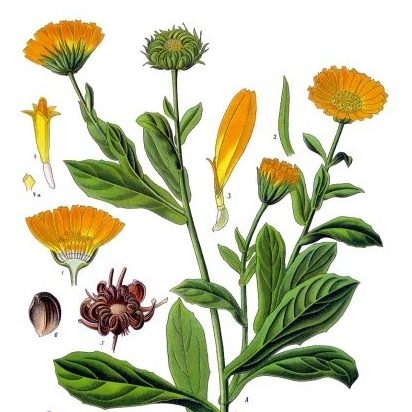
Calendula flowers (wound healing, anti-inflammatory)
Hawthorn berries (cardiovascular support)
If using roots or bark, chop or grind them into small pieces. This increases surface area for better extraction. Leaves and flowers can be left whole or crumbled lightly.
Step 2: Fill your jar with herbs
Simple folk method: Fill jar 1/3 to 1/2 full with chopped dried herbs. This ratio works well for most herbs and is very forgiving.
More precise method (1:5 ratio):
Weigh your jar empty
Add 100g dried herb
Calculate: you’ll need 500ml alcohol (5× the herb weight)
For beginners, the folk method is perfectly fine.
Step 3: Add alcohol
Pour your chosen alcohol over the herbs until they’re completely covered plus an additional 2-5cm of liquid above. The herbs will absorb alcohol and expand slightly, so extra liquid is important.
Alcohol options in New Zealand:
- Vodka (37-50%): Most accessible, neutral flavour, works for most
herbs- Cost: $35-50/700ml
- Best for: General purpose, beginners, flavour-sensitive people
- Brandy (37-40%): Adds pleasant flavour, works well with berries
and aromatic herbs- Cost: $25-40/700ml
- Best for: Hawthorn, elderberry, aromatic blends
- High-proof vodka (50%+): Better extraction for resinous herbs
- Cost: $40-60/700ml
- Best for: St. John’s wort, propolis, resinous materials
- Everclear/high-proof grain alcohol (75-95%): For advanced
tincture-making, fresh herbs, specific extractions- Cost: Hard to find in NZ; can order specialty or use pharmaceutical-grade ethanol
- Best for: Fresh plants, concentrated extracts, diluting to specific percentages
Step 4: Label everything
- Immediately label your jar with:
- Herb name (common and botanical)
- Date started
- Alcohol type and percentage
- Ratio or method used
- Source of herb (if wild-harvested or home-grown)
- Unlabeled jars will confuse you later. Trust me on this.
Step 5: Store and shake
Place jar in a cool, dark location (cupboard, pantry—”away from direct sunlight and heat sources).
Shake daily for the first week, then 2-3× per week for the remainder of extraction time. Shaking redistributes plant material, ensures all material contacts fresh solvent, and enhances extraction.
Step 6: Wait patiently
Minimum extraction time: 2 weeks
Standard: 4-6 weeks
For tough materials (roots, bark, seeds): 6-8 weeks or longer
Patience is key. Longer extraction generally means more complete extraction, especially for tough plant materials.
Step 7: Strain and bottle
- When extraction time is complete:
- Pour tincture through cheesecloth-lined strainer into a bowl
- Gather cheesecloth around herbs and squeeze firmly to extract all liquid
- Let strained tincture settle for a few hours—”sediment may sink to bottom
- Using funnel, decant clear tincture into dark glass dropper bottles
- Leave sediment behind (or include if you prefer)
- Label bottles with:
- Herb name
- Date made
- Date strained
- Alcohol percentage
- Suggested dose
Step 8: Compost the spent herbs
The extracted plant material (“marc”) can go in compost. It’s depleted of medicinal compounds but still contains beneficial organic matter.
Step 9: Store and use
Store tinctures in dark glass in a cool location. Properly made tinctures last 3-5 years or longer.
Typical adult dosage: 1-3ml (20-60 drops) diluted in water, 1-3× daily, depending on herb and condition. Always start with lower doses and increase as needed.
Understanding Alcohol Percentages
Different plants require different alcohol percentages for optimal extraction. Here’s why and how to choose.
The Principle
Alcohol percentage determines what dissolves:
- High alcohol (60-95%): Excellent for resins, volatile oils, alkaloids, and compounds that don’t dissolve well in water
- Medium alcohol (40-60%): Best all-purpose range; extracts both water-soluble and alcohol-soluble compounds
- Low alcohol (25-40%): Better for very mucilaginous plants or those with primarily water-soluble constituents
Practical Guidelines
- Most dried leaves and flowers are suitable for general purpose tinctures.
- Beginners should start with easier-to-find and more forgiving herbs such as nettle, chamomile, red clover, and oatstraw.
- For aromatic herbs high in volatile oils, roots and barks, and herbs with significant resin content, use 60-70% alcohol.
Use 40-50% alcohol (vodka) for:
Examples: rosemary, thyme, ginger root, valerian root, echinacea root
Use 75-95% alcohol for:
- Fresh plant material (diluted by plant moisture)
- Very resinous plants (propolis, pine resin)
- Specific alkaloid-rich herbs (goldenseal, barberry)
- Making concentrated extracts for dilution
In practice: For beginners, standard vodka (40-50%) works for 90% of dried herbs. As you advance, you can dial in specific percentages for optimal extraction.
Where to Source Your Materials in New Zealand
Dried Herbs
Physical stores:
- Bin Inn: Good selection of bulk herbs, \$8-20 per 50-100g
depending on herb - Health food stores: Smaller quantities, often pre-packaged,
$10-25 per 50g - Herbal supply stores: Specialist shops in larger cities
- Farmers markets: Some vendors sell dried medicinal herbs
Online suppliers:
- New Zealand-based herbal suppliers
- International suppliers (factor in shipping time/cost)
- Always check reviews and supplier reputation
Quality indicators:
- Fresh appearance (not faded or dusty)
- Strong aroma (for aromatic herbs)
- Properly labeled with botanical name
- Organic certification when possible
- Recent harvest date
Cost expectations:
- Common herbs: $8-15 per 50g
- Specialty herbs: $15-30 per 50g
- Expensive herbs (goldenseal, rhodiola): $30-50+ per 50g
Alcohol
Liquor stores:
Vodka (37-50%): Widely available, $35-50/700ml
Brandy (37-40%): $25-40/700ml
High-proof vodka: Specialty liquor stores, $40-60/700ml
Buying in bulk: For regular tincture-making, buying larger bottles or multiple bottles reduces cost per ml.
Avoid flavoured vodkas—”herbs provide flavour. Clear, neutral spirits work best.
Bottles and Supplies
Glass jars: Mason jars from hardware stores, kitchenware shops, or online. $5-10 for set of jars.
Dropper bottles:
Health food stores: $2-5 each
Online: Bulk packs more economical ($15-25 for 12 bottles)
Amber or cobalt glass protects tinctures from light degradation
Common sizes: 30ml, 50ml, 100ml
Cheesecloth/muslin: Fabric shops, kitchen supply stores, $5-10/metre
Funnels: Cheap kitchen funnels work fine, $2-5
Specific Herbs That Excel as Tinctures
Some herbs work particularly well as tinctures due to their chemistry or traditional use.
For Immune Support
Echinacea (Echinacea purpurea/angustifolia):
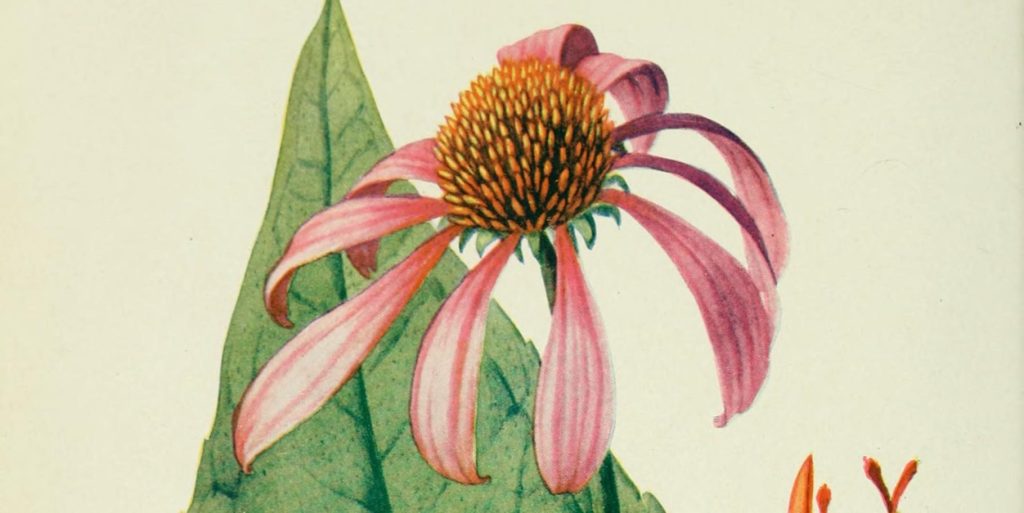
- Why tincture: Alkamides (key immune-stimulating compounds)
extract excellently in 60-70% alcohol - Part used: Root (most potent), or aerial parts
- Alcohol: 60-70%
- Ratio: 1:5
- Use: 2-3ml up to 5× daily at first sign of illness; 1-2ml daily
for prevention (short-term) - Traditional: Take at onset of cold/flu for immune boost
- Note: Most effective as fresh root tincture, but dried root works well
Elderberry (Sambucus nigra):
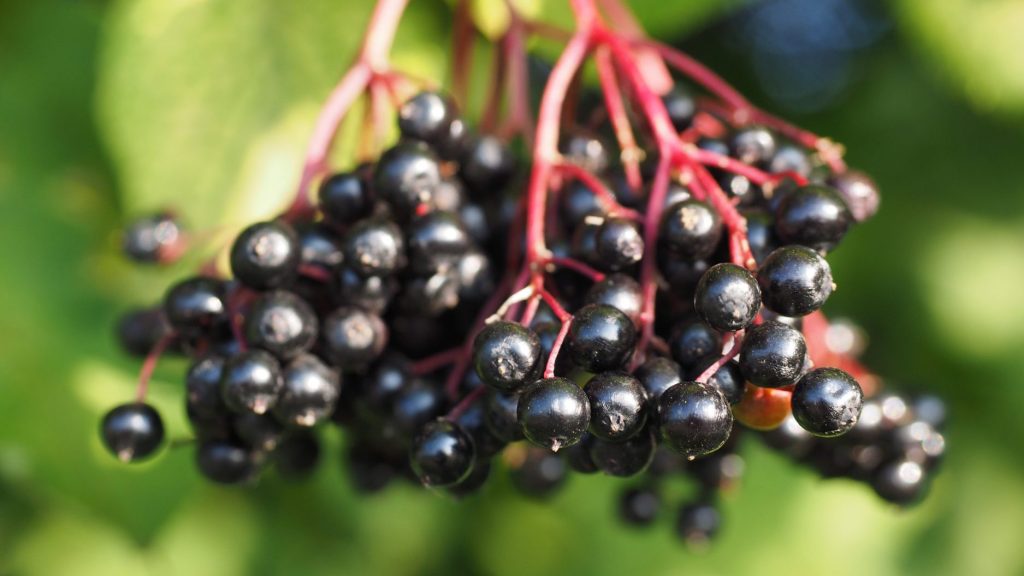
- Why tincture: Portable alternative to syrup; concentrated antiviral compounds
- Part used: Dried berries
- Alcohol: 40-50%
- Ratio: 1:5
- Use: 2-3ml, 3× daily during illness
- Often combined with: Echinacea, ginger, cinnamon
For Sleep and Nervous System
Valerian root (Valeriana officinalis):
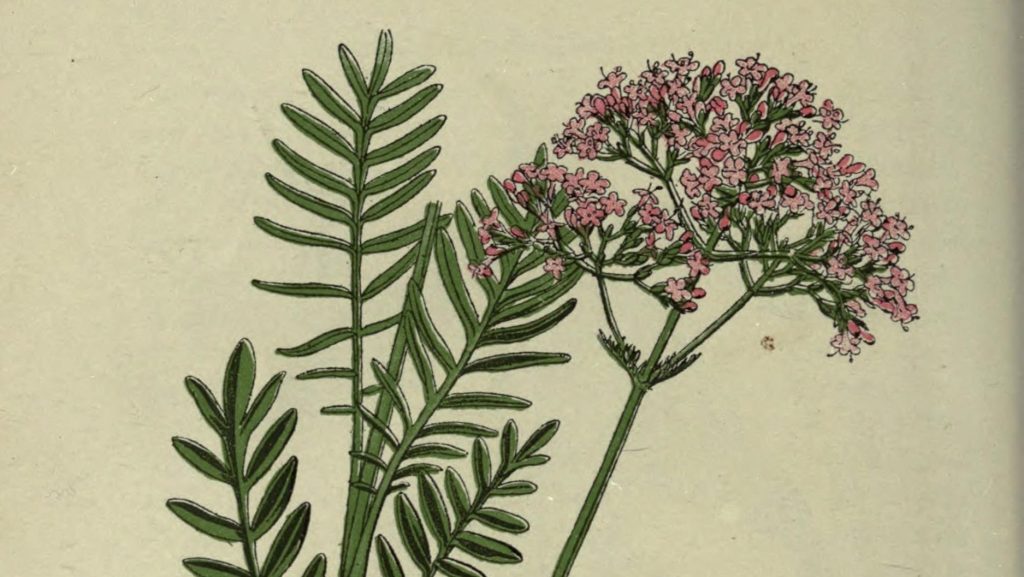
- Why tincture: Volatile oils and valerenic acids extract well in alcohol; fast-acting for sleep
- Part used: Dried root
- Alcohol: 60-70%
- Ratio: 1:5
- Use: 2-5ml, 30-60 minutes before bed
- Effect: Sedative, anxiolytic, muscle relaxant
- Note: Some people find the smell unpleasant (normal for valerian)
Passionflower (Passiflora incarnata):
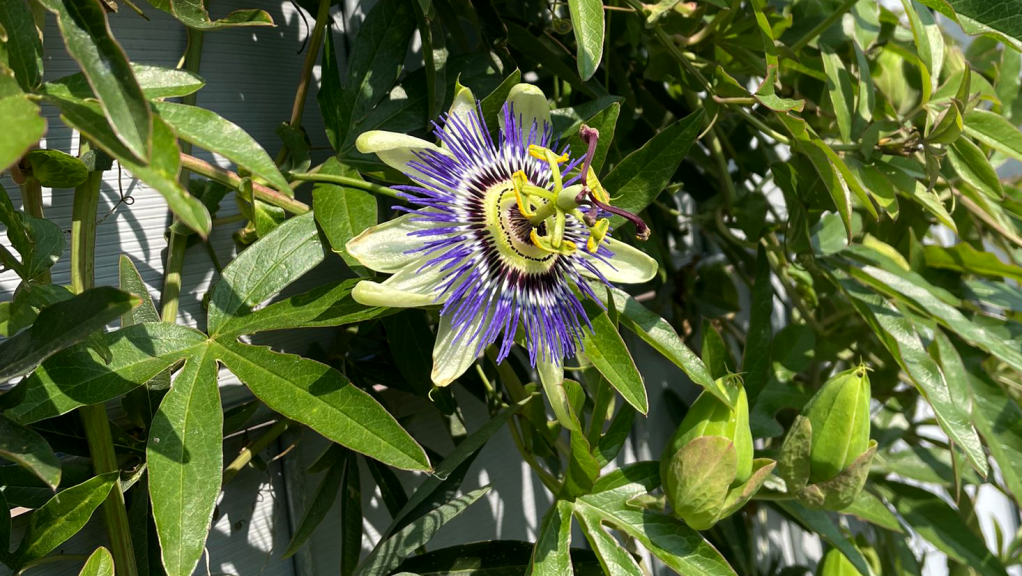
- Why tincture: Flavonoids and harmala alkaloids; gentler than valerian
- Part used: Dried aerial parts
- Alcohol: 40-50%
- Ratio: 1:5
- Use: 2-4ml for anxiety or insomnia
- Effect: Calming, sleep-promoting, less “heavy” than valerian
Lemon balm (Melissa officinalis):

- Why tincture: Volatile oils degrade quickly when dried—”fresh
plant tincture preserves them - Part used: Fresh leaves (within hours of harvest)
- Alcohol: 75-95% (fresh plant dilutes it)
- Ratio: 1:2
- Use: 2-3ml for anxiety, stress, or digestive upset
- Effect: Calming, uplifting, digestive
For Digestive Support
Ginger root (Zingiber officinale):
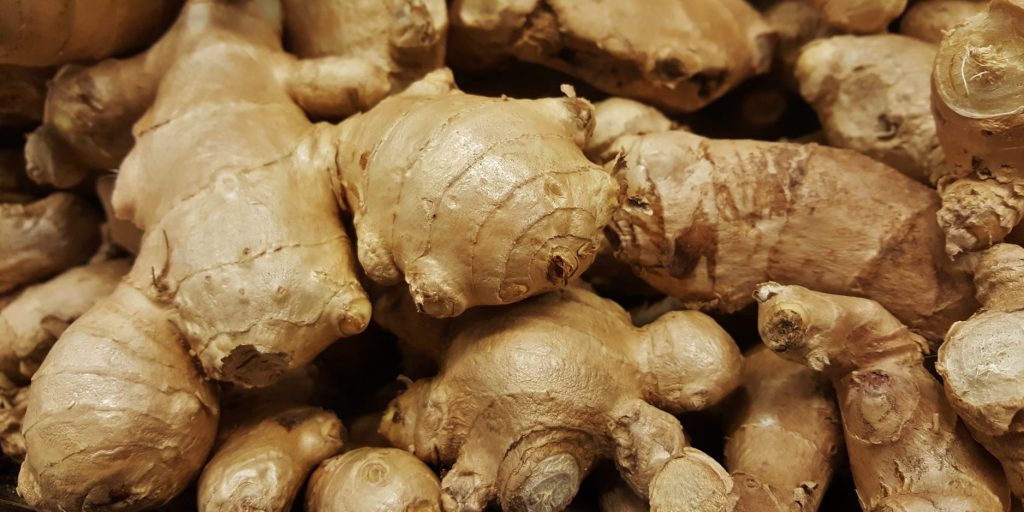
- Why tincture: Gingerols and shogaols; warming digestive
stimulant; anti-nausea - Part used: Fresh or dried root
- Alcohol: 60-70%
- Ratio: 1:5 dried, 1:2 fresh
- Use: 1-2ml in water for nausea; 2-3ml before meals for digestion
- Effect: Fast-acting for nausea, warms digestion
Bitters blend (gentian, dandelion, orange peel, ginger):
- Why tincture: Traditional delivery method for digestive bitters
- Part used: Dried roots and peels
- Alcohol: 40-50%
- Ratio: 1:5
- Use: 10-20 drops in water, 15 minutes before meals
- Effect: Stimulates digestive secretions, improves nutrient absorption
For Pain and Inflammation
Turmeric (Curcuma longa):
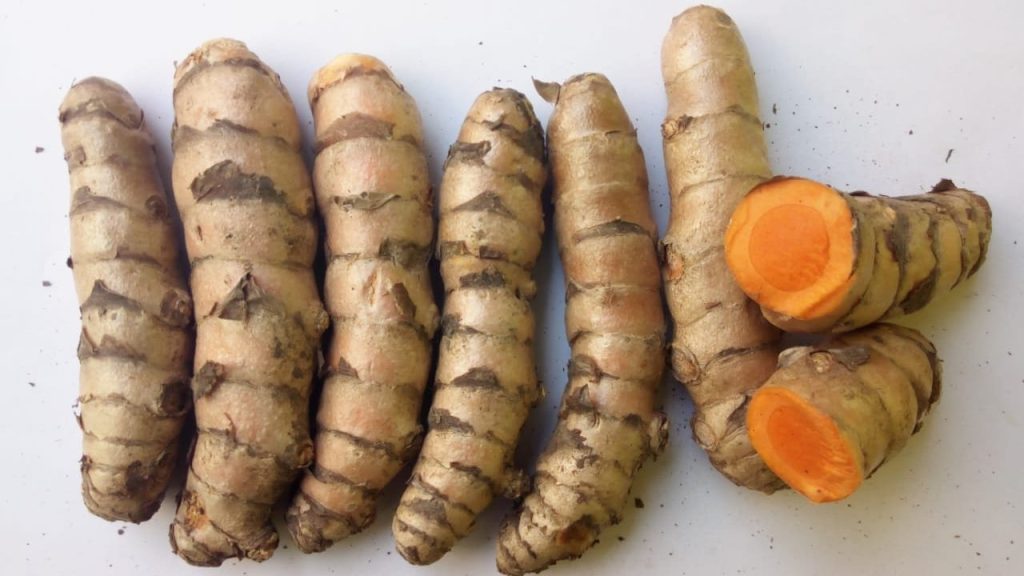
- Why tincture: Curcuminoids have poor water solubility; alcohol
extraction better than tea - Part used: Dried root powder or fresh root
- Alcohol: 60-70%
- Ratio: 1:5
- Use: 2-3ml, 2-3× daily for inflammatory conditions
- Enhancement: Combine with black pepper tincture (piperine increases absorption by 2000%)
St. John’s Wort (Hypericum perforatum):

- Why tincture: Hypericin and hyperforin; both topical and internal use
- Part used: Fresh flowering tops (traditional) or dried
- Alcohol: 75-95% fresh, 60% dried
- Ratio: 1:2 fresh, 1:5 dried
- Use: 2-4ml, 2-3× daily for mild-moderate depression, nerve pain
- Caution: Significant drug interactions (induces CYP450 enzymes); photosensitivity
Alcohol-Free Alternatives: Glycerites
For children, people in recovery from alcohol addiction, or those who prefer alcohol-free preparations, glycerin-based tinctures (glycerites) are an option. See our glycerites guide for more details.
Glycerin (glycerol):
- Sweet-tasting, syrup-like liquid
- Solvent properties: Extracts water-soluble compounds well, some alcohol-soluble compounds moderately, poor for very resinous/oily compounds
- Shelf life: 1-2 years (shorter than alcohol tinctures)
- Child-friendly taste
Making glycerites:
- Use food-grade vegetable glycerin
- Dilution: Mix 75% glycerin with 25% water for optimal extraction
- Ratio: Same as alcohol tinctures (1:5 for dried herbs)
- Method: Same maceration process, 4-6 weeks
- Gentle heat: Some herbalists use gentle heat (40-50°C) to enhance glycerin extraction
Best herbs for glycerites:
- Those without significant resins or volatile oils
- Examples: elderberry, hawthorn, lemon balm, chamomile
- Less ideal: Highly resinous herbs, those rich in alkaloids
Cost: Glycerin in NZ approximately $15-25/litre at health stores or online.
Common Problems and How to Fix Them
Problem: Mould growing on plant material
Cause: Insufficient alcohol coverage, herbs not fully submerged, or contamination.
Solution: Discard immediately. Do not try to salvage. Start over ensuring complete submersion. If using fresh herbs, ensure high enough starting alcohol percentage.
Prevention: Keep herbs fully covered with at least 2-5cm alcohol above plant material. Check regularly during first week.
Problem: Tincture tastes weak
Cause: Insufficient extraction time, too much alcohol (diluted), poor quality herbs, or herbs past their potency.
Solution: If still macerating, continue for several more weeks. If already strained, accept and adjust dosage upward, or remake.
Prevention: Use fresh, quality herbs. Allow adequate extraction time (minimum 4 weeks, 6-8 for roots). Use appropriate alcohol percentage.
Problem: Sediment in finished tincture
Cause: Normal—”small plant particles pass through straining.
Solution: Let settle for 24 hours after straining, then carefully decant clear liquid off sediment. Or, strain through coffee filter (slow but effective).
Sediment doesn’t affect potency or safety—”it’s just aesthetics.
Problem: Unclear on dosage
Cause: Different herbs require different doses; concentrated medicine requires precision.
Solution:
- Start with low dose (1ml/20 drops) and observe effects
- General guideline: 1-3ml (20-60 drops), 1-3× daily for most herbs
- Research specific herb recommendations
- When in doubt, consult with trained herbalist
- For children: Reduce to 1/4-1/2 adult dose depending on age
Problem: Alcohol burns/tastes too strong
Solution:
- Dilute in more water (30-60ml or more)
- Mix into juice or tea
- Add a bit of honey to mask taste
- Hold under tongue for 30-60 seconds for faster absorption (bypasses taste somewhat)
Building Your Tincture Practice
Start simple. Choose one herb you know well, one that’s safe and has clear uses. Make a single-herb tincture using the folk method.
Wait the full 4-6 weeks. Be patient. Observe the process—”watch the colour deepen as compounds extract, notice how the plant material changes texture.
Strain carefully. Bottle properly. Label meticulously.
Use it. Notice effects. Adjust dosing. Keep notes.
Then make another. Try a different herb. Experiment with ratios if you’re feeling confident. Combine herbs for specific purposes.
Over time, you’ll build a personal pharmacy of tinctures tailored to your family’s needs. A shelf of amber bottles representing years of learning, containing potent medicines that last for years.
Tincture-making is patient work, but the results—”concentrated, long-lasting, precisely dosed medicines—”make it worthwhile.
Sources & Further Reading
Books:
- Gladstar, R. (2012). Rosemary Gladstar’s Medicinal Herbs: A Beginner’s Guide. Storey Publishing.
- Green, J. (2000). The Herbal Medicine-Maker’s Handbook: A Home Manual. Crossing Press.
- Hoffmann, D. (2003). Medical Herbalism: The Science and Practice of Herbal Medicine. Healing Arts Press.
New Zealand Resources:
- Brooker, S. G., Cambie, R. C., & Cooper, R. C. (1987). New Zealand Medicinal Plants. Heinemann Publishers.
- Local herbalist networks and workshops for hands-on learning
- DOC regulations regarding wildcrafting (www.doc.govt.nz)
References
- Bone, K., & Mills, S. (2013). Principles and practice of phytotherapy: Modern herbal medicine (2nd ed.). Churchill Livingstone.
- Chevallier, A. (2016). Encyclopedia of herbal medicine (3rd ed.). Dorling Kindersley.
- Gladstar, R. (2012). Rosemary Gladstar’s Medicinal Herbs: A Beginner’s Guide. Storey Publishing.
- Green, J. (2000). The Herbal Medicine-Maker’s Handbook: A Home Manual. Crossing Press.
- Grieve, M. (1931). A modern herbal. Dover Publications.
- Hoffmann, D. (2003). Medical Herbalism: The Science and Practice of Herbal Medicine. Healing Arts Press.
Disclaimer: Does not represent rongoā Māori methods. Alcohol extraction NOT traditional to rongoā Māori. For rongoā knowledge, consult Te Paepae Motuhake.
Medical Disclaimer: This guide is for educational purposes only and is not medical advice. Tinctures are appropriate for supporting general health and minor conditions. If you are pregnant, nursing, taking medications (especially diabetes medications, diuretics, or medications affected by acidity), or have digestive conditions like active ulcers or severe GERD, seek guidance from a qualified health practitioner before using. Properly identify all herbs. The information about plant constituents, mechanisms of action, and traditional uses is educational in nature.
Note on Pricing: All prices mentioned in this guide are approximate and based on New Zealand suppliers as of December 2025. Prices vary by supplier, season, and market conditions. We recommend checking current prices with your local suppliers.
 The Public Herbarium