
Alcohol Extraction Science, Phytochemical Solubility, and Therapeutic Formulation
This guide addresses herbal tincture-making from a Western herbalism perspective, examining alcohol extraction chemistry, phytochemical solubility, and formulation science.
Utilising western scientific analysis of alcohol-based botanical extraction, including phytochemical solubility principles, preservation mechanisms, and therapeutic applications using European and American herbal traditions.
Introduction: Tinctures as Pharmaceutical Preparations
Herbal tinctures represent one of the most scientifically sophisticated preparation methods in phytotherapy, combining principles of organic chemistry, pharmacokinetics, and traditional empirical knowledge. Unlike simple aqueous or lipid extractions, alcohol-based tinctures exploit the amphipathic nature of ethanol to extract an exceptionally broad spectrum of bioactive compounds, create preparations with extended shelf stability, and enable precise, titrated dosing essential for therapeutic efficacy.
This guide explores the physical chemistry of alcohol extraction, the pharmacokinetics of alcohol-delivered phytochemicals, detailed formulation methodology including menstruum selection and ratio calculations, comprehensive materia medica with supporting evidence, quality control protocols, and clinical applications with safety considerations.
Section 1: The Physical Chemistry of Alcohol as Menstruum
1.1 Ethanol’s Molecular Properties and Solvent Characteristics
Chemical structure: Ethanol (C₂H₅OH) consists of a two-carbon aliphatic chain (lipophilic) bonded to a hydroxyl group (hydrophilic).
Amphipathic nature: This dual polarity makes ethanol uniquely effective:
- The hydroxyl group forms hydrogen bonds with polar (water-soluble) compounds
- The ethyl group creates hydrophobic interactions with non-polar (fat-soluble) compounds
- This allows simultaneous extraction of compounds across the polarity spectrum
- Dielectric constant: Ethanol’s dielectric constant (ε = 24.3 at 25°C) falls between water (ε = 80) and oils (ε = 2-3), enabling it to dissolve both polar and non-polar substances.
- Viscosity and diffusion: Ethanol’s lower viscosity compared to fixed oils allows faster diffusion of solvent into plant tissues and of dissolved compounds into the bulk menstruum.
1.2 Compound Classes Extracted by Alcohol
Alkaloids: Nitrogenous bases, often with potent physiological effects.
- Examples: Berberine (goldenseal), caffeine (coffee), vincristine (periwinkle)
- Solubility: Most alkaloids exist in plants as salts (with organic acids) making them water-soluble, but the free base forms are alcohol-soluble
- Extraction: Medium to high alcohol percentages (40-70%) effectively extract most alkaloid salts
- Clinical significance: Often represent primary therapeutic compounds with narrow therapeutic windows requiring precise dosing
Volatile oils (essential oils): Lipophilic aromatic compounds.
- Chemical classes: Monoterpenes (limonene, menthol), sesquiterpenes (bisabolol, chamazulene), phenylpropanoids (eugenol, cinnamaldehyde)
- Solubility: Highly lipophilic; require high alcohol percentages (60-95%)
- Extraction challenges: Volatile—can evaporate during processing; heat-sensitive
- Therapeutic roles: Antimicrobial, anti-inflammatory, spasmolytic, aromatic
Phenolic compounds: Includes diverse subcategories.
- Simple phenolics: Salicylic acid (willow), thymol (thyme)
- Polyphenols: Tannins (oak, witch hazel)—astringent, antimicrobial
- Flavonoids: Quercetin, rutin, apigenin—antioxidant, anti-inflammatory
- Phenolic acids: Rosmarinic acid (rosemary), caffeic acid (echinacea)
- Solubility: Variable depending on structure and glycosylation; generally 40-70% alcohol optimal
Glycosides: Sugars bonded to aglycones (non-sugar portions).
- Types: Cardiac glycosides (digitalis), anthraquinone glycosides (senna, cascara), iridoid glycosides (valerian), saponins (ginseng, licorice)
- Solubility: Generally polar due to sugar moieties; lower alcohol percentages (25-50%) often sufficient
- Enzymatic considerations: Some glycosides are enzymatically cleaved during extraction; alcohol may denature enzymes, affecting final compound profile
Resins: Complex mixtures of terpenes, phenolic compounds, and esters.
- Examples: Propolis, myrrh, pine resin
- Solubility: Highly lipophilic; require 70-95% alcohol
- Characteristics: Sticky, aromatic, often antimicrobial and wound-healing
- Extraction: Often require extended maceration (8-12 weeks) due to dense matrices
Polysaccharides: Long-chain sugars.
- Examples: Immune-modulating polysaccharides in echinacea, astragalus, reishi
- Solubility: Generally water-soluble; poorly extracted by high alcohol
- Implications: For herbs where polysaccharides are primary actives, water extraction (decoction) may be superior to tincture, or dual extraction (water + alcohol) optimal
1.3 The Effect of Alcohol Concentration on Extraction Selectivity
The percentage of alcohol in the menstruum dramatically affects which compounds extract:
95% alcohol:
- Maximum extraction: Resins, volatile oils, alkaloid free bases
- Minimal extraction: Highly polar compounds, polysaccharides
- Use cases: Fresh plant tinctures (plant water dilutes to 40-60%), resinous materials, specific alkaloid extractions
70% alcohol:
- Excellent extraction: Volatile oils, most alkaloids, flavonoid aglycones, phenolic acids
- Good extraction: Many glycosides, tannins
- Moderate extraction: Polysaccharides
- Use cases: Dried aromatic herbs, roots high in volatile oils (valerian), resins
40-50% alcohol (standard spirits):
- Good extraction: Most glycosides, alkaloid salts, flavonoid glycosides, tannins, phenolic acids
- Moderate extraction: Some volatile oils, less polar compounds
- Limited extraction: Very lipophilic compounds, heavy resins
- Use cases: Most dried leaf/flower/root preparations, general-purpose tinctures
25% alcohol:
- Excellent extraction: Highly polar glycosides, mucilage (to some extent)
- Poor extraction: Alkaloids, volatile oils, resins
- Use cases: Very limited; primarily fresh plants with delicate water-soluble compounds; most herbalists prefer 40%+ for preservation
Hydroalcoholic mixtures (water + alcohol):
- Synergistic extraction: The water component extracts polar compounds while alcohol extracts less polar compounds and acts as preservative
- Optimisation: For many herbs, a mixed menstruum extracts a broader spectrum than either pure solvent
NZ Regulatory and Practical Considerations:
Alcohol sourcing in NZ: Vodka (37.5-40% ABV) widely available at liquor stores for tincture-making. Everclear/grain alcohol (95% ABV) not readily available — use vodka or purchase pharmaceutical-grade ethanol from specialty suppliers.
Legal note: In New Zealand, home tincture-making for personal use is legal. Commercial production/sale requires appropriate licenses.
Cost considerations: Vodka-based tinctures cost $15 NZD-25 NZD per 500ml batch (including herbs + alcohol). Commercial tinctures $20 NZD-40 NZD per 100ml — significant savings with DIY.
Climate effects: New Zealand’s moderate climate ideal for folk method (room temperature maceration). Northern regions (higher humidity) may need extra attention to prevent mold during fresh herb tincturing.
Section 2: Extraction Kinetics and Optimisation
2.1 Mass Transfer and Diffusion
Fick’s First Law of Diffusion describes the movement of dissolved compounds:
- J = -D (dC/dx)
Where:
- J = diffusion flux (amount per unit area per unit time)
- D = diffusion coefficient
- dC/dx = concentration gradient
Practical implications:
- Concentration gradient: Initially, plant cells contain high concentrations of compounds and the menstruum contains none. This steep gradient drives rapid initial extraction. As compounds accumulate in the menstruum, the gradient decreases and extraction slows.
Diffusion coefficient (D): Affected by:
- Temperature: Higher temperature increases kinetic energy, increasing D
- Viscosity: Lower viscosity (alcohol vs. oil) increases D
- Molecular size: Smaller molecules diffuse faster
- Surface area: More surface area (finely chopped plant material) increases total diffusion area, accelerating extraction.
- Agitation: Shaking disrupts boundary layers of concentrated solution around plant material, maintaining steeper gradients and faster extraction.
2.2 Fresh vs. Dried Plant Material: The Mathematics
Fresh plant extraction introduces plant water that dilutes the alcohol menstruum.
Calculation example:
- Assume fresh lemon balm leaves contain 70% water and 30% dry matter.
You prepare a tincture:
- 200g fresh lemon balm (contains 140g water, 60g dry matter)
- 400ml of 95% alcohol (380ml ethanol, 20ml water)
- Total water = 140g (plant) + 20ml (menstruum) = 160ml Total ethanol = 380ml Total volume ≈ 540ml
- Final alcohol percentage = (380/540) × 100 = 70% alcohol
- Rule of thumb for fresh plants: Start with 90-95% alcohol if plant is very succulent, 75-85% if moderately moist. Final tincture typically 50-65% alcohol.
- Why this matters: Insufficient alcohol in final product compromises preservation and may not extract target compounds effectively. Many fresh plant tincture failures result from inadequate starting alcohol percentage.
2.3 Optimal Extraction Time
- Kinetic extraction curve: Extraction follows a logarithmic curve—rapid initially, then plateauing.
Time-based guidelines:
- Week 1: 50-70% of extractable compounds dissolve (steep
- gradient)
- Weeks 2-4: Additional 20-30% extraction (gradient decreasing)
- Weeks 4-8: Final 5-10% extraction (minimal gradient)
- Beyond 8 weeks: Marginal additional extraction for most dried
- herbs
Exceptions requiring extended extraction:
- Very hard, dense materials (seeds, hard bark)
- Resins (can take 8-16 weeks)
- Polysaccharide-rich materials (though even extended time extracts these poorly in alcohol)
- Temperature effects: Room temperature (18-22°C) is standard. Gentle warming (30-35°C) can accelerate extraction but risks degrading thermolabile compounds. Cold maceration (10-15°C) is slower but may preserve delicate constituents.
- Practical recommendation: 4-6 weeks standard, 6-8 weeks for tough roots and barks, 8-16 weeks for resins.
Section 3: Ratio Methodology and Menstruum Calculations
3.1 Understanding Herb-to-Menstruum Ratios
Ratio notation: Expressed as 1:X (herb:menstruum by weight or volume)
Common ratios:
- 1:2: Concentrated (500g herb in 1000ml menstruum); primarily for
- fresh plants
- 1:5: Standard for most dried herbs (100g herb in 500ml
- menstruum)
- 1:10: Dilute; for very potent herbs or when gentler action
- desired
- Weight vs. volume: Professional herbalists use weight for both (most accurate). Folk method uses volume measurements (good enough for home use).
3.2 Calculating Specific Alcohol Percentages
- Sometimes you need a specific alcohol percentage not available commercially.
- Formula: (V₁C₁) + (V₁₁)(C₁₁) = (V + Vfinal)
Where:
- V = volume
- C = alcohol concentration
- Example: Create 500ml of 60% alcohol from 95% alcohol and water.
- Let X = volume of 95% alcohol needed Let Y = volume of water needed X + Y = 500ml
(X)(0.95) + (Y)(0) = (500)(0.60) 0.95X = 300 X = 316ml of 95% alcohol Y = 184ml water
- Verification: (316 × 0.95) + (184 × 0) = 300ml pure ethanol in 500ml total = 60%
3.3 The Percolation Method (Advanced)
- An alternative to maceration, percolation involves slowly dripping menstruum through packed herb material.
Advantages:
- More complete extraction with less menstruum (lower final ratios like 1:2 or 1:3)
- Faster than maceration (3-7 days vs 4-8 weeks)
- Continuous fresh solvent contact with herb
Disadvantages:
- Requires specialised equipment (percolation cone)
- More technical skill needed
- Not suitable for home beginners
Method overview:
- Moisten herb with small amount of menstruum, let stand 4-12 hours
- Pack moistened herb into percolation cone
- Slowly drip menstruum through at 1-3ml/minute
- Collect percolate (finished tincture)
- Continue until menstruum exits clear/tasteless
- Used commercially: Most professional tincture manufacturers use percolation for efficiency.
Section 4: Detailed Materia Medica with Evidence
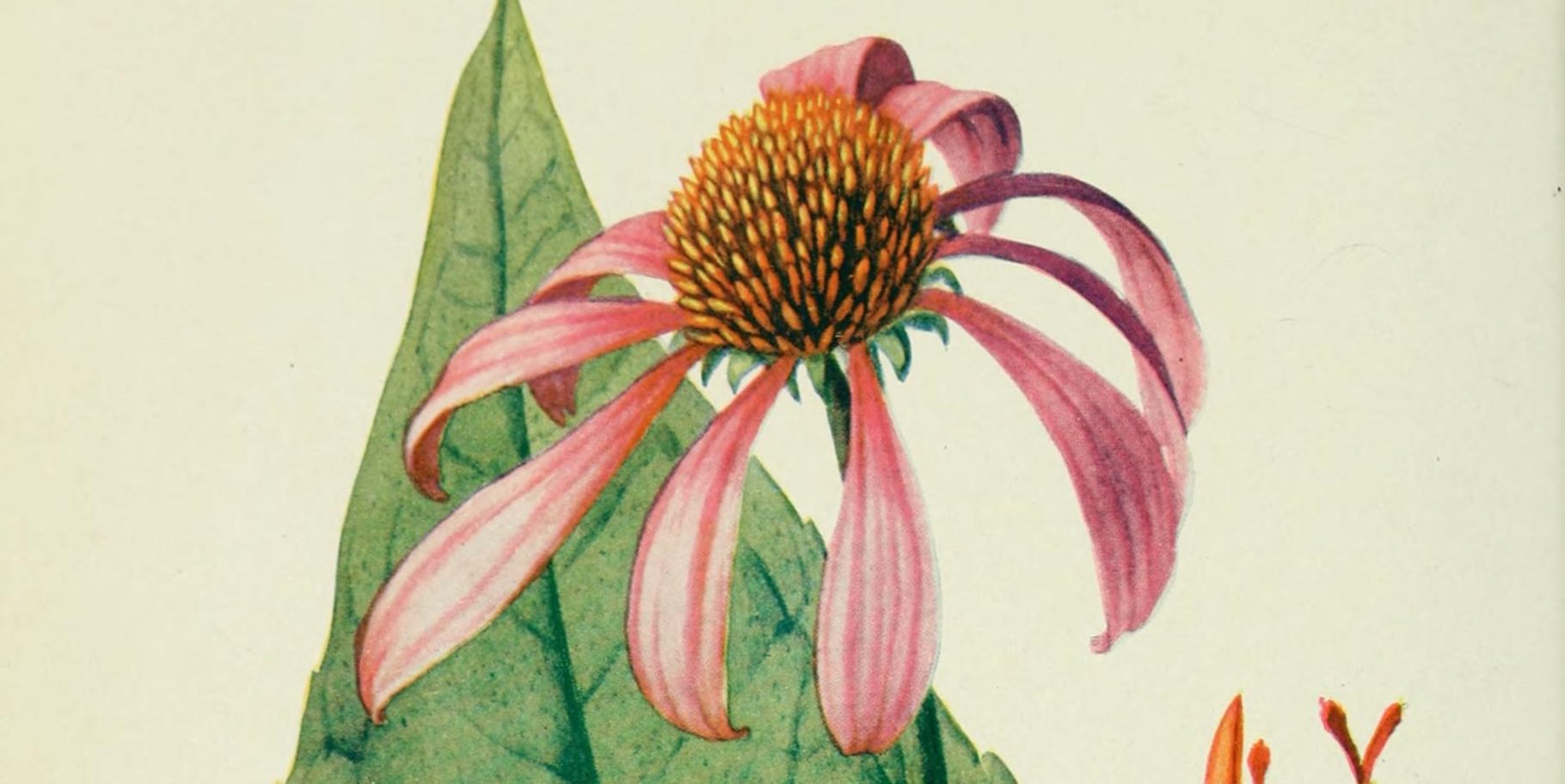
4.1 Echinacea (Echinacea purpurea, E. angustifolia, E. pallida)

Key constituents:
Alkamides (isobutylamides): 0.01-0.4% in roots and aerial parts
- Chemical structure: Fatty acid amides with varying unsaturation
- Primary examples: Dodeca-2E,4E,8Z,10E/Z-tetraenoic acid isobutylamides
- Extraction: Alcohol-soluble; highest extraction at 60-70% alcohol
- Bioavailability: Well absorbed; produce characteristic tingling sensation on tongue
- Mechanisms: Cannabinoid receptor 2 (CB2) agonists, modulate cytokine production, enhance phagocytosis
Caffeic acid derivatives: Primarily echinacoside (in E. pallida and E. angustifolia) and chicoric acid (in E. purpurea)
- Echinacoside: 0.3-1.7% in E. pallida root
- Chicoric acid: Up to 2.5% in E. purpurea aerial parts
- Extraction: Water and alcohol-soluble; 40-60% alcohol effective
- Activity: Antioxidant, antihyaluronic, anti-inflammatory
Polysaccharides: 15-20% of root dry weight
- Types: Arabinogalactans, glucuronoxylans
- Extraction: Water-soluble; poorly extracted by alcohol
- Activity: Immune-modulating via macrophage activation
- Implication: Dual extraction (decoction + tincture) or decoction alone may be superior for polysaccharide content
Clinical evidence:
Meta-analyses:
- Shah et al. (2007): Analysis of 14 trials found echinacea reduced cold incidence by 58% and duration by 1.4 days
- Karsch-Vlk et al. (2014): Cochrane review found inconsistent evidence; some preparations showed benefit, others did not
- Conclusion: Efficacy appears product-dependent (likely related to alkamide content and extraction method)
Mechanism studies:
- Woelkart et al. (2008): Demonstrated alkamides bind to CB2 receptors, explaining immune modulation
- Goel et al. (2002): Echinacea increased cytokine production in vitro
Optimal tincture formulation:
- Fresh root tincture: 1:2 ratio, 90-95% alcohol (final ~60% after plant water)
- Dried root tincture: 1:5 ratio, 60-70% alcohol
- Why: Alkamides are primary actives; require adequate alcohol and are most concentrated in fresh root
- Dosing: 2-3ml (40-60 drops), 3-5× daily at onset of symptoms; 1-2ml daily for short-term prevention
- Safety: Generally very safe. Theoretical contraindication in autoimmune disease (based on immune stimulation) lacks supporting clinical evidence.
4.2 Valerian (Valeriana officinalis)

Key constituents:
Volatile oils (0.5-2% of dried root):
Valerenic acid and derivatives: 0.05-0.3%
- Sesquiterpenes: β-caryophyllene, valeranone
- Monoterpenes: Bornyl acetate, camphene
- Extraction: Require high alcohol (60-80%) for optimal extraction
- Stability: Volatile—degrade over time, especially with heat/light exposure
Valepotriates (iridoid esters): 0.5-2% (highly variable)
- Unstable compounds that degrade to baldrinols during storage and processing
- Extraction: Alcohol-soluble
- Activity: Sedative effects in animal studies (though degradation products may be actual actives)
GABA (γ-aminobutyric acid): Present in trace amounts
- Controversial whether present in sufficient quantities or bioavailable orally
Mechanisms of action:
- GABAergic: Valerenic acid inhibits GABA breakdown (inhibits GABA transaminase) and may enhance GABA_A receptor binding, increasing GABAergic tone
- GABA is the primary inhibitory neurotransmitter; increased activity produces sedation and anxiolysis
- Adenosine receptors: Some evidence for adenosine receptor interaction (sedating pathway)
- Serotonergic: May have minor effects on serotonin pathways
Clinical evidence:
Sleep studies:
- Bent et al. (2006): Meta-analysis of 16 studies found valerian improved sleep quality but not sleep latency
- Fernndez-San-Martn et al. (2010): Systematic review found valerian safe but evidence for efficacy mixed
Anxiety studies:
- Andreatini et al. (2002): Valerian showed anxiolytic effects in animal models
- Human studies less conclusive; evidence weaker than for sleep
Challenges in research: Valerian preparations vary dramatically in chemical composition depending on:
- Harvest time and growing conditions
- Extraction method and alcohol percentage
- Storage time (valepotriates degrade)
Optimal tincture formulation:
- Fresh root: 1:2, 90% alcohol (preserves maximum volatile oils)
- Dried root: 1:5, 70% alcohol
- Storage: Dark bottles, cool location; use within 2 years for
- maximum potency
- Dosing: 2-5ml (40-100 drops), 30-60 minutes before bed for sleep; 2-3ml, 2-3× daily for anxiety
Safety: Very safe. Rare paradoxical stimulation in some individuals. No evidence of addiction or withdrawal. Avoid with alcohol or other sedatives (additive effects).
4.3 St. John’s Wort (Hypericum perforatum)

Key constituents:
Naphthodianthrones (0.1-0.15% dried flowering tops):
- Hypericin: 0.05-0.3% (red pigment)
- Pseudohypericin: Similar concentration
- Chemistry: Polycyclic quinone structures
- Extraction: Lipophilic; require 70-95% alcohol or oil
- Photosensitivity: Absorb UV light, can cause phototoxic reactions
- Traditional use: Red oil for topical wound healing
Hyperforin (2-4.5% in dried flowers):
- Prenylated phloroglucinol derivative
- Extraction: Lipophilic; requires high alcohol (70-95%)
- Stability: Degrades rapidly with heat, light, and oxygen exposure
- Activity: Primary antidepressant compound in most studies
Flavonoids (2-4%):
- Hyperoside, rutin, quercetin derivatives
- Antioxidant, anti-inflammatory
Mechanisms of antidepressant action:
- Serotonin reuptake inhibition: Hyperforin inhibits serotonin transporter (SERT), increasing synaptic serotonin
- Not selective—also inhibits norepinephrine and dopamine reuptake (similar to SNRIs)
- Mechanism: Hyperforin activates TRPC6 channels, increasing intracellular sodium and calcium, which secondarily inhibits monoamine reuptake
- Additional effects: MAO-A and MAO-B inhibition (mild), GABA receptor modulation
Clinical evidence:
Depression efficacy:
- Linde et al. (2008): Cochrane review of 29 trials (5489 patients) found St. John’s wort superior to placebo and similar in efficacy to standard antidepressants for mild-moderate depression
- Kasper et al. (2010): Meta-analysis confirmed efficacy comparable to SSRIs with fewer side effects
Mechanism studies:
- Mller et al. (1998): Demonstrated hyperforin’s effects on monoamine uptake
- Chatterjee et al. (1998): Identified hypericin and hyperforin as active compounds
Critical drug interactions:
St. John’s wort induces CYP450 enzymes (particularly CYP3A4) and P-glycoprotein, increasing metabolism and clearance of numerous medications:
- Contraceptives: Reduced efficacy, breakthrough bleeding, unwanted pregnancy
- Anticoagulants (warfarin): Reduced anticoagulation, thrombosis risk
- Immunosuppressants (cyclosporine, tacrolimus): Organ rejection risk
- HIV medications (protease inhibitors, NNRTIs): Treatment failure
- Chemotherapy drugs (irinotecan, imatinib): Reduced efficacy
- SSRIs/SNRIs: Serotonin syndrome risk
- Digoxin: Reduced levels, cardiac decompensation
- Timeframe: Enzyme induction takes 1-2 weeks to develop, persists 1-2 weeks after discontinuation
Optimal tincture formulation:
- Fresh flowering tops: 1:2, 95% alcohol (final ~70%)
- Dried flowering tops: 1:5, 70-80% alcohol
- Critical: Fresh plant tincture traditionally superior
(hyperforin degrades during drying) - Dosing: 2-4ml (40-80 drops), 2-3× daily for depression; 4-6 week trial necessary to assess efficacy
Safety:
- Photosensitivity: Avoid prolonged sun exposure, especially fair-skinned individuals
- Drug interactions: Absolute contraindication with many medications (listed above)
- Not for severe depression or with suicidal ideation (requires medical care)
4.4 Hawthorn (Crataegus spp.)

Key constituents:
Flavonoids (1-2% berries, 1-3% flowers/leaves):
- Oligomeric procyanidins (OPCs): Most abundant (up to 3%)
- Vitexin, hyperoside, rutin, quercetin derivatives
- Extraction: Water and alcohol-soluble; 40-60% alcohol effective
- Activity: Antioxidant, vasodilatory, positive inotropic
Triterpene acids (0.5-1.4% berries):
- Ursolic acid, oleanolic acid, crataegolic acid
- Extraction: Require moderate alcohol (50-70%)
- Activity: Anti-inflammatory, cardioprotective
Amines (trace):
- Phenylethylamine, tyramine
- Present in minute amounts; clinical significance unclear
Mechanisms of cardiovascular action:
Positive inotropic effect: Increases force of cardiac contraction (similar to but much milder than cardiac glycosides)
- Mechanism: Inhibits Naase (very mildly), increases intracellular calcium
Vasodilation: Flavonoids relax vascular smooth muscle
- Mechanisms: Nitric oxide (NO) pathway activation, phosphodiesterase inhibition, ACE inhibition
- Result: Reduced after-load, improved coronary blood flow
Antioxidant: OPCs scavenge free radicals, reduce oxidative damage to cardiac tissue
Anti-arrhythmic: Prolongs refractory period, stabilises cardiac rhythm
Clinical evidence:
Heart failure:
- Pittler et al. (2008): Cochrane review of 14 trials (855 patients) found hawthorn extract as adjunct to conventional therapy improved exercise tolerance and reduced symptoms
- Holubarsch et al. (2008): SPICE trial (2681 patients with heart failure) found hawthorn extract safe but no significant mortality benefit
Hypertension:
- Walker et al. (2002): Randomised trial found hawthorn reduced diastolic blood pressure
- Effects modest; not sufficient as monotherapy for hypertension
Angina:
- Traditional use supported by some small studies showing improved exercise tolerance
Safety and interactions:
- Very safe herb with excellent safety record
- Theoretical potentiation of cardiac glycosides (digoxin) and antihypertensives
- In practice, serious interactions rare
- Should be used under medical supervision in heart failure (as adjunct, not replacement for standard therapy)
Optimal tincture formulation:
- Dried berries: 1:5, 40-50% alcohol
- Dried flowers/leaves: 1:5, 40-50% alcohol
- Combined preparation (berries + flowers/leaves): Traditional,
- may offer broader spectrum
- Dosing: 2-4ml (40-80 drops), 2-3× daily; effects cumulative over 4-8 weeks
Section 5: Quality Control and Stability
5.1 Assessing Tincture Quality
Visual assessment:
- colour: Should be appropriate for herb (deep red for St. John’s
- wort, green-brown for many herbs, dark purple for elderberry)
- Clarity: Some sediment normal, but excessive cloudiness may
- indicate contamination
- Separation: Should be homogeneous; separation suggests
- inadequate alcohol or deterioration
Olfactory assessment:
- Should smell like the herb (aromatic herbs especially)
- Off odours (sour, fermented, musty) indicate spoilage
- Gradual loss of aroma over years normal
Taste assessment:
- Characteristic herb flavour with alcohol burn
- Bitterness, astringency, or other flavours appropriate to herb
- Off flavours indicate degradation
Alcohol percentage verification:
- Use alcoholmeter (hydrometer for alcohol) if precision needed
- DIY flame test: Small amount should ignite if >50% alcohol (not precise, but confirms presence)
5.2 Factors Affecting Stability and Shelf Life
- Alcohol percentage: Primary preservation factor
- 40% alcohol: 3-5 years typical
- 30-40% alcohol: 1-2 years
- <25% alcohol: Months only; refrigeration required
Storage conditions:
- Light: UV degrades many compounds (hypericin, chlorophyll, some flavonoids)
- Temperature: Cool storage (15-20°C) optimal; heat accelerates degradation
- Oxygen: minimised by filling bottles full; oxidation affects some compounds
Specific compound stability:
- Volatile oils: Evaporate slowly; valerian, peppermint lose potency over time
- Hyperforin (St. John’s wort): Degrades within 1-2 years even properly stored
- Valepotriates (valerian): Degrade to bald rinols
- Most alkaloids, tannins, flavonoids: Stable for 5+ years
Expected shelf life:
- Well-made tinctures (50%+ alcohol): 5 years minimum
- High-potency volatile oil herbs: 2-3 years optimal use
- Most dried herb tinctures: 3-5 years with good quality retention
Signs of degradation:
- Fading colour
- Loss of characteristic aroma
- Development of off odors
- Reduced therapeutic effect (though hard to assess objectively)
Section 6: Clinical Applications and Evidence-Based Practice
6.1 Pharmacokinetics of Alcohol-Based Tinctures
Sublingual absorption:
- Mucous membranes under tongue are highly vascular
- Direct absorption into systemic circulation (bypasses first-pass metabolism)
- Onset: 5-15 minutes for noticeable effects
- Peak: 30-60 minutes
- Duration: 3-6 hours depending on herb and dose
- Technique: Hold tincture under tongue 30-90 seconds before swallowing
Oral absorption (swallowed directly or in water):
- Absorption primarily in small intestine
- Subject to first-pass metabolism in liver (some compounds activated, others inactivated)
- Onset: 30-60 minutes
- Peak: 1-2 hours
- Duration: 4-8 hours
Alcohol effects on absorption:
- Alcohol increases gastric mucosa permeability, potentially enhancing absorption
- Small amounts in tincture doses (1-3ml at 40-60% = 0.4-1.8ml pure ethanol) produce minimal blood alcohol elevation in adults
6.2 Dosing Principles and Therapeutic Windows
- Standard adult dosing: 1-5ml (20-100 drops), 1-4× daily depending on herb and condition
Factors affecting dose:
- Body weight: Larger individuals generally require higher doses (though less linear than pharmaceutical drugs)
- Herb potency: Stronger herbs (goldenseal, lobelia, poke root) require smaller doses; gentle herbs (lemon balm, chamomile) tolerate larger doses
- Extraction ratio: 1:2 concentrated tinctures require half the dose of 1:5 standard tinctures
Acute vs. chronic dosing:
- Acute conditions: Higher doses, more frequent (e.g., 3ml every 2-3 hours for echinacea at cold onset)
- Chronic conditions: Moderate doses, 2-3× daily consistently (e.g., 2ml hawthorn twice daily for heart support)
Pediatric dosing:
Multiple rules exist; Clark’s Rule based on weight:
- Child dose = (Child’s weight in kg / 70 kg) × Adult dose
- Example: 20kg child = (20/70) × 3ml = 0.86ml ≈ 1ml
Young’s Rule based on age:
- Child dose = [Age / (Age + 12)] × Adult dose
Important considerations for children:
- Use glycerites (alcohol-free) when possible for children under 12
- If using alcohol tincture, ensure alcohol content is minimal (<0.5ml pure ethanol per dose)
- Some practitioners avoid alcohol tinctures entirely for children under 2
6.3 Contraindications and Safety Protocols
Absolute contraindications for alcohol tinctures:
- Alcoholism or recovery from alcohol addiction (use glycerites)
- Infants and very young children (use glycerites or other preparations)
- Severe liver disease (alcohol burden plus potential herb-drug interactions)
- Medications with alcohol contraindications (disulfiram/Antabuse, metronidazole)
- Herb-specific contraindications: As covered in materia medica (e.g., St. John’s wort drug interactions)
Pregnancy and nursing:
- Many herbs contraindicated during pregnancy
- Small amounts of alcohol in standard tincture doses generally considered safe by most sources, but some prefer to avoid entirely
- Each herb requires individual assessment for safety in pregnancy
Quality control red flags:
- Unknown herb source or identification
- Homemade tinctures from plants you’re not 100% certain about (poisoning risk)
- Mouldy appearance or off odours
- Inadequate labelling (don’t know what you’re taking or when it was made)
Section 7: Advanced Techniques and Special Preparations
7.1 Spagyric Tinctures
Spagyric preparation is an alchemical method involving separation and recombination of plant constituents.
Process:
- Make standard tincture, macerate 6-8 weeks
- Strain and reserve tincture
- Dry spent plant material
- Incinerate dried plant material to white ash (calcination)
- Add ash to reserved tincture (recombination)
- Macerate additional 2-4 weeks
- Strain and bottle
Theory: Calcined ash contains mineral salts and “essential salts” thought to enhance bioavailability and potency
Evidence: No scientific studies validate superiority; purely traditional/philosophical practice
Practical: labour-intensive; primarily of interest to those practicing traditional Western herbalism or alchemy
7.2 Flower Essences vs. Tinctures
Flower essences (Bach Flowers, etc.) are NOT tinctures, despite similar appearance.
Key differences:
- Preparation: Flowers floated on water in sunlight, preserved with brandy; no maceration
- Dilution: Extremely dilute (homeopathic-level dilution)
- Mechanism: Claimed to work on “energetic” or “vibrational” level, not chemical
- Evidence: No scientific mechanism or clinical evidence beyond placebo effects
- Use: Emotional/psychological support in complementary therapy
Tinctures work via chemical constituents; essences are a separate category.
7.3 Veterinary Applications
Herbal tinctures can be used for animals with appropriate modifications:
Dosing adjustments (rough guidelines):
- Cats: 1/10th human dose (cats lack some detoxification enzymes; use cautiously)
- Small dogs (5-10kg): 1/8th to 1/4 human dose
- Medium dogs (10-25kg): 1/4 to 1/2 human dose
- Large dogs (25-50kg): 1/2 to full human dose
- Horses: 2-3× human dose
Administration challenges:
- Many animals dislike alcohol taste
- Dilute heavily in food or water
- Consider glycerites for easier administration
Safety considerations:
- Some herbs toxic to animals (garlic/onion toxic to dogs and cats, tea tree oil toxic to cats)
- Always research herb safety for specific species
- Veterinary consultation recommended
Section 8: Regulatory and Ethical Considerations
8.1 New Zealand Regulatory Framework
Medsafe regulations: Herbal tinctures making therapeutic claims are classified as medicines.
For personal use:
- Making tinctures for yourself, family, friends: Generally unregulated
- No licensing required for personal production
For commercial sale:
- Must comply with Medicines Act 1981
- Depending on scale and claims:
- Small-scale: May sell at farmers markets without extensive licensing if no health claims made
- Larger scale or therapeutic claims: Requires medicine licenses, GMP compliance, quality testing
- Labelling requirements (ingredient listing, batch numbers, warnings,
- etc.)
Alcohol regulations:
- Purchasing beverage alcohol for tincture-making: Legal
- Distilling alcohol without license: Illegal in NZ (don’t try to make your own high-proof spirits)
- Excise tax: Applied to beverage alcohol purchases; no exemption for medicinal use in home production
8.2 Ethical Wildcrafting and Sustainability
Principles of ethical wildcrafting:
1. Positive identification: 100% certainty before harvesting; poisoning risks are real
2. Sustainable harvesting:
- Never take more than 10% of any population
- For perennials: Leave at least 1 in 20 plants untouched
- For annuals: Leave some to seed
- Avoid rare or threatened species entirely
3. Land access and respect:
- Private land: Obtain permission
- Public land: Know regulations (DOC in NZ has specific rules for different areas)
- Respect rhui and cultural harvest restrictions
- Be aware of seasons and restrictions
4. Native species considerations:
- Many NZ natives are threatened or have cultural significance
- Research conservation status (NZPCN database)
- Generally better to cultivate rather than wild-harvest natives
- Respect Māori cultural knowledge and practices around taonga species
Alternatives to wildcrafting:
- Cultivation: Grow herbs in garden; ensures quality and sustainability
- Purchase from ethical suppliers: Support businesses with sustainable sourcing practices
- Certified organic: Ensures no pesticide contamination
- Conclusion: Tinctures as Precision Phytotherapy
- Herbal tinctures represent the pinnacle of home herbal preparation technology: broad-spectrum extraction, precise dosing capability, long-term stability, and rapid bioavailability. Understanding the physical chemistry of alcohol extraction, the pharmacokinetics of alcohol-delivered phytochemicals, proper formulation methodology, and evidence-based applications allows you to create preparations that bridge traditional empirical knowledge with modern scientific understanding.
The investment of time required—2 to 8 weeks of maceration—yields medicines that last years and deliver therapeutic compounds in concentrated, bioavailable forms. Master the fundamentals (appropriate alcohol percentages, proper ratios, adequate extraction time, quality plant material), then expand into more sophisticated preparations (fresh plant tinctures, specific percentage formulations, combined remedies).
- Tinctures connect ancient practices with contemporary needs, offering a sustainable, empowering approach to personal healthcare that respects both the science of phytochemistry and the wisdom of traditional herbal medicine.
Sources & Further Reading
Phytochemistry and Pharmacology:
- Mller, W. E., Rolli, M., Schfer, C., & Hafner, U. (1997). Effects of hypericum extract (LI 160) in biochemical models of antidepressant activity. Pharmacopsychiatry, 30(Suppl 2), 102-107.
- Woelkart, K., Xu, W., Pei, Y., Makriyannis, A., Picone, R. P., & Bauer, R. (2005). The endocannabinoid system as a target for alkamides from Echinacea angustifolia roots. Planta Medica, 71(8), 701-705.
Clinical Evidence:
- Linde, K., Berner, M. M., & Kriston, L. (2008). St John’s wort for major depression. Cochrane Database of Systematic Reviews, (4). https://doi.org/10.1002/14651858.CD000448.pub3
- Pittler, M. H., Guo, R., & Ernst, E. (2008). Hawthorn extract for treating chronic heart failure. Cochrane Database of Systematic Reviews, (1). https://doi.org/10.1002/14651858.CD005312.pub2
- Shah, S. A., Sander, S., White, C. M., Rinaldi, M., & Coleman, C. I. (2007). Evaluation of echinacea for the prevention and treatment of the common cold: a meta-analysis. The Lancet Infectious Diseases, 7(7), 473-480.
Extraction Science:
- Cacace, J. E., & Mazza, G. (2003). Mass transfer process during extraction of phenolic compounds from milled berries. Journal of Food Engineering, 59(4), 379-389.
Safety and Interactions:
- Izzo, A. A., & Ernst, E. (2009). Interactions between herbal medicines and prescribed drugs: an updated systematic review. Drugs, 69(13), 1777-1798.
- Zhou, S., Chan, E., Pan, S. Q., Huang, M., & Lee, E. J. (2004). Pharmacokinetic interactions of drugs with St John’s wort. Journal of Psychopharmacology, 18(2), 262-276.
Traditional Knowledge:
- Green, J. (2000). The Herbal Medicine-Maker’s Handbook: A Home Manual. Crossing Press.
- Hoffmann, D. (2003). Medical Herbalism: The Science and Practice of Herbal Medicine. Healing Arts Press.
New Zealand Resources:
- Brooker, S. G., Cambie, R. C., & Cooper, R. C. (1987). New Zealand Medicinal Plants. Heinemann Publishers.
- Department of Conservation. Wildcrafting and sustainable harvest guidelines. www.doc.govt.nz
Disclaimer: This guide does not represent rongoā Māori preparation methods or traditional Māori medicine-making. Alcohol extraction is not traditional to rongoā Māori practice. Rongoā Māori is a complete healing system with its own protocols, karakia (prayers), and cultural practices that cannot be separated from te ao Māori (the Māori worldview). For rongoā Māori knowledge and treatment, please consult qualified rongoā practitioners through Te Paepae Motuhake or other appropriate Māori health services.
Medical Disclaimer: This guide is for educational purposes only and does not constitute medical advice. Herbal tinctures are potent concentrated medicines that require careful preparation, proper identification of plant materials, and appropriate use. If you are pregnant, nursing, taking medications, have chronic health conditions, or have a history of alcohol addiction, consult qualified healthcare providers before using herbal preparations. Some herbs have significant contraindications and drug interactions, particularly St. John’s wort. Always start with conservative doses and properly identify all plant materials. The information about plant constituents, mechanisms of action, and clinical evidence is educational in nature and should not be interpreted as prescribing information. Seek immediate medical attention for serious health conditions.
Note on Pricing: All prices mentioned in this guide are approximate and based on New Zealand suppliers as of January 2026. Prices vary by supplier, season, and market conditions. We recommend checking current prices with your local suppliers.