Making Herbal Syrups: Your Complete Beginner’s Guide
Create delicious medicinal syrups for coughs, immune support, and children’s remedies. Syrups make herbs palatable (especially for children), preserve extracts (sugar = preservative), versatile (cough syrups, immune tonics, cordials). DIY $5-8 vs. commercial $20-40.
What This Guide Will Teach You
Herbal syrups represent the perfect fusion of medicine and palatability—sweet, soothing liquid preparations that make even the most bitter herbs enjoyable to take. This guide will teach you how to transform medicinal herbs into shelf-stable syrups perfect for coughs, sore throats, immune support, and more.
You’ll learn why sugar isn’t just about taste—it’s a preservative that allows these preparations to last months. You’ll discover which herbs work best in syrups, how to extract their compounds effectively, and how to create formulations your whole family will actually want to take. By the end, you’ll be confidently making elderberry immune syrup, thyme cough syrup, and custom blends for your specific needs.
What Exactly Is a Herbal Syrup?
A herbal syrup is a concentrated liquid medicine made by combining a strong herbal extraction (tea or decoction) with a high percentage of sweetener (honey or sugar). The sweetness makes bitter herbs palatable while the high sugar content acts as a natural preservative, allowing the medicine to keep for months without refrigeration.
Think of it as: Concentrated herbal tea turned into medicine that tastes like a treat.
Why Syrups Work Differently
Palatability: The biggest advantage—children and adults who resist bitter herbs will happily take syrups.
Throat coating: The thick, viscous texture coats irritated throat tissue, providing immediate soothing relief for coughs and sore throats.
Preservation: High sugar content creates an environment hostile to microorganisms, giving syrups a shelf life of 3-12 months.
Dosing convenience: Easy to measure precise doses with a spoon—no guessing.
Versatility: Can be taken straight, mixed in water, added to tea, or drizzled over food.
The Science Behind How Syrups Work
Understanding the preservation and therapeutic mechanisms helps you make better syrups.
Sugar as Preservative: Osmotic Pressure
The concept: Microorganisms (bacteria, yeast, mould) need water to survive. When you create a very high sugar concentration, the water becomes “unavailable” to microbes.
How it works:
Sugar molecules bond with water molecules (hydrogen bonding), making the water unable to support microbial life. This creates what’s called low “water activity” (aw).
Water activity scale:
- Pure water: aw = 1.0 (microbes thrive)
- Most bacteria need: aw > 0.90
- Most yeasts need: aw > 0.88
- Most moulds need: aw > 0.80
- Properly made syrup: aw < 0.85 (microbes cannot grow)
Preservation threshold: To achieve microbial stability, syrups need:
- 60-65% sugar by weight (minimum)
- For longer shelf life: 65-75% sugar
The maths: If you make 2 cups (480ml) of strong herbal tea and add 2-3 cups (400-600g) of sugar, you achieve this concentration.
Coating and Demulcent Action
Viscosity: Syrups are thick—they flow slowly and coat surfaces.
When you swallow syrup:
- It coats the irritated tissue in your throat and upper respiratory tract
This protective layer:
- Shields nerve endings (reduces cough reflex)
- Protects inflamed tissue from irritation (air, swallowing, talking)
- Provides sustained contact time for herbal compounds to work
- Moistens dry, irritated tissue
This mechanical soothing action works regardless of which herb you use—the syrup base itself provides relief.
Why Honey vs. Sugar Matters
Honey advantages:
- Contains its own antimicrobial compounds (glucose oxidase produces hydrogen peroxide when diluted)
- Lower glycaemic impact than white sugar (though still significant)
- Additional antioxidants and trace nutrients
- Traditional for throat remedies—synergistic with herbs
- Cost: More expensive ($12-18/kg in NZ)
Sugar (white/raw) advantages:
- Neutral flavour (doesn’t overpower delicate herbs)
- Very consistent preservation (easier to calculate ratios)
- More economical for large batches
- Vegan-friendly
- Cost: Much cheaper ($2-4/kg in NZ)
Honey caution: Never give honey to infants under 12 months old—risk of botulism. The bacterial spores in honey are harmless to adults and children but can colonise infant intestines.
Making Your First Syrup: The Basic Method
Let’s walk through the fundamental process step by step.
What You Need
- Dried or fresh herbs (appropriate for syrups)
- Water
- Sweetener (honey or sugar)
- Optional: lemon juice, brandy/vodka for preservation
Ingredients:
Equipment:
- Pot for making tea/decoction
- Strainer (fine mesh or muslin cloth)
- Measuring cups
- Clean bottles or jars with tight lids
- Funnel
- Labels
No special equipment needed—just basic kitchen items.
Step-by-Step Process
Step 1: Make a strong herbal extraction
For leaves and flowers (infusion method):
- Use 60-80g dried herb per litre of water (double normal tea strength)
- Pour boiling water over herbs
- Cover tightly (trap volatile oils)
- Steep 30-60 minutes
- Strain thoroughly
For roots, barks, berries (decoction method):
- Use 60-80g dried material per litre water
- Place herbs and cold water in pot
- Bring to boil, reduce to simmer
- Cover partially, simmer 30-45 minutes
- Strain thoroughly, pressing herbs to extract all liquid
Why strong extraction: You’ll be diluting with sugar—starting with concentrated tea ensures final syrup is therapeutically potent.
Step 2: Measure your herbal liquid
After straining, measure how much liquid you have. This determines how much sweetener to add.
Write it down: “I have 2 cups (480ml) of strained elderberry decoction.”
Step 3: Calculate sweetener amount
Standard ratio: Equal parts herbal liquid and honey (1:1 by volume)
- 2 cups liquid + 2 cups honey = syrup
For white sugar: Use roughly double the volume
- 2 cups liquid + 3-4 cups sugar = syrup
- (Sugar is less dense than honey, so you need more by volume to reach preservation concentration)
Why these ratios: They achieve the 60-70% sugar content needed for preservation.
Step 4: Combine and dissolve
For honey:
- Pour honey into warm (not hot) herbal liquid
- Stir continuously until completely dissolved
- Do not boil—heat destroys honey’s beneficial enzymes
- Gentle warming (40-50°C) is fine to help dissolve
For sugar:
- Pour sugar into hot herbal liquid
- Heat gently, stirring constantly
- Continue until all sugar completely dissolved
- Can bring to brief boil (1-2 minutes) if needed
Step 5: Add optional ingredients
Lemon juice (1-2 tablespoons per 500ml):
- Lowers pH slightly
- Adds vitamin C
- Improves flavour
- Slightly extends shelf life
Alcohol (brandy or vodka, 10-20% of final volume):
- Significantly extends shelf life (from months to 1-2 years)
- Adds tincture-like extraction of some compounds
- Not appropriate for children if added
Step 6: Bottle and label
- Pour into clean, dry bottles while still warm (flows easier)
- Use dark glass if available (protects from light degradation)
- Fill nearly full (minimise air exposure)
- Seal tightly
- Label with:
- Herb(s) used
- Date made
- Ingredients (especially if contains alcohol)
- Dose instructions
Step 7: Store properly
Cool, dark location: Cupboard away from heat sources
Shelf life:
- Honey syrup: 6-12 months
- Sugar syrup: 3-6 months
- With alcohol added: 1-2 years
Refrigeration extends life but not required due to sugar content
Your First Project: Classic Elderberry Immune Syrup
Let’s make the most popular herbal syrup—elderberry for immune support.
Why Elderberry?
Elderberry (Sambucus nigra) is THE traditional immune herb:
- Antiviral properties (studied against influenza)
- Rich in antioxidants (anthocyanins)
- Reduces duration and severity of colds/flu
- Safe for children (over 1 year due to honey)
- Tastes delicious—sweet, tangy, berry-like
Classic Recipe
Ingredients:
- 100g dried elderberries (or 200g fresh)
- 1 litre water
- 2-3 cups (480-720ml) raw honey OR 3-4 cups (600-800g) sugar
- Optional: 1 cinnamon stick, 4-5 cloves, 1 tablespoon fresh ginger (grated)
- Optional: Juice of 1 lemon
Instructions:
- Make decoction:
- Place elderberries in pot with water
- Add optional spices if using
- Bring to boil, reduce to gentle simmer
- Cover partially, simmer 45 minutes
- Mash berries gently with spoon during last 10 minutes
- Strain:
- Strain through fine mesh strainer or muslin
- Press berries firmly to extract all liquid
- You should have approximately 500-600ml liquid
- Discard spent berries
- Add sweetener:
- While liquid is still warm, add honey (don’t boil!)
- OR return to low heat, add sugar, stir until dissolved
- Add lemon juice if using
- Stir well
- Bottle:
- Pour into clean bottles
- Label: “Elderberry Immune Syrup, [date], with honey [or sugar]”
- Add dose: “1 tablespoon daily preventive, every 2-3 hours when sick”
- Store:
- Cool, dark cupboard
- Refrigerate after opening (extends life)
- Lasts 6-12 months with honey, 3-6 months with sugar
How to Use
Preventive (during cold season):
- Adults: 1 tablespoon daily
- Children 1-5 years: 1 teaspoon daily
- Children 6-12 years: 2 teaspoons daily
Acute (when sick):
- Adults: 1 tablespoon every 2-3 hours
- Children: 1 teaspoon every 2-3 hours
Cost Breakdown (NZ)
- Dried elderberries: $12-18/100g
- Honey: $12-18/kg
- Spices: $2-3
- Total: $26-39 for 500-600ml
Compare to commercial elderberry syrup: $30-50 for 200ml
Your homemade version: 3× as much for same price!
Specific Syrups for Common Needs
1. Thyme Cough Syrup
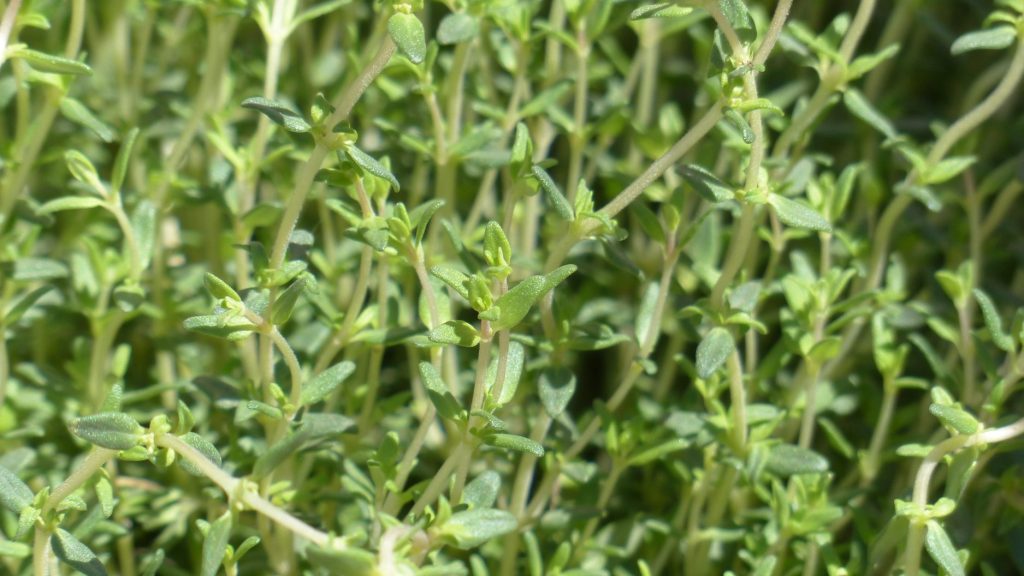
Best for: Dry, tickly coughs; chest congestion; bronchitis
Why thyme: Antispasmodic (stops cough reflex), expectorant (loosens mucus), antimicrobial
Recipe:
- 30g dried thyme (or 60g fresh)
- 500ml water
- 250ml honey
- Optional: 1 tablespoon lemon juice
Method: Infuse thyme 30 minutes, strain, add honey
Dose: 1 teaspoon every 2-3 hours for cough
2. Ginger-Lemon Throat Soother
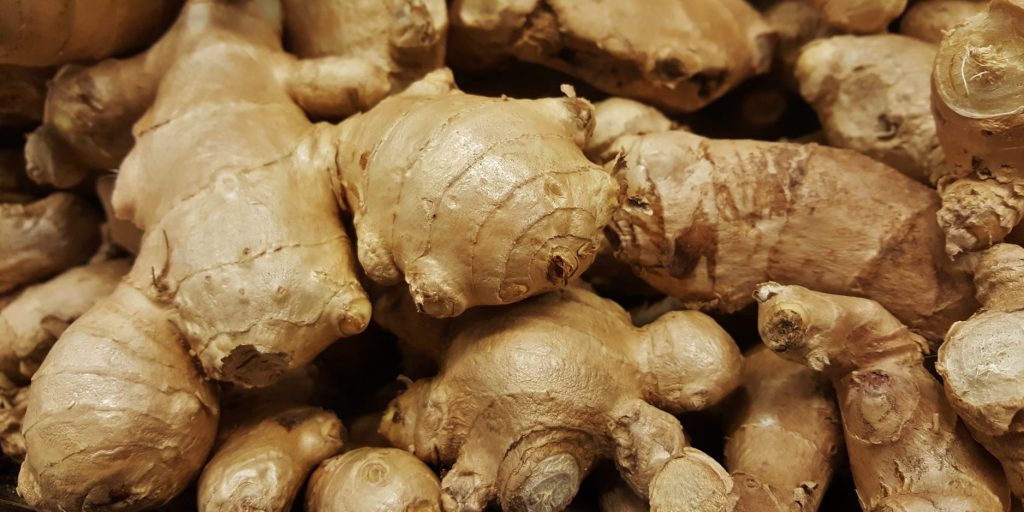
Best for: Sore throat, laryngitis, vocal strain
Why ginger: Anti-inflammatory, warming, antimicrobial; lemon adds vitamin C
Recipe:
- 50g fresh ginger (sliced)
- 2 lemons (zest and juice)
- 750ml water
- 400ml honey
Method: Simmer ginger and lemon zest 30 minutes, strain, add lemon juice and honey
Dose: 1 tablespoon as needed, slowly sipped
3. Liquorice Root Respiratory Syrup
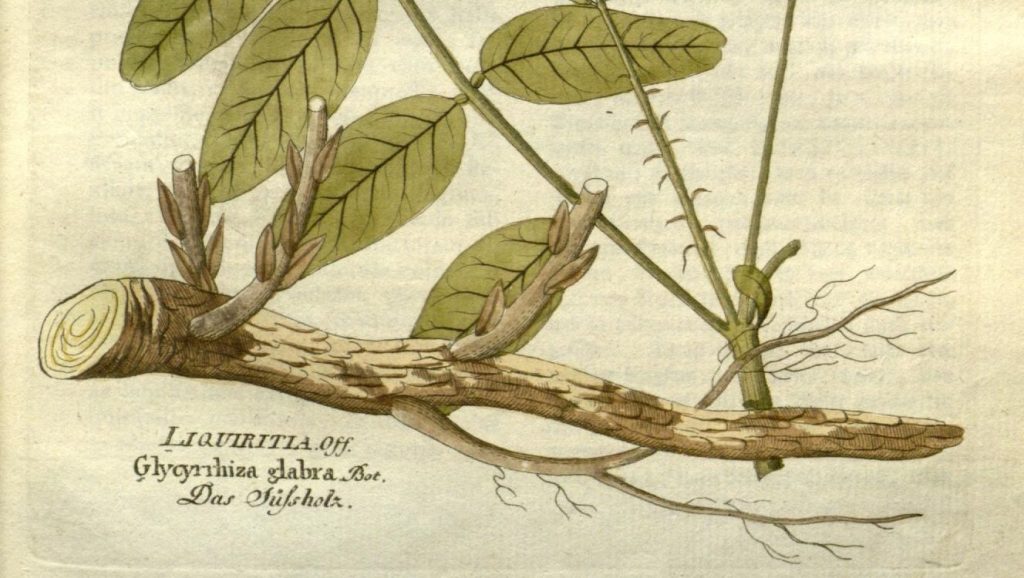
Best for: Dry cough, sore throat, lung irritation
Why licorice: Demulcent (extremely soothing), anti-inflammatory, antiviral, sweet (needs less honey!)
Recipe:
- 30g dried licorice root
- 500ml water
- 150-200ml honey (licorice is naturally very sweet)
Method: Decoct licorice 30 minutes, strain, add honey
Dose: 1 teaspoon 3-4 times daily
Caution: Not for people with high blood pressure or on certain medications. Short-term use only (2-3 weeks maximum).
4. Marshmallow Root Soothing Syrup
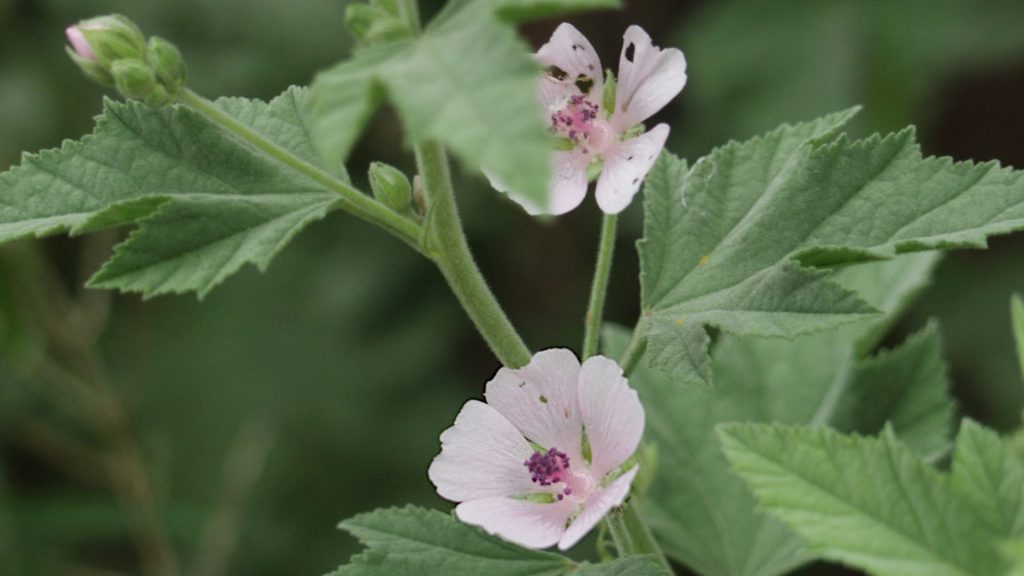
Best for: Dry, irritated coughs; sore throat; digestive upset
Why marshmallow: Extremely mucilaginous (coating, soothing), anti-inflammatory
Recipe:
- 40g dried marshmallow root
- 500ml cold water
- 250ml honey
Method:
- Cold infusion: Soak marshmallow in cold water overnight (8-12 hours)
- Strain (will be very thick and slimy—this is good!)
- Gently warm, add honey, stir
Dose: 1 tablespoon as needed for soothing
5. Pine Needle Vitamin C Syrup
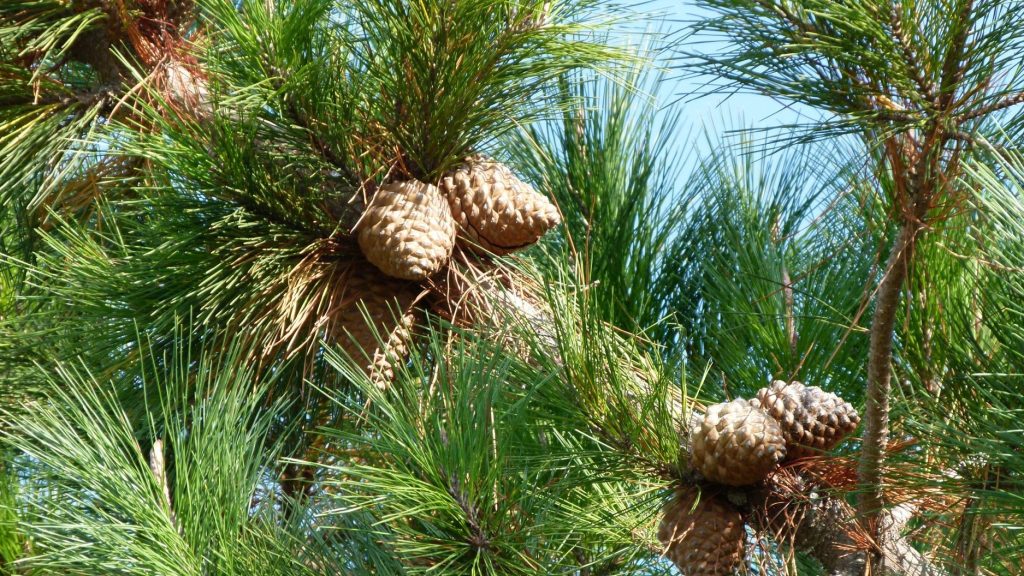
Best for: Winter immune support, vitamin C boost, respiratory health
Why pine: Very high vitamin C, antimicrobial, expectorant, FREE in NZ!
Recipe:
- 2 cups fresh pine needles (young green needles, finely chopped)
- 1 litre water
- 400-500ml honey
Method: Simmer pine needles gently 20-30 minutes (vitamin C degrades with too much heat), strain, add honey
Dose: 1 tablespoon daily
NZ foraging: Radiata pine works. Avoid yew (toxic—flat needles). Pine has clusters of needles.
Cost: FREE (foraged) + honey ($12-18)
Herbs Perfect for Syrups
Respiratory/Cough Herbs
Thyme (Thymus vulgaris): Antispasmodic, antimicrobial, expectorant
Mullein (Verbascum thapsus): Expectorant, soothing to lungs
Elecampane (Inula helenium): Strong expectorant, antimicrobial
Licorice (Glycyrrhiza glabra): Demulcent, anti-inflammatory, antiviral
Wild cherry bark (Prunus serotina): Cough suppressant, very soothing
Immune Support Herbs
Elderberry (Sambucus nigra): Antiviral, immune-modulating
Echinacea (Echinacea purpurea): Immune-stimulating, antimicrobial
Astragalus (Astragalus membranaceus): Immune-building (long-term use)
Ginger (Zingiber officinale): Antimicrobial, warming, circulatory
Soothing/Demulcent Herbs
Marshmallow (Althaea officinalis): Extremely soothing, coating
Slippery elm (Ulmus rubra): Very mucilaginous, healing
Plantain (Plantago major): Soothing, anti-inflammatory
Digestive Herbs (for digestive syrups)
Fennel (Foeniculum vulgare): Carminative, sweet flavour
Chamomile (Matricaria chamomilla): Calming, anti-inflammatory
Peppermint (Mentha × piperita): Digestive, flavour
Advanced Techniques
Reduced/Concentrated Syrups
Making extra-potent medicine by reducing liquid:
Process:
- Make standard decoction (1 litre)
- After straining, return to pot
- Simmer gently, uncovered
- Reduce by 50-75% (reduces 1 litre to 500ml or 250ml)
- Results in extremely concentrated herbal extraction
- Add sweetener as usual
Advantages: Very potent medicine, smaller doses needed
Best for: Expensive herbs (you get more medicine per gram), very bitter herbs (less volume to swallow), immune formulas for acute illness
Double Extraction Syrup
Combining water and alcohol extractions for herbs with both water and alcohol-soluble compounds:
Process:
- Make tincture first (alcohol extraction, 2-6 weeks)
- Make decoction with same herb type
- Combine decoction with sugar to make syrup base
- Once cooled, add 10-20% tincture by volume
- Mix well, bottle
Advantages: Extracts broader range of compounds, extends shelf life significantly
Best for: Adaptogens (astragalus, reishi), roots with complex chemistry
Oxymel Base
Using vinegar instead of (or in addition to) water:
Process:
- Instead of water-based extraction, use apple cider vinegar infusion (2-4 weeks) OR make regular decoction
- Combine equal parts infused vinegar and honey (creates oxymel)
- Shake well to fully incorporate
Advantages: Vinegar extracts minerals better than water, adds digestive-stimulating properties, distinctive tangy taste
Best for: Fire cider variations, digestive syrups, mineral-rich herbs (nettle, oatstraw)
Combining Fresh and Dried
Getting best of both worlds:
Process:
- Make decoction from dried roots/barks (30-45 min simmer)
- Remove from heat, add fresh or dried leaves/flowers
- Cover, steep 20-30 minutes
- Strain all, proceed with syrup-making
Advantages: Extracts tough materials thoroughly while preserving volatile oils from delicate parts
Best for: Complex formulas with multiple herb types
Budget-Friendly Syrups
Ultra-Low-Cost Elderberry Syrup ($3-5 per batch):
- Foraged elderberries: FREE (March-May in NZ)
- White sugar: $3-4/kg (makes multiple batches)
- Water: FREE
- Recycled bottle: FREE
Total: $3-5 per batch (makes 500ml, lasts 2-3 months refrigerated)
Free Herb Options:
Elderberries (foraged), pine needles (vitamin C), rosehips, blackberries, dandelion root (roasted for cough syrup).
This makes therapeutic syrups accessible regardless of budget.
Troubleshooting Common Issues
Problem: Syrup crystallises (sugar forms crystals)
Cause: Sugar concentration too high, or temperature fluctuations during storage.
Solution: Gently warm jar in hot water bath, stir to re-dissolve. Add tiny amount of water (1-2 teaspoons per cup) if needed. Still perfectly usable.
Problem: Mould forms on surface
Cause: Insufficient sugar concentration, contamination during bottling, or moisture introduced.
Solution: Discard immediately. Do not scrape off mould and use remainder—fungal contamination penetrates throughout. Next batch: use more sweetener, ensure complete dissolution, bottle into very clean jars.
Problem: Syrup ferments (bubbles, alcohol smell)
Cause: Yeast contamination, or diluted syrup (sugar concentration too low).
Solution: If caught early and smells/tastes okay, refrigerate and use quickly. If advanced fermentation, discard. Prevent by ensuring proper sugar concentration and clean bottles.
Problem: Too thick/too thin
Too thick: Warm gently, add small amount of water or tea, stir well.
Too thin: Return to pot, add more sugar or honey, heat to dissolve, test consistency.
Problem: Tastes too bitter despite sugar
Cause: Very bitter herbs, or too strong initial extraction.
Solution: Add more honey (honey masks bitterness better than sugar). Add complementary flavours: lemon, orange peel, cinnamon, vanilla. Or start over with less herb or shorter extraction time.
Problem: Separates into layers
Cause: Incomplete dissolution of sweetener.
Solution: Shake vigorously before each use. If doesn’t remix, warm gently and stir thoroughly to fully incorporate.
Safety Considerations
When Syrups Are Appropriate
Ideal uses:
- Coughs, sore throats, respiratory congestion (acute)
- Cold and flu support (acute and preventive)
- Children’s remedies (age-appropriate)
- Making bitter herbs palatable
- Short-term conditions (days to weeks)
Important Cautions
Honey and infants: Never give honey-based syrups to babies under 12 months—serious botulism risk.
Diabetes and blood sugar: Syrups contain significant sugar. People with diabetes should:
- Consult healthcare provider before using
- Monitor blood sugar carefully if approved to use
- Consider glycerite alternatives (glycerin-based, lower glycaemic)
- Account for syrup sugar in daily intake
Dental health: Sugar contact with teeth promotes cavities. Rinse mouth with water after taking syrup, especially before bed.
Dosing in children:
- Under 1 year: No honey syrups
- 1-3 years: ½ teaspoon doses
- 3-6 years: 1 teaspoon doses
- 6-12 years: 1-2 teaspoons
- 12+ years: Adult doses (1 tablespoon)
Herb-specific cautions: All cautions for the herbs themselves still apply:
- Liquorice: High blood pressure concerns
- Echinacea: Autoimmune condition concerns (theoretical)
- Thyme: Very strong for young children (dilute or reduce dose)
When to Seek Medical Attention
Stop using syrups and see healthcare provider if:
- Cough persists beyond 2-3 weeks
- Cough with blood or rust-coloured sputum
- High fever (>39°C) or fever lasting >3 days
- Difficulty breathing, chest pain
- Symptoms worsen despite treatment
- Child becomes lethargic, dehydrated, or shows respiratory distress
Herbal syrups support healing but don’t replace medical care for serious conditions.
Building Your Syrup Practice
Start simple: make the elderberry syrup above. It’s forgiving, tastes great, works well. Use it through cold season with your family.
Once comfortable, branch out. Try thyme cough syrup. Experiment with ginger-lemon-honey for sore throats. Create custom blends for your family’s needs.
Keep Notes on What You Make:
- Date, herbs used, amounts
- How it turned out
- How it tasted
- How well it worked
- What you’d change next time
Syrups bridge the gap between “medicine” and “treat”—they make herbalism accessible, especially for children. There’s something deeply satisfying about soothing a child’s cough with syrup you made from elderberries you harvested. It’s practical magic.
NZ Sourcing
Dried Herbs:
- Lotus Oils NZ (lotusoils.co.nz): Comprehensive selection
- Cottage Hill Herbs (cottagehill.co.nz): Organic/wildcrafted, $12-28/50g
- Herbshop NZ (herbshop.co.nz): Organic focus, $15-30/50g
- Go Native NZ (gonative.co.nz): Native plants
Honey:
- Supermarkets: $8-15/500g (clover, multiflora)
- Local beekeepers: $12-25/kg (support local!)
- Farmers’ markets: Various local honeys
Sugar:
- Supermarkets: $2-4/kg (white or raw)
Bottles:
- Recycle glass bottles (FREE)
- Spotlight, Kmart: $2-5 per bottle
- Online suppliers
Sources & Further Reading
Books:
- Green, J. (2000). The Herbal Medicine-Maker’s Handbook: A Home Manual. Crossing Press.
- Gladstar, R. (2012). Rosemary Gladstar’s Medicinal Herbs: A Beginner’s Guide. Storey Publishing.
New Zealand Resources:
- Brooker, S. G., Cambie, R. C., & Cooper, R. C. (1987). New Zealand Medicinal Plants. Heinemann.
- Local herbalists and herb suppliers for native plant guidance
References
- Bone, K., & Mills, S. (2013). Principles and practice of phytotherapy: Modern herbal medicine (2nd ed.). Churchill Livingstone.
- Chevallier, A. (2016). Encyclopedia of herbal medicine (3rd ed.). Dorling Kindersley.
- Gladstar, R. (2012). Rosemary Gladstar’s Medicinal Herbs: A Beginner’s Guide. Storey Publishing.
- Green, J. (2000). The Herbal Medicine-Maker’s Handbook: A Home Manual. Crossing Press.
- Grieve, M. (1931). A modern herbal. Dover Publications.
- Hoffmann, D. (2003). Medical Herbalism: The Science and Practice of Herbal Medicine. Healing Arts Press.
Disclaimer: Does not represent rongoā Māori methods. For rongoā knowledge, consult Te Paepae Motuhake.
Medical Disclaimer: This guide is for educational purposes only and is not medical advice. Herbal syrups are appropriate for minor, self-limiting conditions. Never give honey to infants under 12 months. If you have diabetes, are pregnant, nursing, taking medications, or have chronic health conditions, consult healthcare providers before using herbal preparations. Always seek medical attention for serious respiratory conditions, persistent symptoms, or high fevers. The information about plant constituents and traditional uses is educational in nature.
Note on Pricing: All prices mentioned in this guide are approximate and based on New Zealand suppliers as of December 2025. Prices vary by supplier, season, and market conditions. We recommend checking current prices with your local suppliers.
 The Public Herbarium