Making Herbal Infusions & Decoctions: Your Complete Beginner’s Guide
Water extractions (teas) are the simplest, most accessible herbal preparations. Free/low-cost (herbs + water), immediate results, foundational skill.
What This Guide Will Teach You
Water is humanity’s original medicine—heating plants in water to extract their healing properties is perhaps the oldest form of herbalism, practiced for tens of thousands of years across every culture. Whether you call it tea, tisane, infusion, or decoction, the principle is simple: hot water unlocks water-soluble compounds from plants, creating safe, effective medicine.
This guide will teach you two fundamental water extraction methods—infusions for delicate plant parts like leaves and flowers, and decoctions for tough materials like roots and barks. You’ll learn why temperature and time matter, which herbs suit which method, and how to make both quick cups of tea and powerful overnight mineral tonics. By the end, you’ll understand water extraction deeply enough to make informed decisions about every cup of herbal tea you prepare.
Understanding the Two Methods
Infusions: Steeping Delicate Parts
What it is: Pouring hot water over herbs and letting them steep, covered, without continued heating.
Best for: Leaves, flowers, delicate berries, aromatic seeds
Why: These plant parts have thin cell walls and contain compounds (like volatile oils) that would be damaged or lost with prolonged heating.
Think of it as: Making regular tea, but steeping longer for medicine
Decoctions: Simmering Tough Parts
What it is: Simmering herbs in water over heat for 20-45 minutes to break down tough plant material.
Best for: Roots, barks, hard berries, tough seeds, woody mushrooms
Why: These dense materials have lignified (woody) cell walls that require sustained heat to break down and release their compounds.
Think of it as: Making a vegetable stock, extracting everything from tough plant material
The Science Behind Water Extraction
Understanding what’s happening chemically helps you make better herbal preparations.
Why Water Works
Polarity: Water is a polar molecule—it has slightly negative charge on the oxygen end and slightly positive charge on the hydrogen ends. This makes it excellent at dissolving other polar (charged) compounds through electrical attraction.
Hydrogen bonding: Water forms hydrogen bonds with molecules containing oxygen or nitrogen, allowing it to surround and dissolve many plant compounds.
What water extracts well:
Minerals: Potassium, calcium, magnesium, iron (ionic compounds)
Water-soluble vitamins: Vitamin C, B-complex vitamins
Polysaccharides: Including mucilage (soothing compounds), starches, inulin (prebiotic fibre)
Tannins: Astringent polyphenolic compounds
Flavonoids and other phenolics: Many antioxidants
Some alkaloids: Depending on their structure and the pH
What water doesn’t extract well:
Resins: Very lipophilic (fat-loving), require alcohol or oil
Essential oils: Somewhat extract but easily lost to evaporation
Fat-soluble vitamins: A, D, E, K require oil extraction
Waxes and very lipophilic compounds: Need non-polar solvents
The Role of Heat
Heat increases extraction through multiple mechanisms:
Increased molecular motion: Hot water molecules move faster, colliding with plant material more frequently and forcefully
Cell wall disruption: Heat helps break down cellulose and other structural components
Increased solubility: Most compounds become more soluble as temperature rises
Faster diffusion: Compounds move from plant cells into water more quickly
Temperature considerations:
85-95°C (just below boiling): Ideal for delicate flowers and aromatic leaves—preserves volatile oils
100°C (boiling): Good for standard leaf/flower infusions—maximises extraction
Simmering (95-98°C): Perfect for decoctions—sustained heat without violent boiling
What heat can damage:
Volatile oils: Evaporate with steam above 80-90°C
Vitamin C: Degrades with prolonged heating
Some delicate polyphenols: May oxidise with extended high heat
Mucilage: Very prolonged heating can break down these soothing polysaccharides
The Critical Importance of Covering
When you steep an infusion uncovered, you lose medicine with the steam.
What happens: Volatile (easily evaporated) compounds—primarily essential oil components— and escape with steam. These often include the most aromatic and therapeutically valuable compounds.
The solution: Always cover infusions. The volatile compounds condense on the lid and drip back into your tea, preserving the full therapeutic profile.
Visual cue: If you’ve ever noticed droplets on the underside of a pot lid while cooking, that’s condensation. Same principle—those droplets in your tea lid contain medicine.
Why this matters in your daily life:
If you’ve ever wondered why your homemade peppermint tea doesn’t smell as strong as fresh peppermint leaves, or why it doesn’t seem to help your digestion as much as you’d hoped, uncovered steeping is often the culprit. The menthol and other volatile oils that relax your digestive tract literally evaporate into your kitchen air instead of staying in your cup.
Simply covering your mug with a small plate while your tea steeps can double the aromatic compounds that reach your body—meaning noticeably better digestive relief, deeper relaxation, or stronger antimicrobial effects, depending on which herb you’re using. It’s the simplest way to make your herbal medicine significantly more effective, and it costs nothing.
Making Infusions: Step-by-Step
Basic Hot Infusion (Standard Medicinal Tea)
What you need:
- Dried herbs: 1-2 teaspoons per cup (more for larger leaves, less for
dense flowers) - Fresh herbs: 2-4 teaspoons per cup (more volume needed due to water
content) - Freshly boiled water
- Teapot, mason jar, or mug with lid/plate
- Strainer
The process:
Step 1: Measure herbs
Place herbs in your vessel. For:
- Light, fluffy herbs (mint, lemon balm): 2 teaspoons dried
- Dense flowers (chamomile): 1 heaping teaspoon
- Large-leaf herbs (nettle): 1-2 tablespoons
Step 2: Add just-boiled water
Pour water that’s just come off the boil over your herbs. For very delicate flowers (lavender, rose), you can let water cool 1-2 minutes first.
Ensure herbs are completely submerged.
Step 3: Cover immediately
Place lid on teapot/jar. If using a mug, cover with a small plate or saucer. This is non-negotiable for aromatic herbs.
Step 4: Steep
Quick sipping tea: 5-10 minutes Standard medicinal tea: 15-20 minutes Strong medicinal infusion: 30 minutes to 1 hour
Longer steeping = stronger flavour and more extracted compounds, but also potentially more bitterness from tannins.
Step 5: Strain and drink
Pour through strainer, pressing herbs gently to extract all liquid. Drink warm, or let cool and refrigerate (use within 48 hours).
Dosing: 1-3 cups daily for most herbs, depending on therapeutic intent.
Overnight Infusion (Nourishing Mineral Extraction)
This method maximises mineral extraction from nutrient-dense herbs.
What you need:
- Large volume dried herbs: 25-30g (about 1 cup loosely packed)
- 1 litre freshly boiled water
- 1-litre mason jar with lid
- Strainer
The process:
Step 1: Place herbs in jar Step 2: Fill with boiling water, leaving 2-3cm headspace Step 3: Seal tightly with lid Step 4: Let stand 4-8 hours or overnight at room temperature Step 5: Strain (herbs will have absorbed significant water) Step 6: Drink within 24-48 hours, refrigerated
Best herbs for overnight infusions:
- Nettle (minerals)
- Oatstraw (silica, calcium, magnesium)
- Red clover (isoflavones, minerals)
- Horsetail (silica—use less, 10g per litre)
Why this works: Extended contact time in hot (then cooling) water maximises extraction of minerals bound in cell walls. The resulting tea is deeply nourishing and mineral-rich.
Cold Infusion (For Mucilaginous Herbs)
Some herbs benefit from cold extraction to preserve delicate mucilage.
What you need:
- Herbs: 1-2 tablespoons per cup
- Room temperature or cold water
- Jar with lid
The process:
Step 1: Place herbs in jar
Step 2: Cover with cold/room temperature water
Step 3: Seal and let sit 4-8 hours (or overnight) Step 4: Strain and use immediately
Best herbs for cold infusion:
- Marshmallow root (mucilage for sore throat, digestive soothing)
- Slippery elm bark (mucilage)
- Chia seeds (mucilage)
Why cold: Heat can break down long-chain mucilaginous polysaccharides. Cold extraction preserves them intact, giving you maximum soothing, coating properties.
Making Decoctions: Step-by-Step
Basic Decoction (For Roots and Barks)
What you need:
- Dried roots/barks: 1-2 tablespoons per cup of water
- Water
- Pot with lid
- Strainer
The process:
Step 1: Prepare herbs
Chop or break larger roots/barks into smaller pieces—increases surface area for better extraction.
Step 2: Add to cold water
Place herbs and water in pot. Starting with cold water allows gradual extraction as temperature rises.
Ratio: 1-2 tablespoons herb per cup water, or for larger batches, 30-60g herb per litre.
Step 3: Bring to boil
Heat uncovered until water reaches rolling boil.
Step 4: Reduce to simmer, cover
Reduce heat to maintain gentle simmer (small bubbles, not vigorous boiling). Place lid on pot, leaving slight gap for steam to escape.
Why not fully covered: Prevents boil-over while minimising evaporation.
Step 5: Simmer
Standard roots: 20-30 minutes Very dense/hard materials (chaga, some barks): 45-60 minutes Delicate roots (fresh ginger): 15-20 minutes
Step 6: Strain
Remove from heat, let cool slightly, strain through fine-mesh strainer. Press herbs to extract all liquid.
Step 7: Use or store
Drink warm, or refrigerate and use within 2-3 days.
Dosing: 1-3 cups daily, depending on herb and condition.
Combined Infusion-Decoction (For Mixed Herb Formulas)
When your formula contains both roots and leaves/flowers:
Method:
- Make decoction with roots/barks as described above
- After simmering, remove from heat
- Add leaves/flowers directly to hot decoction
- Cover and steep 15-20 minutes
- Strain all herbs together
This method gives you proper extraction from both tough and delicate parts without over-cooking leaves/flowers.
Your First Projects
Project 1: Peppermint Digestive Tea (Simple Infusion)
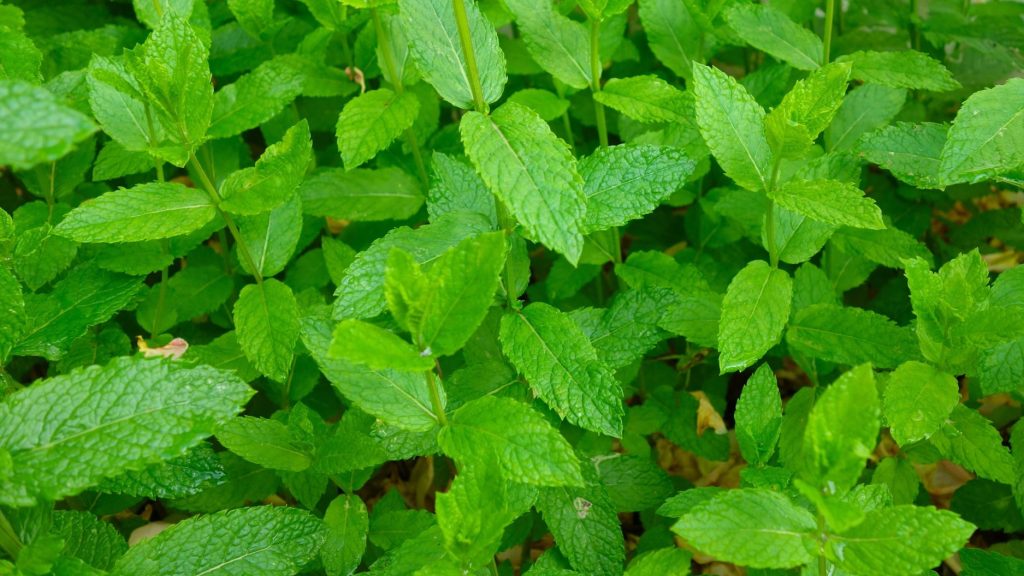
Why peppermint?
Peppermint (Mentha × piperita) contains menthol and other volatile oils that:
- Relax smooth muscle in digestive tract (reduces cramping, bloating)
- Stimulate bile flow (supports fat digestion)
- Provide pleasant, cooling sensation
What you need:
- 2 teaspoons dried peppermint leaves (or 2 tablespoons fresh)
- 1 cup just-boiled water
- Mug with lid or small plate
How to make:
- Place peppermint in mug
- Pour boiling water over
- Cover immediately (essential—menthol evaporates easily!)
- Steep 10 minutes
- Strain and sip slowly
When to use: After meals for digestive comfort, or anytime for refreshment.
Cost (NZ):
- Dried peppermint: $8-12/50g (makes 25+ cups)
- Cost per cup: $0.30-0.50
- Grow your own: Nearly free (peppermint grows vigorously)
Project 2: Ginger-Turmeric Immune Decoction
Why these roots?
Ginger (Zingiber officinale):
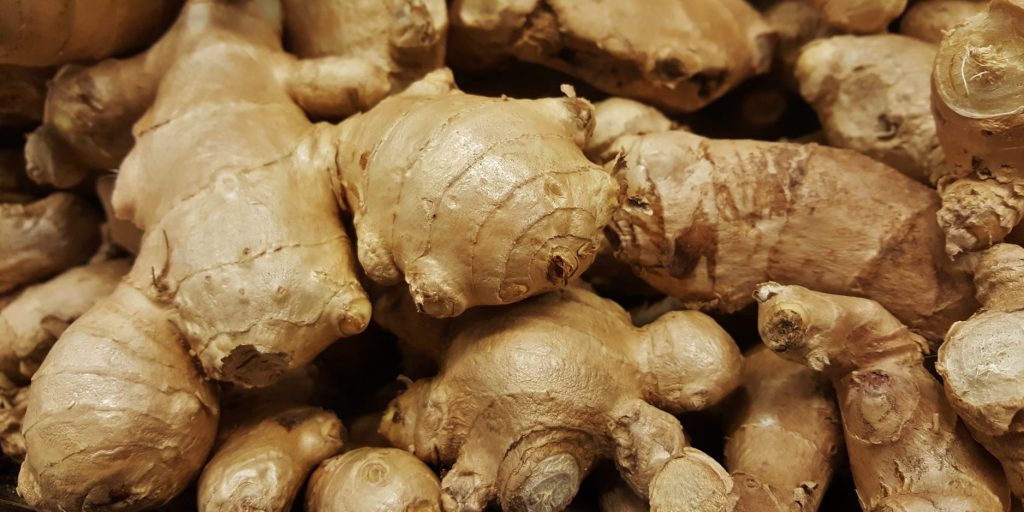
- Anti-inflammatory (gingerols, shogaols)
- Circulatory stimulant
- Antimicrobial
- Supports immune response
Turmeric (Curcuma longa):
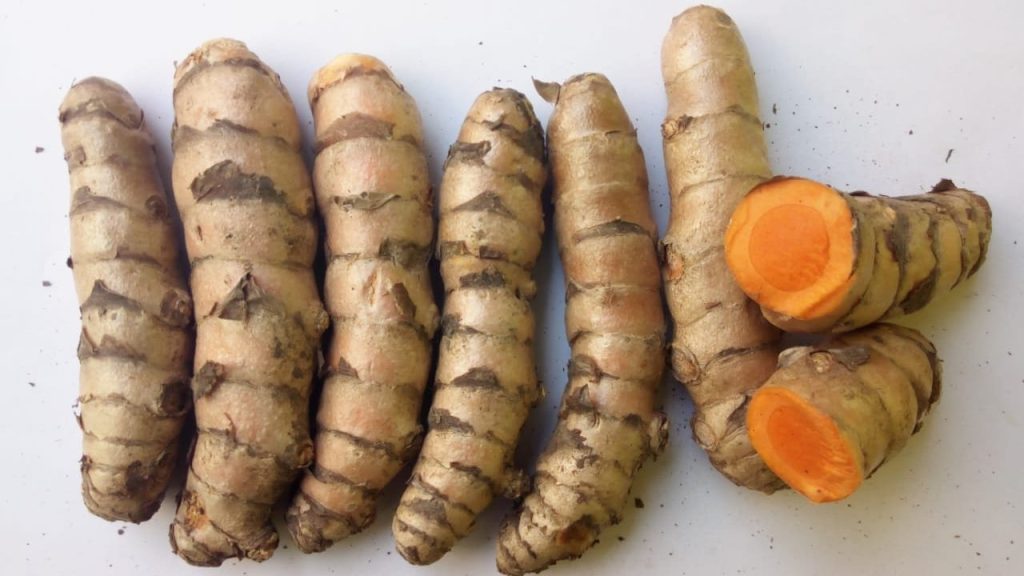
- Potent anti-inflammatory (curcumin)
- Antioxidant
- Immune-modulating
What you need:
- 2 tablespoons fresh ginger root, sliced (or 1 tablespoon dried)
- 1 tablespoon fresh turmeric root, sliced (or 1 teaspoon dried)
- 3 cups water
- Small pot with lid
- Strainer
- Optional: black pepper (enhances curcumin absorption), honey, lemon
How to make:
- Place ginger and turmeric in pot with cold water
- Bring to boil
- Reduce to simmer, cover partially
- Simmer 20 minutes
- Remove from heat, strain
- Add pinch of black pepper, honey and lemon to taste
When to use: Daily during cold/flu season, or at first sign of illness.
Cost (NZ):
- Fresh ginger: $15-25/kg (about $0.50 per use)
- Fresh turmeric: $25-40/kg (about $0.40 per use)
- Dried alternatives: $10-15/100g (lasts longer, slightly less per
use) - Cost per pot: $1-2
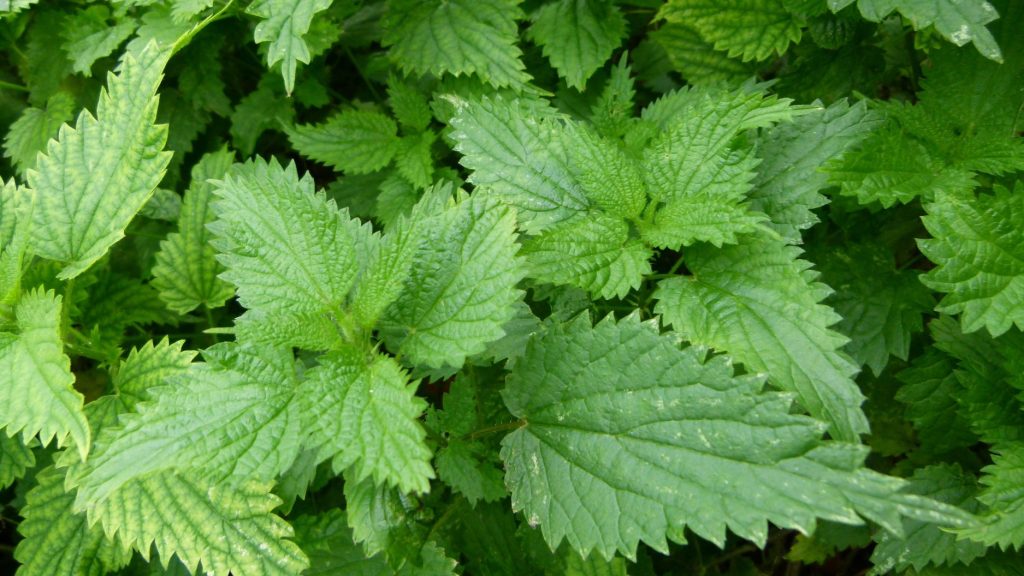
Project 3: Nettle Overnight Mineral Infusion
Why nettle?
Covered in the vinegar guide—extremely mineral-rich. Water extracts these minerals well with extended steeping.
What you need:
- 25g (about 1 cup) dried nettle leaves
- 1 litre boiling water
- 1-litre mason jar with lid
How to make:
- Place nettle in jar
- Fill with boiling water
- Seal tightly
- Let stand overnight (8 hours)
- Strain in morning
- Refrigerate, drink throughout day
Taste: Rich, slightly salty-mineral, earthy. Many people find it surprisingly pleasant, especially chilled.
Usage: 1-3 cups daily for mineral support, energy, nutritive tonic.
Cost (NZ):
- Dried nettle: $10-18/50g
- Cost per litre: $5-9 (provides 3-4 servings
Where to Source Your Materials in New Zealand
Dried Herbs
Online NZ Suppliers:
- Cottage Hill Herbs (cottagehill.co.nz): Wide range of organic and wildcrafted herbs, $12-28/50g depending on herb
- Herbshop NZ (herbshop.co.nz): Organic focus, $15-30/50g
- Go Native NZ (gonative.co.nz): Native and naturalised plants, cultivation and general information
- Lotus Oils NZ (lotisoils.co.nz): Some dried herbs alongside essential oils
Physical Stores:
- Bin Inn: Bulk bins, good selection, reasonable prices
- Commonsense Organics (Wellington, Auckland): Organic bulk herbs
- Harvest Wholefoods (multiple locations): Quality dried herbs
- Local health food stores: Most stock common herbs like chamomile, peppermint, nettle
Typical NZ Pricing:
- Common herbs (chamomile, peppermint, nettle): $12-18/50g
- Specialty herbs (astragalus, reishi): $20-35/50g
- Bulk purchases (100g+): Often 10-20% cheaper per gram
Growing Your Own (Most Economical):
Many herbs are easy to grow in NZ conditions:
- Mint: Perennial, spreads vigorously, grows in all NZ climate zones
- Lemon balm: Perennial, self-seeds readily, tolerates NZ winters well
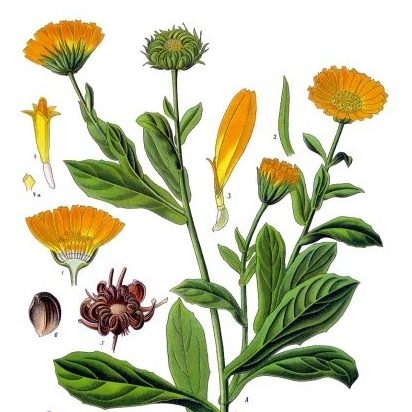
- Calendula: Annual flower, easy from seed. Sow in autumn (March-April) or spring (September-October)
- Chamomile: Self-seeds readily, prefers cooler weather (ideal for spring and autumn)
- Nettle: Grows wild throughout NZ (harvest carefully with gloves!)
For Seeds and Plants:
- Kings Seeds (kings.co.nz): Comprehensive herb seed range
- Local garden centres: Spring planting stock (September-November)
- Oderings, Palmers, Mitre 10: Seasonal herb plants
Wild Foraging in NZ:
With proper identification, permission, and sustainable practices:
- Nettle (Urtica ferox is native and stings severely—learn the difference from European nettle!): Waste areas, forest edges
- Plantain (Plantago species): Lawns, paths, waste areas throughout NZ
- Dandelion (Taraxacum officinale): Naturalised everywhere
Important NZ foraging considerations:
- Avoid sprayed areas (parks, roadsides, council land often sprayed)
- DOC land: Check regulations, some plants protected
- Private property: Always get permission
- Native plants: Leave wild populations undisturbed, grow your own instead
- Sustainable harvesting: Take no more than 10% of a population
- Proper identification: 100% certainty required—mistakes can be dangerous
Fresh Herbs
- Your garden: Most economical
- Farmers’ markets: Seasonal availability
- Supermarkets: Common culinary herbs year-round
- Wild foraging: Free with knowledge and care
Equipment
Essential (Start Here):
- Mug or jar with lid: $0-5 (or use what you have)
- Fine-mesh strainer: $10-20 at Briscoes, Kmart, homeware stores
- Measuring spoons: $5-10 (or use kitchen teaspoons/tablespoons)
Nice to Have:
- Teapot with built-in infuser: $15-40 at homeware stores
- Mason jars (500ml-1L): $2-5 each at Warehouse, Briscoes—perfect for overnight infusions
- Tea infuser ball or basket: $8-15 for reusable options
For Decoctions Only:
- Small saucepan with lid: Any standard saucepan you already own works perfectly
- Timer: Use your phone or kitchen timer
Optional Upgrades:
- Glass teapot (lets you watch the colour develop): $25-50
- Electric kettle with temperature control: $50-100 (useful for precise temperatures)
Specific Herbs and Their Best Method
Infusion Herbs (Leaves and Flowers)
Peppermint (Mentha × piperita):
- Digestive support, IBS symptoms
- 10-minute infusion, must cover
- Very aromatic, lost easily without lid
Chamomile (Matricaria chamomilla):
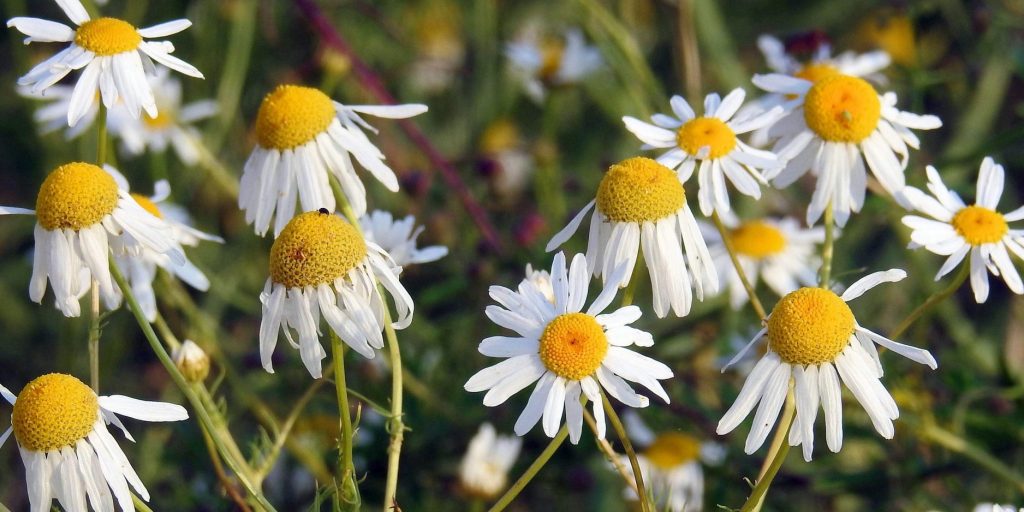
- Relaxation, sleep support, digestive soothing
- 10-15 minute infusion
- Gentle, safe for children
Lemon balm (Melissa officinalis):

- Anxiety, restlessness, digestive support
- 10-15 minute infusion, cover well
- Delicate citrus aroma
Nettle (Urtica dioica):
- Minerals, allergies, energy
- Overnight infusion for minerals, or 20-30 minute hot infusion
- Nutrient powerhouse
Calendula (Calendula officinalis):
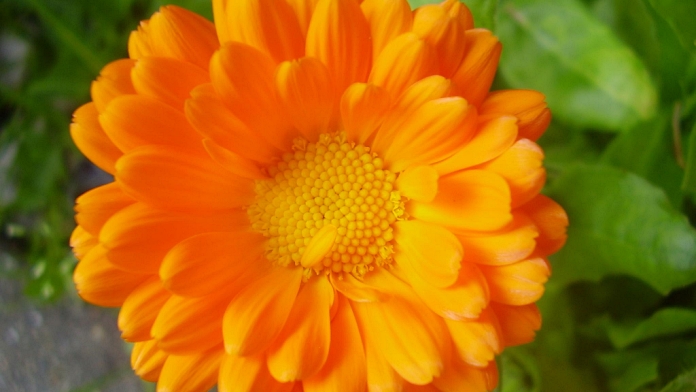
- Lymphatic support, wound healing (internal and external)
- 15-20 minute infusion
- Flowers turn water golden
Red clover (Trifolium pratense):
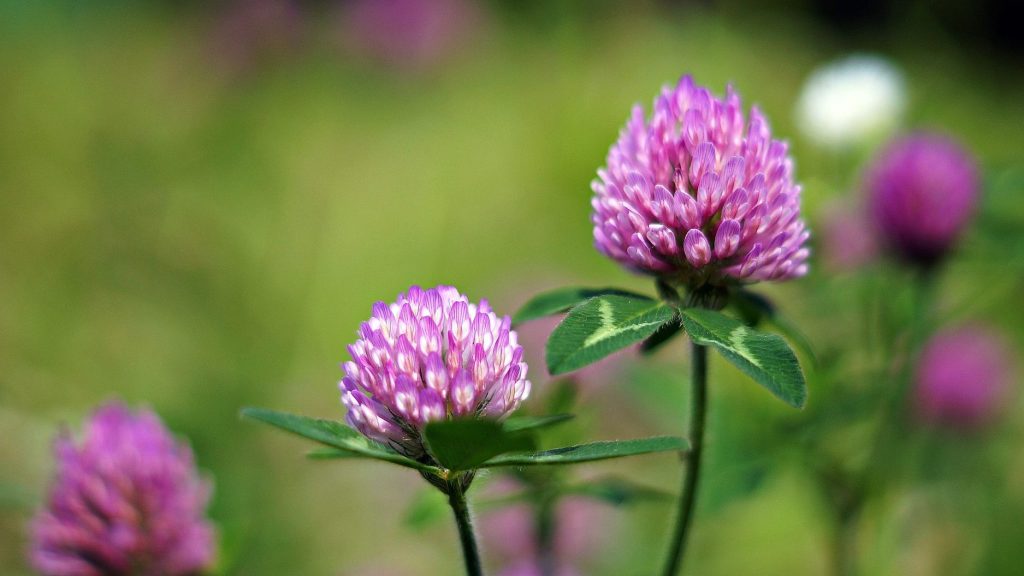
- Hormonal balance, bone health, skin health
- 30-minute to overnight infusion
- Gentle, pleasant taste
Decoction Herbs (Roots, Barks, Hard Materials)
Ginger (Zingiber officinale):
- Digestion, nausea, circulation, inflammation
- 15-20 minute decoction
- Warming, spicy
Dandelion root (Taraxacum officinale):
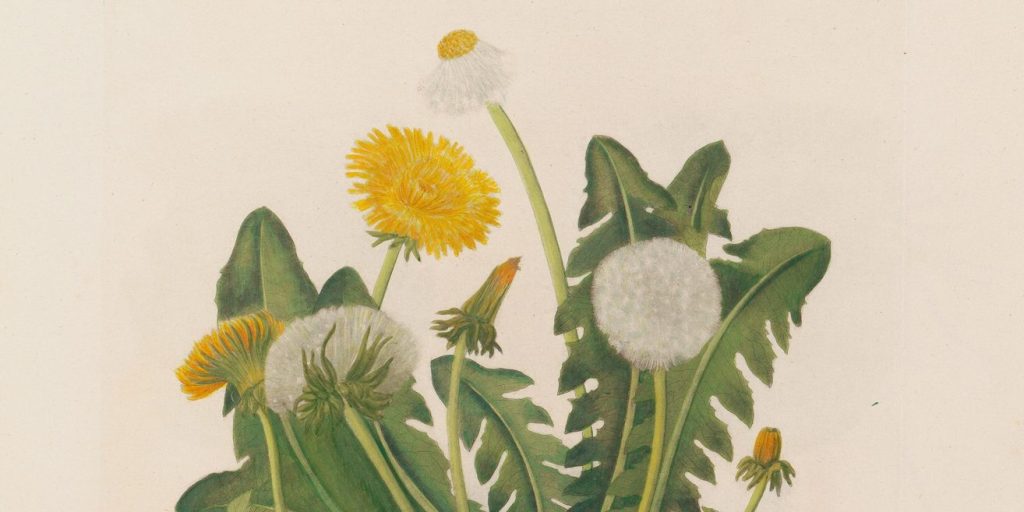
- Liver support, digestion, bitter tonic
- 20-30 minute decoction
- Earthy, slightly bitter
Burdock root (Arctium lappa):
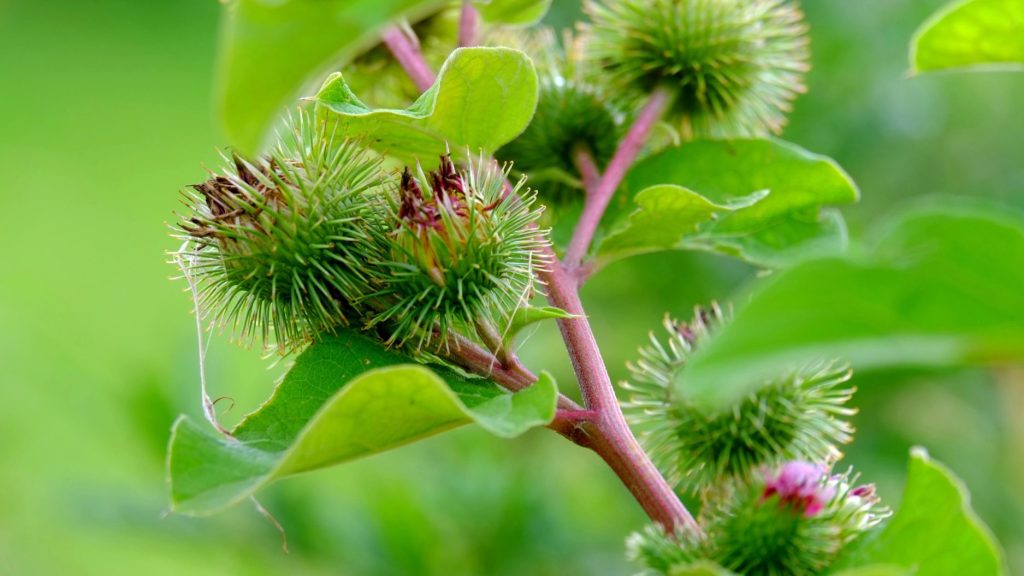
- Blood purification, skin health, prebiotic
- 30-40 minute decoction
- Sweet, earthy
Cinnamon (Cinnamomum spp.):
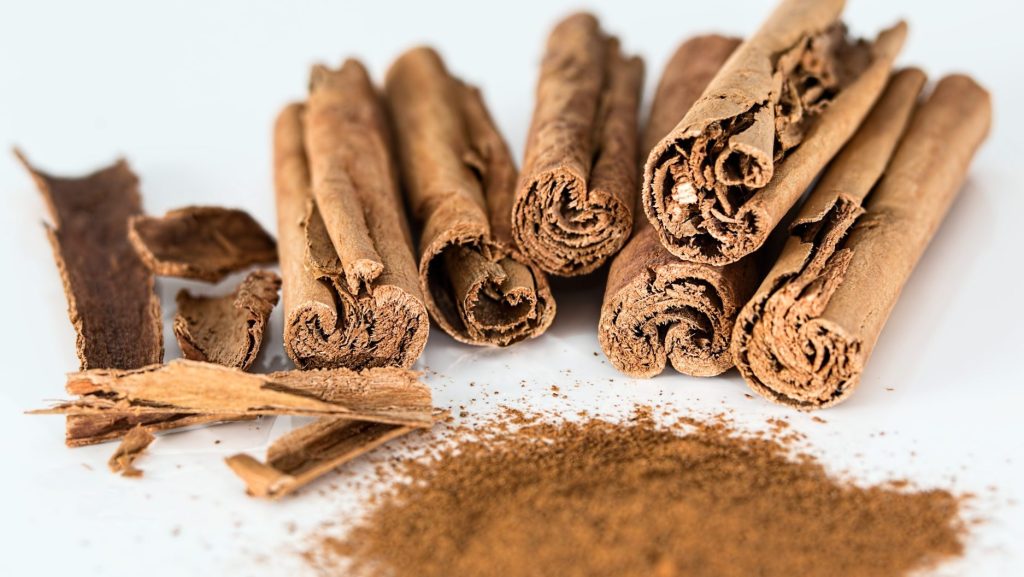
- Blood sugar regulation, circulation, antimicrobial
- 20 minute decoction
- Sweet, spicy, aromatic
Astragalus (Astragalus membranaceus):
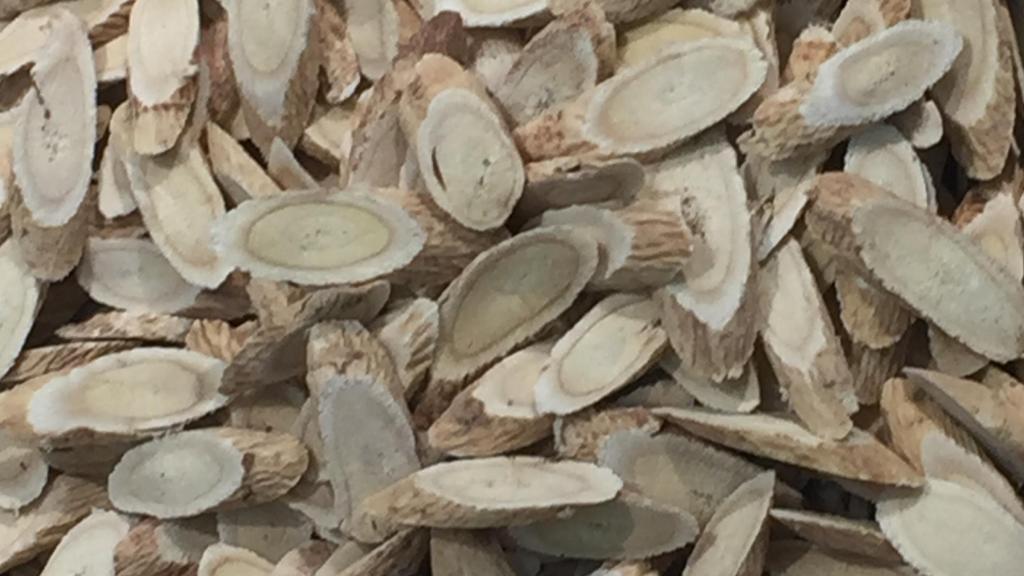
- Immune support, adaptogenic
- 30-45 minute decoction
- Mild, slightly sweet
Reishi mushroom (Ganoderma lucidum):
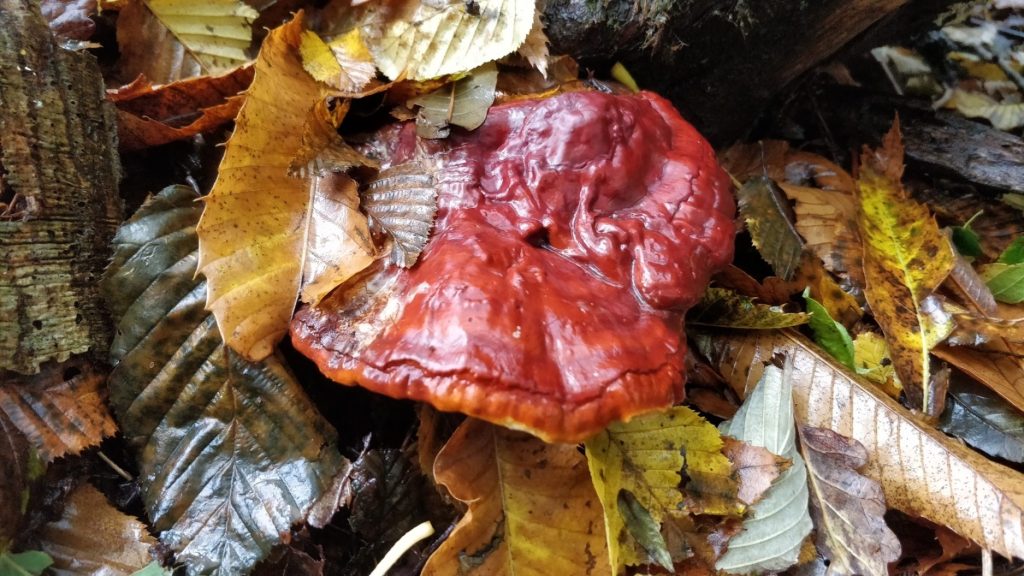
- Immune support, stress adaptation, sleep
- 60+ minute decoction (or double decoction)
- Bitter, earthy
Troubleshooting Common Issues
Problem: Tea is weak, barely tastes like herbs
Cause: Not enough herb, not enough time, or water not hot enough
Solution: Use more herb (don’t be shy—medicinal teas use more than flavoured tea), steep longer (15-30 minutes for infusions), ensure water is actually boiling.
Problem: Tea is extremely bitter, hard to drink
Cause: Too many tannins (over-extracted), or naturally bitter herbs
Solution: Reduce steeping time slightly, or add sweetener (honey, stevia). Some herbs (dandelion root, gentian) are meant to be bitter—their bitterness is therapeutic.
Problem: Tea smells amazing while brewing but loses scent after steeping
Cause: Not covering—volatile oils escaped with steam
Solution: Always cover when steeping aromatic herbs. Those oils contain medicine.
Problem: Tea develops mold or off smell
Cause: Left at room temperature too long
Solution: Infusions last 12-24 hours at room temp, 48-72 hours refrigerated. Make fresh batches or store in fridge.
Problem: Roots/barks aren’t softening even after long simmering
Cause: They’re very dense, or pieces too large
Solution: Chop smaller before decocting, or simmer longer (up to 60 minutes for very hard materials like chaga mushroom).
Safety Considerations
Proper identification: Only use herbs you’ve identified with 100% certainty or purchased from reputable sources. Misidentification can be dangerous.
Allergies: Start with small amounts of new herbs. Discontinue if rash, itching, or digestive upset occurs.
Medication interactions: Many herbs interact with medications:
- St. John’s wort: Multiple drug interactions
- Liquorice: Affects blood pressure medications
- Nettle: May interact with diabetes medications
- Always research or consult healthcare provider
Pregnancy and nursing: Many herbs are contraindicated. Consult midwife or herbalist before using medicinal amounts.
Children: Most mild herbs (chamomile, peppermint, lemon balm) are safe in appropriate doses. Avoid bitter, stimulating, or very aromatic herbs for young children.
Shelf life:
- Room temperature: 12-24 hours maximum
- Refrigerated: 2-3 days
- Discard if smells off or shows mold
When to seek medical care:
Herbal teas can support general health and minor, self-limiting conditions, but they are not substitutes for medical care. Seek immediate medical attention if you experience:
- Severe or worsening pain (chest, abdominal, head)
- Blood in stool or vomit
- Difficulty breathing or severe shortness of breath
- Signs of allergic reaction: severe rash, swelling of face/throat, difficulty swallowing
- Symptoms lasting more than 2 weeks without improvement
- Unexplained weight loss or persistent fatigue
- High fever (above 39°C) or fever lasting more than 3 days
Consult your healthcare provider before using medicinal herbs if you:
- Are pregnant or breastfeeding
- Have diagnosed chronic conditions (diabetes, heart disease, autoimmune disorders, kidney/liver disease)
- Take prescription medications (many herbs interact with medications)
- Are preparing for surgery (some herbs affect blood clotting)
- Have a history of severe allergies
Work with your healthcare provider: If you have an ongoing health condition, view herbs as complementary support, not replacement for medical care. Inform your doctor about all herbs you’re using.
Building Your Tea Practice
Start simple. Make single-herb teas. Notice how they taste, how they make you feel, how your body responds. Peppermint for digestion. Chamomile for relaxation. Nettle for energy and minerals.
Then combine herbs. Create blends for specific purposes. Experiment with ratios. Adjust steeping times. Discover what works for your body.
As you gain experience, you’ll develop intuition about methods and timing. You’ll know when to infuse versus decoct, how long to steep for your desired strength, which herbs combine beautifully.
Water-based herbal preparations are the most accessible form of herbalism—safe, affordable, effective, and ancient. Every cup connects you to thousands of years of healing tradition while providing genuine therapeutic support for modern life.
Sources & Further Reading
Books:
- Green, J. (2000). The Herbal Medicine-Maker’s Handbook: A Home Manual. Crossing Press.
- Gladstar, R. (2012). Rosemary Gladstar’s Medicinal Herbs: A Beginner’s Guide. Storey Publishing.
- Marcin, M. M. (1993). The Herbal Tea Garden: Planning, Planting, Harvesting & Brewing. Storey Publishing.
Scientific Literature:
- McKay, D. L., & Blumberg, J. B. (2006). A review of the bioactivity
and potential health benefits of peppermint tea (Mentha piperita L.). Phytotherapy Research, 20(8), 619-633. - Srivastava, J. K., Shankar, E., & Gupta, S. (2010). Chamomile: A
herbal medicine of the past with bright future. Molecular Medicine Reports, 3(6), 895-901.
New Zealand Resources:
- Local herb suppliers and nurseries
- Community gardens for growing herbs
- Wild foraging guides specific to NZ
Disclaimer: Does not represent rongoā Māori methods. For rongoā knowledge, consult Te Paepae Motuhake.
Medical Disclaimer: This guide is for educational purposes only and is not medical advice. Herbal teas are appropriate for supporting general health and minor, self-limiting conditions. If you are pregnant, nursing, taking medications, or have chronic health conditions, seek guidance from a qualified health practitioner before using herbs medicinally. Properly identify all plants. The information about plant constituents and traditional uses is educational in nature.
Note on Pricing: All prices mentioned in this guide are approximate and based on New Zealand suppliers as of December 2025. Prices vary by supplier, season, and market conditions. We recommend checking current prices with your local suppliers.
 The Public Herbarium