
Making Herbal Glycerites: Your Complete Beginner’s Guide
Glycerites are alcohol-free (safe for children/pregnancy/those avoiding alcohol), sweet-tasting (highly palatable), extract some constituents alcohol can’t, shelf-stable (1-2 years). DIY $10-15/500ml vs. commercial $25-45/100ml.
What is a Glycerite?
A glycerite is a sweet, syrupy herbal extract made using vegetable glycerin instead of alcohol. Think of it as a gentler cousin to tinctures – it pulls beneficial compounds from herbs but without any alcohol content. The result is a sweet-tasting liquid medicine that’s perfect for children, people avoiding alcohol, or anyone who finds alcohol-based tinctures too harsh.
Glycerin (also called glycerol) is a thick, sweet liquid derived from plant oils. It’s completely natural, safe to consume, and has been used in herbal medicine and food preparation for centuries. You’ve probably encountered it in everything from cough syrups to moisturisers.
Why Make Glycerites?
For children: The sweet taste makes herbs much easier to give to kids. No grimacing or fighting!
Alcohol-free: Perfect for pregnancy, breastfeeding, recovery, or personal/religious reasons to avoid alcohol.
Soothing: Glycerin itself is gentle and coating, making glycerites especially good for throat and digestive issues.
Shelf-stable: When made properly, glycerites last 1-2 years without refrigeration.
Versatile: Can be taken internally OR used directly on skin.
What Glycerin Does (And Doesn’t Do)
What It Extracts Well:
- Mucilage (that soothing, gel-like substance in herbs like marshmallow)
- Tannins (astringent compounds in herbs like plantain)
- Flavonoids (antioxidant compounds found in many herbs)
- Bitter compounds (digestive-supporting constituents)
- Some glycosides (a class of medicinal compounds)
What It Doesn’t Extract Well:
- Resins (sticky substances like pine pitch or propolis)
- Alkaloids (potent compounds in herbs like California poppy)
- Very oily compounds (essential oils extract better with alcohol)
Why this matters: This means glycerin is brilliant for gentle, nourishing herbs but isn’t the best choice for more potent, resinous plants. For those, you’d still want an alcohol tincture.
The Basic Method: Making Your First Glycerite
You’ll need very few supplies to get started.
What You Need:
Ingredients:
- Dried herbs of your choice (see herb suggestions below)
- Vegetable glycerin (food-grade/USP grade)
- Distilled water
Equipment:
- Clean glass jar with tight-fitting lid
- Measuring cups
- Labels
- Coffee filter or fine mesh strainer
- Amber glass bottles for storage (optional but recommended)
The Simple Recipe:
Glycerin-to-Water Ratio: 3:1 (or 75% glycerin, 25% water)
- Example: 150ml glycerin + 50ml distilled water = 200ml total liquid
Why add water? Pure glycerin is very thick and sticky. Adding water makes it thinner and helps it extract herbs more effectively. The water also helps dissolve certain plant compounds that glycerin alone wouldn’t catch.
Herb-to-Liquid Ratio: Fill jar 1/3 to 1/2 full with dried herbs, then cover completely with glycerin mixture
Step-by-Step Instructions:
1. Prepare Your Herbs (10 minutes)
- Use DRIED herbs, not fresh (fresh herbs contain too much water and can cause spoilage)
- Chop or crumble them into small pieces for better extraction
- Measure and place in your clean, dry glass jar
- Fill jar about 1/3 to 1/2 full with herbs
2. Mix Your Glycerin Solution (5 minutes)
- In a separate container, mix 3 parts glycerin with 1 part distilled water
- Stir well to combine
- Example measurements:
- Small batch: 75ml glycerin + 25ml water – Medium batch: 150ml glycerin + 50ml water – Large batch: 300ml glycerin + 100ml water
3. Combine Herbs and Liquid (5 minutes)
- Pour the glycerin mixture over your herbs
- Make sure all herbs are completely covered (add more glycerin mixture if needed)
- Leave about 2cm of space at the top of the jar
- Give it a good stir to remove air bubbles
- Seal tightly with lid
4. Label Your Jar
Write on the label:
- Herb name
- Date started
- Ratio used (e.g., “3:1 glycerin:water”)
5. Steep and Shake (4-6 weeks)
- Store in a cool, dark cupboard (NOT the fridge)
- Shake the jar gently once daily
- The movement helps extraction
- You’ll notice the liquid becoming darker as it extracts
6. Strain and Bottle (20 minutes)
- After 4-6 weeks, line a strainer with a coffee filter
- Pour the mixture through to separate herbs from liquid
- Squeeze out every last drop (the herbs will have absorbed quite a bit!)
- Pour the finished glycerite into clean amber glass bottles
- Label with:
- Herb name – Date made – “Glycerite 3:1”
7. Storage
- Store in a cool, dark place
- Shelf life: 1-2 years
- Always check for signs of spoilage before use (see safety section)
Best Herbs for Glycerites
Not all herbs work equally well in glycerin. Here are the stars:
For Taking Internally:
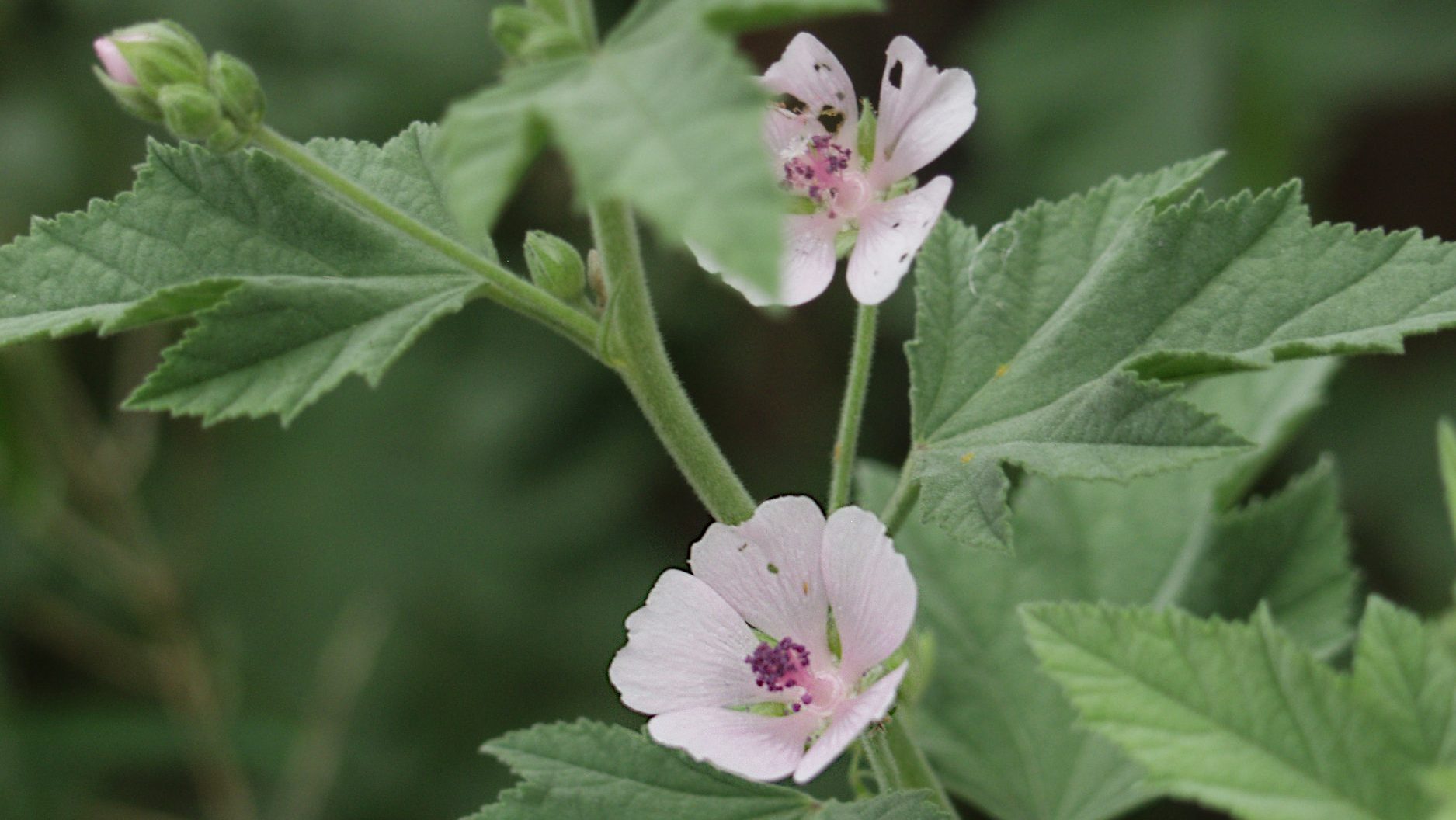
Marshmallow Root (Althaea officinalis)

- Why it’s perfect: VERY high in mucilage (that soothing gel)
- Uses: Sore throat, dry cough, heartburn, stomach irritation
- Taste: Mildly sweet, pleasant
- Why glycerin works: Extracts mucilage beautifully
- Dosage: 2-5ml, 3 times daily
Liquorice Root (Glycyrrhiza glabra)

- Why it’s perfect: Already naturally sweet, soothing for throat and stomach
- Uses: Cough, sore throat, digestive upset, adrenal support
- Taste: Very sweet (about 50 times sweeter than sugar!)
- Why glycerin works: Extracts the sweet glycyrrhizin compound perfectly
- Caution: Don’t use long-term or in high doses if you have high blood pressure
- Dosage: 1-3ml, 2-3 times daily
Ginger Root (Zingiber officinale)

- Why it’s perfect: Warming, settles upset stomachs
- Uses: Nausea, motion sickness, digestive discomfort, circulation
- Taste: Spicy-sweet (much milder than alcohol ginger tincture)
- Why glycerin works: Captures the warming gingerols
- Dosage: 2-4ml as needed for nausea
Lemon Balm (Melissa officinalis)

- Why it’s perfect: Calming, helps with stress and digestion
- Uses: Anxiety, restlessness, nervous stomach, sleep support
- Taste: Lemony, pleasant
- Why glycerin works: Extracts calming compounds and volatile oils
- Dosage: 3-5ml, 2-3 times daily
Chamomile Flowers (Matricaria chamomilla)

- Why it’s perfect: Gentle, calming, safe for all ages
- Uses: Mild anxiety, digestive upset, inflammation, children’s remedies
- Taste: Mildly sweet, apple-like
- Why glycerin works: Captures the soothing flavonoids and oils
- Dosage: 2-4ml, 2-3 times daily; children: adjust by weight
For Using on Skin:
Plantain Leaf (Plantago major/llanceolata)


- Why it’s perfect: Drawing, anti-itch, wound-healing
- Uses: Insect bites, stings, rashes, minor burns, cuts
- How to use: Dab directly onto affected area 3-4 times daily
- Why glycerin works: Extracts the soothing mucilage and healing aucubin
- The glycerin itself adds extra skin-soothing properties
Marshmallow Root (Althaea officinalis)
- Why it’s perfect: Incredibly soothing and moisturising
- Uses: Chapped skin, windburn, irritated skin, eczema
- How to use: Apply as needed to affected areas
- Creates a protective, hydrating film on skin
Chamomile Flowers (Matricaria chamomilla)
- Why it’s perfect: Anti-inflammatory, gentle, suitable for sensitive skin
- Uses: Eczema, diaper rash, inflamed skin, general irritation
- How to use: Apply 2-3 times daily
- Safe for babies and children
Calendula Flowers (Calendula officinalis)

- Why it’s perfect: Wound-healing, anti-inflammatory
- Uses: Minor cuts, scrapes, dry skin, inflammation
- How to use: Apply to clean skin 2-3 times daily
- The bright orange/yellow colour indicates good extraction
How to Use Glycerites
Internal Use:
Straight up: Place dose under tongue and hold for 30 seconds before swallowing (sublingual absorption)
In water: Add to a small glass of water or juice (especially good for children)
In tea: Stir into warm (not boiling) herbal tea
On food: Drizzle over porridge or add to smoothies
Typical Dosages (Adults):
- Standard dose: 2-5ml (about 1/2 to 1 teaspoon), 2-3 times daily
- Some gentle herbs can go higher: up to 10ml per dose
- Always start with lower doses and increase gradually
For Children:
Use weight-based dosing. A simple rule (Clark’s Rule):
- (Child’s weight in kg ÷ 70) × — adult dose = child’s dose
- Example: 20kg child ÷ 70 = 0.28; 0.28 × 5ml = 1.4ml dose
Topical Use:
- Apply directly to skin as needed
- No need to dilute (though you can if it feels too sticky)
- Reapply 2-4 times daily or as needed
- Can be mixed with aloe vera gel for a lighter consistency
New Zealand Sourcing
Where to Buy Glycerin:
- Health food stores: Most stock food-grade vegetable glycerin
- Pharmacies: Usually carry USP-grade glycerin
- Online NZ suppliers:
- Essentially Natural (Wellington) – Soap Enthusiast (Auckland) – Pure Nature (Christchurch)
- Price: Expect $10-20 per 500ml
What to look for: “USP Grade” or “Food Grade” vegetable glycerin (sometimes labelled as glycerol)
Where to Buy Herbs (or Grow/Forage):
Grow yourself: Chamomile, lemon balm, calendula, plantain all grow readily in NZ Forage: Plantain is everywhere in lawns and waste areas (identify correctly first!)
Purchase dried:
- Health stores: $8-15 per 50g
- Online bulk: Huckleberry Herbs, Greenbay Herbs
- Organic options: Commonsense Organics
Budget Tips:
- Grow your own: Lemon balm, chamomile, and calendula are easy even in small gardens
- Forage plantain: Free and abundant (use a good identification guide)
- Buy glycerin in bulk: 1L bottles are more economical than 250ml
- Make larger batches: Once you have the glycerin, making more costs only the herbs
Glycerites vs Tinctures: When to Choose What
Choose Glycerites When:
- Making medicine for children
- You or family members avoid alcohol
- Working with very mucilaginous, soothing herbs
- You want something pleasant-tasting
- Making topical remedies (glycerin is skin-soothing)
Choose Tinctures (Alcohol) When:
- You need to extract resins or alkaloids
- Working with aromatic herbs (better volatile oil extraction)
- Long-term shelf life is critical (alcohol preserves longer)
- You need a more concentrated extract
Can’t Decide? Make Both!
Many herbalists keep both in their medicine cabinet. Chamomile and ginger work wonderfully in both forms, giving you options.
Troubleshooting
“My glycerite is cloudy”
- This can be normal! Some herbs create cloudiness
- If it’s also fizzy or smells off, that’s fermentation (see spoilage below)
- A little sediment on the bottom is fine – just shake before use
“It’s too thick/sticky”
- Next batch: use a 2:1 ratio (67% glycerin, 33% water) instead of 3:1
- Current batch: dilute with a bit of distilled water when you use it
“Not much liquid came out after straining”
- Dried herbs absorb a lot! This is normal
- Really squeeze that herb bundle to get every drop
- Next time: use less herb or more liquid
“It doesn’t taste very strong”
- Glycerites are generally milder than alcohol tinctures
- This is normal! They work more gently
- Increase the dose slightly if needed (still within safe ranges)
“How do I know if it’s working?”
- Give it time – herbs work gently, not like pharmaceuticals
- Keep a journal noting symptoms before and after use
- Generally expect to see effects after 1-2 weeks of consistent use
Safety & Spoilage
How to Tell if Your Glycerite Has Gone Bad:
Visual signs:
- Mould growing on top (fuzzy spots, usually white or green)
- Excessive cloudiness that wasn’t there before
- Unexpected sediment or “strings” in the liquid
Smell test:
- Should smell like the herb + sweet glycerin
- Off-smell: sour, fermented, or cheesy = BAD
- When in doubt, throw it out
Taste test:
- Should taste herbal and sweet
- Sour, fizzy, or “off” taste = spoiled
Preventing Spoilage:
Critical rule:
Always use DRIED herbs (fresh herbs = too much water = spoilage risk) 2. Use at least 60% glycerin in your final mixture (below this, preservation fails) 3. Use distilled water only (tap water contains minerals and microbes) 4. Sterilise equipment (wash everything in very hot water first) 5. Store properly (cool, dark place in sealed bottles)
General Safety Notes:
Glycerin itself:
- Completely safe in normal herbal doses
- In VERY large amounts (like, drinking a cup), it acts as a laxative
- Contains calories (similar to sugar) – factor in if strict low-sugar diet
- Does not spike blood sugar like glucose does
Herb safety:
- Glycerites don’t magically make herbs safer
- Still research each herb’s contraindications
- Still avoid herbs contraindicated in pregnancy if pregnant
- Still check for drug interactions
- The method is gentle; the herbs still have effects
When to avoid glycerites:
- If you have a glycerin allergy (very rare)
- For very young infants (under 6 months – consult healthcare provider)
- If using herbs contraindicated for your conditions
Creative Uses Beyond the Basics
For Sore Throats:
Mix equal parts:
- Marshmallow root glycerite
- Licorice root glycerite
- Thyme glycerite (if you make one)
Take 1 teaspoon every 2-3 hours, holding in throat before swallowing.
For Children’s Tummy Troubles:
Mix equal parts:
- Chamomile glycerite
- Lemon balm glycerite
- Small amount of ginger glycerite (1/4 the amount of others)
Dose by child’s weight, give before meals if stomach upset is recurring.
For Bug Bite Relief Roller:
- 80% plantain glycerite
- 20% aloe vera gel
- Put in a roll-on bottle
- Apply to bites immediately and as needed
For Winter Skin Care:
- Calendula glycerite applied to chapped skin
- Can mix with a tiny bit of coconut oil for extra moisture
- The glycerin draws moisture to skin while herbs soothe
Frequently Asked Questions
Can I use fresh herbs?
Not recommended. Fresh herbs contain too much water, which dilutes your glycerin below the safe preservation level. The high water content also invites bacterial growth. Always use dried herbs.
Does it need to be refrigerated?
No! Store in a cool, dark cupboard. Refrigeration isn’t necessary and can actually make the glycerin too thick to pour easily.
Can I make a glycerite using only glycerin, no water?
You can, but it’s not ideal. Pure glycerin is very thick and doesn’t extract as efficiently. The water helps dissolve compounds that glycerin alone might miss. The 3:1 ratio is a sweet spot for preservation and extraction.
How long does it really last?
A properly made glycerite lasts 1-2 years. The high glycerin content preserves it. Always check for spoilage signs before use, especially after the 1-year mark.
Can I use this for my pets?
Possibly, but consult a veterinary herbalist. Many herbs safe for humans are toxic to cats and dogs. Dosing is also very different. Don’t assume human remedies translate directly.
What if I can’t find vegetable glycerin?
Don’t substitute with other liquids. Glycerin is the foundation of this method. Order online if local stores don’t stock it – it’s shelf-stable and ships easily.
Why is my glycerite a different colour than expected?
Glycerites often extract different pigments than alcohol does. This is normal. Calendula might be more yellow-orange than bright orange. Plantain might be dark brown. As long as it smells and tastes right, colour variation is fine.
Taking It Further
Once you’ve mastered basic glycerites, you might want to explore:
Combination formulas: Mixing 2-3 compatible herbs in one glycerite Glycerite + honey blends: For cough syrups Glycerite-based lotion bars: Combining with beeswax and oils Children’s remedy kits: Having chamomile, lemon balm, and ginger glycerites on hand Seasonal preparations: Making elderberry glycerite in autumn for winter immune support
Conclusion
Glycerites are a wonderful, gentle way to make herbal medicine accessible to everyone – especially those who can’t or don’t want to use alcohol. They’re surprisingly easy to make, taste pleasant, and store well. Starting with simple, safe herbs like chamomile or plantain lets you build confidence before moving to more complex formulas.
The sweet taste and soothing texture make glycerites particularly brilliant for children’s remedies and throat/digestive issues. While they may not be as strong as alcohol tinctures, their gentleness is often exactly what’s needed.
Start simple, follow the ratios, use dried herbs, and you’ll have lovely, effective glycerites ready whenever you need them.
Quick Reference Guide
Basic Ratio:
- 3 parts glycerin: 1 part distilled water
- Fill jar 1/3 to 1/2 with dried herbs
- Cover completely with glycerin mixture
Timeline:
- Preparation: 20 minutes
- Steeping: 4-6 weeks
- Daily shaking: 30 seconds
- Straining and bottling: 20 minutes
- Shelf life: 1-2 years
Essential Equipment:
- Clean glass jars with lids
- Vegetable glycerin (USP/food grade)
- Distilled water
- Dried herbs
- Coffee filters for straining
- Amber bottles for storage
- Labels
Best Beginner Herbs:
- Chamomile (gentle, safe, pleasant)
- Lemon balm (calming, tasty)
- Plantain (topical use, easy to forage)
- Marshmallow (soothing, demonstrates mucilage extraction)
Safety Checklist:
- ✓ Use dried herbs only
- ✓ Use distilled water only
- ✓ Maintain 60%+ glycerin concentration
- ✓ Sterilise all equipment
- ✓ Store in cool, dark place
- ✓ Check for spoilage before each use
- ✓ Research herb safety and contraindications
References
Bone, K., & Mills, S. (2013). Principles and practice of phytotherapy: Modern herbal medicine (2nd ed.). Churchill Livingstone.
Chevallier, A. (2016). Encyclopedia of herbal medicine (3rd ed.). Dorling Kindersley.
Gladstar, R. (2012). Rosemary Gladstar’s Medicinal Herbs: A Beginner’s Guide. Storey Publishing.
Green, J. (2000). The Herbal Medicine-Maker’s Handbook: A Home Manual. Crossing Press.
Grieve, M. (1931). A modern herbal. Dover Publications.
Hoffmann, D. (2003). Medical Herbalism: The Science and Practice of Herbal Medicine. Healing Arts Press.
Rongoā Māori Disclaimer: This guide does not represent rongoā Māori preparation methods or traditional Māori medicine-making. Rongoā Māori is a complete healing system with its own protocols, karakia (prayers), and cultural practices that cannot be separated from te ao Māori (the Māori worldview). For rongoā Māori knowledge and treatment, please consult qualified rongoā practitioners through Te Paepae Motuhake or other appropriate Māori health services.
Medical Disclaimer: This guide is for educational purposes only and is not medical advice. Consult qualified healthcare practitioners before using herbal remedies, especially if pregnant, nursing, taking medications, or managing chronic health conditions. Always properly identify plants before use and source herbs from reputable suppliers. While glycerites are generally gentle, herbs still have pharmacological effects and potential interactions.
Note on Pricing: All prices mentioned in this guide are approximate and based on New Zealand suppliers as of December 2025. Prices vary by supplier, season, and market conditions. We recommend checking current prices with your local suppliers.