
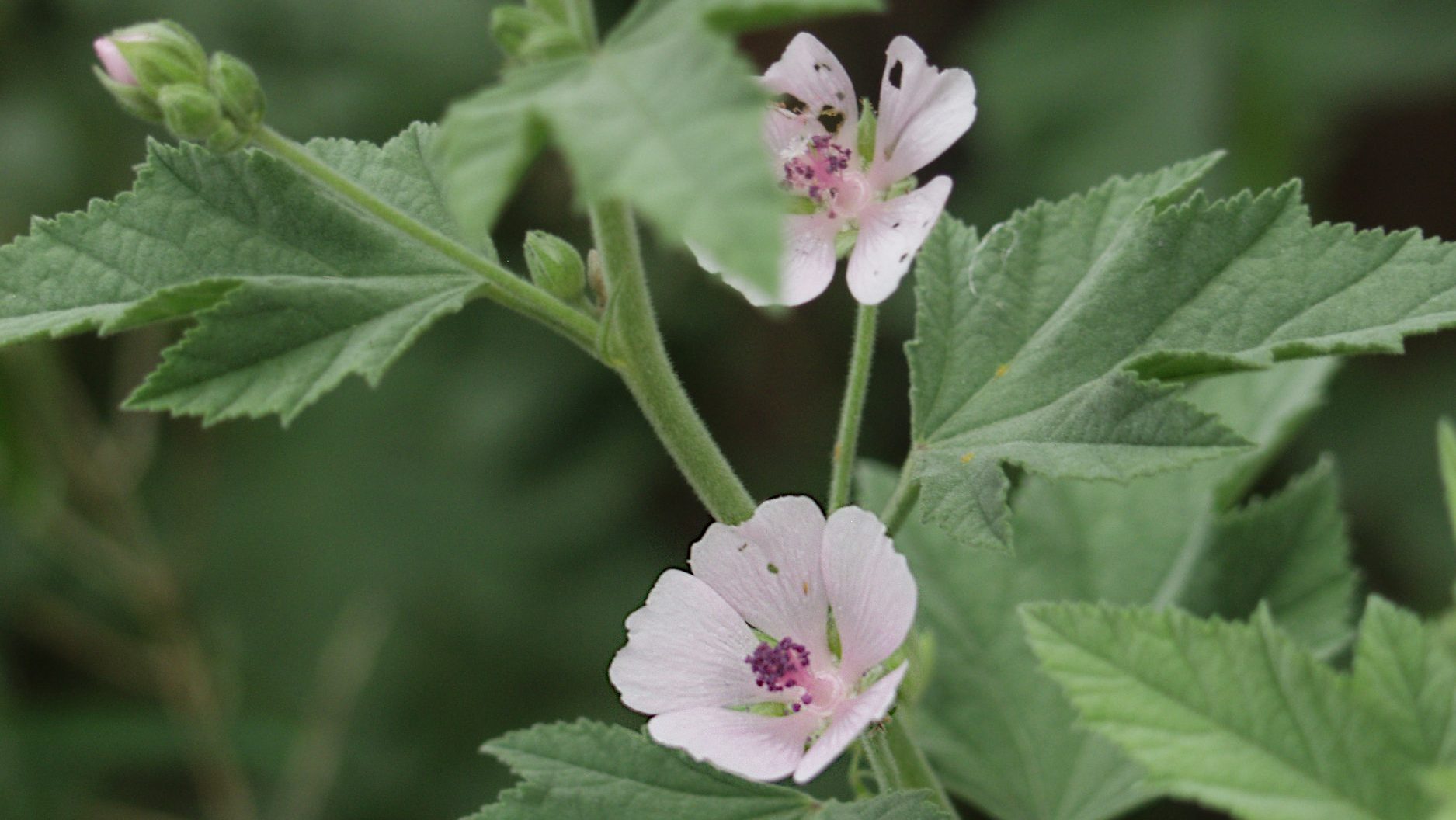
Glycerin Extraction Science, Phytochemical Solubility, and Alcohol-Free Formulation
This comprehensive guide will help you master glycerin-based herbal extraction science and formulation. Western scientific analysis of glycerin-based botanical extraction, including solubility principles, preservation mechanisms, and therapeutic applications using European and American herbal traditions.
Scientific Principles of Glycerin-Based Herbal Extraction
Introduction: Glycerites in Phytotherapeutic Practice
Glycerites represent a distinct category of liquid herbal extracts characterised by the use of glycerin (1,2,3-propanetriol) as the primary solvent rather than ethanol. This extraction method produces alcohol-free preparations particularly suited for populations where ethanol is contraindicated or undesirable, while offering unique physicochemical properties that complement specific therapeutic applications.
This guide examines the scientific principles underlying glycerite preparation, the solvent characteristics of glycerin, optimal extraction parameters, and evidence-based applications for both internal and topical use.
Glycerin: Chemical Properties and Solvent Characteristics
Molecular Structure and Physical Properties
Chemical formula: C₃H₈O₃ (1,2,3-propanetriol)
Key physical characteristics:
- Molecular weight: 92.09 g/mol
- Appearance: Clear, colourless, viscous liquid
- Density: 1.26 g/cm³ (denser than water)
- Boiling point: 290°C
- Viscosity: 1,412 mPas at 20°C (significantly more viscous than water or ethanol)
- Solubility: Miscible with water and alcohol; practically insoluble in fixed oils
- Hygroscopicity: Strongly hygroscopic (absorbs moisture from air)
Polarity and Solvent Capacity
Classification: Polar protic solvent
Hydrogen bonding capability:
Glycerin possesses three hydroxyl (-OH) groups, enabling extensive hydrogen bond formation. This characteristic underpins its solvent properties:
- Forms hydrogen bonds as donor: The hydroxyl groups can donate hydrogen atoms 2. Forms hydrogen bonds as acceptor: The oxygen atoms can accept hydrogen bonds 3. Result: Excellent solvent for polar, water-soluble compounds
Dielectric constant: ~42 (compared to water at 80, ethanol at 24)
- High enough to dissolve ionic and polar compounds
- Lower than water, making it less effective for highly ionic substances
What Glycerin Extracts Effectively
The solvent properties of glycerin make it particularly effective for extracting:
1. Polysaccharides (Mucilage)
- Mechanism: Glycerin’s multiple hydroxyl groups form hydrogen bonds with polysaccharide chains
- Examples: Mucilage from marshmallow (Althaea officinalis), plantain (Plantago spp.)
- Clinical significance: These are precisely the constituents desired for demulcent, soothing applications
- Evidence: Glycerin extracts mucilage more efficiently than alcohol in many cases
2. Tannins
- Mechanism: Hydrogen bonding with phenolic hydroxyl groups
- Types extracted: Both hydrolysable tannins (gallotannins, ellagitannins) and condensed tannins (proanthocyanidins)
- Examples: Tannins from plantain, yarrow, oak bark
- Therapeutic relevance: Astringent, anti-inflammatory, antimicrobial effects
3. Flavonoids
- Mechanism: Solubilises polar flavonoid glycosides
- Examples: Apigenin glycosides (chamomile), quercetin glycosides (calendula), rutin
- Note: Aglycones (sugar-free forms) are less soluble in glycerin than in alcohol
- Solubility order: Flavonoid glycosides > alcohol > glycerin; Flavonoid aglycones > alcohol > glycerin
4. Saponins
- Mechanism: Glycerin solubilises the glycoside portion while tolerating the triterpenoid core
- Examples: Glycyrrhizin (licorice), saponins in calendula
- Therapeutic significance: Anti-inflammatory, expectorant, adaptogenic properties
5. Bitter Principles (Many Types)
- Iridoid glycosides: Well extracted (e.g., aucubin from plantain)
- Secoiridoids: Moderately extracted
- Simple bitter lactones: Variable extraction depending on polarity
6. Some Glycosides
- Cardiac glycosides: Poorly extracted (fortunately, given toxicity concerns)
- Phenolic glycosides: Well extracted
- Iridoid glycosides: Well extracted
What Glycerin Extracts Poorly
1. Alkaloids
- Reason: Many alkaloids are weakly basic and require acidic alcohol for optimal extraction
- Examples: Morphine, berberine, caffeine
- Practical implication: Not suitable for alkaloid-rich herbs like California poppy, goldenseal
2. Resins
- Reason: Resins are lipophilic (fat-loving), not water-soluble
- Examples: Poplar bud resin, pine pitch, frankincense
- Solvent needed: High-proof alcohol or oil infusion
3. Essential Oils
- Reason: Volatile oils are largely non-polar
- Partial extraction: Some components may dissolve, but retention is poor
- Better solvents: Alcohol (for tinctures), steam distillation (for pure oils)
- Practical note: Aromatic herbs can still make pleasant glycerites; the aroma just won’t be as strong
4. Very Lipophilic Compounds
- Examples: Carotenoids, some terpenoids, fat-soluble vitamins
- Better extraction: Oil infusion, supercritical CO₂ extraction
The Science of Glycerin as a Preservative
Preservation Mechanism: Water Activity Reduction
Unlike ethanol, which denatures proteins and disrupts cellular membranes, glycerin preserves by reducing water activity (aw).
Water activity (aw) definition:
- Measure of unbound, “free” water available for microbial growth
- Scale: 0 (completely dry) to 1.0 (pure water)
- Most bacteria require aw > 0.90
- Most yeasts require aw > 0.85
- Most moulds require aw > 0.80
Glycerin’s mechanism:
- Glycerin is a humectant — it binds water molecules via hydrogen bonding
- This binding makes water unavailable to microorganisms
- Creates a “biological drought” despite liquid being present
Critical concentration for preservation:
- Minimum glycerin concentration: 55-60% (v/v) to inhibit most microorganisms
- Recommended for herbal glycerites: 60-75% glycerin
- “Safety zone”: 65-75% glycerin provides robust preservation
Why this matters:
If glycerin concentration drops below ~55% (due to added water from fresh herbs, contamination, etc.), the water activity rises sufficiently to permit microbial growth. This is why using dried herbs only is critical.
Glycerin vs. Ethanol: Comparative Antimicrobial Efficacy
Ethanol (40%+ in tinctures):
- Mechanism: Protein denaturation, membrane disruption, direct microbicide
- Broad-spectrum: Kills bacteria, viruses, fungi, spores (at high concentrations)
- Rapid action: Immediate antimicrobial effect
Glycerin (60-75% in glycerites):
- Mechanism: Water activity reduction (prevention, not killing)
- Spectrum: Inhibits growth but doesn’t necessarily kill organisms
- Action: Preserves by creating inhospitable environment
- Limitation: Less robust than ethanol; contamination at preparation = potential growth
Practical implications:
- Glycerites require more stringent hygiene during preparation 2. Shelf life is shorter than alcohol tinctures (1-2 years vs. 5+ years) 3. Glycerites are more vulnerable to spoilage if improperly prepared
Glycerin-Water Ratios: Optimising Extraction and Preservation
The Trade-off: Extraction Efficiency vs. Preservation
Pure glycerin (100%):
- Maximum preservation
- Very viscous — poor flow, slow extraction
- Incomplete extraction (some compounds need water to solubilise)
High water content (e.g., 50% glycerin):
- Improved extraction efficiency (water enhances diffusion)
- Better solubility for some polar compounds
- Problem: Insufficient preservation — aw too high → microbial growth risk
Optimal range: 60-75% glycerin
- Balances extraction and preservation
- Most common formulation: 75% glycerin, 25% water (3:1 ratio)
Recommended Ratios for Different Applications
| GLYCERIN % | WATER % | APPLICATION | CHARACTERISTICS |
|---|---|---|---|
| 75-80% | 20-25% | Standard glycerite | Best all-around balance |
| 65-70% | 30-35% | Maximum extraction | For very polar compounds; shorter shelf life |
| 80-90% | 10-20% | Topical preparations | Very stable; good for skin application |
| 60% | 40% | Minimum safe ratio | Use only with very dry herbs; monitor closely |
The Role of Water in Extraction
Water serves several critical functions in glycerite preparation:
1. Reduces viscosity
- Pure glycerin: 1,412 mPas (very thick)
- 75% glycerin: ~20 mPas (much more fluid)
- Result: Better penetration into plant material, improved extraction kinetics
2. Enhances solubility
- Some polar glycosides require water to dissolve
- Water acts synergistically with glycerin to extract broader constituent spectrum
3. Facilitates diffusion
- Lower viscosity → faster molecular movement
- Fick’s law of diffusion: Rate inversely proportional to viscosity
4. Swells plant matrix
- Water penetrates cellulose structures
- Opens cellular pathways for solvent access
Extraction Kinetics and Optimisation
Time Course of Extraction
Week 1-2:
- Rapid initial extraction as solvent penetrates surface cells
- Colour change most dramatic
- Surface constituents dissolve
Week 3-4:
- Continued extraction from deeper cellular structures
- Equilibration between plant material and solvent
- Colour deepens further but more slowly
Week 4-6:
- Approach to extraction equilibrium
- Diminishing returns after ~6 weeks
- Standard extraction time: 4-6 weeks
Beyond 6 weeks:
- Marginal additional extraction
- Increased risk of degradation of sensitive compounds
- Generally not recommended
Factors Affecting Extraction Efficiency
1. Particle Size
- Principle: Surface area to volume ratio
- Smaller particles → greater surface area → faster extraction
- Optimal: Coarsely powdered or finely chopped (not whole)
- Too fine: Can create sludge, difficult to strain
- Practical: Cut or crumble to ~2-5mm pieces
2. Temperature
- Standard method: Room temperature (20-25°C), passive extraction
- Heat application (gentle warming):
- Pro: Accelerates extraction (increased molecular motion) –
- Con: Risk of degrading heat-sensitive compounds (e.g., volatile oils, some flavonoids) –
- Recommendation: Room temperature for most applications; gentle warming (35-40°C) only for specific tough plant materials (roots, barks)
3. Agitation
- Daily shaking: Disrupts concentration gradients, enhances mass transfer
- Mechanism: Brings fresh solvent into contact with plant material
- Duration: 30-60 seconds daily
- Evidence: Significantly improves extraction yield
4. Herb-to-Solvent Ratio
- Traditional (folk) method: Fill jar 1/3 to 1/2 with herbs, cover with solvent
- Weight-to-volume (more precise):
- Standard: 1:4 or 1:5 (1 part dried herb to 4-5 parts solvent by weight) –
- Example: 100g dried herb + 400ml glycerin mixture
- Higher herb ratio (e.g., 1:3) → ‘ more concentrated but harder to strain
- Lower herb ratio (e.g., 1:6) → ‘ easier processing but weaker extract
5. Fresh vs. Dried Plant Material
Dried herbs (STRONGLY RECOMMENDED):
- Water content: ~5-12%
- Minimal dilution of glycerin
- Preservation maintained
- Reduced spoilage risk
Fresh herbs (PROBLEMATIC):
- Water content: 70-95%
- Significant glycerin dilution → ‘ drops below preservation threshold
- High spoilage risk → ‘ fermentation, mould growth
- Only use if: (a) herb must be fresh for efficacy, (b) you increase initial glycerin % to compensate, (c) you accept shorter shelf life and monitor closely
Mathematical example:
- Start with 75% glycerin: 25% water (150ml glycerin + 50ml water)
- Add 100g fresh plantain (assume 80% water = 80ml water)
- Final mixture: 150ml glycerin + 130ml water = 53.6% glycerin
- Below preservation threshold!
Phytochemical Profiles: Herb-Specific Extraction Considerations
Herbs Rich in Mucilage (Optimal for Glycerites)
Marshmallow Root (Althaea officinalis)

Primary constituents extracted:
- Mucilaginous polysaccharides (20-35%): Arabinogalactans, glucans, arabinans
- Flavonoids: Hypolaetin, quercetin glycosides
- Phenolic acids: Caffeic acid, p-coumaric acid
Why glycerin works:
- Mucilage is highly polar and readily dissolves in glycerin-water mixtures
- Traditional cold-water infusions work on same principle (polar solvent extraction)
- Advantage over alcohol: Marshmallow tinctures extract less mucilage; glycerin superior
Mechanism of action (demulcent):
- Polysaccharides form protective film over mucous membranes
- Reduces irritation in throat, GI tract
- Promotes epithelial healing
Evidence:
- German Commission E monograph approves marshmallow for “irritation of oral and pharyngeal mucosa”
- Studies confirm mucilage extraction in aqueous-glycerin solvents
Plantain Leaf (Plantago major, P. lanceolata)


Primary constituents extracted:
- Mucilage (6-12%): Arabinogalactan, rhamnogalacturonan
- Iridoid glycosides: Aucubin (2-3%), catalpol
- Tannins (6-8%): Catechins, gallocatechins
- Flavonoids: Apigenin, luteolin, scutellarin
Why glycerin works:
- Excellent extraction of both mucilage and aucubin (iridoid glycosides are polar)
- Tannins readily soluble
- Creates synergistic topical preparation
Mechanisms of action:
- Aucubin: Anti-inflammatory (NF-κB inhibition), wound-healing (promotes fibroblast proliferation)
- Mucilage: Soothing, creates protective barrier
- Tannins: Astringent, mild antimicrobial
Clinical applications:
- Topical: Insect bites (aucubin’s anti-inflammatory + drawing effect), minor wounds, rashes
- Internal: Respiratory inflammation, GI irritation
Evidence:
- Samuelsen AB (2000). J Ethnopharmacol. Review confirms water-soluble active constituents
- Aucubin demonstrates wound-healing activity in multiple studies
Herbs Rich in Saponins
Liquorice Root (Glycyrrhiza glabra)

Primary constituents extracted:
- Glycyrrhizin (4-20%): Triterpenoid saponin, extraordinarily sweet (50x sucrose)
- Flavonoids: Liquiritin, isoliquiritin, glabridin
- Isoflavones: Glabridin (antioxidant, potential estrogenic activity)
Why glycerin works:
- Glycyrrhizin is highly water-soluble
- Glycerin extracts it efficiently
- Creates intensely sweet glycerite (glycerin + glycyrrhizin = very sweet medicine)
Mechanisms of action:
- Glycyrrhizin: Mineralocorticoid-like activity (can elevate blood pressure in excess), anti-inflammatory (inhibits 11β-HSD enzyme), expectorant
- Flavonoids: Antioxidant, anti-inflammatory, spasmolytic
Clinical applications:
- Sore throat, cough (demulcent, expectorant)
- GI inflammation (anti-ulcer effects)
- Adrenal support (modulates cortisol metabolism)
Critical safety consideration:
- Pseudoaldosteronism: Excessive use → sodium retention, potassium loss, hypertension, oedema
- Mechanism: Glycyrrhizin inhibits 11β-hydroxysteroid dehydrogenase type 2, allowing cortisol to activate mineralocorticoid receptors
- Contraindications: Hypertension, heart disease, kidney disease, pregnancy
- Safe use: Short-term only, or use DGL (deglycyrrhizinated liquorice) for long-term applications
Evidence:
- German Commission E monograph approves for cough/bronchitis
- Extensive literature on glycyrrhizin’s pharmacology and safety concerns
Herbs Rich in Flavonoids
Chamomile Flowers (Matricaria chamomilla)

Primary constituents extracted:
- Flavonoids (1-2%): Apigenin-7-glucoside, luteolin glycosides, quercetin
- Volatile oil (0.4-1.5%): α-Bisabolol, chamazulene (formed on heating), bisabolol oxides
- Mucilage (~10%): Polysaccharides
- Coumarins: Herniarin, umbelliferone
Why glycerin works:
- Flavonoid glycosides (sugar-bound forms) readily soluble in glycerin
- Mucilage well-extracted
- Limitation: Volatile oil extraction incomplete (but still present in low levels)
Mechanisms of action:
- Apigenin: Binds benzodiazepine site on GABA-A receptors → anxiolytic effect (non-addictive, mild)
- α-Bisabolol: Anti-inflammatory, anti-irritant, promotes wound healing
- Flavonoids: COX-2 and iNOS inhibition → reduced prostaglandin synthesis
Clinical applications:
- Anxiety, mild sleep disturbance
- GI inflammation (gastritis, IBS)
- Topical: eczema, diaper rash, inflamed skin
Evidence:
- Multiple RCTs demonstrate anxiolytic effects
- German Commission E approves for GI inflammation and topical skin inflammation
- Srivastava et al. (2010). Mol Med Rep. Comprehensive review
Calendula Flowers (Calendula officinalis)

Primary constituents extracted:
- Triterpenoid saponins: Calendulosides (oleanolic acid glycosides)
- Triterpene alcohols: Faradiol (anti-inflammatory), arnidiol
- Flavonoids: Quercetin, isorhamnetin glycosides, rutin
- Polysaccharides: Immunomodulatory arabinogalactans
- Carotenoids: Lutein, β-carotene (colour compounds, partially extracted)
Why glycerin works:
- Saponins well-solubilised
- Flavonoid glycosides extracted
- Advantage for topical use: Glycerin’s own skin-soothing properties complement calendula’s actions
Mechanisms of action:
- Faradiol: Inhibits COX-2 and 5-LOX → anti-inflammatory
- Saponins: Promote collagen synthesis, angiogenesis (new blood vessel formation for wound healing)
- Polysaccharides: Activate macrophages, immunomodulatory
Clinical applications:
- Wound healing (cuts, scrapes, burns)
- Anti-inflammatory (skin inflammation, lymphatic congestion)
- Topical: eczema, dry skin, post-radiation dermatitis
Evidence:
- Multiple studies validate wound-healing effects
- Calendula cream widely used in Europe for dermatological conditions
Herbs for Digestive Support
Ginger Rhizome (Zingiber officinale)

Primary constituents extracted:
- Gingerols (1-3%): [6]-gingerol (primary), [8]-gingerol, [10]-gingerol (pungent phenols)
- Shogaols: Formed from gingerols during drying/heating (more pungent, more lipophilic)
- Volatile oils: Zingiberene, β-sesquiphellandrene
Extraction in glycerin:
- Gingerols: Moderately soluble (partially polar due to hydroxyl groups)
- Shogaols: Less soluble (more lipophilic)
- Result: Glycerite captures ginger’s effects but is milder/less pungent than alcohol tincture
- Advantage: This mildness makes it more palatable, especially for nausea
Mechanisms of action:
- Antiemetic: 5-HT3 receptor antagonism (serotonin receptor in gut/brainstem involved in nausea)
- Anti-inflammatory: COX-2 and 5-LOX inhibition
- Prokinetic: Increases gastric emptying rate
Clinical applications:
- Nausea (motion sickness, pregnancy, post-operative)
- Dyspepsia, bloating
- Anti-inflammatory (musculoskeletal pain, arthritis – though topical or tincture better for this)
Evidence:
- Systematic reviews confirm efficacy for pregnancy-related nausea
- German Commission E approves for dyspepsia and motion sickness prevention
Lemon Balm (Melissa officinalis)

Primary constituents extracted:
- Volatile oils (0.05-0.3%): Citral (geranial + neral), citronellal, β-caryophyllene
- Phenolic acids: Rosmarinic acid (2-4%), caffeic acid, chlorogenic acid
- Flavonoids: Luteolin, apigenin glycosides
- Triterpenes: Ursolic acid, oleanolic acid
Why glycerin works:
- Rosmarinic acid (primary active compound) is polar → well-extracted
- Flavonoid glycosides readily soluble
- Limitation: Volatile oil extraction incomplete (but low concentration anyway; phenolics are more important for therapeutic effect)
Mechanisms of action:
- Rosmarinic acid: GABA-transaminase (GABA-T) inhibition → ‘ increases GABA levels → ‘ anxiolytic
- Acetylcholinesterase inhibition: Increases acetylcholine → ‘ cognitive enhancement
- Antiviral: Rosmarinic acid and caffeic acid inhibit herpes simplex virus (HSV)
Clinical applications:
- Anxiety, restlessness
- Mild cognitive support (memory, attention)
- Digestive upset (nervous stomach, bloating)
- Topical: cold sores (HSV)
Evidence:
- Multiple RCTs demonstrate anxiolytic effects and cognitive enhancement
- Kennedy et al. (2004). Pharmacol Biochem Behav. Modulation of mood and cognitive performance
Topical Glycerite Applications: Dermatological Mechanisms
Glycerin as a Humectant
Mechanism of action:
- Water attraction from dermis: Draws water from deeper skin layers to stratum corneum (outermost layer)
- Water attraction from atmosphere: In humidity >60%, draws environmental moisture to skin
- Result: Increased hydration of stratum corneum → improved skin barrier function, suppleness
Clinical evidence:
- Fluhr et al. (2008). Br J Dermatol. Comprehensive review: “Glycerol and the skin: holistic approach”
- Demonstrates glycerin’s role in:
- Reducing trans-epidermal water loss (TEWL) – Accelerating wound healing – Protecting against irritants
Concentration for topical use:
- Pure glycerin: Can be too occlusive, potentially drying in low humidity
- In glycerites (60-75% glycerin): Optimal hydration without excessive stickiness
- Can dilute with water or aloe: For lighter application
Synergistic Herbal-Glycerin Topical Formulations
Plantain Glycerite for Insect Bites/Stings
Mechanism:
- Aucubin (from plantain): Anti-inflammatory, reduces histamine response
- Mucilage: Soothing, protective barrier
- Glycerin: Humectant, helps delivery of active compounds, soothing
- Tannins: Mild astringent, reduces oozing
Application: Direct application to bite, reapply every 2-3 hours
Calendula Glycerite for Wound Healing
Mechanism:
- Faradiol (from calendula): Promotes collagen synthesis, fibroblast proliferation
- Glycerin: Maintains moist wound environment (critical for modern wound healing)
- Polysaccharides: Immunomodulatory, supports healing cascade
Moist wound healing principle:
- Traditional: Keep wounds dry
- Modern evidence: Moist environment accelerates epithelialisation (skin cell migration) by 40-50%
- Glycerite naturally provides this
Application: Clean wound, apply glycerite, cover with dressing; change 2x daily
Chamomile Glycerite for Eczema/Dermatitis
Mechanism:
- α-Bisabolol (from chamomile): Anti-inflammatory, reduces redness/itch
- Apigenin: COX-2 inhibition, reduces prostaglandin-mediated inflammation
- Glycerin: Repairs skin barrier, reduces TEWL (major issue in eczema)
Application: Apply to affected areas 2-3 times daily; safe for long-term use
Internal Use: Dosing, Pharmacokinetics, Safety
Standard Adult Dosing
General range: 2-5ml (approximately 1/2 to 1 teaspoon), 2-3 times daily
Herb-specific considerations:
- Gentle herbs (chamomile, lemon balm): Can use up to 10ml per dose
- Stronger herbs (licorice): Lower doses, 1-3ml, 2-3 times daily
- Acute conditions: May increase frequency (e.g., every 2-3 hours) while staying within daily limits
Administration routes:
- Sublingual (under tongue):Hold 30-60 seconds before swallowing
- Advantage: Some absorption through oral mucosa, bypassing first-pass metabolism – Practical: Better for volatile oil components (though limited in glycerites)
- Oral (swallowed directly or in water):
- Standard route – Full GI absorption
Pediatric Dosing
Weight-based calculation (Clark’s Rule):
- (Child’s weight in kg ÷ 70) × Adult dose = Child’s dose
- 20 kg child, adult dose 5 ml (20 ÷ 70) × 5 ml = 1.4 ml
Age-based approximations:
- Infant (<1 year): Generally not recommended (consult healthcare provider)
- 1-3 years: 1/4 adult dose
- 4-7 years: 1/3 adult dose
- 8-12 years: 1/2 adult dose
- 13-17 years: 2/3 adult dose
Why glycerites for children:
- Pleasant taste (crucial for compliance)
- No alcohol concerns
- Gentle extraction preserves compounds in child-appropriate forms
Pharmacokinetic Considerations
Absorption:
- Water-soluble constituents (flavonoid glycosides, saponins, iridoids) absorbed in small intestine
- Glycerin itself: Absorbed primarily in small intestine, metabolised in liver
- Rate: Glycerites may have slower absorption than alcohol tinctures (glycerin increases viscosity)
Metabolism:
- Glycerin metabolised to glycerol-3-phosphate → enters glycolysis/gluconeogenesis pathways
- Provides ~4 calories per gram (similar to carbohydrate)
- Implication: Factor in for diabetics (though does not spike blood glucose like glucose)
Bioavailability:
- Comparable to aqueous extracts (teas, decoctions)
- Some compounds may have reduced bioavailability compared to alcohol tinctures (e.g., less lipophilic flavonoid aglycones)
- Practical impact: May need slightly higher dose than alcohol tincture for equivalent effect
Safety: Glycerin-Specific Considerations
Glycerin toxicity:
- LD50 (oral, rats): 12,600 mg/kg (very low toxicity)
- GRAS status: FDA Generally Recognised as Safe
- Human safety: Extremely safe at herbal medicine doses
Laxative effect:
- At high doses (>30-50ml pure glycerin), acts as osmotic laxative
- Mechanism: Draws water into colon, increases stool volume
- Relevance: Not an issue at standard glycerite doses (2-5ml)
Caloric content:
- Glycerin provides 4.32 kcal/gram
- Standard 5ml dose of 75% glycerite ≈ 4.7g glycerin ≈ 20 kcal
- Consider for: Strict low-calorie diets, diabetes management (though glycerin has low glycemic index)
Contraindications (glycerin itself):
- True glycerin allergy (extremely rare)
- Severe dehydration (theoretical concern with osmotic effects)
Drug interactions (glycerin):
- Minimal direct interactions
- Note: Herb-specific interactions still apply (e.g., liquorice + hypertension medications)
Quality Control and Stability
Indicators of Proper Extraction
Visual assessment:
- Colour: Should reflect the herb (calendula = orange/yellow, plantain = brown, chamomile = golden)
- Clarity: Some cloudiness acceptable; excessive sediment may indicate inadequate straining
- Separation: Should be homogeneous; phase separation suggests formulation error
Organoleptic (sensory) assessment:
- Smell: Should be herbal + sweet glycerin; no off-odors (sour, musty, fermented)
- Taste: Herbal + sweet; no unexpected bitterness, sourness, or fizz
Signs of Spoilage
Visual indicators:
- Mould growth: Fuzzy patches on surface (white, green, black)
- Excessive cloudiness: New cloudiness that develops over time
- Sediment: New sediment forming (vs. initial plant material settling)
Olfactory indicators:
- Sour smell: Indicates bacterial fermentation
- Musty/mouldy smell: Fungal contamination
- Alcoholic/yeasty smell: Yeast fermentation
Taste indicators:
- Fizzy/carbonated: Active fermentation
- Sour: Bacterial acid production
- Off-flavours: Degradation products
Action: If any spoilage signs present, discard immediately. Do not taste suspicious glycerites.
Extending Shelf Life
Best practices:
- High glycerin concentration (70-75%): Maximises preservation
- Use dried herbs only: Minimises water introduction
- Sterilise equipment: Boil jars, lids, utensils for 10 minutes
- Use distilled water: Eliminates minerals and microbes
- Store in amber glass: Protects from light degradation
- Keep sealed: Minimises oxidation and contamination
- Cool, dark storage: Slows degradation reactions
- Small bottles: Once opened, use within 6-12 months (less air exposure)
Expected shelf life:
- Well-made glycerite: 1-2 years
- After opening: 12-18 months if handled cleanly
- Compare to alcohol tincture: 5+ years (alcohol is superior preservative)
Degradation Pathways
Oxidation:
- Flavonoids, phenolic acids susceptible to oxidation
- Mitigation: Minimal headspace in bottles, avoid excessive opening
Hydrolysis:
- Glycosides may slowly hydrolyse (sugar cleaves off)
- Generally slow process in glycerites
Microbial degradation:
- Primary concern if preservation fails
- Prevention: Maintain glycerin concentration, cleanliness
Photodegradation:
- Many plant compounds sensitive to light
- Mitigation: Amber glass bottles, dark storage
Comparative Formulation: Glycerites vs. Other Extraction Methods
| ARAMETER | GLYCERITE | ALCOHOL TINCTURE | AQUEOUS INFUSION | OIL INFUSION |
|---|---|---|---|---|
| Solvent polarity | Polar | Mid-range | Highly polar | Non-polar |
| Best for | Mucilage, tannins, flavonoid glycosides | Broad spectrum (alkaloids, resins, volatiles) | Water-soluble compounds | Lipophilic compounds (fat-soluble vitamins, carotenoids) |
| Preservation | 1-2 years | 5+ years | 24 hours | 6-12 months |
| Taste | Sweet | Bitter/burning | Herbal, variable | Oily, mild |
| Alcohol content | 0% | 25-95% | 0% | 0% |
| Ease of use | Easy | Moderate | Easy | Easy |
| Child-appropriate | Yes | No | Yes | External only |
| Cost | Moderate | Moderate | Low | Moderate |
Strategic selection:
- Mucilaginous/demulcent herbs: Glycerite = optimal
- Aromatic/resinous herbs: Alcohol tincture = optimal
- Gentle daily tonics: Glycerite or infusion
- Potent alkaloid herbs: Alcohol tincture only
- Topical skin support: Glycerite or oil infusion
Evidence-Based Clinical Applications
Internal Use Applications
Respiratory support:
- Marshmallow glycerite: Dry, irritated cough; sore throat
- Licorice glycerite: Productive cough (expectorant); bronchial inflammation
- Mechanism: Demulcent coating + saponin-mediated mucus secretion
Digestive support:
- Chamomile glycerite: Nervous stomach, mild IBS, gastritis
- Lemon balm glycerite: Stress-related digestive upset, bloating
- Ginger glycerite: Nausea, dyspepsia
- Mechanism: Antispasmodic, anti-inflammatory, carminative actions
Nervous system support:
- Chamomile glycerite: Mild anxiety, sleep latency
- Lemon balm glycerite: Anxiety, restlessness, cognitive support
- Mechanism: GABAergic modulation, acetylcholinesterase inhibition
Topical Use Applications
Anti-inflammatory/wound healing:
- Calendula glycerite: Cuts, scrapes, burns, eczema
- Evidence: Multiple studies on calendula’s wound-healing effects
- Mechanism: Promotes collagen synthesis, reduces inflammation
Anti-pruritic (anti-itch):
- Plantain glycerite: Insect bites, allergic skin reactions, minor irritation
- Mechanism: Aucubin’s anti-inflammatory + histamine modulation
Antimicrobial:
- Calendula glycerite: Minor infections, prevention in minor wounds
- Mechanism: Saponins disrupt microbial membranes
Advanced Formulation Techniques
Combination Glycerites
Principles of synergistic blending:
- Complementary actions: Combine herbs with overlapping therapeutic effects
- Constituent compatibility: Ensure all herbs extract well in glycerin
- Taste balancing: Sweet herbs offset bitter herbs
- Safety: Verify no contraindications in combination
Example formula: Children’s Calm Tummy Blend
- 2 parts chamomile (anxiolytic, antispasmodic)
- 2 parts lemon balm (calming, carminative)
- 1 part ginger (antiemetic, warming)
- 1 part marshmallow (soothing, protective)
Rationale: Multi-target approach to stress-related digestive upset in children
Example formula: Soothing Throat Syrup
- 3 parts marshmallow root (demulcent)
- 2 parts licorice root (sweet, expectorant)
- 1 part chamomile (anti-inflammatory)
- Mix glycerite with equal part honey for added antimicrobial/soothing effect
Sequential Extraction (Dual Extraction Method)
For herbs containing both water-soluble and alcohol-soluble constituents:
Method:
- First extraction (glycerite): Extract water-soluble compounds (4-6 weeks)
- Strain and set aside glycerite
- Second extraction (alcohol tincture): Use same marc (spent herbs) with alcohol (2-4 weeks)
- Combine extracts: Mix glycerite + alcohol tincture in desired ratio
Applications:
- Adaptogenic mushrooms (polysaccharides + triterpenes)
- Some immune herbs
- Trade-off: Final product contains some alcohol (defeats purpose if avoiding alcohol entirely)
Glycerin-Enhanced Topical Formulations
Glycerite + Aloe Gel
- Ratio: 20% glycerite, 80% aloe vera gel
- Application: Lighter, less sticky topical
- Uses: Sunburn, minor burns, widespread irritation
Glycerite-Based Lotion (Emulsified)
- Requires emulsifying wax (e.g., Polawax NF)
- Oil phase: Infused oils + beeswax + emulsifier
- Water phase: Glycerite + distilled water
- Result: Stable lotion combining glycerite actives with emollient oils
- Advantage: Cosmetically elegant, less sticky than straight glycerite
Regulatory and Quality Considerations (New Zealand Context)
Medsafe Classification
Personal use glycerites:
- Generally permissible as “complementary medicine” for personal use
- Not subject to medicine regulations if not sold/distributed
Commercial sale:
- May require registration depending on claims made
- Therapeutic claims: Likely require registration as “medicine”
- General health claims: May fall under “dietary supplement” regulations
- Check: Medsafe guidelines for complementary medicines
Good Manufacturing Practices (GMP) for Home Production
Even for personal use, following GMP principles ensures quality:
Hygiene:
- Clean workspace
- Sanitised equipment
- Personal cleanliness (wash hands, no open wounds)
Documentation:
- Label all ingredients with source and date
- Record batch dates, ratios used
- Note any deviations from standard method
Quality of inputs:
- Use herbs from reputable suppliers (or properly identified wildcrafted material)
- Check herbs for contamination (mould, insects, foreign matter)
- Use food-grade glycerin only
Testing:
- Organoleptic assessment of each batch
- Monitor for spoilage throughout shelf life
Glycerite Monographs: Individual Herb Profiles
Marshmallow Root (Althaea officinalis) Glycerite
Preparation specifics:
- Use dried, chopped root
- Standard ratio: 1:4 (1 part root: 4 parts glycerin mixture)
- Glycerin:water: 75:25
- Extraction time: 6 weeks (roots require longer than aerial parts)
Constituents extracted:
- Mucilage (20-35%)
- Flavonoids (trace)
- Phenolic acids
Indications:
- Dry cough, bronchial irritation
- Sore throat, pharyngitis
- Gastritis, GERD
- Cystitis, urinary irritation (demulcent effect in urinary tract)
Dosage:
- Adults: 5-10ml, 3-4 times daily
- Children (weight-adjusted): 2-4ml, 2-3 times daily
Safety:
- Extremely safe
- No known contraindications
- May slow absorption of other medications (separate dosing by 2 hours)
Evidence level: Traditional use validated; some modern clinical evidence
Plantain Leaf (Plantago major/lancelota) Glycerite
Preparation specifics:
- Use dried leaf (easily foraged or purchased)
- Standard ratio: 1:4
- Glycerin:water: 75:25
- Extraction time: 4 weeks
Constituents extracted:
- Mucilage (6-12%)
- Aucubin (2-3%)
- Tannins (6-8%)
- Flavonoids
Indications:
- Topical: Insect bites, stings, minor wounds, rashes, contact dermatitis
- Internal: Respiratory inflammation, allergic rhinitis, digestive irritation
Dosage:
- Topical: Apply directly to affected area, 3-4 times daily
- Internal (adults): 3-5ml, 3 times daily
Safety:
- Very safe, minimal contraindications
- Rare allergic reactions possible
Evidence level: Strong traditional use; modern in vitro studies validate anti-inflammatory and wound-healing mechanisms
Chamomile Flowers (Matricaria chamomilla) Glycerite
Preparation specifics:
- Use dried flowers
- Standard ratio: 1:5 (flowers are light)
- Glycerin:water: 75:25
- Extraction time: 4 weeks
Constituents extracted:
- Flavonoids (apigenin glycosides)
- Some volatile oil components (limited)
- Mucilage
Indications:
- Mild anxiety, nervous tension
- Sleep support (mild)
- Digestive upset (spasm, inflammation)
- Topical: Eczema, diaper rash, skin inflammation
Dosage:
- Adults: 3-5ml, 2-3 times daily
- Children: Weight-adjusted, safe for infants (consult healthcare provider for <1 year)
- Topical: Apply as needed
Safety:
- Generally very safe
- Rare: Allergic reactions in people with ragweed allergy (Asteraceae family)
Evidence level: Strong – multiple RCTs for anxiety, traditional use for GI complaints
Lemon Balm (Melissa officinalis) Glycerite
Preparation specifics:
- Use dried leaf
- Standard ratio: 1:5
- Glycerin:water: 70:30 (slightly lower glycerin to enhance rosmarinic acid extraction)
- Extraction time: 4 weeks
Constituents extracted:
- Rosmarinic acid (2-4%)
- Flavonoids
- Some volatile oils
Indications:
- Anxiety, restlessness
- Cognitive support (memory, attention)
- Nervous digestive upset
- Sleep latency
- Topical: Cold sores (herpes simplex virus)
Dosage:
- Adults: 3-5ml, 2-3 times daily
- Acute anxiety: Up to 10ml per dose
- Topical (cold sores): Apply directly at first sign, repeat every 2 hours
Safety:
- Very safe
- Theoretical concern with thyroid medications (rosmarinic acid may inhibit TSH binding) – likely not clinically significant at herbal doses
Evidence level: Moderate to strong – clinical trials demonstrate anxiolytic and cognitive effects
Calendula Flowers (Calendula officinalis) Glycerite
Preparation specifics:
- Use dried flowers
- Standard ratio: 1:5
- Glycerin:water: 75:25
- Extraction time: 4 weeks
Constituents extracted:
- Triterpenoid saponins
- Faradiol esters
- Flavonoid glycosides
- Polysaccharides
Indications:
- Topical primary use: Wound healing, burns, eczema, dry skin
- Internal: Lymphatic congestion, mild anti-inflammatory
Dosage:
- Topical: Apply to clean skin, 2-3 times daily
- Internal (less common): 2-4ml, 2-3 times daily
Safety:
- Very safe
- Rare allergic reactions (Asteraceae family)
Evidence level: Strong traditional use; modern studies validate wound-healing mechanisms
Conclusion: The Role of Glycerites in Evidence-Based Phytotherapy
Glycerites represent a valuable extraction method occupying a specific therapeutic niche. Their primary advantages — alcohol-free preparation, pleasant palatability, and effective extraction of polar, water-soluble constituents — make them ideal for:
- Pediatric populations requiring gentle, acceptable-tasting medicines
- Mucilaginous/demulcent herbs where glycerin’s solvent properties align perfectly with therapeutic constituents
- Topical applications leveraging both glycerin’s humectant properties and herbal actives
- Individuals avoiding alcohol for medical, personal, or religious reasons
However, glycerites are not universal substitutes for alcohol tinctures. Their limitations — narrower extraction spectrum, shorter shelf life, reduced preservation capacity — mean that herb selection and preparation rigor are critical.
The scientific literature supports glycerin as a legitimate extraction solvent, particularly for polysaccharides, tannins, flavonoid glycosides, and saponins. Modern understanding of glycerin’s preservative mechanism (water activity reduction) and skin benefits (humectant action) provides a rational framework for both internal and topical applications.
As with all phytotherapeutic modalities, glycerites are most effective when:
- Herb selection matches extraction method
- Preparation follows established parameters (60-75% glycerin, dried herbs, proper steeping time)
- Quality control is maintained throughout
- Applications are evidence-informed and appropriately targeted
When these conditions are met, glycerites offer a safe, effective, and accessible approach to herbal medicine.
References
- Bone, K., & Mills, S. (2013). Principles and Practice of Phytotherapy: Modern Herbal Medicine (2nd ed.). Churchill Livingstone.
- Rowe, R. C., Sheskey, P. J., & Quinn, M. E. (Eds.). (2009). Handbook of Pharmaceutical Excipients (6th ed.). Pharmaceutical Press.
- Fluhr, J. W., Darlenski, R., & Surber, C. (2008). Glycerol and the skin: holistic approach to its origin and functions. British Journal of Dermatology, 159(1), 23-34.
- Samuelsen, A. B. (2000). The traditional uses, chemical constituents and biological activities of Plantago major L.: A review. Journal of Ethnopharmacology, 71(1-2), 1-21.
- Srivastava, J. K., Shankar, E., & Gupta, S. (2010). Chamomile: A herbal medicine of the past with bright future. Molecular Medicine Reports, 3(6), 895-901.
- Kennedy, D. O., et al. (2004). Modulation of mood and cognitive performance following acute administration of Melissa officinalis (lemon balm). Pharmacology Biochemistry and Behavior, 72(4), 953-964.
- The Complete German Commission E Monographs – Therapeutic Guide to Herbal Medicines. (1998). American Botanical Council.
- Gardner, Z., & McGuffin, M. (Eds.). (2013). American Herbal Products Association’s Botanical Safety Handbook (2nd ed.). CRC Press.
- European Medicines Agency (EMA). Herbal monographs on Althaea officinalis, Matricaria chamomilla, Melissa officinalis, Calendula officinalis. Available at: http://www.ema.europa.eu
- Bruneton, J. (1999). Pharmacognosy: Phytochemistry, Medicinal Plants (2nd ed.). Lavoisier Publishing.
- Blumenthal, M., et al. (Eds.). (2000). Herbal Medicine: Expanded Commission E Monographs. American Botanical Council.
- Mills, S., & Bone, K. (2005). The Essential Guide to Herbal Safety. Churchill Livingstone.
- U.S. Food and Drug Administration (FDA). Code of Federal Regulations Title 21, Sec. 182.1320 Glycerin.
- Wichtl, M. (Ed.). (2004). Herbal Drugs and Phytopharmaceuticals: A Handbook for Practice on a Scientific Basis (3rd ed.). CRC Press.
- Barnes, J., Anderson, L. A., & Phillipson, J. D. (2007). Herbal Medicines (3rd ed.). Pharmaceutical Press.
Rongoā Māori Disclaimer: This guide does not represent rongoā Māori preparation methods or traditional Māori medicine-making. Rongoā Māori is a complete healing system with its own protocols, karakia (prayers), and cultural practices that cannot be separated from te ao Māori (the Māori worldview). For rongoā Māori knowledge and treatment, please consult qualified rongoā practitioners through Te Paepae Motuhake or other appropriate Māori health services.
Medical Disclaimer: This guide is for educational purposes only and is not medical advice. Herbal preparations can interact with medications, cause allergic reactions, and may be contraindicated in certain health conditions. Always consult qualified healthcare practitioners before using herbal medicines, especially if you are pregnant, nursing, taking medications, or have medical conditions. You are solely responsible for correct plant identification, safe preparation practices, and appropriate use. The information presented represents current scientific understanding, which continues to evolve.
Note on Pricing: All prices mentioned in this guide are approximate and based on New Zealand suppliers as of January 2026. Prices vary by supplier, season, and market conditions. We recommend checking current prices with your local suppliers.