Making Herbal Electuaries: Your Complete Beginner’s Guide
Electuaries make powdered herbs palatable (honey/syrup base), provide concentrated doses, excellent for travel/portability, traditional method for bitter/difficult herbs. DIY $5-10 vs. commercial $25-45.
What This Guide Will Teach You
Electuaries might sound fancy, but they’re actually the simplest herbal remedy you can make. It’s literally just powdered herbs mixed with honey to form a paste. That’s it. No special equipment, no waiting weeks for extraction, no complicated techniques. Just mix and use.
This guide will show you why this ancient preparation method still works brilliantly today, which herbs work best as electuaries, and how to make your own medicinal pastes that actually taste good. By the end, you’ll understand how to turn bitter powders into palatable medicines that both adults and children will happily take.
What Exactly Is an Electuary?
An electuary is simply powdered herbs combined with honey (or sometimes other thick sweeteners) to form a thick, spreadable paste. Think of it as nature’s pill—except instead of swallowing a capsule full of powdered herbs, you’re getting that same powder delivered in a spoonful of honey.
The word “electuary” comes from ancient Greek and Latin words meaning “to lick up,” which perfectly describes how you use it: by the spoonful, allowing it to slowly coat your throat and dissolve in your mouth.
Why This Matters
Sometimes the simplest preparations are the most effective. Electuaries work brilliantly because:
Immediate action: The powder is already in its finest form, so your body can start absorbing it immediately
Direct contact: As the paste slowly dissolves in your mouth and throat, the herbs make direct contact with mucous membranes where they’re needed most
Palatability: Honey masks the often-bitter or unpleasant taste of medicinal herbs
Preservation: Honey’s natural antimicrobial properties keep the powdered herbs from spoiling
Convenience: No extraction time needed—make it and use it immediately
This makes electuaries particularly brilliant for respiratory issues (coughs, sore throats), digestive support, and any situation where you want herbs to work quickly.
The Science Behind How Electuaries Work
Understanding what’s happening at a chemical level helps you make better choices about which herbs to use and when electuaries are your best option.
The Honey Component
Honey isn’t just a sweetener—it’s a sophisticated biological substance with multiple therapeutic properties.
Osmotic preservation: Honey is a supersaturated sugar solution, primarily fructose and glucose (about 80%), with very little water (15-18%). This creates what scientists call \”low water activity\” (aw), typically between 0.5 and 0.6. In simple terms, the sugar molecules bind up all the available water, leaving none for bacteria or mold to use. Microorganisms literally dehydrate and die in honey’s hyperosmotic environment.
Enzymatic antimicrobial activity: Raw honey contains an enzyme called glucose oxidase. When honey gets diluted slightly—say, by saliva in your mouth or moisture from an inflamed throat—this enzyme produces small amounts of hydrogen peroxide, a mild antiseptic. This provides gentle, continuous antimicrobial action right where you need it.
Demulcent action: Honey’s thick, viscous consistency creates a protective coating over irritated mucous membranes. If you’ve ever noticed how honey seems to \”stick\” to your throat when you swallow it, that’s the demulcent effect—it’s literally forming a soothing barrier over inflamed tissue.
Wound healing properties: Honey contains various antioxidants, amino acids, and other compounds that support tissue repair. This is why it’s traditionally used for sore throats and digestive inflammation.
The Powdered Herb Component
When you grind an herb into a fine powder, you’re dramatically increasing its surface area. This matters because:
Rapid dissolution: The finer the powder, the faster it dissolves when it contacts fluids (saliva, digestive juices). This means quicker access to the medicinal compounds.
Whole plant synergy: Unlike extracts that isolate specific compounds, powdered herbs contain the full spectrum of plant constituents. These compounds often work together synergistically—the “entourage effect”—where the whole is greater than the sum of its parts.
In vivo extraction: Unlike infusions or tinctures where you pre-extract compounds into a liquid, electuaries let your digestive system do the extracting. Your stomach acid and digestive enzymes break down the plant material and release the compounds.
The Synergy
When you combine powdered herbs with honey, magic happens:
The honey makes bitter or unpleasant-tasting herbs palatable, ensuring you’ll actually take the medicine. It preserves the powder indefinitely. It delivers its own therapeutic effects (soothing, antimicrobial, wound-healing). And it carries the powdered herb slowly down your throat and into your digestive system, allowing for both topical contact with your throat and systemic absorption in your gut.
When to Use Electuaries (And When Not To)
Perfect For:
Respiratory conditions: Electuaries shine for sore throats, coughs, and upper respiratory infections. The paste slowly dissolves, coating your throat and delivering both the honey’s soothing properties and the herbs’ antimicrobial or anti-inflammatory effects directly where needed.
Bitter digestive herbs: Some of the most powerful digestive herbs taste absolutely terrible. Gentian, dandelion root, artichoke—these are so bitter that most people can’t tolerate them in tea form. Mixed into honey as an electuary, they become manageable.
Children’s remedies: Kids generally prefer sweet medicines. An electuary lets you deliver therapeutic herbs in a form they’ll actually take willingly.
Immediate use situations: When you don’t have time to wait 2-4 weeks for an infusion or tincture to be ready, you can make an electuary and use it immediately.
Aromatic and warming herbs: Spices like ginger, cinnamon, cardamom, and cloves work beautifully in electuaries. Their essential oils and warming compounds extract readily and taste delicious with honey.
Mucilaginous herbs: Powdered marshmallow root, slippery elm, or plantain create soothing pastes that coat and protect irritated tissues.
Not Ideal For:
Herbs requiring solvent extraction: Some plant constituents are locked tightly within tough cell walls and need extraction by water, alcohol, or oil to be bioavailable. Tough roots and barks often fall into this category.
Large doses: If you need to take substantial amounts of an herb daily for weeks or months, capsules or tinctures are more practical than eating spoonfuls of honey-herb paste.
Sugar-restricted diets: People with diabetes, those following low-sugar diets, or anyone limiting sweeteners should avoid honey-based preparations. Glycerin-based preparations might be an alternative.
Infants under 12 months: This is critical—honey should never be given to babies under one year old due to the risk of infant botulism. The bacterial spores naturally present in honey can germinate in an infant’s immature digestive system and produce dangerous toxins.
Herbs that taste truly awful: While honey masks a lot, some herbs are so intensely bitter or unpleasant that even honey can’t save them. Extremely resinous herbs or those with volatile oils that clash with sweetness might be better in capsule form.
Your First Electuary: The Basic Method
Let’s walk through making your first batch. We’ll start with a simple, safe, effective recipe.
What You Need
Ingredients:
- Finely powdered herbs of your choice (start with 2-4 tablespoons)
- Raw honey (6-8 tablespoons, approximately)
- Optional: powdered spices for flavour
Equipment:
- Small bowl (glass, ceramic, or stainless steel)
- Spoon or small spatula
- Small jar with tight-fitting lid (60-120ml size works well)
- Labels
The Step-by-Step Process
Step 1: Choose your herbs
For your first electuary, start with something simple and forgiving. Good beginner choices include:
- Ginger powder (warming, digestive, anti-nausea)
- Cinnamon (warming, antimicrobial, blood sugar support)
- Thyme (antimicrobial, expectorant for coughs)
- A blend of the above
Why this matters: These herbs are safe, effective, readily available, and taste good with honey.
Step 2: Measure your powder
Place 2-4 tablespoons of your chosen powdered herb into your bowl. Start with less rather than more—you can always make more, but you can’t un-mix an electuary.
Step 3: Add honey gradually
This is the key step. Start by adding about half the honey you think you’ll need—maybe 3-4 tablespoons for 2 tablespoons of powder. Stir thoroughly.
Why this matters: Adding honey gradually prevents the mixture from becoming too runny. It’s much easier to add more honey than to try to thicken an overly liquid mixture by adding more powder (which changes your herb ratios).
Step 4: Assess and adjust consistency
Your target consistency is somewhere between peanut butter and thick honey. It should:
- Hold its shape when scooped with a spoon
- Spread when pressure is applied
- Not be runny or pour like liquid
- Not be so thick and dry that it crumbles
If too thick: Add honey one teaspoon at a time, stirring well between additions.
If too thin: Add powdered herb one teaspoon at a time (but remember this changes your recipe proportions).
Step 5: Transfer and store
Spoon your electuary into a clean jar. Label it with the herbs used and the date made. Store in a cool, dark place.
Why this matters: Proper labeling prevents confusion later. Cool, dark storage prevents honey crystallisation and preserves herb potency.
Step 6: Use it
Take by the spoonful as needed. For respiratory issues, allow it to slowly dissolve in your mouth and coat your throat. For digestive issues, take 15-30 minutes before meals.
Understanding Herb-to-Honey Ratios
The general guideline is approximately 1 part powdered herb to 3-4 parts honey by volume. But this varies based on:
Herb density: Light, fluffy powders (like marshmallow root) absorb more honey than dense, heavy powders (like ginger).
Desired use: Electuaries for immediate throat-coating might be thicker. Those you’ll mix into tea can be thinner.
Personal preference: Some people prefer a thicker, more concentrated paste. Others like it more fluid.
Pro tip: Always make a small test batch first. Write down your exact measurements. Once you find a consistency you like, you can scale up the recipe with confidence.
Your First Project: Immune Support Electuary
Let’s make something practical that you can use during cold and flu season.
Winter Wellness Electuary
Why these herbs?
Ginger: Warming, antimicrobial, anti-inflammatory, supports circulation
Cinnamon: Antimicrobial, warming, helps regulate blood sugar
Thyme: Potent antimicrobial, excellent for respiratory infections
Elderberry (optional): Antiviral properties, immune support
What you need:
- 1 tablespoon ginger powder
- 1 tablespoon cinnamon powder
- 1 tablespoon thyme powder
- 1 tablespoon elderberry powder (optional)
- 6-8 tablespoons raw honey
How to make it:
Combine all powdered herbs in a small bowl and mix well
Add honey gradually, stirring constantly
Aim for thick, spreadable consistency
Transfer to a 100-120ml jar
Label: “Winter Wellness Electuary – [Date]”
How to use it: Take ½ to 1 teaspoon 2-3 times daily during cold season or at first sign of illness. Let it slowly dissolve in your mouth for respiratory support.
Cost breakdown (NZ):
Ginger powder: $8-12/100g at bulk stores (you’ll use about $1 worth)
Cinnamon powder: $6-10/100g ($1 worth)
Thyme powder: $10-15/50g ($2-3 worth)
Elderberry powder: $15-25/100g ($3-4 worth)
Raw honey: $15-25/500g ($2-3 worth)
Total per batch: Approximately $9-14 in materials
Compare this to commercial immune support products selling for \$25-40, and you’re getting better quality at a fraction of the price.
Where to Source Your Materials in New Zealand
Powdered Herbs
Grinding your own: If you have dried herbs, you can grind them yourself using:
- Coffee grinder (dedicate one for herbs only)
- High-powered blender
- Mortar and pestle (labour-intensive but works)
Advantages: Fresher, you control the quality, often cheaper
Disadvantage: Time and effort required
Buying pre-powdered:
Physical stores:
- Bin Inn (good bulk herb selection at reasonable prices)
- Health food stores (smaller quantities, often pricier)
- Spice shops (great for culinary spices used medicinally)
- Indian grocers (excellent for turmeric, ginger, cinnamon, cardamom)
Online suppliers:
- Herbal supply companies (various NZ-based options)
- International suppliers (factor in shipping time and cost)
Prices: Expect to pay $8-20 per 50-100g for most powdered herbs. Exotic or rare herbs cost more.
Quality check: Good powder should:
- Have a fresh, aromatic smell
- Be fine and uniform (not clumpy or containing large chunks)
- Be vivid in colour (fading indicates age and loss of potency)
- Come from a reputable supplier with high turnover
Honey
Local is best: New Zealand produces some of the world’s finest honey. Support local beekeepers by:
- Farmers’ markets
- Roadside stalls
- Direct from beekeepers
- Local health food stores
What to look for:
Raw and unpasteurised: Retains all enzymes and beneficial compounds
Local if possible: Supports local beekeeping and may help with local allergies
Single-source when you can: Know what your bees are foraging on
Types and prices (NZ):
Basic clover honey: $10-15/500g
Native bush honey: $15-25/500g
Mānuka honey: $30-80/500g (depending on MGO rating)
Do you need Mānuka? Not necessarily. Regular raw honey works beautifully for most electuaries. Mānuka’s special antimicrobial properties (from methylglyoxal/MGO) are valuable but not essential for every preparation. Reserve expensive Mānuka for when you specifically want its enhanced antimicrobial effects.
Specific Herbs That Excel in Electuaries
Let’s explore some herbs that work particularly well in this preparation form.
For Respiratory Support
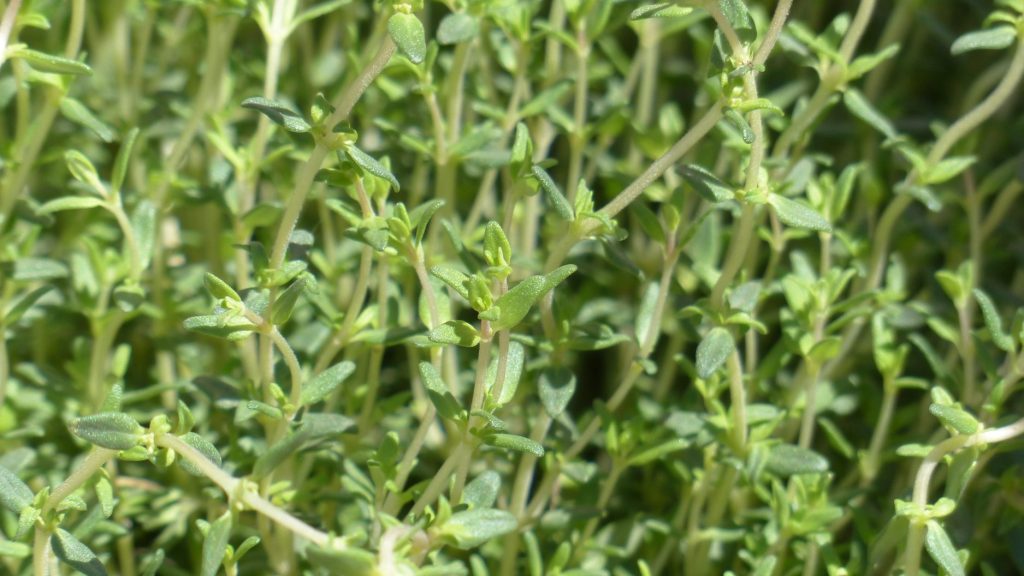
Thyme (Thymus vulgaris): Powdered thyme contains concentrated thymol, a potent antimicrobial and expectorant. The essential oils help loosen mucus while fighting infection. Traditional use for bronchitis, whooping cough, and respiratory infections is well-supported.
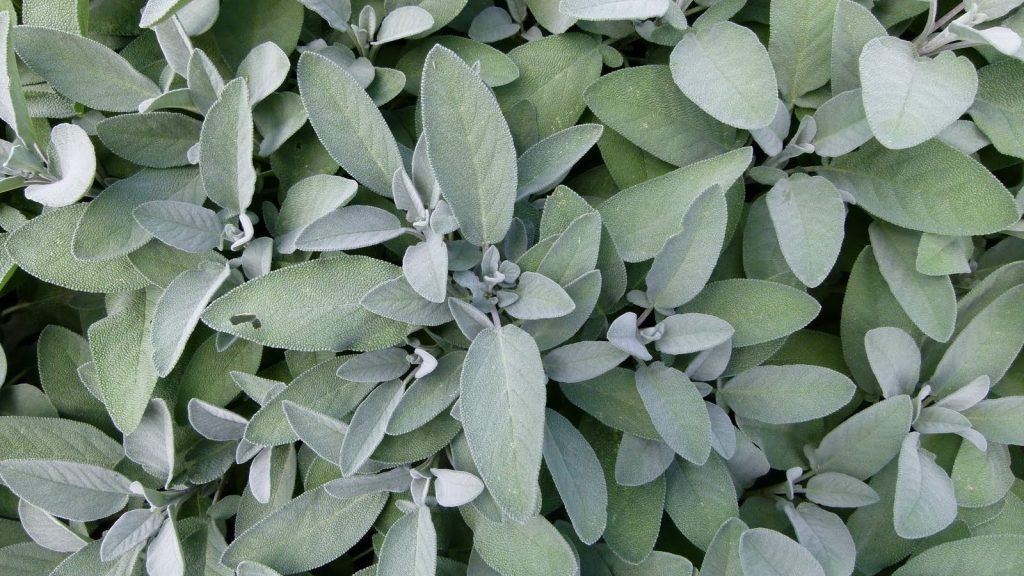
Sage (Salvia officinalis): Antimicrobial, astringent, and anti-inflammatory. Excellent for sore throats and tonsillitis. The tannins provide a tightening, protective effect on inflamed tissue.
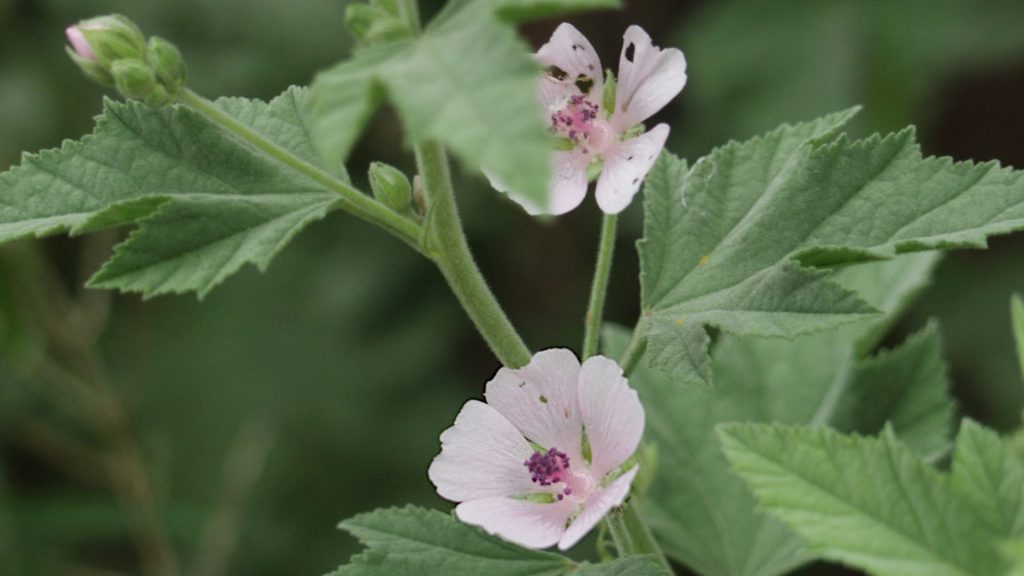
Marshmallow root (Althaea officinalis): The powdered root is intensely mucilaginous, creating a slippery, soothing paste that coats and protects irritated throat and stomach lining. Perfect for dry, tickly coughs.
For Digestive Support
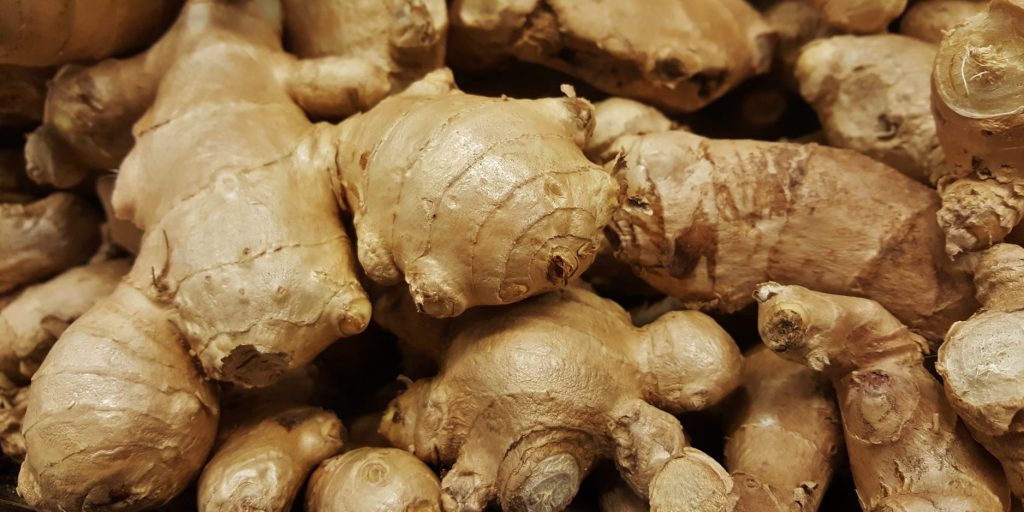
Ginger (Zingiber officinale): Warming, carminative (reduces gas), anti-nausea, anti-inflammatory. The gingerols and shogaols stimulate digestive secretions and motility. Brilliant for nausea, motion sickness, and sluggish digestion.
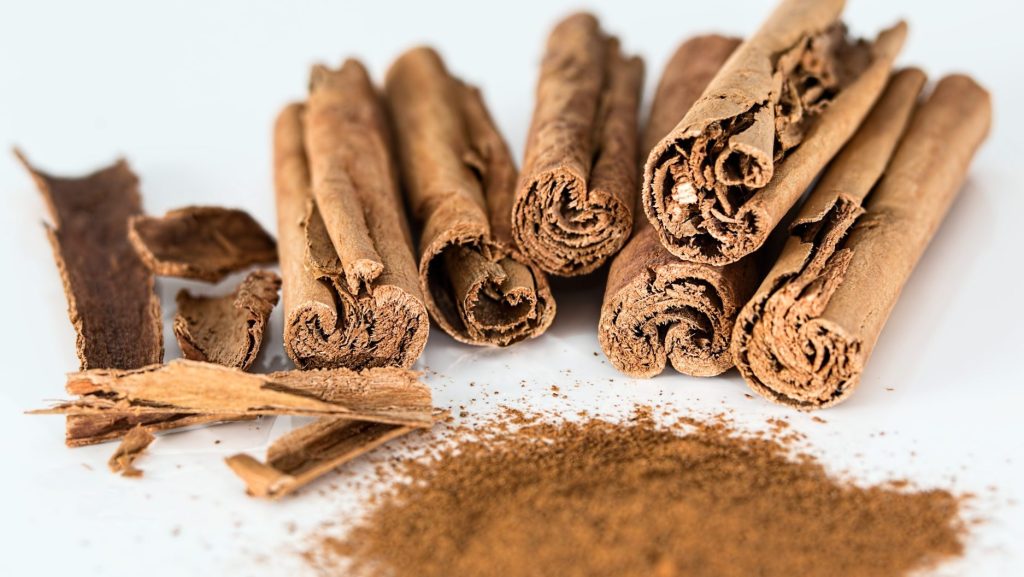
Cinnamon (Cinnamomum spp.): Warming, antimicrobial, helps regulate blood sugar. Reduces gas and bloating. Makes an excellent addition to digestive formulas and tastes delicious.
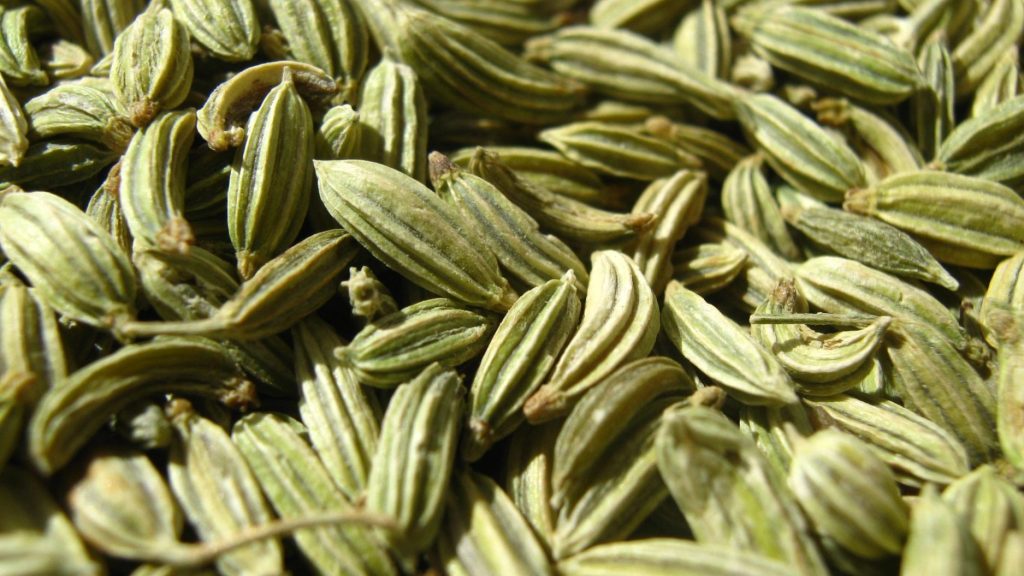
Fennel (Foeniculum vulgare): Powdered fennel seed relieves gas, bloating, and digestive cramping. The essential oils (primarily anethole) have antispasmodic properties. Safe for children.
For Immune Support
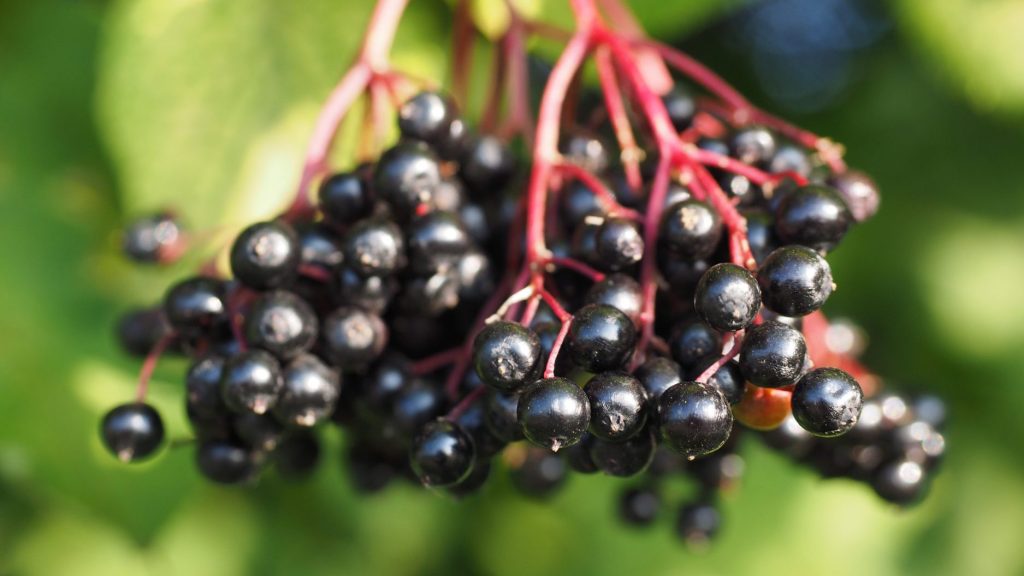
Elderberry (Sambucus nigra): Antiviral properties, particularly effective against influenza viruses. The compounds in elderberry prevent viruses from entering cells and replicating. Take at first sign of illness.
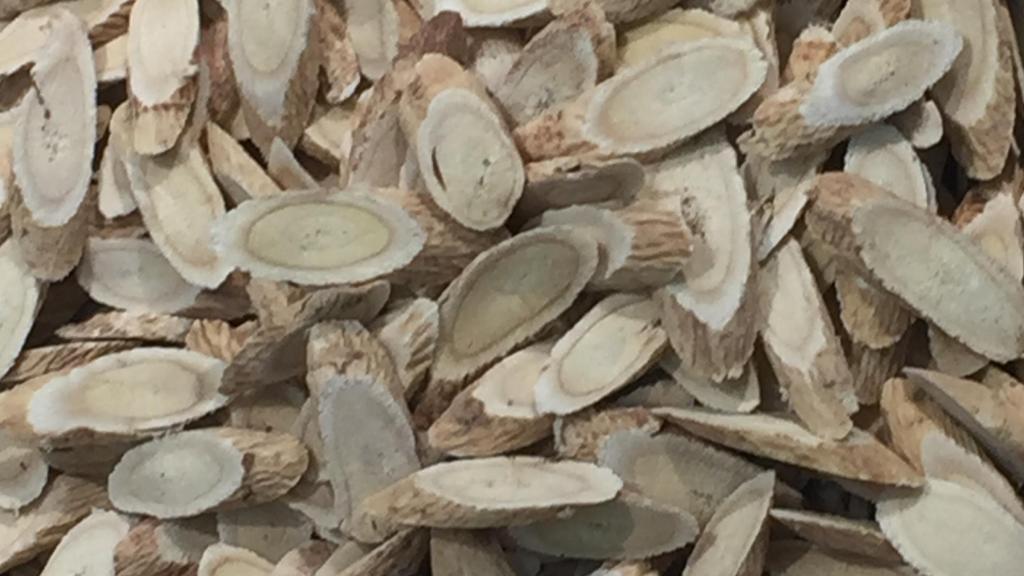
Astragalus (Astragalus membranaceus): An adaptogenic herb that modulates immune function. Best used preventatively rather than during acute illness. Supports overall resilience and vitality.
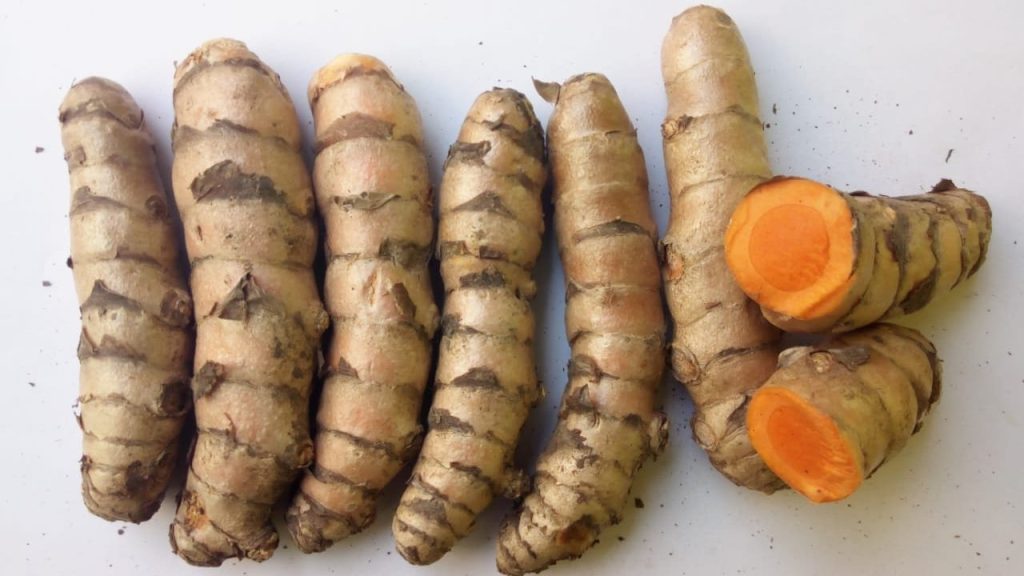
Turmeric (Curcuma longa): Powerful anti-inflammatory. The curcumin compounds provide antioxidant and immune-supporting effects. Combine with black pepper (which contains piperine) to enhance absorption.
Advanced Techniques: Formula Building
Once you’re comfortable with simple electuaries, you can create sophisticated formulas combining multiple herbs for synergistic effects.
The Art of Blending
Base herbs (50-60% of total): These provide the primary therapeutic action.
Supporting herbs (30-40% of total): These complement and enhance the base herbs’ actions.
Aromatic/flavouring herbs (10-20% of total): These improve palatability and often add their own gentle therapeutic effects.
Sample Formula: Comprehensive Throat Soother
Base:
- 2 tablespoons marshmallow root powder (soothing, coating)
- 1 tablespoon slippery elm powder (soothing, nutritive)
Supporting:
- 1 tablespoon thyme powder (antimicrobial, expectorant)
- 1 tablespoon sage powder (antimicrobial, astringent)
Aromatic:
- ½ tablespoon cinnamon powder (antimicrobial, pleasant flavour)
- ½ tablespoon ginger powder (warming, anti-inflammatory)
Honey: 8-10 tablespoons raw honey (or as needed for consistency)
How to use: Take 1 teaspoon every 2-3 hours for sore throat. Allow to slowly dissolve in mouth.
Why this works: The mucilaginous herbs (marshmallow, slippery elm) coat and protect. The antimicrobial herbs (thyme, sage) fight infection. The warming spices (cinnamon, ginger) increase circulation and add pleasant flavour. The honey preserves, soothes, and adds its own antimicrobial effects.
Electuary Pills
For herbs that are still unpalatable despite honey, or for convenient dosing, you can form electuary mixture into small pills:
Make a thick electuary (less honey, more powder)
Form into pea-sized balls
Roll in additional herb powder to coat and prevent sticking
Dry slightly at room temperature
Store in a jar
These can be swallowed like tablets or dissolved slowly in the mouth.
Safety Considerations
Electuaries are generally very safe, but some important cautions apply:
Botulism risk in infants: Never give honey to children under 12 months old. Their digestive systems lack the protective bacteria that prevent botulinum spores from germinating. This is a serious, potentially fatal risk.
Diabetes and blood sugar: Honey is pure sugar. People with diabetes or those monitoring blood sugar should either avoid honey-based electuaries or use them cautiously with medical oversight. Sugar-free alternatives like glycerin exist but work differently.
Allergies: Both honey and herbs can cause allergic reactions. Start with small amounts of any new electuary. Signs of allergy include itching, rash, swelling, or difficulty breathing. Discontinue immediately if these occur.
Herb-specific contraindications: Some herbs have specific cautions:
- Thyme: Avoid therapeutic doses during pregnancy
- Sage: Avoid during pregnancy and breastfeeding in medicinal amounts
- Licorice: Avoid with high blood pressure, pregnancy, or long-term
use - Elderberry: Raw berries are toxic; use only properly prepared dried
powder
Medication interactions: Herbs can interact with medications. If you’re taking prescription drugs, research potential interactions or ask your pharmacist.
Quality and identification: Only use herbs from reputable sources. Misidentification or contamination can be dangerous.
Budget-Friendly Electuaries
Ultra-low-cost ginger electuary ($3-5 per batch):
- Dried ginger powder: $2-3/50g (or grind your own from fresh)
- Basic honey: $3-5/250ml
- Optional: Cinnamon powder $1-2
Total: $6-10 (makes 200-300ml, lasts months)
Affordable herb powders: Ginger (warming), cinnamon (antimicrobial), turmeric (anti-inflammatory – $3-5/50g), cayenne (circulation), dried nettle (ground from free foraged leaves).
DIY powder option: Grind dried herbs in coffee grinder (dedicate one to herbs) = FREE if you forage/grow herbs.
This makes concentrated herbal medicine accessible regardless of budget.
Storage and Shelf Life
Proper storage conditions:
- Cool, dark location (cupboard away from stove or window)
- Airtight container (prevents moisture absorption and contamination)
- Clean utensils (use a clean, dry spoon each time—never introduce
moisture)
Expected shelf life: Properly made electuaries with adequate honey content and dry powders should last indefinitely. Honey is one of the only foods that never spoils. However:
- Herb potency gradually decreases over time
- Best used within 12-18 months for maximum effectiveness
- Some herbs oxidise faster than others
Signs of problems:
- Fermentation (bubbling, foaming, alcohol smell): Too much moisture
introduced, likely from using fresh herbs or wet utensils. Discard. - Mold growth: Visible fuzzy growth on surface. Discard immediately.
- Off smells: Rancidity or other strange odors. Discard.
Prevention: Use completely dry powders, ensure adequate honey content, keep stored properly, and use clean, dry utensils every time.
Building Your Electuary Practice
Start simple. Make one basic electuary using one or two herbs you know are safe and effective. Use it. Notice how it tastes, how it makes you feel, how long the texture and potency hold up.
Then experiment. Try different herb combinations. Adjust honey ratios to find your perfect consistency. Create formulas for specific situations—winter wellness, digestive support, stress relief.
The beauty of electuaries is their flexibility and simplicity. They’re nearly foolproof (as long as you keep everything dry and use proper honey ratios), require no special equipment, and can be made in minutes when you need them.
As you gain experience, you’ll develop your own signature formulas that work perfectly for you and your family. You’ll be able to open your cabinet, grab a few herb jars, and whip up a custom remedy in the time it takes to boil water for tea.
This is herbalism at its most accessible: simple ingredients, ancient methods, modern applications. Effective, affordable, and empowering.
Sources & Further Reading
Books:
- Gladstar, R. (2012). Rosemary Gladstar’s Medicinal Herbs: A Beginner’s Guide. Storey Publishing.
- de Bairacli Levy, J. (1973). The Illustrated Herbal Handbook.
Faber & Faber. - Green, J. (2000). The Herbal Medicine-Maker’s Handbook: A Home Manual. Crossing Press.
Scientific Literature:
- Mandal, M. D., & Mandal, S. (2011). Honey: its medicinal property
and antibacterial activity. Asian Pacific Journal of Tropical Biomedicine, 1(2), 154-160. https://doi.org/10.1016/S2221-1691(11)60016-6 - Samarghandian, S., Farkhondeh, T., & Samini, F. (2017). Honey and
health: A review of recent research. Pharmacognosy Research, 9(2), 121-127. https://doi.org/10.4103/0974-8490.204647 - Oduwole, O., Udoh, E. E., Oyo-Ita, A., & Meremikwu, M. M. (2018).
Honey for acute cough in children. Cochrane Database of Systematic Reviews, (4). https://doi.org/10.1002/14651858.CD007094.pub5
New Zealand Resources:
- Local beekeeping associations for sourcing quality honey
- Bin Inn stores for bulk herbs and spices
- Community herbalist networks for knowledge sharing
Disclaimer: Does not represent rongoā Māori methods. For rongoā knowledge, consult Te Paepae Motuhake.
Medical Disclaimer: This guide is for educational purposes only and is not medical advice. Electuaries are suitable for supporting minor, self-limiting conditions. Never give honey to infants under 12 months old due to botulism risk. If you are pregnant, nursing, taking medications, have diabetes, or have known allergies, seek guidance from a qualified health practitioner before using herbal preparations. The information about plant constituents and traditional uses is educational in nature and should not be interpreted as health claims. Always properly identify herbs and source them from reputable suppliers.
Note on Pricing: All prices mentioned in this guide are approximate and based on New Zealand suppliers as of December 2025. Prices vary by supplier, season, and market conditions. We recommend checking current prices with your local suppliers.
 The Public Herbarium