Lymphatic Support: Your Complete Herbal Guide
Natural lymphatic drainage support, reduces inflammation/swelling, supports immune function (lymph = immune transport), accessible herbs in NZ, gentle detoxification without harsh cleanses.
Understanding Your Lymphatic System
What Is It?
Think of your lymphatic system as your body’s drainage pipes and waste treatment plant combined. It’s a one-way network of vessels and nodes that:
Drains excess fluid:
- About 3 litres daily from your tissues back to your bloodstream
- Prevents swelling (like how gutters prevent water pooling)
Filters waste:
- Removes cellular debris, toxins, dead cells
- Filters through lymph nodes (like treatment plants)
Protects you:
- Houses immune cells (white blood cells)
- Where your immune system “meets” invaders
- Over 600 lymph nodes throughout your body act as immune checkpoints
How It Works
Unlike your heart-pumped blood system:
- NO built-in pump (no “lymph heart”)
- Relies on muscle movement and breathing
- One-way valves prevent backflow
- Moves slowly and gently
This means:
- Movement is ESSENTIAL (walking, stretching, breathing)
- Stagnation happens easily with inactivity
- Support requires both herbs AND lifestyle
Signs Your Lymph Needs Support
Common signs of sluggish lymph:
- Puffiness or swelling (especially ankles, fingers, under eyes)
- Morning stiffness
- Feeling heavy and tired
- Getting sick frequently
- Brain fog
- Cellulite (lymph congestion contributes)
- Rings feeling tight
- Swollen glands with colds
Why it gets sluggish:
- Lack of movement (sitting all day)
- Dehydration
- Poor diet
- Chronic stress
- Tight clothing (especially underwire bras, tight waistbands)
- Surgery or injury that damaged lymph vessels
Your Lymph Support Toolkit
Core Lymphatic Herbs
1. Cleavers (Galium aparine)
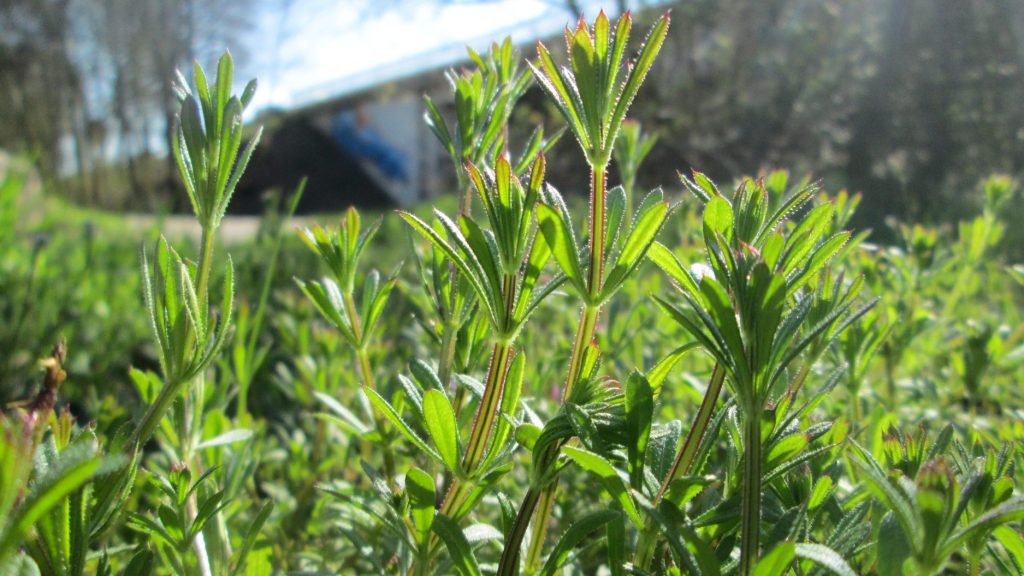
Why it’s THE lymph herb:
Cleavers is the classic lymphatic tonic. Its creeping, clinging nature (those little hooks that stick to everything!) reflects the vast network of lymph vessels throughout your body — it’s like nature’s signature showing you what it’s for.
What it does:
- Lymphagogue (increases lymph production and flow)
- Gentle diuretic (helps move fluid without depleting minerals)
- Anti-inflammatory (reduces swelling in tissues)
- Alterative (“blood cleanser — “supports whole-body detox)
- Cooling (reduces heat and inflammation)
The science: Contains iridoid glycosides (asperuloside) that convert to prostaglandins, which help regulate inflammation and fluid movement. Studies show cleavers lowers blood pressure and supports kidney function without side effects.
How to use:
Fresh is best (cleavers loses potency when dried):
Cold Infusion (gentlest, most effective):
- Fill jar with fresh cleavers (whole plant — stems, leaves, flowers)
- Cover with cold water
- Refrigerate 4-8 hours (or overnight)
- Strain
- Drink 1-3 cups throughout day
Fresh Juice:
- Blend handful fresh cleavers with small amount water
- Strain through cheesecloth
- Dilute juice with water or add to smoothie
- Drink immediately
Fresh Tea:
- Pour hot water over large handful fresh cleavers
- Steep 10-15 minutes, covered
- Drink 2-3 cups daily
Dried (if fresh unavailable):
- 1-2 teaspoons per cup hot water
- Steep 10-15 minutes
- 2-3 cups daily
- (Note: Less potent than fresh)
When to use:
- Spring cleansing (cleavers abundant in spring in NZ!)
- After illness (supports lymph clearing infection debris)
- Swollen glands
- General lymph sluggishness
- Seasonal allergies (helps clear histamine)
Taste: Mild, slightly grassy, fresh cucumber-like. Very palatable.
Where to find (NZ):
- Forage: Common weed in gardens, hedgerows, damp areas (September-December in NZ)
- Dried: Health food stores, herbal suppliers
- Tincture: Available but fresh is far superior
Cost (NZ): Free if foraged; dried $8-15/50g
Safety: Very safe. Gentle enough for long-term use.
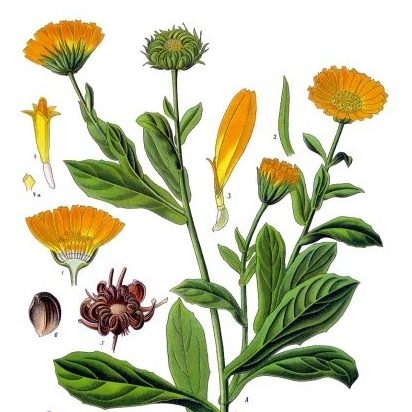
2. Calendula (Calendula officinalis)
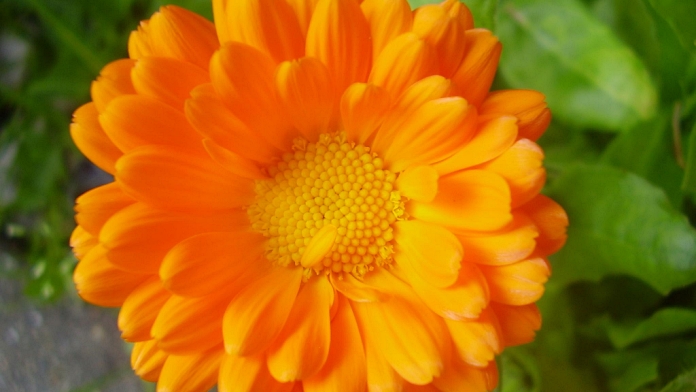
Why it supports lymph:
Calendula is specific for lymph node swelling, especially when there’s infection or inflammation (like swollen glands with sore throat).
What it does:
- Stimulates lymph flow
- Anti-inflammatory (reduces swollen lymph nodes)
- Gentle lymphatic tonic
- Supports lymphatic tissue health
- Antimicrobial (helps clear infections)
The science: Rich in triterpenoids and flavonoids that reduce inflammation in lymphatic tissue. Traditional use for swollen glands well-supported.
How to use:
Internal Tea:
- 1-2 teaspoons dried calendula flowers per cup
- Steep 10-15 minutes, covered
- Drink 2-3 cups daily
Tincture:
- 2-4ml three times daily
External (for swollen nodes):
- Make strong calendula tea
- Soak cloth in warm tea
- Apply as compress to swollen lymph nodes
- 15-20 minutes, 2-3 times daily
When to use:
- Swollen lymph nodes (neck, armpits, groin)
- Sore throat with swollen glands
- After dental work
- Chronic lymph congestion
Taste: Mild, slightly bitter, pleasant.
Cost (NZ):
- Dried flowers: $12-18/50g
- Tincture: $15-25/50ml
- Grow your own: Easy! Seeds $5-8/packet
Safety: Very safe. Avoid if allergic to daisies/marigolds.
3. Red Clover (Trifolium pratense)
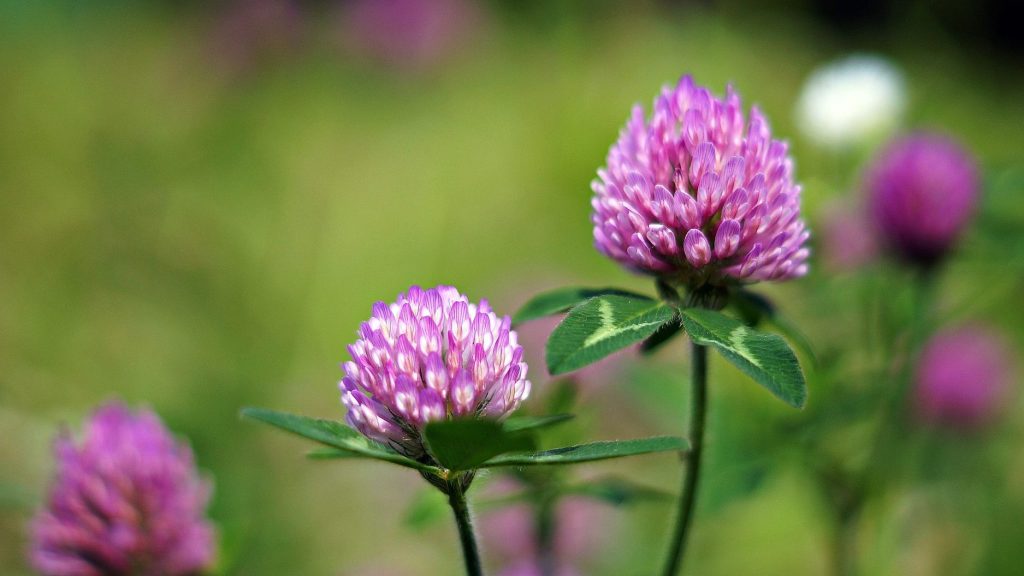
Why it helps:
Traditional “blood purifier” that supports lymph by improving overall detoxification. Gentle enough for long-term use.
What it does:
- Alterative (supports detox pathways)
- Lymphatic tonic
- Eases congestion in lymph and other tissues
- Mineral-rich (supports tissue health)
How to use:
Nourishing Infusion:
- 1/4 cup dried red clover blossoms
- Quart jar
- Fill with hot water
- Steep 4+ hours (or overnight)
- Strain
- Drink 2-3 cups daily
Simple Tea:
- 1-2 teaspoons per cup
- Steep 10-15 minutes
- 1-3 cups daily
Taste: Pleasant, slightly sweet.
Cost (NZ): $10-16/100g dried; forage free from clean areas
Safety: Safe for most. Check with doctor if taking blood thinners (contains coumarins).
Supporting Herbs
4. Echinacea (Echinacea purpurea, E. angustifolia)
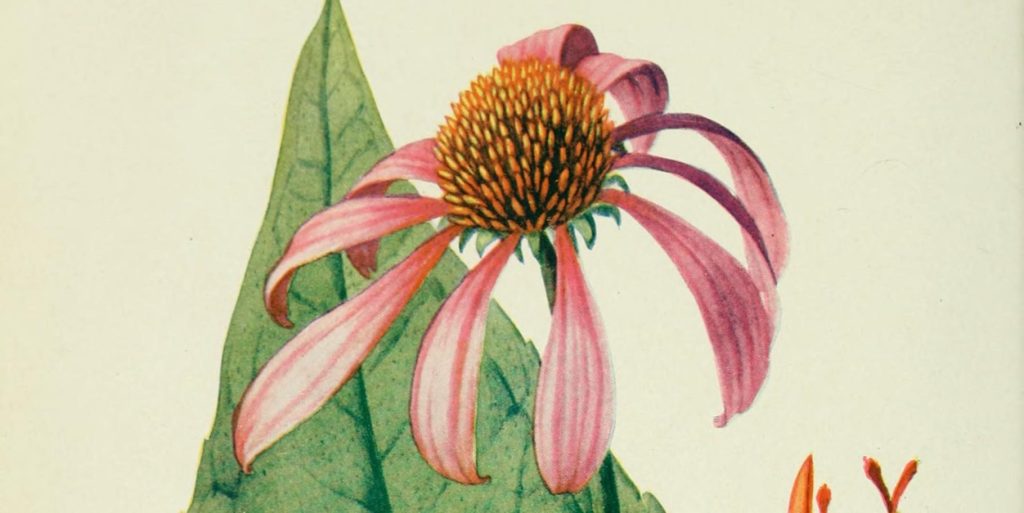
Why for lymph:
Boosts immune activity within lymph nodes — your immune system’s command centres.
How to use:
- At first sign of swollen glands: 2-4ml tincture every 2-3 hours
- For immune support: 2-4ml three times daily
- Use in cycles (2 weeks on, 1 week off)
See Immune Support guide for complete information
5. Mānuka (Leptospermum scoparium)

Why it’s special:
While Mānuka honey is famous worldwide, the leaf tea is a gentle, calming lymphatic stimulant — and it’s uniquely ours!
What it does:
- Gentle lymphatic stimulant
- Anti-inflammatory
- Antimicrobial
- Calming to system
How to use:
- 1-2 teaspoons dried leaves per cup
- Steep 10 minutes
- 1-2 cups daily
Cost (NZ): $8-12/50g; harvest sustainably from own property
6. Nettle (Urtica dioica)
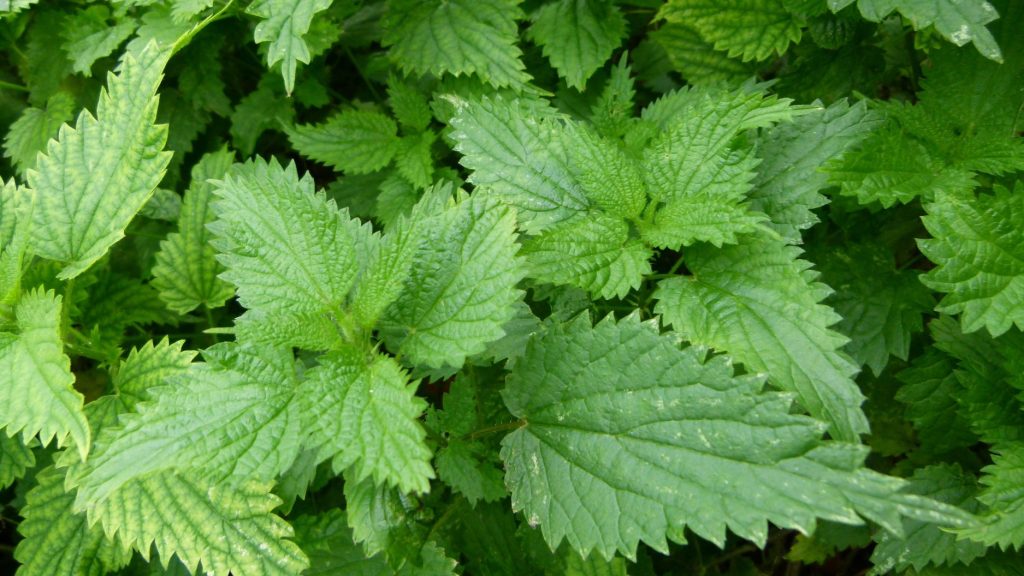
Why it supports lymph:
Doesn’t directly stimulate lymph, but nourishes tissues and supports detoxification through kidneys — takes pressure off lymph system.
How to use:
- Nourishing infusion: 1/4 cup dried nettle, steep 4-8 hours
- Drink 1-2 cups daily
See General Wellness guide for complete information
Simple Lymph Formulas
1. “Lymph Flow” Tea Blend
Ingredients:
- 2 parts cleavers (dried, or make fresh tea separately)
- 1 part calendula flowers
- 1 part red clover blossoms
- 1/2 part manuka leaf
- 1/2 part peppermint (flavour and digestive support)
Method:
- Mix dried herbs, store in airtight jar
- Use 1 tablespoon per cup hot water
- Steep 15 minutes, covered
- Drink 2-3 cups daily
When to use:
- Spring cleansing (2-4 weeks)
- After illness
- When feeling puffy or sluggish
- Seasonal transition support
2. Fresh Cleavers “Green Juice”
Ingredients:
- Large handful fresh cleavers
- 1/2 cucumber
- 1 stalk celery
- 1/2 green apple
- Small piece ginger
- Squeeze of lemon
Method:
- Blend all ingredients with small amount water
- Strain if desired (or drink with fibre!)
- Drink immediately
Why it works: Combines lymphatic support (cleavers), hydration (cucumber, celery), digestion (ginger), and makes cleavers actually delicious!
3. Lymph Support Tincture Blend
For those who prefer tinctures:
- Equal parts: Cleavers, Calendula, Red clover
- Take 2-4ml three times daily
- Dilute in small amount water
Essential Lifestyle: Movement Is Medicine
Herbs work MUCH better with movement. Your lymph system HAS NO PUMP — it needs you to move it!
1. Dry Skin Brushing (5 minutes daily)
Why: Stimulates lymph vessels just under skin.
How:
- Before shower, use natural bristle brush
- Start at feet
- Brush toward heart with long, sweeping strokes
- Always brush TOWARD lymph nodes (groin, armpits, neck)
- Feet → legs → torso; hands → arms → torso
- Gentle on sensitive areas, firmer on soles/palms
- Should feel invigorating, not painful
Where to buy (NZ): Health stores, Farmers, Chemist Warehouse ($10-20)
2. Rebounding / Jumping (10-15 minutes daily)
Why: Up-and-down movement is THE BEST lymph mover. The acceleration/deceleration forces open and close lymph valves.
Options:
- Mini trampoline (rebounder): Gentle bouncing, no need to jump high
- Jumping jacks
- Skipping rope
- Just bouncing on toes
Start: 2-3 minutes, build gradually
Cost (NZ): Mini trampolines $50-150; skipping rope $10-20
3. Deep Breathing (5 minutes, 3x daily)
Why: Your diaphragm is a MAJOR lymph pump. Deep breathing creates pressure changes that pull lymph upward.
How:
- Sit or lie comfortably
- Hand on belly
- Inhale slowly through nose, belly rises (count 4)
- Hold (count 2)
- Exhale slowly through mouth (count 6)
- Repeat 10-15 times
Bonus: Reduces stress, which improves lymph flow.
4. Walking (30+ minutes daily)
Why: Muscle contractions in legs pump lymph. Simple walking is incredibly effective.
Tips:
- Swing arms (pumps upper body lymph)
- Breathe deeply while walking
- Don’t need to be fast — regular movement is key
5. Stretching / Yoga (20 minutes, 3-4x weekly)
Why: Gentle stretching opens and closes lymph vessels, moving fluid.
Best poses for lymph:
- Twists (compresses and releases)
- Legs up the wall (reverses gravity, drains leg lymph)
- Cat-cow (opens chest, pumps abdominal lymph)
- Gentle backbends (opens chest lymph)
6. Hydration (2-3 litres daily)
Why: Lymph is mostly water. Dehydrated = thick, sluggish lymph.
How:
- Start day with large glass water
- Herbal teas count!
- Add lemon (supports liver detox, refreshing)
- Eat water-rich foods (cucumber, celery, watermelon)
When Your Lymph Is Especially Congested
Acute support protocol (use for 7-14 days):
Herbs:
- Fresh cleavers tea or juice: 3-4 cups daily
- Calendula tea: 2-3 cups daily
- Echinacea tincture: 2-4ml three times daily (if infection present)
Lifestyle:
- Dry brush: Morning and evening
- Rebounding: 15 minutes, 2x daily
- Deep breathing: Every 2-3 hours
- Walk: 30-60 minutes daily
- Hydrate: 3+ litres water/herbal tea
- Rest elevated: Legs up wall 15 minutes daily
- Avoid: Tight clothing, dairy (can be congesting for some), processed foods
After 7-14 days:
- Transition to gentler maintenance protocol
- Continue movement practices
- Reduce herbs to 1-2 cups tea daily
Lymph and Immune Connection
Your lymph nodes are immune headquarters:
- Where immune cells “meet” invaders
- Where immune responses are coordinated
- Why lymph nodes swell when you’re sick (working hard!)
Supporting lymph supports immunity:
- Clears infection debris faster
- Helps immune cells circulate
- Prevents congestion that slows immune response
When you’re sick:
- Gentle lymph support continues
- Don’t overstimulate (excessive massage, intense rebounding)
- Rest is priority
- Hydrate well
- Light walking, breathing exercises
Special Considerations
Breast Health
Breasts have extensive lymph drainage:
- No muscle to pump lymph
- Tight bras restrict flow
- Manual lymph drainage beneficial
Support:
- Gentle self-massage (circular, toward armpit)
- Cleavers tea during cycle (if breasts feel tender/swollen)
- Appropriate bra fit (not too tight)
- Regular arm movement
Post-Surgery
Surgery can damage lymph vessels:
- Especially mastectomy, lymph node removal
- Can cause chronic lymphedema
Herbal support:
- Cleavers (gentle, long-term)
- Calendula (tissue healing)
- Work with manual lymph drainage therapist
- Get medical clearance first
Cellulite
Lymph congestion contributes:
- Not the only cause, but a factor
- Improved lymph flow can improve appearance
Approach:
- Herbs: Cleavers, red clover
- Dry brushing (key!)
- Movement
- Hydration
- Massage
- Realistic expectations — it’s multi-factorial
NZ Foraging: Cleavers
When: September-December (spring/early summer)
Where:
- Garden “weed”
- Hedgerows
- Damp, shaded areas
- Disturbed ground
Identification:
- Square stems
- Whorls of 6-8 narrow leaves around stem
- Tiny white, star-shaped flowers
- VERY sticky (hooks on everything)
- Scrambles over other plants
Harvesting:
- Choose clean area (away from roads, sprays)
- Pick whole aerial parts (before flowering ideal, but flowering okay)
- Use fresh immediately OR
- Dry quickly in single layer (degrades fast)
Safety: Very safe plant to identify — those sticky hooks are unmistakable!
NZ Sourcing
Fresh herbs:
- Cleavers: Forage (free!)
- Calendula: Grow ($5-8 seeds)
Dried herbs:
- Lotus Oils NZ
- Cottage Hill Herbs
- Herbshop NZ
- Bin Inn (some herbs)
Tinctures:
- Kiwiherb
- Artemis
- Various health food stores
Equipment:
- Dry brush: Health stores, Farmers, Chemist Warehouse ($10-20)
- Rebounder: Trade Me, fitness stores ($50-150)
Summary: Your Lymph Action Plan
Daily basics:
- Move: Walk 30 min + gentle stretching
- Breathe: Deep breathing, 3x daily
- Hydrate: 2-3 litres water/herbal tea
- Dry brush: 5 minutes before shower
Herbal support:
- Spring: Fresh cleavers daily (2-4 weeks)
- Maintenance: Lymph tea blend, 1-2 cups daily
- Congestion: Intensive protocol (see above), 7-14 days
Weekly:
- Rebounder/jumping: 10-15 min, 5-7 days/week
- Yoga/stretching: 20 min, 3-4x weekly
- Legs up wall: 15 min, 3-4x weekly
Seasonal:
- Spring cleaning with cleavers
- After illness: Support recovery
- As needed: Swollen glands, puffiness
Remember:
- Movement is non-negotiable (herbs support, don’t replace)
- Gentle, consistent support beats intense but sporadic
- Your lymph system responds beautifully to regular care
- These practices benefit overall health, not just lymph
Your lymphatic system is always working quietly in the background. Give it the support it needs, and it will keep you healthy, clear, and energised.
Budget-Friendly Lymphatic Support
Low-cost daily support ($0-5/month):
- Cleavers (foraged): FREE, classic lymphatic herb
- Calendula (garden): FREE, lymphatic drainage
- Red clover (foraged/weedy): FREE, lymphatic cleanser
- Nettle (foraged): FREE, supports lymph flow
Total: $0-5/month (entirely free if foraging)
Free lymphatic herbs:
- Foraged: Cleavers (abundant spring weed), red clover, nettle, dandelion
- Garden: Calendula, thyme (lymphatic stimulant)
Lymphatic movement (free):
- Walking/exercise (muscle contraction pumps lymph)
- Deep breathing (diaphragm pumps central lymph)
- Dry brushing (gentle skin stimulation)
- Massage/self-massage
- Hot/cold showers (vascular pumping)
Specific support:
- Swollen glands: Cleavers tea + calendula compress
- Post-surgery swelling: Cleavers tea (consult surgeon first)
- Seasonal congestion: Red clover + nettle tea
NZ budget note: This is one of the most budget-friendly herbal approaches — primary herbs (cleavers, calendula, red clover) grow wild/abundantly throughout NZ.
Emergency lymphatic support (free):
- Fresh cleavers tea (harvest spring)
- Movement (walk, stretch, breathe deeply)
- Calendula compress on swollen lymph nodes
References
Bone, K., & Mills, S. (2013). Principles and practice of phytotherapy: Modern herbal medicine (2nd ed.). Churchill Livingstone.
Chevallier, A. (2016). Encyclopedia of herbal medicine (3rd ed.). Dorling Kindersley.
Hoffmann, D. (2003). Medical herbalism: The science and practice of herbal medicine. Healing Arts Press.
Mortimer, P.S., & Rockson, S.G. (2014). New developments in clinical aspects of lymphatic disease. Journal of Clinical Investigation, 124(3), 915-921.
Wood, M. (2008). The earthwise herbal: A complete guide to old world medicinal plants. North Atlantic Books.
Disclaimer: Does not represent rongoā Māori methods. For rongoā knowledge, consult Te Paepae Motuhake.
Medical Disclaimer: This guide is for educational purposes only and is not medical advice. Lymphatic herbs support wellness but do not replace professional healthcare. Persistent swelling, hard or rapidly growing lymph nodes, or concerning symptoms require medical evaluation. Consult qualified healthcare practitioners, especially if pregnant, nursing, taking medications, having medical conditions, or experiencing unexplained lymph node changes.
Note on Pricing: All prices mentioned in this guide are approximate and based on New Zealand suppliers as of December 2025. Prices vary by supplier, season, and market conditions. We recommend checking current prices with your local suppliers.
 The Public Herbarium