
A Deep Dive Guide to the Science of Culinary Medicine in Aotearoa New Zealand
This comprehensive guide explores the biochemistry, pharmacology, and therapeutic applications of common culinary ingredients. We’ll examine phytochemical composition, mechanisms of action, bioavailability optimisation, synergistic interactions, and evidence-based formulations that transform everyday foods into sophisticated medicines.
Table of Contents
- The Science of Food as Medicine
- Garlic: Organosulfur Pharmacology
- Ginger: Phenolic Compound Therapeutics
- Turmeric: Curcuminoid Chemistry
- Cinnamon: Polyphenol & Cinnamaldehyde Action
- Honey: Osmotic & Enzymatic Medicine
- Bioavailability Optimisation
- Synergistic Formulations
- Advanced Applications
- Clinical Evidence & Research
The Science of Food as Medicine
Historical & Cultural Context
Hippocrates (460-370 BCE): “Let food be thy medicine and medicine be thy food.”
This wasn’t metaphorical. Ancient physicians understood that the boundary between nutrition and therapeutics was artificial. Traditional medical systems—Traditional Chinese Medicine, Ayurveda, Unani, rongoā Māori—all integrate food-based therapeutics.
Modern Phytopharmacology
Why Culinary Plants Are Medicinal:
Plants produce secondary metabolites—compounds not essential for basic growth but crucial for survival:
- Defence chemicals: Protect from pathogens, herbivores
- Signaling molecules: Attract pollinators, communicate with other plants
- UV protection: Antioxidants prevent radiation damage
These same compounds affect human biochemistry:
- Antimicrobials: Kill or inhibit human pathogens too
- Antioxidants: Protect our cells from oxidative stress
- Receptor modulators: Interact with our neurotransmitter and hormone systems
- Enzyme inhibitors/activators: Alter our metabolic pathways
The Spice Paradox:
Why do we find bitter, pungent, or spicy flavors appealing? These tastes often signal defensive compounds—yet in small amounts, they stimulate our physiology beneficially (hormesis).
Whole Food Matrix Effects
Why Whole Foods > Isolated Compounds:
When you eat turmeric in food versus taking a curcumin supplement, you get:
- The fibre matrix: Slows absorption, provides sustained release
- Co-factors: Other compounds that enhance absorption or activity
- Buffering compounds: Reduce potential irritation
- Synergistic phytochemicals: Multiple compounds working together
Example: Black pepper increases curcumin absorption 2000%, but turmeric in curries with fat (coconut milk) also enhances absorption while providing fat-soluble vitamins and a slower release profile.
Garlic: Organosulfur Pharmacology

Phytochemical Profile
Primary Compounds:
Alliin (inactive precursor):
- Chemical formula: C₆H₁₁NO₃S
- Concentration: ~10-30 mg/g fresh garlic
- Stable, odorless sulfur-containing amino acid
- Located in garlic cytoplasm
Alliinase (enzyme):
- Located in garlic vacuoles (separate from alliin)
- Activated when cell structure disrupted (crushing, chopping)
- Converts alliin → allicin
Allicin (active compound):
- Chemical formula: C₆H₁₀OS₂
- Forms within 10 minutes of crushing garlic
- Unstable, degrades quickly
- Responsible for characteristic odor and therapeutic effects
- Concentration: ~2.5-4.5 mg/g fresh crushed garlic
Secondary Organosulfur Compounds:
As allicin degrades, it forms:
- Diallyl disulfide (DADS)
- Diallyl trisulfide (DATS)
- Ajoene
- S-allylcysteine (SAC) – especially in aged garlic
Mechanisms of Action
1. Antimicrobial Activity
Mechanism:
Allicin is a highly reactive thiosulfinate that:
- Penetrates microbial cell membranes (lipophilic)
- Reacts with thiol groups (-SH) in enzymes
- Inactivates critical enzymes (e.g., alcohol dehydrogenase, thioredoxin reductase)
- Disrupts cellular metabolism
- Leads to cell death
Spectrum:
- Bacteria: Both Gram-positive and Gram-negative
- Staphylococcus aureus (including MRSA)
- Escherichia coli
- Helicobacter pylori
- Fungi: Candida albicans, Aspergillus species
- Viruses: Some evidence for antiviral activity (influenza, common cold viruses)
Clinical Relevance:
In vitro studies show minimum inhibitory concentrations (MIC) of allicin at 8-32 μg/mL for many bacteria. Fresh garlic extract achieves these concentrations.
2. Cardiovascular Effects
Blood Pressure Reduction:
- Mechanism: Allicin and derivatives stimulate production of hydrogen sulfide (H₂S) and nitric oxide (NO) in vascular endothelium
- H₂S and NO: Both are vasodilators—they relax smooth muscle in blood vessel walls
- Result: Reduced peripheral vascular resistance = lower blood pressure
Meta-analysis findings:
- Garlic supplementation reduces systolic BP by average 8-10 mmHg
- Diastolic BP by 5-6 mmHg
- Effect size comparable to some antihypertensive medications
- Requires consistent use (8-12 weeks to see effect)
Cholesterol Reduction:
- Mechanism: Allicin inhibits HMG-CoA reductase (same enzyme statins target)
- Also increases bile acid excretion
- Effect: Modest reduction in total cholesterol (10-15 mg/dL) and LDL cholesterol
- More pronounced in people with elevated cholesterol
3. Antiplatelet Activity
Mechanism:
- Ajoene (allicin breakdown product) inhibits platelet aggregation
- Blocks fibrinogen binding to platelet receptors
- Reduces thromboxane synthesis
Clinical Implication:
- May reduce clot formation risk
- CAUTION: Additive effect with anticoagulant medications
- Discontinue therapeutic doses 7-10 days before surgery
Bioavailability & Optimisation
Critical Factors:
1. Crushing/Chopping:
- Must damage cells to mix alliin + alliinase
- Optimal: Crush or finely chop, let sit 10 minutes before consuming or cooking
- Why 10 minutes: Allows maximum allicin formation
2. Heat Sensitivity:
- Alliinase denatures at ~60°C
- High heat before allicin forms = greatly reduced therapeutic compounds
- Strategy: Crush garlic, wait 10 minutes, then add to cooking at end
3. Stomach Acid:
- Allicin partially degraded by gastric acid
- Mitigation: Consume with food (buffers acid), or use aged garlic extract (SAC more stable)
4. Raw vs. Cooked:
- Raw: Maximum allicin if prepared correctly
- Cooked: Retains some organosulfur compounds if pre-crushed and added late
- Aged: Different compound profile (SAC), more stable, different benefits
Evidence-Based Dosing
For Antimicrobial Effects (Acute Cold/Flu):
- 2-3 raw cloves, crushed, 2-3 times daily
- Approximately 8-12 mg allicin per day
- Start at first sign of infection
For Cardiovascular Support (Long-term):
- 1-2 cloves daily, raw or lightly cooked
- OR aged garlic extract (600-1200 mg daily)
- Consistent daily use required
NZ Context:
- Fresh garlic: $2-4 per bulb (10-12 cloves)
- One bulb lasts 5-7 days for therapeutic use
- Cost: ~$1-2 per week
Ginger: Phenolic Compound Therapeutics
Phytochemical Profile
Primary Active Compounds:
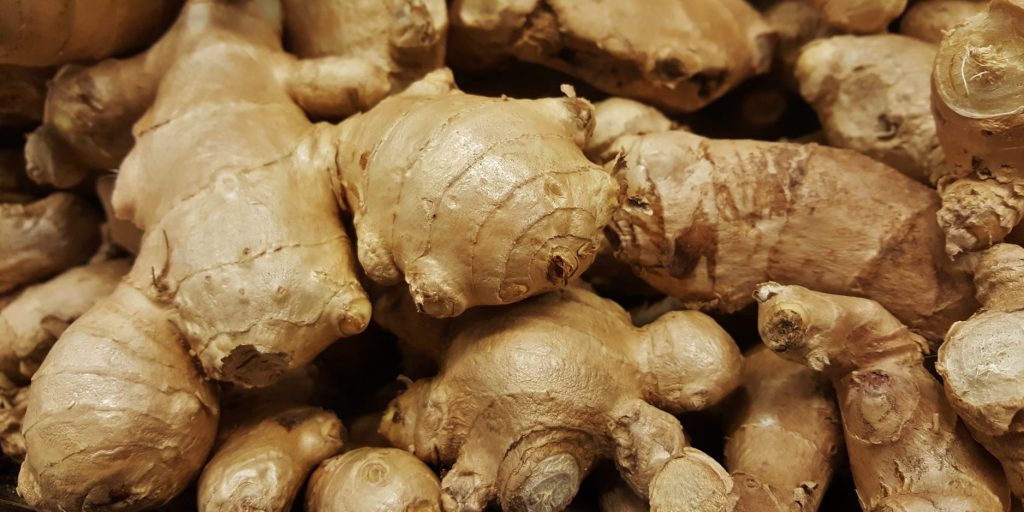
Gingerols (in fresh ginger):
- 6-gingerol: Primary compound, 60-80% of total gingerols
- Chemical formula: C₁₇H₂₆O₄
- Concentration: 0.3-1.2% of fresh ginger weight
- Pungent taste, responsible for “heat”
Shogaols (in dried/cooked ginger):
- 6-shogaol: Formed when gingerols are dehydrated
- Chemical formula: C₁₇H₂₄O₃
- More pungent and more pharmacologically active than gingerols
- Concentration increases with heat and drying
Other Compounds:
- Paradols: Further dehydration products
- Zingerone: Formed when gingerols are heated
- Essential oils: Zingiberene, β-sesquiphellandrene, curcumene (10-30% of total aromatic compounds)
Mechanisms of Action
1. Anti-Nausea & Anti-Emetic
Multiple Mechanisms:
A. Serotonin Receptor Antagonism:
- Gingerols and shogaols block 5-HT₃ receptors
- 5-HT₃: Serotonin receptor in gut and brainstem that triggers nausea
- Comparison: Pharmaceutical anti-nausea drugs (ondansetron) work via same mechanism
- Ginger advantage: Multiple compounds provide broader activity without selective receptor over-activity
B. Acetylcholine Receptor Modulation:
- Reduces cholinergic stimulation in GI tract
- Calms excessive gut motility
C. Gastric Emptying:
- Accelerates gastric emptying rate
- Reduces nausea from delayed stomach emptying (gastroparesis)
- Mechanism: Stimulates gastric antral contractions via cholinergic pathways
Evidence:
- Pregnancy-related nausea: Multiple RCTs show 1-1.5g ginger daily reduces nausea severity by 30-40%
- Post-operative nausea: Meta-analysis shows similar efficacy to metoclopramide
- Motion sickness: Mixed evidence; appears helpful for some individuals
- Chemotherapy-induced nausea: Modest benefit when combined with standard anti-emetics
2. Anti-Inflammatory Activity
Mechanisms:
COX-2 Inhibition:
- 6-gingerol and 6-shogaol inhibit cyclooxygenase-2 (COX-2)
- COX-2 produces prostaglandin E₂ (PGE₂), a pro-inflammatory mediator
- Inhibition: Reduces inflammation and pain
- Non-selective: Also affects COX-1 (unlike selective NSAIDs), but much milder GI side effects
LOX Inhibition:
- Inhibits 5-lipoxygenase (5-LOX)
- Reduces leukotriene synthesis
- Leukotrienes cause bronchoconstriction and inflammation
NF-κB Pathway Suppression:
- NF-κB is a master transcription factor that activates inflammatory genes
- Gingerols suppress NF-κB activation
- Downstream: Reduces production of TNF-α, IL-1β, IL-6 (inflammatory cytokines)
Clinical Applications:
- Osteoarthritis: Studies show modest but significant pain reduction (20-30% decrease in pain scores)
- Muscle soreness: Reduces exercise-induced muscle pain and inflammation
- Dysmenorrhea: Comparable efficacy to ibuprofen for menstrual pain in some studies
3. Circulatory Stimulation
Mechanism:
- Thermogenic effect: Gingerols increase metabolic heat production
- Vasodilation: Promotes peripheral blood flow
- Subjective: Warmth, especially in extremities
Traditional Use Context:
This is why ginger features prominently in cold-climate traditional medicine systems and winter formulas.
Bioavailability & Optimisation
Absorption:
- Gingerols and shogaols are lipophilic (fat-soluble)
- Enhanced by: Consuming with fats (coconut oil, ghee, in curries)
- Metabolism: Extensively metabolised by liver (first-pass effect)
- Active metabolites: Some metabolites retain activity
Fresh vs. Dried:
- Fresh: Higher gingerol content
- Dried/heated: Higher shogaol content (more potent)
- Clinical note: For anti-inflammatory effects, dried ginger may be more effective; for nausea, fresh seems to work well
Preparation Optimisation:
For Nausea:
- Fresh ginger tea: Simmer sliced ginger 10 minutes
- Crystallised ginger: Easy to carry, dose
- Fresh grated: Maximum gingerol
For Inflammation:
- Dried ginger powder: Higher shogaol
- Consistent daily dosing (cumulative effect)
- With fat for better absorption
Evidence-Based Dosing
For Nausea:
- 1-1.5g dried ginger powder daily (divided doses)
- OR 15-20g fresh ginger daily (2-3 cups tea)
- Begin at first sign of nausea
For Inflammation/Pain:
- 2-4g dried ginger powder daily
- Divided into 2-3 doses
- Consistent use for 3-4 weeks to see maximal effect
Pregnancy-Specific:
- 1g daily maximum (divided doses)
- Consult midwife/doctor
- Generally considered safe at this dose
NZ Availability:
- Fresh ginger: $3-6 per 100g
- Dried powder: $2-4 per 50g
- Cost for therapeutic use: $5-10 per week
Turmeric: Curcuminoid Chemistry
Phytochemical Profile
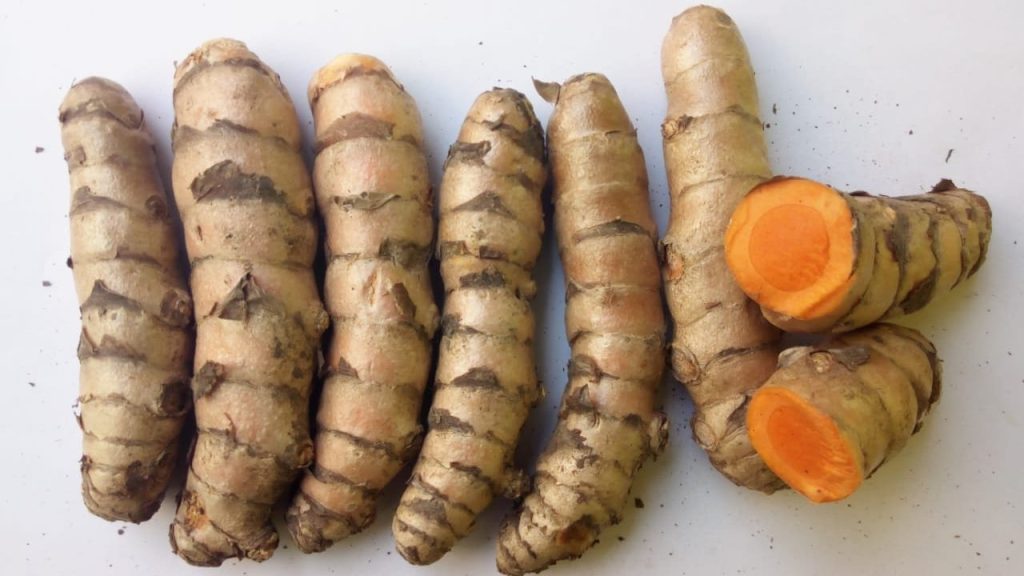
Curcuminoids (3-5% of turmeric):
Curcumin (diferuloylmethane):
- Primary curcuminoid: 70-80% of total curcuminoids
- Chemical formula: C₂₁H₂₀O₆
- Molecular weight: 368.38 g/mol
- Bright yellow color (used as natural dye)
- Highly lipophilic (fat-soluble)
Demethoxycurcumin (15-25%):
- Slight structural variation
- Similar activity to curcumin
Bisdemethoxycurcumin (3-10%):
- Two methoxy groups removed
- Also bioactive
Other Compounds:
- Turmerones: Ar-turmerone, α-turmerone, β-turmerone (essential oil components)
- Polysaccharides: ~3-5%
Mechanisms of Action
1. Anti-Inflammatory Activity
Multiple Pathways:
NF-κB Inhibition (Primary):
- NF-κB is a transcription factor that activates ~400 inflammatory genes
- Curcumin mechanism:
- Prevents IκB degradation (IκB inhibits NF-κB)
- Blocks NF-κB translocation to nucleus
- Result: Inflammatory genes remain “off”
- Downstream effects: Reduced TNF-α, IL-1β, IL-6, IL-8, COX-2, iNOS
COX-2 Inhibition:
- Direct enzyme inhibition
- Reduces prostaglandin synthesis
- Less potent than NSAIDs but broader action
LOX Inhibition:
- Inhibits 5-lipoxygenase
- Reduces leukotriene production
PPARγ Activation:
- Peroxisome proliferator-activated receptor gamma
- Anti-inflammatory transcription factor
- Curcumin acts as agonist
Clinical Significance:
This multi-target approach may explain why curcumin shows consistent but modest anti-inflammatory effects across many conditions without the side effects of selective enzyme inhibitors.
2. Antioxidant Activity
Direct Scavenging:
- Curcumin’s phenolic groups donate hydrogen atoms
- Neutralises free radicals (ROS, RNS)
- Structure-activity: The β-diketone moiety is critical for activity
Indirect (More Important):
- Nrf2 Activation: Curcumin activates Nuclear factor erythroid 2-related factor 2
- Nrf2 is master regulator of antioxidant response
- Result: Upregulates endogenous antioxidant enzymes:
- Superoxide dismutase (SOD)
- Catalase
- Glutathione peroxidase
- Glutathione reductase
- Heme oxygenase-1
Why This Matters:
Indirect antioxidant activity (boosting your own enzymes) is more sustainable than direct scavenging. One curcumin molecule activates pathways that produce thousands of antioxidant enzyme molecules.
3. Anti-Arthritic Effects
Cartilage Protection:
- Inhibits matrix metalloproteinases (MMPs)
- MMPs degrade cartilage matrix
- Result: Slows cartilage breakdown
Synovial Inflammation:
- Reduces inflammatory cytokines in joint space
- Decreases synovial hyperplasia
Clinical Evidence:
- Multiple RCTs in knee osteoarthritis
- Pain reduction: 20-50% (variable between studies)
- Functional improvement: Modest but consistent
- Comparison: Effects comparable to NSAIDs in some studies, with better safety profile
The Bioavailability Challenge
The Problem:
Curcumin has notoriously poor bioavailability:
- Poor absorption: Lipophilic, low water solubility
- Rapid metabolism: Extensive first-pass metabolism in liver and intestine
- Rapid elimination: Half-life ~2 hours
- Result: Very low serum levels after oral consumption
Serum Levels:
After 1g oral curcumin (as powder), serum levels typically <50 ng/mL (often undetectable).
Bioavailability Enhancement Strategies
1. Piperine (Black Pepper)
Mechanism:
- Piperine (compound in black pepper) inhibits:
- Glucuronidation: Main metabolic pathway for curcumin
- P-glycoprotein: Efflux pump that pushes curcumin out of cells
- Result: 2000% increase in curcumin bioavailability
Dosing:
- 20 mg piperine with 2g curcumin (standard in research)
- Practical: 1/4 teaspoon black pepper per 1 teaspoon turmeric
- Generous grinding of black pepper on turmeric-containing foods
NZ Application:
Traditional curry formulations naturally include both turmeric and black pepper, optimising absorption.
2. Fat Co-Consumption
Mechanism:
- Curcumin is lipophilic
- Dissolves in dietary fats
- Incorporation into mixed micelles in small intestine
- Absorbed via lymphatic system (bypasses first-pass liver metabolism partially)
Practical:
- Golden milk with full-fat milk or coconut milk
- Turmeric in curries with coconut cream/oil
- Turmeric with ghee
- Synergy: Fat + piperine = maximum absorption
3. Heat Processing
Mechanism:
- Heat increases solubility
- May enhance extraction from food matrix
- Creates more bioavailable forms
Practical:
- Cooking with turmeric (traditional)
- Golden paste: Turmeric + water + oil, heated, cooled, stored
4. Nanoparticle & Liposomal Formulations
Commercial Products:
These use pharmaceutical technology to enhance absorption:
- Curcumin nanoparticles
- Liposomal curcumin
- Curcumin-phospholipid complexes (Meriva®)
Bioavailability increase: 20-45x compared to standard curcumin
NZ Availability: Health food stores (Commonsense Organics, pharmacies), online from iHerb, HealthPost, Go Native NZ ($25-50 per month supply). Look for products with BioPerine® (piperine) or enhanced formulations.
Consideration: More expensive than food-based turmeric, but dramatically better absorption for therapeutic applications.
Evidence-Based Dosing
For Anti-Inflammatory Support:
Food-Based (with optimisation):
- 2-3 teaspoons turmeric powder daily
- ALWAYS with:
- Black pepper (liberal amount)
- Fat source (coconut oil, ghee, full-fat milk)
- Heat if possible
- Divided into 2-3 doses
- Consistency essential: Benefits accumulate over weeks
Supplement (if using enhanced formulations):
- 500-1000 mg curcumin with piperine, 1-2 times daily
- Follow product directions
For Osteoarthritis (Research Doses):
- 500 mg curcumin extract with piperine, 2-3 times daily
- Minimum 4-6 weeks to assess efficacy
- Comparable to 200-400mg ibuprofen in some studies
Golden Paste Formula (Concentrated):
- 1/2 cup turmeric powder
- 1 cup water
- 1.5 teaspoons black pepper
- 1/4 cup coconut oil
Method:
- Mix turmeric + water in saucepan
- Heat gently, stir constantly, 7-10 minutes (forms paste)
- Add pepper, stir
- Add oil, stir until incorporated
- Cool and store in glass jar (fridge, 2 weeks)
Storage: Refrigerate in sealed jar. Signs it’s gone bad: mold, off smell, color darkening significantly, oil separation that won’t re-incorporate. When in doubt, discard.
Use: 1/4 to 1 teaspoon daily in warm milk, smoothies, or food
Cinnamon: Polyphenol & Cinnamaldehyde Action
Phytochemical Profile
Two Main Species:
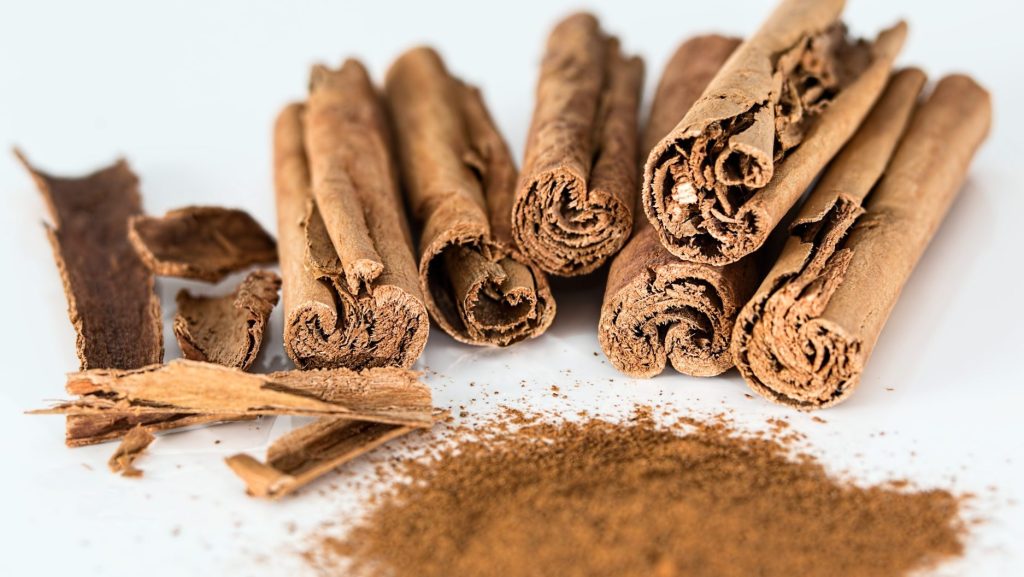
Ceylon Cinnamon (Cinnamomum verum):
- “True cinnamon”
- Lower coumarin content (<0.01%)
- More delicate, sweet flavor
- Preferred for medicinal use
- More expensive
Cassia Cinnamon (C. cassia, C. aromaticum):
- “Chinese cinnamon”
- Higher coumarin content (up to 1%)
- Stronger, spicier flavor
- Common in supermarkets (cheaper)
- Caution for long-term medicinal doses (coumarin concerns)
Active Compounds:
Cinnamaldehyde:
- Primary aromatic compound: 65-80% of essential oil
- Chemical formula: C₉H₈O
- Responsible for characteristic flavor and aroma
- Antimicrobial, anti-inflammatory
Polyphenolic Polymers:
- Type-A polymers (procyanidins)
- These are responsible for insulin-mimetic effects
- More abundant in C. verum
Other Compounds:
- Eugenol
- Cinnamyl acetate
- Cinnamic acid
- Essential oils: 1-4% of bark weight
Mechanisms of Action
1. Blood Glucose Regulation
Multiple Mechanisms:
Insulin Receptor Activation:
- Polyphenolic polymers phosphorylate insulin receptor
- Mimics insulin action without requiring insulin binding
- Increases glucose uptake into cells
- In vitro: 20-fold increase in glucose metabolism
Glucose Transporter Expression:
- Upregulates GLUT4 (glucose transporter)
- More transporters = more efficient glucose uptake
Glycogen Synthase Activation:
- Activates enzyme that stores glucose as glycogen
- Reduces circulating glucose
Delayed Gastric Emptying:
- Slows stomach emptying rate
- Results in slower glucose absorption
- Blunts post-meal blood sugar spikes
α-Glucosidase Inhibition:
- Inhibits intestinal enzyme that breaks down complex carbohydrates
- Slows conversion of starch to glucose
- Comparable to acarbose (pharmaceutical α-glucosidase inhibitor)
Clinical Evidence:
- Meta-analyses show fasting glucose reduction: 10-30 mg/dL
- HbA1c reduction: 0.5-1% (significant for diabetes management)
- More pronounced in type 2 diabetes vs. healthy individuals
- Effective dose: 1-6g daily (1/2 to 3 teaspoons)
- Consistency required: Effects build over 4-12 weeks
2. Antimicrobial Activity
Mechanism:
- Cinnamaldehyde: Disrupts bacterial and fungal cell membranes
- Inhibits biofilm formation
- Spectrum: Broad (bacteria, fungi, some viruses)
Applications:
- Food preservation: Traditional use in spice blends
- Oral health: Inhibits Streptococcus mutans (cavity-causing bacteria)
- Candida: Effective against Candida albicans
Bioavailability & Safety
Absorption:
- Cinnamaldehyde readily absorbed
- Polyphenols have variable absorption
- Metabolised extensively in liver
Coumarin Concern:
What is Coumarin:
- Natural compound in cinnamon (especially Cassia)
- Can be hepatotoxic in high doses
- Tolerable Daily Intake (TDI): 0.1 mg/kg body weight
Risk Assessment:
- Cassia cinnamon: Up to 1% coumarin (10 mg/g)
- 70kg person TDI: 7 mg coumarin
- Threshold: ~0.7g Cassia cinnamon daily
For medicinal doses (1-3 teaspoons = 2-6g):
- Use Ceylon cinnamon (contains <0.1 mg/g coumarin)
- Or limit Cassia to <1 teaspoon daily long-term
NZ Context:
- Most supermarket cinnamon is Cassia (unlabelled)
- Ceylon available at health food stores (Commonsense Organics, specialty grocers, online from Go Native NZ, Lotus Oils NZ)
- Cost: Cassia $2-4 per jar (Countdown, Pak’nSave), Ceylon $6-12 per jar
Evidence-Based Application
For Blood Sugar Support (Type 2 Diabetes):
- 1-2 teaspoons (2-4g) Ceylon cinnamon daily
- Add to breakfast (oatmeal, smoothie, yogurt)
- Consistency for 8-12 weeks
- Monitor blood sugar if on medications (additive effect possible)
For General Health:
- Use liberally in cooking
- No concerns at culinary doses
Honey: Osmotic & Enzymatic Medicine

⚠️ CRITICAL SAFETY WARNING: Never give honey to infants under 12 months due to botulism risk. This is a serious and potentially fatal condition.
Composition & Chemistry
Primary Components:
Sugars (75-80%):
- Fructose: 35-45%
- Glucose: 30-35%
- Sucrose, maltose, other oligosaccharides: Remainder
Water (15-20%):
- Low water activity creates osmotic effect
Enzymes (from bees):
- Glucose oxidase: Produces hydrogen peroxide
- Diastase: Breaks down starch
- Invertase: Converts sucrose to glucose + fructose
Other Compounds:
- Organic acids: Gluconic acid (primary), acetic, citric, formic
- pH: 3.5-4.5 (acidic)
- Phenolic compounds: Variable by floral source (antioxidants)
- Amino acids: Proline (predominant), others
- Vitamins & minerals: Trace amounts
Mechanisms of Action
1. Antimicrobial Effects
Multiple Mechanisms:
Osmotic Effect (Primary for most honeys):
- High sugar concentration (75-80%)
- Water activity (aw): 0.5-0.6
- Bacteria require aw >0.9 to grow
- Honey draws water out of bacterial cells (osmosis)
- Result: Desiccation and death
Hydrogen Peroxide Production:
- Glucose oxidase (in honey) + glucose + oxygen → gluconic acid + H₂O₂
- H₂O₂: Antiseptic
- Activated when honey is diluted (dilution with wound fluid)
- Variability: Some honeys have more glucose oxidase activity
Low pH:
- pH 3.5-4.5 (acidic)
- Most bacteria prefer neutral pH
- Inhibits growth
Phytochemicals:
- Flavonoids, polyphenols from nectar
- Add antimicrobial activity
- Variable by floral source
Mānuka Honey Specific: Methylglyoxal (MGO)
- Leptospermum scoparium (mānuka) nectar contains dihydroxyacetone
- Converts to methylglyoxal (MGO) during storage
- MGO: Non-peroxide antimicrobial
- Very stable, not dependent on dilution
- Activity: UMF (Unique Mānuka Factor) or MGO rating
- UMF 10+ = 100+ mg/kg MGO (minimum therapeutic)
- UMF 15+ = 250+ mg/kg MGO (wound care)
- UMF 20+ = 550+ mg/kg MGO (high potency)
2. Wound Healing Properties
Mechanisms:
Creates Moist Environment:
- Optimal for tissue regeneration
- Prevents dressing from adhering
- Reduces scarring
Antimicrobial (as above):
- Prevents/treats infection in wound
Stimulates Tissue Growth:
- Promotes angiogenesis (new blood vessel formation)
- Stimulates fibroblast growth (collagen production)
- Mechanism unclear: May involve phenolic compounds, pH, or other factors
Anti-Inflammatory:
- Reduces inflammatory cytokines (TNF-α, IL-1)
- Decreases wound exudate
- Result: Faster healing, less pain
Debridement:
- Enzymatic activity helps remove necrotic tissue
- Honey creates environment unfavorable for necrotic tissue persistence
Clinical Evidence:
- Multiple systematic reviews show honey accelerates healing in:
- Partial thickness burns
- Diabetic foot ulcers
- Surgical wounds
- Pressure ulcers
- Often comparable or superior to conventional dressings
- Medical-grade honey products (e.g., Medihoney) used in hospitals
3. Cough Suppressant
Mechanisms:
Demulcent Effect:
- Thick, viscous consistency
- Coats pharyngeal mucosa
- Reduces irritation of nerve endings
- Decreases cough reflex activation
Antioxidant Activity:
- Phenolic compounds reduce inflammation in throat
- Soothes irritated tissues
Antimicrobial:
- May help if cough is infection-related
Clinical Evidence:
- Cochrane Review (2018): Honey more effective than placebo for cough frequency and severity
- Comparison: Comparable to dextromethorphan (common OTC cough suppressant)
- Dosing: Single 2.5-10 mL dose before bed
- Age restriction: NOT for infants <12 months (botulism risk)
Evidence-Based Applications
For Cough:
- Adults/children >1 year: 1-2 teaspoons as needed (maximum 4 times daily)
- Take straight or in warm water/tea
- Before bed most important dose
For Wound Care:
- Minor wounds only: Cuts, scrapes, small burns
- Clean wound first
- Apply thin layer
- Cover with bandage
- Change daily
- For serious wounds: Seek medical care, consider medical-grade honey under professional guidance
For Sore Throat:
- 1 teaspoon in warm water with lemon
- Sip slowly
Safety Considerations
Infant Botulism:
- NEVER give honey to infants <12 months
- Honey can contain Clostridium botulinum spores
- Infant gut cannot clear them (adult gut can)
- Risk of potentially fatal botulism
Diabetes:
- Honey is still sugar
- Raises blood glucose
- Use moderately if diabetic, count as carbohydrates
Allergies:
- Rare, but some people allergic to bee products or specific pollens in honey
- Test: Small amount first time
Bioavailability Optimisation
Understanding Absorption
Factors Affecting Herbal Bioavailability:
- Solubility: Water-soluble vs. fat-soluble compounds
- Molecular size: Larger molecules absorbed less readily
- First-pass metabolism: Liver metabolises before reaching systemic circulation
- Gut microbiome: Bacteria can modify compounds (enhance or degrade)
- Food matrix: Other foods affect absorption
- Timing: With meals, between meals, time of day
Specific Optimisation Strategies
For Curcumin (Turmeric):
Critical Triad:
- Black pepper (piperine inhibits metabolism)
- Fats (increase solubility and micelle formation)
- Heat (increases extraction and solubility)
Optimal Recipe:
Golden milk with full-fat milk or coconut milk, generous black pepper, warmed.
Alternative:
Curry with turmeric, black pepper, and coconut cream.
For Gingerols/Shogaols (Ginger):
Enhance Absorption:
- Consume with fats (add coconut oil to ginger tea)
- Fresh ginger for gingerols
- Dried/cooked for shogaols (more potent)
Consistency:
- Anti-inflammatory effects are cumulative
- Daily use over weeks more effective than occasional large doses
For Allicin (Garlic):
Maximise Formation:
- Crush or chop
- Wait 10 minutes (allows alliin → allicin conversion)
- Consume raw OR add to cooking at very end
Protect from Acid:
- Consume with food (buffers stomach acid)
- Don’t take on empty stomach
Synergistic Food Combinations
Traditional Combinations Have Science:
Curry (Indian):
- Turmeric + black pepper + fats (coconut/ghee) = optimised curcumin absorption
- Multiple spices (coriander, cumin, fenugreek) provide complementary antioxidants
Fire Cider:
- Garlic + ginger + horseradish + onion = multiple antimicrobial compounds, different mechanisms
- Vinegar extracts different compounds than water
- Honey preserves and adds antimicrobial activity
Golden Milk:
- Turmeric + black pepper + fats + honey = absorption enhancement + palatability
- Cinnamon addition = blood sugar moderation
Synergistic Formulations
Advanced Therapeutic Blends
Formula 1: “Daily Wellness Tonic”
Purpose: General immune support, anti-inflammatory, antioxidant
Ingredients:
- 1 teaspoon turmeric powder
- 1/4 teaspoon black pepper
- 1 teaspoon raw honey
- 1/2 teaspoon cinnamon
- 1/4 teaspoon ginger powder
- 1 cup full-fat milk or coconut milk
- Optional: 1/4 teaspoon vanilla
Method:
- Warm milk gently (don’t boil)
- Add all ingredients
- Whisk until dissolved
- Drink daily
Why This Works:
- Turmeric + black pepper = enhanced curcumin
- Fats in milk = better absorption
- Cinnamon = blood sugar support, antioxidant
- Ginger = anti-inflammatory, digestive support
- Honey = antimicrobial, antioxidant, palatability
Cost (NZ): ~$0.50-0.75 per serving. All ingredients available at Countdown, New World, or Pak’nSave. Organic options at Commonsense Organics, Bin Inn.
Formula 2: “Immune Boost Oxymel”
Purpose: Acute immune support for colds/flu
Ingredients:
- 1/2 cup fresh ginger, grated
- 1/2 cup garlic cloves, crushed
- 1/4 cup fresh turmeric, grated (or 1/4 cup powder)
- 1/4 cup onion, chopped
- 2 tablespoons fresh horseradish, grated (if available)
- 1 lemon, sliced
- 1/4 teaspoon cayenne
- Apple cider vinegar (to cover)
- Raw honey (equal amount to final strained liquid)
Method:
- Crush garlic, let sit 10 minutes
- Combine all ingredients except honey in jar
- Cover completely with ACV
- Cap, shake daily
- Let sit 2-4 weeks
- Strain through cheesecloth
- Measure liquid, add equal amount honey
- Mix well, bottle
Dosage: 1 tablespoon 3-4 times daily at first sign of cold
Why This Works:
- Multiple antimicrobials (garlic, ginger, onion, horseradish)
- Different mechanisms (allicin, gingerols, isothiocyanates)
- Vinegar extracts different compounds than water
- Honey adds antimicrobial + soothes
- Cayenne = circulation, local immune stimulation
Shelf Life: 6-12 months refrigerated. Signs it’s gone bad: visible mold, severe fizzing/fermentation beyond initial activity, dramatically off smell. Vinegar is preservative, but always check before use.
Cost (NZ): $8-12 for batch (lasts 3-6 months). Available from Countdown, New World (fresh ingredients) and health food stores like Commonsense Organics (ACV with mother).
Formula 3: “Anti-Inflammatory Paste”
Purpose: Chronic inflammation, arthritis, pain
Ingredients:
- 1/2 cup turmeric powder
- 1 cup water
- 2 teaspoons black pepper
- 1/4 cup coconut oil or ghee
- Optional: 1 teaspoon cinnamon
Method:
- Mix turmeric + water in saucepan
- Heat gently, stir constantly until thick paste forms (7-10 min)
- Add pepper and cinnamon, stir
- Add oil, stir until incorporated
- Cool, store in glass jar (fridge, 2 weeks)
Storage: Refrigerate in sealed jar. Signs it’s gone bad: mold, rancid smell from oil, significant color change. Discard if uncertain.
Dosage: 1/4 to 1/2 teaspoon 1-2 times daily
Use:
- Add to smoothies
- Mix into warm milk
- Stir into yogurt
- Add to cooking
Why This Works:
- Turmeric + pepper = maximum curcumin absorption
- Heat-activated paste more bioavailable
- Fat carrier essential for absorption
- Concentrated, convenient
Cost (NZ): $3-5 per batch (2 weeks supply at 1/2 tsp daily). Turmeric and black pepper available at all supermarkets; coconut oil at Countdown, Pak’nSave ($6-10 per jar).
Formula 4: “Digestive Bitters Blend”
Purpose: Improve digestion, stimulate digestive enzymes
Ingredients:
- 2 tablespoons dried ginger root
- 1 tablespoon fennel seeds
- 1 tablespoon coriander seeds
- 1 cinnamon stick, broken
- Zest of 1 orange
- Apple cider vinegar (to cover)
Method:
- Combine all ingredients in jar
- Cover with ACV
- Steep 2-4 weeks, shaking daily
- Strain
Dosage: 1 teaspoon in small amount of water, 15 minutes before meals
Why This Works:
- Bitter compounds stimulate taste receptors
- Triggers digestive secretion cascade (saliva, stomach acid, bile, enzymes)
- Fennel, ginger = carminative (reduce gas)
- Cinnamon = blood sugar moderation post-meal
Advanced Applications
Targeted Formulations by Condition
For Osteoarthritis Support:
Daily Protocol:
- Morning: Turmeric-ginger paste (1/2 tsp) in warm milk with black pepper
- Midday: Cinnamon (1 tsp) on lunch
- Evening: Turmeric-ginger paste again
Rationale:
- Curcumin + gingerols/shogaols = complementary anti-inflammatory mechanisms (COX, LOX, NF-κB)
- Consistent dosing maintains tissue levels
- 4-6 weeks to see maximal benefit
Expected Outcome: 20-40% pain reduction based on clinical studies
For Type 2 Diabetes Support:
Daily Protocol:
- With breakfast: 1-2 tsp Ceylon cinnamon on oatmeal
- Mid-morning: Apple cider vinegar (1 tsp) in water
- With lunch/dinner: Garlic and turmeric in cooking
Rationale:
- Cinnamon = insulin sensitisation, delayed gastric emptying
- ACV = slowed glucose absorption
- Turmeric = anti-inflammatory (diabetes is inflammatory condition)
- Garlic = cardiovascular protection (diabetes increases CVD (cardiovascular disease) risk)
Monitor: Blood glucose, work with healthcare provider
For Acute Cold/Flu Support:
Intensive Protocol:
- Immediate: Fire cider (1 tbsp) or garlic honey (2 cloves worth)
- Every 3-4 hours: Ginger-honey-lemon tea (strong)
- Meals: Spicy food with garlic, ginger, cayenne
- Before bed: Honey (1 tbsp) for cough
Duration: Until symptoms resolve
Rationale:
- Multiple antimicrobials at high doses
- Immune stimulation (garlic, ginger)
- Symptom relief (honey for cough, ginger for body aches)
Cultural Respect & Rongoā Māori
While this guide focuses on Western phytopharmacology of common culinary ingredients, it’s important to acknowledge and respect the traditional knowledge systems of Aotearoa New Zealand.
Rongoā Māori: A Complete Healing System
Rongoā Māori is a comprehensive traditional Māori healing system with its own protocols, cultural context, spiritual dimensions, and qualified practitioners. It encompasses:
- Traditional plant medicines (including native plants like kawakawa, manuka, horopito, koromiko)
- Spiritual healing practices (karakia, mirimiri)
- Cultural protocols and tikanga
- Holistic understanding of wellness (hauora)
Appropriate Boundaries
If you’re interested in traditional Māori approaches to plant medicine:
- Seek guidance from qualified rongoā practitioners
- Do not assume Western herbalism approaches apply to rongoā Māori
- Understand cultural context before using native plants
- Learn from Māori knowledge holders, not appropriated sources
When using NZ native plants:
- Recognise that native plants like kawakawa, manuka, and horopito are taonga (treasures) to Māori
- Harvest only with appropriate permissions and cultural understanding
- Use sustainably and with respect
- Consider whether your use is culturally appropriate
- Support Māori-owned businesses when purchasing native plant products
This Guide’s Scope
This guide presents Western herbalism perspectives on common culinary ingredients that are widely available and not culturally restricted. It is not a substitute for traditional indigenous knowledge systems, which have their own validity, protocols, and practitioners.
For rongoā Māori, consult with qualified rongoā practitioners who can provide culturally appropriate guidance within the proper context of tikanga Māori.
Clinical Evidence & Research
Summary of Research Quality
High-Quality Evidence (Multiple RCT’s (randomised clinical trial), Meta-Analyses):
Ginger for Nausea:
- Pregnancy-related nausea
- Post-operative nausea
- Conclusion: Effective, safe at appropriate doses
Honey for Cough:
- Children’s nocturnal cough
- Conclusion: Comparable to OTC cough suppressants
Turmeric for Osteoarthritis:
- Knee osteoarthritis pain
- Conclusion: Modest but significant benefit
Garlic for Cardiovascular:
- Blood pressure reduction
- Cholesterol reduction
- Conclusion: Modest effects, require consistent use
Moderate Evidence (Some RCTs, Observational Studies):
Cinnamon for Blood Glucose:
- Type 2 diabetes
- Conclusion: Likely beneficial, dose-dependent
Ginger for Inflammation:
- Exercise-induced muscle damage
- Dysmenorrhea
- Conclusion: Promising, needs more research
Traditional Use (Limited Modern Research):
Oats for Nervous System:
- Stress, anxiety
- Status: Strong traditional use, limited clinical trials
Apple Cider Vinegar for Digestion:
- Digestive support
- Status: Mechanistically sound, limited clinical evidence
Interpreting Research
Why Food-Based Interventions Show “Modest” Effects:
- Lower doses: Compared to pharmaceutical concentrations
- Multiple mechanisms: Harder to measure single outcomes
- Individual variation: Genetics, microbiome affect response
- Funding: Less research funding than pharmaceutical trials
“Modest” ≠ “Ineffective”:
- 20-30% symptom reduction is meaningful
- Cumulative effects over time
- Better safety profile than many pharmaceuticals
- Preventive effects hard to measure
Practical Integration: A 30-Day Plan
Week 1: Foundation
- Add warm lemon water each morning
- Use garlic liberally in cooking (crushed, 10 min wait)
- Drink ginger tea as desired
Week 2: Golden Milk
- Add nightly golden milk (turmeric + black pepper + fat + honey)
- Continue Week 1 practices
Week 3: Cinnamon
- Add 1-2 tsp Ceylon cinnamon to breakfast daily
- Make fire cider or oxymel for future use
- Continue previous practices
Week 4: Refinement
- Make turmeric-ginger paste for convenience
- Identify what works best for you
- Adjust based on needs and preferences
Ongoing:
- Maintain practices that fit your lifestyle
- Use therapeutically when illness arises
- Adjust seasonally
Conclusion
Kitchen herbalism represents the convergence of nutrition, pharmacology, and traditional wisdom. The compounds in common culinary ingredients—allicin, gingerols, curcumin, cinnamaldehyde, hydrogen peroxide—have demonstrable biological activity in human systems.
By understanding the phytochemistry, mechanisms of action, and bioavailability optimisation strategies, you can use these everyday foods therapeutically. The key is:
- Consistency: Daily use for prevention, intensive use for acute issues
- Optimisation: Preparation methods matter (crushing garlic, pairing turmeric with pepper and fat)
- Synergy: Combinations amplify effects
- Realistic expectations: Modest effects add up, prevention is powerful
- Integration: Make it part of daily life, not an added burden
The most powerful medicine is the kind you’ll actually use consistently. Kitchen herbalism removes barriers—it’s accessible, affordable, safe, and effective. Your kitchen truly is your first pharmacy.
Sources & References
- Bayan, L., Koulivand, P. H., & Gorji, A. (2014). Garlic: a review of potential therapeutic effects. Avicenna Journal of Phytomedicine, 4(1), 1-14.
- Marx, W., et al. (2015). The effect of ginger (Zingiber officinale) on platelet aggregation: A systematic literature review. PLOS ONE, 10(10), e0141119.
- Daily, J. W., Yang, M., & Park, S. (2016). Efficacy of turmeric extracts and curcumin for alleviating the symptoms of joint arthritis: A systematic review and meta-analysis. Journal of Medicinal Food, 19(8), 717-729.
- Hewlings, S. J., & Kalman, D. S. (2017). Curcumin: A review of its effects on human health. Foods, 6(10), 92.
- Singletary, K. (2019). Cinnamon: Update of potential health benefits. Nutrition Today, 54(1), 42-52.
- Oduwole, O., et al. (2018). Honey for acute cough in children. Cochrane Database of Systematic Reviews, (4).
- Carter, D. A., et al. (2016). Therapeutic manuka honey: No longer so alternative. Frontiers in Microbiology, 7, 569.
- Reynertson, K. A., et al. (2015). Anti-inflammatory activities of colloidal oatmeal contribute to the effectiveness of oats in treatment of itch. Journal of Drugs in Dermatology, 14(1), 43-48.
- Johnston, C. S., & Gaas, C. A. (2006). Vinegar: medicinal uses and antiglycemic effect. MedGenMed, 8(2), 61.
- Grieve, M. (1931). A Modern Herbal. Dover Publications.
- Hoffmann, D. (2003). Medical Herbalism: The Science and Practice of Herbal Medicine. Healing Arts Press.
- Green, J. (2007). The Herbal Medicine-Maker’s Handbook. Crossing Press.
- Gladstar, R. (2012). Rosemary Gladstar’s Medicinal Herbs: A Beginner’s Guide. Storey Publishing.
- Riley, M. (1994). Māori Healing and Herbal. Viking Sevenseas NZ.
- New Zealand Food Safety. (2024). Food Regulations and Safety Guidelines. Ministry for Primary Industries. https://www.mpi.govt.nz/food-business/food-safety/food-regulations/. Accessed December 2024.
- Prasad, S., & Aggarwal, B. B. (2011). Turmeric, the golden spice: From traditional medicine to modern medicine. In Herbal Medicine: Biomolecular and Clinical Aspects (2nd ed.). CRC Press.
- Shoba, G., et al. (1998). Influence of piperine on the pharmacokinetics of curcumin in animals and human volunteers. Planta Medica, 64(4), 353-356.
- Mashhadi, N. S., et al. (2013). Anti-oxidative and anti-inflammatory effects of ginger in health and physical activity: Review of current evidence. International Journal of Preventive Medicine, 4(Suppl 1), S36-S42.
- Bode, A. M., & Dong, Z. (2011). The amazing and mighty ginger. In Herbal Medicine: Biomolecular and Clinical Aspects (2nd ed.). CRC Press.
- Ried, K. (2016). Garlic lowers blood pressure in hypertensive individuals, regulates serum cholesterol, and stimulates immunity: An updated meta-analysis. Journal of Nutrition, 146(2), 389S-396S.
- Ankri, S., & Mirelman, D. (1999). Antimicrobial properties of allicin from garlic. Microbes and Infection, 1(2), 125-129.
- Allen, R. W., et al. (2013). Cinnamon use in type 2 diabetes: An updated systematic review and meta-analysis. Annals of Family Medicine, 11(5), 452-459.
- Qin, B., et al. (2010). Cinnamon extract prevents the insulin resistance induced by a high-fructose diet. Hormone and Metabolic Research, 36(2), 119-125.
- Mandal, M. D., & Mandal, S. (2011). Honey: Its medicinal property and antibacterial activity. Asian Pacific Journal of Tropical Biomedicine, 1(2), 154-160.
- Molan, P. C. (1992). The antibacterial activity of honey. Bee World, 73(1), 5-28.
- Jull, A. B., et al. (2015). Honey as a topical treatment for wounds. Cochrane Database of Systematic Reviews, (3).
- Goldman, R. D. (2014). Honey for treatment of cough in children. Canadian Family Physician, 60(12), 1107-1110.
- Butt, M. S., & Sultan, M. T. (2011). Ginger and its health claims: Molecular aspects. Critical Reviews in Food Science and Nutrition, 51(5), 383-393.
- Wilkinson, J. M. (2000). Effect of ginger tea on the fetal development of Sprague-Dawley rats. Reproductive Toxicology, 14(6), 507-512.
Disclaimer: This guide is for educational purposes only and is not medical advice. The information describes the pharmacological properties and traditional uses of culinary ingredients, not medical treatments for diagnosed conditions. Always consult with qualified healthcare providers before using herbal preparations medicinally, especially if you are pregnant, nursing, taking medications, or have diagnosed medical conditions. If symptoms persist, worsen, or are severe, seek professional medical care immediately. The phytochemical information presented represents current scientific understanding but is subject to revision as research evolves. Individual responses to plant compounds vary based on genetics, microbiome composition, health status, and other factors. Start with small amounts and observe your body’s response. Drug interactions described are based on known mechanisms and clinical reports—inform all healthcare providers about herbal use. When using plants with cultural significance to Māori (particularly native plants), approach with respect, seek appropriate permissions and cultural guidance, and consider whether your use is culturally appropriate. Children under 2 years should not receive herbal preparations without healthcare provider guidance. Never give honey to infants under 12 months (botulism risk). The author and publisher assume no liability for adverse reactions, injuries, or losses resulting from use of information in this guide. Readers are responsible for verifying current research and consulting appropriate professionals for medical advice.
Note on Pricing: All prices mentioned in this guide are approximate and based on New Zealand suppliers as of December 2025. Prices vary by supplier, season, and market conditions. We recommend checking current prices with your local suppliers.
 The Public Herbarium